


On Monday, March 16 of this year, a major step forward was made for Inca Trail Porters with the launch of a dedicated car on local train service 72, which leaves Machu Picchu at 8:53 a.m. for Ollantaytambo.
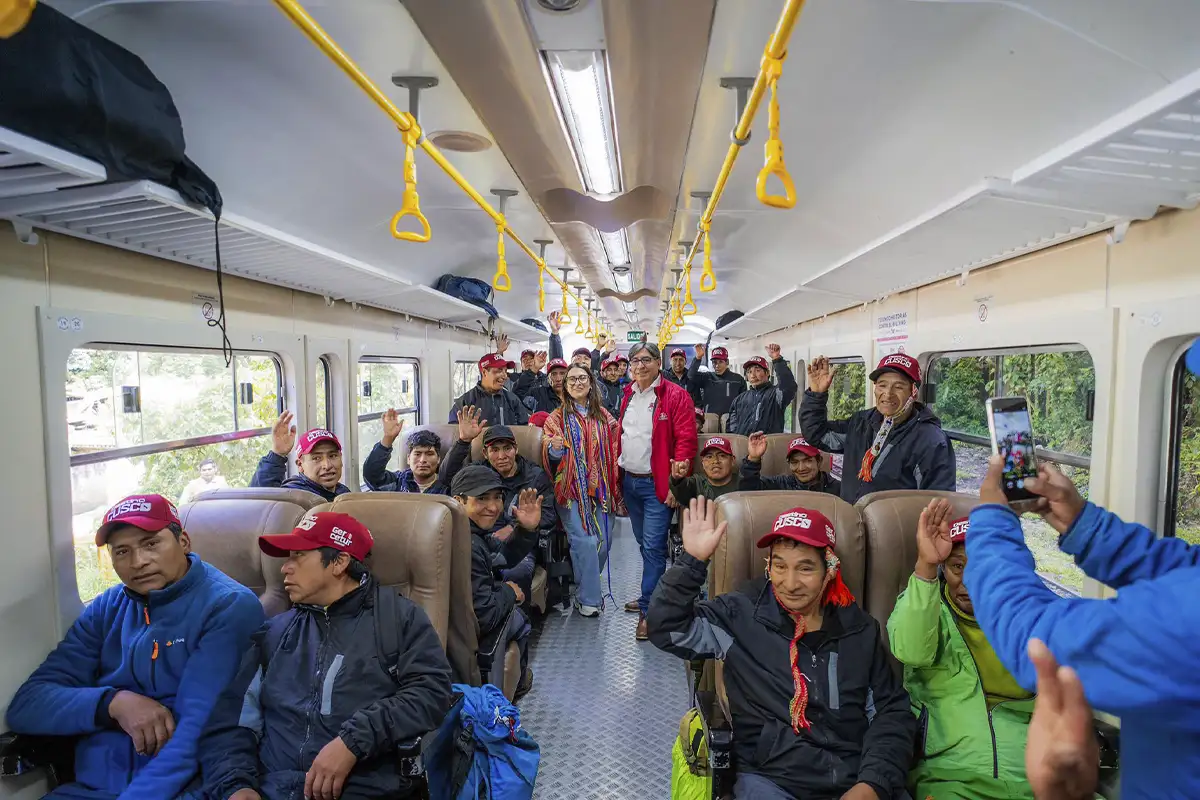
This carriage has room for 78 passengers and a baggage compartment for equipment and supplies, making travel much easier for the workers who play a key role in treks along the Inca Trail to Machu Picchu.
Before this change, many Inca Trail Porters had to go down before dawn to the train station at kilometer 107 to try to catch the 5:35 a.m. train from Machu Picchu Pueblo to Ollantaytambo, dealing with cold weather, poor visibility, and unnecessary risks. In many cases, they could not even board because the train was already full, and they were traveling with loads weighing more than 20 kilos.
This often forced them to walk to Machu Picchu Pueblo to wait for another departure, which meant even more exhaustion, delays, and poor travel conditions.
Under this new arrangement, they can now board the 8:53 Local Train, which stops at kilometer 107 and includes a car reserved only for them, along with a separate space for their work gear. This is a real improvement for Inca Trail Porters, giving them a safer, more organized, and more respectful journey that matches the hard work they do every day along the Inca Trail tours to Machu Picchu.
The launch of this service was attended by Rosendo Arístides Baca Palomino, Cusco’s regional manager of Foreign Trade, Tourism, and Handicrafts, together with representatives from PeruRail, SERNANP, and Cusco’s Decentralized Directorate of Culture, who were present at the start of this improved Machu Picchu Train service.
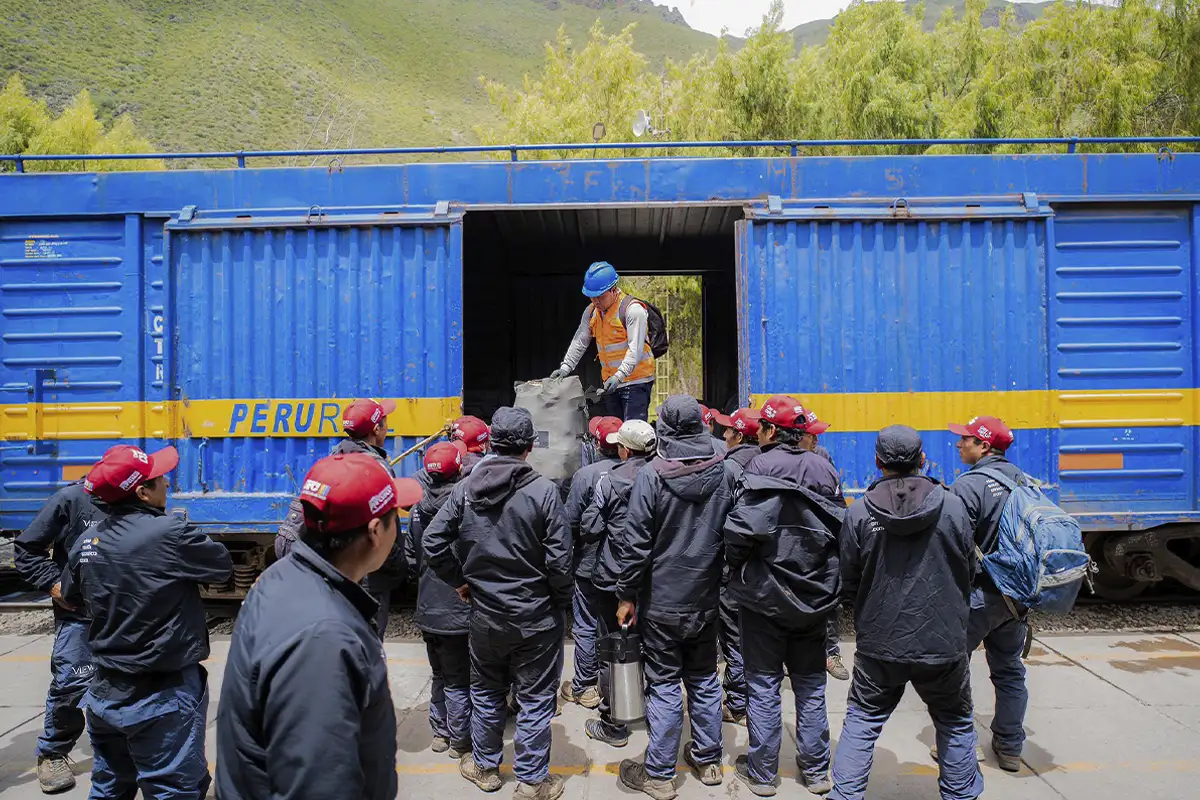
Inca Trail Porters Express Their Gratitude
The Federation of Porters of the Inca Trails of the Cusco Region, “Daniel Estrada Pérez” said this decision answers a long-standing request from the sector. For that reason, its members thanked Cusco Regional Governor Werner Salcedo Álvarez for leading the efforts that made this progress possible, benefiting workers who for more than 30 years have been an essential part of one of the world’s most iconic travel routes.