


T’aqrachullo: the Inca discovery drawing attention back to southern Cusco. A recent National Geographic publication highlights the scale of this archaeological site, also known as María Fortaleza, for its importance, Inca structures, and potential to open new cultural routes in the Cusco region.
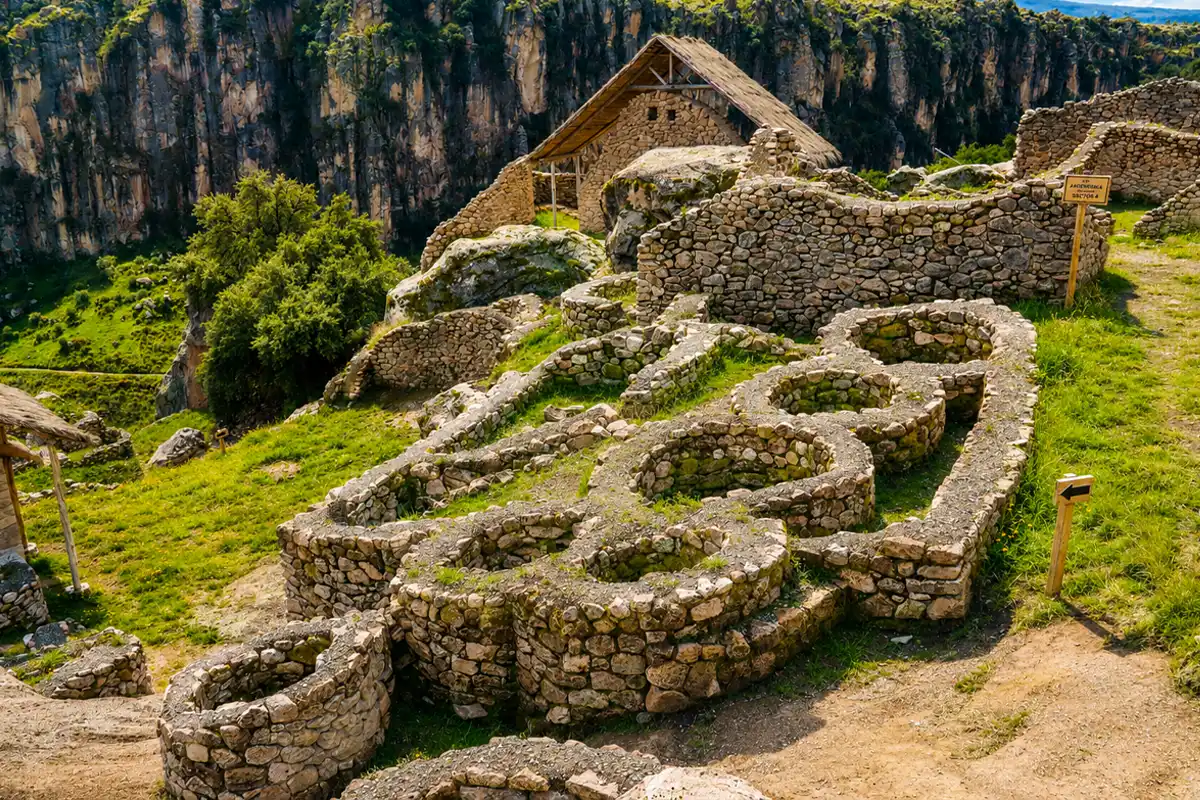
A recent National Geographic publication has highlighted the archaeological area of T’aqrachullo, also known as María Fortaleza and linked by some researchers to the ancient citadel of Ancocagua.
T’aqrachullo sits on a plateau in the Apurímac River canyon, in the province of Espinar, south of Cusco. Since 2019, it has been part of a research, restoration, and public enhancement process led by the Ministry of Culture.
Archaeological Facts About T’aqrachullo
According to the information released, T’aqrachullo covers an area of 17.4 hectares and brings together nearly 600 structures, including stone enclosures, tombs, ceremonial spaces, ancient residential areas, and sanctuaries. Because of its overall size and the complexity of its constructions, the site has been compared to Machu Picchu, although it still holds many open questions for archaeology.
One of the most striking discoveries was a collection of nearly 3,000 small gold, silver, and copper ornaments dating to the early 16th century. These pieces may have been part of ceremonial clothing worn by members of the Inca elite, suggesting that T’aqrachullo was not a secondary settlement, but a place of great political, economic, and religious value within the Andean world.
Read More | T’aqrachullo or María Fortaleza: History and Travel Guide
A New Horizon for Cultural Tourism in Southern Cusco
Beyond its archaeological importance, T’aqrachullo opens an opportunity to look with greater interest toward southern Cusco. This area, often seen only as a route to pass through, holds high-Andean landscapes, traditional villages, lesser-known archaeological sites, traces of rock art, and cultural expressions that can enrich the classic Cusco experience.
The South Valley of Cusco already offers very valuable stops for travelers:
- Tipón, known for its Inca hydraulic architecture.
- Pikillaqta, one of the great examples of Wari culture.
- The church of Andahuaylillas, famous for its colonial religious art.
Together, these places show that southern Cusco is not only a route waiting to be explored, but also a territory full of history, identity, and strong tourism potential.
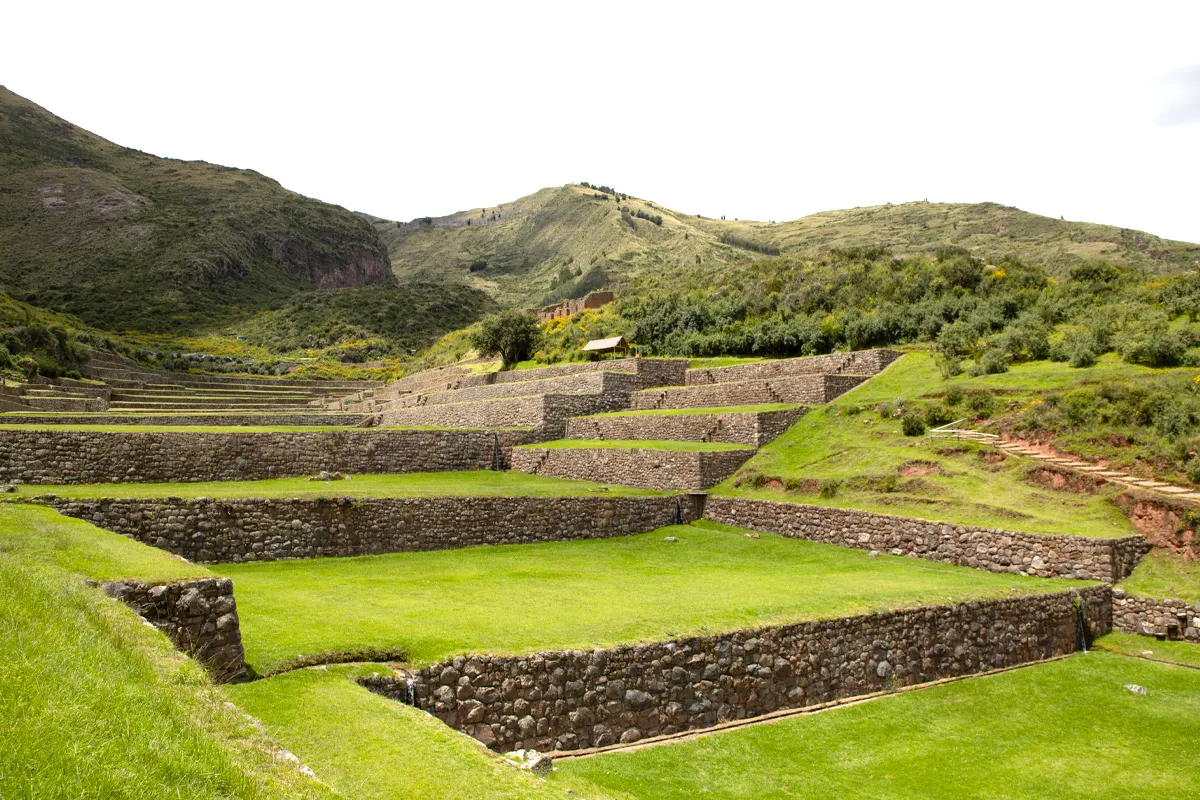
From Cusco to Espinar: Culture, History, and Landscapes
The journey from Cusco toward the high southern provinces reveals a region of contrasts. As the road continues, the landscape becomes more open, with colorful mountains, lagoons, canyons, communities, and villages where Andean culture remains alive through festivals, pathways, and forms of communal organization.
- In Acomayo, the Four Lagoons circuit and the archaeological site of Waqrapukara offer another view of southern Cusco: quieter, more remote, and deeply connected to the landscape.
- In Canas, the Q’eswachaka Bridge remains one of the most important symbols of Andean engineering and the collective work of local communities. Along this same route, natural attractions such as Pallay Punchu can also be included, a colorful mountain that has gained interest among travelers looking for different and panoramic landscapes.
Espinar, Suykutambo, and the New Southern Circuits
Espinar is emerging as a key point for the future of tourism in southern Cusco. This province is home to some of the region’s most unique settings, such as the Three Canyons of Suykutambo, the archaeological area of Mauk’allaqta, rock paintings, natural viewpoints, stone forests, Raimondi puyas, and now, with growing attention, the citadel of T’aqrachullo.
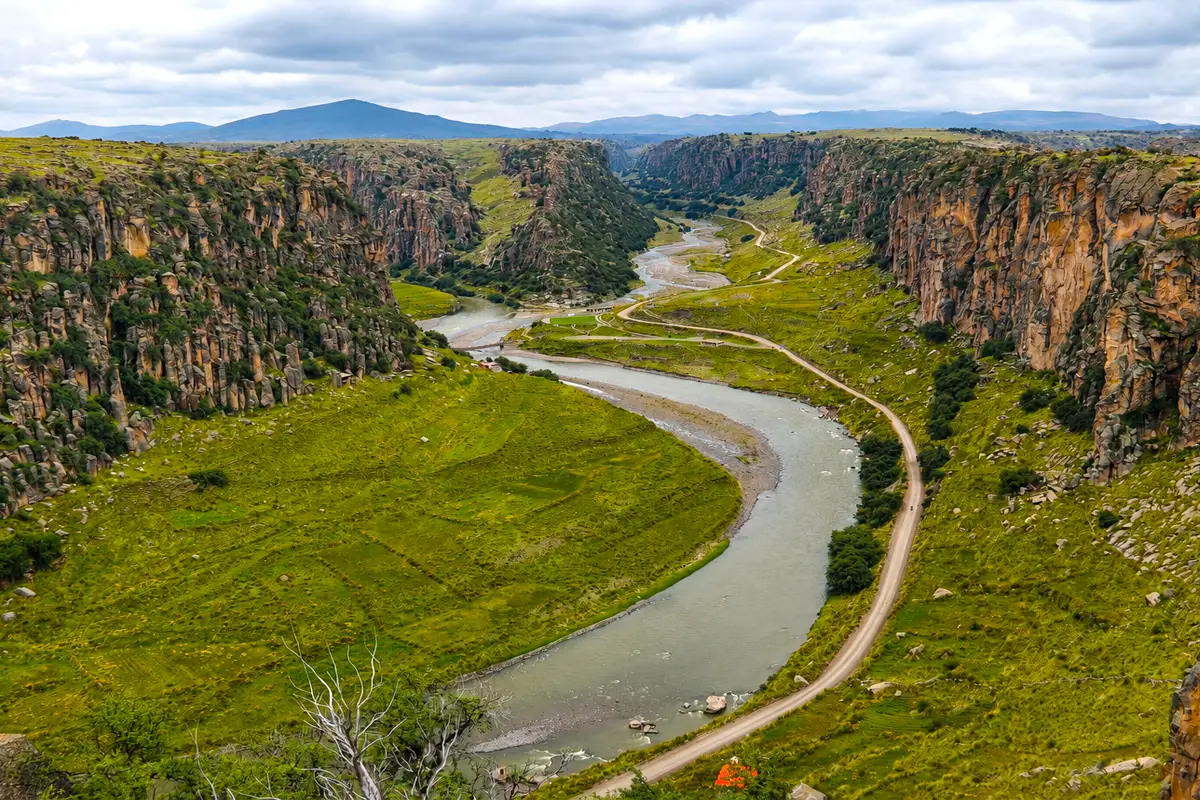
In addition, the Regional Government of Cusco has stated that the Yauri–Suykutambo road aims to strengthen the connection between Cusco and Arequipa, linking Espinar with the Colca Valley in the province of Caylloma. This tourist route full of culture, nature, and history would connect two of Peru’s most visited attractions: Machu Picchu and the Colca Canyon.
T’aqrachullo does more than add a new name to Peru’s archaeological map; it also reminds us that Cusco still preserves little-known places that can broaden the way we understand the Inca legacy.