


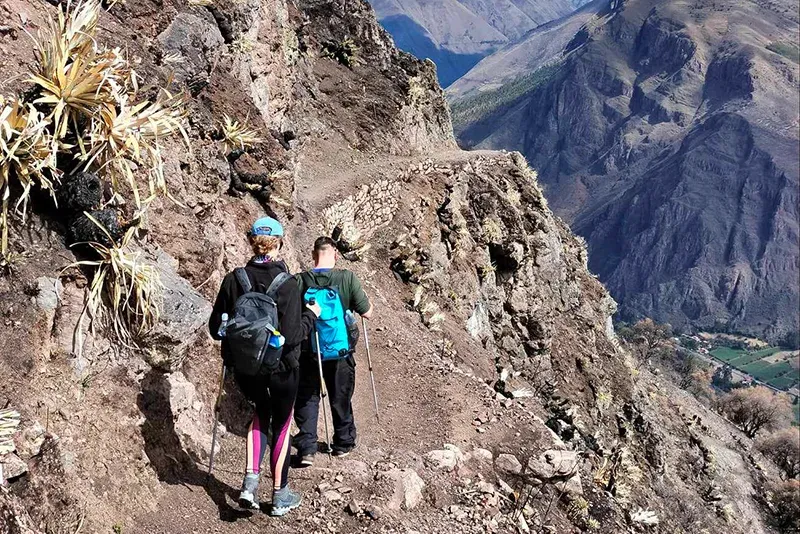
Top 7 Treks to Do in Peru
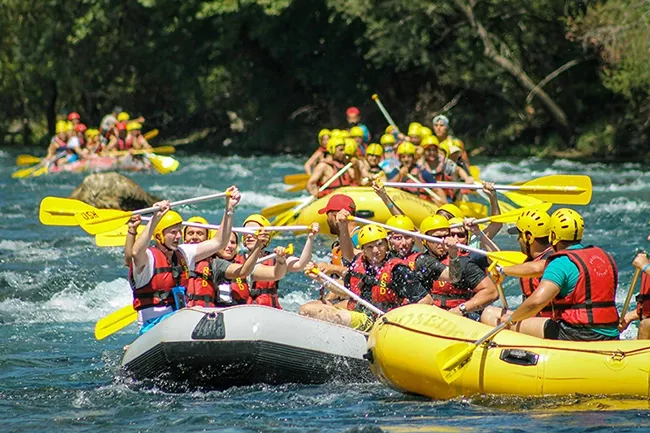
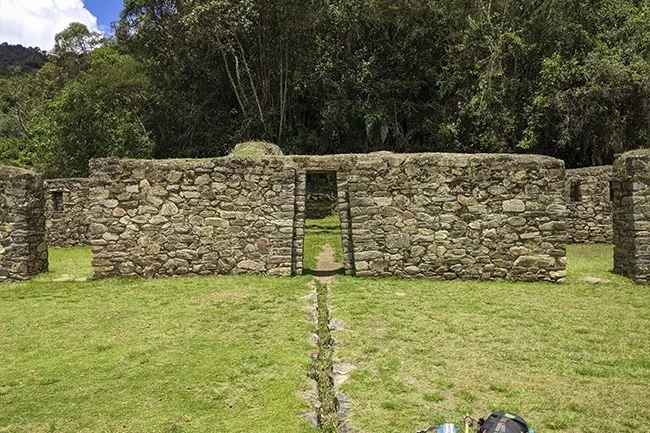
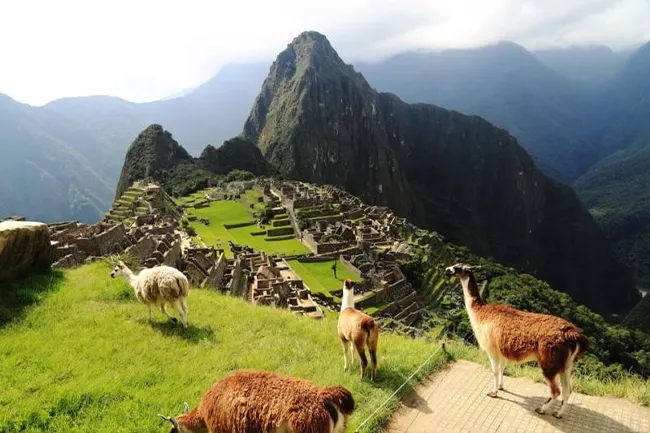
We know you love hiking and trekking. This is why we recommend you explore the best route for you in Peru. The hiking experiences you can find here are unique journeys that will…
Read article
Every trek has its own character, and every traveler comes for a different reason. Maybe you’re looking for a real challenge, Andean culture, Inca history or a quieter trail. Start with what matters most to you:
Still not sure? Tell us your dates and what you’re hoping for, and a local trek expert will reply on WhatsApp.
➡️ Jump to a route:
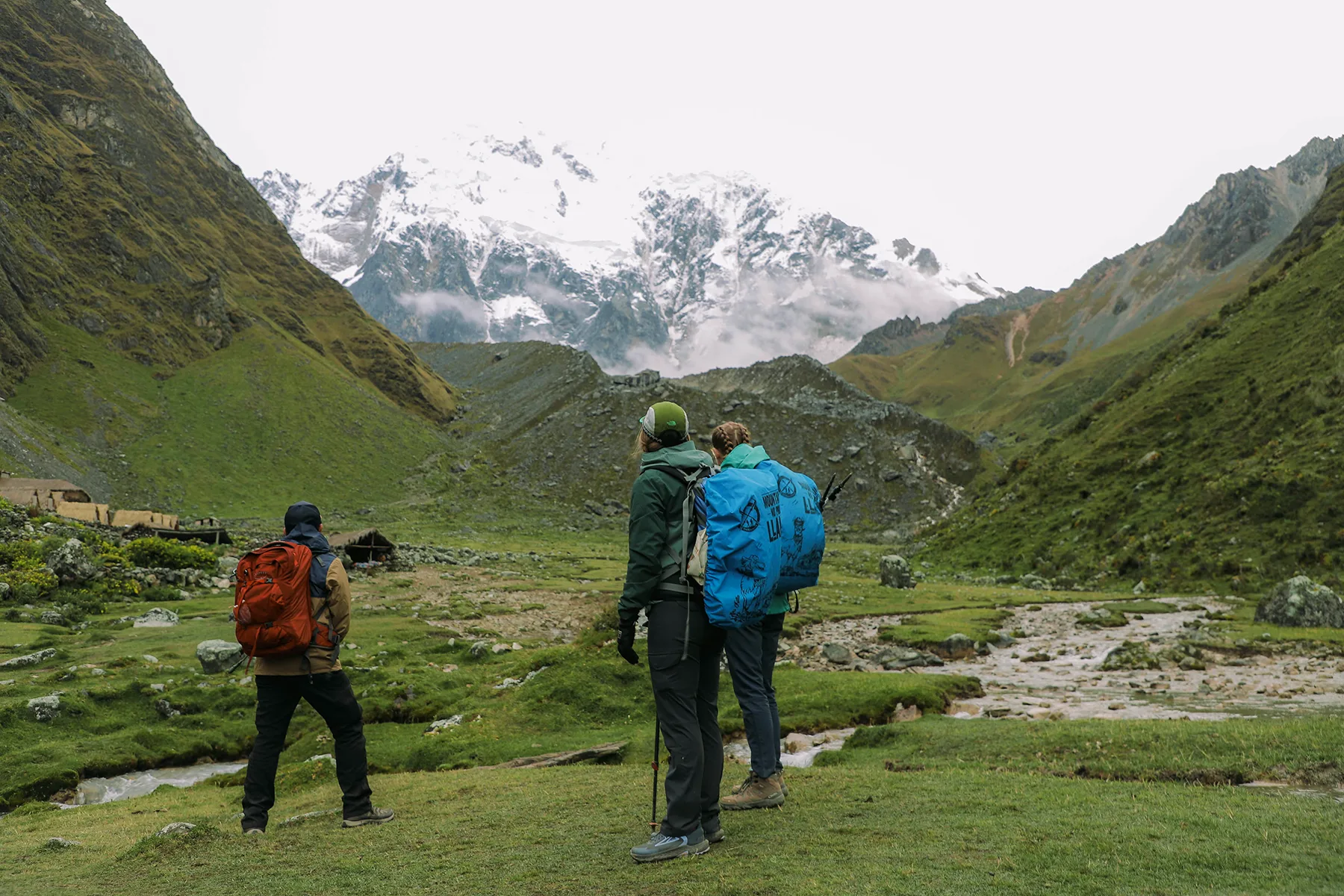
4 days / 3 nights · Salka Glamp · Salkantay Pass 4,630 m · Vistadome train
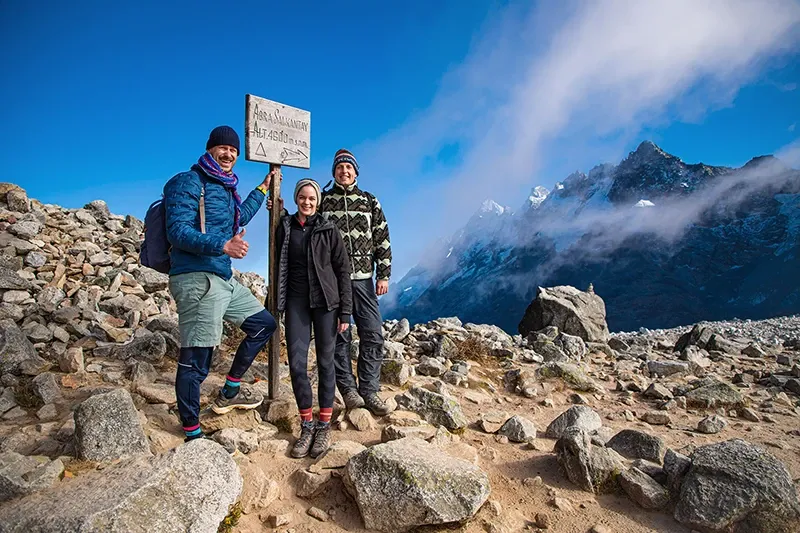
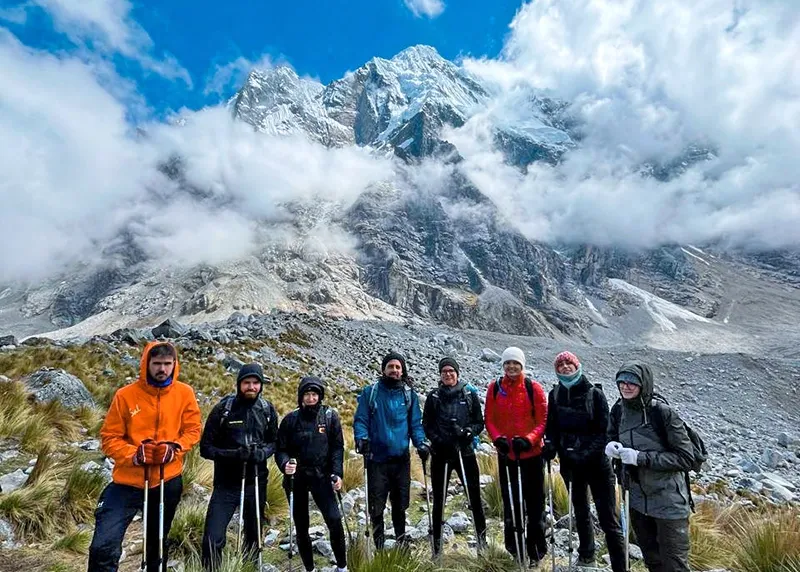
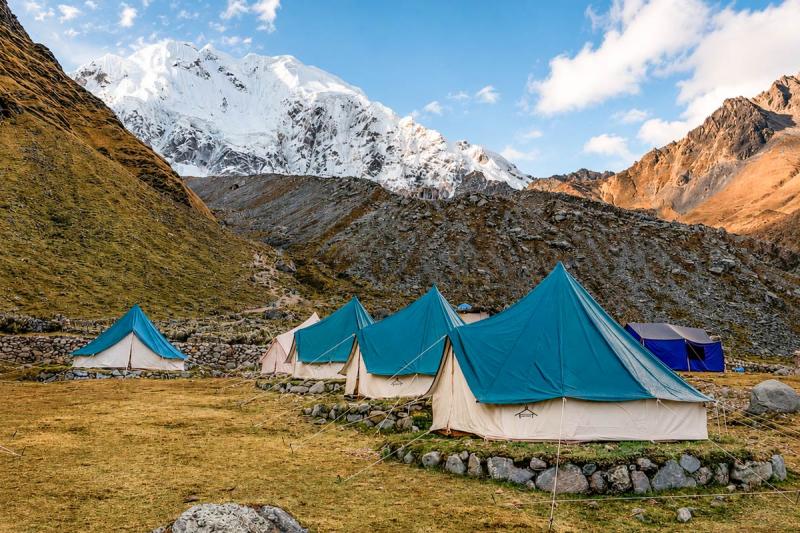
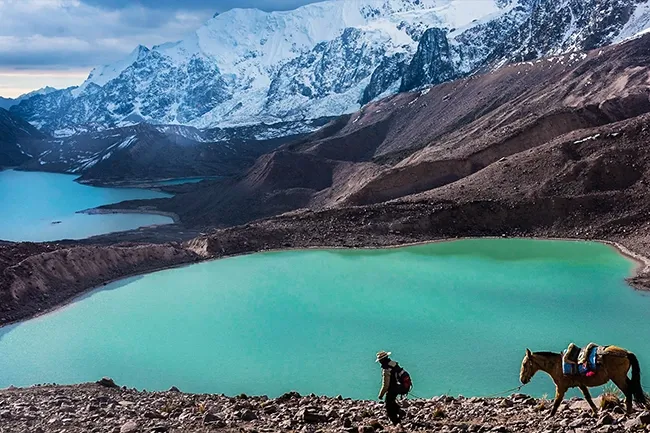
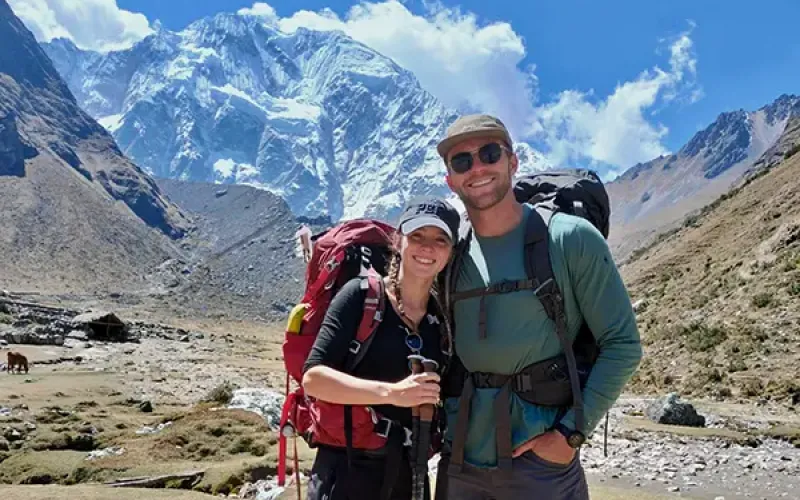
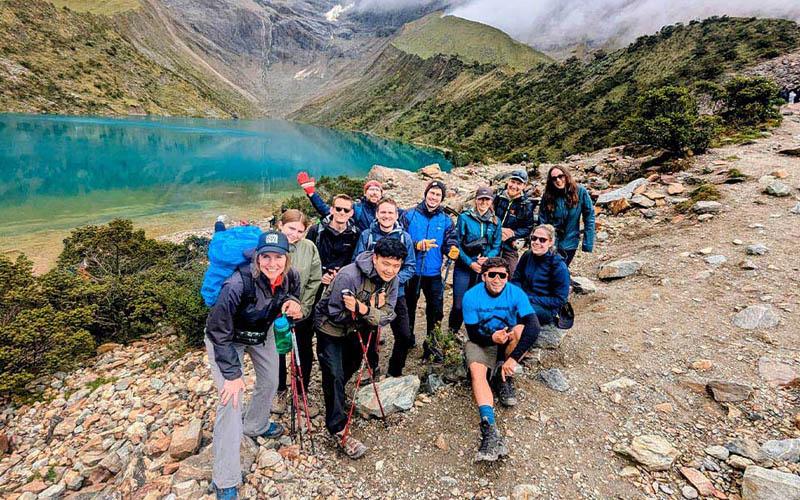
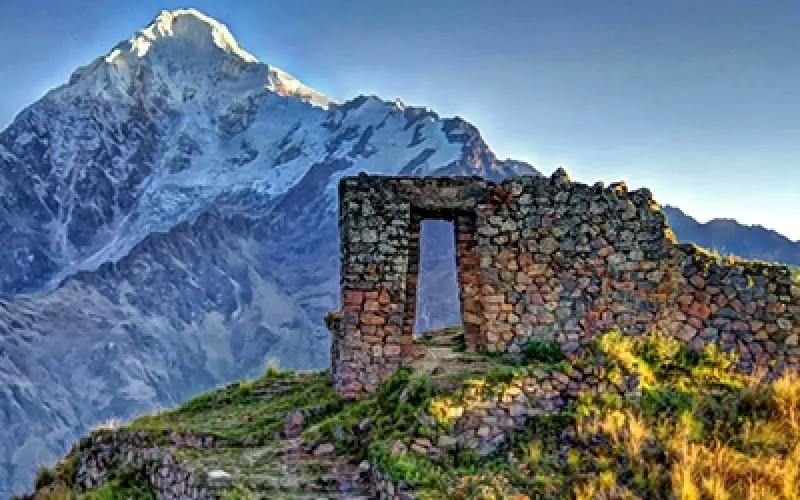
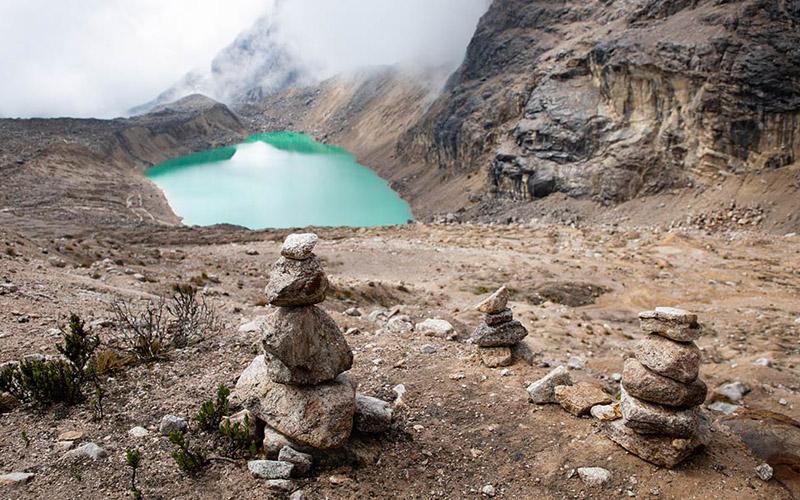
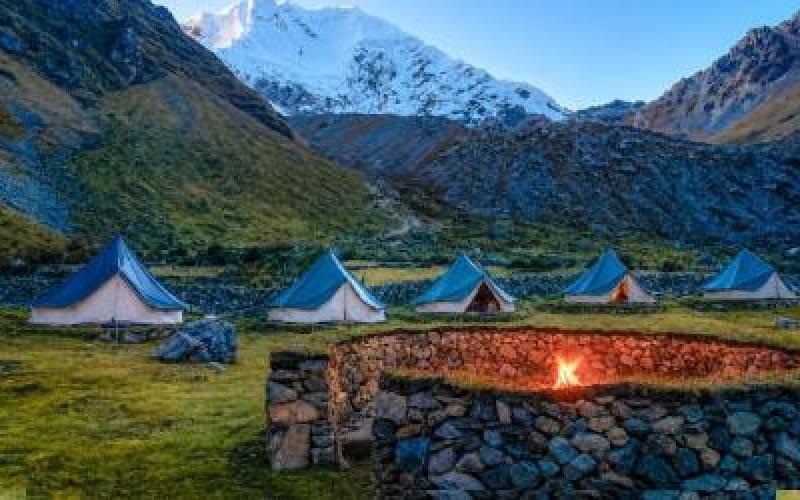
This is the classic Salkantay route: four days from turquoise Humantay Lake, over the Salkantay Pass at 4,630 m and down into the cloud forest. Your first night is at Salka Glamp, right below the snowy peak. On the last morning, you explore Machu Picchu with the pass still in your legs.
You hike with a light daypack: horses led by local muleteers carry your duffel, our chef cooks fresh meals on the trail, and camp is ready when you arrive. Your licensed local guide travels with first aid and oxygen, and the trip includes a Pachamanca feast, a coffee tour, a hotel night in Aguas Calientes and the Vistadome train back to Cusco.
 Activities Hiking & Adventure |  Difficulty Challenging |  Accommodation Glamping & Hotel |  Hiking Distance 48 km / 30 mi |
Not every traveler wants the same Salkantay. Add a fifth day to camp facing Machu Picchu, explore Cusco and the Sacred Valley first, or see the highlights in just two days.
Want two legendary treks in one trip? Combine Salkantay with the Classic Inca Trail in 6 days. Prefer extra comfort? Try our Luxury Salkantay Trek.
4 days / 3 nights · Small group · Hot springs · Condor Pass 4,700 m · Vistadome
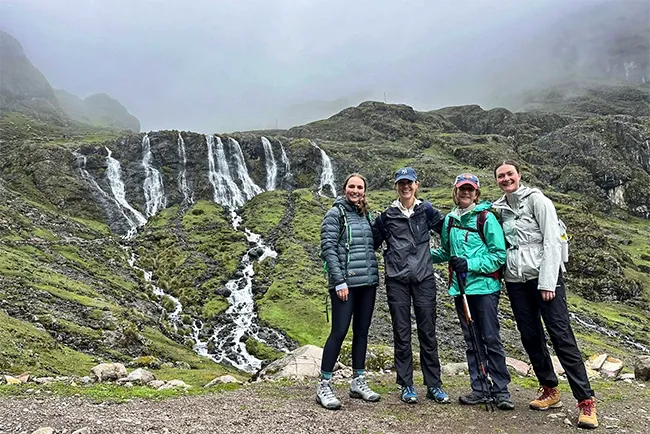
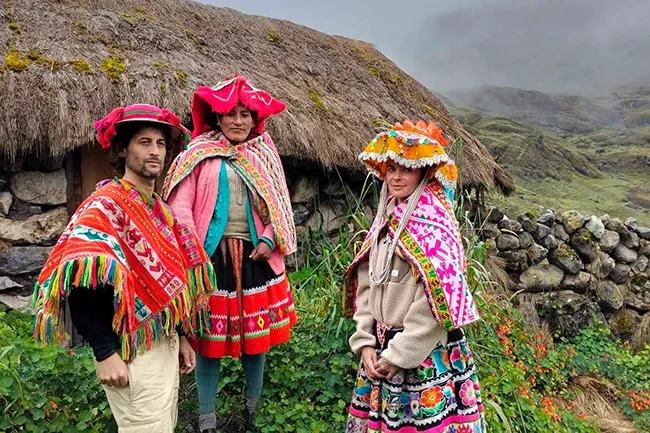
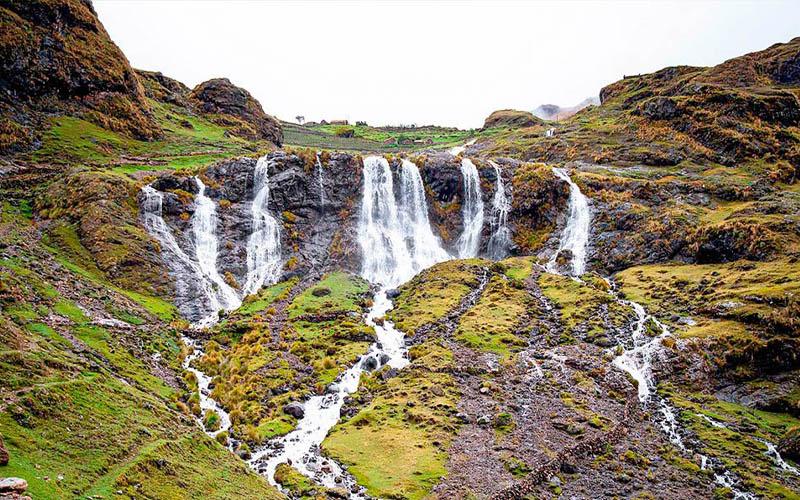
This is the classic Lares route: four days from the Lares hot springs, past waterfalls and high lakes, over Condor Pass at about 4,700 m and down through Quechua villages into the Sacred Valley. You meet local weavers, camp in Canchacancha and reach Machu Picchu with stories you’ll carry home.
Our team handles the heavy lifting: horses carry up to 7 kg of your gear, our chef cooks fresh meals on the trail, and camp is ready when you arrive. Your licensed local guide and a first-aid kit go with you every step of the way, and the trip also includes the Maras salt mines and Ollantaytambo, a hotel night in Aguas Calientes and the Vistadome train back to Cusco.
Activities Hiking & Adventure | Difficulty Moderate to Challenging | Accommodation Camping & Hotel | Hiking Distance 38 km / 23.6 mi |
Short on time, or want even more? Lares works at every pace. Spend a day soaking in hot springs and chasing waterfalls, camp one night in the high Andes, pair the hot springs with Machu Picchu in two days, or add the Short Inca Trail to arrive through the Sun Gate.
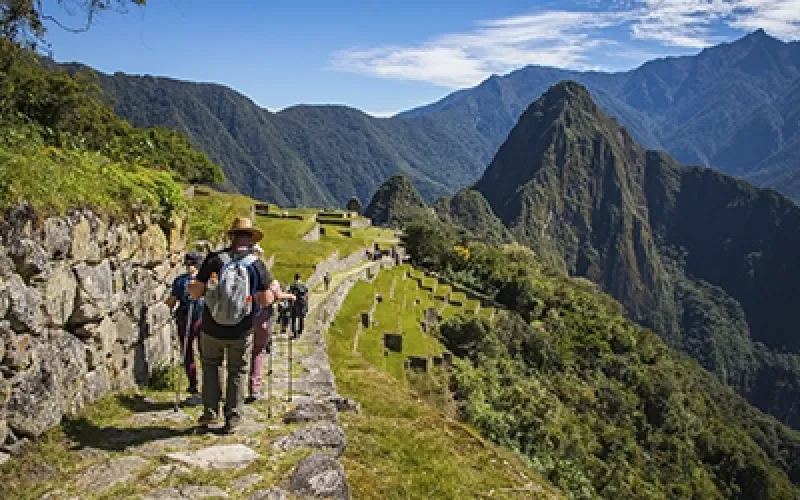
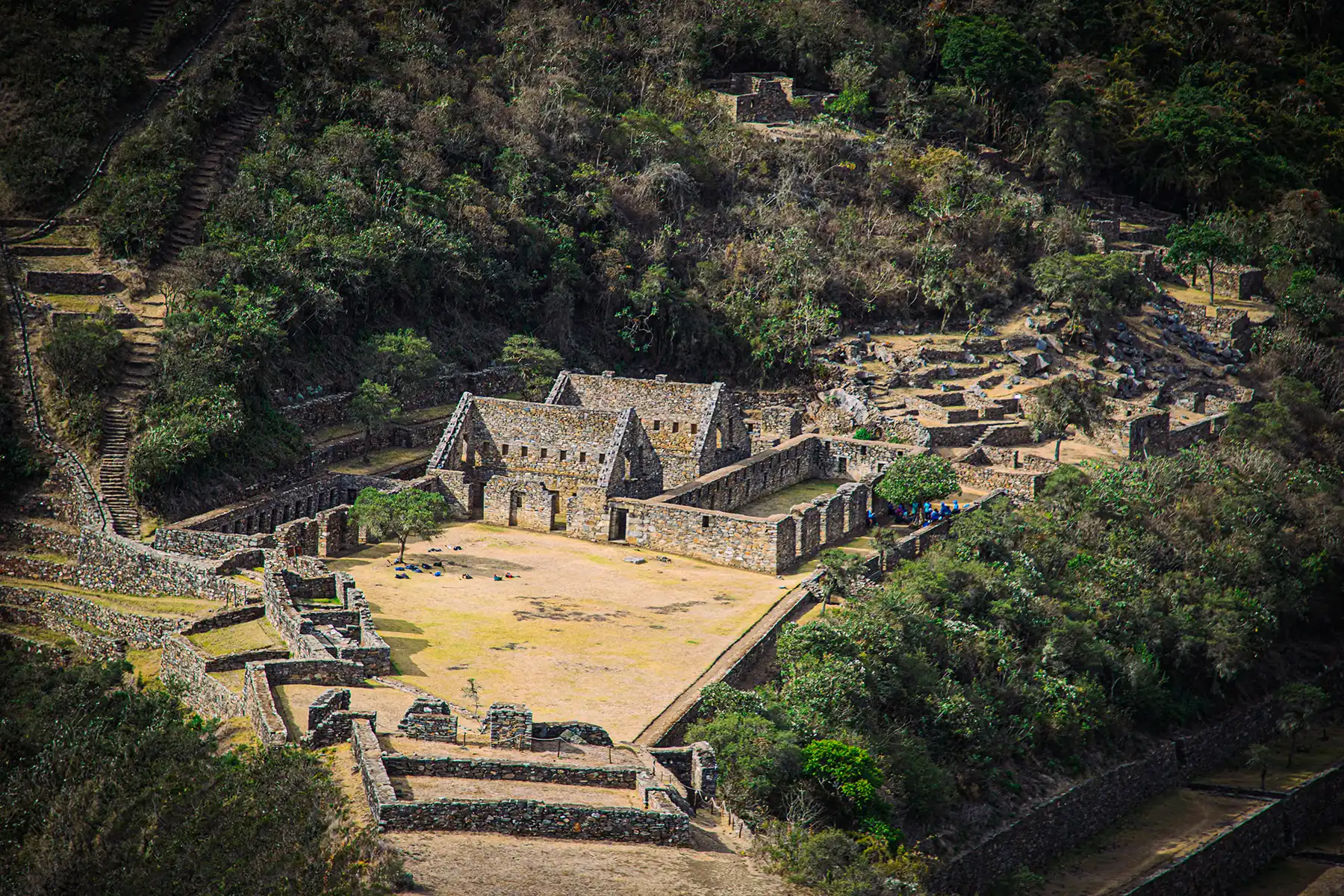
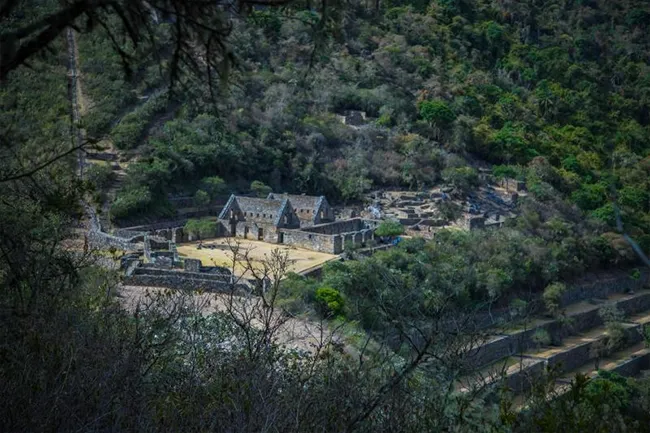
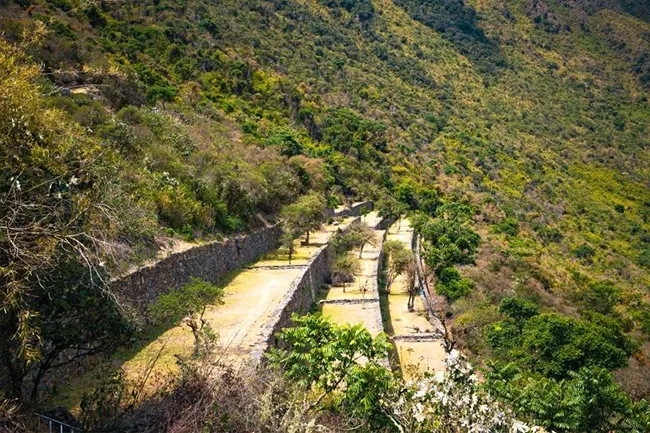
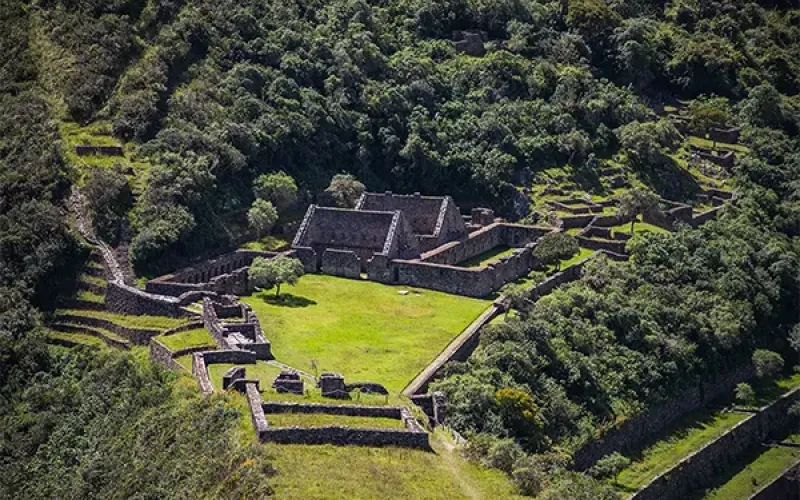
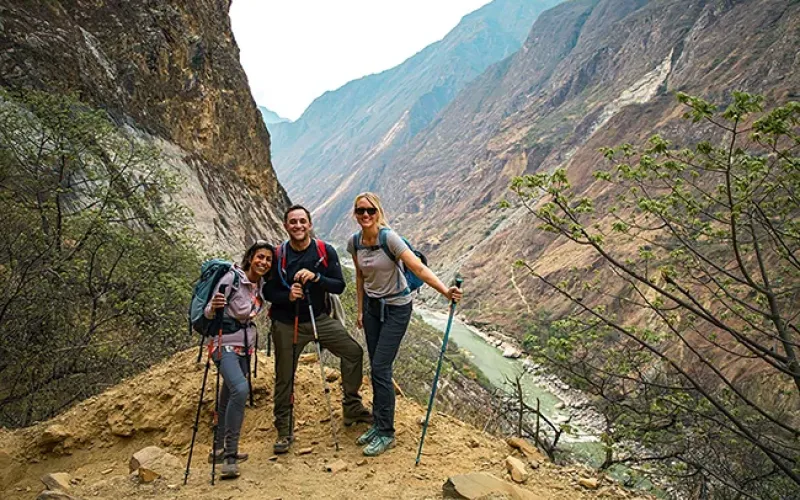
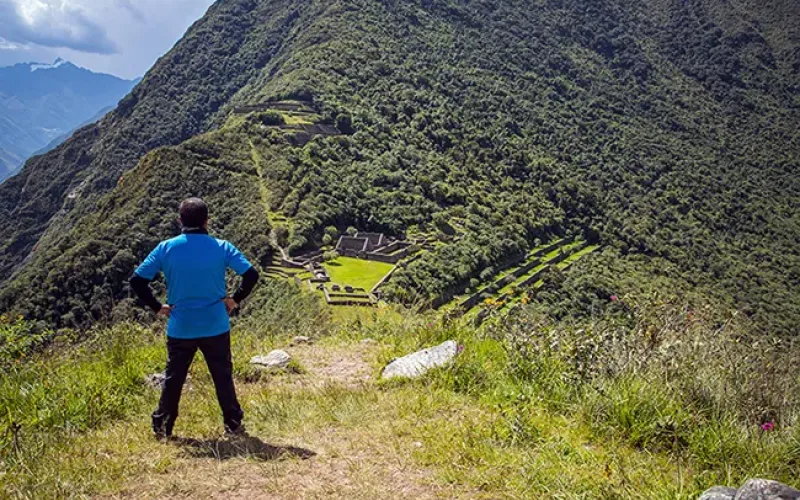
Choquequirao is the Inca city you can only reach on foot. The trail drops deep into the Apurímac Canyon, then climbs to vast terraces and ceremonial platforms that you explore in near silence. Its name means "Cradle of Gold," and many call it Machu Picchu's sister city. Getting there is hard, and that's exactly the point.
6 days / 5 nights · Small group · Choquequirao + Machu Picchu · Vistadome train
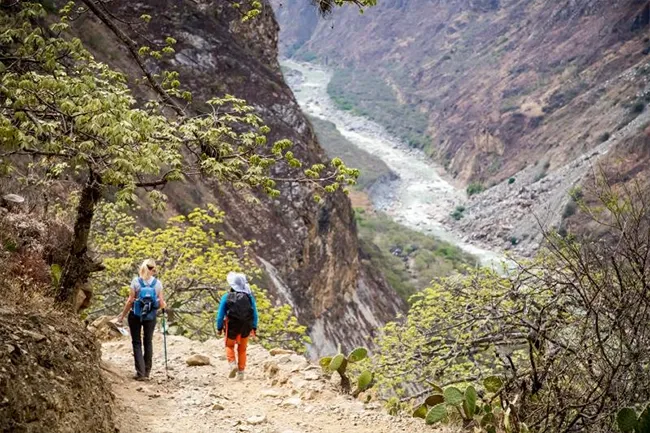
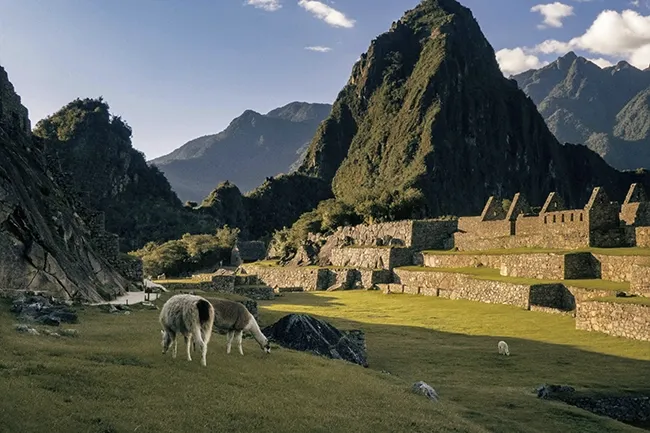
Two great Inca cities in one journey. You drop almost 1,500 m into the Apurímac Canyon, cross the river and climb to Marampata, then spend a day exploring Choquequirao with your guide. After hiking back out of the canyon, you travel by road and train to Aguas Calientes, and the next morning Machu Picchu completes the story.
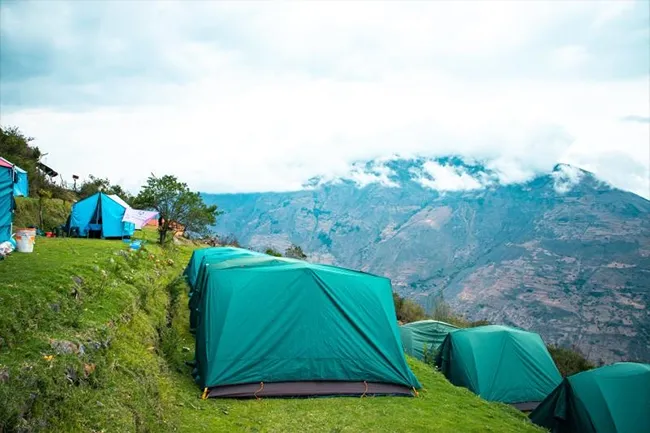
In a place this remote, the details matter: horses carry up to 7 kg of your gear, our chef cooks fresh meals, and drinking water is provided. Your licensed local guide carries first aid, oxygen and a satellite phone, and the journey ends with a hotel night in Aguas Calientes and the Vistadome train back to Cusco.
Activities Hiking & Adventure | Difficulty Challenging | Accommodation Camping & Hotel | Hiking Distance 55 km / 34 mi |
Choose your Choquequirao by time and energy: four days for the essential round trip, five for a full day inside the citadel, or seven to keep walking all the way to Machu Picchu. Our guides share Inca history in a clear, meaningful way, so the ruins feel alive, not just “old stones.” The 4- and 5-day treks return to Cusco; the 6- and 7-day routes continue to Machu Picchu.
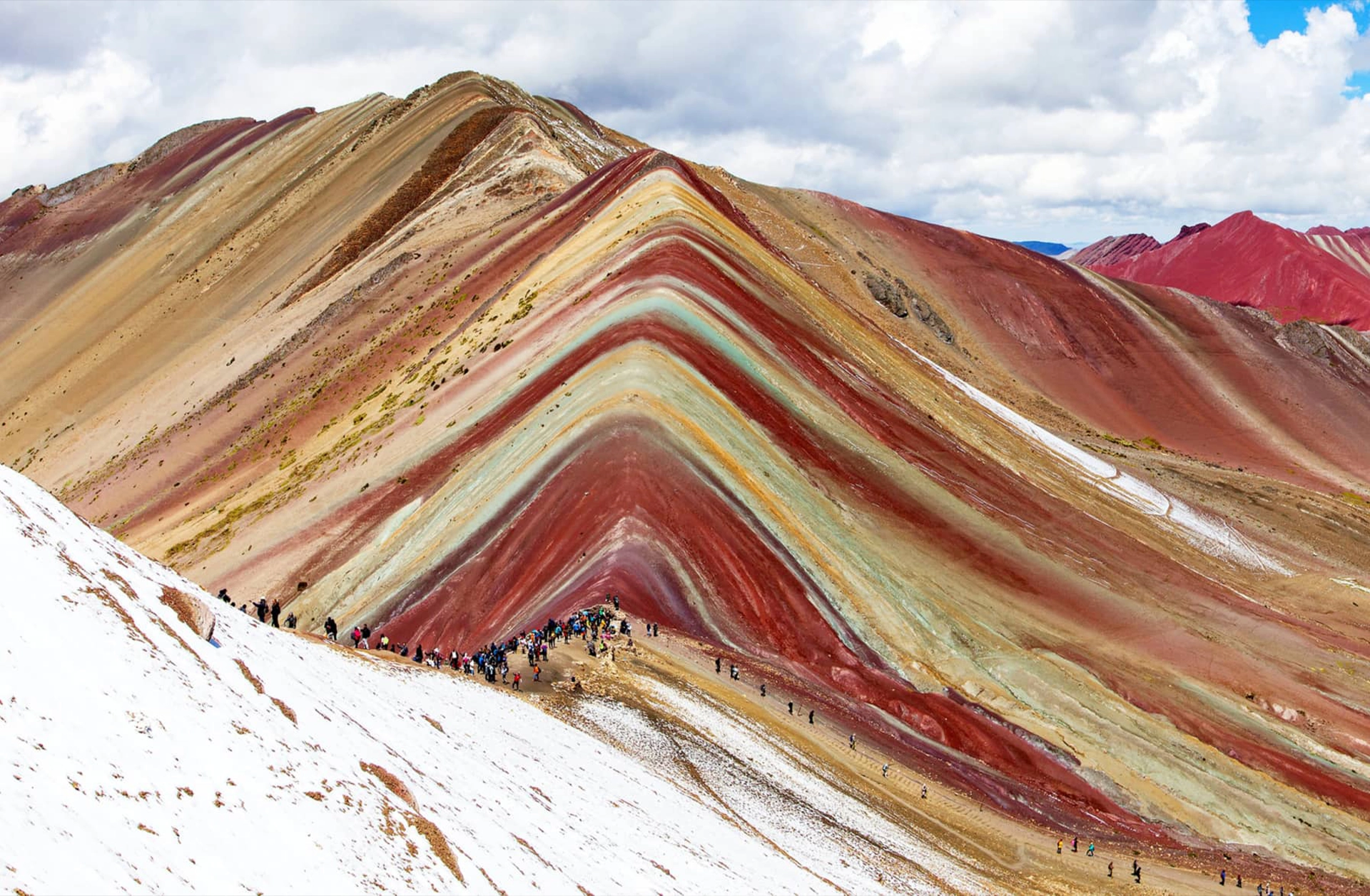
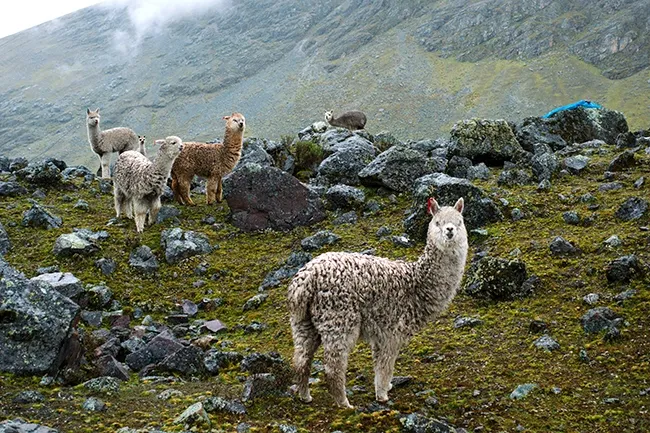
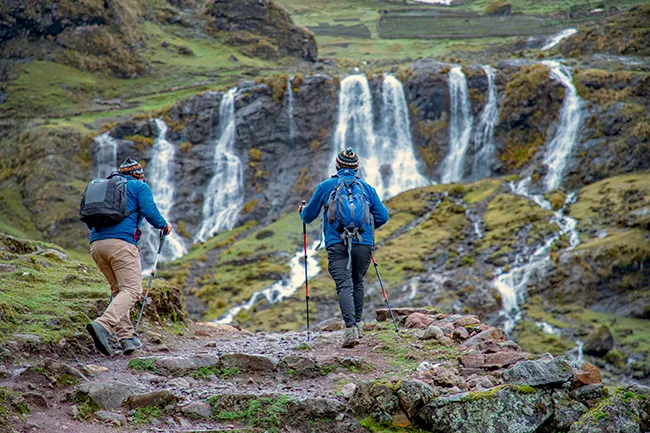
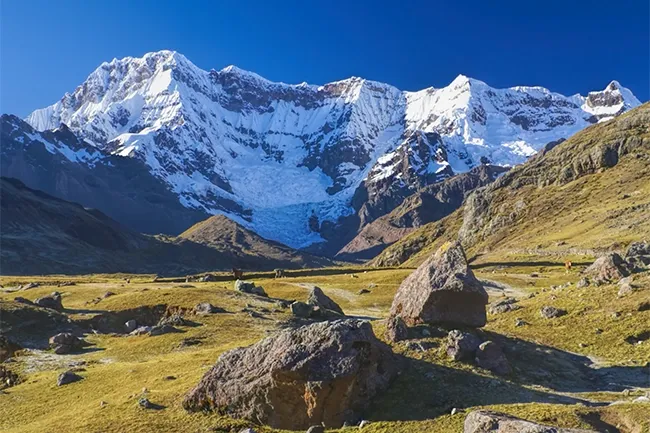
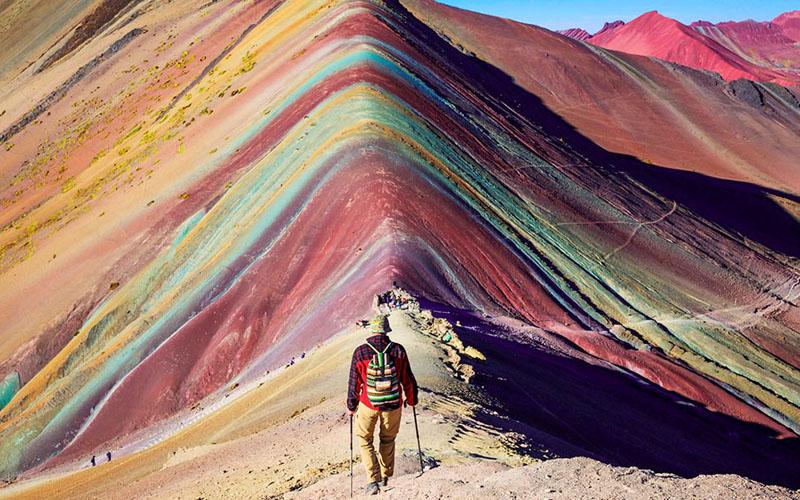
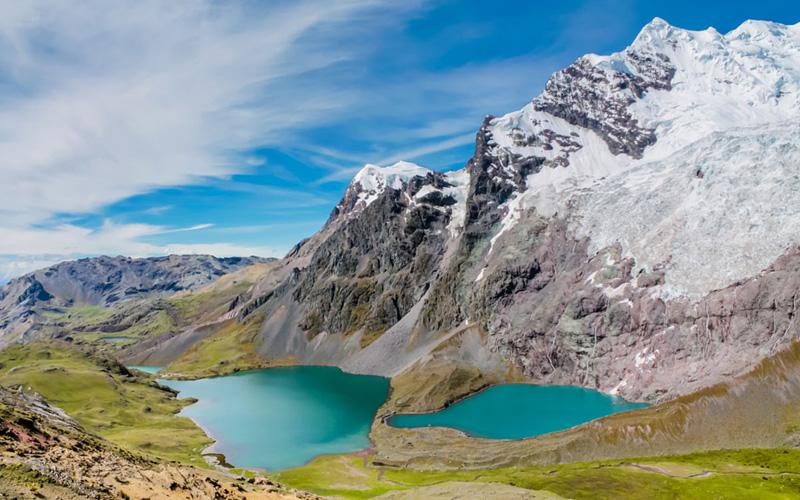
Ausangate is the high Andes at their wildest. At 6,384 m (20,945 ft), it's the highest mountain in the Cusco region, surrounded by glaciers, turquoise and red lakes, and alpaca herds tended by Quechua families. Nearby, Rainbow Mountain rises above 5,000 m. It's a real high-altitude challenge, and the views are worth every breath.
4 days / 3 nights · Small group · Rainbow Mountain · Alpaca Pass 4,990 m · Vistadome
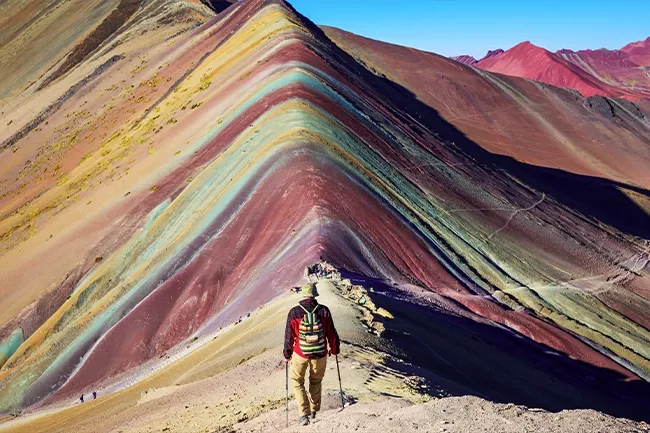
Three wild days in the high Andes, then Machu Picchu. You hike from Tinki to the foot of Ausangate, soak in the Upis hot springs, pass Pucacocha Lake and cross Alpaca Pass at about 4,990 m. On day three you reach Rainbow Mountain on foot, after two days in the mountains around it. From there, you travel by road and train to Aguas Calientes, and on day four you explore Machu Picchu with your guide.
Up here, warmth matters: spacious tents, warm blankets, a hot-water bag and hot meals from our chef, while horses carry up to 7 kg of your gear. Your licensed local guide travels with first aid, oxygen and satellite communication, and the trip includes a hotel night in Aguas Calientes and the Vistadome train back to Cusco.
Activities Hiking & Adventure | Difficulty Challenging | Accommodation Camping & Hotel | Hiking Distance 30 km / 18 mi |
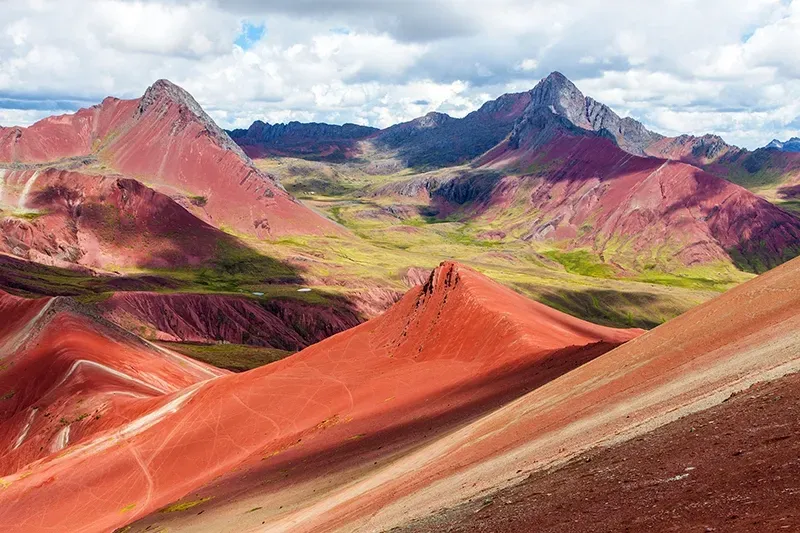
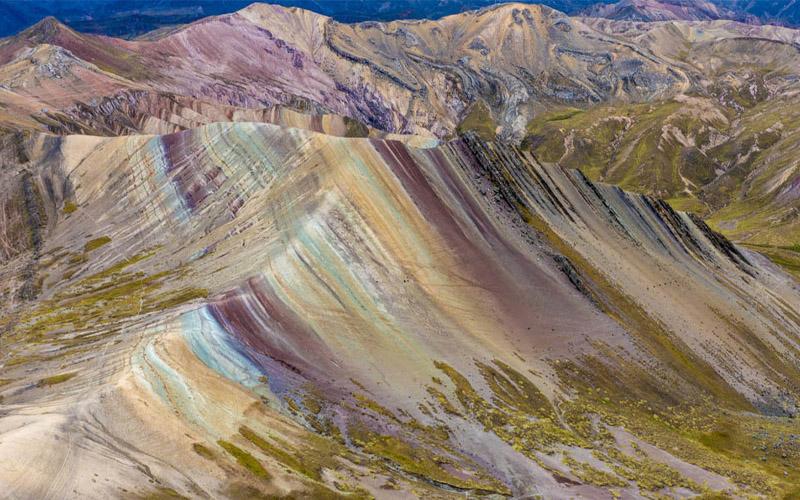
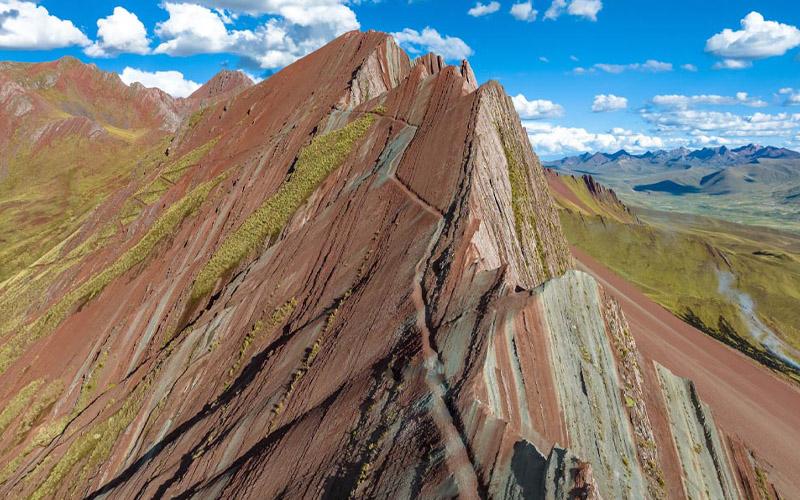
Not every adventure needs a tent. In one day from Cusco, you can climb Vinicunca, the famous Rainbow Mountain, pick the gentler colors of Palcoyo or the textile-like ridges of Pallay Punchu, or hike to the seven glacial lakes of Ausangate. Start early, and you’ll be back in Cusco by evening. They also work well as a warm-up at altitude before a longer trek.
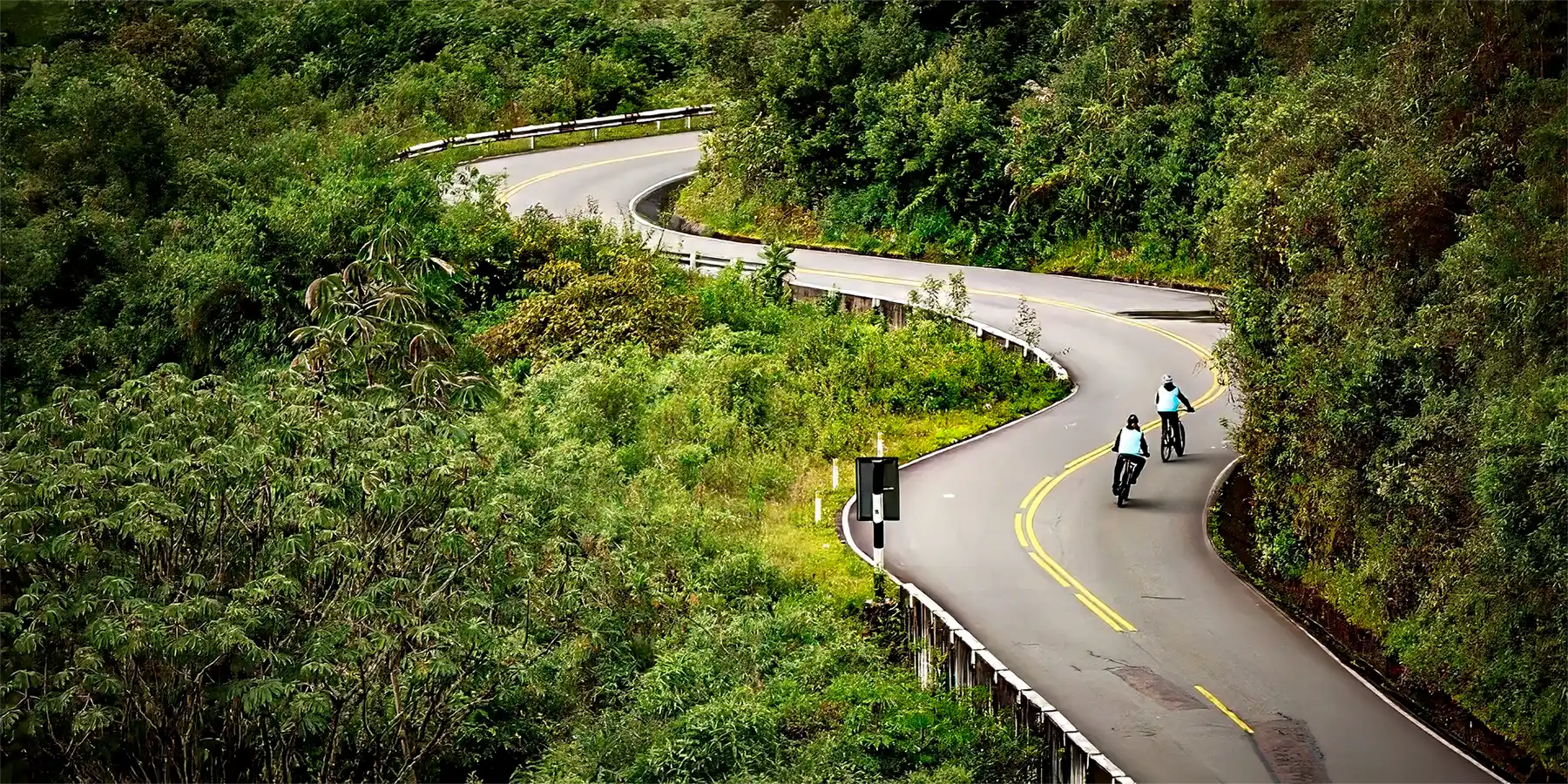
4 days / 3 nights · Small group · Bike, raft & hike · Vistadome train
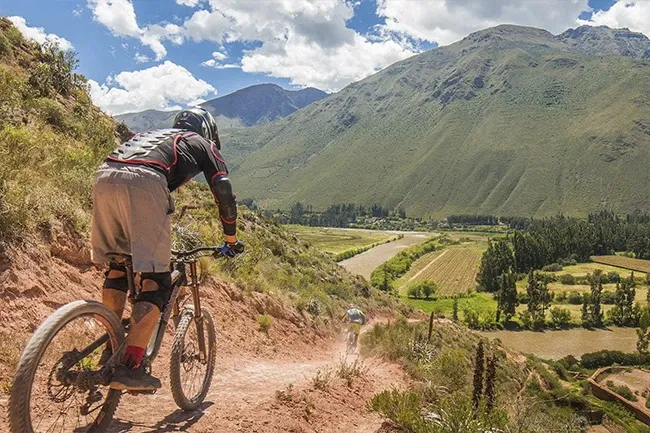
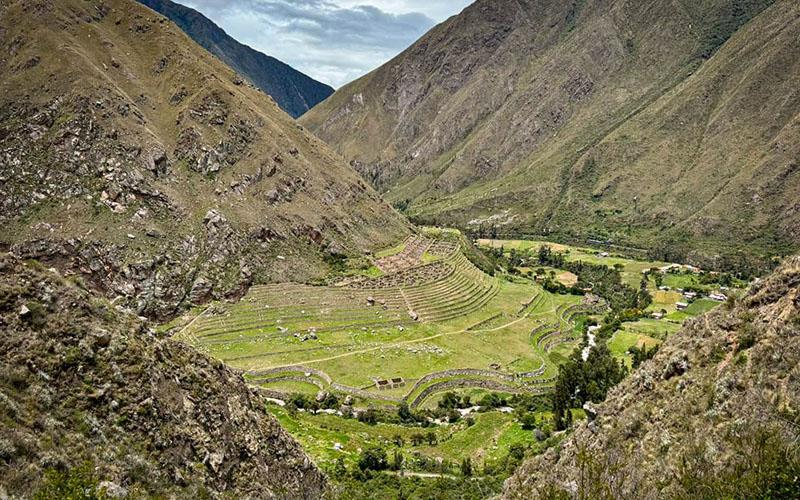
Four days, three ways to move. You ride downhill past Maras and its salt mines, raft the rapids of the Urubamba River and hike historic Inca paths through warm coffee and cacao country. From Llactapata, on a clear day, you see Machu Picchu across the valley. The next morning, you’re standing in it.
You bring the energy, we handle the rest: bikes, helmets and specialist river guides, a soak in the Cocalmayo hot springs, three nights’ lodging with meals, a licensed local guide with first aid, and the Vistadome train to return.
Activities Bike, Hike, Raft | Difficulty Moderate | Accommodation Rustic Lodge and Hotel | Hiking Distance 29 km / 18 mi |
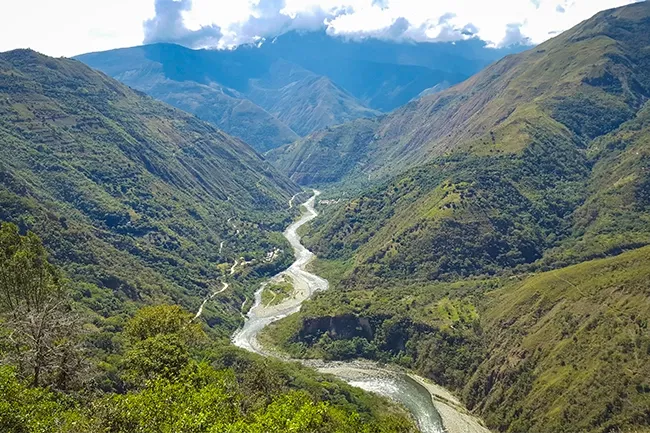
Prefer wheels to a mountain pass? These trips leave Cusco by road, cross Abra Málaga and drop into the cloud forest to Hidroelectrica, the back door to Machu Picchu. From there, you walk the final stretch to Aguas Calientes, with time for the Cocalmayo hot springs along the way. For hikers who want more, the Vilcabamba trek reaches this corner of the Andes on foot, through the last refuge of the Incas. Every route ends the same way: Machu Picchu with your guide the next morning.
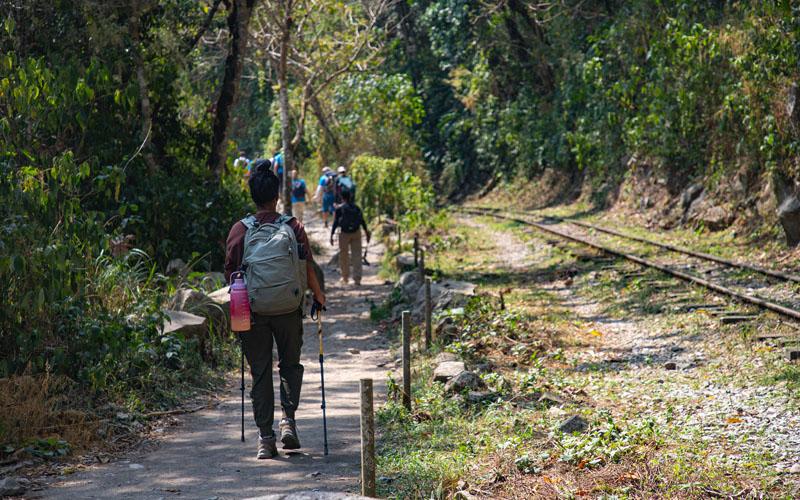
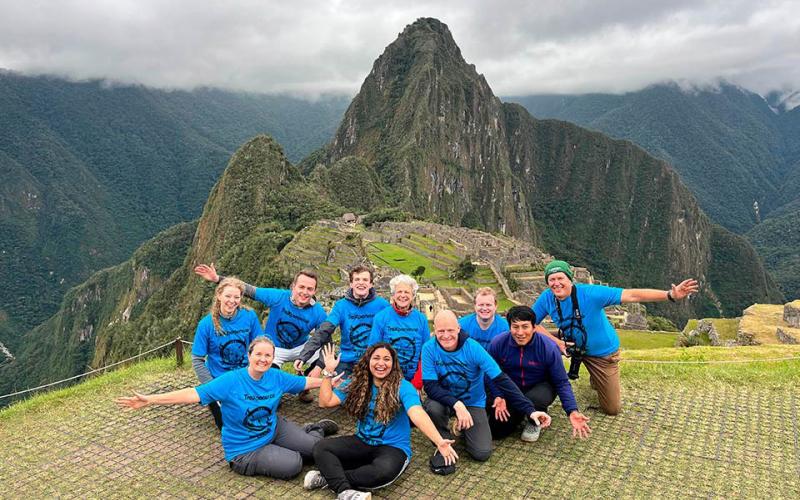
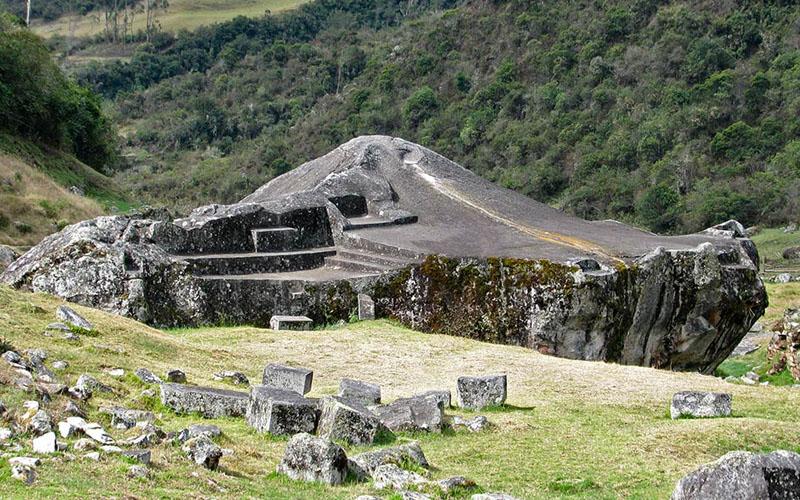
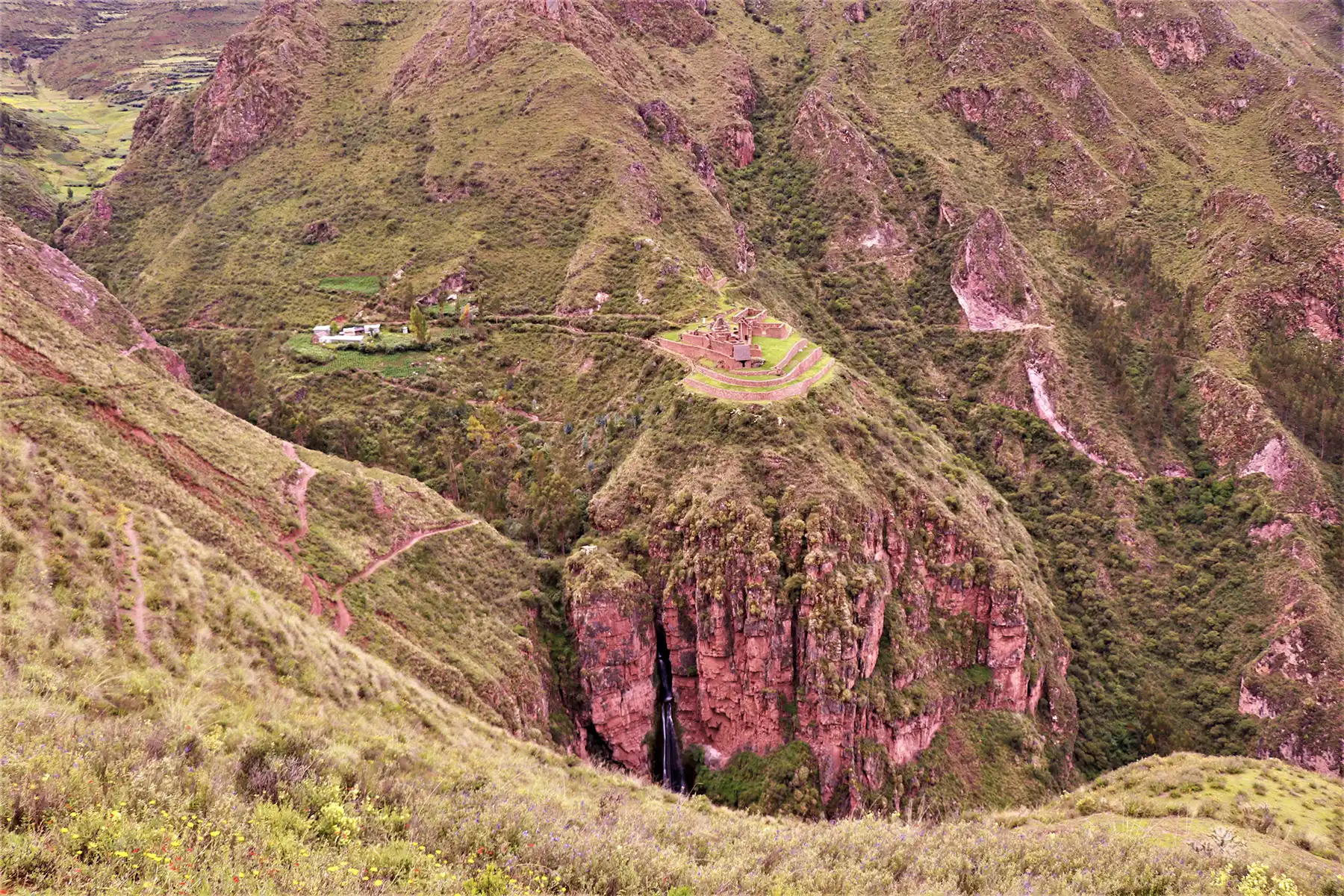
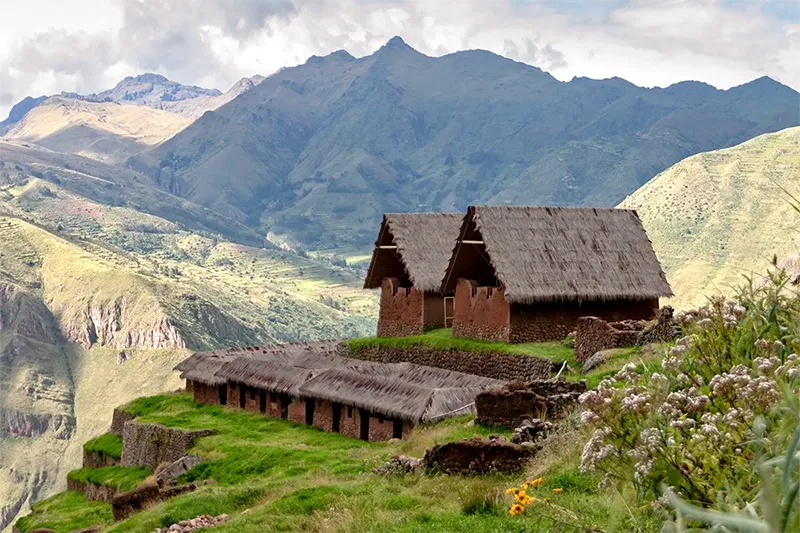
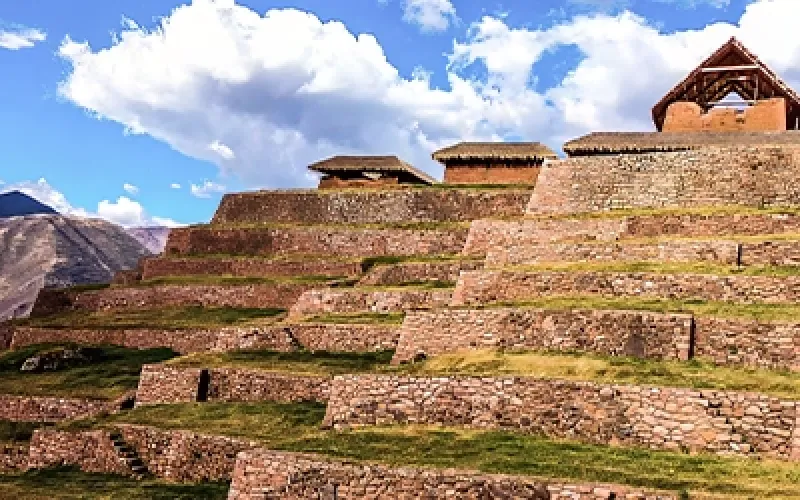
Cusco is famous for the Inca Trail and Salkantay, but there’s more to discover. These newer routes are for travelers who want quieter trails, open Andean landscapes and archaeological sites that few visitors ever see. Hike to Huchuy Qosqo or follow the Cachicata Quarry Trail to the stone quarries of the Incas, and reach Machu Picchu by a route few travelers know.
4 days / 3 nights · Two Inca sites · Sun Gate arrival · Inca Trail permits required
Two trails, one arrival you’ll never confuse with any other. You start in Cusco at Tambomachay and Qenqo, then hike high above the Sacred Valley to Huchuy Qosqo, the “Little Cusco” of the Incas, with wide views, a traditional lunch and a chance to meet local families along the way. Then you join the Short Inca Trail, enter Machu Picchu through the Sun Gate, and return the next morning to explore it with your guide.
Camp, meals and transfers are handled for you, and your licensed local guide stays with you from Cusco to Machu Picchu. The Short Inca Trail runs on Inca Trail permits, so this route should be booked well in advance.
Activities Hiking & Adventure | Difficulty Moderate | Accommodation Camping & Hotel | Hiking Distance 37 km / 23 mi |
Each of these routes has its own scenery and pace: Huchuy Qosqo for a gentler hike with Sacred Valley views, the Cachicata Quarry Trail for Inca history on quiet trails, and the Salkantay combinations for strong hikers who want two treks in one. Open any tour for the full itinerary, or send us your dates and hiking style and we’ll help you choose.
The Inca Trail is the most famous route to Machu Picchu, but it is one of several. Salkantay, Lares, Choquequirao, Ausangate, the Inca Jungle and the newer routes each reach Machu Picchu through different landscapes, at a different pace and with a different kind of challenge. These answers will help you choose with clear expectations. If your question isn't here, a local trek expert in Cusco can answer it on WhatsApp.
The right trek depends on your interests, your fitness level and the kind of experience you want. Each route offers something different:
Still unsure? Tell us your travel dates, your fitness level and what interests you most. Our local trekking specialists will help you choose the right route for your Machu Picchu adventure.
Three things change:
You don't need an Inca Trail permit for the alternative treks: Salkantay, Lares, Choquequirao, Ausangate, the Inca Jungle or the newer routes. The exceptions are the combination tours that include the Short or Classic Inca Trail (Huchuy Qosqo + Short Inca Trail, Lares + Short Inca Trail, Salkantay + Short Inca Trail and Salkantay + Classic Inca Trail). Those run on official Inca Trail permits, which are limited and should be booked well in advance.
Machu Picchu tickets on alternative treks: treks like Salkantay and Lares only need a Machu Picchu entrance ticket, not an Inca Trail permit. At TreXperience we normally include Circuit 2 (the Classic Circuit), one of the most popular ways to explore Machu Picchu. If Circuit 2 is sold out, we arrange Circuit 3 or Circuit 1 instead, depending on availability. The popular circuits go fast, so booking early gives you the best chance of getting the circuit you want.
Machu Picchu circuits with the Short Inca Trail: tours that include the Short Inca Trail have a special advantage. You enter Machu Picchu through the Sun Gate (Intipunku) and enjoy the panoramic viewpoints of Circuit 1, then return the next morning with your guide for Circuit 3 (Route 3B), where you explore the main temples, terraces and archaeological sectors. Together, they give you one of the most complete Machu Picchu experiences: the iconic views and the history behind them. Many travelers find it even more rewarding than Circuit 2 alone.
What's included: every trekking tour that visits Machu Picchu includes your Machu Picchu entrance ticket, the bus between Aguas Calientes and Machu Picchu, the return on the panoramic Vistadome train (or the 360° panoramic train, depending on availability) and transportation back to Cusco. We arrange all of it so you can focus on the trail.
Our recommendation: book as early as you can, especially for the high season. Inca Trail permits and popular Machu Picchu circuits are limited, and early booking gives you the best chance of getting your preferred dates and circuits.
You don't need to be an athlete, but you do need to be comfortable walking 6 to 8 hours a day on uneven trails, with climbs and descents. Salkantay, Ausangate and Choquequirao are the most demanding because of altitude, steep sections or long days. Lares is moderate to challenging, with one high pass. The Inca Jungle and Huchuy Qosqo are moderate, with shorter hiking days. The best preparation is simple: in the two or three months before your trip, walk regularly, add hills or stairs, and break in your boots. On the trail, your guide sets a pace the group can hold and keeps an eye on how you're feeling.
Cusco sits at about 3,400 m, and the high passes on Salkantay, Lares and Ausangate reach between 4,600 and 5,000 m. Most people feel it at first: a mild headache, tiredness, shortness of breath on the climbs. The single most useful thing you can do is arrive at least two days before your trek and take it easy: drink plenty of water, eat light and avoid alcohol. Spending a night in the Sacred Valley, which is lower than Cusco, helps too. On the trail, your guide carries a first-aid kit and oxygen and knows how to adjust the pace. If you feel unwell at any point, say so right away. That is exactly what your guide is there for.
You can still hike and see Machu Picchu. The Huchuy Qosqo Trek fits in three days and ends at Machu Picchu. In two days, Lares Hot Springs + Machu Picchu combines a soak in the Lares valley with the citadel, and the Machu Picchu Tour by Car takes the scenic road via Hidroelectrica. If you'd rather spend your two days in the mountains without Machu Picchu, the Salkantay & Humantay Lake Hike gives you the best of Salkantay on a short, quieter loop. Tell us your dates and we'll help you fit it in.
It depends on the route, and we tell you exactly what to expect before you book. Here's what each trek looks like:
Meals on the trek: our trekking chefs cook fresh Peruvian meals with local ingredients, and hot drinks are waiting for you at camp. Vegetarian, vegan, gluten-free and other diets are cooked for, not worked around. Just tell us your needs when you book.
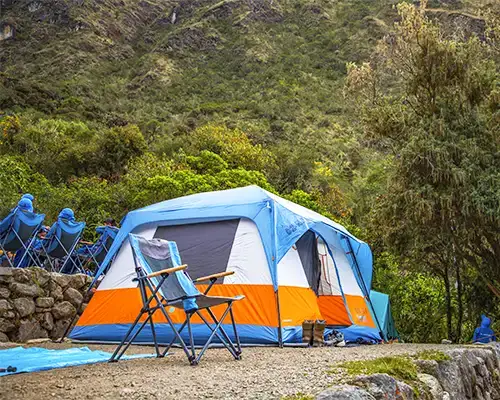
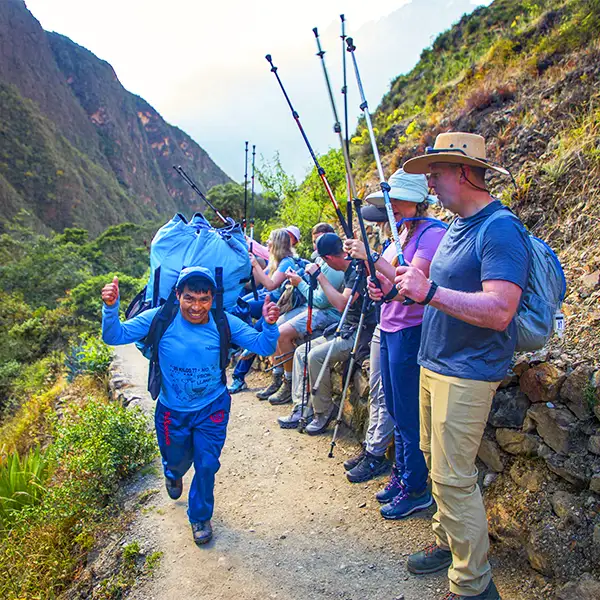
How your luggage is carried: on the Salkantay, Lares, Choquequirao and Ausangate treks, horses and mules led by local muleteers carry the camping equipment and your duffel bag (up to 7 kg). Porters may also help on certain routes. You only carry a small daypack with your essentials for the day.
Good to know: your duffel travels separately, so you'll only have access to it at the start of the trek and at each campsite, not during the hike. Pack your daypack with everything you need for the day: water, extra layers, a rain jacket, sun protection, snacks, personal medication and your camera. Keep anything important in waterproof or ziplock bags to protect it from rain and moisture.
Packing for the weather: Peru has a dry season and a rainy season, but the weather in the Andes and around Machu Picchu is unpredictable all year. Sunshine, strong wind, rain and cold can all happen on the same day, so be ready for four seasons in one, whenever you travel. Pack warm layers for the high passes and cold nights, lightweight clothing for the warmer valleys and cloud forest, and waterproof gear for sudden rain. A warm sleeping bag and trekking poles make a big difference to your comfort; bring your own or rent them from us.
We'll help you prepare: you'll receive a detailed packing list with your booking, and your guide will go over the essentials with you at the pre-trek briefing.
The dry season, from April to October, brings the clearest skies. May to August are the driest months and also the busiest. From November to March, expect afternoon rain, greener valleys and fewer hikers. Most treks keep running through the rainy season, weather permitting.
February is the only month when the Classic Inca Trail closes for annual maintenance. It is also the peak of the rainy season, and some treks, including Salkantay, may be suspended because of heavy rain, landslides and safety risks. The Lares Trek is one of the few routes that generally runs all year, including February. If you're planning to hike that month, Lares is usually your best option, depending on weather and trail conditions.
Whatever the month, be ready for sun, rain, wind and cold, sometimes all in a single day. We'll make sure you know what to pack.
Group tours: group departures are the standard in Cusco, and most operators follow similar size rules. On the Classic Inca Trail, groups can have up to 16 travelers, with one guide for every 8. Groups of 9 to 16 travelers go with two professional guides. These limits are set by the authorities for all authorized Inca Trail operators.
Alternative treks: we follow the same standard on Salkantay, Lares, Choquequirao and Ausangate. Our groups have up to 16 travelers, with one professional guide for every 8 and two guides for larger groups, so your guide always knows your name and your pace.
Private tours: every trek can also run as a private departure. You get your own professional guide, trekking chef and dedicated team, so you set the pace and enjoy more flexibility and personal attention. Private tours cost more than group departures because the whole team works only for you.
Thinking about a private trek? Send us your preferred route, travel dates and group size, and we'll prepare a personalized itinerary and quote.
Alternative treks don't need an Inca Trail permit, but Machu Picchu tickets and train seats are limited and often sell out in high season. We recommend booking 6 to 8 months ahead for travel between April and October, so we can secure Circuit 2 or the best available Machu Picchu circuit. When you book early, we prioritize Circuit 2 (the Classic Circuit); if it's sold out, we arrange Circuit 3 or Circuit 1, depending on availability.
Any route that includes a section of the Inca Trail, such as Huchuy Qosqo + Short Inca Trail or Salkantay + Classic Inca Trail, needs an official Inca Trail permit. For these, book at least 6 months ahead, and earlier for May to August, as permits are limited and sell out fast. Booking early also gives you the best choice of departure dates, and on the Short Inca Trail combinations it secures both the Sun Gate arrival and the Circuit 1 + Circuit 3 visit described above.
Yes, if you choose a route that includes the Short or Classic Inca Trail: Huchuy Qosqo + Short Inca Trail, Lares + Short Inca Trail, Salkantay + Short Inca Trail, or Salkantay + Classic Inca Trail in six days. You get the quieter alternative trek first, then the walk into Machu Picchu through Intipunku. On the other routes you enter by bus from Aguas Calientes, which has its own advantage: a hotel bed the night before and a fresh morning for the citadel. Salkantay 5 Days and the Inca Jungle also give you a first view of Machu Picchu from Llactapata, across the valley, the day before you walk in.
Exceptional Andean hospitality, shaped by people who know the trail from every side.
TreXperience is a 100% Peruvian tour operator based in Cusco. Our co-founder, Juan Coronel, walked the Inca Trail first as a porter, then as a trekking chef, then as a guide. That is where our standard comes from: a great trek is not one big thing done well, but a hundred small things you never have to think about.
The six pillars below are how we keep that promise, from your first message to the journey home.
The Andes provide the adventure. The TreXperience Way takes care of everything around it.
Welcome to our travel blog section! Here, we’re all about sparking your adventurous side and inspiring you to live unforgettable experiences. Whether you’re looking for tips on our alternative treks to Machu Picchu or a complete guide to the Inca Trail, we’ve got you covered.
Our posts are packed with helpful advice and real stories that bring the heart of Peru to life. Join us on every post, and let our blog be your trusty companion before, during, and after your trip. We’re TreXperience, a local Peruvian company, and we’re here to make your journey easier and more exciting.
We know you love hiking and trekking. This is why we recommend you explore the best route for you in Peru. The hiking experiences you can find here are unique journeys that will…
Read article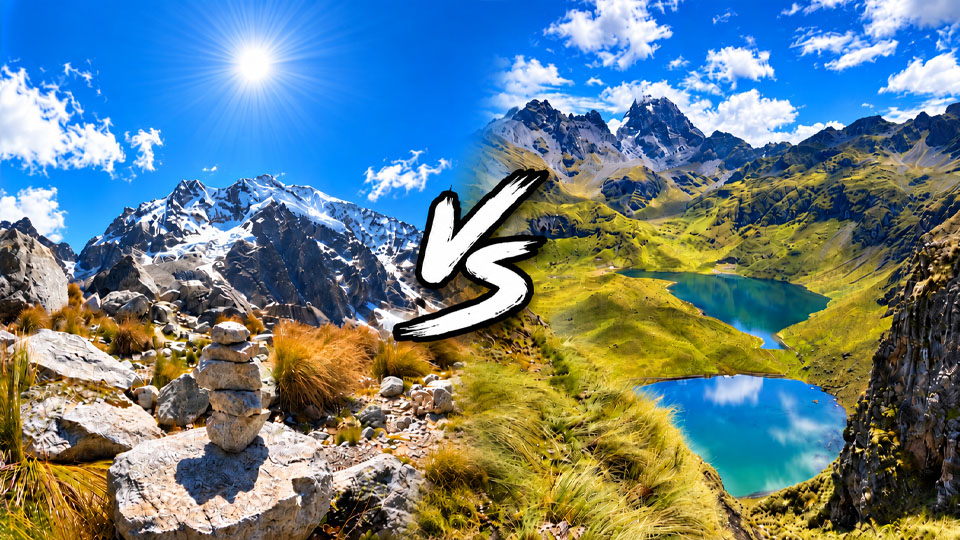
The Salkantay Trek and Lares Trek are two multi-day routes that combine high-mountain hiking with a final visit to Machu Picchu, but the experience is quite different on each one…
Read article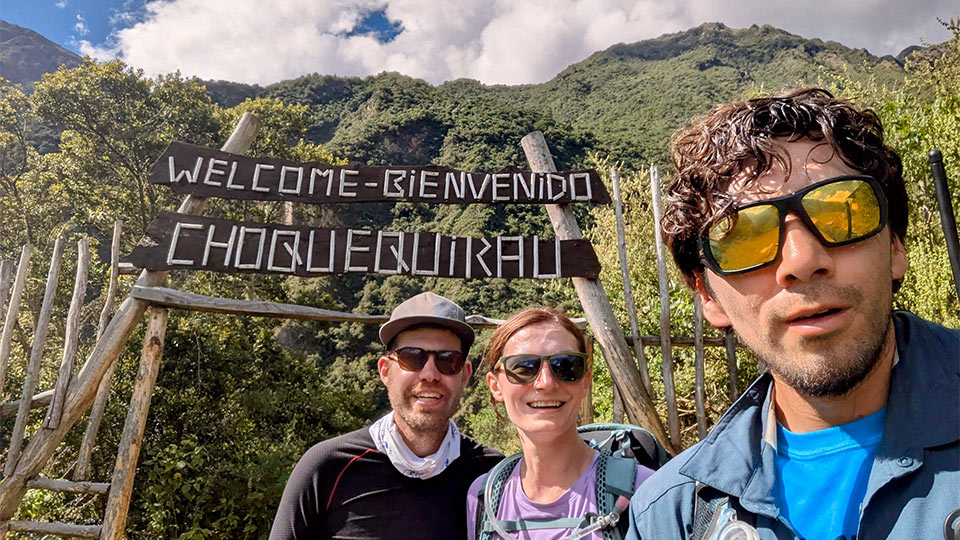
Also known as "the twin sister city of Machu Picchu” for sharing its beauty and structural harmony with the surrounding landscape, this Inca citadel has been attracting more…
Read article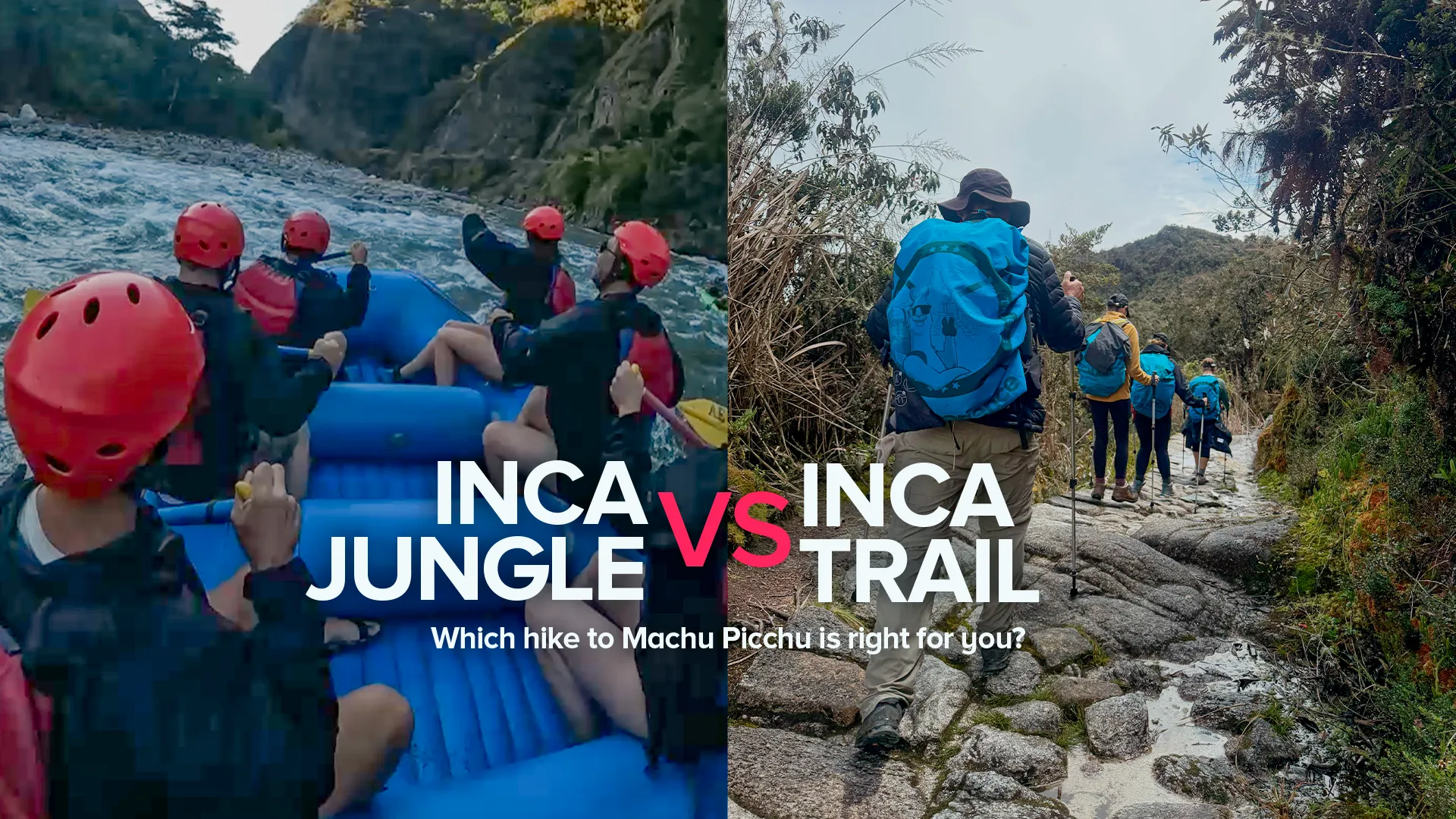
If you are comparing Inca Jungle vs Inca Trail for your trip to Machu Picchu, this guide will help you understand the key differences before choosing your route. Although both…
Read article