



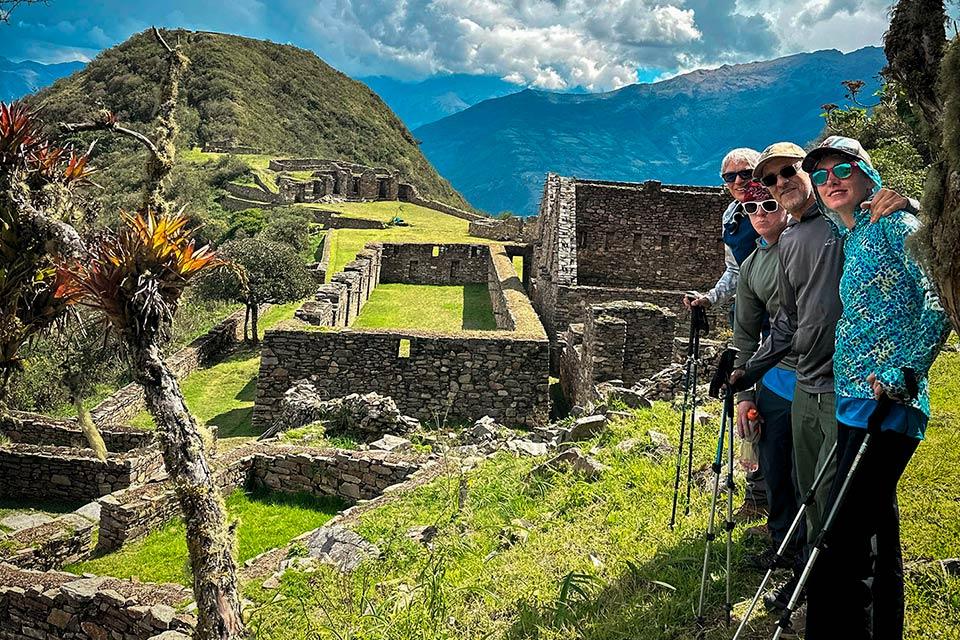
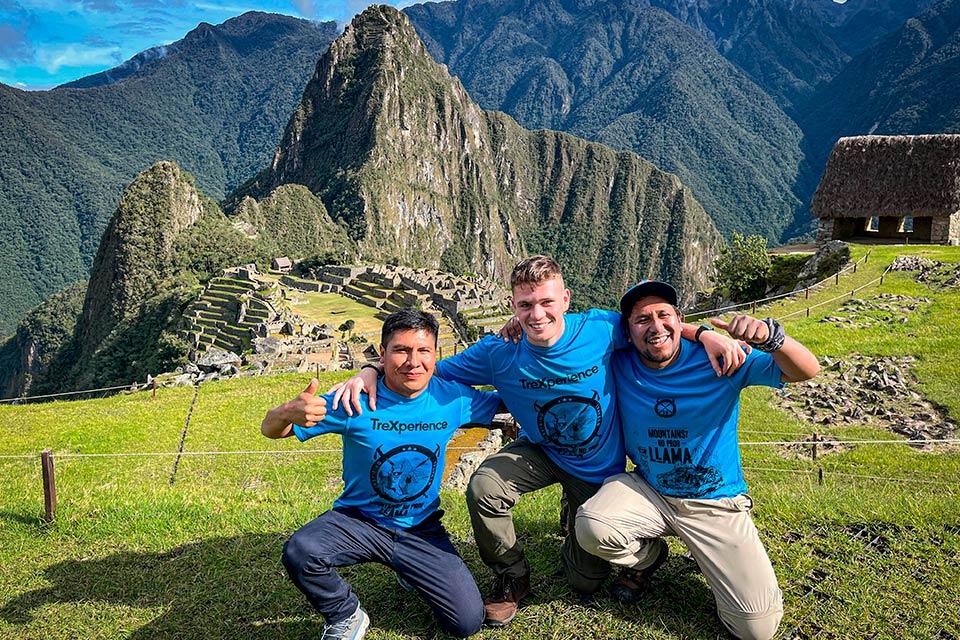
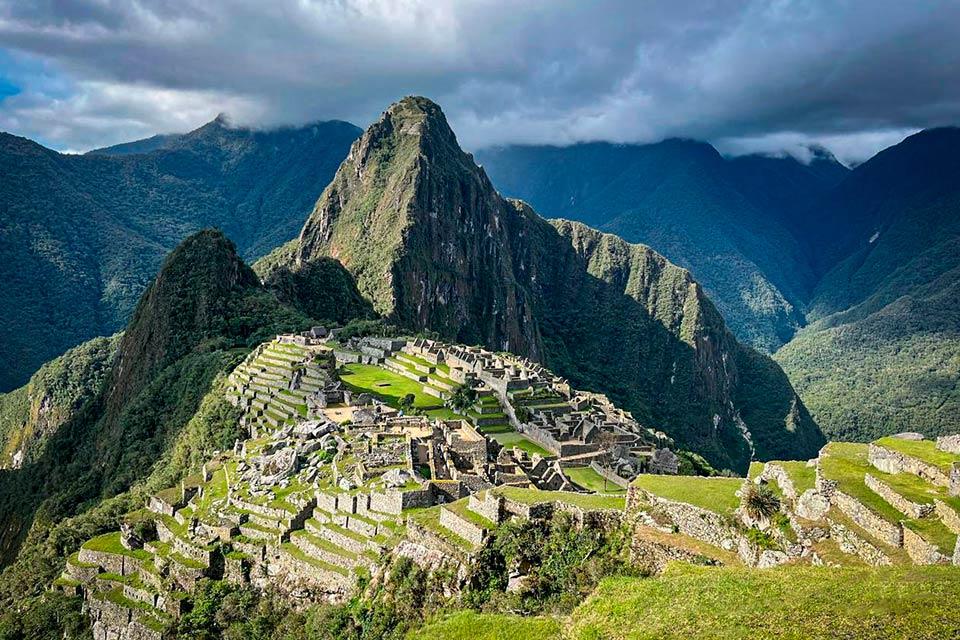
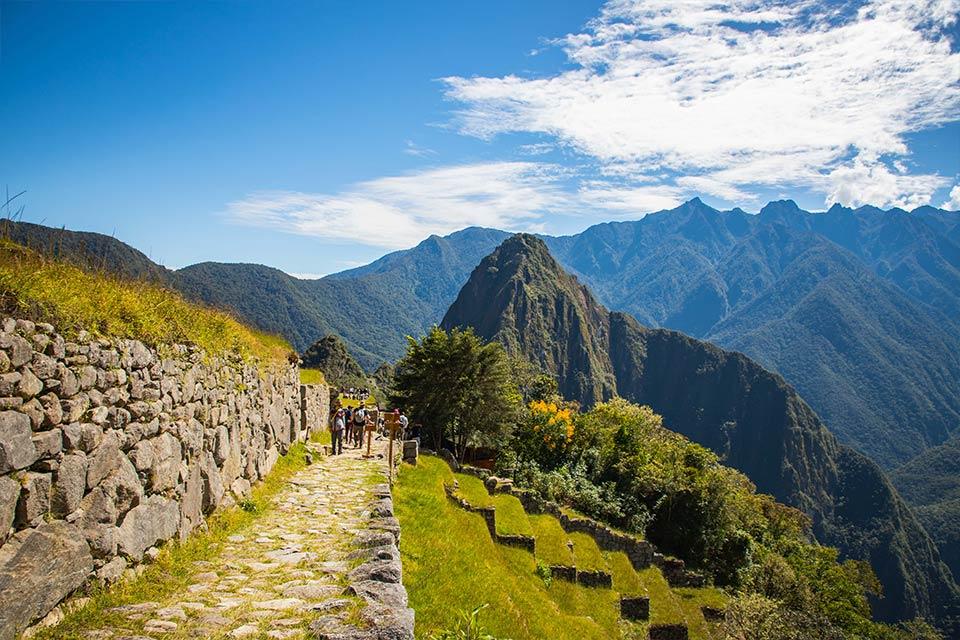
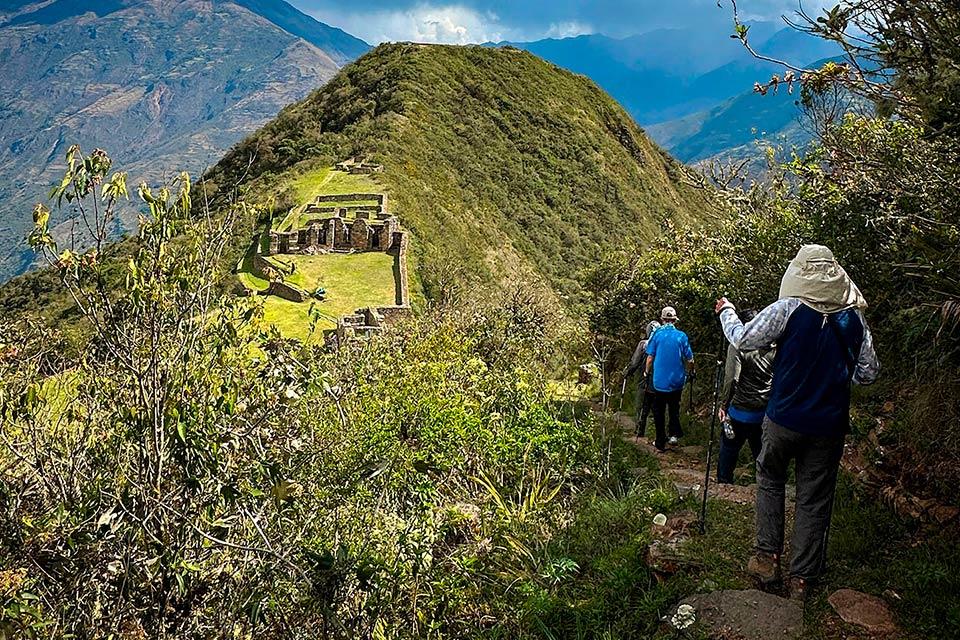
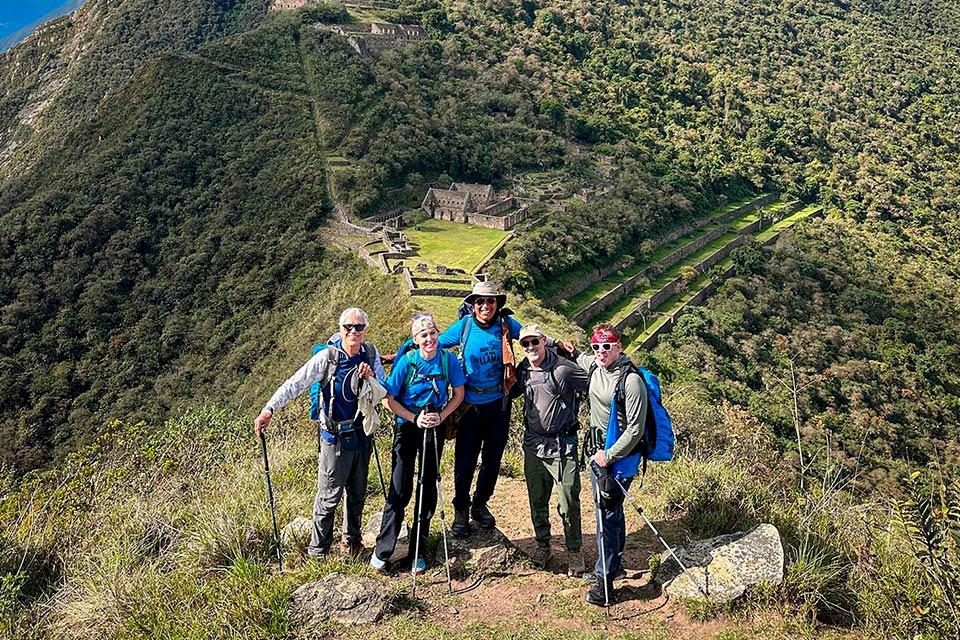
The Choquequirao Trek to Machu Picchu 6 Days connects two of Peru’s greatest Inca citadels in one powerful journey. You will descend into the Apurimac Canyon, hike through warm valleys and remote mountain trails, explore the hidden city of Choquequirao, and finish with the unforgettable experience of visiting Machu Picchu.
This route is perfect for travelers who want a real Andean trekking adventure with a smart and comfortable ending. After days of camping under the stars, you will continue by train through the Sacred Valley, rest in Aguas Calientes, and wake up ready to explore the most iconic Inca site in Peru.
 Tour Type Group / Private
 Activities Adventure, camping, history
 Average Group Size 6 to 8 people
 Difficulty Challenging
 Accommodation Camping, Hotel
 Tour Language English, Spanish
 Hiking Distance 55 km / 34 mi
 Starts/Ends Cusco / Cusco
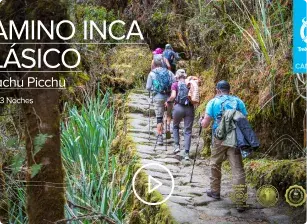
Choquequirao Trek to Machu Picchu 6 Days Overview
The Choquequirao Trek to Machu Picchu 6 Days connects two of Peru’s most powerful Inca citadels in one unforgettable trip. First, you hike deep into the Apurimac Canyon to reach Choquequirao, a remote Inca city hidden in the Andes. Then, you continue by train through the Sacred Valley and finish with a guided visit to Machu Picchu.
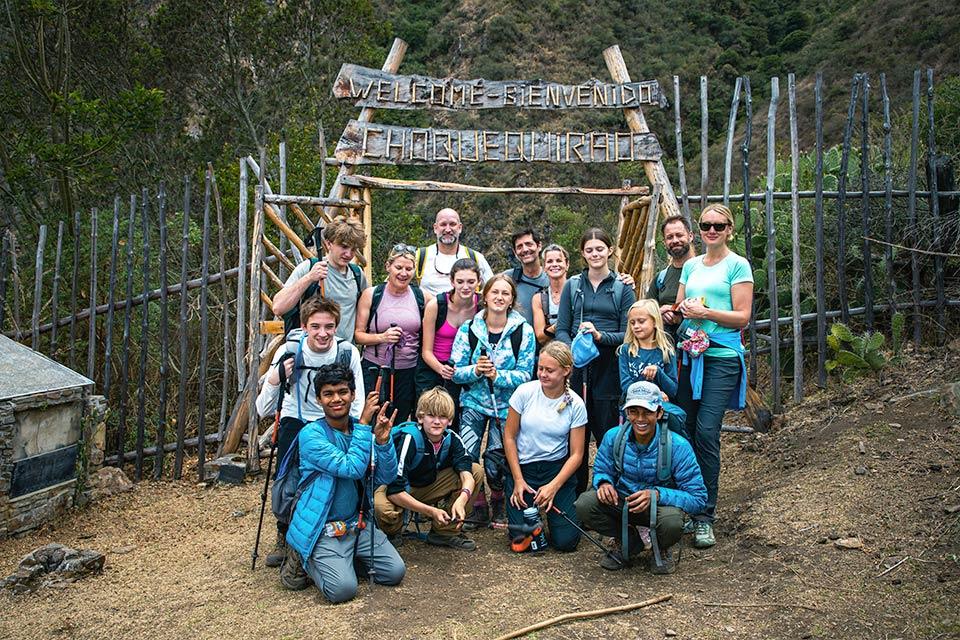
This premium small-group tour is designed for travelers who want real adventure with smart logistics and comfort where it matters. TreXperience, a 100% Peruvian local tour operator, takes care of the details: expert guides, comfortable transport, quality camping gear, fresh meals by trekking chefs, muleteers, horses, train tickets, Machu Picchu tickets, hotel in Aguas Calientes, and safe support from start to finish.
Tour Highlights:
- Connect two great Inca citadels: Explore remote Choquequirao and finish at Machu Picchu.
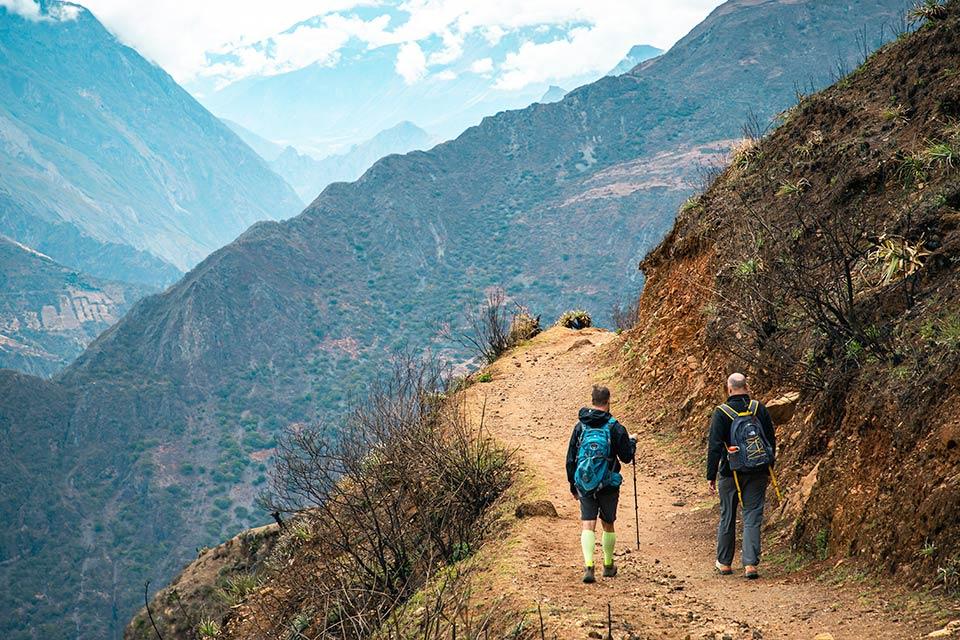
- Hike through the Apurímac Canyon: Enjoy deep canyon views, warm valleys, and scenic mountain trails.
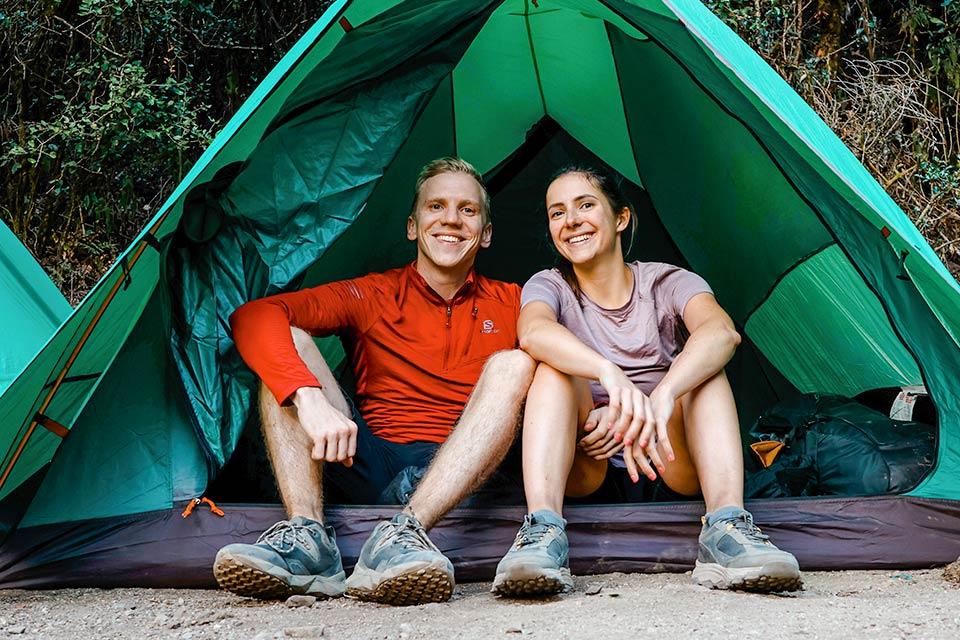
- Authentic camping experience: Sleep in comfortable tents with quality camping gear.
- Fresh meals on the trail: Enjoy warm, delicious food prepared by expert trekking chefs using fresh ingredients.
- Responsible local operation: Travel with a local team committed to safety, sustainability, and fair treatment for all staff.
Choquequirao Trek to Machu Picchu 6 Days at a Glance
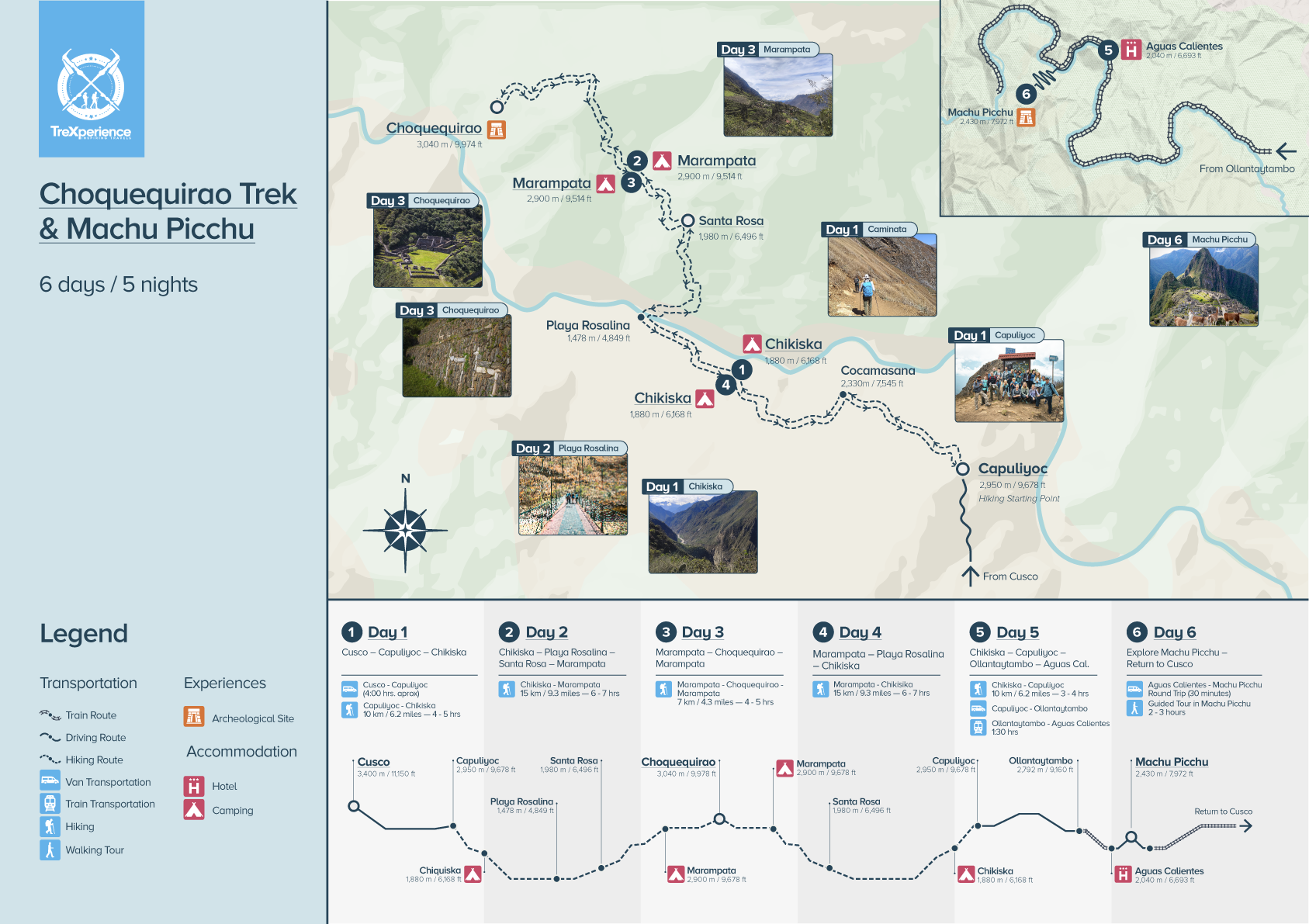
Day 1: Cusco – Capuliyoc – Chikiska
Start with early hotel pickup and drive to Capuliyoc. After breakfast with your trekking team, descend into the Apurimac Canyon and camp at Chikiska.
Day 2: Chikiska – Playa Rosalina – Santa Rosa – Marampata
Descend to Playa Rosalina, cross the Apurimac River, and climb through Santa Rosa to Marampata, one of the best viewpoints on the trek.
Day 3: Marampata – Choquequirao – Marampata
Hike about 2 hours to Choquequirao. Enjoy lunch near the site, explore the citadel with your guide, and return to Marampata in the afternoon.
Day 4: Marampata – Playa Rosalina – Chikiska
Begin the return hike with a long descent toward the Apurimac River. Continue through the canyon and camp at Chikiska for your final night on the trail.
Day 5: Chikiska – Capuliyoc – Cusco – Ollantaytambo – Aguas Calientes
Complete the final uphill hike to Capuliyoc. After lunch with your trekking team, travel to Ollantaytambo and take the train to Aguas Calientes.
Day 6: Machu Picchu – Return to Cusco
Visit Machu Picchu with your expert guide, explore the assigned circuit, and return by bus, train, and private transport.
Included:
- Safety briefing the day before the tour
- Hotel pickup and drop-off
- All transportation during the 6-day tour
- Professional bilingual tour guide in English and Spanish
- Second tour guide for groups of 9+ travelers
- Comfortable camping equipment
- Dining and kitchen equipment
- Trekking chefs to prepare fresh meals on the trail
- Muleteers and horses to support camp logistics
- Fresh meals during the trekking days
- Daily snacks
- Drinking water during the trek
- Entrance ticket to Choquequirao
- Entrance ticket to Machu Picchu
- Train ticket from Ollantaytambo to Aguas Calientes
- Vistadome Panoramic train for the return journey
- 4 nights of camping during the trekking route
- 3-star hotel in Aguas Calientes
- Bus tickets to and from Machu Picchu
- First-aid kit, oxygen bottle, and satellite phone
Not Included:
- Travel insurance
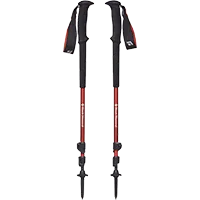
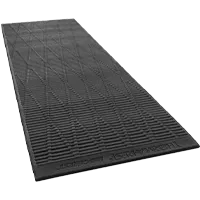
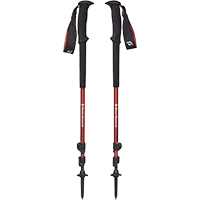
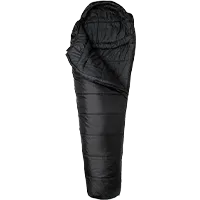
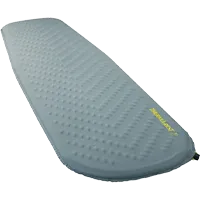
- Inflatable mattress, sleeping bag, trekking poles, or single tent (available to rent from us)
- Personal expenses, such as souvenirs, extra drinks, and snacks
- Lunch on the last day in Aguas Calientes
- Huayna Picchu or Machu Picchu Mountain tickets (optional)
Machu Picchu Circuit Included
- Circuit 2: Circuit 2 is included by default whenever available. It offers one of the most complete Machu Picchu experiences, with key viewpoints and important sectors of the citadel.
If Circuit 2 is sold out for your date, we will secure the best available alternative, usually Circuit 1 or Circuit 3, depending on official availability. We strongly recommend booking early because Machu Picchu tickets and the best circuits can sell out in advance. For more details, visit Machu Picchu Entrances & Circuits.
Extra Hikes After the Machu Picchu Tour
- Huayna Picchu Mountain - US$68 per person. The most famous optional mountain hike, approximately 2 hours round trip.
- Machu Picchu Mountain - US$68 per person. The highest optional mountain hike, approximately 3 hours round trip.
You can only hike one of these mountains, and it is done after the guided tour in Machu Picchu. Advance booking is required because availability is very limited.
Why Book with TreXperience?
- 100% Peruvian local operator: Book directly with a local team that knows the Andes from the inside.
- Expert local guides: Our guides are professional, experienced, and fluent in English and Spanish.
- Panoramic train included: Return through the Sacred Valley on the Vistadome Panoramic train for a more comfortable finish.
- Premium camping and food: Enjoy comfortable tents, organized camp logistics, and fresh meals prepared by trekking chefs.
- Responsible travel: We operate with respect for local communities, the trail, archaeological sites, and the people who make each journey possible.
- Want the full remote expedition? We also offer the Choquequirao Trek to Machu Picchu 7 Days.
Full Itinerary of the Choquequirao Trek to Machu Picchu 6 Days
Day 1: Cusco – Capuliyoc – Chikiska
Your Choquequirao Trek to Machu Picchu 6 Days begins with an early pickup from your hotel in Cusco at 4:30 a.m. We travel by private transportation for about 4 hours to Capuliyoc, where your trekking chef will prepare a fresh breakfast before the hike begins.
From Capuliyoc (2,950 m / 9,678 ft), we begin a scenic descent into the Apurimac Canyon. This first day introduces you to the scale of the Andes: wide views, warm valleys, changing vegetation, and dramatic mountain walls rising above the river below.
After several hours of hiking, we reach Chikiska (1,950 m / 6,398 ft), where our trekking team will set up camp and prepare dinner. Tonight, you will rest in comfortable tents and enjoy your first night under the Andean sky.
- Hiking Distance: 10 km / 6.2 miles
- Duration: 4 to 5 hours of hiking
- Campsite Altitude: 1,950 m / 6,398 ft
- Highest Altitude: 2,950 m / 9,678 ft
- Meals: Breakfast, lunch, dinner, and snacks
- Accommodation: Camping
- Difficulty: Moderate
Day 2: Chikiska – Playa Rosalina – Santa Rosa – Marampata
Wake up early in your tent with a hot cup of coffee or coca tea served by your trekking team. After breakfast, we begin the day with a descent to Playa Rosalina (1,500 m / 4,921 ft), near the Apurimac River.
After crossing the river by bridge, the main climb of the day begins. We hike uphill toward Santa Rosa, where we will stop for lunch with beautiful views of the canyon and surrounding mountains. This section is demanding, but your guide will set a steady pace and make sure the group moves safely.
After lunch, we continue the ascent to Marampata (2,940 m / 9,646 ft), one of the most beautiful viewpoints on the route. From here, you will enjoy wide-open views of the Apurimac Canyon and the mountains around Choquequirao. Tonight, we camp in Marampata, a peaceful place with clear skies and unforgettable views.
- Hiking Distance: 15 km / 9.3 miles
- Duration: 6 to 7 hours
- Campsite Altitude: 2,940 m / 9,646 ft
- Lowest Altitude: 1,500 m / 4,921 ft
- Meals: Breakfast, lunch, dinner, and snacks
- Accommodation: Camping
- Difficulty: Moderate to Challenging
Day 3: Marampata – Choquequirao – Marampata
Today is the heart of the Choquequirao Trek to Machu Picchu 6 Days. We wake up early with hot drinks and breakfast while the mountains begin to light up around Marampata. After breakfast, we hike for about 2 hours toward the archaeological site of Choquequirao.
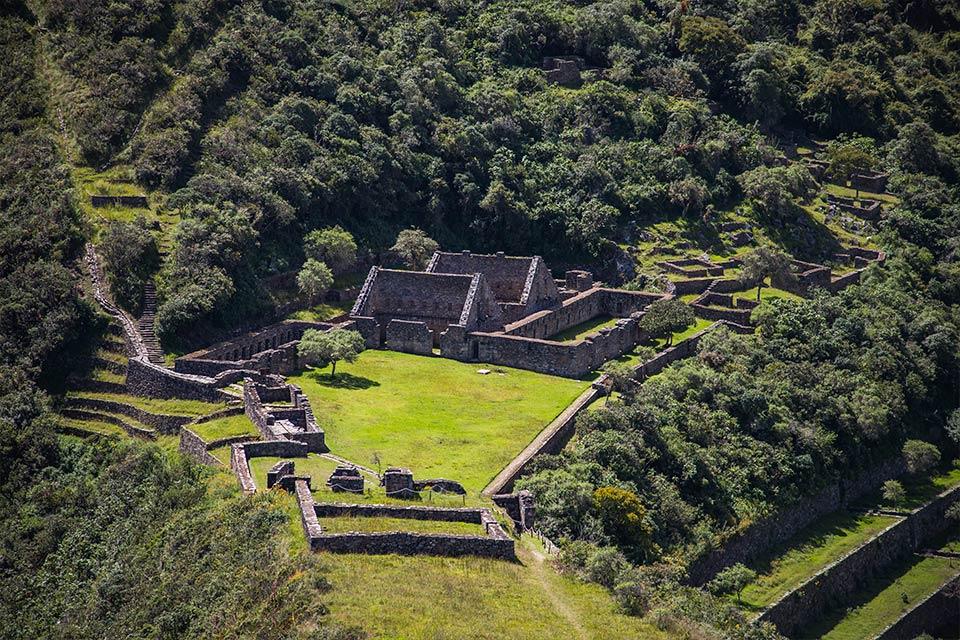
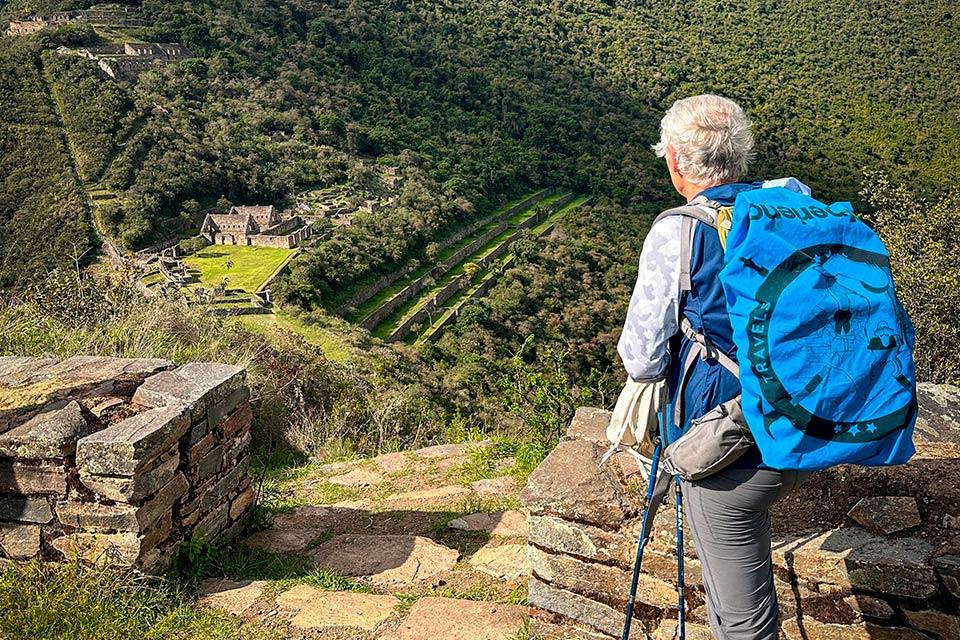
We will enjoy lunch near the Choquequirao area and spend the day visiting the most important sectors of the site with your guide, including plazas, terraces, ceremonial areas, viewpoints, and hidden corners that reveal the power and mystery of this remote Inca city.
Choquequirao means “Cradle of Gold” and is often called the sister city of Machu Picchu. Its remote location, dramatic mountain setting, and peaceful atmosphere make it one of the most special archaeological experiences in Peru. In the afternoon, we return to Marampata for dinner and another quiet night at camp.
- Hiking Distance: 7 km / 4.3 miles
- Duration: 4 to 5 hours of hiking, plus guided exploration
- Highest Altitude: 3,050 m / 10,006 ft
- Meals: Breakfast, lunch, dinner, and snacks
- Accommodation: Camping
- Difficulty: Moderate
Day 4: Marampata – Playa Rosalina – Chikiska
After a second morning in Marampata, enjoy breakfast with beautiful mountain views before beginning the return hike. We descend toward Playa Rosalina, passing through warm canyon landscapes, rural areas, flowers, birds, and wide views of the Apurimac Valley.
The descent can be hard on the knees, so trekking poles are very helpful. After reaching the river area near Playa Rosalina, we continue through the canyon toward Chikiska, where we will camp for the final night of the trekking section.
This is a perfect day to slow down, enjoy the surrounding nature, and feel the strength of the canyon one last time. At camp, your trekking team will be waiting with warm drinks, dinner, and comfortable tents for your last night on the trail.
- Hiking Distance: 15 km / 9.3 miles
- Duration: 6 to 7 hours
- Campsite Altitude: 1,950 m / 6,398 ft
- Meals: Breakfast, lunch, dinner, and snacks
- Accommodation: Camping
- Difficulty: Challenging
Day 5: Chikiska – Capuliyoc – Cusco – Ollantaytambo – Aguas Calientes
On the final trekking morning, wake up one last time with hot tea or coffee in your tent. After breakfast, we begin the final uphill hike from Chikiska to Capuliyoc. This last section is a strong but rewarding climb, with final views over the Apurimac Canyon and the route you have completed.
At Capuliyoc, we will enjoy a farewell lunch prepared by your trekking team. This is the moment to rest, take in the views, and thank the chefs, muleteers, and support staff who helped make the camping journey possible.
After lunch, we travel by private transportation toward Cusco and continue to Ollantaytambo in the Sacred Valley. From there, we board the train to Aguas Calientes, also known as Machu Picchu Pueblo. Upon arrival, you will check in at your hotel and rest before the next day’s visit to Machu Picchu.
- Hiking Distance: 10 km / 6.2 miles
- Duration: 3 to 4 hours of hiking, plus drive and train travel
- Highest Altitude: 2,950 m / 9,678 ft
- Meals: Breakfast, lunch, dinner, and snacks
- Accommodation: 3-star hotel in Aguas Calientes
- Difficulty: Moderate
Day 6: Explore Machu Picchu – Return to Cusco
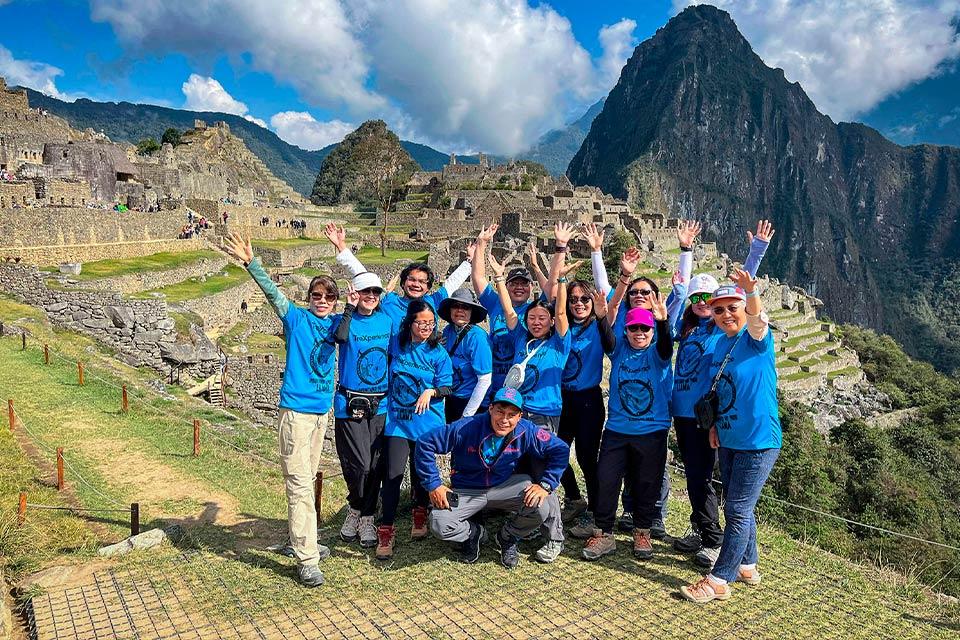
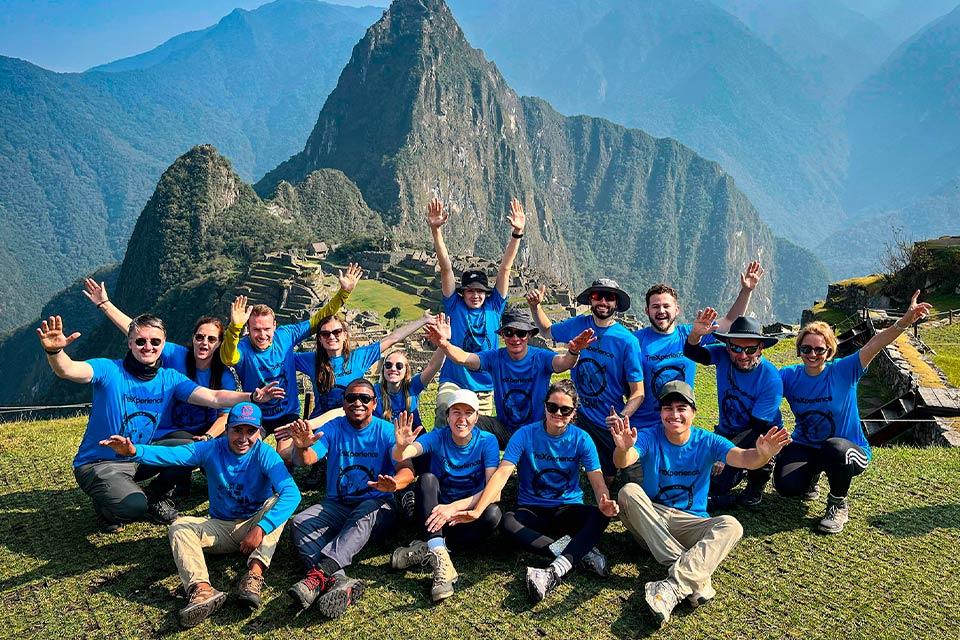
On the final day, enjoy an early breakfast at your hotel and take the bus to Machu Picchu. This is the grand finale of your journey: after hiking to remote Choquequirao and crossing the Andes, you will explore the most iconic Inca citadel in Peru.
Your guide will lead you through the assigned Machu Picchu circuit, sharing the history, architecture, sacred spaces, and meaning of this extraordinary site. Circuit 2 is included by default whenever available because it offers one of the most complete visits. If Circuit 2 is sold out, we will secure the best available alternative, usually Circuit 1 or Circuit 3.
After the guided tour, you can optionally hike Huayna Picchu or Machu Picchu Mountain if you booked the extra ticket in advance. Later, return by bus to Aguas Calientes, have lunch on your own, and board the Vistadome Panoramic train back to Ollantaytambo. Our private transportation will take you back to your hotel in Cusco. The expected arrival time is around 7:30 p.m.
- Duration: 2 to 3 hours in Machu Picchu
- Meals: Breakfast at the hotel
- Difficulty: Easy to moderate
Choquequirao Trek to Machu Picchu 6 Days Price and Booking
Join one of our premium small-group departures for a more personal Choquequirao Trek to Machu Picchu 6 Days experience, or choose a private tour if you prefer extra flexibility and a more exclusive service. This tour connects Choquequirao and Machu Picchu with expert guiding, camping, train travel, hotel, entrance tickets, and carefully planned logistics throughout the journey.
Group Tour:
| Traveler Type | Price Per Person |
|---|---|
| Adults | From US$ 790 |
| Children and students | From US$ 760 |
Private Tour:
| Number of Participants | Price Per Person |
|---|---|
| 1 traveler | US$ 2,350 |
| 2 travelers | US$ 1,450 |
| 3 travelers | US$ 1,250 |
| 4 travelers | US$ 1,090 |
| 5 travelers | US$ 990 |
| 6 travelers | US$ 940 |
| 7 travelers | US$ 890 |
| 8 travelers | US$ 850 |
| 9+ travelers | Contact us for a special price |
Booking and Payment
- Deposit: US$ 200 per person to secure your booking. The remaining balance can be paid online or at our office in Cusco by credit card, PayPal, or wire transfer. Contact us if you need an alternative payment option.
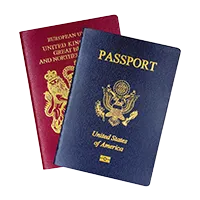
- For each traveler, we require the full name exactly as shown on the passport, passport number, date of birth, passport expiration date, and nationality.
Student and Child Discount
- US$ 30 off
This discount applies to all travelers under 17 and students under 25 with a valid university ID. To qualify, the ID must include:
- The student’s name, photo, and university name
- A valid expiration date. Expired IDs will not be accepted
- ISIC cards are not accepted
The child discount is applied automatically. Students must send a copy of their university ID when booking; if the ID is not accepted, the adult rate will apply.
Choquequirao Trek to Machu Picchu Packing List
For the Choquequirao Trek to Machu Picchu, it is important to pack light and bring only what you really need. This route combines remote trekking, camping, train travel, one hotel night in Aguas Calientes, and a final visit to Machu Picchu, so smart packing will make the entire journey more comfortable.
Plan to carry your daily essentials in your daypack and keep the rest of your trekking gear in your duffle bag. The weather in the Andes can change quickly, so bring layers, rain protection, sun protection, and comfortable hiking gear.
TreXperience Includes
- 1 duffle bag for your personal belongings during the trek. Our horses and muleteers will carry it from camp to camp, but you will not have access to it during the day. Anything you need while hiking should go in your daypack.
Essentials
On the Choquequirao route, you will hike in remote mountains with limited phone signal and no nearby stores. Bringing the right gear will make the experience smoother, safer, and more comfortable.




What to Wear?
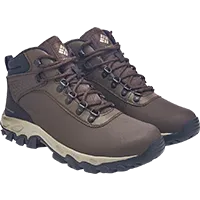
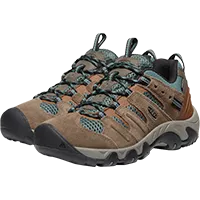
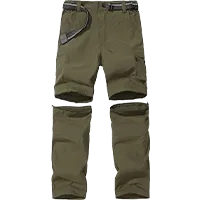
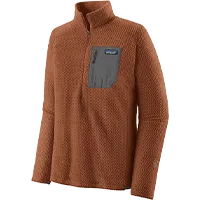
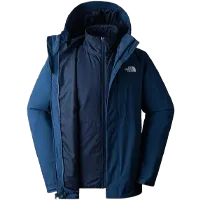
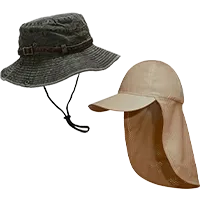
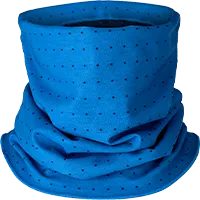
For the Choquequirao Trek to Machu Picchu, dressing in layers is the best option. Weather can change quickly as you move from warm canyon sections to cooler campsites, higher viewpoints, the train route, and Machu Picchu.
Here’s what we recommend wearing:

What to put in the Daypack?
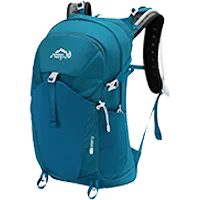
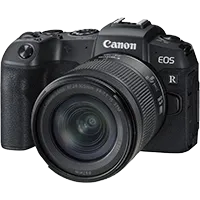
Below is a packing list for your daypack. You’ll use it every day on the trek, so choose one that is lightweight, comfortable, and strong enough for long hiking days.
We recommend a 30- to 40-liter backpack with a rain cover. Keep it light and organized so you can hike more comfortably on steep uphill and downhill sections.




What to put in the Duffle Bag?
TreXperience will provide a duffle bag for the items you won’t need while hiking. Our horses will carry this bag during the trekking section. The weight limit is 7 kg / 15 lb, including your sleeping bag and air mattress if you bring or rent them.
You’ll receive your duffle bag at the safety briefing in our office the day before the trek. If you need it earlier, email us and you can pick it up in advance from our office in central Cusco.
What We Provide
TreXperience provides the following items for the Choquequirao Trek to Machu Picchu to help you enjoy a safer, more comfortable, and better-organized trekking experience.
What can you rent with TreXperience?
If you prefer to travel lighter or need a few extra items, you can rent the following camping equipment from us at an additional cost.
See our complete guide on the blog: Peru Packing List.
Travel Information for the Choquequirao Trek to Machu Picchu 6 Days
This section gives you the practical information you need before, during, and after the Choquequirao Trek to Machu Picchu 6 Days: route conditions, altitude, weather, camping, food, safety, official rules, Machu Picchu circuits, packing, and how to choose the right Choquequirao experience.
What makes this route different?
This tour connects two of the most important Inca destinations in Peru: Choquequirao and Machu Picchu. It is designed for travelers who want a real trekking adventure to a remote archaeological site, but also want to finish with the comfort of a train journey, a hotel night, and a guided Machu Picchu visit.
If you want the full remote expedition on foot toward Machu Picchu, the Choquequirao Trek to Machu Picchu 7 Days may be a better fit. If you want only Choquequirao without Machu Picchu, consider the Choquequirao Trek 5 Days.
What is Choquequirao?
Choquequirao is a remote Inca archaeological site located high above the Apurimac Canyon. Its name is often translated as “Cradle of Gold,” and it is known for its terraces, plazas, ceremonial areas, mountain views, and strong connection with the final period of the Inca world.
Unlike Machu Picchu, Choquequirao can only be reached by a multi-day hike. That effort is part of what makes the experience so special: fewer crowds, remote trails, and a deeper feeling of discovery. For more background before your trip, read our Choquequirao, The Golden Cradle of the Incas.
Choquequirao route and hiking profile
The updated 6-day route starts in Cusco and takes you by private transportation to Capuliyoc. From there, you descend into the Apurimac Canyon to Chikiska, continue through Playa Rosalina and Santa Rosa, and reach Marampata, the main base for exploring Choquequirao.
On Day 3, you hike about 2 hours from Marampata to Choquequirao, enjoy lunch near the archaeological site, and spend the day exploring the citadel with your guide before returning to Marampata in the afternoon. The return route goes back through Playa Rosalina and Chikiska before the final uphill hike to Capuliyoc.
From Capuliyoc, the route continues by private transportation toward Cusco and Ollantaytambo, then by train to Aguas Calientes for a hotel night before the Machu Picchu visit. The trek includes steep descents, strong climbs, warm canyon sections, and remote mountain trails.
Altitude and acclimatization
Choquequirao sits at around 3,050 m / 10,006 ft above sea level. The route also drops to lower, warmer canyon sections near the Apurimac River before climbing again toward Marampata and Choquequirao. This means the challenge is not only altitude, but also elevation change.
We recommend arriving in Cusco at least 2 days before the trek. During your first days, keep activities light, drink water, avoid excess alcohol, and rest well. For a gentle activity before the trek, consider the Cusco City Tour or the Sacred Valley VIP Tour.
For general health guidance, review the official CDC Travel to High Altitudes information.
Weather and best months to hike
The best months to hike Choquequirao are usually during the dry season, from May to September, when trail conditions are more stable and mountain views are often clearer. April and October can also be good transition months.
The rainy season, from November to March, brings greener landscapes but also wetter trails and more unpredictable conditions. Because this route includes canyon, mountain, train valley, and Machu Picchu environments, pack for sun, wind, cool nights, heat, and possible rain.
Choquequirao entrance ticket and official site rules
Your entrance ticket to the Choquequirao archaeological site is included in this tour. During the visit, your guide will explain the official rules and help you explore the site responsibly.
Choquequirao is a protected archaeological park. Visitors must respect the site, avoid climbing on walls, avoid entering restricted areas, and never camp inside the archaeological zone. Drones require official authorization.
For official information, visit the Choquequirao Archaeological Park page from Cultura Cusco.
Machu Picchu tickets, circuits, and availability
Your Machu Picchu entrance ticket is included in this tour. Circuit 2 is included by default whenever available because it gives one of the most complete visits to the citadel. If Circuit 2 is sold out for your date, we will secure the best available alternative, usually Circuit 1 or Circuit 3.
Machu Picchu tickets are limited and assigned by date, time, and circuit. For this reason, early booking is strongly recommended, especially during high season. You can read our Machu Picchu Circuits guide or check the official Machu Picchu circuits and routes.
Train travel and hotel in Aguas Calientes
After completing the Choquequirao trekking section, you will travel to Ollantaytambo and board the train to Aguas Calientes, the town below Machu Picchu. This gives you a more comfortable finish after several days of hiking.
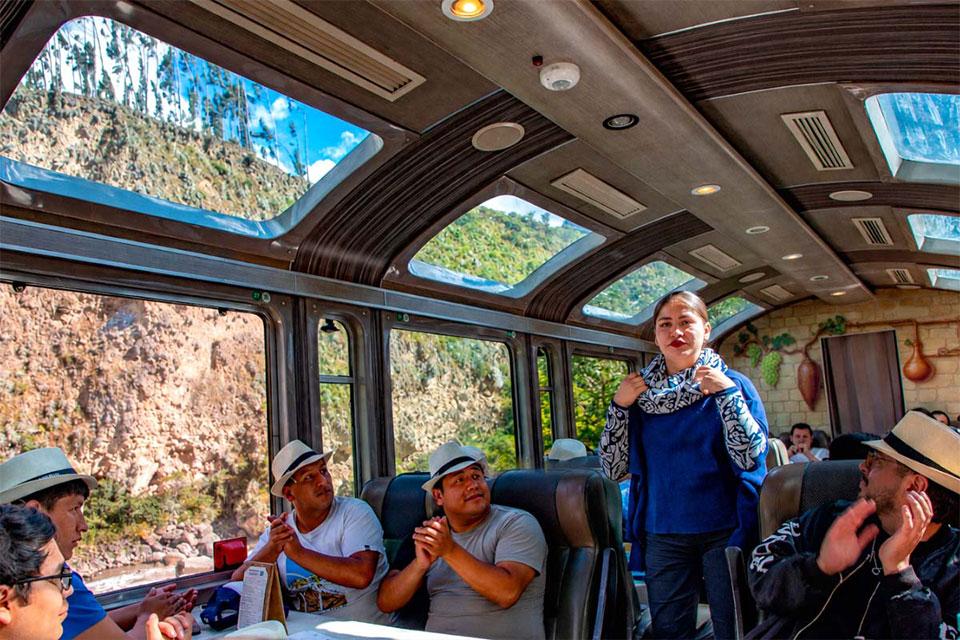
A 3-star hotel in Aguas Calientes is included, so you can rest before visiting Machu Picchu the next morning. The return journey includes the Vistadome Panoramic train for a more scenic experience through the Sacred Valley.
Physical preparation before the trek
This route is best for active travelers with good fitness. You do not need to be an elite athlete, but you should be comfortable walking several hours a day on steep uphill and downhill trails.
The best preparation includes regular hiking, stairs, long walks, hill training, and walking with a daypack. Trekking poles are strongly recommended because the route includes long descents and climbs. You can read our guide on how to use trekking poles in the Andes.
Camping, bathrooms, and hygiene
This is an authentic camping trek during the Choquequirao section. You will sleep in comfortable tents at organized campsites along the route. TreXperience provides quality camping equipment, dining support, and a trekking team that prepares camp and meals during the journey.
Bathrooms on this route are basic, and facilities are limited compared with more popular treks. Bring toilet paper, hand sanitizer, wet wipes, and a small personal hygiene kit.
Food, water, and dietary needs
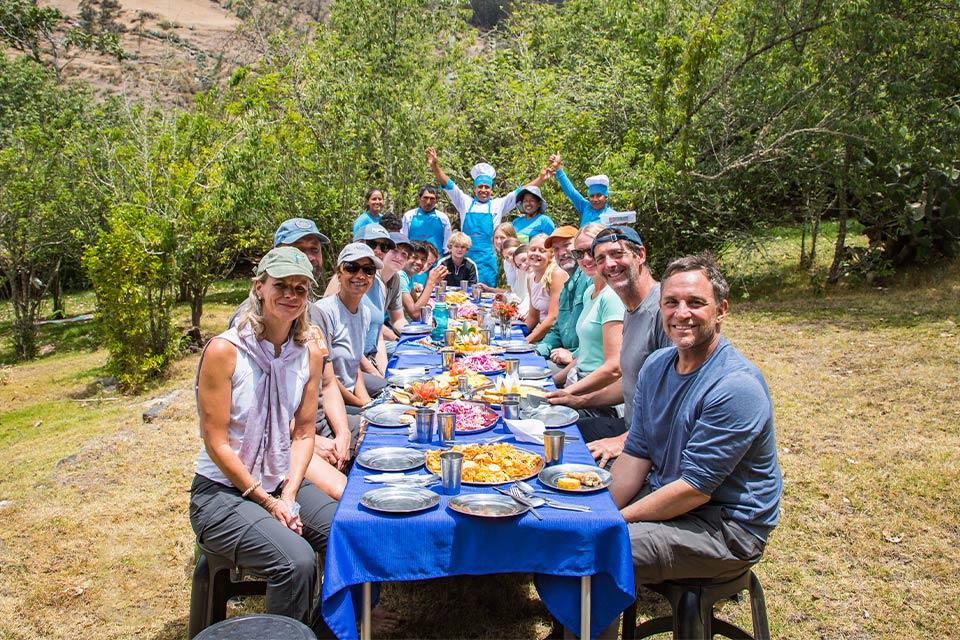
Meals are one of the highlights of the Choquequirao Trek with TreXperience. Our trekking chefs prepare fresh, warm, and varied meals on the trail to keep you energized and comfortable throughout the hike.
Breakfast, snacks, lunch, and dinner are included during the trekking days. Breakfast is included at the hotel in Aguas Calientes. Lunch on the last day in Aguas Calientes is not included. Vegetarian, vegan, and special dietary options are available with advance notice.
Connectivity, charging, and emergency support
Choquequirao is remote, so you should not expect reliable phone signal, Wi-Fi, or charging points during the trekking section. Bring a fully charged power bank and let family or friends know that you may be offline for most of the trek.
For safety, TreXperience carries a first-aid kit, oxygen bottle, and satellite phone. Our guides are trained to manage the pace, monitor the group, and respond if a traveler feels unwell or needs support.
Choosing between the 6-day and 7-day Choquequirao to Machu Picchu treks
Choose this Choquequirao Trek to Machu Picchu 6 Days if you want to connect Choquequirao and Machu Picchu with a smarter trek-and-train route and a hotel night before visiting Machu Picchu.
Choose the Choquequirao Trek to Machu Picchu 7 Days if you want a longer, more remote expedition-style route. For a broader comparison, read our Choquequirao Trek Guide.
Choquequirao Trek to Machu Picchu 6 Days Frequently Asked Questions
These are the questions travelers usually ask before hiking the Choquequirao Trek to Machu Picchu 6 Days, including details about difficulty, altitude, camping, Machu Picchu tickets, trains, hotel, and how this route compares with the longer 7-day expedition.
What is the Choquequirao Trek to Machu Picchu 6 Days?
It is a trekking and train journey that connects two of Peru’s most important Inca sites: Choquequirao and Machu Picchu. You hike to Choquequirao through the Apurimac Canyon, then continue by private transportation and train to Aguas Calientes before visiting Machu Picchu with your guide.
Does this tour really connect Choquequirao and Machu Picchu?
Yes. This tour connects both destinations in one itinerary. You first hike to the remote Inca citadel of Choquequirao, then travel by private transportation and train through the Sacred Valley to reach Aguas Calientes, the town below Machu Picchu.
How is this different from the 7-day Choquequirao to Machu Picchu trek?
The 6-day version is a smarter trek-and-train route. It includes the Choquequirao trekking experience, then uses private transportation and train travel to reach Aguas Calientes before visiting Machu Picchu.
The Choquequirao Trek to Machu Picchu 7 Days is the longer and more remote expedition-style route, designed for travelers who want a deeper trekking challenge.
How long is the Choquequirao Trek to Machu Picchu 6 Days?
The tour takes 6 days and 5 nights. It includes four nights of camping during the Choquequirao trekking section and one hotel night in Aguas Calientes before visiting Machu Picchu.
How difficult is the Choquequirao Trek to Machu Picchu 6 Days?
This tour is challenging because the Choquequirao section includes steep descents, long climbs, warm canyon areas, and several days of trekking on remote trails. You should have good fitness and be comfortable walking for several hours per day.
The train and hotel section makes the final part more comfortable than a full expedition route, but the trekking section still requires preparation.
What is the highest altitude of the tour?
The highest important point of the Choquequirao section is around 3,050 m / 10,006 ft. Machu Picchu sits lower, at approximately 2,430 m / 7,972 ft. The main challenge is not only altitude, but the repeated descents and climbs in the Apurimac Canyon.
Do I need to acclimatize before this trek?
Yes. We recommend arriving in Cusco at least 2 days before the trek. This helps your body adjust to the altitude and gives you time to rest, attend the briefing, and prepare your gear.
During your first days, drink water, avoid excess alcohol, and keep activities light. You can also review the CDC Travel to High Altitudes guidance before traveling.
Does this tour include Machu Picchu tickets?
Yes. The Machu Picchu entrance ticket is included. Circuit 2 is included by default whenever available because it offers one of the most complete experiences inside the citadel.
If Circuit 2 is sold out, we will secure the best available alternative, usually Circuit 1 or Circuit 3. You can read more in our Machu Picchu Circuits guide.
Does this tour include train tickets?
Yes. The tour includes the train from Ollantaytambo to Aguas Calientes and the Vistadome Panoramic train for the return journey. This makes the final section more comfortable after the Choquequirao trekking days.
Where do we sleep during the tour?
During the Choquequirao trekking section, you sleep in comfortable tents at organized campsites. Before visiting Machu Picchu, you spend one night in a 3-star hotel in Aguas Calientes.
What kind of food is included?
Fresh meals are prepared by our trekking chefs during the camping section. Breakfast, lunch, dinner, and snacks are included during the trekking days. Breakfast at the hotel in Aguas Calientes is also included.
Lunch on the final day in Aguas Calientes is not included. Vegetarian, vegan, and special dietary options are available with advance notice.
Is drinking water provided during the trek?
Yes. TreXperience provides drinking water during the trekking section. We recommend bringing a reusable water bottle or hydration bladder so you can refill and stay hydrated throughout the day.
Do not drink directly from rivers or streams unless the water has been properly treated.
What should I pack for the Choquequirao Trek to Machu Picchu?
Bring hiking boots, layered clothing, rain protection, sun protection, insect repellent, a headlamp, personal medication, a reusable water bottle, and a good daypack. You should also pack clean clothes for the hotel night in Aguas Calientes and your Machu Picchu visit.
For more general packing advice, read our Peru Packing List and our guide on how to use trekking poles in the Andes.
Can solo travelers join this tour?
Yes. Solo travelers can join our small-group departures. It is a great option if you want to share the adventure with other travelers while enjoying the support of a local team that handles logistics, food, camping, trains, hotel, and safety.
What if I walk slower than the rest of the group?
That is completely normal. Hikers naturally walk at different speeds, especially on climbs and descents. The most important thing is to walk steadily and safely, not quickly.
Our guides manage the group pace, set regrouping points, and support travelers during the trek. You should still arrive physically prepared because this is a real multi-day hiking route.
Is there phone signal on the route?
Phone signal is very limited or unavailable in several parts of the Choquequirao route. You should not rely on Wi-Fi, charging points, or stable mobile service during the trekking section.
TreXperience carries emergency equipment, including a first-aid kit, oxygen bottle, and satellite phone for safety support.
Can I add Huayna Picchu or Machu Picchu Mountain?
Yes, you can add Huayna Picchu or Machu Picchu Mountain if tickets are available. These hikes take place after the guided Machu Picchu tour and must be booked in advance.
You can only hike one of these mountains. Read more about Huayna Picchu Mountain and Machu Picchu Mountain.
Should I book a flight out of Cusco the same night I return?
We do not recommend it. The return day includes the Machu Picchu visit, bus, train, and private transfer back to Cusco. Delays can happen because of weather, train schedules, road conditions, or group timing.
It is better to spend one more night in Cusco and continue your journey the next day.
Why choose TreXperience for this tour?
TreXperience is a 100% Peruvian local tour operator based in Cusco. We organize premium small-group treks with expert local guides, fresh meals, comfortable camping equipment, safe logistics, Machu Picchu planning, responsible travel practices, and a strong human team.
We do not just organize tours. We create safe, authentic, and memorable experiences in the Andes of Peru.