



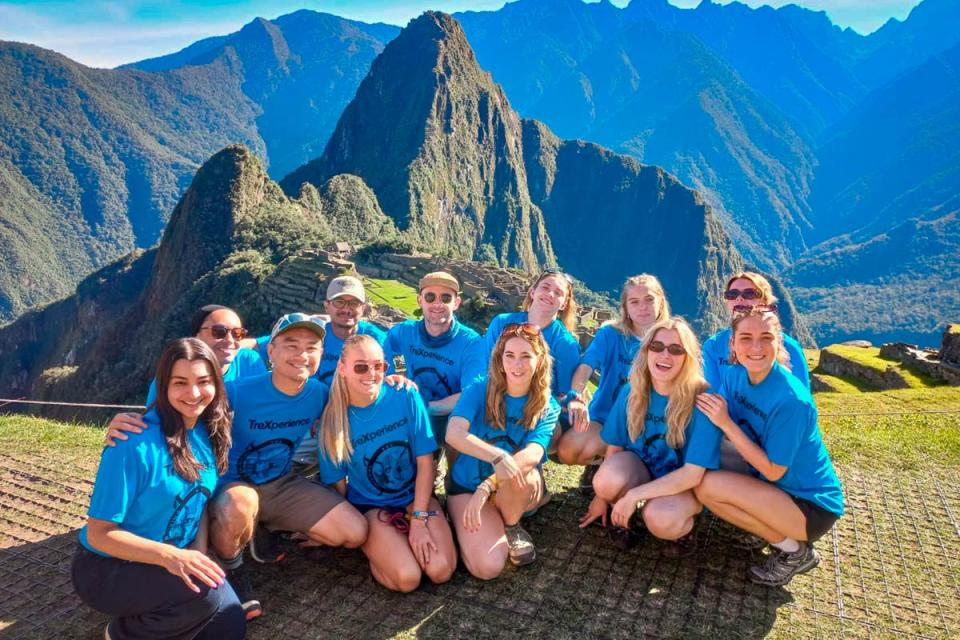
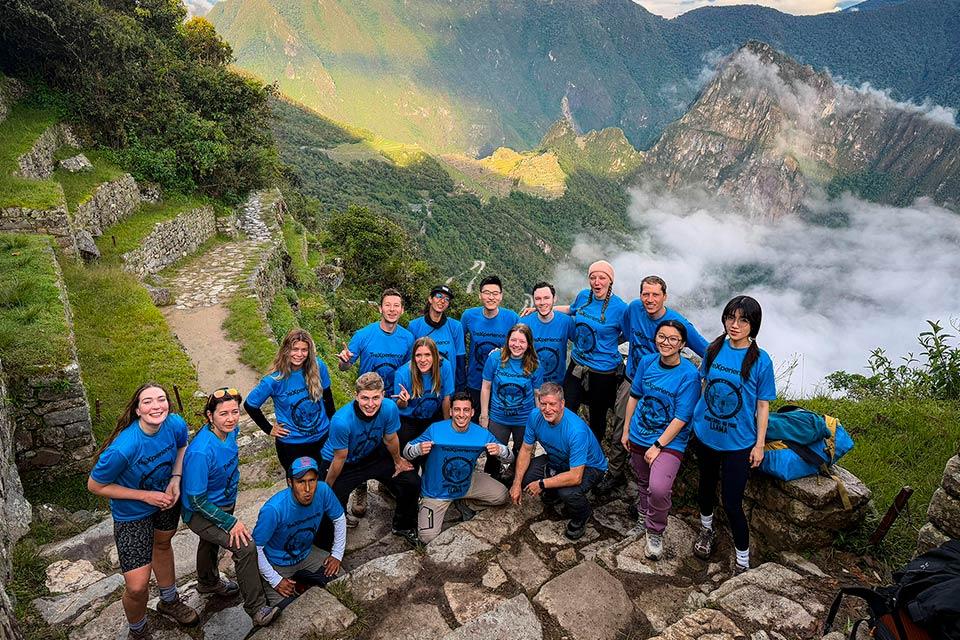

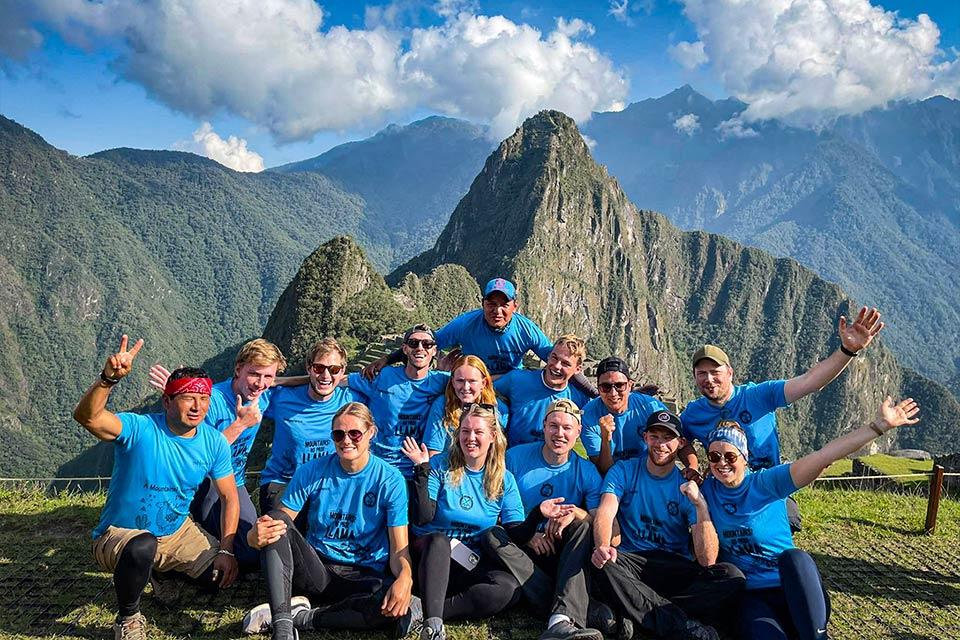
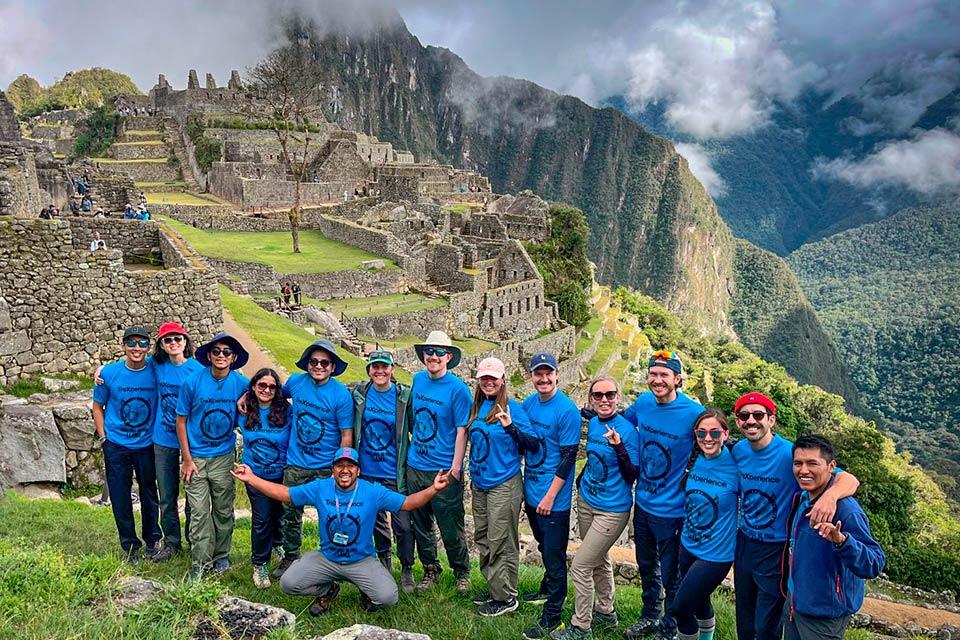
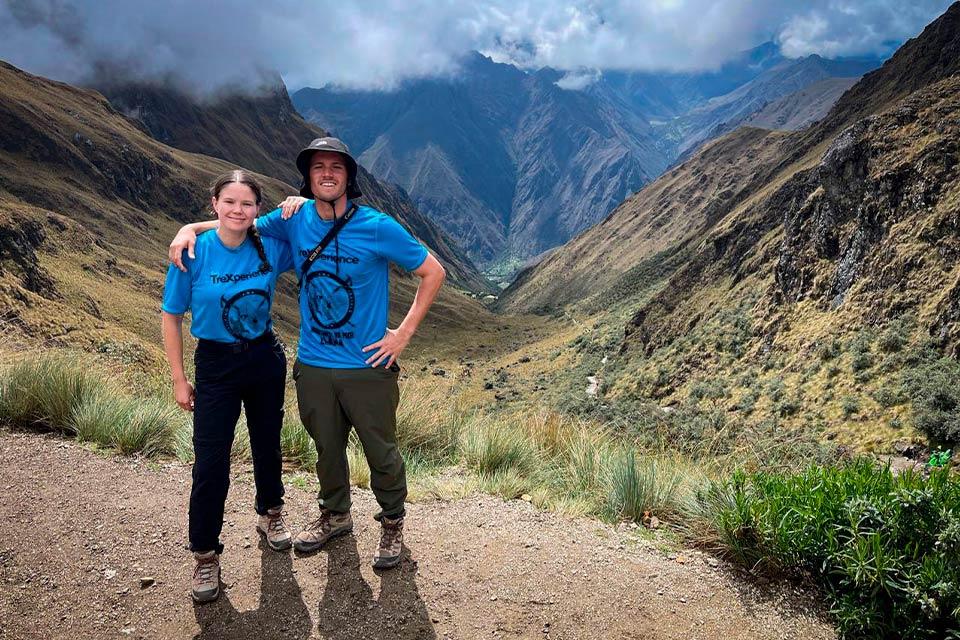
The Inca Trail 5 Days to Machu Picchu follows the same legendary route as the classic trek, with one extra day that changes everything. Shorter hiking days give you real time at the Inca sites instead of rushing past them, plus a night at Phuyupatamarca, the "City in the Clouds," one of the most scenic campsites on the whole trail. Then comes the part nobody forgets: you see Machu Picchu twice — first through the Sun Gate in the soft afternoon light, and again the next morning, rested after a hotel night, for a deeper guided visit.
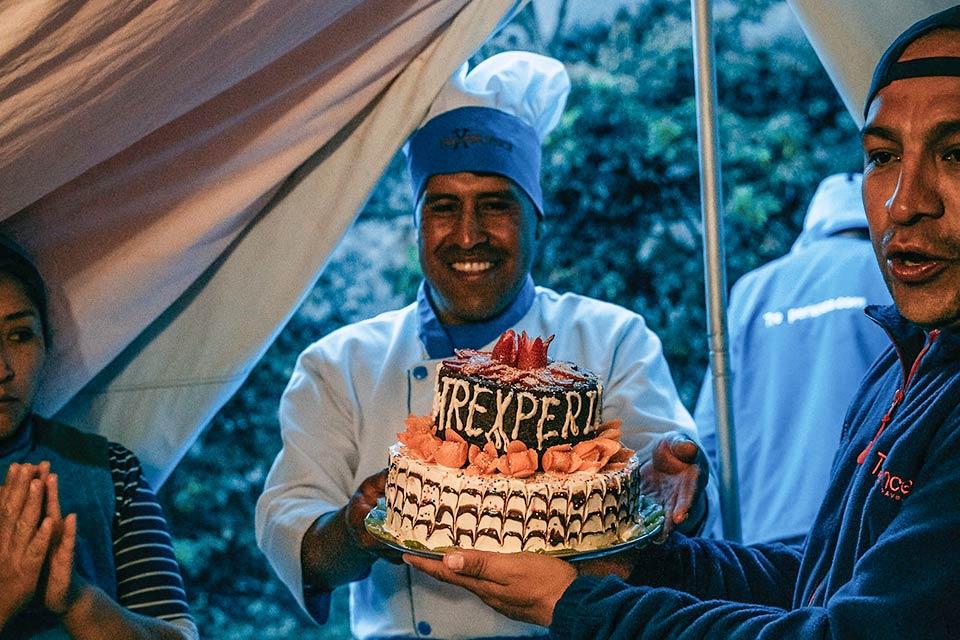
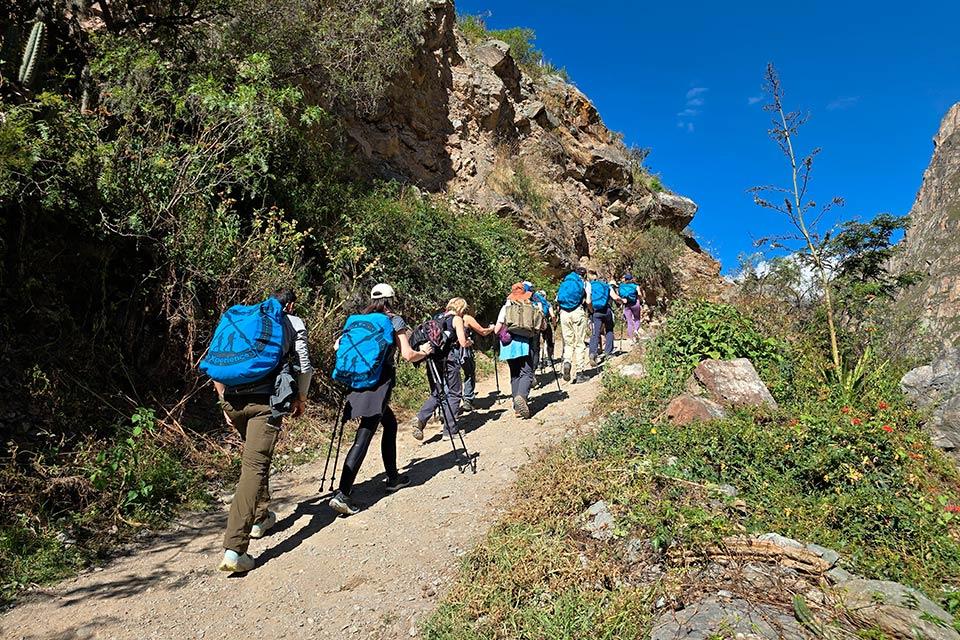
While you walk, your TreXperience team takes care of the rest. Expert local guides set a comfortable pace and bring every site to life, trekking chefs cook fresh Peruvian meals on the trail, hot coffee or coca tea arrives at your tent door, and a fairly treated porter crew carries up to 7 kg / 15 lb of your gear — with camp standing before you arrive. After Machu Picchu, return aboard the panoramic Vistadome train.
Just know that only 500 people can start the Inca Trail each day, counting every guide, chef, and porter, so traveler spots are scarce and the best dates go months ahead. Check availability early and make the extra day yours.
 Duration 5 Days / 4 Nights
 Activities Trekking. Culture, Sightseeing
 Average Group Size 8 to 12 people
 Difficulty Moderate to Challenging
 Accommodation Camping, Hotel
 Tour Language English, Spanish
 Max. Altitude 4,215m / 13,829ft
 Starts/Ends Cusco / Cusco
Inca Trail 5 Days to Machu Picchu Overview
Take the same legendary trail — and give yourself time to live it. The Inca Trail 5 Days to Machu Picchu follows the classic route with shorter hiking days, more time at the Inca sites, and a night at Phuyupatamarca, the "City in the Clouds," one of the most scenic campsites on the entire trail. Then comes the part nobody forgets: you see Machu Picchu twice — through the Sun Gate in the soft afternoon light, and again the next morning, rested after a hotel night, for your full guided visit.
This Slow Version is made for families, photographers, active older travelers, and anyone who would rather enjoy the trail than race it. Your TreXperience team — expert local guides, trekking chefs, and a fairly treated porter crew from a 100% Peruvian local tour operator — takes care of everything, from permits to the panoramic Vistadome train home, included, not an upgrade. All you have to do is walk, breathe, and take it in.
Tour Highlights
- Visit Machu Picchu twice: Arrive through the Sun Gate in the afternoon, then return the next morning for a full guided visit — both entries included.
- Sleep above the clouds: Camp at Phuyupatamarca, with sunset over the Andes and, on clear days, your first distant glimpse of Machu Picchu Mountain.
- A gentler rhythm: Shorter hiking days and more time at the ruins — the classic trail, without the race.
- Hike lighter, travel responsibly: A personal porter — fairly paid and properly equipped — carries up to 7 kg / 15 lb of your gear.
- Fresh food and real comfort: Chef-cooked Peruvian meals, tea time, quality tents, private portable toilets — plus a 3-star hotel night before your second Machu Picchu visit.
- Vistadome train included: The panoramic ride through the Sacred Valley is inside the price — not an upgrade.
Inca Trail 5 Days at a Glance
Day 1: Ease Into the Andes
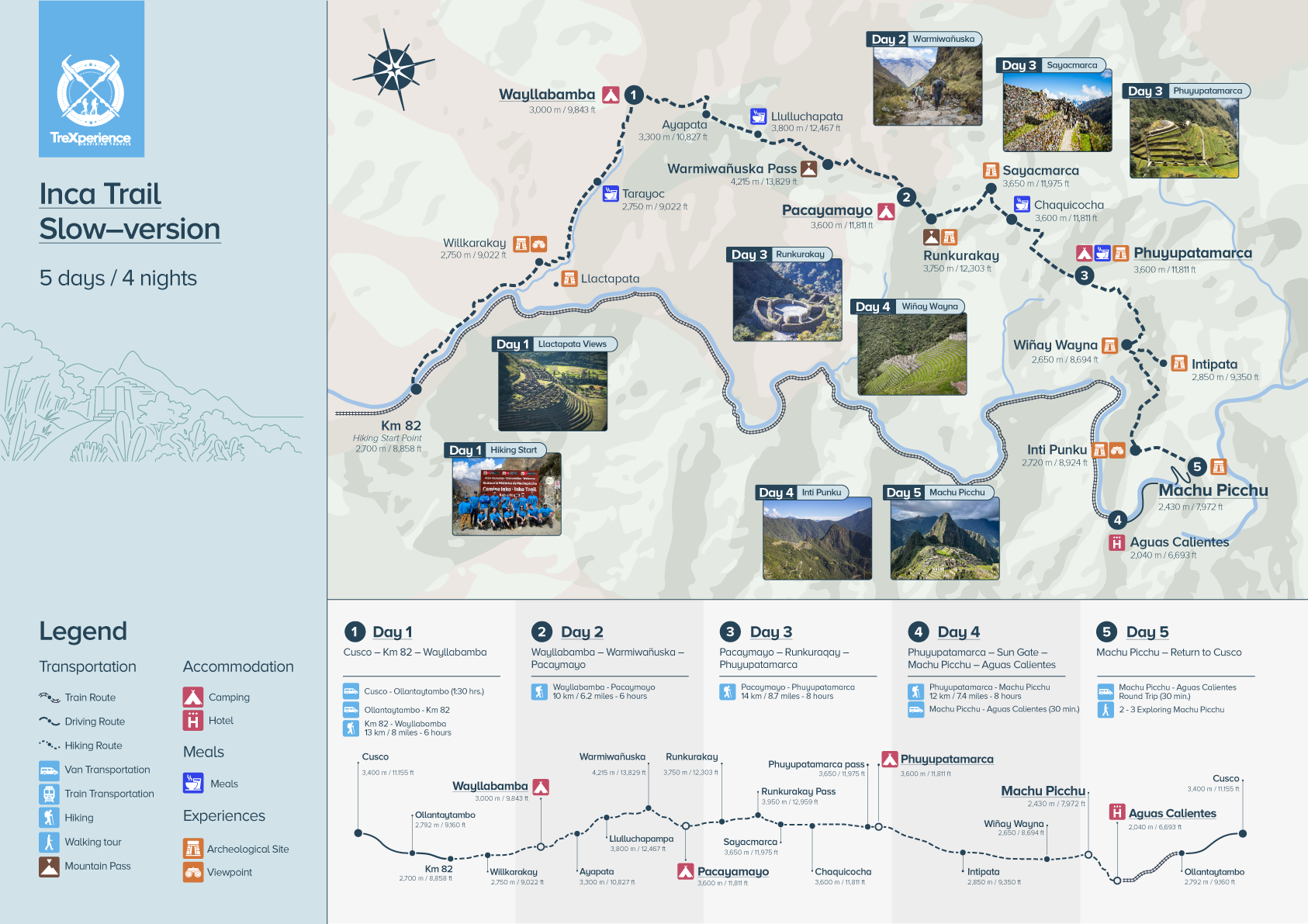
Cusco — Km 82 — Patallacta — Wayllabamba (13 km, 6 hrs): We pick you up in Cusco and drive to Km 82, the official trailhead. Day one is a gentle welcome: the Urubamba and Cusichaca river valleys, small villages, and the Inca sites of Willkaraqay and Patallacta. At Wayllabamba, your tent is already up and warm water is waiting for a wash.
Day 2: Rise to the Challenge
Wayllabamba — Warmiwañusca — Pacaymayo (10 km, 6 hrs): Hot coffee or coca tea at your tent door, then the big one: Dead Woman's Pass, the highest point of the Inca Trail at 4,215 m / 13,829 ft. The extra day in this itinerary means you climb it your way — steady, with time to breathe and take in the views.
Day 3: Sleep Above the Clouds
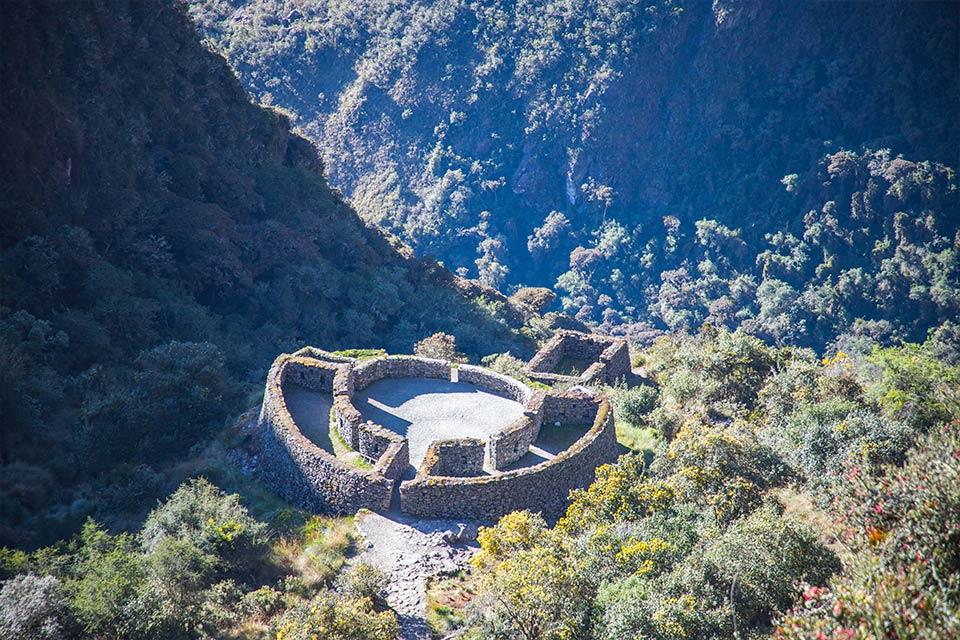
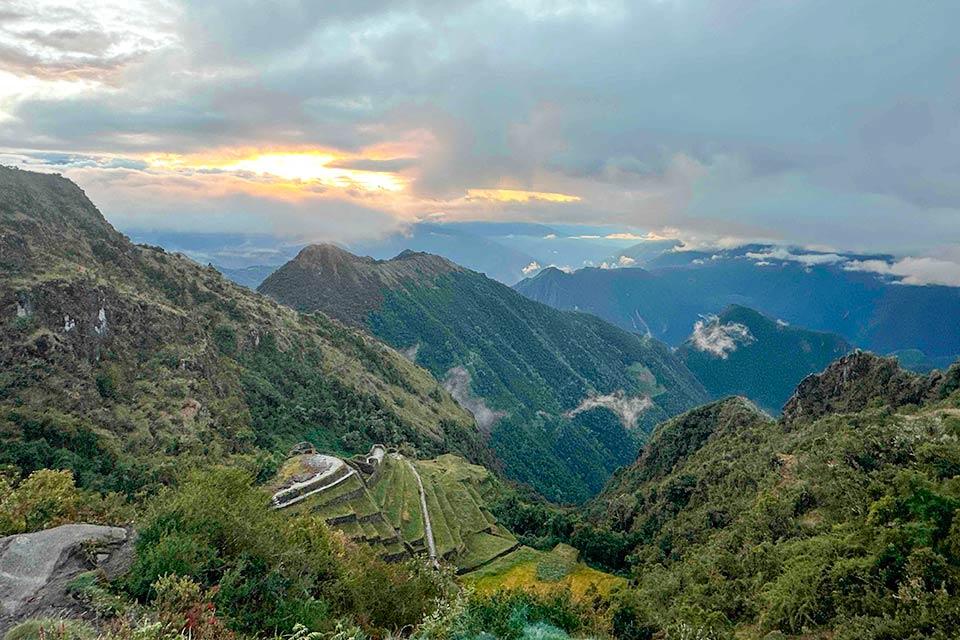
Pacaymayo — Runkuraqay — Sayacmarca — Phuyupatamarca (14 km, 8 hrs): Cross the second pass, visit the Inca sites of Runkuraqay and Sayacmarca, and descend into the cloud forest. Tonight is the night this trek is famous for: camping at Phuyupatamarca, with sunset over the mountains and a sky full of stars.
Day 4: Through the Sun Gate
Phuyupatamarca — Wiñay Wayna — Sun Gate — Machu Picchu (12 km, 8 hrs): Explore Phuyupatamarca, Intipata, and Wiñay Wayna, then reach the Sun Gate in the afternoon for your first full view of Machu Picchu, entering through Circuit 1 in the soft late-day light. Tonight: a hotel bed and a hot shower in Aguas Calientes.
Day 5: Machu Picchu in the Morning Light
Machu Picchu — Aguas Calientes — Ollantaytambo — Cusco: Board one of the first buses back up and enter through Circuit 3 for your deeper guided visit — temples, palaces, fountains, and the stories that connect everything you've walked. Then bus, panoramic Vistadome train, and private van back to your hotel, arriving around 7:30 p.m.
- Campsite locations may change depending on availability and the final campsite assignment.
- Inca Trail permits are limited and sell out quickly, especially in high season. Book early to secure your preferred departure date.
Included
- Safety briefing the day before the Inca Trail tour
- Cusco hotel pickup and drop-off (door-to-door service)
- Professional bilingual tour guide (2 guides for groups of 9+)
- All transportation during the tour
- Panoramic Vistadome train return
- Entry tickets to the Inca Trail and Machu Picchu - Circuit 1
- Entry ticket to Machu Picchu - Circuit 3 for the second visit
- Personal porter to carry up to 7 kg / 15 lb
- Experienced chefs and porter team with responsible welfare standards
- 3 nights of camping with quality equipment
- Comfortable tents for every 2 people
- 1 night in a 3-star hotel in Aguas Calientes
- All meals included, except lunch on the last day
- Drinking water and daily snacks
- Satellite phones, first-aid kit, and oxygen supply
- Private portable toilets
- Pillow, sleeping pad, rain poncho, and hand towels
Not Included
- Sleeping bag
- Air mattress
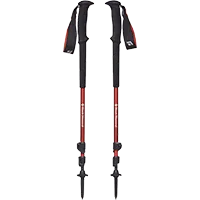
- Trekking poles
- Lunch on the last day after the Machu Picchu tour
- Entry to Huayna Picchu Mountain
- Entry to Machu Picchu Mountain
- Travel insurance
Machu Picchu Circuits Included
- Circuit 1-C: On Day 4, you arrive at Machu Picchu through the Sun Gate. This route gives access to the upper observatories and panoramic viewpoints, with wide views of Machu Picchu and the surrounding mountains.
- Circuit 3-B: On Day 5, you return to explore the lower part of Machu Picchu, including the Temple of the Sun, the Twelve Niches, the Warehouses, the Temple of the Condor, and the Water Mirrors.
Two entries, two completely different experiences: Machu Picchu from above in the afternoon light, and Machu Picchu from inside the next morning, with your guide connecting the stories. Learn more in our Machu Picchu Entrances & Circuits.
Extra hikes and Private Service
- Private service: You can upgrade this Inca Trail 5 Days Slow Version to a private experience. Contact us for special pricing.
- Huayna Picchu Mountain: US$75 per person (2-hour round-trip).
- Machu Picchu Mountain: US$75 per person (3-hour round-trip).
You can only hike one of these mountains, and both options must be booked in advance because availability is limited.
Built from the Trail Up
The trail is legendary. The way you experience it makes all the difference.
TreXperience grew from firsthand experience on the Inca Trail. Our co-founder, Juan Coronel, started out as a porter, then became a trekking chef, then a professional guide. He knows what it feels like to carry a load over Dead Woman's Pass, what a good meal means after a long day of hiking, and how much a well-pitched tent matters in the mountains — and he knows that some journeys deserve an extra day. That is why our camps are ready before you arrive, why our chefs cook the way they do, why our porters are treated as the professionals they are, and why this slower version of the trail exists at all.
One thing to know before you plan: only 500 people can start the Inca Trail each day — and that count includes every guide, chef, and porter, so traveler spots are far fewer than most people expect. High-season dates (May–September) go months in advance.
Want the same five days with an even more exclusive service? Explore our Luxury Inca Trail 5 Days.
Full Itinerary of the Inca Trail 5 Days to Machu Picchu
Day 1: Cusco – Km 82 – Wayllabamba
Your adventure starts before sunrise. We pick you up at your hotel in Cusco at 5:00 a.m. — yes, it is early, and most people sleep on the drive — and head toward Km 82, the official starting point of the Inca Trail 5 Days to Machu Picchu. On the way, we stop in Ollantaytambo for breakfast and any last-minute items: snacks, batteries, rain gear. Think twice before the shop door closes — the next real store is five days away.
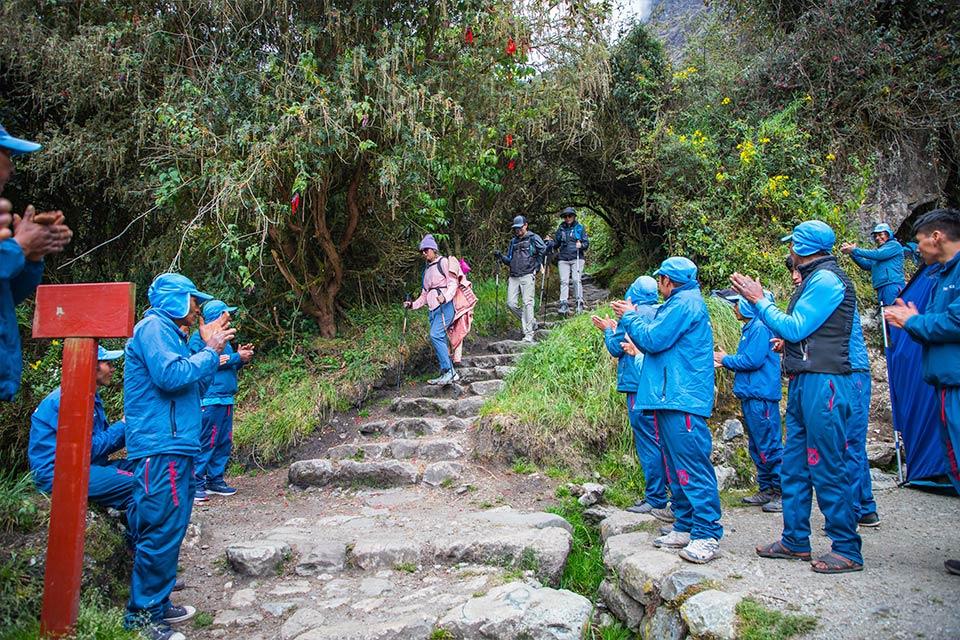
At the trailhead comes one of our favorite moments of the whole trip: meeting the people who will walk this trail with you. Your guide, your chefs, your porters — as a 100% Peruvian local tour operator, we hire our trekking team locally and follow responsible porter welfare standards on every departure. At the checkpoint, you present your original passport — it has to match your permit exactly, that is the rule of the trail — and your five days begin.
The first day is a gentle welcome to the Andes. You walk along the Urubamba River, pass small villages, and climb to Willkaraqay for lookout views over Patallacta, an important administrative and religious Inca site spread across the valley floor below — your first real "this is why I came" moment. At Tarayoc, your chef is already waiting with a fresh buffet-style lunch made with local ingredients. Come hungry.
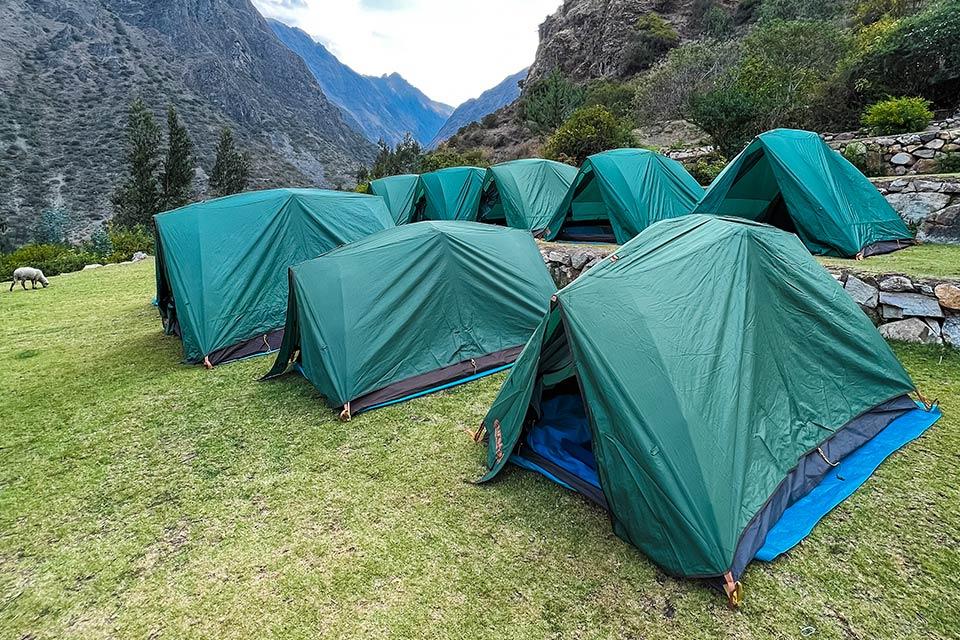
In the afternoon, we follow the Cusichaca River at an easy pace to Wayllabamba, our first campsite. Your tent is standing when you walk in, and there is warm water waiting for a wash — a small luxury that feels enormous in the mountains. Then tea service, a hot Peruvian dinner, and your first night under the Andean sky.
- Hiking Distance: 13 km / 8 miles
- Duration: 6 Hours
- Wayllabamba Campsite Altitude: 3,000 m / 9,843 ft
- Highest Altitude: 3,000 m / 9,843 ft
- Meals: Breakfast, lunch, tea time, dinner
- Accommodation: Camping
- Difficulty: Moderate
Day 2: Wayllabamba – Dead Woman's Pass – Pacaymayo
You wake to a quiet "good morning" at your tent door: a hot cup of coffee or coca tea, delivered before you even unzip your sleeping bag. You will want it — today is the most challenging day of the trek: the climb to Warmiwañusca, better known as Dead Woman's Pass, the highest point of the Inca Trail at 4,215 m / 13,829 ft. The name comes from the shape of the ridge itself, which looks like a woman lying on her back against the sky — ask your guide to point her out.
Here is where the extra day earns its keep: on the 4-day trek, hikers cross two mountain passes today. You cross one — and then you rest. The morning is a steady climb to Llulluchapampa at 3,800 m / 12,467 ft, moving through changing microclimates: cloud forest, wildflowers, hummingbirds, and original Inca stone paths built more than 500 years ago. After lunch, we take on the final stretch to the pass — slowly, at a rhythm your legs can hold, with your guide right beside you.
At the summit, we stop properly: catch your breath, look back down the valley you just climbed — that view is yours now, you earned it — and celebrate together. Your guide will share what these sacred mountains mean to the people of the Andes and, if you would like to take part, lead a simple ritual of gratitude to the Apus, the mountain spirits. Then it is a 2-hour descent to Pacaymayo Alto, where camp, tea time, and a well-earned dinner are waiting — with the whole afternoon to rest.
- Hiking Distance: 10 km / 6.2 miles
- Duration: 6 Hours
- Pacaymayo Campsite Altitude: 3,650 m / 11,975 ft
- Highest Altitude: 4,215 m / 13,829 ft
- Meals: Breakfast, lunch, tea time, dinner
- Accommodation: Camping
- Difficulty: Challenging
Day 3: Pacaymayo – Runkuraqay – Phuyupatamarca
After breakfast, we climb toward the second and final pass of the trek, Runkuraqay, at 4,000 m / 13,123 ft. Halfway up, we stop at the circular ruins that give the pass its name — a perfect excuse to catch your breath — with views of waterfalls, mountain lakes, and the Vilcabamba range opening up around you. And here is the good news: after this pass, the hardest climbing of the Inca Trail is behind you.
From the top, the trail descends into the cloud forest, where everything turns green and the air softens. Along the way, your guide brings to life two fascinating Inca sites: Sayacmarca, perched dramatically on its rocky ridge, and Conchamarca, tucked among the vegetation below it.
Then comes the night this trek is famous for. We camp at Phuyupatamarca — the "City in the Clouds" — at 3,680 m / 12,073 ft, one of the most spectacular campsites on the entire Inca Trail. Watch the sunset spread over the Andes and, on clear evenings, catch your first distant glimpse of Machu Picchu Mountain — the citadel itself still hidden behind it. After dinner, step outside and look up: far from any city lights, the sky fills with stars, and your guide can show you the constellations the Incas read in the Milky Way — shapes drawn not from the stars, but from the dark spaces between them. Tomorrow, the story you came for begins.
- Hiking Distance: 14 km / 8.7 miles
- Duration: 8 Hours
- Phuyupatamarca Campsite Altitude: 3,680 m / 12,073 ft
- Highest Altitude: 4,000 m / 13,123 ft
- Meals: Breakfast, lunch, tea time, dinner
- Accommodation: Camping
- Difficulty: Moderate
Day 4: Phuyupatamarca – Wiñay Wayna – Sun Gate – Machu Picchu – Aguas Calientes
Waking up above the clouds at Phuyupatamarca is one of those moments people describe for years afterwards. After breakfast with the mountains at your feet, your guide walks you through the "City in the Clouds" itself — and because the schedule is yours today, there is real time to explore it.
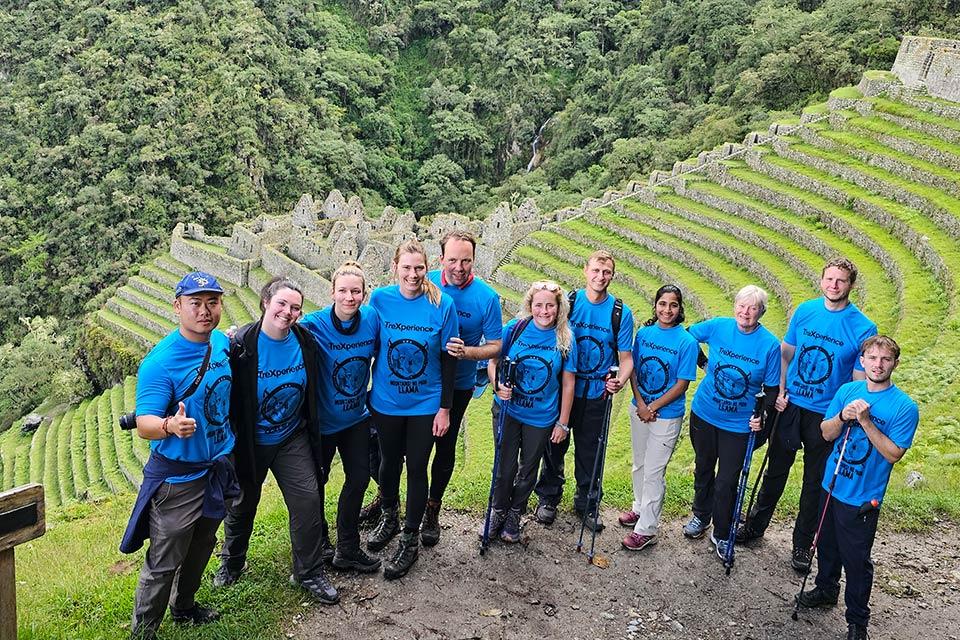
From there, the trail descends along original Inca stone steps toward Intipata, the "Terraces of the Sun," with sweeping views over the Urubamba River far below. After a relaxed break, we continue to Wiñay Wayna — "Forever Young" in Quechua — one of the largest and most beautiful archaeological sites on the whole trail. Your guide leads you through its terraces, temples, and urban sectors, connecting everything you have walked so far.
After lunch comes a moment that tends to stay with people: saying goodbye to the porters and chefs who carried your camp over two mountain passes and cooked every meal along the way. Tipping is always optional and never expected: From here, our porters carry the camp down to the valley and catch the train home while you walk on — one more reason we thank them properly before parting ways.
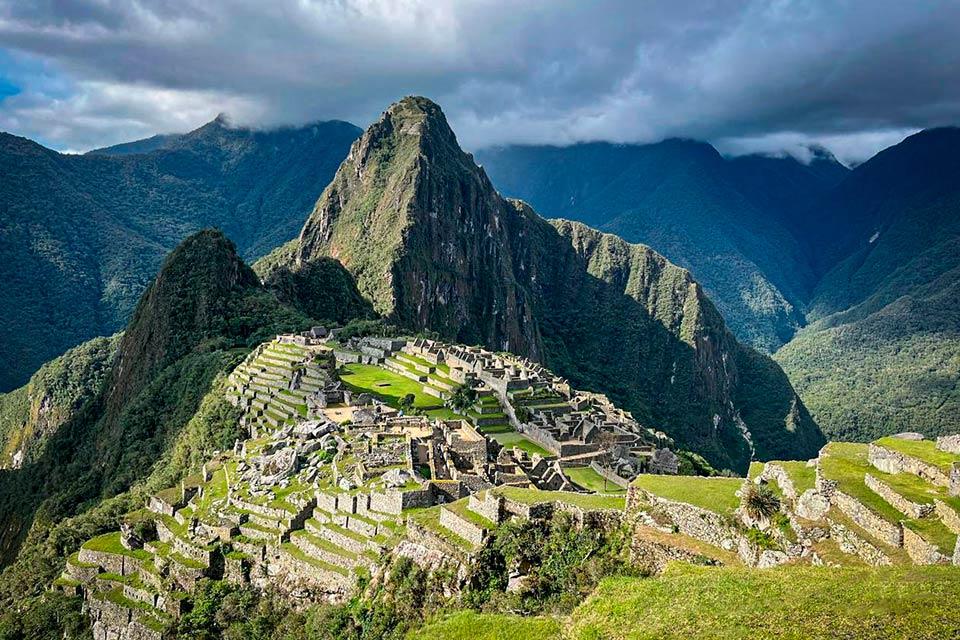
Then, the afternoon you have been walking toward: about an hour of highland-jungle trail brings you to Intipunku, the Sun Gate — and there it is. Machu Picchu, whole and quiet below you, in the soft late-day light. Take your time; nobody is rushing you. We descend into the citadel through Circuit 1, the upper panoramic route where the classic photos are taken, before catching the bus down to Aguas Calientes. Tonight: dinner at a local restaurant, a real bed, and a hot shower at a comfortable 3-star hotel — because tomorrow morning, you are going back.
- Hiking Distance: 12 km / 7.4 miles
- Duration: 8 Hours
- Aguas Calientes Altitude: 2,040 m / 6,690 ft
- Highest Altitude: 3,680 m / 12,073 ft
- Meals: Breakfast, lunch, dinner
- Accommodation: Hotel Ferre Machu Picchu or similar
- Difficulty: Moderate
Day 5: Machu Picchu – Cusco
Today you do something most Inca Trail hikers never get to do: see Machu Picchu a second time — rested, showered, and with fresh legs. After an early breakfast at your hotel, we board one of the first buses back up to the citadel to make the most of the cool morning light. At the checkpoint, show your original passport and step inside for your second visit, this time through Circuit 3.
Yesterday you saw Machu Picchu from above; today you walk through its heart. On the guided tour, you explore the Temple of the Sun, the Twelve Niches, the Warehouses, the Temple of the Condor, and the Water Mirrors, while your guide ties together five days of trail, sites, and stories into one picture that finally makes sense. This is the visit where Machu Picchu stops being a photo and becomes a place you understand.
If you booked in advance, you can also hike Huayna Picchu Mountain or Machu Picchu Mountain after the tour, depending on ticket availability. Then take the bus down to Aguas Calientes for a well-earned lunch on your own before boarding the panoramic Vistadome train — already included — to Ollantaytambo, where our private van is waiting. You will be back at your hotel in Cusco or the Sacred Valley around 7:30 p.m., with tired legs, a full camera, and Machu Picchu seen the way few travelers ever see it: twice.
- Guided Tour Duration: 3 Hours
- Machu Picchu Site Altitude: 2,430 m / 7,972 ft
- Meals: Breakfast
- Difficulty: Easy
*Campsite locations may change depending on availability and the final campsite assignment.
Inca Trail permits are limited and the best dates go months in advance. Check Dates & Permits
Inca Trail 5 Days to Machu Picchu Price and Booking
Join one of our small-group departures for a more personal Inca Trail 5 Days to Machu Picchu experience, designed for travelers who want the Classic Inca Trail at a slower and more relaxed pace. You can also choose a private Inca Trail 5 Days tour for extra flexibility, a more exclusive service, and a pace adapted to your group. If you are traveling with family or friends, contact us for a customized quote based on your group size and travel preferences.
Small-Group Tour:
| Traveler Type | Price Per Person |
|---|---|
| Adults | From US$998 |
| Children and students | From US$968 |
Private Tour:
| Number of Participants | Price Per Person |
|---|---|
| 1 participant | US$2,750 |
| 2 participants | US$1,730 |
| 3 participants | US$1,490 |
| 4 participants | US$1,340 |
| 5 participants | US$1,220 |
| 6 participants | US$1,140 |
| 7 participants | US$1,080 |
| 8 participants | US$1,000 |
| 9+ participants | Contact us for a special rate |
Booking and Payment
- Deposit: US$400 per person to secure your booking. The remaining balance can be paid online or at our office in Cusco by credit card, PayPal, or wire transfer. Contact us if you need an alternative payment option.
- For each traveler, we require the full name exactly as shown on the passport (no nicknames), passport number, date of birth, passport expiration date, and nationality.
- Vegetarian, vegan, gluten-free, allergy-friendly meals, and other dietary restrictions must be communicated in advance.
Student and Child Discount
- US$30 off
This discount applies to all travelers under 17 and students under 25 with a valid university ID. To qualify, the ID must include:
- The student’s name, photo, and university name
- A valid expiration date (expired IDs will not be accepted)
- ISIC cards are not accepted
The child discount is applied automatically. Students must send a copy of their university ID when booking; if the ID is not accepted, the adult rate will apply.
Packing List for the Inca Trail 5 Days to Machu Picchu
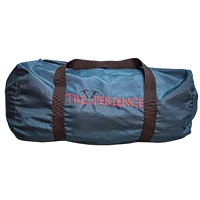
During your Inca Trail 5 Days to Machu Picchu experience with TreXperience, your belongings will be divided between your daypack and the duffle bag we provide. Packing smart will make the trek more comfortable, help you hike with less weight, and support responsible porter welfare standards on the trail.
Your daypack should carry only the items you need during the day, while the duffle bag will hold your extra clothes, sleeping gear, and personal items for camp. Keep everything light, organized, and trail-ready.
Essentials
On the Inca Trail, you’ll hike in remote mountains with limited phone signal and no nearby shops. Bring the right gear so you can enjoy the trek safely and comfortably. These items are essential, and every hiker should buy or rent dependable, good-quality equipment.
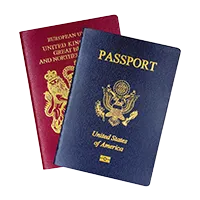



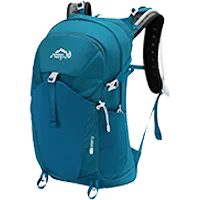

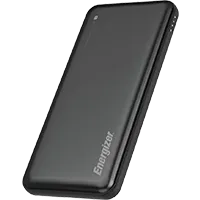


What to Wear?
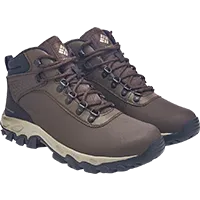
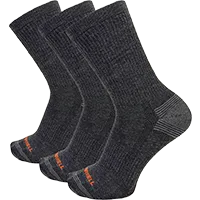
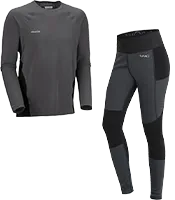
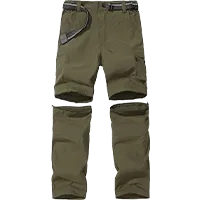
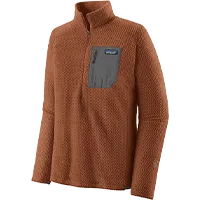
For the Inca Trail and other routes to Machu Picchu, dressing in layers is the best approach. Weather can change quickly as you move through different ecological zones, from cold high passes to warmer valleys and humid cloud forest. Wear light, breathable layers that you can easily add or remove as conditions change.
Here’s what we recommend wearing:


What to Put in Your Daypack?
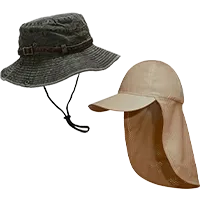
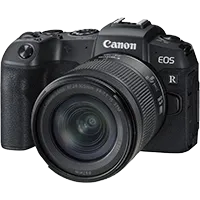
A reliable daypack is one of your most important items on the Inca Trail. This 5-day relaxed pace route includes mountain passes, stone steps, changing weather, and long hiking days, so having your essentials within easy reach will make a big difference.
You’ll use your daypack every day on the trail. It should carry water, snacks, sunscreen, rain gear, extra layers, personal medication, documents, and anything you may need while hiking.







What to Put in Your Duffle Bag?
TreXperience will provide you with a duffle bag for the items you do not need during the day. Your duffle bag will be carried by our porter team and will be available only at the campsites.
The weight limit is 7 kg / 15 lb per person, including your sleeping bag and air mattress if you bring or rent them. Pack smart and light so the trail is more comfortable for you and respectful for the porter team.
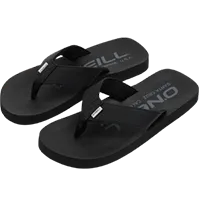


What We Provide
TreXperience provides the following items for the Inca Trail to help you enjoy a safer, more comfortable, and better-organized trekking experience.
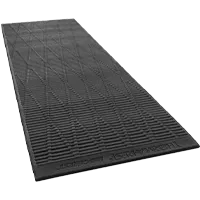



What Can You Rent with TreXperience?
If you prefer to travel lighter or need a few extra items, you can rent the following camping gear from us for an additional cost.
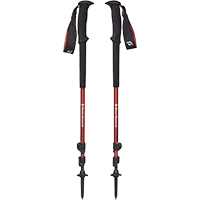
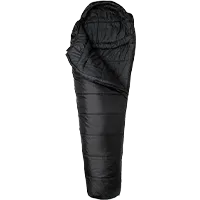
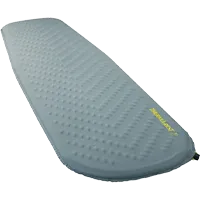
See our complete guide on the blog: Inca Trail Packing List.
Travel Information for the Inca Trail 5 Days to Machu Picchu
This section provides the practical information you need before the trek begins: acclimatization, permits, trail conditions, weather, camp comfort, porter-supported logistics, and Machu Picchu entry rules. As a 100% Peruvian local tour operator, TreXperience will guide you through each step so your Inca Trail 5 Days to Machu Picchu experience feels safe, clear, and well organized.
Inca Trail map and altitude profile
The map below helps you understand how the route changes from Km 82 to Dead Woman’s Pass, then down through the cloud forest and toward Machu Picchu. The Classic Inca Trail is connected to the historic Qhapaq Ñan, Andean Road System, making this route one of the most meaningful ways to experience the ancient Inca world.
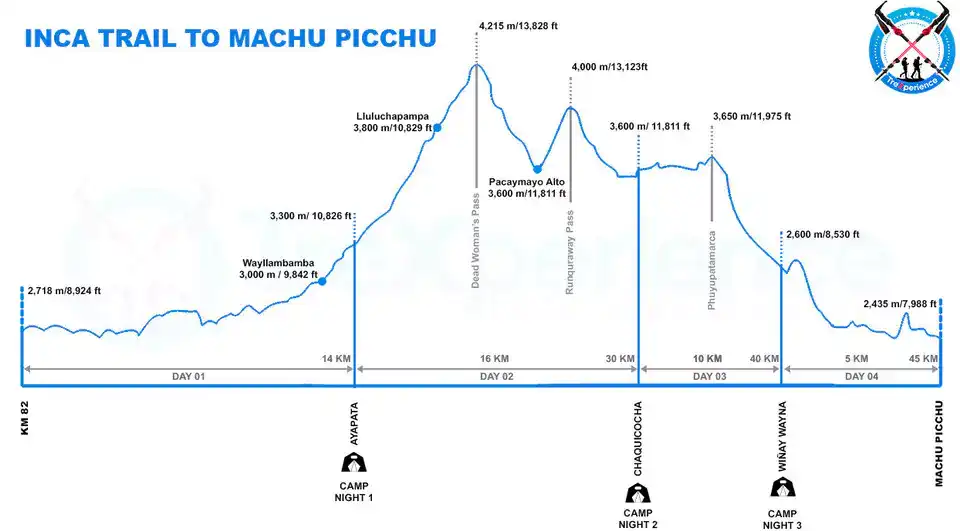
This 5-day route covers approximately 49 km / 30 miles and reaches its highest point at 4,215 m / 13,829 ft. The Slow Version gives you a more relaxed pace, but the route still includes high altitude, stone steps, and long hiking sections.
Arriving early and acclimatizing
We strongly recommend arriving in Cusco at least 2 days before the trek. Altitude affects everyone differently, and those extra days can make a noticeable difference in how you feel on the trail.
During your first days, keep activities light, stay hydrated, and avoid excess alcohol. You can rest in Cusco or take gentle tours such as the Cusco City Tour or Sacred Valley Tour. Staying near Ollantaytambo in the Sacred Valley can also help because it sits lower than Cusco and is closer to the Inca Trail trailhead.
If you want to understand altitude symptoms and prevention before traveling, you can review the official Travel To High Altitudes guidance.
Why choose the Slow Version?
The Inca Trail 5 Days Slow Version follows the Classic Inca Trail route but gives you more time to enjoy it. Instead of rushing to complete the trail in 4 days, you’ll have a more balanced rhythm, more rest time, and more space to explore archaeological sites along the way.
This version is especially good for families, couples, photographers, active older travelers, and anyone who wants the full Inca Trail experience with a more relaxed pace. It is still a real mountain trek, but the extra day makes the journey feel smoother and more enjoyable.
Passport and document rules
You must bring your original passport. The details on your Inca Trail permit and Machu Picchu tickets must match the passport you present at the checkpoints.
If you renew your passport after booking, send a copy of both the old and new passports so we can request the update. If you booked with a student discount, bring the original university ID used for the reservation.
Passport details are mandatory at the time of booking. We will secure the Inca Trail and Machu Picchu permits under your name and passport details. Once booked, only passport numbers can be updated; other personal details cannot be changed.
Weather and best months to hike
The driest months are usually April to October, with better trail conditions and clearer mountain views. The wetter season runs from November to March, when the landscape is greener but the trail can be wetter and less predictable.
The Inca Trail is beautiful all year round. Every season has advantages, and the 5-day relaxed pace itinerary gives you more time to enjoy the trail without feeling rushed. For more detailed month-by-month information, read our Inca Trail Weather guide.
The trail is closed every February for maintenance. Even during the dry season, weather can shift quickly, so it is normal to experience sun, wind, cold mornings, and occasional rain on the same trip. You can also check the official Machu Picchu weather forecast before your trip.
Permits and booking timing
The Classic Inca Trail requires a special permit and can only be booked through an authorized operator like TreXperience. Independent entry is not allowed, and travelers cannot book Inca Trail permits directly.
Permits are limited to 500 per day, and this number includes travelers, porters, chefs, and tour guides. The most requested dates often sell out months in advance, especially from May to September. You can check our Inca Trail Availability page before choosing your preferred departure date.
Your booking should only be considered confirmed once your Inca Trail permit has been officially secured under your name and passport details.
Trail conditions, stone steps, and no horses
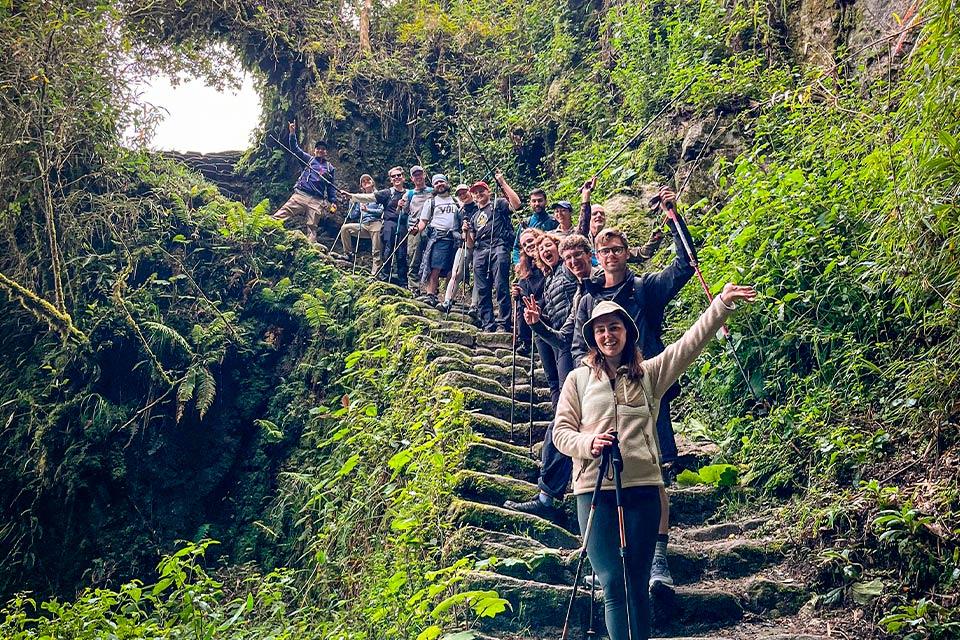
One of the biggest surprises for first-time hikers is how many stone steps the route includes. The trail is beautiful, but it is also uneven, repetitive on the legs, and often harder on descents than travelers expect.
Unlike some other treks in the Andes, the Inca Trail does not use horses along the route. This is why porter-supported logistics, smart packing, and proper preparation are important. The 5-day relaxed pace helps, but you still need to be ready to complete the hike on foot from start to finish.
Camps, bathrooms, and hygiene
Camping on the Inca Trail is comfortable but still a real mountain camping experience. You will sleep in official campsites with no hotels or permanent lodge facilities along the route until Day 4, when you spend the night in a hotel in Aguas Calientes.
Bathroom access is basic on the trail. Public toilets are usually available at campsites and some lunch stops, and TreXperience carries private portable toilets for extra comfort. Showers are limited and, when available, are usually basic and cold, so bring hand sanitizer, wet wipes, and toilet paper.
Physical preparation before the trek
The best preparation for this hike is not only general fitness, but trail-specific training. Walking uphill, practicing descents, and getting used to carrying a daypack for several hours will help more than short gym sessions alone.
The Relaxed Pace Inca Trail gives you more time than the standard 4-day trek, but the route still includes altitude, stone steps, and long hiking days. Regular walks, stairs, hill hikes, squats, lunges, and basic cardio training are all helpful before traveling.
Also arrive in Cusco at least 2 days in advance and consider gentle acclimatization activities before the trek.
Connectivity and charging on the trail
The trail is remote, so you should not rely on phone signal, Wi-Fi, or charging points during the hike. Most sections have weak or no phone service, and dependable charging is not available on the route.
Bring a fully charged power bank and let family or friends know you may be offline for most of the trek. For additional safety, TreXperience carries satellite phones during the Inca Trail tour.
Entering Machu Picchu after the trek
When you enter Machu Picchu, you must carry the same original passport used for your reservation. Bag size is restricted, so large backpacks must stay outside or be stored before entering the citadel.
Machu Picchu is both a UNESCO World Heritage Site and part of the Historic Sanctuary Of Machu Picchu Protected Area, so visitor rules are strict. Food and several restricted items are not allowed inside, and re-entry is generally not allowed once you leave.
On Day 4, you will arrive through the Sun Gate and visit the panoramic area through Circuit 1. On Day 5, you will return to explore Circuit 3, the lower central area of Machu Picchu. You can also review the Official Machu Picchu Circuits And Routes or read our Machu Picchu Circuits guide for more details.
For official visitor information, you can also check the Machu Picchu Official Website.
Inca Trail 5 Days to Machu Picchu FAQs
Trekking the Inca Trail 5 Days to Machu Picchu is an unforgettable experience, but we know travelers often have questions about distance, difficulty, permits, packing, food, bathrooms, and how this Slow Version compares with the standard 4-day route. Below you’ll find the most common questions before booking.
How many miles is the Inca Trail 5 Days Slow Version?
The Inca Trail 5 Days to Machu Picchu is approximately 30 miles / 49 kilometers long. It follows the Classic Inca Trail route, with a more relaxed pace and more time to enjoy the archaeological sites and mountain scenery.
What is the difficulty of this Inca Trail tour?
The Inca Trail 5 Days Slow Version is a moderate to challenging trek. The hardest section is the climb to Dead Woman’s Pass, the highest point of the route at 4,215 m / 13,829 ft.
The advantage of the 5-day relaxed pace itinerary is that you have more time to manage the trail, rest, and enjoy the experience. It is still a real mountain trek, so good preparation and proper acclimatization are important.
Which Inca sites do you visit during the 5-day Inca Trail?
This Inca Trail tour includes several important archaeological sites along the route, including:
- Willkaraqay
- Patallacta
- Runkuraqay
- Sayacmarca
- Phuyupatamarca
- Intipata
- Wiñay Wayna
- Intipunku, the Sun Gate
You will also visit Machu Picchu twice: once in the afternoon through Circuit 1, and again the next morning through Circuit 3.
When is the best time to hike the Inca Trail 5 Days to Machu Picchu?
The Inca Trail can be hiked year-round except in February, when it closes for maintenance. The dry season, from April to October, usually offers clearer skies and better trail conditions. The wet season, from November to March, brings greener landscapes and more rain.
The 5-day Slow Version can be a great option in any season because the itinerary gives you more time and a more relaxed pace. For more detail, read our Inca Trail Weather guide.
How do I get Inca Trail permits?
To hike the Inca Trail, you need a special permit issued by the Peruvian government. These permits are limited and can only be obtained through an authorized tour operator like TreXperience.
When you are ready to book, send us your personal information, passport details, and preferred travel date. Once the deposit is paid and availability is confirmed, our team will secure your permit and send your booking confirmation. You can check available dates on our Inca Trail Availability page.
Can you climb Huayna Picchu or Machu Picchu Mountain on Day 5?
Yes, if tickets are available. You can add Huayna Picchu Mountain or Machu Picchu Mountain after the guided tour on Day 5.
Advance booking is required because mountain tickets are limited and often sell out before the main Machu Picchu tickets.
What is the difference between this 5-day route and the 4-day Inca Trail?
Both tours follow the Classic Inca Trail route and arrive at Machu Picchu through the Sun Gate. The difference is the pace and the Machu Picchu experience.
The Inca Trail 5 Days to Machu Picchu gives you more time on the trail, shorter hiking days, a night in Aguas Calientes, and two visits to Machu Picchu. The 4-day version is faster and more compact. Prefer a shorter itinerary? See our Classic Inca Trail 4 Days.
What are the bathrooms and hygiene like at campsites?
Bathroom facilities on the Inca Trail are basic. Public toilets are available at some campsites and lunch stops, but TreXperience also provides private portable toilets to improve comfort during the trek.
We recommend bringing toilet paper, hand sanitizer, and wet wipes. Showers are limited on the trail and are usually basic and cold when available.
Is there electricity for charging devices?
No. There are no reliable charging points on the Inca Trail. Bring a fully charged power bank and keep your devices protected from rain and cold weather.
You will have access to electricity again when you arrive at your hotel in Aguas Calientes on Day 4.
Is the Inca Trail 5 Days Slow Version good for families or older travelers?
Yes, this is one of the best Inca Trail options for families, active older travelers, and anyone who wants a more relaxed pace. The route is still physically demanding, but the extra day makes the experience smoother and gives you more time to rest.
If you want an even more premium experience, you can upgrade to our Luxury Inca Trail 5 Days.
What should I pack for the Inca Trail 5 Days to Machu Picchu?
You should pack light, layered clothing, rain gear, sun protection, a comfortable daypack, personal medication, toiletries, and essential items for camping. Your duffle bag must stay within the 7 kg / 15 lb porter limit.
Before traveling, review our Inca Trail Packing List so you bring what you need and avoid unnecessary weight.
Can you accommodate vegetarian, vegan, gluten-free, or allergy-friendly meals?
Yes. If you are vegetarian, vegan, gluten-free, lactose intolerant, or have a food allergy, let us know when booking so the trekking team can prepare in advance.
Our chefs prepare fresh meals during the trek, and we do our best to make the food experience comfortable, safe, and enjoyable for every traveler.
Do I need travel insurance?
Yes, we strongly recommend travel insurance. A good policy should cover trekking activities, medical assistance, trip interruption, and personal belongings.
This is especially important because Inca Trail permits are date-specific, weather can affect travel logistics, and the route is physically demanding.
Are tips expected for the guide, chef, and porters?
Tips are never mandatory, but they are customary if you feel the team took great care of you. Most travelers choose to tip at the end of the trekking section as a thank-you to the guide, chef, and porters.
At TreXperience, we also follow responsible porter welfare standards because fair treatment of our trekking team is an essential part of a sustainable Inca Trail operation.
Do I need to attend the pre-trek briefing?
Yes. The briefing is important because this is where final logistics are confirmed, rented gear is checked, duffle bags are provided, and last-minute questions are answered before departure.
It is also the best time to mention dietary needs, medical concerns, passport updates, or special travel arrangements.