How many days in advance should I arrive in Cusco before starting the Lares Trek?
It’s a good idea to arrive at Cusco at least 2 to 3 days before starting the Lares Trek. This gives your body enough time to get used to the higher altitude, which helps reduce the chances of altitude sickness during the trek. While you’re acclimating, you can explore the Center Historical of Cusco or take a few short day tours around the Sacred Valley to make the most of your time.
What’s the best way to acclimatize to the altitude before the trek?
The best way to adjust to the altitude is by taking it easy for the first couple of days. Drink lots of water, avoid alcohol, and try gentle walks or short tours to help your body adapt. A lot of travelers swear by coca tea, a local remedy for altitude sickness. You could also talk to your doctor about taking altitude sickness medication, which can make acclimatizing easier.
Are there any recommended tours to do in Cusco or the Sacred Valley before or after the Lares Trek?
Definitely! Before your trek, you can visit popular spots like Sacsayhuaman, Qoricancha, or the ruins of Pisac and Ollantaytambo in the Sacred Valley. These tours not only help you adjust to the altitude but also offer great insights into Inca history and culture. After the Lares Trek, some travelers like to relax or take trips to see Rainbow Mountain, Maras, or Moray if they have extra time.
What types of accommodation are available in Cusco and Ollantaytambo before and after the trek?
Cusco has a variety of places to stay, ranging from budget-friendly hostels to more luxurious hotels, depending on your preference. Most trekkers like to stay near the historic center, so they’re close to restaurants and shops. In Ollantaytambo, you’ll find charming boutique hotels and guesthouses, which are perfect for relaxing before continuing on to Machu Picchu.
What should I pack for the Lares Trek to be prepared for the weather and altitude?
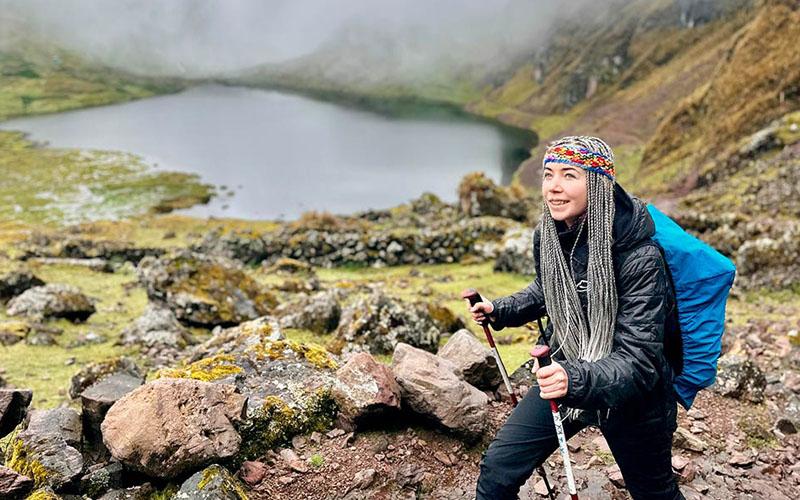
When packing for the Lares Trek, think in layers because the weather can change a lot. You’ll need breathable, quick-drying clothes for the day, a warm jacket for the cold nights, a hat, gloves, and sturdy hiking boots. Sunscreen, a rain jacket, and altitude sickness medicine are also must-haves. Don’t forget a good backpack and a reusable water bottle to keep you hydrated along the way.
What can I expect when visiting the Lares hot springs, and how much time do we spend there?
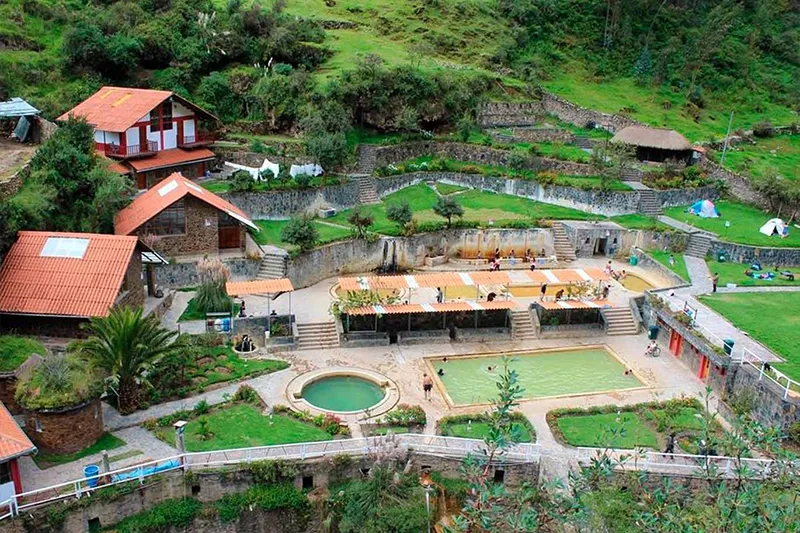
The Lares hot springs are a real treat! You’ll get to relax in warm, mineral-rich waters surrounded by beautiful mountain scenery. It’s a great way to start your trek, easing any muscle tension before the hike. You’ll usually spend a couple of hours there (2 hours), which gives you plenty of time to unwind and enjoy the experience.
How does the Lares Trek compare to other treks like the Classic Inca Trail in terms of experience and scenery?
The Lares Trek offers a quieter, more intimate journey than the Classic Inca Trail. While the Inca Trail leads directly to Machu Picchu, the Lares Trek takes you deep into the Andean highlands, where you’ll pass through remote villages and experience local culture up close. Both treks showcase breathtaking scenery, but Lares immerses you in the peace and heart of the Andes.
What is the hiking difficulty of the Lares Trek, and do I need to be in excellent physical condition?
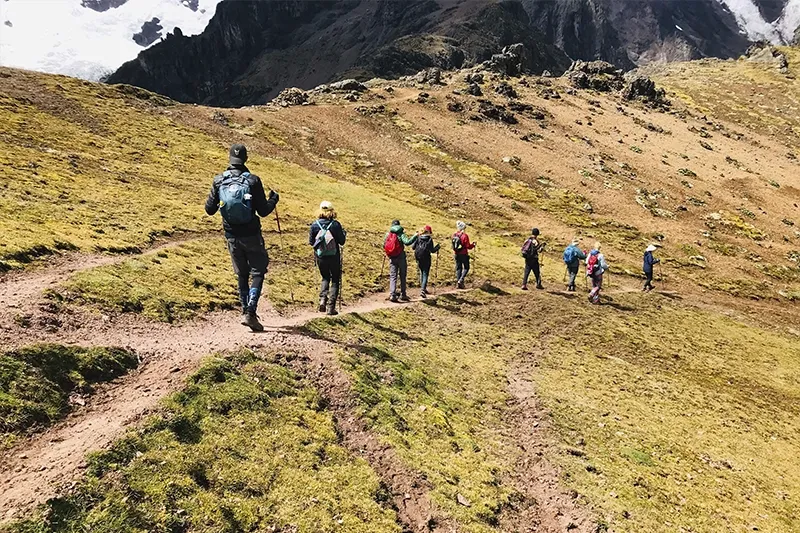
The Lares Trek is moderately challenging. You’ll be hiking at high altitudes, which means there are some steep climbs and unpredictable weather. But you don’t need to be in perfect shape to complete it. If you’re reasonably fit and prepare with some regular hikes or cardio exercises, you’ll be fine. The key is to pace yourself and take time to adjust to the altitude.
What kind of wildlife might I see during the Lares Trek?
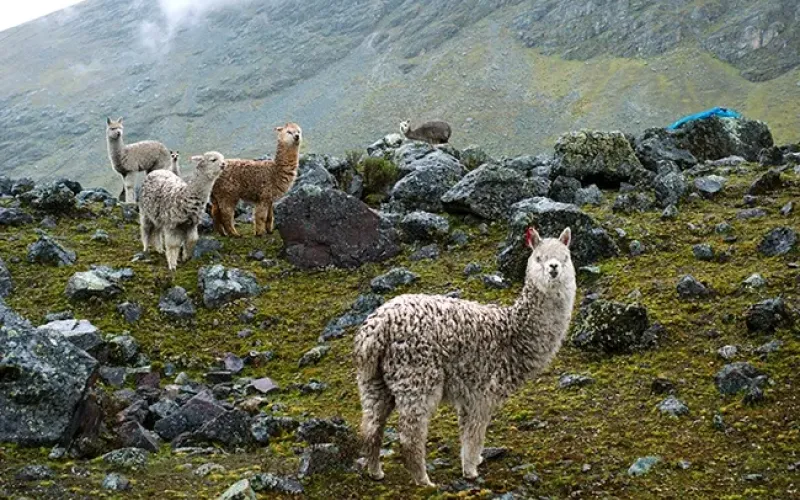
During the Lares Trek, you might spot llamas, alpacas, Andean condors, and a variety of birds. You’ll also pass through landscapes rich in native plants and, if you're lucky, see some of the region's elusive wildlife like vizcachas (similar to rabbits). The trek offers plenty of chances to connect with the natural beauty of the Andes!
What is the best time of year to do the Lares Trek, and what’s the weather like during the trek?
The best time for the Lares Trek is during the dry season, which runs from April to October. You’ll have clearer skies and more stable weather, although it can still get cold at night. During the rainy season (November to March), you’ll likely encounter heavier rain and muddy trails, but it’s also when the landscapes are at their greenest and most beautiful.
How are the Andean lakes and landscapes different from those seen on other treks in the region?
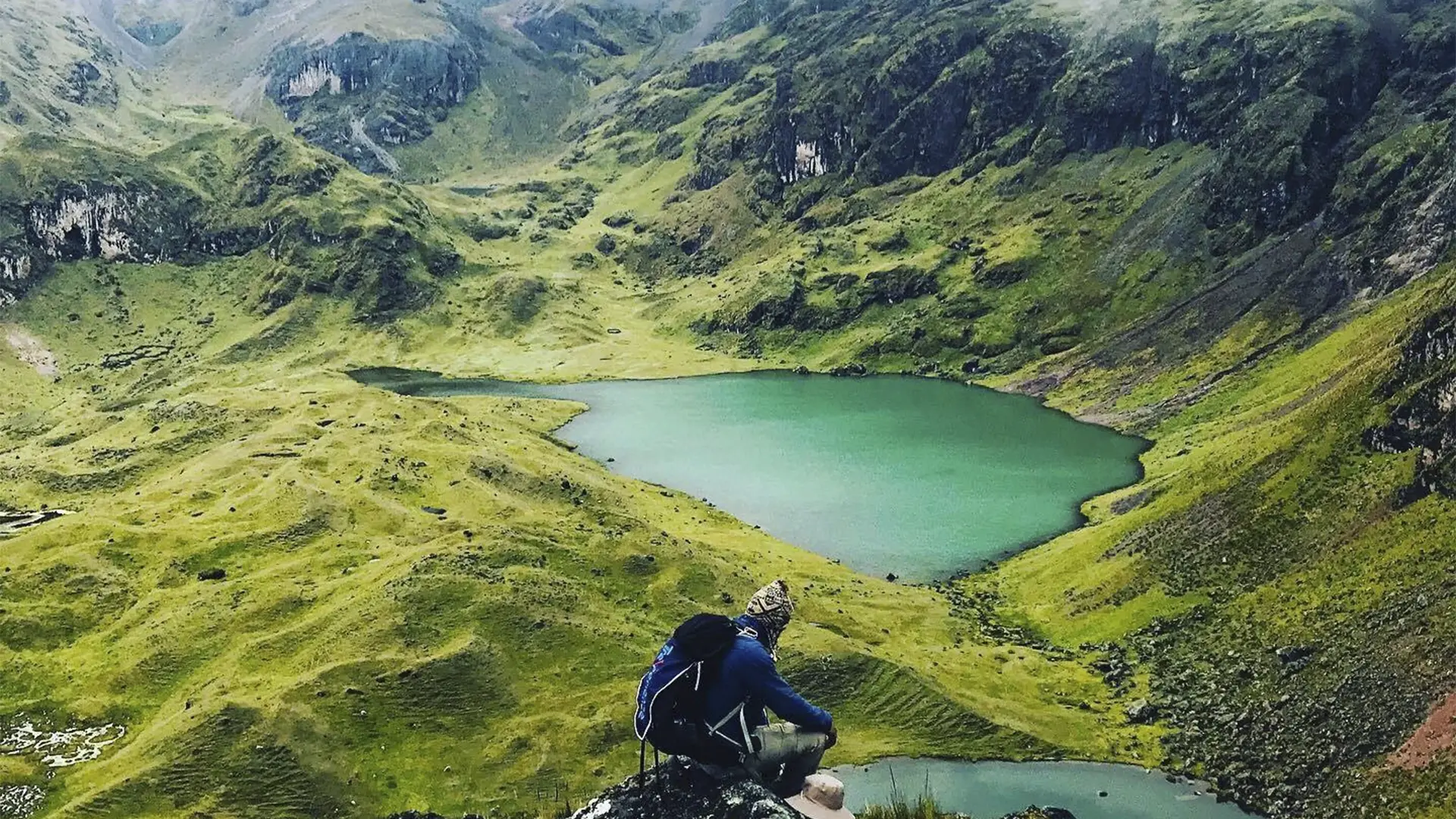
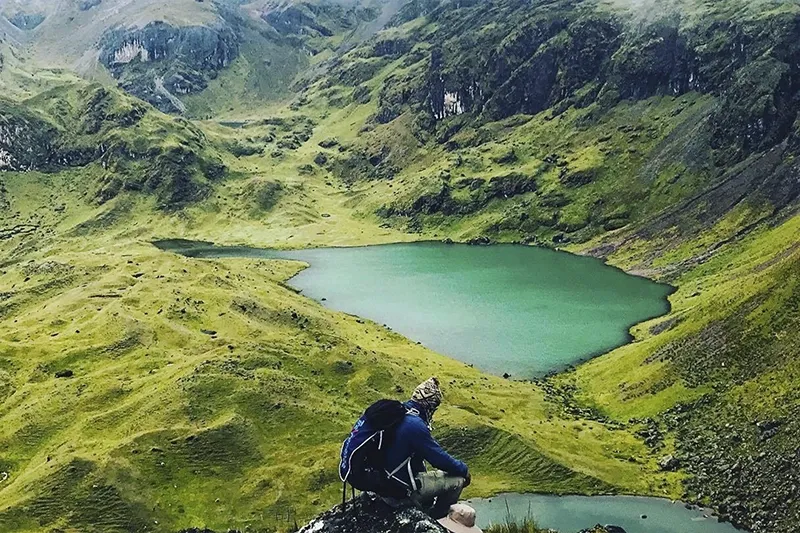
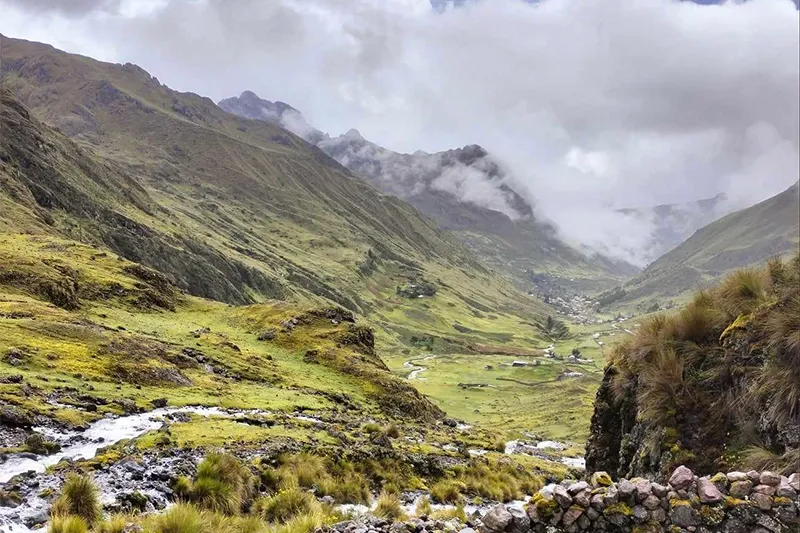
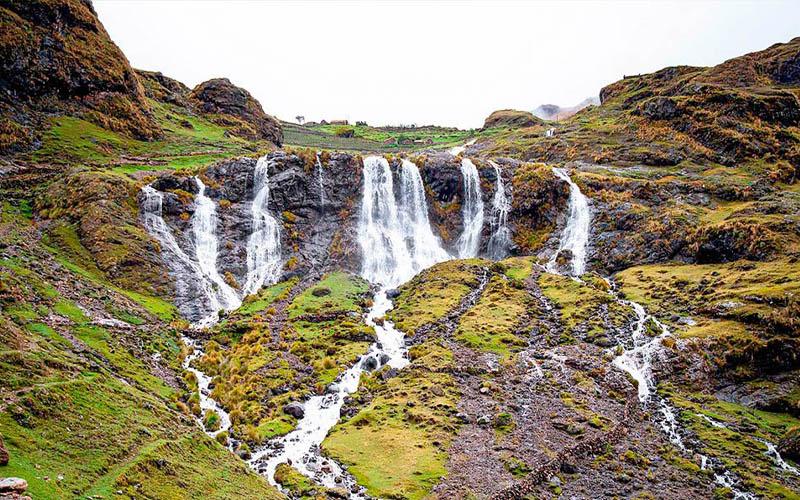
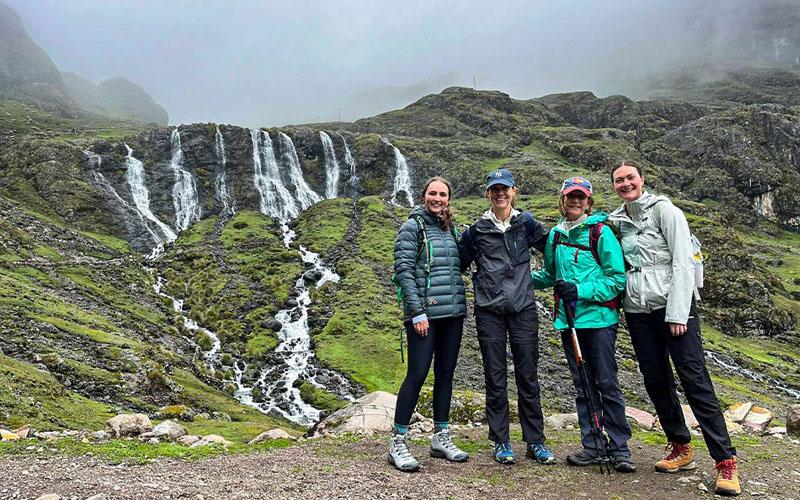
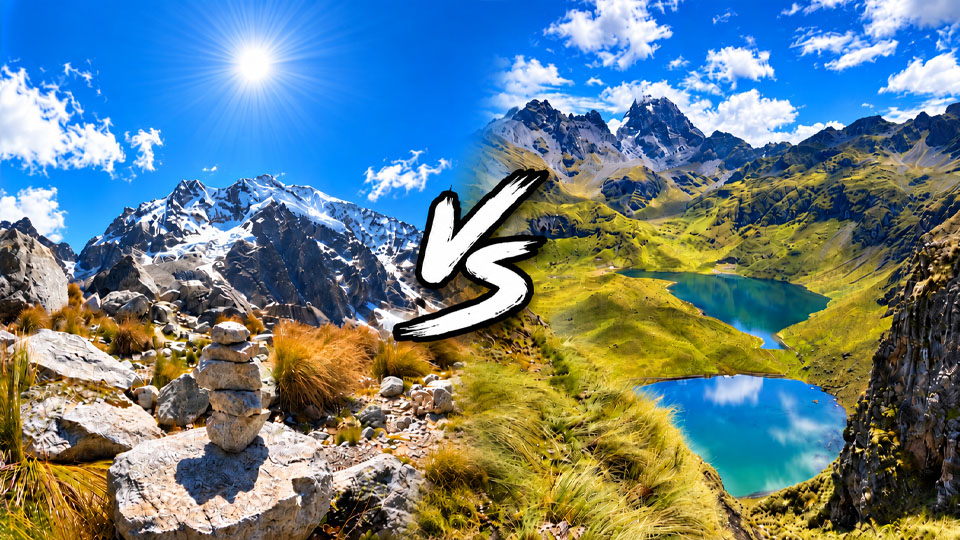
The Lares Trek is known for its peaceful high-altitude lakes, like the Blue Lagoon at 3900 m (12795 ft), which are surrounded by grazing llamas and alpacas. These lakes offer a tranquil setting that feels remote and untouched. In comparison, other treks, like the Inca Trail, take you through more forested areas and cloud forests. The landscapes on the Lares Trek are more open and expansive.
Do we visit the Salinas de Maras during the trek, and how does it fit into the itinerary?
Yes, the Lares Trek often includes a visit to the Salineras de Maras, which is an ancient salt terrace where salt has been harvested for centuries. It’s a really cool site to see, with the salt pans shimmering in the sun. The visit adds an interesting historical and cultural layer to your trek, showing a different side of life in the Andes.
What cultural experiences can I expect while visiting the local Quechua villages along the Lares Trek?
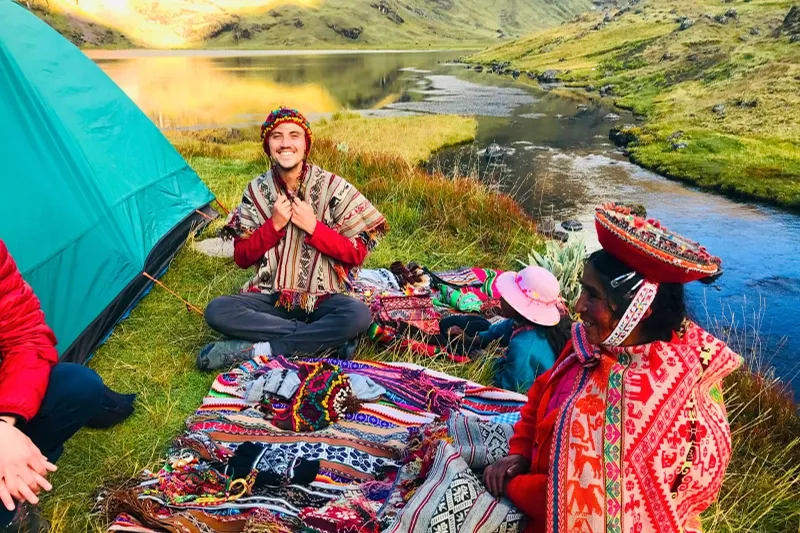
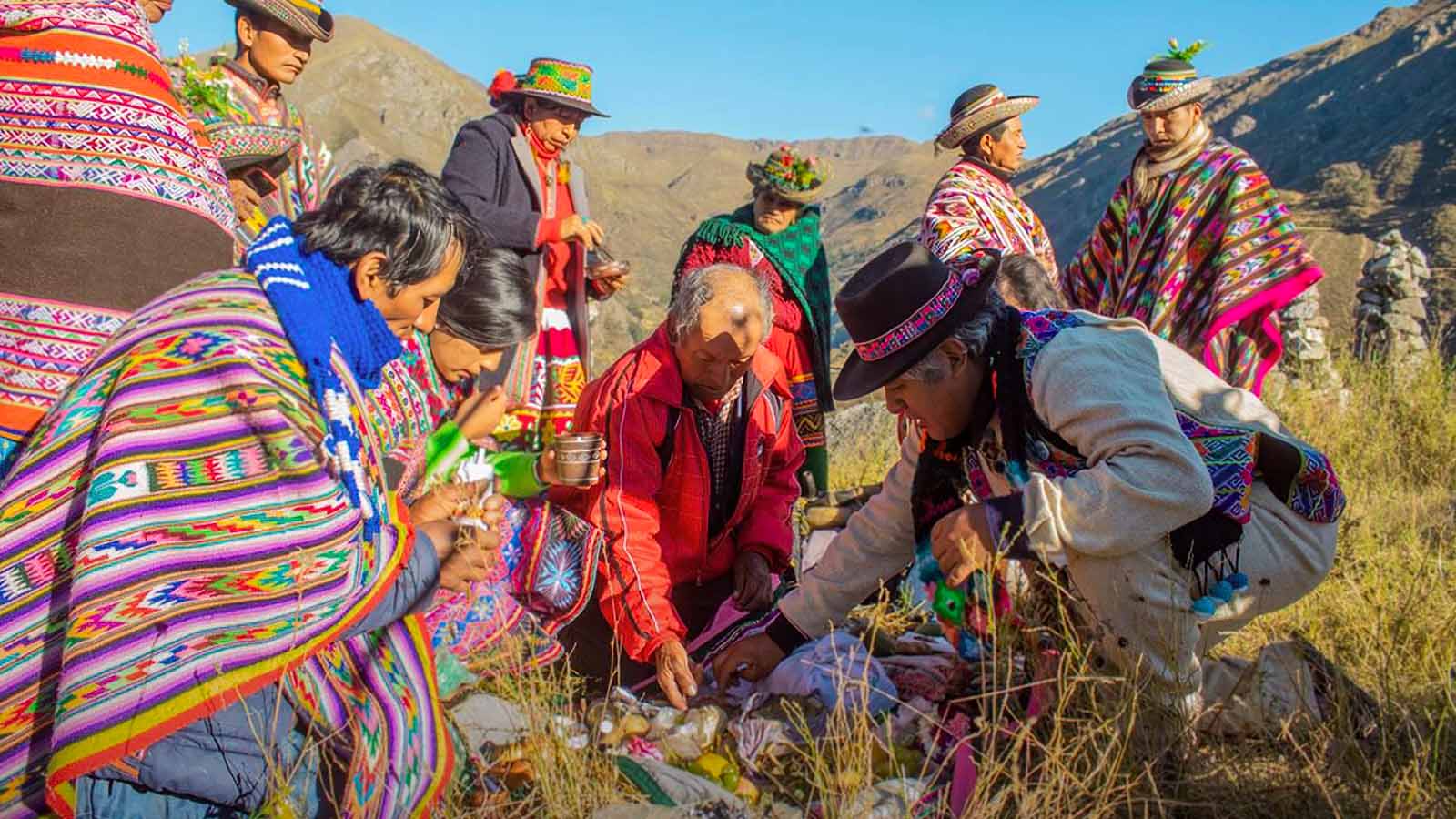
One of the most memorable parts of the Lares Trek is visiting the remote Quechua villages along the way as Canchacancha and Kiswarani. You’ll get to meet local families, learn about their daily lives, and see their traditional weaving techniques up close. It’s a great way to connect with the culture, as these villages have maintained many of their ancient customs and ways of life.
Is the Lares Trek suitable for children or families?
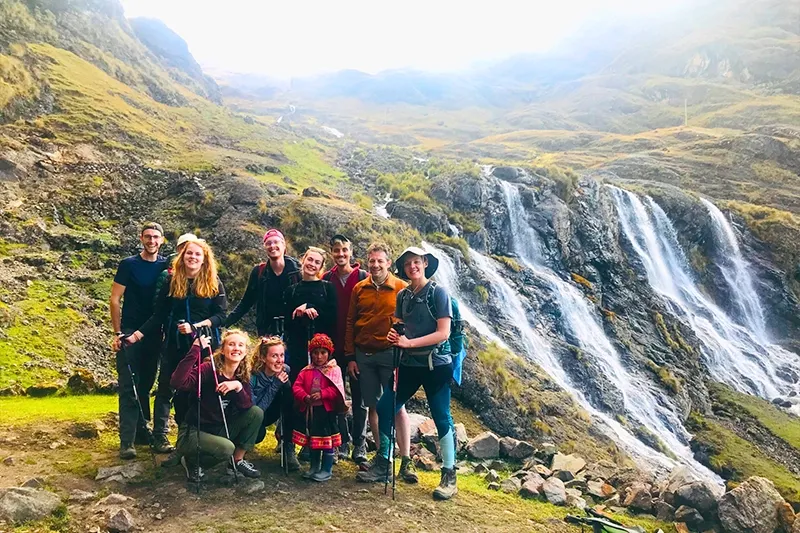
Yes, the Lares Trek is suitable for children and families. It offers a more flexible pace compared to other treks, allowing for breaks and cultural experiences like visiting local villages. However, it’s important to assess your family’s fitness level and be prepared for high altitudes. Families with children should plan ahead and consider bringing gear like trekking poles and warm clothing for colder nights.
What’s the experience like on the Short Inca Trail to Machu Picchu after completing the Lares Trek?
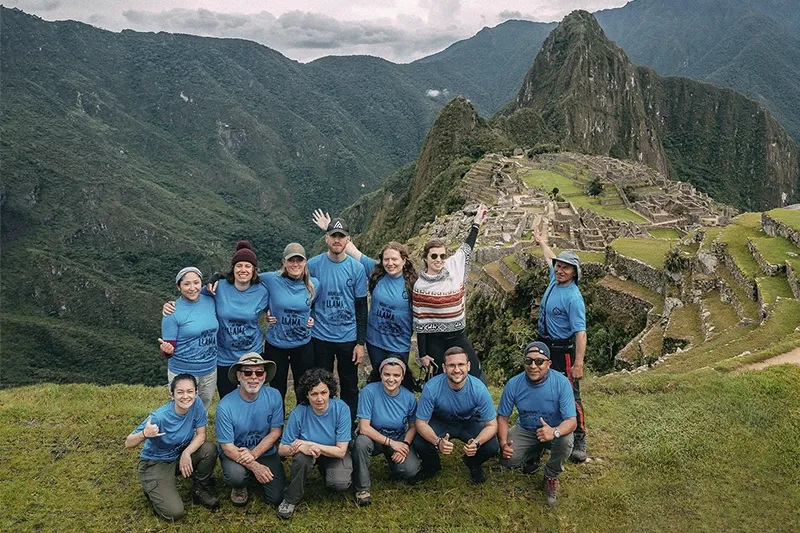
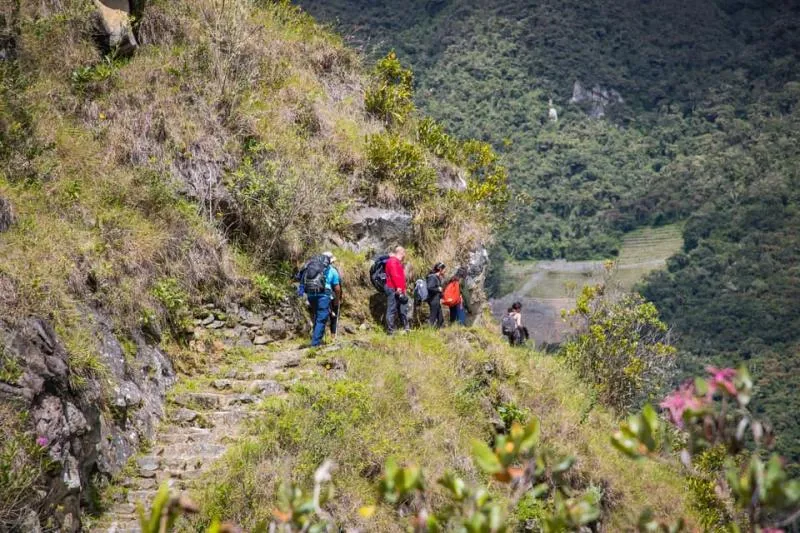
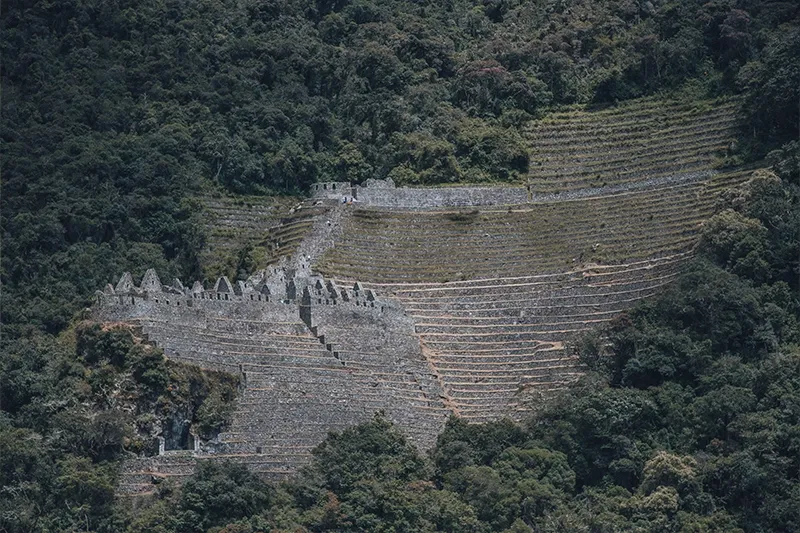
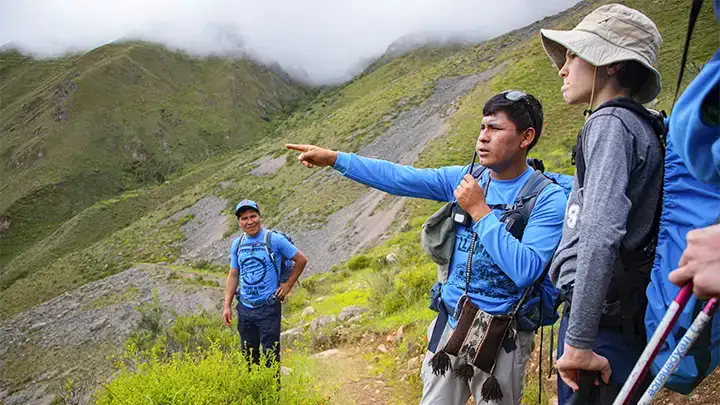
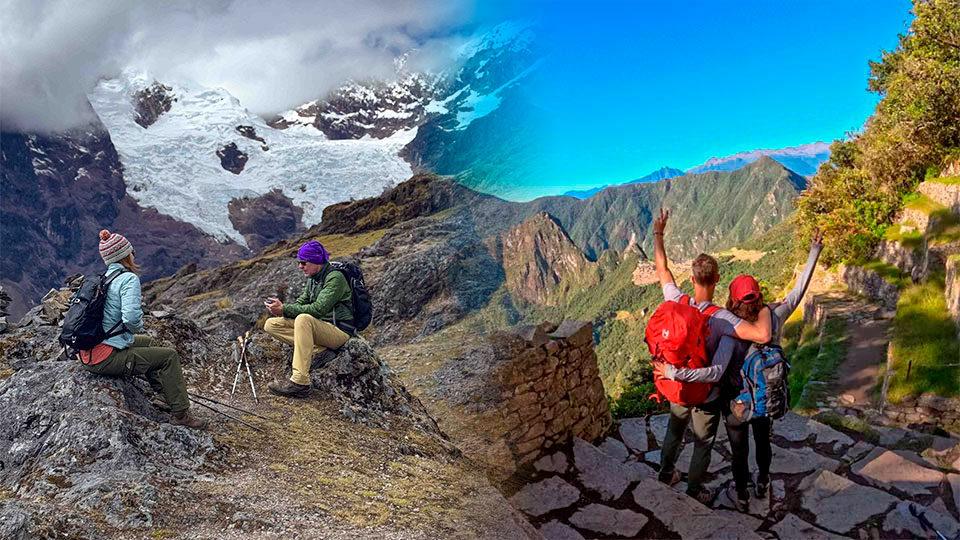
After finishing the Lares Trek, you’ll hike the Short Inca Trail, which is a one-day hike that leads you straight to Machu Picchu.The highlight is arriving at the Sun Gate, where you’ll get your first breathtaking view of Machu Picchu. It’s a truly magical moment after days of trekking, and one that makes the journey even more rewarding.
Will I have enough time to explore Machu Picchu after the trek, and how does the arrival through the Sun Gate feel?
If you choose the Lares Trek combined with the Short Inca Trail, you’ll get the unique opportunity to enter Machu Picchu through the Sun Gate. The first glimpse of Machu Picchu from the Sun Gate is an unforgettable moment, reserved for those who follow this special route. Afterward, you’ll have plenty of time (2 hours) to explore the main areas of the citadel, with your guide sharing insights into its history and significance.
How do meals and food options work during the Lares Trek, and are dietary restrictions accommodated?
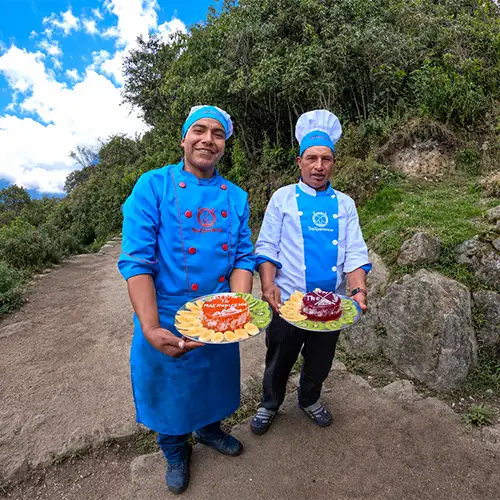
Meals during the Lares Trek are prepared by expert cooks who travel with the group, using fresh, local ingredients. You’ll enjoy hearty, delicious meals that will keep you fueled for hiking, often featuring traditional Peruvian dishes. If you have dietary restrictions, like vegetarian, vegan, or gluten-free needs, simply inform your tour operator in advance, and they’ll happily accommodate you.
What’s the difference between camping and glamping options on the Lares Trek?
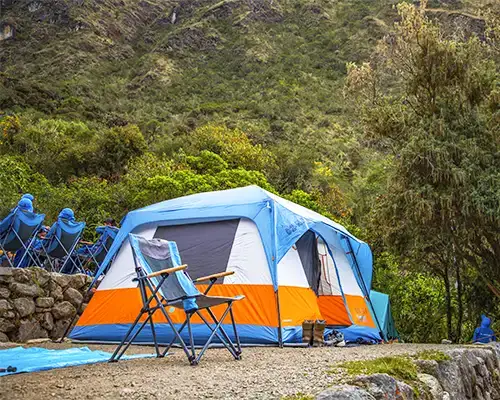
The Lares Trek offers both camping and glamping options. Standard camping includes tents, sleeping bags, and basic amenities.Glamping, on the other hand, provides a bit more luxury, like bigger tents, comfortable beds, and often private dining areas. Glamping is perfect if you want to experience the adventure of trekking with an extra touch of comfort.
Do I need any special permits for the Lares Trek, or is it different from the Inca Trail in terms of bookings?
No, unlike the Classic Inca Trail, the Lares Trek doesn’t require a special permit, making it easier to book and more flexible. However, if your Lares Trek includes the Short Inca Trail, you will need a permit for that section, which can sell out quickly, so it’s important to book well in advance.
What should I know about transportation back to Cusco after visiting Machu Picchu?
After visiting Machu Picchu, you’ll take a two-hour train ride from Aguas Calientes to Ollantaytambo, followed by a two-hour bus or van journey back to Cusco. Your tour company takes care of all the logistics, so you can relax and enjoy the stunning views along the way!