What is the best time of year to visit Ausangate and Rainbow Mountain?
The best time to visit is during the dry season, from May to September. You’ll get clear skies and great hiking conditions, making it the perfect time for beautiful views. Avoid the rainy season (November to March), as trails can get really muddy and the views won’t be as good.
How long is the hike to Rainbow Mountain and Ausangate Lakes?
The hike to Rainbow Mountain takes about 2 to 3 hours, depending on how fast you go and how well you’re adjusted to the altitude. For the Ausangate Lakes, it depends on the route, but hikes can range from a half-day to several days, especially if you’re doing a multi-day trek.
Do I need prior hiking experience for the Ausangate and Rainbow Mountain tours?
You don’t need prior hiking experience for Rainbow Mountain, but it does help. However, for the Ausangate trek, some hiking experience is recommended. It's a more challenging trek, and it’s good to be in decent shape, especially with the high altitude.
How high are Ausangate and Rainbow Mountain, and will altitude be an issue?
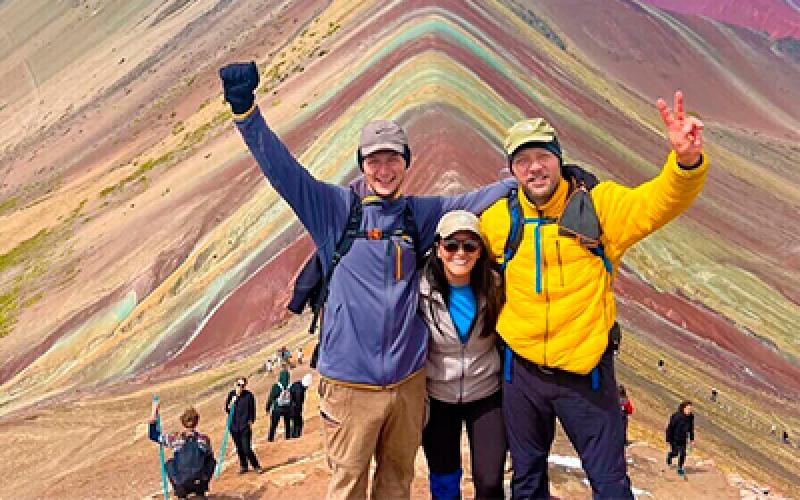
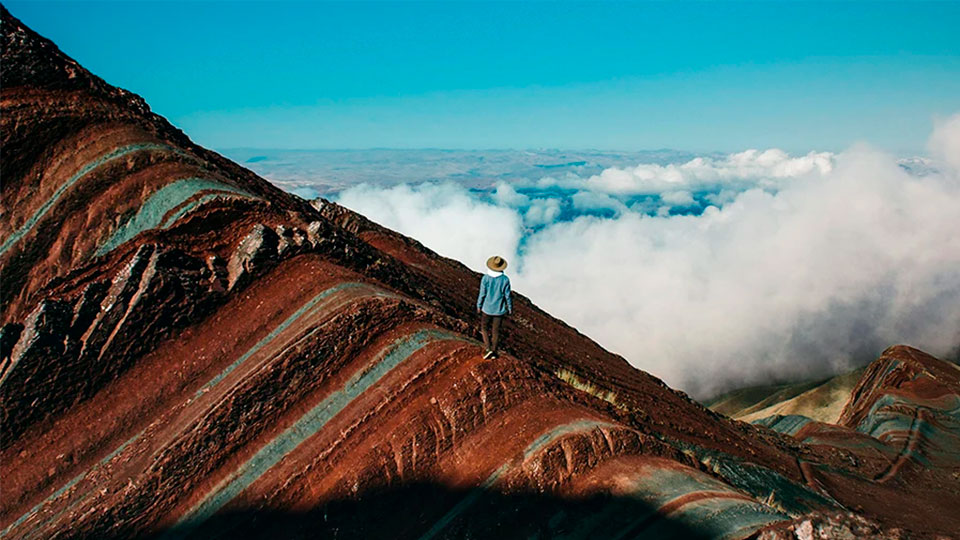
Rainbow Mountain is about 5,200 meters (17,060 feet) high, and Ausangate is even higher at 6,384 meters (20,945 feet). The altitude can definitely be an issue, especially if you're not used to it. You might experience headaches or shortness of breath, so it’s a good idea to spend a few days in Cusco to acclimate before heading out.
How should I prepare for acclimatization before the trek?
Spend at least 2 to 3 days in Cusco or another high-altitude spot to let your body adjust. Drink plenty of water, avoid alcohol, and eat light meals. Some people also take medication like Diamox to help prevent altitude sickness, but make sure to check with your doctor first.
What kind of accommodations are available near Ausangate and Rainbow Mountain?
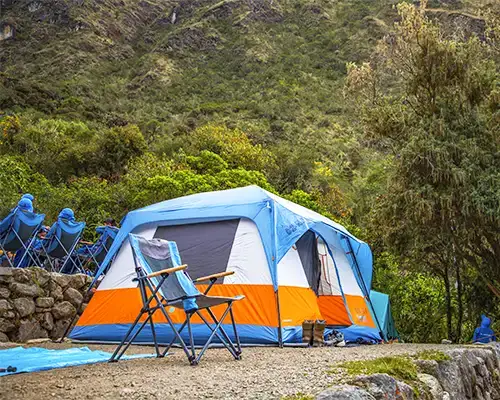
You’ll mostly find basic guesthouses or campsites near Rainbow Mountain. If you're doing the Ausangate trek, expect to camp most of the time, though there are a few rustic lodges in the area. If you book with a tour company, they usually provide the tents and sleeping gear you’ll need.
Can I stay overnight near Ausangate Mountain or Rainbow Mountain?
Yes, you can camp near Ausangate as part of a multi-day trek. Camping is the most common way to spend the night in this area. For Rainbow Mountain, most people do it as a day trip, but there are nearby lodges if you’d like to stay the night.
What should I pack for the Ausangate and Rainbow Mountain trek?
Make sure to pack warm, layered clothes because it can get pretty cold, especially at night. You’ll need waterproof gear, good hiking boots, sunscreen, a hat, sunglasses, and a reusable water bottle. If you're going on a multi-day trek, don't forget your sleeping bag, trekking poles, and a small first-aid kit.
Are there any secluded villages to explore along the way?
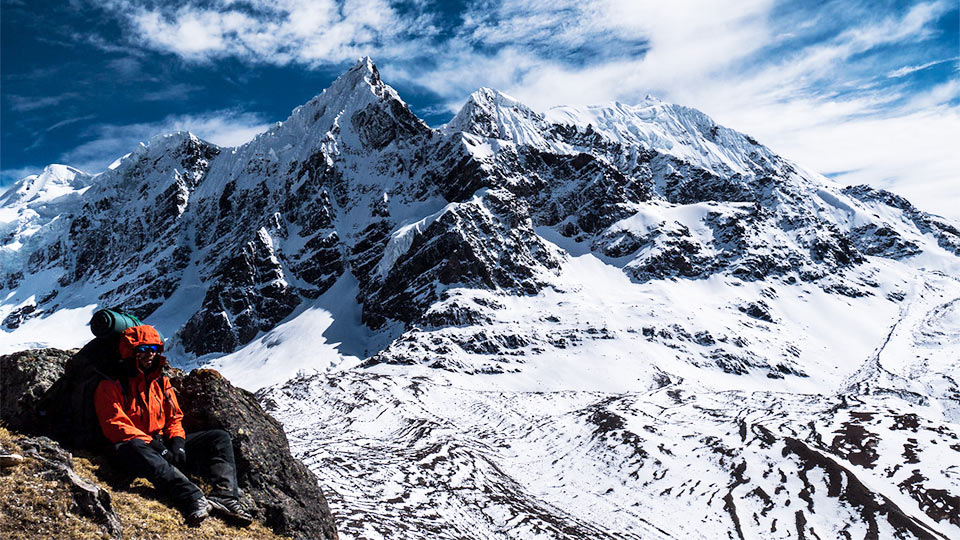
Yes, you’ll pass through some remote villages, especially on the Ausangate trek. Places like Upis and Pacchanta are home to traditional Quechua-speaking communities, and visiting these villages gives you a glimpse into local life and culture, which is an amazing part of the experience.
What is the difficulty level of the Ausangate and Rainbow Mountain hikes?
The Rainbow Mountain hike is moderate but can feel tough due to the altitude. The Ausangate trek is a lot harder, with steep climbs, long days of trekking, and high mountain passes. It’s definitely more suited for experienced hikers or those in good physical condition.
Is it possible to visit both Rainbow Mountain and the Red Valley on a single-day tour?
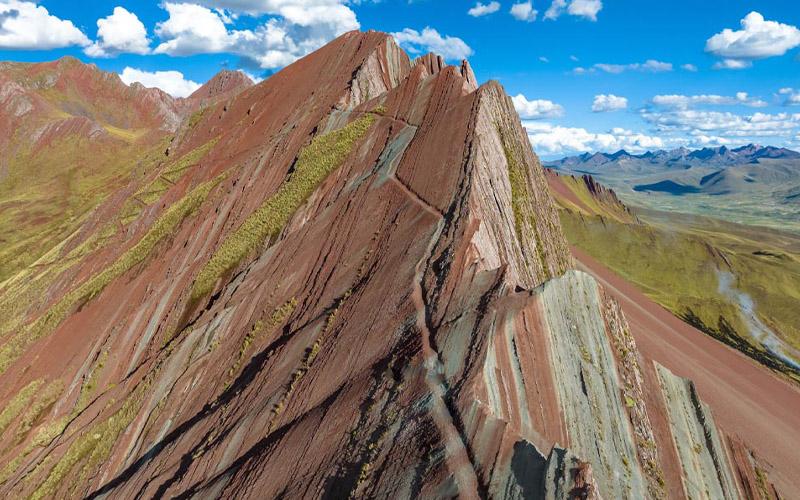
Yes, many tours offer a combined day trip to both Rainbow Mountain and the Red Valley. After you’ve taken in the colors of Rainbow Mountain, you can continue hiking to the Red Valley, which adds about an hour to your trek. It’s totally worth it for the views!
Are the Ausangate Lakes included in the tour, and how long does it take to hike to them?
Some Ausangate tours do include visits to the stunning Ausangate Lakes, like the beautiful Laguna Ausangatecocha. Hiking to these lakes can take anywhere from a few hours to a full day, depending on the route and which lakes you’re planning to see.
What wildlife or unique flora can I expect to see during the trek?
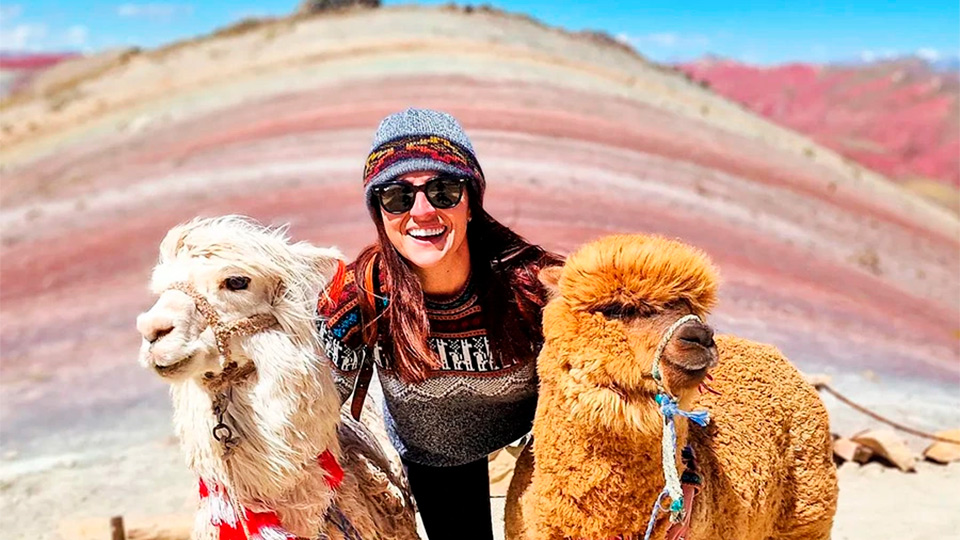
You’ll likely see llamas, alpacas, and vicuñas as you hike, along with birds like the Andean condor. The area is full of hardy plants, like high-altitude shrubs and grasses, and if you’re there at the right time, you might see wildflowers in bloom.
How do I get from Cusco to the starting point of the Ausangate or Rainbow Mountain hike?
Most tours will include transportation from Cusco to the trailhead. For Rainbow Mountain, it’s about a 3-hour drive, while getting to the starting point of the Ausangate trek can take around 4 to 5 hours, depending on the route.
Do I need a guide for the Ausangate and Rainbow Mountain tours, or can I go independently?
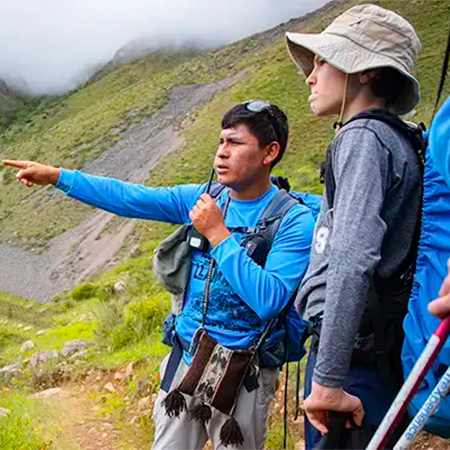
You can hike Rainbow Mountain without a guide, but it’s a good idea to have one because of the altitude and remote location. For the Ausangate trek, it’s best to have a guide, especially since the terrain is more challenging and the area is quite isolated.
What kind of physical shape do I need to be in to complete these hikes?
For Rainbow Mountain, you don’t need to be a fitness expert, but you should be in decent shape since the altitude makes things harder. The Ausangate trek requires much better physical fitness due to the long distances and tough climbs, so be prepared for a challenge.
What type of food and meals are provided during multi-day Ausangate treks?
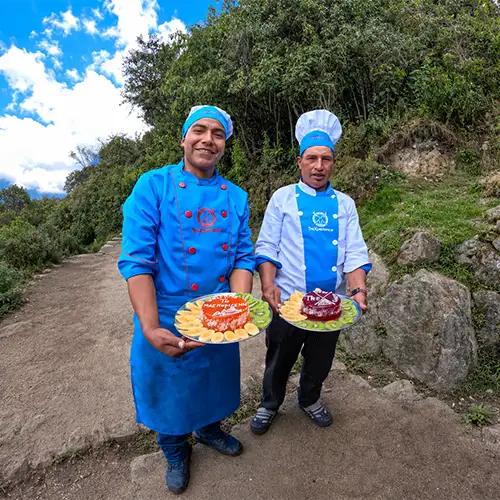
On multi-day treks, meals are usually provided by your tour company. Expect hearty dishes made with local ingredients like quinoa, potatoes, and chicken. They can usually accommodate dietary restrictions if you let them know in advance.
Are there any cultural or historical sites along the Ausangate trek?
Yes, the Ausangate trek takes you through areas rich in Andean culture, where you’ll come across traditional villages. The mountain is also considered sacred by the local people, and you might see small shrines or offerings along the way, adding a spiritual aspect to your hike.
How do I manage hiking in such isolated and remote areas like Ausangate?
Hiking in these remote areas can be tricky, so it’s a good idea to go with a tour company that knows the area well. Make sure you have everything you need, like enough water and proper gear. Always tell someone where you're going, and if possible, bring a satellite phone or emergency equipment.
What safety measures should I take when hiking Ausangate and Rainbow Mountain?
Make sure you’re properly acclimatized, stay hydrated, and dress for changing weather conditions. Always hike with a guide in remote areas like Ausangate, and pay attention to weather forecasts, as conditions can change quickly. Bring a first-aid kit and be aware of signs of altitude sickness so you can act quickly if needed.