



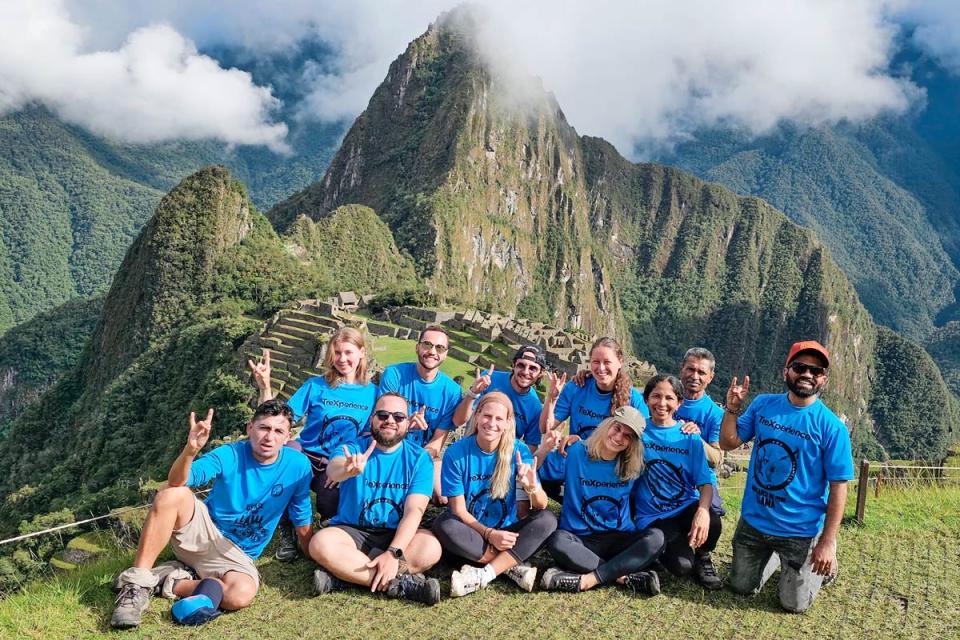
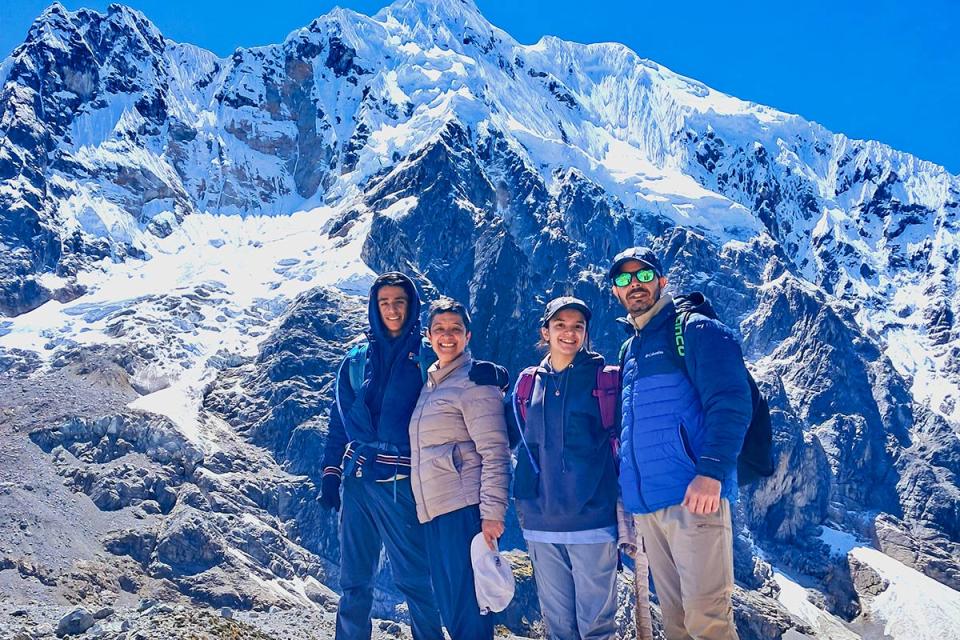
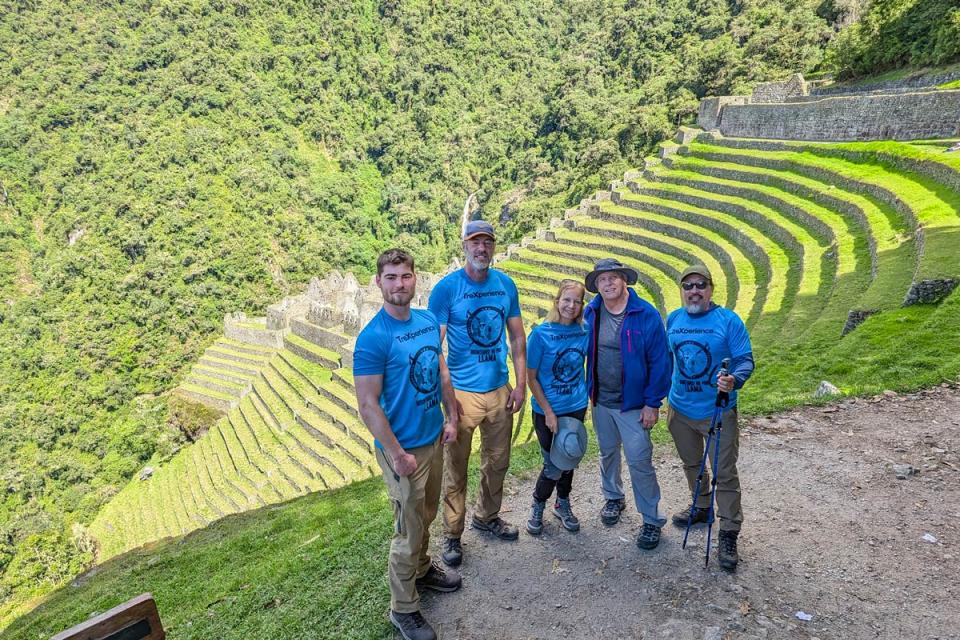
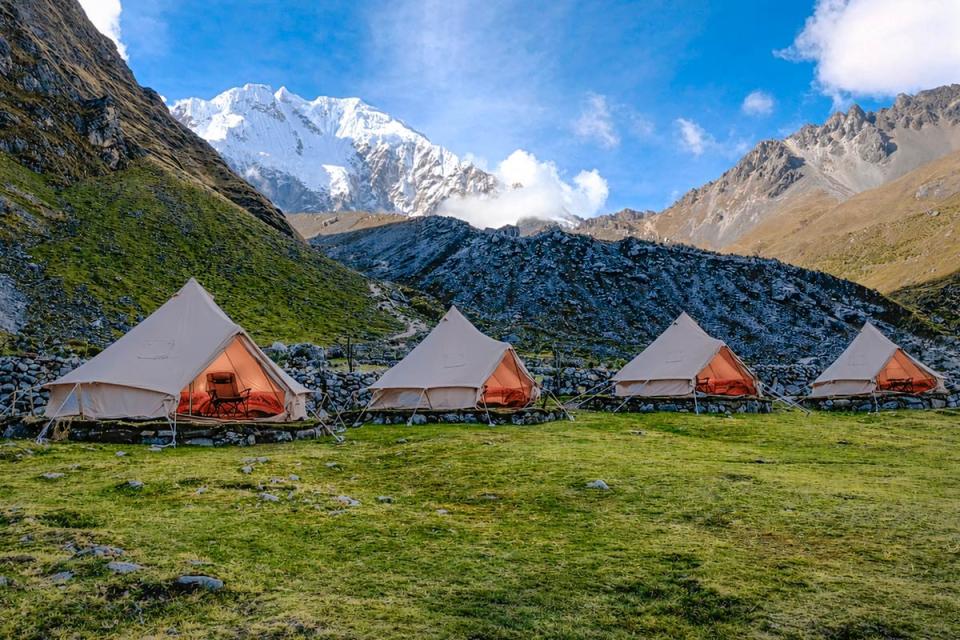
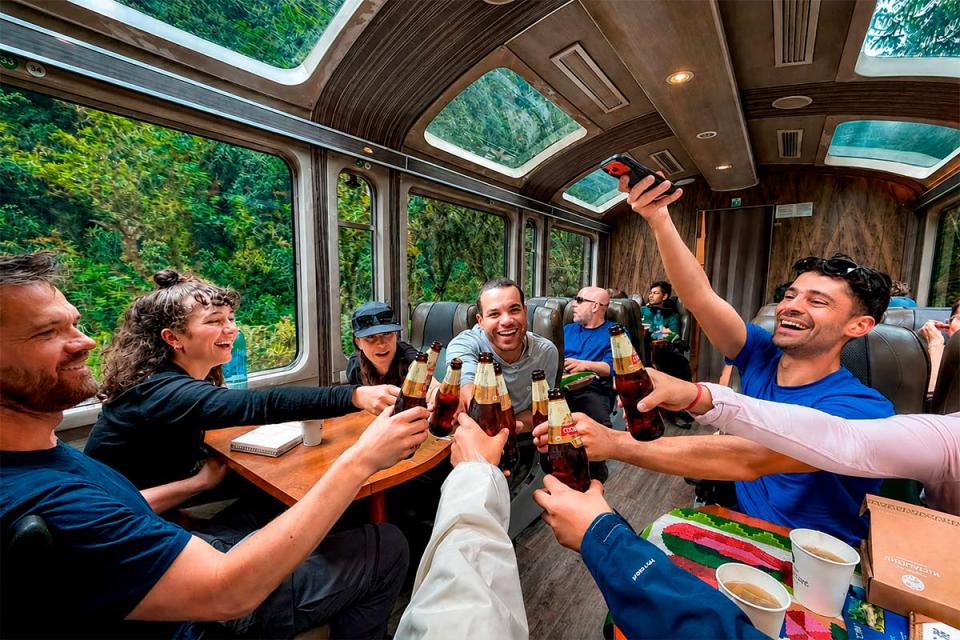
Experience two of Peru’s most iconic hikes in one unforgettable adventure: the wild Salkantay Trek and the legendary Classic Inca Trail to Machu Picchu. Start in the high Andes with glacier peaks, quiet valleys, Humantay Lake, Salkantay Lake, and the dramatic Frozen Inca Pass, then join the original Inca stone path and follow it all the way to the Sun Gate.
This 6-day expedition is made for travelers who want a real mountain journey, ancient Inca sites, remote camps, strong support, and the powerful moment of arriving at Machu Picchu on foot. It is challenging, beautiful, deeply rewarding, and one of the most complete trekking experiences in Peru.
 Duration 6 Days 5 Nights
 Tour Type Group
 Activities Trekking, Camping, History
 Difficulty Challenging
 Tour Language English, Spanish
 Hiking Distance 70 km / 43.5 mi
 Starts/Ends Cusco / Cusco
 Destinations Salkantay, Inca Trail, Machu Picchu
Salkantay Trek + Classic Inca Trail to Machu Picchu 6 Days
The Salkantay Trek + Classic Inca Trail to Machu Picchu 6 Days brings together two of Peru’s greatest hiking routes in one powerful journey. First, you explore the wild side of the Andes on the Salkantay route, with glacier peaks, quiet valleys, Humantay Lake, Salkantay Lake, and remote camps surrounded by nature. Then, you connect with the legendary Classic Inca Trail, following ancient stone paths, high mountain passes, cloud forest, and beautiful Inca sites all the way to Machu Picchu.
This trek is designed for travelers who want more than a standard route. You will cross the impressive Frozen Inca Pass / Inca Chiriasca Pass, join the Inca Trail near Wayllabamba, visit remarkable sites such as Paucarcancha, Runkurakay, Sayacmarca, Phuyupatamarca, Intipata, and Wiñay Wayna, and finally arrive at Machu Picchu through the Sun Gate, one of the most iconic entrances to the Lost City of the Incas.
Travel in a premium small group with TreXperience, a 100% Peruvian local tour operator based in Cusco. Our team takes care of every important detail: permits, transportation, mountain camps, fresh meals, quality camping equipment, cargo mules for the Salkantay section, licensed porters for the Inca Trail section, satellite phone support, expert local guides, and a scenic return on the panoramic Vistadome train. We operate with fair treatment for porters and support staff, responsible trekking practices, and a strong commitment to sustainable tourism.
Tour Highlights
- Two iconic routes in one trek: Combine the wild Salkantay Trek with the legendary Classic Inca Trail.
- Unforgettable natural highlights: Visit Humantay Lake, Salkantay Lake, glacier valleys, cloud forest, and the Sun Gate.
- Frozen Inca Pass: Cross one of the most impressive high mountain passes at 5,100 m / 16,732 ft.
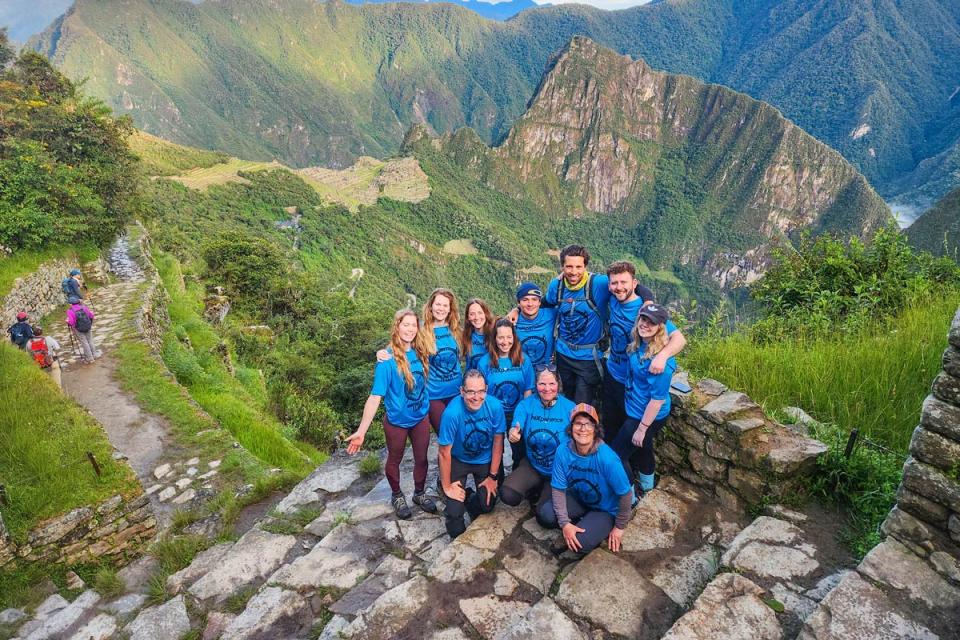
- Arrive at Machu Picchu on foot: Enter through the Sun Gate after hiking the original Classic Inca Trail.
- Classic Inca Trail archaeology: Explore Runkurakay, Sayacmarca, Phuyupatamarca, Intipata, and Wiñay Wayna with an expert guide.
- Premium small-group service: Enjoy expert local guides, fresh meals, quality camping gear, and better care on the trail.
- Responsible trekking: Travel with a 100% Peruvian local operator committed to fair porter treatment and sustainable tourism.
- Vistadome train included: End your adventure with a scenic panoramic train journey through the Sacred Valley.
Salkantay Trek + Classic Inca Trail Expedition at a Glance
Day 1: Cusco → Humantay Lake → Salkantaypampa — Salka Glamp
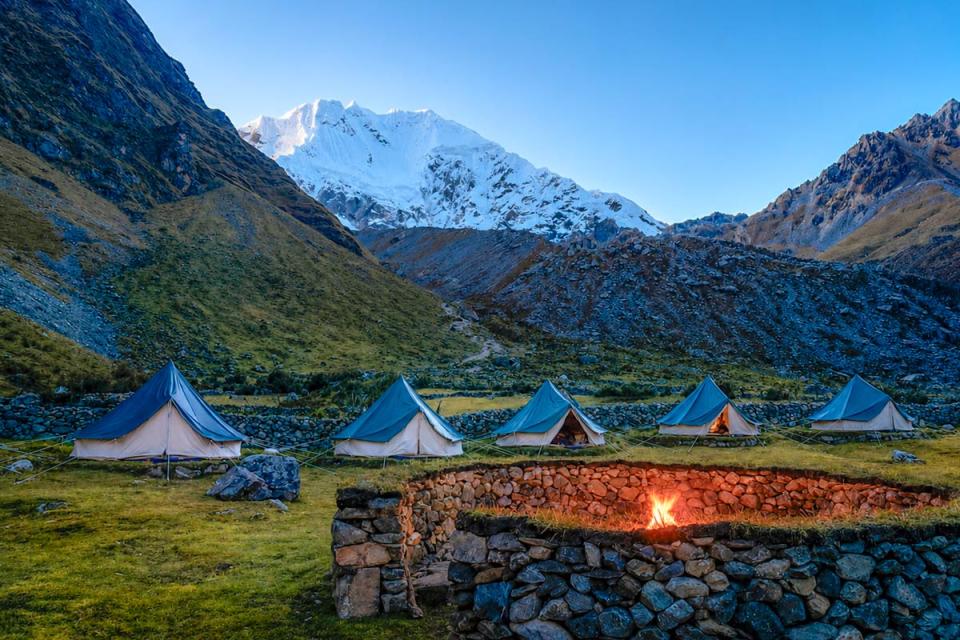
Start with a scenic drive from Cusco into the high Andes. Hike to the famous Humantay Lake, a bright turquoise lake surrounded by glacier peaks, then continue into the Salkantay Valley. Spend the night at our peaceful Salka Glamp campsite under the stars.
Day 2: Salka Glamp → Salkantay Lake → Frozen Inca Pass → Inca Canal Camp
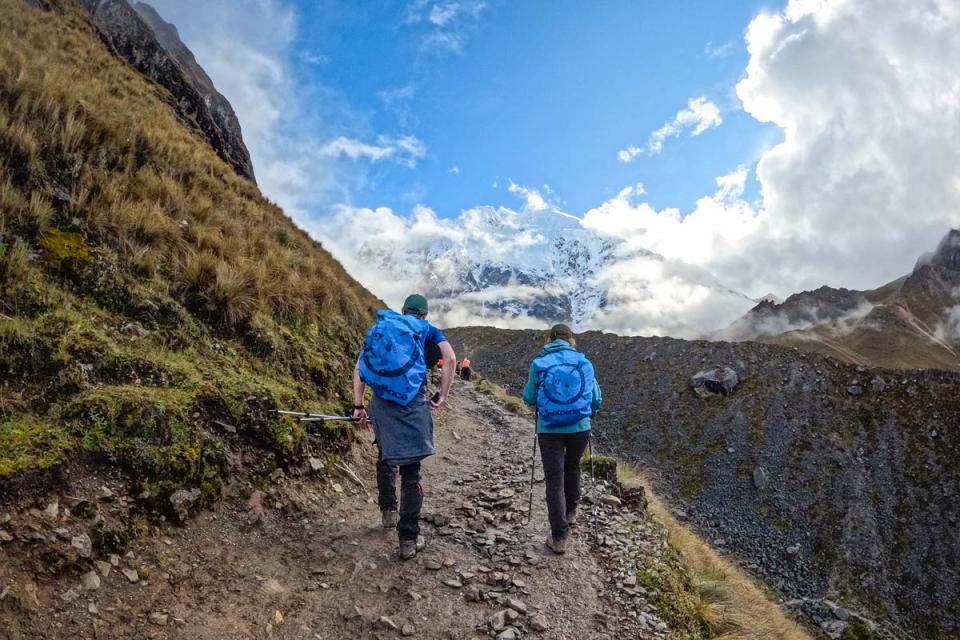
This is one of the most powerful days of the trek. Hike near Salkantay Lake, surrounded by glaciers and wild mountain scenery, then cross the Frozen Inca Pass at 5,100 m / 16,732 ft. Descend into the quiet Pampacahuana Valley and camp near an ancient Inca canal.
Day 3: Inca Canal → Paucarcancha → Wayllabamba → Ayapata
Visit Paucarcancha, one of the most impressive Inca sites in the valley, then continue to Wayllabamba, where you join the Classic Inca Trail. Hike to Ayapata, your first campsite on the ancient path of the Incas.
Day 4: Ayapata → Dead Woman’s Pass → Runkurakay → Sayacmarca → Chaquicocha
Take on one of the most challenging and rewarding sections of the Inca Trail. Cross Warmiwañuska, also known as Dead Woman’s Pass, then continue over Runkurakay Pass before reaching the beautiful campsite of Chaquicocha.
Day 5: Chaquicocha → Phuyupatamarca → Intipata → Wiñay Wayna
Enjoy one of the most beautiful days of the Classic Inca Trail. Visit Phuyupatamarca, Intipata, and Wiñay Wayna, surrounded by cloud forest, mountain views, and ancient terraces. Camp just a few hours away from Machu Picchu.
Day 6: Wiñay Wayna → Sun Gate → Machu Picchu → Cusco
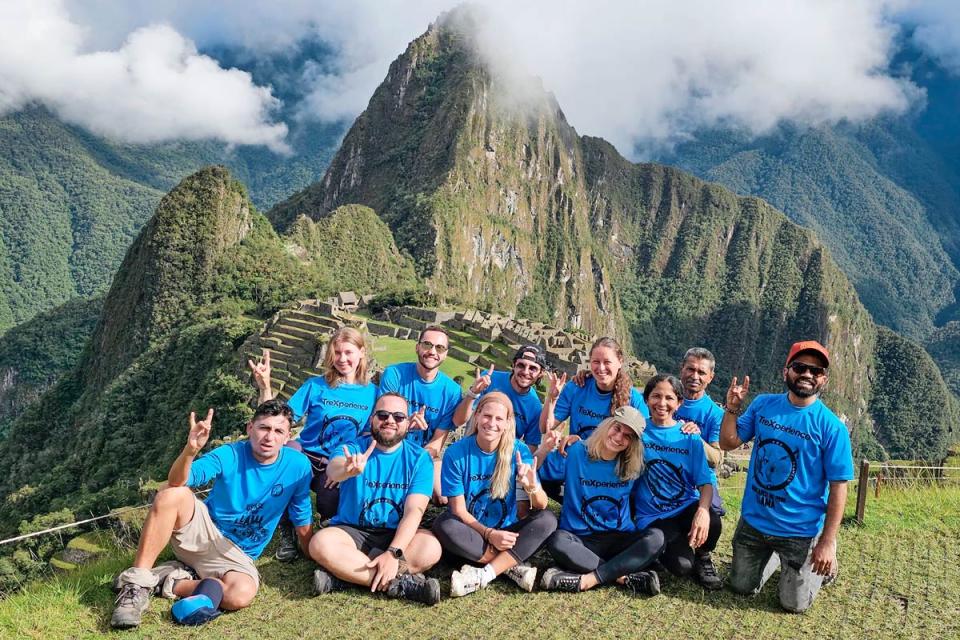
Wake up early for the most unforgettable moment of the trek. Hike to the Sun Gate and enjoy your first breathtaking view of Machu Picchu from above. Then continue down to the citadel for a guided tour before returning to Cusco on the panoramic Vistadome train.
- Campsite locations may change depending on availability, weather conditions, official regulations, and final campsite assignment.
- This tour includes Inca Trail permits, which are limited and can sell out quickly. Book early to secure your preferred departure date.
Included
- Pre-departure briefing before the trek
- Professional bilingual tour guide
- Entry tickets to Humantay Lake and the Salkantay Trek area
- Entry tickets to the Classic Inca Trail and Machu Picchu — Circuit 1, when assigned and available
- Entry ticket to Machu Picchu — Circuit 3, when assigned and available
- All transportation from start to finish
- Return on the panoramic Vistadome train
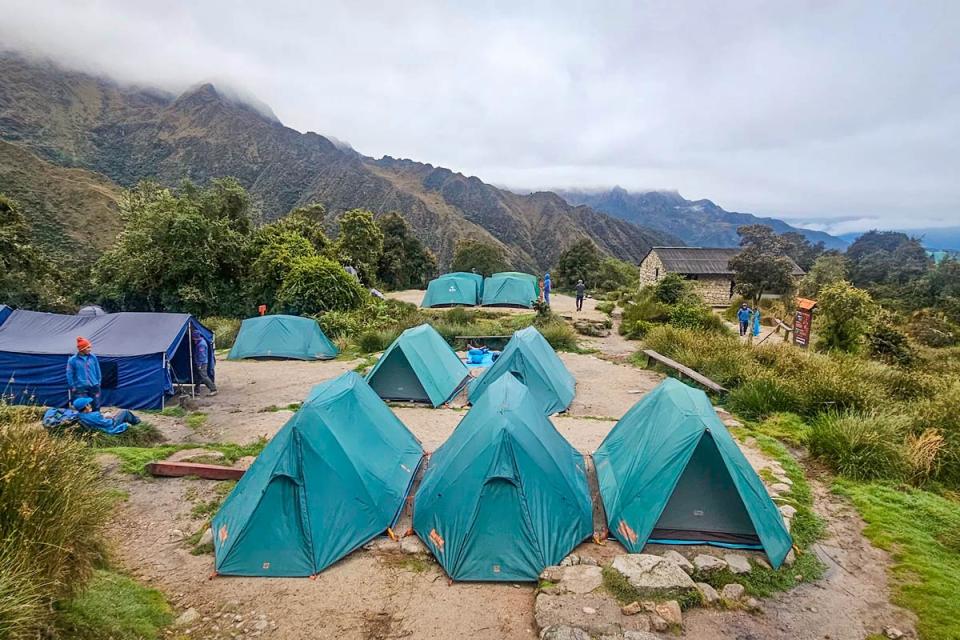
- Camping equipment, including dining tents, tables, chairs, kitchen tent, and portable toilets
- 5 nights of camping in comfortable tents
- Comfortable tents shared by every 2 trekkers
- Cargo mules for the Salkantay section
- Personal porter for the Inca Trail section
- Experienced trekking chef
- All meals on the trail, except lunch and dinner on the last day
- Drinking water and daily snacks
- Duffle bag for up to 7 kg / 15 lb of your gear
- Pillow, sleeping pad, hand towels, and extra blankets
- First-aid kit, oxygen supply, and satellite phone support
Not Included
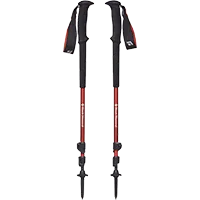
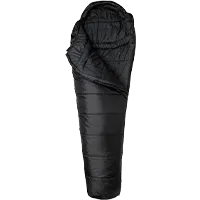
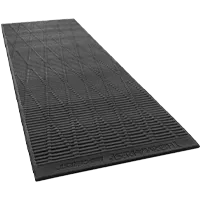
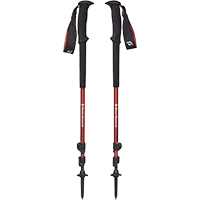
- Sleeping bag, air mattress, and trekking poles — available to rent
- Entry to Huayna Picchu Mountain
- Entry to Machu Picchu Mountain
- Lunch and dinner on the last day
- Travel insurance
Machu Picchu Circuits Included
- Circuit 1: On Day 6, after arriving through the Sun Gate, you will continue toward the upper viewpoints, where you can enjoy the classic panoramic view of Machu Picchu from above, according to the assigned route and official access rules.
- Circuit 3: After exiting the main checkpoint, you will re-enter Machu Picchu for a guided visit through important sectors of the citadel, such as the Temple of the Sun, the Royal Palace, the water fountains, Inca warehouses, the Temple of the Condor, and the Water Mirrors, depending on the assigned route and official availability.
The combination of Circuit 1 and Circuit 3 is designed to give you a complete Machu Picchu experience: the famous panoramic view from above and a closer guided visit through key areas inside the citadel. Final circuits depend on official availability and regulations. Learn more in our Machu Picchu Tickets & Circuits guide.
Optional Hikes After the Machu Picchu Tour
- Huayna Picchu Mountain — US$75 per person, approximately 2-hour round-trip.
- Machu Picchu Mountain — US$75 per person, approximately 3-hour round-trip.
You can only hike one of these mountains, and it must be booked in advance. We recommend these hikes only if you stay an extra day in Aguas Calientes after the trek, because Day 6 already includes the Sun Gate arrival, Machu Picchu guided tour, train, and return to Cusco.
Why Book with TreXperience?
- 100% Peruvian local operator: Travel with a Cusco-based company that knows the route, the culture, and the details that matter.
- Premium small-group service: Enjoy a more personal trekking experience with expert local guides and attentive support.
- Fair treatment for porters: We follow responsible welfare standards for the people who make the journey possible.
- Fresh Peruvian meals: Enjoy warm, varied meals prepared by our trekking chefs with local ingredients.
- Quality equipment: Camp with reliable gear, comfortable tents, dining tents, sleeping pads, blankets, and portable toilets.
- Sustainable tourism: We operate with responsible practices that protect the trail, support local communities, and reduce impact.
Full Itinerary - Salkantay and Inca Trail 6 Days Expedition
Day 1: Cusco – Soraypampa – Humantay Lake – Salkantaypampa (Salka Glamp)
Your adventure begins early with a 4:30 a.m. pickup from your hotel in Cusco. From there, we drive into the high Andes, passing small villages, deep valleys, and wide mountain views. After arriving in Soraypampa, you’ll enjoy a fresh breakfast surrounded by the peaceful beauty of the Andes.
Then, we start the hike to one of the most beautiful places in Peru: Humantay Lake. The walk is uphill and steady, but the reward is unforgettable. At the top, you’ll find bright turquoise water surrounded by glaciers, rocky peaks, and dramatic mountain scenery.
You’ll have time to rest, take photos, and enjoy the quiet power of this special place before hiking back down for lunch prepared by our trekking chef. In the afternoon, we continue deeper into the Salkantay Valley, where waterfalls, glaciers, and wild landscapes begin to show you the real spirit of this route.
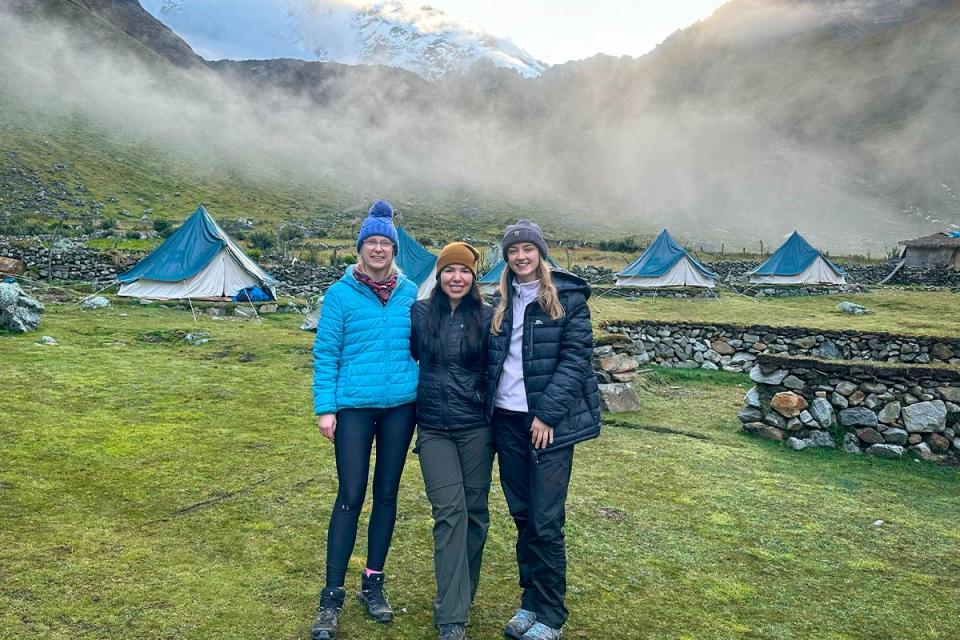
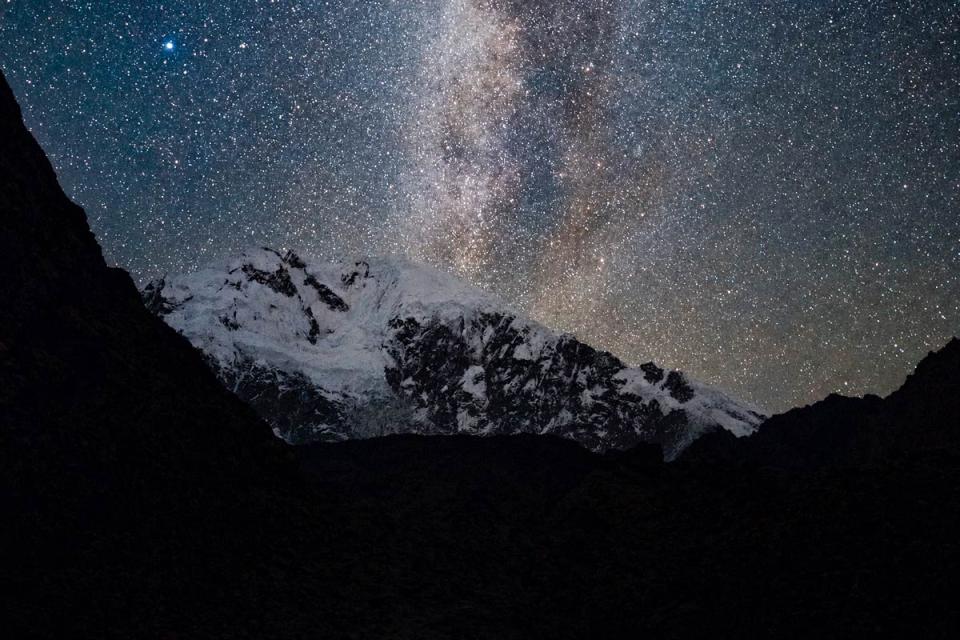
By late afternoon, we arrive at Salkantaypampa, home to our exclusive Salka Glamp campsite. Enjoy warm drinks, a delicious dinner, and your first night surrounded by the mountains. When the sky is clear, this is a perfect place for stargazing.
- Hiking Distance: 15 km / 9.3 mi
- Duration: 8 hours
- Campsite Altitude: 4,280 m / 14,041 ft
- Highest Altitude: 4,280 m / 14,041 ft
- Meals: Breakfast, lunch, dinner
- Accommodation: Camping
- Difficulty: Moderate to Challenging
Day 2: Salka Glamp – Salkantay Lake – Frozen Inca Pass – Inca Canal
Day 2 is the most challenging day of the Salkantay section, but also one of the most rewarding. You’ll wake up at Salka Glamp with hot coca tea or coffee and a powerful view of the Andes around you. After breakfast, we begin hiking into the wildest part of the Salkantay route.
Our first major highlight is Salkantay Lake, a quiet glacial lake located below the mighty Salkantay Mountain. This part of the trail feels remote, peaceful, and full of energy. As we climb higher, the mountains become bigger, the air feels thinner, and the views become even more impressive.
We then continue to the highest point of the expedition: Inca Chiriasca Pass, also known as the Frozen Inca Pass, at 5,100 m / 16,732 ft. Reaching this pass is a true achievement. From the top, you’ll enjoy breathtaking views of glaciers, rugged peaks, and the silent high Andes.
After celebrating at the pass, we descend into the peaceful Pampacahuana Valley, one of the hidden treasures of this trek. We stop at Sisaypampa for lunch, then continue to our campsite near an ancient Inca canal. Tonight, you’ll sleep in a remote Andean valley, surrounded by pure nature.
- Hiking Distance: 13 km / 8 mi
- Duration: 8 hours
- Campsite Altitude: 3,670 m / 12,040 ft
- Highest Altitude: 5,100 m / 16,732 ft
- Meals: Breakfast, lunch, dinner
- Accommodation: Camping
- Difficulty: Challenging
Day 3: Inca Canal – Paucarcancha – Wayllabamba – Ayapata
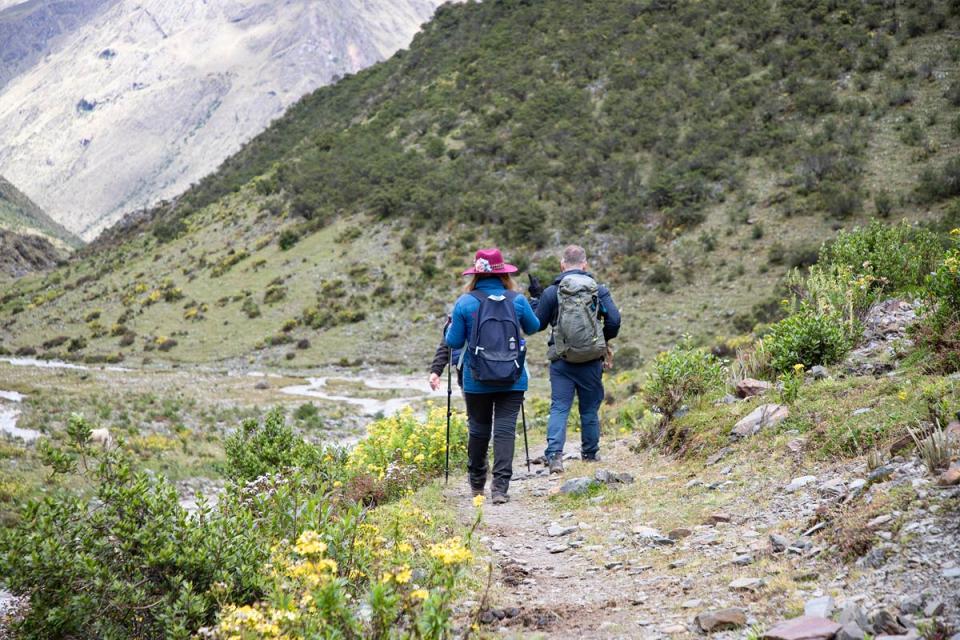
After a hearty breakfast in the mountains, we begin a beautiful downhill hike through the Pampacahuana Valley. The scenery starts to change as we leave the high Salkantay wilderness and move toward warmer valleys, traditional landscapes, and the beginning of the Classic Inca Trail.
After about 3 hours, we arrive at Paucarcancha, a beautiful and rarely visited Inca site located at 3,143 m / 10,410 ft. This is one of the most meaningful moments of the journey, where the Salkantay route connects with the historic paths of the Incas. We’ll enjoy lunch near the site and take time to explore.
Here, we meet our Inca Trail porters and say goodbye to the muleteers who supported us through the Salkantay section. Then, we continue hiking for about 30 minutes to Wayllabamba, where we visit another Inca site and pass the second checkpoint of the Classic Inca Trail.
In the afternoon, we hike for around 2 more hours to Ayapata, our campsite for the night. This is your first night on the ancient Inca Trail, surrounded by quiet mountains and fresh Andean air. Enjoy dinner, relax, and get ready for one of the most iconic days of the trek.
- Hiking Distance: 15 km / 9.3 mi
- Duration: 7 hours
- Campsite Altitude: 3,300 m / 10,826 ft
- Highest Altitude: 3,300 m / 10,826 ft
- Meals: Breakfast, lunch, dinner
- Accommodation: Camping
- Difficulty: Moderate
Day 4: Ayapata – Dead Woman’s Pass – Runkurakay – Sayacmarca – Chaquicocha
Today is one of the most important days on the Classic Inca Trail. You’ll wake up early with a hot drink brought to your tent, then enjoy breakfast before starting the climb toward Dead Woman’s Pass, the highest point of the Inca Trail.
The first ascent takes about 4 hours and is both challenging and unforgettable. As you climb toward Warmiwañuska, the trail becomes steeper and the views become more dramatic. Reaching the top at 4,215 m / 13,829 ft is a proud moment and one of the great achievements of the expedition.
After taking time to rest and enjoy the scenery, we descend to our lunch spot for a well-earned meal. In the afternoon, we continue toward Runkurakay Pass, where you’ll visit a fascinating Inca site and learn more about the history and purpose of this ancient route.
Later, we visit Sayacmarca, another beautiful Inca site with impressive views over the valleys and mountains. By late afternoon, we arrive at Chaquicocha, our campsite for the night. From here, you can enjoy a peaceful sunset over the Vilcabamba mountain range before dinner.
- Total Distance: 16 km / 10 mi
- Duration: 10 hours
- Campsite Altitude: 3,600 m / 11,811 ft
- Highest Altitude: 4,215 m / 13,829 ft
- Meals: Breakfast, lunch, dinner
- Accommodation: Camping
- Difficulty: Moderate to Challenging
Day 5: Chaquicocha – Phuyupatamarca – Intipata – Wiñay Wayna
After crossing the Frozen Inca Pass, Dead Woman’s Pass, and Runkurakay Pass, Day 5 feels calmer and more scenic. This is one of the most beautiful sections of the Classic Inca Trail, with cloud forest, mountain views, stone paths, and some of the best Inca sites on the route.
We start with a scenic hike toward Phuyupatamarca, also known as the City in the Clouds. This impressive site offers wide views of the mountains and valleys below. From here, the trail continues down through lush vegetation, ancient steps, and peaceful Andean scenery.
Later, we visit Intipata, a beautiful set of agricultural terraces with amazing views over the Urubamba Valley. We then continue toward Wiñay Wayna, one of the most important and impressive Inca sites on the entire trail, second only to Machu Picchu.
After lunch near Wiñay Wayna, you’ll have time to rest and enjoy a shower before exploring the site with your guide. Its terraces, houses, water channels, and mountain setting make it unforgettable. In the evening, we return to camp for tea, dinner, and a special final night with the trekking team.
- Hiking Distance: 10 km / 6.2 mi
- Duration: 5 hours
- Campsite Altitude: 2,600 m / 8,530 ft
- Highest Altitude: 3,680 m / 12,073 ft
- Meals: Breakfast, lunch, dinner
- Accommodation: Camping
- Difficulty: Moderate
Day 6: Wiñay Wayna – Sun Gate – Machu Picchu – Cusco
Today is the day you have been waiting for. We wake up very early, enjoy breakfast, and walk to the final checkpoint of the Inca Trail. Once it opens, we begin the last stretch toward Intipunku, the Sun Gate.
After several days of hiking through glaciers, valleys, mountain passes, and ancient Inca paths, your first view of Machu Picchu from the Sun Gate is unforgettable. This is the classic arrival that makes the Inca Trail so special.
From the Sun Gate, we continue down toward Machu Picchu through Circuit 1, where you can enjoy the upper panoramic viewpoints and take the classic photos of the citadel. After this first section, we exit and re-enter through Circuit 3 for a guided visit of the central areas, including temples, palaces, water channels, terraces, and ceremonial spaces.
After the tour, you will take the bus to Aguas Calientes for lunch on your own. In the afternoon, board the panoramic Vistadome train to Ollantaytambo, where our private transport will be waiting to take you back to your hotel in Cusco.
- Hiking Distance: 6 km / 3.7 mi
- Duration: 2-3 hours of hiking, plus guided tour
- Machu Picchu Altitude: 2,430 m / 7,972 ft
- Meals: Breakfast
- Difficulty: Easy to Moderate
Salkantay Trek + Classic Inca Trail 6 Days: Price and Booking
Take on one of Peru’s most unforgettable adventures: the wild Salkantay Trek and the legendary Classic Inca Trail to Machu Picchu in one amazing 6-day journey. Your tour includes expert guides, mountain camps, fresh meals, permits, Machu Picchu tickets, cargo support, licensed porters, safety equipment, and the scenic return on the Vistadome train.
Join a premium small-group tour for a friendly trail experience, or choose a private Salkantay Trek + Classic Inca Trail tour for more comfort, privacy, and flexibility. Traveling with family or friends? The private option can be an excellent value for groups.
Group Tour
A great choice if you want to share the adventure with a small group while enjoying personal service, expert guiding, and strong trail support.
| Traveler Type | Price Per Person |
|---|---|
| Adults | From US$ 1200 |
| Children and students | From US$ 1170 |
Private Tour
Perfect for couples, families, and friends who want their own guide, their own pace, and a more exclusive trekking experience.
| Number of Participants | Price Per Person |
|---|---|
| 1 participant | US$ 3400 |
| 2 participants | US$ 2040 |
| 3 participants | US$ 1790 |
| 4 participants | US$ 1580 |
| 5 participants | US$ 1360 |
| 6 participants | US$ 1280 |
| 7 participants | US$ 1220 |
| 8 participants | US$ 1200 |
| 9+ participants | Contact us for a special rate |
Booking and Payment
Inca Trail permits sell out fast, especially from May to September. Book early to secure your preferred date.
- Deposit: US$ 300 per person to confirm your booking.
- Pay the balance online or at our Cusco office by credit card, PayPal, or bank transfer.
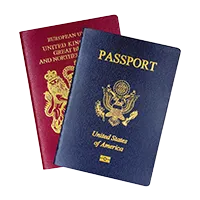
- We need each traveler’s passport details exactly as shown on the passport.
- Tell us in advance about vegetarian, vegan, gluten-free, lactose-free, or allergy-friendly meals.
Discounts
Children under 17 and students under 25 with a valid university ID receive a US$ 30 discount. Student IDs must show the full name, photo, university name, and valid expiration date. ISIC cards are not accepted.
Book Early and Secure Your Spot
Spaces on the Classic Inca Trail are limited every day. Once permits are gone, no extra spots can be added. Check your date on our Inca Trail Availability page and reserve your adventure before it sells out.
How to Book
- Click the BOOK NOW button and choose your travel date.
- Select the service that best fits your travel style: small-group or private tour.
- Fill in your personal details exactly as shown on your passport.
- Add any rental gear or upgrades you need, such as sleeping bag, air mattress, trekking poles, or private service.
- Complete the deposit payment to secure your space.
- Our team will contact you to confirm your reservation, final details, briefing information, and packing recommendations.
Salkantay Trek + Classic Inca Trail Packing List
Pack light, warm, and practical. In 6 days, you’ll move from the cold high mountains of Salkantay to the stone paths of the Classic Inca Trail and the warmer, more humid climate of Machu Picchu.
TreXperience provides a duffle bag for up to 7 kg / 15 lb, carried by cargo mules during the Salkantay section and by licensed porters on the Inca Trail. You only carry a small daypack with daily essentials.
Essentials
Leave large suitcases at your hotel in Cusco or with TreXperience if confirmed before departure. Keep documents, medication, money, and valuables in your daypack.






What to Wear on the Trail
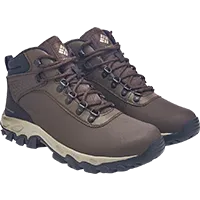
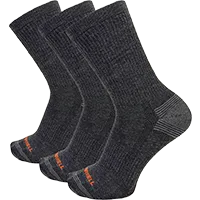
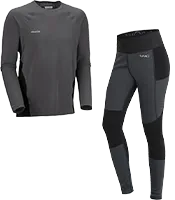
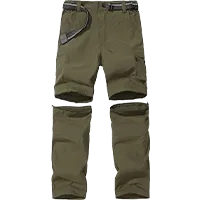
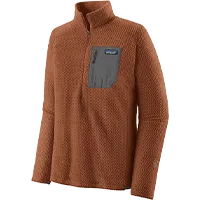
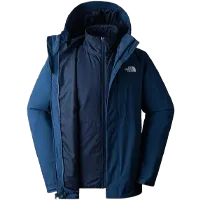
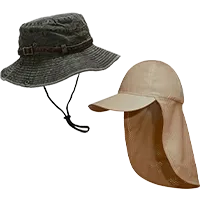
Dress in layers. You’ll need warm clothing for Salkantay and the high passes, rain protection for changing weather, and lighter breathable clothes for Machu Picchu.


What to Pack in Your Daypack
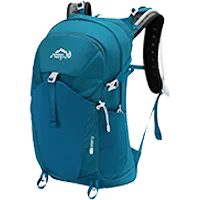
Your daypack should be light but complete: water, snacks, rain jacket, warm layer, passport, sunscreen, camera, personal medication, and anything you need before reaching camp.








What to Pack in the Duffle Bag
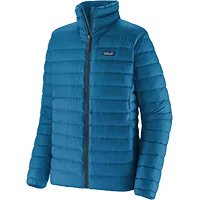
Your duffle bag is for overnight items, extra clothes, toiletries, and camping gear. The total limit is 7 kg / 15 lb, including sleeping bag and air mattress if you bring or rent them.



What TreXperience Provides
TreXperience provides key camping and support equipment so you can hike with less weight and focus on the mountains, the Inca Trail, and the arrival to Machu Picchu through the Sun Gate.




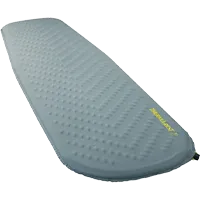
What You Can Rent from TreXperience
Rental gear is available for travelers who prefer not to bring bulky equipment from home. Please reserve rental items in advance so our team can prepare them for your departure.
What Not to Bring to Machu Picchu
Machu Picchu has strict entry rules. To avoid problems on the final day, do not carry large or restricted items into the citadel.
- Large backpacks, bags, or purses bigger than 40 x 35 x 20 cm / 16 x 14 x 8 in.
- Food, plates, cutlery, kitchenware, or large food containers.
- Alcohol, illegal substances, or aerosols.
- Umbrellas, tripods, selfie sticks, camera extensions, or stabilizers.
- Drones or professional filming equipment without special authorization.
- Walking sticks or trekking poles inside the citadel, unless allowed under special conditions.
- Large luggage, hard bags, or bulky items.
Your guide will remind you what to leave before entering Machu Picchu. For the visit, keep it simple: small daypack, passport, water, rain jacket, sun protection, and camera or phone.
Smart Packing Tips
- Break in your hiking boots before the trek. New boots can cause blisters.
- Keep rain gear at the top of your daypack, not at the bottom.
- Bring warm clothes for Salkantay, even in the dry season.
- Bring light, breathable clothes for Machu Picchu and the return train.
- Pack extra socks. Dry feet make a big difference on long hiking days.
- Use a reusable water bottle or hydration bladder.
- Keep electronics and important documents in a waterproof pouch.
For more packing advice, see our Salkantay Trek Packing List and our Peru Packing List.
Salkantay Trek + Classic Inca Trail 6 Days - Travel Information
Before you book, here is the essential travel information you need for this expedition. This trek combines the wild Salkantay mountains, the Classic Inca Trail, the Sun Gate arrival to Machu Picchu, and the scenic Vistadome train return. Use this guide to understand the difficulty, altitude, weather, permits, camping, safety, luggage, and how to prepare for one of the most complete treks to Machu Picchu.
What makes this trek different?
This is not a regular Salkantay Trek and it is not only the Classic Inca Trail. It is a rare 6-day expedition that combines two of Peru’s most epic hikes in one powerful journey.
You begin in the wild Salkantay region, surrounded by glaciers, quiet valleys, Humantay Lake, Salkantay Lake, and high mountain scenery. After crossing the Frozen Inca Pass, you connect with the legendary Classic Inca Trail at Wayllabamba and follow ancient stone paths toward Machu Picchu.
The final reward is unforgettable: you arrive at Machu Picchu on foot through the Sun Gate, then return to Cusco aboard the panoramic Vistadome train. If you are comparing options, read our Inca Trail vs Salkantay Trek guide.
Best time, weather, and what to expect
The best time to hike the Salkantay and Inca Trail is usually from April to October, when the weather is drier, the trails are firmer, and mountain views are often clearer. May to September is the most popular season, especially for travelers looking for blue skies and strong mountain visibility.
From November to March, the landscape is greener and there are fewer travelers, but rain is more common, trails can be muddy, and visibility may change quickly. This combined route does not operate when the Inca Trail is closed for annual maintenance.
Andean weather changes fast. You can have sun, wind, cold, rain, and mist on the same day. The Salkantay section is high, cold, and exposed, while the Machu Picchu area is lower, warmer, and more humid. Pack in layers and always keep your rain gear ready. For broader seasonal planning, read our Best Time to Visit Peru guide or check the official Machu Picchu weather forecast.
Difficulty, altitude, and acclimatization
This trek is challenging. It is not technical climbing, but it is a serious high-altitude hike with long days, steep climbs, mountain passes, stone steps, changing weather, and remote camps.
The hardest sections are Day 2, when you cross the Frozen Inca Pass at 5,100 m / 16,732 ft, and Day 4, when you climb Dead Woman’s Pass and continue across another high section of the Classic Inca Trail.
We recommend arriving in Cusco at least 2 days before the trek. If you can arrive 3 days early, even better. During your first days, drink water, eat light meals, avoid alcohol, rest well, and choose gentle activities such as a Cusco City Tour or Sacred Valley VIP Tour.
Tell your guide immediately if you feel headache, nausea, dizziness, loss of appetite, unusual tiredness, or shortness of breath. You can also review official guidance on Travel to High Altitudes before your trip.
- Cusco — approx. 3,300 m / 10,826 ft
- Humantay Lake — approx. 4,200 m / 13,780 ft
- Salkantaypampa / Salka Glamp — 4,280 m / 14,041 ft
- Frozen Inca Pass / Inca Chiriasca Pass — 5,100 m / 16,732 ft
- Dead Woman’s Pass — 4,215 m / 13,829 ft
- Wiñay Wayna campsite — 2,600 m / 8,530 ft
- Machu Picchu — 2,430 m / 7,972 ft
Permits, passport details, and booking early
This trek includes the Classic Inca Trail, which has limited daily permits. Once permits sell out for your date, we cannot open more spaces. For this reason, early booking is strongly recommended, especially from May to September.
To secure your booking, we need each traveler’s full name exactly as shown on the passport, passport number, date of birth, passport expiration date, and nationality. Please do not use nicknames or shortened names, as permits and tickets must match your official travel document.
Machu Picchu tickets are also issued for a specific date, entry time, and circuit. Once your permits and tickets are confirmed, your space is secured for the selected departure. You can check availability on our Inca Trail Availability page.
Machu Picchu, Sun Gate, circuits, and Vistadome train
On the final day, you wake up early and hike the last section of the Inca Trail to Intipunku, the famous Sun Gate. This is one of the most powerful moments of the expedition. Weather permitting, your first view of Machu Picchu will appear from above after days of hiking through mountains, valleys, Inca sites, and ancient stone paths.
This tour is designed to give you one of the most complete Machu Picchu experiences available on this route. It includes:
- Circuit 1: Access to the upper panoramic viewpoints after arriving through the Sun Gate, according to the assigned official route.
- Circuit 3: Access to important lower and central areas of the citadel for a guided visit, depending on official availability and final ticket assignment.
After your guided visit, you will travel to Aguas Calientes and return by the panoramic Vistadome train to Ollantaytambo. From there, we continue by private transport back to your hotel in Cusco.
Circuit rules are controlled by the authorities and may be updated. We will confirm your exact entry details with your final booking information. You can review the Official Machu Picchu Circuits and Routes or read our Machu Picchu Circuits guide for more details.
Luggage, duffle bag, mules, porters, and daypack
You do not need to carry all your luggage during the trek. TreXperience provides a duffle bag for up to 7 kg / 15 lb of your personal gear.
During the Salkantay section, cargo mules help carry camping equipment and duffle bags where allowed. During the Inca Trail section, licensed porters carry the equipment and your duffle bag from camp to camp.
You only carry your daypack with the items you need during the hiking day: water, rain jacket, warm layer, snacks, camera, sunscreen, passport, personal medicine, and small essentials.
Keep your daypack small and light for the final day at Machu Picchu, as large backpacks are restricted inside the citadel. Your guide will advise you what to take and what to leave before entering.
Camping, meals, water, hygiene, and charging
This trek includes 5 nights of camping in comfortable tents, usually shared by 2 trekkers. We also provide key camping equipment such as dining tents, tables, chairs, sleeping pads, pillows, hand towels, extra blankets, and portable toilets.
Fresh meals are prepared on the trail by our trekking chef. The tour includes all meals during the hike, except lunch and dinner on the last day. Drinking water and daily snacks are included. Please bring a reusable water bottle or hydration bladder.
Vegetarian, vegan, gluten-free, and other dietary requests can usually be accommodated with advance notice. Please tell us your food requirements when booking so our team can prepare properly.
Toilets along the route can be basic, especially in remote areas. Do not expect hot showers every night. Bring wet wipes, hand sanitizer, a small quick-dry towel, and personal hygiene items.
Charging options are limited and not guaranteed. Bring a fully charged power bank and keep your phone, camera batteries, and headlamp warm at night, as cold temperatures can drain batteries faster.
Safety, rules, money, and responsible travel
Cell phone coverage is limited and unreliable on many sections of this route, especially in the high Salkantay area and remote valleys. Do not depend on your phone for communication during the trek.
TreXperience follows safety protocols and carries emergency support equipment such as first-aid kits, oxygen tanks, satellite phone support, waterproof tents, dining tents, and portable toilets. Your guide will monitor the group throughout the trek.
Bring Peruvian soles in small bills for personal expenses, snacks, toilets where applicable, and optional tips. ATMs are available in Cusco and Aguas Calientes, but not on the Salkantay or Inca Trail sections.
The Inca Trail and Machu Picchu are protected areas with strict rules. Drones are not allowed on the Inca Trail or inside Machu Picchu. Large backpacks, tripods, selfie sticks, food, alcohol, aerosols, umbrellas, and walking sticks may be restricted or prohibited inside the citadel.
Please stay on marked paths, do not touch or climb on Inca walls, do not leave trash, and carry a reusable water bottle. Responsible travel helps protect the trail, the communities, and Machu Picchu for future generations.
Machu Picchu official protection and visitor rules
Machu Picchu is both a UNESCO World Heritage Site and part of the Historic Sanctuary of Machu Picchu Protected Area. Visitor rules are strict and designed to protect the archaeological site and the surrounding natural area.
For official visitor information, you can also check the Machu Picchu Official Website.
How to choose between the 4, 5, and 6-day Salkantay + Inca Trail routes
Choose the Salkantay Trek via Inca Trail 4 Days if you want a shorter wilderness route with part of the Classic Inca Trail and Machu Picchu by train.
Choose the Salkantay Trek + Short Inca Trail 5 Days if you want Salkantay, part of the Classic Inca Trail, the Short Inca Trail, Wiñay Wayna, and the Sun Gate arrival. Choose this 6-day tour if you want the full Classic Inca Trail experience combined with the wild Salkantay route.
Salkantay Trek + Classic Inca Trail 6 Days - Frequently Asked Questions
Here are the most practical questions travelers ask before booking this trek. These answers will help you choose the right option, prepare with confidence, and understand what happens before, during, and after your adventure to Machu Picchu.
How do I know if this trek is the right choice for me?
Choose this trek if you want more than a standard route to Machu Picchu. This expedition is ideal for travelers who want a real mountain adventure, remote landscapes, Inca history, camping, and the powerful feeling of arriving at Machu Picchu on foot.
It is a great option if you are deciding between the Salkantay Trek and the Classic Inca Trail, because this tour combines both in one journey. You get the wilderness of Salkantay first, then the ancient stone paths of the Inca Trail, and finally the arrival to Machu Picchu through the Sun Gate.
If you prefer an easier trip with less hiking, we can recommend a shorter Machu Picchu tour or a train-based option.
What makes this different from the Classic Inca Trail 4 Days?
The Classic Inca Trail 4 Days follows the traditional Inca Trail route from Km 82 to Machu Picchu. This 6-day expedition includes the Salkantay wilderness first, with Humantay Lake, Salkantay Lake, the Frozen Inca Pass, and remote Andean valleys before joining the Classic Inca Trail.
Choose this tour if you want a longer, wilder, and more complete mountain adventure before entering Machu Picchu through the Sun Gate.
What makes this different from the regular Salkantay Trek?
The regular Salkantay Trek focuses on Salkantay scenery and usually reaches Machu Picchu by train or alternative access. This 6-day route combines Salkantay with the Classic Inca Trail, original Inca stone paths, Inca sites, and the Sun Gate arrival.
It is the stronger choice if you want both the wild mountain feeling of Salkantay and the historic experience of the Inca Trail.
Should I book a private tour or join a small group?
A small-group tour is a good choice if you enjoy meeting other travelers and want a shared trekking experience with professional support.
A private tour is best if you want more flexibility, a more personal pace, and a more exclusive experience. It is especially recommended for couples, families, groups of friends, photographers, or travelers who prefer extra attention from the guide.
If you are traveling with several people, the private tour can also offer excellent value because the price per person usually improves as the group size increases.
What happens after I book this trek?
After you book, our team reviews your details, confirms availability, and secures the required permits and tickets for your travel date. Once your permits are confirmed, your space is officially secured.
Before the trek, we will send you important information about your briefing, packing list, pickup time, balance payment, and final recommendations. During the briefing in Cusco, you will meet the team, receive your duffle bag, review the itinerary, and ask any last questions.
From that point, you only need to prepare, rest, and get ready for one of the most complete trekking routes to Machu Picchu.
What if my preferred date is sold out?
If the Inca Trail permits or Machu Picchu tickets are sold out for your preferred date, we will help you check the best available alternatives. Sometimes shifting your start date by a few days can make the trek possible.
If this route is not available, we can suggest other strong options, such as the Classic Inca Trail, Salkantay Trek, Lares Trek, Short Inca Trail, or a Machu Picchu tour by train.
The best way to avoid this situation is to book early, especially if you plan to travel during the busiest months. You can check current dates on our Inca Trail Availability page.
Can I change my passport or travel details after booking?
Inca Trail permits and Machu Picchu tickets are issued with your passport information, so your details must be correct when booking.
If you renew your passport after booking, contact us as soon as possible. In many cases, you should travel with both passports: the old one used for the permit and the new valid passport. This helps avoid problems at checkpoints.
Name changes are usually not possible once permits are issued, so please send your full name exactly as shown on your passport.
How should I train before the Salkantay and Inca Trail?
You do not need technical climbing experience, but you should prepare your body for long hiking days, altitude, stairs, and uneven stone paths.
A good training plan includes regular walks, uphill hikes, stairs, light strength training, and practice with a daypack. If possible, do a few longer hikes before your trip so your legs and feet get used to several hours of walking.
Break in your hiking boots before arriving in Peru. New boots on a 6-day trek can cause blisters and make the experience harder than it needs to be.
What should I do the day before the trek?
The day before the trek should be simple and calm. Attend your briefing, prepare your duffle bag, charge your devices, organize your daypack, and make sure your passport is ready.
Eat light, drink water, avoid alcohol, and go to bed early. The first day starts very early, so good rest will make a big difference.
This is also the best time to confirm any rental gear, dietary request, airport transfer, hotel pickup, or last-minute question with our team.
What happens if I feel sick or cannot continue during the trek?
Your guide will monitor the group during the trek and will support you if you feel unwell. If you have symptoms such as strong headache, nausea, dizziness, unusual tiredness, or shortness of breath, tell your guide immediately.
The safest decision depends on where you are, how you feel, and the conditions on the route. Your guide will evaluate the situation and activate the best plan available.
Do not hide symptoms or try to push too hard. The goal is to enjoy the trek, but your safety always comes first.
Can I add hotels, transfers, gear rental, or extra tours?
Yes. We can help you make the trip smoother before and after the trek. Before the hike, many travelers add airport transfers, hotel nights in Cusco, gear rental, a Cusco City Tour, or a Sacred Valley tour for acclimatization.
After the trek, you can add an extra night in Aguas Calientes, Huayna Picchu Mountain, Machu Picchu Mountain, Rainbow Mountain after a recovery day, or private transfer service.
If you want a more comfortable and complete experience, tell us your travel dates and we can help you organize the best add-ons around your trek.
Will I have enough time to enjoy Machu Picchu?
Yes. The final day is designed so you can arrive at Machu Picchu through the Sun Gate and still enjoy a guided visit inside the citadel.
The route is planned to include panoramic views from Circuit 1 and a guided visit through Circuit 3 when assigned and available, giving you both the classic wide view from above and a closer look at important areas inside Machu Picchu.
You can learn more about entrance types in our Machu Picchu Circuits guide.
Can I hike Huayna Picchu or Machu Picchu Mountain after the tour?
Yes, but we recommend it only if you stay an extra day in Aguas Calientes. This 6-day trek already includes a full and early final day, plus the return train to Cusco.
If you want to add a mountain hike, you can choose Huayna Picchu Mountain or Machu Picchu Mountain. Advance booking is required because availability is limited.
How many days should I arrive before the trek?
We recommend arriving in Cusco at least 2 days before the trek, and 3 days is even better. This gives your body time to adapt to altitude before starting a challenging expedition.
During those days, choose light activities, drink plenty of water, eat well, and avoid alcohol. A Sacred Valley tour or easy Cusco tour can be a good way to acclimatize.
Is this trek safe?
This trek is safe when operated by a licensed and experienced local team, but it is still a challenging high-altitude expedition. The main risks are altitude, fatigue, weather, cold temperatures, uneven trails, and long hiking days.
TreXperience guides carry first-aid equipment, oxygen, and satellite phone support. Your guide will monitor the group and make decisions based on safety, weather, trail conditions, and group pace.
Can you accommodate vegetarian, vegan, gluten-free, or allergy-friendly meals?
Yes. If you are vegetarian, vegan, gluten-free, lactose intolerant, or have a food allergy, let us know when booking so our trekking chef can prepare in advance.
Our goal is to make your food experience safe, nourishing, and enjoyable. Special diets are much easier to manage when we know them before departure.
Do I need travel insurance?
Yes, travel insurance is strongly recommended for this trek. A good policy should cover high-altitude trekking, medical care, evacuation, trip interruption, and personal belongings.
This is especially important because the route includes remote areas, high-altitude passes, and permits that are date-specific.