



Peru isn’t just about Machu Picchu and the Andes — it also boasts a stunning coastline with some of South America’s most beautiful beaches. From north to south, its shores offer crystal-clear waters, perfect surf breaks, and peaceful spots to unwind. Whether you’re looking to relax by the sea, dive into water sports, or explore hidden gems, this guide covers the best beaches in Peru, categorized by their top attractions so that you can pick your next ideal destination.
Beaches in Peru for surfers
Máncora (Piura)
A top beach destination in Peru, Máncora is a paradise for surfers and sun lovers. With consistent waves, warm weather year-round, and a buzzing nightlife, it’s the perfect getaway. From budget hostels to luxury resorts, Máncora offers something for every traveler.
- Location: 187 km north of Piura
- Best for: Surfing, diving, sport fishing, nightlife
- Best time to visit: Year-round
Pro tip » Máncora is easy to get to and popular with young travelers. If you’re into marine life, this is the place for surfing, diving, and fishing.
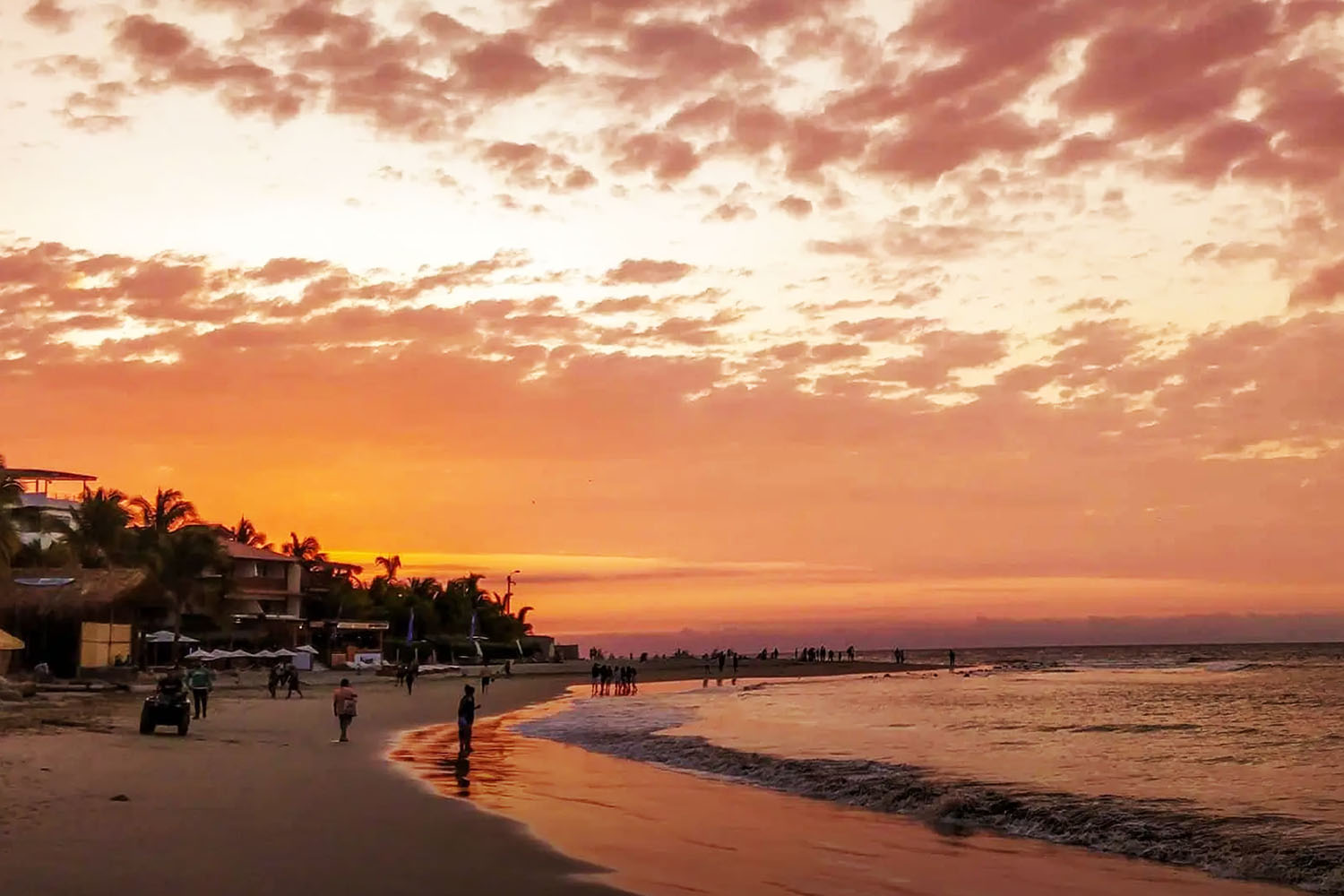
Playa Lobitos (Piura)
Lobitos blends surf and history. Once a British oil town, it’s now a haven for surfers chasing perfect waves in a laid-back setting. Unlike Máncora, Lobitos offers a slower pace, with simple lodgings and a bohemian vibe. Cold waters and steady winds make it a top spot to sharpen your surf skills. The landscape, dotted with old houses and remnants from the oil era, adds a unique charm.
- Location: 127 km northwest of Piura
- Best for: Surfing, photography, adventure travel
- Best time to visit: May to November
Punta Hermosa (Lima)
One of the most popular beach spots in Lima, Peru, Punta Hermosa draws surfers and weekenders alike. Summer brings calmer waters for swimmers, while winter swells challenge even the most experienced surfers. Home to a prestigious annual surf competition, Punta Hermosa’s waves can reach up to 40 feet, with Pico Alto offering the ultimate test for big-wave surfers.
- Location: 58 km south of Lima
- Best for: Surfing, water sports, nightlife
- Best time to visit: December to March
Pro tip » Enjoy fresh seafood at local restaurants or check out the lively bars and clubs nearby for a fun night out.
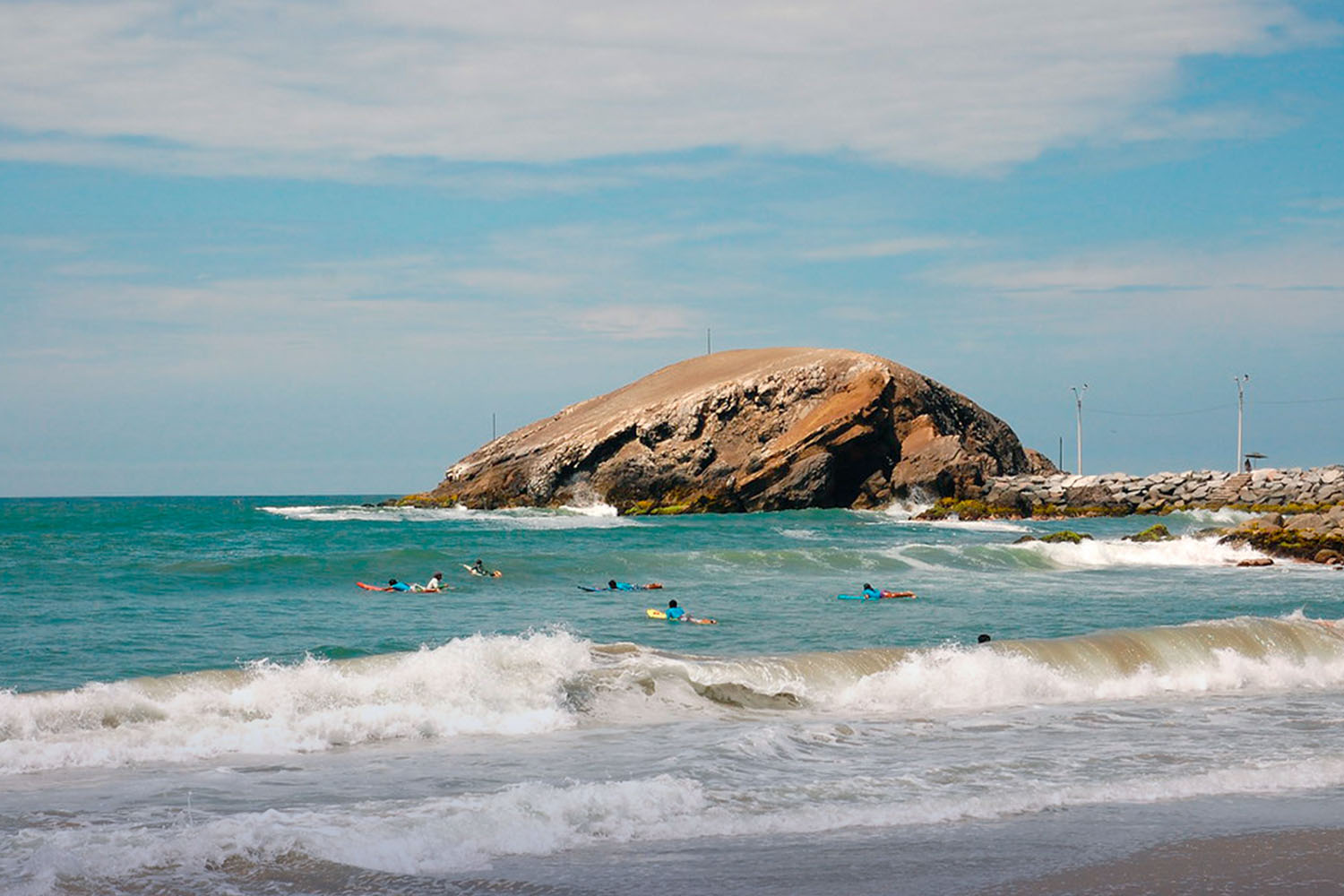
Chicama (La Libertad)
For an unforgettable surf experience, head to Chicama, home to the world’s longest left-hand wave — over two kilometers of uninterrupted surfing. The water is chilly, but the wave quality is worth it. Chicama’s quiet atmosphere makes it a perfect escape from busier beach spots in Peru.
- Location: 600 km northwest of Lima
- Best for: Intermediate and advanced surfers
- Best time to visit: April to October
Bonus » Don’t miss El Brujo archaeological complex nearby, an ancient ceremonial site from the Moche culture.
Beaches in Peru for nature lovers
Punta Sal (Tumbes)
Punta Sal is one of Peru’s most beautiful beaches, with white sand and crystal-clear waters—perfect for those seeking peace and relaxation. From luxury resorts to budget-friendly stays, there’s something for everyone. Between July and October, humpback whales pass through, making this spot even more special.
- Location: Tumbes, northern Peru
- Best for: Snorkeling, diving, fishing, kayaking, boat tours, birdwatching
- Best time to visit: Year-round
Tip » Fly from Lima to Tumbes, then take a two-hour drive to Punta Sal by taxi, rental car, or bus from the Tumbes bus terminal.
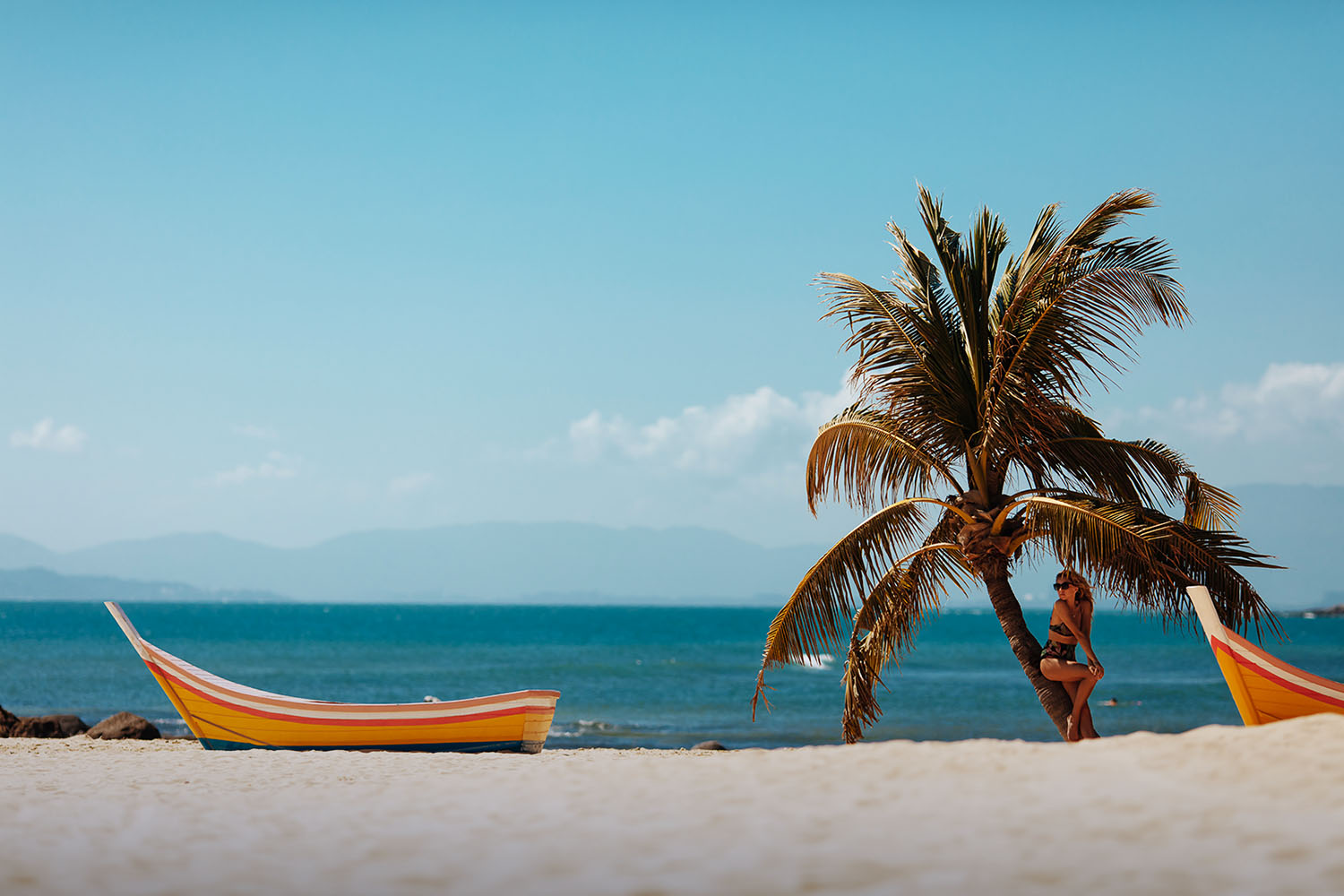
Cabo Blanco (Piura)
Famed by Ernest Hemingway, who found inspiration for The Old Man and the Sea here, Cabo Blanco is a top spot for sport fishing, with species like marlin and tuna. Its powerful waves also draw surfers looking for big swells. This beach is part of northern Peru’s primary beach circuit, which boasts the best weather and stunning spots like Los Órganos, Vichayito, Máncora, and Punta Sal.
- Location: 197 km north of Piura
- Best for: Surfing, cultural tourism
- Best time to visit: October to March
Paracas (Ica)
Paracas blends sea, desert, and wildlife in one destination. The Paracas National Reserve is home to sea lions, penguins, and flamingos. Take a boat tour to the Ballestas Islands, known as the “Galápagos of Peru,” or try kayaking, kitesurfing, and paddleboarding.
- Location: 250 km south of Lima
- Best for: Ecotourism, boat tours, wildlife watching
- Best time to visit: Year-round
Pro tip » Paracas offers many activities, from ATV rides and paragliding to biking and sailing on a catamaran.
Beaches in Peru with history and culture
Huanchaco (Trujillo)
Known as the birthplace of Peruvian surfing, Huanchaco is famous for its caballitos de totora—reed boats used by the ancient Chimú people for over 1,000 years. Close to the UNESCO-listed Chan Chan ruins, Huanchaco offers great waves, fresh seafood, and a laid-back vibe. It’s also considered the birthplace of ceviche.
- Location: 13 km northwest of Trujillo
- Best for: Experiencing ancient fishing traditions
- Best time to visit: Year-round
Pacasmayo (La Libertad)
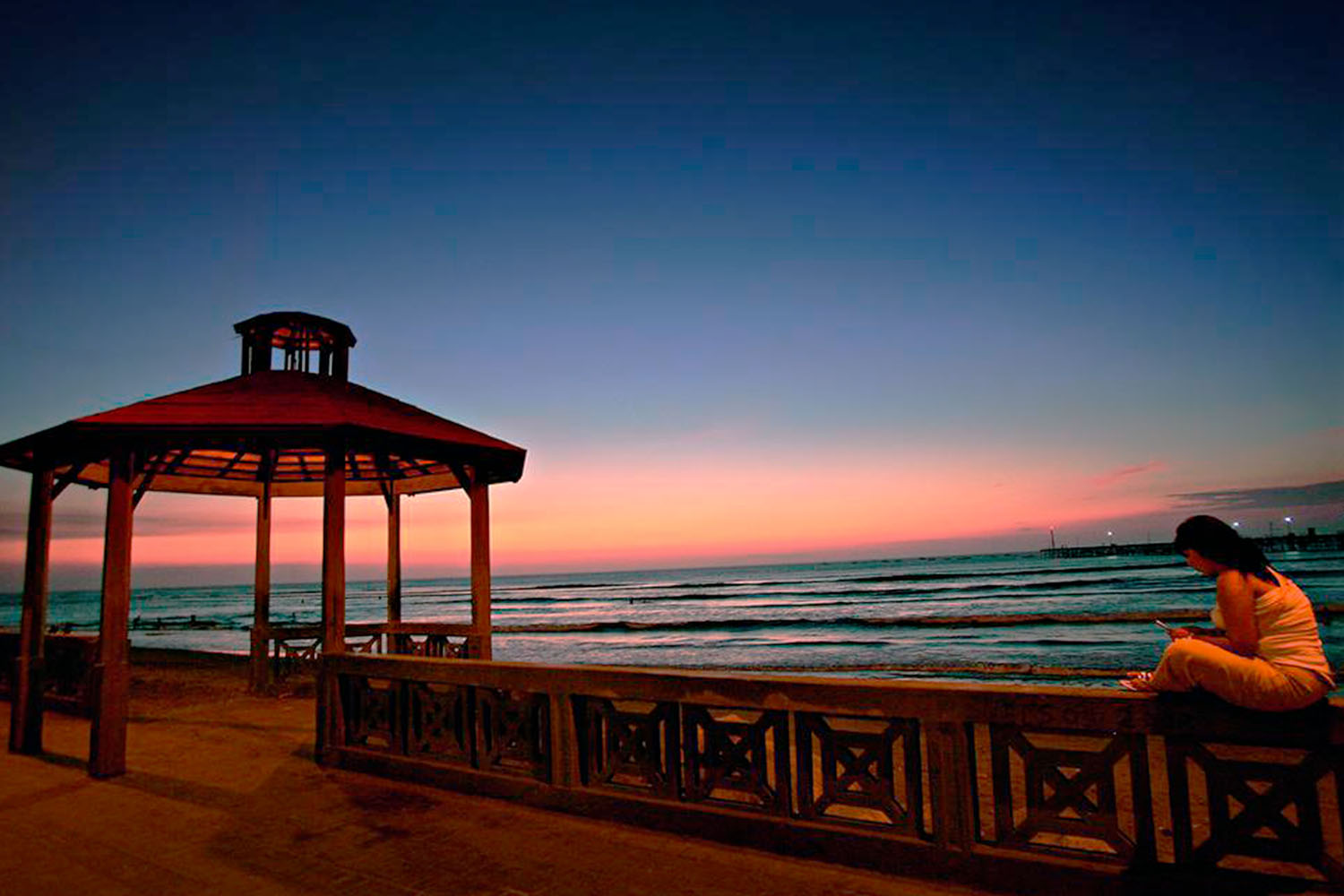
Founded in 1775, Pacasmayo was a key port for the Spanish Crown, growing with its pier and railway. Today, this beach town stands out for its colonial architecture, including 19th-century mansions, the historic pier, and landmarks like the Casa de la Cultura and the Christ the Redeemer viewpoint.
- Location: La Libertad region
- Best for: Strolling along the historic pier, exploring colonial architecture
- Best time to visit: Year-round
San Andrés (Ica)
San Andrés, a charming fishing village, offers stunning coastal views and unforgettable seafood. Snorkeling, diving, kayaking, and dolphin-watching are just a few activities here. Its proximity to the Paracas National Reserve and Pisco adds more adventure, including a chance to learn about Peru’s iconic pisco production.
- Location: Pisco, Ica (4 hours from Lima)
- Best for: Marine life, water sports, local cuisine
- Best time to visit: December to March
Read More » Pisco: History and Production
Puerto Casma (Áncash)
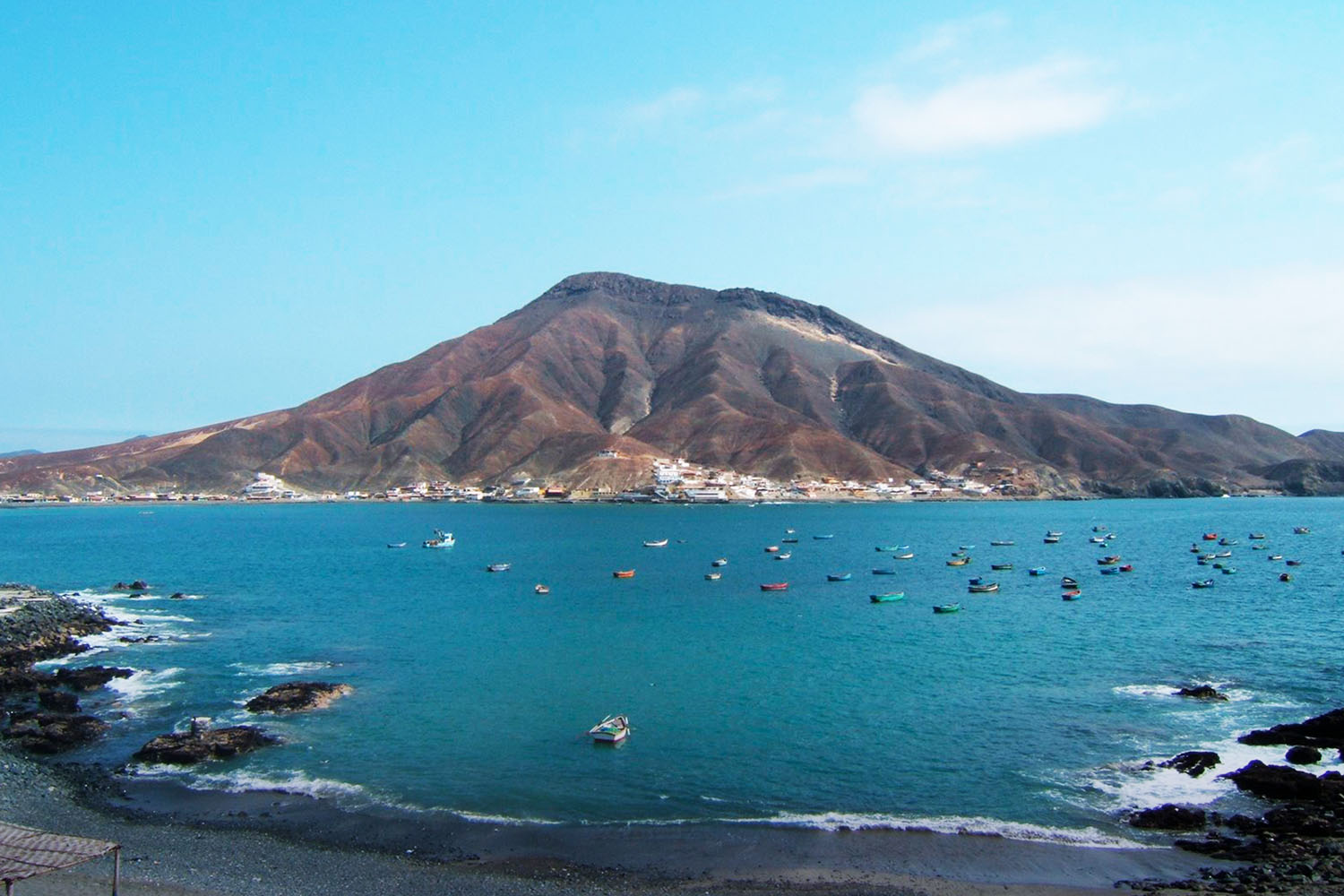
Known as the “City of Eternal Sun,” Puerto Casma is rich in history. Once a crucial maritime trade and defense point against pirates, Casma now invites visitors to explore its beaches and colonial past, including the story of the Mercedes frigate, marked by both tragedy and triumph.
- Location: Casma province, Áncash (365 km from Lima)
- Best for: History, exploration, relaxation
- Best time to visit: Year-round
Beaches in Peru for relaxation and seaside enjoyment
Playa El Silencio (Lima)
Located in Punta Hermosa, this beach is a top choice in southern Lima. Calm waters and soft white sand attract families and tourists looking to unwind. Many visitors camp here, enjoying beachfront restaurants that serve fresh ceviche and seafood. Water sports and fishing are also popular nearby.
- Location: 43 km south of Lima
- Best for: Beginner surfing, beach soccer, paddleboarding
- Best time to visit: December to March
Read More » Things to do in Lima
Las Pocitas (Piura)
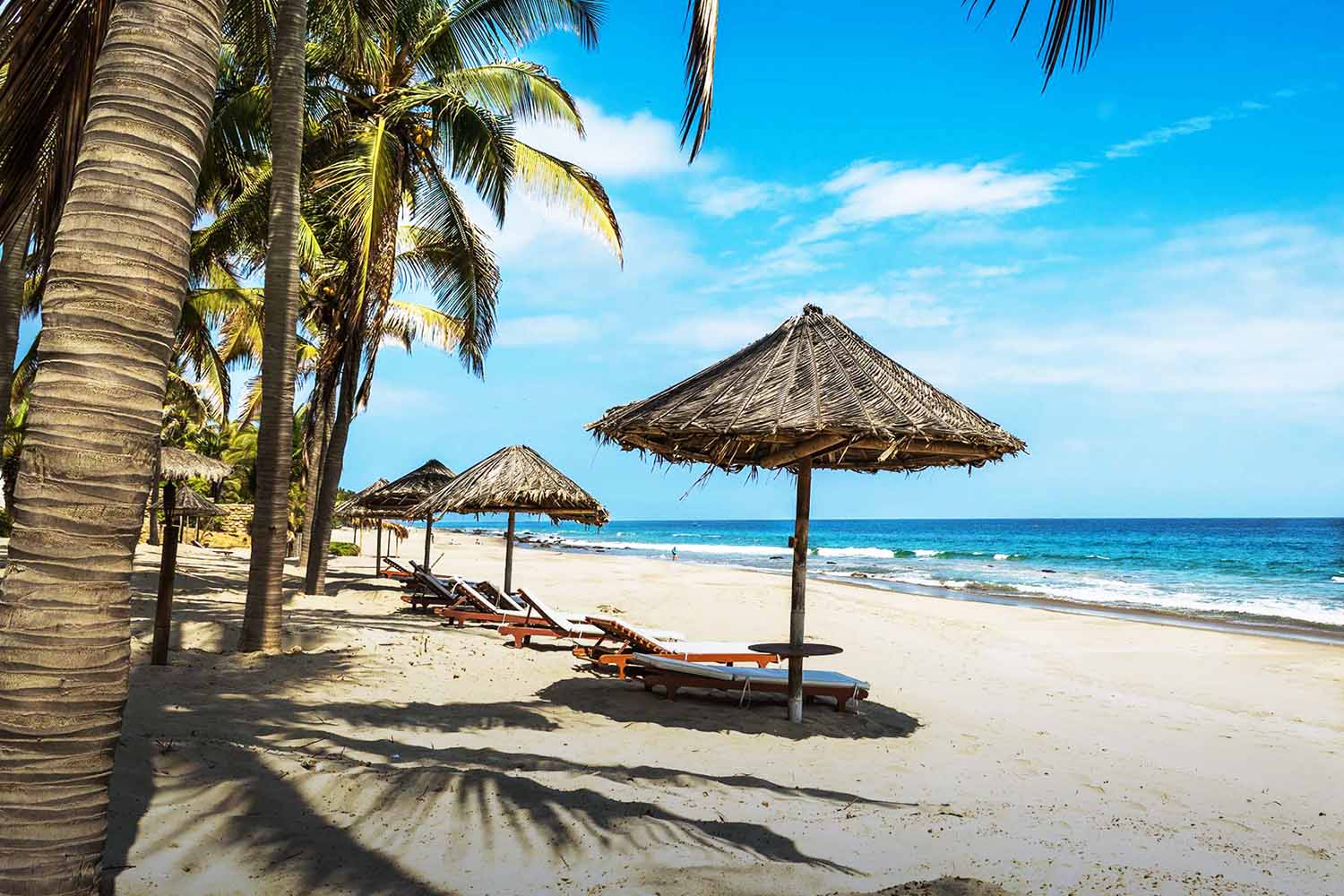
Known as “Little Máncora,” this beach offers a quieter, more exclusive escape in northern Peru. Its turquoise waters, white sand, and tropical gardens make it perfect for couples and travelers seeking relaxation. Resorts with ocean views and pools make it a popular choice for honeymoons and romantic getaways.
- Location: 217 km north of Piura
- Best for: Water sports
- Best time to visit: December to February
Ica and its beaches in Peru
Ica, a coastal city about four and a half hours north of Lima, stands out for its mild climate, scenic landscapes, and rich culture—but especially for its stunning beaches.
- Playa La Mina: Crystal-clear waters inside the Paracas Reserve.
- Playa Lagunillas: Great for boating and artisanal fishing.
- Playa Yumaque: Quiet and less explored.
- Caleta San Andrés: A peaceful fishing port with calm waters.
- Playa Cruz Verde: Fine sand and calm waves.
- Playa El Chaco: Starting point for tours to the Ballestas Islands.
- Playa La Lobera: Protected area for sea lions and coastal birds.
- Playa Las Violetas: Isolated and peaceful, perfect for relaxation.
- Playa Los Leones: Great for surfing and fishing.
- Playa Los Pingüinos: Spot Humboldt penguins.
- Muelle Paracas Beach: A charming beach with a scenic pier.
Each beach promises warm weather, clear skies, top-notch hotels, and unforgettable cuisine.
Camaná (Arequipa)
Camaná in Arequipa, tucked away in southern Peru, offers a laid-back vibe far from the city buzz. Its golden sands and calm waters are ideal for relaxing, exploring nearby caves, and savoring local seafood.
- Location: Camaná province, Arequipa (70 km from the city)
- Best for: Tranquil beaches, artisanal fishing, cave exploration
- Best time to visit: December to March
Read More » The best of Arequipa
Puerto Viejo (Cañete)
With clear waters and golden sand, Puerto Viejo offers a peaceful escape from the daily grind. Adventurers can enjoy snorkeling, diving, and kayaking. Accommodation options range from campgrounds under the stars to comfortable lodges.
- Location: Km 71 of the Panamericana Sur, Cañete
- Best for: Relaxation, water sports, camping
- Best time to visit: December to March
Beaches in Peru with unique natural landscapes
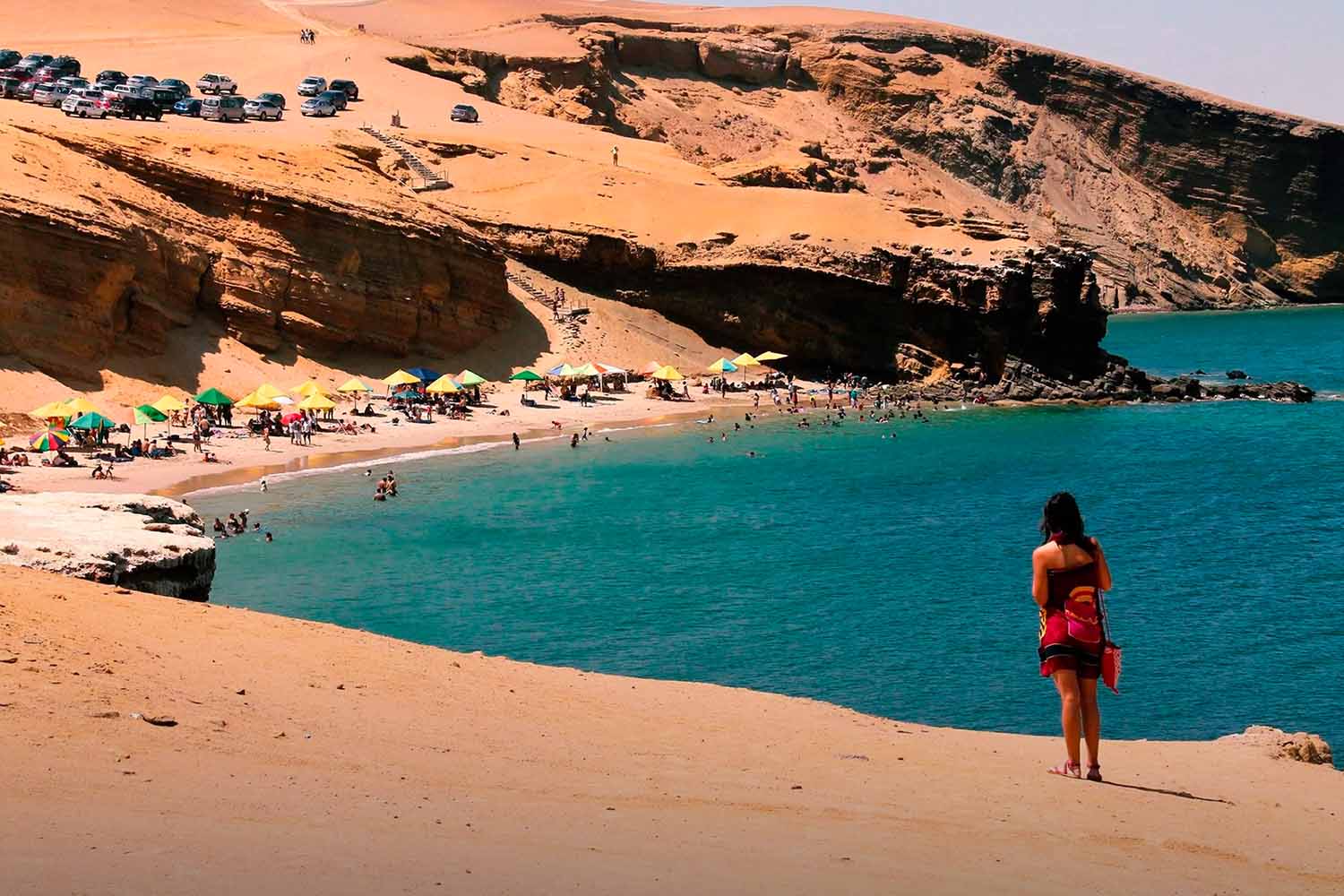
Playa Roja (Paracas)
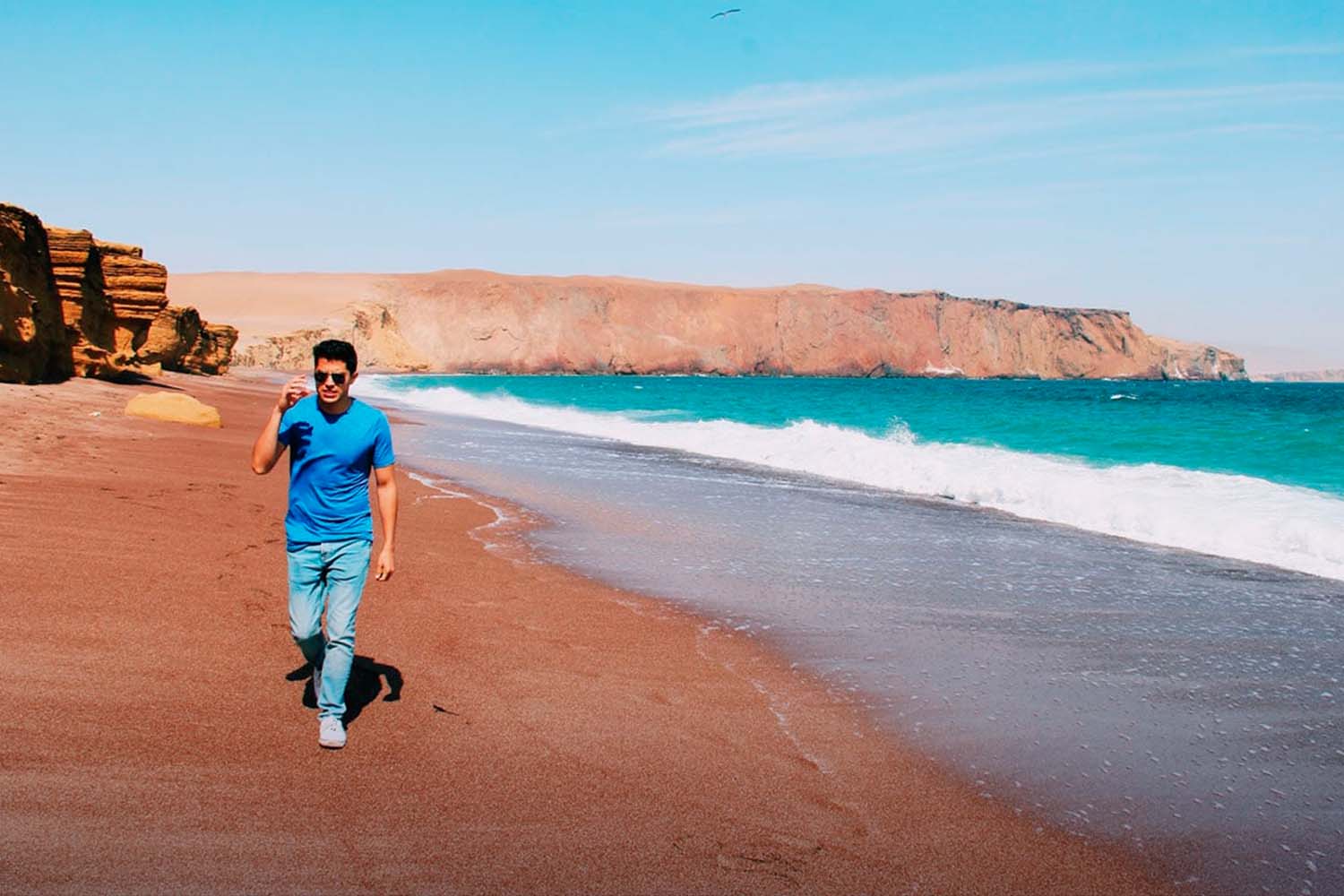
Playa Roja stuns with its deep red sand, shaped by the erosion of volcanic rocks. Located in the Paracas National Reserve, it’s close to Pisco, the birthplace of Peru’s iconic pisco drink. Towering cliffs provide a perfect backdrop for sunsets and wildlife watching, including Humboldt penguins, sea lions, and flamingos.
- Location: Paracas National Reserve, Ica
- Best for: Scenic views, photography, wildlife watching
- Best time to visit: December to March
Beaches of Peru for water sports lovers
San Bartolo (Lima)
A favorite among surfers, San Bartolo offers prime conditions for longboarding, bodyboarding, and surfing. Its restaurants and hotels make it a great weekend getaway from Lima.
- Location: Km 51 of the Panamericana Sur, Lima
- Best for: Surfing, paddleboarding, diving, artisanal fishing
- Best time to visit: Year-round (best waves from May to November)
Fun fact » San Bartolo grew in the early 20th century when fishermen and vacationers began settling there.
Read More » The Capital of Peru
Los Órganos (Piura)
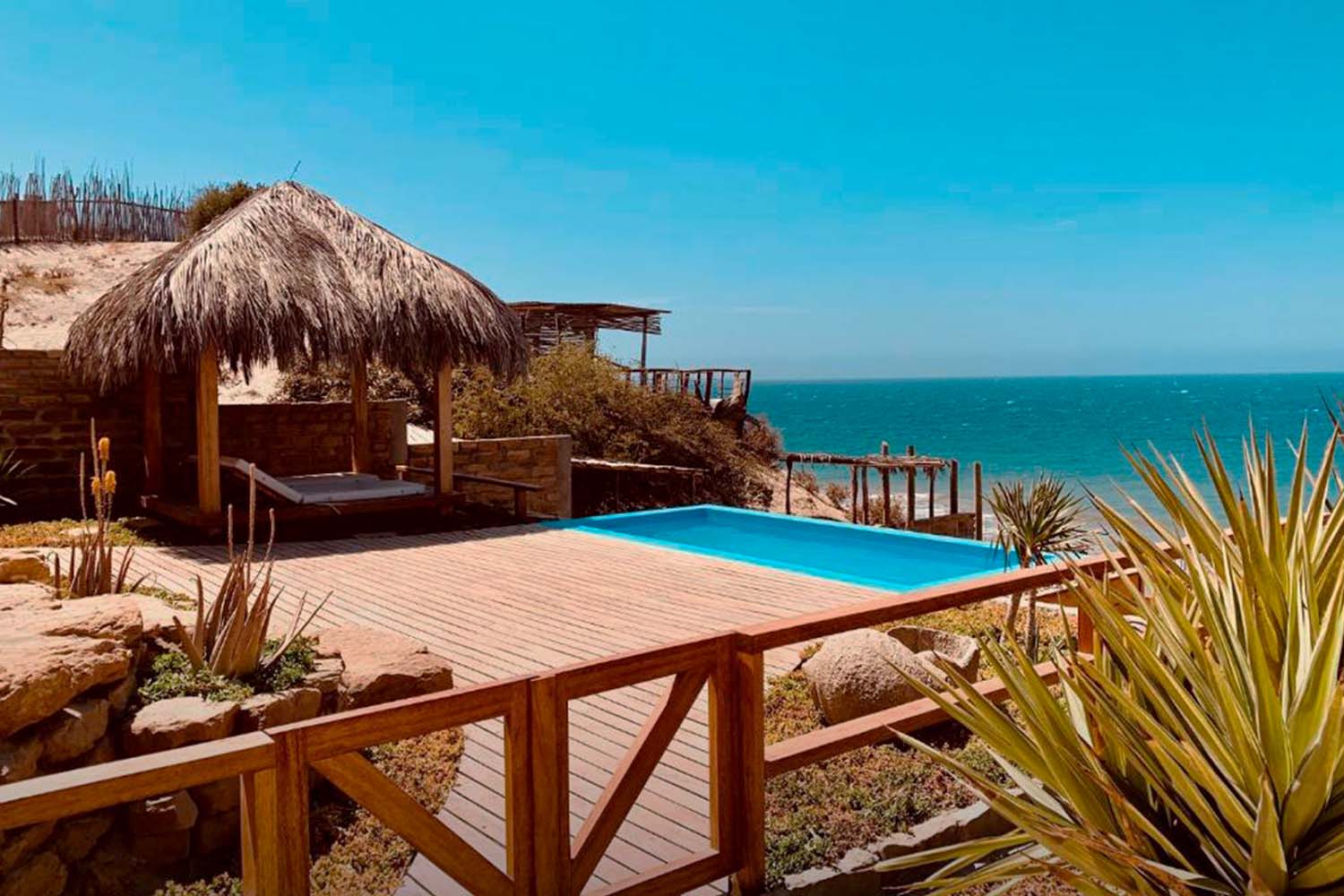
Los Órganos draws water sports enthusiasts with its reliable waves and steady winds, perfect for surfing and kitesurfing. Sunset horseback rides and humpback whale watching (June to October) add to its charm. Los Órganos gets its name from a nearby hill shaped like the pipes of old musical organs.
- Location: Talara province, Piura
- Best for: Surfing, kitesurfing, horseback riding, wildlife watching
- Best time to visit: June to October
Best time to visit beaches in Peru
Peru’s coastline, bordered by deserts and valleys, enjoys mild weather almost all year.
While you can visit anytime, summer temperatures range from 27°C to 37°C, while the rainy season stays between 22°C and 28°C. For sunny days without fog, the best time to go is from December to March.
Peru isn’t just about history and mountains—it also offers beaches for every type of traveler. Whether you’re surfing, swimming, or just relaxing with a sunset view, the Peruvian coast promises stunning landscapes and unforgettable experiences.
FAQs about Beaches in Peru
Why is the water at some beaches in Peru cold even in summer?
Air and sea temperatures do not always match. Much of Peru’s central and southern coast is influenced by the Humboldt Current and coastal upwelling, a process that brings cold water from deeper parts of the ocean to the surface. This is why the sea around Lima, Ica, and parts of Arequipa can feel cool even on a sunny day. In Tumbes and Piura, warmer equatorial waters make the sea more comfortable for swimming. Conditions may also vary depending on the season and climate events such as El Niño.
How can I tell whether a beach is clean and safe for swimming?
Before traveling, check DIGESA’s Verano Saludable platform, which publishes health ratings for inspected beaches across the country. To be considered healthy, a beach must meet three standards: safe microbiological water quality, proper cleanliness, and access to restroom facilities. A blue DIGESA flag means the beach has passed these checks. Since the results are updated after new inspections, review the latest report rather than relying only on old recommendations or social media photos.
Are all beaches in Peru free to access?
Peruvian law states that coastal beaches are public spaces and that access and use should be free. This means you should not be charged simply for entering a public beach. However, there may be fees for authorized parking, umbrella rentals, private clubs, boat trips, or other services. Some beaches are also located within protected natural areas, such as Paracas National Reserve, where visitors must pay an entrance fee for the reserve.
What do green, yellow, and red flags mean at the beach?
A green flag means conditions are suitable for entering the water. A yellow flag means you should swim with great caution, while a red flag warns that the sea is dangerous and swimming is not allowed. These warnings may change during the day because of wind, currents, or wave size. Always follow the lifeguards’ instructions, even when the water looks calm, as some dangerous currents are difficult to see from the shore.
What should I do during an unusual wave warning?
The safest choice is to stay out of the water and keep away from piers, breakwaters, cliffs, and rocky areas. Camping close to the shoreline is also not recommended while the warning is in effect. Unusual swells can arrive even when the sky is clear and may affect beaches far from where they began. Check official alerts before leaving, follow the authorities’ instructions, and choose another activity if the beach has been closed.
What sun protection should I use at beaches in Peru?
Peru’s Ministry of Health recommends using sunscreen with SPF 30 or higher and applying it before going out in the sun. Reapply it about every two hours and after swimming or sweating, even if the product is labeled water-resistant. You should also wear a wide-brimmed hat, sunglasses with UV protection, and lightweight clothing that covers your skin. Between 10:00 a.m. and 4:00 p.m., when sunlight is usually strongest, try to stay under an umbrella or find a shaded area.



Add new comment