



Who doesn’t love a delicious dessert before or after a meal? If you think Peruvian cuisine is only about its typical dishes, you’re mistaken. Thanks to its incredible diversity, Peru’s food scene is nothing short of amazing, and this is clearly seen in its desserts. Peruvian desserts have a long history, unique fusions, creativity, and a fine tradition.
Here, we’ll introduce the top ten Peruvian sweets, their stories, and the variety of ingredients that, when carefully prepared, offer a delightful sweetness to the palate.
1. Purple Mazamorra
Starting the list is "Mazamorra Morada". This sweet is one of the most representative Peruvian desserts, in honor of the Lord of Miracles or the Dark Christ. Its original recipe dates back to the pre-Hispanic period when it was called “Kulli Sara” or “Moro Sara” in the Quechua language.
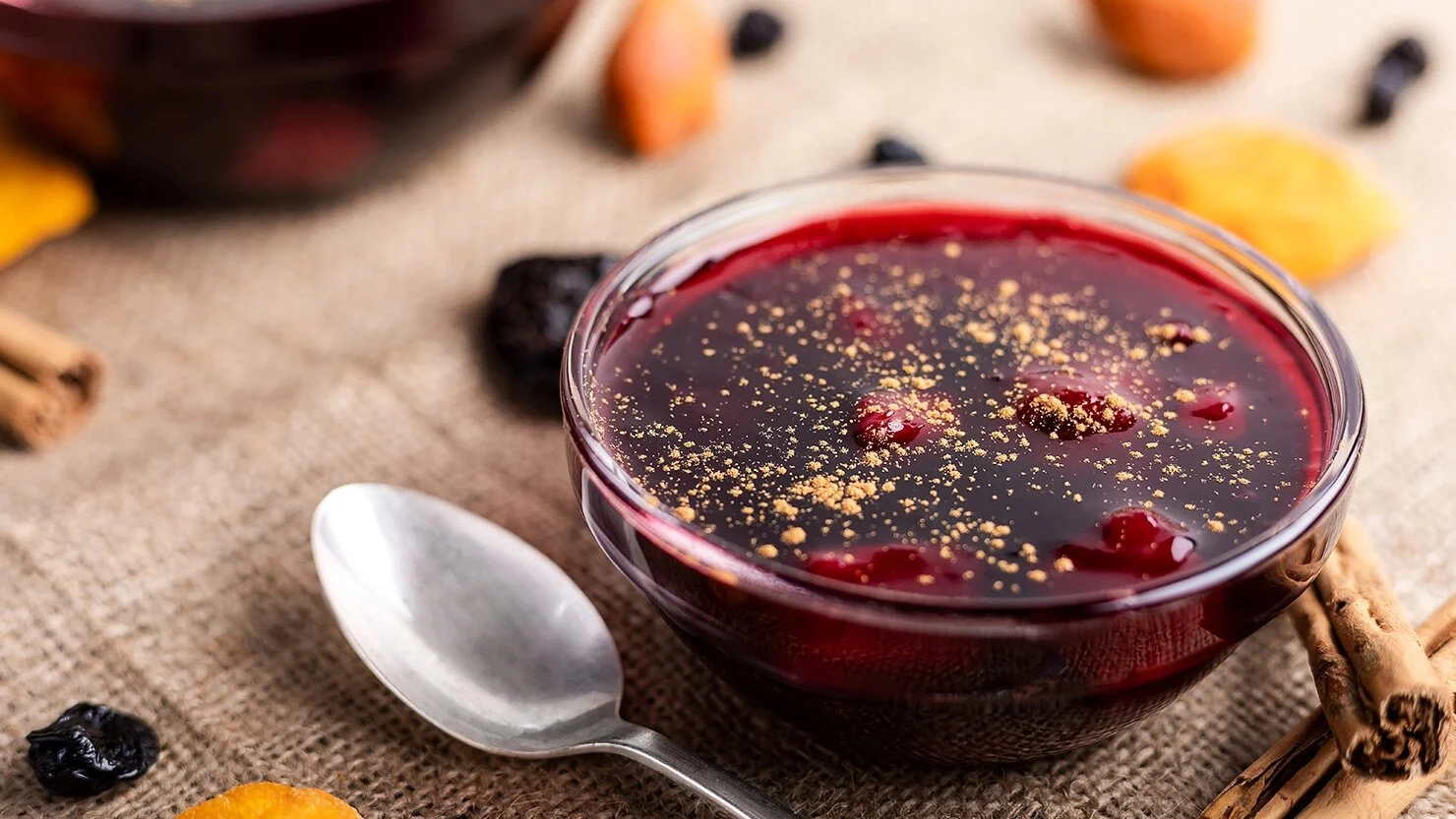
With the arrival of the Spanish, whose cuisine was greatly influenced by the Arabs, exotic ingredients such as lemon, quince, cloves, sugar, and cinnamon were added to the original recipe, which was based on corn with quicklime in its preparation.
In popular sales, it is usually prepared with purple corn and some of the fruits that are on hand or that the person offering it prefers. Then, it is thickened with sweet potato flour, and finally, it is sprinkled with cinnamon.
2. Arroz con Leche (Rice pudding)
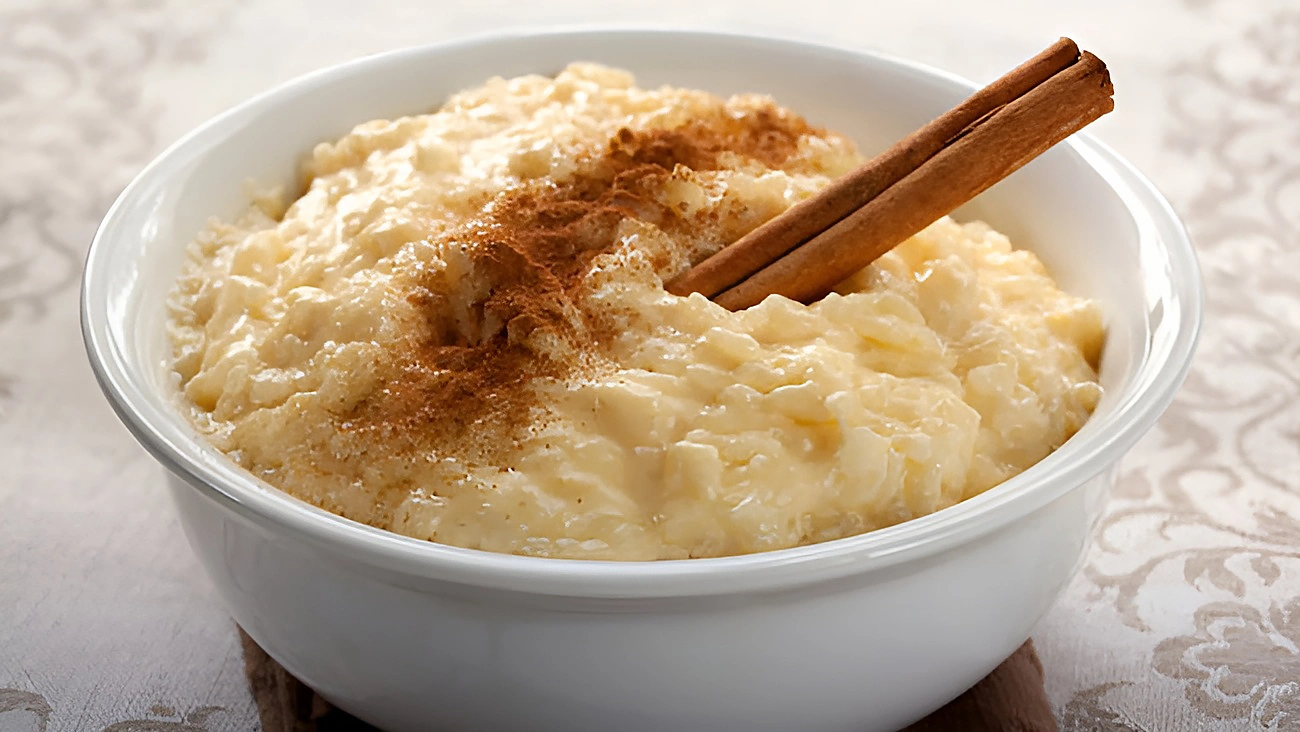
While this dessert is famous all over South America, thanks to Arab influences brought by the Spanish, it has its own twist in Peru, just like many other dishes here. The rice is cooked with both evaporated and condensed milk, making it extra creamy and gets a finishing touch of lemon peel and a sprinkle of cinnamon. You can enjoy it hot or cold, and it’s a comforting, nutritious treat that’s been a favorite in Peruvian homes for generations.
3. Picarones
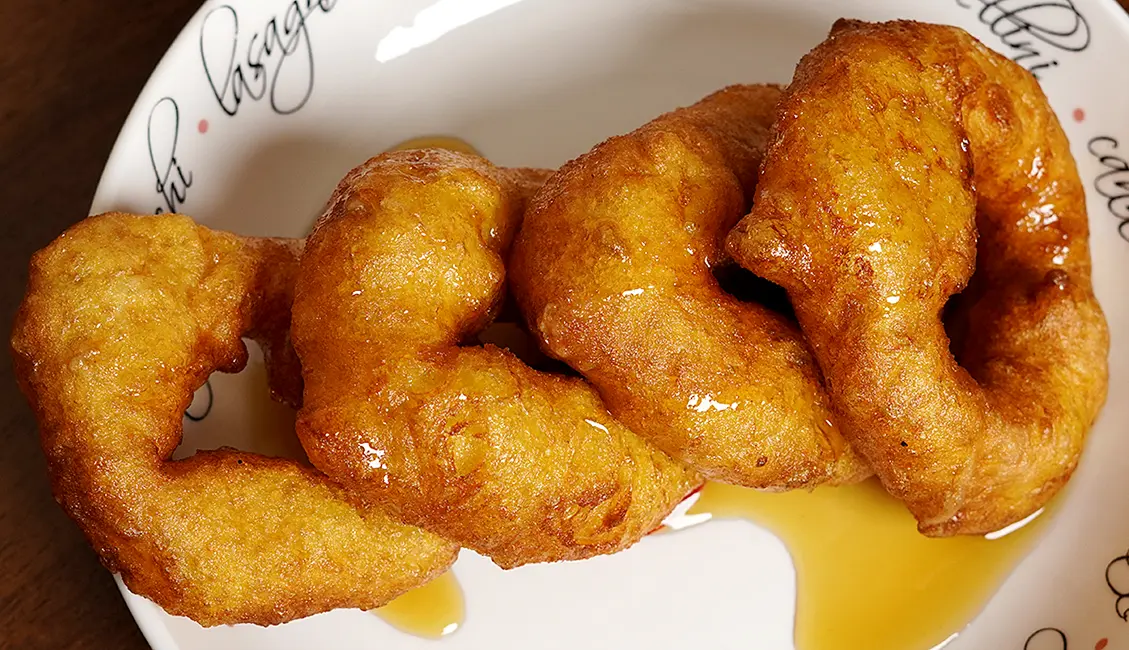
These sweet, ring-shaped treats are a delightful fusion of Spanish and Peruvian gastronomy. The original recipe, based on pumpkin and sweet potato, was adapted during colonial times. Today, picarones are made with wheat flour, pumpkin, sweet potato, and spices like cinnamon and cloves. They are fried until golden and served drizzled with syrup. It’s a must-try for anyone exploring traditional Peruvian desserts.

4. Suspiro a la limeña
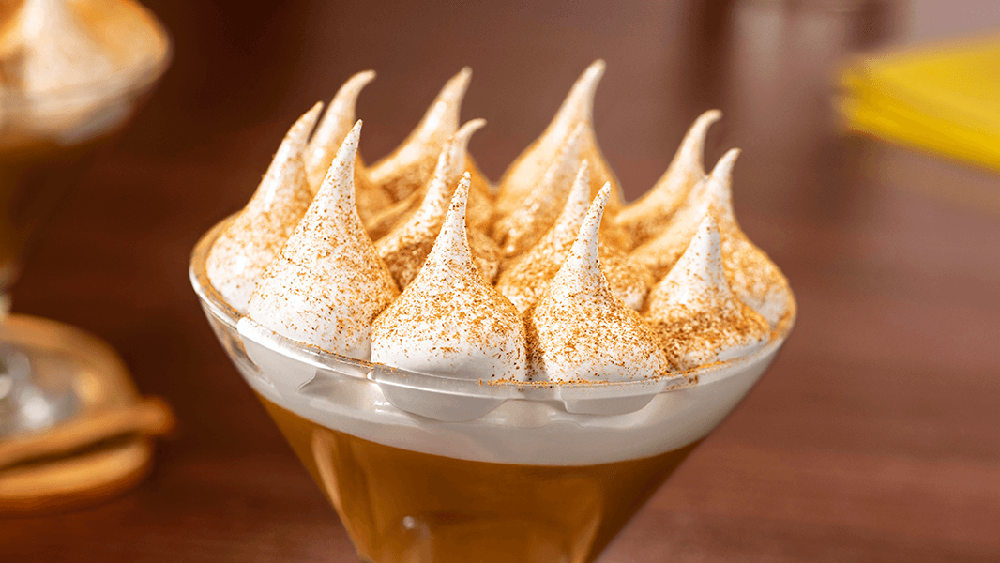
The name of this dessert alone is enough to make you sigh if you have the chance to try it as a sweet snack or to finish off a delicious Peruvian meal.
Dating back to the Viceroyalty period, this treat was crafted using a simple but perfect mix of sugar, milk, and eggs. By the 19th century, Lima’s chefs elevated the recipe by mixing local ingredients with products from Spain and beyond. The result? One of the best examples of how Peruvian cuisine embraced both native and foreign flavors. This fusion brought together vanilla, cinnamon, port wine, and two types of milk—evaporated and condensed.
Today, the rolls are made with wheat flour, pumpkin, and sweet potato, seasoned with sugar, anise, cloves, cinnamon, and yeast. The dough is then fried until golden and drizzled with honey for that final sweet touch. You won't regret trying it if you haven't already done so.
5. Alfajores
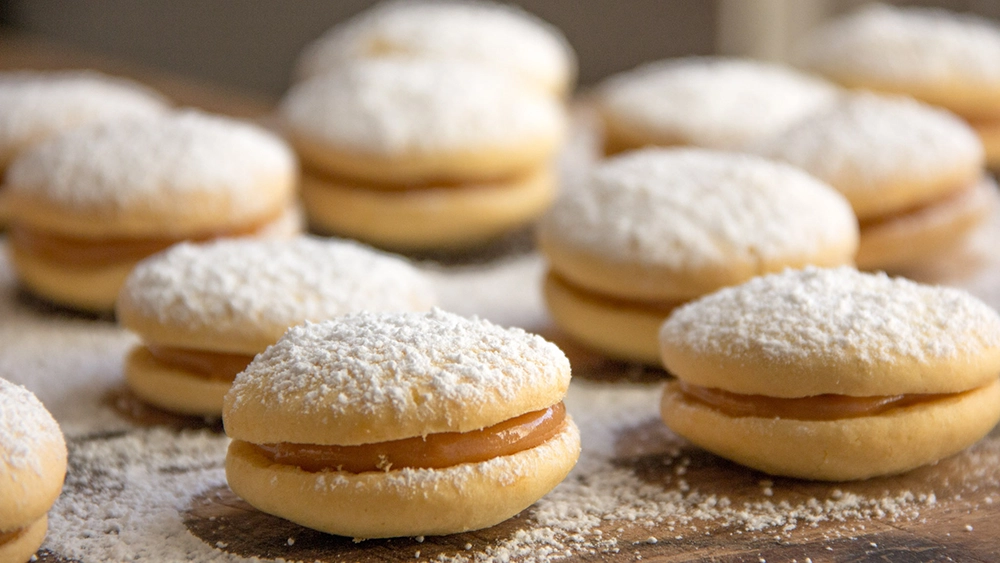
For world gastronomy, the Peruvian alfajor is unsurpassed, although it is an emblematic sweet in other South American countries such as Argentina. Its origin, as can be assumed by its ingredients and preparation, dates back to the days of the colony.
As in other South American countries, the base of its ingredients is the introduction to this part of the American continent of wheat and sugar cane, whose origin in this charming sweet is the Muslim culture that arrived on our continent by the Spanish.
Two properly baked cornstarch cookies filled with dulce de leche, surrounded by grated coconut, and sprinkled with powdered sugar are among the best sweet pleasures in Peru.
6. Turrón de Doña Pepa
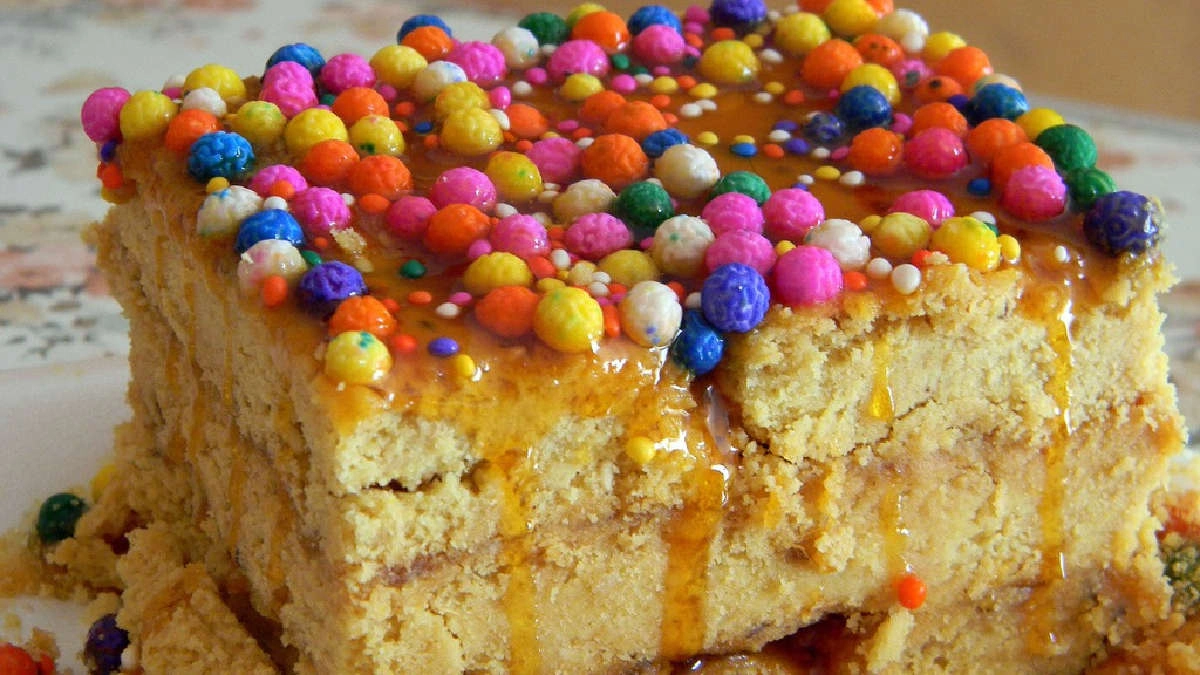
According to the story, this delicious dessert was created by a Black enslaved woman named Josefa Marnanillo. Its preparation and consumption are traditionally linked to the Catholic festival of the Lord of Miracles, giving it both a rich taste and a strong religious significance. But beyond its origins and ritual meaning, it’s one of Peru’s most popular desserts, especially in October. Its unique texture and flavor come from layers of cookies held together by a thick sugar cane syrup, topped off with sprinkles of different colors.
›› Read More: Holy Week in Peru: 8-essential destinations you must visit
7. Lucuma Ice Cream
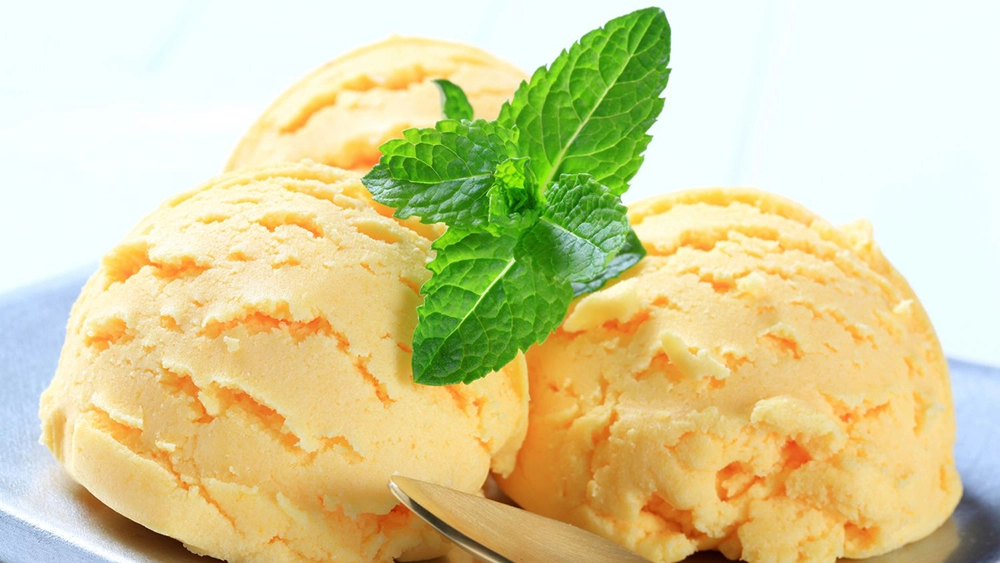
This ice cream is perfect for a memorable holiday or a hot summer day. Made from this sweet fruit, it’s a treat that everyone can enjoy. It’s a refreshing mix that you can keep in the freezer and enjoy anytime.
Lucuma, known as the “fruit of the Incas,” was highly valued by them for its natural sweetness. Today, it’s enjoyed in many parts of the world in different forms. It has excellent properties for the human body, especially its high content of vitamin C. Using its pulp, along with evaporated milk and sugar, this creamy, delicious ice cream delivers a refreshing boost of flavor and energy.
8. Cremolada
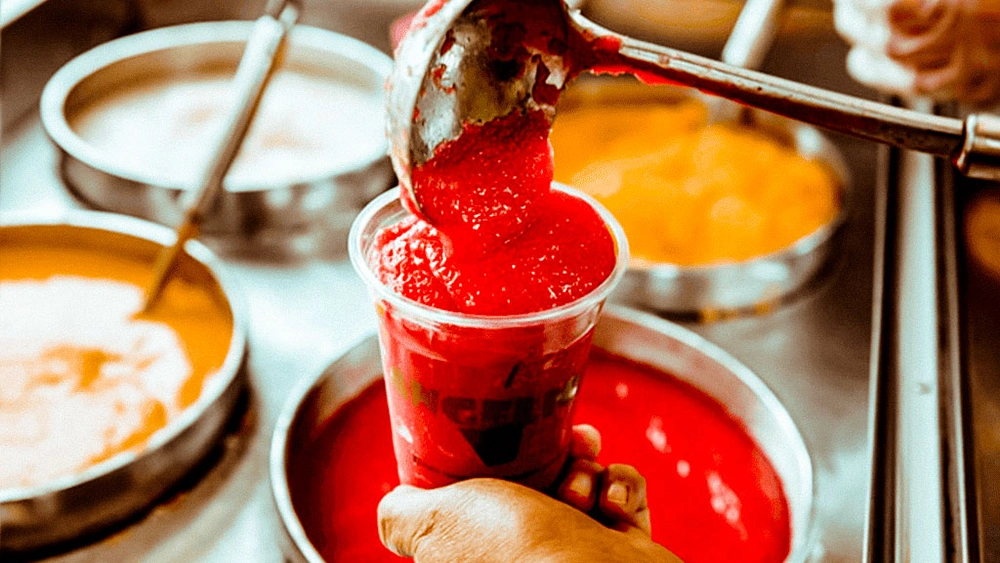
Cremolada is a favorite treat, especially on the hottest days. It’s made by blending seasonal fruits with water and sugar, then freezing it into a slushy texture, similar to what’s known as a raspado or raspadilla. Popular fruit choices include passion fruit and plum for their slightly tart flavor. These fruits often need a bit more sugar or sweetener to bring out their refreshing, intense taste.

9. King Kong by Manjar Blanco
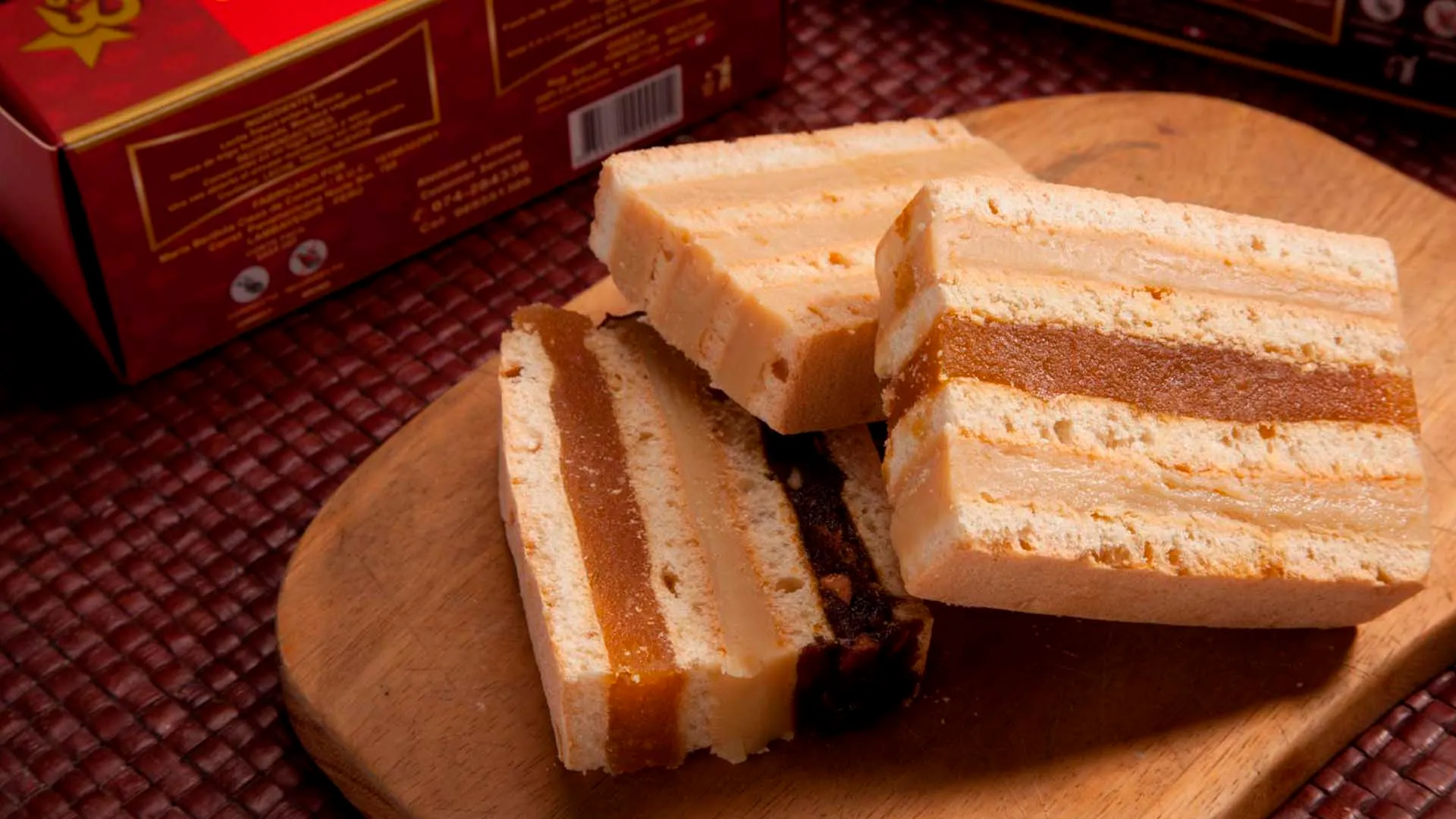
Named after the iconic movie gorilla, this Peruvian dessert is famous for its large size and unique flavor. Created by Victoria Mejía García in Lambayeque, it has since become a beloved part of Peru’s pastry tradition, celebrated for its original recipe and exquisite taste. King Kong is made with baking flour, manjar blanco, eggs, butter, peanut butter, pineapple jam, and evaporated milk. It resembles a giant rectangular alfajor, featuring multiple stacked layers filled with sweet manjar blanco, creating a truly indulgent treat.
10. Cocada
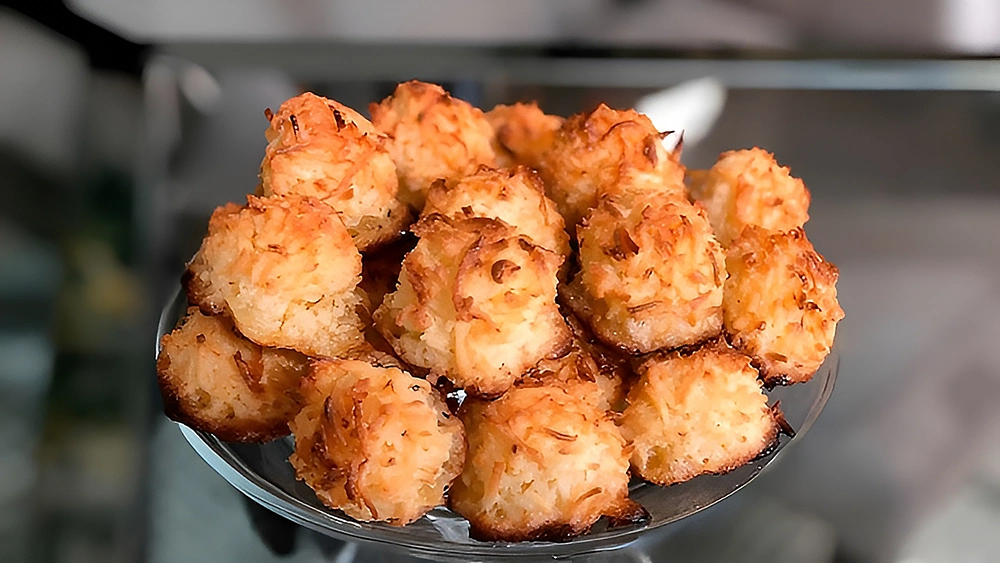
This dessert is a true classic of Peruvian cuisine, deeply rooted in the country’s confectionery traditions. Though the recipe is simple, the secret lies in getting the right proportions and adding that special touch that has defined Peruvian sweets for years.
Cocada requires just four ingredients: grated coconut, vanilla, sugar, and eggs. Mix everything well until you get a smooth, thick texture. Chill the mixture for at least half an hour, then shape small portions and bake them for about fifteen minutes. The final step? Just enjoy this delicious treat!
These are some of the best Peruvian desserts you can try. Crunchy picarones, creamy lucuma ice cream, and sweet cocadas — they’re all worth a try. You don’t need to be a pro to make them either; just grab a recipe and have fun. Or better yet, come taste them in Lima or during a food adventure in Peru. These treats are all about enjoying the moment. Give them a shot and let your taste buds explore something new!
FAQs about Peruvian desserts
What is a Peruvian dessert “combinado”?
A combinado brings mazamorra morada and arroz con leche together in a single serving, usually placed side by side. It is also known as a “clásico,” a name linked to the purple and cream colors of two well-known Peruvian football clubs. The combination works well because the fruity, spiced flavor of the mazamorra balances the creamy texture and sweetness of the rice pudding. You can often find it at markets, food fairs, and traditional dessert stalls.
Are manjar blanco and dulce de leche the same in Peru?
In everyday use, both names usually refer to very similar spreads made by slowly cooking milk and sugar until they form a thick, caramel-colored cream. In Peru, the term manjar blanco is commonly used, especially for the filling in alfajores, King Kong, tejas, and other sweets. Recipes, cooking times, and consistency can vary by producer or region, so they do not always have exactly the same flavor or texture.
What is chancaca, and why is it served with picarones?
Chancaca is a solid block made from concentrated sugarcane juice. To serve it with picarones, it is cooked with water and usually flavored with cinnamon, cloves, orange peel, or other spices. The result is a dark syrup with a deeper, more toasted flavor than one made only with white sugar. Although many menus simply call it “honey,” it is not bee honey but a syrup made from chancaca.
What other regional Peruvian desserts are worth trying?
In addition to the sweets already mentioned, each region has its own specialties. Arequipa is known for queso helado, usually made with milk, cinnamon, coconut, and sugar. Ica is famous for tejas, which contain fruit or pecans with manjar blanco and a sugar coating; the chocolate-covered version is known as a chocoteja. Piura is also known for natilla, a thick milk-based sweet that is usually cooked slowly.
Are there any dairy-free or gluten-free Peruvian desserts?
Some recipes can be adapted, but you should never assume they are suitable without asking first. Mazamorra morada is usually made without milk and may be thickened with potato starch, sweet potato flour, or cornstarch. A simple cremolada may contain only fruit, water, and sugar. Alfajores, suspiro a la limeña, King Kong, and lúcuma ice cream, however, often contain milk, eggs, or wheat. Recipes vary between businesses, so people with allergies, celiac disease, or a vegan diet should also ask about toppings, thickeners, and possible cross-contamination.
Which Peruvian desserts can you take home as souvenirs?
Alfajores, turrón de Doña Pepa, King Kong, tejas, and chocotejas are usually more practical to carry than creamy or frozen desserts. Ideally, buy them in sealed packaging, check the expiration date, and keep them away from heat, especially when they contain chocolate or manjar blanco. Cremoladas, queso helado, and suspiro a la limeña require more care during transportation. For international travel, check the food import restrictions of your destination country before packing them.


Add new comment