



Ceviche, renowned worldwide for its freshness and unparalleled flavor, is not just a treat for the palate but also a celebration of Peruvian culture and tradition. Its quick preparation and nutritional benefits make it an ideal choice for any occasion.
In this article, discover everything about the ceviche origin: its history, varieties, and secrets to making an authentic and delicious dish. Learn how ceviche has become a symbol of Peruvian gastronomy and an international favorite.
What is ceviche?
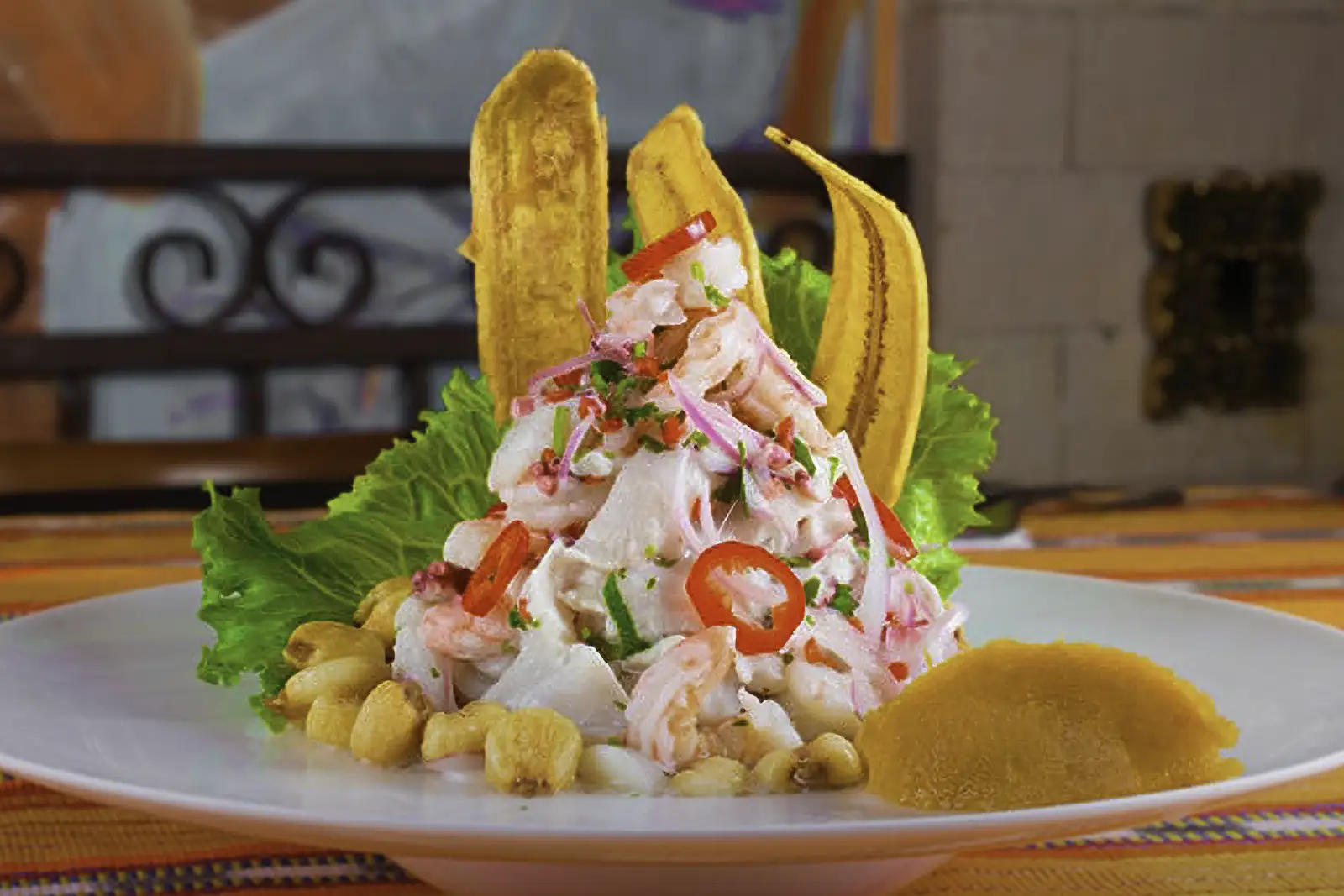
Ceviche is a delightful dish made from fresh fish marinated in lime juice, complemented with red onion, cilantro, chili pepper, and salt. Additionally, it includes ceviche ingredients like boiled corn, sweet potato, or cancha (toasted corn) to create a unique blend of flavors and textures.
The simplicity of its ingredients highlights the freshness and quality of the fish, reflecting the Peruvian sea and the creativity of its people, making each bite a refreshing and vibrant experience.
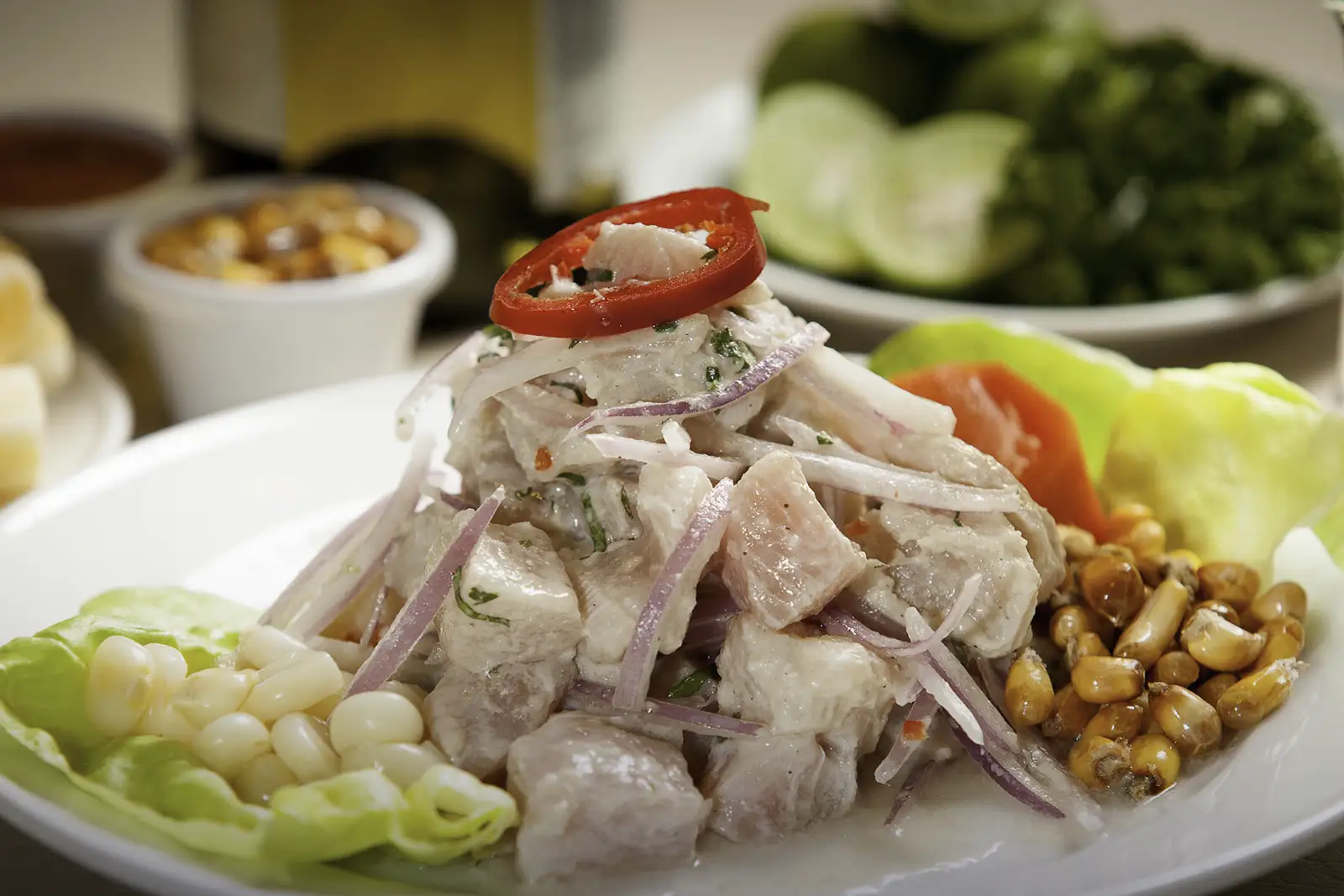
The history and origin of ceviche date back to the pre-Columbian cultures of Peru’s coast, especially the Mochica people, who prepared fish with tumbo juice (Passiflora tarminiana), a fruit related to passion fruit. In the Andes, fish was preserved with chicha, a fermented corn drink, and salt.
Ceviche origin
The history and origin of ceviche date back to the pre-Columbian cultures of the Peruvian coast. But, answering the question specifically, where is Ceviche from? It comes from the Mochica pre-Inca culture, which prepared fish with chilli pepper and tumbo juice (Passiflora tarminiana), a fruit related to passion fruit. In the Andes, fish was preserved with chicha, a fermented corn drink, and salt.
With the arrival of the Spaniards, lime was incorporated into the ceviche recipe, leading to the modern version we know today. This fusion of techniques and flavors is a testament to Peru's rich cultural history.
Peru's flagship dish
Ceviche has been declared a National Heritage of Peru and is considered the country's flagship dish. This recognition underscores its importance in national identity and its role in Peruvian food. Every June 28, Peru celebrates National Ceviche Day, honoring this exquisite dish that brings citizens together in a celebration of their culinary heritage.
Explore more about this iconic dish and learn how to prepare it to enjoy an authentic taste of Peru at home.
Best Ceviche Recipe
Ceviche ingredients
- 500 grams of fresh white fish (corvina, sea bass, or grouper)
- 1 cup (240 ml) of fresh lime juice
- 1 red onion, thinly sliced
- 1 clove of garlic, crushed
- 1 ají limo (or yellow chili), seeded and finely chopped
- 1 sprig of fresh cilantro, chopped
- Salt to taste
- Pepper to taste
- 1 sweet potato, cooked and sliced
- Choclo (Peruvian corn), cooked and kernels removed
- Cancha (toasted corn) for serving
- Lettuce leaves for plating
How to make ceviche?
- Dice the fish into approximately 1-2 cm cubes. Ensure the fish is very fresh and kept refrigerated until ready to use.
- Place the fish in a bowl and add the garlic, salt, and pepper to taste.
- Pour the lime juice over the fish, ensuring it is completely covered. Gently stir to mix.
- Let the fish marinate for 10–15 minutes, depending on how "cooked" you prefer the fish.
- Add the sliced onion and chopped chili to the marinated fish. Stir to combine all the ingredients.
- Just before serving, mix in the chopped cilantro to maintain its freshness and flavor.
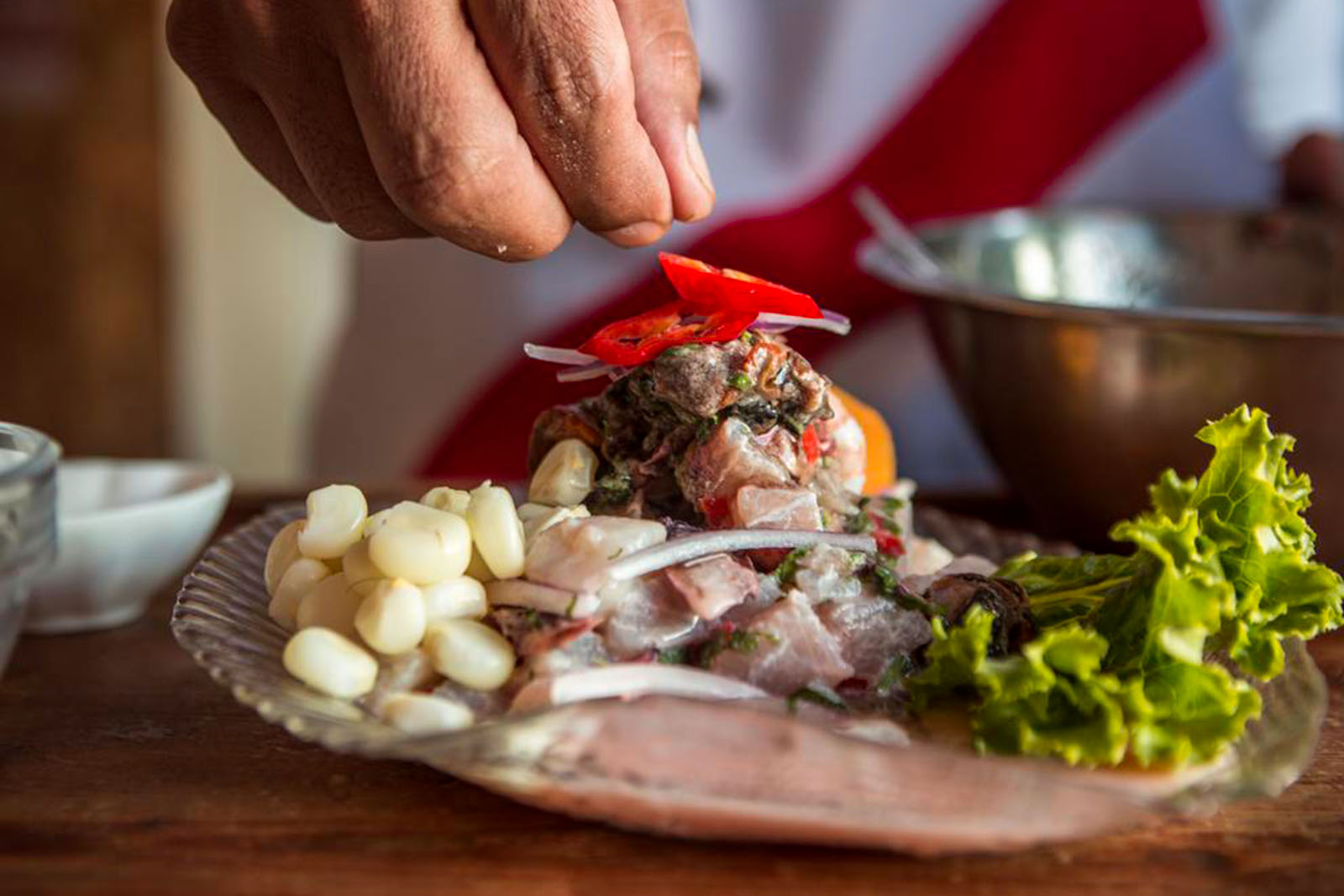
- Serve this Peruvian ceviche right away over lettuce leaves, with slices of cooked sweet potato, Peruvian corn kernels, and cancha on the side.
Tips for an easy ceviche recipe
- Choose Fresh Fish. The freshness of the fish is crucial for good ceviche. Make sure to buy it from a reliable source and use it the same day.
- Cut the fish into uniform cubes to ensure even marination.
- Don't marinate the fish for too long, as it can become rubbery.
- Ceviche is best enjoyed fresh, so serve it right after preparation.
- Decorate with cilantro leaves and chili slices for a visual touch.

Ceviche recipe varieties
Each region in Peru has its interpretation of ceviche, which adapts ingredients to local resources and specific tastes. Here are some of the most popular varieties:
Ceviche clásico limeño
The most well-known version features fresh fish, lime juice, onion, cilantro, chili, and salt.
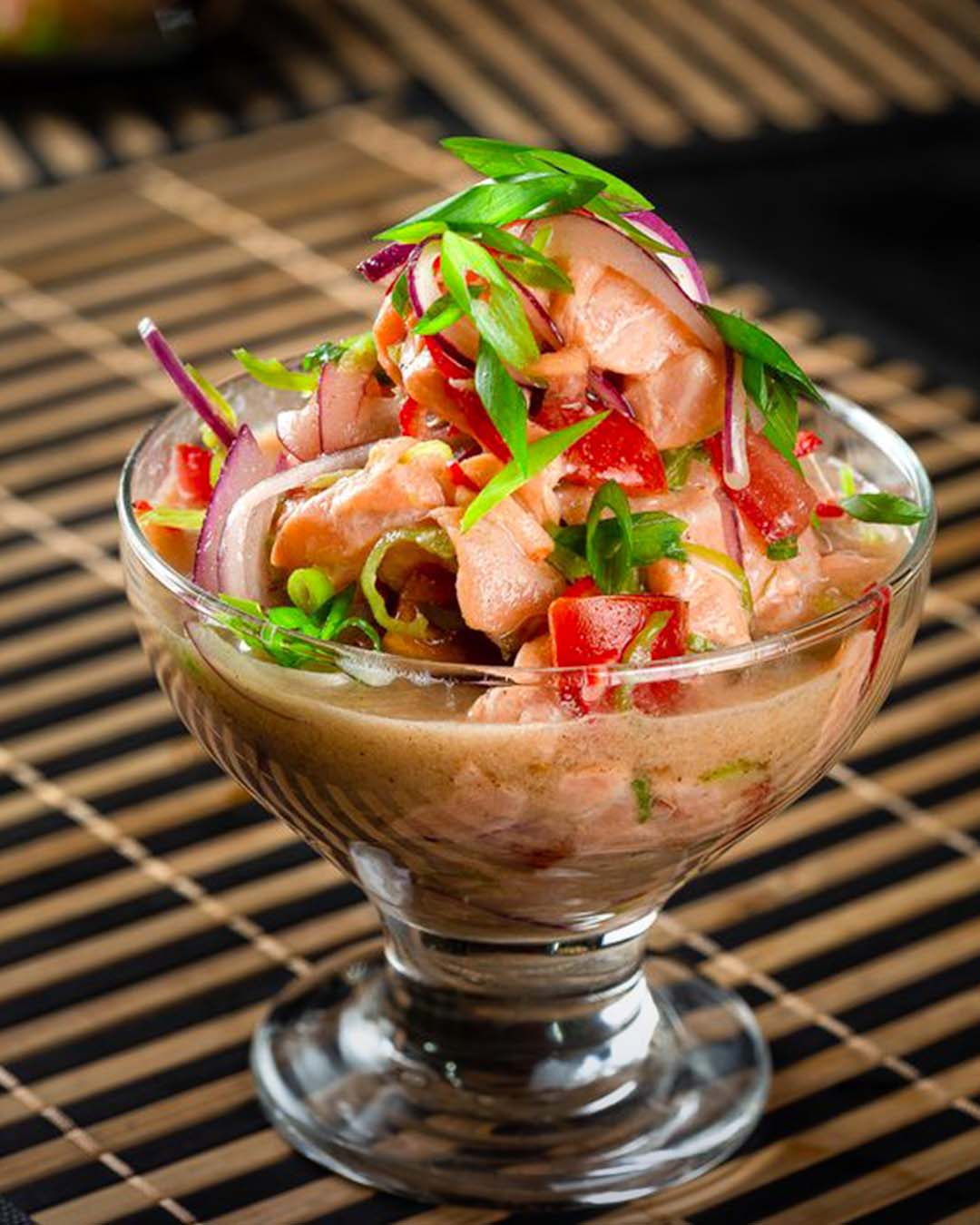
Peruvian ceviche with leche de tigre
Leche de tigre, the juice from the ceviche marinade, is enriched with additional ingredients like garlic, ginger, and fish broth for a more intense and revitalizing flavor.
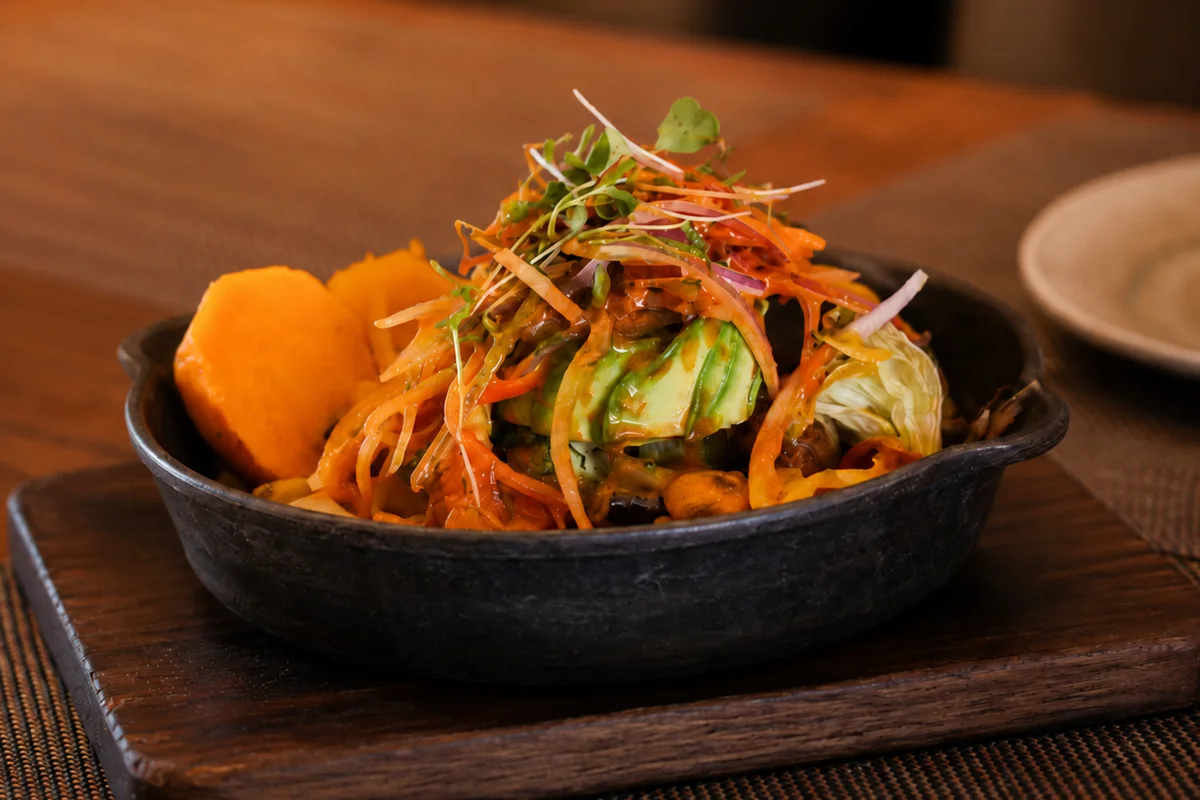
It is usually served in a glass with sweet potato, seaweed, and other elegantly added toppings.
 |  |
Ceviche mixto
Combines fish with seafood such as shrimp, squid, and octopus, offering a more comprehensive marine experience.
Ceviche with causa
This version brings together two essentials of Peruvian cuisine: smooth, creamy potato causa topped with classic ceviche.
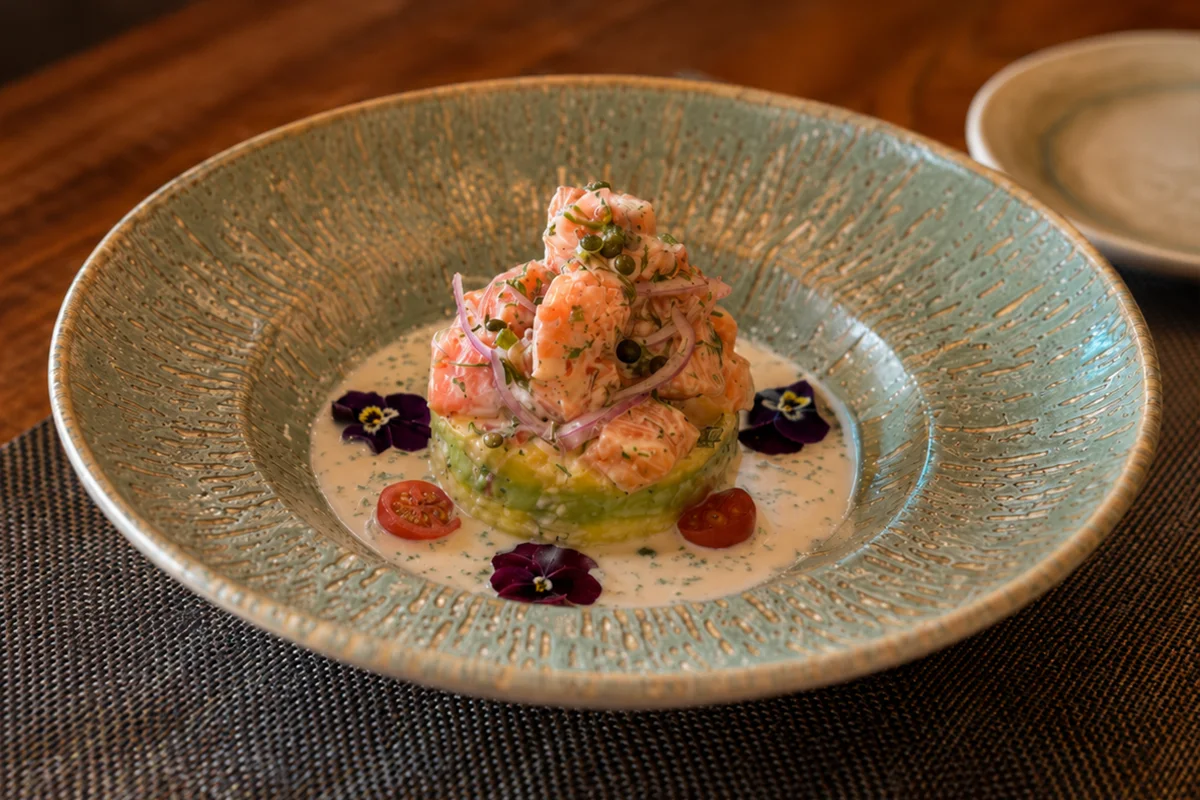
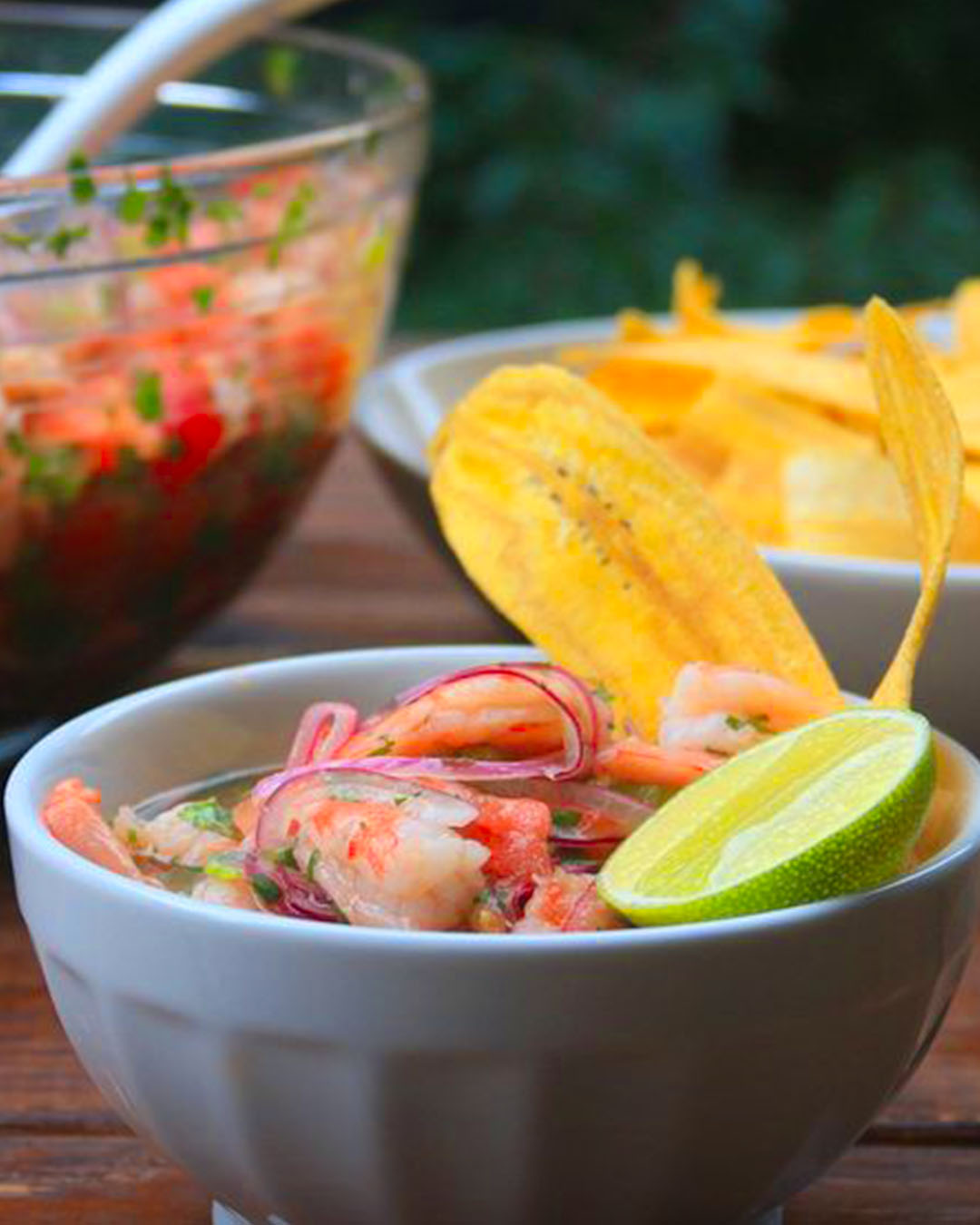
Shrimp ceviche/ceviche de camaron
Typical of northern Peru, this variety uses fresh shrimp as its main ingredient. A pre-Hispanic version can be found in Arequipa, prepared with fresh shrimp and chicha de guiñapo, a fermented corn drink. Known as shrimp sivinche, it is served in the traditional picanterías of Arequipa.
Ceviche fish and black shells/conchas negras
Originally from the northern coast, this ceviche is made with black clams, also known as chuchecas, which give it a deep and distinctive flavor.
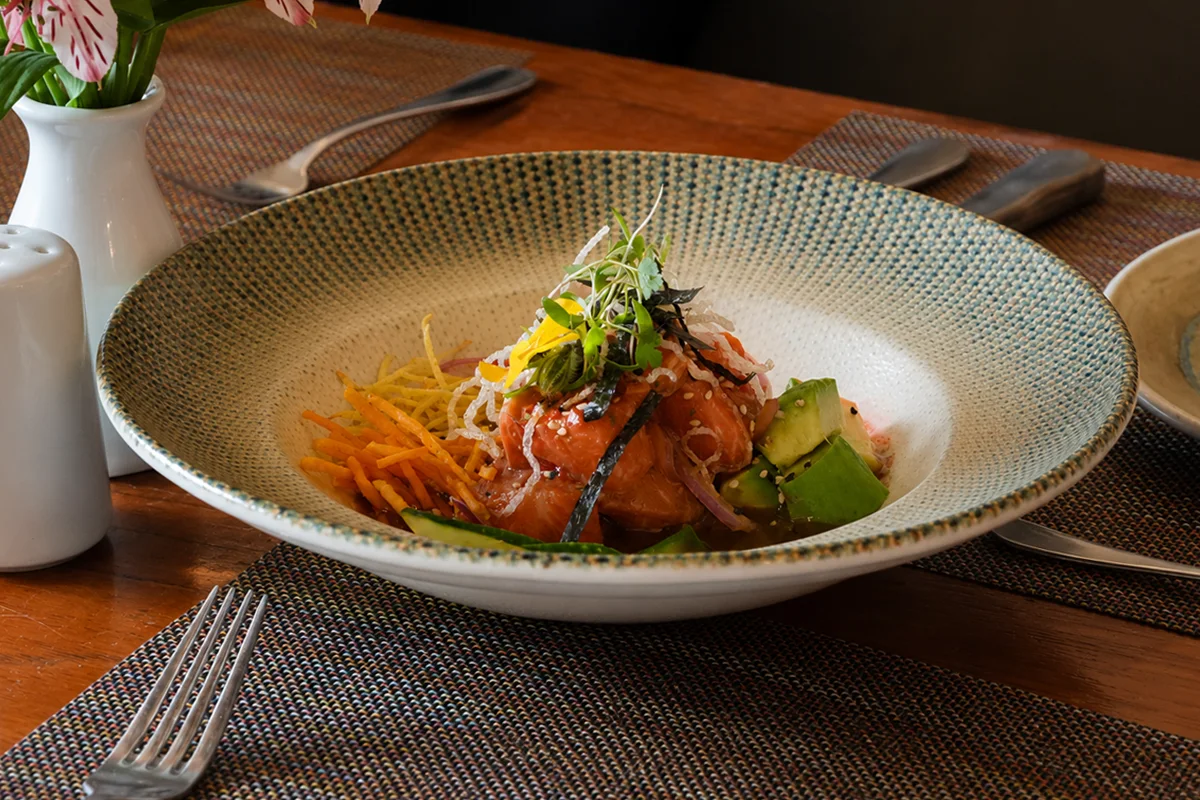
Nikkei ceviche
Nikkei ceviche is a variation of Peruvian ceviche that combines the freshness of fish with Japanese-inspired ingredients and techniques. This meeting of Peruvian cuisine and the influence of the Japanese community creates a flavorful dish full of subtle, delicious contrasts.
Health benefits: Is ceviche healthy?
Ceviche is not just a delicious dish; it's also a healthy and nutritious option. Rich in protein and low in fat, it provides essential vitamins and minerals. Lime juice enhances the flavor and aids digestion, providing a good dose of vitamin C. Additionally, fish offers omega-3 fatty acids, which are beneficial for the heart and brain.
Ceviche calories
The caloric content of ceviche can vary depending on the ingredients and portions used. However, a general estimate for a 100-gram serving of fish ceviche is approximate:
Calories: 90-120 kcal
- Fish: 70-80 kcal per 100 grams
- Lime juice: 10-15 kcal per 1/4 cup
- Onion: 5-10 kcal per 1/4 cup
- Chili: 5-10 kcal per one small chili
- Cilantro: 1-2 kcal per 1/4 cup
Peruvian ceviche vs. Mexican ceviche
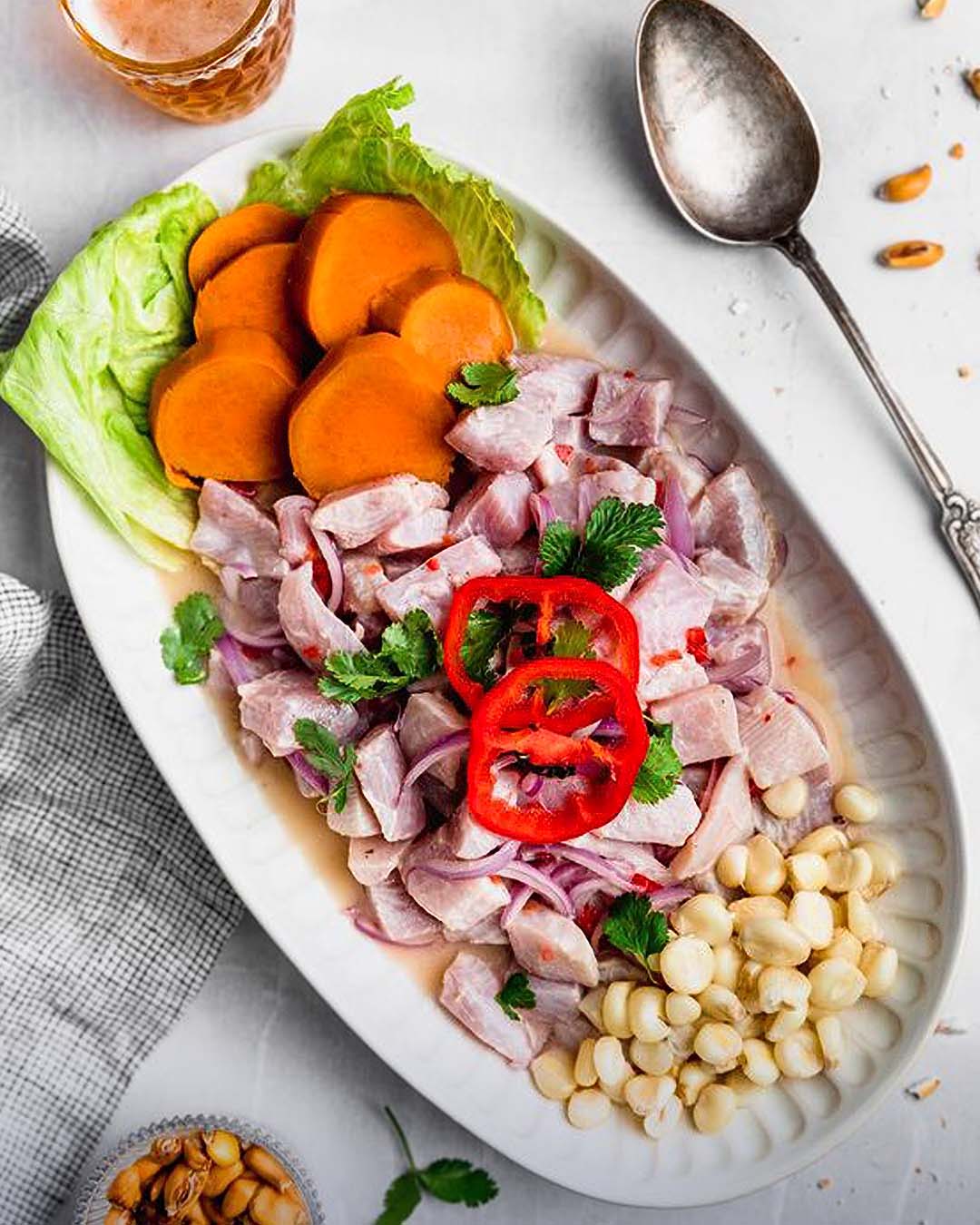 | 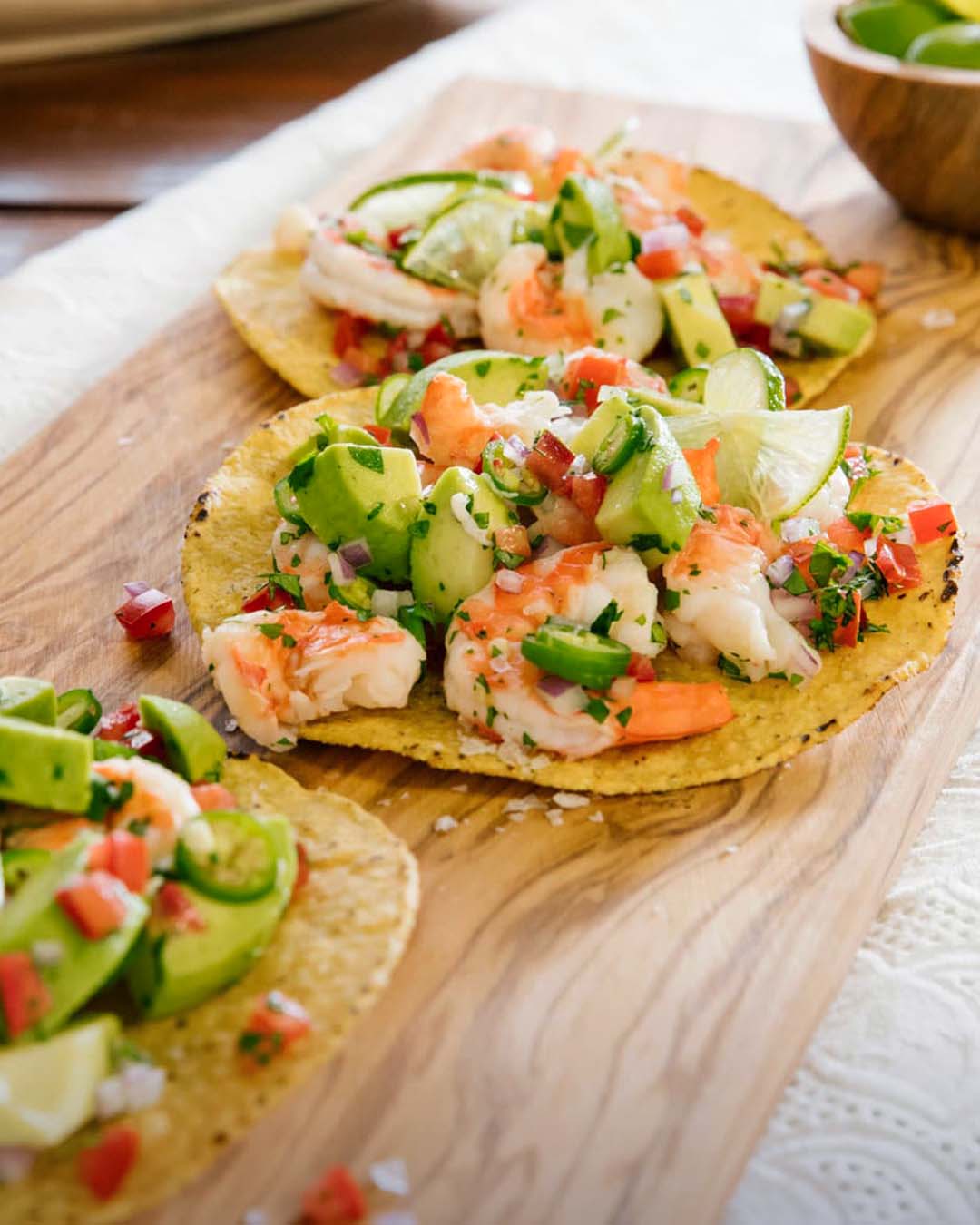 |
Peruvian ceviche uses fresh white fish like corvina or sea bass, marinated briefly in lime juice, red onion, cilantro, chili pepper, and salt. This method preserves the fish's freshness and firmness. It's served with sweet potato, choclo, and cancha. | In contrast, Mexican ceviche combines fish and seafood like shrimp and octopus, marinated in lime and tomato juice for a longer period. It's served with tostadas and avocado, creating a more complex and spicy flavor. Have you tried both types of ceviche? |
Diversity of ceviche along the Pacific Coast
There are different varieties of ceviche in each country along the Pacific coastline. They all share an acidic ingredient that “cooks” the fresh fish, giving it a firmer texture and a more pronounced flavor. In Peru, Chile, and Panama, lime is commonly used, while in other countries it may be complemented or replaced with mustard or tomato.
Ceviche side dishes also vary from place to place, for example:
- Ecuador: plantain, chifles, and canguil (popcorn).
- Colombia, Panama, and Guatemala: salted soda crackers.
- Mexico: corn tostadas, crackers, avocado, and tomato.
This diversity of ingredients gives each Latin American ceviche its own personality, with some versions offering sweeter notes and others bringing brighter acidity and a spicier finish.
Facts about Peruvian ceviche
- In 2004, the National Institute of Culture of Peru declared ceviche a Cultural Heritage of the Nation.
- Every June 28th, Peru celebrates National Ceviche Day.
- On December 6, 2023, UNESCO included ceviche, its consumption and preparation, within the representative list of the intangible cultural heritage of humanity.
- Numerous variations and ceviche recipes exist across different Latin American countries; each adapted to local ingredients and traditions.
- The name "ceviche" is believed to come from the Quechua word "siwichi," meaning fresh or tender fish.
- Ceviche has crossed borders and adapted to global cuisines, with versions found in Mexico, Ecuador, Panama, Costa Rica, Colombia, Chile, and more.
- Ceviche has evolved by embracing influences from other cuisines, such as Japanese cuisine, which gave rise to Nikkei ceviche; Amazonian cuisine, with Amazon-style ceviche; and Chinese cuisine, with wok-style ceviche.
- The versatility of ceviche has also inspired vegetarian and vegan versions that keep its fresh, vibrant flavor, even without its main ingredient: fish.
Where to eat Ceviche in Lima: Best restaurants in Peru
Here’s a list of some of the best restaurants in Lima, the capital of Peru, where you can enjoy excellent ceviche:
| Restaurant | Description | Address |
| La Mar Cebichería | An iconic place known for its fresh and well-seasoned ceviche. Located in Miraflores, it is popular with both locals and tourists. | Mariscal La Mar Avenue 770, Miraflores. |
| Canta Rana | Situated in the bohemian district of Barranco, this restaurant is known for its lively atmosphere and authentic ceviche. It's a popular spot and often quite busy. | Genova 101, Barranco. |
| El Mercado Cevicheria | Located in Miraflores, this restaurant offers a wide variety of ceviches made with different seafood and fresh ingredients. | Hipólito Unanue 203 Avenue, Miraflores. |
| Pescados Capitales | With several locations in Lima, this restaurant stands out for the freshness of its products and its creative ceviche menu. | Mariscal La Mar 1335 Avenue, Miraflores / Primavera 1065 Avenue, Chacarilla. |
| La Red Cevicheria | Also located in Miraflores, La Red is known for the freshness of its ingredients and the quality of its ceviches, making it a very frequented spot. | La Mar 391 Avenue, Miraflores. |
| El Punto Azul | Beloved Lima ceviche spot serving ultra-fresh fish, bright leche de tigre, and generous plates, with quick service and great value. | Corner Javier Prado with Petit Thouars, San Isidro. |
Read More | Best things to do in Lima.
Leche de Tigre - Tiger's milk
Meet Tiger’s Milk (leche de tigre), the bold, citrus-charged heart of Peruvian ceviche. Learn what it is, where it comes from, why it matters, and how to enjoy it in a glass, as a shot, in a splash, or drizzled over seafood.
What is Leche de Tigre
Leche de tigre, or tiger’s milk”, is the zesty, milky-looking citrus marinade that cures Peruvian ceviche. It’s the flavorful liquid released when fresh fish meets lime, red onion, cilantro stems, and hot chiles (often ají limo or ají amarillo), sometimes rounded with celery or ginger.
Born in Peru’s coastal cevicherías, it “cooks” the fish in minutes and is often served as a bracing shot on the side; locals even swear it revives the body after a long night. It’s the dish’s heartbeat: bright, clean, and addictive.
How to make Leche de tigre
- Start with very fresh lime juice.
- Briefly blend it with fish trimmings
- Apply a splash of light fish stock, red onion, cilantro stems, a slice of celery, a coin of ginger, garlic, and a little yellow pepper (ají amarillo).
- Season with salt and white pepper.
- Then strain for a silky finish. Keep it ice-cold.
- To enjoy, spoon it generously over ceviche, sip a chilled shot, or drizzle it on scallops and tiradito (Pre-marinated fish fillets).
- Pair with sweet potato and cancha for balance.

Pro tip: make it right before serving so the citrus stays lively and aromas pop.
Ceviche recipe FAQs
What’s the best fish for Peruvian ceviche?
Best fish for Peruvian ceviche: firm, fresh white fish like sea bass/corvina, mahi-mahi, halibut, fluke. Prefer sashimi-grade when possible, skinless, boneless, cut small. Avoid oily fish. Keep it icy-cold for pure flavor. Ask your fishmonger for today’s catch and a clean ocean smell.
How long to marinate?
For Peruvian ceviche, 10–15 minutes is the sweet spot for small cubes, until the surface turns opaque yet stays silky inside. Over 20–30 minutes makes it firm and dry. Keep everything cold, add fresh onion and ají at the end, and serve at once for peak brightness.
Is ceviche safe?
Yes, if you use very fresh or previously frozen fish, keep it icy-cold, and prep with clean knives and boards. Remember: citrus cures texture but doesn’t kill parasites. Follow FDA/CDC recommendations, buy from trusted sources, and when in doubt, choose fish that has been frozen for at least 5 days at -20°C to reduce risks.
Can I use frozen fish?
Yes. Properly frozen (or sashimi-grade) fish is great for Peruvian ceviche and can reduce parasite risk. Thaw overnight in the fridge, pat dry, then cube smallish. Don’t refreeze once thawed. Skip waterlogged fillets; firm white fish holds. Keep everything cold.
The delicious celebration of fresh ingredients
Ceviche is more than just a dish; it’s a celebration of the freshness and simplicity of its ingredients, a tribute to Peruvian history and culture, and a healthy option for any occasion. Whether you prefer the classic version or are adventurous enough to try regional varieties, ceviche always promises an explosion of flavor and freshness. Ready to prepare your dish?


Add new comment