



The hike to Machu Picchu can vary in difficulty depending on the route you choose and your fitness level. For example, the classic Inca Trail is considered moderately challenging due to its length (about 42 – 43 kilometers over 4 days), altitude changes, and steep sections. Therefore, it requires good physical preparation to face long days of hiking on uneven terrain.
Other routes, such as the shorter hike from Aguas Calientes to Machu Picchu, are less difficult but still involve a steep uphill walk that can take about 1 to 2 hours. For those with limited time or lower fitness, taking the bus from Aguas Calientes to the site is a common alternative.
Overall, while the hike can be physically demanding, it is manageable with proper preparation, pacing, and acclimatization to altitude.
This article compares the difficulty of major routes, explains how fitness and altitude affect your experience, and helps you choose the right trek for your level.
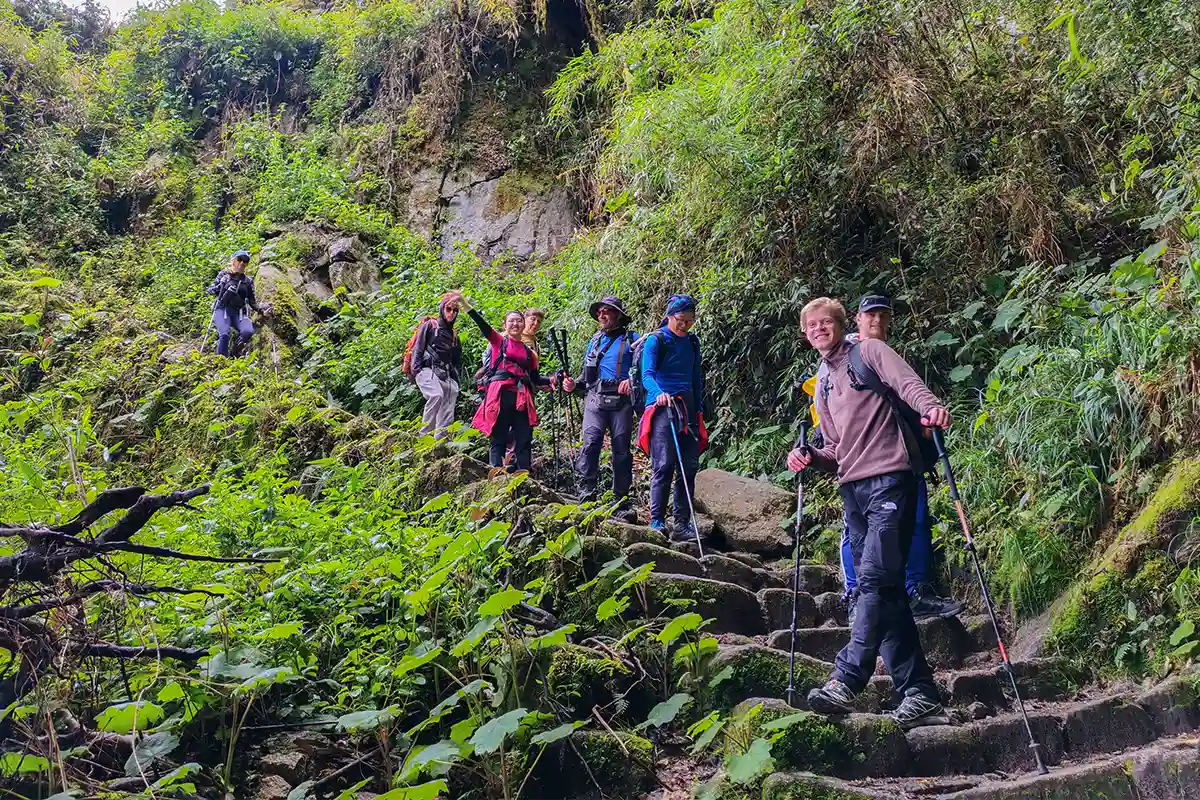
Overview of Machu Picchu hike tours
- Classic Inca Trail: Moderate to challenging (stone stairs + high pass)
- Salkantay Trek: Challenging but rewarding (higher altitude + longer distance)
- Lares Trek: Moderate (shorter days, but altitude can feel intense)
- Choquequirao trek: Challenging but worth it (steep inclines, but beautiful landscapes)
- Short Inca Trail: Easy to moderate (shorter distance, still arrives via the Sun Gate)
- From Aguas Calientes: No hiking required (bus), or a steep walk if you choose to hike
What to know before you hike to Machu Picchu
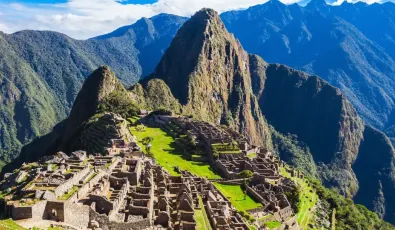
Machu Picchu sits at 2,430 m (7,970 ft) above sea level, but most of the trekking options take you much higher than that. The famous Inca Trail, for example, climbs up to 4,215 m (13,829 ft) at Dead Woman’s Pass before descending toward the citadel.
At that level, some trekkers can have altitude sickness, which commonly affects travelers above 2,500 m. The further you ascend, the greater the risk of symptoms like headache, nausea, fatigue, and dizziness.
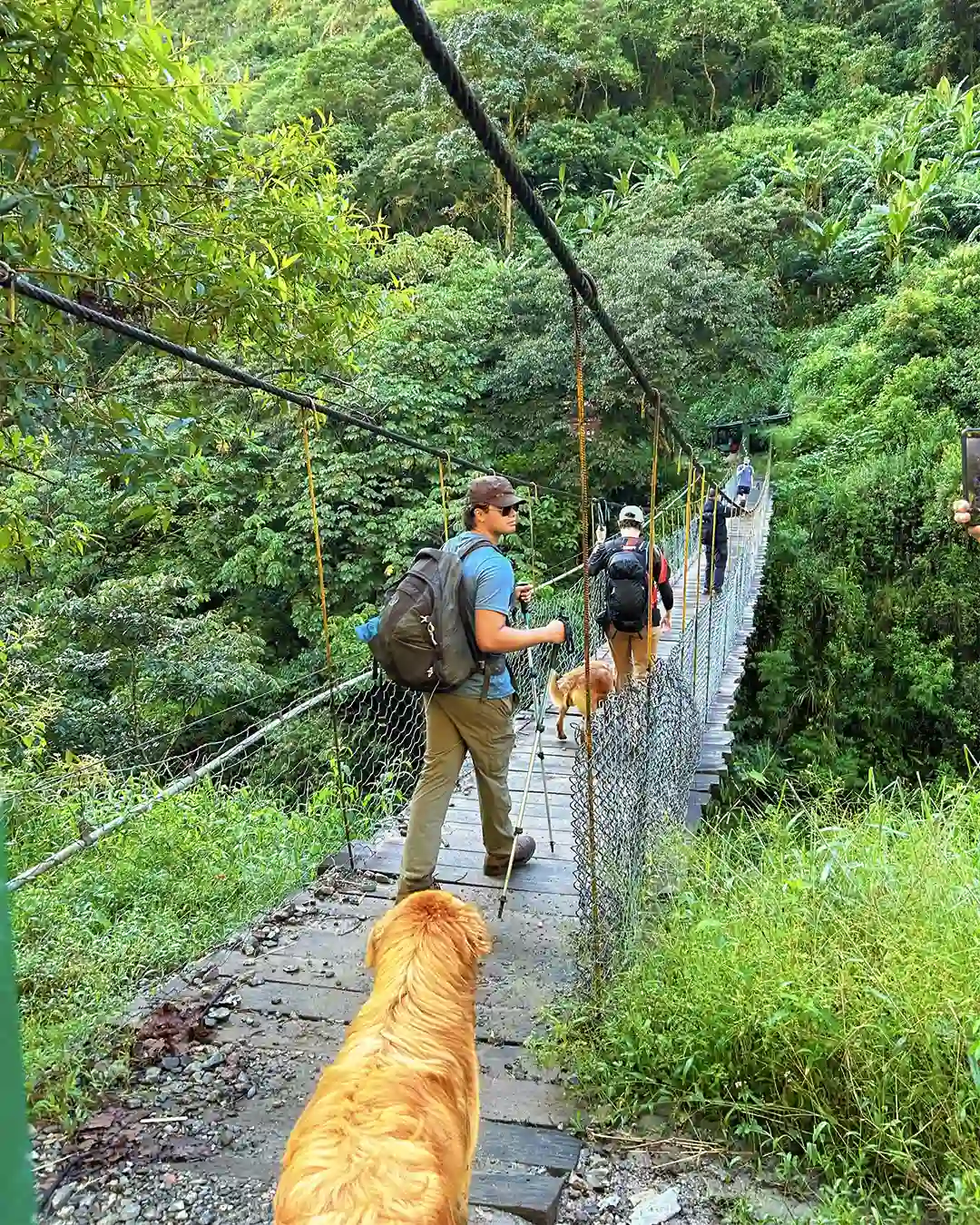
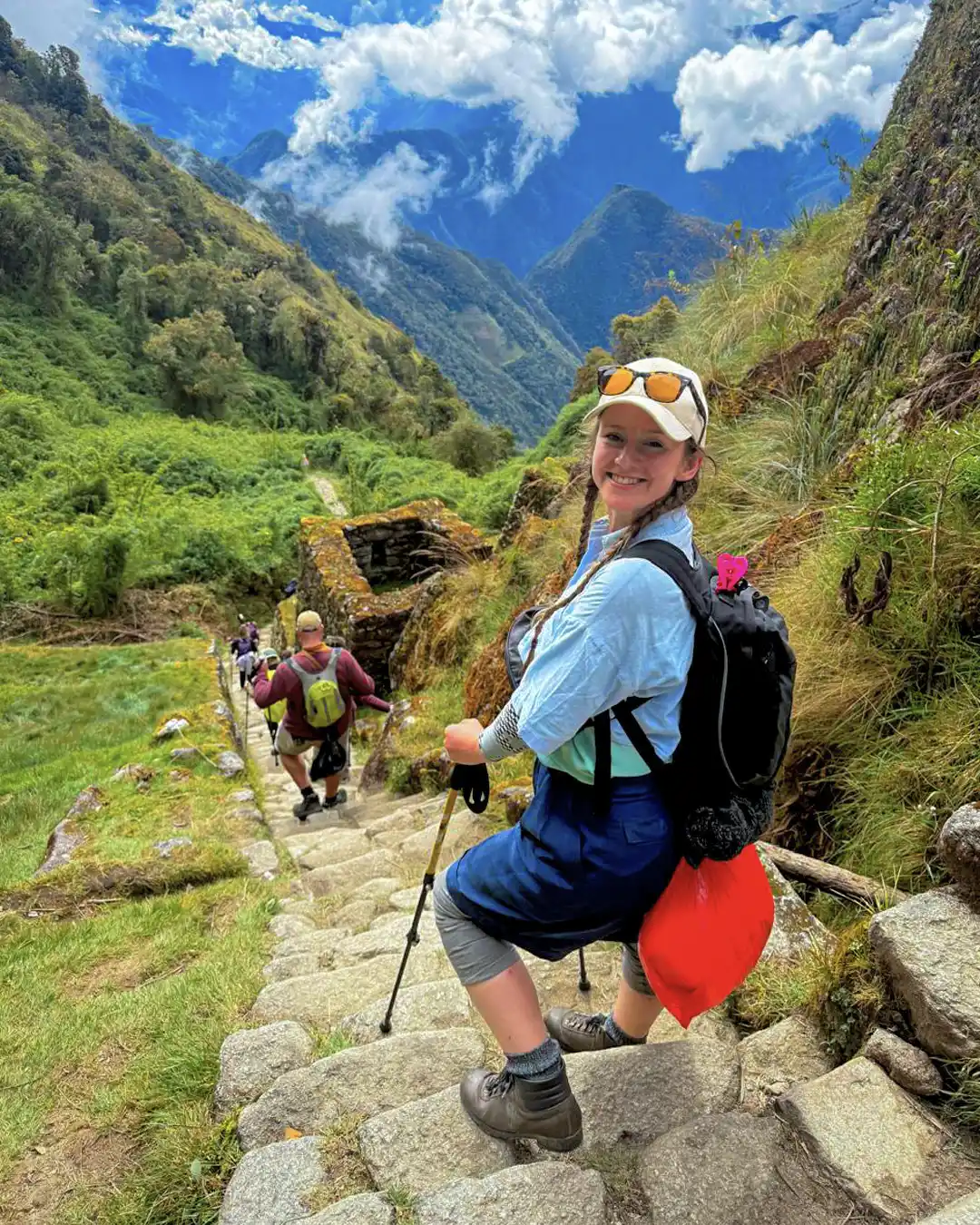
Another key point is terrain. High‑altitude hikes combine rocky paths, long uneven staircases, river crossings, and sometimes steep ascents/descents. Also, the weather in the Andes can change quickly, which is why sun, rain, and even cold winds can occur on the same day.
 |  |
One more helpful detail: “Difficulty” isn’t only about how steep the trail is. It’s also about how you feel over several days (sleep, appetite, sore knees on descents, and how your lungs handle altitude). A route can be “not technical” and still feel tough if you’re not acclimatized.
Two different “Machu Picchu hikes” people mean
This is where many travelers get confused. There are:
- Treks to Machu Picchu (Inca Trail, Salkantay, Lares, Short Inca Trail, etc.). These are hikes that start outside the Machu Picchu archaeological park area and arrive at the citadel itself.
- Hikes inside Machu Picchu (like Huayna Picchu or Machu Picchu Mountain) that you do after entering the site with the right ticket. These are walks that take place within the archaeological park of Machu Picchu itself.
A. Huayna Picchu: short, steep, and thrilling
Huayna Picchu is famous for steep stairs and narrow sections. It’s very doable with care, but it can feel intense, especially if you don’t love heights. Plan your day so you’re not rushing.
B. Machu Picchu Mountain: longer and steady
Machu Picchu Mountain is usually less “exposed” than Huayna Picchu, but it’s a longer climb with sustained uphill effort. If you prefer a steady grind over steep, narrow steps, this can be a better fit.
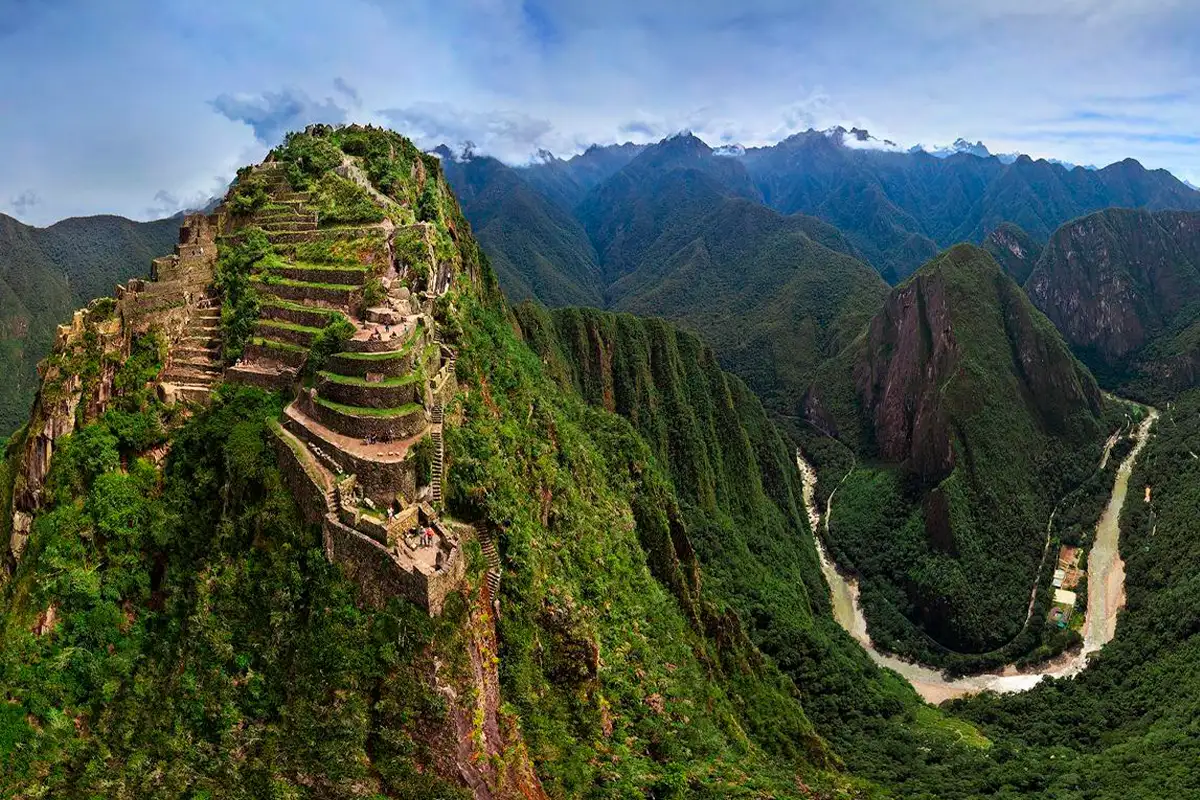
Tip: These hikes require separate tickets from the general Machu Picchu tickets and specific entry times. Book early in peak season.
Difficulty of major routes to Machu Picchu
There are a tip for choosing the right trek, don’t only look at distance. Compare highest altitude, stair sections, and how many days you’re hiking. Those three factors usually decide how hard it feels.
Inca Trail: Moderate to challenging
The Classic Inca Trail is the most iconic trek to Machu Picchu. This 4‑day trek covers roughly 42 – 43 km (26 – 27 miles) of historic stone paths built by the Incas. The first day is relatively gentle, but by Day 2 you’re ascending toward Dead Woman’s Pass, the trail’s highest point at 4,215 m (13,829 ft). After that, it’s a mix of ups and downs on stone stairs, many of which can be steep and uneven.
Thus, the trail’s difficulty results from distance, elevation gain/loss, and terrain, and it’s best suited for hikers who have some multi‑day trekking experience and who have spent time acclimatizing to altitude.
Because the Inca Trail is ancient, it was never designed for modern trekking. The Ministry of Culture of Peru regulates the trail and limits the Inca Trail permits to protect both hikers and the archaeology, but the path itself hasn’t changed in centuries.
What usually feels hardest (and why):
- Day 2 climb: the long ascent toward Dead Woman’s Pass can feel “lung-heavy” at altitude.
- Steep stair sections: they can be slippery when wet and tiring when dry.
- Multi-day effort: even fit hikers feel it by Day 3 if they don’t sleep well or eat enough.
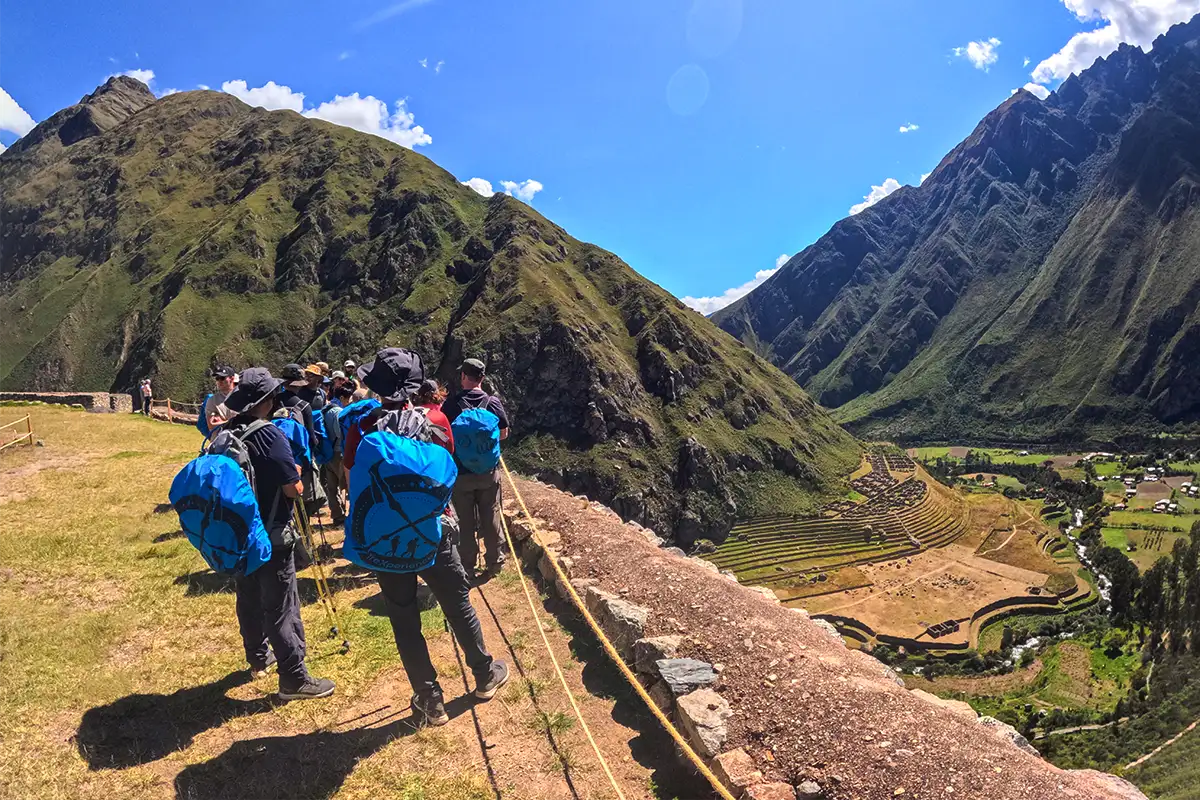
Original stone staircases: Expect lots of uneven steps. This is beautiful (and historic), but it can be tough on calves and knees; especially on the downhills. A steady pace and careful footing make a big difference.
Salkantay Trek: Challenging but rewarding
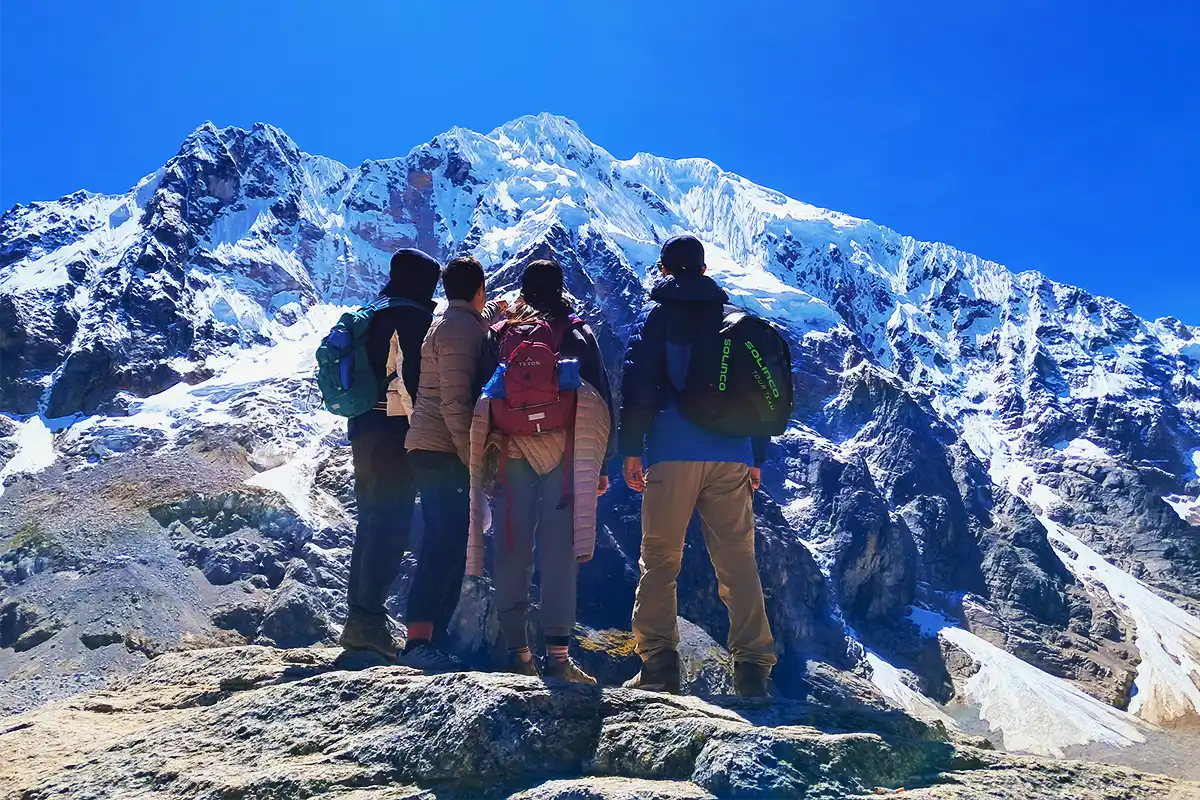
The Salkantay Trek is a good alternative to the Inca Trail, especially for those who want more wilderness and fewer crowds. It’s typically 5 days and covers a longer distance than the Classic Inca Trail, depending on your chosen route and variations.
What makes Salkantay challenging is its high mountain pass, which reaches 4,600 m (15,091 ft). That’s higher than the Classic Inca Trail’s top elevation, and with steeper ascents and descents. Also, the terrain shifts from high alpine tundra to cloud forest over the course of the trek, exposing you to both cold wind and humid rain.
However, because Salkantay typically has fewer stone stairs and more natural trail surfaces, many trekkers find it easier on joints but harder on lungs due to altitude and distance.
Finally, this trek rewards you with spectacular views of Mount Salkantay (6,271 m / 20,574 ft) and a memorable descent into tropical valleys, but it demands serious fitness and good acclimatization.
Lares Trek: Moderate
The Lares Trek is softer in some ways and tougher in others. While the daily distances tend to be shorter than the Inca Trail or Salkantay, the altitude exposure can be more sudden.
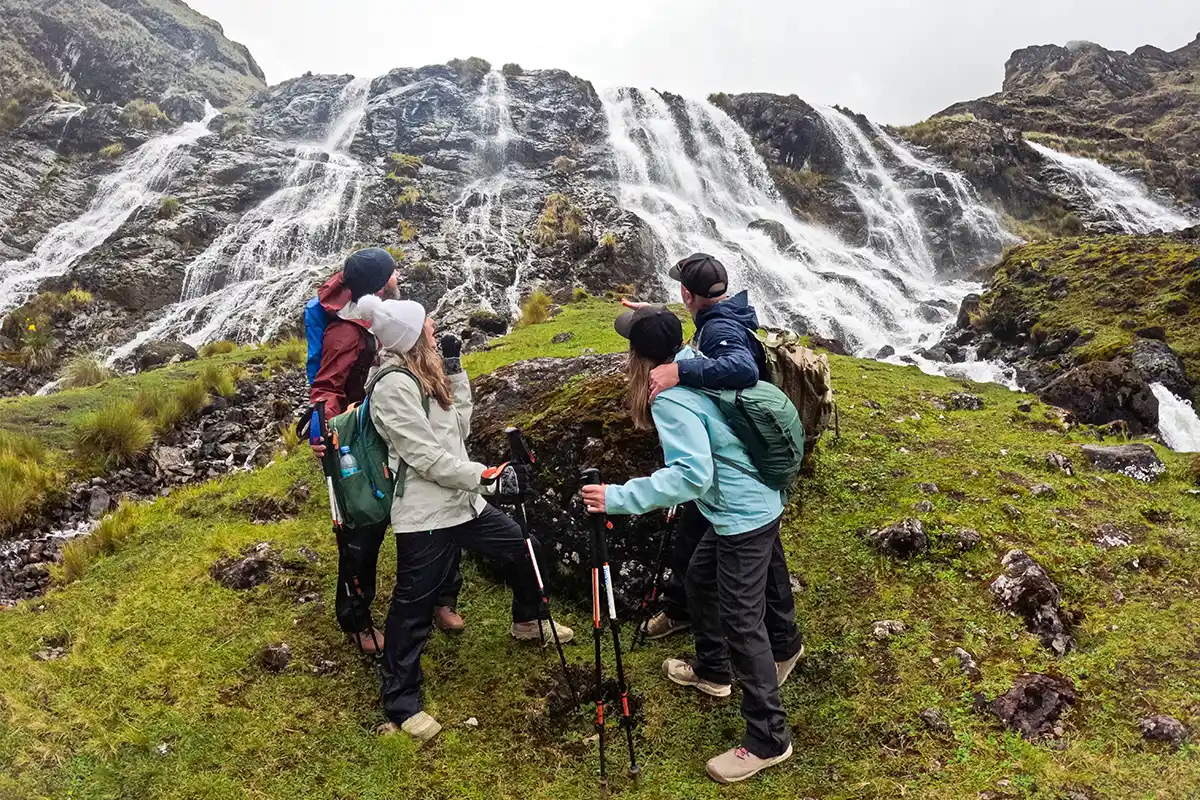
Many Lares routes climb over 4,400 – 4,600 m (14,435 – 15,091 ft), like Salkantay, but without long stretches of built stone paths. Instead, you’ll walk on dirt trails between remote mountain villages, often with strong winds and wide-open terrain. This means there are fewer steep stair sections, but the altitude gains can hit you harder because elevation changes are more abrupt.
In the Lares trek, you may pass Quechua families on their way to grazing lands, share coca tea with herders, and wake up to livestock calls. While physically demanding, many travelers find the social and human experience of Lares just as rewarding as the archaeological focus of the Inca Trail.
Choquequirao trek: Challenging but worth it
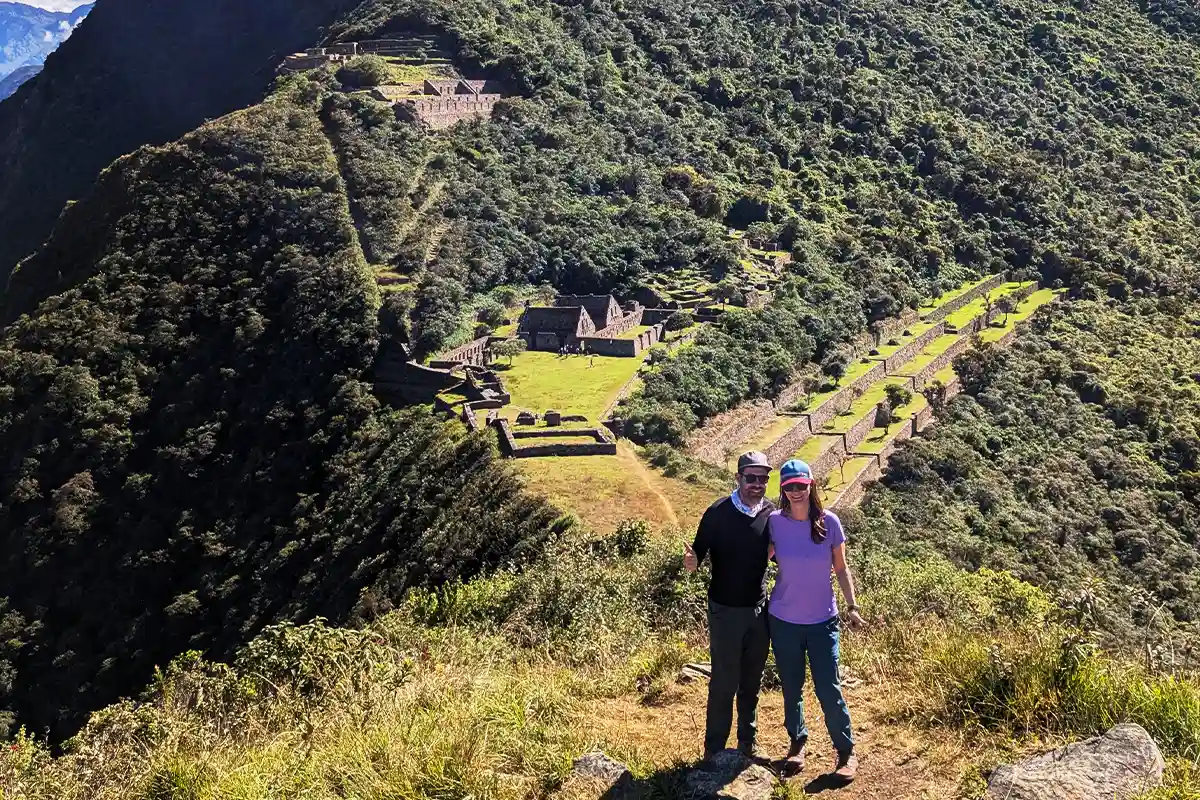
Choquequirao is another interesting alternative route to Machu Picchu that takes you through high Andean valleys, jungle edges, and cloud forests. The experience usually lasts six days and allows you to visit Choquequirao, considered the twin sister of Machu Picchu.
The distance covered is around 55 km / 34 mi. This challenging trail is less well known but offers incredible views of the amazing paths of the Apurímac Canyon to reach the “Golden Cradle”, Choquequirao. It is perfect for those who wish to expand their knowledge of Inca culture.
Along the way, you will pass through several Andean natural wonders, including the mighty Apurímac River and lush flora and fauna. You will camp in remote locations and, after a memorable train ride, end with a visit to the impressive world wonder of Machu Picchu.
Short Inca Trail: Easy to moderate
The Short Inca Trail condenses the classic route into a more accessible trek. This version typically starts at a higher trailhead, which means you skip the toughest initial climb.
In this trek, you still walk on Inca stone pathways, navigate terraces and archaeological sectors, and end at Machu Picchu through the Sun Gate. But because the trek is so much shorter (usually around 12 – 16 km total) and the altitudes are less extreme, it’s far more manageable for casual hikers.
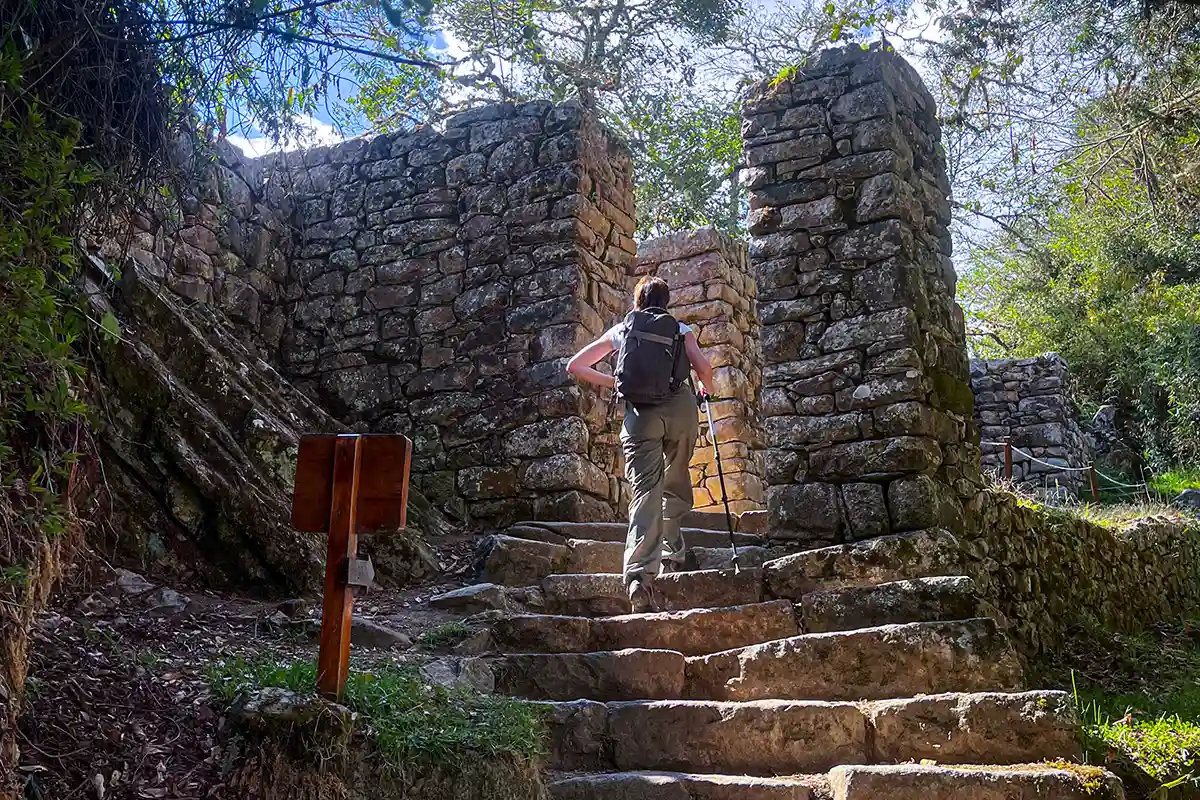
Who usually loves it: travelers who want a real “trail experience” and a Sun Gate arrival, but don’t want a full 4‑day trek.
From Aguas Calientes: Steep walk or bus
From Aguas Calientes, the town at the base of Machu Picchu, a paved path leads to the citadel. Most visitors take the bus (about 25 minutes), but fit travelers often walk this path in 1.5 – 2 hours. The terrain is a steady incline, but there’s no high‑altitude pass, no technical trail, and no multi‑day commitment, so it is ideal for families, travelers short on time, or anyone for whom long hikes are not appealing.
- Quick reality check: The walk is short compared to the big treks, but it’s still a steep climb. If it’s hot or humid, it can feel harder than you expect, bring water, start early, and take breaks.
Physical fitness for a Machu Picchu hike tour
Fitness preparation for hiking to Machu Picchu includes cardiovascular conditioning, leg strength, and endurance. The goal isn’t to be “fast.” It’s to feel steady and comfortable for hours at a time, day after day.
A well‑structured training plan for Peru treks includes:
- 2 to 3 times a week: long walks with hills or stairs (build endurance)
- 1 to 2 times a week: Core and leg strength (step-ups, squats, lunges)
- Once a week: a weighted hike (simulate a small backpack)
- Optional: Interval cardio to boost lung efficiency
Even moderate training 6 – 8 weeks before your trek improves comfort and reduces injury risk.
Simple fitness self-check (helpful for planning): if you can walk 10–14 km in a day and climb stairs or hills for 30–45 minutes (with short breaks) without feeling wrecked the next day, you’re generally in a good place for the Inca Trail. If that sounds tough right now, the Short Inca Trail or the Aguas Calientes option may be a better fit.
Altitude considerations for hike to Machu Picchu
Concerning acclimatization, it’s important to follow these best practices to reduce the risk of altitude sickness:
- Spending 2–3 days in Cusco or the Sacred Valley before your trek
- Light hikes and slow movement on arrival days
- Hydration and moderate food intake
- Avoiding alcohol and heavy meals initially
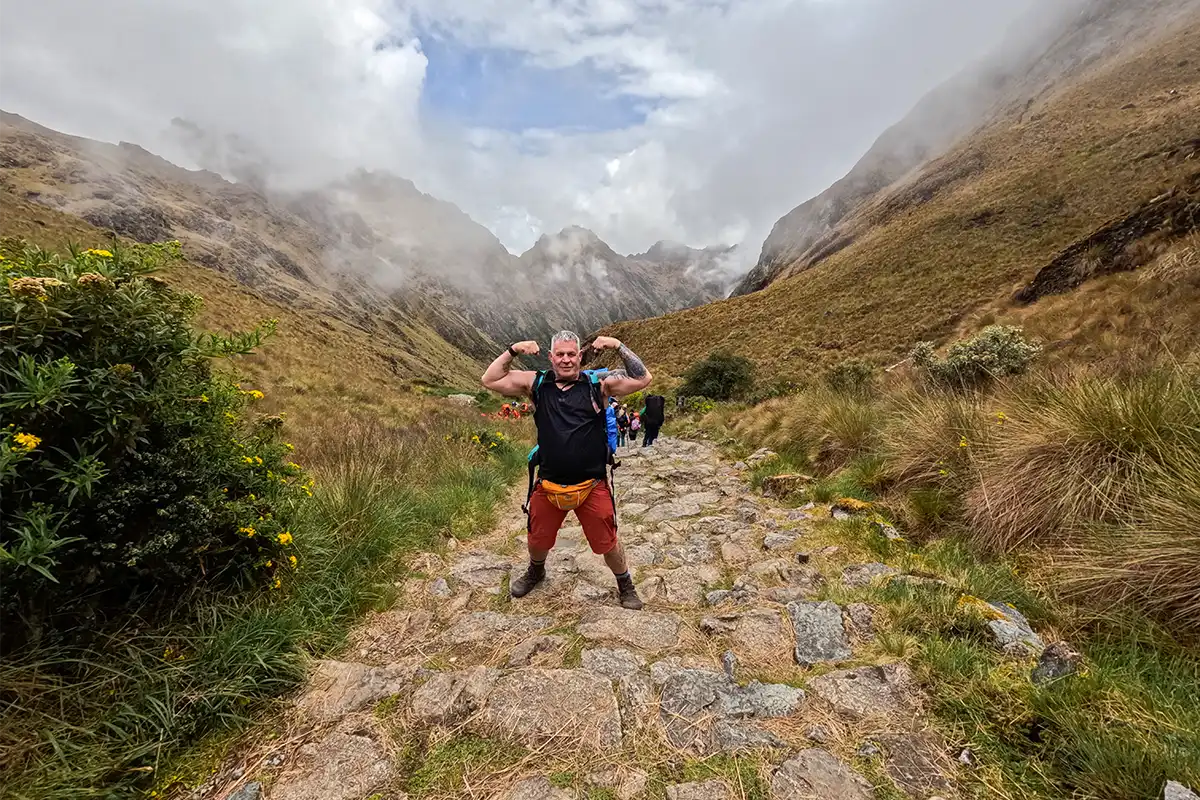
Small details that make a big difference on the trail:
- Hydration: sip consistently (don’t wait until you’re thirsty).
- Eat even if your appetite dips: altitude can reduce hunger, but your body still needs fuel.
- Dress in layers: mornings can be cold, afternoons can be hot, and rain can arrive quickly.
- Foot care: broken-in boots, good socks, and a blister plan can save your trip.
- Bug spray: especially on routes that drop into cloud forest.
- Pack light in your day bag: every extra item feels heavier at altitude.
How to choose the right trek for your level
- Choose the Inca Trail if you want classic archaeology and the iconic route, and you have time to acclimatize.
- Choose the Salkantay Trek if you want a bigger challenge, higher passes, and dramatic landscapes.
- Choose the Lares Trek if you want remote Andean culture and a quieter trail experience.
- Choose the Choquequirao trek, if you are interested in archaeology, lost cities, less crowded routes and beautiful landscapes.
- Choose the Short Inca Trail if you want a true Inca Trail feel with less physical demand.
- Choose Aguas Calientes walk or bus if trekking isn’t your priority but you still want to reach Machu Picchu easily.
Subscriber-friendly tip: if you’re still unsure, make your decision based on the one thing you can’t “train away” quickly: altitude comfort. If altitude affects you strongly, choose a route with less extreme elevation, or build in more acclimatization days.
| Feature | Inca Trail | Salkantay trek | Lares trek | Choquequirao trek | Short Inca trail | Aguas Calientes route |
| Duration | 4D / 3N | 5D / 4N (avg) | 3D / 2N to 4D / 3N | 6D / 5N | 2D / 1N | 1 Day |
| Total distance | ~42 km | ~60 - 70 km | ~33 - 40 km | ~50 - 55 km | ~12 - 16 km | ~8 km walk (Optional) |
| Max altitude | 4,215 m | 4,600 m | 4,400 – 4,600 m | 3,050 m | ~2,700 m | 2,430 m (Machu Picchu) |
| Difficulty | Moderate to Challenging | Challenging | Moderate to Challenging | Challenging | Easy to Moderate | Shorter, but still some steps |
| From Aguas Calientes | Same day | Up to you | No high‑altitude pass | Up to you | Easy (bus) / Moderate (walk) | Easy |
| Trekking experience needed? | Recommended | Yes | Helpful | Yes | No | No |
| Acclimatization needed? | Yes | Yes | Yes | Yes | Minimal | No |
| Inca ruins | Yes (many) | Few or none | No | Yes (many) | Yes (Wiñay Wayna) | No |
| Cultural experience | Low to Moderate | Moderate | High | Moderate | Low | None |
| Scenery type | Cloud forest, ruins, mountain passes | Glaciers, mountains, jungle | Remote Andes, local villages | Cloud forest, ruins, high Andean valleys | Inca trail + views | Jungle hillside/citadel |
| Permit required? | Yes (book months in advance) | No | No | No | Yes (limited) | No |
| Machu Picchu arrival | Hike in via Sun Gate | Train + bus | Train + bus | Train + bus | Hike in via Sun Gate | Bus or walk from town |
| Crowds | High | Medium | Low | Medium | Medium | High |
| Best for | History lovers | Scenery + adventure seekers | Cultural explorers | History lovers | Casual hikers | Time-limited travelers |

FAQs about Machu Picchu’s hike difficulty
Which is the easiest hike to Machu Picchu?
The easiest hiking option is the walk from Aguas Calientes to Machu Picchu, which is a steady uphill path with no technical sections. It’s long enough to feel like a hike but doesn’t involve high passes or multi‑day camping. If you take the bus from Aguas Calientes, there’s no hiking required to reach the entrance.
How fit should I be for the Inca Trail?
You should have moderate cardiovascular fitness and be comfortable walking 10–14 km a day on uneven terrain with elevation changes. Prior experience with hill or stair climbing helps significantly, especially for the stone stairs on Day 2 and the long descents afterward.
Is the Salkantay trek suitable for beginners?
Salkantay is more challenging than the Inca Trail due to higher passes and longer distances, so it’s better suited to hikers with some previous trek experience or strong fitness levels. If you’re a beginner who trains well and acclimatizes properly, it can still be doable—but expect it to feel like a true challenge.
Do I need hiking experience for Machu Picchu?
Not all routes require trekking experience. The Short Inca Trail and the walk from Aguas Calientes are accessible to beginners, whereas the Classic Inca Trail, Lares, and Salkantay benefit from basic hiking skills (pacing, footing on uneven terrain, and comfort walking for hours).
What is the shortest hiking route available?
The Short Inca Trail (2D/1N) is the shortest classic trekking route associated with Machu Picchu that still offers a true trail experience before arriving at the citadel.
Can a beginner hike Machu Picchu?
Yes. Beginners can do the Aguas Calientes walk (steep but short) or the Short Inca Trail with basic fitness and acclimatization. Multi‑day treks like the Classic Inca Trail or Salkantay are tougher.
Are there shuttle or transport services that assist with the Machu Picchu hike?
Yes. Most visitors use the shuttle bus from Aguas Calientes to the Machu Picchu entrance (about 25 min). Trains bring you to Aguas Calientes; from there you can walk or bus up.
What to wear on a Machu Picchu hike?
Wear breathable layers: moisture‑wicking top, hiking pants/shorts, warm mid‑layer, and a rain/wind shell. Add good socks + hiking shoes, sun hat/sunglasses, and a light beanie/gloves for early mornings.
What essential gear should I pack for a strenuous mountain journey?
Pack: broken‑in hiking shoes, layers (base + warm mid‑layer), rain jacket/poncho, hat & sunscreen, 1–2L water, snacks, trekking poles, small first‑aid/blister kit, headlamp, and your passport/tickets.
Can someone with mobility issues visit Machu Picchu?
Often yes, with planning. Take the bus to the entrance and choose an easier circuit, but expect uneven stone paths and stairs. Accessibility is limited, so check official options, go with a guide, and allow extra time.
Want more help planning your trek? If you enjoyed this guide, follow us for practical Machu Picchu planning tips, packing checklists, and trail-ready advice that makes the whole experience easier.

Add new comment