



If you are only attracted to Peru’s wildlife and beautiful natural scenery, it is time you discover more. Peru has over 30 microclimates, seashores, mountains, deserts, the Amazonian tropical forest, and increasing food options. The depth of Peruvian food has attracted global attention in the recent past. These are some of the things that you should know about traditional Peruvian food.
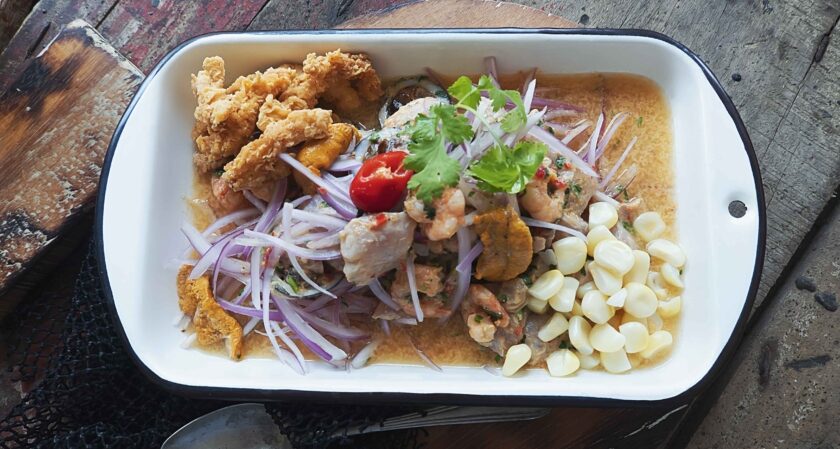
Exciting Things to Know About Peruvian Food
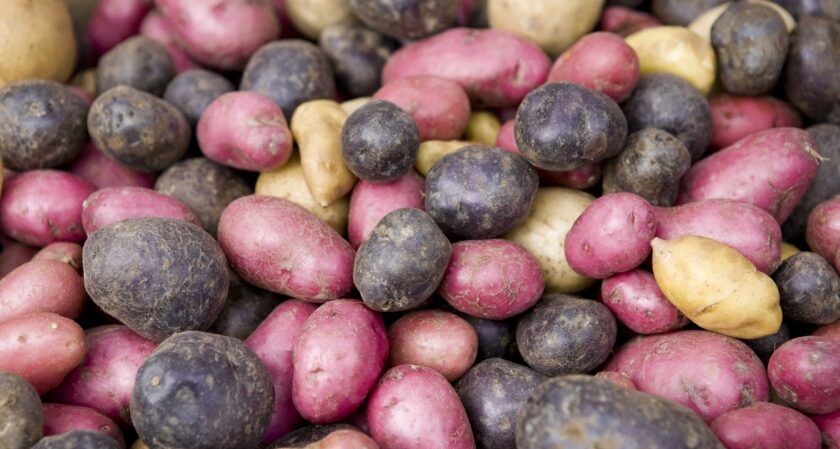
Over 3,000 types of potatoes
Potatoes adapted and grew at a fast rate in Peru; It was taken to the Western hemisphere during the colony, making them quite popular in European countries in the 1800th. Currently, people cannot imagine living without potatoes. Peru’s Instituto Peruano de la Papa says Peru is the birthplace of potatoes in Peru, where over 3,000 varieties are grown. These potatoes come in different colors and shapes. The most important thing about our potatoes is that they are not genetically modified.
Classic Inca Trail to Machu Picchu 4 days – Find out more
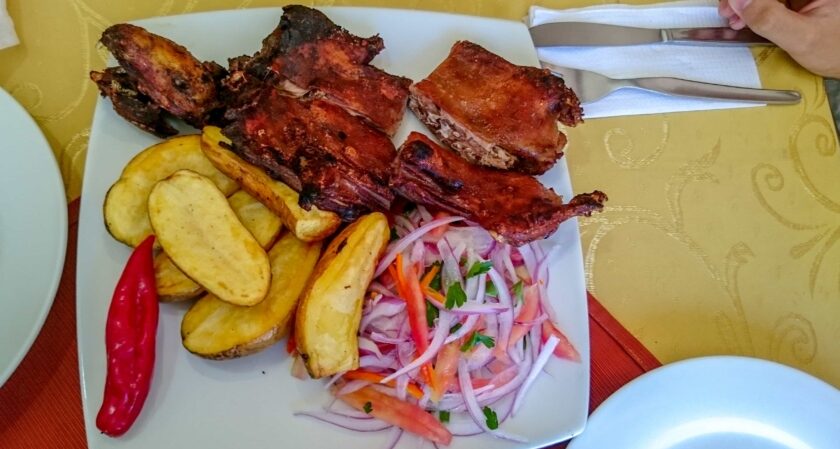
Guinea pig or Cuy
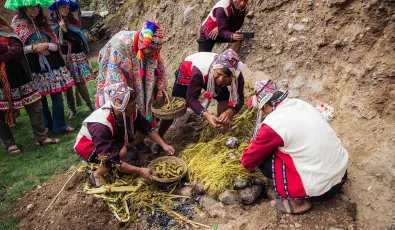
Guinea pigs have been a delicacy in Peru for a long time. They are grilled in an open fire with spices that characterize this food. Although some people consider guinea pigs as pets, people in Peru do not see meat as different from beef or pork. We Prepare Guinea pig (Cuy) together in a Pachamanca Barbecue in all alternative treks.
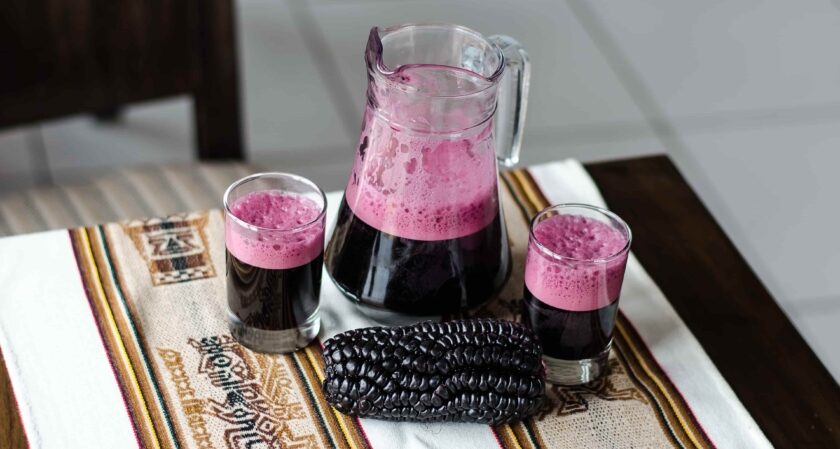
Purple Corn (Maiz Morado)
Besides potatoes, corn in Peru is everywhere. Just like potatoes, there are hundreds of different types of corn. The most expensive type of corn is purple corn or Maiz Morado. People eat corn in meals or as a snack. For example, the Choclo has large kernels and is toasted in oil to make the crispy snack called cancha. It can as well be consumed after sun-drying. There is also corn juice which is produced to make chicha beverages.
Similar to Chinese food
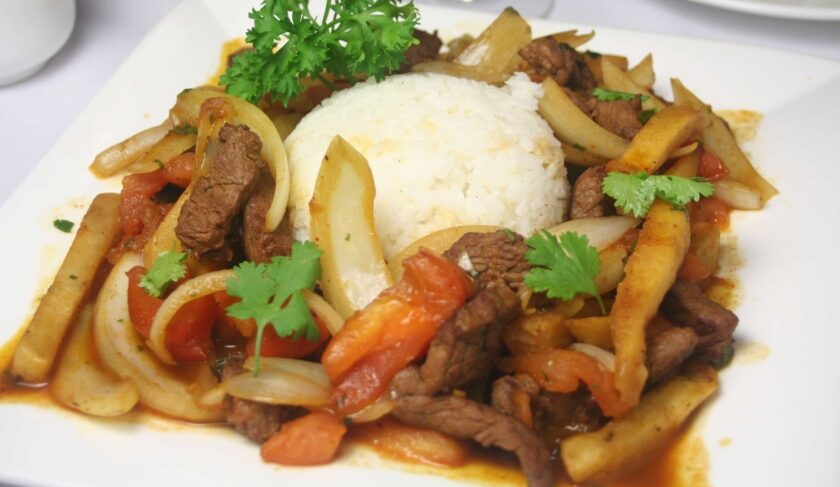
Peruvian cuisine for several decades has been shaped by various external influences such as Spanish and Asian immigrants. The most notable influence is Chinese food. Peruvian-Chinese hybrid food (Chifa cuisine) is offered in cities such as Lima. Other foods that demonstrate cross-cultural influences are French fries, beef, steak stir-fry, and Lomo Saltado. Our Trekking chefs are high at preparing dishes and the best restaurant in Peru.

Traditional Peruvian Food FAQs
Is all Peruvian food spicy?
No. Peruvian food offers many layers of flavor, but it cannot generally be described as spicy. However, ají peppers and rocoto are important ingredients in Peruvian cuisine. They are widely used in traditional recipes, although they do not always produce an intense burning sensation.
Some peppers are used mainly for their aroma, color, or flavor. Many dishes can also be ordered with the spicy sauce served separately.
Is it easy to find vegetarian or vegan food in Peru?
Yes. Peru offers a variety of vegetarian dishes, as well as adapted recipes that replace meat with other ingredients. Vegetarian and vegan options are especially easy to find in the main tourist cities.
It is always important to ask about less obvious ingredients, as a vegetable soup may be prepared with meat stock, while causa may contain chicken, tuna, egg, or mayonnaise.
It also helps to clearly explain which foods you cannot eat or ask about all the ingredients used in the dish.
What is the difference between Chifa and Nikkei cuisine?
Chifa cuisine grew from the combination of Chinese culinary traditions, especially Cantonese cooking, and Peruvian ingredients. It developed following Chinese migration to Peru and the growing popularity of rice throughout the country.
Nikkei cuisine emerged from Japanese immigration to Peru and places great emphasis on seafood from the Pacific Ocean, precise cuts, and clean flavors. Both are important expressions of Peru’s culinary heritage, but they have different histories, techniques, and flavor profiles.
Is it safe to eat ceviche while traveling in Peru?
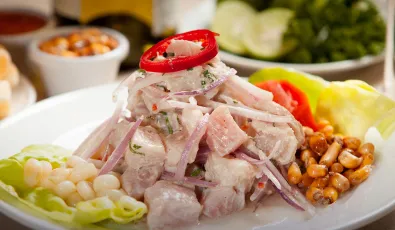
In general, ceviche is safe to eat in Peru when you choose a reliable restaurant. This dish is part of the culinary tradition of several regions: fresh, classic versions are common along the coast, while the Andes and Amazon offer regional variations prepared with local ingredients and distinctive flavors.
To reduce any risk, choose a clean establishment with proper refrigeration, fresh ingredients, and ceviche prepared to order.
Which dishes should I try in each region of Peru?
Along the coast, seafood and fish dishes are especially popular, including ceviche, arroz con mariscos, and several varieties of causa.
In the Andes, many dishes are prepared with potatoes, corn, alpaca meat, and Andean grains. Some of the most representative options include pachamanca, traditional soups, and cuy.
The Amazon offers a wide variety of tropical fruits, fish, and ingredients native to the rainforest. Some of its best-known dishes include juane, tacacho, and patarashca.
Every city and region has its own traditional recipes, so it is always worth asking about the local specialty as you travel through Peru.

Add new comment