



Preparing for a trip to Peru in 2026 means gearing up for diverse landscapes like arid coastlines, lush Amazon jungle, and high-altitude Andes. Packing right is essential to fully enjoy everything this incredible country offers without being weighed down. Therefore, this Peru packing list is built on firsthand trekking experience, insights from locals, and an understanding of seasonal weather variations to pack efficiently, stay comfortable, and be ready for any environment Peru presents in its challenging hikes and climate.
Peru’s diverse climates
Peru’s climate shifts dramatically across regions and altitudes, ranging from dry, sunny days in the high Andes to humid, warm conditions in the jungle, and cooler, overcast weather along the coast.
Dry season (May to September)
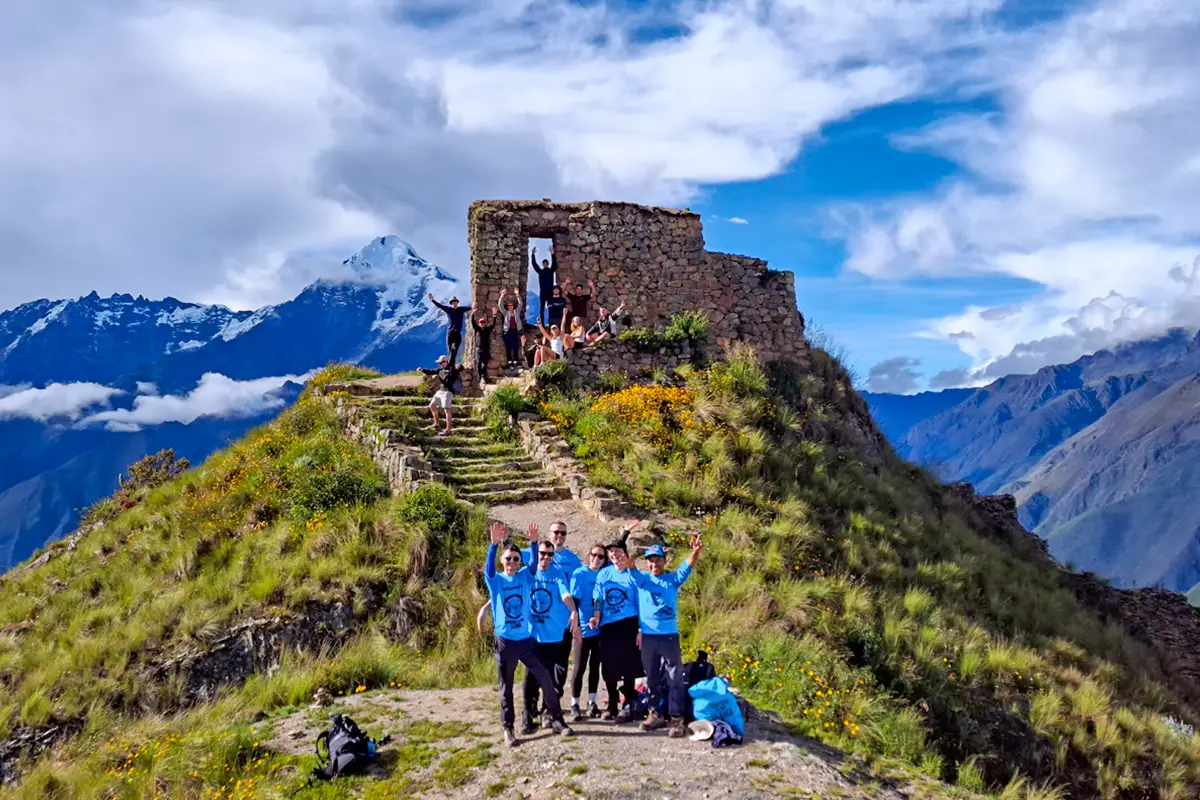
During Peru’s dry season, you can expect sunny days and chilly nights, particularly in the highlands. In Cusco or the Sacred Valley, daytime temperatures hover around 18°C (64°F) but drop near freezing at night. The skies are clear, making it a fantastic time for trekking and photography.
This is the ideal season for hikes like the classic Inca Trail to Machu Picchu, Salkantay, or Rainbow Mountain, with the perfect layering consisting of quick-dry base layers, fleece jackets, and windbreakers. Even in Lima, it’s cooler with overcast skies, but there is almost no rain.
The dry season is also the busiest for tourism, so expect more crowds and make your reservations early. Bring a good sun hat, sunglasses, and high-SPF sunscreen, since the UV index is intense at altitude. And while the sun rules the day, evenings require thermal layers and warm sleepwear, especially if you're camping.
Rainy season (October to April)
In the Andes, afternoons often bring showers or storms, while mornings can still be pleasant; so, you can expect muddy trails, higher humidity, and the occasional landslide.
Still, this season has its charm. The landscapes burst into green, waterfalls swell, and there are fewer tourists. If you plan to trek during this time, waterproof everything: jackets, backpack covers, and hiking boots.
In the Amazon, rain is year-round but heavier from November to April. You’ll want light, breathable clothing, and reliable mosquito protection. Lima, on the other hand, gets warmer and stays dry with the summer sun.
Peru packing list by region
Cusco and the Andes
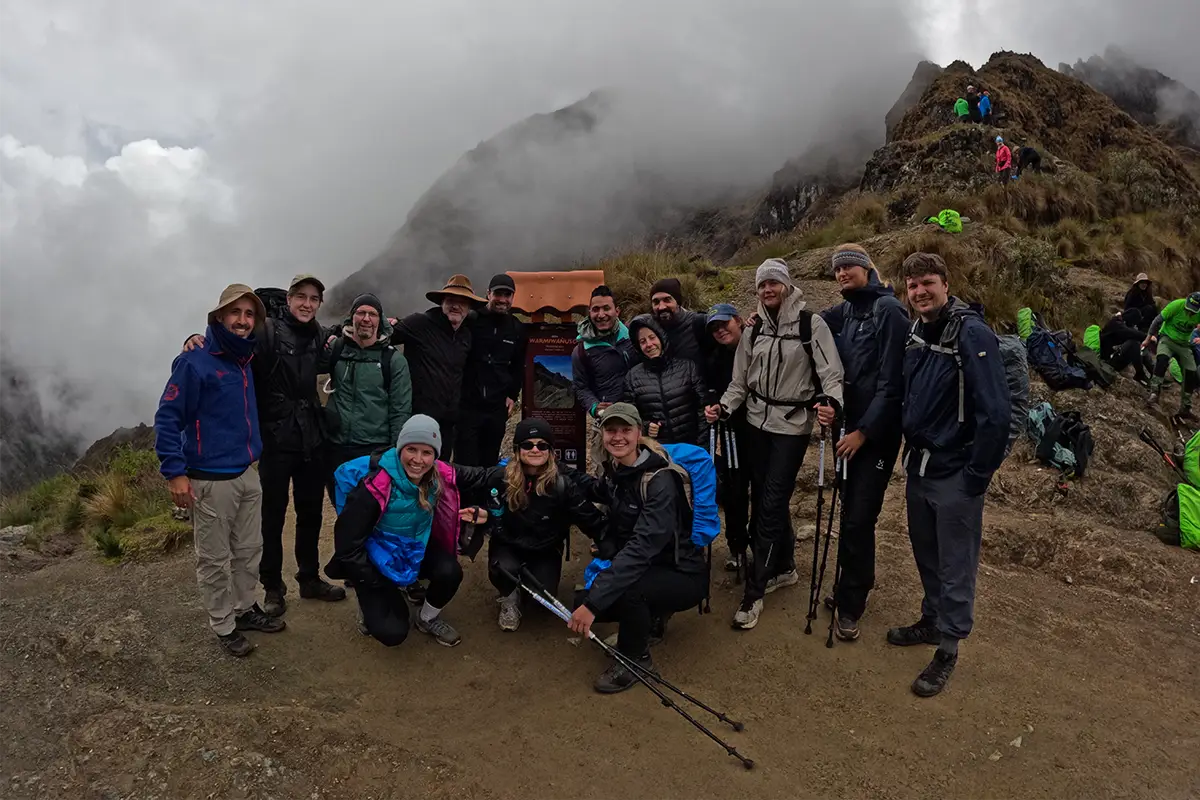
High-altitude regions like Cusco and the Sacred Valley bring stunning views and dramatic temperature swings. Days are often sunny and deceptively warm, while nights can dip below freezing, especially above 3,000 meters.
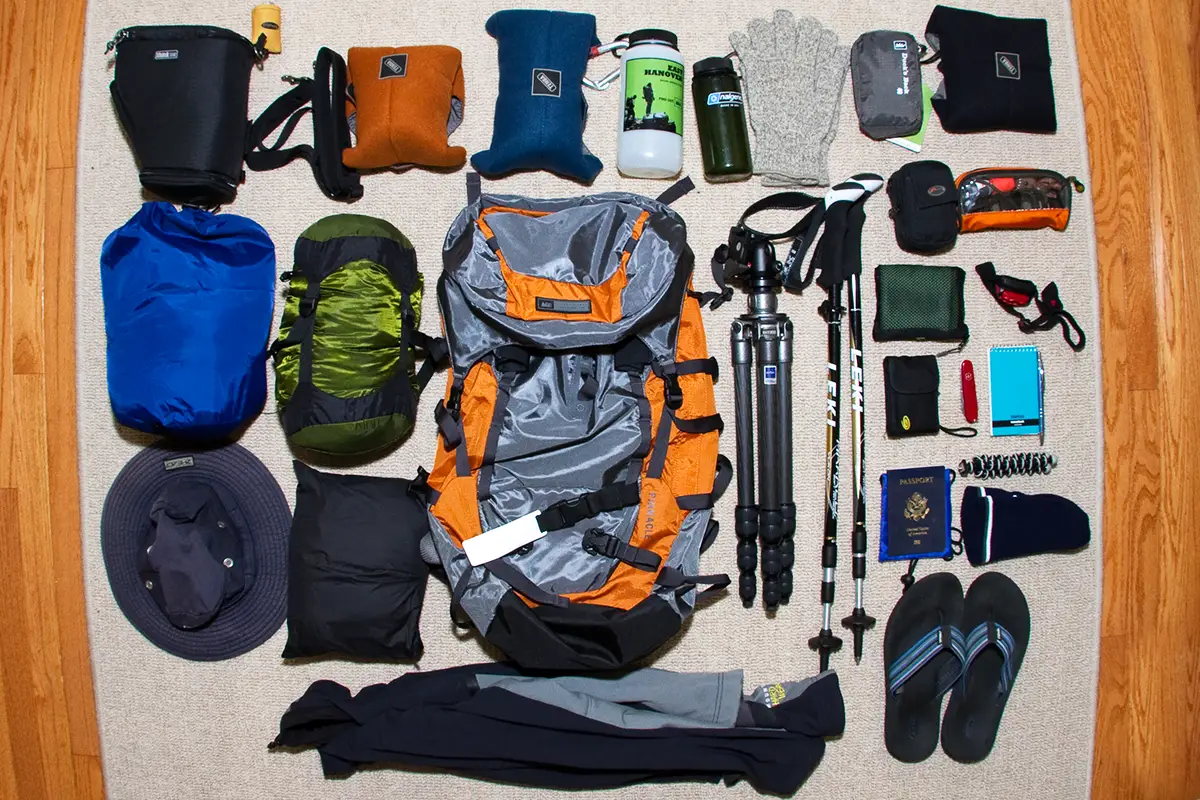
In this region, layering and hydration are essential, since the sun is stronger at altitude. Make sure to pack:
- Moisture-wicking base layers (top and bottom)
- Fleece or insulated jacket
- Lightweight windbreaker or rain shell
- Warm hat (beanie) and gloves
- Hiking pants and thermal leggings
- Hiking boots or trail shoes (broken-in)
- Sunglasses with UV protection
- SPF lip balm and high-altitude sunscreen
- Reusable water bottle or hydration system
- Daypack with rain cover
- Altitude sickness medication or coca candy
Amazon and jungle areas
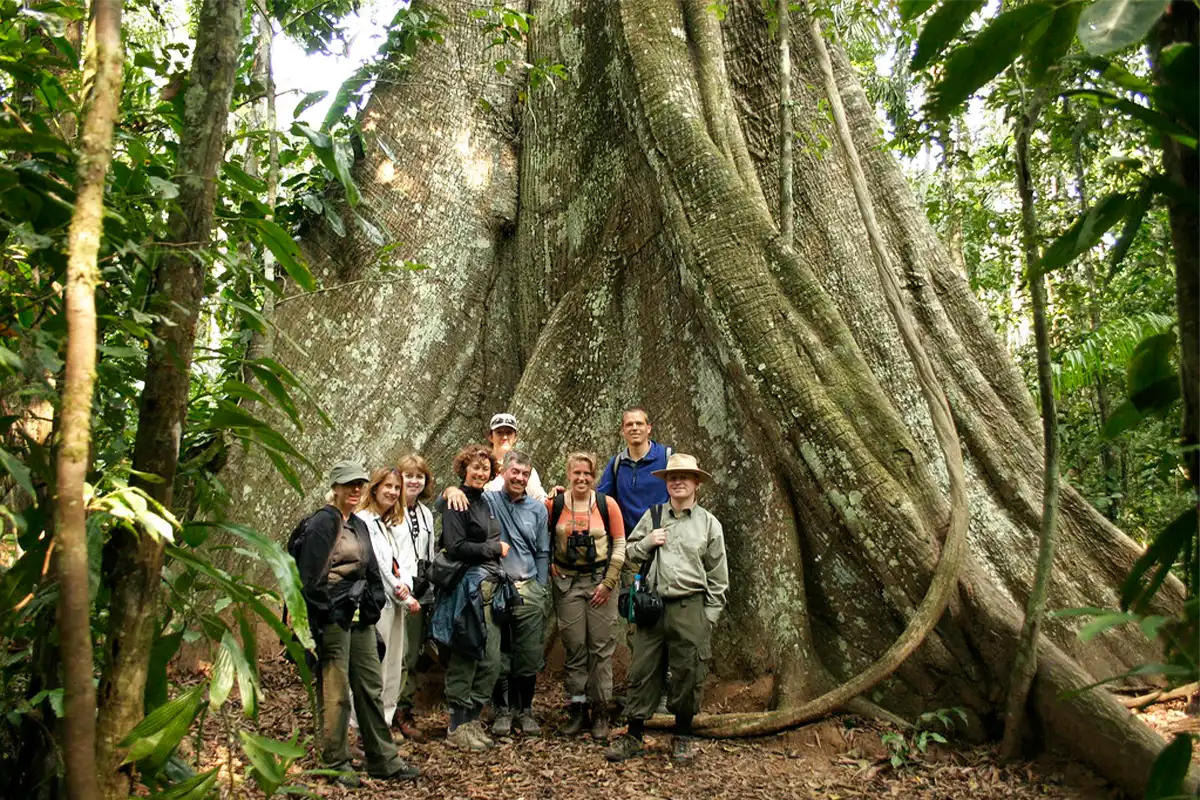
The Peruvian Amazon has intense heat, torrential rain, and an abundance of bugs; thus your packing should aim to keep you cool, covered, and dry.
Since humidity is constant, everything from clothing to electronics needs protection. Make sure to use long sleeves and pants as a defense against mosquitoes and thorny jungle plants. Finally, quick-dry and odor-resistant fabrics will make your days and nights much more comfortable. Here’s the list:
- Lightweight, long-sleeved shirts and pants
- Breathable, moisture-wicking fabrics
- Wide-brim hat or cap with neck flap
- Insect repellent (DEET or picaridin-based)
- Waterproof hiking sandals or rubber boots
- Quick-dry towel and sleep sheet
- Flashlight or headlamp with extra batteries
- Dry bags and waterproof cases for electronics
- Basic first-aid kit and anti-itch cream
- Reusable water bottle with filter if possible
Coast and Lima
Lima’s coastal weather is unique. From December to March, you’ll get hot, sunny days perfect for beach escapes. The rest of the year, prepare for the garúa, a coastal fog that makes mornings cool and damp.
However, remember that Lima is the urban heart of Peru, so you’ll want to wear comfortable clothes for city walking and occasional dinners. Finally, if you want to visit some beach towns like Paracas and Máncora, make sure to pack your favorite sandals and swimsuits.
Here’s what to pack:
- T-shirts, tank tops, and lightweight tops
- One pair of jeans or pants for cooler nights
- Swimwear and beachwear for coastal towns
- Flip-flops or sandals for beach days
- Comfortable walking shoes for city exploring
- Light sweater or hoodie for the garúa (coastal mist)
- Sunglasses and reef-safe sunscreen
- Crossbody bag or anti-theft daypack
- Casual wear for dining or nightlife in Lima
What not to pack
It’s easy to overpack for Peru, especially when trying to plan for so many climates. Here are a few items travelers often regret bringing:
- Heavy books: Swap them for a Kindle or download offline travel guides.
- Dress shoes or heels: Not needed, even in nice restaurants.
- Big toiletries: Stick to travel-size and restock locally if needed.
- Too many jeans: One pair is plenty; they’re heavy and slow to dry.
- Overly revealing clothing: Especially in rural areas, modest wear is more culturally respectful.

Electronic devices to take
Your smartphone will be your best friend in Peru, doubling as a camera, translator, GPS, and more. But there are a few extra devices worth bringing:
- Universal power adapter (Peru uses 220V; plugs A and C)
- Power bank for long hikes or day trips
- Headlamp for early treks or jungle lodges
- Camera with spare batteries or SD cards
- Waterproof phone pouch for the jungle or beach
Wi-Fi is common in cities but expect limited connection in remote areas. Download maps and guides before heading off the grid.
Essentials for hiking and trekking
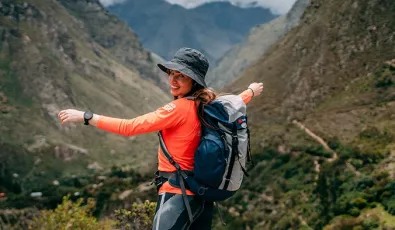
Prepare for rapid weather changes and challenging terrain. It's important to prioritize versatile clothing layers and reliable footwear suited for both dry and wet conditions and, don’t forget practical items like trekking poles and waterproof storage to protect your gear and maintain comfort throughout long days on the trail.
Weather tips: Dry vs. Rainy season gear
In the dry season, focus on UV protection for sunny days and staying warm at night. For daily trips, pack some sun sleeves, wide hats, and lip balm with SPF. For Peruvian nights, the best choice is to pack insulated jackets and thermal sleepwear.
On the other hand, the rainy season means mud, moisture, and unexpected showers. If you are preparing your Salkantay trek packing list, make sure to include waterproof boots, ponchos, and quick-dry gear in your luggage, in addition to trekking poles with rubber tips.
Besides, when you follow a Machu Picchu packing list, you see a list of layering clothes that allows you to easily peel off as temperatures change throughout the day. Finally, always bring an extra pair of socks and a plastic bag for wet items.
Health, safety, and local advice
First, always drink bottled or filtered water. Bring a reusable water bottle and, if possible, a portable purifier like a LifeStraw or SteriPEN. For jungle travel, anti-malarial medication is usually not necessary but consult your doctor in advance.
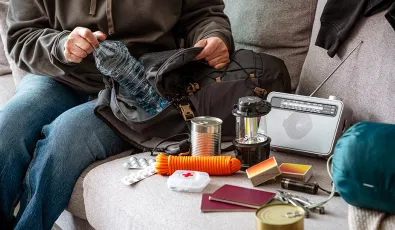
In popular checklists like the Inca Trail packing list, we recommend packing a small first-aid kit with band-aids, ibuprofen, antiseptic, and altitude pills. Add also bug spray and sunscreen; you’ll need both more than you think.
As an additional advice, respect local customs and pack modest clothing when visiting sacred sites. A scarf or light shawl can be handy for temple visits or chilly buses. Also, carry a copy of your passport and a basic Spanish phrase sheet.
Finally, don’t underestimate Peru’s altitude. Give yourself time to acclimate, stay hydrated, and go slow on your first hikes.
Sustainable travel packing tips
Minimizing waste and choosing eco-friendly products can significantly reduce your footprint in Peru’s fragile ecosystems. The following actions ensure you not only benefit the environment but also foster responsible tourism that empowers local communities:
- Use a reusable water bottle and tote bag to avoid single-use plastics.
- Choose biodegradable toiletries and reef-safe sunscreen to protect fragile ecosystems.
- Bring your own utensils or reusable straw if you plan on eating at street markets.
- Avoid fast fashion; instead, support local weavers and tailors by buying clothes in Peru. Some travelers even leave behind extra gear or clothing for local porters or communities.
- Less is more: pack quality, multifunctional items, and avoid overconsumption.

FAQs about Peru packing list
What should I pack for a trek to Machu Picchu?
A typical packing list for trekking to Machu Picchu includes hiking boots, moisture-wicking layers, a warm jacket, rain gear, a headlamp, and a reusable water bottle.
Do I need hiking boots for Peru?
If you plan to trek in the Andes, yes. Sturdy hiking boots with ankle support and a solid grip are essential. For light travel days, trail runners or comfortable sneakers work fine.
What clothes are best for the Peruvian jungle?
Make sure to pack long-sleeved shirts and pants made from breathable fabric, in addition to a wide-brim hat, mosquito repellent, and waterproof sandals or boots.
Should I bring cash or cards?
Both. Major cities accept cards, but in small towns or markets, cash is king. Bring soles (local currency) in small bills and notify your bank of international travel.
What kind of daypack is best?
Look for a water-resistant daypack (15–25L) with chest and waist straps, hydration sleeves, and rain cover.

Add new comment