



Traveling to Peru means experiencing historic cities, Andean landscapes, archaeological sites, the Amazon rainforest, the coast, and world-famous cuisine. To help you make the most of your trip, we’ve put together some practical tips on weather, money, Machu Picchu, transportation, health, and safety.
How many days do you need to travel around Peru?
For a first trip, 10 to 15 days is usually enough to combine several of Peru’s main destinations. If you plan to go trekking in Cusco, consider adding one or two extra days to acclimatize.
Peru Itinerary | What you can visit |
7 days | Lima, Cusco, the Sacred Valley, and Machu Picchu |
10 days | Lima, Cusco, the Sacred Valley, Machu Picchu, and one excursion |
12 to 15 days | You can add Arequipa, Colca Canyon, Puno, or a trek |
20 days or more | Andes + Amazon regions, or the southern coast |
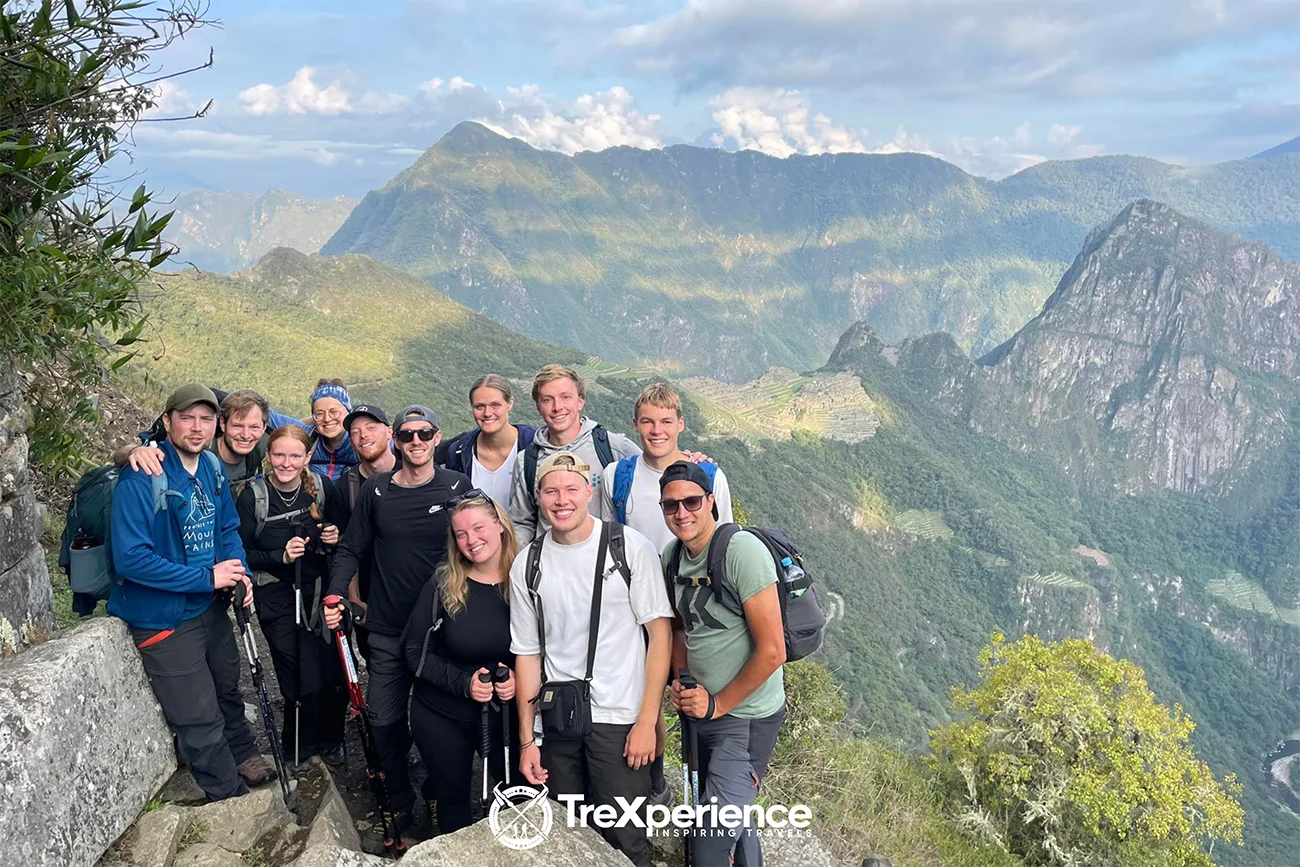
12 Tips for Traveling to Peru
1. Best time to visit Peru
The best time to visit Peru depends on the region and the activities you have planned. In general, there are two main seasons to consider:
- Dry season (May to October): If you enjoy sunny days and clear skies, this is the best time to visit Machu Picchu and explore the Andes. However, you may need a slightly higher budget, as prices often increase during these months.
- Rainy season (November to April): This is the rainy season in the Andes and Amazon, but summer on the coast. If you don’t mind some rain and prefer fewer crowds, these months can be a good alternative.
April, May, September, and October can be good options if you want fewer visitors while still enjoying favorable weather.
Read more | Best Time to Visit Machu Picchu
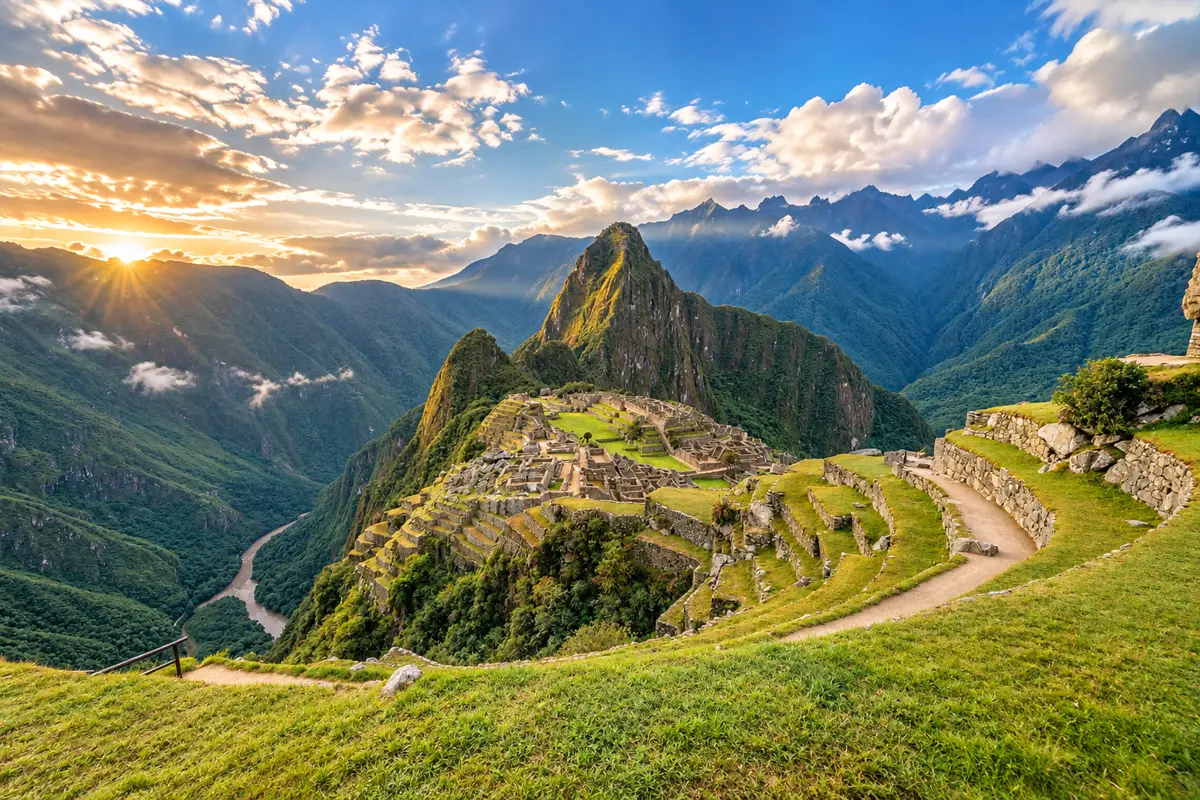
Good to know: No matter when you travel, entrance tickets and services should be booked in advance. Popular places such as Machu Picchu fill up quickly, so it is best to secure your spot.
2. Entry requirements
Entry requirements depend on your nationality. Many travelers can enter Peru for tourism without a visa, while others need to apply for one before traveling. For example, travelers from Venezuela, Cuba, or Nicaragua may need a visa in addition to a valid passport.
If you are searching for Peru passport countries without visa, citizens of Canada, United States, Germany, Italy, Spain, Portugal, Mexico, Colombia, Bolivia, Ecuador, Argentina, Brazil, Chile, Paraguay, and Uruguay can enter Peru using their national ID card for tourism, without needing a passport.
Always make sure your passport is valid for the dates of your trip and check the latest entry requirements before traveling.
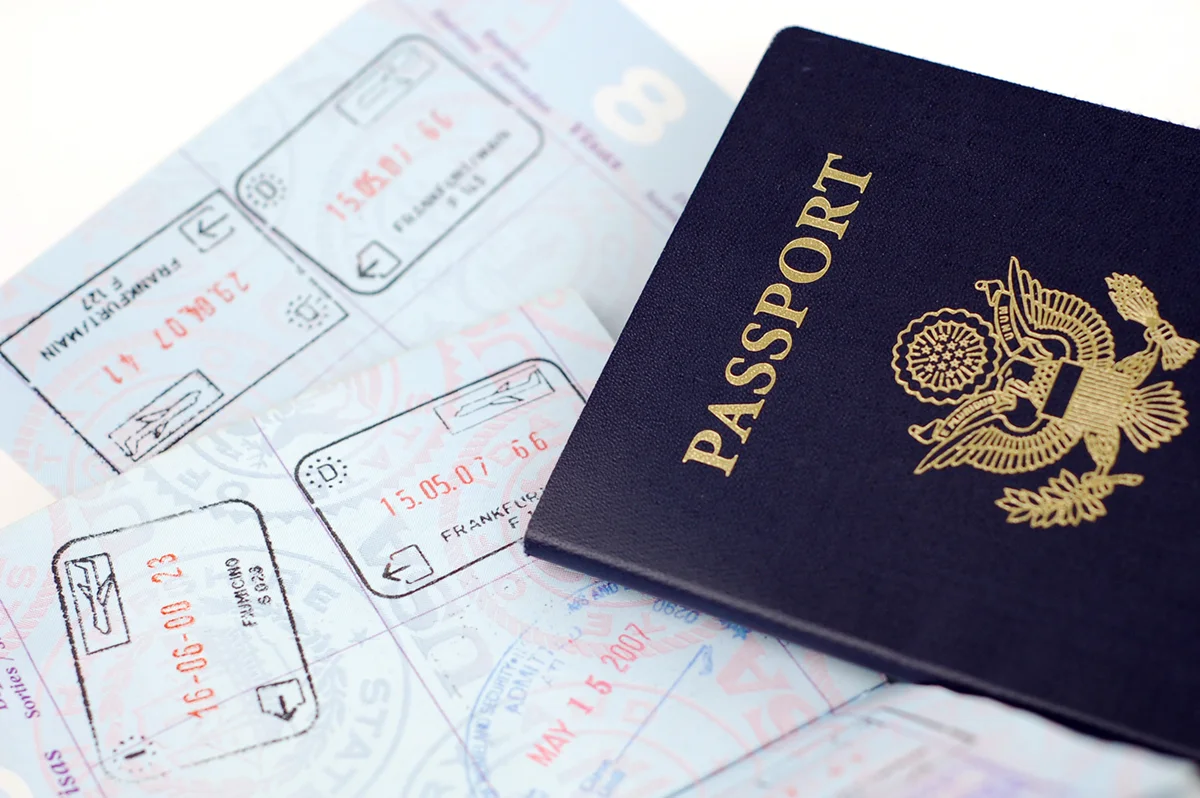
Tip: Peru does not stamp passports upon entry, so make a note of the date you arrived in the country. Hotels or tour operators may ask for it.
¿How long can you stay in Peru without a visa?
In general, travelers from the Americas and Europe can stay in Peru for up to 90 days for tourism. In some cases, this period may be extended once, provided the total stay remains within the limits allowed during a 365-day period.
There are some exceptions. Mexican citizens can stay in Peru for up to 183 days within a 365-day period, and this stay cannot be extended.
3. Money and ATMs
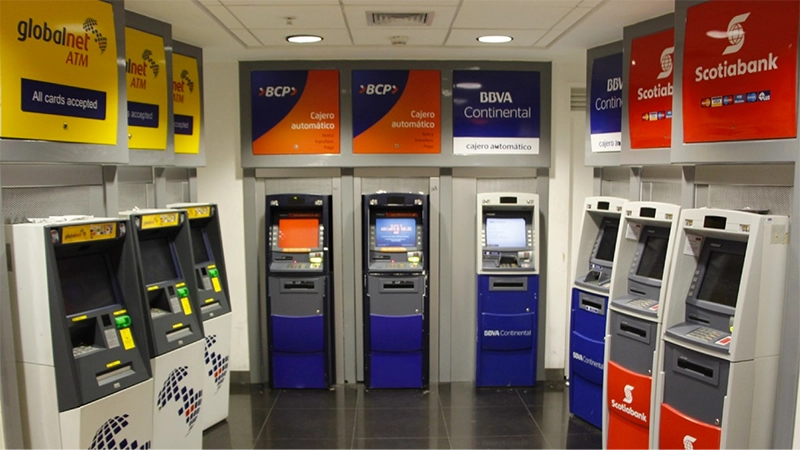
The official currency is the Peruvian sol. Although cards are accepted in many places, it is still useful to carry cash for markets, tips, souvenirs, and rural areas. ATM fees can vary depending on the bank, your card, and your account type.
Before withdrawing money:
- Check whether the ATM displays a fee before confirming the transaction.
- Ask your bank whether it charges an additional fee for international withdrawals.
- Check the exchange rate before accepting currency conversion.
- Carry small bills and coins for tips, markets, and small purchases.
Explore more | Currency in Peru
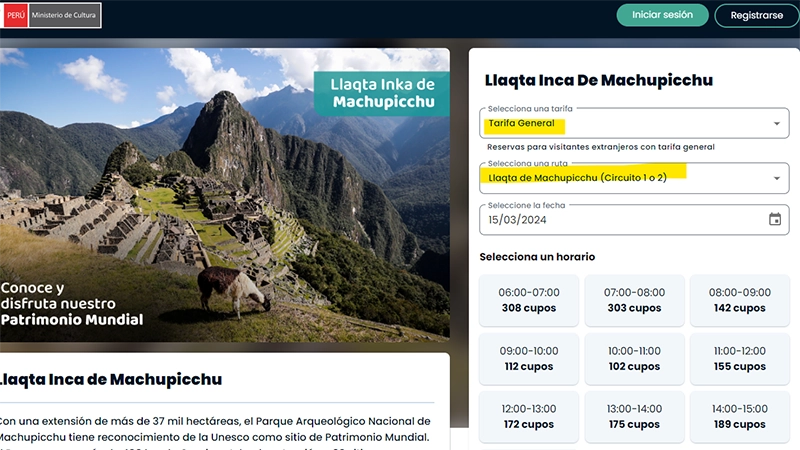
4. Buy your Machu Picchu ticket on the official website
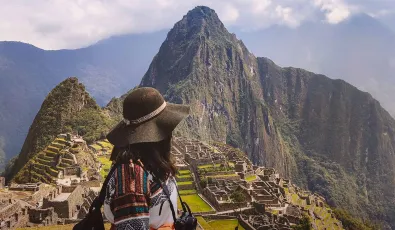
Book your Machu Picchu ticket well in advance. Machu Picchu tickets official website sales are handled through Tu Boleto, the platform operated by Peru’s Ministry of Culture.
Before purchasing, check the date, entry time, circuit, and route. There are currently three circuits covering ten different routes:
- Circuit 1 Panoramic: focused mainly on panoramic views of Machu Picchu.
- Circuit 2 Machu Picchu Classic: allows you to explore different areas of the Inca city and is one of the most popular options.
- Circuit 3 Machu Picchu Royalty: explores areas in the lower part of the Inca city and includes routes such as Waynapicchu and Huchuypicchu.
Some routes, including Intipunku, Inca Bridge, Great Cavern, and Huchuypicchu, operate only during the high season.
Further reading | Machu Picchu Ticket Guide
5. Prevent altitude sickness
Altitude can be especially noticeable in Cusco, Puno, Colca, Huaraz and other tourist destinations in the Andes. To make acclimatization easier:
- Allow at least two days for your body to adjust to the altitude. If possible, start at a lower elevation and gradually move higher.
- While your body is adapting, take things slowly. Altitude can make you tired much faster, so avoid pushing yourself too hard.
- Eat well without overdoing it, drink plenty of fluids, and consider having coca tea to help your body during the adjustment period.
- For extra safety, travel with guides who know how to recognize the symptoms of acute mountain sickness. If you are joining a mountain tour, choose an operator that is prepared to respond in an emergency.
If your symptoms become worse or you have trouble breathing, seek medical attention and avoid going to a higher altitude.
6. Where to stay in Peru
Choose your accommodation based on its location, transportation needs, and the activities included in your itinerary.
Keep the following in mind:
- Lima: check the district and the distance from the places included in your itinerary.
- Cusco: check how close the property is to the city center and whether it is located in an area with steep streets or stairs.
- Aguas Calientes: If you are looking stay, choose accommodation away from the train station.
- Arequipa: Stay near the historic center for easier access to your scheduled tours.
- Puno: Look for accommodation with heating. If you stay at a hotel on Lake Titicaca, plan your time carefully.
- Early tours: a 24-hour front desk, wake-up service, early breakfast, and luggage storage can be very useful.
- High season: book ahead in Cusco, the Sacred Valley, and Aguas Calientes.
- Acclimatization: spending your first few days in the Sacred Valley can help you adjust more gradually to the altitude.
7. Use safe transportation
In cities such as Lima, you can use licensed taxis or apps such as Uber. Always check the license plate and driver details before getting in. If you are planning to travel farther, these are some of the main options:
- Buses: Unlike in some countries, long-distance buses in Peru can be very comfortable, with recline angles ranging from 140° to 180° lie-flat seats. If you are traveling from Lima to Ica or Arequipa, we recommend Cruz del Sur, as its schedules work well with many itineraries.
- Flights: For longer distances, such as traveling to the Amazon or Cusco, flying can sometimes be even cheaper than taking a bus. It is usually best to book your round trip in advance. Skyscanner can help you compare different options and prices.
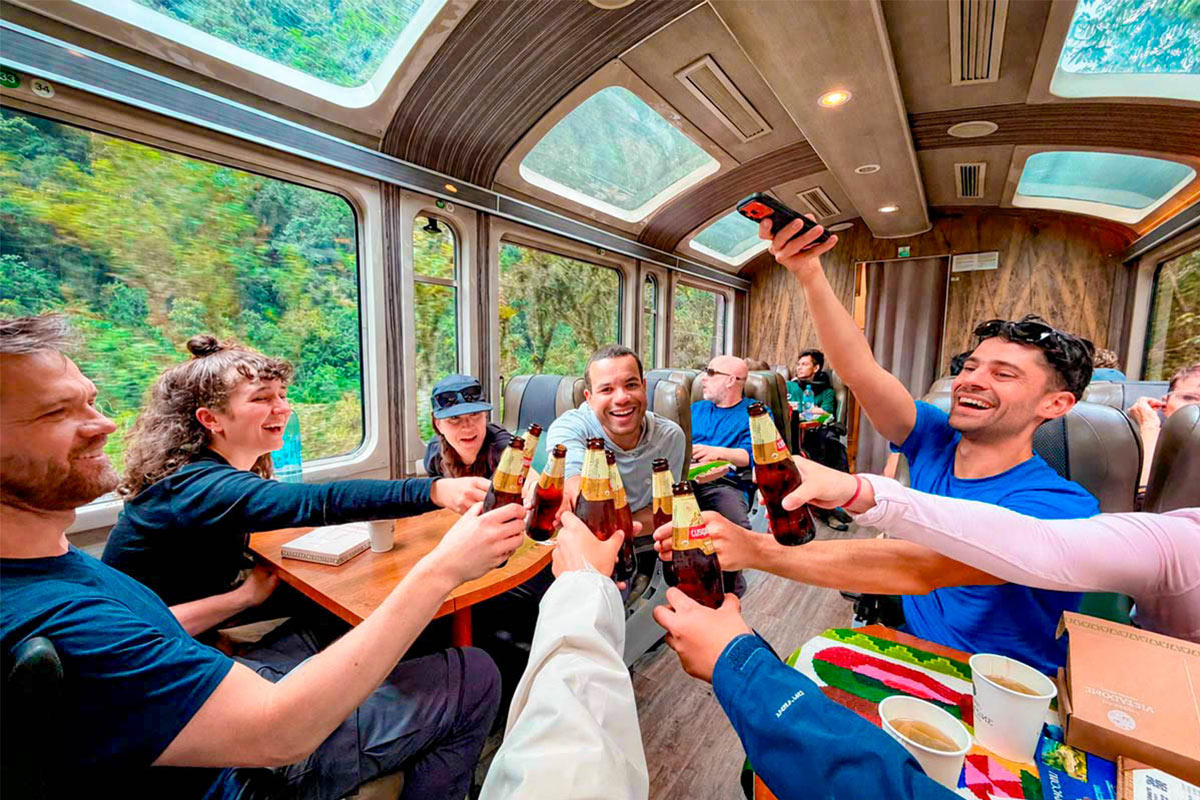
- Trains: Peru has several tourist train services, including the Belmond Andean Explorer, which connects Puno, Cusco, and Arequipa, as well as trains to Machu Picchu. PeruRail and Inca Rail offer different services and schedules. For more details, take a look at our blog about Trains from Cusco to Machu Picchu.
Traveler tip: RedBus is a useful app for comparing and booking buses. Instead of checking each company separately, you can filter the results and choose the bus and schedule that work best for you.
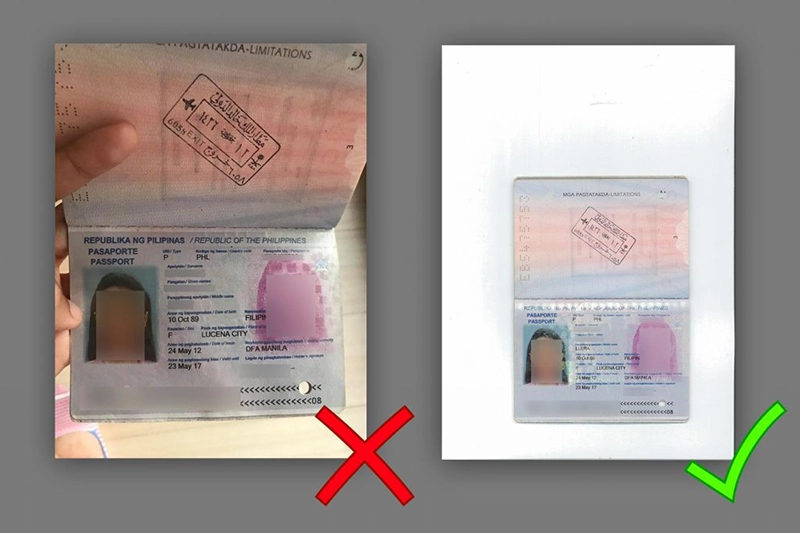
8. Make a copy of your passport
Carry a physical or digital copy of your passport and keep another copy somewhere safe. You should also keep copies of your bookings and travel insurance. Remember that a copy is useful as a backup, but it does not replace the original document when the original is required.
9. Food and cuisine in Peru
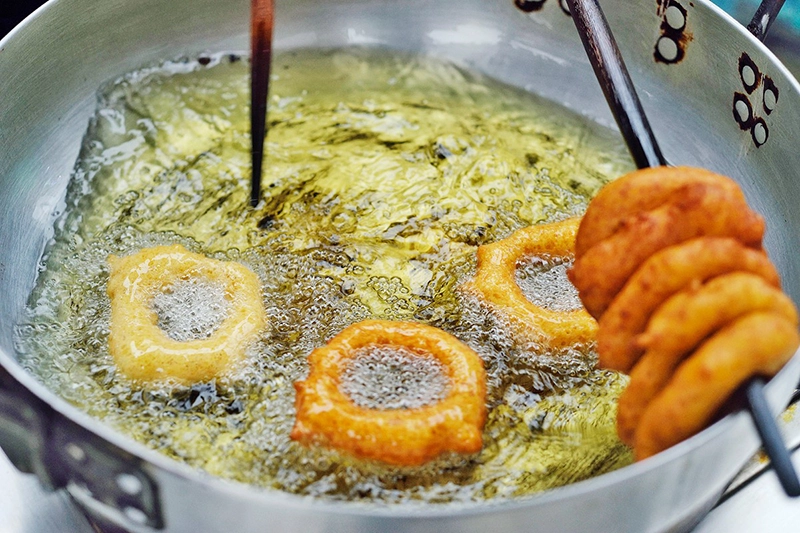
Food is an essential part of any trip to Peru. Besides restaurants, local markets and small eateries are a great way to experience traditional Peruvian flavors.
- Local markets: One of the best ways to experience Peruvian food is by visiting a market. You can find everything from fresh ceviche to homemade empanadas. Visit places such as Mercado Central or Mercado San Román in Miraflores and try a variety of local products.
- Try street food: Street food lets you experience flavors that are part of everyday life in Peru. You can try picarones and desserts such as arroz con leche. Just be cautious with raw fruits and vegetables to reduce the risk of stomach problems.
- If spicy food isn’t your thing, ask first: Peruvian food is full of flavor, so ask before ordering if you prefer to avoid spicy dishes.
In Lima, Cusco, Arequipa, and other cities, you’ll find everything from traditional markets and restaurants to modern takes on Peruvian cuisine.
10. What to pack: essentials
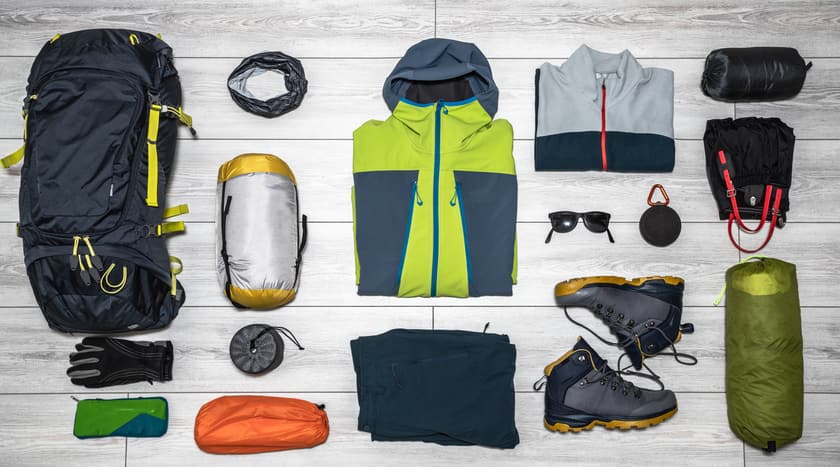
Pack according to the weather, destinations, and activities included in your itinerary. Your packing list will vary depending on your plans, but these are some useful essentials to bring:
- Layered clothing: combine lightweight clothes with a warm layer for higher-altitude areas.
- Comfortable footwear: bring hiking boots or shoes you have already worn, especially if you plan to do any trekking.
- Sun protection: pack sunscreen, sunglasses, and a hat.
- Rain protection: bring a waterproof jacket if you are visiting the Andes during the rainy season.
- Personal medication: bring enough for your entire trip and speak with a healthcare professional if you require specific medication.
- Adapter: Peru mainly uses 220 V electricity, so check whether your devices require an adapter.
- Small backpack: useful for day trips and carrying your essential belongings.
- Offline maps: download maps and important locations before heading out, especially if you are visiting areas with limited phone coverage.
11. WhatsApp and eSIM
WhatsApp is widely used in Peru to communicate with hotels, travel agencies, and drivers. To stay connected during your trip, you can:
- Buy a local SIM card.
- Use an eSIM.
- Download maps and booking information so you can access them offline.

12. Safety
Safety conditions can vary depending on the city and region. ake basic precautions, especially in bus terminals, markets, and crowded areas.
Here are a few useful tips:
- Keep an eye on your belongings and avoid displaying valuables.
- Use licensed taxis, trusted apps, or transportation recommended by your accommodation.
- Ask for local advice before walking at night in areas you do not know.
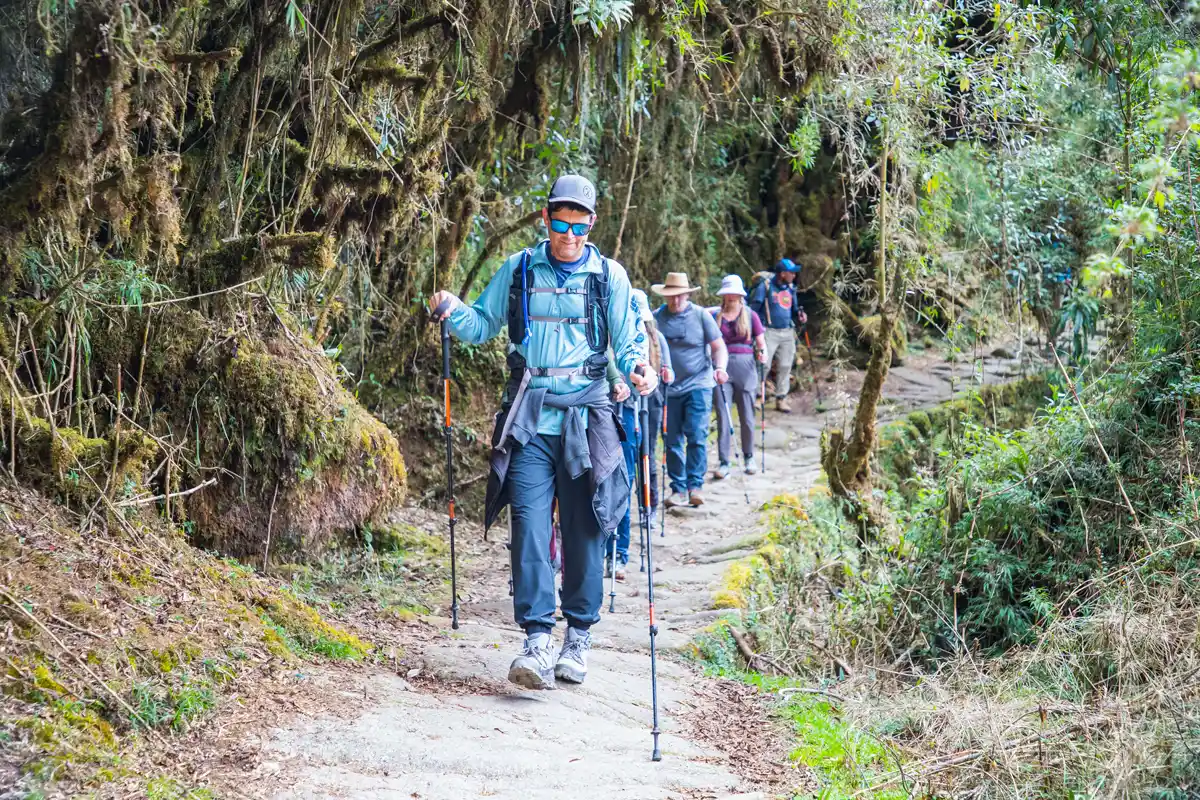
- When trekking, check the weather, follow your guide’s instructions, and report any discomfort.
- Before traveling by road, check for possible blockages or disruptions.
If there are roadblocks or route changes, confirm the status of your service and avoid using unofficial alternatives.
Health, vaccines, and travel insurance in Peru
Health recommendations depend on the regions included in your itinerary, especially if you are planning to visit the Amazon.
Vaccines and prevention based on your itinerary
For trips limited to Lima, Cusco, the Inca Trail, and Machu Picchu, the yellow fever vaccine is not specifically recommended simply for visiting these destinations. It may be recommended for certain areas of the Amazon, where there can also be a risk of malaria. If you are traveling to the jungle, speak with a healthcare professional about the recommendations for your specific itinerary.
Travel insurance for Peru
Travel insurance is especially recommended if you plan to go trekking, take part in adventure activities, or visit remote areas far from major cities. Before purchasing a policy, check that it includes:
- Medical care and emergencies.
- Hospitalization when required.
- Trip cancellations or interruptions.
- Emergency evacuation or transportation.
- Trekking and adventure activities.
- The maximum altitude covered by the policy.
Not all insurance policies cover activities at high altitude, so it is important to review the terms, conditions, and exclusions before purchasing one.
Common mistakes when traveling to Peru
An itinerary that is packed too tightly can leave you spending too much time in transit or create problems with important reservations. These are some common mistakes worth avoiding:
- Trying to visit too much in too little time. Distances in Peru can be long. Choose fewer destinations and give yourself enough time to enjoy each one.
- Not acclimatizing before trekking. Allow one or two days to adjust to the altitude before attempting demanding hikes.
- Booking Machu Picchu too late. The most popular routes can sell out, so purchase your ticket in advance.
- Relying only on cards. Although many businesses accept electronic payments, you will still need cash in markets, small shops, and some rural areas.
- Not leaving enough time between transfers. Traffic, weather, roadblocks, or operational changes can cause delays. Avoid scheduling important flights, trains, or tours with connections that are too tight.
- Buying insurance without checking the coverage. Not all policies include trekking, adventure activities, or high-altitude hiking. Review the conditions before purchasing.
More tips for traveling to Peru
Here are a few final tips to keep in mind when traveling around Peru:
- Public restrooms: carry some coins and toilet paper just in case.
- Water: drink bottled, boiled, or properly treated water.
- Tips: tipping is not mandatory, but it is common in restaurants and tourism services.
- Handicrafts: whenever possible, buy directly from local producers and artisans.
- Passport: avoid placing unofficial tourist stamps on pages intended for immigration controls.
Don’t miss the rest of Peru
If you have more time, you can combine Machu Picchu with other incredible destinations around Peru:
- Paracas National Reserve: Enjoy incredible views of the desert and the Ballestas Islands.
- Huacachina Oasis: A desert oasis surrounded by huge sand dunes and a truly unique landscape.
- Gocta Waterfall: Located in northern Peru, it offers impressive scenery and several accommodation options. The adventure is well worth the trip.
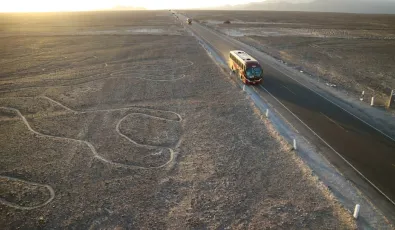
- Nazca Desert: A fascinating destination for travelers who want to see the famous Nazca Lines.}
- Lake Titicaca: Visit this impressive lake and experience the traditions and landscapes of the Andean highlands.
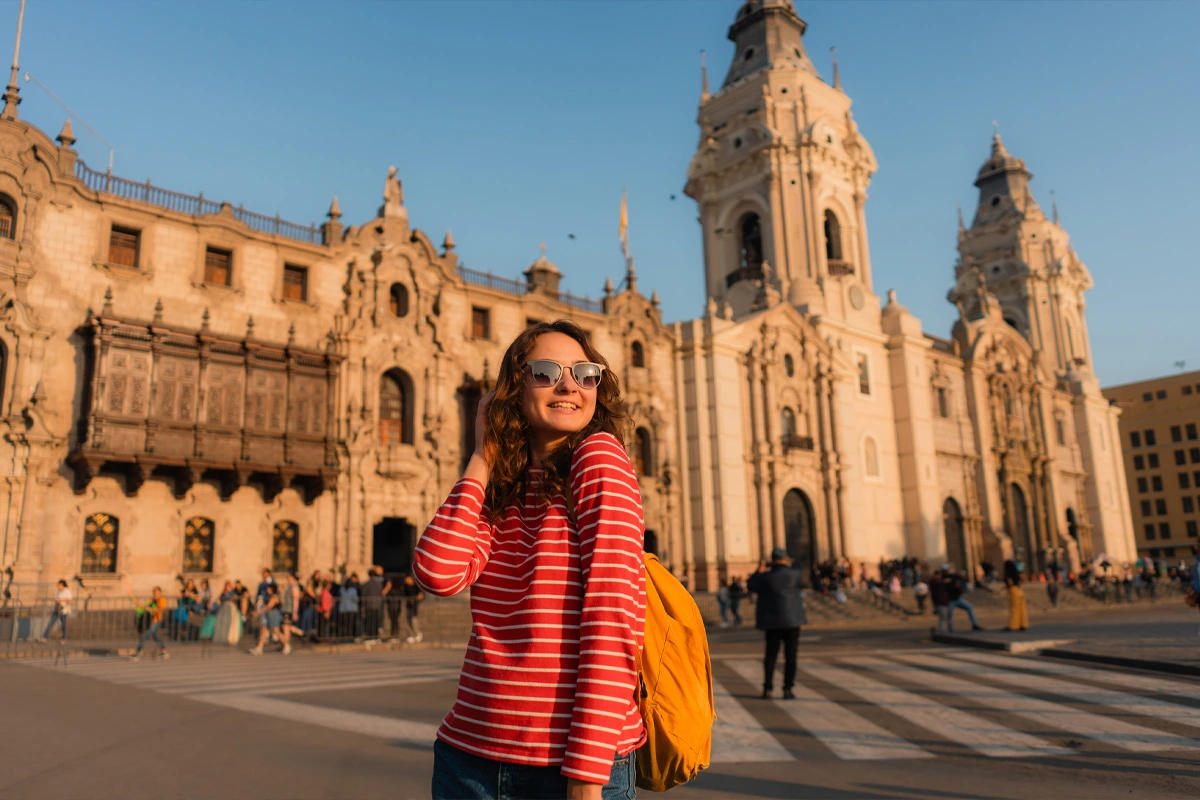
Peru brings together history, food, nature, and adventure. Plan your next Peru vacation, leave a little room for spontaneity, and enjoy each destination at your own pace.
FAQs about 12 Peru travel tips
How can I check how long I am allowed to stay in Peru if my passport was not stamped?
You can check your authorized stay through the TAM Virtual platform provided by Peru’s National Immigration Authority. There, you can download a record showing how long you are allowed to remain in the country and confirming that you entered Peru legally. Save one copy on your phone and another in your email, especially if you are planning a long trip. Check it soon after arriving rather than waiting until the day of your return flight. If your details do not appear or you notice an error, the platform provides an email address where you can request assistance.
Which vaccinations should you check before traveling to Peru?
It depends on the regions included in your itinerary. Review your routine vaccinations and speak with a healthcare professional at least one month before your trip. Peru does not require a yellow fever vaccination for entry, and it is not usually recommended for trips limited to Lima, Cusco, the Inca Trail, or Machu Picchu. However, it may be recommended for several low-altitude areas of the Amazon. Travelers visiting the jungle should also ask whether malaria prevention is necessary based on their exact route, age, and health.
Can you take a large suitcase on the train to Machu Picchu?
The most practical option is to leave your large suitcase at your hotel or in luggage storage and travel with a small backpack. PeruRail currently allows a backpack weighing up to 8 kg or one piece of hand luggage weighing up to 12 kg, depending on the type of baggage, while Inca Rail allows one piece weighing no more than 8 kg. These policies may change and can also vary according to the service booked, so check them before traveling. Inside Machu Picchu, backpacks and bags larger than 40 × 35 × 20 cm are not permitted.
How can you check whether a travel agency or transport company is officially registered?
Search for the agency in Mincetur’s National Directory of Tourism Service Providers. You can look it up using its RUC tax number, registered business name, or trading name. Make sure these details match the quotation, receipt, and bank account receiving your payment. For intercity bus travel, SUTRAN also allows you to check the documents of the vehicle and driver using the license plate number or the driver’s DNI. Reviews can help you understand other travelers’ experiences, but they do not replace checking that the company is officially registered.
What should you do if there are roadblocks, heavy rain, or route changes?
Before a long overland journey, check SUTRAN’s road alert map. The tool shows whether traffic is moving normally, restricted, or completely blocked, and identifies roadblocks, natural hazards, accidents, and road damage. If your route is affected, contact the transport company before going to the terminal and avoid taking unofficial detours on your own. It is also wise to leave an extra day before an international flight, a Machu Picchu entry time, or a trek that may be difficult to reschedule. IPERÚ can provide official guidance when travel disruptions affect visitors.
Where can you get help if a tour, hotel, or transport company does not provide what was promised?
Keep your booking confirmation, receipts, messages, and any photographs that help document the problem. First, ask the provider for a solution in writing. If you do not receive an adequate response, contact IPERÚ, Peru’s free official tourist information and assistance service, through WhatsApp at +51 944 492 314. The service can also explain the appropriate channels for submitting a question or complaint. For safety concerns, theft, or emergencies, you can contact the Tourism Police by phone or WhatsApp at 980 122 335.

I find it interesting
Thanks for sharing these little secrets.
Add new comment