



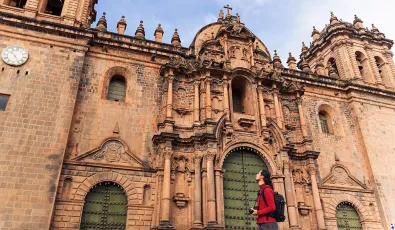
Cusco is not only famous for its magnificent past, Inca fortifications, and natural beauty, but also for its cultural heritage, which is the result of the blending of Andean and European traditions following the Spanish conquest. Thus, Holy Week in Cusco is a clear example of the syncretism between two distinct cultures that have intertwined over time. Today, the holy week lives it in the streets, in the churches, in family kitchens, and in the silence between processions.
Join us to discover how this Catholic festival is celebrated in the ancient capital of the Inca Empire, featuring processions, Masses, local cuisine, and Andean rituals.
| Dates | Days | What to do? |
| March 29, 2026 | Palm Sunday | The entry of Jesus into Jerusalem is commemorated, and many people bring palm branches to Mass to be blessed. |
| March 30, 2026 | Holy Monday | In Cusco, the procession of the Lord of the Earthquakes takes place, one of the most important religious events of this time. |
| March 31, 2026 | Holy Tuesday | Chrism Mass and Penitential Celebration at the Temple of the Holy Family (Next to the Cathedral of Cusco) |
| April 01, 2026 | Holy Wednesday | Procession of Jesus of Nazareth and the Virgin of Sorrows at the Temple of Santo Domingo 07:00 pm. |
| April 02, 2026 | Holy Thursday | The Last Supper is remembered, and it is common for many people to visit different churches. |
| April 03, 2026 | Good Friday | The death of Jesus is commemorated with processions, fasting, and various expressions of faith, in addition to the tradition of the twelve dishes. |
| April 04, 2026 | Holy Saturday | It is a night of vigil and waiting for the Resurrection. |
| April 05, 2026 | Easter Sunday | The resurrection of Jesus is celebrated with Masses and religious masses. |
Cusco Palm Sunday
Palm Sunday in Cusco opens the week with a softer, more intimate atmosphere than the great crowds of the next day. Before the city reaches its high point, the first day invites people into a more personal form of devotion.
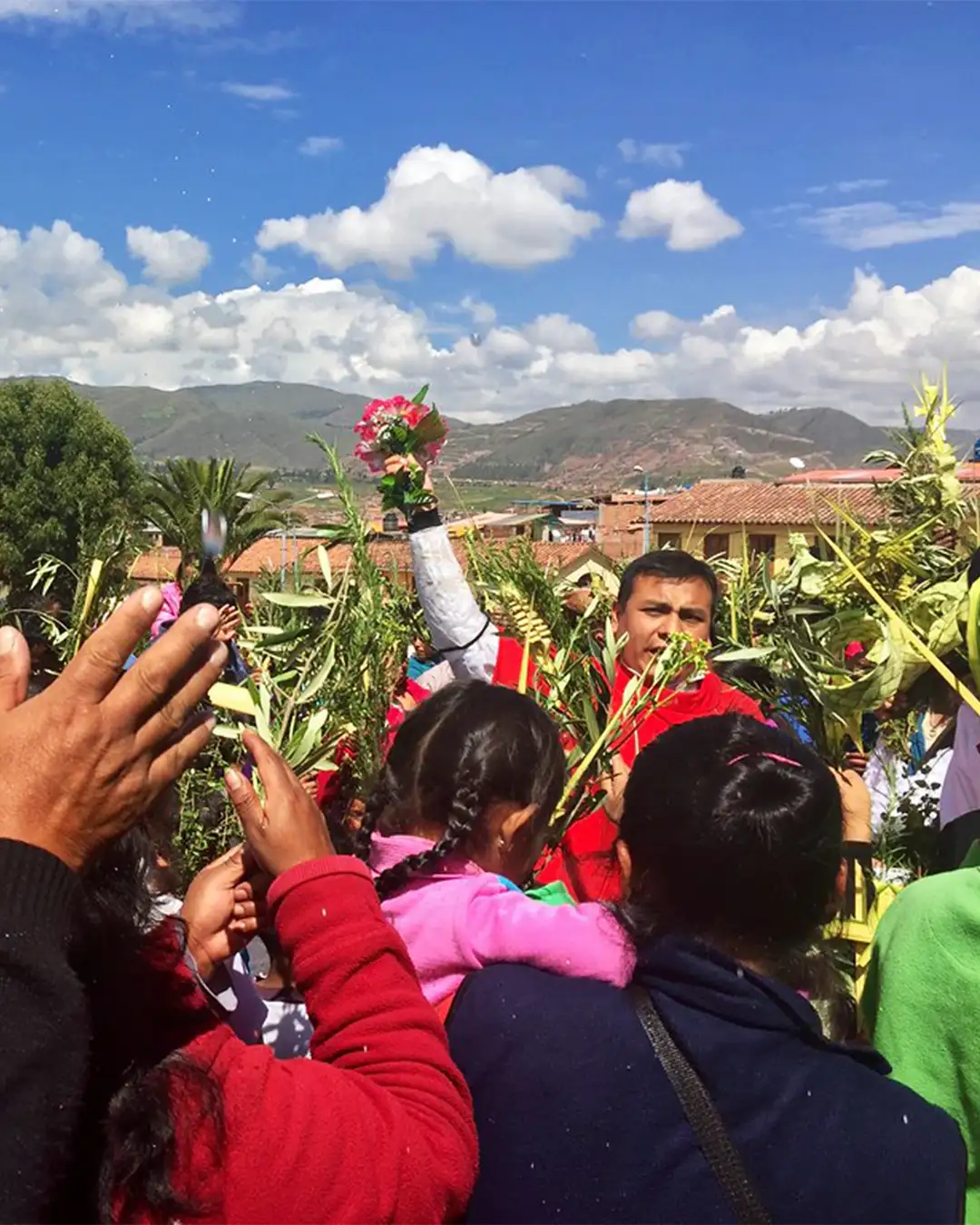
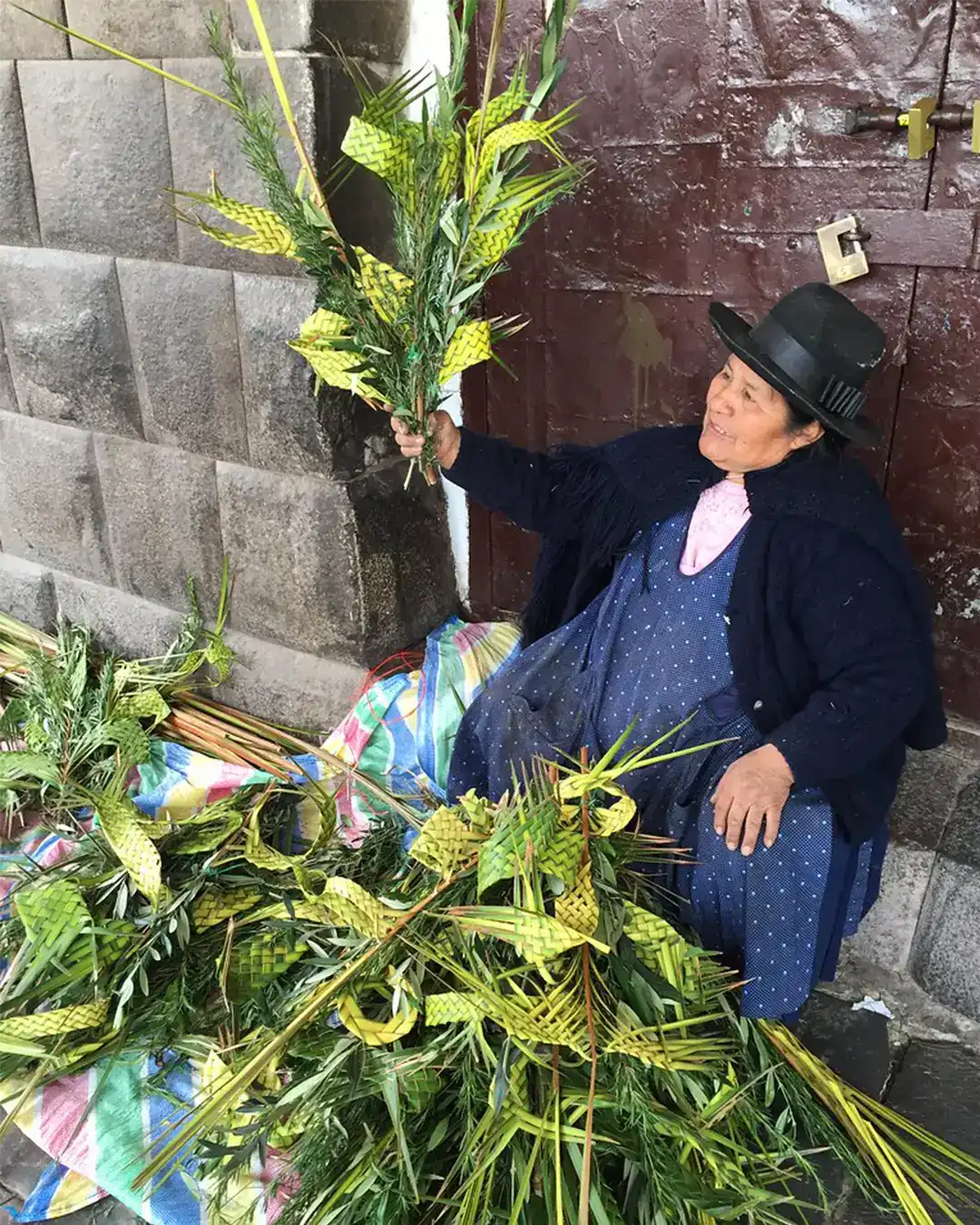
Outside the Cathedral of Cusco and other temples, local vendors sell decorated palm fronds, olive branches, and woven palm to fervent families who assit to mass early in the morning, from 09:00 am to 12:00 pm. At the end of the mass, the priest blesses these palm arrangements that many families later place in their homes as signs of faith and protection.
 |  |
Procession of the “Lord of Triumph”
The day is also linked to the image of the Lord of Triumph (Señor del Triunfo), which recalls Christ’s entry into Jerusalem. In local accounts, the procession moves through the historic center with a devotional, family-centered atmosphere. This is one of the first moments when visitors start to notice that the holy week traditions in Cusco are not limited to church interiors. They unfold in the center plazas, along stone streets, and on balconies.
Palm Sunday is also a good day for travelers to orient themselves. The Cusco Main Square begins to fill, but not yet in the overwhelming way it will on Monday. You can still watch the movement of worshippers, understand how the Cathedral of Cusco anchors the celebration, and see how sacred ritual and daily life sit side by side. That mix of solemnity and warmth sets the emotional tone for everything that follows.
Holy Monday in Cusco
If Palm Sunday feels like an opening, Holy Monday is the emotional center of Holy Week in Cusco. Unlike many other places, Cusco gives this day special weight because it is the day of the Lord of the Earthquakes procession, the city’s sworn patron. From morning onward, the Cathedral becomes a focal point for communion Masses, prayer, and expectation, and by early afternoon, the historic center streets are already packed with worshippers waiting for the procession.
The Lord of the Earthquakes - Blessing times | ||
| 02:00 - 02:15 pm | First Blessing | Atrium of the Cusco Cathedral Basilica. |
| 05:30 - 06:00 pm | Second Blessing | San Francisco Square |
| 07:00 - 07:30 pm | Third Blessing | Corner of Av. El Sol and Portal Mantas |
| 08:00 - 08:30 pm | Fourth Blessing | Atrium of the Cathedral Basilica (Return) |
Procession of “The Lord of the Earthquakes”
The Lord of the Earthquakes, or Taytacha de los Temblores, is tied to local devotion that intensified after the earthquake in Cusco of 1650, when tradition says the image, which was forgotten inside a dark side of the Cusco Cathedral for many years, was carried through the city in a plea for protection, ceasing the tremor or earthquake miraculously. From that date, the fervor of the citizens increased, the image received its own altar and under it the parishioners placed their candles, tapers and incense, whose smoke darkened, year after year, the color of the image until its current state.
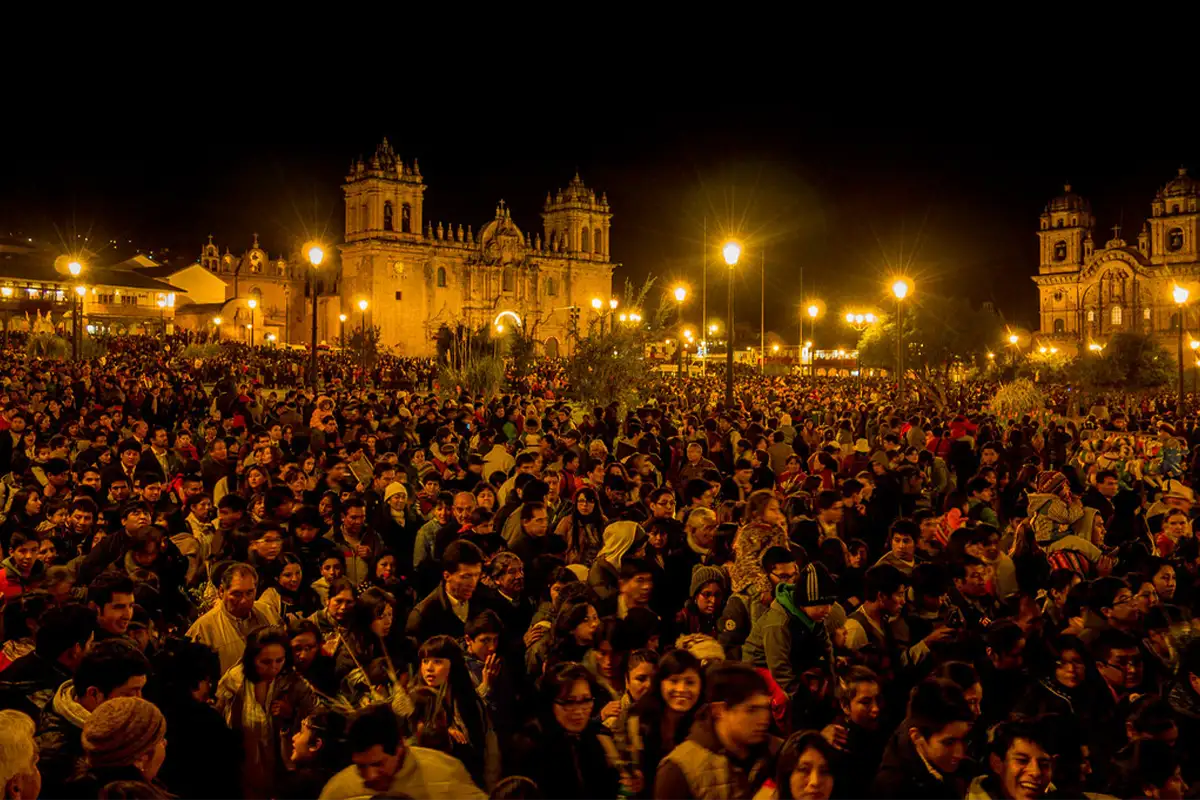
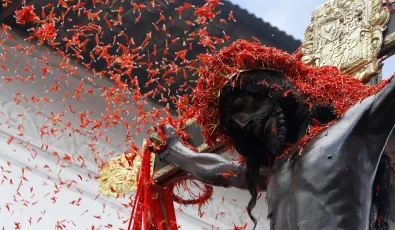
That memory still shapes the tone of the day to this day. In the afternoon, from 02:00 pm, the image leaves the Cathedral in the afternoon and moves through streets lined with candles, prayers, and people throwing ñucchu flowers, whose red color is associated with Christ’s sacrifice. The image, through the Cusco archbishop, distributes blessings at 4 key points in the city, with the Cathedral facade being the last point. In the Cusco Main Square, many faithful wait for the blessings given during the route, and the atmosphere mixes solemnity with deep collective emotion.
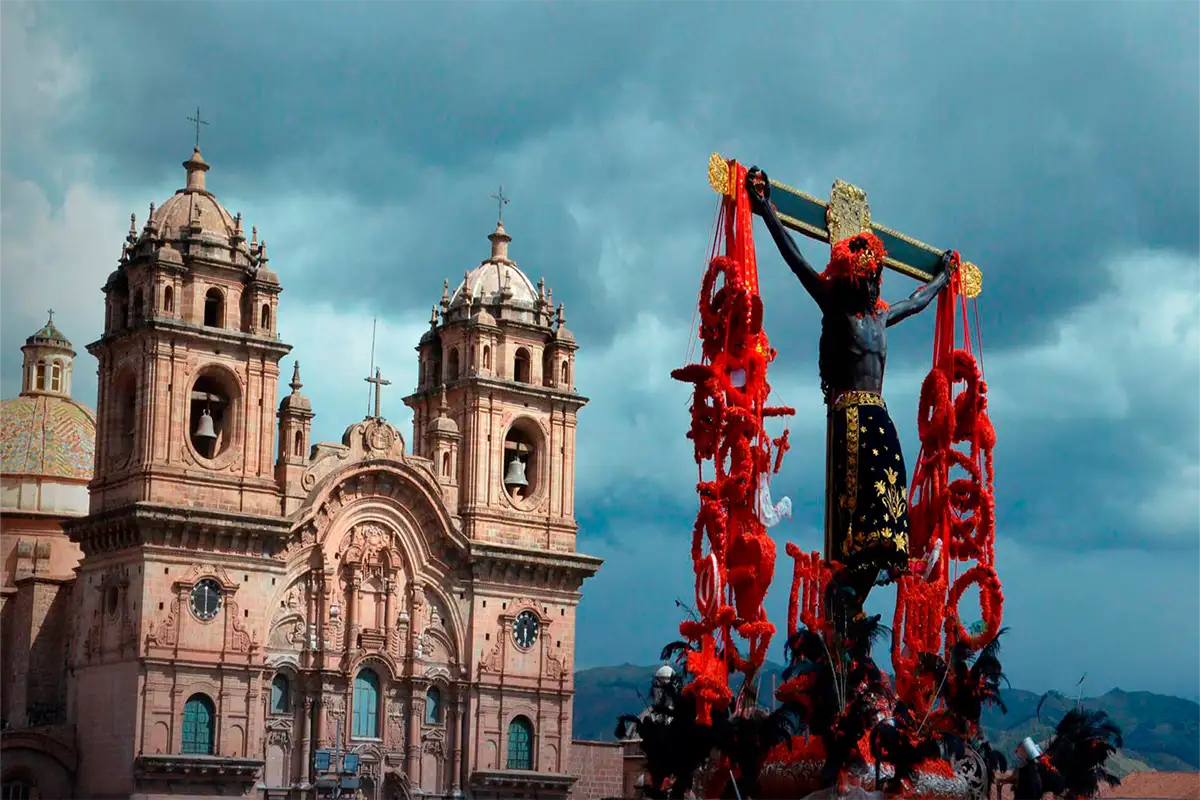
What makes this procession unforgettable is not only its scale, but its emotional texture. The singing in Spanish and Quechua, the scent of incense, the flower-covered platform, and the silence that falls before each blessing give the whole procession a sense of gravity. For many residents, this is not simply the most important liturgical act of the week. It is also a public reaffirmation of identity, faith, and the Catholic-Andean syncretism that local institutions themselves highlight in the celebration.
Visitors often make the mistake of treating the day as a photo opportunity, instead of viewing it as a time for reflection and spiritual contemplation. Arrive early to the procession, dress modestly, and bring warm layers for the temperature drop after sunset. Stand where you can see the image without blocking local worshippers, and be ready for long periods of waiting. The pace is slow, but that is part of the point.
Did you know?
According to historians from Cusco such as Jorge Cornejo Bouroncle and Teófilo Benavente, three sculptures of Christ, considered identical, arrived from Spain. According to this account, one remained in Inquilpata, another in Mollepata, and the third arrived in Cusco, where over time it was venerated as the current Lord of the Earthquakes.
Cusco Holy Tuesday
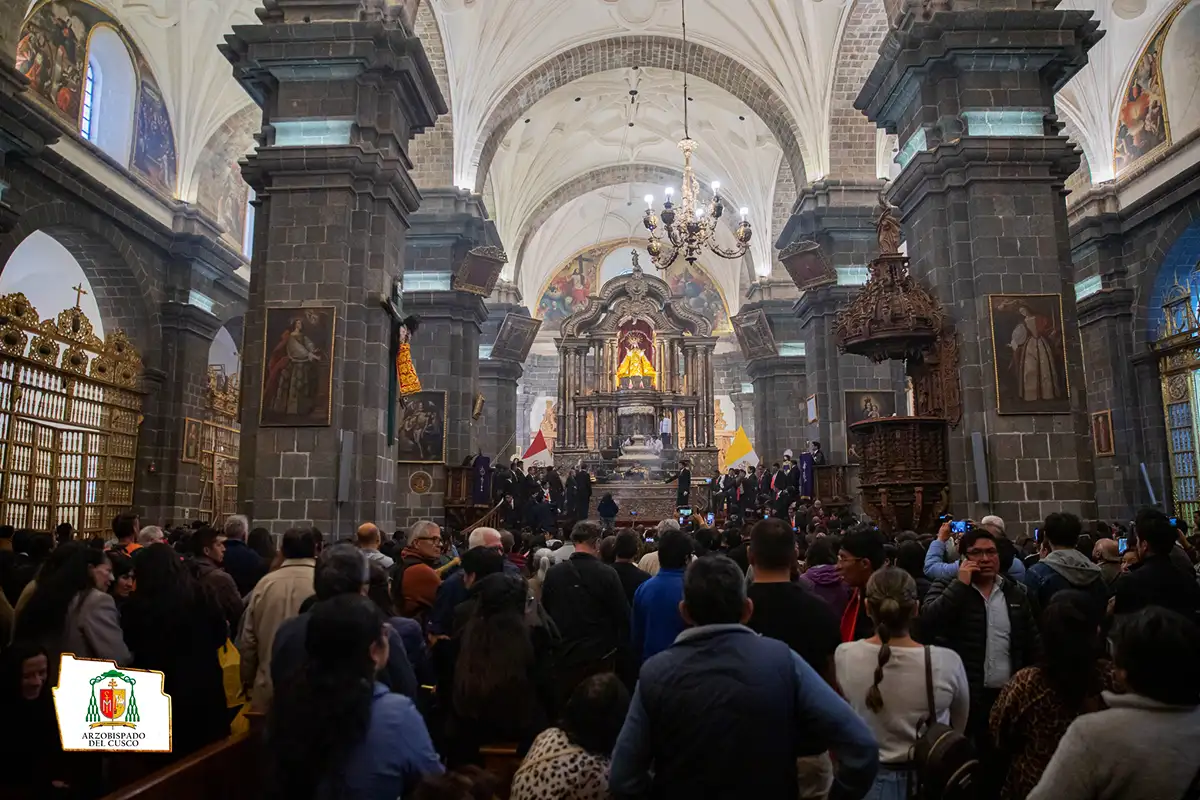
After the intensity of Monday, Holy Week in Cusco turns inward on Tuesday, the official liturgical calendar in the Basilica Cathedral of Cusco includes the Chrism Mass, while everyday life in the neighborhoods becomes more visible again. Traditional markets grow busier, and the city’s religious focus shifts from one great civic procession to smaller acts of devotion, practical preparation, and family organization.
In practical terms, Tuesday is an excellent day for visitors who want to understand the Holy Week in Peru instead of only the highlights. The Archdiocese of Cusco marks this day with important liturgical preparation, but outside the cathedral area (Historic center of Cusco) you also feel the domestic side of the season: shopping in San Pedro traditional market, family planning for shared meals, and quiet visits to churches that are far less crowded than they will be on Holy Thursday. It is also a good day to walk slowly through the historic center and notice how sacred and everyday spaces overlap in Cusco.
This quieter rhythm matters. Holy Monday gives you spectacle and emotion, but Tuesday gives you structure. You begin to see who is buying ingredients, who is already planning the route for the Seven Churches pilgrimage, and who treats the week not as a break from normal life but as a different way of living it. For anyone hoping to understand the season more deeply, Tuesday often reveals more than the major crowd days do.
Cusco Holy Wednesday
By Wednesday, the rhythm becomes more reflective. Holy Week in Cusco no longer feels like it is building toward something distant; it feels close, serious, and deeply present. Local families continue food preparations for the twelve-course meal, churches receive more visitors for prayer, and the city’s mood becomes quieter after the huge public emotion of Holy Monday. Even the streets seem to change register, with less outward excitement and more inward attention.
Some local accounts also describe a solemn Holy Wednesday procession linked to Señor Jesús Nazareno and the Virgen Dolorosa, associated with the Santo Domingo church and the wider Coricancha area. Whether a visitor attends a formal ceremony or simply walks the center that evening, Wednesday is when Cusco’s religious atmosphere becomes easier to feel than to explain. Candles, church bells, and the cold night air do more than any guidebook can.
Wednesday is also the right moment to notice the city’s mix. Around Santo Domingo church and Coricancha, you are standing in a place where pre-Hispanic memory and Christian ritual meet in plain view. Official Peru tourism material still describes Coricancha as the principal temple of the Inca world, which helps explain why the week in Cusco feels so distinctive: spiritual meaning here is expressed not only through doctrine, but also through place, stone, and inherited routes.
Holy Thursday in Cusco
Holy Week in Cusco enters the Paschal Triduum on Holy Thursday with one of the most meaningful combinations of liturgy and movement in the entire week. The day commemorates the Last Supper, the institution of the Eucharist, and the beginning of Eucharistic adoration. In the Cathedral of Cusco, the official program centers on the Mass of the Lord’s Supper at 04:00 pm, and after that ceremony, the historic center gradually turns into a walking pilgrimage as families, parish groups, and visitors move from church to church to visit them through the city's old streets.
Procession of the Holy Sacrament
After the Mass (04:00 pm), the Blessed Sacrament is carried in procession through the streets of the historical center and then reserved for adoration. The procession is led by the mayor and the Cusco prefect, besides the local bishop. The doors of the city's main churches open as the procession passes by. Among them, the most notable ones are the Cathedral, the Church of La Compañia de Jesús (Jesús company), and San Francisco Church.
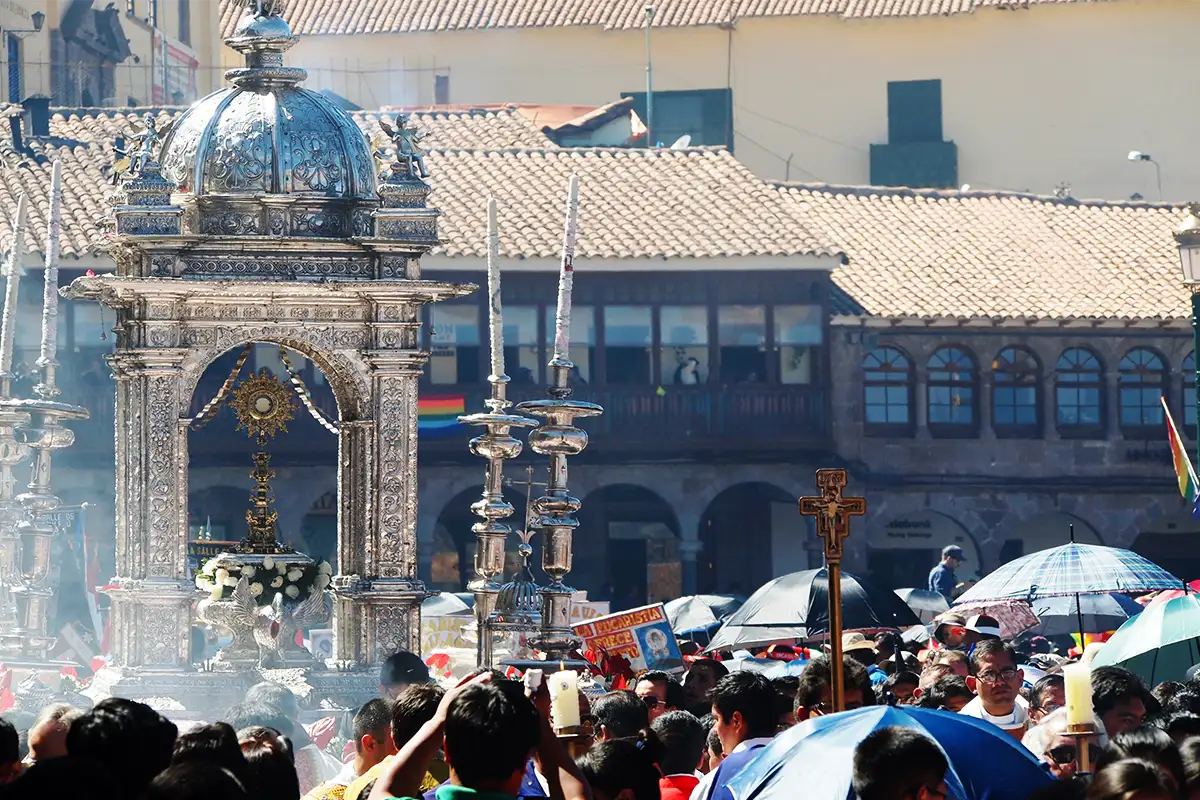
This moment gives the day its distinctive tone of reverence. It is less explosive than Holy Monday and less mournful than Holy Friday, but it is full of concentration. Streets near the cathedral and adjoining temples stay active late into the evening, and many people remain in prayer before continuing on foot to other churches.
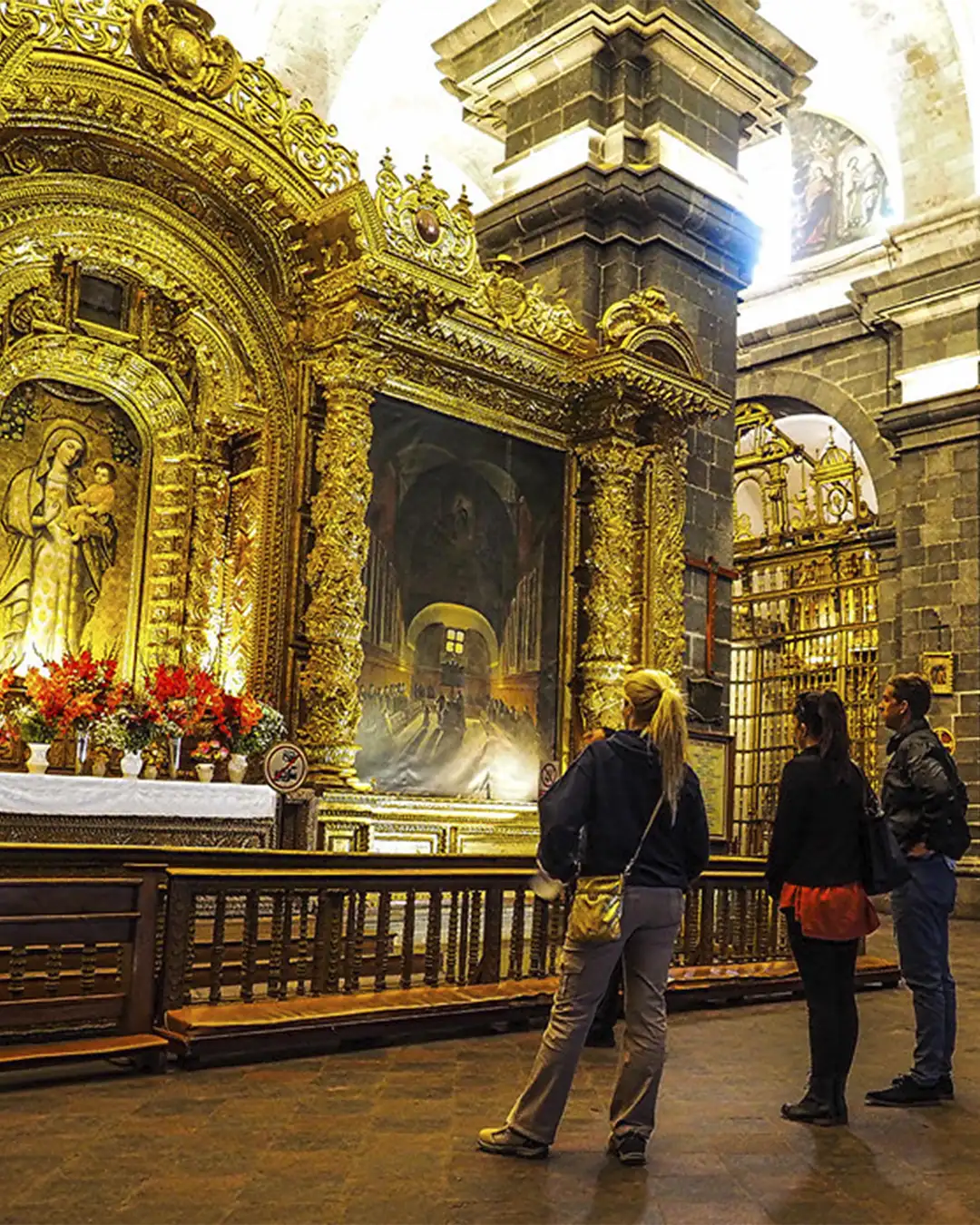
The atmosphere is especially striking because nothing about it feels rushed. People do not pass through the churches like sightseers checking boxes. They stop, kneel, and look at the Monument altars prepared with candles, flowers, and silverwork that glow in the low light. For a visitor, the visual beauty is immediate, but the deeper impression comes from the mood of shared attention.
The Washing of the Feet
The washing of the feet is one of the most human scenes of the week. In this rite, the Cusco archbishop recreates Christ’s gesture of humility toward the apostles by washing the feet of twelve ancients. By the way, in the past, the foot-washing ceremony was performed for twelve beggars.
This ritual often carries extra emotional weight because while much of the traditions are grand and public, this moment is intimate and direct since it's developed inside the Cusco Cathedral. It also reminds worshippers that devotion is not only about processions and sacred images, but also about service, humility, and care for others.
For travelers, it can be one of the easiest rituals to understand, even without deep theological knowledge. The meaning is visible in the gesture itself. When the week is full of movement, sound, history, and symbolism, this simple act cuts through everything else and brings the message back to closeness and service.
The Seven Churches Pilgrimage
For many locals, the heart of Holy Thursday is the visit to seven churches. The route varies by family and parish to visit, but it usually includes major temples in the historic center, such as:
- The Cathedral
- La Compañía de Jesus
- La Merced
- San Francisco
- San Pedro
- Santa Clara
- San Blas
Even some routes also include Santo Domingo near Coricancha.
The point is not speed. The point is prayer, reflection, and remembrance of Christ’s path before the Crucifixion. Because the churches are close together, the whole center becomes a river of people walking under the night sky, pausing before altars full of candles and flowers.
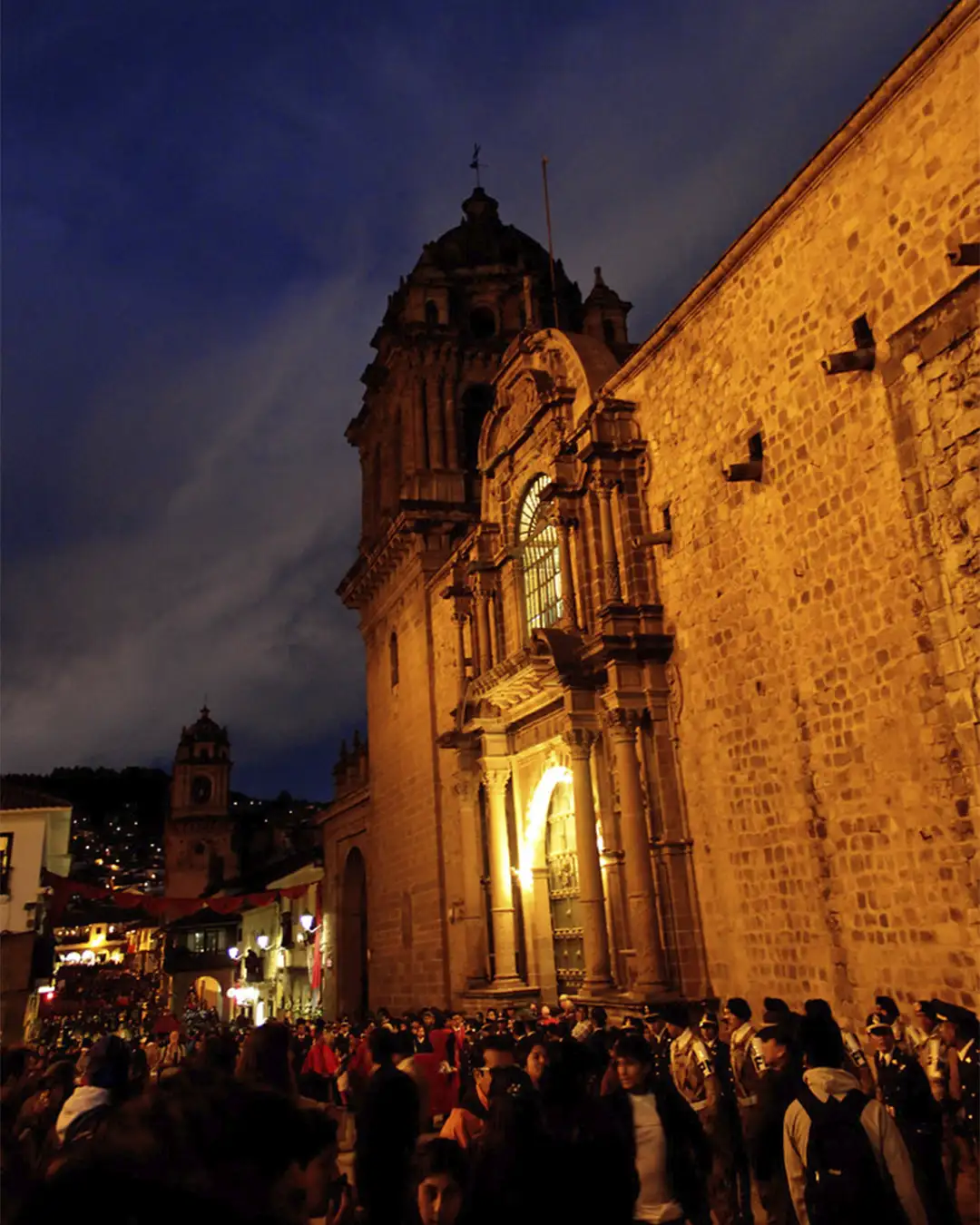 |  |
This is also one of the best nights to explore the Catholic Churches in Cusco, Peru, as something lived collectively in public space. The churches are the anchors of catholic fervor, but the streets connect this meaning. Grandmothers walk beside teenagers, couples carry candles, and families fall into silence as they approach another church doorway. At that hour, the city feels both enormous and intimate.
Good Friday in Cusco
Holy Week in Cusco becomes quieter, heavier, and more contemplative on Friday. The city slows down, religious music replaces festive noise, and the emotional tone turns fully toward the Passion. Local guides and official schedules alike treat the day as one of mourning, and it is also the point in the week when family traditions become especially visible through fasting, shared meals, and solemn public devotion.
The Stations of the Cross at Sacsayhuamán
One of the most recognized public traditions is the Stations of the Cross that begins near San Francisco Square around 04:00 am and rises toward the Cruz del Papa in Sacsayhuaman, through Sapantiana mountain. The route is physically demanding enough to feel like a small pilgrimage, and that effort is part of its meaning. Along the way, worshippers reflect on Christ’s suffering, while the city below appears quieter than usual.
Of course, there are other pilgrimages that depart from outlying churches like La Almudena and San Sebastian to Muyuc Orqo mount (Viva el Peru hill) and Alto Qosqo hill, respectively.
This same day, San Francisco Square is associated with the Hampi Rantikuy, a medicinal plant fair that adds another layer of local custom to the day.
That combination is particularly Cusqueño. On the one hand, you have a deeply Catholic act of devotion centered on suffering and sacrifice. On the other hand, you have a fair link to traditional plants, household protection, and seasonal practice. This coexistence helps explain why many travelers remember Cusco more vividly than other Easter destinations.
 |  |
 |  |
The 12 Dishes of Holy Week
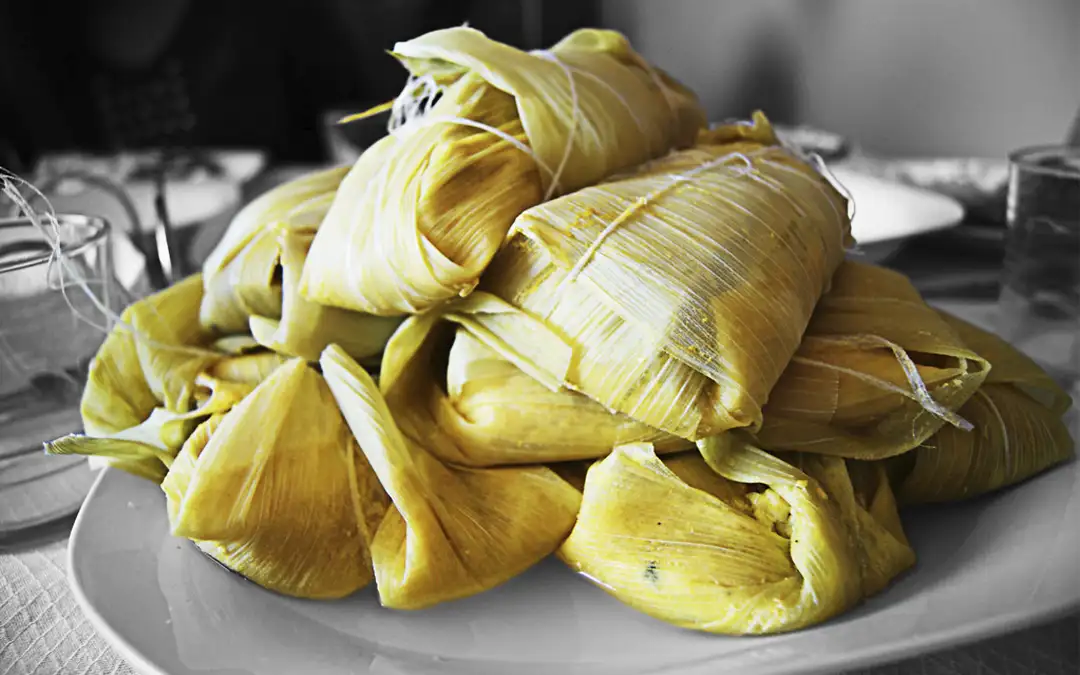
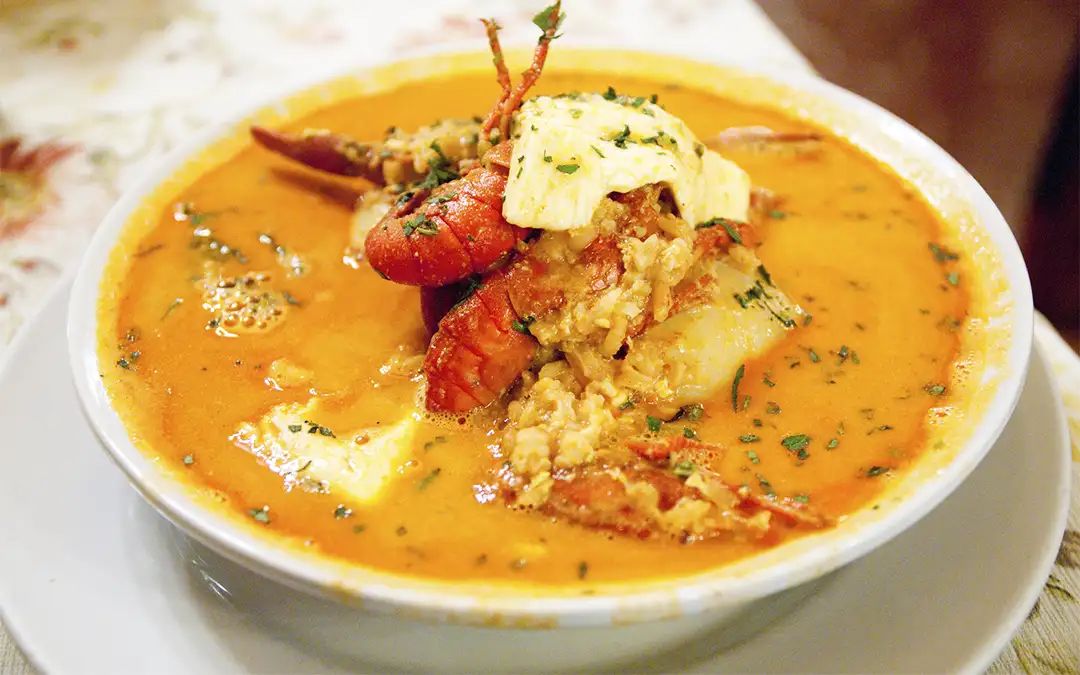
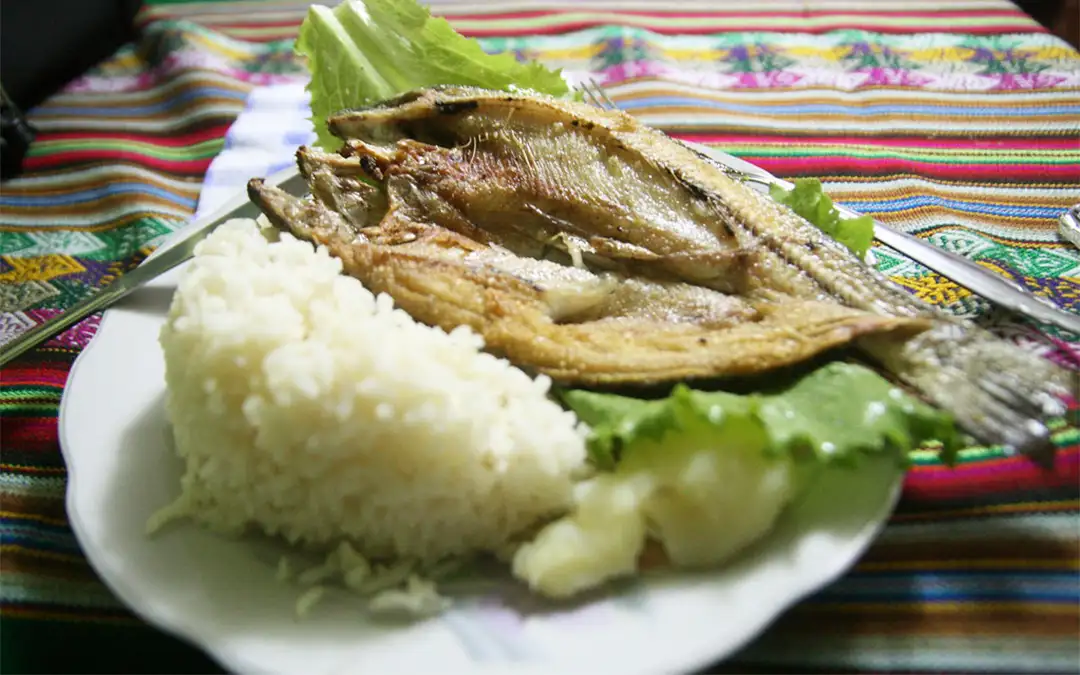
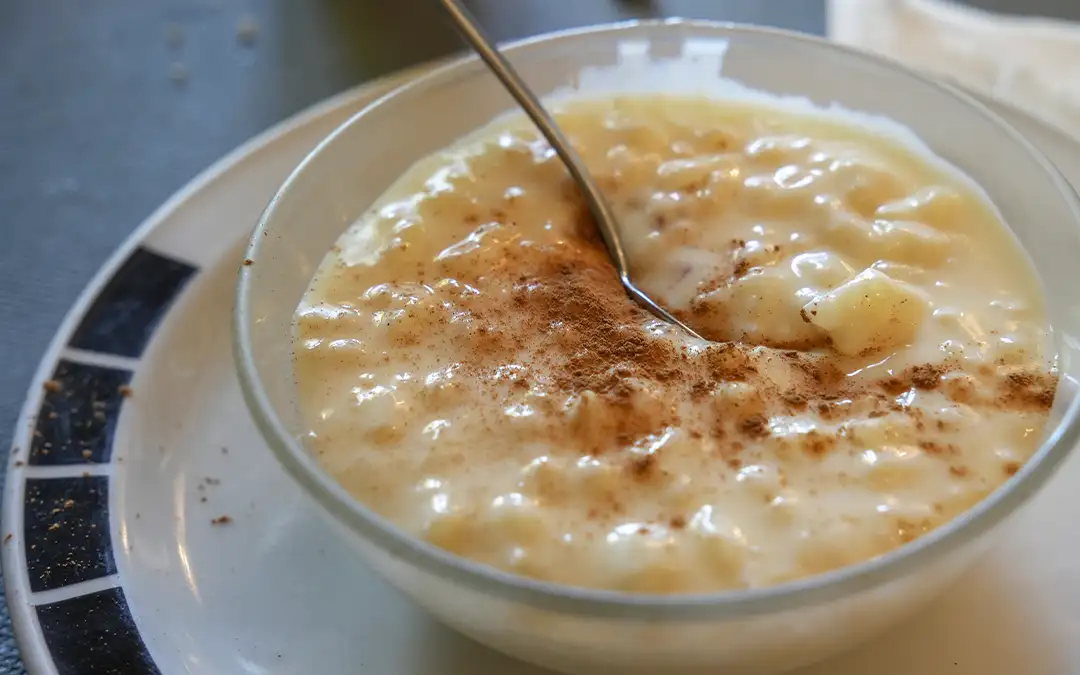
The Twelve Dishes are one of the most talked-about food traditions of Holy Friday. In many families, the meal is linked to the dinner that the twelve apostles shared with Jesus on the very night that Christ was arrested. In current times, the diner is more like a lunch and avoids red meat, leaning instead toward soups, seafood, grains, desserts, and seasonal dishes. On this day, families usually go to the San Pedro traditional market very early in the morning to buy the ingredients needed to prepare the 12 dishes.
Common preparations mentioned across local sources include:
| Number | Dish | Type |
| 1 | Corn soup or lawa | Savory Dishes |
| 2 | Lisa's soup | |
| 3 | Shrimp chupe | |
| 4 | Rice with fried fish | |
| 5 | Pumpkin soup | |
| 6 | Cañihua Pudding | Sweet Dishes |
| 7 | Peach Stew | |
| 8 | Arroz con leche (Rice with milk pudding) | |
| 9 | Sweet empanadas | |
| 10 | Humitas | |
| 11 | Small vanilla cakes | |
| 12 | Maizillo (Dry corn cookies) |
Did you know...
Some families begin the preparation on Holy Thursday and serve the meal on Friday, which helps explain why different local guides place the tradition on slightly different days.
The important thing is not the exact menu, because that changes from city to city in Peru. The important thing is the act of gathering. The meal expresses restraint, memory, and sharing all at once. It is symbolic, but not frozen. Every household adapts it slightly, and that flexibility is part of what keeps the tradition alive instead of turning it into folklore without use.
For visitors, the right way to approach the Twelve dishes is with curiosity and humility. Ask what a family or restaurant actually serves, and do not assume there is one official list. In that sense, Holy Week in Cusco is tasted as much as it is seen. Food is not a side note to devotion here. It is one more way the season is remembered and passed on.
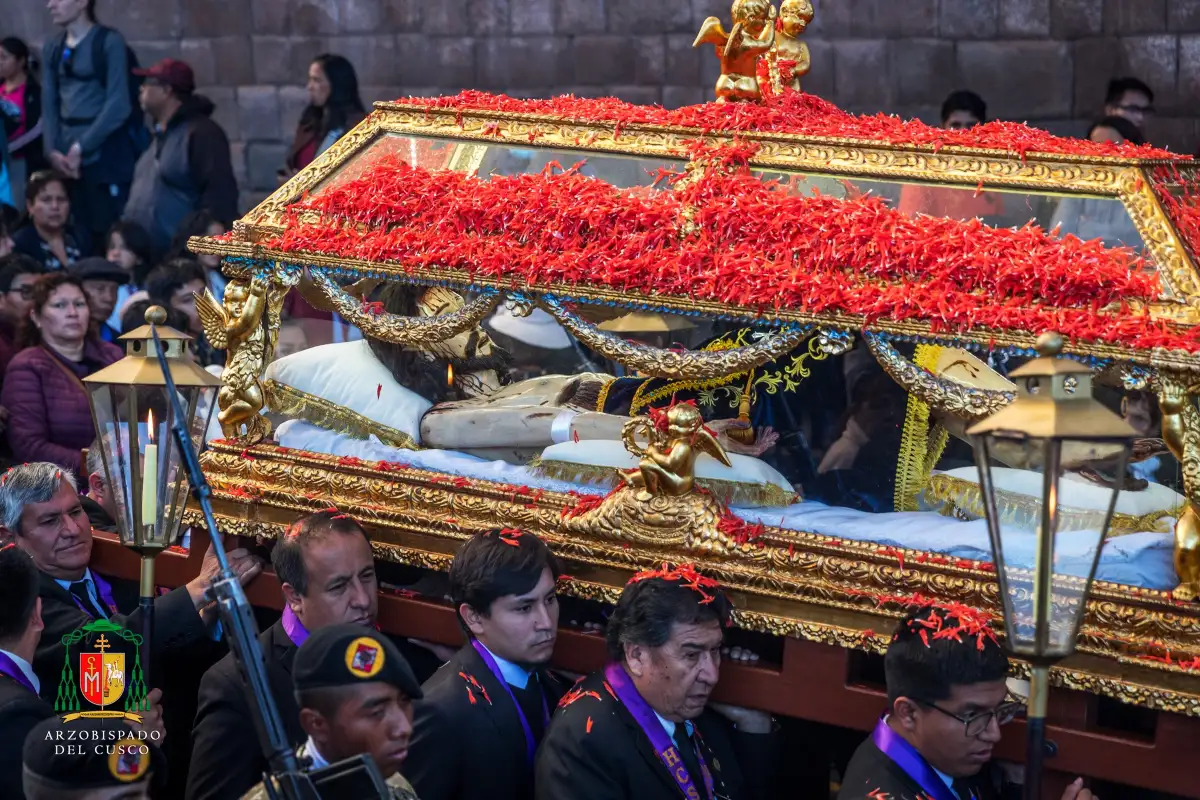
Procession of Our Lady of Sorrows and the Holy Sepulcher
The Holy Sepulcher procession, which takes place on Good Friday, commemorates the death and burial of Jesus Christ, and also symbolizes the pain and suffering of the Virgin Mary, represented by the Dolorosa. In all the neighborhoods of Cusco, the procession, which generally takes place at night, commemorates the burial of Jesus before his resurrection. In Cusco, the main procession departs from the Temple of La Merced at 05:00 pm.
Cusco Holy Saturday
After the holy Friday, Holy Week in Cusco becomes almost still on Saturday morning. The city enters a pause. Some neighborhoods slowly return to normal activity, families begin preparing for eastern Sunday, and the atmosphere remains restrained.
The Easter Vigil
The Easter Vigil at the Cathedral of Cusco marks the turning point from mourning to hope. In Catholic tradition, this liturgy centers on darkness, fire, Scripture, baptismal renewal, and the announcement of the Resurrection. Even for visitors who are not Catholic, it can be one of the most moving ceremonies of the week because it is built around contrast: silence and proclamation, darkness and light, waiting and renewal.
Official Cathedral programming places the solemn vigil on Holy Saturday evening, from 08:00 pm to midnight, and local guides describe it as one of the most symbolically rich liturgies of the year. When the ceremony ends at midnight, the parish priest lights the Paschal candle while the parishioners light their candles and all shout in unison, “Christ is risen!” to the sound of the bells ringing from Cusco Cathedral and the city’s main churches.
Easter Sunday in Cusco
After so much restraint, Easter Sunday brings release. Holy Week in Cusco closes with morning Masses, church bells, flowers, and a noticeably lighter atmosphere in the historic center. Families gather again, children return to the plazas, and the solemn pace of the previous days gives way to a more open joy. If Monday is the city’s great act of collective pleading and Friday its day of mourning, Sunday is its answer of hope.
Procession of the Risen Lord
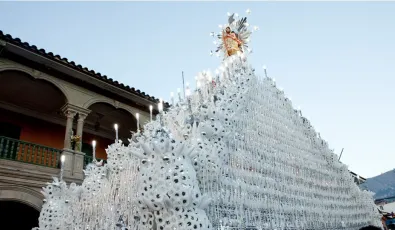
The procession of the Risen Lord is developed as a part of Easter morning, represents Christ no longer in suffering but in victory over death. The procession begins at 10:00 am from the Cusco Cathedral and winds its way through the main streets of the historic district amid chants of “Christ is risen”, a marching band, traditional dances, and parishioners holding bouquets of flowers. Before, the Cathedral host the Easter Sunrise Mass (05:00 am), symbolizing the moment when the women discovered the empty Christ tomb.
White flowers, bells, and brighter liturgy replace the darker tones of earlier days. In the Cusco Main Square and around the Cathedral of Cusco, the city feels visibly transformed.
In case you didn't know...
Our blog on Holy Week in Peru tells you how this week is celebrated in other parts of the Andean country.
Conclusion
Seen as a whole, the week forms a complete civic rhythm: palms on Sunday, flowers on Monday, preparation through midweek, pilgrimage on Thursday, mourning and Twelve dishes on Friday, vigil on Saturday, and joy on Sunday. That is why so many travelers remember it long after they leave. It is not only a calendar of events. It is a lesson in how faith shapes public space, family life, and memory. If you plan to attend, confirm official schedules in advance, arrive early for the major processions, dress warmly after sunset, and remember that respect matters more than getting the perfect angle. That is the best way to experience one of the most powerful seasons in Holy Week in Peru.
FAQs - Holy Week in Cusco
When will Holy Week in Cusco take place in 2027?
Holy Week in Cusco 2027 will take place from Sunday, March 21 to Sunday, March 28. The most important days for travelers will be Holy Monday, for the Lord of the Earthquakes procession; Holy Thursday, for visiting the churches; and Good Friday, for the most solemn ceremonies. It is best to book hotels and tours in advance.
How can you get around Cusco during the processions?
During the processions, several streets in the historic center may become crowded or temporarily closed. The most practical option is to walk, leave early, and avoid relying on taxis near the Plaza de Armas. If you have a train, flight, or tour that day, confirm your pickup point and allow extra time.
Where is the best place to see the Lord of the Earthquakes procession?
The Plaza de Armas, the Cathedral, Plaza San Francisco, and some streets along the route are usually good viewing spots, but they fill up quickly. Arrive early, avoid blocking the path of worshippers, and choose a place where you can stand for several hours. For a more comfortable view, some private balconies in restaurants and bars may offer spaces with advance reservation.
What can I do if I want to avoid large crowds?
You can visit churches during quieter hours, such as early in the morning or late in the afternoon, walk around San Blas early, visit San Pedro Market, take a tour to the Sacred Valley, or plan your Machu Picchu visit on a strategic day. You can also watch part of the celebration from side streets, where the atmosphere is still special but less intense.
Can you take photos during the processions?
Yes, you can take photos in public spaces, but do so respectfully. Avoid using flash inside churches, do not interrupt the procession, and do not stand in front of people who are praying. During Holy Week in Cusco, the priority is not the perfect photo, but experiencing the moment with respect.

Add new comment