



If you're wondering whether you need one to come to Peru, the answer is yes. Having a travel insurance for Peru is highly recommended, since tourism in this Andean country often involves hiking, trekking at high altitudes, and exploring remote areas where medical facilities may be limited. In this scenario, travel insurance can provide coverage for health issues related to altitude sickness or injury.
Besides, many tour operators and trekking companies also require proof of travel insurance before allowing participation in their activities.
In this article, we’ll talk about what travel insurance should cover, options for adventure and high altitude treks, how to compare plans, and what specifics to watch for when you’re planning trips like the Inca Trail or Salkantay.
Is Travel Insurance to Peru required in 2026?
No, travel insurance is not legally required to enter Peru in 2026. However, it is strongly recommended for most travelers, especially if you are visiting high-altitude destinations, joining adventure tours, or traveling beyond major cities.
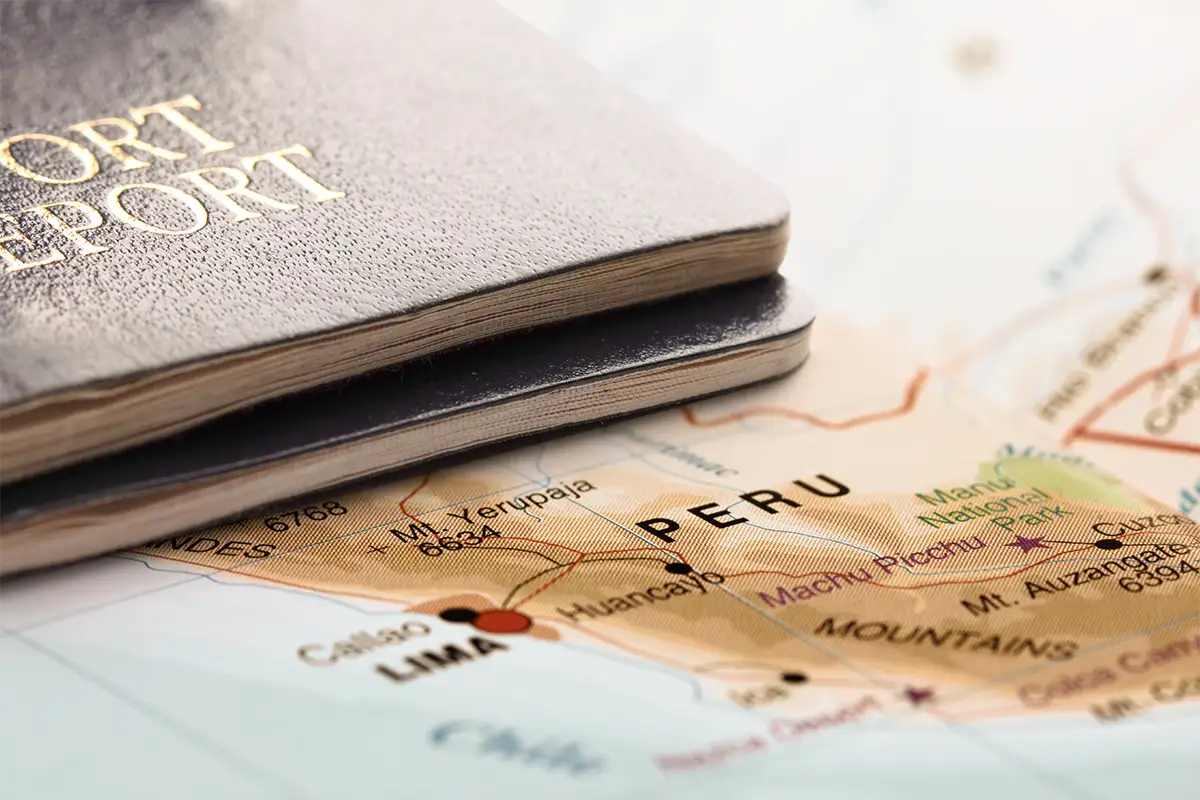
For a simple city-focused trip to low cities like Lima, Paracas, Arequipa city, or Mancora, a standard Peru travel insurance plan may be enough. But if you plan to visit Cusco, hike to Machu Picchu, trek the Inca Trail above 3,000 m, explore the Amazon, or travel through rural areas like Salkantay, you should choose a plan with strong medical coverage, emergency evacuation, and adventure activity benefits.
The U.S. Department of State notes that U.S. Medicare and Medicaid do not apply overseas, many hospitals abroad do not accept U.S. health insurance, and medical providers may require upfront payment. It also strongly recommends supplemental insurance for medical evacuation
What travel insurance should cover in Peru
The best travel insurance for Peru should match your itinerary. The right coverage for someone spending four days in Lima is very different from the coverage needed for someone visiting the Peruvian Amazon, hiking the Salkantay, Ausangate, the Inca Trail, or Choquequirao.
At a minimum, look for medical coverage, emergency evacuation, trip cancellation, trip delay, baggage protection, and 24/7 travel assistance. If you are trekking, check that the policy clearly covers hiking, adventure sports, and your maximum altitude.
Medical coverage
According to the U.S. Department of State, most U.S. health insurance plans (including Medicare and Medicaid) do not cover medical expenses outside the United States, and payment is often required before treatment is provided.
This becomes even more relevant in high altitude destinations such as Cusco (3,399 m / 11,152 ft), where travelers commonly experience altitude-related illnesses, dehydration, or respiratory issues, determined by the U.S. Centers for Disease Control and Prevention (CDC) as Acute Mountain Sickness (AMS), which can affect travelers above 2,500 m and sometimes requires medical treatment or oxygen.
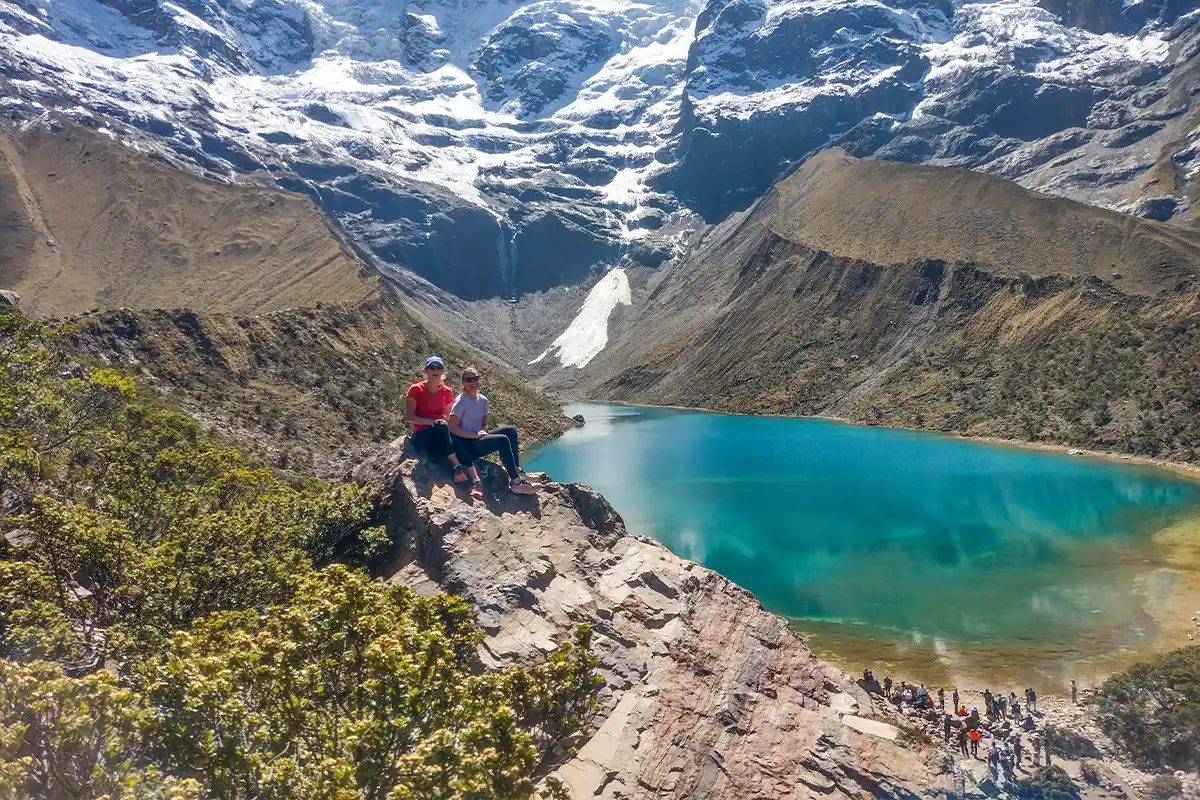
Therefore, a solid travel health insurance Peru plan should include:
- Emergency medical treatment
- Hospitalization
- Outpatient care
- Doctor visits
- Diagnostic tests
- Prescription medication
- Treatment for altitude sickness
- Coverage for accidents and injuries
For Peru, most experts recommend at least USD 100,000 in medical coverage in a travel health insurance in Peru, especially if your itinerary includes trekking, rural travel, or multiple regions.
Emergency evacuation and Repatriation
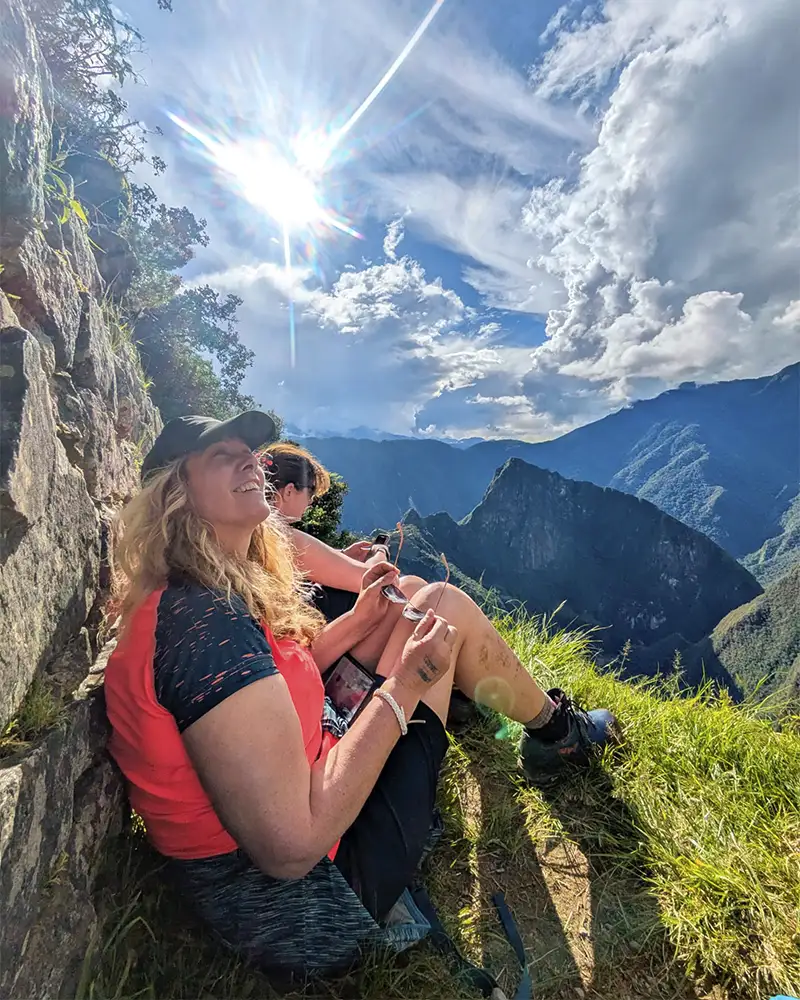
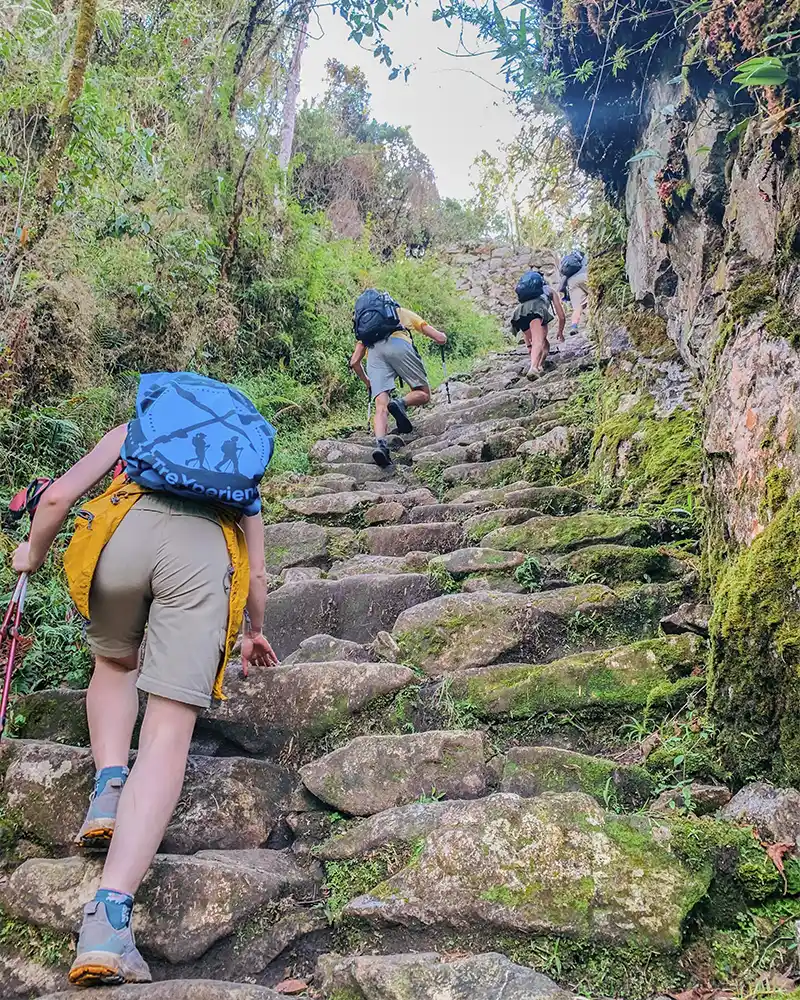
Some of the country’s most famous routes, including the Classic Inca Trail, Salkantay, Ausangate, Lares, Choquequirao, and parts of the Cordillera Blanca, pass through areas where advanced medical care is not nearby. Where trekkers must cross remote terrain where the only way out in a serious emergency is by mule, vehicle, or helicopter. For that reason, it is critical to have any emergency evacuation coverage inside your travel insurance for Peru.
The U.S Centers for Disease Control and Prevention notes that medical evacuation from remote mountainous regions can cost anywhere from USD 15,000 to over USD 50,000, depending on distance, terrain, and aircraft availability. These costs are not negotiable on the spot and must be covered by insurance or paid upfront.
In Peru, evacuation might involve:
- Transport from a trekking route to the nearest road
- Helicopter extraction from a trekking route
- Ground transfer over long distances to Cusco or Lima
- Medical repatriation to your home country if required
 |  |
Why should you consider emergency evacuation?
Many trekking routes descend thousands of meters into canyons or climb above 4,000 m. Weather, landslides, altitude, and rough terrain can make self-evacuation impossible in serious cases. A strong policy should include both emergency medical evacuation and repatriation.
Trip delays and Missed Connections
Given Peru’s geography and weather, trip delays are more common than you think. Once you arrive, mountain weather, fog and landslides during the rainy season can affect flights, trains, and roads.
In Peru, a delay can mean:
- Missing a train to Machu Picchu
- Arriving late for a fixed-entry ticket
- Losing a hotel night in Cusco, Lima, or Aguas Calientes
- Needing an unplanned hotel night in Cusco or Lima
- Paying for extra meals or transportation
- Missing the start of a guided trek
Trip delay coverage typically in your Peru travel insurance reimburses meals, accommodation, and local transportation after a minimum delay (often 6–12 hours). This is especially useful if weather disrupts domestic flights between Lima and Cusco, or if road closures affect Sacred Valley travel.
Trip Cancellations and Interruption
A travel insurance for Peru with trip cancellation coverage protects the money you’ve already committed, which is especially relevant in Peru, where many tours, treks, and Machu Picchu permits are non refundable once issued.
According to the U.S. Travel Insurance Association, cancellation claims most often relate to:
- Unexpected illness or injury
- Family emergencies
- Natural disasters or severe weather events
- Social protests, work stoppages or strikes in Peru

For Peru travelers, this matters because:
- Inca Trail permits are non-transferable and non-refundable
- Machu Picchu tickets are tied to your passport
- Trekking tours often require deposits weeks or months in advance
- Domestic flights and train tickets may have strict change rules
Standard trip cancellation police in a Peru travel insurance usually reimburses prepaid, non-refundable expenses only for covered reasons, such as unexpected illness, injury, severe weather, or certain family emergencies.
If you want more flexibility, look for Cancel for Any Reason (CFAR) coverage. CFAR is usually an optional upgrade that may reimburse 50% to 75% of eligible non-refundable trip costs, but it normally must be purchased soon after your first trip payment and you must cancel at least 48 hours before departure.
Trekking, adventure sports and High-Altitude Coverage
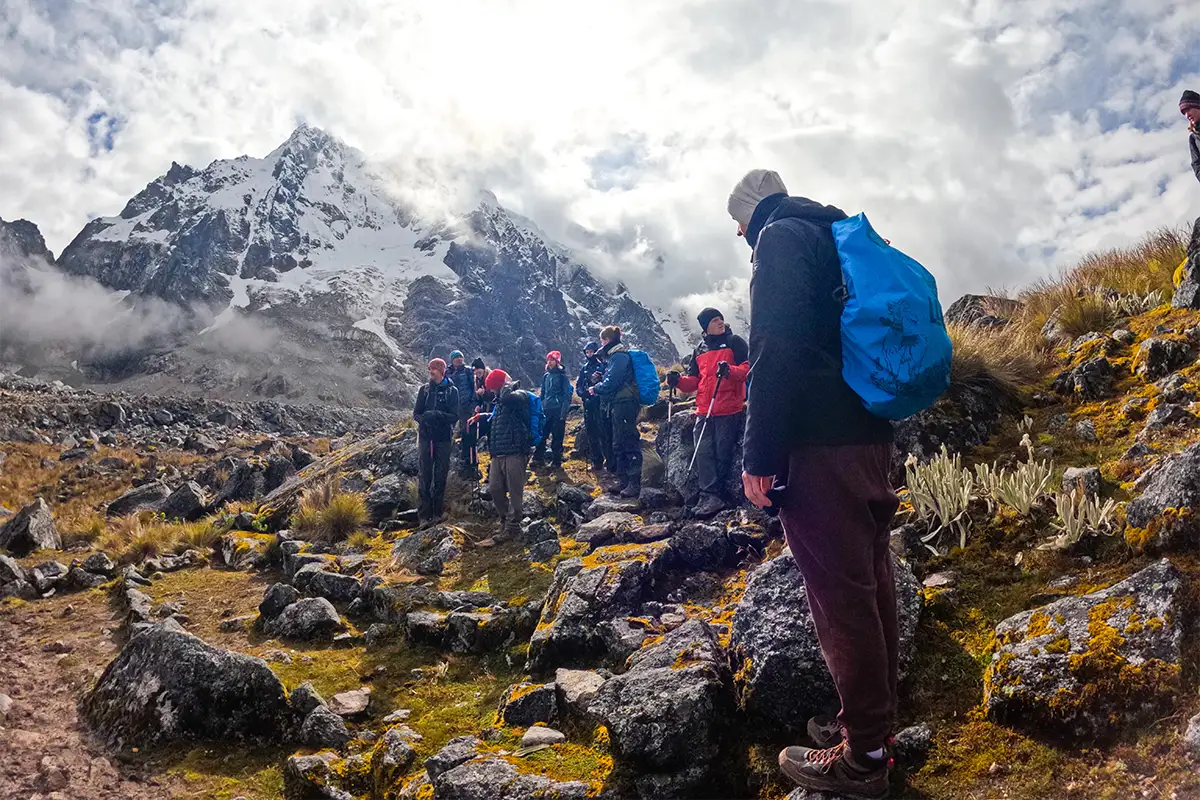
Peru is one of the best destinations in South America for hiking, trekking, rafting, biking, and outdoor adventure. But these activities are not always covered by standard travel insurance plans. According to the World Health Organization and UIAA (International Climbing and Mountaineering Federation), high altitude environments significantly increase medical risk due to reduced oxygen, exposure, and terrain difficulty. Because of this, insurers classify trekking as an adventure activity unless explicitly included.
Why consider this coverage in Peru
Many of Peru’s iconic treks exceed 4,000 m (13,100 ft), including Dead Woman’s Pass on the Inca Trail at 4,215 m, where oxygen levels drop to around 60% of what you have at sea level.
A proper travel health insurance for Peru should include:
- Explicitly cover trekking and hiking
- Specify maximum covered altitude (e.g., 4,500 m or higher)
- Include search and rescue
- Cover injuries caused by slips, falls, or weather exposure
- Include emergency evacuation from remote areas
- Cover guided adventure tours and camping if applicable
Do not assume your travel insurance for Peru covers trekking just because it says “travel medical insurance.” Look for clear wording such as “hiking,” “trekking,” “adventure sports,” or “high-altitude trekking up to 4,000 meters.”
Baggage, Gear, and Document Protection
Baggage coverage is also useful in Peru, especially if your trip includes domestic flights, buses, trains, or multi-day treks. Lost or delayed baggage can be more than an inconvenience if your hiking boots, warm layers, trekking poles, camera, or medication are inside your bag.
Look for baggage coverage that helps with:
- Lost, stolen, or delayed baggage
- Trekking gear and sports equipment
- Passport or travel document replacement
- Essential clothing and toiletries after a baggage delay
- Camera or electronics protection, if needed
If you are bringing expensive cameras, drones, laptops, or professional gear, check the per-item limit. Some policies in travel insurance to Peru have low reimbursement limits unless you add extra coverage for high-value items.
Travel Insurance Peru: Options for tourists
There is no single best travel insurance for Peru because the right plan depends on your itinerary, health, budget, and risk level. A traveler staying in Lima and Paracas does not need the same coverage as someone trekking to Machu Picchu or exploring the Cordillera Blanca.
Standard travel insurance plans
Standard travel insurance for Peru typically covers basic medical emergencies, trip cancellations, baggage loss, and some delays, often designed for city sightseeing, food tours, or coastal stays in Lima, Paracas, or Mancora.
A standard plan may be suitable for:
- Visit the Arequipa city
- Visit Coastal regions
- Short cultural tours
- Food and museum experiences
While these plans can provide essential coverage for hospital visits, prescription medication, and minor accidents, they often exclude “risky activities” such as trekking, mountaineering, or excursions above 3,000 m. This makes them inadequate for anyone planning to hike the Inca Trail, visit high-altitude sites like Rainbow Mountain, or venture into remote regions like Ausangate.
Before choosing a standard plan, read the exclusions carefully.
Adventure sports travel insurance plans
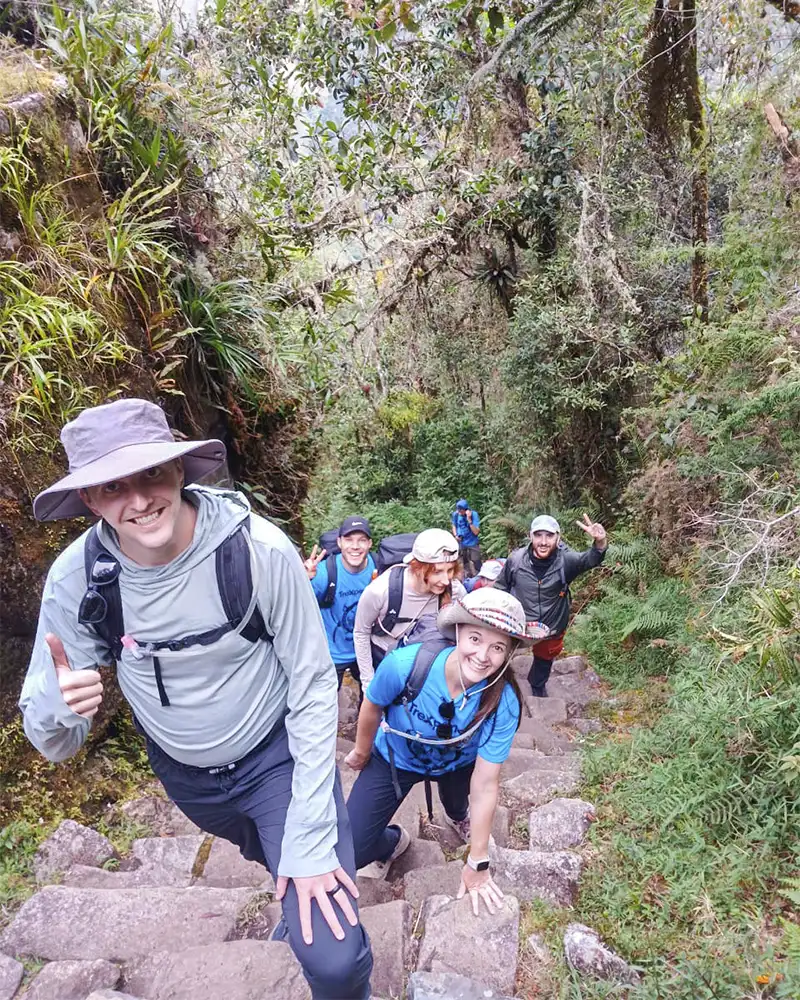
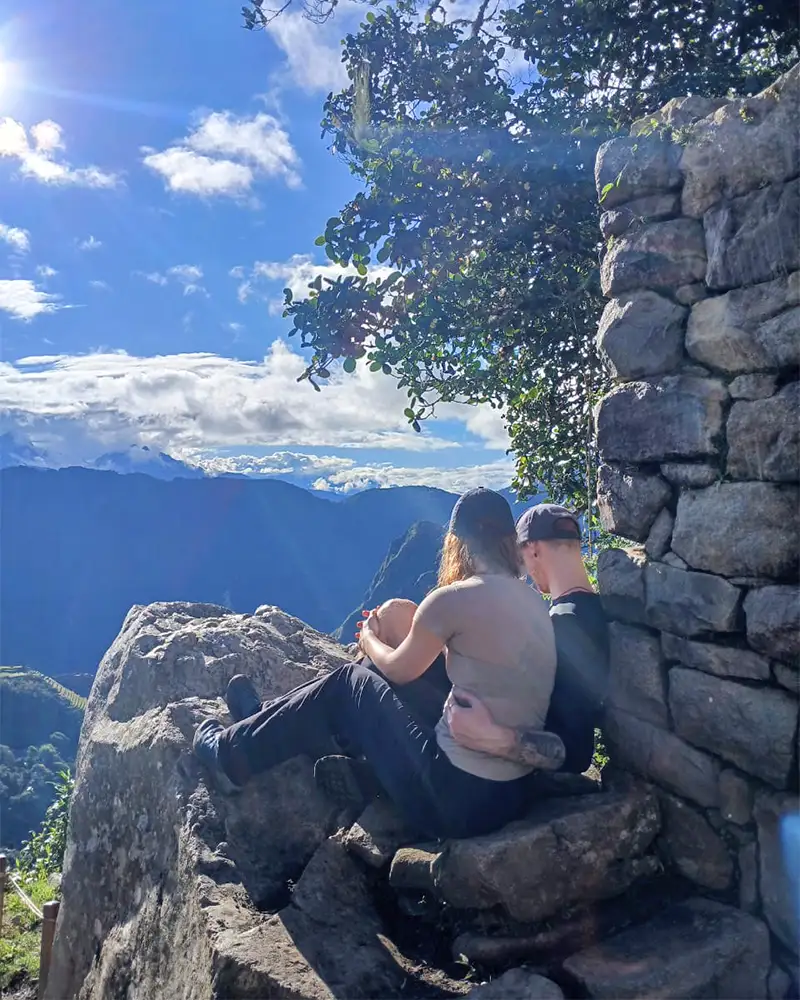
Adventure travel plans are built for those planning physically demanding or higher-risk activities. They explicitly include coverage for trekking, hiking, or climbing, usually up to altitudes of 4,000–6,000 m, depending on the provider.
This type of plan is better for travelers visiting:
- Cusco
- Sacred Valley
- Inca Trail
- Salkantay
- Rainbow Mountain
- Lares
- Colca Canyon
- Choquequirao
 |  |
These policies often feature:
- Trekking and hiking coverage
- Coverage for slips, falls, and injuries
- Search and rescue services (on foot, by mule, or helicopter)
- High-altitude medical evacuation
- Coverage for gear loss or damage
- Protection for trekking group delays or itinerary changes
This is often the best option for travelers joining guided treks or adventure tours in Peru. Many providers of travel insurance for Peru offer specific adventure sports or trekking add-ons, so choose one that matches your route and altitude.
Comprehensive expedition or explorer plans
Comprehensive plans are the most robust and expensive, but they offer total protection for long or logistically complex adventures. These plans combine:
- High-limit medical coverage
- High-limit emergency evacuation
- Trip cancellation and interruption
- Adventure activity coverage
- High-altitude trekking coverage
- Baggage and gear protection
- Search and rescue benefits
- 24/7 emergency assistance
- Accidental death and dismemberment benefits
If you're planning a trip that involves multiple treks, long stays in rural areas, and pre-booked tours like a Peru full tour, this type of travel insurance for Peru minimizes every major financial and medical risk. It’s also ideal for travelers visiting remote parks like Huascarán, climbing Nevado Pisco, or combining trekking with jungle expeditions.
Plan type | Type of traveler | Peruvian region | Activities |
Standard travel plan | Travelers sticking to urban or low-altitude destinations | Lima, Paracas, Arequipa city, coastal regions | City tours, food experiences, museums, flights, short domestic travel |
Adventure sports plan | Trekkers and hikers doing guided multi-day treks in highland regions | Cusco, Sacred Valley, Inca Trail, Machu Picchu, Salkantay, Rainbow Mountain | Trekking above 3,000 m, hiking, mountain passes, camping, cultural treks |
Comprehensive plan | Long-haul trekkers, slow travelers, expedition hikers | Ausangate, Choquequirao, Cordillera Blanca, Huascarán, the Amazon | Multi-day remote expeditions, altitude trekking >4,500 m, jungle + mountain combos |
Tips for comparing Peru travel insurance providers
Choosing the cheapest travel insurance for Peru is not always the smartest option. A low-cost policy can look attractive, but it may have low medical limits, weak evacuation benefits, or exclusions for the exact activities you plan to do.
- Compare coverage limits: A cheap plan with low medical limits isn’t worth it if you end up paying thousands out of pocket in case of an accident during trekking or practice of adventure sports. Aim for high medical and evacuation limits.
- Confirm high-altitude trekking is covered: Do not rely on general wording. Make sure the policy covers hiking, trekking, and your maximum altitude. If your route goes above 4,000 m, the policy should clearly allow it.
- Review adventure sports exclusions: Some plans exclude loss due to adventure activities if they aren’t listed. Make sure trekking, hiking, and high altitude activities are explicitly included.
- Check emergency evacuation coverage: Emergency evacuation is one of the most important benefits for Peru. Look for strong evacuation and repatriation coverage, especially if you will visit the Andes, Amazon Basin, or remote trekking regions.
- Understand trip cancellation rules: Check which reasons are covered. If you want flexibility beyond standard covered reasons, compare CFAR options early because they are usually time-sensitive.
- Check baggage and gear limits: If you are bringing trekking gear, cameras, or electronics, review the per-item limits and exclusions.
- Look for 24/7 assistance: Emergency hotlines that operate globally are necessary if you need help in remote regions like the Andes or the Amazon.
- Read reviews and claim experiences: Real traveler feedback can reveal how well a provider pays out claims in emergency situations.
FAQs about travel insurance for Peru
What insurance covers trekking in the Andes?
Look for plans that explicitly list trekking, hiking, and adventure sports as covered activities. Many basic plans exclude high altitude or strenuous trekking unless you buy an adventure add on.
Will my plan cover Machu Picchu entrance issues?
Standard travel insurance doesn’t cover ticket cancellations or entry issues related to Machu Picchu unless you buy a plan with trip cancellation/interruption benefits tied to covered reasons (e.g., illness). If Machu Picchu tickets sell out, insurance won’t help; but cancellation coverage can reimburse unused prepaid tours.
What’s the best travel insurance for adventure tours?
Good insurance options for Peru include adventure coverage, high medical limits, and solid emergency evacuation benefits. Research providers who specify trekking “up to 4,000 meters” to match your itinerary.
Do I need extra coverage for high altitude?
Yes, especially for treks like the Inca Trail, Salkantay, or Ausangate. Standard insurance sometimes excludes altitude above a certain threshold, so check that your plan explicitly allows trekking above 3,000 or 4,000 m if you’re heading into high Andes regions.
How much travel insurance coverage do I need for Peru?
For most Peru trips, look for at least USD 100,000 in emergency medical coverage. If you are trekking, visiting rural areas, or traveling far from major cities, consider higher medical limits and strong emergency evacuation coverage.
For remote or high-altitude travel, many travelers prioritize evacuation coverage because getting from a trekking route to proper medical care can be complicated and expensive.
When should I buy travel insurance for Peru?
Buy travel insurance soon after making your first major trip payment, especially if you are paying for flights, hotels, Machu Picchu tickets, Inca Trail permits, or non-refundable tours.
Buying early may give you access to time-sensitive benefits such as Cancel for Any Reason coverage or pre-existing condition waivers, depending on the policy. CFAR usually must be purchased within a limited window after your first trip payment.
What should I do before choosing a policy?
Write down your full itinerary first. Include every destination, trek, tour, altitude, transport route, and prepaid cost. Then choose a plan that matches the real risks of your trip.
For Peru, the most important question is not “What is the cheapest plan?” It is “Will this plan actually cover what I am going to do?”

Add new comment