



Understanding the Machu Picchu altitude is a critical step in planning a safe and well-organized trip to the Peruvian Andes. Many travelers overestimate the elevation of the citadel itself.
Discover the exact altitude of Machu Picchu and its surrounding mountain hikes, how it compares with Cusco, the Sacred Valley, and Aguas Calientes, and whether altitude sickness is something you should really worry about. You’ll also find practical tips for acclimatizing, advice on the hikes include in you Machu Picchu ticket, and simple ways to prepare for a safer and more comfortable visit.
Whether you are visiting for the first time, finalizing your Peru itinerary or structuring your itinerary to prioritize proper acclimatization and avoid preventable complications.
What is the Altitude of Machu Picchu?
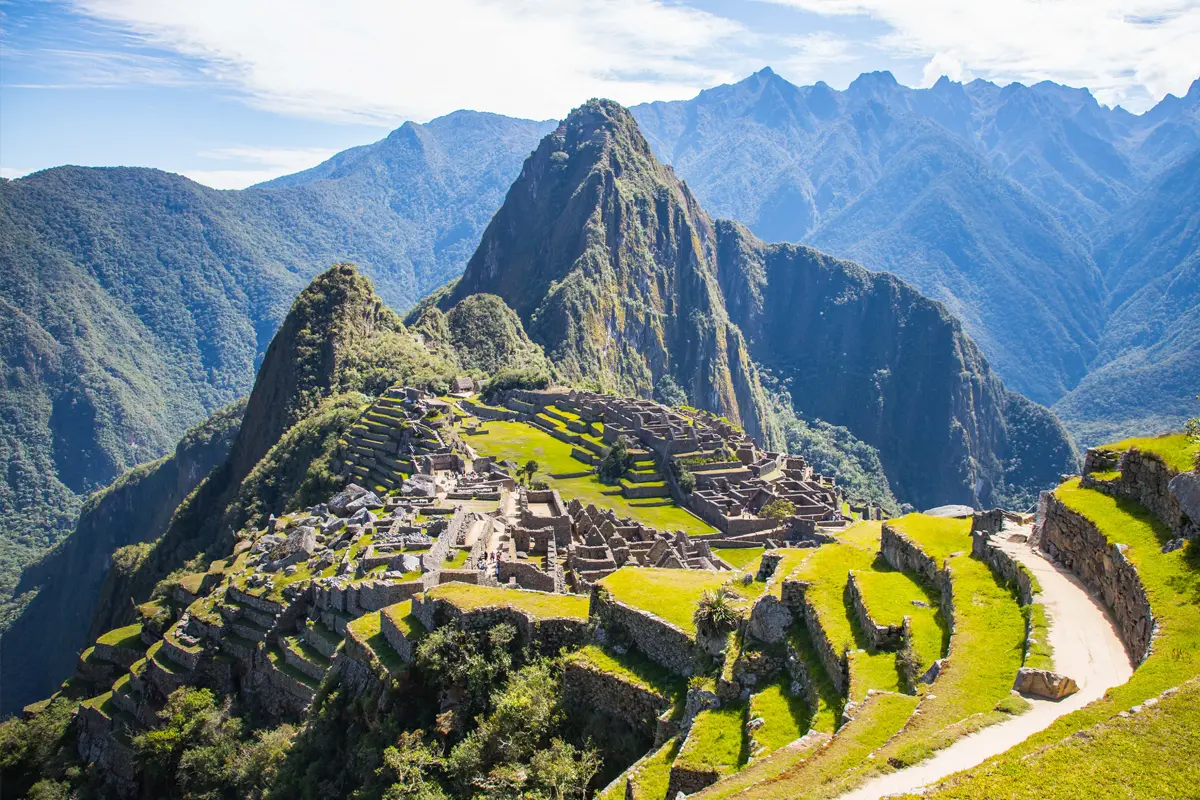
The exact elevation of Machu Picchu is 2,430 meters (7,972 feet) above sea level. Because the altitude of Machu Picchu is low, most travelers notice that breathing feels easier at the citadel compared to their first days in Cusco or on high-altitude Andean hikes.
The altitude affects everyone differently, and some may experience more severe symptoms than others based on their body's unique response. Visitors who arrive directly from sea level may still feel mild symptoms such as fatigue or shortness of breath. Understanding this difference can help you pan your itinerary with more confidence and enjoy your visit without unnecessary concern.
Comparing Altitudes: Cusco vs Sacred Valley vs Machu Picchu
- Cusco sits at 3,400 meters (11,152 feet) above sea level, making it one of the highest destinations most travelers visit during their Peru itinerary. Because of this elevation, altitude symptoms are more commonly experienced here.
- The Sacred Valley, including Ollantaytambo at 2,792 meters (9,160 feet), offers a manageable elevation for easier acclimation. Which is why some itineraries recommend spending the first nights there or transferring immediately after your arrival in Cusco, especially if you are sensitive to altitude.
- Machu Picchu stands at 2,430 meters (7,972 feet), lower than both Cusco and the Sacred Valley. Thanks to this difference, many visitors actually feel better once they arrive at the citadel after spending time adjusting to the altitude in the region.
| Location | Altitude in meters | Altitude in feet |
| Cusco City | 3,400 m | 11,152 ft |
| Sacred Valley (Ollantaytambo) | 2,792 m | 9,160 ft |
| Sacred Valley (Urubamba) | 2,870 m | 9,416 ft |
| Sacred Valley (Pisac) | 2,972 m | 9,750 ft |
| Machu Picchu Citadel | 2,430 m | 7,972 ft |
| Aguas Calientes (Machu Picchu Town) | 2,040 m | 6,693 ft |
What is the elevation of Aguas Calientes compared to Machu Picchu?
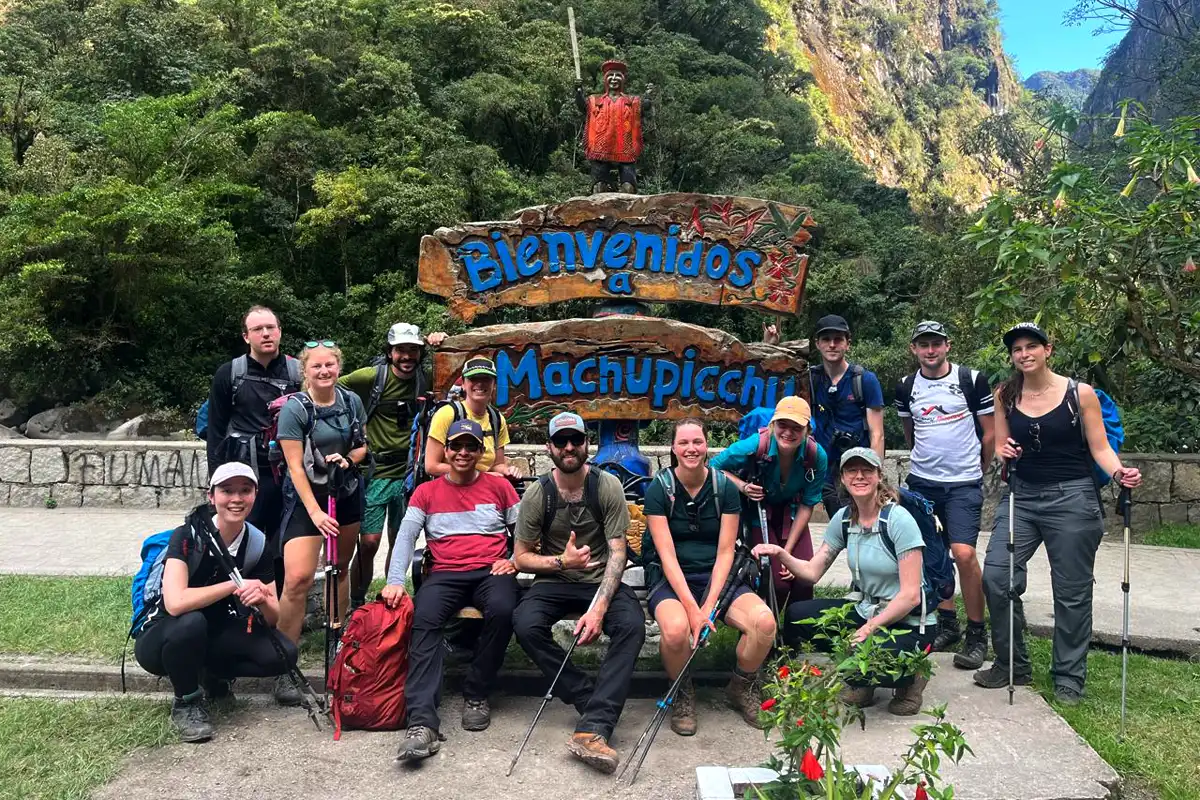
Aguas Calientes (Machu Picchu Town) is located significantly lower than the Inca citadel. It sits at 2,040 m (6,693 ft), about 390 m below Machu Picchu.
Altitude and Machu Picchu hinkig routes
While exploring the main ruins is generally comfortable for most visitors, the altitude becomes a much bigger factor when you add hiking routes to your itinerary.
For example, the renowned Classic Inca Trail demands crossing Dead Woman’s Pass at an imposing 4,200 meters (13,779 feet) an elevation far above the standard Machu Picchu's altitude.
Similarly, the challenging Salkantay Trek pushes hikers above 4,600 meters (15,091 feet). Because of these extreme elevations, spending a few days acclimatizing is non-negotiable before tackling these multi-day adventures.
If you prefer a route with less sustained high altitude exposure, alternatives such as the Inca Jungle Trek may feel more manageable. Ultimately, planning at least two nights in the Sacred Valley of the Incas or Cusco before trekking significantly reduces risks.
Elevation gain according to your Machu Picchu Ticket
If your Machu Picchu ticket includes an add-on hike, you need to prepare for the extra physical exertion. Starting from the main archaeological site at 2,430 meters (7,972 feet), here is the specific Machu Picchu elevation gain you can expect for each popular Machu Picchu hiking route:
| Destination | Route & Description | Elevation Gain |
Huchuy Picchu 2,480m / 8,136 ft | Route 3-D The easiest and shortest option | 50 m (164 ft) |
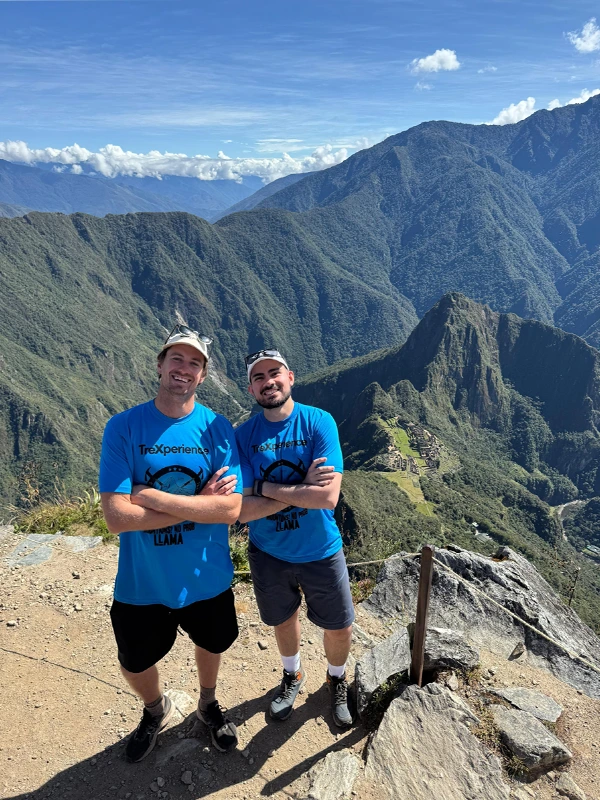
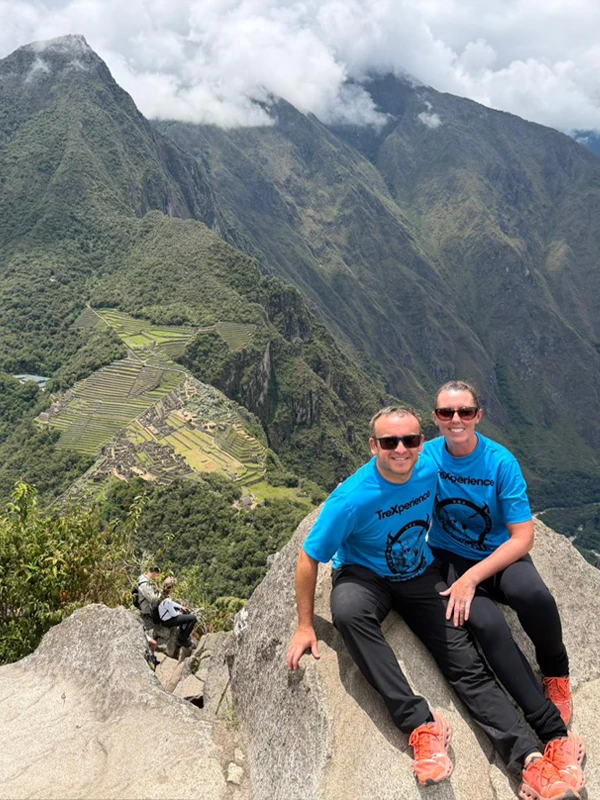
Intipunku (Sun Gate) 2,720 m / 8,924 ft | Route 1-D A steady, moderate climb to the original entrance of Machu Picchu | 290 m (951 ft) |
Wayna Picchu 2,720 m / 8,924 ft | Route 3-A The most famous, steep, and stair-heavy ascent to the dramatic peak. | 290 m (951 ft) |
Machu Picchu Montaña 3,080 m / 10,104ft | Route 1-A The longest and most demanding trek to the sacred Mountain of Machu Picchu | 650 m (2,132 ft) |
 |  |
Does altitude sickness happen at Machu Picchu?
Short answer: it can, but it is less common than in Cusco. However, it is first necessary to define altitude sickness and examine its physiological basis.
What Is altitude sickness?
Altitude sickness, also called acute mountain sickness or soroche, a term derived from the Quechua language, is the body's natural response that occurs when our bodies struggle to adjust to reduced oxygen levels at higher elevations.
Symptoms of altitude sickness and how to recognize them
To help you monitor your health, it is useful to categorize how soroche typically progresses:
- Mild Symptoms: These are common and usually manageable. They include a slight headache, fatigue, dizziness, and shortness of breath during physical activity. You might also notice a loss of appetite or trouble sleeping.
- Moderate Symptoms: At this stage, the headache may become more persistent and "throbbing." You might experience nausea, vomiting, and a noticeable decrease in coordination or increased weakness.
- Severe Symptoms: While rare at the altitude of machu picchu, severe cases include extreme confusion, an inability to walk, or difficulty breathing even while at rest.
In Machu Picchu citadel and Aguas Calientes, these symptoms are usually mild if they appear at all. Even so, pay close attention to how you feel, especially during the first 24 to 48 hours in the Andes. However, serious complications are rare among travelers who acclimate properly.
Who Is Most at Risk of Altitude Sickness?
If you have any of the following medical conditions, it is a good idea to check with your doctor before traveling in the Andes, especially if your itinerary includes higher-altitude areas.
- High blood pressure
- Chronic obstructive pulmonary disease (COPD)
- Pulmonary emphysema
- Asthma or asthmatic episodes
- Smoking-related breathing problems
- Hypertensive heart disease
- Pulmonary hypertension
- Severe obesity
- Kidney failure under treatment
- Acute or chronic anemia
Altitude sickness natural remedies vs medication
In Peru, coca tea is a traditional remedy widely used to ease altitude discomfort. While scientific evidence varies, many travelers report mild relief from chewing coca leaves or drinking coca tea.
| Approach | Example | When to Consider |
| Natural remedy | Coca Tea and Coca Leaves | Mild symptoms or prevention |
| Hydration | Water, electrolytes | Always recommended |
| Medication | Acetazolamide | For high risk travelers, consult doctor |

If symptoms do not improve with rest and hydration, or if they worsen, seek medical attention immediately. Most hotels and tour operators in Cusco are trained to assist and can direct us to clinics.
In Machu Picchu town, basic medical facilities are available. However, severe cases may require descent to lower altitude, which usually resolves symptoms quickly.
Over the counter medications such as acetazolamide are sometimes prescribed before travel. However, consult a healthcare professional before using any medication.
Tips to prevent and manage altitude effects
Preventing altitude sickness in Peru starts with smart planning. Fortunately, there are simple, proven strategies that make a huge difference in how your body handles the transition to the mountains. By following the right Machu Picchu acclimatization strategies, you can ensure your trip focuses on the stunning views rather than a headache.
Top 5 solutions for Machu Picchu Altitude
If you want to feel your best while exploring the ruins or tackling a hike, keep these essential tips in mind:
- Prioritize Acclimatization: Do not rush straight to the highest elevations. Instead of staying in Cusco immediately after arrival, you can begin in the Sacred Valley, which sits lower. Since Machu Picchu tickets are limited and tied to specific entry times, planning our visit in advance also helps us choose a schedule that aligns with our acclimatization strategy.
- Hydrate Constantly: At higher altitudes, the air is dry, and you lose fluids faster through heavier breathing. Drink plenty of water throughout the day to help your body adjust. Get proper sleep and enough restorative rest. Also avoid sedatives, as they can slow your breathing rate.
- Rely on Local Remedies: Take a cue from the locals and try coca tea or chew coca leaves. Many travelers use this traditional Andean remedy for mild relief, although responses can vary from person to person.
- Avoid Alcohol and Heavy Meals: Digestion slows down at high elevations, and alcohol exacerbates dehydration and fatigue. Additionally avoid getting chilled and smoking. Stick to light, carbohydrate-rich meals during your first few days.
- Talk to Your Doctor: If you are prone to altitude sickness, consult your physician before traveling. They may prescribe preventive medications, such as Diamox, to help your body adapt more comfortably.
If you are joining a trekking route such as the Inca Trail, acclimatization becomes even more important.
Read More » Inca Trail Altitude and Difficulty
Why altitude affects travelers differently
Altitude affects everyone differently because acclimatization depends on individual physiology, hydration, prior elevation exposure, and speed of ascent.
For example, if you fly directly from sea level to Cusco in one day, our bodies have no time to adapt. Consequently, you may experience headaches or fatigue. On the other hand, if you spend a few days in the Sacred Valley of the Incas first, the transition feels smoother.
Age does not determine susceptibility. In fact, very fit travelers sometimes experience stronger symptoms than others.
Altitude is about oxygen levels, not fitness
At 2,430 meters (7,972 ft), Machu Picchu has about 25% less oxygen available than sea level. In Cusco, that reduction is closer to 30%.
This affects everyone. Even very fit travelers can feel short of breath if they ascend too quickly. Acclimatization is about giving your body time to adjust, not about physical condition.
Is Machu Picchu a safer option for altitude-sensitive travelers?
For travelers sensitive to altitude, Machu Picchu is generally safe. Many Machu Picchu tours are designed with built-in acclimatization time, allowing us to explore the Sacred Valley first before reaching the citadel at a more comfortable elevation.
In fact, some travelers who struggle in Cusco report feeling noticeably better once they arrive at Machu Picchu. Therefore, visiting Machu Picchu is often less physically demanding in terms of oxygen levels.
Additionally, the archaeological site is spread across terraces and paths. While there are stairs and uneven surfaces, the main circuit does not require extreme exertion.
Reviewing a Machu Picchu map before arrival also helps us understand the different circuits, stair sections, and viewpoints, allowing us to pace ourselves comfortably at altitude.
Machu Picchu is high, but not extreme altitude
At 2,430 meters (7,972 feet), Machu Picchu is considered moderate altitude. It is actually lower than many ski resorts in North America, which often sit above 8,000 or even 9,000 ft and Bryce Canyon in the United States, which averages around 2,438 m / 8,000 ft and rises above 2,743 m/ 9,000 ft.
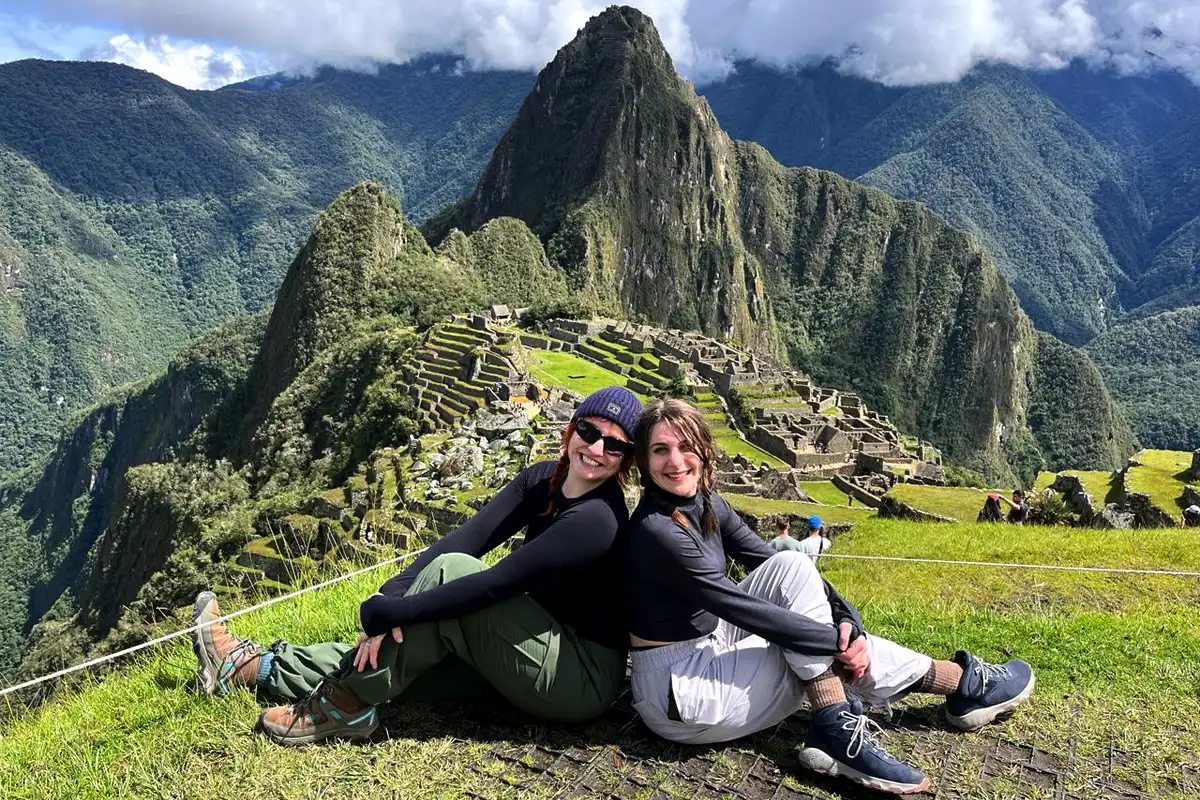
Machu Picchu’s altitude is real, but for most travelers it is much more manageable than Cusco or Peru’s highest trekking routes. With the right itinerary and enough time to acclimatize, you can enjoy the experience with confidence instead of worrying about the elevation.
Ready to plan your visit? Our team can help you choose the best route, timing, and itinerary based on your travel dates, hiking plans, and comfort at altitude. Contact us to start planning a Machu Picchu trip that feels smooth, realistic, and unforgettable.
FAQs about Machu Picchu Altitude
How bad is altitude sickness in Machu Picchu?
While the risk of severe symptoms is much lower in Machu Picchu 2,430 m, those arriving directly from sea level may still feel a mild physical response to the elevation.
However, your experience could change depending on your Machu Picchu ticket; if you have booked a Machu Picchu hiking route, such as Huayna Picchu or Machu Picchu Mountain, the physical exertion at this altitude may make symptoms feel more pronounced.
Is Cusco or Machu Picchu higher?
Cusco is higher. Cusco sits at approximately 3,400 meters, while Machu Picchu is at 2,430 meters.
How long should I acclimate before visiting Machu Picchu?
Spending 1 to 2 days in the Sacred Valley or Cusco before visiting Machu Picchu is generally sufficient for most travelers.
What helps with altitude in Peru?
Gradual ascent, hydration, light meals, rest, and traditional coca tea are common strategies. In some cases, doctors may recommend preventive medication.
Can kids or seniors visit safely?
Yes, many children and seniors visit Machu Picchu safely. However, individual health conditions matter more than age. Consulting a doctor before travel is advisable for anyone with heart or respiratory concerns
Where is the best place to stay for altitude acclimatization near Machu Picchu?
For most travelers, the best place to stay for altitude acclimatization near Machu Picchu is the Sacred Valley, especially Ollantaytambo or Urubamba. TThese towns sit at a lower altitude than Cusco and still close to the train route to Machu Picchu, so it works well as a gentler stop before your visit.
How long does it take to acclimatize to Machu Picchu’s altitude?
If Machu Picchu is the highest point on your trip, many visitors manage well after a short adjustment period, but giving yourself 1 to 2 easy days in the region can make the visit more comfortable.
How does the altitude of Machu Picchu affect visitors?
At 2,430 m, the altitude of Machu Picchu can affect some travelers, especially those arriving from sea level capitals, Lima or moving too quickly through their itinerary in Peru. Typical symptoms of altitude discomfort can include headache, tiredness, dizziness, nausea, or trouble sleeping.
How high is Machu Picchu compared to other famous landmarks?
Machu Picchu (2,430m) is higher than the Grand Canyon South Rim, which averages 2,134 m, and almost the same altitude as the Grand Canyon North Rim at about 2,438 m. It is still far lower than Jungfraujoch in Switzerland at 3,454 m and the Potala Palace in Lhasa at 3,700 m. So, Machu Picchu is definitely elevated, but it is not among the world’s most extreme high-altitude landmarks.
Do I need altitude sickness pills for Machu Picchu?
Most travelers do not need altitude sickness pills for Machu Picchu. If you have a history of altitude sickness, a heart or lung condition, or plan to go quickly to higher elevations, speak with your doctor before the trip.

Add new comment