



Planning the Inca Trail starts with the weather, it’s the first step to enjoying the trek to Machu Picchu. In this guide, you’ll find the best time to hike, the altitude range, ecoregions, dry vs. rainy season differences, a month-by-month breakdown, a packing checklist, and practical travel tips to help you choose the right dates and prepare with confidence.
What is the Inca Trail?
The Inca Trail to Machu Picchu is a preserved segment of the Qhapaq Ñan, an expansive pre-Hispanic road system that integrated the administrative and spiritual centers of the Inca Empire. Today, this UNESCO-protected network spans six countries: Peru, Bolivia, Argentina, Chile, Ecuador, and Colombia.
The modern trekking route "The Inca Trail" follows a strategic path that once connected the Andean capital to the Antisuyu (the empire’s eastern jungle province).
This corridor was essential for the transport of high-value tropical resources for the Inca, such as colorful bird feathers (from macaws, parrots, and other species), tropical crops like cassava and peanuts, a wide range of medicinal plants, and coca leaves, which held major cultural and practical importance.
Inca Trail Ecoregions and Altitudes
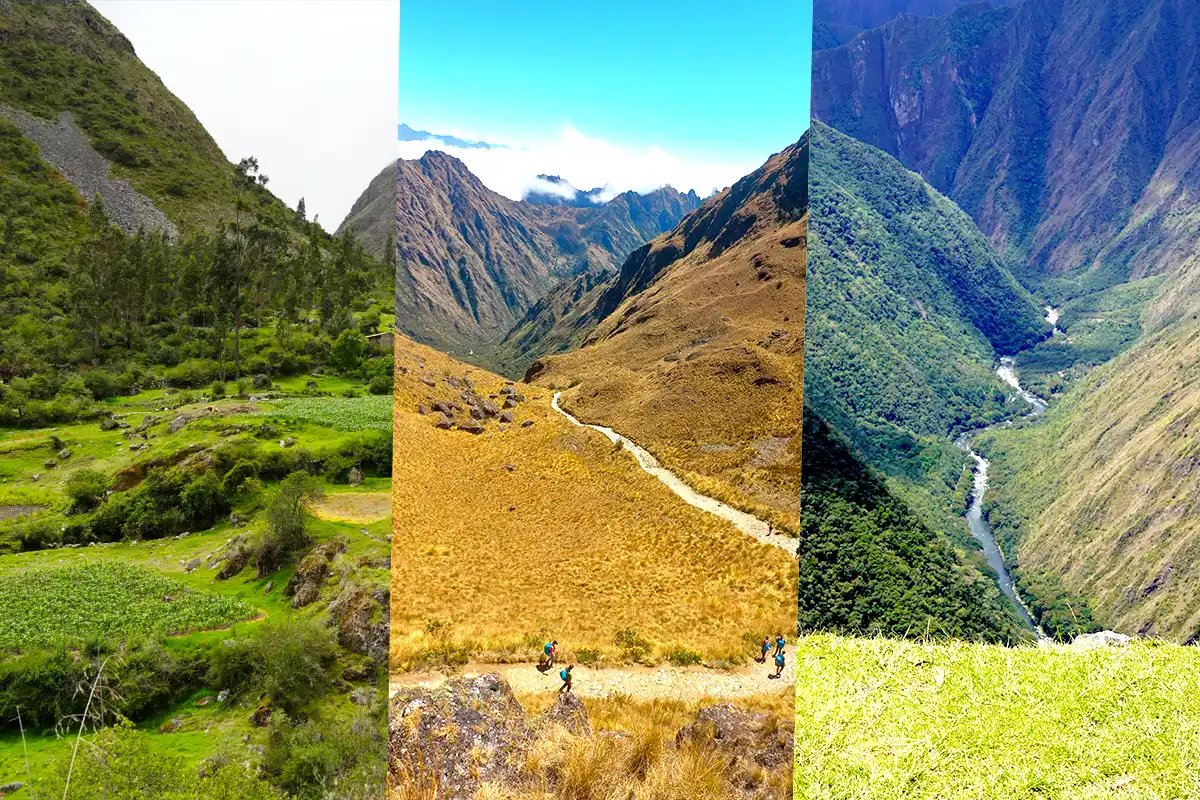
The Inca Trail traverses elevations between 2,400 m (7,874 ft) and 4,215 m (13,829 ft). And crosses 3 of Peru’s 21 ecoregions shaped by the massive Andean Range. Each one has its own landscapes, climate, and the plants and wildlife that thrive there.
In the Andes, these zones are shaped mainly by altitude, which changes the environment as you go higher or lower. They can be described as:
| Ecoregion | Description |
1. Inter-Andean Valley
| Fertile valleys and plateaus between the Andes mountains.
|
| 2. Central Andes Puna | High-altitude grasslands (ichu), rocky peaks, and andean tundra.
|
3. Peruvian Yungas
| Lush rainforest, high humidity, orchids, and ferns.
|
Season on the Inca Trail to Machu Picchu
Peru’s southern Andes, including the Cusco region where the Inca Trail is located, experience two primary seasons:
Dry Season in the Inca Trail (April to October)
Often considered the peak trekking season, this period corresponds with the Andean winter. While it attracts the highest volume of hikers, it also offers the most reliable weather for capturing cloud-free photos of the landscapes, trails and Machu Picchu.
What to Expect during the Dry season?
Days are typically crisp, sunny, and bright, offering spectacular visibility of the snow-capped peaks like Salkantay, Pumasillo and Huayanay. However, the lack of cloud cover means temperatures plummet rapidly once the sun sets.
Rainy Season (November to March)
This is the Andean summer, a time when the landscape transforms into a vibrant, lush green paradise. While often feared for its precipitation, the rainy season offers a mystical, quieter experience on the trail.
What to Expect during the Rainy season?
Rain showers are frequent, often occurring in the afternoons, though mornings can still be clear. The cloud forest sections (near Machu Picchu) live up to their name, often shrouded in mist that adds a dramatic atmosphere to the inca ruins.
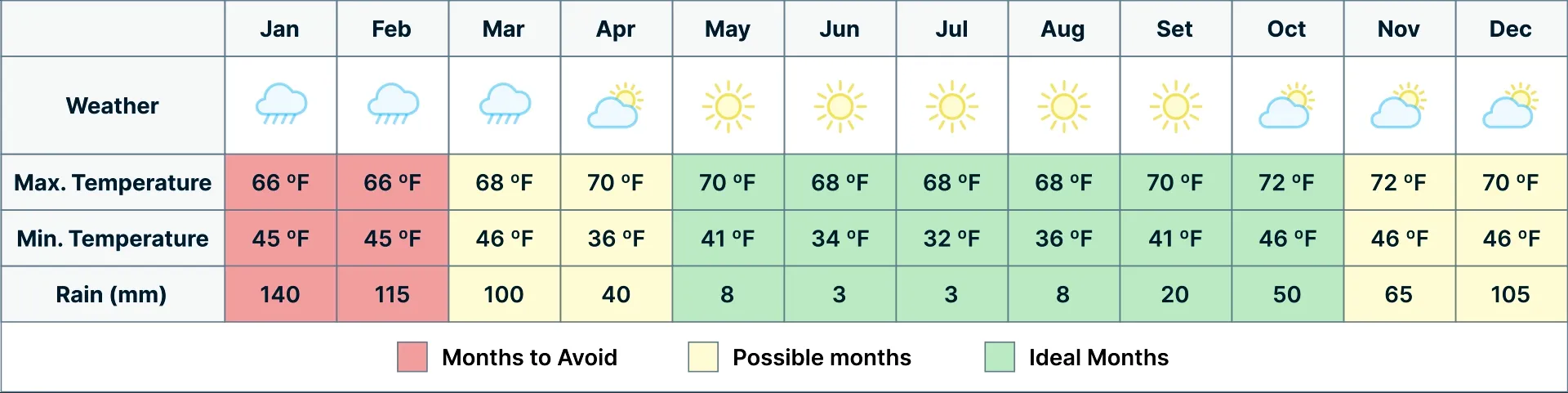
Inca Trail Weather at a Glance
| Month | Season | Rain | Day | Night |
| Jan | Rainy | Med-high | Cool-mild, cloudy, sunny at times | Cold |
| Feb | ||||
| Mar | ||||
| Apr | Shoulder | Low-med | Mild-warm, clearer skies and sunny | Cool-cold |
| May | ||||
| Jun | Dry | Low | Mild-warm, sunny | Cold May Freeze |
| Jul | ||||
| Aug | Cool-cold | |||
| Sep | ||||
| Oct | Shoulder | Low-med | Mild-warm, sunny and short showers | Cold |
| Nov | ||||
| Dec | Rainy | Med-high | Cool-mild, cloudy, sunny at times |
Inca Trail Weather Forecast
Inca Trail weather today can change quickly because the route crosses several microclimates. A sunny morning can turn into cold wind or light drizzle once you reach higher passes, even in the dry season.
Nights above 3,500 m / 11,483 ft can drop below freezing in any month, while the lower sections closer to Machu Picchu stay humid year-round.
That’s why checking the Cusco weather and Inca Trail forecast one or two days before your trek is a smart first step, it gives you a clearer idea of rain, temperature, and wind for the days ahead.
For an official source in Peru, use SENAMHI (Peru’s National Service of Meteorology and Hydrology), where you can review forecasts for the Inca Trail to Machu Picchu.
Inca Trail Weather Month by Month
December–March (Rainy season start)
The Inca Trail weather in December, January, February and March sit squarely within the rainy season. These months feel very similar and tend to be wettest, with frequent rains.
- Rain likelihood: Medium to high
- Daytime feel: Cool to mild, cloudy, sunny at times
- Nighttime: Cold
- Crowd level: Low to medium
- Trail Conditions: Muddy, occasional showers
Inca Trail weather in December
The Inca Trail in December is a mix of passing showers and sunny breaks, with cool-to-mild days and a higher chance of rain in the evenings and at night.
It’s a favorite for travelers looking to close out the year with a major milestone, or kick off the new one with a truly memorable achievement.
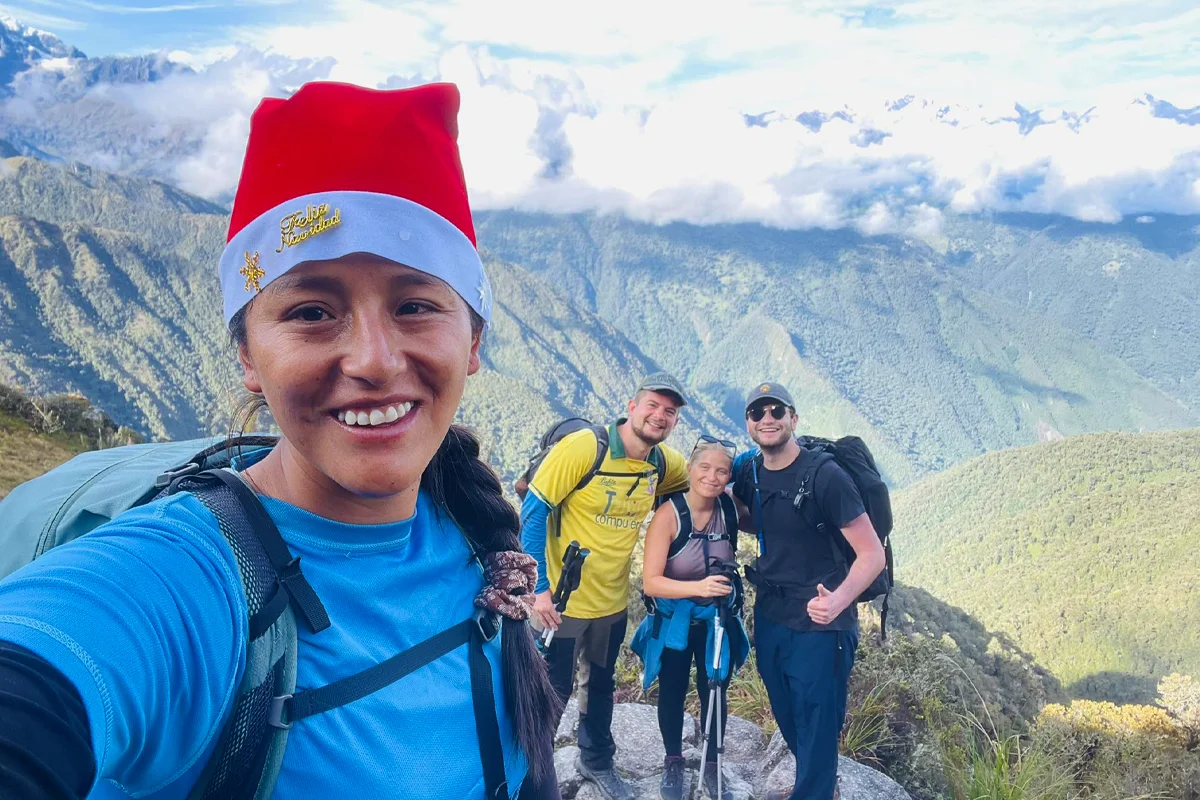
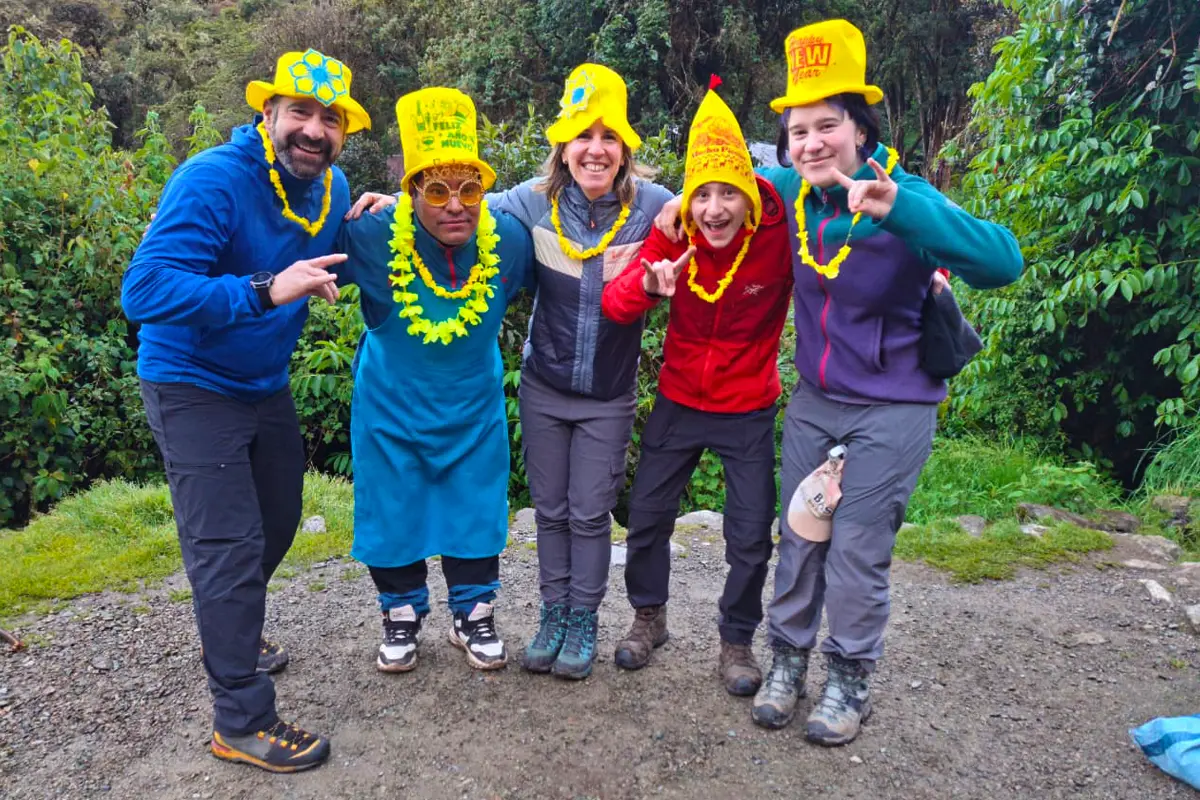
Even during the Christmas and New Year, the Inca trail to Machu Picchu remains fully operational. Your trekking team can even help you celebrate along the way, and at the finish line, Aguas Calientes buzzes with energy as travelers gather for the holidays.
Inca Trail weather January
The year starts with hikers taking on the Inca Trail as their first big challenge. Days are cool and humid, and January weather brings a higher chance of rain (especially in the afternoons and evenings) turning the landscape into a vibrant stretch of deep greens.
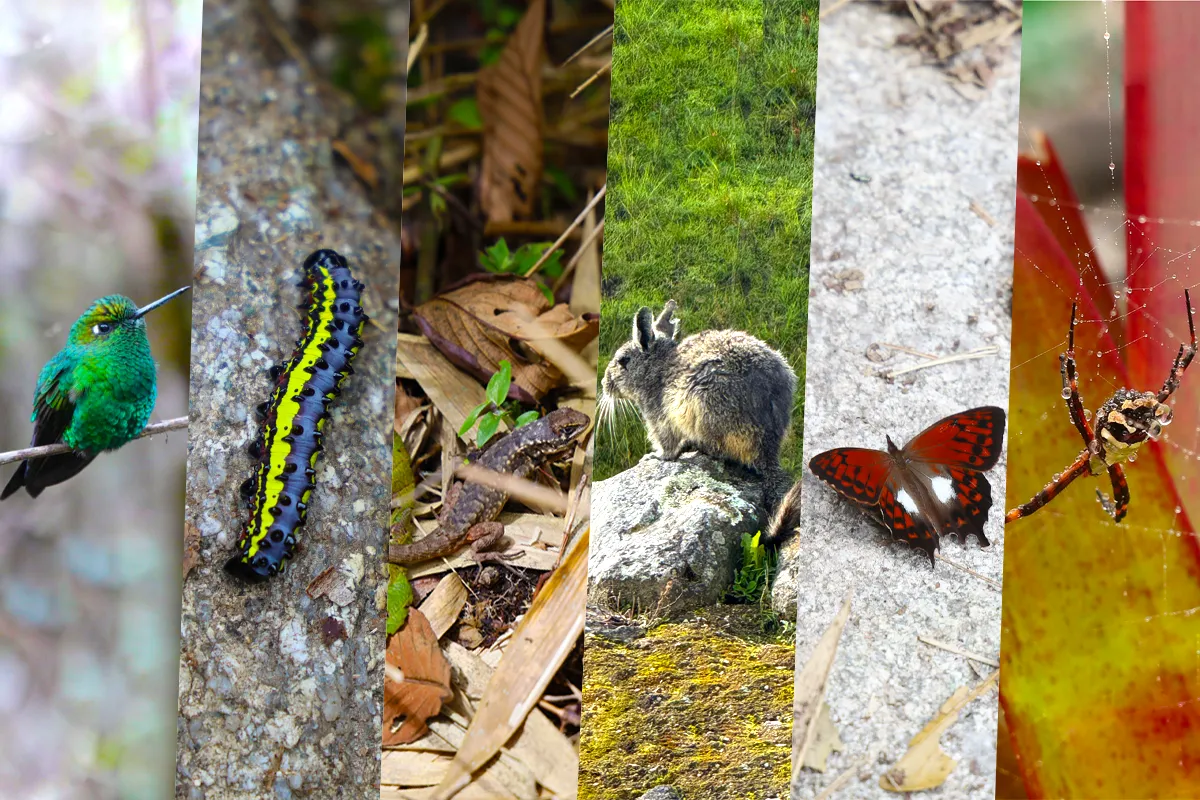
The trail feels more alive this month: humidity feeds a soft layer of mosses and lichens, and wildlife is often more active, drawn out by the rainy season’s abundance.
Inca Trail weather February
In February, the rains reach their peak intensity. Nature reclaims its territory during this time, allowing the local wildlife and plant life to enjoy a well-deserved time of rest and recovery.
Inca Trail closure
The Classic Inca Trail is closed every February for annual maintenance, conservation, and safety evaluations. This closure allows for trail restoration, trash removal, and preservation of delicate ecosystems impacted by heavy foot traffic during the year. The trail reopens in the first days of March.
Inca Trail weather March
Inca Trail weather in March, the rains continue. Mornings are cool and often humid, with occasional showers, especially in the afternoons and evenings. After a month of closure, the Inca Trail feels refreshed and vibrant.
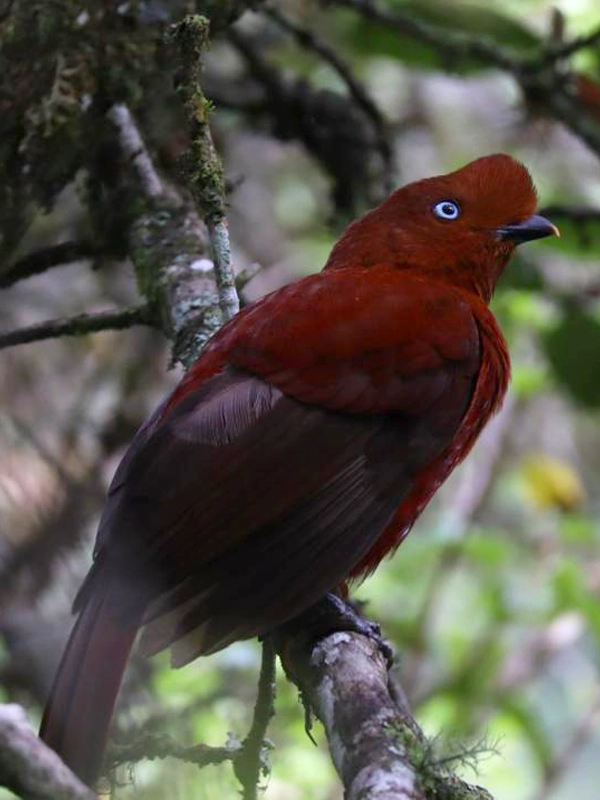
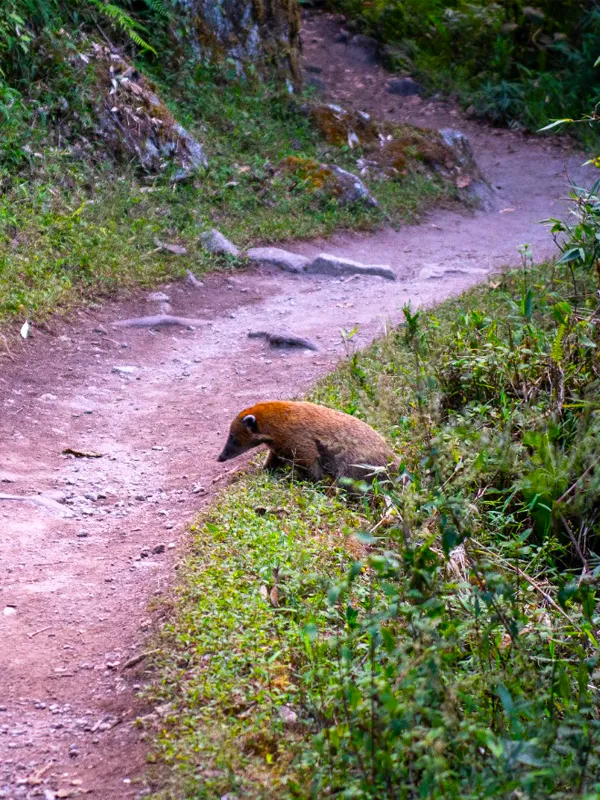
It’s a fantastic time to see lush plant life and wildlife, and you may even have unexpected encounters with animals that appear more often along the path and nearby areas after the quieter weeks with fewer visitors.
 |  |
April - May (Transition to dry)
April marks the beginning of the transition from rainy to dry conditions. Showers are less frequent and visibility improves, making it a shoulder season favorite for many trekkers.
By May and June, rainfall drops significantly, with many clear mornings and firm trails. Daytime temperatures are moderate and nights can be quite cold above 3,000 m / 9,843 ft, especially in June when clear skies allow temperatures to dip below freezing.
This period offers excellent trail conditions with fewer crowds than peak season, and April and May are often favorite months for Inca Trail trekking due to the balanced weather and manageable temperatures.
- Rain likelihood: Low to medium
- Daytime feel: Mild to warm, clearer skies and sunny days
- Nighttime: Cool to cold
- Crowd level: Med to high
- Trail Conditions: Firmer trail
Inca Trail weather April
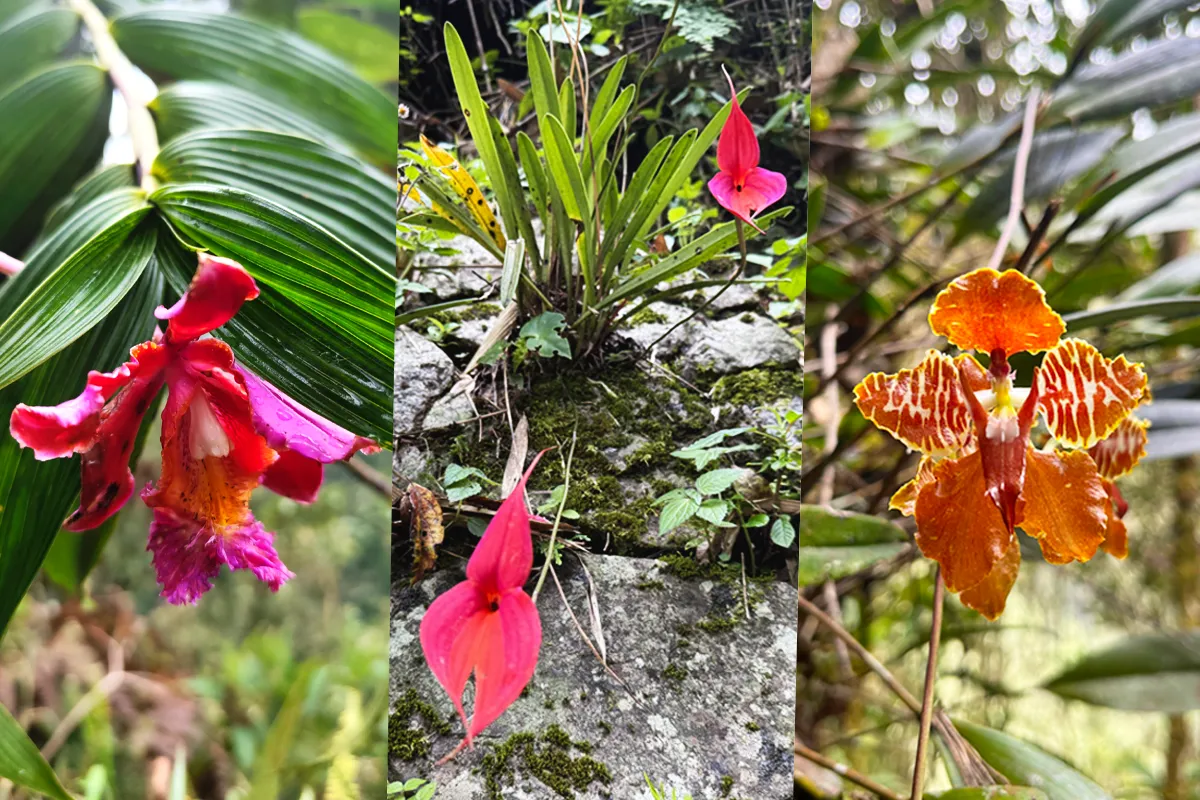
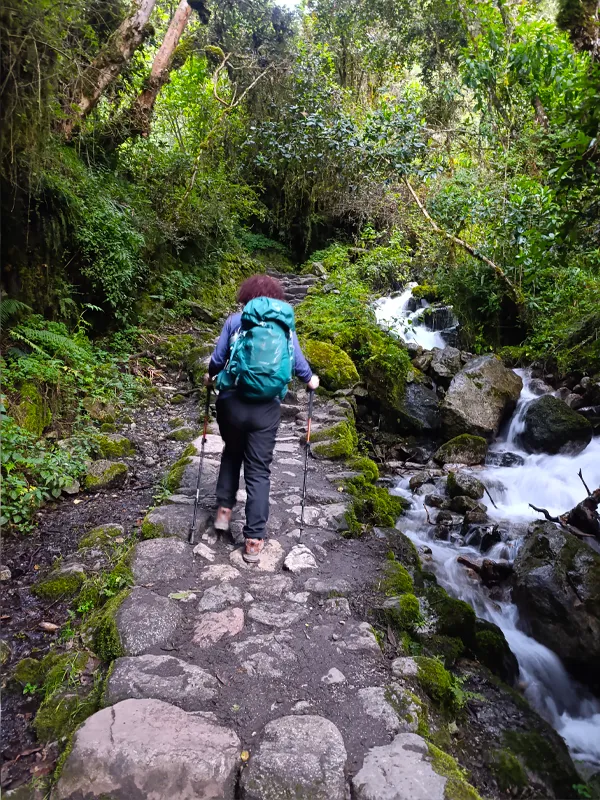
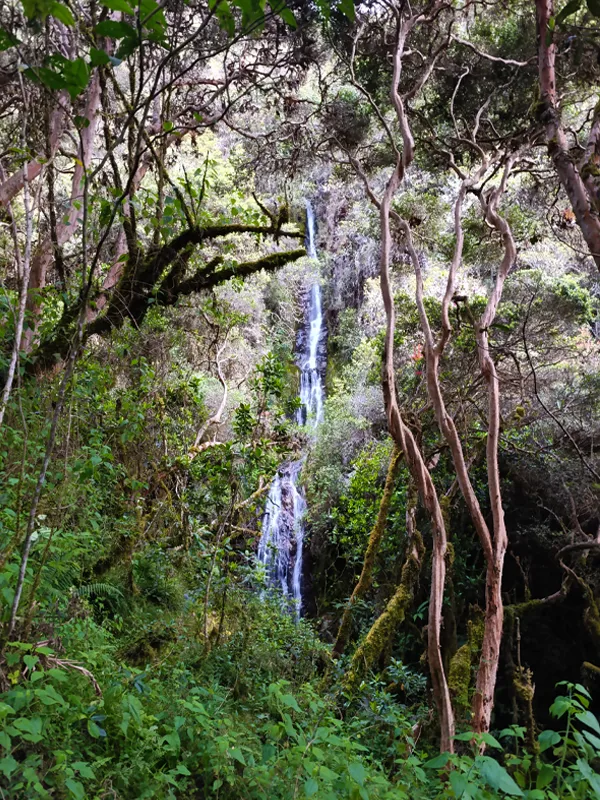
In April, mornings are cool to mild, and occasional rain showers can still occur, while the landscape stays lush and green. The humidity carried over from previous months helps many plants thrive, filling the trail with color, especially orchids.
In fact, around 420 orchid species have been recorded within the Historic Sanctuary of Machu Picchu.
Inca Trail weather May
Inca Trail weather in May, rainfall begins to ease and the skies become noticeably clearer. Mornings are mild, and April and May mark the transition as the Andes shift into the dry season.
After months of rain, the mountains, rivers, and wetlands hold a renewed supply of water, ready to support the next cycle of life in the highlands. From this month onward, tourist traffic starts to increase.
 |  |
June - September (Peak season)
From July through September, the Andes are in the heart of the dry season. Expect clear skies, minimal rainfall, and the most stable conditions for trekking. Thus, these months are highly popular because the trail is drier and trail footing more secure, though cold nights demand warm layers.
July and August are peak months, offering some of the best trekking weather of the year with brilliant views of the highlands, crisp air, and delightful mornings on the trail. However, popularity means permits sell out quickly.
- Rain likelihood: Low
- Daytime feel: Mild to warm
- Nighttime: Cold and freezing possible (June and July)
- Crowd level: High
- Trail Conditions: Very stable dry footing
Inca Trail weather June
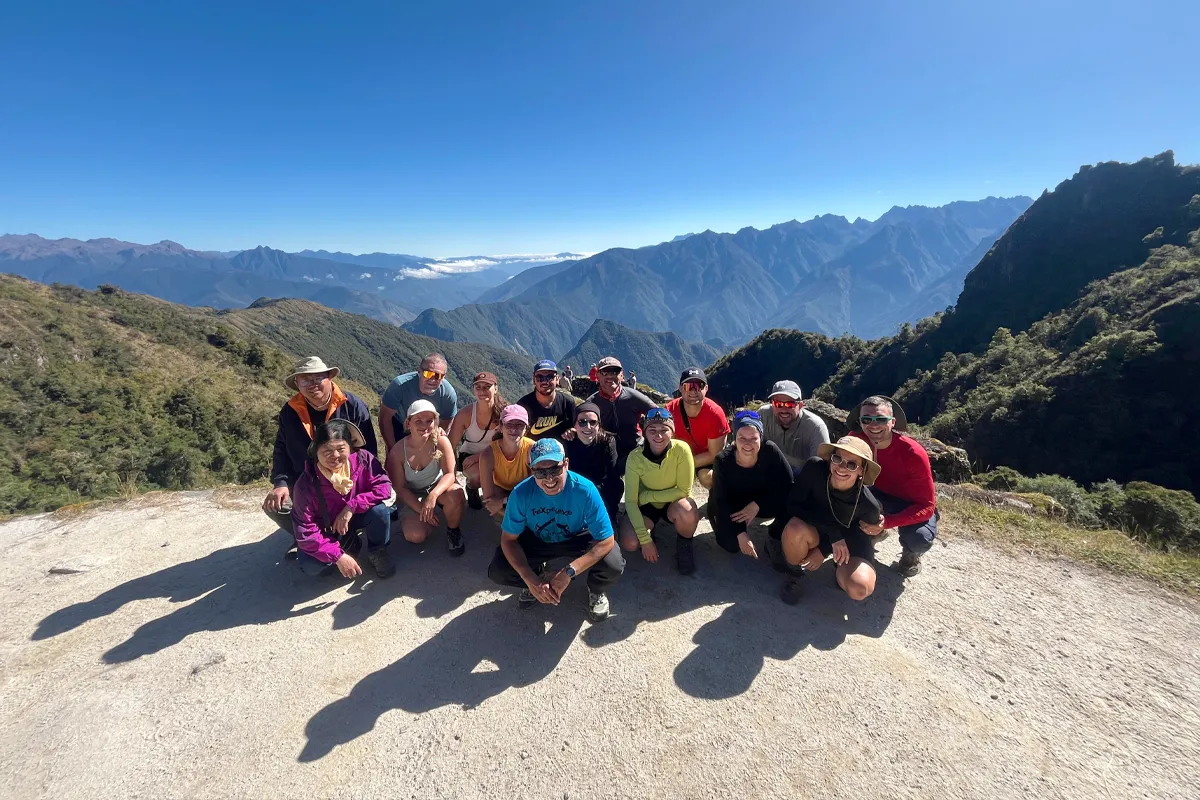
In June, the weather is typically sunny, at night temperatures drop sharply and you begin to feel the intense cold known locally as a "helada" (frost), which can last into July.
The helada usually sets in from dusk to dawn, chilling the dry air and sometimes freezing a thin layer of ground that thaws after sunrise.
Inca Trail weather July
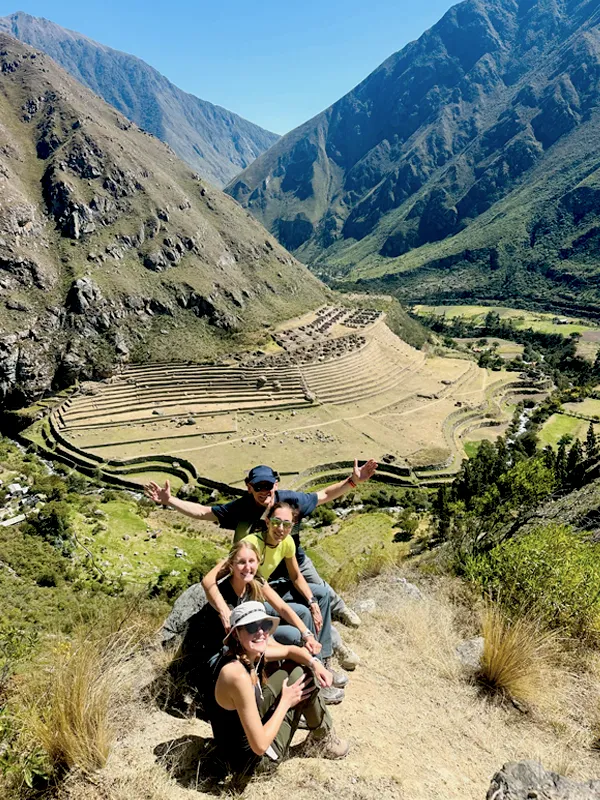
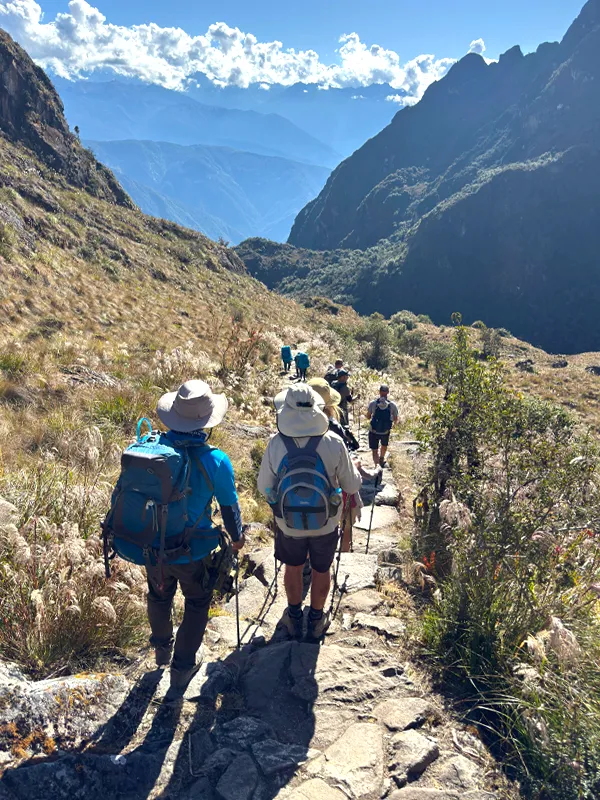
July weather is very similar to June, sunny days with firmer, dustier trails and clear, open views. On bright days, you can often spot the surrounding snowcapped peaks and even distant archaeological sites along the route.
June and July are favorite months for hikers who want to experience the Inca Trail with fewer weather related challenges.
 |  |
Inca Trail weather August
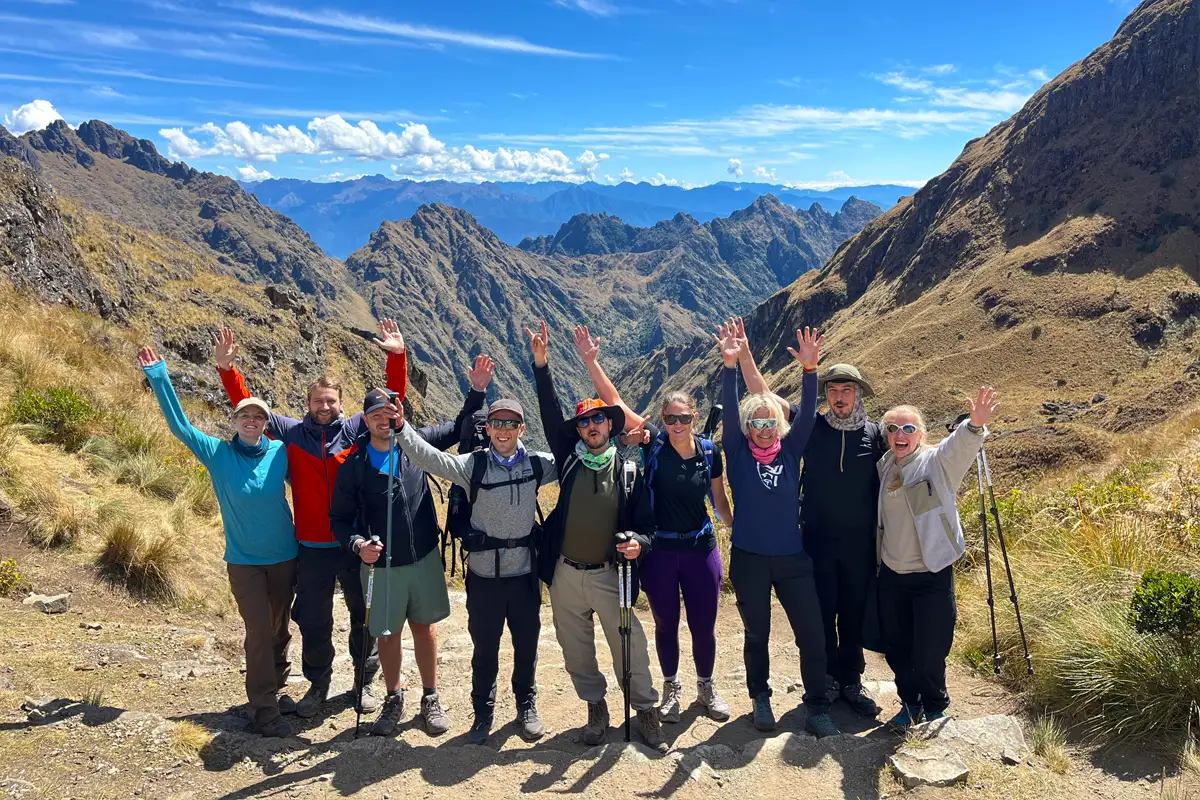
August is one of the best months to hike the Inca Trail. Like the previous months, mornings are sunny and clear with incredible views, the helada (frost) starts to fade, making nights feel more fresh than freezing. Afternoon winds are common and can continue into September.
Because many travelers want the most comfortable conditions, August is also one of the busiest and most in-demand months, so booking several months in advance is important.
Inca trail weather September
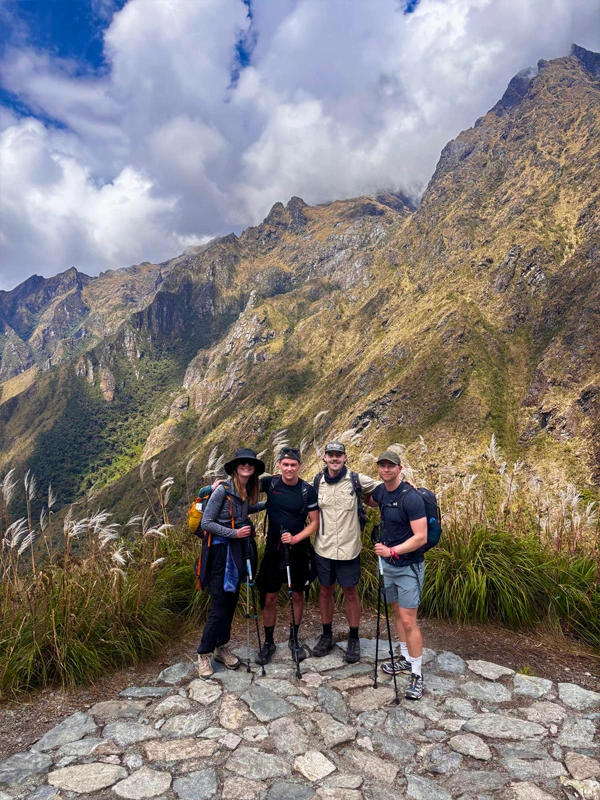
Similar to August, September is a comfortable month to hike the Inca Trail in September, with pleasant mornings and cool nights.
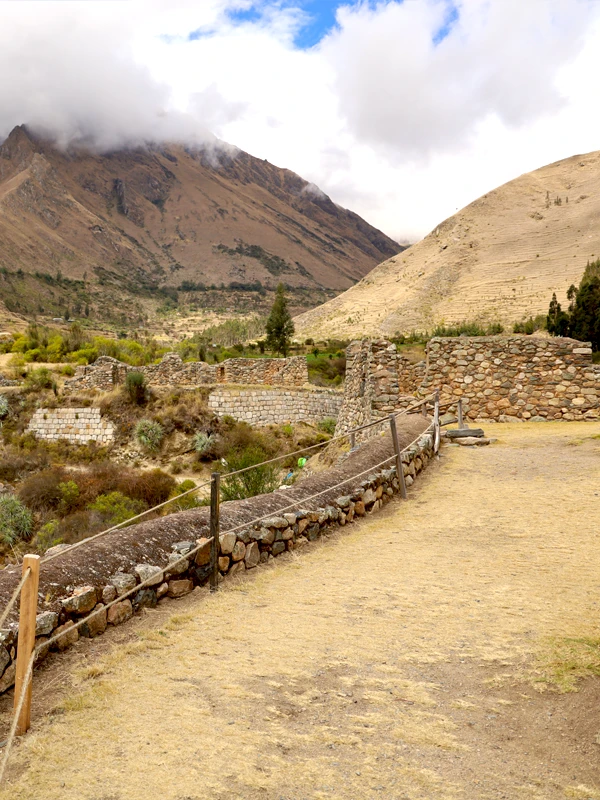
By this time, the Inter-Andean Valley and Andean puna landscapes turn more coppery and brown, and on clear, sunny days (especially at sunrise and sunset) the colors can glow beautifully.
 |  |
October–November (Rain returns)
October and early November often feel like a dry window with mixed weather: intermittent blue skies, occasional showers, and fewer crowds than peak months.
Inca Trail weather in December, the rainy season returns in full, with more persistent showers and slippery conditions, especially toward the lower cloud forest sections.
While hiking is still possible, waterproof gear and cautious trail management are important as conditions can change quickly.
- Rain likelihood: low to med
- Daytime feel: Mild-warm, sunny and short showers
- Nighttime: Cool-cold
- Crowd level: Medium-high
- Trail Conditions: Wet trail after rain
Inca Trail weather October
October is a transition month. You can still feel warmth from the dry-season months, with dry conditions and mild afternoons. Light rain can return at night, usually as short showers or a fine drizzle.
In some sections of the trail, rain may become more noticeable, especially after mid-October.
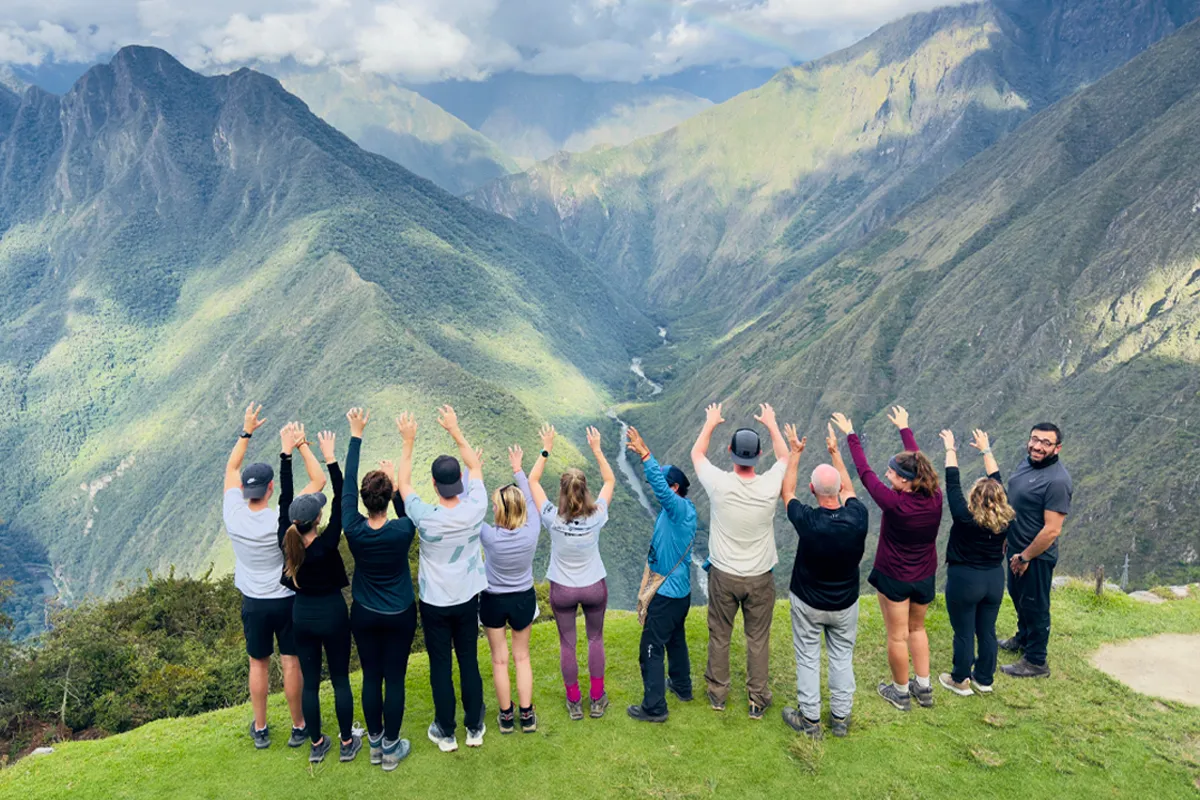
Inca Trail weather November
By late October or early November, the shift in seasons becomes more evident. Rain increases in frequency and intensity, bringing the mountains and water sources back to life after the dry months.
The Inca Trail November weather still brings light showers, but the landscape starts to turn greener overall, setting the stage for the lush views that will dominate in the months ahead.
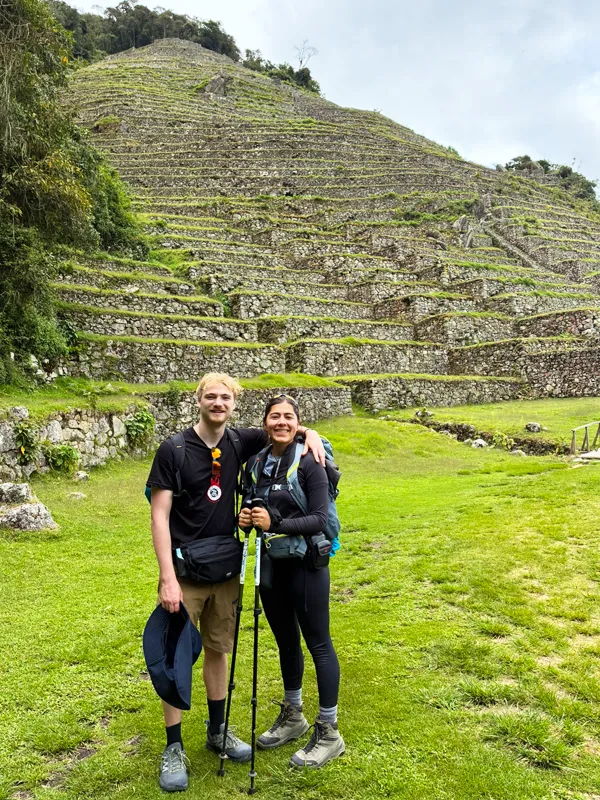 | 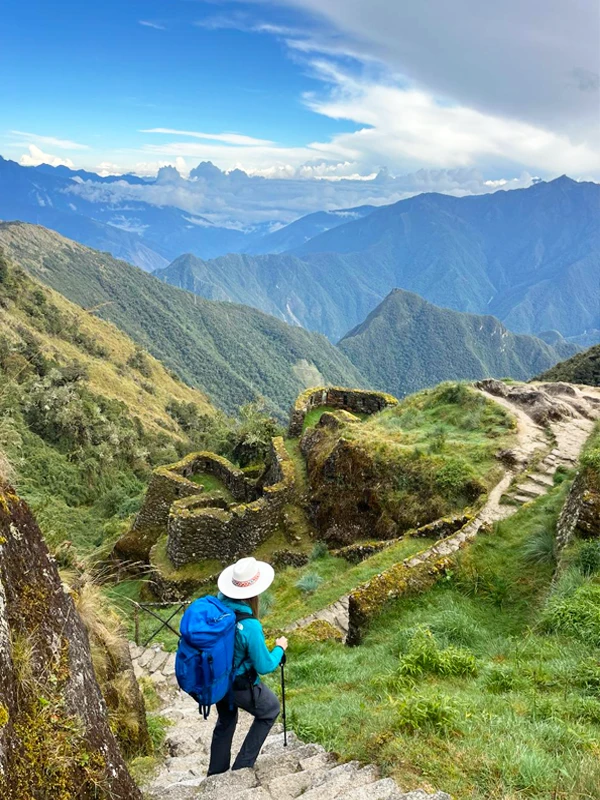 |
Best time to Hike the Inca Trail
Each part of the year offers a different version of the Inca Trail, making some months a better fit than others depending on your hiking style, comfort level, and the kind of scenery you want to experience.
For Nature Lovers (Orchids & Green Landscapes): March–May
March to May is one of the best times to hike the Inca Trail if you want to see wildlife, orchids, and rich green scenery.
These months are defined by humidity and an abundance of life along every section, trails filled with color, scents, and sounds that make the Inca Trail feel like a walk through nature itself.
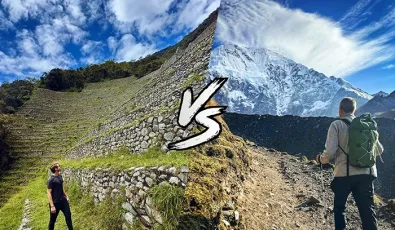
For the Balanced Experience (Clear Views): June–September
These months are the heart of the dry season, making it the best choice if you want the most reliable weather and clear mountain views.
Days are usually sunny with firmer trails, excellent for long-distance scenery and photography. The trade-off is that this is also the busiest period, so crowds are higher and permits often sell out well in advance.
For Fewer Crowds (Calmer Trail): October–January
If you want a calmer trail without the peak-season crowds, October to January can be a great fit. You’ll often get sunny hours, especially in October and early November, though occasional showers become more likely as the rainy season approaches.
It’s a solid choice if you prefer fewer hikers, a more relaxed pace.
Inca Trail Difficulty and preparation
Although many travelers focus only on “dry season vs. rainy season,” weather and altitude also shape the difficulty of the Inca Trail because they affect the terrain, fatigue, and even how much gear you need to carry.
- In the dry season (May to September), the trail is firmer, which helps you keep a steadier pace. But it also brings colder nights, especially at higher campsites where temperatures can drop to around freezing. Hiking after frosty nights and under strong daytime sun can increase fatigue and the chance of altitude discomfort.
- In the rainy season (November to March), the trek often demands extra effort because the trail can get slick and challenging in wet conditions. It may also mean carrying a bit more gear, even when the forecast looks favorable.
Is the Inca Trail dangerous?
No, the Inca Trail is part of an extensive network of paths with stone-paved sections, stairways, retaining walls, drainage channels to manage rainwater, and terraces that stabilize steep slopes. Much of this ancient engineering still works today, allowing you to hike the entire route safely.
Peruvian authorities control access and require an official permit. Guides, porters, and the entire camp team must meet safety requirements, including first-aid training.
In addition, only a limited number of authorized operators can run the trek, under specific rules designed to protect hikers, the trail, and its cultural heritage.
Inca Trail Packing List by Season
In a general Inca Trail packing list, layered clothing and gear for both wet and dry conditions will be a must. Packing for the Inca Trail is all about staying comfortable through quick weather shifts.
In a single day you can hike under strong sun, climb into cold wind at high passes, and finish in humid cloud forest, so the goal isn’t to carry “more,” but to carry the right layers that you can adjust as conditions change.
Your packing list should also match the season, that’s why most experienced hikers follow the 3-layer system:
Inca Trail dry season packing list
LAYER 1: Moisture control
- Underwear
- Hiking socks (crew length)
- Thermal top
- Thermal bottom
- Moisture-wicking shirts
- Long-sleeve T-shirts
LAYER 2: Active warmth
- Hiking pants
- Fleece pant (optional)
- Fleece jacket
- Softshell (Optional
LAYER 3: Keep wind/rain out
- Warm down jacket
- Waterproof and windproof jacket
- Rain Coat
Accessories:
- Gloves
- Sun hat or cap (neck flap optional)
- Sunglasses
- Buff or bandana
- Beanie
Inca Trail rainy season packing list
Use the same 3-layer system as the dry season, then increase waterproofing and add a few wet-weather essentials based on the forecast, prioritizing quick-dry and protective gear:
- Waterproof rain jacket (reliable, hooded)
- Rain pants (highly recommended)
- Quick-dry hiking clothes (avoid heavy cotton)
- Pack cover + dry bags/liners for clothes and electronics
- Extra socks and waterproof gloves
This setup keeps you flexible: remove layers when the sun is strong, then add them back when wind, rain, or cold hits at higher elevations.
Inca Trail Tips
In both seasons, it helps to be ready mentally and physically. Here are a few simple tips to handle the weather confidently on the Inca Trail:
- Inca Trail training plan: Start training one to two months before your trip. Simple workouts help you build strength and stamina, so you’ll feel more comfortable and confident on the trail.
- Easy hikes: Additionally to get your mind and body ready for the Inca Trail, do a few easy hikes at home. You can practice on city hills, stairs, or local trails, anything with some climbs helps.
- Acclimatize: Even if it’s your first time at high altitude, plan at least 48 hours in the Cusco region before starting the trek. This gives your body time to adjust to the thinner air and helps you feel better prepared for the season’s weather.
- Recognition walks: While you’re acclimatizing in Cusco, use that time to do a few nearby excursions, such as:
- Cusco City Tour - short walks through archaeological and cultural sites.
- Sacred Valley tour - gentle walks between ruins and villages
- Maras and Moray trip - full day excursion with easy hikes
These easy day tours help you get used to the terrain and prepare your body on site before the Inca Trail.
Read more Tips for hiking on the Inca Trail.
FAQs about Inca Trail Weather
Can weather delays affect my Inca Trail start date?
Yes, especially during the rainy season (November to March); heavy rainfall can sometimes cause delays or access restrictions, it may lead tour operators to adjust start times or reroute transportation to the trail.
Is it colder on the Inca Trail or at Machu Picchu?
The Inca Trail reaches much higher altitudes than Machu Picchu itself, so temperatures along the trail are significantly colder. Machu Picchu, at 2,430 m, is warmer and more humid year-round.
How accurate are weather forecasts for the trail?
Forecasts for high-altitude Andean regions like the Inca Trail are notoriously unreliable more than 48 hours in advance, since conditions change rapidly due to microclimates.
Can I get real-time weather updates for the Inca Trail from a reliable app?
Yes, you can, but keep in mind that signal on the trail is often very weak or nonexistent, so internet-based apps may not work. Offline tools like a barometer (or a watch with a built-in altimeter/barometer) can be a better way to notice incoming weather changes.
Do porters and guides hike in all weather conditions?
Yes, licensed trekking companies operate Inca Trail tours in all allowed months and are equipped to handle both dry and rainy conditions. Porters are trained and experienced, but ethical operators also provide them with proper gear, waterproofing, and cold-weather layers to ensure safety and dignity on the trail.
Can weather affect photography on the Inca Trail?
Yes. Dry season offers clearer skies for landscape shots, while mist and cloud cover in the rainy season can create dramatic, ethereal photos. However, you’ll need to protect your gear with waterproof covers and keep spare batteries warm, as cold weather drains power quickly.
What kind of hiking boots are suitable for wet and muddy Inca Trail conditions?
For the rainy season and muddy sections, the best footwear is high-top, waterproof hiking boots. They keep your feet dry and give your ankles extra support if you slip on wet ground. Investing in a good-quality pair makes a real difference.
How to prepare for cold nights on high altitude trails?
For cold nights at Inca Trail campsites, sleep in thermal base layers or other soft, comfortable clothes. Base layers should be your first layer inside the sleeping bag because they keep you warm without feeling bulky.
If you’re still cold, add an extra layer, like fleece pants or a light jacket, especially when you step outside the tent or go to meals. A warm beanie and a scarf or buff also make a difference.
But remember: every extra item you bring can add weight to your backpack and make the hike harder. The best way to stay warm at night on the Inca Trail is to use a high-quality sleeping bag.
You can buy one, or rent one through your Inca Trail travel agency, most agencies can provide the right sleeping bag for the season and carry the experience to choose the proper gear.
How to prepare for strong sun exposure on high altitude trails?
Depending on the season you hike the Inca Trail, you might get sunnier days or more rain. But the trail crosses different altitudes and ecosystems, and the Andes’ wind patterns can make the weather change fast and feel unpredictable.
Bring sun protection either way: broad-spectrum sunscreen SPF 30+, an SPF lip balm, UV400 sunglasses (100% UVA/UVB protection), and a light, breathable sun cap ideally with a neck flap.

Add new comment