



Choosing between the Inca Jungle and the Salkantay Trek is more than deciding how to get to Machu Picchu. It is about finding the adventure that feels right for you.
In this guide, you will explore the key differences in difficulty, altitude, acclimatization, weather, landscapes, activities, accommodation and more, so you can see which route matches what you are looking for and feel more confident about planning your trip.
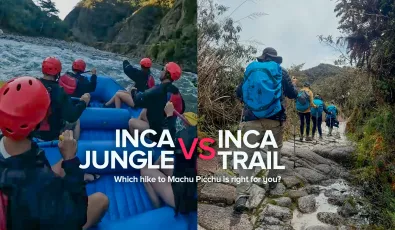
Inca Jungle Trek vs Salkantay Trek
Taking an adventurous route to Machu Picchu is a dream for many travelers. Among the most popular alternative treks are the Inca Jungle and the Salkantay Trek, two unique experiences for those who want to reach Machu Picchu by less conventional routes.
The experience they offer, the level of effort they require, and the landscapes they cross are all quite different. That is why, before choosing, it is worth understanding what each one really has to offer.
What is the Inca Jungle?
The Inca Jungle or Inka Jungle, is a multi-adventure route that lasts several days and ends at Machu Picchu.
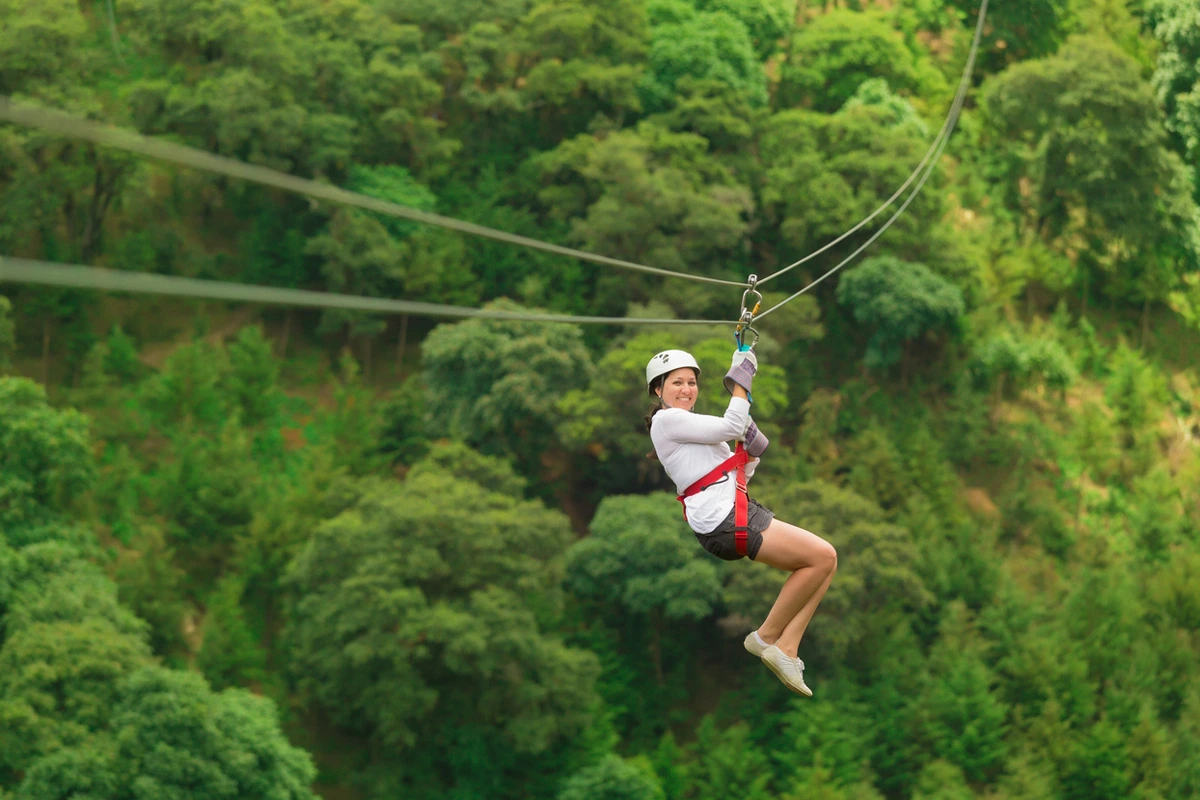
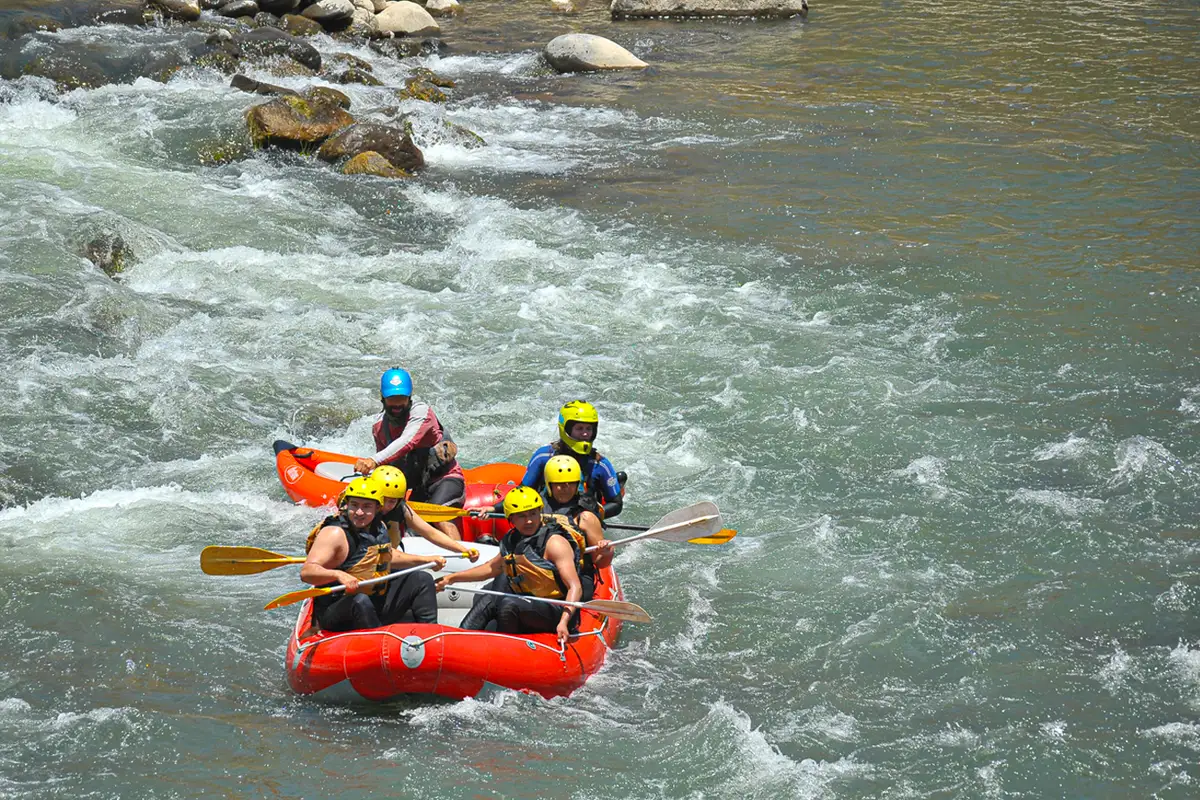
Along the way, it combines activities such as mountain biking, rafting, hiking, and zip-lining, through natural settings that shift from the Andes to the edge of the cloud forest.
What is the Salkantay Trek?
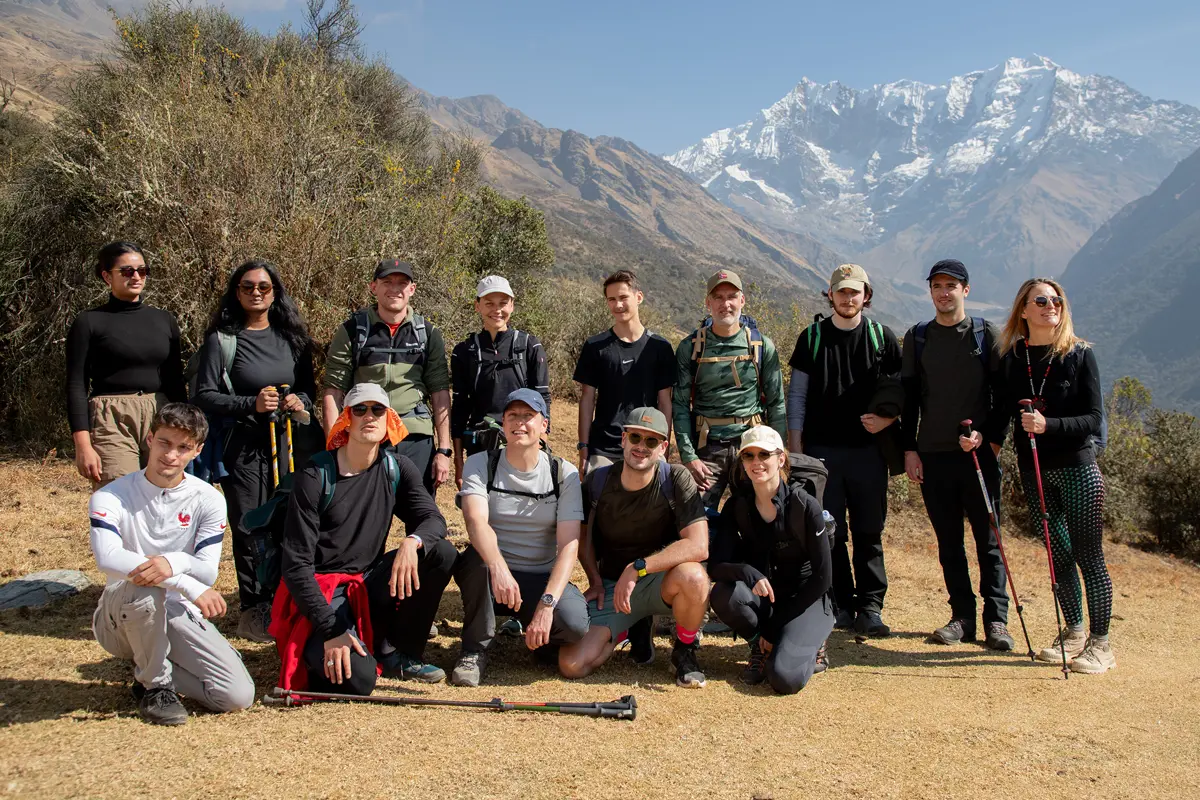
The Salkantay Trek is a multi-day hike focused on connecting with nature and taking on the physical challenge of high-altitude trekking.
The route crosses Andean landscapes, glacial areas, and rocky valleys, then descends into warmer cloud forest zones before reaching Machu Picchu. It is ideal for travelers who want a more mountain-focused experience centered on trekking.
Choose the Inca Jungle if you want adventure and variety
If you are a traveler looking for a fun, social, and constantly changing adventure, where the goal is to enjoy adrenaline and connect with local people in a warmer setting with less altitude demand, the Inca Jungle can be a great choice.
Choose the Salkantay Trek if you want a true trekking challenge
If you love hiking and high mountains, want a physical and mental challenge in the Andes, and dream of glacial views, remote landscapes, and a deeper connection with nature, the Salkantay Trek may be the best option for you.
Inca Jungle vs Salkantay Trek at a Glance
| Inca Jungle | Salkantay Trek | |
| Short definition | An adventure route to Machu Picchu that combines multiple outdoor activities in the Peruvian jungle | A trek to Machu Picchu that crosses the Andes before descending into valleys and the cloud forest. |
| Duration | 4 days / 3 nights | 4 days / 3 nights |
| Distance | 29-35 km (18 - 21.7 mi) | 42 km (26 mi) |
| Highest altitude | 4,316 m (14,160 pies) Málaga Pass | 4,630 m (15,190 pies) Salkantay Pass |
| Landscapes | Mountains, rivers, and warm valleys | Glaciers, lakes, mountains, and valleys |
| Accommodation | Hotels, hostels, and eco-lodges with private bathrooms and showers | Glamping and outdoor campsites with bathroom facilities |
| Included activities | Mountain biking, jungle hiking, rafting, zip-lining, and a visit to Machu Picchu | High-altitude trekking, jungle hiking, lake exploration, and a visit to Machu Picchu |
| Physical demand | Moderate: adventure activities with their own physical demands and equipment | High: sustained hiking with high-altitude climbs and close contact with nature |
| Climate | Warm and humid for most of the route, with a tropical atmosphere in the cloud forest | Cold in the high mountain areas and warmer as you descend into the cloud forest |
| Arrival at Machu Picchu | You arrive in Aguas Calientes on foot, and the visit to Machu Picchu takes place on the final day | |
Who should choose Inca Jungle or Salkantay?
Both are excellent ways to reach Machu Picchu, one of the UNESCO World Heritage Sites, but they do not offer the same kind of experience. The right choice depends on the type of adventure you want, how much adrenaline you enjoy, the personal challenge you want to take on, and above all, your travel style.
For travelers looking for adventure:
Inca Jungle. It is an action-packed route with varied activities and a different experience each day.
For trekking lovers
Salkantay. It is a more physical, mountain-focused route, with trekking as the heart of the experience.
For couples
Both. It all depends on the kind of trip you want to share. If you are looking for more comfort and variety, Inca Jungle can be a great fit. If you prefer nature, scenery, and a more intimate outdoor experience, Salkantay can also be ideal, especially with glamping options.
For young or social travelers
Inca Jungle. It often attracts more dynamic groups and offers settings that make it easier to connect with other travelers and local communities along the route.
For landscape photographers
Salkantay. The snow-capped mountains, lakes, glaciers, and changing scenery along the route create powerful views for anyone who loves photography. Hiking also increases the chance of spotting local flora and wildlife.
If you are concerned about altitude
Inca Jungle. Although it also begins at a high elevation, the time spent at extreme altitude is shorter than on the Salkantay Trek, which can make it feel more manageable for some travelers.
Each of these adventure routes has its own features that make it special. If you are still not sure which one to choose, below you will find their most important differences.
Inca Jungle or Salkantay: Which One Is More Difficult?
Understanding the level of difficulty is key to choosing the right route to Machu Picchu. Although both journeys involve adventure and physical effort, the type of challenge is quite different in each one.
Altitude challenge on the Inca Jungle and Salkantay
Altitude is one of the most important factors in the Andes, and it plays a role on both routes, although in different ways.
- On the Inca Jungle Trek, the main altitude challenge is concentrated at the beginning, in the highest part of the route. After that, the trail descends quickly into lower and warmer areas, so altitude exposure becomes much lighter for the rest of the trip.
- On the Salkantay Trek, exposure to high altitude lasts longer, especially during the first few days. This makes the challenge more intense and continuous, particularly for travelers who are not well acclimatized or do not have experience with long hikes.
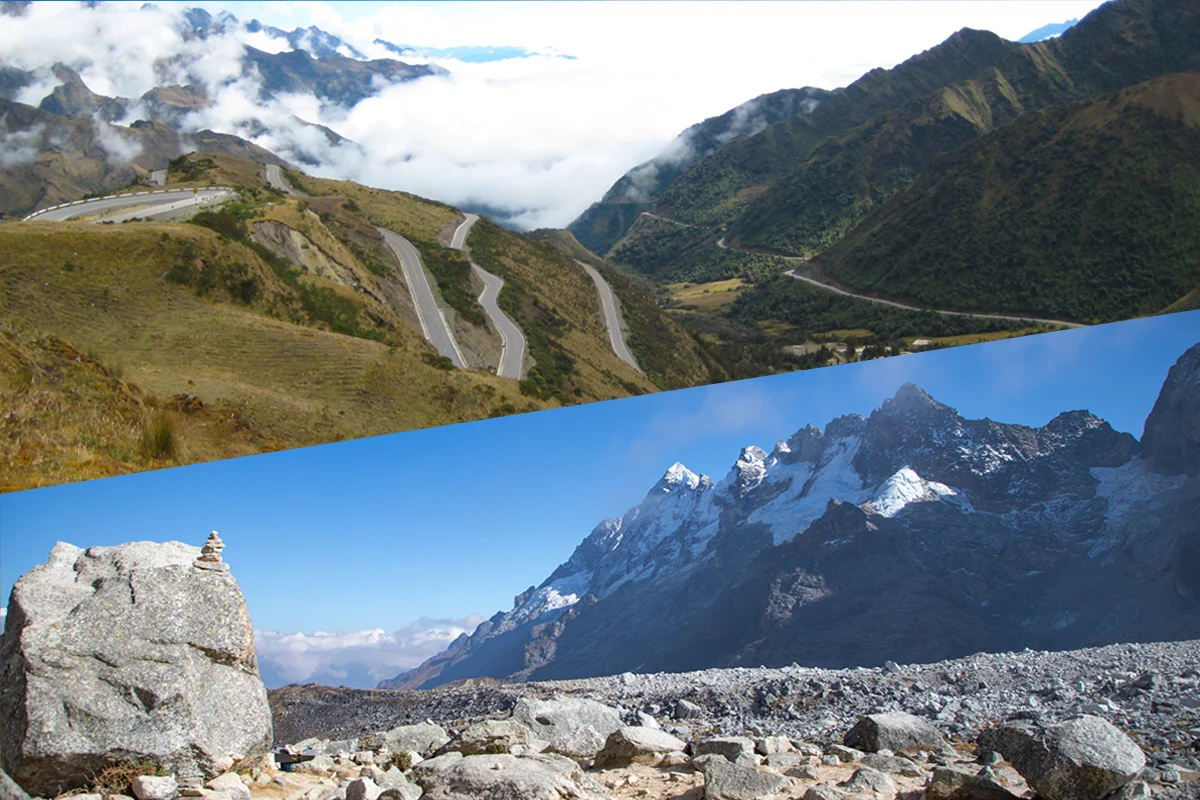
The highest point on both the Inca Jungle and the Salkantay Trek is reached at different mountain passes, known locally as abras, where the descent toward the jungle begins.
Physical effort on the Salkantay and Inca Jungle
Beyond altitude, physical effort is also a key factor. In both cases, it helps to have good cardiovascular endurance and leg strength, but the type of effort is not the same.
- The Inca Jungle, on the other hand, combines physical activity with rest periods and different types of adventure. Even so, it still requires energy, coordination, and a willingness to take part in activities such as biking, rafting, and hiking.
- The Salkantay trail requires more continuous hiking, with long ascents and descents on mountain terrain. For that reason, it usually demands greater overall physical endurance.
Technical challenge of the Inca Jungle and Salkantay
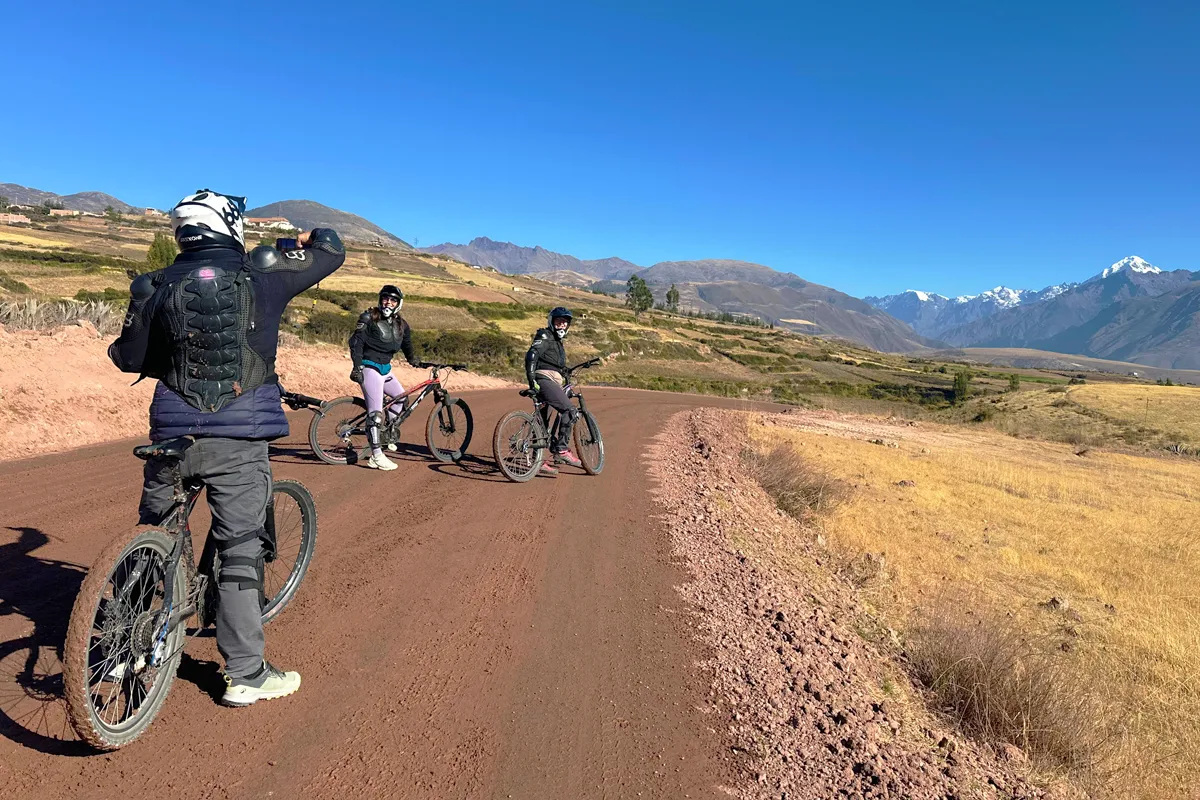
- On the Inca Jungle, the technical element is more closely related to the adventure activities. Biking and rafting may require a certain level of confidence and basic skills, such as knowing how to swim and ride a bike, although the route is generally accessible for most travelers.
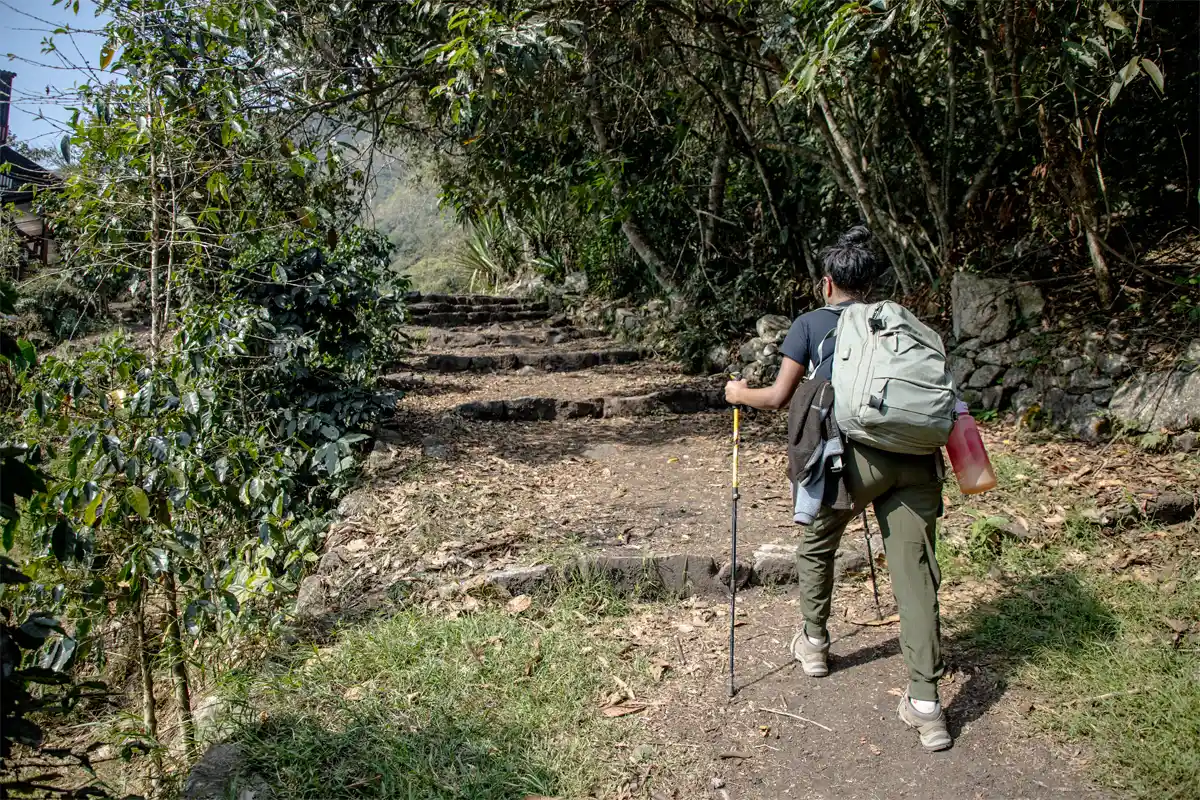
- The Salkantay Trek is not a technically complex route. However, it does include steep, rocky, and demanding trails, especially in areas such as Humantay Lake and the mountain pass. It is also important to consider a proper Salkantay packing list to complete the trek comfortably.
Which one is better for beginners?
The Inca Jungle is better suited for beginners or for travelers who want a mix of physical activity with less demanding daily mountain trekking.
The Salkantay, on the other hand, is a more demanding route and is usually a better fit for people with some experience in long or multi-day hikes.
Altitude and Acclimatization for the Inca Jungle and Salkantay Trek
Altitude should be taken seriously on both routes. In Peru, changes in ecosystem, temperature, and elevation can happen in a very short time, and that directly affects how your body feels throughout the journey.
Altitude profile of the Inca Jungle
On the Inca Jungle, the highest point usually comes at the beginning of the route, with the descent from Málaga mountain pass at 4,316 m (14,160 ft). From there, the route quickly loses elevation, and the nights are spent in much lower areas, around 1,200 m (3,937 ft). This reduces the amount of time spent continuously at high altitude.
Altitude profile of the Salkantay Trek
The Salkantay Trek begins in an already elevated area, around Soraypampa at 3,900 m (12,795 ft), then continues to Humantay Lake at 4,200 m (13,779 ft) and Salkantay Pass at 4,630 m (15,190 ft). During the first few days, it involves constant exposure to altitude. After that, the route gradually descends into lower areas until reaching Aguas Calientes at 2,040 m (6,692 ft). That transition is what makes the first days the most demanding.
Since both itineraries begin at high elevations and descend by around 2,000 meters, altitude sickness can affect some travelers. That is why proper acclimatization beforehand is very important.
How many days should you acclimatize in Cusco?
- Salkantay Trek: ideally, you should spend 2 to 3 full days in Cusco before starting the route.
- Inca Jungle: at least 2 full days are recommended.
During that time, it is best to stay well hydrated, eat light meals, avoid too much alcohol, and keep your activities gentle. Once on the route, the best approach is to walk at a steady pace without rushing, and, if you feel it helps, drink coca tea or chew coca leaves so your body can adapt gradually and you can enjoy the experience more fully.
Seasons and Weather on the Inca Jungle and Salkantay
Since both the Salkantay and Inca Jungle routes take place on the eastern slopes of the Peruvian Andes, their seasons are shaped by two clearly defined periods: the dry season and the rainy season.
Dry season (April to October)
During these months, the weather is usually more favorable for both routes. The days tend to be clearer and sunnier, making it easier to enjoy the scenery and the mountain views.
At higher elevations, nights can become very cold, especially in June and July. In the jungle, on the other hand, temperatures usually feel milder.
Rainy season (November to March)
Both the Inca Jungle and the Salkantay can be done during the rainy season, but the weather is more unpredictable. Sudden showers and temperature changes are common, both at high altitude and in the cloud forest.
At the same time, the vegetation looks greener, the valleys feel more vibrant, and the rivers usually carry more water, which can be especially appealing for travelers who enjoy activities such as rafting.
Read more » Salkantay Trek Weather Month by Month
Which one handles rain better?
Both options can be done in rainy conditions if you have the right gear, such as waterproof clothing, trekking shoes, and proper protection for your belongings.
In either case, the experience will depend a lot on your preparation and on the weather conditions of the day, which can change as you move through different ecosystems and elevations.
Contrasting Landscapes: Inca Jungle vs Salkantay Trail
Both routes offer incredible scenery and views of some of the most iconic mountains in Peru, but the overall atmosphere of each one is quite different. Except for the final days, when both routes pass through cloud forest and high jungle areas, the visual and emotional experience of each journey changes significantly.
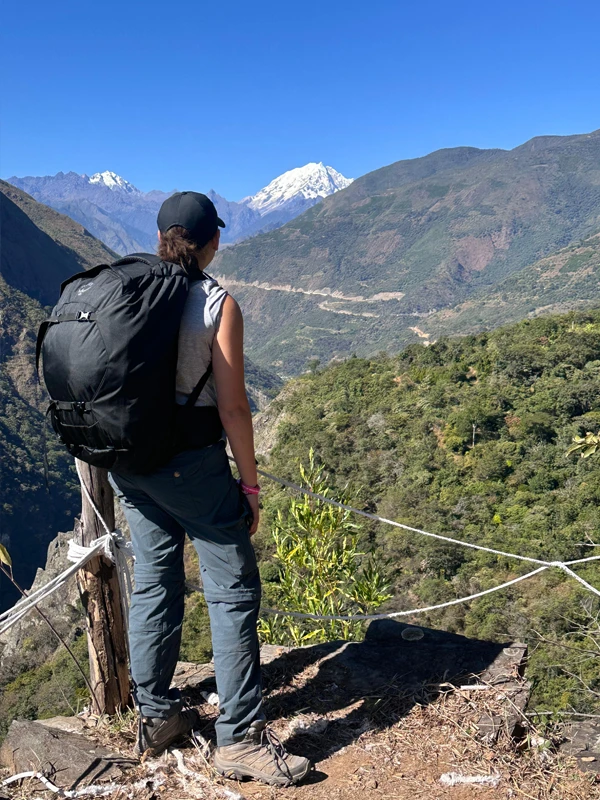
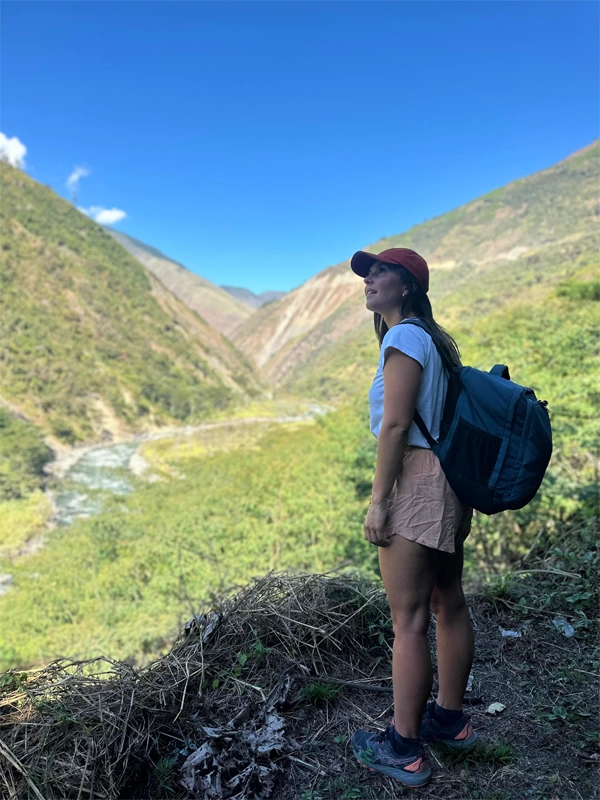
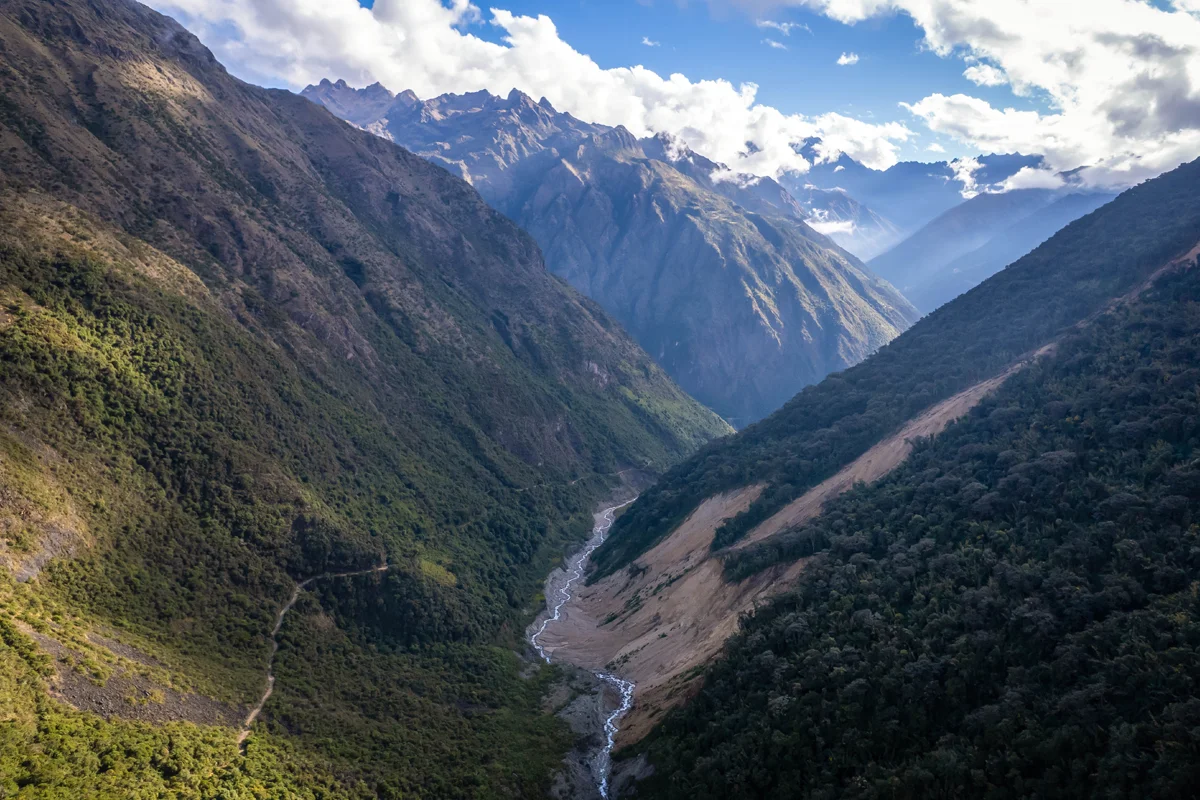
Inca Jungle landscapes: Valleys, rivers, coffee farms, and jungle
Since the Inca Jungle quickly descends to lower altitudes, the environment soon shifts into a tropical setting full of vegetation and life. Along this route, it is common to see:
- Dense, green cloud forests.
- Fast-flowing rivers, especially in the areas where rafting takes place.
- Coffee, cacao, and tropical fruit plantations.
- Local communities and farming areas.
 |  |
 | |
Salkantay route landscapes: Glaciers, lakes, and jungle
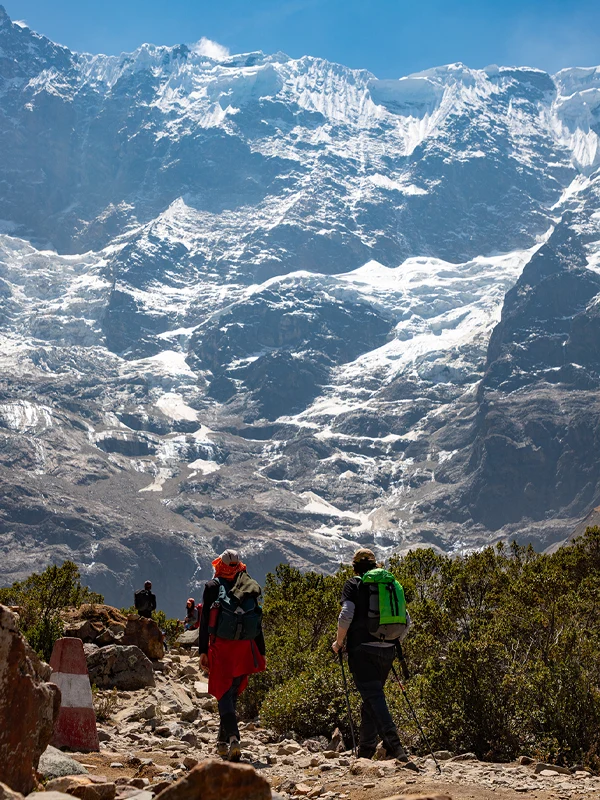
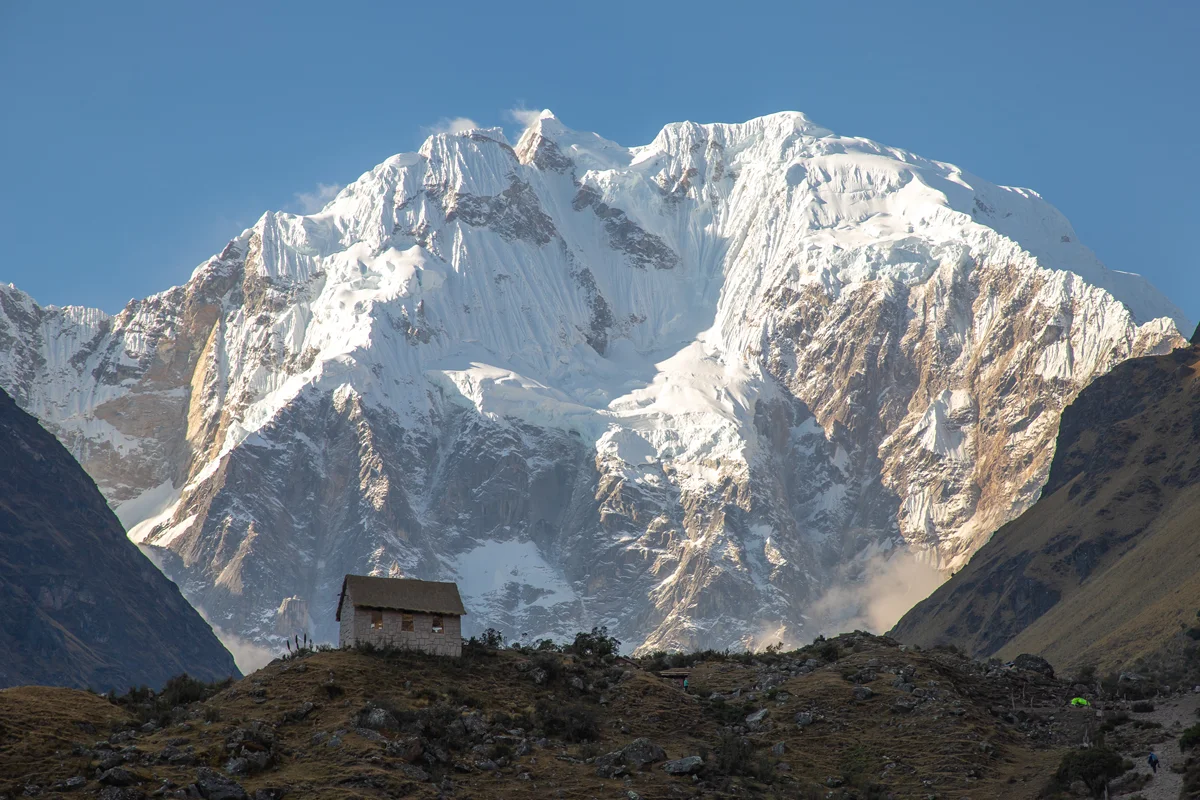
The Salkantay Trek leads deep into the Vilcabamba Mountain Range and offers a more Andean, mountain-focused experience. During the hike, you can find:
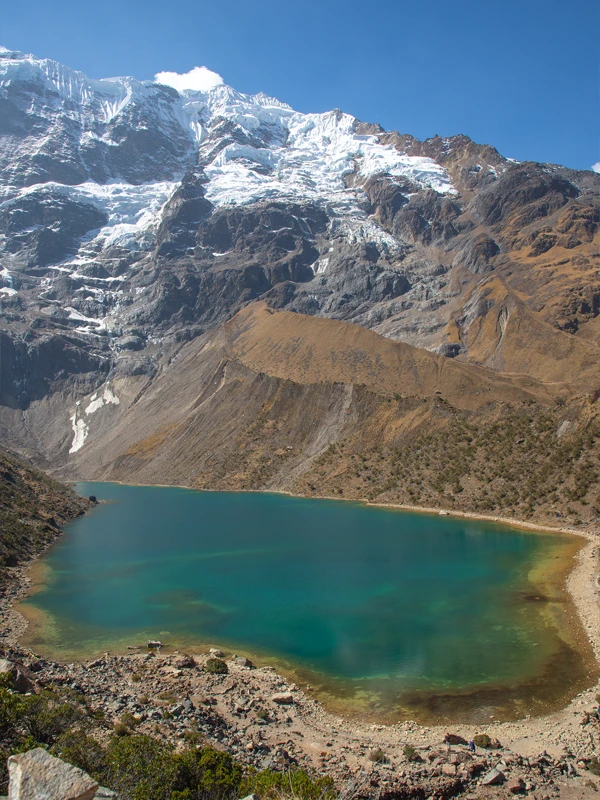
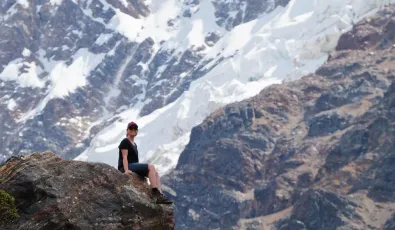
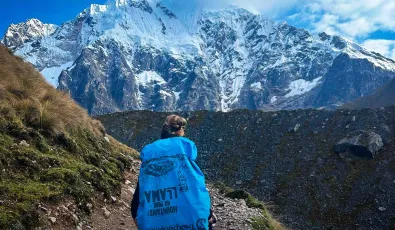
- Snow-capped mountains such as Apu Salkantay, along with iconic places like Humantay Lake.
- Puna or Andean highland grasslands in the upper sections.
- Rocky valleys and wide-open mountain scenery.
- A very marked transition into greener, warmer cloud forest valleys.
 |  |
 | |
Which route feels more remote?
- Salkantay feels more remote and more connected to nature. The sense of distance, silence, and wild surroundings is much stronger.
- In contrast, the Inca Jungle trail passes through villages and areas close to small towns, so the sense of disconnection is not constant throughout the entire journey.
Activities Included in the Inca Jungle and Salkantay
The most noticeable difference between these two tours lies in the type of activities each one includes.
What to expect on the Inca Jungle Adventure
| Main Activity | Setting | |
| Day 1 | Mountain biking (downhill) | Andes 🠮 Cloud forest Málaga Pass (4,316 m / 14,160 ft) |
| Rafting | Tropical valley and the Urubamba River | |
| Day 2 | Short hike | Jungle and agricultural scenery |
| Hot springs experience | Cocalmayo hot springs | |
| Day 3 | Hiking and archaeological exploration | Jungle and a section of the Inca Trail |
| (Optional) Zip-line | Valley and lush jungle | |
| Hike to Aguas Calientes | ||
| Day 4 | Visit to Machu Picchu | Archaeological scenery and jungle |
TreXperience offers a softer, more cultural version of the Inca Jungle route without losing the sense of adventure. Instead of the downhill ride from Málaga pass, it includes mountain biking across the Maras plateau (3,300 m / 10,827 ft) and a visit to the Maras Salt Mines on the first day, reducing the impact of altitude.
Discover it here » Inca Jungle with the Maras Salt Mines
What to expect on the Salkantay Trek
| Main Activity | Setting | |
| Day 1 | Moderate hiking | Glacial lake and snow-capped Andean peaks - Humantay Lake (4,200 m / 13,779 ft) |
| Day 2 | Challenging hiking (ascent and descent) | Andes 🠮 Cloud forest - Salkantay Pass (4,630 m / 15,190 ft) |
| Hot springs experience | Cocalmayo hot springs | |
| Day 3 | Easy hiking | Jungle and agricultural scenery |
| Hike to Aguas Calientes | ||
| Optional hot springs visit | Aguas Calientes hot springs | |
| Day 4 | Visit to Machu Picchu | Archaeological scenery and jungle |
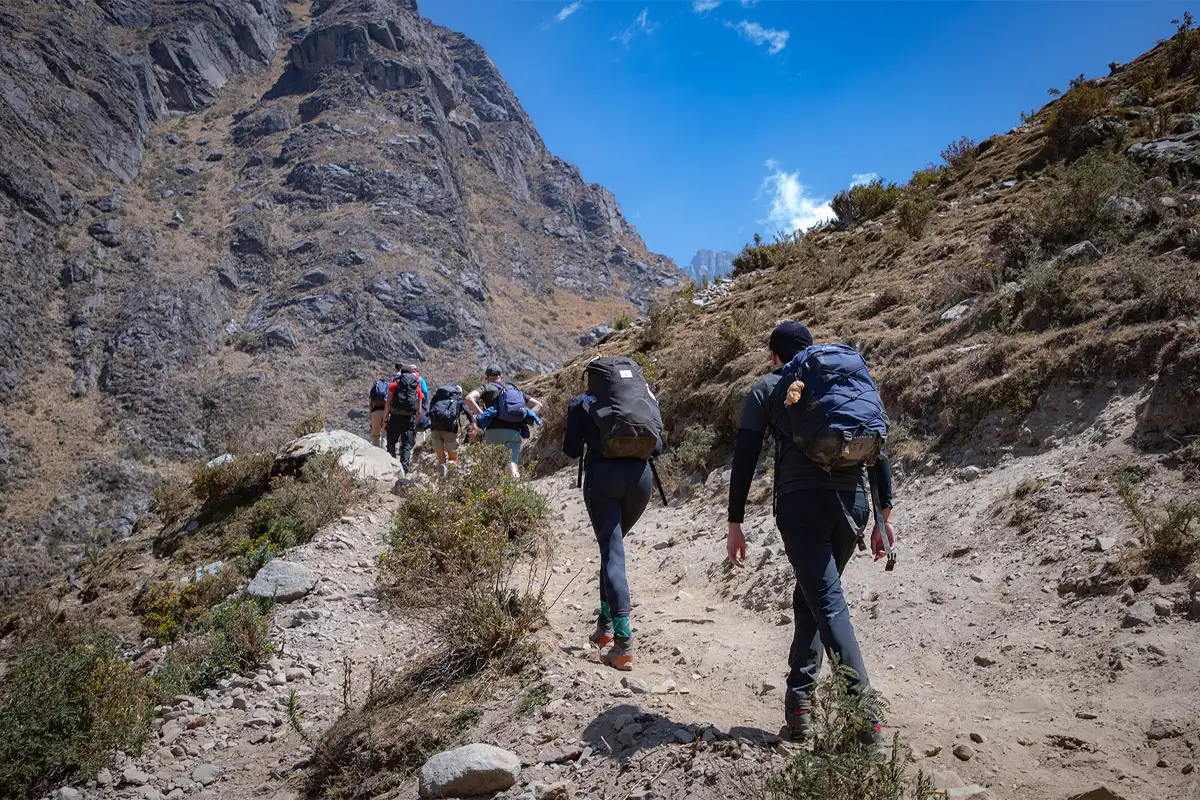
Accommodation and Services on the Salkantay and Inca Jungle
The type of accommodation and the services included have a major impact on the overall experience.
- On the Inca Jungle, it is most common to stay in hotels, hostels, or eco-lodges. This usually means a more comfortable experience, with access to a bed, shower, bathroom, and in some cases even Wi-Fi or a restaurant.
- On the Salkantay route, accommodation is usually provided in campsites. The level of comfort can vary quite a bit, from more rustic options to more comfortable setups. Even so, it remains a more outdoor experience, with greater exposure to the weather and natural surroundings.
| Inca Jungle | Salkantay Trek | |
| Accommodation | Hotels, local hostels, and eco-lodges | Outdoor camping |
| Details | Comfortable stays with access to a bed, shower, bathroom, Wi-Fi or a restaurant. | The level of comfort can vary, but it generally includes access to basic services, dining tents, cooking areas, and portable bathrooms. |
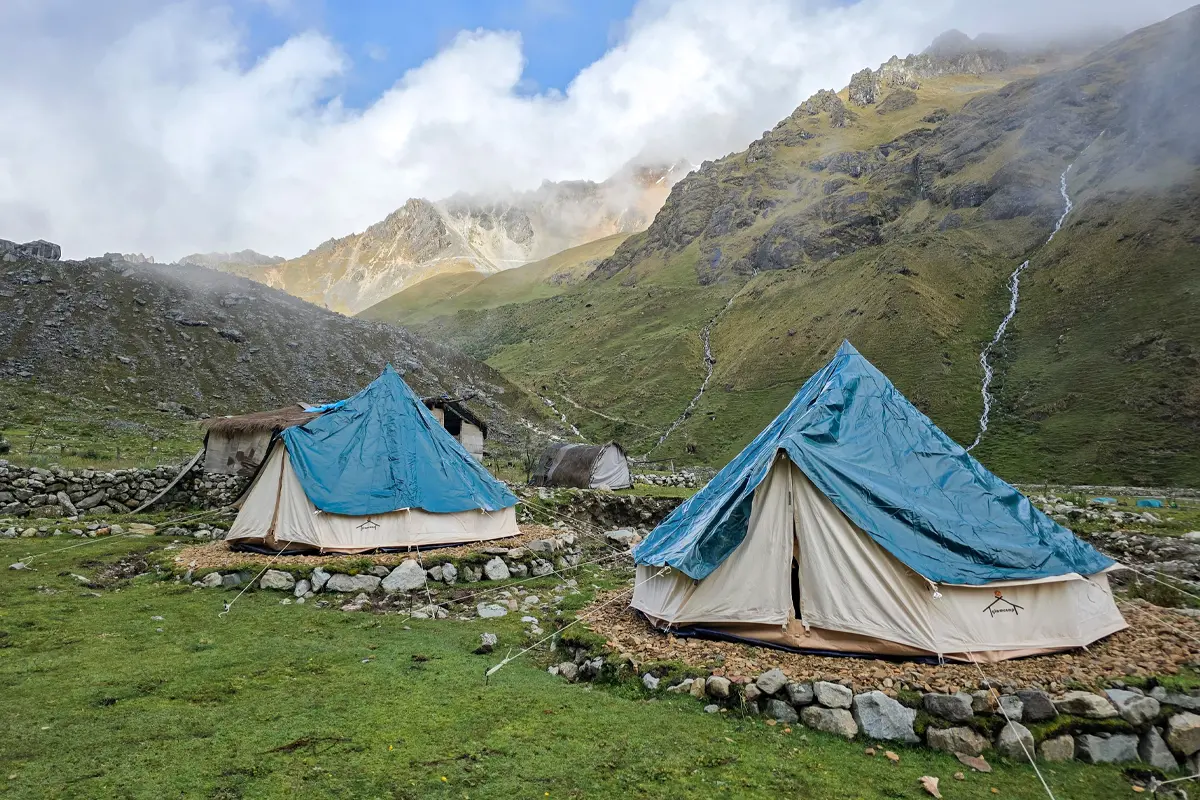
At TreXperience, we offer glamping on the Salkantay Trek, along with high-quality camping equipment, prioritizing rest so you can recover your energy and enjoy each day of the tour.
Discover it here » Salkantay Trek to Machu Picchu
Which one feels more comfortable?
In general, the Inca Jungle offers more comfort because you sleep indoors, in proper rooms, and closer to basic services.
For some travelers, the Salkantay may feel less comfortable since camping is a central part of the experience, although upgraded options such as glamping can greatly improve the level of comfort.
Price and Value: Inca Jungle and Salkantay Trek
The route you choose will also depend on the budget you have in mind and the kind of experience you want to enjoy.
Why the Inca Jungle is usually more affordable
The Inca Jungle runs through lower areas and makes use of existing infrastructure along the route, such as hotels, hostels, eco-lodges, restaurants, farms, and more accessible roads. That helps keep logistics and operating costs lower.
Why the Salkantay can cost more
The Salkantay requires a broader logistical setup. It usually involves cooks, muleteers, camping equipment, support staff, and specialized organization for a mountain route. All of this increases the cost, but it is also part of the value of the experience.
What each route usually includes
| Inca Jungle | Salkantay Trek | |
| Professional guide | Yes | Yes |
| Meals | All meals along the route | All meals along the route |
| Accommodation | Hotels, hostels, and eco-lodges | Campsites |
| Adventure gear | Mountain bike. Optional: rafting and zip-line equipment | Sleeping pad. Optional: sleeping bag and trekking poles |
| Muleteers | No | Yes, for camping gear and personal luggage |
| Entrance to Machu Picchu | Yes | Yes |
| Tourist train for the return | Yes | Yes |
Inca Jungle and Salkantay Trek with Pachamanca and Coffee Tour
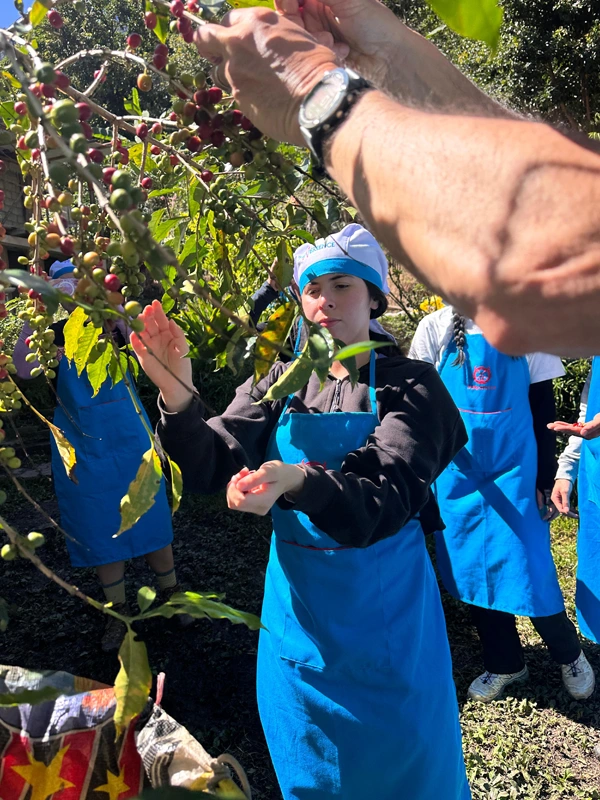
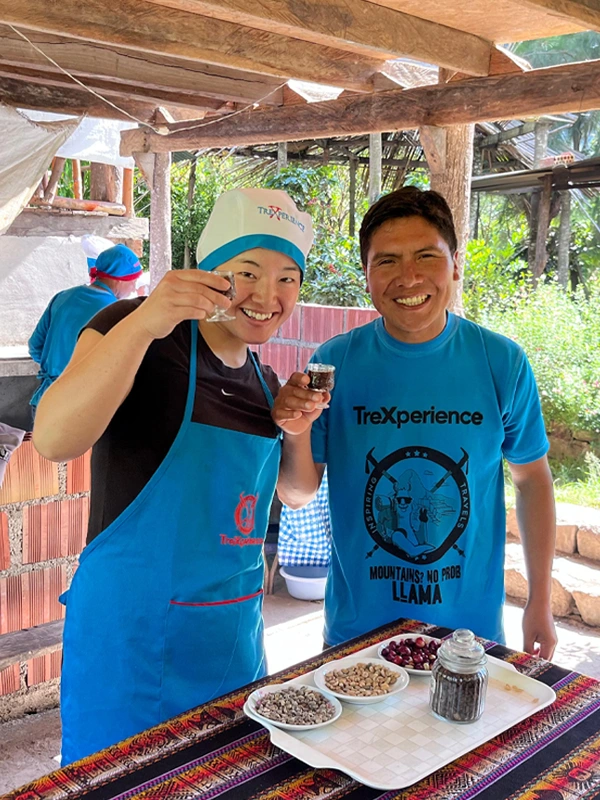
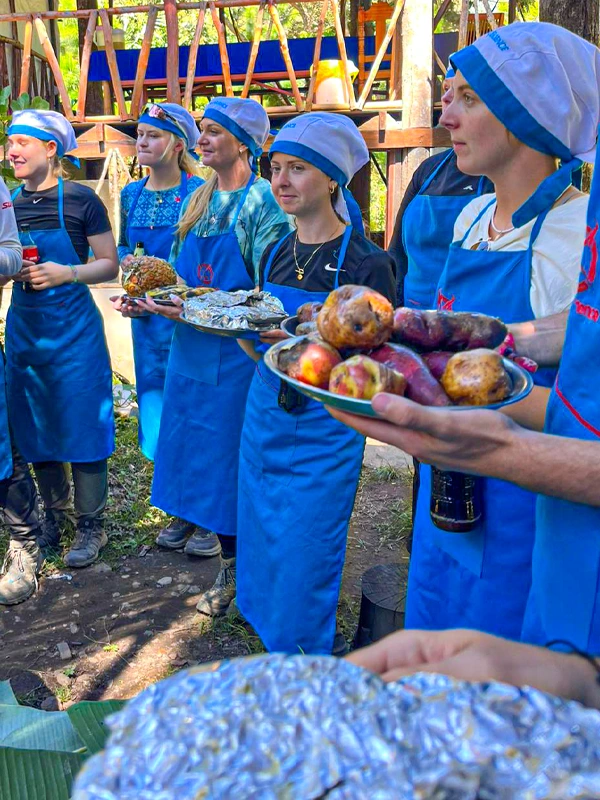
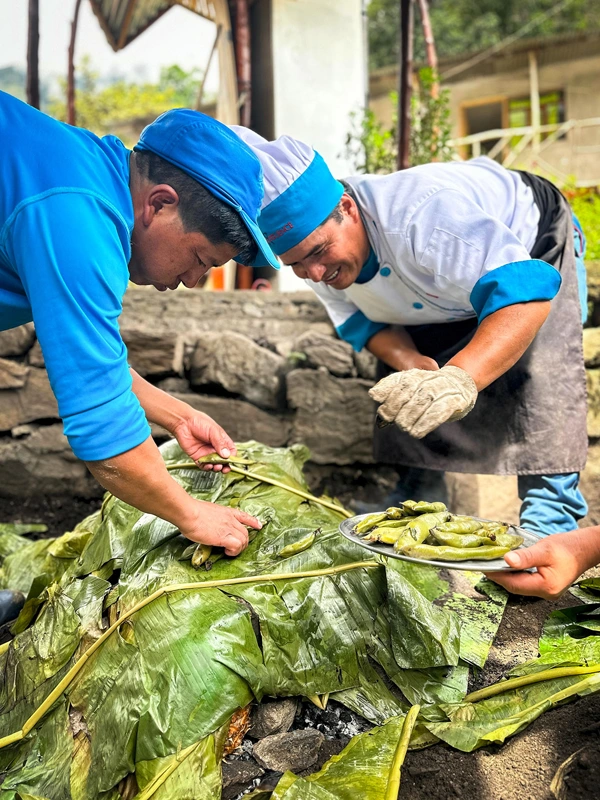
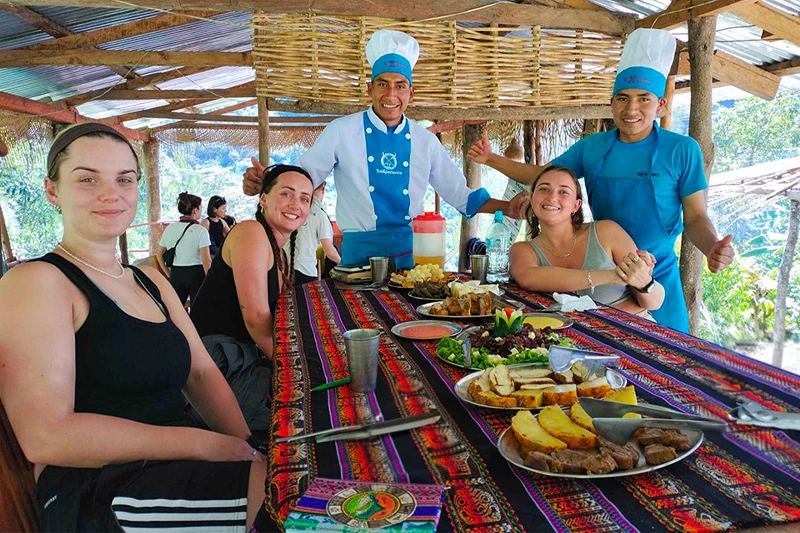
At TreXperience, both the Inca Jungle and the Salkantay Trek include the preparation of traditional pachamanca on the third day, along with a Peruvian coffee tour and tasting.
| 
|
 | 
|
 | |
Now that you understand the differences between the Inca Jungle Trek and the Salkantay Trek a little better, choosing between them will be much easier. Both routes can lead you to an unforgettable journey to Machu Picchu, but the best choice will always be the one that matches your pace, your interests, and the kind of trip you want to share.
And if you still have questions, we are here to guide you and help you find the ideal route for your adventure.
Frequently Asked Questions: Inca Jungle Trek vs Salkantay Trek
Which route includes hot springs in the itinerary?
The Inca Jungle usually includes a visit to the Cocalmayo Hot Springs as part of the itinerary. On the Salkantay Trek, it is also possible to visit hot springs (Aguas Calientes hot springs), but usually on your own after arriving in Aguas Calientes Town.
Can you skip any activities on the Inca Jungle or Salkantay?
Yes. On the Salkantay Trek, some extra activities can be skipped, but not the hike itself, since it is the heart of the experience. On the Inca Jungle, it is also possible to skip activities such as mountain biking, rafting, or zip-lining, although the hiking sections are still an essential part of the route.
Which tour is easier to book?
Both routes are usually easier to book than the Inca Trail, since they do not require a permit that sells out quickly. Even so, it is still a good idea to book your Machu Picchu entrance in advance, especially during high season.
Which route is better for families and children?
In general, neither route is ideal for young children. The Salkantay Trek may be a better fit for teenagers over 15, while the Inca Jungle is usually more suitable for older teens and young adults because of the adventure activities included.
Which of the two routes requires more gear?
Although both tours last 4 days, the Salkantay Trek usually requires a more varied packing list, since it combines cold high-mountain conditions in the first few days with warmer weather as the route descends.
Add new comment