



If you are comparing Inca Jungle vs Inca Trail for your trip to Machu Picchu, this guide will help you understand the key differences before choosing your route. Although both journeys end at the same iconic destination, the experience along the way is very different in terms of hiking, scenery, altitude, activities, comfort, and travel style.
Keep reading to explore both options in detail and discover which trek best matches your interests, fitness level, and the kind of journey you want to have in Peru.
Inca Jungle vs Inca Trail at a Glance
Although the Inca Trail or the Inca Jungle routes lead to Machu Picchu, the journey, scenery, altitude, and daily experience are quite different. Here is a breakdown of the key features that set the Inca Trail and Inca Jungle apart.
Quick comparison table
| Classic Inca Trail | Inca Jungle Trek | |
| Short definition | Traditional trek through inca sites to Machu Picchu | Multi-activity adventure route to Machu Picchu |
| Duration | 4 days / 3 nights | 4 days / 3 nights |
| Primary activities | 100% trekking and exploring Inca archaeological sites | Downhill biking, hiking, rafting and zip-lining |
| Physical Demand | High: sustained steep climbing at high altitudes | Moderate: Varied activities with more descending routes |
| Distance | 42 km (26 mi) | 29-35 km (18-21.7 mi) |
| Highest point | 4,215 m / 13,828 ft (Dead Woman’s Pass). | 4,316 m / 14,160 ft (Málaga Pass biking start). |
| Weather | Colder, drier, high mountain climate | Warmer, more humid, cloud forest climate |
| Permits & Booking | Government permit required, book months ahead | No special trail permits required; much easier to book. |
| Machu Picchu arrival | Walking through the Sun Gate (Inti Punku) at sunrise. | Shuttle bus from Aguas Calientes to the main entrance. |
Which trek is right for your travel style?
- Choose Inca Trail if you enjoy hiking, history, and a more traditional route to Machu Picchu. The traveler who craves maximum physical challenge and values the complete archaeological and original pilgrimage experience.
- Choose Inca Jungle Trek if you are an adventure traveler, and adrenaline seeker. The traveler looking for a more social, flexible, budget-friendly experience packed with extreme activities
Defining the Routes: What is the Difference?
What is the Difference Between the Inca Trail and Inca Jungle? It is a dilemma for anyone planning an epic adventure in Cusco. To find your perfect match, let's start by defining exactly what each route is.
What is the Classic Inca Trail?
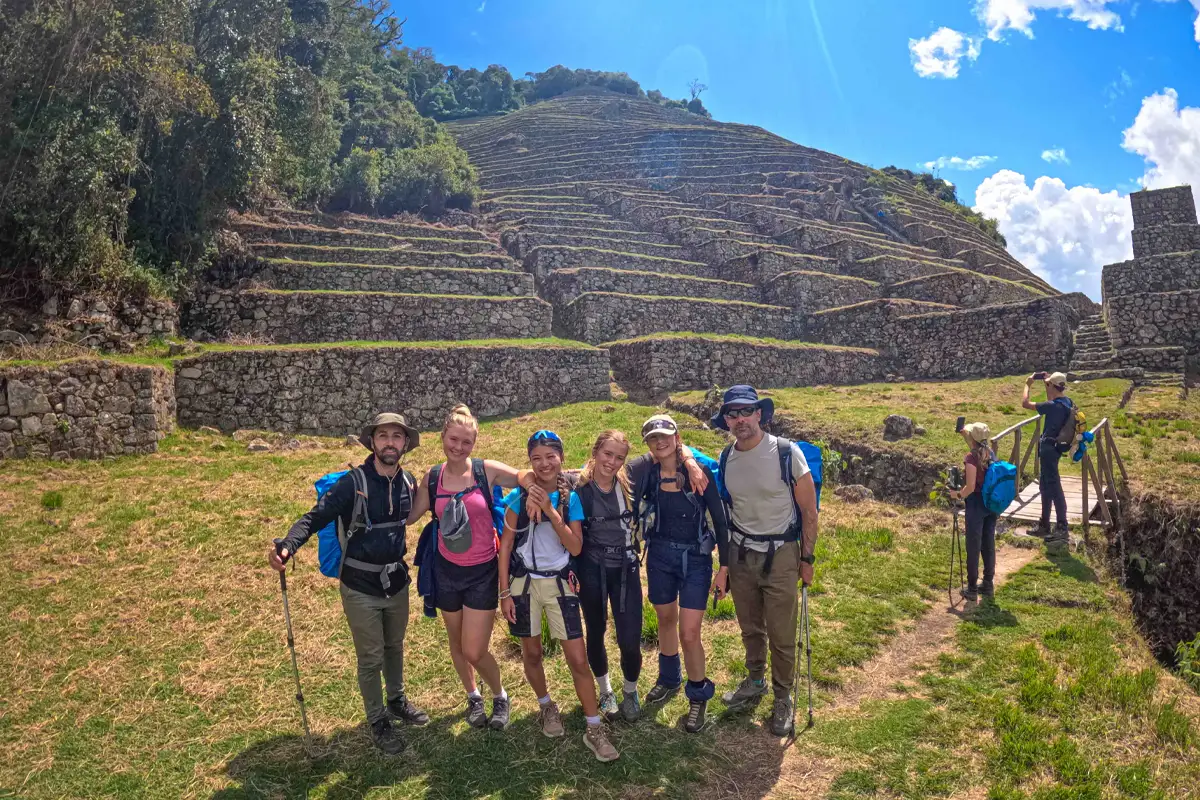
The Classic Inca Trail is a world-famous multi-day trekking route in the Andes Mountains of Cusco, Peru. Frequently named one of the best hikes on the planet, it follows a beautifully preserved segment of a UNESCO World Heritage road network.
This classic trek typically takes four days through mountain and cloud forest scenery until reach the Inca citadel of Machu Picchu.
What is the Inca Jungle Trek?
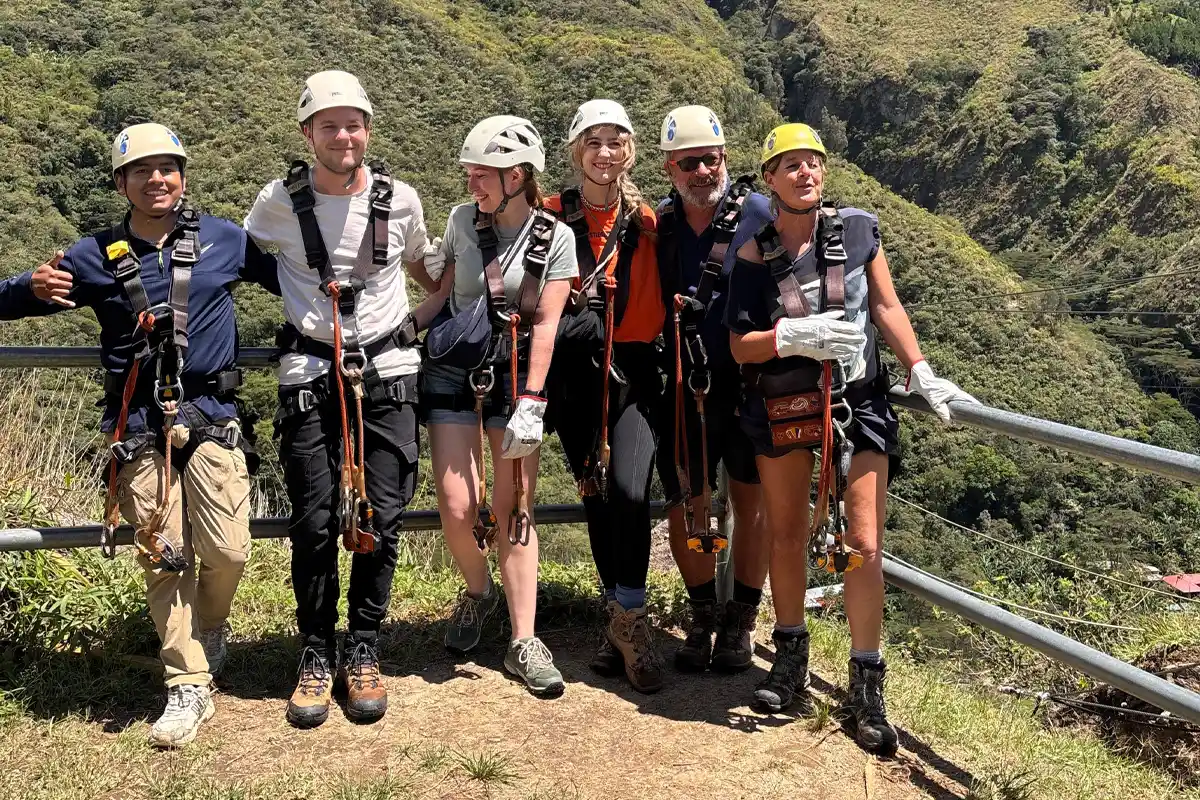
The Inca Jungle Trek is a multi-activity route in Cusco that combines downhill mountain biking, rafting, zip-lining, and hiking through short sections of the original Inca Trail leading to Machu Picchu.
Inca Trail vs Inca Jungle Duration & Distance
How Long is the Inca Jungle Trek and the Inca Trail
Time is a critical factor when planning your Peruvian itinerary. While both the Inca Jungle Trek and the Inca Trail are typically completed over four days, the focus of the journey is what truly distinguishes them.
| Classic Inca Trail | Inca Jungle Trek | |
| Typical Duration | 4 days / 3 nights | 3 or 4 days / 2 or 3 nights |
| Distance (Approx.) | 42 km (26 mi) | 29 to 35 km (18 to 21.7mi) |
Shorter Inca Trail options (1 or 2 days) are available. These alternatives start further along the route and feature fewer archaeological sites, but they offer a quicker path to Machu Picchu
Day-by-day Itinerary Comparison
The Classic Inca Trail dedicates each day to hiking and exploring archaeological sites. Meanwhile, the Inca Jungle trip includes a combination of transport segments, hikes, and town stays.
| Day | Classic Inca Trail | Inca Jungle Trek |
| Day 1 | Scenic mountain hike along the original Inca Trail. | Cusco to downhill biking start followed by river rafting. |
| Day 2 | Ascent to Dead Woman’s Pass (4,215 m / 13,828 ft): the highest point of the trek. | Trekking through valleys and cloud forest landscapes to Santa Teresa / Santa Maria town |
| Day 3 | Visit archaeological sites including Wiñay Wayna. | Adventure activities such as: ziplining or hot springs |
| Day 4 | Sunrise hike to the Sun Gate (Inti Punku) and guided tour of Machu Picchu. | Hike to Aguas Calientes and guided visit to Machu Picchu. |
How far do you hike on each route?
The Classic Inca Trail is a dedicated trekking experience, averaging 6-14 km of hiking per day. While the Inca Jungle Trek also includes trekking segments, they are shorter and serve as a complement to the tour's other adventure sports.
While the Classic Inca Trail traverses the most preserved stone paths of the Qhapaq Ñan (ancient Inca Trail network), The Inca Jungle hike features only a brief segment of the route as it transitions into the jungle landscape. You can expect to trek around 14 km on hiking days
| Classic Inca Trail | Inca Jungle Trek | |
| Trekking distance | 6-14 km (4-9 mi) per day | 14 km (8.7 mi) on specific days |
| Physical intensity | High: Consistent daily exertion at high altitudes with inclines. | Moderate: High physical activity, but spread across different sports and lower elevations. |
 |  |
Inca Trail vs Inca Jungle Trek Difficulty
Altitude and Starting points
The altitude profiles of the Inca Jungle Trek and the Inca Trail vary considerably, which can affect the level of acclimatization needed before the trek.
| Classic Inca Trail | Inca Jungle Trek | |
| Starting Point | - Km 82: 2,718 m (8,917 ft) | - Málaga Pass: 4,316 m (14,160 ft) - Maras Town: 3,300 m (10,827 ft) |
| Highest Point | Warmiwañusca Pass: 4,215 m (13,829 ft) | Málaga Pass: 4,316 m (14,160 ft) |
| Altitude Gain | High and sustained cumulative climb | Moderate to high (more descending) |
Starting from Cusco city, both treks pass through the Sacred Valley until Ollantaytambo (2,792 m / 9,160 ft), a common stop for final provisions. The Inca Trail then continues to its trailhead at Km 82 (2,718 m / 8,917 ft), whereas the Inca Jungle trek heads to Abra Málaga.
Other options begin the mountain biking activity in the town of Maras Town (3,300 m / 10,827 ft). This can be a better option, as it avoids the traffic along the Málaga Pass highway and reduces the effects of altitude.
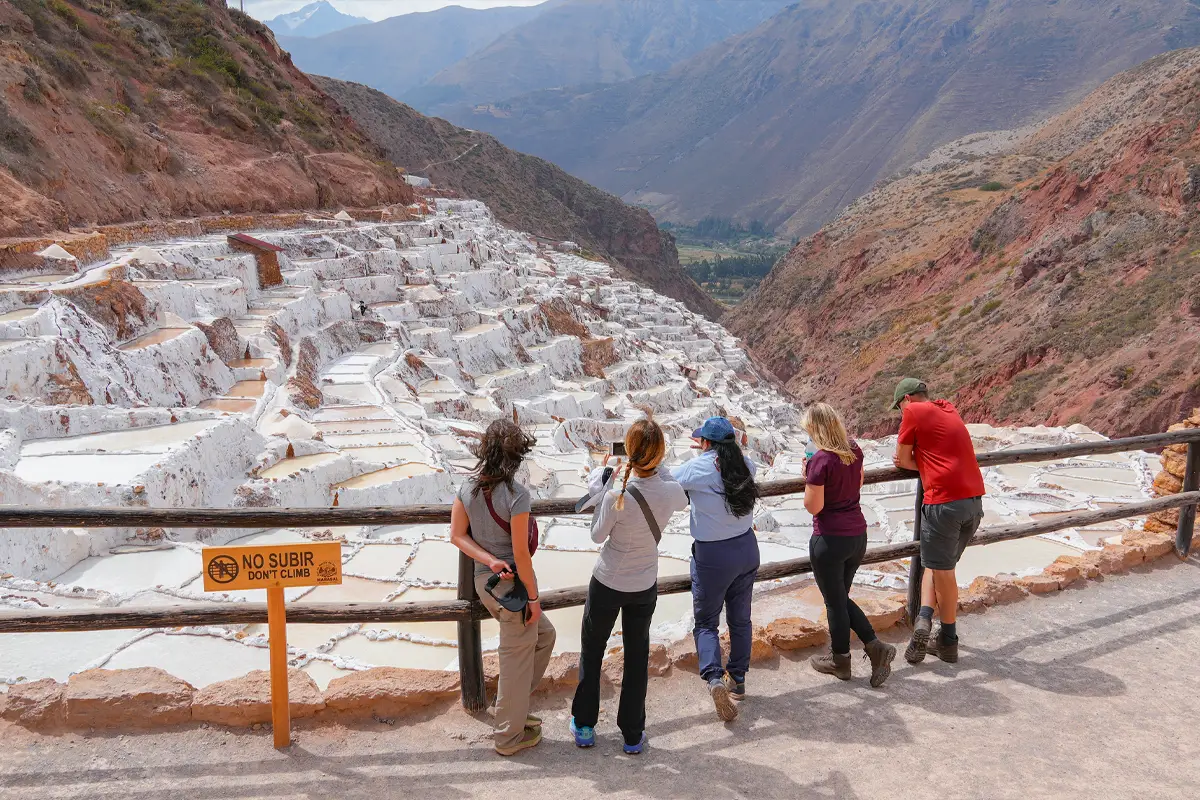
Check Out» Inca Jungle with Maras Salt Mines
Difficulty and Physical Demands
Choosing between these treks depends heavily on your cardiovascular endurance, joint strength, and how your body handles physical exertion at high altitudes.
The Classic Inca Trail Difficulty
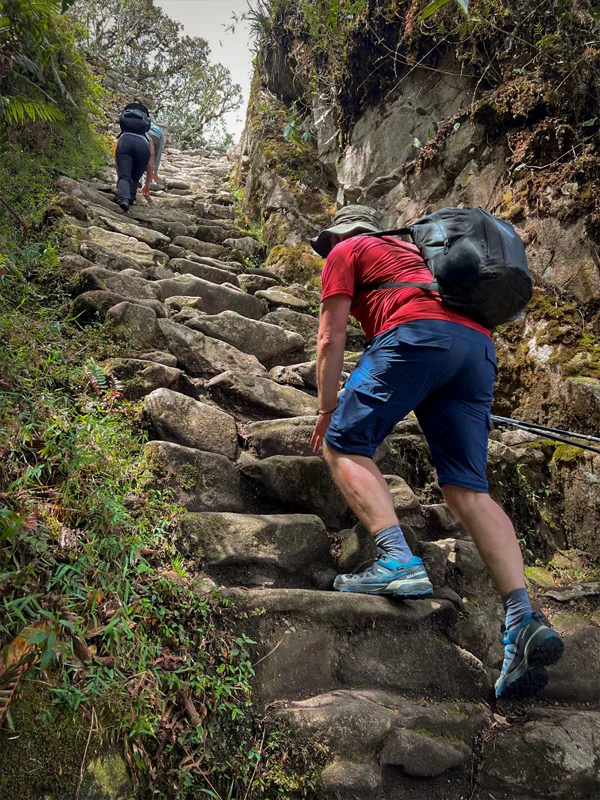
The Inca Trail is an endurance challenge that heavily taxes your lower body and cardiovascular system. This trail is famous for its thousands of steep, uneven, and original stone steps, which require strong knees, calves, and quads for both the ascents and descents. Overall, the difficulty can range from moderate to challenging.
Because you are sleeping and hiking at high elevations for multiple days, good cardiovascular fitness and proper acclimatization are essential.
Inca Jungle Difficulty
The Inca Jungle Trek requires good overall stamina and full-body endurance, but it is generally less physically demanding than the Inca Trail.
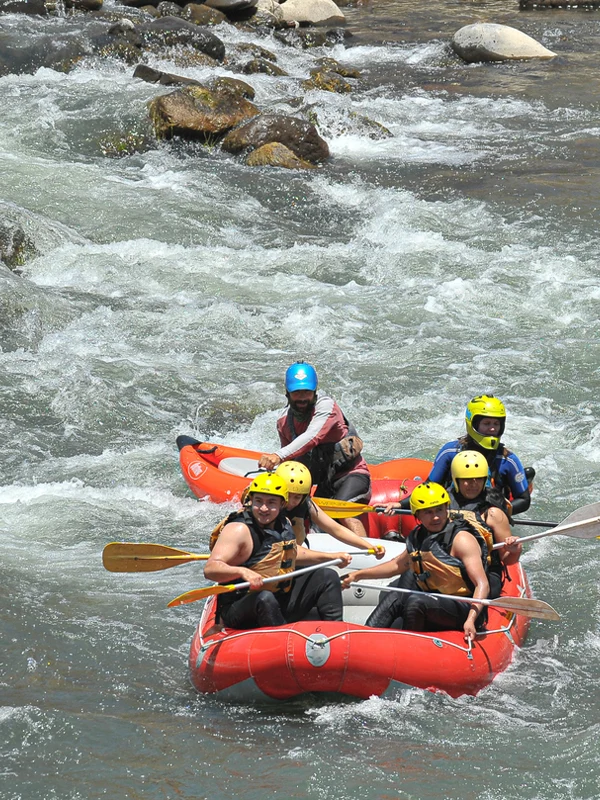
The Inca Jungle adventure mixes the effort with activities like 2 to 3 hours of downhill mountain biking and about one hour of river rafting, which require good reflexes and basic swimming skills.
The hiking sections are usually on rolling terrain with more gradual inclines, making them more manageable for many travelers. Additional activities, such as ziplining, also require basic mobility and a sense of comfort with adrenaline, so the difficulty is generally considered moderate.
 |  |
Acclimatization before the Inca Trail or Inca Jungle
Before either trek, spending 2 to 3 days acclimatizing in Cusco or the Sacred Valley of the Incas is a smart idea. Both adventures start in high-altitude regions, but the Inca Trail demands more time and effort at elevation, which makes proper adjustment especially important.
Giving your body time to adapt can make a big difference in how strong, comfortable, and prepared you feel on the trail. These acclimatization tips can help you before starting the Inca Trail or Inca Jungle adventure.
- Arrive 2 to 3 days early: Give your body time to adjust before starting the tour. This is one of the best ways to feel better at altitude.
- Take it easy on your first day: Avoid intense activity as soon as you arrive in Cusco. You can spend this time exploring the region with light Cusco tours and easy-going activities in the city.
- Stay hydrated: Drink plenty of water and sip on traditional coca tea throughout the day, since dehydration can make altitude symptoms feel worse.
- Eat light meals: Choose simple, easy-to-digest foods during your first days in Cusco or the Sacred Valley to avoid feeling heavy or uncomfortable.
- Avoid alcohol before the trek: Alcohol can make acclimatization harder and leave you feeling more tired, dehydrated, or unwell before your adventure begins.
Permits, Availability and Booking
Inca Trail permits and daily limits
The Inca Trail requires Official Peruvian Government Permits, and you have to book through an authorized agency. Because the government strictly limits how many people can go each day, the trail is never overcrowded, though the campsites can still get busy. These permits sell out fast, often 6 to 8 months in advance, especially during the high season (May to September).
Inca Jungle booking flexibility
The Inca Jungle 4 days does not require special trekking permits, only the standard Machu Picchu entrance ticket is necessary. This means you can book the Inca Jungle with much less notice. However, because there is no limit on how many people can do this trip, certain segments (especially the Inca Jungle bike trail at Málaga Pass) can feel crowded during the peak season.
| Classic Inca Trail | Inca Jungle Trek | |
| Access Limit | Strictly limited to 500 people per day | Around 500 machu picchu tickets per day |
| Booking Lead Time | 6 to 8 months in advance | At least 3-4 moths in advance |
Activities and Adventure Style
One of the biggest differences between the Classic Inca Trail and the Inca Jungle Trek is the type of experience each one offers.
- The Inca Trail is centered on trekking, archaeological sites, and the gradual approach to Machu Picchu through the Mountains.
- The Inca Jungle, by contrast, combines hiking with outdoor adventure activities, creating a more varied and action-filled journey.
If you are deciding between a classic mountain hiking route and a multi-activity trip, this section helps clarify what each trek includes.
What activities are included on the Inca Jungle Trek?
Here is a comparison of the main activities included in the Classic Inca Trail and the Inca Jungle Trek:
| Activities | Classic Inca Trail | Inca Jungle Trek |
| Hiking Experience | Yes, High | Yes, Moderate |
| Downhill Biking | No | Yes |
| River Rafting | No | Yes, Optional |
| Zip-Lining | No | Yes, Optional |
| Hot Spring visit | No | Yes (Santa Teresa) |
| Local Farm visit | No | Yes (Coffee / Coca) |
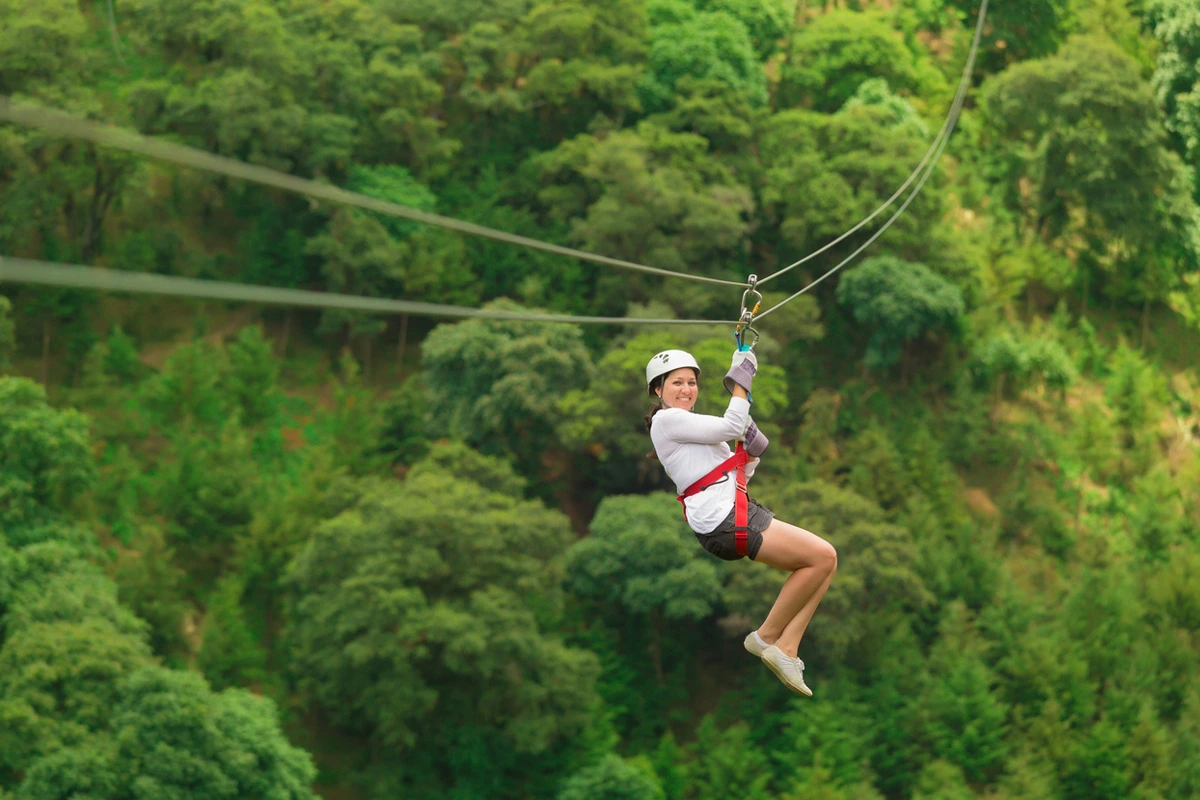
Inca Jungle vs Inca Trail: Which Trek Is More Adventurous?
It depends on the kind of adventure you are looking for. The Inca Jungle Trek mixes different adventure experiences into one journey, creating a faster-paced and more varied trip.
In contrast, the Classic Inca Trail feels more immersive from both a trekking and historical point of view. Each one has its own character and rhythm.
Scenery, Climate and Weather
High mountain scenery and Cloud forest
- The Inca Trail is famous for its route through the high Andes, crossing two mountain passes: Dead Woman’s Pass or Warmiwañusca (4,215 m / 13,829 ft) and Runcurakay Pass (4,000 m / 13,123 ft).
- The Inca Jungle Trek stays at a lower average altitude, although it traditionally begins with mountain biking from Málaga Pass (4,316 m / 14,160 ft).
The landscape features views of high andean mountains, distant snow-capped peaks (apus) such as the Veronica Mountain, The Pumasillo Mountain and Salkantay Mountain, and deep valleys.
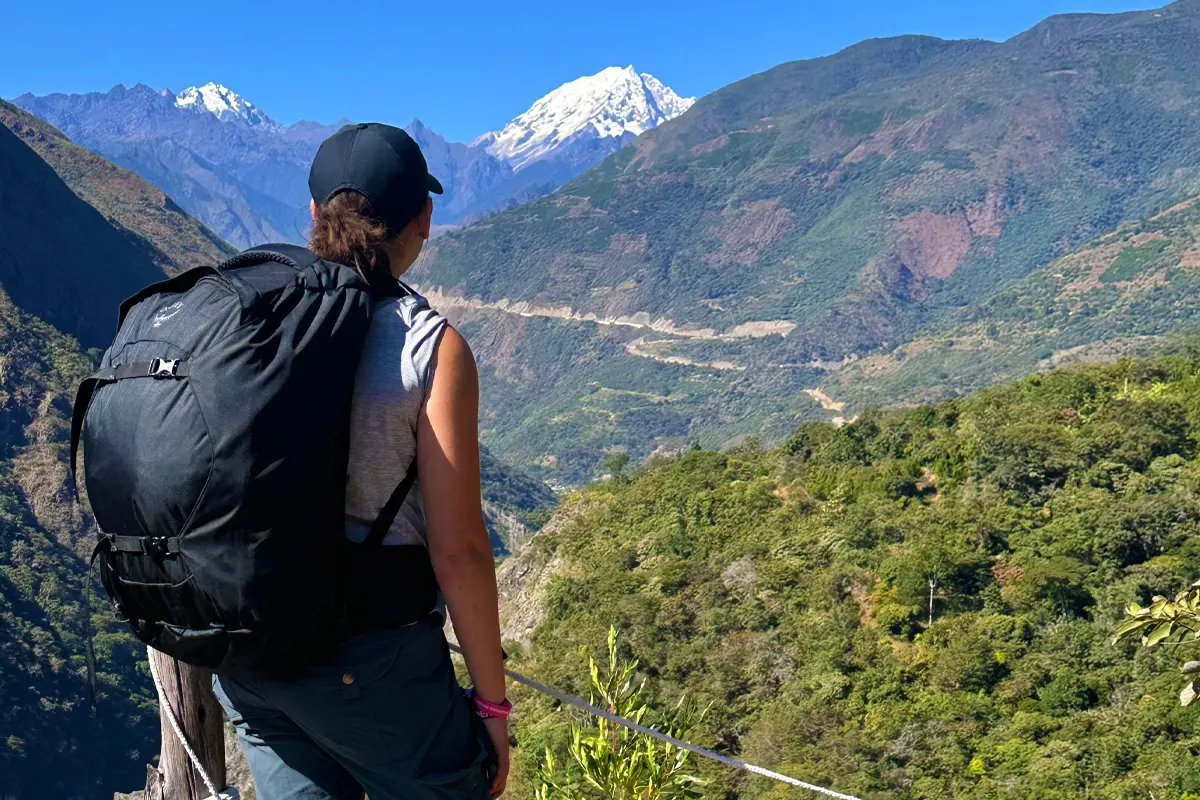
In both cases, the route descends into the ceja de selva (cloud forest), which means fewer altitude challenges and a greener, more tropical landscape.
River Landscapes and Water Activities
- The Inca Trail views includes distant overlooks of the Urubamba River on the first day of the trek, and you see it again on the final day, far below at the bottom of the valley.
- The Inca Jungle Trek offers a more direct connection with the Urubamba River, especially during the white-water rafting activity. The river’s presence is constant, creating a wetter, more jungle-like setting and adding an extra sense of adventure to the journey.
The journey also includes a visit to the Cocalmayo hot springs, a perfect opportunity for personal wellness and well-deserved relaxation.
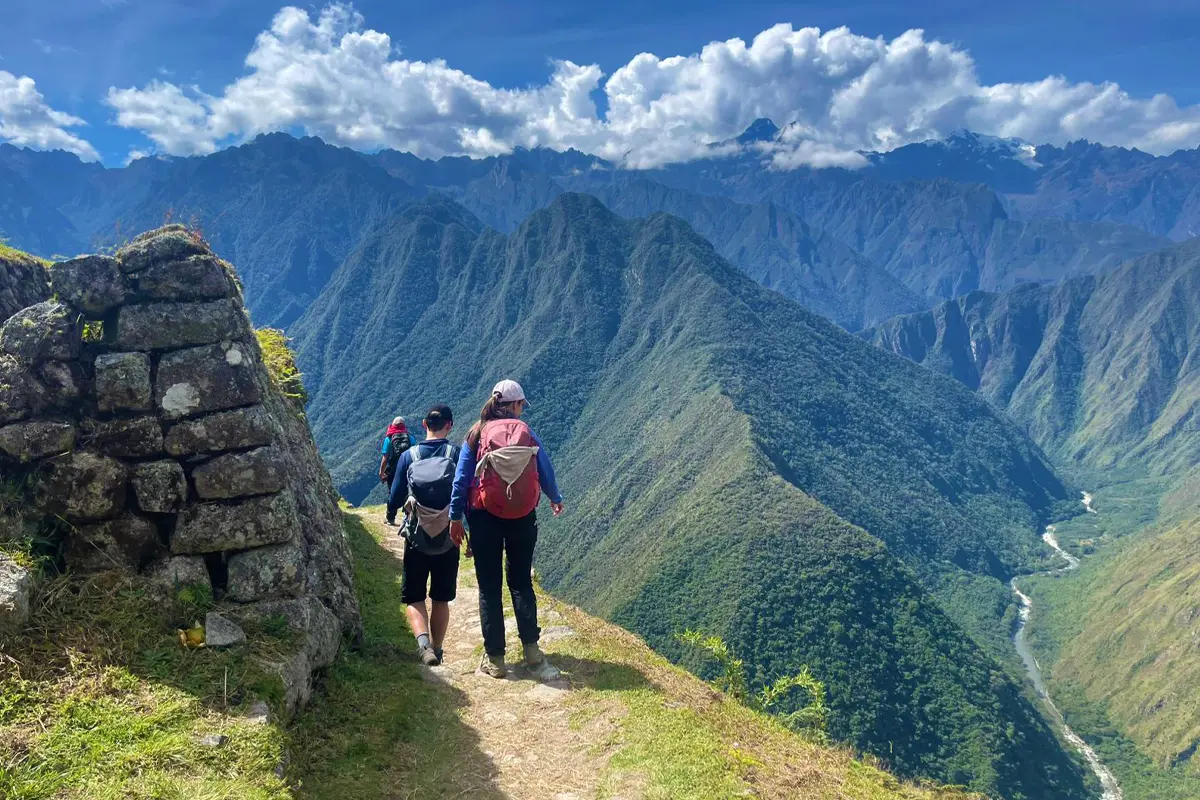
Weather differences between the Inca Trail and the Inca Jungle
The Andean and jungle climates affect what you should pack and the best time to travel.
- Inca Trail Weather: High mountain climate: cold at night, intense sun during the day, and risk of rain in the wet season (November to March). Temperatures fluctuate drastically with altitude.
- Inca Jungle Weather: Cloud forest climate: generally warmer and more humid, especially in the lower valleys. Mornings are often sunny, but rainfall is more frequent.
Read More » Inca Trail Weather by month
Historical and Cultural Experience
The cultural context of the trail might be the deciding factor for history enthusiasts.
- The Inca Trail hike is the original route used by the Incas, considered a Qhapaq Ñan (Great Inca Road). Its value lies in its historical and religious pilgrimage nature, visiting temples and checkpoints leading directly to the Sun Gate.
- The Inca Jungle trail is a modern route utilizing local paths (often coca or coffee trails) and roads. Its cultural significance is more contemporary, offering interaction with local communities living in the high-jungle region
| Classic Inca Trail | Inca Jungle Trek | |
| Historical Depth | High: A continuous journey through multiple major inca ruins and sacred sites. | Low to Moderate: Focuses on the grand final "Machu Picchu" |
| Cultural Focus | Ancient Heritage: Follows the original Qhapaq Ñan (Inca Road System) | Contemporary Culture: Interactions with local coffee farmers and cloud forest life. |
| Machu Picchu Arrival | The Sun Gate (Inti Punku): Enter through the original historic gateway. | Aguas Calientes: Enter through the primary Machu Picchu entrance |
Inca ruins on the Classic Inca Trail
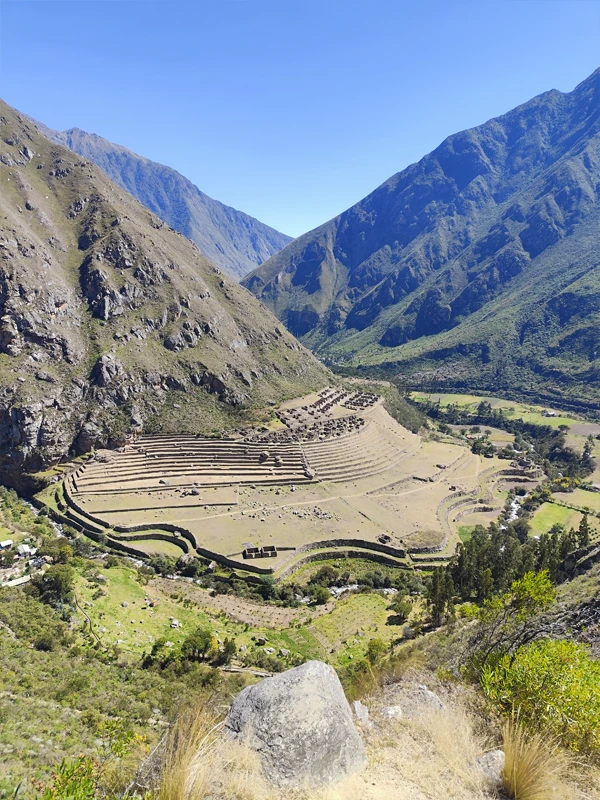
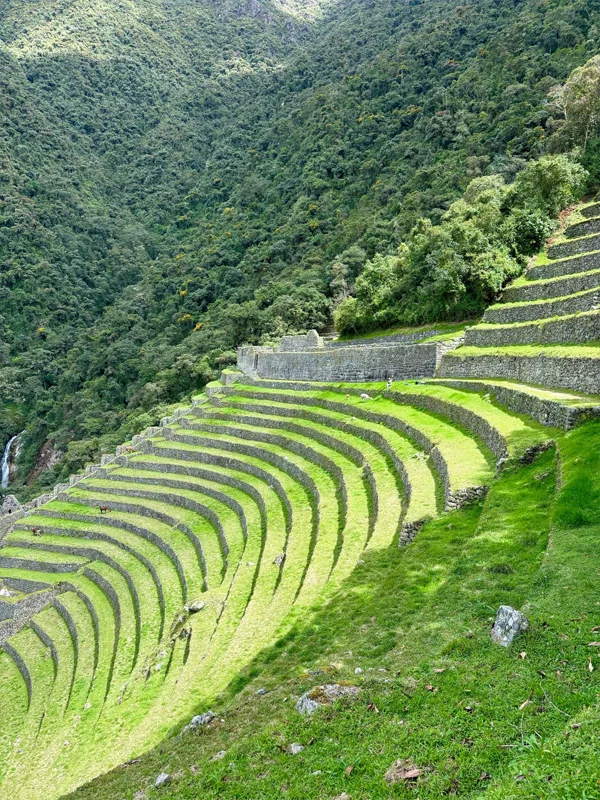
When it comes to ancient ruins, the Inca Trail is unmatched. It is a sacred route that passes through at least six significant Inca sites (including Runkurakay, Sayacmarca, Phuyupatamarca, and Wiñay Wayna) before reaching Inti Punku (Sun Gate) and Machu Picchu. The hike is, in itself, an archaeological experience.
 |  |
Local Communities and coffee farms on the Inca Jungle Trek
The Inca Jungle Trek visits minor archaeological sites, and its main focus remains on the grand finale: the ruins of Machu Picchu. Travelers journey through organic coffee plantations and traditional villages, offering a unique look at local life in the cloud forest. The experience prioritizes adventure and nature over historical immersion.
Accommodation and Transportation
Camping, ecolodges and hotels
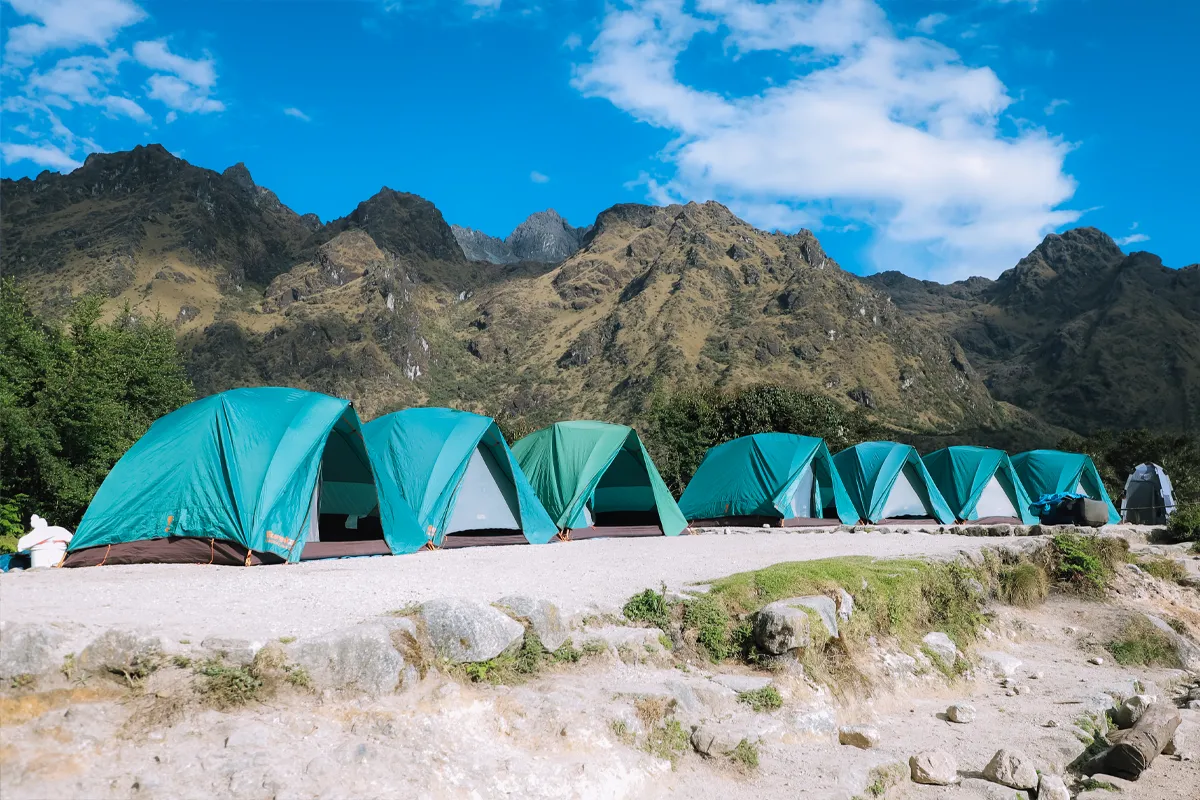
- The Inca Trail trip offers no indoor lodging options. All overnight stays occur at campsites assigned by SERNANP (Peru’s National Service of Protected Natural Areas by the State) to minimize environmental impact. Tour operators provide all necessary camping gear, including sleeping tents and dining tents. Shared bathroom and shower facilities are available at each campsite daily.
To preserve the integrity of the archaeological site, the construction of permanent structures like hotels or ecolodges is forbidden, making camping the only way to experience this journey.
- The Inca Jungle is ideal for travelers who prefer a mix of accommodations, such as inns, hostels and hotels in local towns (like Santa María, Santa Teresa and Aguas Calientes), and sometimes optional ecolodges. This route generally offers beds and hot showers every night.
Train, bus and transfer logistics
Both tours include minivan transfers from Cusco to their respective starting points and back again at the end of the trip. The experience diverges at the trailheads: the Inca Trail proceeds on foot from Km 82, while the Inca Jungle Trek begins its multi-sport transition at Malaga Pass or the town of Maras.
- On the Inca Trail, the journey is purely trekking before reaching the inca citadel of Machu
Picchu. After your visit, a shuttle bus takes you down to Aguas Calientes. Your return to Cusco includes a train ride to Ollantaytambo followed by a minivan transfer for the final leg of the trip. - In contrast, the Inca Jungle route blends various travel methods, including biking and rafting sessions interspersed with trekking. Once you arrive in Aguas Calientes, you will take the shuttle bus up to the ruins. After your visit, you will return to Cusco by train to Ollantaytambo, followed by a direct minivan transfer.
| Method | Classic Inca Trail | Inca Jungle Trek |
| On Foot | Predominant (100% of the route) | Part of the route (Combined with other activities) |
| Biking / Rafting | Not applicable | Key component of the adventure |
| Bus | One-way ticket to Machu Picchu | Round-trip ticket to Machu Picchu |
| Train + Minivan | Used for initial transport and the Cusco return journey | |
On both tours, TreXperience includes the panoramic Vistadome train for a more comfortable and scenic return.
Now that you have explored the differences between the Inca Trail and the Inca Jungle Trek, it is time to decide which experience fits you best. Whether you prefer the history and tradition of the Inca Trail or the energy and variety of the Inca Jungle Trek, choosing the right route can shape your entire journey to Machu Picchu.
Review what each option includes, think about your fitness level and travel style, and take the next step toward planning an experience that truly matches what you want from Peru. If you would also like to explore other destinations in Peru or learn about alternatives to the Inca Trail or Inca Jungle Trek, feel free to get in touch with us.
Inca Trail vs Inca Jungle Trek FAQ's
Which trek is better if I dislike hiking uphill?
If uphill hiking is not appealing, the Inca Jungle Trek may be more suitable. It includes downhill biking and generally less sustained high altitude climbing than the Classic Inca Trail.
Can I do both treks in the same trip?
Yes, although it is uncommon. Doing both would require additional time in Cusco and strong physical endurance. Most travelers choose one based on their travel style and schedule.
What’s included in each tour package?
Inca Trail packages usually include permits, guides, porters, camping equipment, meals, and Machu Picchu entrance tickets. Inca Jungle packages generally include transportation, guide services, accommodation, some meals, and Machu Picchu tickets, with optional activities depending on the operator.
What level of fitness is required for the Inca Jungle versus the Inca Trail?
The Inca Trail requires a moderate to high level of fitness, since it involves several days of sustained hiking at high altitude, steep ascents and descents. It is better suited to travelers with good cardiovascular endurance and strong legs.
The Inca Jungle Trek usually requires a moderate level of fitness. It still involves active days and some hiking, but the route mixes trekking with activities like biking and rafting, so the effort feels more varied and generally less demanding than the Inca Trail.
What are the meals like on the Inca Trail vs Inca Jungle Trek?
The Inca Trail usually includes meals as part of a remote campsite experience, while the Inca Jungle Trek offers meals that are more linked to town stays and lodge accommodations.
In simple terms, the Inca Trail feels more like a traditional trekking expedition, while the Inca Jungle Trek offers a more flexible dining experience along the route.
Add new comment