



The Peruvian Andes mountain range is home to the most iconic mountains in Peru. From Peru’s highest peaks and legendary trekking routes to fast-changing ecosystems that shift from high puna grasslands and glacial lakes to lush cloud forest on the Amazon side.
Along the way, you’ll find sacred mountains, remote villages, and ancient trails that connect dramatic landscapes with living Andean culture, making this region one of the most rewarding places in South America for hiking, trekking, and high-altitude adventure.
What is the Peruvian Andes Mountain Range?
With over 50 peaks rising above 6,000 meters (19,685 ft), Peruvian mountains offer some of the most dramatic high-altitude terrain in the world.
These mountains are part of the Andes, the longest continental mountain range on Earth (around 7,250 km / 4,506 mi), which stretches from north to south along the western edge of South America.
They also lie within the Pacific Ring of Fire, an immense belt of active and dormant volcanoes that makes the region highly seismic.
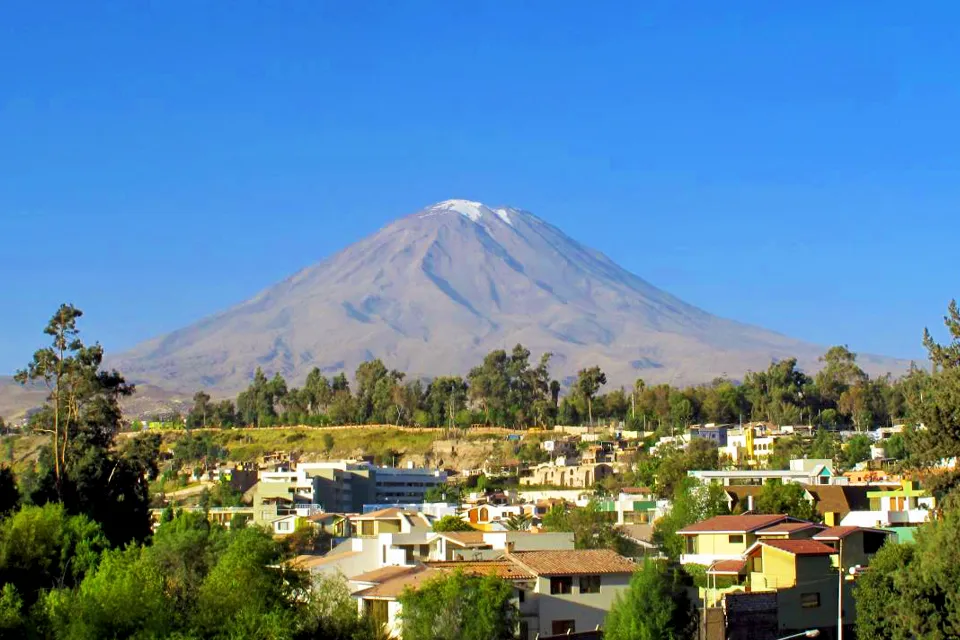
Origin of the Name “Andes”
The origin of the word “Andes” isn’t entirely clear. One theory links it to the Quechua term Antisuyu, one of the four regions of the Inca state, (its eastern region), home to Amazonian cultures and the direction where the sun rises.
Another theory suggests it comes from the Spanish word andén, meaning “terrace” or “platform,” a reference to the agricultural terraces that are widespread across the andes, especially in former Inca territories.
Ecological Zones of the Peruvian Andes
One of the reasons Peru’s mountains feel so special is that, within just a few kilometers, you can move through very different ecological zones, from temperate valleys to glaciated peaks.
As elevation changes, so do temperature, vegetation, and wildlife, which is why many treks in Peru feel like several trips in one, such as the Inca Trail.
1. Inter-Andean Valleys: 2,000–3,200 m (6,562–10,499 ft)
These areas have a milder climate and include agricultural valleys, with pockets of Polylepis (queñua) forests at higher elevations.
- Flora: Polylepis (queñua) in patches, molle, tara, cultivated plants in farming areas
- Fauna: hummingbirds, Andean fox in quieter zones, and a variety of valley birds
2. High-Andean Puna: 3,200–4,800 m (10,499–15,748 ft)
This is the classic high-altitude landscape: wide open spaces, ichu grasslands, wetlands (bofedales), and rolling plateaus.
- Flora: ichu grass (paja brava), yareta, shrubs (tola), high-altitude wetlands
- Fauna: vicuñas, alpacas, and llamas, vizcachas, Andean fox, and birds such as the Andean goose and caracaras
3. High Mountain and Snow Zone: 4,800–6,000+ m (15,748–19,685+ ft)
Cold temperatures and strong winds dominate here. Vegetation becomes scarce, with rock, moraines, and glaciers shaping the landscape.
- Flora: lichens and hardy plants near wetlands and sheltered spots
- Fauna: occasional Andean condors in specific areas, plus a few high-altitude birds; large mammals are rare due to extreme conditions
4. Cloud Forest: 1,800–3,500 m (5,906–11,483 ft)
As you descend toward the Amazon side of the Andes, everything changes: humidity rises, mist becomes common, and vegetation turns lush and dense.
- Flora: orchids, ferns, bromeliads, moss-covered trees
- Fauna: colorful birds, butterflies, and rich biodiversity.
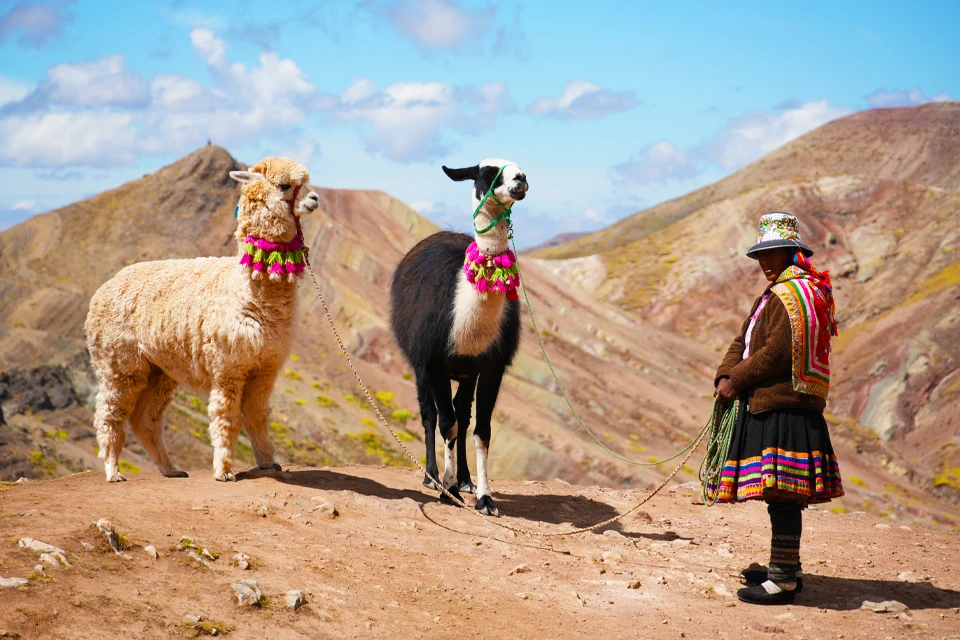
Andean Worldview: Sacred Mountains
Beyond being the place where Andean communities have lived for generations, reverence for the mountains has remained a living practice for centuries, though it has evolved over time.
In the past, mountains did more than provide food and shelter. They also held sacred places, or huacas, tied to a community or family, and even a paqarina, the mythical place of origin for each lineage, such as caves, lakes, rivers, and other natural sites.
In general, mountains were seen as living beings. Their age and status were often linked to their height, and especially to the snow crowning their summits, a visible sign of great antiquity, shaping their hierarchy among other peaks.
This distinction could be expressed through titles like Apu (lord), Qhapaq (great lord), Wamani (territorial lord), Tata (father), Auqui (elder, wise one), and other terms. A powerful example of this reverence is Inti Punku, which sits facing Apu Wakay Willka (“Sacred Tears”) along the Inca Quarry Trail.
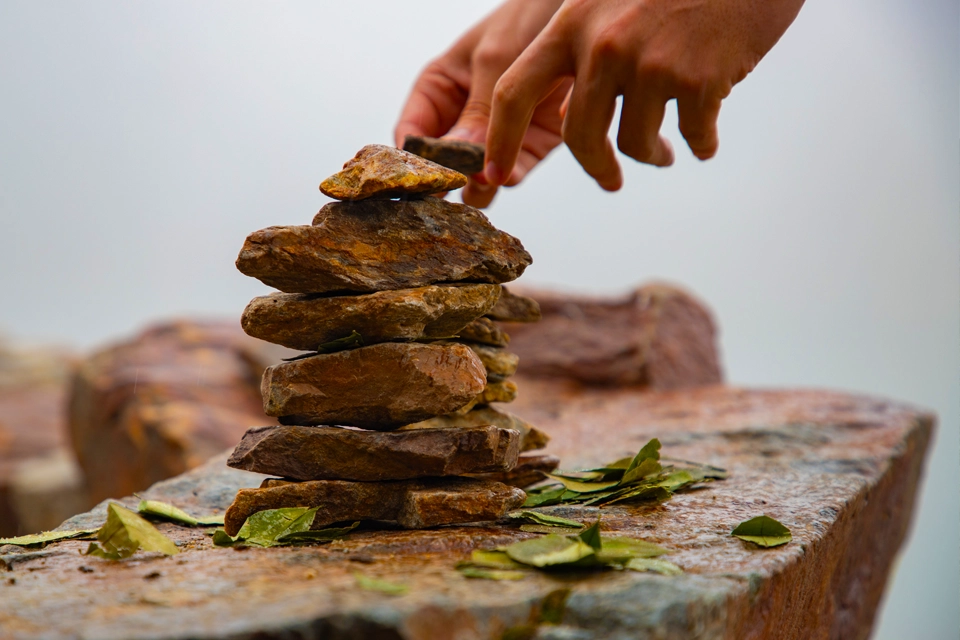
Today, many local people (especially during hiking journeys) still honor the mountains with quiet rituals and gestures of respect, from short offerings (ofrendas) and coca leaves to simple prayers asking the Apus for protection and safe passage.
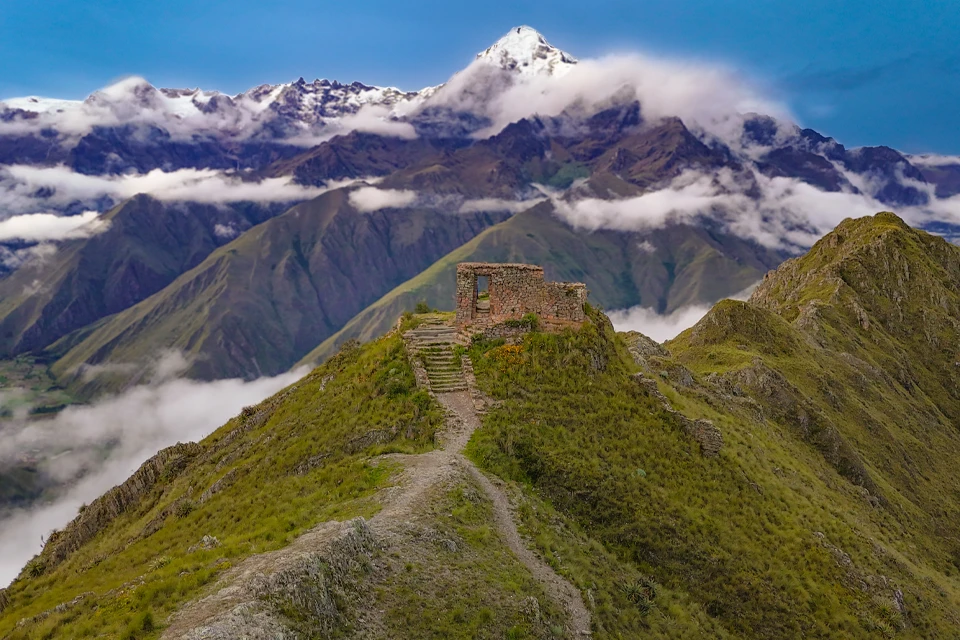
Top high-altitude mountains in Peru
In Peru, the Andes are divided into three major ranges (cordilleras): the Western Range, the Central Range, and the Eastern Range. Within them you’ll find volcanoes, deep valleys, towering mountains, and dramatic snow-capped peaks, some rising above 6,000 meters.
Some of them are:
Mountain | Elevation | Region | Range (Cordillera) |
Huascarán (South Peak) | 6,746 m / 22,132 ft | Ancash | Western (Blanca) |
Huascarán (North Peak) | 6,654 m / 21,833 ft | Ancash | Western (Blanca) |
Yerupaja | 6,634 m / 21,768 ft | Ancash | Western (Huayhuash) |
Coropuna | 6,404 m / 21,013 ft | Arequipa | Western |
Huantsan | 6,394 m / 20,980 ft | Ancash | Western (Blanca) |
Huandoy | 6,394 m / 20,980 ft | Ancash | Western (Blanca) |
Ausangate | 6,383 m / 20,944 ft | Cusco | Eastern (Vilcanota) |
Chopicalqui | 6,353 m / 20,846 ft | Ancash | Western (Blanca) |
Siula Grande | 6,344 m / 20,813 ft | Lima | Western (Huayhuash) |
Ampato | 6,288 m / 20,630 ft | Arequipa | Western |
Salkantay | 6,270 m / 20,574 ft | Cusco | Eastern (Vilcabamba) |
Callangate | 6,110 m / 20,045 ft | Cusco | Eastern (Vilcanota) |
Chachani | 6,056 m / 19,872 ft | Arequipa | Western |
Artesonraju | 6,025 m / 19,767 ft | Ancash | Western (Blanca) |
Mountains in Peru Map
Mountains in Peru for Hiking
Peruvian mountains offer climbers and hikers access to snow-capped peaks, glacial lakes, fertile valleys, lush and dry forests, and colorful mineral formations.
Trekking in Peru is an opportunity to connect with centuries-old traditions, explore ancient archaeological sites, discover natural wonders and experience Andean spirituality along the way. Thus, Peru delivers an unmatched mountain experience that blends challenge, raw beauty, and cultural depth.
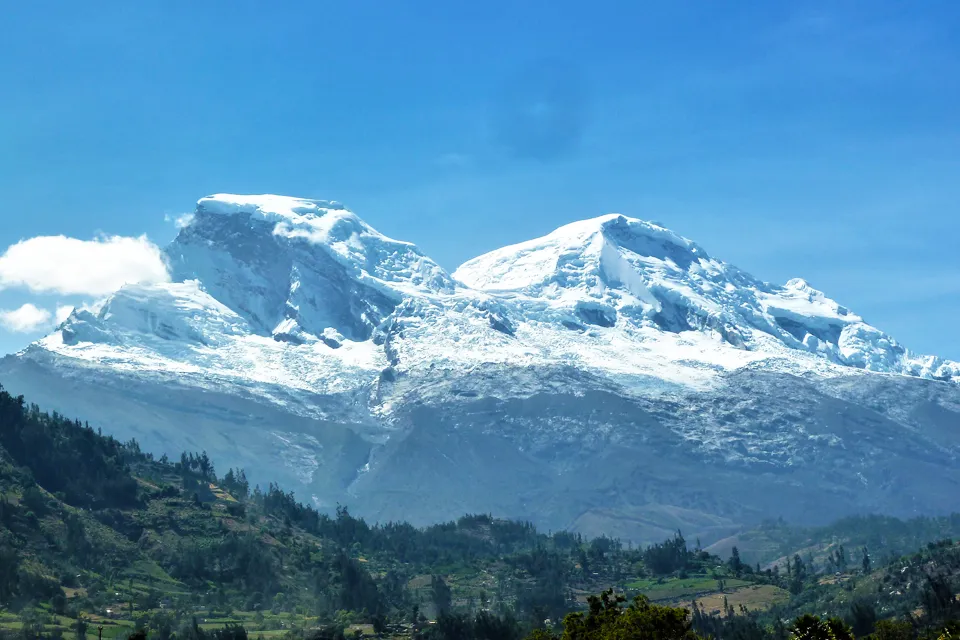
Huascarán (6,768 m / 22,205 ft)
The mountain consists of two peaks: Huascarán Norte and Huascarán Sur. It's a stunning glaciated massif often viewed as a challenge for mountaineers, but nearby treks provide excellent views for non-climbers. The area offers alpine lakes, hanging glaciers, and dramatic Andean scenery.
- Location: Huascarán is in the Cordillera Blanca, in the Ancash region of northern Peru. The nearest city and base for treks is Huaraz, known as the country's trekking capital.
- Altitude: Huascarán stands at 6,768 meters (22,205 ft), making it the highest mountain in Peru and the fourth highest in South America.
How long does the trek to Huascarán take?
Most treks in the surrounding Huascarán National Park take between 4 and 10 days. The Santa Cruz Trek is a popular 4-day option, while longer circuits like the Alpamayo Trek can extend beyond a week.
Note: Huascarán National Park was declared a UNESCO World Heritage Site in 1985. It protects it peaks, over 400 lakes, and rare flora and fauna.
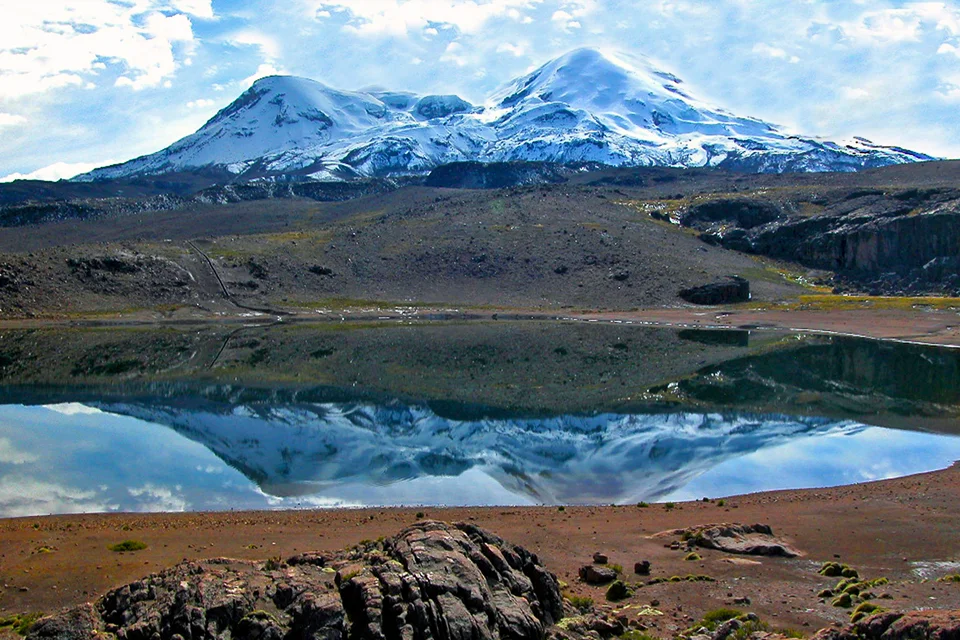
Coropuna (6,634 m / 21,2765 ft)
Coropuna is less traveled, offering a quieter experience for adventurers. Its white-glacier summit dominates the landscape, and while non-technical, the ascent is demanding. The climb involves high-altitude hiking through volcanic rock and icy ridges.
- Location: Coropuna is in the Arequipa region, in southern Peru. It lies within a remote volcanic corridor and is best accessed from the towns of Chuquibamba or Viraco.
- Altitude: At 6,634 meters (21,765 ft), Coropuna is the highest volcano in Peru and the third highest peak in the country overall.
How long does the trek to Coropuna take?
Climbing Coropuna typically takes 5 to 6 days, including acclimatization and glacier approach.
Huandoy (6,395 m / 20,981 ft)
Huandoy is recognizable for its pyramid shape and multiple peaks. It offers breathtaking photo opportunities, especially reflected in glacial lakes. While the summit for experienced climbers, casual hikers enjoy its base trails for stunning vistas.
- Location: Huandoy is also part of the Cordillera Blanca in Ancash. It towers near the famous Llanganuco Lakes and can be accessed from the towns of Yungay or Caraz.
- Altitude: The highest of its four peaks reaches 6,395 meters (20,981 ft), making it one of the tallest in the range.
How long does the trek to Huandoy take?
Although climbing Huandoy requires technical skills, nearby treks like Llanganuco or Santa Cruz offer great views in 3 to 4 days.
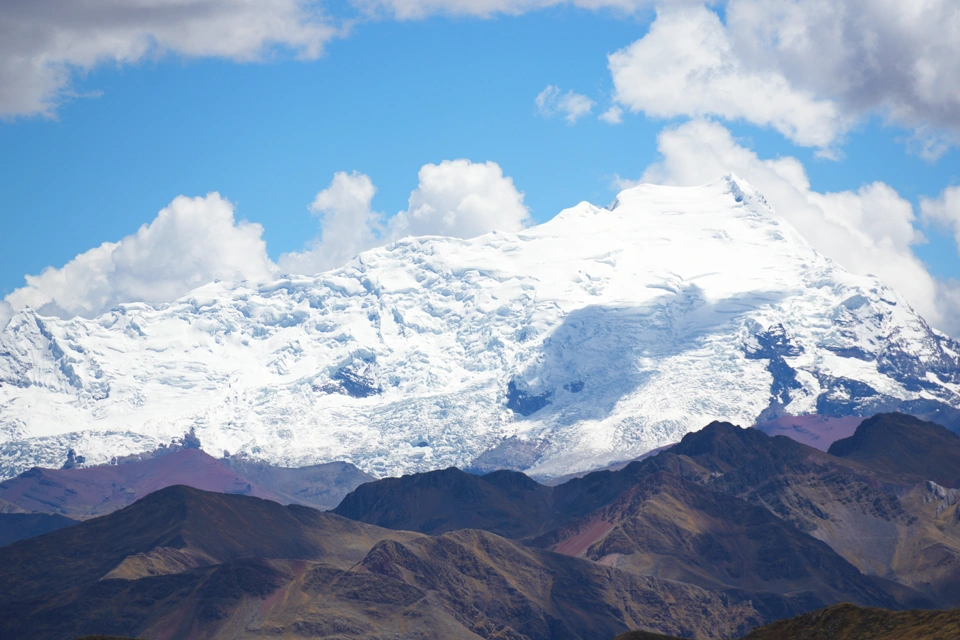
Ausangate (6,384 m / 20,945 ft)
Ausangate is known for its high passes, emerald lakes, and unique wildlife. It's a culturally rich route, with locals still practicing traditional lifestyles. The trek is challenging due to altitude but offers unmatched scenery and solitude, with constant views of peaks like Callangate along the way.
- Location: Ausangate is in the Cusco region, southeast of the city, within the Vilcanota mountain range. It starts near the village of Tinki.
- Altitude: This sacred peak rises to 6,384 meters (20,945 ft), making it one of the highest and most revered mountains in Peru.
How long does the trek to Ausangate take?
The full Ausangate trek takes about 5 to 6 days to complete, with some versions including Vinicunca or Palccoyo Rainbow Mountain, extra andean lakes, hot springs, and visits with rural communities for a deeper cultural experience.
Siula Grande (6,368 m / 20,892 ft)
This mountain is iconic in climbing history, but the trekking circuit offers memorable views without needing to summit. Expect glacier lakes, dramatic ridgelines, and an authentic wilderness experience.
- Location: Located in the Cordillera Huayhuash in the Huánuco region, Siula Grande is best accessed from the towns of Chiquián or Llamac.
- Altitude: It reaches 6,368 meters (20,896 ft), and became famous through the survival story "Touching the Void."
How long does the trek to Siula Grande take?
The full Huayhuash Circuit trek takes 10 to 12 days, passing close to Siula Grande.
Ampato (6,288 m / 20,630 ft)
Ampato is famous for the Ice Maiden, an Inca mummy discovered at its summit. The trail ascends through puna landscapes with expansive Andean views. It's less commercialized, providing a more intimate adventure.
- Location: Ampato lies in the Andes of southern Peru, in the Arequipa region. It’s often reached via the town of Cabanaconde near the Colca Canyon.
- Altitude: This extinct stratovolcano rises to 6,288 meters (20,630 ft).
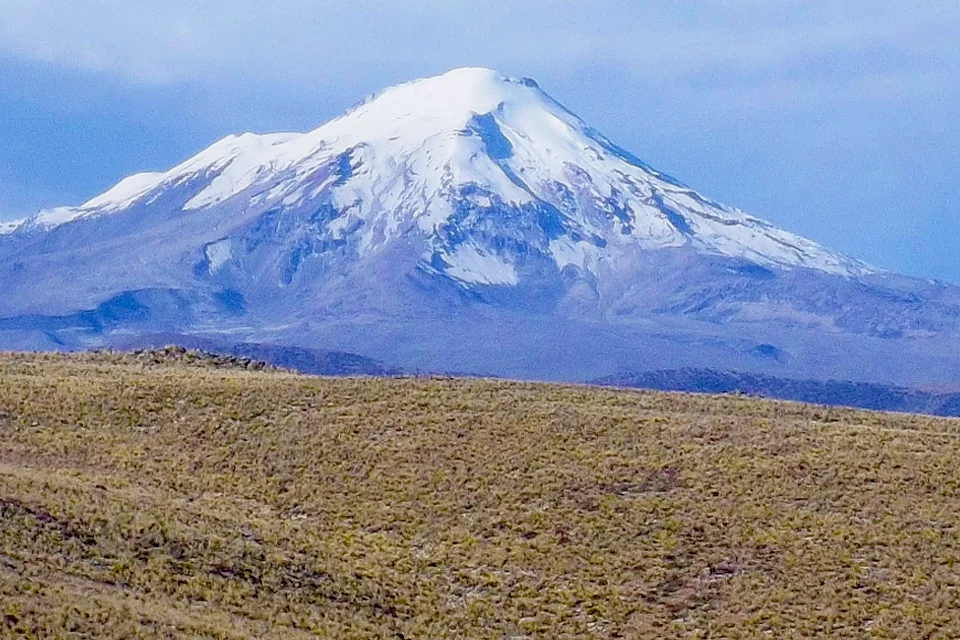
How long does the trek to Ampato take?
A typical Ampato trek takes 2 to 3 days, ideal for experienced hikers looking for a short, high-altitude challenge.
Salkantay (6,270 m / 20,574 ft)
Salkantay is one of the most popular alternative treks to Machu Picchu. The route includes snowy passes, tropical forests, coffee farms, and ends with a visit to the iconic Inca citadel. It's a diverse and enriching experience for nature and history lovers.
- Location: Salkantay is located in the Cusco region, about 100 km northwest of the city. The trek starts at Soraypampa and finishes at Aguas Calientes.
- Altitude: Salkantay stands at 6,279 meters (20,574 ft), making it the tallest peak in the Vilcabamba range.
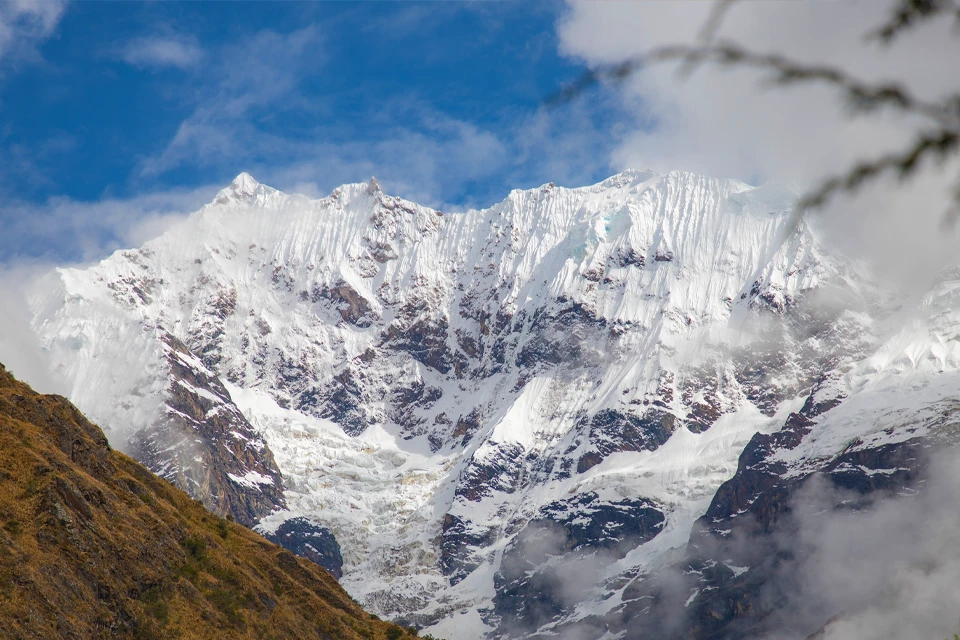
How long does the trek to Salkantay take?
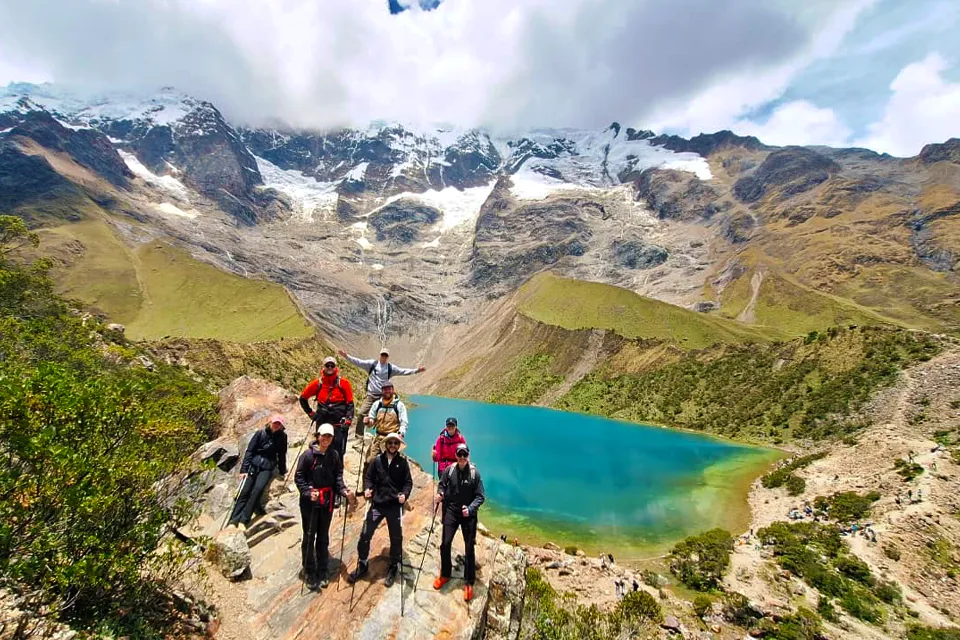
The Salkantay Trek takes 4 to 5 days, with some versions extending to 8 days if combined with other routes. There are several versions of the trek, including options to visit glacial lakes such as Humantay Lake and Salkantay Lake (Incachiriaska), while crossing high-Andean landscapes and descending through cloud forest toward the edge of the jungle.
Longer itineraries can also include the archaeological site of Patallacta and even connect with the Inca Trail to Machu Picchu.
Most Famous Mountains in Peru
From the Cordillera Blanca to Cusco’s sacred peaks, these are Peru’s most famous mountains and mountain viewpoints.
Artesonraju (Cordillera Blanca, Ancash)
If you’ve ever seen photos of a sharp, perfectly sculpted Andean peak, there’s a good chance it was Artesonraju. Rising above turquoise glacial lakes and granite valleys in the Cordillera Blanca, it’s one of Peru’s most iconic mountain silhouettes.
Most travelers don’t climb it (the summit is technical), but you can still experience its best angles on day hikes and viewpoints near Laguna Parón and surrounding trails in Ancash. On clear mornings, the light makes its ridgelines look clean, dramatic, and wildly photogenic.
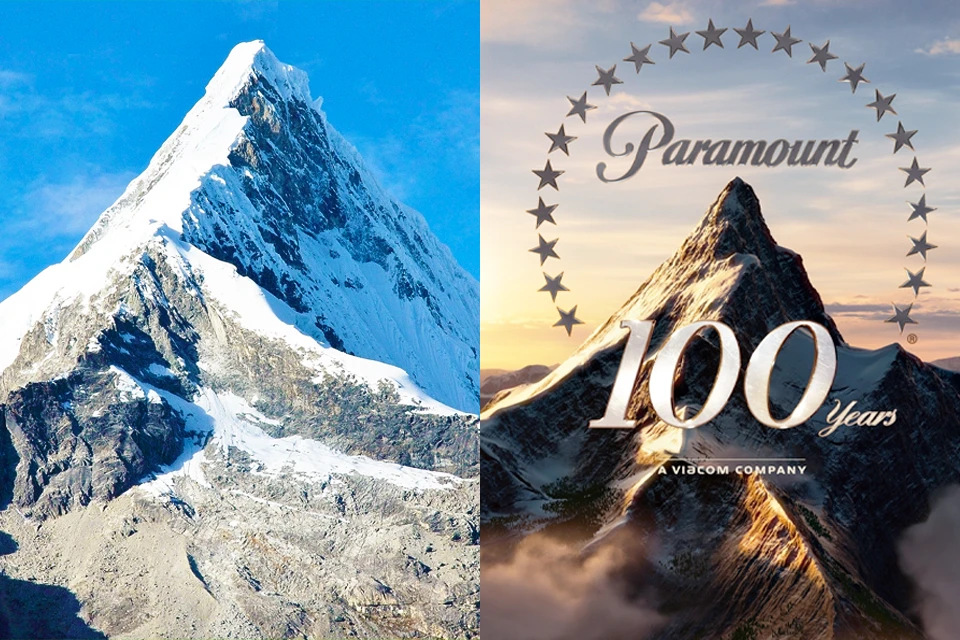
Note: Artesonraju is often called Peru’s “Paramount mountain”. Its sharp, icy pyramid looks just like the famous studio logo.
Rainbow Mountain & Red Valley
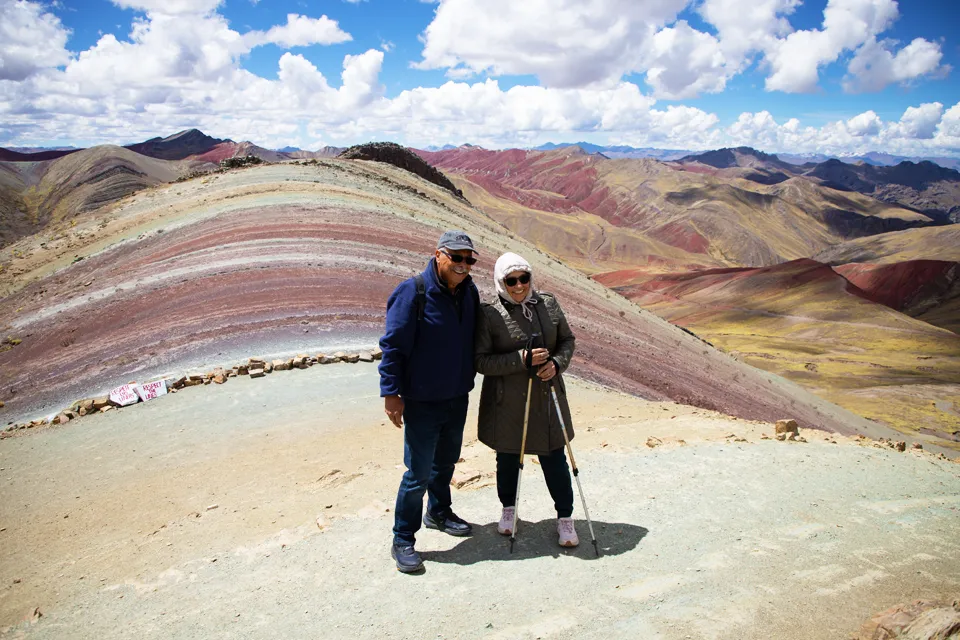
Peru’s beauty isn’t only found in snow and stone, sometimes it’s painted into the earth itself. Rainbow Mountain (Vinicunca) is famous for its natural mineral bands that create stripes of reds, yellows, and greens across the slope. Nearby, Red Valley feels like another planet: wide open, quiet, and covered in deep rust-colored terrain that glows in afternoon light.
- Location: Vinicunca, or Rainbow Mountain, is located in the Cusco region, near Ausangate. It’s accessed via the town of Pitumarca or Cusipata.
- Altitude: Rainbow Mountain reaches 5,036 meters (16,522 ft) and Red Valley 5,045 m (16,552 ft) above sea level.
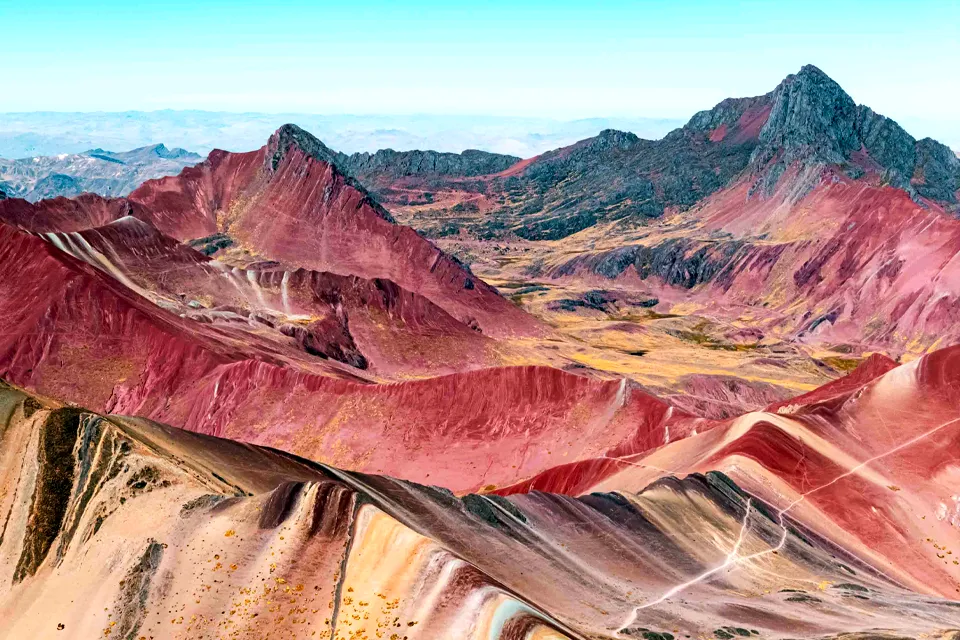
How long does the trek to Rainbow Mountain take?
Most visitors do a 1-day Rainbow Mountain trek, but multi-day options (3 to 5 days) are available when combined with Ausangate.
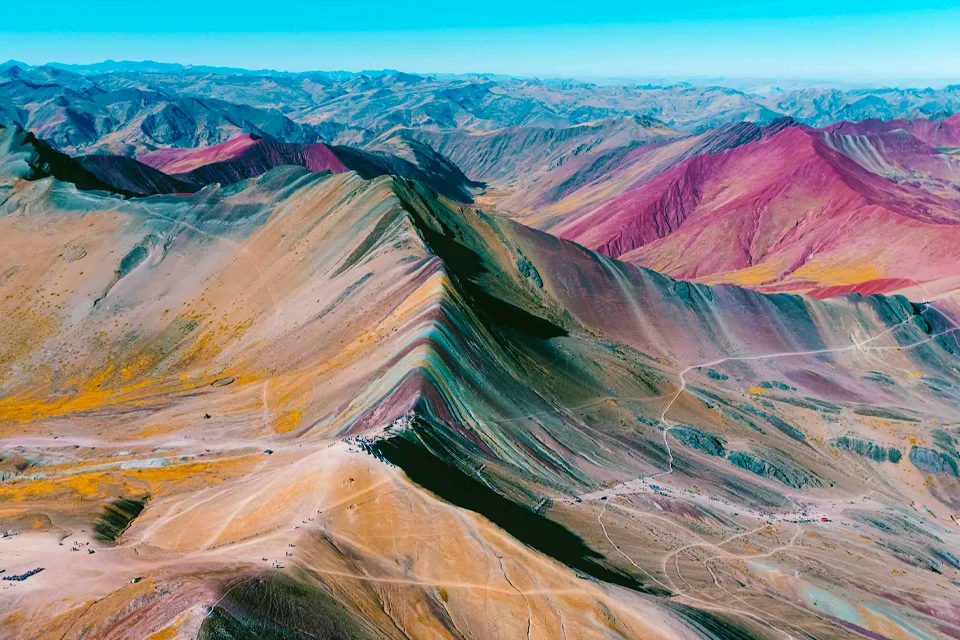
Note: Rainbow Mountain’s vibrant colors are due to sedimentary layers of minerals: iron oxide for red, sulfur for yellow, and chlorite for green; laid down over millions of years.
Machu Picchu
Machu Picchu isn’t just an ancient city, it’s part of a dramatic mountain sanctuary. The stone citadel sits on a narrow ridge above the Urubamba River, wrapped in cloud forest and framed by steep peaks.
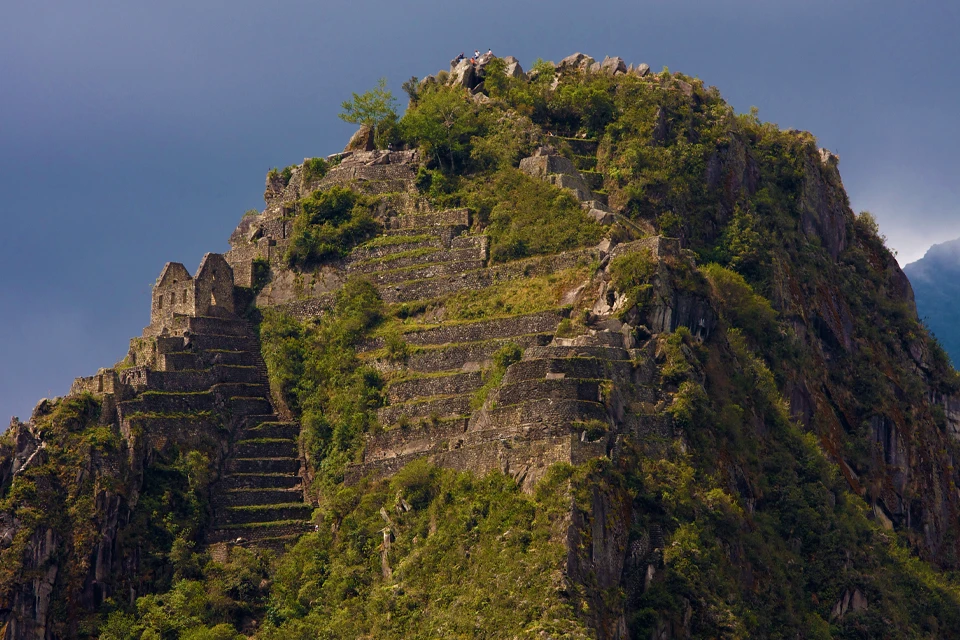
Rising directly beyond is Huayna Picchu, the sharp green mountain that creates the famous postcard view. It’s also a hike in its own right: a short but intense climb with narrow Inca steps and big views over the ruins and the valley below.
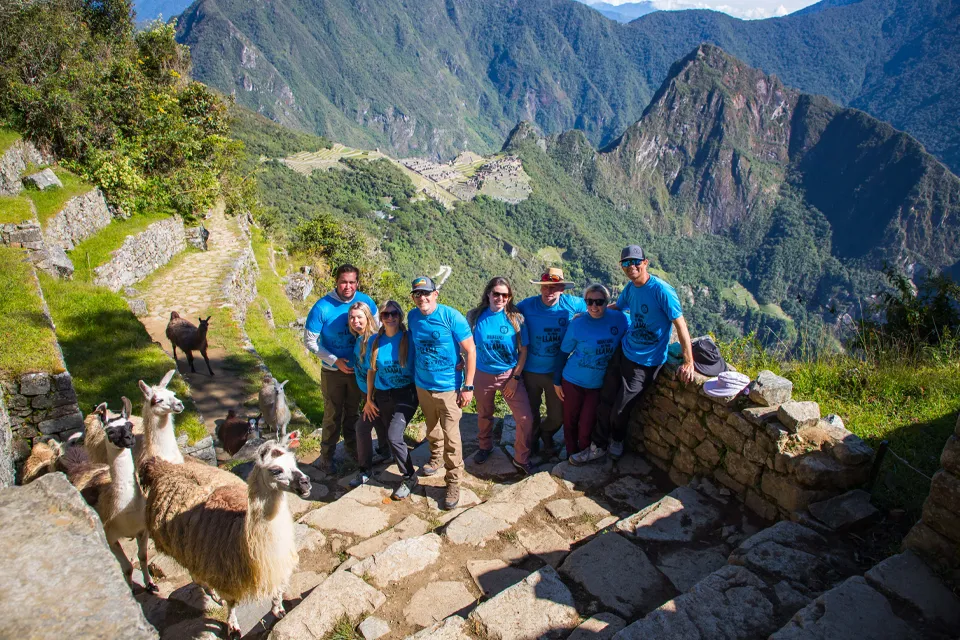
Together, Machu Picchu and Huayna Picchu show why Peru’s mountains aren’t only about altitude, they’re about scenery, history, and a landscape that feels truly alive.
How to prepare for high-altitude treks
First, give yourself time to acclimatize. Spend 2 to 3 days in a high city like Cusco (3,400 m) or Huaraz (3,050 m) before starting your trek. Drink coca tea, eat light, and rest.
Second, train physically. Focus on cardio, leg strength, and endurance. If possible, do some practice hikes with elevation gain.
Finally, follow a reliable packing list for trekking in Peru. Bring layers, rain gear, a water filter, snacks, and sun protection.
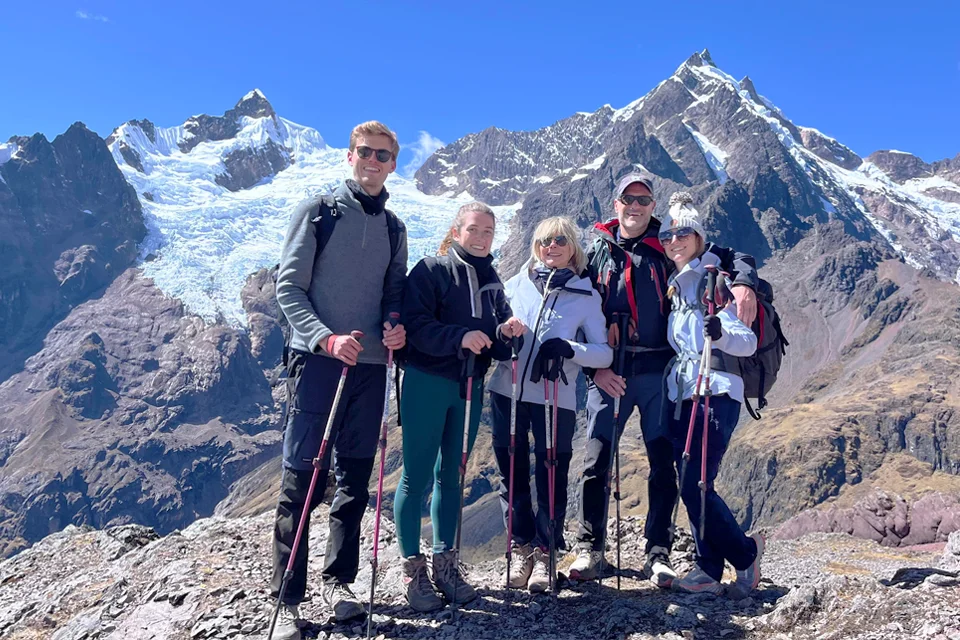
Tips for sustainable trekking
Choose local operators who support community projects with fair wages and sustainable tourism in Peru.
Pack out all your trash, minimize single-use plastics, and refill your water bottles with filtered or boiled water. Avoid soaps and detergents in streams or lakes.
Respect cultural practices. Many mountains are sacred, so dress modestly near communities, ask before photographing locals, and learn basic Quechua greetings.
When to visit Peru’s mountains
The Andes have two main seasons: dry and rainy. The dry season, from May to October, is the best time for trekking. During this period, the skies are clear; trails are more accessible, and you’re less likely to face weather-related issues. Besides, this is the busiest time, especially in June, July, and August, so we recommend you book your Peru tours and permits well in advance, since Cusco and Machu Picchu see the most visitors during these months.
On the other hand, the rainy season (November to March) brings lush scenery but also muddy trails, landslides, and limited accessibility in high-altitude areas. Some treks, like Huayhuash and Ausangate, become unsafe during this time.
Lastly, shoulder months like April and October are great options for fewer crowds and decent weather, though some rain is still possible. Always check current trail conditions and Peru weather forecasts.
How to plan your visit
Start by choosing your trek based on difficulty, length, and interest in culture or nature. If you’re unsure, check some Peru tours to guide your visit.
Book early, especially during peak months, when popular treks like Inca Trail and Machu Picchu fill up quickly. Besides, use trusted Peru tour providers for a high-quality and ethical experience.
Don’t forget your travel insurance! It should cover altitude sickness, cancellations, and evacuation. Review your health and vaccinations before you go.
And lastly, stay connected. Share your itinerary with friends or family and have emergency contacts saved on your phone. Wi-Fi may be limited in the mountains.
FAQs about mountains in Peru
Is it safe to hike in the Andes?
Yes, it is generally safe when you go with reputable tour operators and follow standard precautions. Stick to well-established trails and always hike with a guide on high-altitude or remote routes. Weather and altitude are the biggest risks, so check conditions and acclimate properly.
When is the best time to trek in Peru?
The dry season from May to October is ideal. During this time, you can expect clearer skies, better trail conditions, and safer river crossings. June through August are the busiest months, while May and September offer great weather with fewer crowds.
Do I need a guide to hike mountains in Peru?
For some trails like Rainbow Mountain, you can go independently, but having a guide is highly recommended. Guided treks provide safety, local insights, and help support the local economy. For remote or multi-day treks like Ausangate or Siula Grande, a guide is essential.
What should I pack for a trek in the Andes?
A reliable Peru trekking packing list includes layered clothing, rain gear, sun protection, sturdy boots, a reusable water bottle, and snacks. Don’t forget basic medication, a headlamp, and a lightweight sleeping bag if you’ll be camping.
Why was machu picchu built on a mountain
Machu Picchu was built on a mountain ridge because the Inca chose a place that was defensible, spiritually significant, and engineered to work with the landscape. The elevated location offered natural protection and privacy, while the surrounding peaks were considered sacred in the Andean worldview.

Add new comment