


It’s already 2027, and we know you want to take that memorable trip you’ve been dreaming of. There are many options available, and today we invite you to explore Peru, as this Andean country is one of the best travel destinations thanks to its unique and world-renowned sites, its landscapes, its cuisine, and so much more! Discover this beautiful country, the cradle of the ancient Inca civilization, and enjoy one of the most well-rounded travel experiences you should have at least once in your lifetime. In this blog, find out what to do in Peru.
Why Visit Peru in 2027?
In many Andean towns in Peru, people still speak Quechua, families make textiles using techniques passed down through generations, and markets sell locally grown produce. These traditions remain part of everyday life.
Peru's history also goes back well before the Incas. Cultures such as the Moche, Nazca, and Chimú built cities, temples, and ceremonial centers whose remains you can explore at archaeological sites and museums today.
Peru's Top Tourist Destinations
If you're planning a vacation in Peru, here are some destinations you can include in your itinerary. Learn about their main attractions and what each place has to offer to help you decide which ones to visit during your trip.
Lima: Historic Center, Miraflores, and Barranco
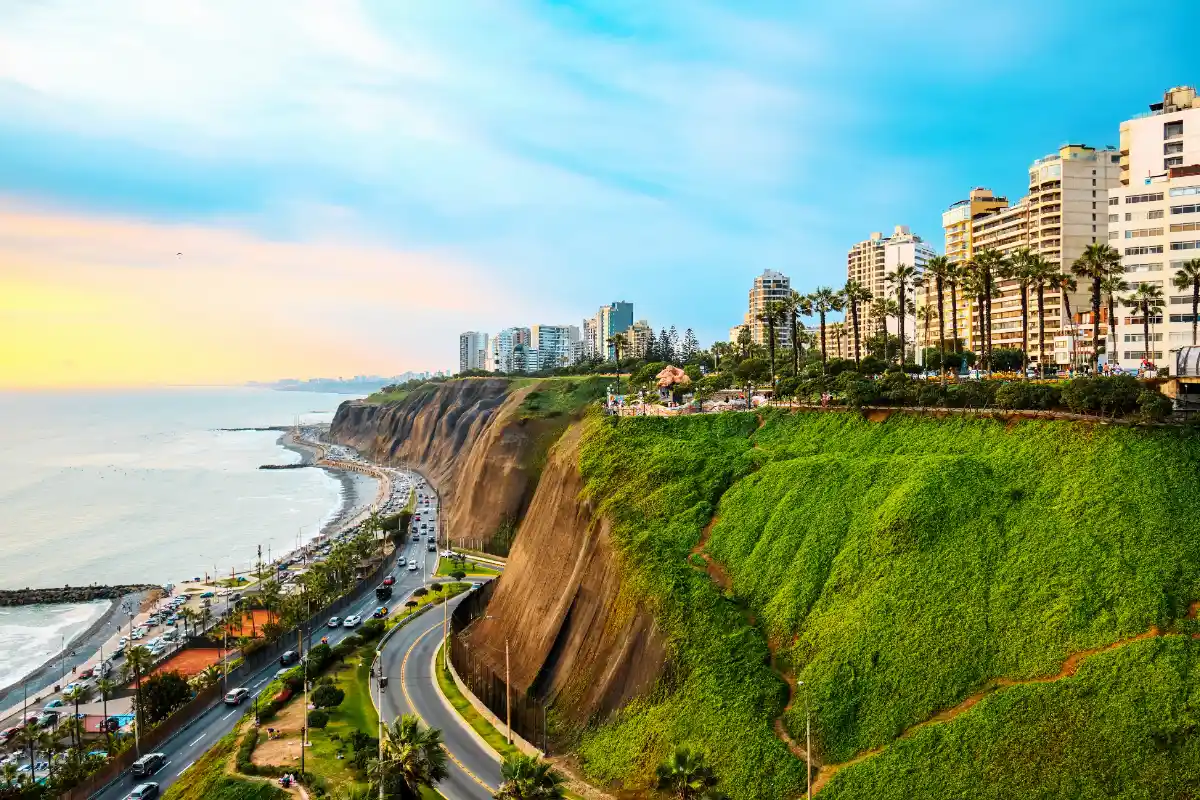
Lima, the capital of Peru, has a historic center recognized as a UNESCO World Heritage Site. At Plaza Mayor, you'll find Lima Cathedral and the Government Palace. You can also visit the Convent of San Francisco and the Larco Museum. In Miraflores, highlights include the oceanfront promenade overlooking the Pacific and Huaca Pucllana, while Barranco is known for its art galleries, murals, and the Bridge of Sighs. You can also enjoy Lima's food scene at local markets, restaurants serving traditional Peruvian criollo dishes, and ceviche spots.
- Ideal for: Culture, history, museums, food, and exploring the city.
- Recommended stay: 1 - 3 days.
Cusco and Machu Picchu
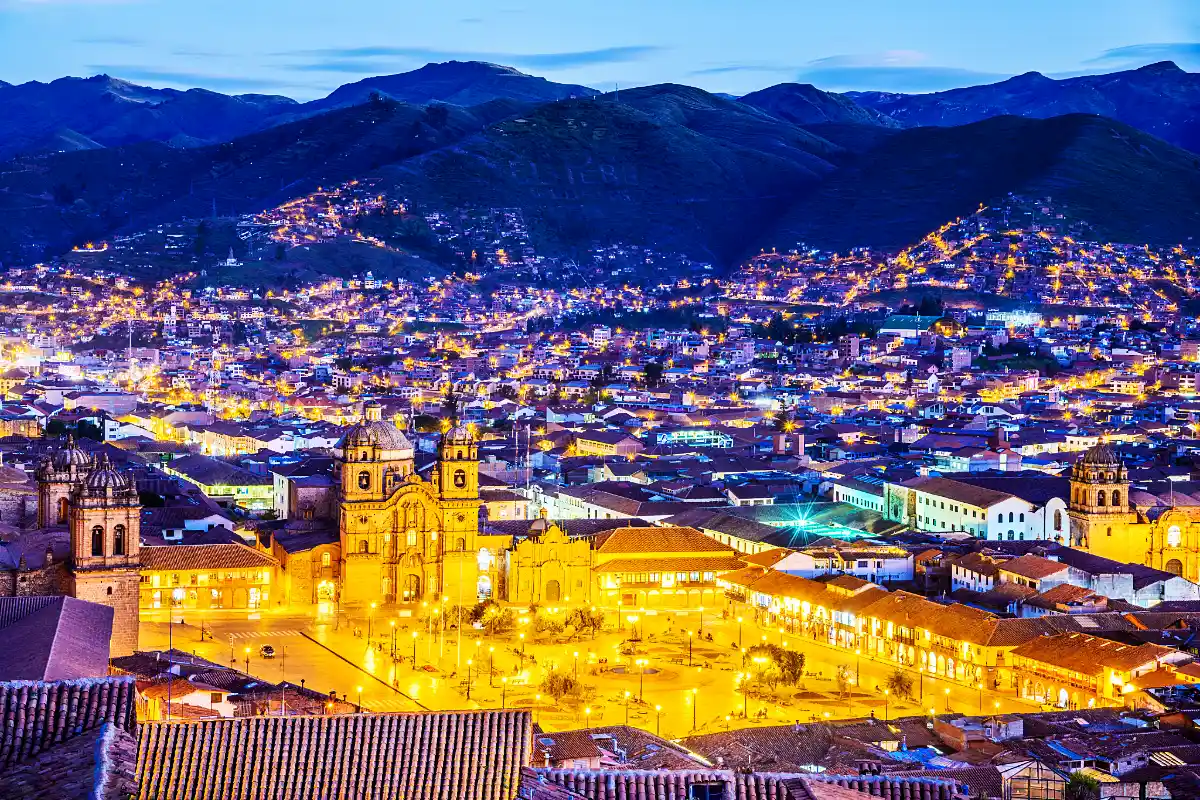
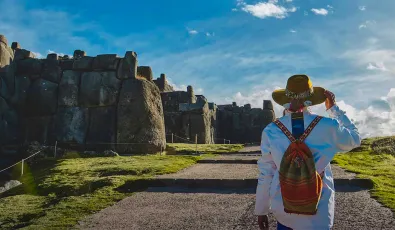
Cusco was the capital of the Inca Empire and is home to structures such as the Coricancha, Sacsayhuamán, and ancient stone walls that form part of its historic center. From this city, you can travel to Machu Picchu, an Inca city built in the 15th century, where you’ll find temples, plazas, agricultural terraces, and stone enclosures. You can get there by train or bus, or take hikes such as the Inca Trail, which allows you to reach the archaeological site by following part of the ancient network of Inca trails.
- Ideal for: Inca history, archaeology, culture, and hiking.
- Recommended duration: 3 to 5 days, depending on the sites and activities you choose.
Sacred Valley: Pisac, Ollantaytambo, Maras, and Moray
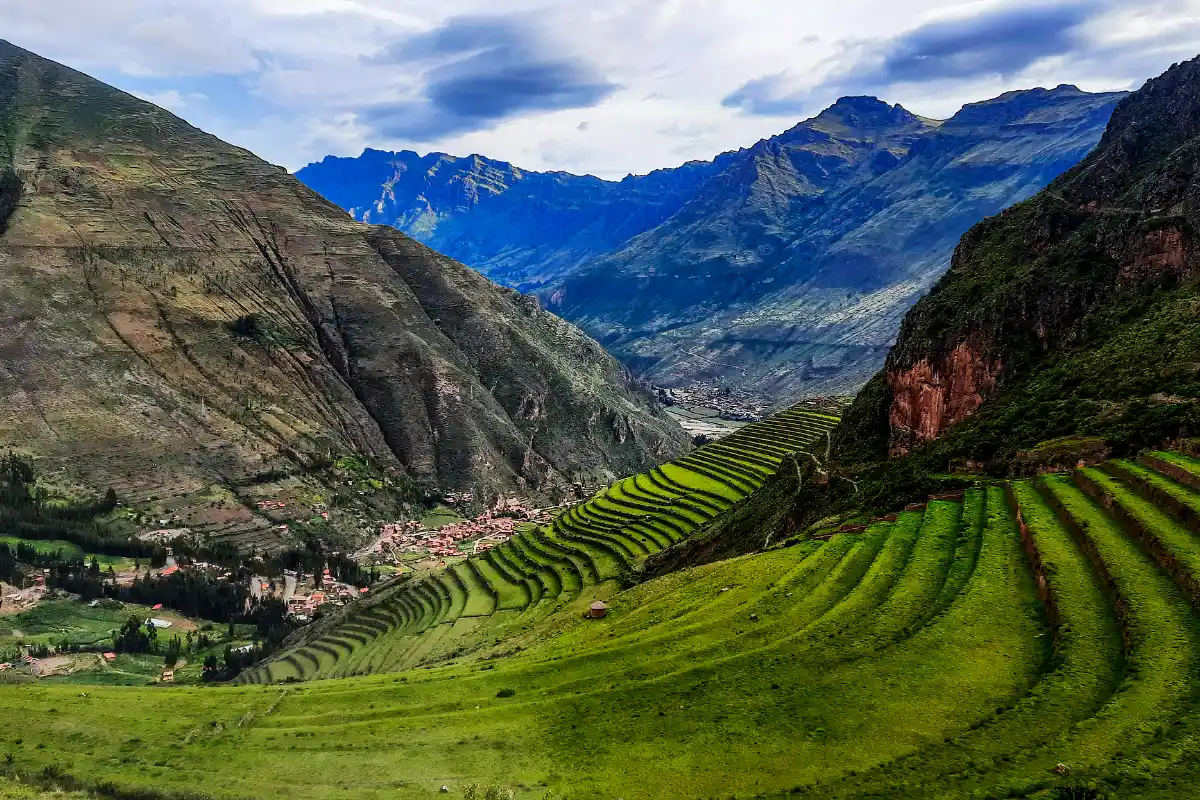
The Sacred Valley was an important agricultural region during the Inca Empire and is still home to traditional villages and numerous archaeological sites. In Pisac, you can explore its extensive agricultural terraces and visit the artisan market, while Ollantaytambo is known for its streets dating back to Inca times and its archaeological complex. You can also visit the Maras Salt Mines, where salt is harvested from hundreds of pools, and Moray, known for its circular agricultural terraces built at different levels.
- Ideal for: Archaeology, Andean landscapes, local culture, and photography.
- Recommended time: 1 to 2 days.
Ica: Paracas, Ballestas Islands, Huacachina, and Nazca
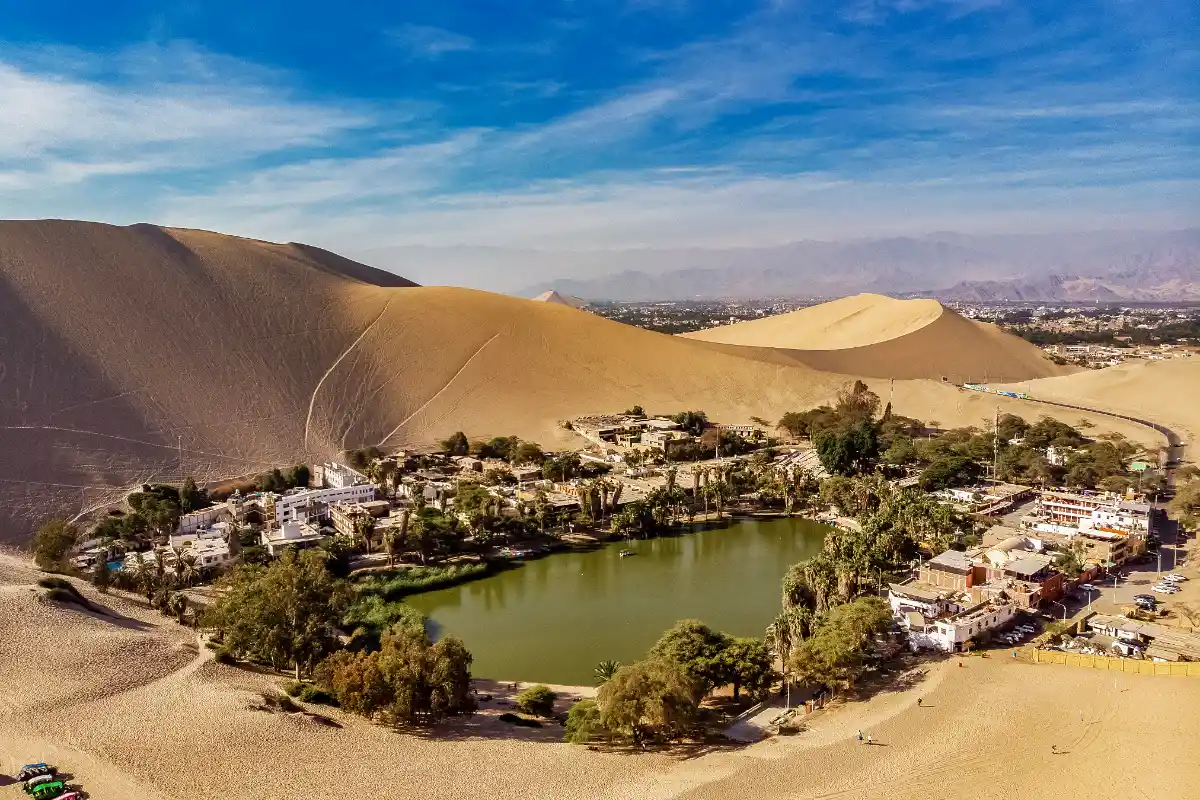
Ica is home to beaches, deserts, and ancient archaeological sites. In Paracas, you can explore the national reserve and take a boat tour to the Ballestas Islands, where you can spot sea lions, Humboldt penguins, and seabirds. You can also visit Huacachina, an oasis surrounded by sand dunes where you can go sandboarding and enjoy dune buggy rides. Farther south, you'll find the Nazca Lines, enormous figures etched into the desert that you can see on a scenic flight.
- Ideal for: Adventure, archaeology, desert landscapes, and marine wildlife watching.
- Recommended duration: 2 - 4 days.
Arequipa and Colca Canyon
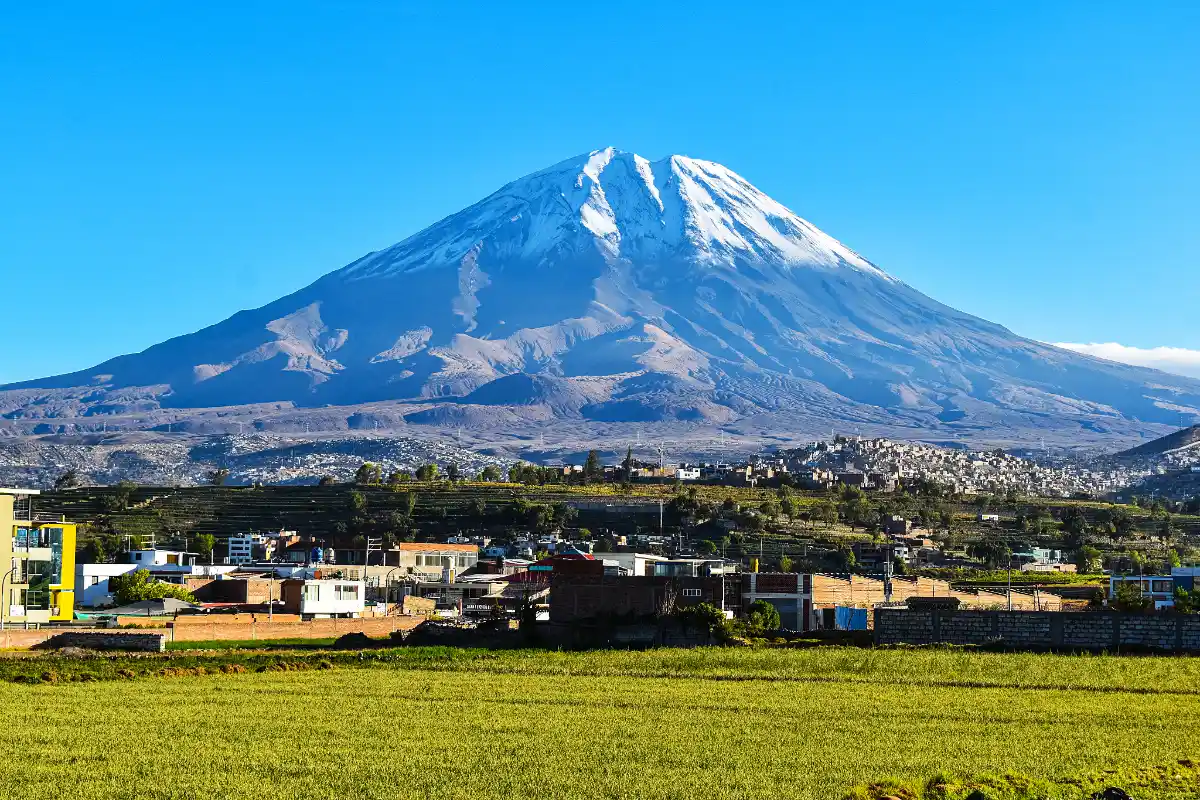
Arequipa, known as the White City for its buildings made of sillar, a white volcanic stone, is home to attractions such as the Santa Catalina Monastery, its main square, and Misti Volcano. A few hours outside the city, you can visit Colca Canyon, where you'll find agricultural terraces and traditional towns such as Chivay and Yanque. You can also stop at the Cruz del Condor viewpoint, one of the main spots for watching Andean condors in flight.
- Ideal for: Architecture, nature, traditional cuisine, and condor watching.
- Recommended duration: 3 - 4 days.
Puno and Lake Titicaca
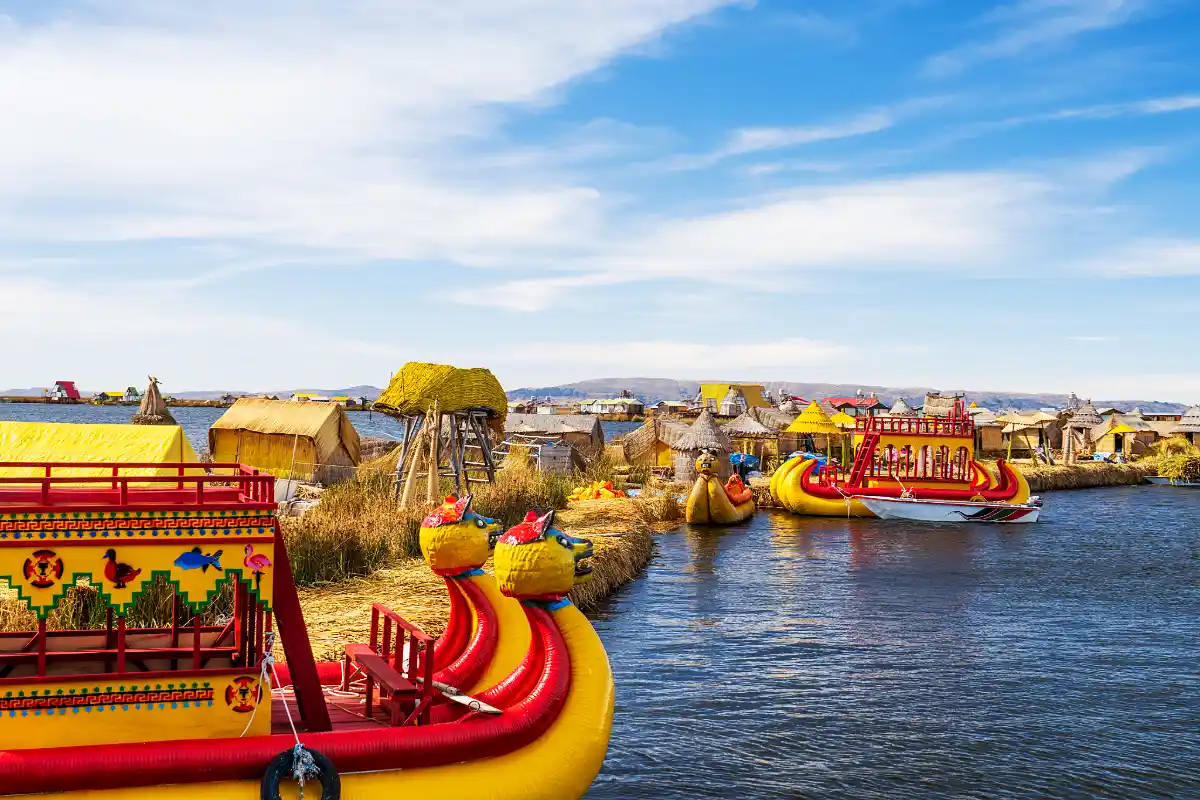
Puno sits on the shores of Lake Titicaca, which is shared by Peru and Bolivia. One of its main attractions is the Uros Floating Islands, built using totora reeds that grow in the lake. You can also visit Taquile Island, known for its textile traditions, and Amantaní Island, where some local families offer homestays and community-based tourism experiences. Near Puno, you'll find the Sillustani chullpas, ancient stone burial towers.
- Ideal for: Community-based tourism, local traditions, culture, and boat trips.
- Recommended duration: 2 - 3 days.
Huaraz and the Cordillera Blanca in Ancash
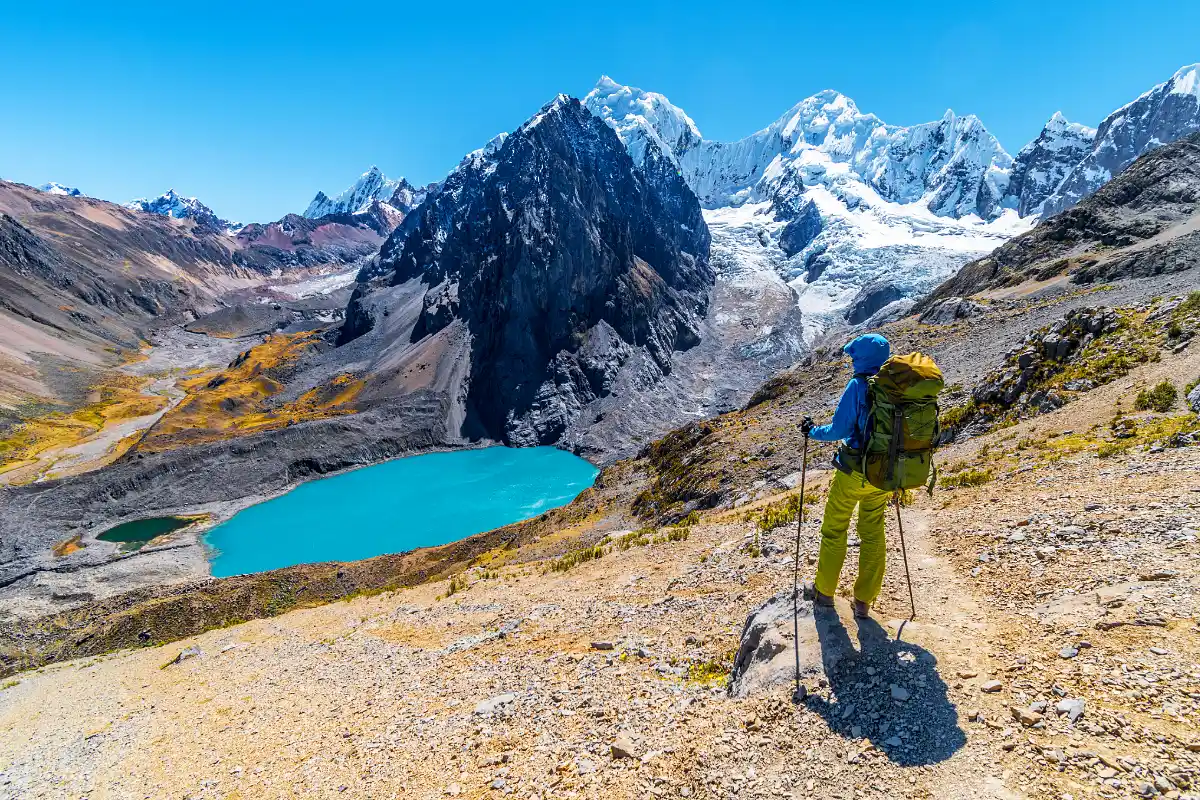
Huaraz is one of the main starting points for exploring the Cordillera Blanca, an Andean mountain range with snow-capped peaks, glaciers, and glacial lakes. In Huascarán National Park, you can visit the Llanganuco Lakes and Lake Parón, known for their turquoise waters and surrounding mountain scenery. You can also hike to Laguna 69 or take on a multi-day trek, such as the Santa Cruz Trek.
- Ideal for: Trekking, mountaineering, alpine lakes, and high-altitude mountain scenery.
- Recommended duration: 3 - 5 days, or longer if you plan to do multi-day treks.
Trujillo and Chiclayo
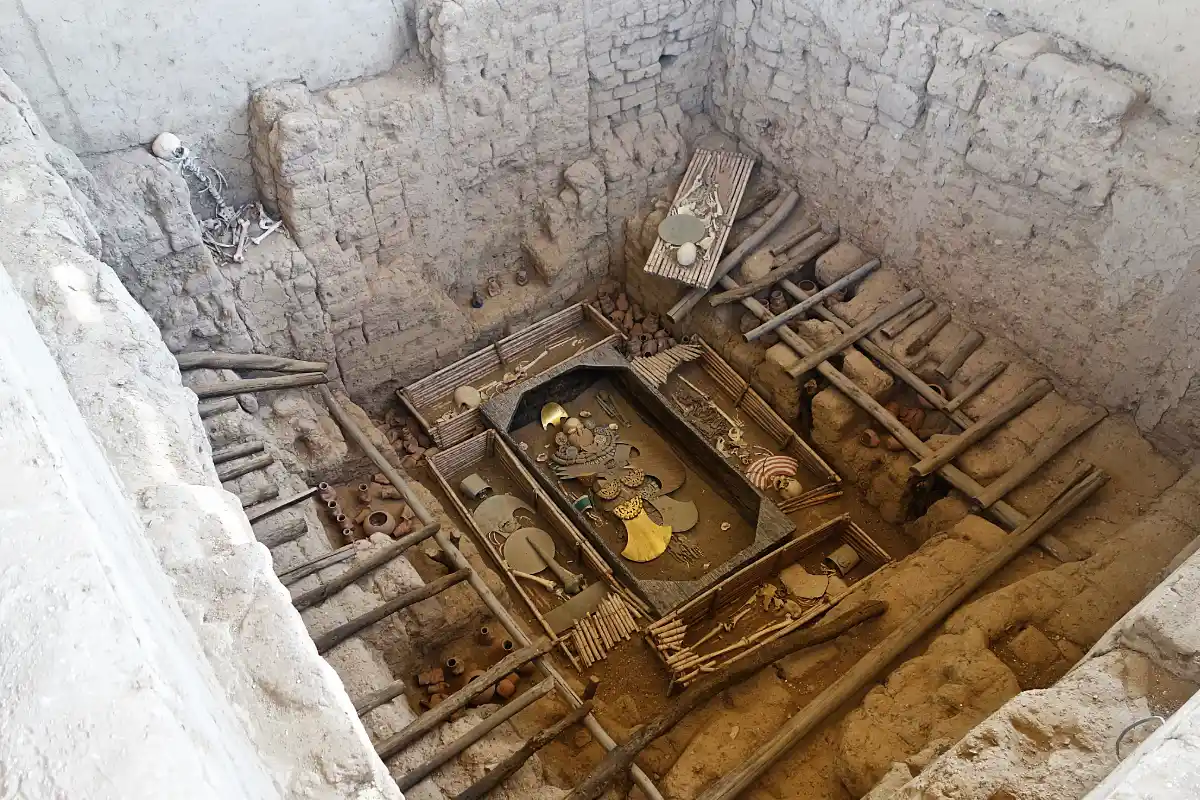
Trujillo and Chiclayo are two cities in northern Peru where you can explore important archaeological remains of pre-Inca cultures. In Trujillo, you'll find Chan Chan, the former capital of the Chimú Kingdom, built mainly from adobe, as well as the Huacas del Sol y de la Luna, associated with the Moche culture. Chiclayo is a good starting point for visiting Huaca Rajada, where the tomb of the Lord of Sipán was discovered, and the Royal Tombs of Sipán Museum in nearby Lambayeque, which houses his burial artifacts.
- Ideal for: Archaeology, museums, pre-Inca history, and northern Peruvian cuisine.
- Recommended duration: 3 - 4 days to explore both cities.
Piura and Tumbes: Máncora, Punta Sal, and the Northern Beaches
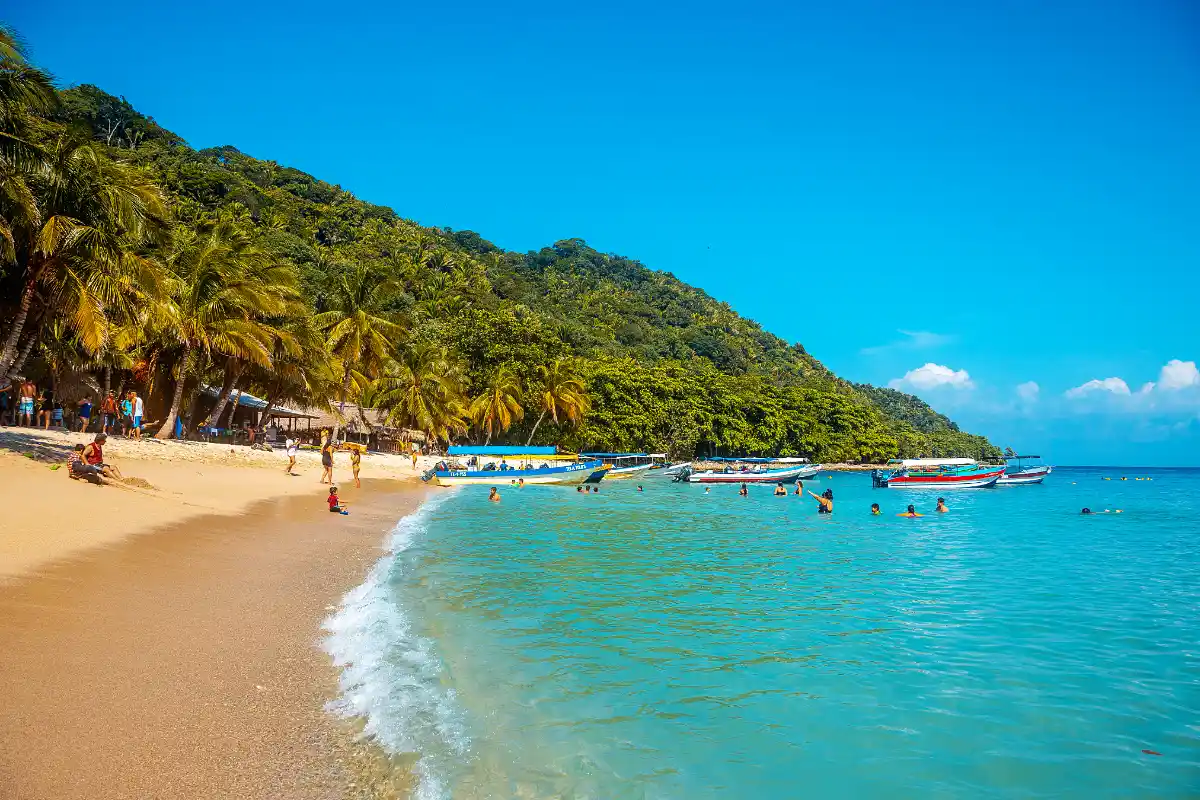
Piura and Tumbes are known for their warm-water beaches and sunny weather throughout much of the year. In Máncora, you can enjoy the beach, go surfing, and visit nearby beach towns such as Vichayito and Los Órganos. Farther north, in Tumbes, Punta Sal is known for its generally calm waters and relaxing atmosphere. You can also explore the Tumbes mangroves on a boat tour through their waterways, where you can spot birds and other wildlife that live in this ecosystem.
- Ideal for: Beaches, relaxation, surfing, seafood, and nature.
- Recommended duration: 3 - 5 days.
Chachapoyas: Kuélap and Gocta Waterfall
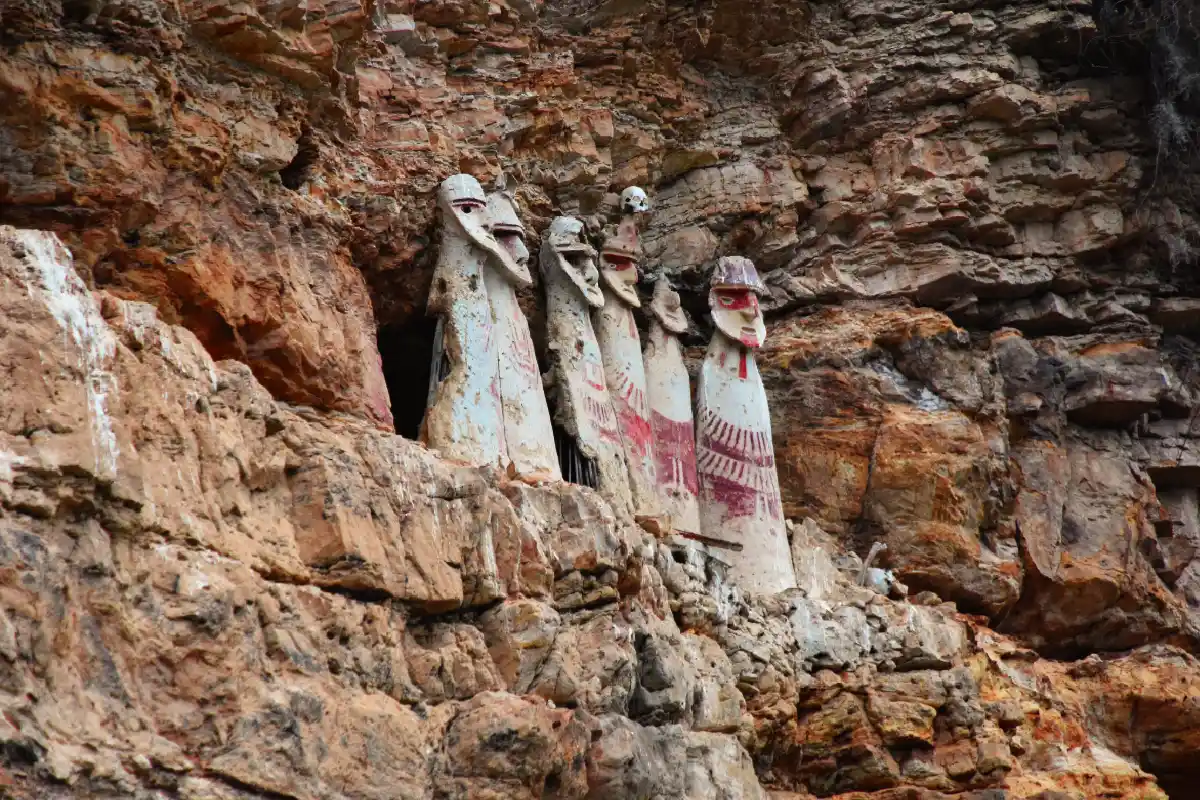
Chachapoyas, in Amazonas, is a starting point for exploring ancient archaeological sites and cloud forest landscapes. Its main attraction is Kuélap, an archaeological complex built by the Chachapoya culture, known for its massive stone walls and circular structures. Another highlight is Gocta Waterfall, which stands approximately 771 meters tall and has two drops. You can hike to the surrounding area from the villages of Cocachimba or San Pablo, following trails through lush vegetation.
- Ideal for: Archaeology, hiking, waterfalls, and nature.
- Recommended duration: 3 - 4 days.
Iquitos: Loreto's Amazon Rainforest and the Amazon River
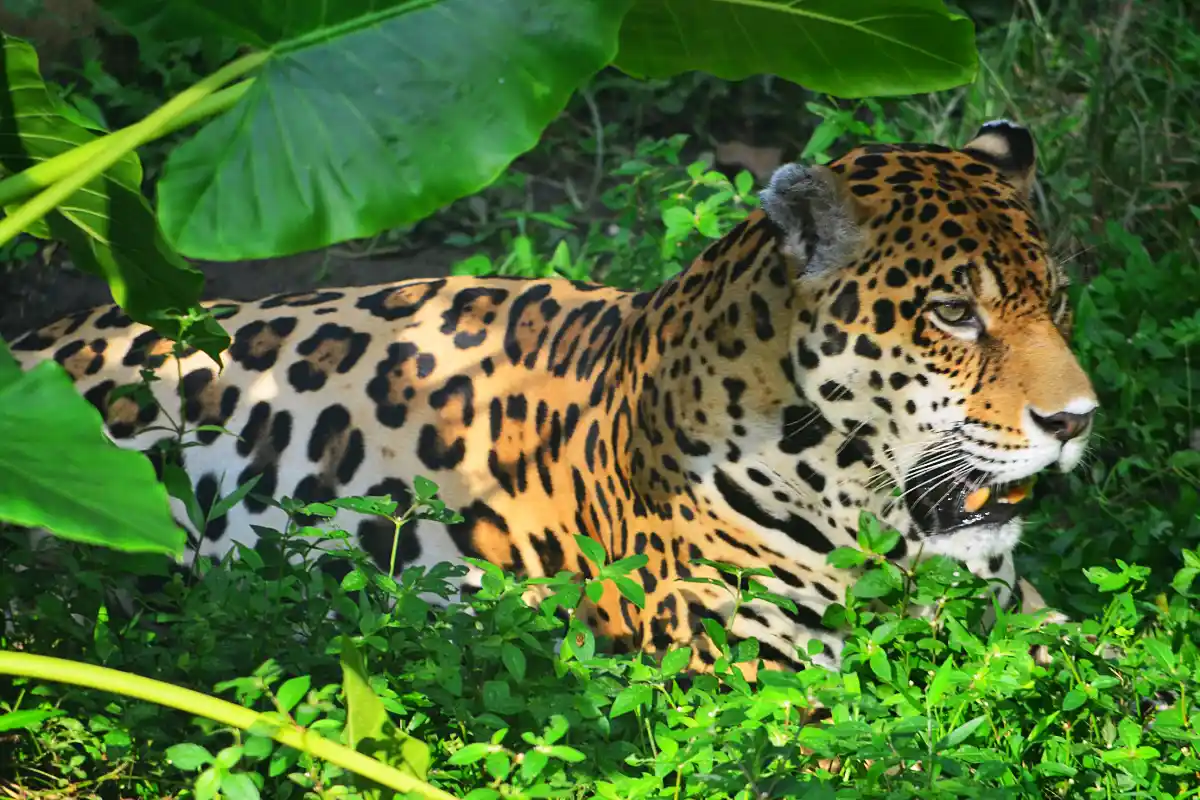
Iquitos is the main city in Loreto and one of the starting points for exploring the Peruvian Amazon. Here, you can take boat trips along the Amazon River, visit riverside communities, and hike through the rainforest to spot monkeys, birds, and other wildlife. One of the area's main attractions is Pacaya Samiria National Reserve, known for its flooded forests, lakes, and wildlife. In the city, you can also stroll along the Malecón Tarapacá and explore the traditional Belén Market.
- Ideal for: Nature, boat trips, wildlife watching, and Amazonian culture.
- Recommended duration: 3 - 5 days.
Puerto Maldonado and Tambopata National Reserve
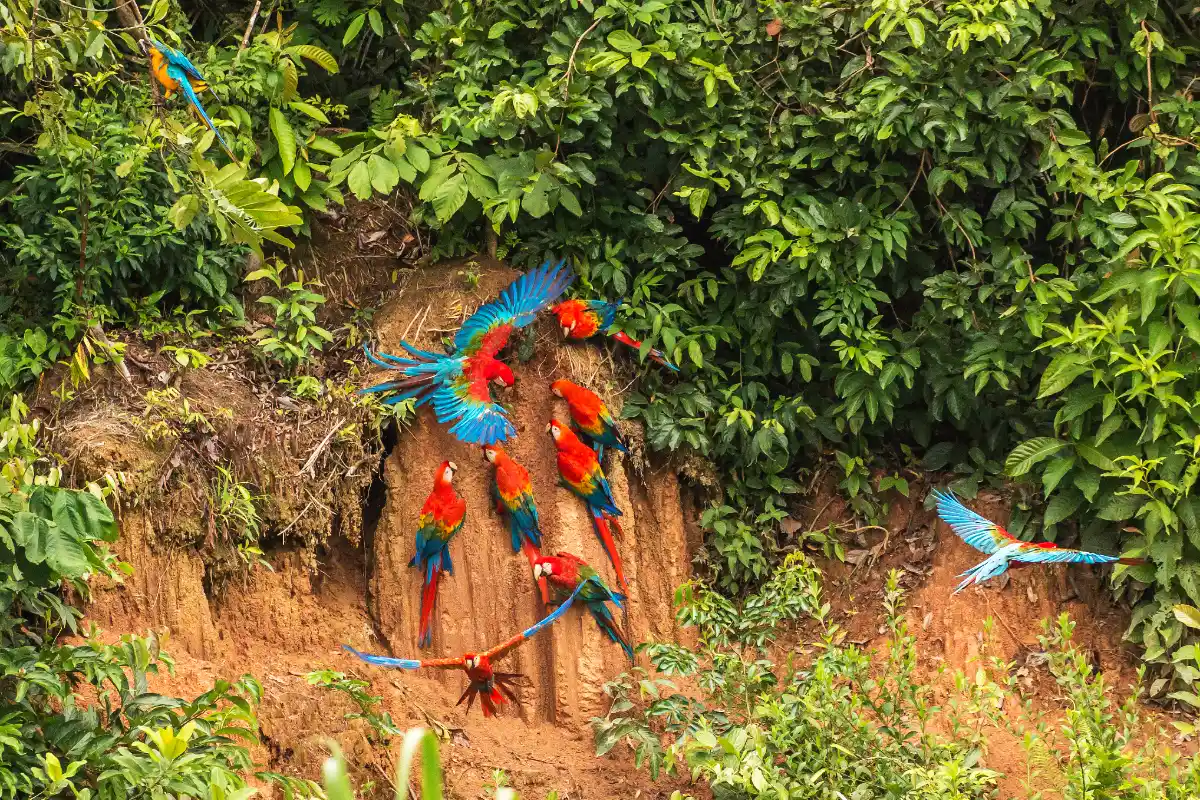
Puerto Maldonado, in the Madre de Dios region, serves as the primary gateway to the Tambopata National Reserve one of Peru’s most biodiverse protected natural areas. Among its attractions is Lake Sandoval, where you can take boat trips and observe monkeys, birds, and giant river otters. You can also visit the Chuncho clay lick, a site where macaws and parrots gather to consume clay from the natural riverbanks. Excursions typically include jungle treks, river travel, and the chance to observe animals in their natural habitat.
- Ideal for: Ecotourism, birdwatching, wildlife, and rainforest hiking.
- Recommended duration: 3 - 4 days.
Tarapoto: Waterfalls and Natural Landscapes in San Martín
Tarapoto, in San Martín, is surrounded by tropical forests, rivers, and waterfalls. One of its main attractions is Ahuashiyacu Waterfall, located about 9 miles (15 kilometers) from the city within the Cordillera Escalera Regional Conservation Area. You can also visit Huacamaillo Waterfall, reached by hiking along trails through lush vegetation, and Laguna Azul (Blue Lagoon) in the district of Sauce, where you can take a boat ride, swim, and enjoy the scenery of the surrounding rainforest.
- Ideal for: Waterfalls, nature, boat trips, and Amazonian cuisine.
- Recommended duration: 2 - 4 days.
What to Do in Peru Based on Your Travel Style
Peru offers plenty of options for travelers interested in adventure, nature, and culture. You can follow ancient Inca trails, hike in the Andes, take boat trips along rivers in the Amazon, and learn about the traditions of local communities. Here are some activities you can include in your trip.
Trekking in the Andes
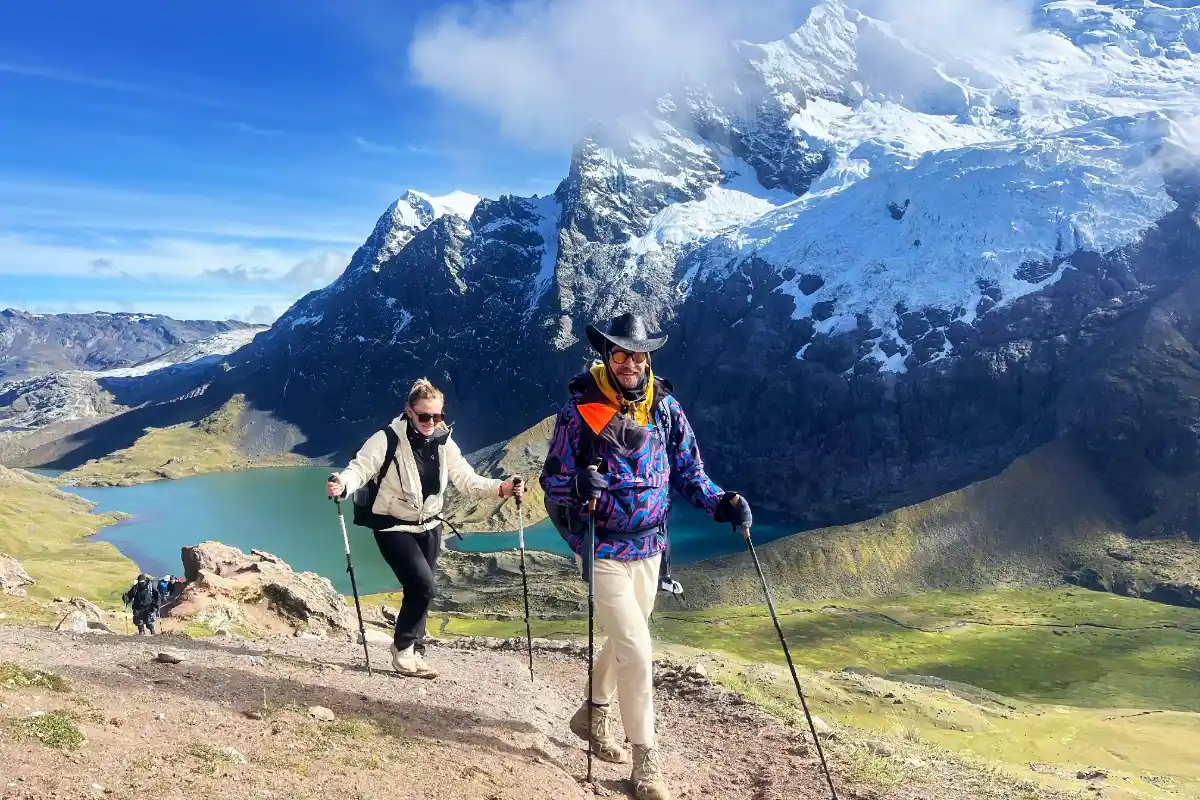
The Peruvian Andes offer trekking routes for different experience levels. In Cusco, popular options include the Inca Trail to Machu Picchu, the Salkantay Trek, and the Ausangate Trek. Together, these routes offer archaeological sites, snow-capped mountains, and high-altitude lakes. In Ancash, you can hike to Laguna 69 or take on the Santa Cruz Trek. Some routes reach high elevations, so it's important to acclimatize before setting out.
Keep in mind that the Inca Trail typically closes for the month of February for maintenance and conservation work, so be sure to check the operating dates before booking.
Exploring the Amazon Rainforest
In the Peruvian Amazon, you can take boat trips along the rivers to spot pink river dolphins, hike through the rainforest with local guides, and join excursions to observe birds and nocturnal wildlife. You'll also find lodges offering multi-day stays that include river trips and hikes along forest trails.
Coastal Adventures
In Huacachina, Ica, you can go sandboarding and ride through the dunes in a dune buggy. If you prefer the ocean, Máncora and the beaches around Lima are great places to surf. You can also go paragliding in Miraflores, flying over the Costa Verde cliffs with views of the Pacific Ocean.
Cultural and Community-Based Tourism
In addition to visiting archaeological sites like Machu Picchu and Chan Chan, you can spend time with local communities that keep their traditions alive. Taquile Island is known for its textile traditions, while on Amantaní Island, you can stay with local families. In Misminay, in the Sacred Valley, you can take part in activities related to farming, weaving, and Andean cuisine.
Peruvian Cuisine: Traditional Dishes You Should Try
Peruvian cuisine is known for its variety of ingredients, flavors, and cooking methods. Each region has traditional dishes that reflect its history and local ingredients. If you're traveling around Peru, here are some traditional dishes worth trying.
Traditional Dishes from Peru's Coast
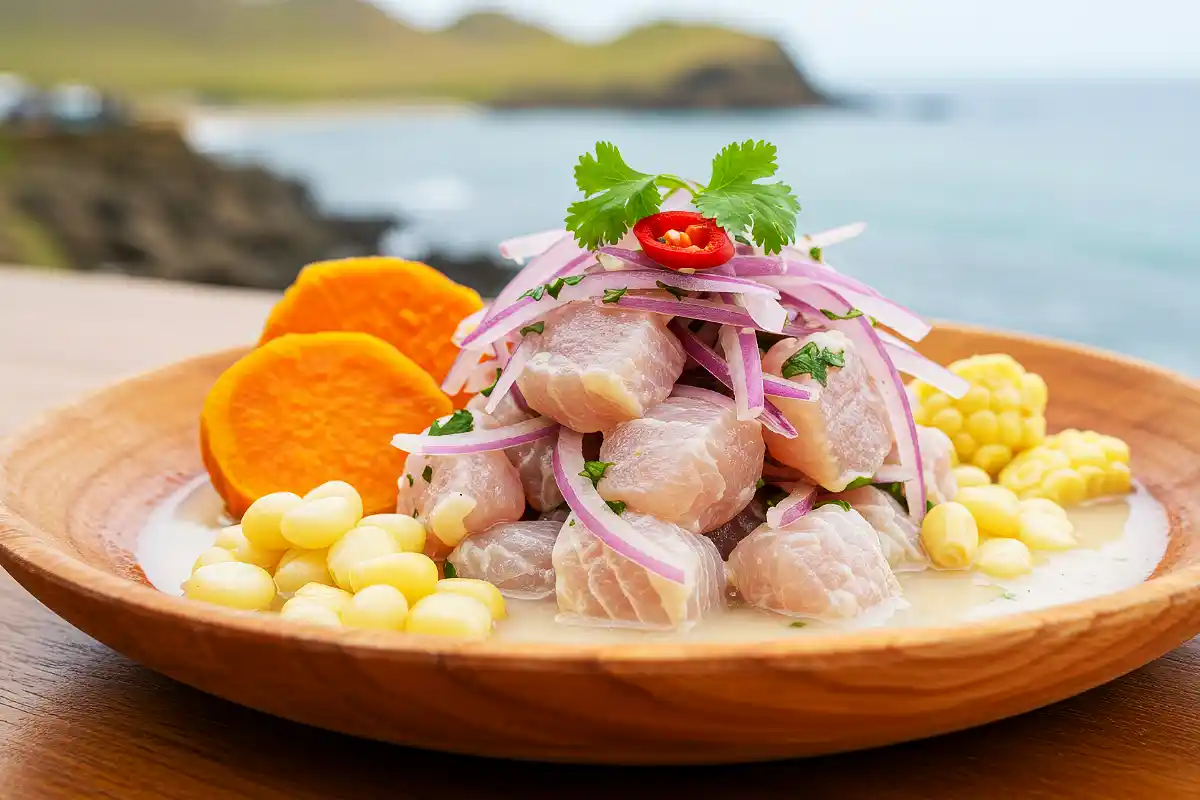
Coastal Peruvian cuisine is known for its fresh fish, seafood, meat dishes, and variety of local ingredients. In Lima, you'll find popular traditional Peruvian criollo dishes, while northern Peru is known for recipes featuring plantains, cilantro, and chicha de jora, a traditional fermented corn drink. Some of the best-known dishes include:
- Ceviche: Fresh fish marinated in lime juice with chili peppers and onions, served with sweet potato, Peruvian corn, or plantain chips, depending on the region.
- Causa limeña: A layered yellow potato dish seasoned with lime juice and yellow chili pepper, usually filled with chicken, tuna, or seafood.
- Anticuchos: Beef heart skewers marinated in ají panca, a Peruvian red chili pepper, and spices, then grilled.
- Ají de gallina: Shredded chicken in a creamy yellow chili pepper sauce, served with rice and potatoes.
- Lomo saltado: Stir-fried beef with onions and tomatoes, served with French fries and rice.
- Arroz con pato: A traditional dish from Lambayeque made with duck, rice, cilantro, chili peppers, and chicha de jora.
- Seco de cabrito: A northern Peruvian goat stew cooked with cilantro and chicha de jora, usually served with rice and beans.
- Seco de chabelo: A traditional dish from Piura made with green plantains and dried beef.
- Shámbar: A traditional soup from Trujillo made with wheat, beans, other legumes, and assorted meats, typically eaten on Mondays.
Traditional Dishes from the Peruvian Highlands
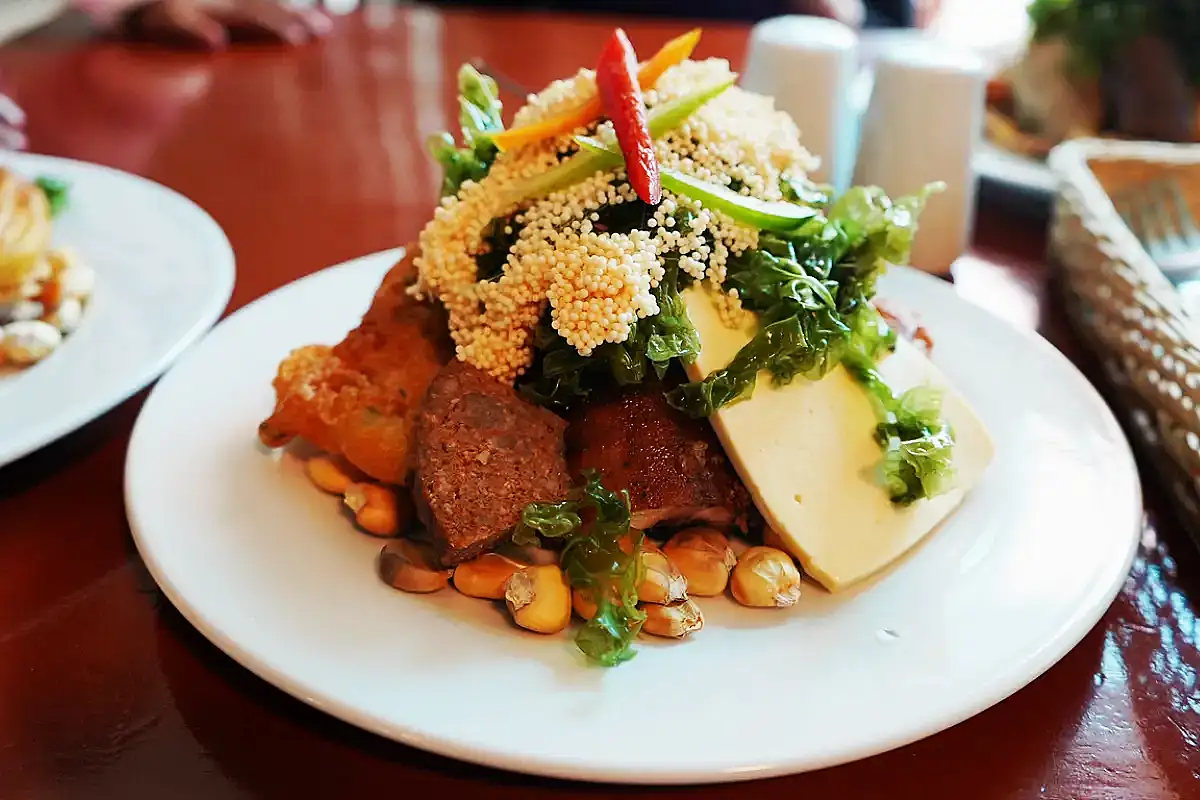
Andean cuisine uses ingredients such as potatoes, corn, quinoa, and locally sourced meats. Many recipes still use traditional cooking methods.
- Pachamanca: Different types of meat, potatoes, fava beans, and other ingredients cooked underground with hot stones and aromatic herbs.
- Cuy chactado: Guinea pig fried until crispy, served with potatoes and chili pepper sauces. It's especially popular in Arequipa.
- Rocoto relleno: A specialty from Arequipa made with rocoto peppers stuffed with meat, spices, and cheese, usually served with pastel de papa, a traditional baked potato dish.
- Papa a la huancaína: Boiled potatoes topped with a creamy sauce made with ají amarillo (yellow chili pepper), fresh cheese, and milk.
- Chiriuchu: A traditional dish from Cusco that combines guinea pig, hen, charqui (dried meat), corn, cheese, and other ingredients. It's especially popular during Corpus Christi celebrations.
Traditional Dishes from the Peruvian Amazon
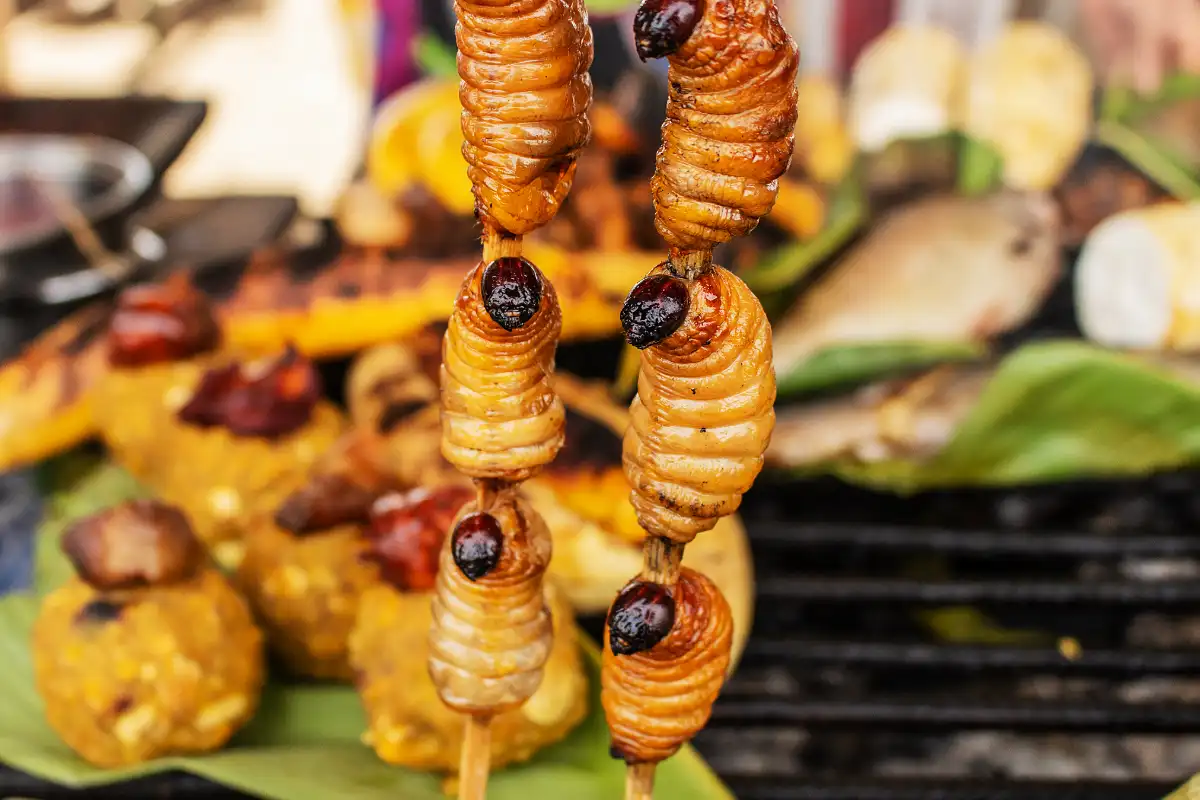
Amazonian cuisine is known for its use of river fish, plantains, cassava, bijao leaves, and local herbs. Some of its most traditional dishes include:
- Juane: Rice seasoned with spices, combined with chicken or hen and egg, and wrapped in bijao leaves. It's traditionally eaten during the Festival of San Juan.
- Tacacho con cecina: Balls of roasted, mashed green plantains served with smoked or dried pork. It's especially popular in Loreto and San Martín.
- Patarashca: River fish seasoned with herbs and spices, wrapped in bijao leaves, and grilled.
- Inchicapi: A thick hen soup made with ground peanuts, corn flour, cilantro, and cassava.
- Ensalada de chonta: A fresh salad made with hearts of palm from certain Amazonian palm trees, lime juice, and vegetables.
Peruvian Festivals Worth Experiencing
Peru's festivals offer a chance to learn about the country's traditions, dances, music, and religious customs. Many take place on specific dates and draw thousands of participants. If you're planning a trip to Peru in 2027, here are some of the country's most notable celebrations you can include in your itinerary.
Inti Raymi in Cusco: The Festival of the Sun
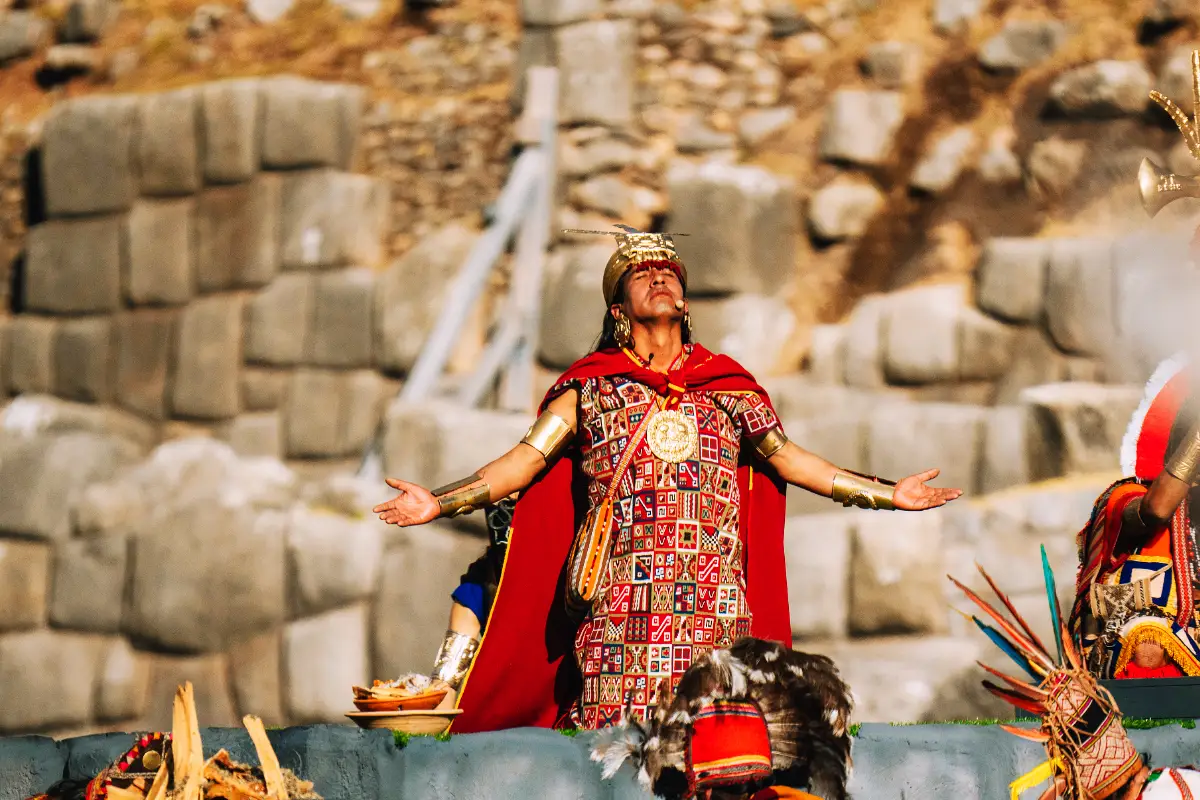
Every June 24, Cusco celebrates Inti Raymi, or the Festival of the Sun, a reenactment of an ancient Inca ceremony honoring the Sun God. The celebration begins at Coricancha, continues in Plaza de Armas, and ends at Sacsayhuamán, where hundreds of actors and dancers recreate rituals and offerings from the time of Tahuantinsuyo, the Inca Empire. It's one of Cusco's most important festivals, so it's best to book your accommodations and tickets in advance.
Festival of the Virgin of Candelaria in Puno
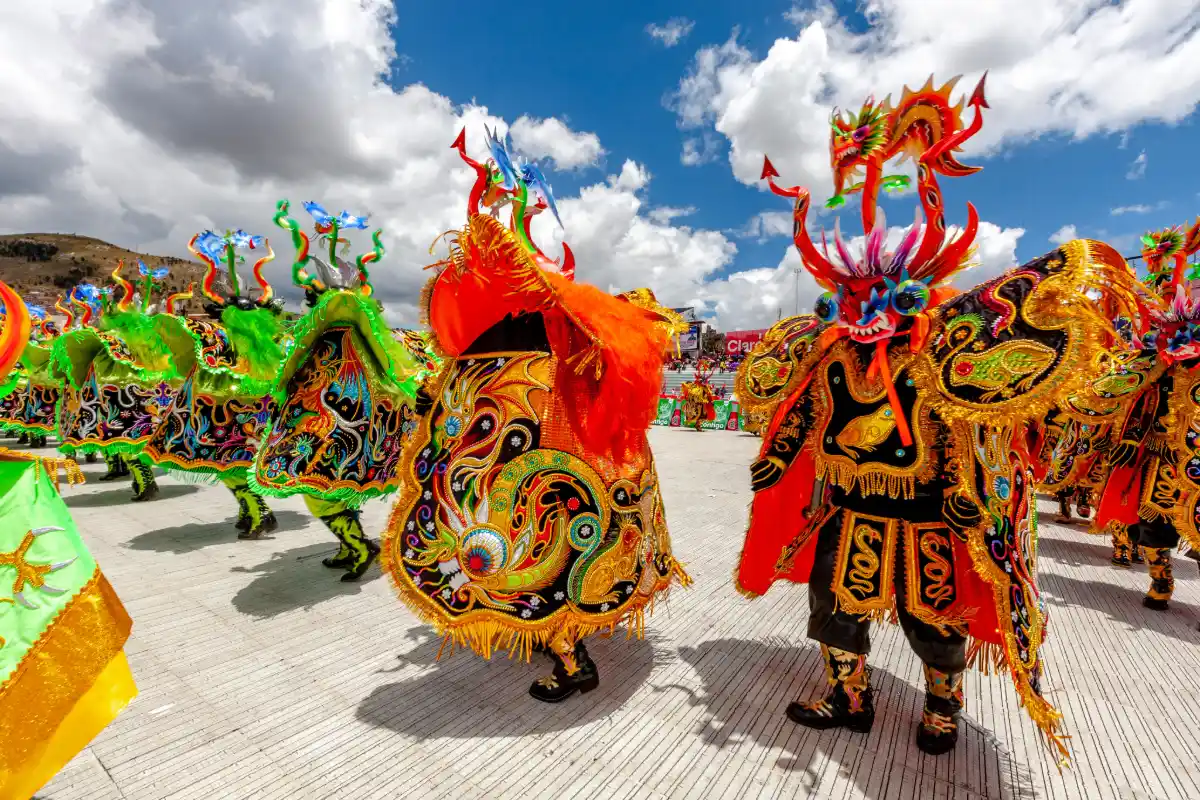
Every February, Puno celebrates the Festival of the Virgin of Candelaria, recognized by UNESCO as Intangible Cultural Heritage of Humanity in 2014. The main celebration takes place on February 2, although festivities continue for several days. The festival includes religious ceremonies, dance competitions, and parades featuring thousands of dancers and musicians Some of the best-known dances include the diablada and morenada, along with other traditional dances of the Andean Altiplano.
Cajamarca Carnival: Music, Dance Troupes, and Tradition
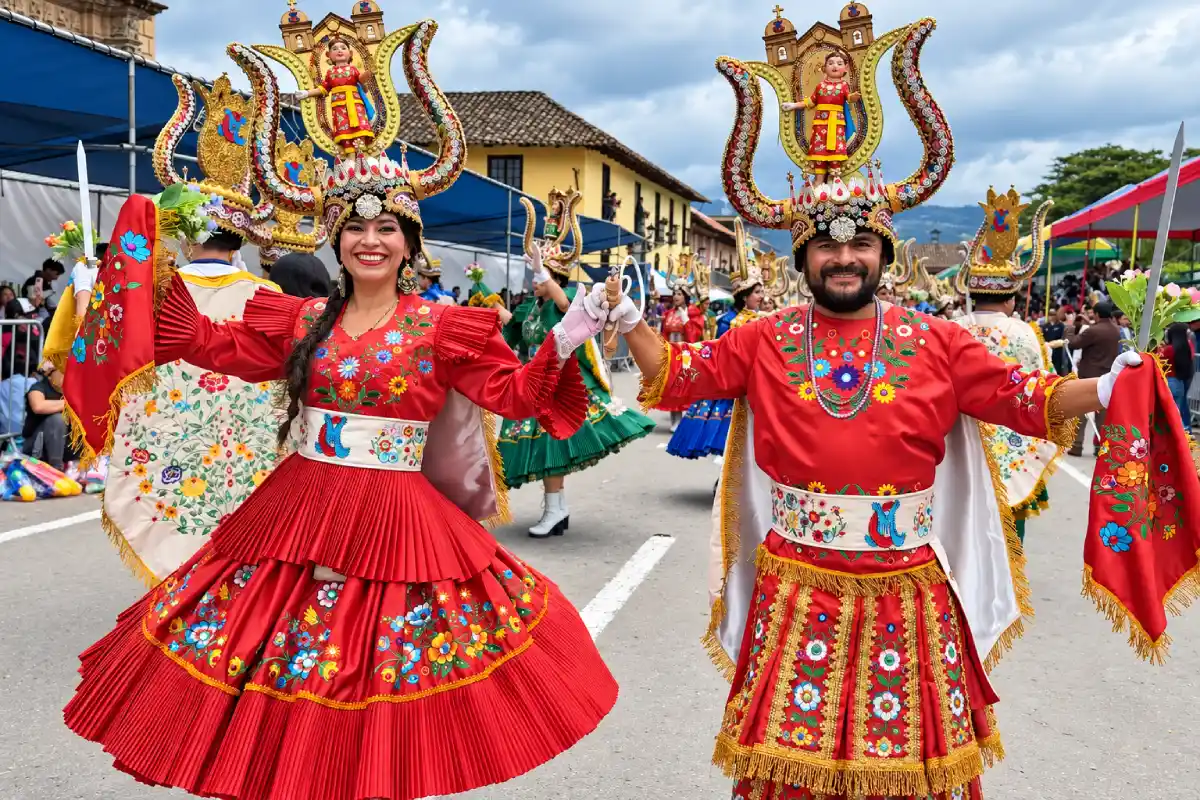
Cajamarca Carnival takes place between February and March, with dates varying each year, and is one of Peru's best-known traditional festivals. For several days, neighborhoods take part in the celebrations with carnival groups, dance troupes, traditional songs, and playful water and paint fights. One of the central figures is Ño Carnavalón, a large effigy that symbolizes the joy of Carnival. His arrival marks the start of the main festivities, while his symbolic burial signals the end of the celebration. Another highlight is the grand parade, featuring dance troupes from different neighborhoods.
Holy Week in Ayacucho
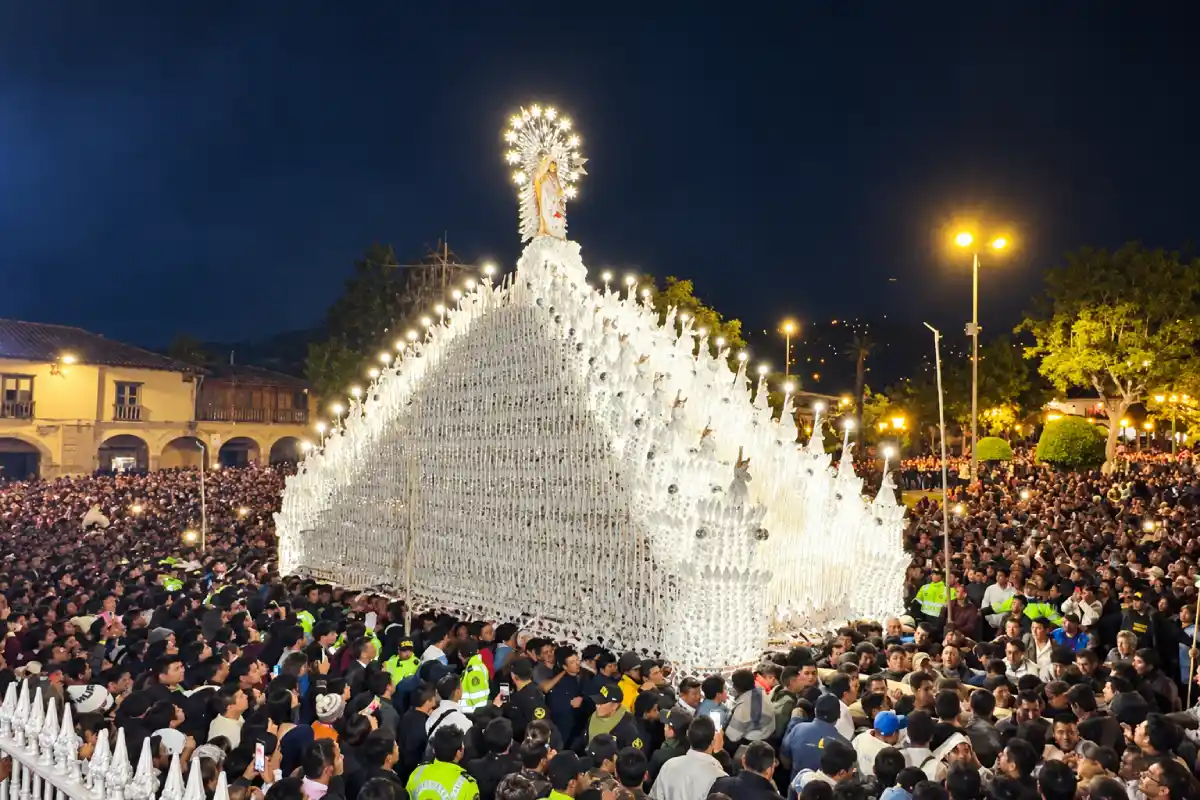
Holy Week in Ayacucho is one of Peru's most important religious celebrations, known for its processions, ceremonies, and streets decorated with elaborate flower carpets. Highlights include the Procession of the Encounter on Holy Wednesday and the Holy Sepulcher procession on Good Friday. The celebration culminates in a large procession of the Risen Christ in the early hours of Easter Sunday. In 2027, Holy Week takes place from March 21 to 28, although local activities begin several days earlier.
San Juan Festival in the Peruvian Amazon
Every June 24, cities in the Peruvian Amazon, including Iquitos, Tarapoto, and Pucallpa, celebrate the San Juan Festival in honor of Saint John the Baptist. One of its best-known traditions is the baño bendito, or blessed bath, a tradition tied to the belief that river water receives a special blessing. The festival also includes traditional dances, processions, and family gatherings where juane is the main dish, made with rice, chicken, and other ingredients wrapped in bijao leaves.
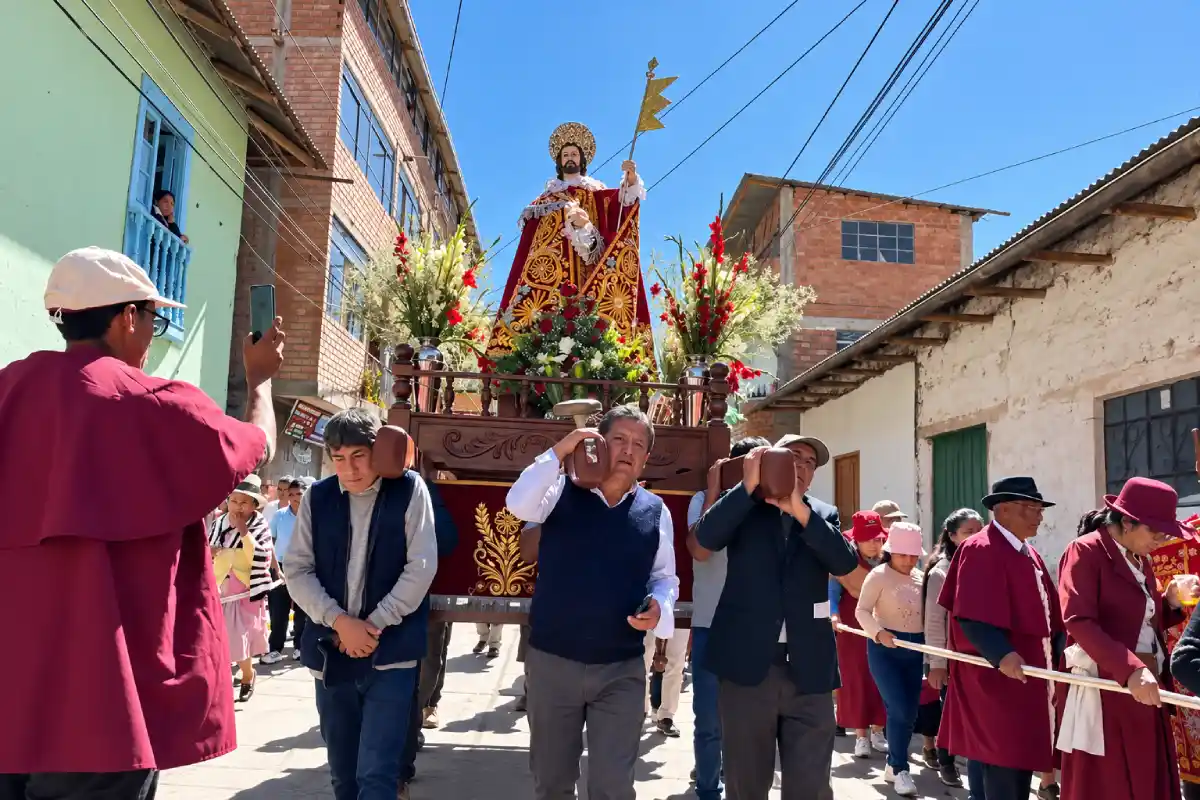
Lord of Miracles in Lima
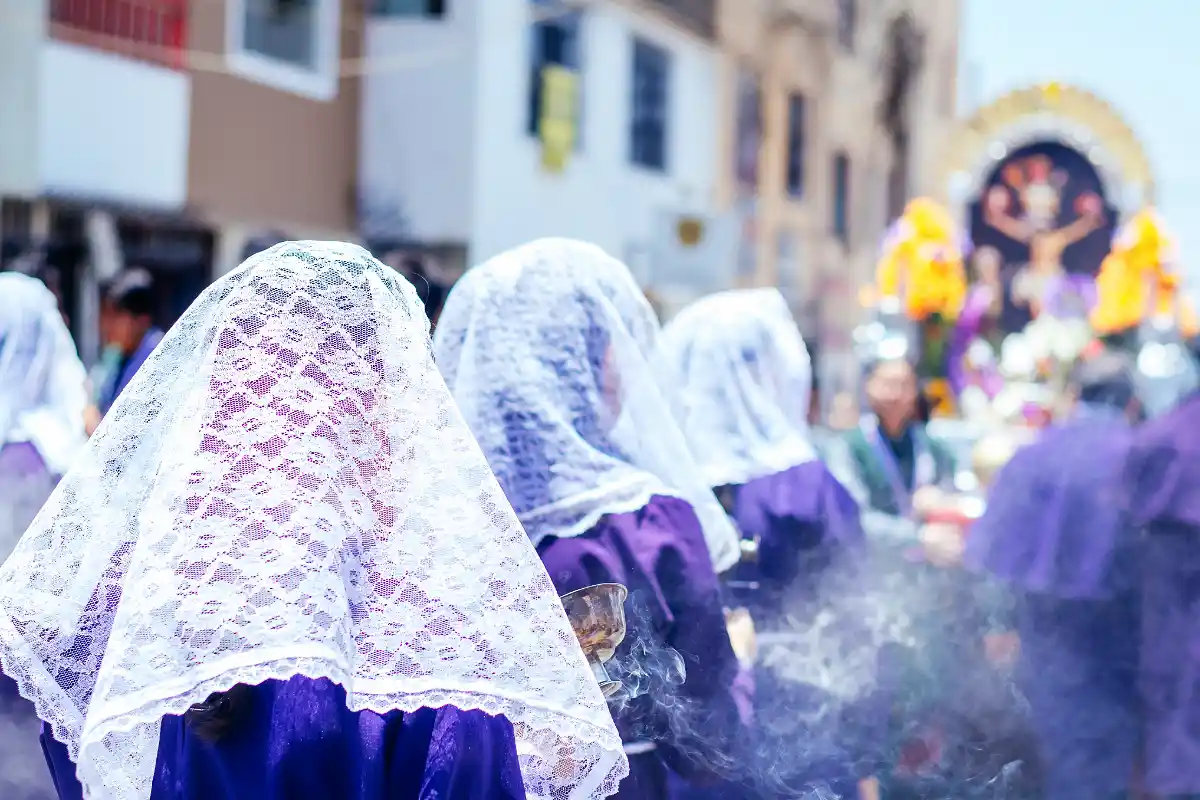
Every October, Lima celebrates the Lord of Miracles, also known as Cristo Moreno or Cristo de Pachacamilla. The religious image, which dates back to the 17th century, is carried through the streets of downtown Lima in large processions attended by worshippers dressed in purple. Another tradition during this time is eating turrón de Doña Pepa, a traditional sweet associated with the celebration. If you visit Lima in October, you can witness one of Peru's most important expressions of religious devotion.
When to Visit Peru: Weather by Region
The best time to visit Peru depends on which region you want to explore. The weather varies considerably across the coast, highlands, and Amazon rainforest, so it's important to understand the seasons in each area before planning your vacation.
| Region | Recommended Months | Weather Conditions |
| Coast | December - March for beach trips | Warmer, sunnier days, although northern Peru can experience heavy rainfall. |
| Highlands | May - September | Dry season, with generally clear skies and cold nights. Ideal for hiking and excursions. |
| Amazon Rainforest | April - October | Less frequent rainfall, although the weather remains warm and humid throughout the year. |
There isn't one perfect month to visit all of Peru. If you're planning to explore several regions, May and September are often good choices, but the best time will depend on where you want to go and what activities you have planned.
How to Plan Your Peru Vacation in 2027
Before traveling to Peru, it's important to check the entry requirements, decide how you'll travel between cities, and plan your budget. If you're planning to visit Machu Picchu or hike the Inca Trail, it's also a good idea to book in advance, as availability is limited.
Documents You Need to Enter Peru
Entry requirements for Peru depend on your nationality and the type of travel document you're using.
- Valid passport: Travelers entering Peru with a passport must have at least six months of validity remaining.
- National ID card: Citizens of Argentina, Bolivia, Brazil, Chile, Colombia, Ecuador, Paraguay, and Uruguay can enter Peru as tourists using a valid national ID card, under current agreements.
- Tourist visa: Travelers of certain nationalities need to obtain a visa before their trip. You can check the requirements with Peru's Ministry of Foreign Affairs.
- Length of stay: Check how many days you're authorized to stay in Peru through the Virtual Andean Migration Card (TAM) issued by Peru's immigration authorities.
Vaccinations, Health, and Travel Insurance
Peru has destinations at different elevations and in tropical areas, so health recommendations vary depending on your itinerary.
- Yellow fever: Vaccination is recommended at least 10 days before visiting at-risk areas in the Amazon, such as Loreto and Madre de Dios. It's not a general requirement for entering Peru.
- Malaria and mosquitoes: If you're visiting rainforest areas, consult a healthcare professional about malaria prevention and use insect repellent.
- Altitude sickness: In cities like Cusco and Puno, allow yourself a few days to acclimatize, avoid strenuous activities when you first arrive, and gain altitude gradually whenever possible.
- Travel insurance: Choose a policy that covers medical care, emergencies, and evacuation. If you're planning high-altitude treks, make sure these activities are covered by your policy.
Getting Around Peru: Flights, Buses, and Trains
Peru's main tourist cities are connected by air and road. Here are the most common transportation options:
- Domestic flights: The fastest way to cover long distances. You can find flights connecting Lima with destinations such as Cusco, Arequipa, Iquitos, Piura, and Puerto Maldonado.
- Intercity buses: A popular option for traveling between cities such as Lima, Ica, Arequipa, Cusco, and Puno. Services range from budget buses to more comfortable options with semi-reclining or fully reclining seats for longer journeys.
- Tourist trains: One of the main ways to reach Machu Picchu Pueblo from Ollantaytambo. Tourist train services are also available between Cusco and Puno.
- River transportation: In the Amazon, especially around Iquitos, boats are essential for reaching local communities and jungle lodges.
How Much Does It Cost to Travel to Peru?
The cost of a vacation in Peru depends on your accommodation, meals, transportation, and the activities you choose. To help you plan your budget, here are some estimated costs per person in US dollars (USD), based on your travel style.
| Travel Style | Daily Budget per Person | 7-Day Budget | What's Included? |
| Budget | USD 60 - 100 | USD 420 - 700 | Hostels or simple hotels, meals at local markets or restaurants, public transportation, and affordable activities |
| Mid-Range | USD 120 - 200 | USD 840 - 1,400 | 3 star hotels, restaurants, taxis, and some organized group tours. |
| Luxury | Starting at USD 320 | Starting at USD 2,240 | 4 or 5 star hotels, upscale restaurants, private transportation, and personalized experiences. |
Important: These budgets are estimates to help you plan your trip, not confirmed prices for 2027. They cover accommodation, meals, local transportation, and some activities, but exclude international and domestic flights, long-distance transfers, trains to Machu Picchu, and multi-day tours such as the Inca Trail or Amazon rainforest packages. Actual costs may vary depending on the season, destination, and type of accommodation.
What to Pack for Peru's Different Climates and Destinations
The clothing and gear you'll need depend on which regions you plan to visit. If you're traveling to several parts of the country, it's best to pack clothes you can mix and match.
- For the coast: Lightweight clothing, sunglasses, a hat, sunscreen, and a swimsuit. In Lima, bring a light jacket for cooler evenings.
- For the highlands: Thermal layers, a waterproof jacket, warm clothing, and shoes or boots with good traction. Temperatures can drop significantly at night.
- For the Amazon rainforest: Lightweight long-sleeved shirts, long pants, insect repellent, a waterproof poncho, and footwear suitable for wet conditions.
- Essentials: Personal documents, any medications you regularly take, a charger, a power adapter if needed, a small backpack, and a reusable water bottle.
How Many Days Do You Need to Explore Peru?
For your first trip to Peru, we recommend spending 10 to 15 days, although you can plan a shorter itinerary if you focus on just one region. Keep in mind that distances between major destinations can be long, and some transfers may take up much of your day.
- 5 to 7 days: Focus on Cusco, the Sacred Valley, and Machu Picchu, allowing enough time to acclimate to the altitude.
- 10 to 14 days: Visit Lima, Cusco, and Machu Picchu, and add destinations such as Ica and Paracas or Arequipa and Colca Canyon.
- 15 to 21 days: You'll have more time to explore several regions and include Puno or a multi-day experience in the Amazon rainforest.
If you're planning to hike the Classic Inca Trail, allow four days for the trek, plus additional time to acclimate before starting.
Tips for Visiting Peru
- Book in advance: Purchase your tickets to Machu Picchu and other popular attractions before your trip.
- Plan your itinerary: Group nearby destinations together to save time and money.
- Acclimate to the altitude: Take time to rest before doing strenuous activities in Cusco or Puno.
- Choose authorized services: Book with licensed tour operators and reliable transportation companies.
- Carry cash: Keep some Peruvian soles on hand for purchases at markets and small businesses.
- Check the weather: Review the weather forecast before heading out on excursions.
- Keep your belongings safe: Look after your valuables, especially in crowded areas.
- Respect tourist sites: Follow local guidelines and avoid damaging natural areas and archaeological sites.
Frequently Asked Questions About Traveling to Peru
Where should I go in Peru on my first trip?
For your first visit, some of the best places to explore are Lima, Cusco, the Sacred Valley, and Machu Picchu. If you have more time, you can also visit Paracas, Huacachina, and Arequipa to experience more of Peru's diverse landscapes.
Is it safe to travel to Peru in 2027?
Safety conditions can vary depending on the region and when you travel. Before visiting Peru in 2027, check official travel advisories, use licensed transportation services, and avoid areas with security restrictions.
Can I visit Machu Picchu and the Amazon on the same trip?
Yes, you can visit both Machu Picchu and the Peruvian Amazon on a 10 to 14-day trip. One practical option is to explore Cusco first, then travel to Puerto Maldonado to visit Tambopata National Reserve.
What are the best places to visit in Peru with family?
Lima, the Sacred Valley, Machu Picchu, Paracas, and the beaches of Piura are great options for families traveling with children. These destinations offer activities such as scenic train rides, boat tours, cultural visits, and relaxing days at the beach.
What can I do in Peru if I don't enjoy hiking?
You can visit Machu Picchu by train and bus, explore Lima's museums, take a boat tour to the Ballestas Islands, enjoy Peruvian cuisine, or discover the Amazon rainforest on guided boat excursions.
Do I need to speak Spanish to travel around Peru?
No, speaking Spanish isn't essential. In major tourist destinations, you'll find hotels, tour operators, and guides offering services in English. However, learning a few basic Spanish phrases can help you communicate with locals.
Can I travel around Peru without using a travel agency?
Yes, you can plan your own visits to cities such as Lima, Cusco, Arequipa, and Ica using flights, buses, and trains. However, certain activities, such as hiking the Inca Trail to Machu Picchu, require booking through an authorized tour operator. For Amazon rainforest excursions, it's also a good idea to hire local guides.
What currency is used in Peru?
The official currency is the Peruvian sol (PEN). You'll find ATMs and businesses that accept credit or debit cards in major cities. Some tourism services also list prices in US dollars (USD), but it's a good idea to carry some soles for smaller purchases.
Where can I buy Machu Picchu tickets for 2027?
You can purchase tickets through Tu Boleto, the official booking platform of Peru's Ministry of Culture. You'll need to select your circuit, route, visit date, and entry time. For 2027, check the official ticket sales calendar and book in advance, especially if you're planning to travel between June and August.

Add new comment