



The Salkantay Trek and Lares Trek are two multi-day routes that combine high-mountain hiking with a final visit to Machu Picchu, but the experience is quite different on each one. Salkantay crosses landscapes that shift from glacial terrain to cloud forest, while Lares offers closer contact with high-Andean lakes, local communities, and Sacred Valley scenery. Comparing their difficulty, altitude, route, culture, and way of reaching Machu Picchu makes it easier to understand what each trek offers before choosing.
Salkantay Trek vs Lares Trek at a Glance
| Salkantay Trek | Lares Trek |
Classic Itinerary Duration | 4 days | 4 days |
Approximate Distance | 30 mi / 48 km | 23.6 mi / 38 km |
Maximum Altitude | 15,190 ft / 4,630 m | 15,420 ft / 4,700 m |
Highest Point | Salkantay Pass | Condor Pass |
Physical Demands | Longer distance and longer hiking days | High-altitude climbs |
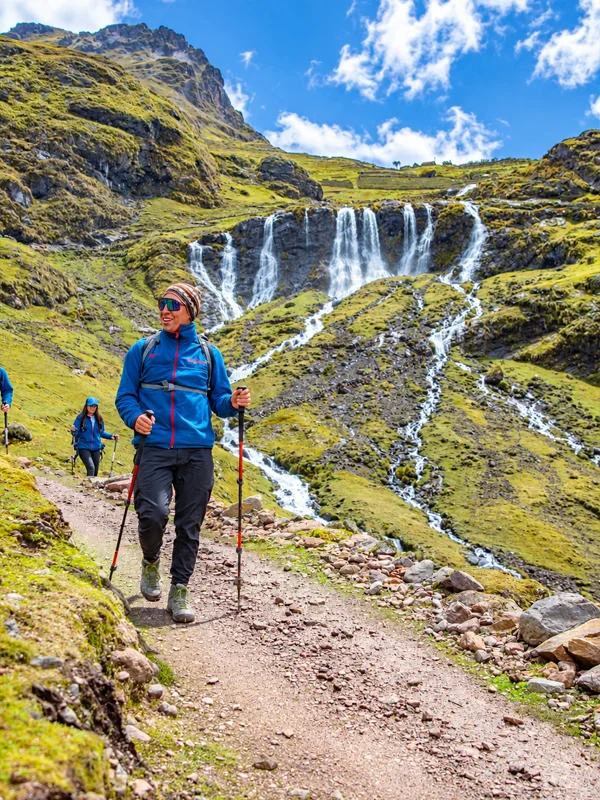
Scenery | Glaciers, Humantay Lake, and cloud forest | Lakes, waterfalls, and high-Andean landscapes |
Cultural Experience | Coffee, local farming, and Pachamanca | Communities, textiles, herding, and farming |
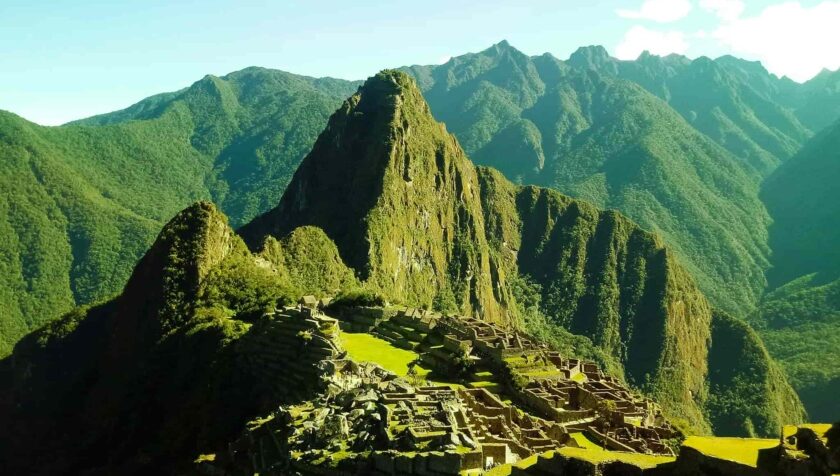
Archaeological Site | Llactapata on the 5-day version | Maras Salt Mines in the Sacred Valley |
Hot Springs | Cocalmayo on the private 5-day version | Lares Hot Springs |
Accommodation |
|
|
Arrival in Aguas Calientes | Hike from Hidroelectrica | Train from Ollantaytambo |
Longer Versions | 6 days with the Classic Inca Trail | 5 days with the Short Inca Trail |
Final Visit | Machu Picchu | Machu Picchu |
Salkantay Trek or Lares Trek: Which One Should You Choose?
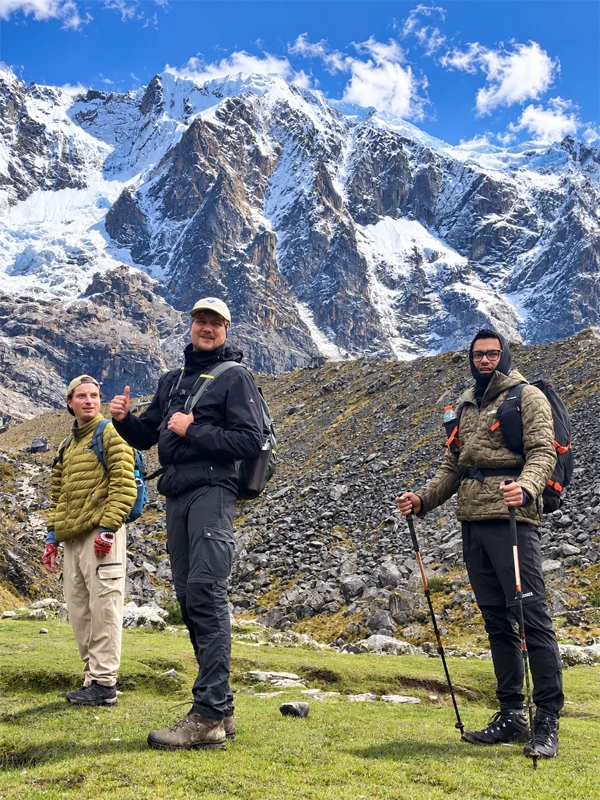
- Salkantay is a good fit for travelers who value changing ecosystems, glacial mountains, cloud forest, and a longer trek.
- Lares is a good fit for travelers who value local communities, high-Andean scenery, and the train journey to Machu Picchu.
 |  |
Now that you know the main differences, you can look at each aspect in more detail and compare which route better matches your pace, the scenery you want to see, and the kind of experience you are looking for on your trip to Machu Picchu.
Itinerary: Salkantay Trek vs Lares Trek
The classic Salkantay Trek and Lares Trek itineraries are 4 days long. However, you can also find longer versions that add one or more camping nights, extra hikes such as the Short Inca Trail, or an additional stay in Aguas Calientes.
Salkantay Trek and Lares Trek Itinerary Comparison
Salkantay Trek | Lares Trek |
| Day 1: Hike to Humantay Lake and glamping at Salkantaypampa | Day 1: Visit Ancasmarca, the Puya de Raimondi forest, and the Lares Hot Springs. Hike toward Kiswarani Waterfalls |
| Day 2: Climb to Salkantay Pass and descend toward the cloud forest | Day 2: Climb to Condor Pass and visit the community of Canchacancha |
| Day 3: Hike to Lucmabamba and prepare a traditional Pachamanca. Transfer to Hidroelectrica and hike to Aguas Calientes | Day 3: Descend toward the Sacred Valley, visit the Maras Salt Mines and Ollantaytambo, then take the train to Aguas Calientes |
| Day 4: Guided visit to Machu Picchu and return to Cusco on the Vistadome train | |
Difficulty: Salkantay Trek vs Lares Trek
Both treks demand most of their physical effort during the first two days, when the route is mainly through high-mountain terrain. When comparing them, the difference in difficulty becomes clearer:
- The Salkantay Trek requires more endurance because of its total distance and longer hiking days.
- Difficulty: Hard to Challenging
- The Lares Trek concentrates much of its difficulty in the climbs at high altitude and reaches a slightly higher maximum elevation.
- Difficulty: Hard
On both routes, spending time acclimatizing in Cusco before the trek can help you handle the altitude more comfortably. Even so, difficulty can feel different depending on your fitness level, previous hiking experience, personal pace, and how your body adapts to altitude. This is one important difference to consider, along with several other details that make each trek unique.
Total Distance of Each Trek
- Salkantay Trek: 30 mi / 48 km
- Lares Trek: 23.6 mi / 38 km
The following days are mostly downhill, and the physical demands gradually decrease as you lose altitude. The route continues into lower areas before connecting with Aguas Calientes and Machu Picchu.
Daily Hiking Distance and Duration
| Salkantay Trek | Lares Trek |
Day 1 | Challacancha - Salkantay Pampa
| Pampacorral - Laguna Azul
|
Day 2 | Salkantay Pampa - Collpapampa
| Laguna Azul - Canchacancha
|
Day 3 | Collpapampa - Aguas Calientes
| Canchacancha - Huaran
|
Day 4 | Machu Picchu
| |
*The hiking distance and duration on Day 4 may vary depending on the Machu Picchu ticket and circuit purchased.
Altitude: Salkantay Trek and Lares Trek
Both the Salkantay Trek and the Lares Trek begin at high altitude (above 11,811 ft / 3,600 m), and over the following days the elevation gradually drops until reaching Aguas Calientes (6,561 ft / 2,000 m) from where the journey continues to Machu Picchu.
Maximum Altitude of Each Trek
- Salkantay Trek: Salkantay Pass - 15,190 ft / 4,630 m
- Lares Trek: Condor Pass - 15,420 ft / 4,700 m
Maximum Altitude by Day and Overnight Altitude
| Salkantay Trek | Lares Trek |
Day 1 |
|
|
Day 2 |
|
|
Day 3 |
|
|
Day 4 |
| |
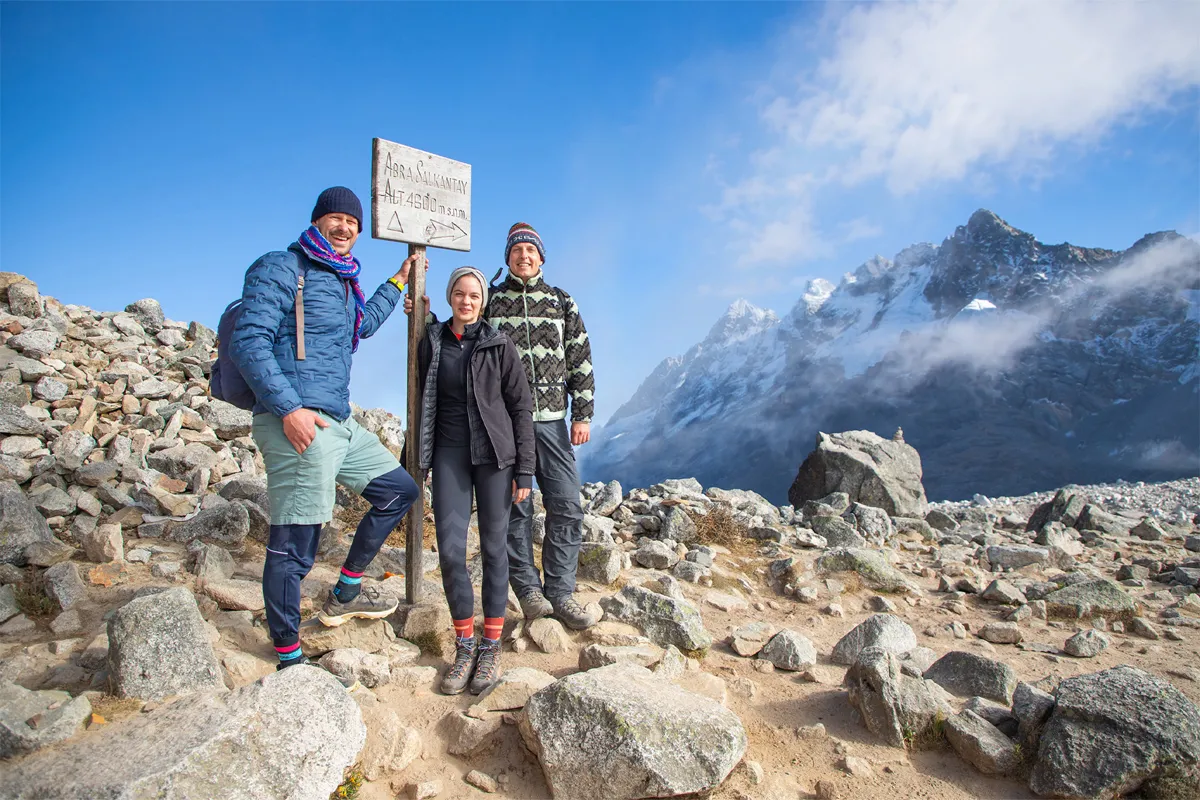
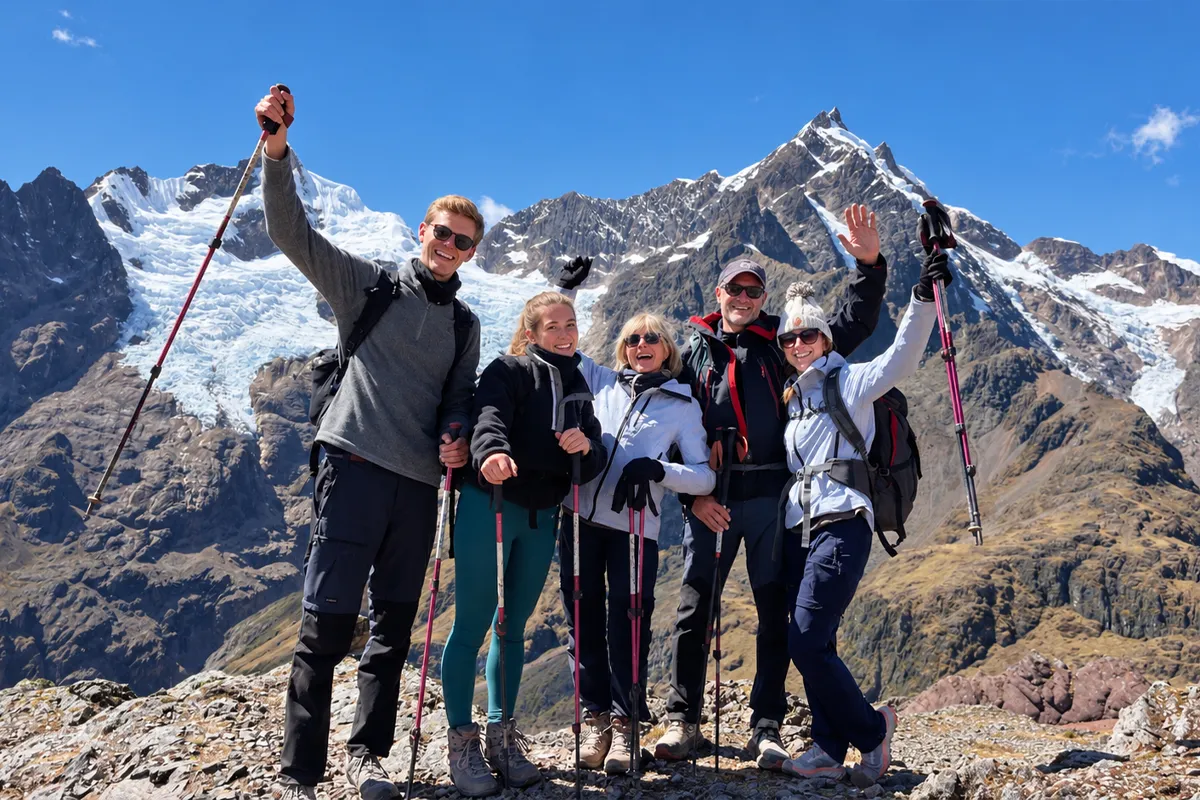
Scenery: Salkantay Trek and Lares Trek
The scenery is one of the biggest differences between the Salkantay Trek and the Lares Trek to Machu Picchu. Each route crosses very different natural and cultural settings, creating a noticeably different experience from one trek to the other.
Salkantay Trek Scenery:
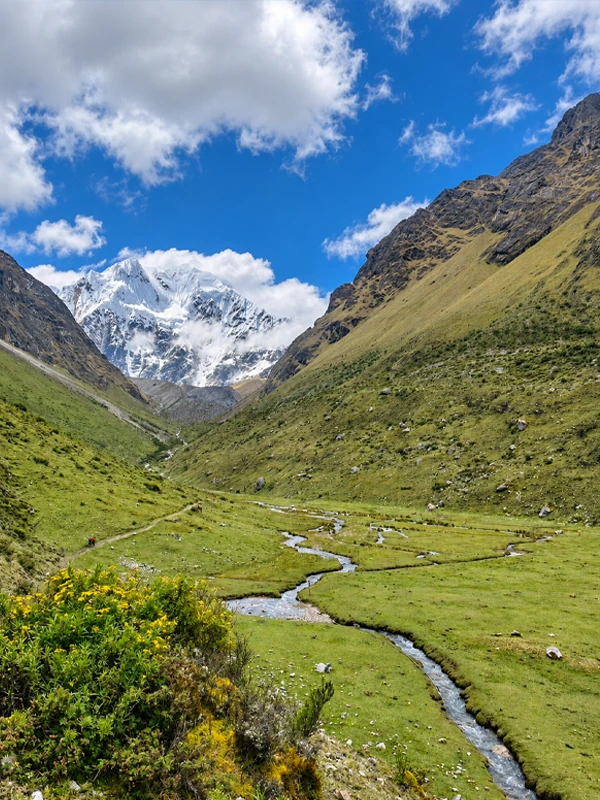
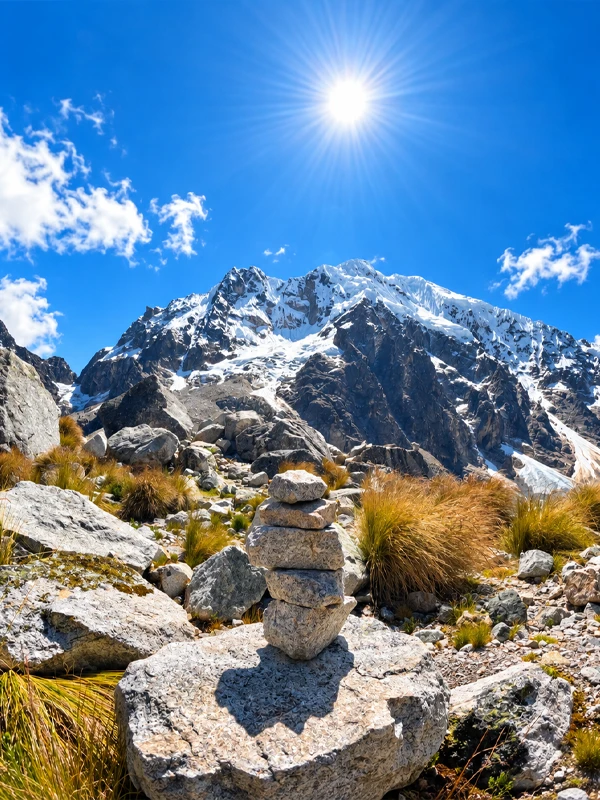
The landscapes along the Salkantay Trek change dramatically throughout the route. In just a few days, the trail moves from high-altitude glacial scenery into the warmer, more humid environment of the cloud forest. This transition is possible because of the steep drop along the eastern Andes, where the mountains descend quickly toward the Amazon.
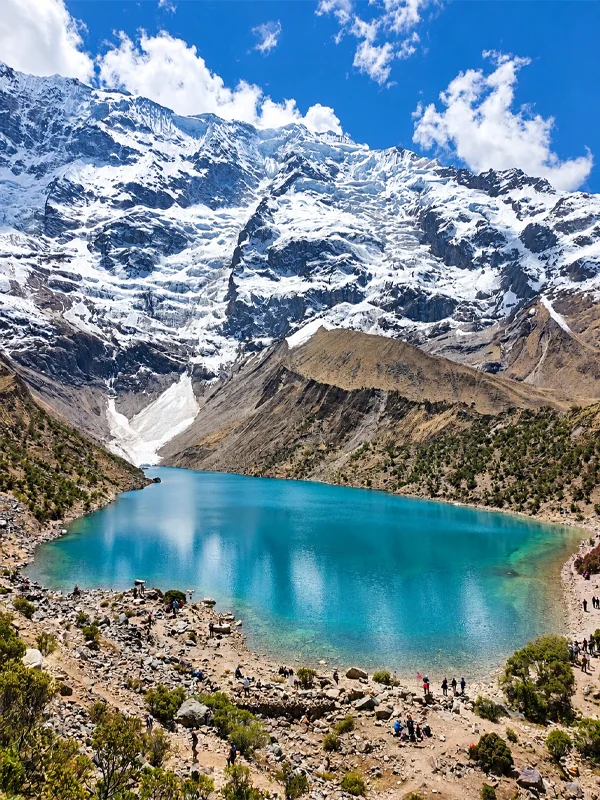
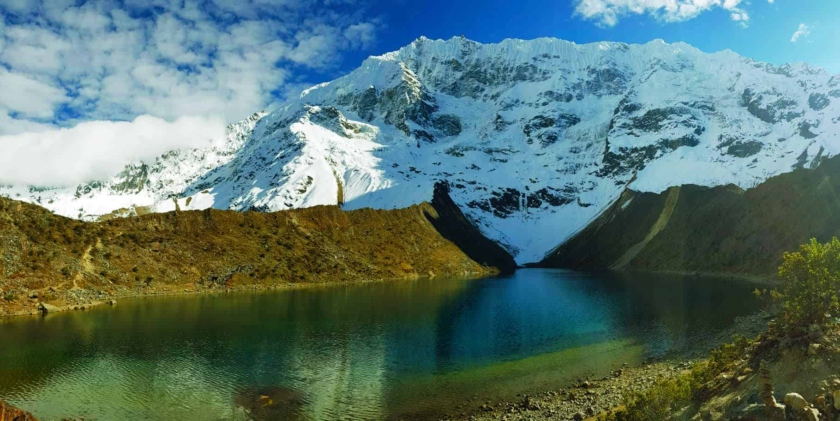
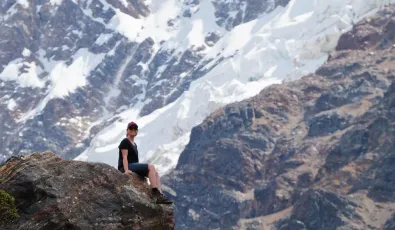
At the highest elevations, the scenery is dominated by broad glacial valleys, moraines, turquoise lakes, and large masses of ice. Highlights include Humantay Lake and the tropical glaciers of Humantay and Salkantay. Streams and rivers also begin in these mountains before flowing down toward the lower valleys.
 |  |
As the trail loses altitude, the scenery changes completely. The mountains remain steep, but the vegetation becomes denser, humidity increases, and temperatures grow milder. This is where the cloud forest begins, an ecosystem that marks the transition between the Andes and the upper jungle.
 | 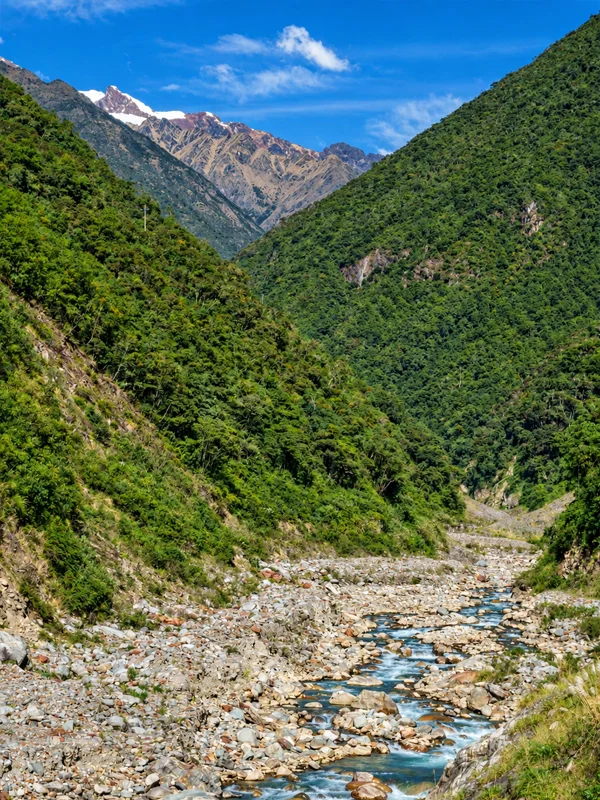 |
Mosses, ferns, orchids, bromeliads, and many species of trees cover the slopes, while birds and small animals find shelter in the canopy and undergrowth. Rivers and streams flowing down from the mountains accompany much of the route, along with farming communities that make use of the warmer climate, creating one of the most striking natural contrasts on the Salkantay Trek to Machu Picchu.
Lares Trek Scenery:
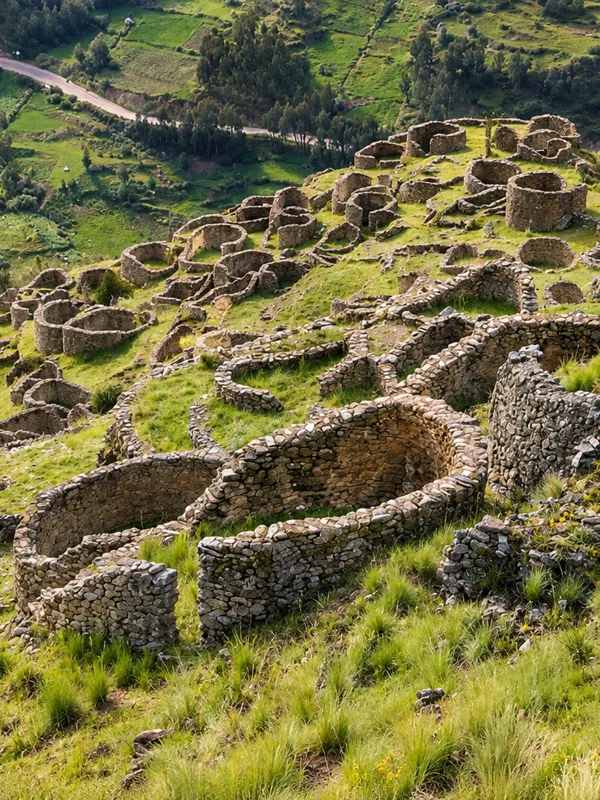
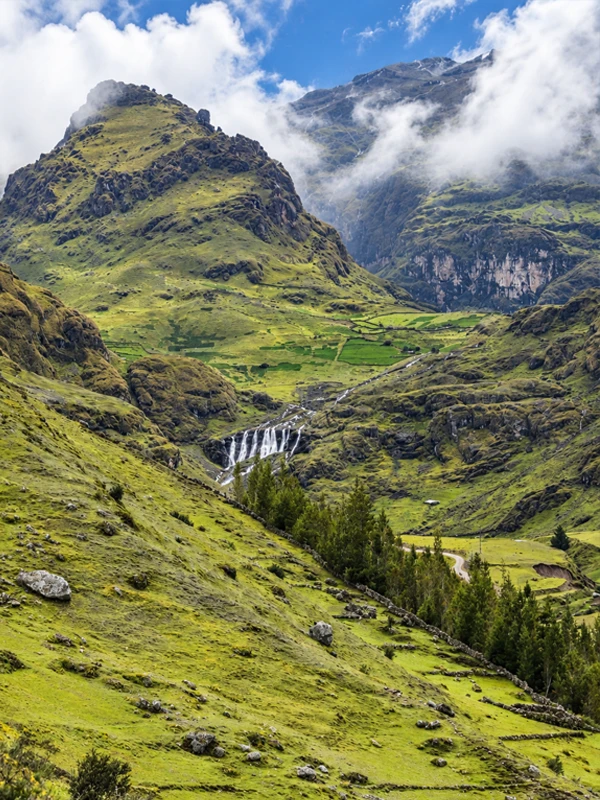
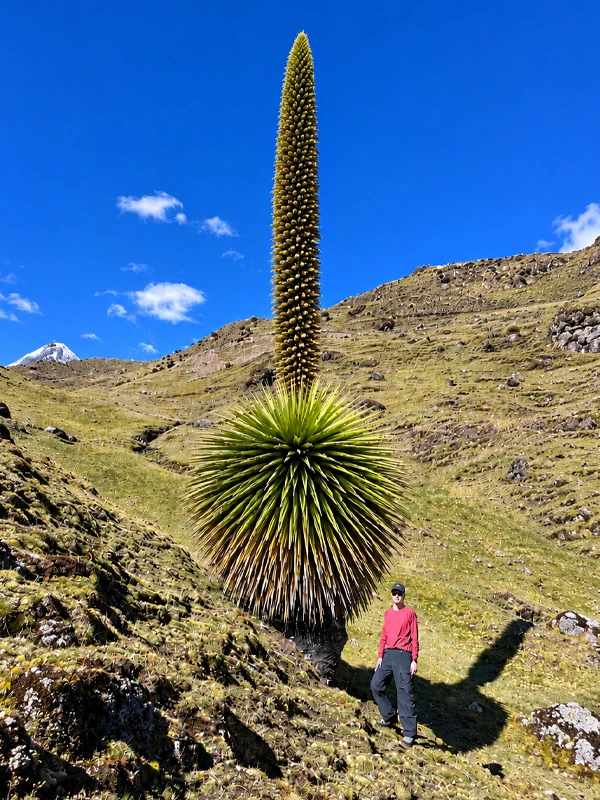
The landscapes of the Lares Trek reflect much of the character of the mountains in the Sacred Valley of the Incas. During the first days, you will see archaeological remains such as Ancasmarca, broad high-Andean landscapes, and enormous Puya de Raimondi plants, iconic Andean species that can live for around 100 years, flower only once, and grow up to 39 ft / 12 m tall.
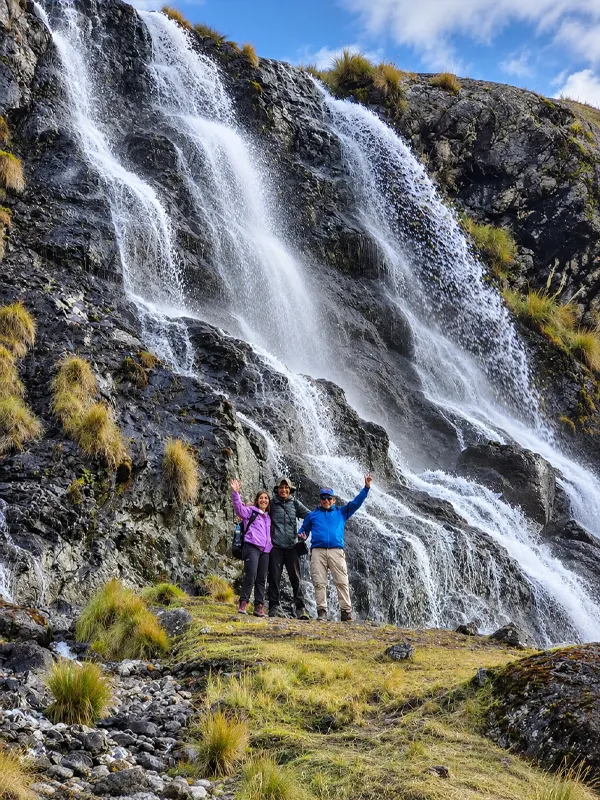
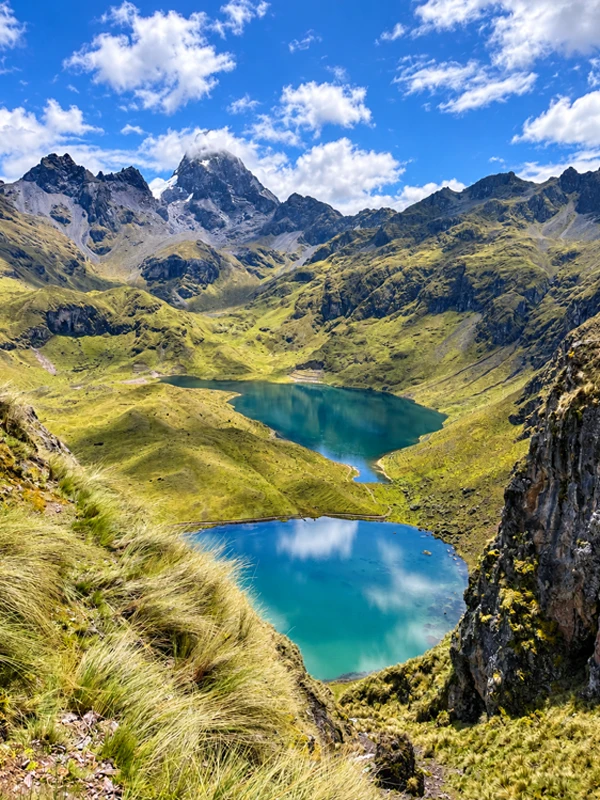
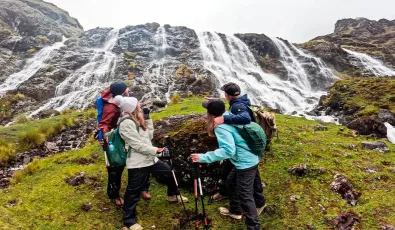
The route also passes the Lares Hot Springs, located at around 10,663 ft / 3,250, where you can enjoy a warm soak surrounded by mountains. Farther along, Kiswarani Waterfalls and several high-Andean lakes line the trail, creating small natural refuges for birds and other species adapted to high-altitude conditions.
 |  |
The mountains, ravines, and high passes also tell the story of the people who have traveled these paths for generations. Alpaca and llama herders, farmers, and Andean communities continue to use the small valleys protected between the great mountains and mineral springs, preserving long-standing traditions and ways of life.
 | 
|
This is what the Lares Trek to Machu Picchu looks like: mist-covered lakes, quiet peaks, ancient paths, and communities that maintain a close connection with nature.
Cultural Experience: Salkantay Trek and Lares Trek
The Salkantay Trek and the Lares Trek are more than mountain routes. Both offer opportunities to connect with Andean communities, settlements in the upper jungle, farming traditions, and local ways of using natural resources. However, the cultural experience feels different on each trek.
Cultural Experience on the Salkantay Trek
On the Salkantay Trek, contact with local communities becomes more noticeable as the route descends from the high mountains into warmer valleys. Here, small farming communities grow coffee, fruit, and other tropical products as part of daily life.
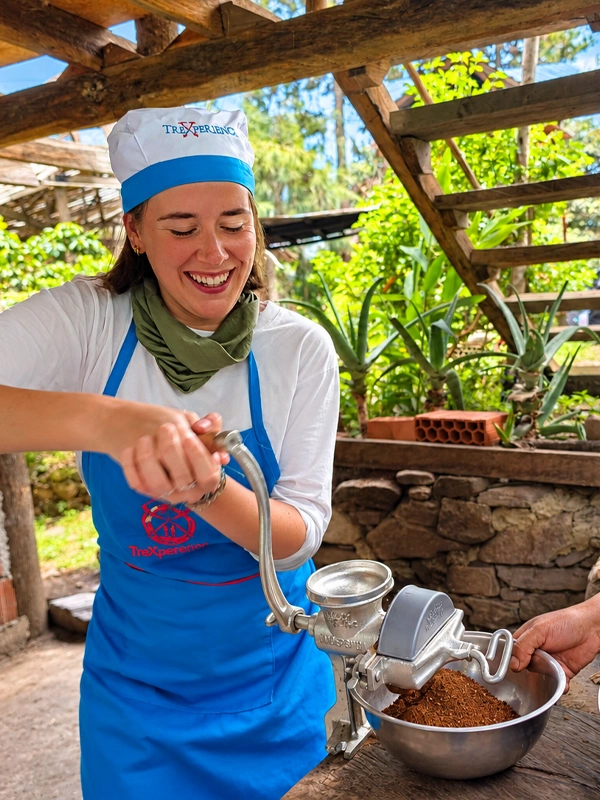
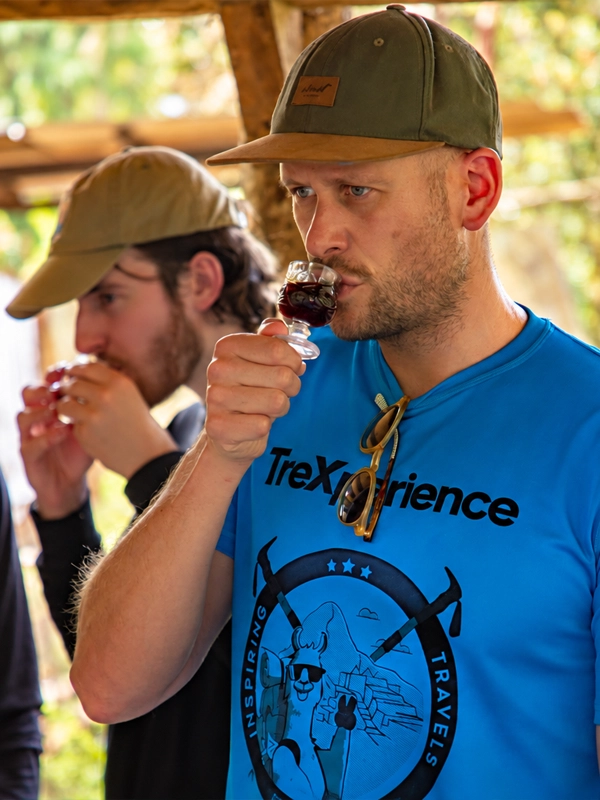
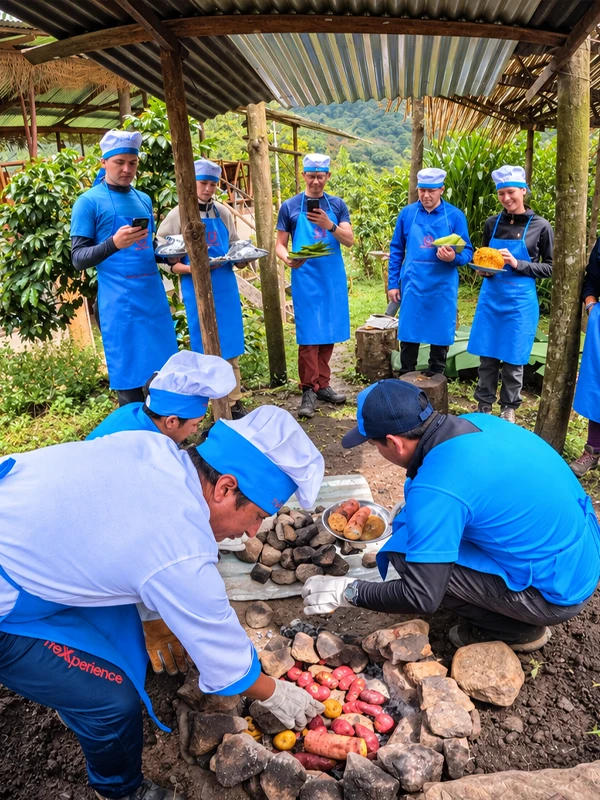
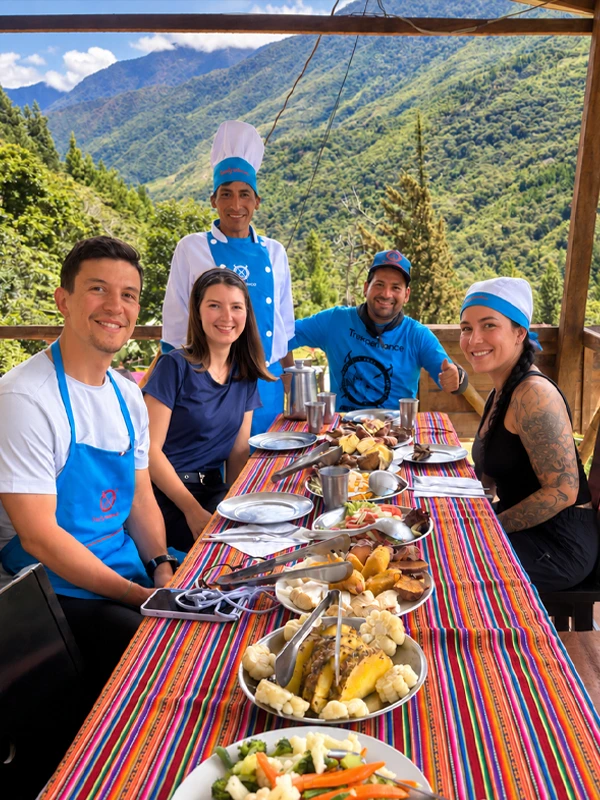
Two of the most memorable cultural experiences on the Salkantay Trek are preparing and tasting locally grown Peruvian coffee and taking part in a Pachamanca , a traditional way of cooking food underground with hot stones. More than just a meal after hiking, it offers a close look at a cooking technique deeply connected to Andean traditions.
 | 
|
 |  |
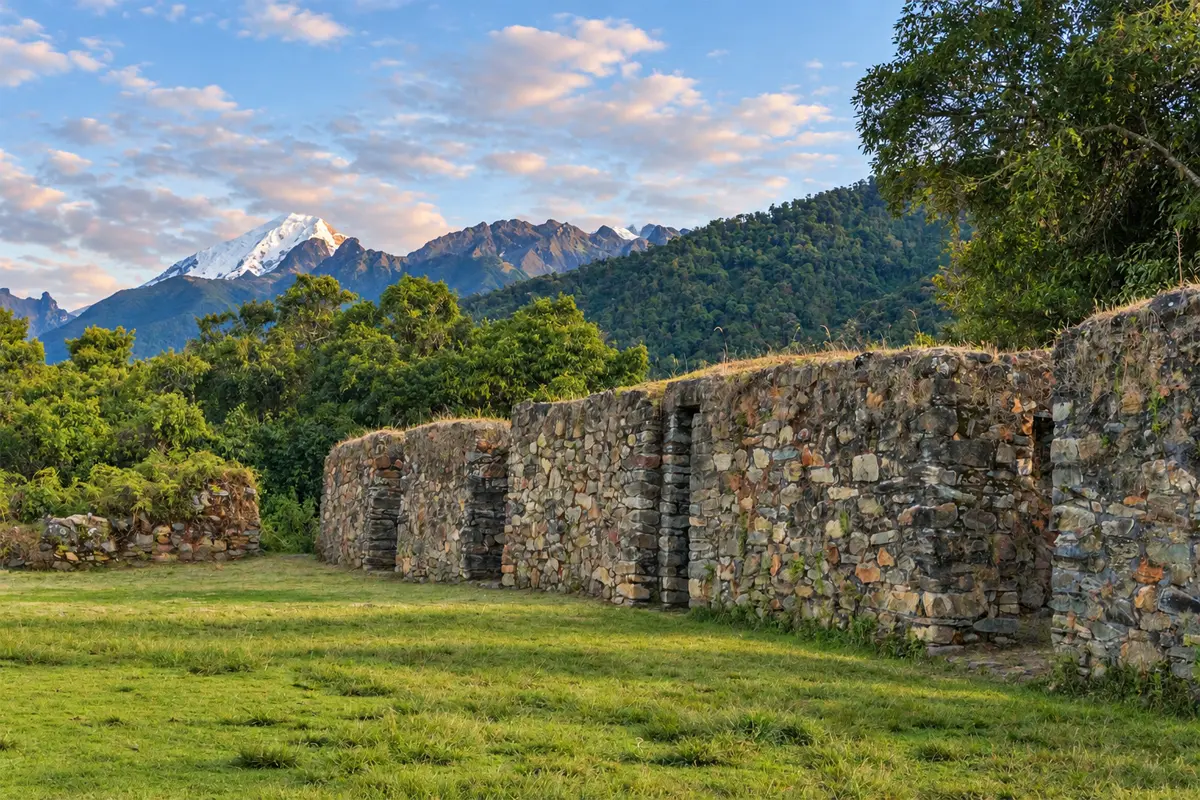
The Salkantay route can also bring you closer to ancient paths and archaeological areas linked to the Inca past, such as the 5-day Salkantay Trek which visits the archaeological site of Llactapata , and the Inca Trail combination on the 6-day Salkantay Trek , which explores the eastern side of Salkantay Mountain before connecting with the Classic Inca Trail to Machu Picchu.
Cultural Experience on the Lares Trek
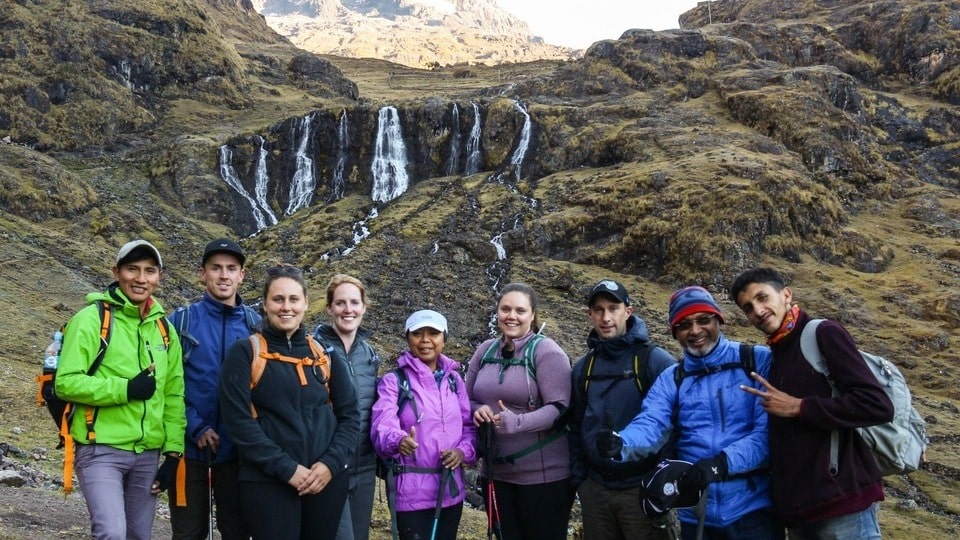
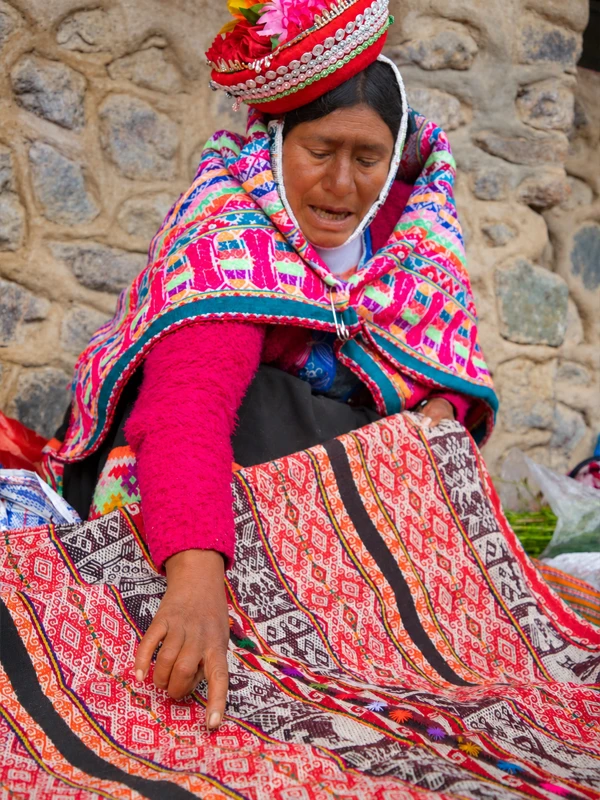
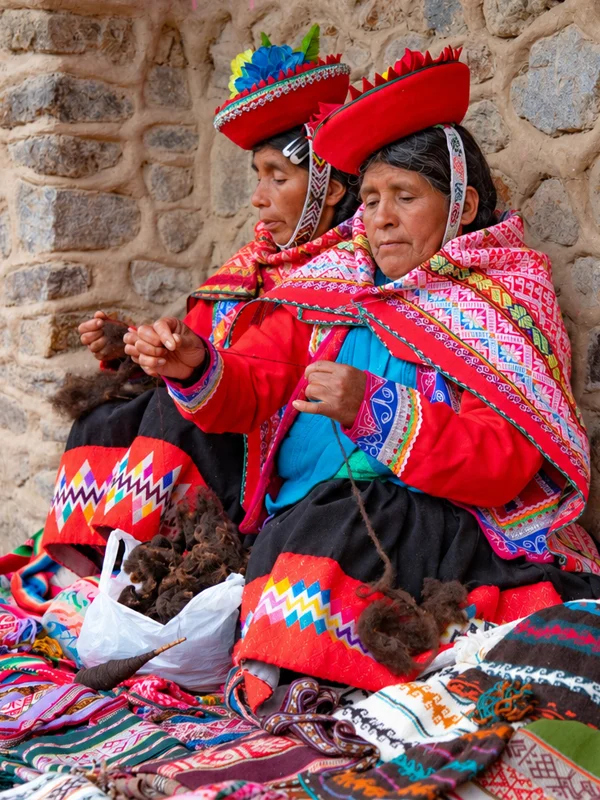
Lares offers closer contact with life in high-Andean communities. Along the trek, you pass through small villages where llama and alpaca herding, high-altitude farming, traditional weaving, and other local activities are still part of everyday life.
 | 
|
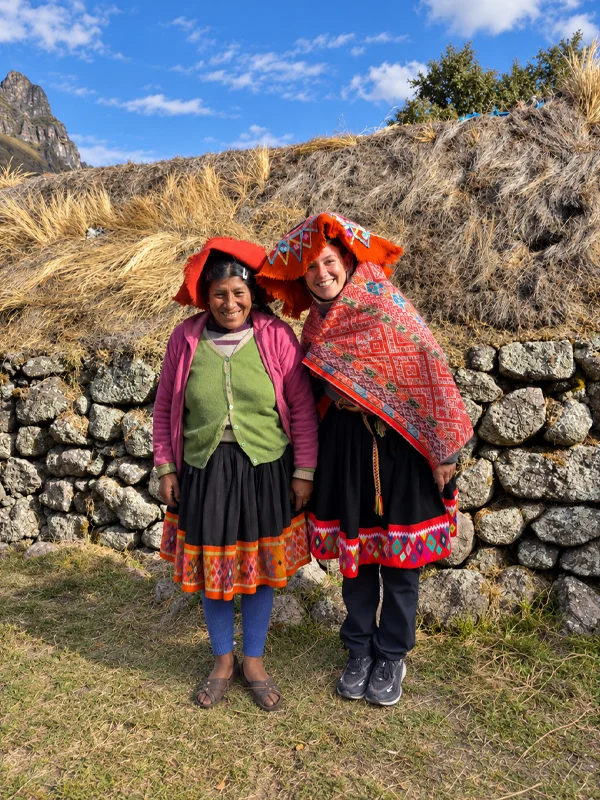 | 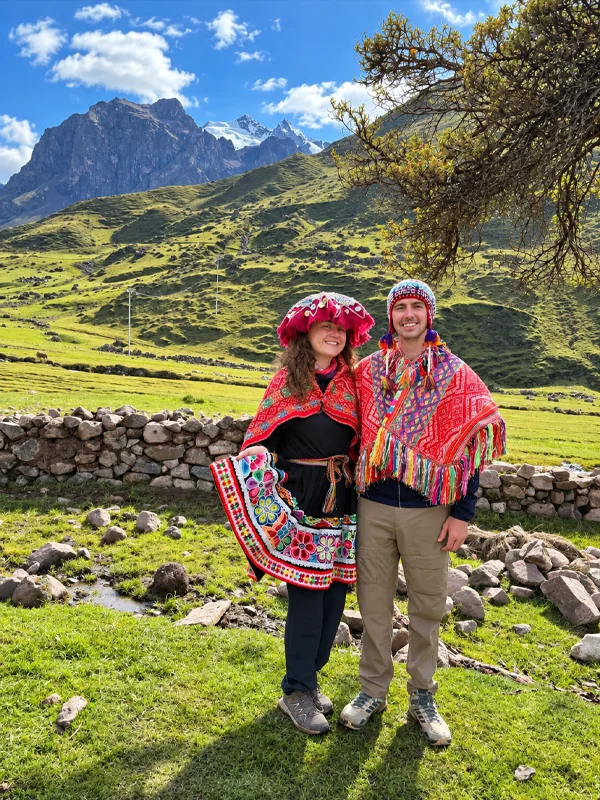 |
Communities such as Canchacancha offer a glimpse into a way of life closely connected to the mountains and local resources. This human element is one of the main differences between the Lares Trek and other routes to Machu Picchu.
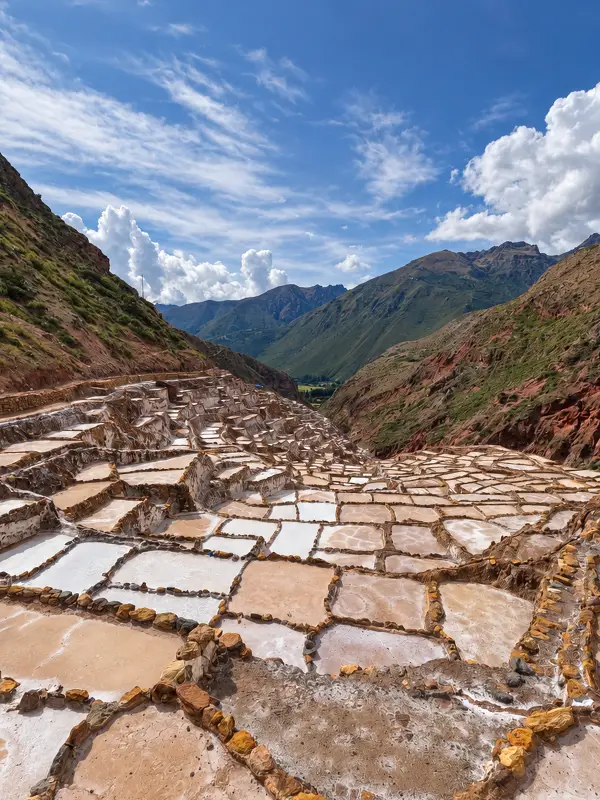
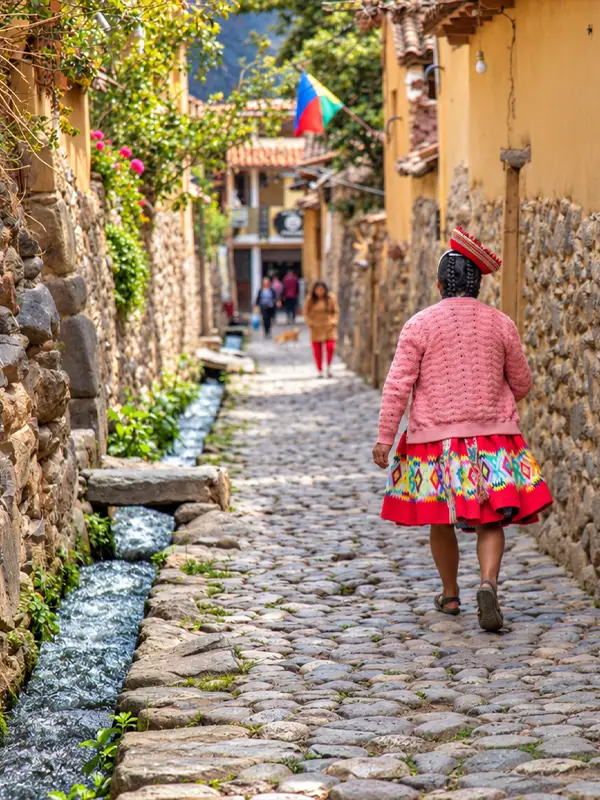
The route also includes important cultural and archaeological landscapes. Ancasmarca appears near the beginning of the trek as evidence of the ancient occupation of these valleys, while the descent toward the Sacred Valley connects the journey with places such as the town of Ollantaytambo and the Maras Salt Mines.
 | 
|
Flora and Fauna: Salkantay Trek and Lares Trek
The wide range of elevations makes both treks excellent routes for discovering Andean nature, although the plants and wildlife change considerably from one trail to the other.
Flora and Fauna on the Salkantay Trek
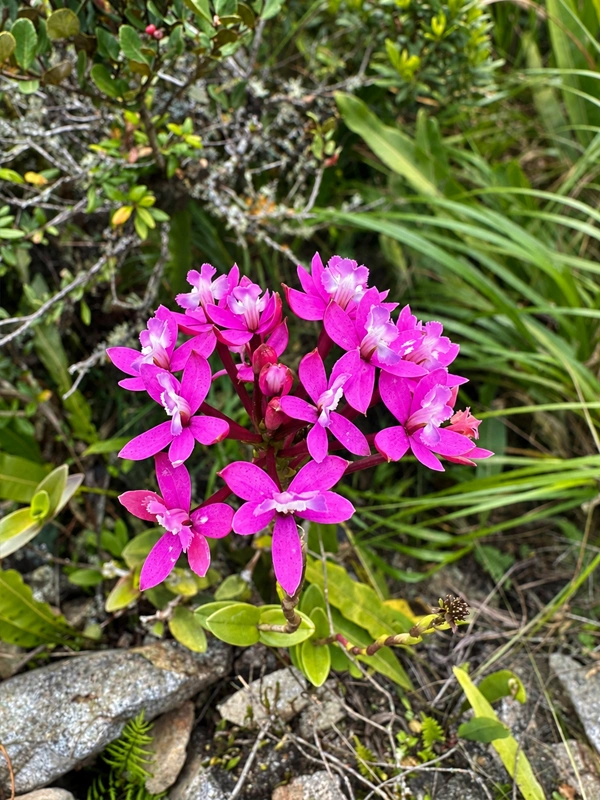
The Salkantay Trek crosses very different ecosystems in just a few days. At higher elevations, ichu grasslands and cold-resistant vegetation dominate the landscape. After Salkantay Pass, the descent into the cloud forest gradually transforms the surroundings, bringing mosses, ferns, bromeliads, orchids, and much denser vegetation.
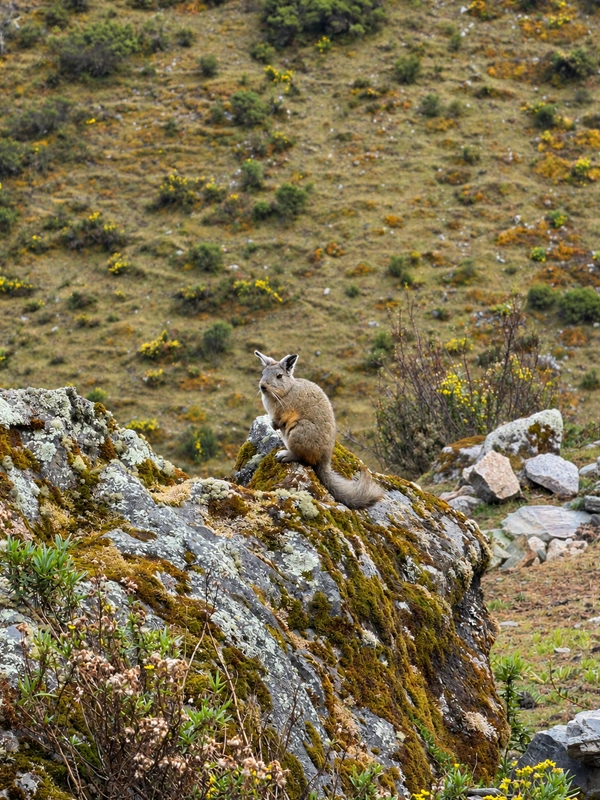
This variety of habitats also supports many bird and mammal species. During the trek, you may spot hummingbirds, viscachas, and different Andean birds. The area is also home to species such as the Andean condor and spectacled bear, although sightings in the wild are uncommon.
 | 
|
Flora and Fauna on the Lares Trek
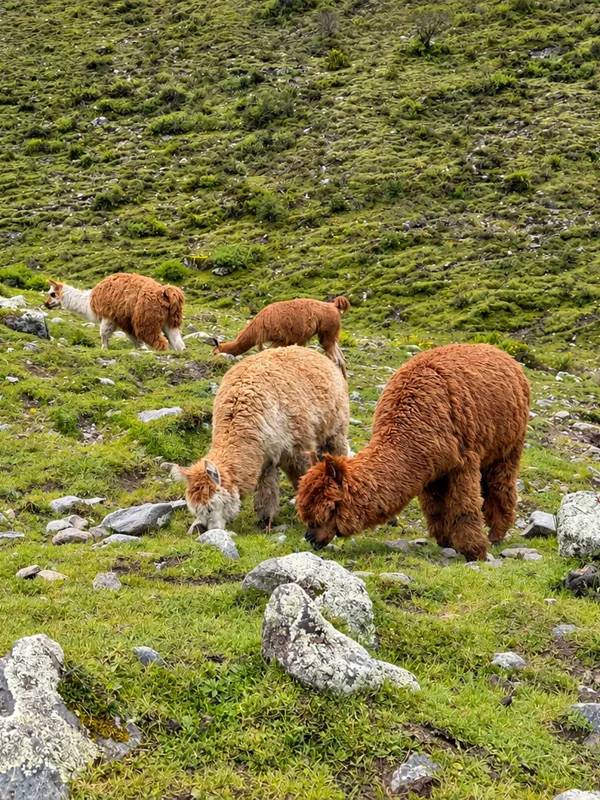
High-Andean ecosystems dominate the Lares route. One of the most striking plants along the trail is the Puya de Raimondi, known for its enormous flower spike and remarkable adaptation to the harsh conditions of the puna.
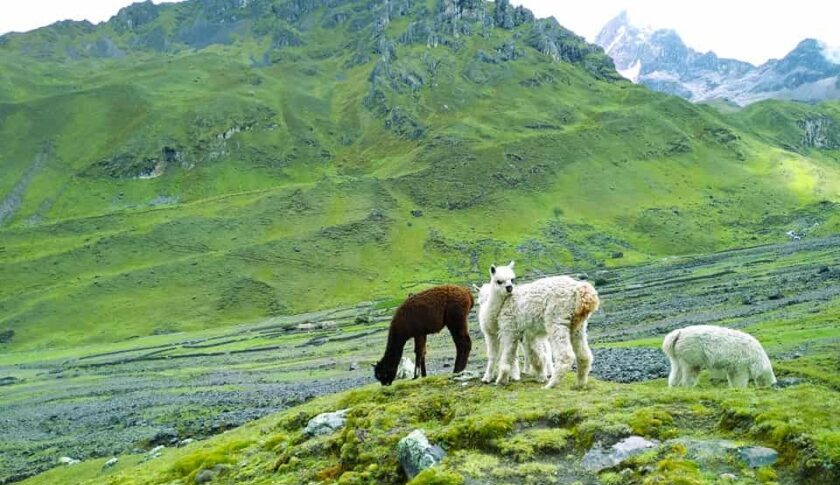
Along the route, you will also see grasslands, native plants, and areas of queuña forest. Llamas and alpacas are a common part of the landscape around local communities, while lakes, wetlands, and mountains provide habitat for different high-Andean birds. Wild animals are often discreet and well camouflaged, while alpacas and llamas are more commonly seen moving in herds.
 | 
|
Hot Springs on the Salkantay and Lares Treks
After several hours of hiking at altitude, taking time to relax can also become part of the experience. Both Lares and the 5-day Salkantay option give you the chance to combine trekking with natural hot springs.
Lares Hot Springs
The Lares Hot Springs are located at approximately 10,663 ft / 3,250 m and are part of the Lares Trek itinerary. Their warm pools offer a relaxing break before the main trekking days begin.
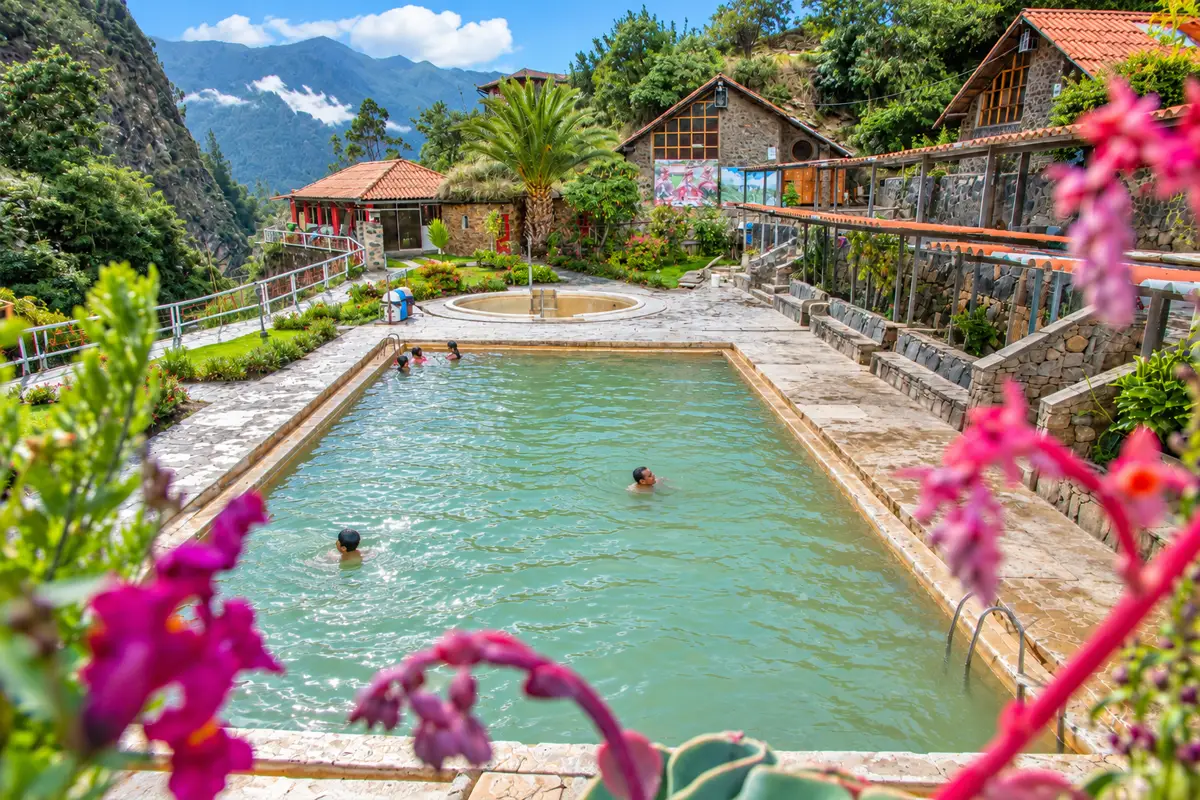
More than a simple sightseeing stop, it is a chance to rest, enjoy the mountain surroundings, and begin the trek at a more relaxed pace. After the soak, the journey continues into the highlands of Lares and toward the first campsite.
Cocalmayo Hot Springs on the Salkantay Trek
The private 5-day Salkantay Trek includes the option to visit the Cocalmayo Hot Springs in the town of Santa Teresa, near Hidroelectrica and Aguas Calientes.
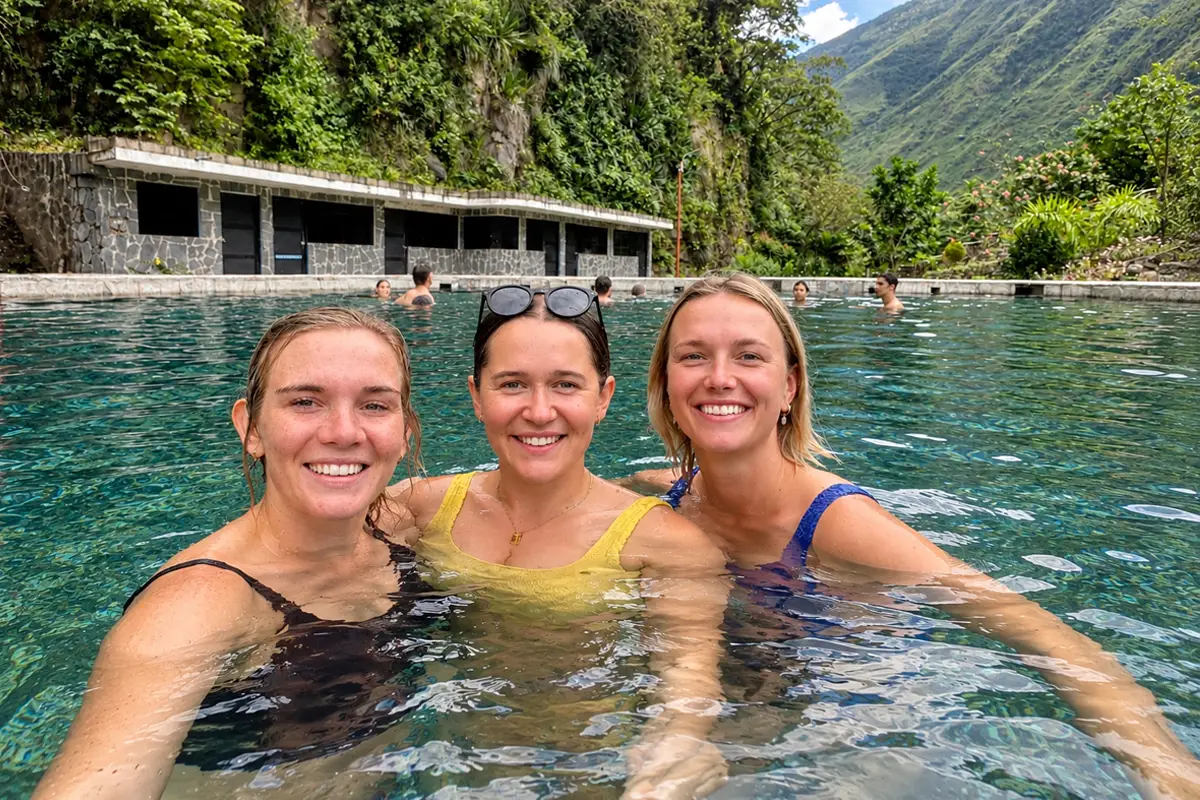
Unlike Lares, where the hot springs are high in the mountains, Cocalmayo sits in a much lower, more tropical area. Reaching it after crossing the mountains offers a completely different kind of rest, surrounded by lush vegetation and valley scenery.
Weather and Best Time to Hike Salkantay and Lares
The weather can change considerably on both treks because of the altitude and the different ecosystems they cross. Mornings and nights at higher elevations are usually colder, while daytime temperatures can rise quickly when the sun comes out.
- Salkantay has more noticeable changes because the route descends from glacial areas into warmer, more humid environments.
- On the Lares Trek, much of the route remains in high-Andean landscapes, where cold temperatures, wind, and sudden weather changes can accompany several stages of the hike.
Dry Season: May to October
The dry season usually brings a lower chance of rain and better conditions for hiking mountain trails. Clearer skies also make it easier to enjoy views of snowcapped peaks, lakes, and high mountain passes.
However, nights can be very cold, especially at campsites near 13,123 ft / 4,000 m and during June and July, when frost is common in the Andes.
Rainy Season: November to April
During the rainy months, the landscapes become greener, but trails can be muddy and wet, with reduced visibility. Rain can also make some sections more difficult and slow down the hiking pace.
Conditions vary from year to year, so it is a good idea to check the forecast and current trail conditions before your trip.
Read Next | How to Deal with Altitude Sickness
Campsites, Accommodation, and Logistics
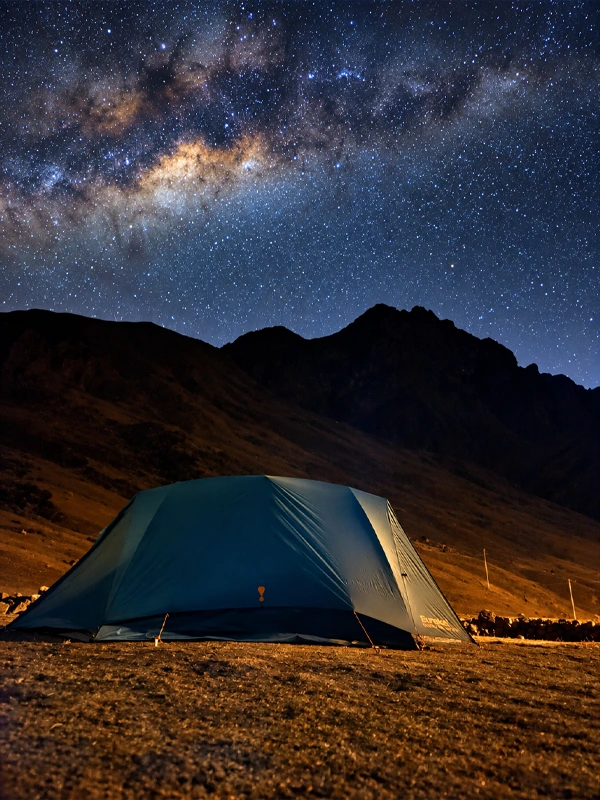
Accommodation also differs between the two routes and depends on the version you choose.
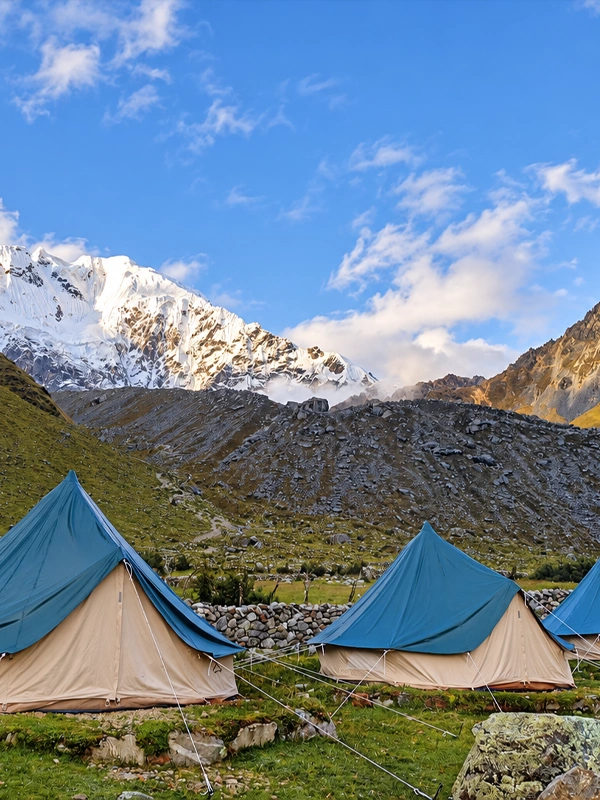
- On the 4-day Salkantay Trek, the first nights are part of the mountain experience before continuing toward Aguas Calientes. With TreXperience, one of these nights is spent at Salka Glamp in Salkantaypampa, before continuing toward lower elevations.
- On the Lares Trek, the camping nights take place in high-Andean areas near lakes and local communities. After completing the trek, the route continues toward the Sacred Valley and Ollantaytambo, where you board the train to Aguas Calientes.
On both routes, the final night is spent at a hotel in Aguas Calientes before the visit to the Inca citadel.
Specific details about tents, hotels, luggage allowance, and included services can vary depending on the program you book, so it is best to review these details before reserving.
 |  |
Permits and Availability: Salkantay and Lares Routes
The Salkantay Trek and Lares Trek generally offer more flexible availability than the Inca Trail because their hiking routes are not subject to the same entry system as the Inca Trail Network. This usually means more travel dates are available throughout the year, although booking in advance is still recommended, especially during high season.
- For the Salkantay Trek, part of the route crosses the surroundings of the 103,814.39-hectare Choquequirao Regional Conservation Area, where the sites visited on Days 1, 2, and 3 are located. The Choquequirao Regional Conservation Area is managed by the Regional Government of Cusco.
- For the Lares Trek, the hike crosses three Private Conservation Areas: Siete Cataratas-Chanchis Paccha, Pampacorral, and Kuntur Wachana, which include the areas visited on Days 1, 2, and 3. These Private Conservation Areas are managed by the Andean communities that live there.
However, trek availability does not automatically guarantee entry to Machu Picchu. Both routes end with a visit to the Inca city, located within the Historic Sanctuary of Machu Picchu, so an entrance ticket must be available for your chosen date.
Arrival at Machu Picchu: Salkantay and Lares
Both routes finish at Machu Picchu, but the way they reach the Inca city is completely different.
Reaching Machu Picchu via Salkantay
On the Classic 4-day Salkantay Trek , you reach Hidroelectrica. From there, the hike continues to Aguas Calientes, where you spend the final night before the guided visit to Machu Picchu.
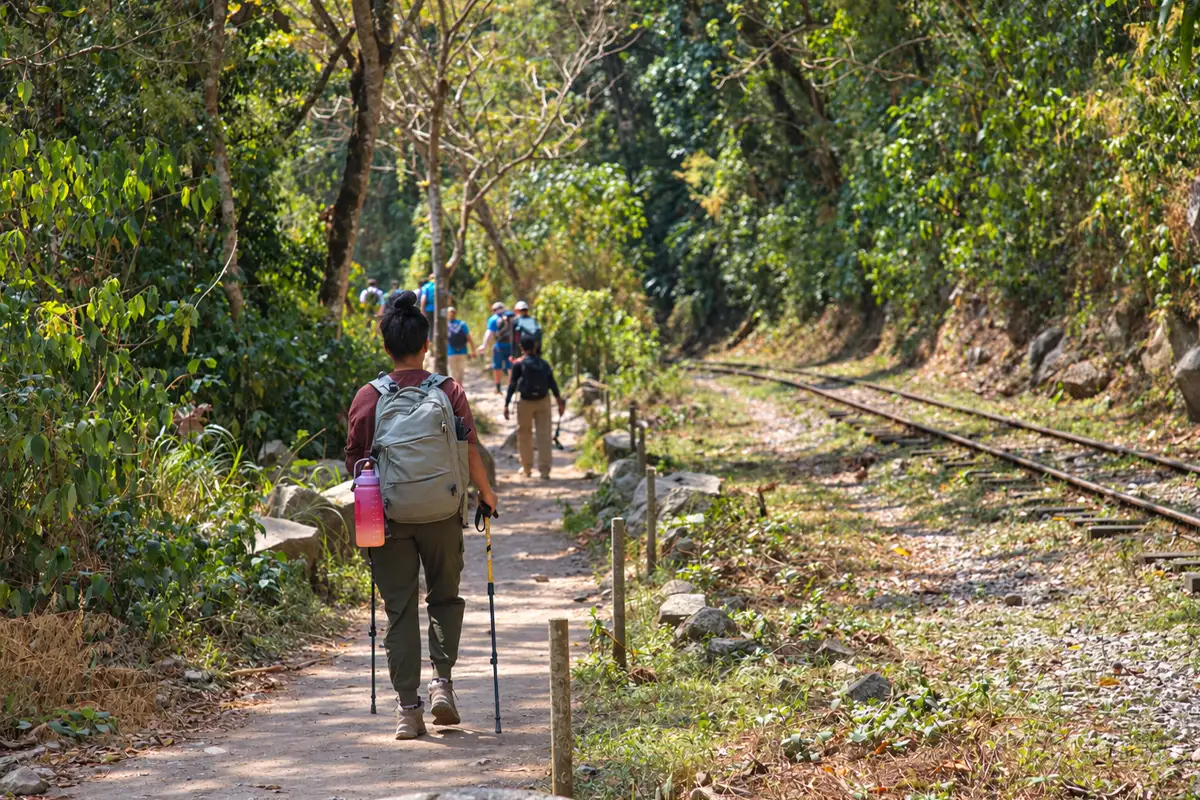
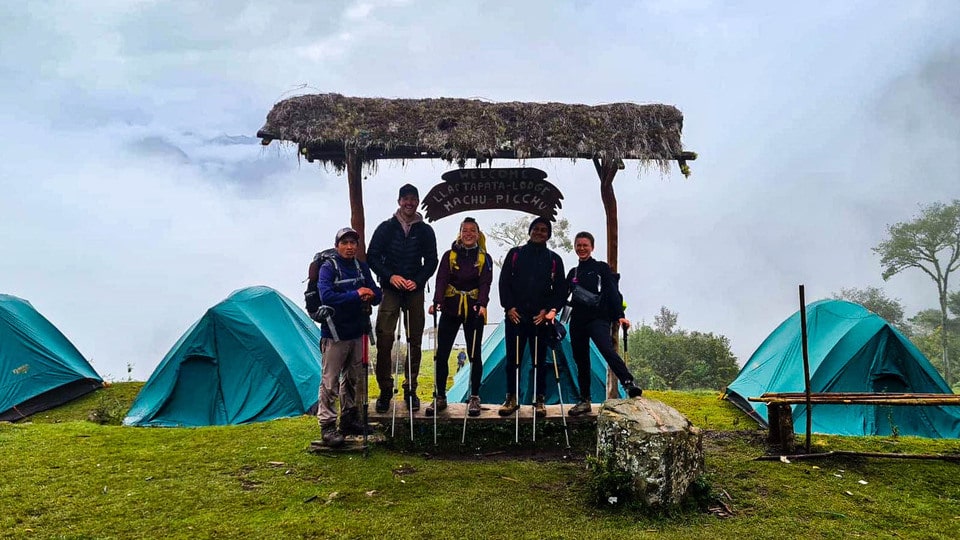
On the 5-day Salkantay Trek, the final approach begins from the Llactapata campsite, where you can see Machu Picchu in the distance before descending to Hidroelectrica and continuing to Aguas Calientes.
Reaching Machu Picchu via Lares
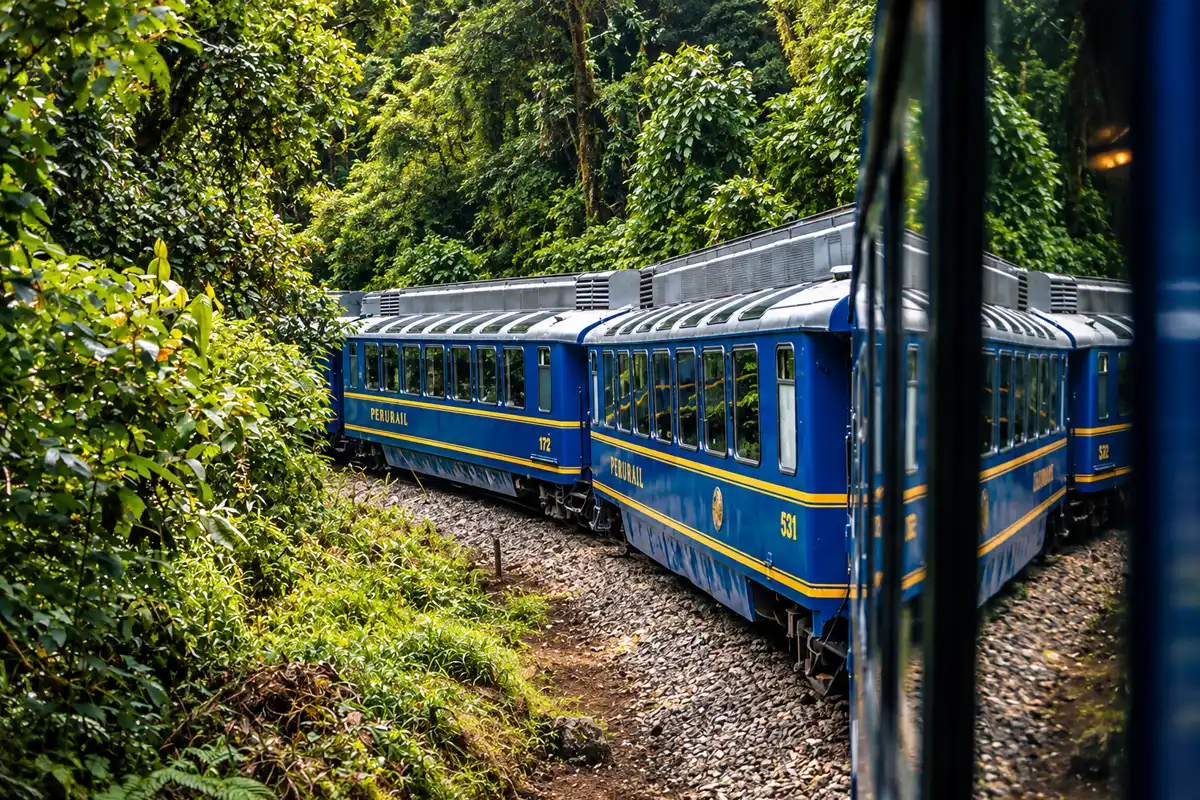
The classic 4-day Lares Trek descends from Canchacancha toward the Sacred Valley. After completing the hike, the journey continues by road to the Maras Salt Mines and Ollantaytambo, where you board a tourist train to Aguas Calientes, where you spend the night before visiting Machu Picchu.
However, there is also a 5-day Lares Trek that completely changes the way you arrive. By combining Lares with the Short Inca Trail, you begin hiking at Km 104, visit Chachabamba and Wiñay Wayna, and enter the Machu Picchu area through Inti Punku, the Sun Gate.
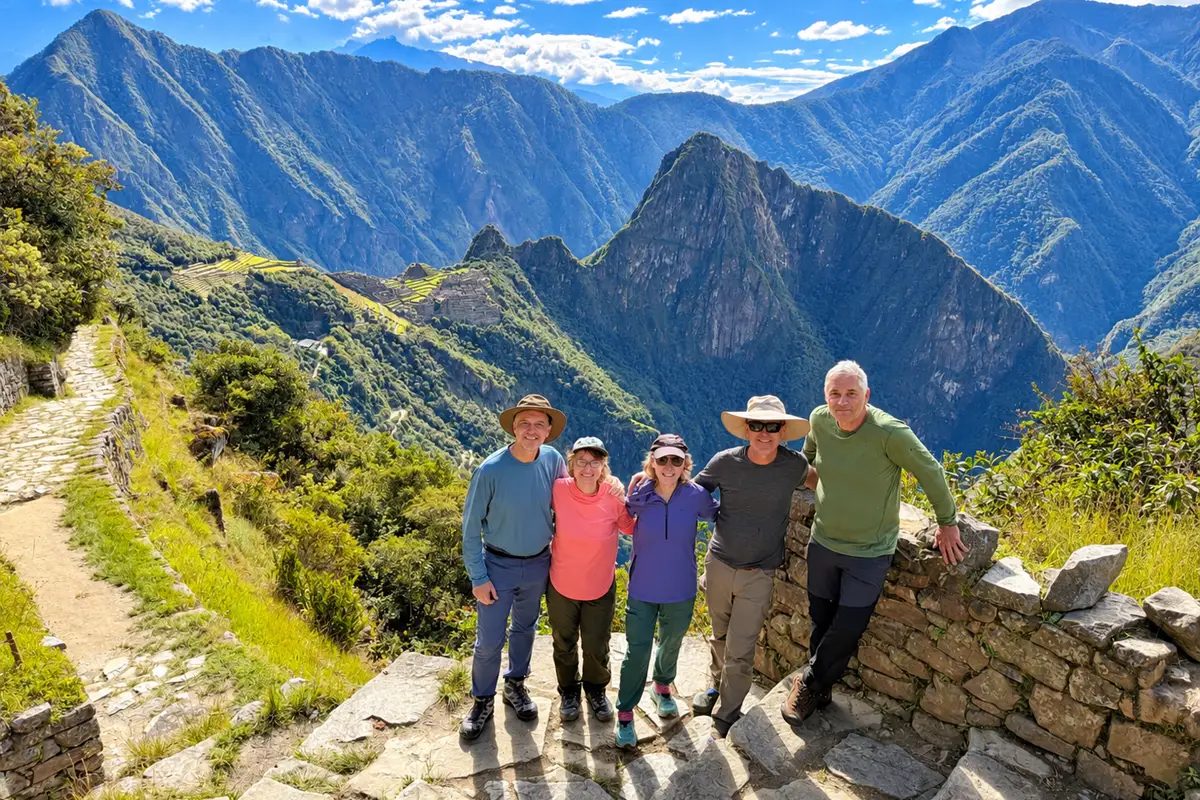
For travelers who want an arrival more closely connected to the ancient Inca roads, this extension offers an experience that the classic Lares Trek does not include.
Return to Cusco: Salkantay Trek and Lares Trek
Both routes return to Cusco after a train journey and a tourist transfer. With TreXperience, both the Salkantay Trek and Lares Trek include the return on the panoramic Vistadome train, a comfortable way to finish the adventure.
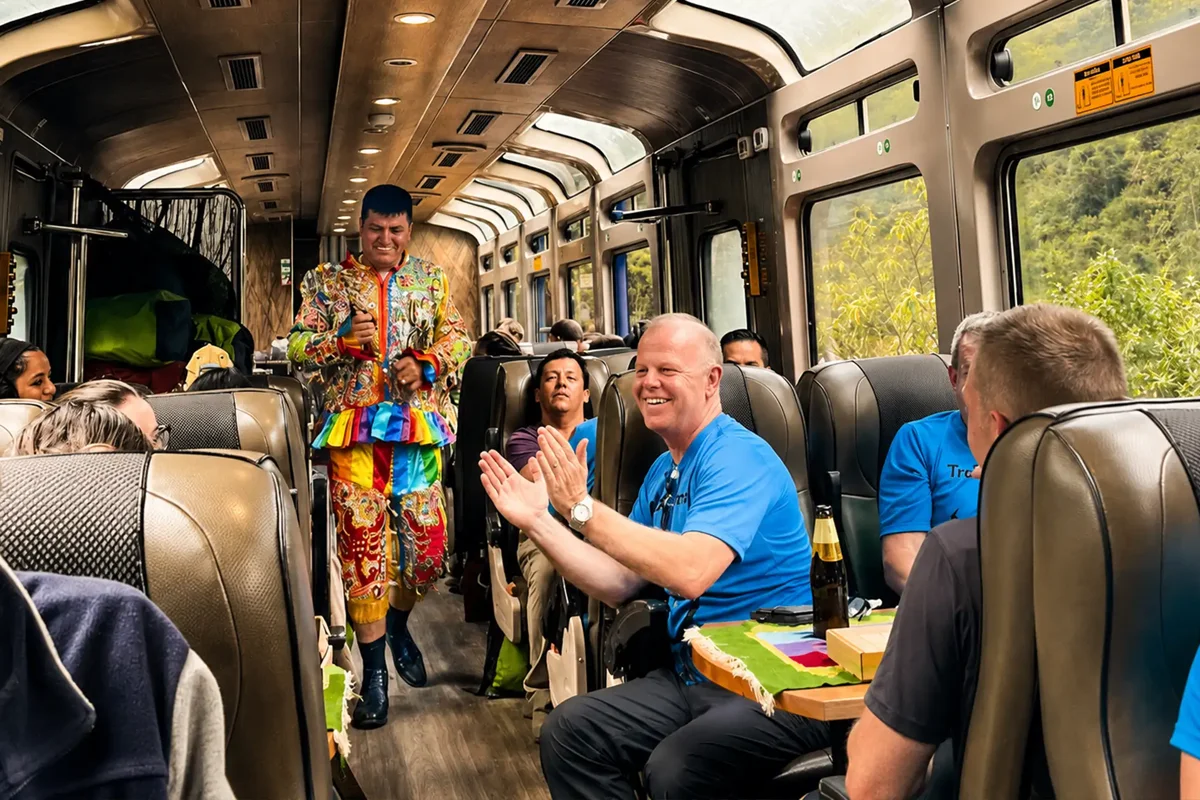
Its large windows let you enjoy the Sacred Valley scenery once again during the journey, while comfortable seats, a folkloric show, and onboard services make the return more relaxing after several days of hiking. It is a pleasant way to end the trip before continuing to Cusco.
Salkantay and Lares Price Comparison
The price of the Salkantay Trek and Lares Trek can vary depending on the duration, type of accommodation, train service, and included services.
Salkantay Trek Price | Lares Trek Price |
|
|
|
|
Price differences go beyond the route itself, so it is important to look closely at what each program includes. The main differences may involve campsites, transportation, train service, meals, entrance tickets, porters, or additional services.
For this reason, the final price should not be judged only by the number of days. A better comparison is to look at the experiences and services included on each route.
Salkantay Trek or Lares Trek: Which One Should You Choose?
There is no single answer because the two treks offer very different experiences.
Choose the Salkantay Trek if... |
|
Choose the Lares Trek if... |
|
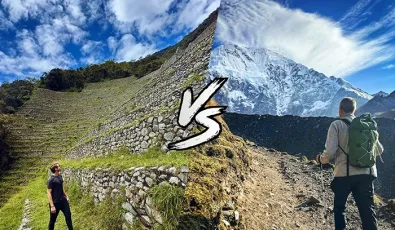
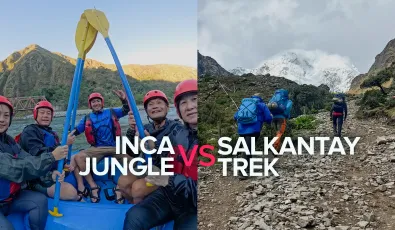
Salkantay Trek vs Lares Trek Video Comparison
Now that you know these differences, you can look at each aspect in more detail and compare which route better matches your pace, preferred scenery, and the kind of experience you want as you plan your trip to Machu Picchu.
Salkantay Trek vs Lares Trek FAQs
Do I need previous trekking experience for Salkantay or Lares?
Previous trekking experience is not required, but both routes demand good physical condition and proper altitude acclimatization. Salkantay has longer hiking days, while Lares includes demanding climbs above 4,000 m / 13,123 ft.
What luggage can I take on the Salkantay Trek and Lares Trek?
On both treks, you can carry a small daypack with the essentials you need during the day. TreXperience also provides a duffel bag for part of your luggage, which is transported by muleteers. Larger bags can be left in Cusco using TreXperience's complimentary luggage storage service.
Are there toilets and showers on the Salkantay Trek and Lares Trek?
Yes. Campsites on both the Salkantay Trek and Lares Trek have toilet facilities.
Can I hire a horse during the Salkantay or Lares Trek?
In some sections of the routes, it may be possible to hire a horse for extra support during the hike. Availability can be checked when booking the tour, and the cost is paid locally per section.
Is there cell service or internet on the Salkantay and Lares Treks?
Cell service and internet coverage are limited and may disappear for long sections of both treks, especially in high-mountain areas. The signal usually improves as you approach larger towns and Aguas Calientes.

Add new comment