



The Inca Trail has several routes to Machu Picchu, and each one begins at a different point. That is why knowing where the Inca Trail starts is essential when choosing the right route. The Classic route begins at km 82, while other variations start at km 88, Soraypampa, or km 104. In this guide, you will discover their main differences, distances, and duration.
What Is the Inca Trail?
The Inca Trail is a series of hiking routes that lead to the Inca city of Machu Picchu. These trails follow sections of the Qhapaq Ñan, the ancient pre-Hispanic road network that connected Cusco, the Inca capital, with the rest of the Tawantinsuyo territory.
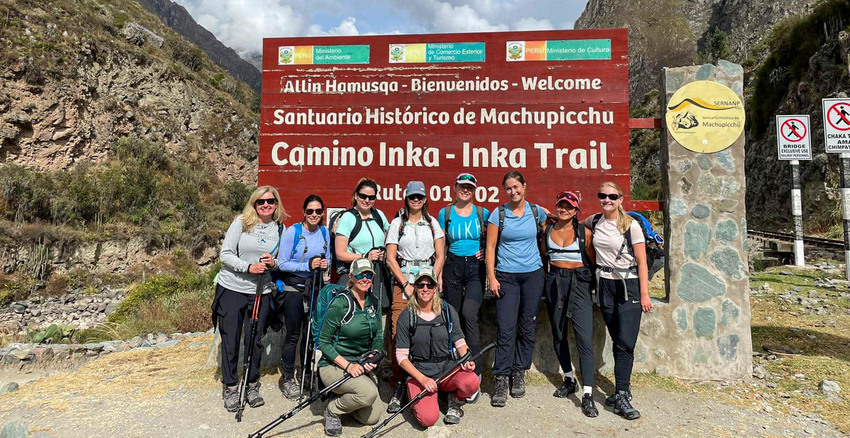
The Inca Trail vs. the Qhapaq Ñan
It is easy to confuse the Inca Trail with the Qhapaq Ñan. However, they refer to two different things. Below are the main differences:
| Inca Trail | Qhapaq Ñan |
Definition | Stone trails that cross mountains and Inca sites on the way to Machu Picchu | A road network that connected the entire Inca territory with its capital in Cusco |
Distance | Routes ranging from 13 km to 70 km | More than 30,000 km of roads |
Location | Within the Historic Sanctuary of Machu Picchu | Across Peru, Colombia, Ecuador, Bolivia, Chile, and Argentina |
How Many Inca Trail Routes Are There?
There are six Inca Trail routes in total. They differ in their starting point, trip duration, and itinerary. The most popular routes begin at different kilometer markers along the Ollantaytambo–Aguas Calientes railway, while others start farther away in places that can only be reached on foot, such as Soraypampa.
What Are the Inca Trail Routes?
The Inca Trail routes cross the Historic Sanctuary of Machu Picchu from different starting points before reaching the Machu Picchu Archaeological Park, home to the world-famous Inca citadel. The current Inca Trail routes are:
| Starting Point | Tour Name |
Route 01 | Piscacucho (km 82) |
|
Route 02 | Qorihuayrachina (km 88) |
|
Route 03 | Soraypampa |
|
Route 04 | - |
|
Route 05 | Chachabamba (km 104) |
|
Route 06 | - |
|
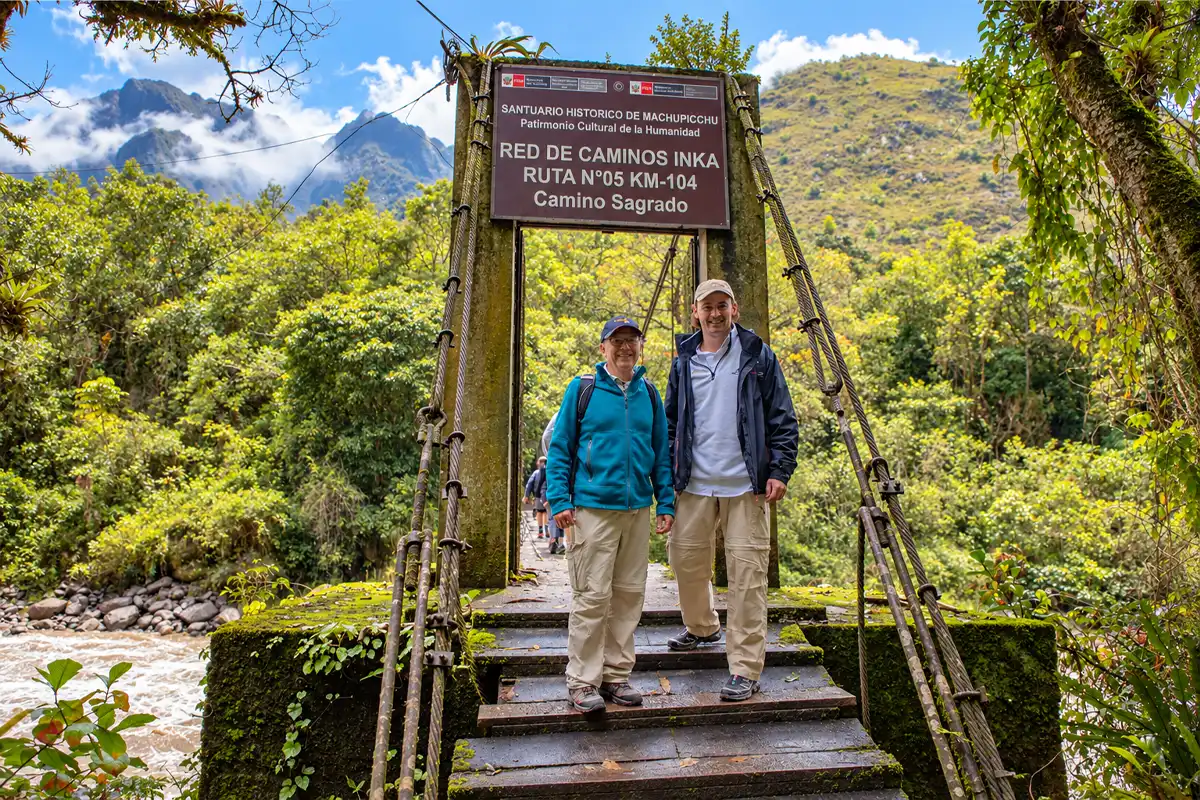
Hiking the Inca Trail is an unforgettable experience, but knowing where each route begins is important so you can prepare properly before taking on this challenging trek. Below, we explain each route according to its commercial tour name.
Classic Inca Trail to Machu Picchu
The Classic Inca Trail is the most popular and sought-after Inca Trail tour for reaching the Inca city of Machu Picchu.
Classic Inca Trail Details
- Duration: 4 days and 3 nights
- Starting point: km 82, Piscacucho
- Itinerary: km 82 - Ayapata - Chaquicocha - Wiñay Wayna - Machu Picchu
- Hiking distance: 42 km / 26 miles
- Difficulty: Moderate to challenging
- Accommodation: 3 nights of camping
Inca Trail Route 01 Itinerary
Day 1: The first day of the Classic Inca Trail begins at the km 82 checkpoint in Piscacucho, about 40 minutes from Ollantaytambo. After crossing the bridge, you begin with a gentle hike along the left bank of the Urubamba River, enjoying views of the lower valley, farmland, and small local villages.
The route continues toward a hillside viewpoint at the Willcaraqay archaeological site, where you can see Llactapata in the distance, located on the lower part of the valley.
The trail then enters the Cusichaca River Valley and gradually climbs through the Llullucha River gorge until reaching Ayapata campsite, where you spend the first night.
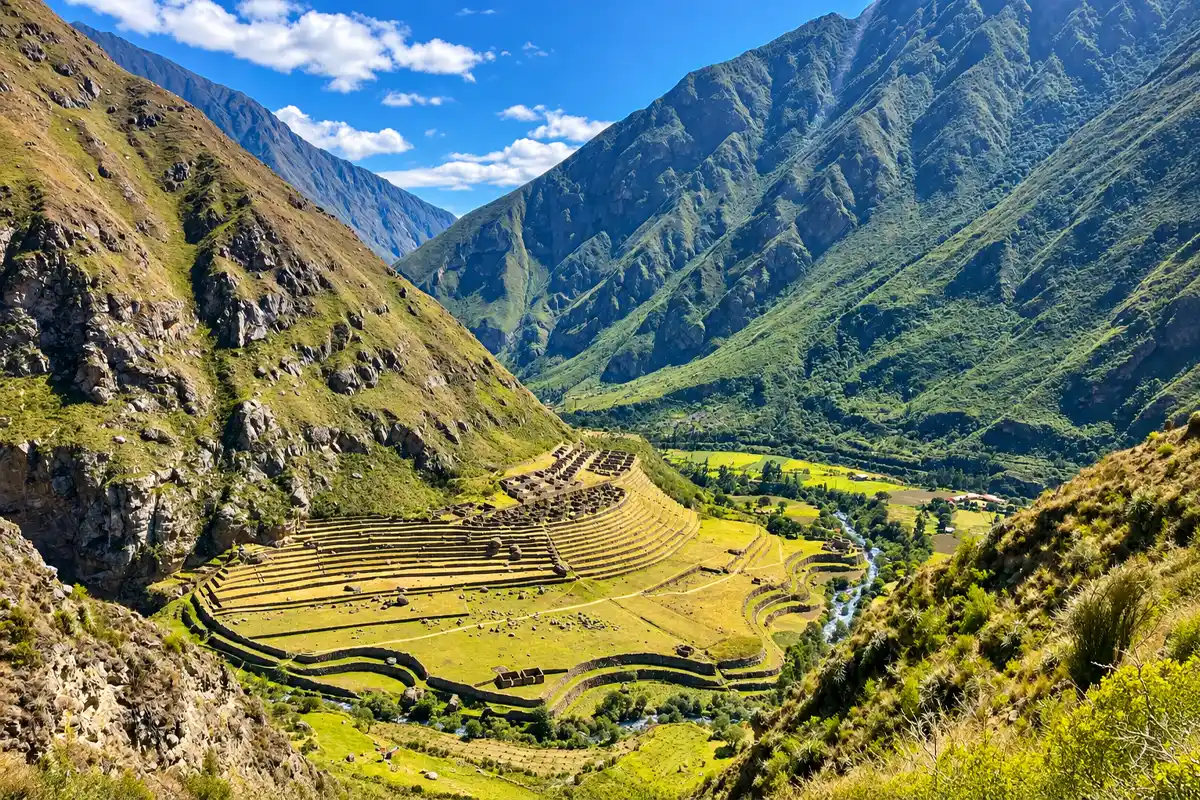
Day 2: The second day is considered the most challenging part of the Classic Inca Trail because of its continuous climbs and mountain passes. The hike continues through the Llullucha River gorge until reaching Warmiwañusca Pass, also known as Dead Woman's Pass (4,215 m / 13,829 ft), the highest point of the route.
After descending, the trail leads to Runkurakay, an important archaeological site located before the mountain pass of the same name. Farther along, the scenery begins to change as the route crosses mountainous terrain and increasingly lush vegetation. Along the way, you also visit the archaeological sites of Sayacmarca and Qonchamarka before reaching Chaquicocha campsite.
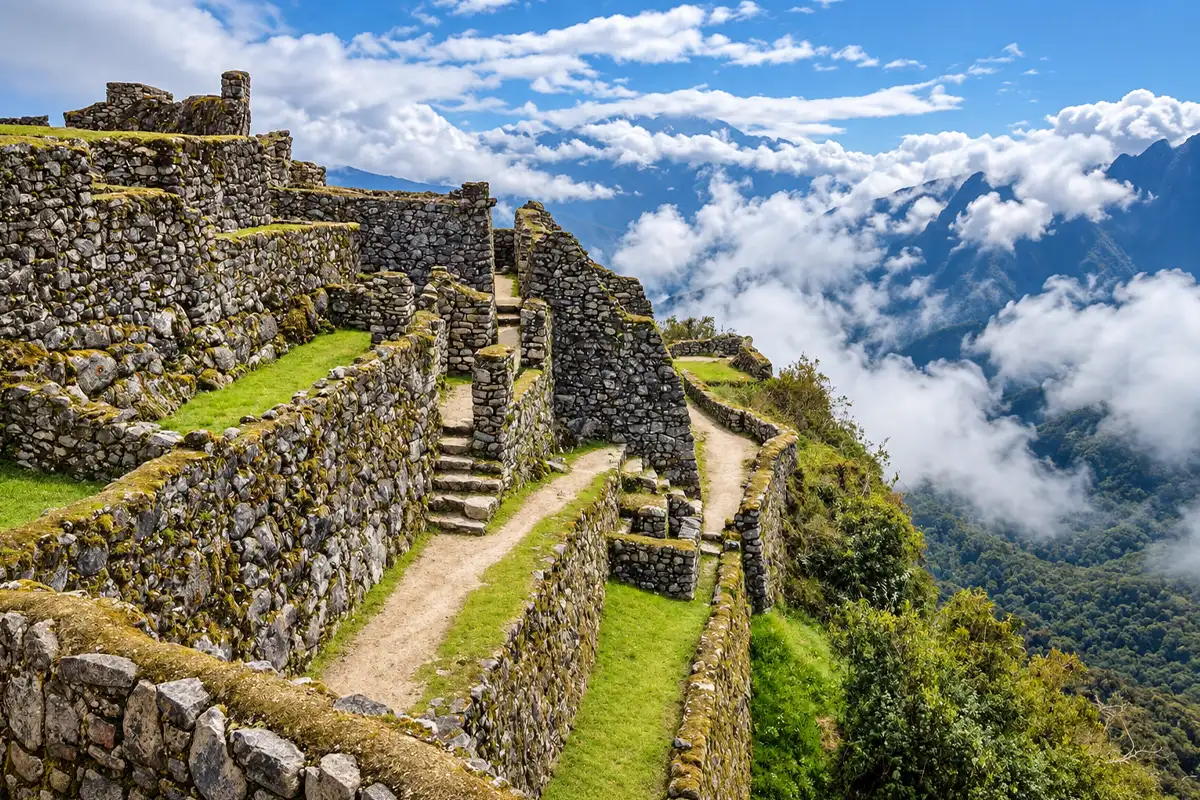
Day 3: The third day begins with a climb toward Phuyupatamarca Pass, the final major mountain pass of the trek. From this area, the transition into the warmer and more humid climate of the cloud forest becomes increasingly noticeable.
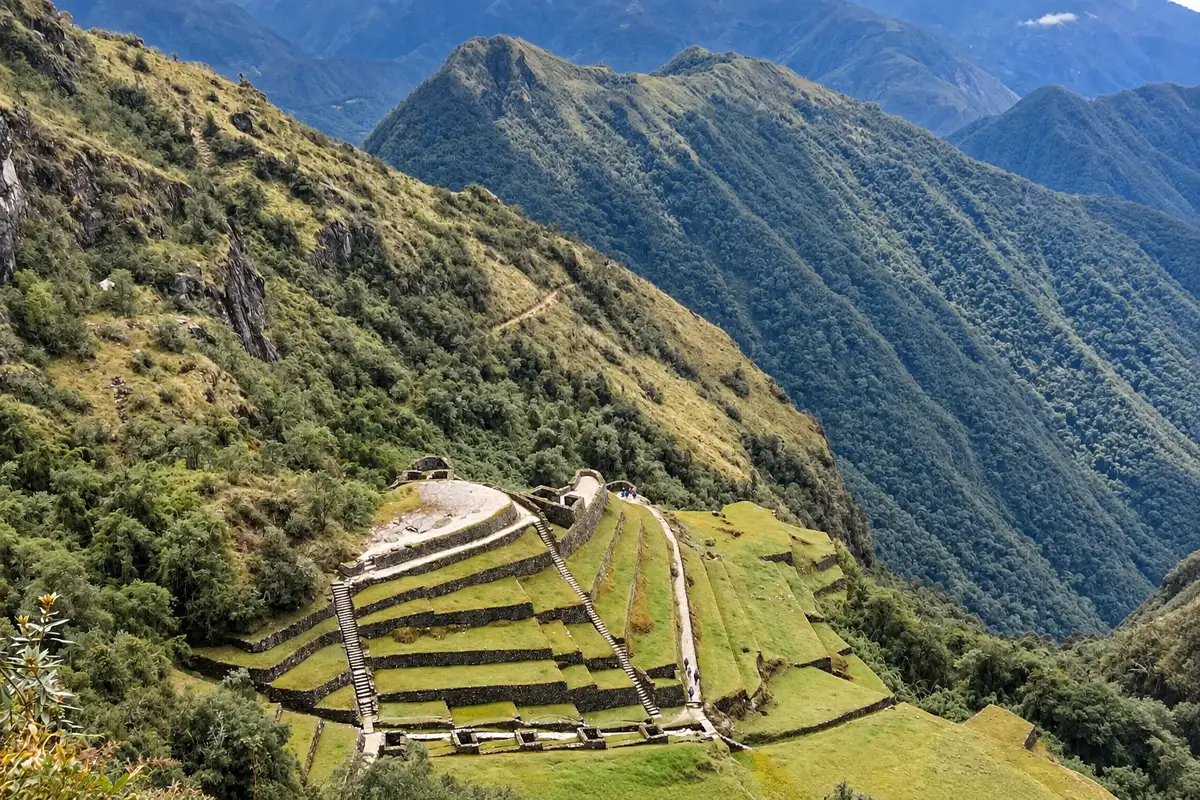
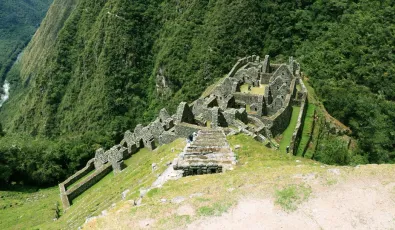
After visiting the Phuyupatamarca archaeological site, a long descent begins along ancient Inca pathways. The route passes the impressive terraces of Intipata and continues to Wiñay Wayna, one of the most remarkable archaeological complexes on the Inca Trail.
Finally, you arrive at Wiñay Wayna campsite, where you spend the last night before visiting Machu Picchu.
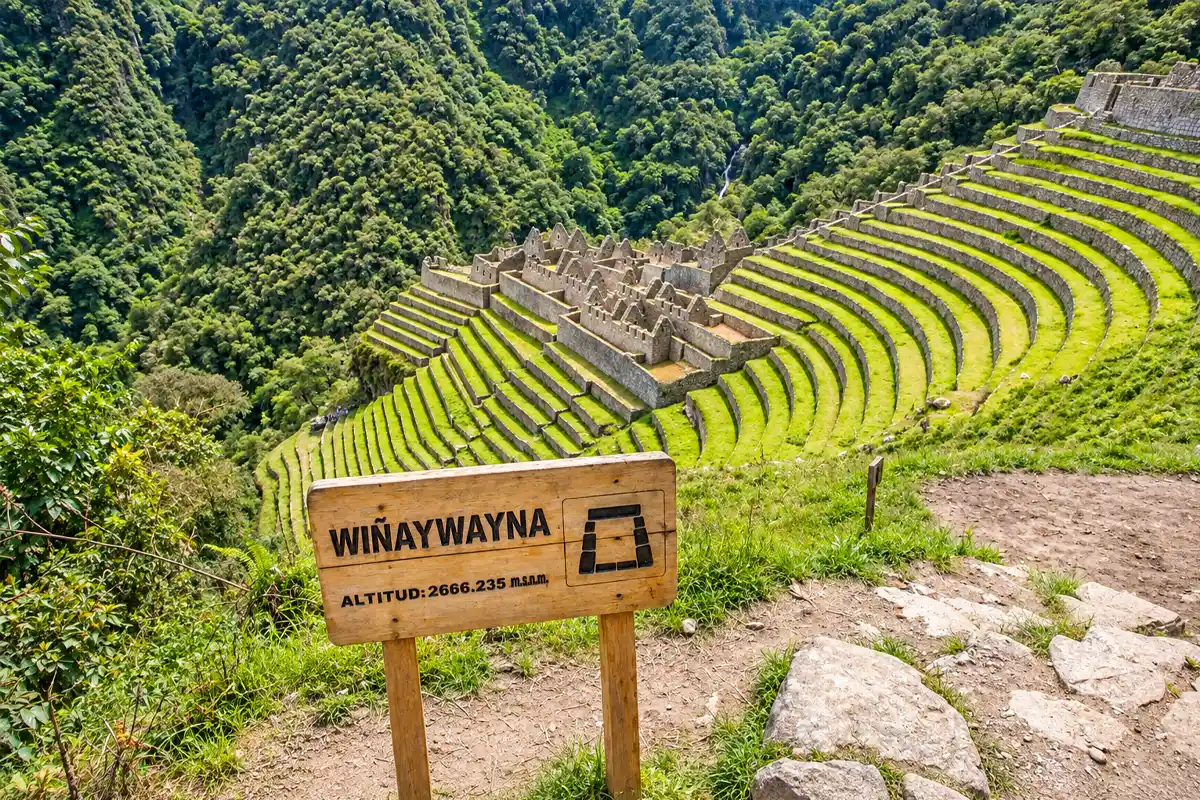
Day 4: The fourth day, one of the most anticipated moments of the tour, begins with a short hike to Intipunku, or the Sun Gate, where you can enjoy one of the first panoramic views of Machu Picchu at sunrise.
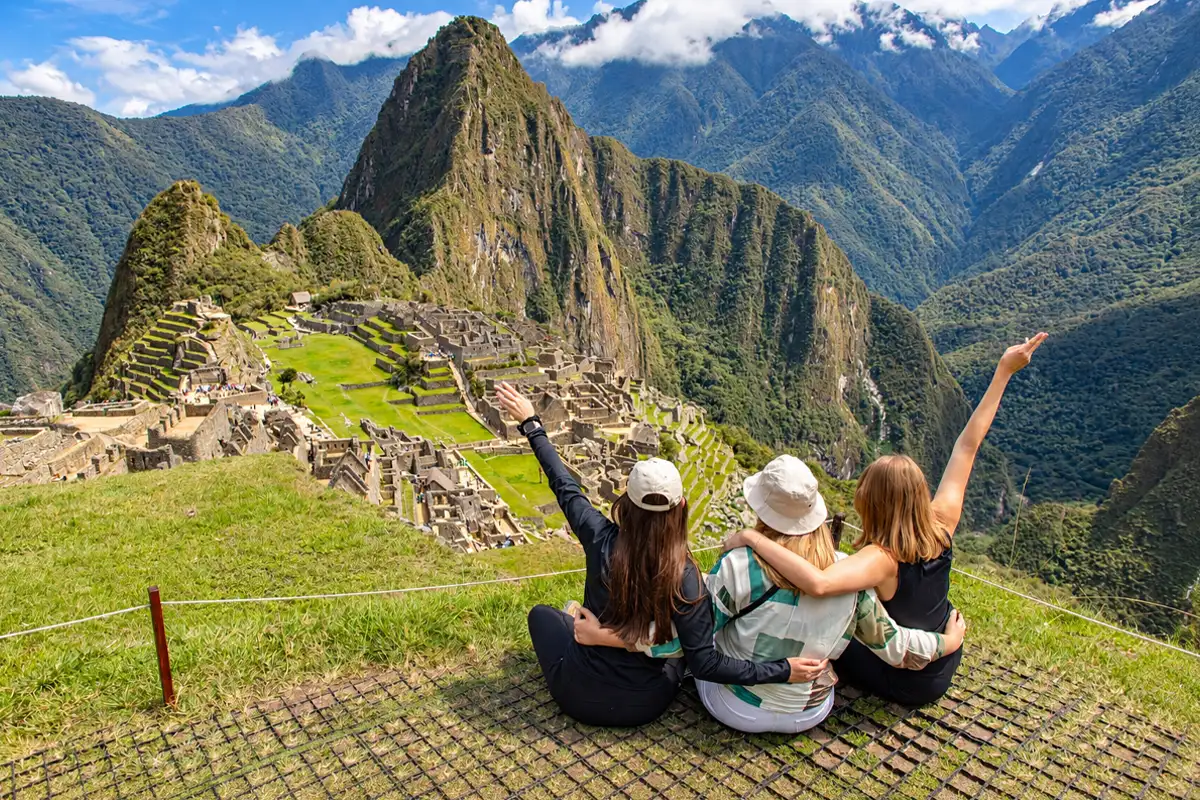
From there, the Inca Trail continues to the classic viewpoints overlooking the citadel, perfect for enjoying the scenery and taking panoramic photos. If your tour includes admission to Machu Picchu, you will enjoy a guided visit through the Inca citadel of Machu Picchu.
Afterward, you take the bus down to Aguas Calientes, board the return train, and then continue by road to Cusco.
Slow-Paced Inca Trail to Machu Picchu
The Slow-Paced Inca Trail to Machu Picchu follows the same route as the Classic Inca Trail but includes an additional night in Aguas Calientes. This option gives you more time to enjoy the journey, rest in town after reaching Machu Picchu, and return to the citadel for a guided Machu Picchu tour on the final day.
Slow-Paced Inca Trail Route 01 Details
- Duration: 5 days and 4 nights
- Starting point: km 82, Piscacucho
- Itinerary: km 82 - Ayapata - Chaquicocha - Wiñay Wayna - Machu Picchu
- Hiking distance: 42 km / 26 miles
- Difficulty: Moderate to challenging
- Accommodation: 3 nights of camping and 1 night in Aguas Calientes
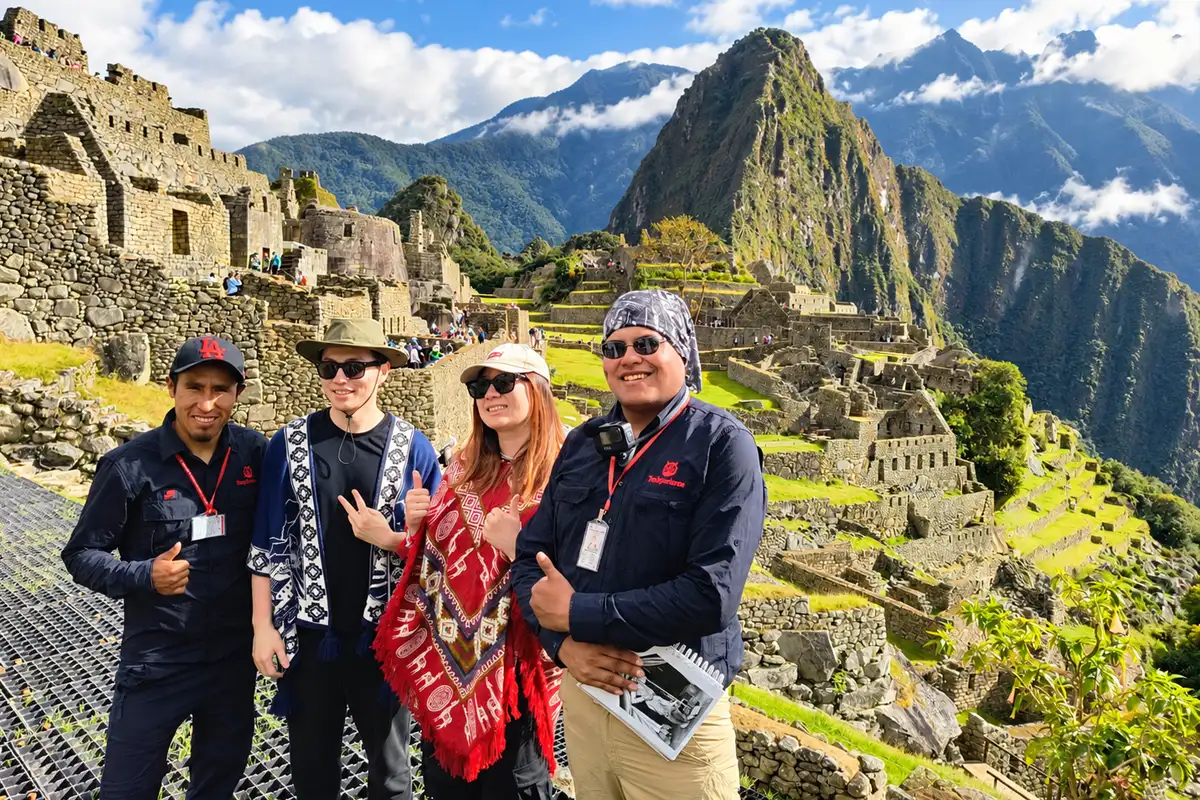
See more | Slow-Version Inca Trail
Extended Inca Trail
The Extended Inca Trail to Machu Picchu offers a more relaxed alternative to the classic route. The trek begins at km 88 and allows you to explore less-visited archaeological sites before joining the traditional Inca Trail.
Extended Inca Trail Details
- Duration: 5 days and 4 nights
- Starting point: km 88, Qorihuayrachina
- Itinerary: km 88 - Chamana - Llulluchapampa - Phuyupatamarca - Machu Picchu
- Hiking distance: 42 km / 26 miles
- Difficulty: Moderate to challenging
- Accommodation: 3 nights of camping and 1 night in Aguas Calientes
Inca Trail Route 02 Itinerary
Day 1: The Extended Inca Trail begins with a hike along the right bank of the Urubamba River toward the km 88 checkpoint. During this first day, you visit the archaeological sites of Salapunku and K'anabamba.
After crossing the checkpoint and bridge at km 88 Qorihuayrachina, the route continues along the valley floor to explore the Inca sites of Machu Q’ente, Q’oriwayrachina, and Wayna Q’ente before reaching Chamana campsite.
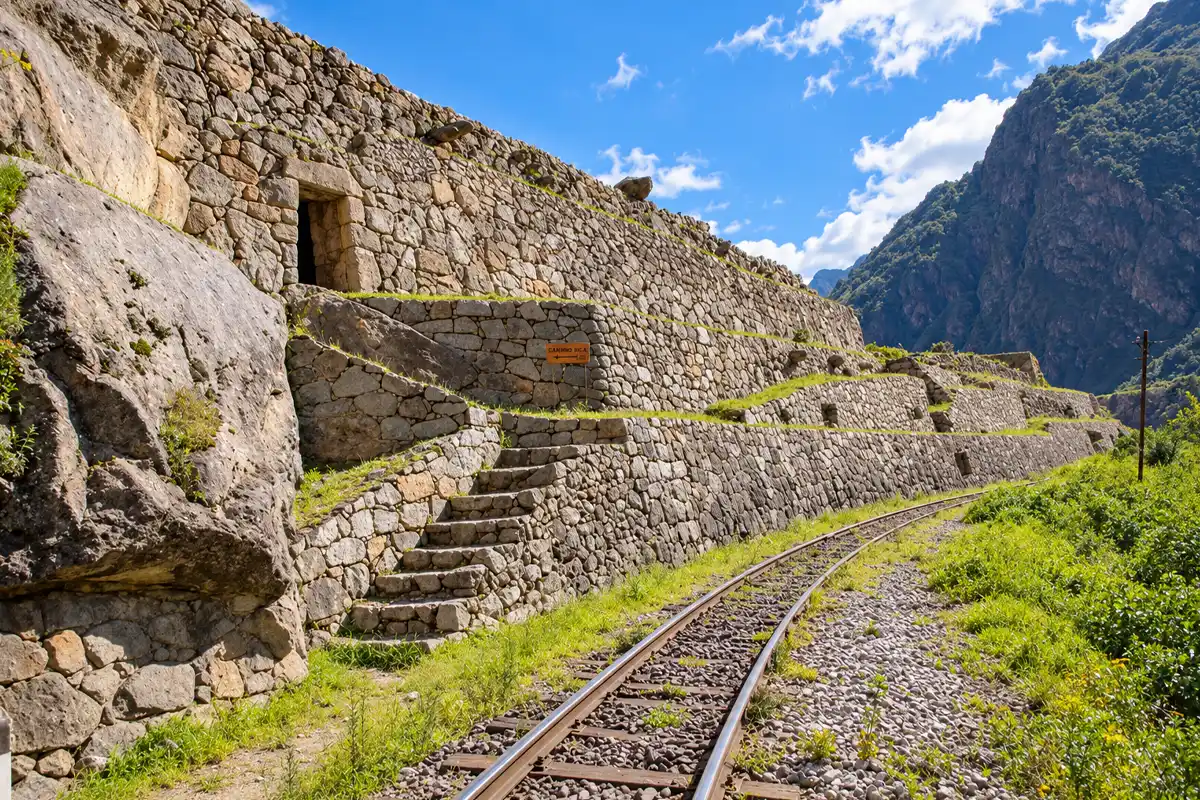
Day 2: The second day begins with a visit to the Llactapata archaeological site, which you explore from within. The trail then continues through the Cusichaca River Valley before gradually climbing through the Llullucha River gorge. The day ends at Llulluchapampa campsite, surrounded by mountains.
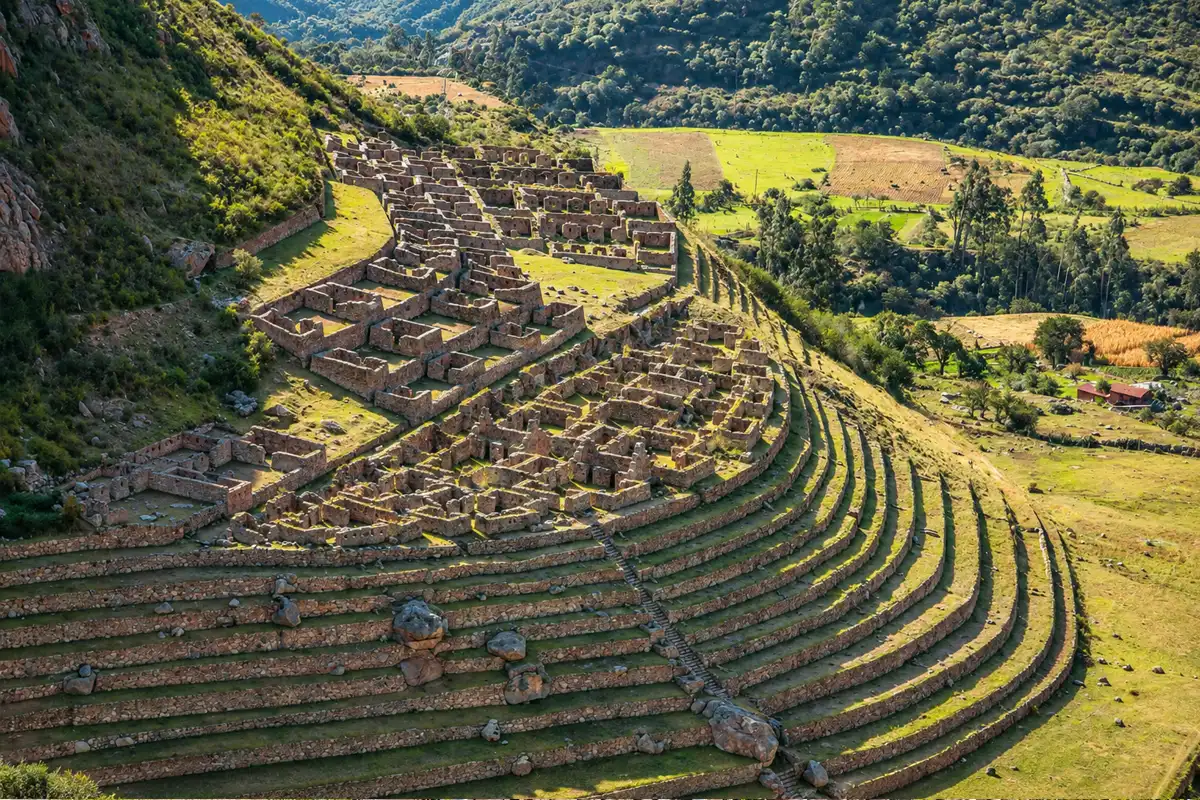
Day 3: From Llulluchapampa, the route climbs toward Warmiwañusca Pass, also known as Dead Woman's Pass (4,215 m / 13,829 ft), the highest point of the Inca Trail. From there, you continue toward the Runkurakay archaeological site and the mountain pass of the same name.
Farther along, you visit Sayacmarca and Qonchamarka before continuing to Phuyupatamarca, where you spend the night at the campsite.
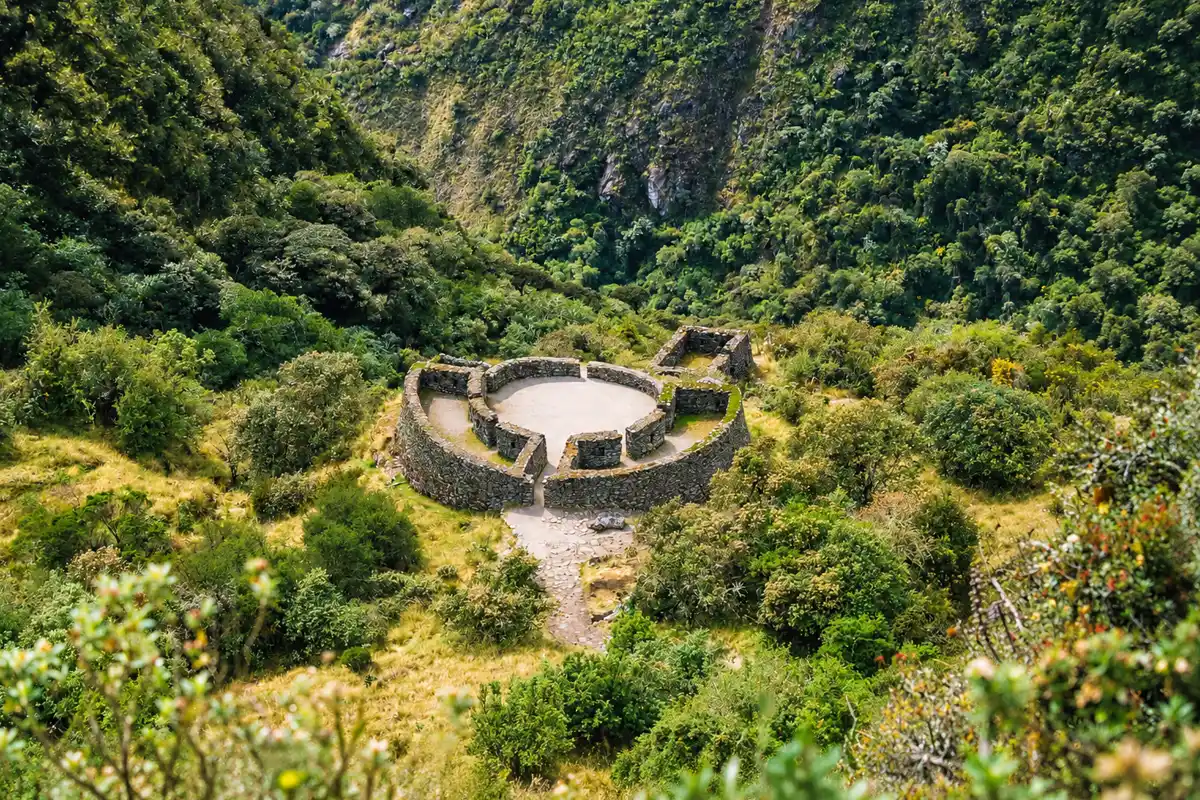
Day 4: The fourth day begins early as you enter the cloud forest, where the climate becomes warmer and more humid. During the descent, you visit the archaeological sites of Intipata and Wiñay Wayna before continuing toward Intipunku or the Sun Gate, the traditional entrance to Machu Picchu from the Inca Trail.
From there, you reach the panoramic viewpoints overlooking the citadel. If admission to Machu Picchu is included, you enter the Inca city. Afterward, you take the bus down to Aguas Calientes, where you spend the night.
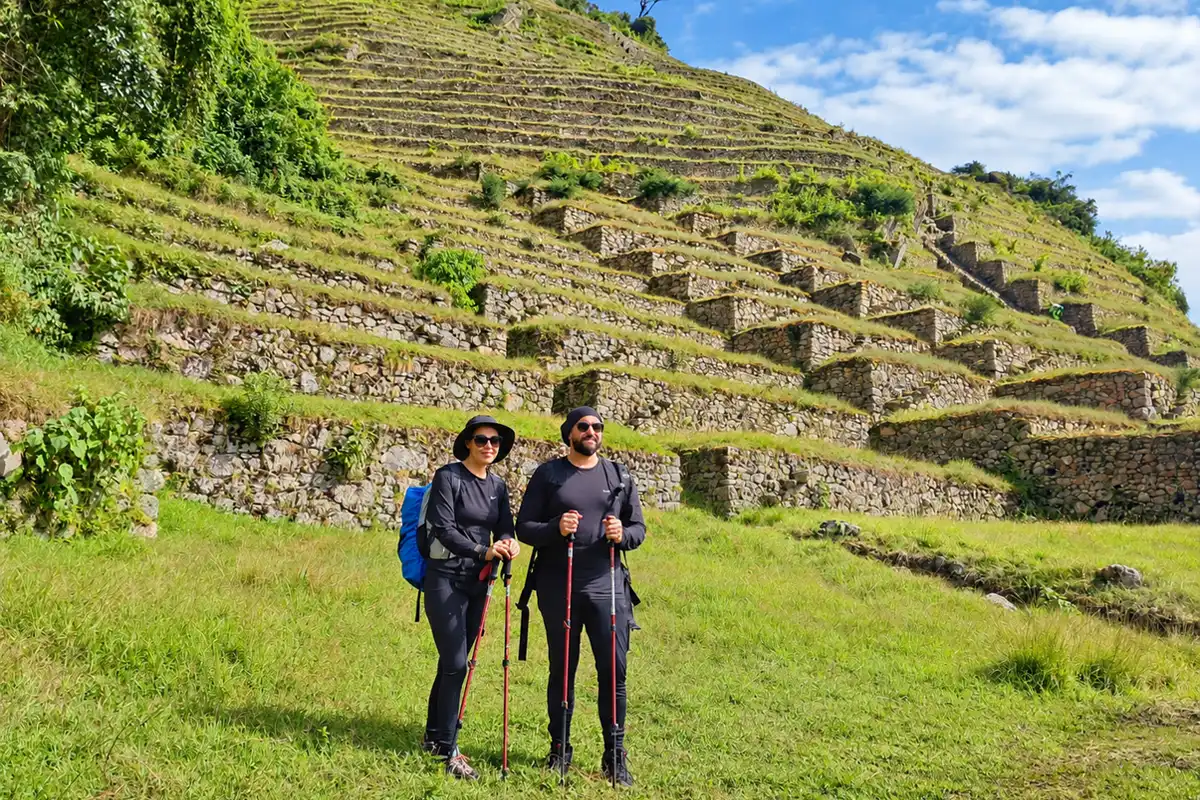
Day 5: On the fifth day, you return to Machu Picchu for a more relaxed visit with additional time to explore the citadel. After the tour, you return to Aguas Calientes to board the train and then continue by road to Cusco.
Inca Trail Campsites
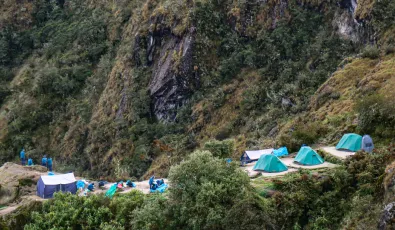
Campsites for routes beginning at km 82 or km 88 may vary according to availability and are assigned during the Inca Trail booking process through the travel agency. These permits are assigned by SERNAP and the Ministry of Culture, the authorities that regulate tourism along this route to Machu Picchu.
Breakfast and dinner are served at the campsites scheduled for each day, while lunch is served at a campsite or designated area along the route around midday.
Read next | How to Book the Inca Trail?
Salkantay Trek with the Inca Trail
The Salkantay Trek with the Inca Trail combines two of the most impressive trekking routes to Machu Picchu. Over six days, the trek crosses glacial landscapes, high-altitude lakes, mountain passes, inter-Andean valleys, and ancient archaeological sites. The route begins in the Salkantay region before connecting with the Inca Trail.
Salkantay Trek with the Inca Trail Details
- Duration: 6 days and 5 nights
- Starting point: Soraypampa
- Itinerary: Soraypampa - Salkantaypampa - Pampacahuana - Ayapata - Chaquicocha - Wiñay Wayna - Machu Picchu
- Hiking distance: 70 km / 43.5 miles
- Difficulty: Challenging
- Accommodation: 5 nights of camping
Inca Trail Route 03 Itinerary
Day 1: The trek begins in Soraypampa, surrounded by the high-mountain scenery of the Vilcabamba Range. During the first day, you explore natural highlights such as Humantay Lake, with impressive views of the Humantay and Salkantay snowcapped mountains. After the visit, the route continues uphill to Salkantaypampa campsite, where you spend the first night.
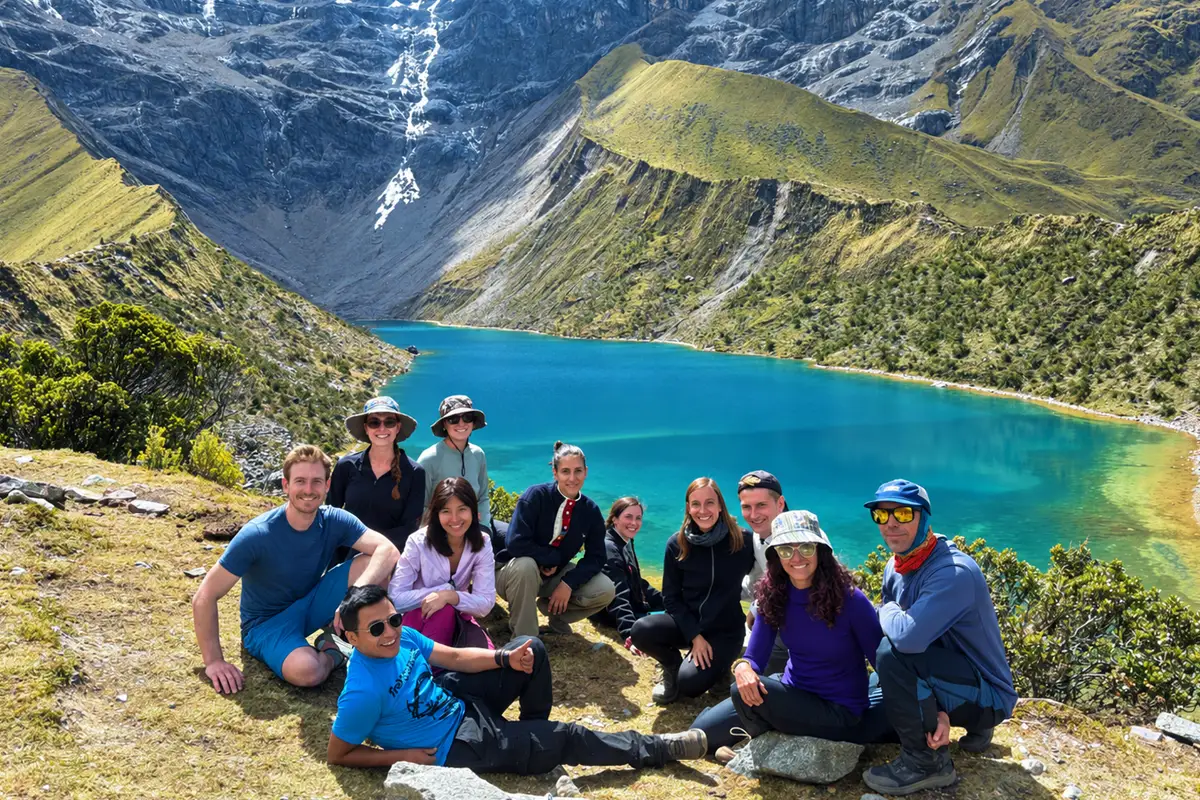
Day 2: The second day crosses the highest sections of the Salkantay Trek. The route passes Salkantay Lake and climbs to Inkachiriaska Pass (5,100 m / 16,732 ft), one of the highest points of the trek. During the ascent, you can admire the surrounding mountains from different perspectives before beginning the descent along the eastern side of Salkantay Mountain.
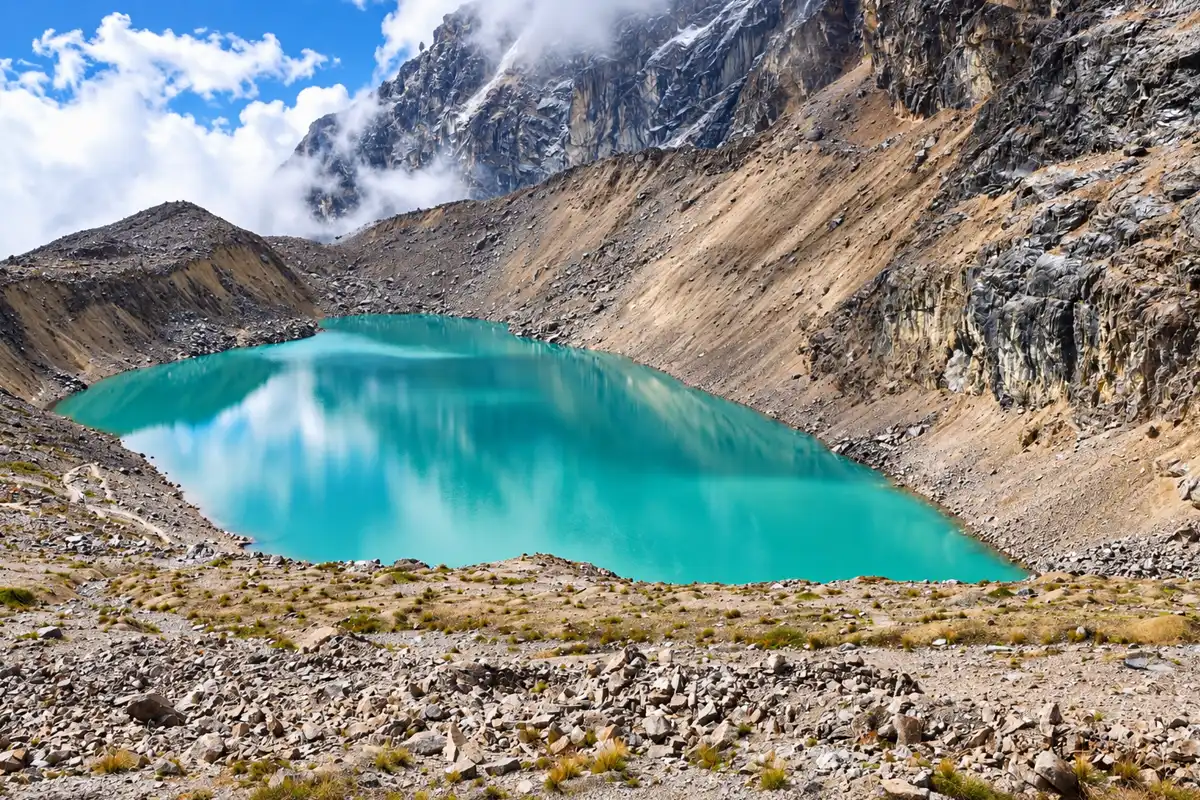
Day 3: The landscape gradually changes into an open valley shaped by waters flowing down from the snowcapped mountains. Farther along, the first cultivated fields appear, along with the ancient Inca canal that crosses Pampacahuana, where you spend the night at camp.
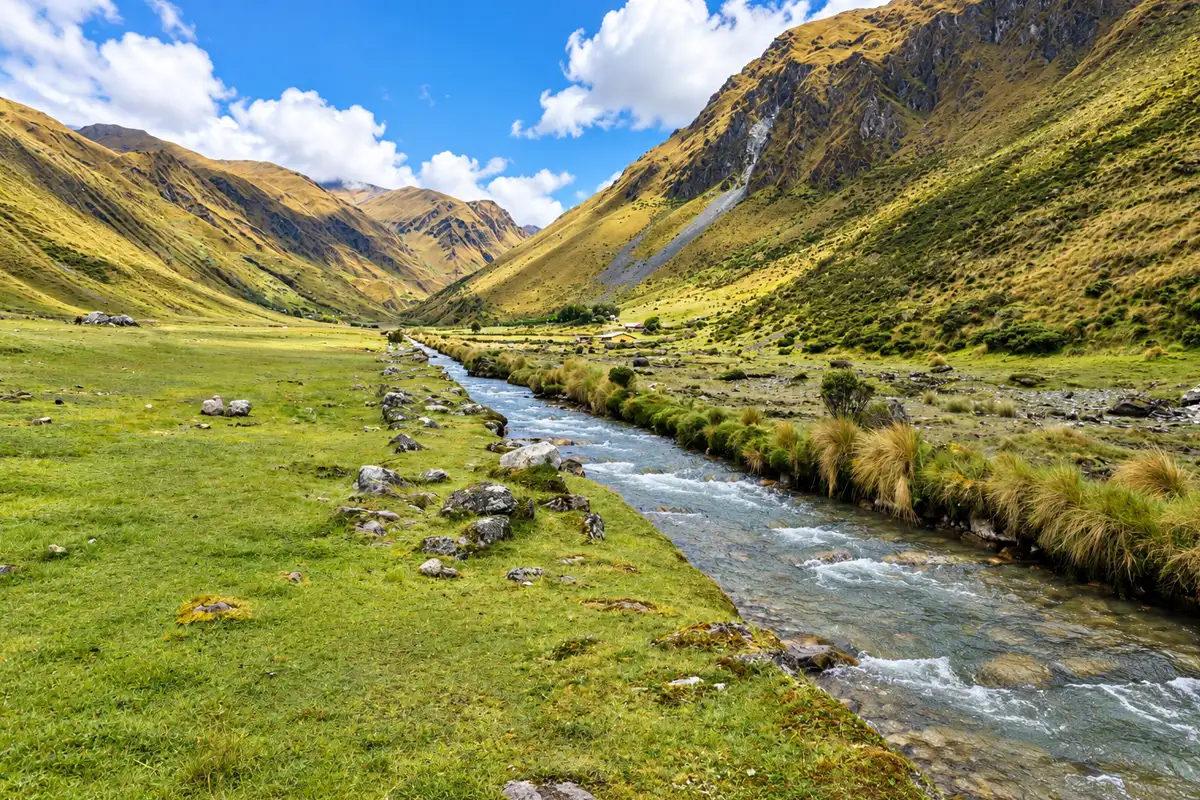
Day 4: On the third day, you enter the inter-Andean valleys, where the landscape becomes greener and vegetation grows more abundant. The route crosses a narrow section of the valley and continues through a canyon formed by the Cusichaca River until reaching the Paucarcancha archaeological site.
After exploring this Inca complex, the hike continues through the valley and gradually climbs along the Llullucha River gorge until reaching Ayapata campsite.
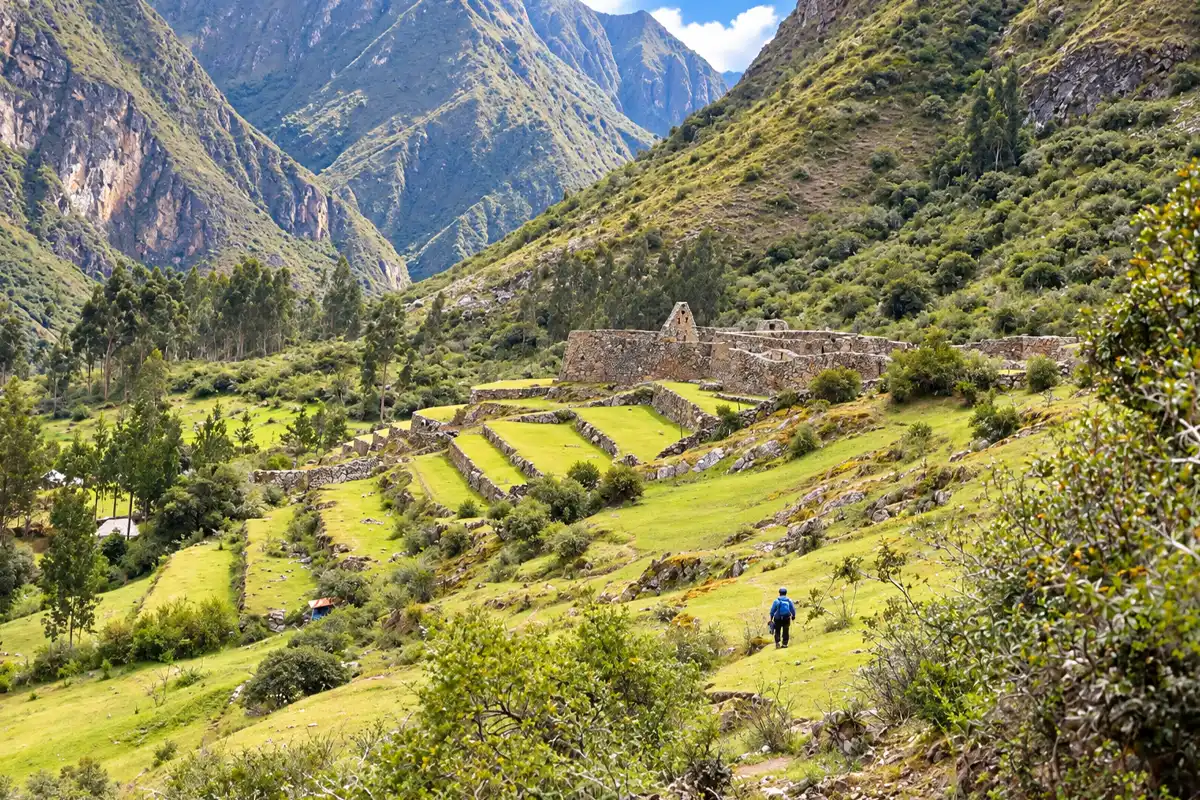
Day 4: After breakfast, the ascent begins toward Warmiwañusca, or Dead Woman's Pass (4,215 m / 13,829 ft), the highest point of the Inca Trail. From there, you descend before continuing toward the Runkurakay archaeological site and the mountain pass of the same name. Farther along, you visit the ruins of Sayacmarca and Qonchamarka. The day ends at Chaquicocha campsite, where you spend the night.
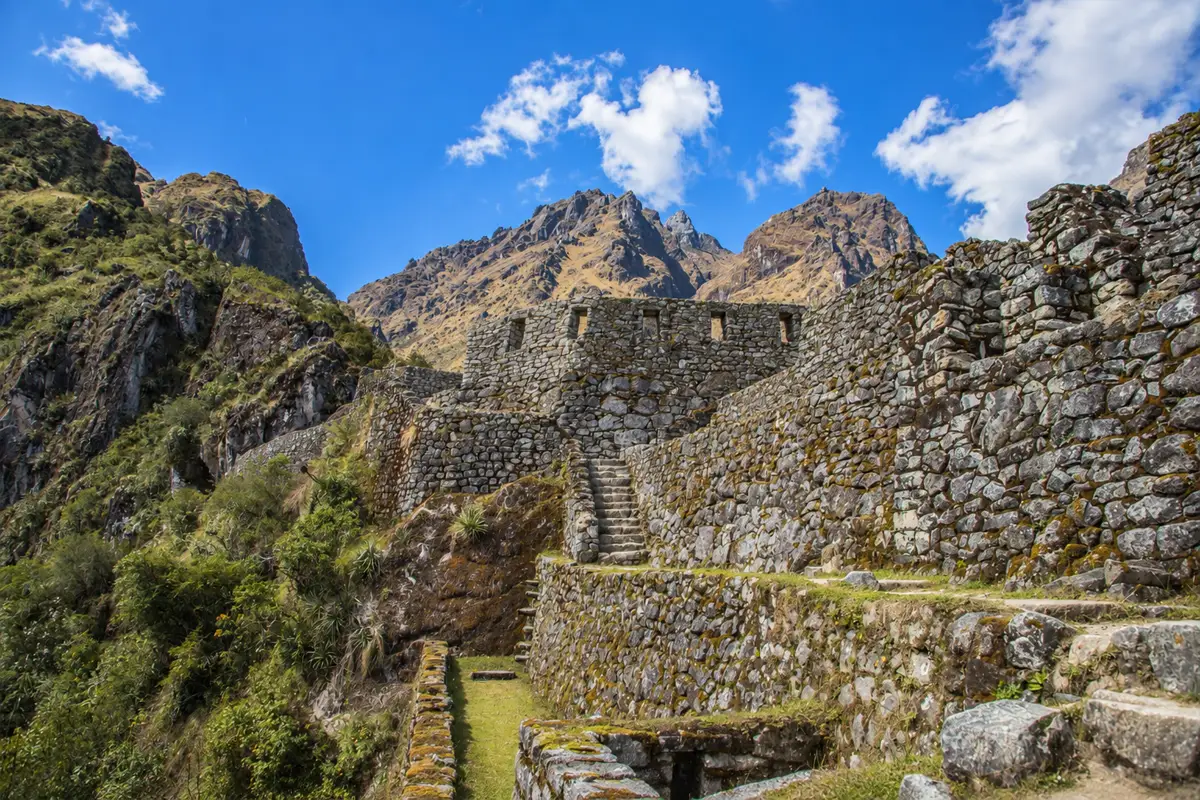
Day 5: The fifth day continues into the cloud forest, where the climate becomes warmer and more humid. After reaching Phuyupatamarca Pass, you visit the Phuyupatamarca archaeological site and begin a long descent along the Inca Trail.
The route continues past the terraces of Intipata before reaching the Inca site of Wiñay Wayna, one of the most important archaeological sites before Machu Picchu. You spend the final night of camping in this area.
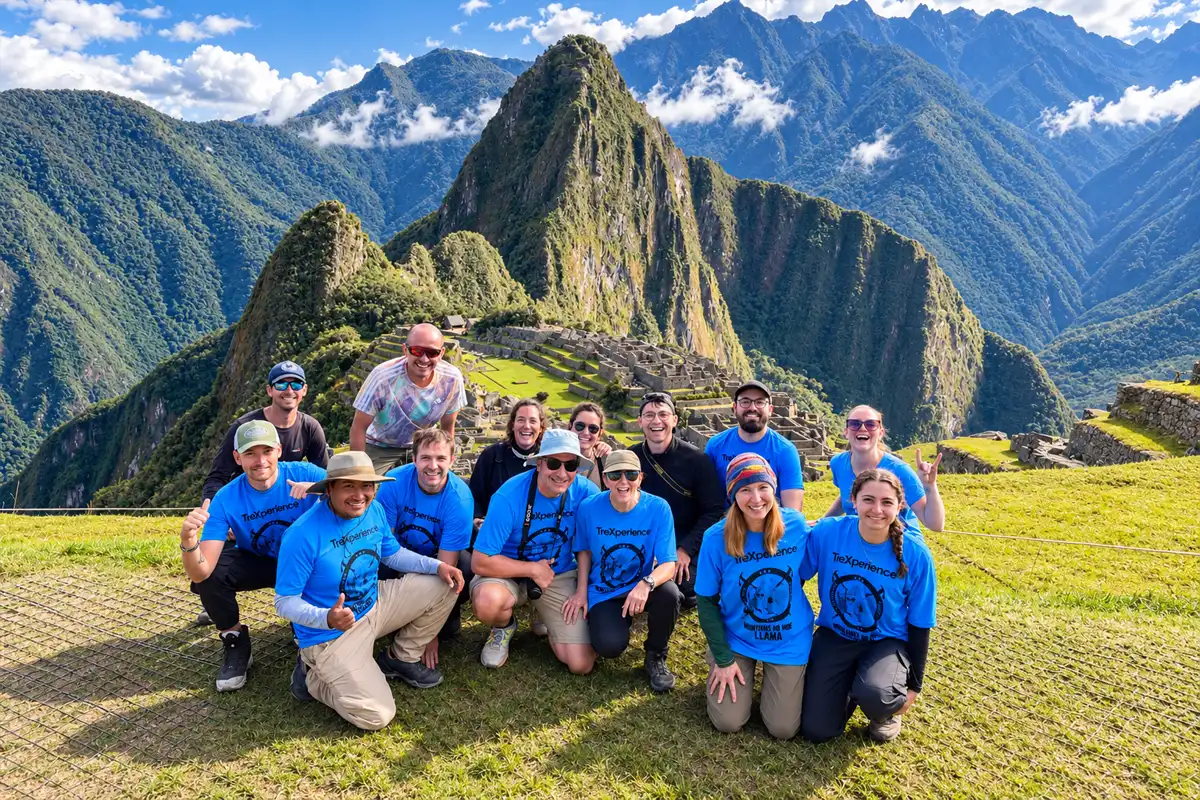
Day 6: The final day begins early with a hike toward Intipunku, or the Sun Gate, the traditional entrance to Machu Picchu from the Inca Trail. From this point, you get one of the first panoramic views of the citadel before continuing to Machu Picchu's classic viewpoints.
When the itinerary includes admission to Machu Picchu, you enjoy a guided tour of the Inca citadel. Finally, you take the bus down to Aguas Calientes, board the return train, and then continue by road to Cusco.
Short Inca Trail to Machu Picchu
The Short Inca Trail to Machu Picchu is a two-day alternative that lets you experience part of the historic Inca Trail without committing to the longer multi-day routes.
Short Inca Trail Details
- Duration: 2 days and 1 night
- Starting point: Km 104, Chachabamba
- Itinerary: Km 104 – Chachabamba – Wiñay Wayna – Intipunku – Machu Picchu – Aguas Calientes
- Hiking distance: Approximately 16 km / 10 miles
- Difficulty: Moderate
- Accommodation: 1 hotel night in Aguas Calientes
Inca Trail Route 05 Itinerary
Day 1: The first day begins with a train journey to km 104, the starting point of the Short Inca Trail. After crossing the bridge over the Urubamba River and passing through the entrance checkpoint, you visit the Chachabamba archaeological site. From there, a gradual climb through the cloud forest leads to Wiñay Wayna, one of the most impressive archaeological complexes on the Inca Trail.
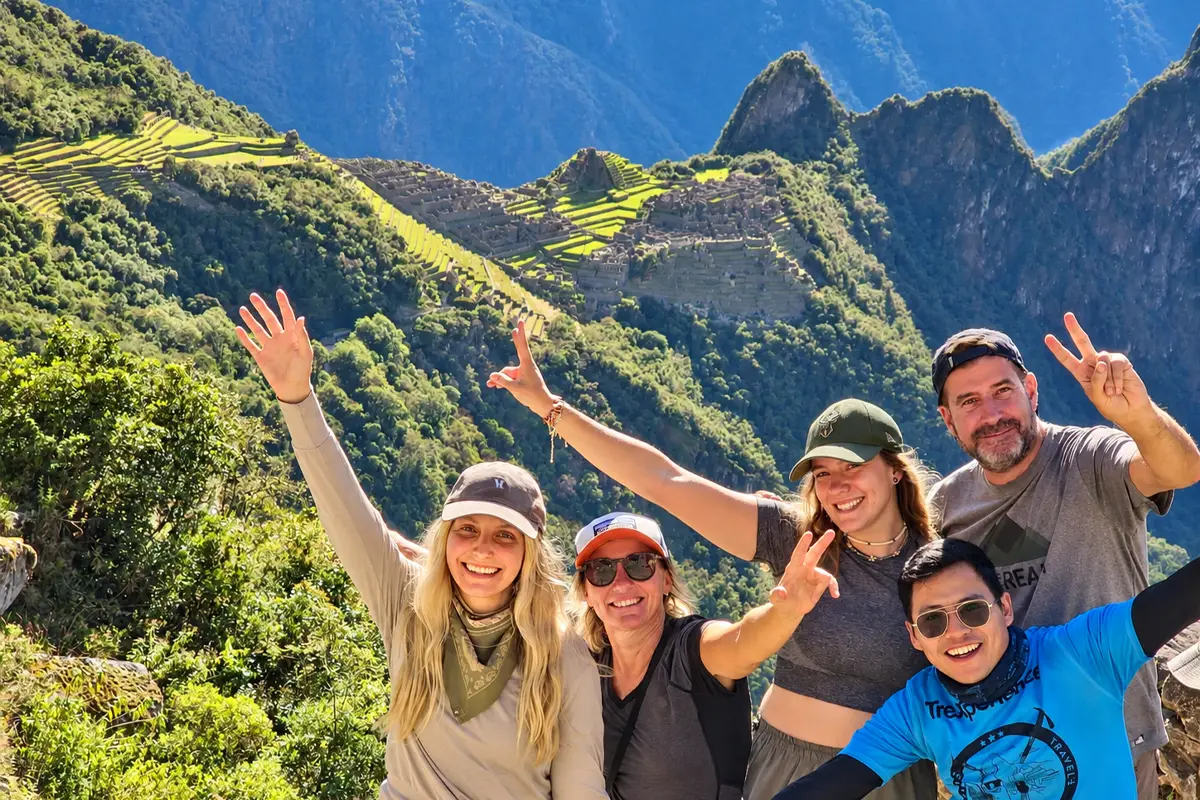
The hike continues to Intipunku, or the Sun Gate, where you get your first panoramic view of Machu Picchu. After reaching the viewpoints overlooking the citadel, you take the bus down to Aguas Calientes, where you spend the night.
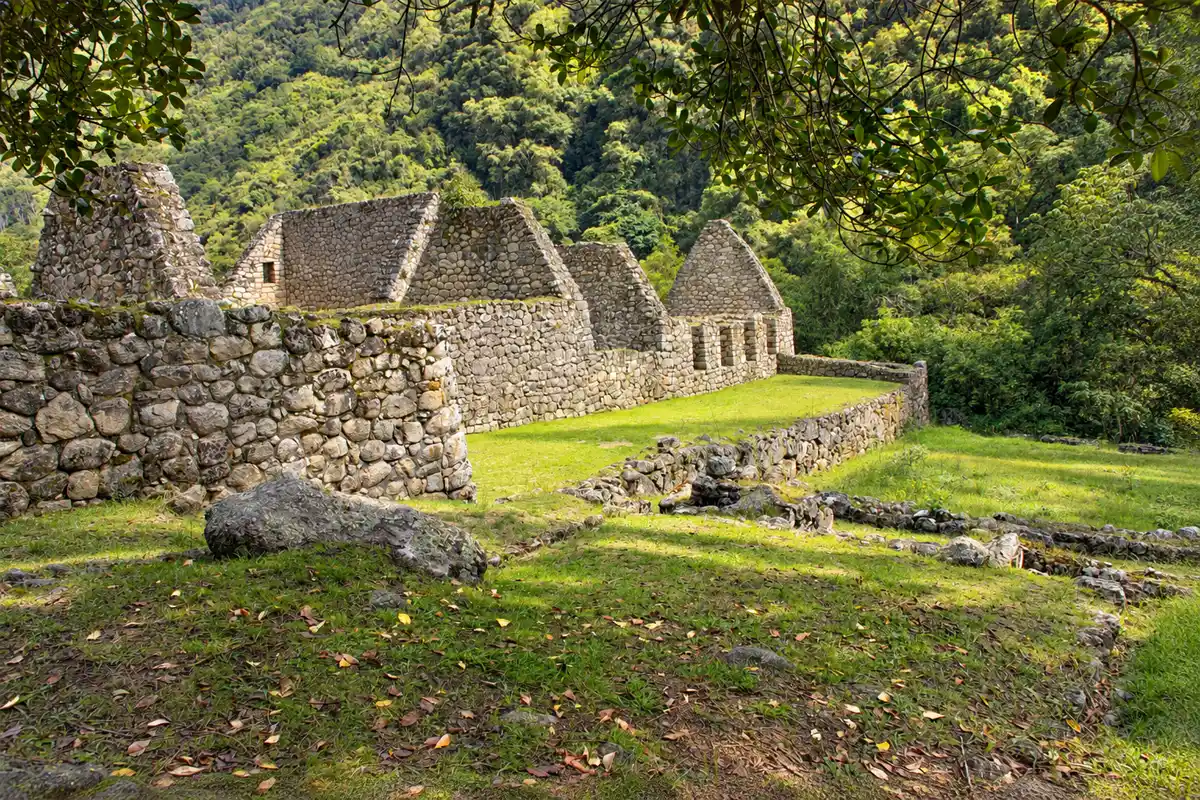
Day 2: On the second day, you return to Machu Picchu for a guided tour of the Inca citadel. You explore the site according to the assigned route and circuit. At the end of the visit, you take the bus back to Aguas Calientes, board the return train, and then continue by road to Cusco.
In exceptional cases, if access to the Short Inca Trail at km 104 is closed for maintenance, entry may be provided through km 107 (Choquesuysuy). In this case, the Chachabamba archaeological site is replaced by Choquesuysuy before continuing along the usual route toward Wiñay Wayna and Machu Picchu.
Recommended Tours Before and After the Inca Trail
There are several tours you can take before and after the Inca Trail. These are some of the most popular options:
Recommended Tours Before the Inca Trail
There are several recommended tours in Cusco to enjoy before starting the Inca Trail. These experiences help you better understand Inca history and culture while discovering the region's natural beauty. They can also help you adjust more gradually to the altitude.
- Cusco City Tour. This tour explores Cusco, once the capital of the Inca Empire. You visit some of the city's most important Inca sites, including historic streets, the Temple of the Sun, and Sacsayhuaman.
- Sacred Valley Tour. This journey takes you through one of Peru's most beautiful valleys, once home to the Inca people. Highlights include important sites such as Pisac, Ollantaytambo, and Chinchero.
Recommended Tours After the Inca Trail
These are some of our top recommendations:
- Rainbow Mountain: This hike explores one of southern Peru's most spectacular mountains, Rainbow Mountain. Located high in the Andes, this natural wonder is famous for its vibrant colors and breathtaking scenery.
- Humantay Lake: This beautiful turquoise lake lies north of Cusco. It can be visited on a full-day adventure through glacial landscapes surrounded by the Humantay and Salkantay snowcapped mountains.
Now that you know where the Inca Trail begins and the main routes available, you can compare each option based on the time you have, your trekking experience, and the type of journey you are looking for.
Choosing the right starting point is the first step toward planning a safe and memorable journey to Machu Picchu. If you are still unsure which route is best for you, explore our Inca Trail tours or contact us, and we will help you find the option that best fits your trip.
Frequently Asked Questions: Where Does the Inca Trail Start?
Can You Hike the Inca Trail Without a Tour Company?
No. To hike the Inca Trail, you must book your tour through an authorized travel company and complete the trek with an official guide. Access is regulated to protect the trail and control the number of visitors.
Is the Inca Trail Open All Year?
No. The Inca Trail closes throughout February for maintenance and conservation work. During the rest of the year, the routes normally operate as usual, although conditions may vary depending on the weather and official regulations.
Do You Need a Permit to Hike the Inca Trail?
Yes. Entry to the Inca Trail requires an official permit linked to each traveler's reservation. Spaces are limited and often sell out well in advance, especially for the Classic Inca Trail to Machu Picchu.
What Is the Highest Point of the Inca Trail?
It depends on the route. If the Inca Trail begins on Route 1 or 2, from kilometer 82 or 84, Dead Woman's Pass, or Warmiwañusca Pass, is the highest point at 4,215 meters / 13,829 feet. If the Inca Trail begins in Salkantaypampa or Soraypampa on Inca Trail Route 3, the highest point is Inca Chiriaska Pass at 5,100 meters / 16,732 feet.
How Many Days of Acclimatization Are Recommended Before the Inca Trail?
We recommend spending at least two or three days in Cusco or the Sacred Valley before starting the Inca Trail. This gives your body time to adjust to the altitude and helps you handle the climbs and high mountain passes more comfortably.

Add new comment