



Wondering about the Short Inca Trail difficulty? This 2-day route to Machu Picchu is shorter than the Classic Inca Trail, but it still brings a real sense of adventure, with uphill sections, stone stairways, warm jungle weather, and unforgettable stops at Chachabamba, Wiñay Wayna, and the Sun Gate. In this travel blog, you’ll learn what the hike is really like, how hard it feels, how high it goes, how far you’ll walk, what weather to expect, and how to prepare so you can enjoy the trail with more confidence.
Short Inca Trail 2 Days to Machu Picchu: Difficulty, Altitude, Distance
What is the Short Inca Trail to Machu Picchu?
The Short Inca Trail 2 Days to Machu Picchu is a great option for travelers who want to hike to Machu Picchu but do not have enough time for the longer and more classic option: the 4-day Classic Inca Trail Trek.
The Short Inca Trail to Machu Picchu is a 2-day trekking route that starts at KM 104, also known as Chachabamba, near Ollantaytambo in the Sacred Valley. The route is shorter and easier than the Classic Inca Trail, making it an excellent choice for those who do not have time for the 4-day hike or prefer a less demanding option.
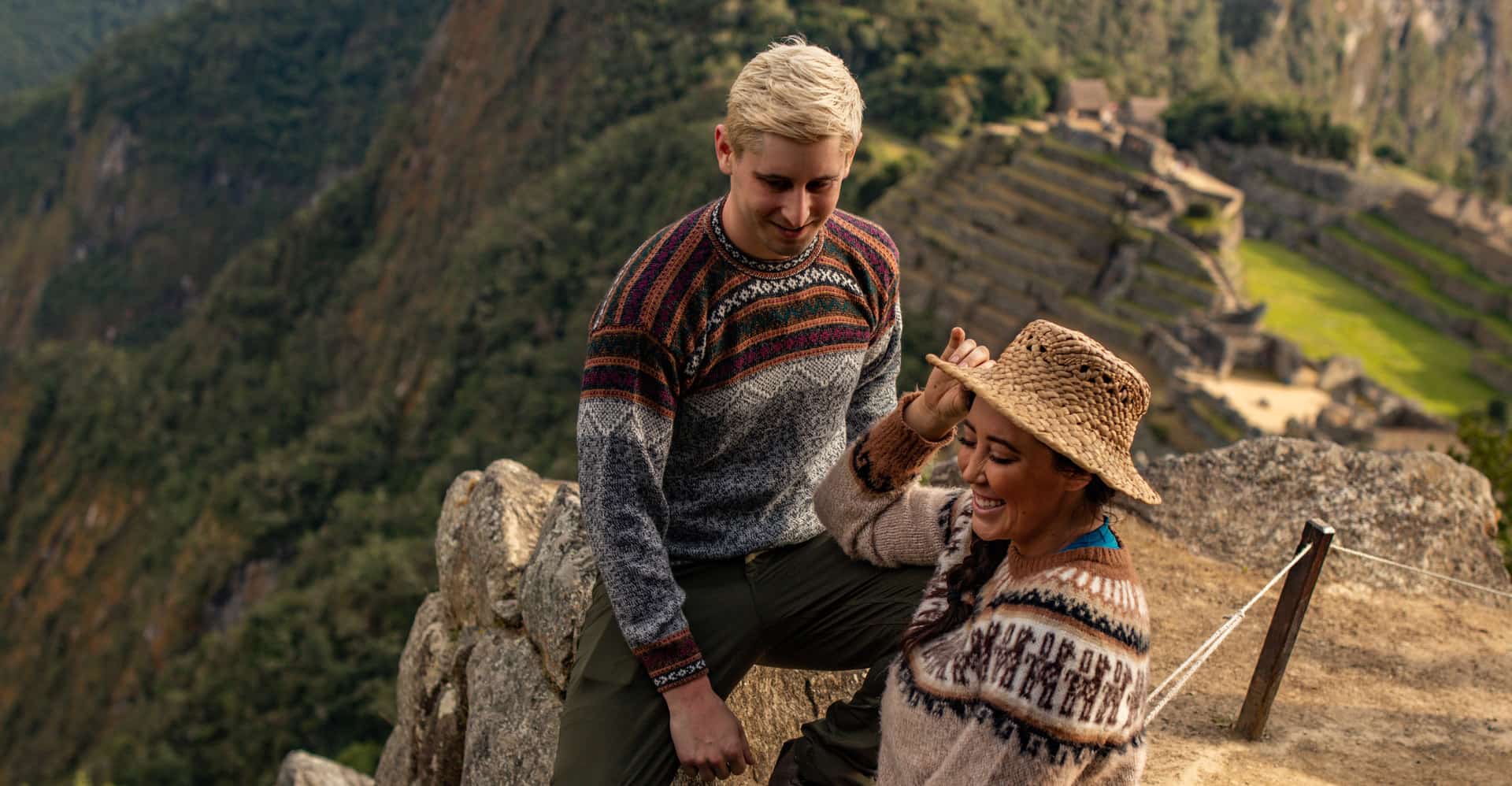
The Short Inca Trail lasts only 2 days and includes stops at the incredible archaeological sites of Chachabamba, Wiñay Wayna, and the Sun Gate (Inti Punku), plus a comfortable hotel night in Machu Picchu Pueblo (Aguas Calientes). This pace allows you to explore the ancient Inca citadel the next day calmly, comfortably, and at your own rhythm.
Importance of the Inca Trail
Every year, thousands of people from around the world come to Peru to hike this famous trail, where much of the original Inca road is still preserved. Recognized as a UNESCO World Heritage route, it leads hikers toward the magnificent Machu Picchu.
2-Day Short Inca Trail Difficulty
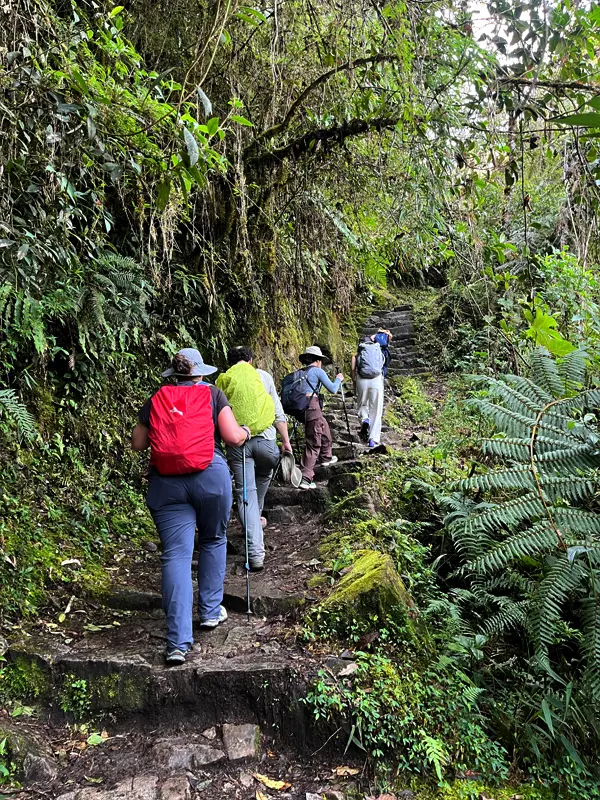
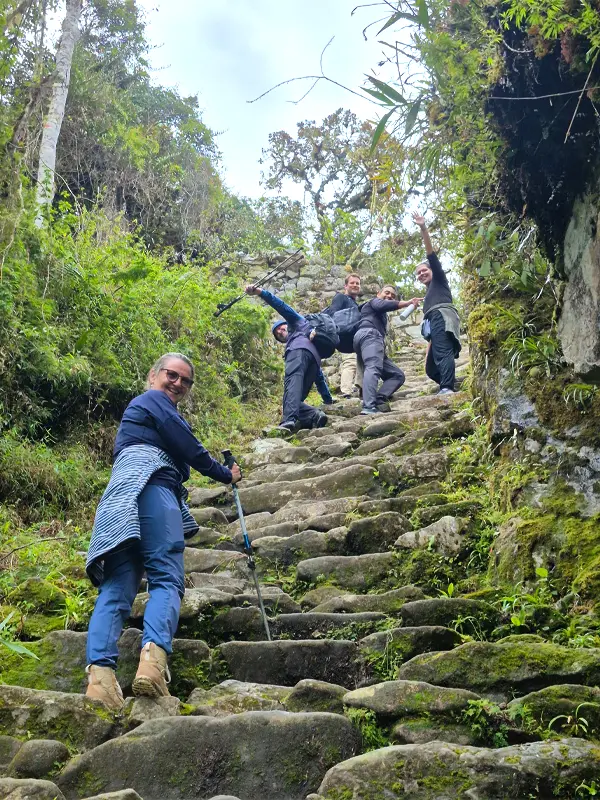
The Short Inca Trail 2 Days has a moderate to challenging difficulty level, even though it is shorter than other hikes to Machu Picchu. This is because the trail combines steep uphill sections, stone stairways, and visits to ancient Inca sites. Another important factor is the warm and humid climate of the high jungle in this area.
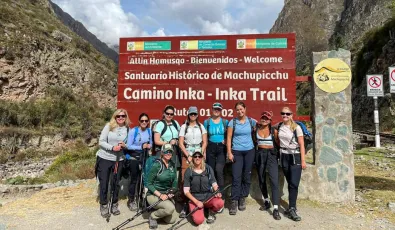
The first day of the 2-day Inca Trail is the most demanding part of the journey, but it also brings the greatest rewards.
- The first part of the hike follows the archaeological sites on the valley floor, such as Chachabamba.
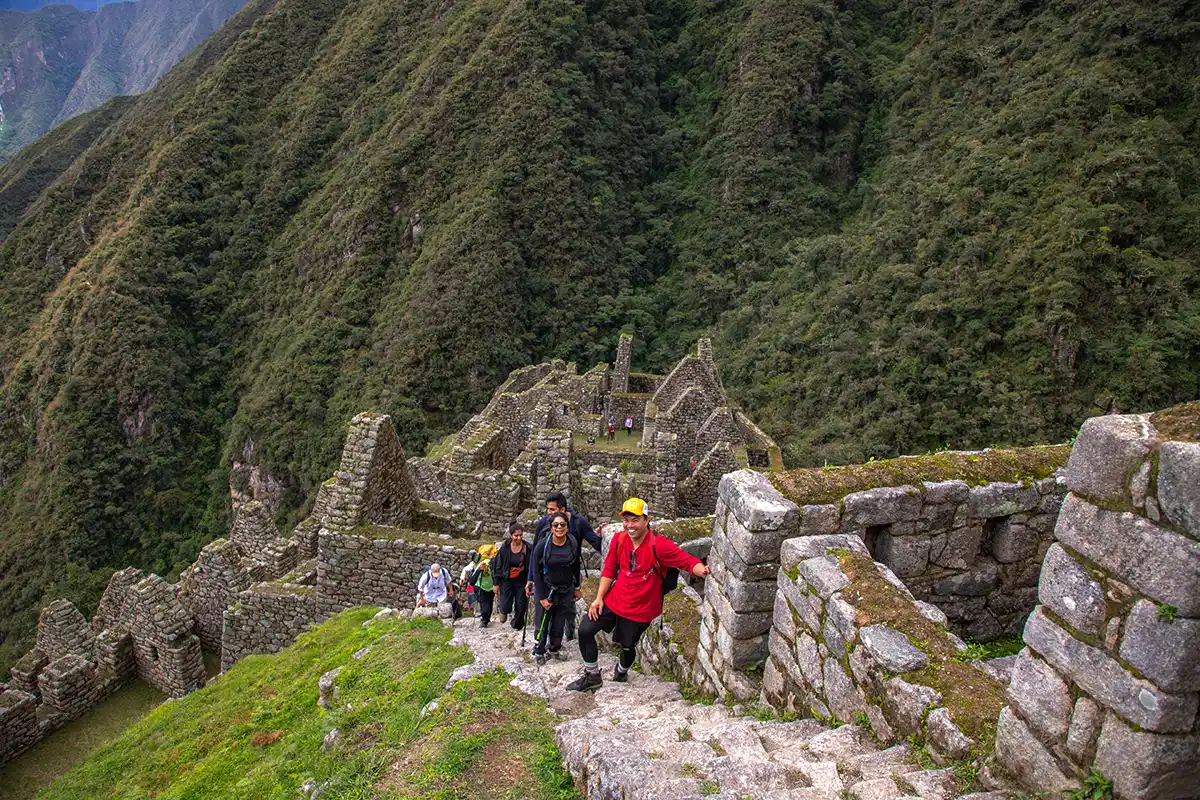
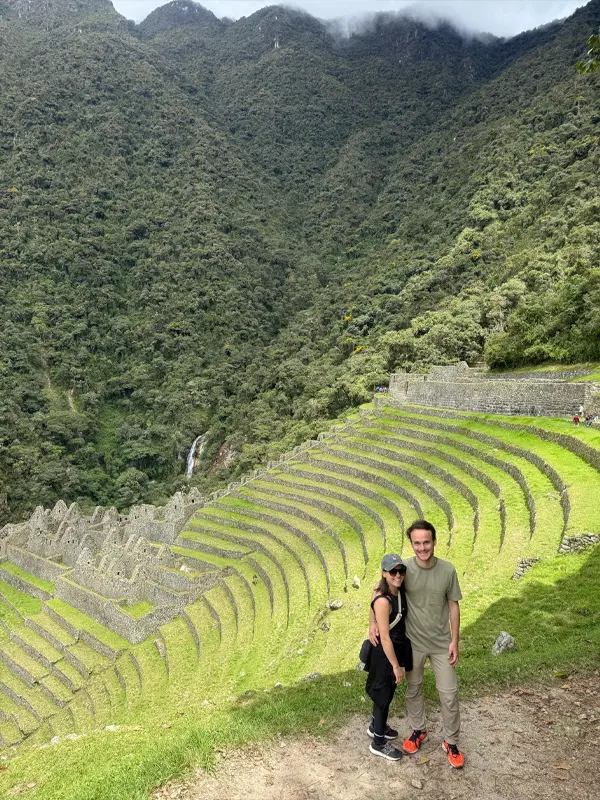
- The second part of the hike is mostly uphill until you reach the famous Inca site of Wiñay Wayna, where you enjoy lunch.
- The third part is easier and continues for about 3 hours until you reach Machu Picchu through Inti Punku.
 |  |
- It is important to have a moderate level of fitness before starting this hike.
Short Inca Trail to Machu Picchu Altitude
The Short Inca Trail is easier to complete than other hikes in Cusco because it takes place at a lower elevation. The trail begins at Km 104, a point along the Cusco - Aguas Calientes railway.
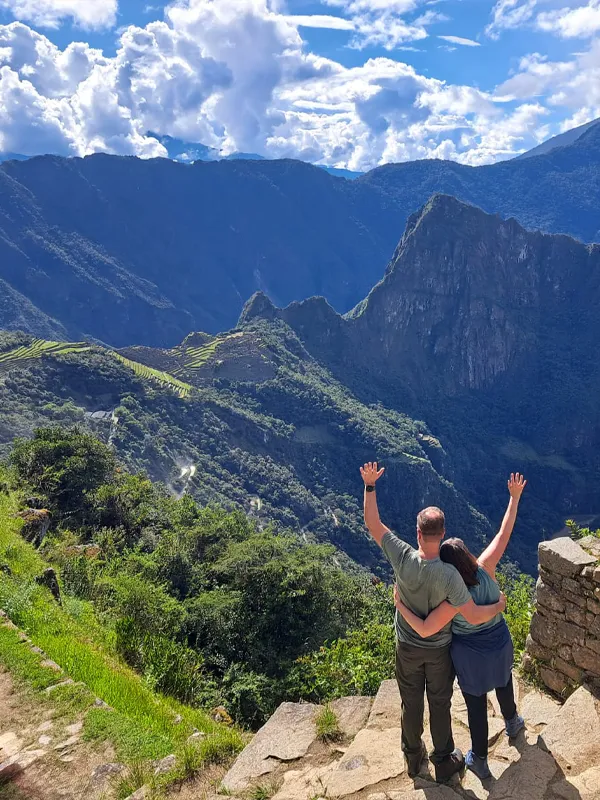
The highest point of the 2-day Short Inca Trail to Machu Picchu is Inti Punku, or the Sun Gate, located at 2,708 m / 8,884 ft. From here, you will see Machu Picchu for the first time. This altitude is lower than Cusco, so hikers on the 2-day Inca Trail are less likely to have problems with altitude.
| Place | Altitude |
| Cusco City | 3,399 m / 11,151 ft |
| KM 104 - Chachabamba | 2,170 m / 7,120 ft |
| Wiñay Wayna | 2,600 m / 8,530 ft |
| Inti Punku or Sun Gate | 2,708 m / 8,884 ft |
| Machu Picchu | 2,430 m / 7,972 ft |
| Aguas Calientes Town | 2,040 m / 6,692 ft |
 |  |
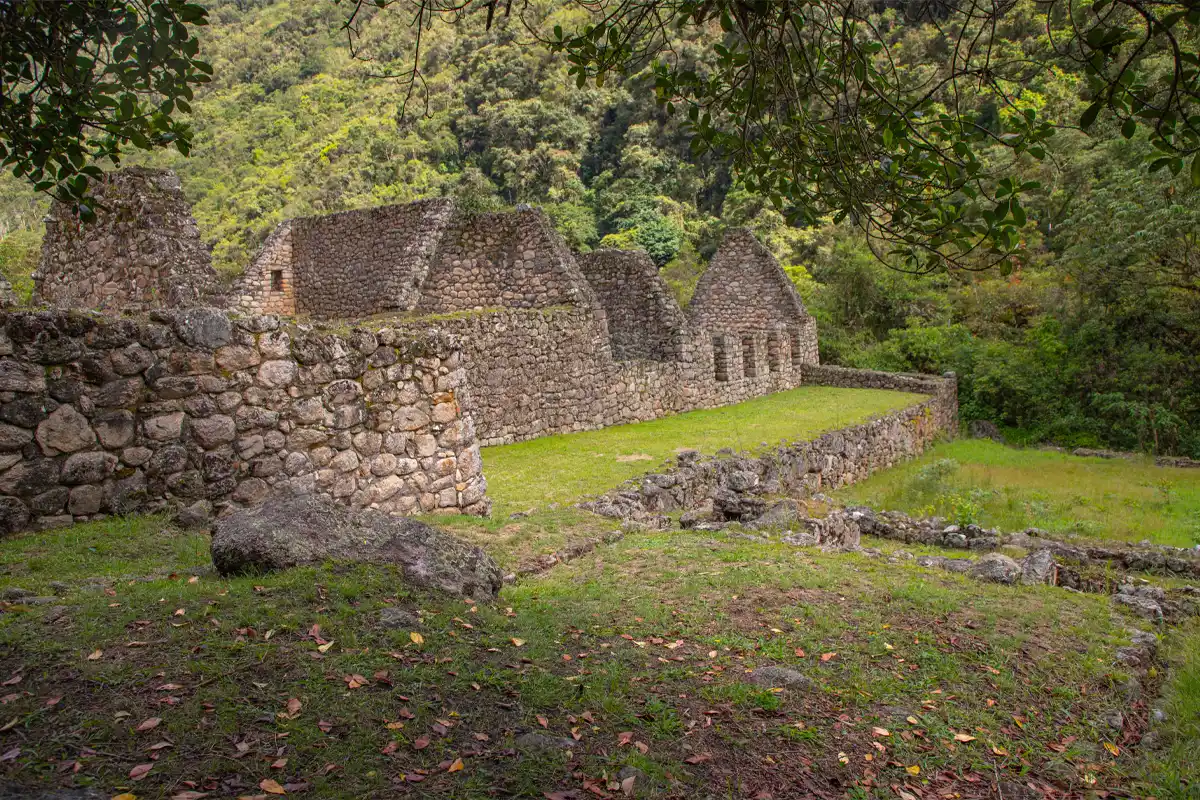
The altitude of Machu Picchu may vary depending on the Machu Picchu entrance ticket you have purchased, as some areas of the site are located at different elevations than the main Inca citadel.
Distance of the Short Inca Trail
The Short Inca Trail distance is only 16 kilometers (10 miles), and it can be completed in about 7 hours on the way to Machu Picchu. However, even though it is the shortest hike to Machu Picchu, it can still be a challenging hike if you are not prepared.
| Duration | Hiking Distance | |
| Day 1 (Inca Trail) | Hike 5 to 7 hours with breaks | 11 to 12 km / 7 to 7.5 mi |
| Day 2 (Machu Picchu) | Guided Tour minimum 2 hours* | 1.6 to 3.8 km / 1 to 2.4 mi |
*The duration of the hike or Machu Picchu visit may vary depending on the assigned Machu Picchu circuit.
How to Prepare for the Short Inca Trail
To hike the Short Inca Trail, here are a few things you can do:
- Train in advance: this is probably the most important thing you can do to prepare for the hike. The Inca Trail is no joke, and even the short version is a real challenge. Make sure you are physically ready by working on:
- Leg training: Do stair exercises, step-ups, and uphill walks several times a week.
- Cardio improvement: Brisk walking, cycling, or jogging can help a lot.
- Prevent altitude sickness: Although the Short Inca Trail is lower than Cusco, it is still important to acclimate to the altitude in Cusco for at least 1 day before doing this route.
Read Next | How to Overcome Altitude Sickness in Cusco
- Organize your gear: make sure you pack light, but also bring the essentials, such as rain gear, sunscreen, and insect repellent.
- Train with your backpack: Practice hiking with your fully packed daypack once you have everything ready. This will give you a better idea of what the hike will feel like and help you identify any potential issues with your packing list.
- Get travel insurance: since the Inca Trail can be a challenging hike, it is always a good idea to get travel insurance before your trip.
Weather on the Short Inca Trail
The weather on the Short Inca Trail 2 Days hike can be unpredictable. That is why it is important to pack for different conditions. In Cusco, the seasons are divided into two main periods:
- Dry season (May to October): More stable weather, warm days, and cool nights. Even so, bring a rain jacket: mountain weather can still surprise you.
- Rainy season (November to March): Trails can become muddy and slippery, so good footwear and careful steps are even more important.
In general, the best time to visit Machu Picchu and hike the Short Inca Trail is from May to October, during the dry season. But if you plan to trek during the rainy season, it is essential to check the weather forecast before the activity and pack extra clothing as backup.
Landscapes of the Short Inca Trail 2 Days
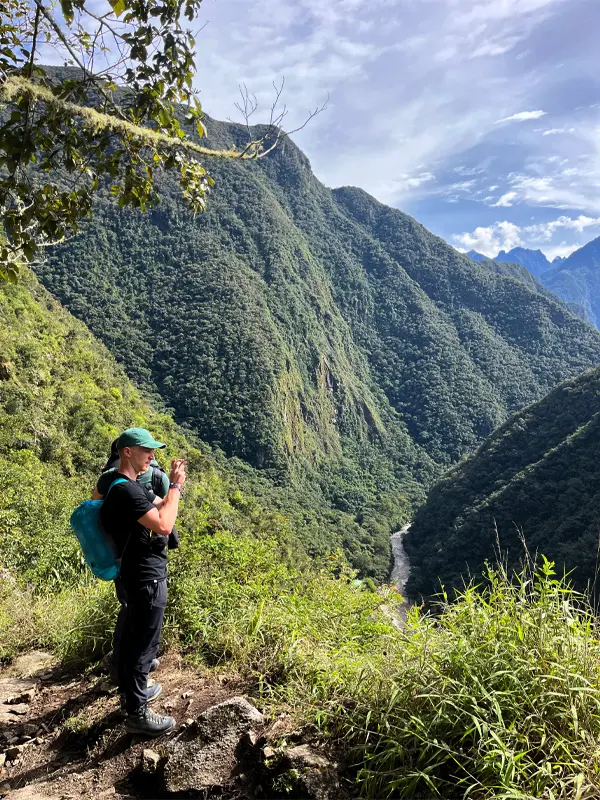
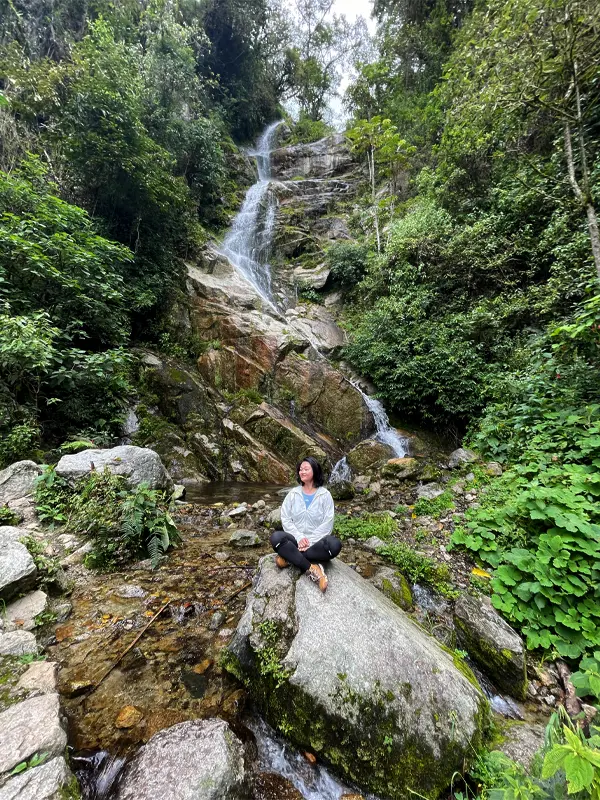
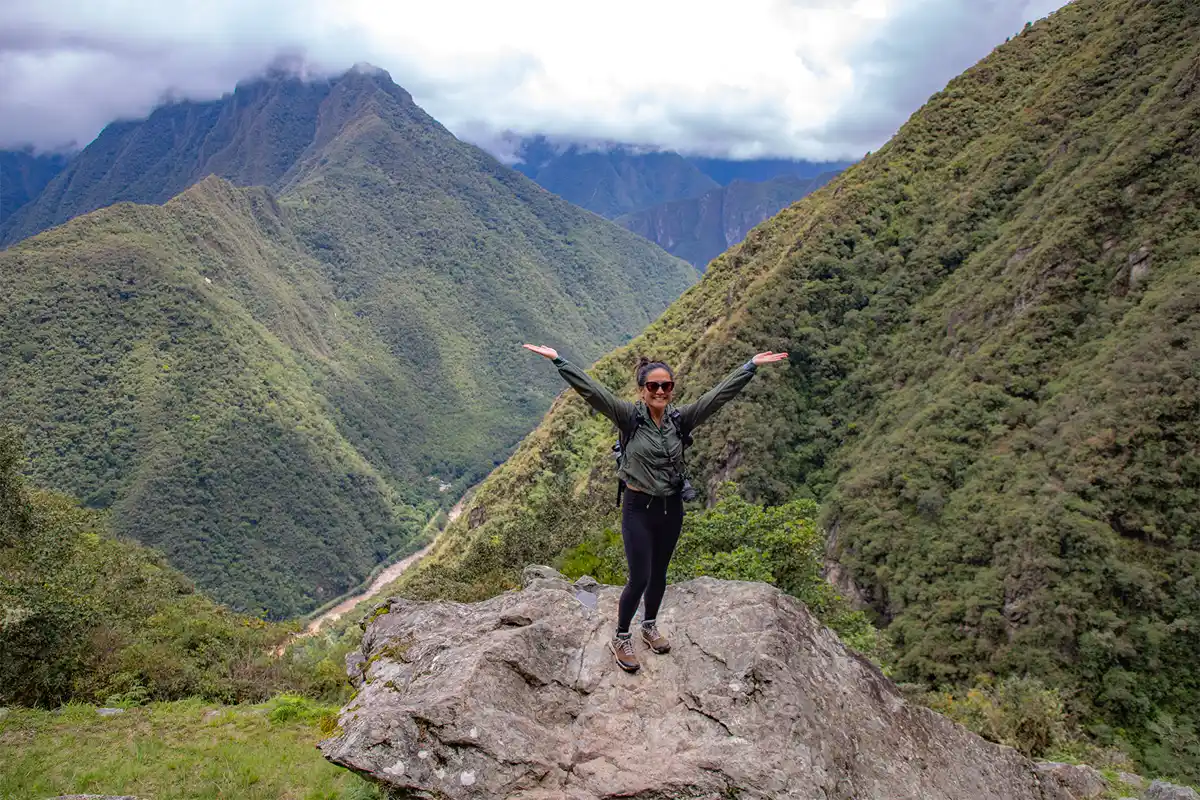
The geography of the Short Inca Trail is truly varied and impressive. The route crosses several beautiful landscapes within the lush cloud forest, home to abundant wildlife, before reaching Machu Picchu, one of the most famous archaeological sites in the world.
Colorful birds and butterflies live within this ecoregion. The landscape of the Short Inca Trail becomes even more beautiful and densely forested as you get closer to Machu Picchu.
 |  |
Group size
The group size on the Short Inca Trail 2 Days hike depends on the number of people who book the tour. The average group size is 10 people, but it can be up to 16 people with 2 tour guides.
The smaller the group, the more intimate and personalized the experience will feel. Larger groups, on the other hand, offer a good opportunity to meet people and socialize during the trip.
The Short Inca Trail with camping can be an excellent alternative for travelers looking for adventure and closer contact with nature.
Age Limit for the Short Inca Trail
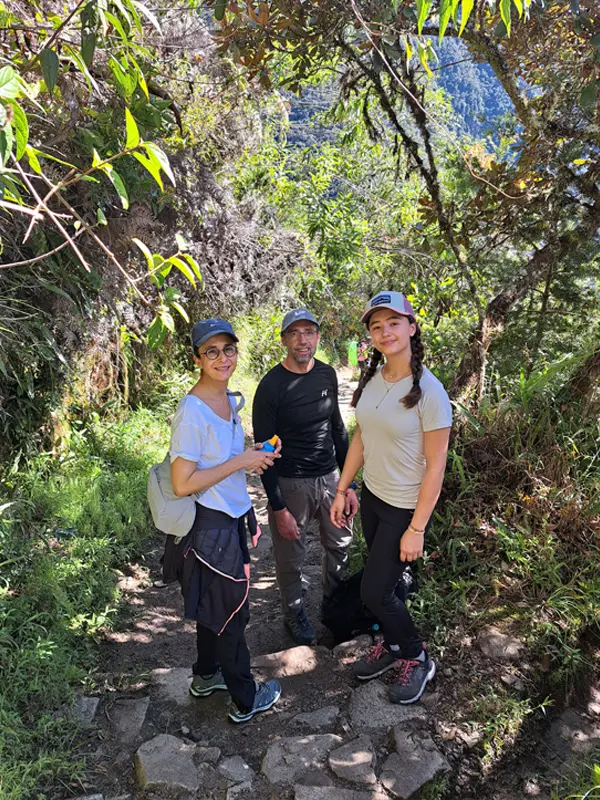
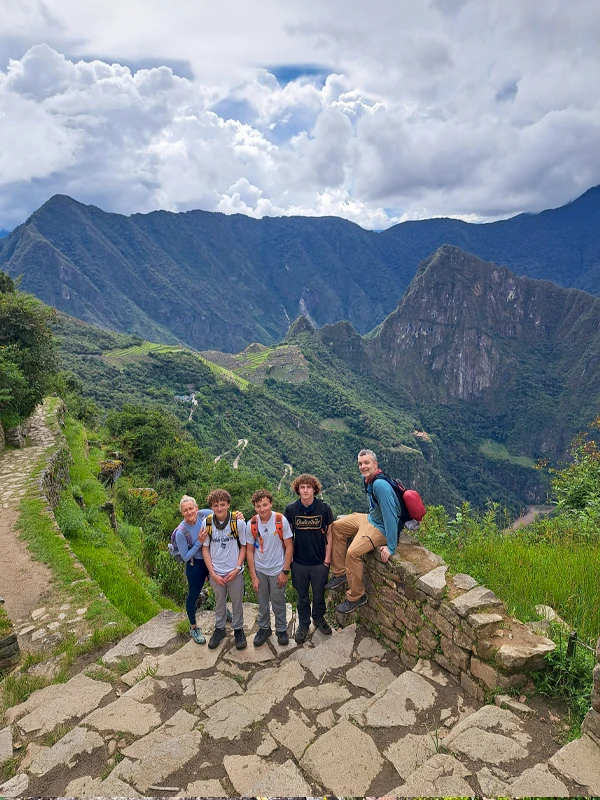
There is no strict age limit for the Short Inca Trail 2 Days, but a minimum age of 12 years is generally recommended. The trail can be challenging for younger hikers, so it is important to consider the child’s or teenager’s physical ability and fitness level before signing them up for the hike.
To do the Short Inca Trail with a minor, it is important to keep the following in mind:
- Make sure your child is used to hiking, as well as going up and down stairs.
- Keep a positive attitude before the activity. Show confidence and help them see the hike as a challenge they can overcome.
- During the hike, minors should always stay close to their adult family members.
- To enjoy the trail better, children should have water and some snacks on hand to stay hydrated and energized during the hike.
 |  |
For trips with minors or families, a private Inca Trail service is a great option.
Inca Trail Availability 2026
The Inca Trail is open to the public, but it is subject to specific regulations. Since it belongs to the Machu Picchu Archaeological Park, the Peruvian government carefully protects the site and helps prevent rapid deterioration. For this reason, the Ministry of Culture of Peru strictly supervises and controls access.
This means that no one can hike the Inca Trail independently. To access the different Inca Trail routes, from the Classic Inca Trail to its shorter versions, every traveler must book through a government-authorized tour operator, which will provide the Machu Picchu entrance ticket, guide, porters, camping equipment, and all the necessary logistics.
- Permits are limited each day and sell out quickly during the high season.
- Classic Inca Trail: only 500 permits are issued per day, including hikers, porters, cooks, and guides.
- Permits are personal and non-transferable, so your passport details must match exactly.
- Tip: book in advance and have your passport details ready to speed up the process.
The Inca Trail 2026 is officially open for bookings, and spaces are already being reserved. If you are planning to hike the classic route to Machu Picchu, the smartest move is to secure your permit as early as possible.
To complete your Inca Trail booking quickly, you need to have the passport details of all participants ready. Keep in mind that permits are personal and non-transferable, so please check your travel dates carefully before confirming.
- If you are ready for the adventure, check the Inca Trail 2026 availability and book now!
Short Inca Trail Tours to Machu Picchu
Short Inca Trail to Machu Picchu with Hotel
The Short Inca Trail with hotel to Machu Picchu is a perfect way to visit one of the most iconic sites in South America. This incredible hike takes you through some of the most impressive landscapes in the Andes and ends with a visit to the legendary Inca citadel of Machu Picchu.
- The experience begins in Cusco or the Sacred Valley and continues by train from Ollantaytambo to Km 104, where you have breakfast and begin the hike.
- The trail starts with a visit to the Inca site of Chachabamba.
- After 4 hours of hiking through the jungle and passing a beautiful waterfall, you will reach the famous ruins of Wiñay Wayna, an impressive Inca site with terraces and ceremonial platforms.
- After some time to explore Wiñay Wayna, you will enjoy lunch outdoors.
- The hike continues toward the Sun Gate (Inti Punku), which offers the first impressive panoramic view of Machu Picchu.
- From the Sun Gate, there is a short descent to the classic viewpoints of Machu Picchu.
- After the visit, we will descend by bus to the town of Aguas Calientes, where we will spend the night.
- On the second day, you will take a guided tour of Machu Picchu and finish by boarding the Vistadome train, followed by tourist transportation back to the city of Cusco.
Short Inca Trail to Machu Picchu with Camping
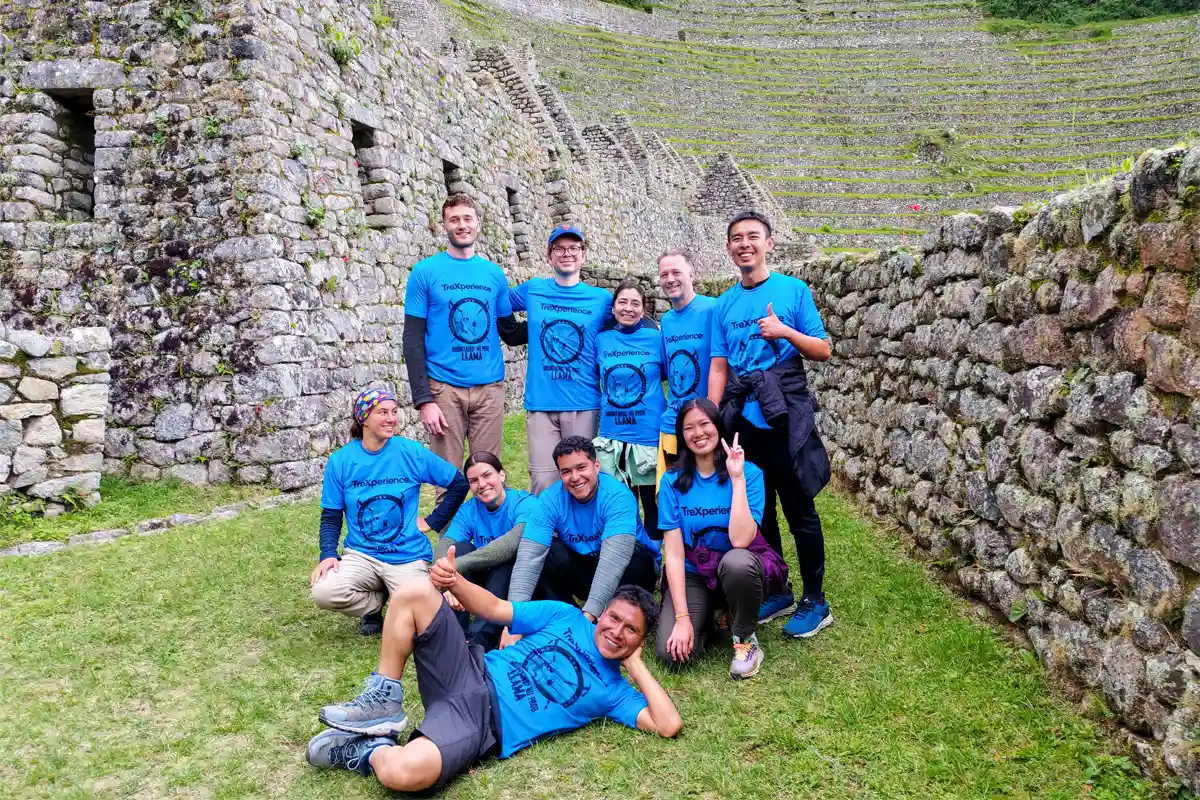
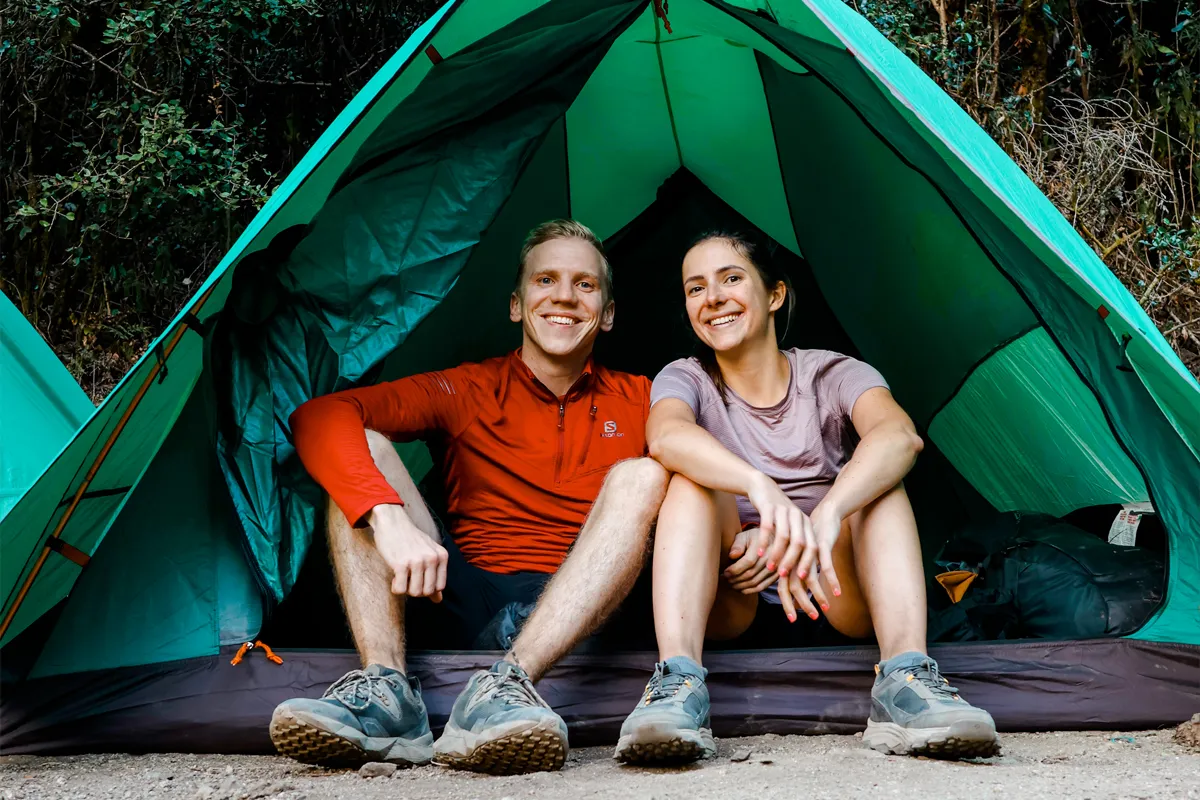
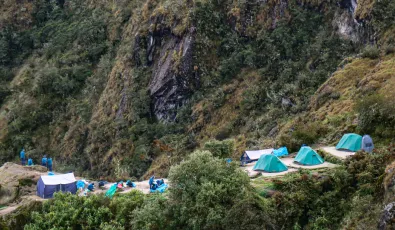
The Short Inca Trail with camping follows the same itinerary as the hotel version; the main difference is that the accommodation is in a camping tent. TreXperience organizes private Short Inca Trail camping tours, a premium experience with tents and exclusive services.
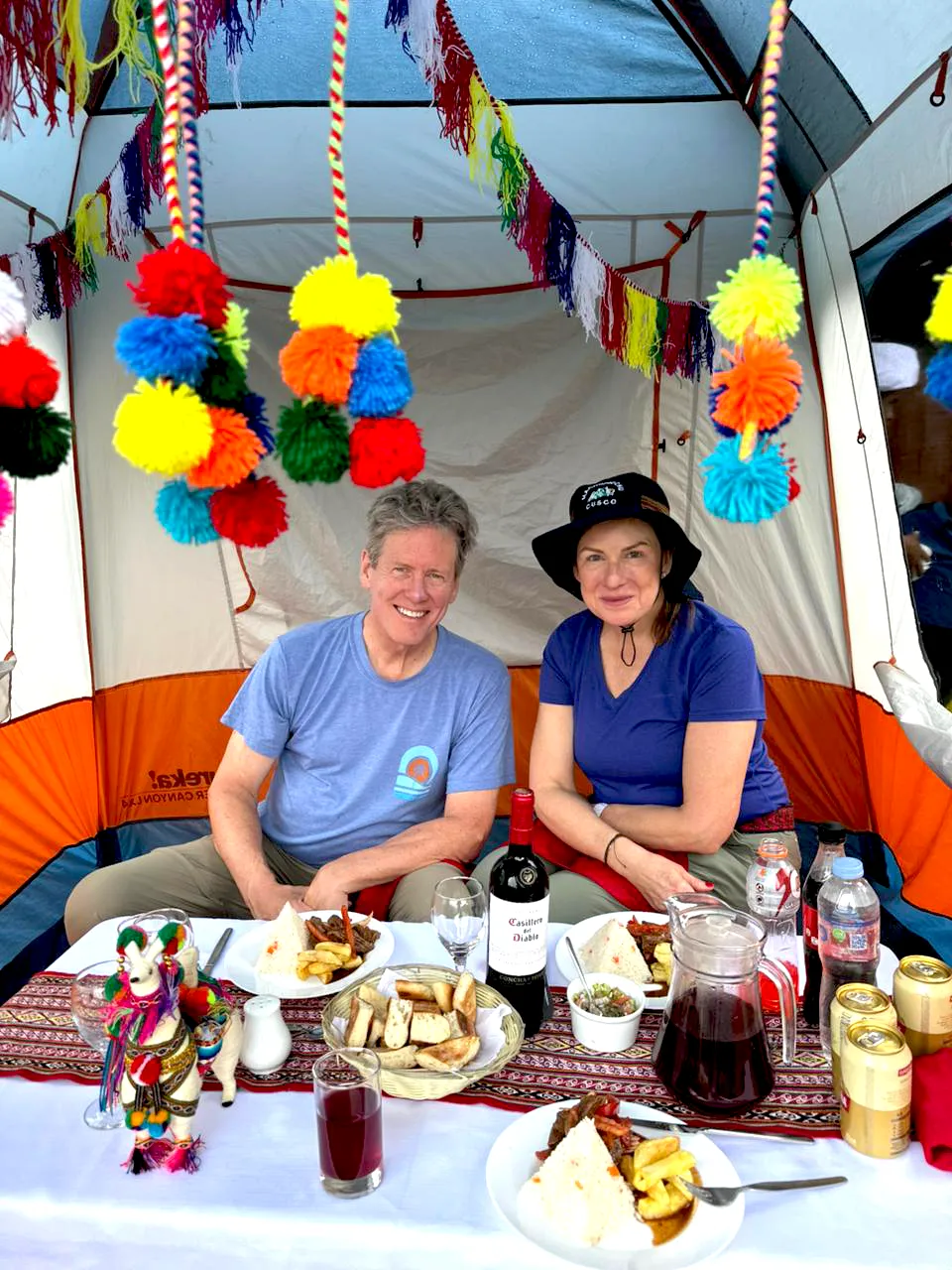 | 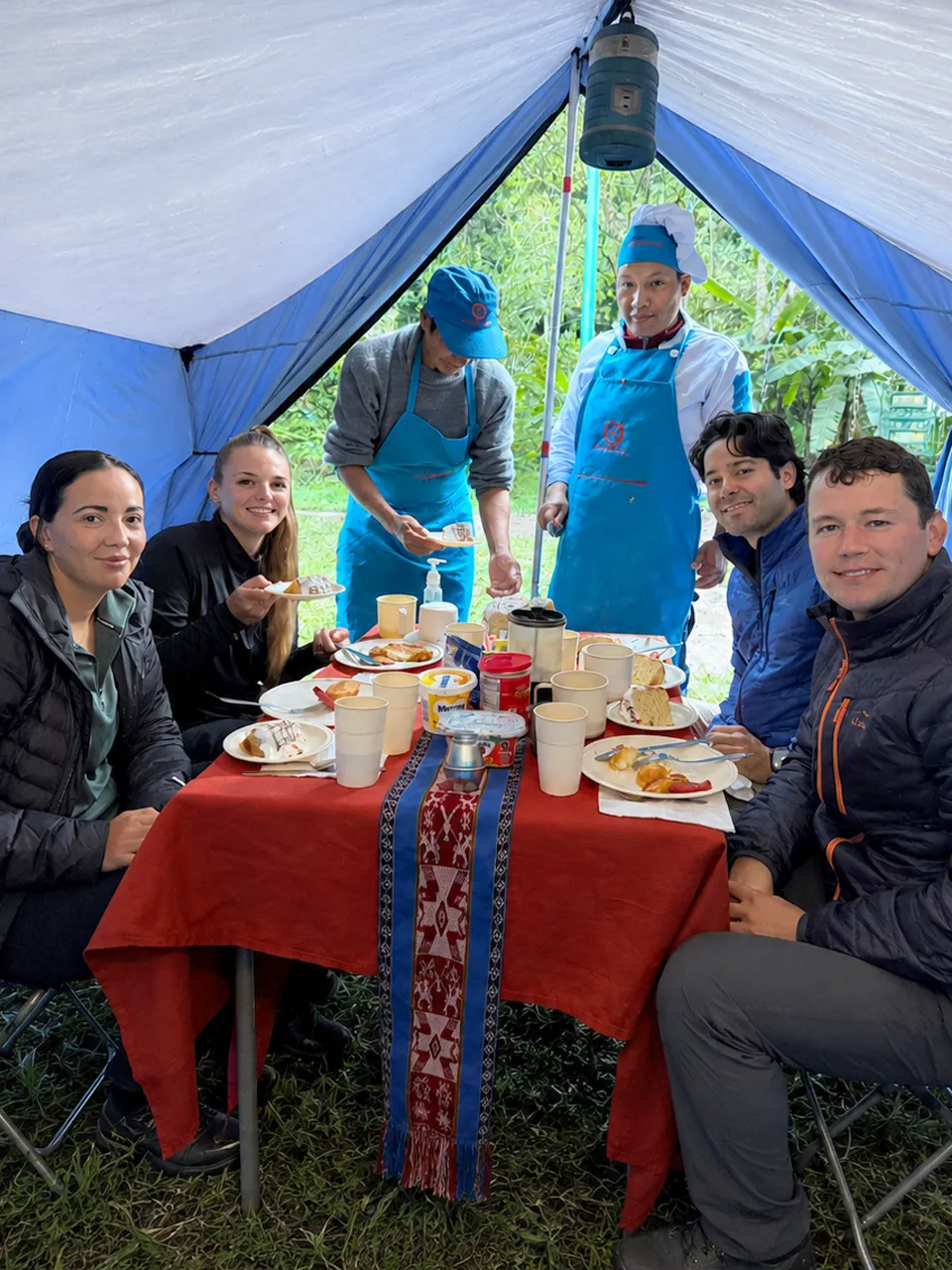 |
TreXperience provides breakfast and lunch on the Short Inca Trail, freshly prepared along the way by expert chefs, plus the return train on Vistadome.
Tips for The Short Inca Trail to Machu Picchu
You should be well prepared, as the trail can be difficult in some places, especially on the first day. Here are our best tips for hiking the Short Inca Trail:
- Book in advance
Inca Trail permits are limited each day and can sell out quickly, especially during the high season. If your travel dates are important, book as early as possible.
- Train for the hike
Although this route to Machu Picchu is shorter than the 4-day route, you will still find stairways and steady uphill sections. A few weeks of training can make a big difference. Focus on stairs, hills, and long walks.
- Acclimate to the altitude
If you can, spend a couple of days in Cusco or the Sacred Valley before the hike. This helps your body adjust and can make the trail feel much more comfortable.
- Pack light
Bring a light daypack with water, snacks, a camera or phone, a rain jacket, and sunscreen. Send your overnight luggage to Aguas Calientes in advance so you do not carry extra weight on the trail.
- Drink water often
The high jungle environment can be warm to hot, and the hike itself can lead to dehydration. Take small sips of water throughout the day; do not wait until you feel thirsty.
- Dress in layers
Mornings can be cold, midday can be warm, and rain is always possible. Dressing in layers helps you adapt better to temperature changes.
- Wear comfortable shoes with good grip
The trail has uneven stone steps and some slippery areas when it rains. Wear already broken-in hiking shoes or boots with good soles.
- Use trekking poles if you have knee discomfort
Trekking poles help with balance and reduce pressure on the knees during descents, especially after a long day on stone steps.
- Protect yourself from the sun and rain
Bring sunscreen, sunglasses, and a hat. Also pack a light rain jacket, as the weather in the Andes can change quickly.
- Respect the trail
The Inca Trail is a protected historic route. Carry your trash with you, stay on marked paths, and do not remove plants or stones.
- Choose an authorized tour operator
A good guide makes the experience easier and more meaningful: they handle the permits and logistics, set a comfortable pace, and share the history of the places you visit. If you are looking for a well-organized hike, take a look at our Short Inca Trail to Machu Picchu options.
- Bring enough snacks for the day
There are no shops on the trail, so bring some easy-to-eat snacks, such as fruit, nuts, or energy bars, to keep your energy up between meals.
Most importantly: walk at your own pace, take short breaks when you need them, and enjoy the journey. The Short Inca Trail has demanding sections, but it is also one of the most rewarding ways to reach Machu Picchu.
The Short Inca Trail may be shorter than the classic route, but it still offers an unforgettable journey filled with history, nature, and that special first view of Machu Picchu from Inti Punku. With the right preparation and a well-organized tour, this 2-day hike can become one of the most meaningful experiences of your trip to Peru. Ready to take the trail? Choose your travel date, and book your Short Inca Trail adventure to Machu Picchu today.
Short Inca Trail Difficulty FAQs
Is the “2-Day Inca Trail” really two days of hiking?
It’s a 2-day itinerary, but the hiking is mainly one big day (Day 1). Day 2 is usually your guided visit at Machu Picchu, with no long trek.
This is one reason many travelers choose it—it gives you a real Inca Trail hike without doing four straight days on the trail.
What is the hardest part of the Short Inca Trail?
For most hikers, the hardest parts are the uphill sections and the stone stairs, especially as you get closer to Wiñay Wayna.
The last stretch also includes a lot of walking when you’re already tired, so pacing yourself (and taking short breaks) makes a big difference.
Are there a lot of stairs on the Short Inca Trail?
Yes—expect plenty of uneven Inca stone steps going up and down. They’re one of the main reasons people say the Short Inca Trail feels harder than a normal day hike.
If you’re worried about stairs, train with step-ups or stair workouts before your trip, and consider trekking poles for extra support.
What is the highest altitude on the Short Inca Trail?
The highest point on the Short Inca Trail is the Sun Gate (Inti Punku) at about 2,720 m / 8,924 ft.
That’s lower than Cusco, so many travelers find this route easier on altitude than they expected.
Will I get altitude sickness on the Short Inca Trail?
Most people do fine, but altitude affects everyone differently. Even though the trek is lower than Cusco, you can still feel short of breath if you arrived recently or you’re sensitive to altitude.
The best plan is simple: take it slow, drink water often, avoid heavy alcohol the night before, and rest well. If you have concerns or a medical condition, check with your doctor before traveling.
How fit do I need to be for the Short Inca Trail?
You don’t need to be an athlete, but you should be comfortable walking for several hours and handling stairs and uphill sections.
A good test is this: if you can do a 3–4 hour hike (or a long city walk with lots of stairs) without feeling totally destroyed, you’ll likely be fine—especially with some training beforehand.
Do trekking poles help on the Short Inca Trail?
Yes—especially if you have sensitive knees or you struggle with downhill walking. Poles can improve balance on uneven steps and reduce pressure during descents.
If you bring poles, make sure they have rubber tips (some protected areas require them) and practice using them before the hike.
Is the Short Inca Trail dangerous?
The trail is generally safe when you follow your guide and walk carefully. It’s not a technical hike, but there are uneven stones, steep stairs, and sections that can be slippery in rain.
Good footwear with grip, watching your steps, and not rushing on descents are the best ways to stay safe.
Can kids or older travelers do the Short Inca Trail?
Many families and older travelers do it, but it depends on fitness, balance on stairs, and comfort with a long hiking day. Some operators recommend kids be around 9+, but there’s no single rule that fits everyone.
If you’re unsure, think about how your child (or you) handles long walks, uphill hiking, and lots of steps. A private tour can also help because you can move at your own pace.
What happens if I can’t finish the hike?
If you’re struggling, your guide will assess the situation and choose the safest option based on where you are on the trail. In many cases, the plan is to get you back toward Aguas Calientes and help arrange the next steps.
This is also why good preparation and travel insurance are important—it gives you peace of mind if anything unexpected happens.

Add new comment