



Planning a trip to Peru? You can't miss Cusco! Nestled in the Andes, this city is brimming with history and culture. To make the most of your adventure, a Cusco map is your best travel buddy. Trust me, as someone who’s wandered through its charming streets, having a detailed Cusco map is a game changer. Let’s dive into some must-see spots and how to get there.
Where is Cusco?
First things first, where exactly is Cusco? This historic gem is in southeastern Peru, sitting pretty at about 3,400 meters (11,200 feet) above sea level. Once the heart of the Inca Empire, Cusco is now a buzzing hub for tourists heading to Machu Picchu and the Sacred Valley. You’ll definitely want a Cusco map to help you navigate this fascinating city.
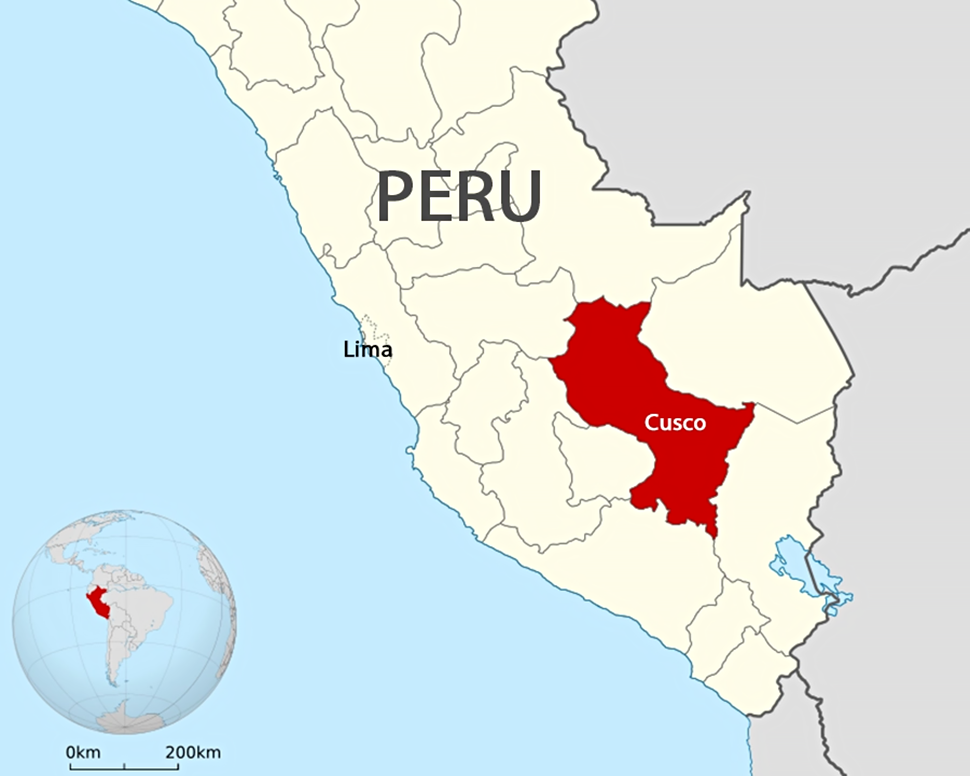
Why You Need a Cusco Map
Navigating Cusco can be a bit tricky with its narrow, winding streets and hidden alleyways. A Cusco map helps you find all the top spots without getting lost. Whether you’ve got a map of Cusco on your phone or a printed Cusco city map, it’s a must-have for your trip.
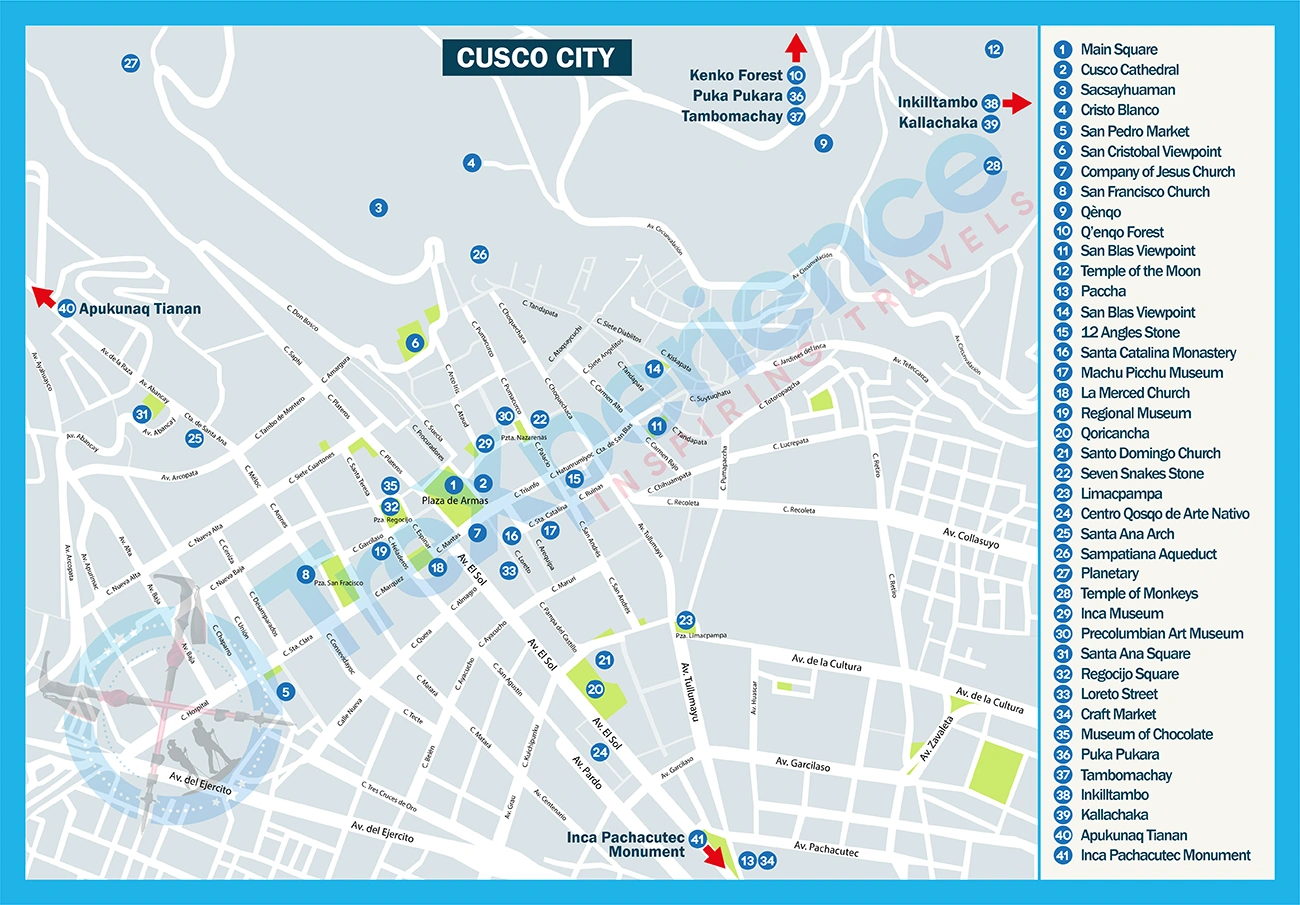
Map of Cusco Attractions
To make things even easier, we’ve created a Google Map with pins on all the must-see attractions in Cusco. Check it out to see exactly where everything is, and plan your visit. It’s a handy tool to visualize your route and make sure you hit all the highlights.
›› See Map on your phone
Top Attractions in Cusco
Plaza de Armas
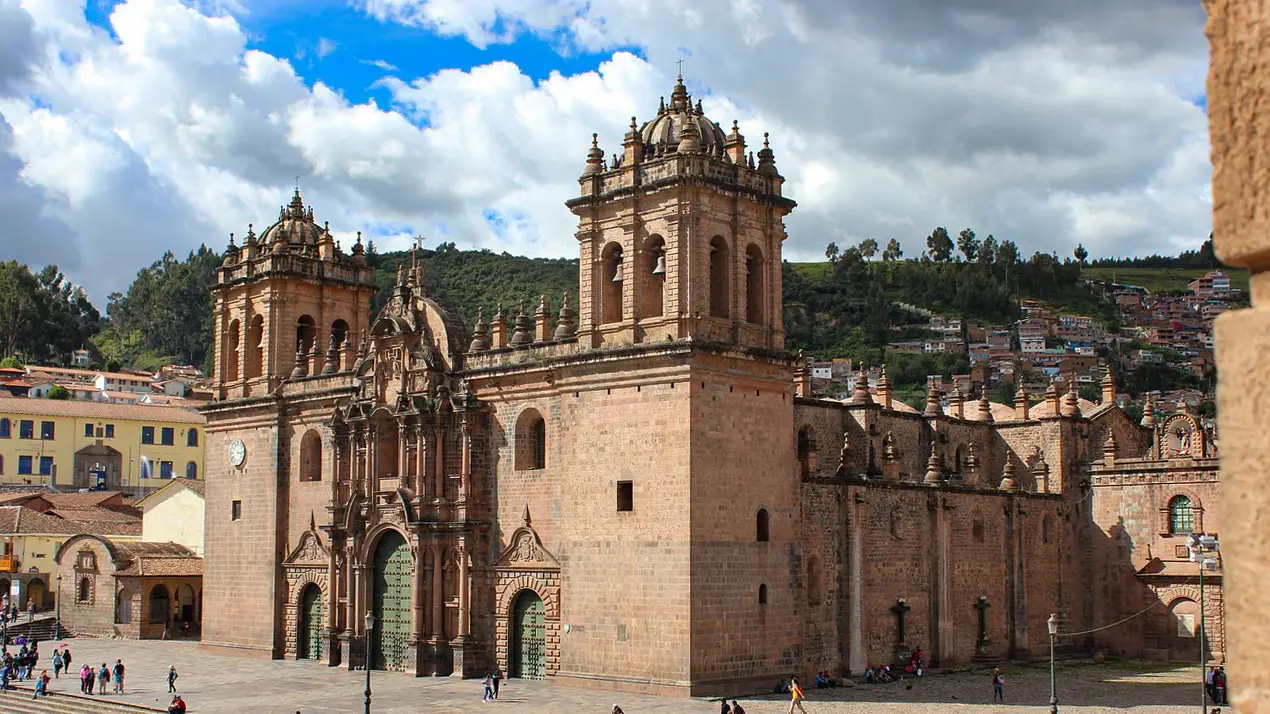
Start your adventure at the Plaza de Armas, the vibrant heart of Cusco. Surrounded by stunning colonial architecture, you can visit the Cusco Cathedral and the Church of La Compañía de Jesús. This lively square is a perfect spot to begin your exploration, and you'll easily find it on any Cusco map.
Sacsayhuaman
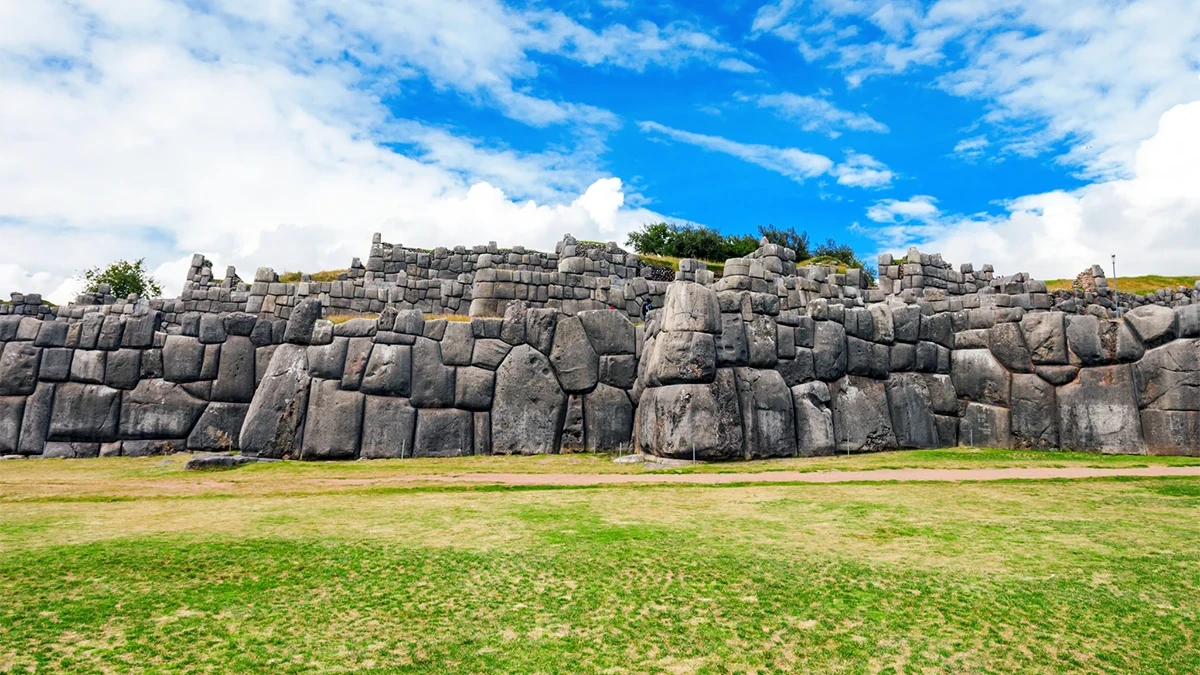
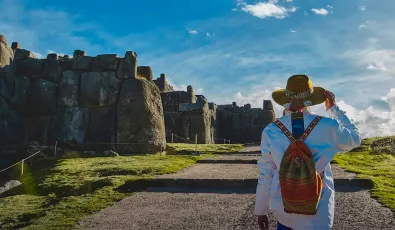
A short walk from the city center, Sacsayhuaman is an awe-inspiring Inca site. Its gigantic stone walls are a marvel of ancient engineering. It’s clearly marked on most Cusco city maps and is a must-see on your trip.
Qorikancha
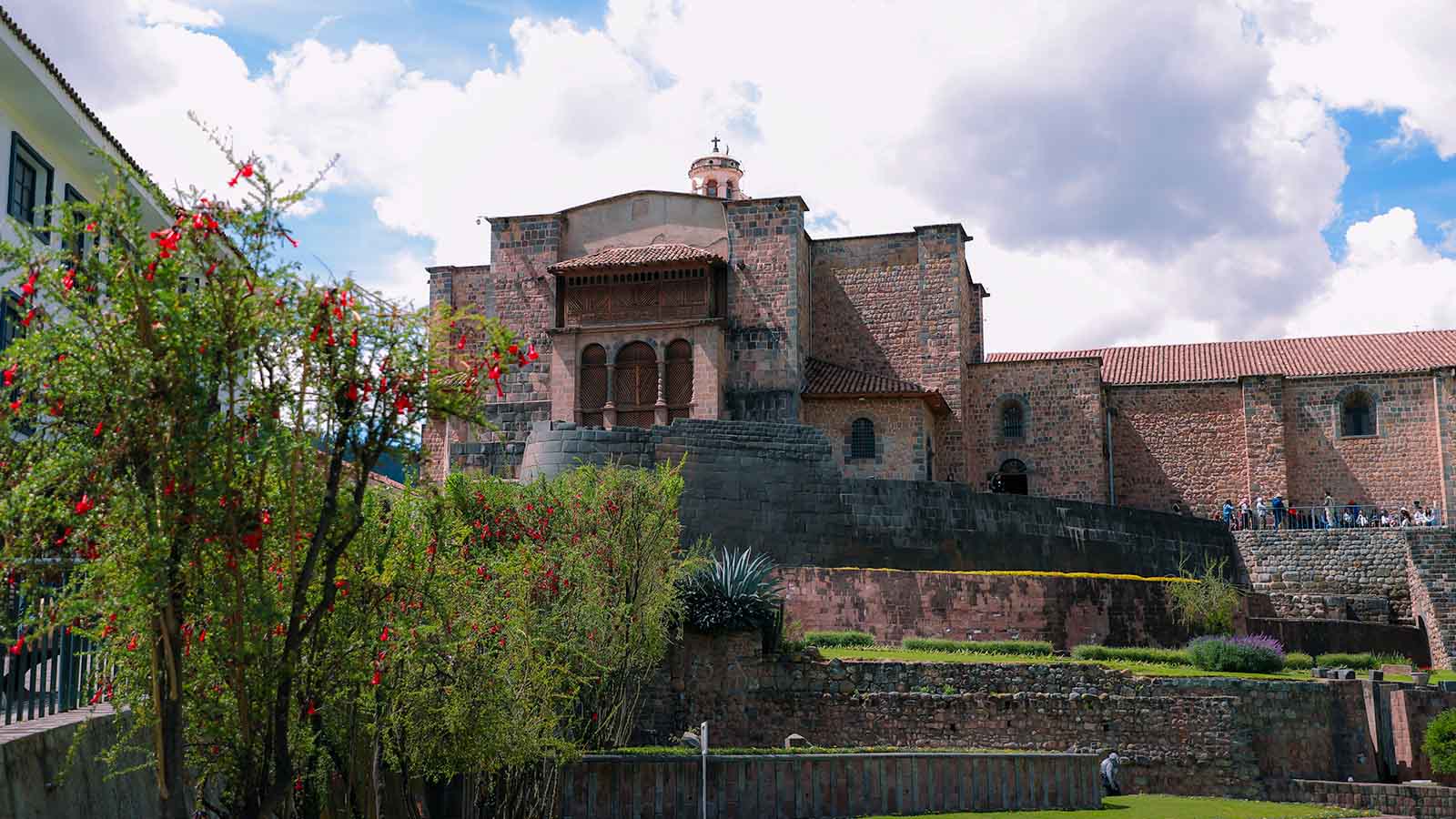
Once the richest temple in the Inca Empire, Qorikancha is now a fascinating museum. Blending Inca and Spanish architecture, it’s a place you won’t want to miss. Use your Cusco map to find it on Avenida El Sol.
San Blas
Head to the San Blas neighborhood for a bohemian vibe, filled with artisan shops and cozy cafes. This area is often highlighted on a map of Cusco. It’s a great spot for a leisurely stroll and some local shopping.

Sacred Valley
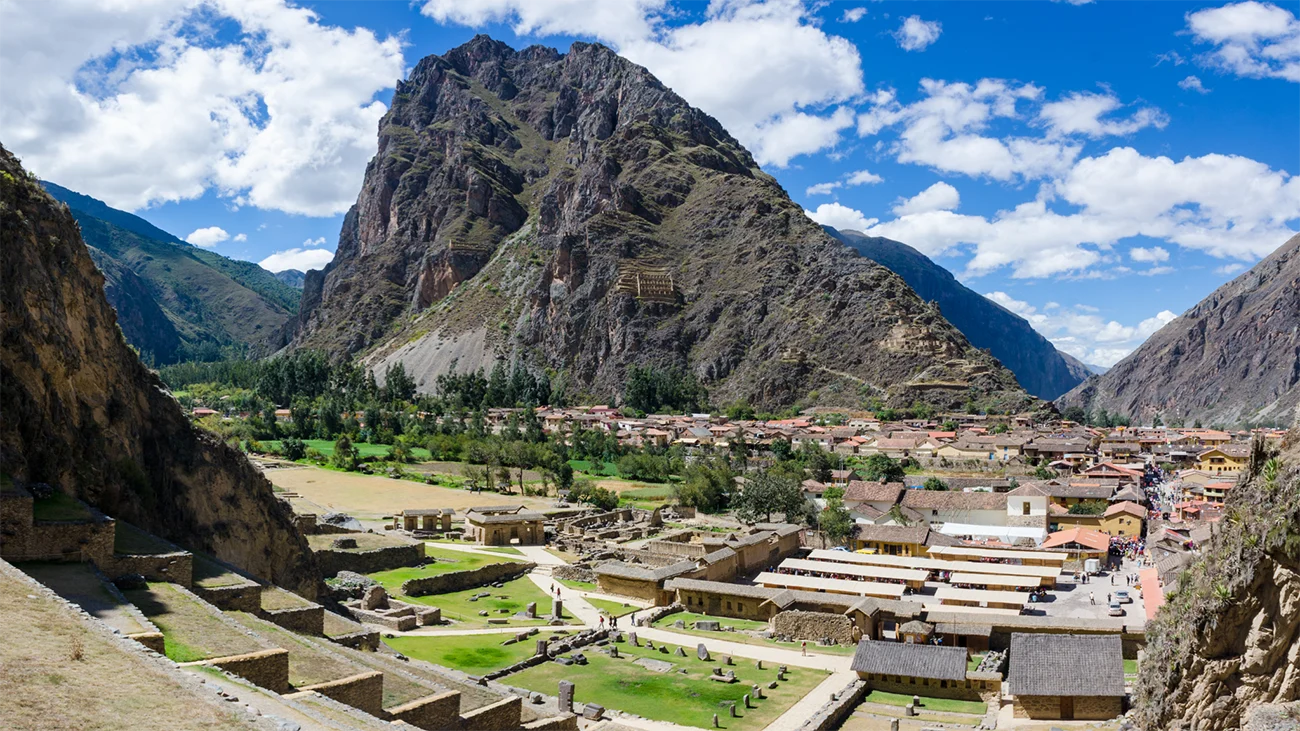
While technically outside the city, the Sacred Valley is a must-visit near Cusco. With incredible sites like Pisac, Ollantaytambo, and Chinchero, a detailed Cusco map will show you how to get there for some unforgettable day trips.
How to get to Cusco?
1. By Air
Flying is the most common way to get to Cusco. Alejandro Velasco Astete International Airport is a short drive from the city center. Many Peru maps include the airport and its proximity to Cusco. From there, grab a taxi or arrange a transfer to your hotel. By the way, many of the best hotels in Cusco offer convenient pickup services.
Here are the most used airlines to get to Cusco:
›› Read More: How to get from Lima to Cusco
2. By Train
Coming from Machu Picchu or the Sacred Valley? Trains are a fantastic option. PeruRail and IncaRail run daily services, and their stations and routes are usually marked on detailed Cusco maps.
›› See our complete guide: Trains from Cusco to Machu Picchu
3. By Bus
Traveling on a budget? Buses from various parts of Peru are available. Companies like Cruz del Sur offer comfy rides to Cusco. Main bus terminals are often noted on a Cusco city map, making it easy to find your way.
Exploring Cusco with Your Cusco Map
Walking Tours
Cusco is super walkable, with many attractions close to each other. Walking tours are a great way to explore, and your Cusco map will guide you through the city's highlights.
Biking
For the more adventurous, rent a bike and explore Cusco on two wheels. Many shops offer rentals, and a Cusco map will help you find the best routes.
Guided Tours
Prefer a more structured experience? Guided tours are available and often include a Cusco map to help you follow along and ensure you see all the important sites.

Your Adventure Awaits with a Cusco Map
A Cusco map is your key to unlocking the wonders of this vibrant city. From the historic Plaza de Armas to the impressive ruins of Sacsayhuamán, having a Cusco map ensures you can navigate with ease. Whether you use a digital map of Cusco or a printed Cusco city map, it’s essential for a smooth adventure. Plan your journey, check out all the amazing attractions on your Cusco map, and enjoy your adventure in this enchanting Peruvian city.
FAQs about Cusco map
What type of Cusco map do I need to plan my trip?
It depends on the places you plan to visit. A map of the Historic Center is enough to find the Plaza de Armas, Qorikancha, San Pedro Market, San Blas, and the main museums. A city map provides a wider view and includes the airport, Wanchaq Station, the main bus terminal, and neighborhoods outside the center. To reach the Sacred Valley, Machu Picchu, Rainbow Mountain, or other destinations in the region, you will need a regional or road map. The most practical option is to save one detailed map of the city center and another showing routes outside Cusco.
Can I download a Cusco map to use without internet access?
Yes. Google Maps allows you to download an area to your phone so you can view it when the connection is weak or you do not have mobile data. Do this before leaving your hotel and make sure the downloaded area covers the Historic Center, your accommodation, and the transportation points you plan to use. Keep in mind that Google Maps does not provide walking, cycling, or public transportation directions while offline. It is also helpful to save a screenshot of your walking route, your hotel’s full address, and the names of nearby streets.
Why can a short distance on the map take longer to walk in Cusco?
A map shows the distance, but it does not always reflect how demanding the route may be. Cusco sits at around 3,400 m above sea level, and many streets in the Historic Center are narrow and steep. A route that looks short may feel much longer if it involves walking uphill toward San Blas, San Cristóbal, or Sacsayhuaman. When planning your day, group nearby attractions together, allow time to rest, and avoid scheduling too many uphill walks in a row. It is also useful to check the terrain or Street View before choosing the shortest route.
Which train station should I look for on the map when traveling to Machu Picchu?
Mark the exact station shown on your ticket, as they are not all in the same location. Depending on the service you booked, your journey may begin at San Pedro, Wanchaq, Poroy, Ollantaytambo, Urubamba, or Pachar. San Pedro and Wanchaq are within Cusco, while Poroy is outside the Historic Center and Ollantaytambo is in the Sacred Valley. Do not confuse a ticket office with the boarding point. Save the full location and plan your transfer in advance; PeruRail recommends arriving 30 minutes before departure.
How should I use the Cusco Tourist Ticket map?
The official Cusco Tourist Ticket map helps you locate the 16 included attractions and organize them by circuit. The first circuit includes Sacsayhuaman, Q’enqo, Puka Pukara, and Tambomachay. The second covers museums and cultural sites in the city, along with Tipón and Pikillaqta. The third includes Pisac, Ollantaytambo, Chinchero, and Moray in the Sacred Valley. Since these attractions are spread across different areas, you should not try to visit them simply in the order shown on the map. Check how long your ticket is valid and divide each circuit across one or more days, depending on your available time.
Can I create a personalized Cusco map to share my itinerary?
Yes. Google My Maps allows you to save places, add notes, use icons, create separate layers, and share the map with your travel companions. You can create one layer for the Historic Center, another for the archaeological circuit, and a third for the Sacred Valley. It is also useful for recording opening hours, booking numbers, pickup points, and train stations. You can view the personalized map on your phone, but it is best to save essential routes and addresses separately in case you need them without an internet connection.

Add new comment