



Discover Huchuy Picchu, one of the shortest and most accessible hikes at Machu Picchu, ideal for travelers who want to combine history, nature, and beautiful views without taking on a demanding climb.
In this guide, you will find everything you need to know about the trail, tickets, schedules, weather, difficulty, and main attractions to help you plan your visit.
What is Huchuy Picchu?
Huchuy Picchu is the smallest and easiest mountain to hike within the Machu Picchu Archaeological Park. Together with the famous Huayna Picchu and Machu Picchu Mountain, it forms the trio of climbable mountains most visited within the park.
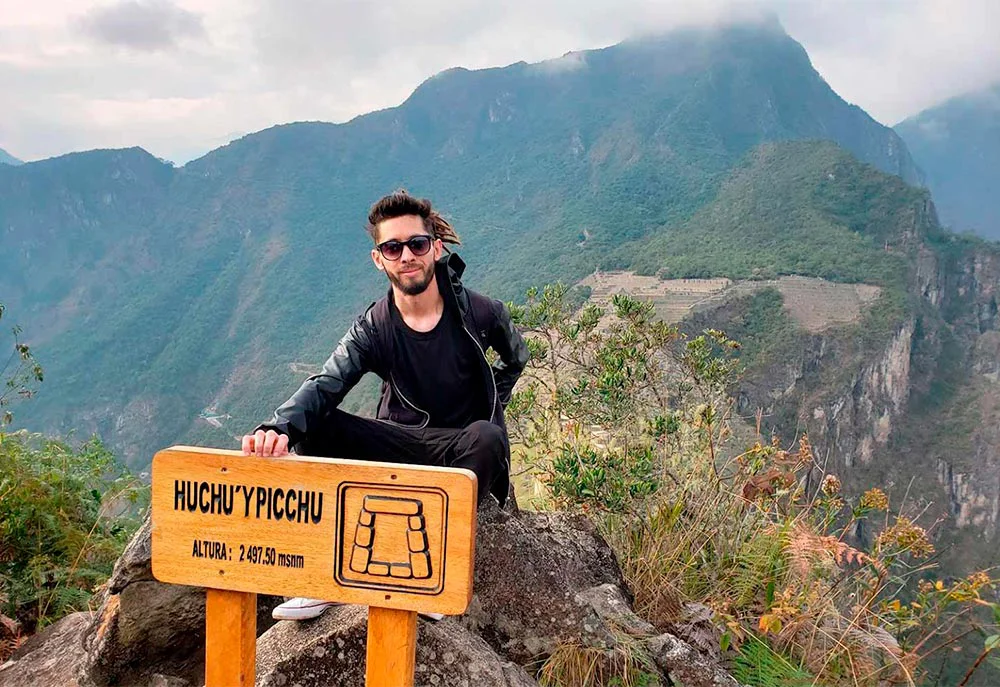
Where is Huchuy Picchu Mountain located?
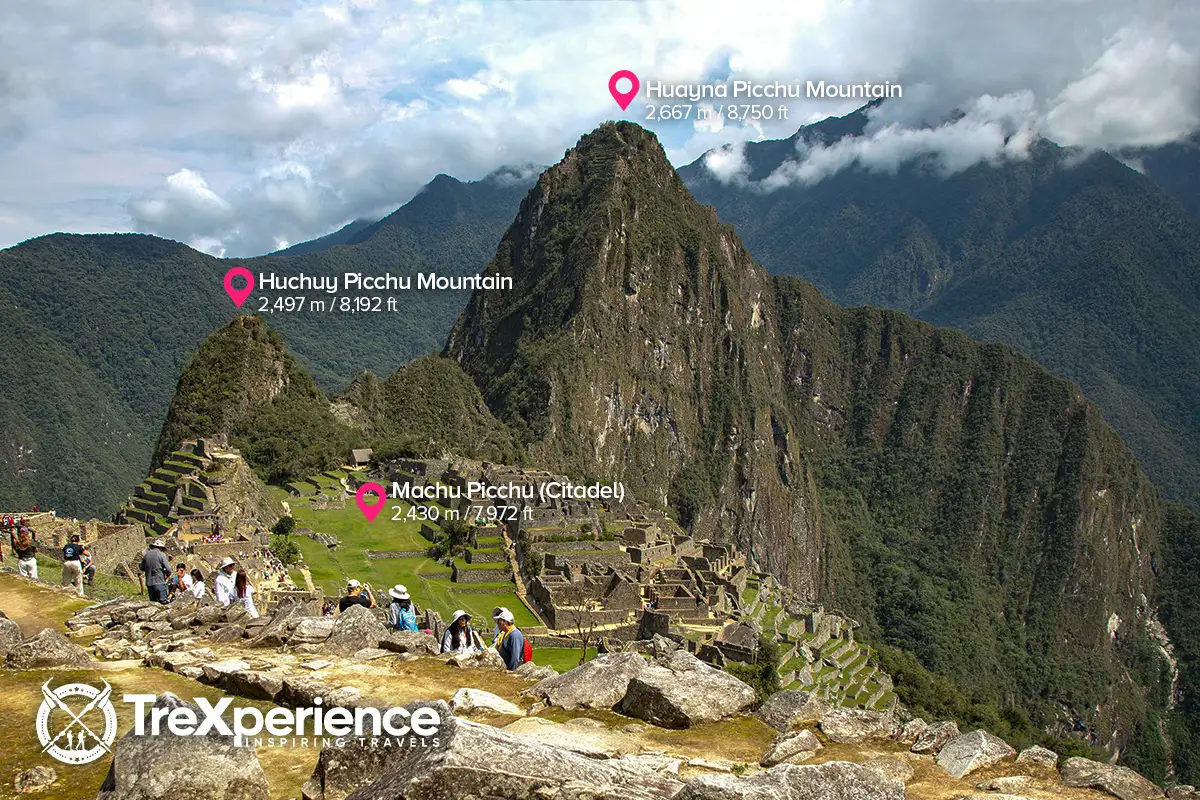
Huchuy Picchu Mountain is located within the Machu Picchu Archaeological Park, about 50 meters north of the citadel. It is the small mountain to the west, next to Huayna Picchu Mountain and behind the Intihuatana pyramid.
- Huchuy Picchu coordinates: 13°09′40″ S and 72°32′43″ W.
- Altitude: Huchuy Picchu Mountain stands at about 2,497 m (8,192 feet) above sea level and rises around 60 meters (197 feet) above the Inca citadel of Machu Picchu.
What does Huchuy Picchu mean?
The name Huchuy Picchu comes from two Quechua words: Huchuy (small) and Picchu (mountain), which together mean "Small Mountain." However, this is not believed to be its original name. It was given because of its noticeably smaller size compared with the massive mountains surrounding it.
Huchuy Picchu Route: Difficulty, Distance, and Duration
The Huchuy Picchu hike is shorter and less demanding than the climb to Huayna Picchu. Its characteristics make it a good alternative for families with children, adults, and travelers looking for a lighter hike within Machu Picchu.
Technical details:
- Total distance (citadel + Huchuy Picchu): 1.7 km (1.0 mile) round trip.
- Walking time through the citadel: approx. 1 hour and 30 minutes round trip.
- Huchuy Picchu hiking time: approx. 1 hour round trip.
- Maximum altitude: 2,497 m (8,192 feet), at the summit of Huchuy Picchu.
- Minimum altitude: 2,430 m (7,972 feet), at the Machu Picchu citadel.
- Physical effort level: moderate.
Huchuy Picchu Ticket: Price, Schedules, and Availability
Access to Huchuy Picchu is included with the Machu Picchu Circuit 3, Route 3-D ticket, called the "Huchuypicchu Route." Tickets can be purchased through the official Machu Picchu ticket website.
How much does it cost to visit Huchuy Picchu in 2026?
The Machu Picchu ticket that includes Huchuy Picchu costs between 70 and 152 soles for international visitors and between 32 and 64 soles for Peruvians.
Circuit 3, Route 3-D Price: Huchuypicchu Route | |||
Adults | Students | Minors (3-17) | |
| S/ 152.00 (USD 46) | S/ 70.00 (USD 21) | S/ 70.00 (USD 21) |
| S/ 64.00 (USD 19) | S/ 32.00 (USD 10) | S/ 32.00 (USD 10) |
Keep reading | Machu Picchu Tickets Travel Guide
Huchuy Picchu Entrance Times
The current schedule for Route 3-D offers only two morning entry times:
- 09:00 a.m. First Entry Time
- Entry to the Machu Picchu citadel is at 9:00 a.m., with a 45-minute grace period.
- Entry to the Huchuy Picchu Mountain trail is at 10:00 a.m. and there is no grace period.
- 11:00 a.m. Second Entry Time
- Entry to the Machu Picchu citadel is at 11:00 a.m., with a 45-minute grace period.
- Entry to the Huchuy Picchu Mountain trail is at 12:00 p.m. and there is no grace period.
Which entrance time should you choose for Huchuy Picchu?
The best entrance time mainly depends on your train schedule to or from Aguas Calientes and how much time you have available during your visit.
- If you choose the first entry time, around 9:00 a.m., you will usually find moderate visitor numbers and pleasant conditions for hiking. This time can be a good option if you are traveling with children or older adults, as you can enjoy the route at a more relaxed pace and take breaks during the climb.
- The second entry time, around 11:00 a.m., often coincides with more visitor movement inside and around the exit of the Archaeological Park. At this time, many travelers begin heading toward the bus area to return to Aguas Calientes for lunch or to board their tourist trains.
Availability and Advance Booking
The Route 3-D Huchuypicchu is only available during the high tourism season at Machu Picchu, from June 19 to November 2. The route is limited to 50 visitors per day, divided into two groups of 25 people each.
- Important: Because availability is limited and access falls during the high season, booking at least 2 to 3 months in advance is recommended.
How to Reach the Start of the Huchuy Picchu Route
To visit Huchuy Picchu Mountain, you must purchase a Machu Picchu entrance ticket with the following specifications: Circuit 3 with access to Route 3-D: Huchuy Picchu Route.
1. Enter through Machu Picchu Circuit 3
First, enter through the main entrance of Machu Picchu, next to the bus parking area for buses arriving from Aguas Calientes, and follow the route assigned to Circuit 3.
2. Huayna Picchu Control Point
After passing several attractions inside Machu Picchu, you will reach the Waynapicchu Control Point. Here, your entrance ticket will be checked again before you begin the trail toward Huchuy Picchu.
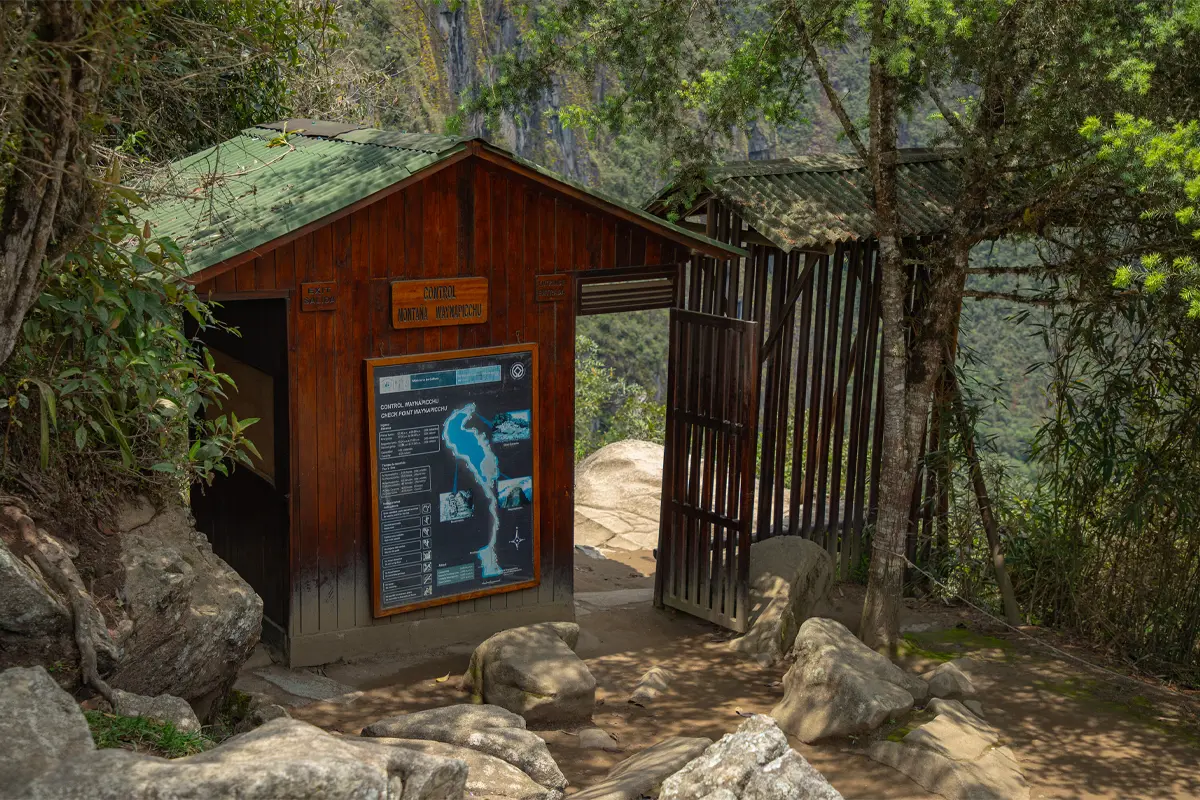
The hikes to the Great Cave, Huchuy Picchu Mountain, and Huayna Picchu Mountain all begin from the "Huayna Picchu Mountain Control Point."
What is the Huchuy Picchu Hike Like?
Route to Huchuy Picchu
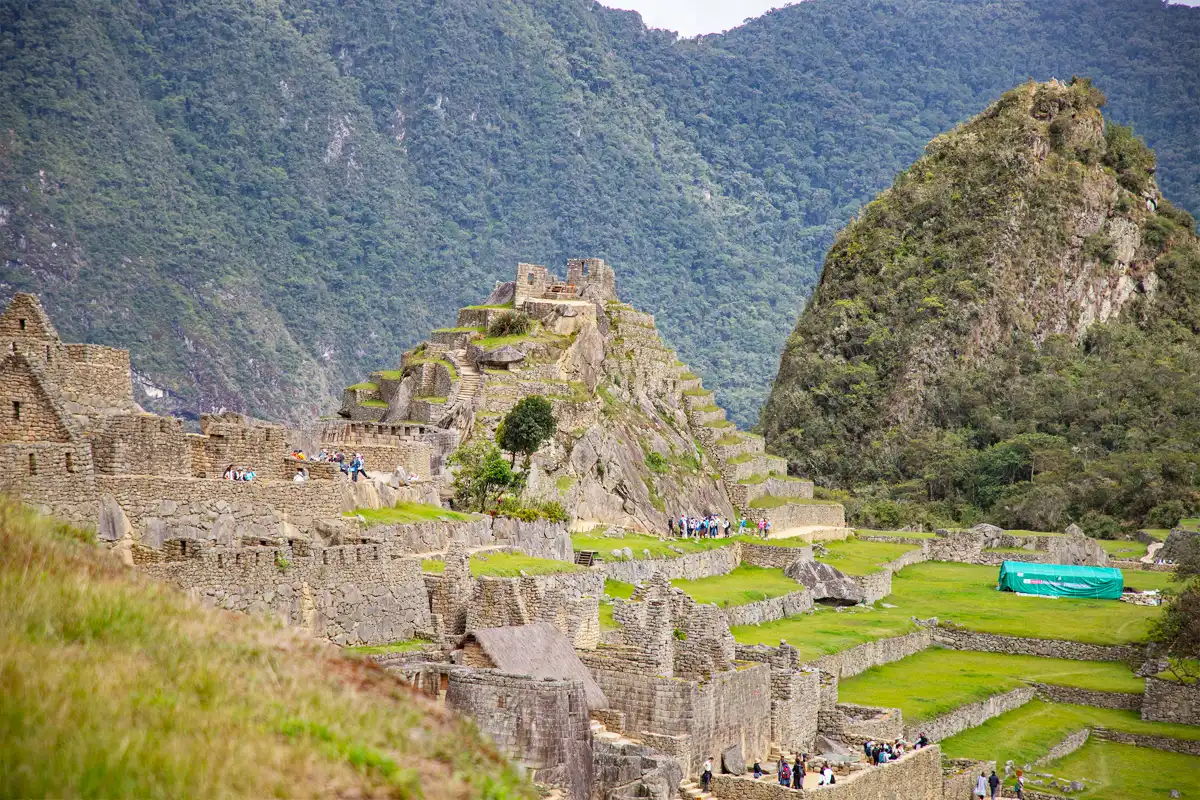
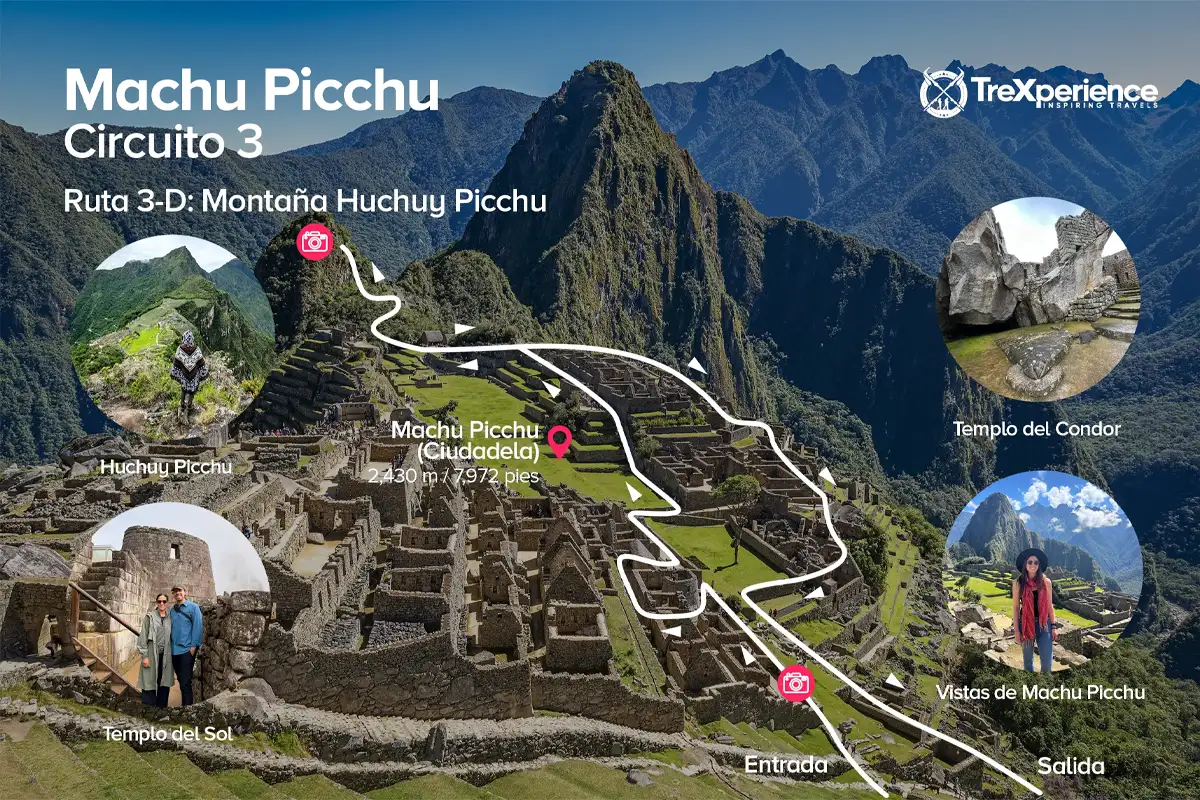
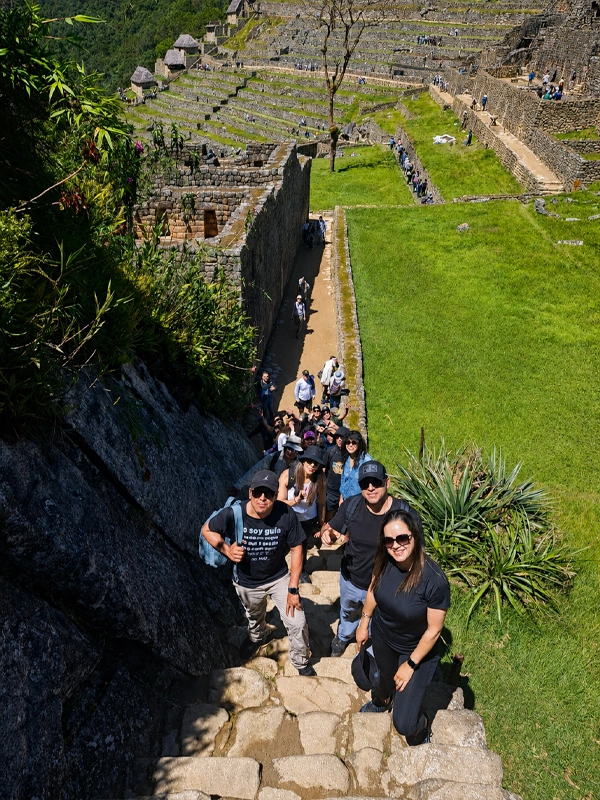
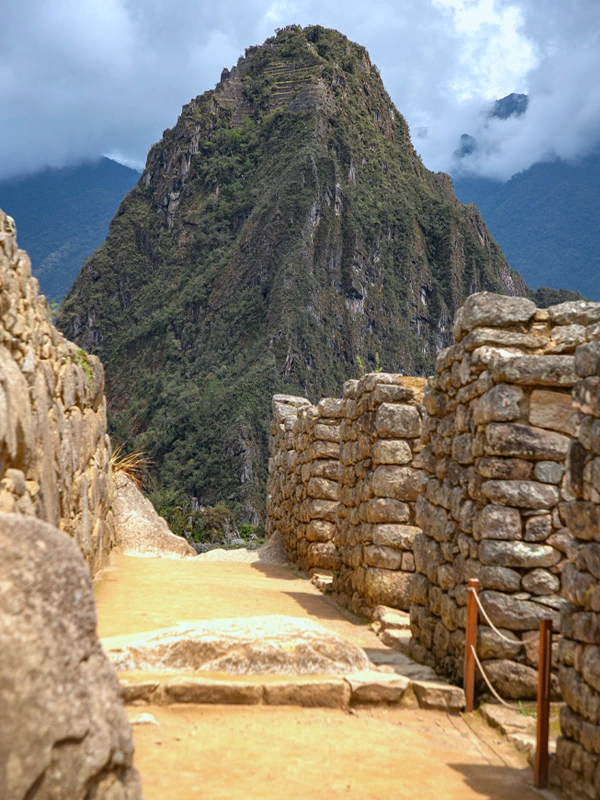
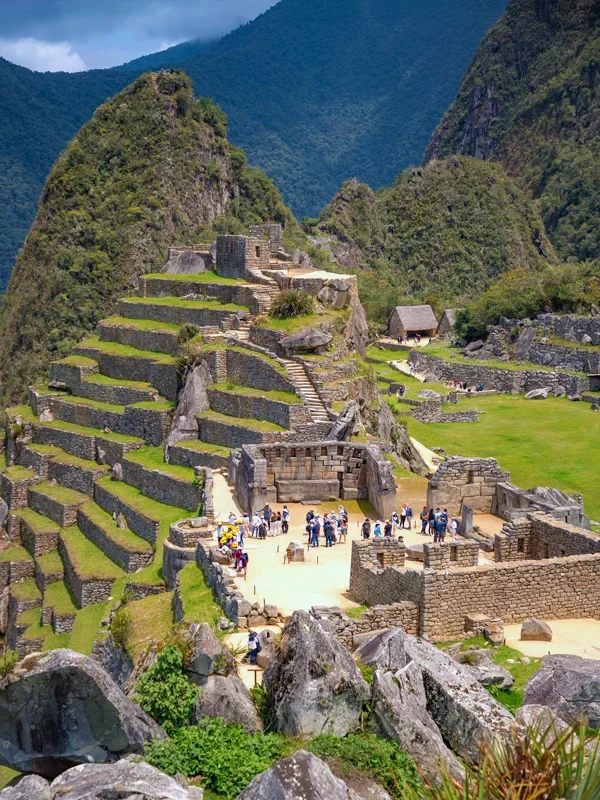
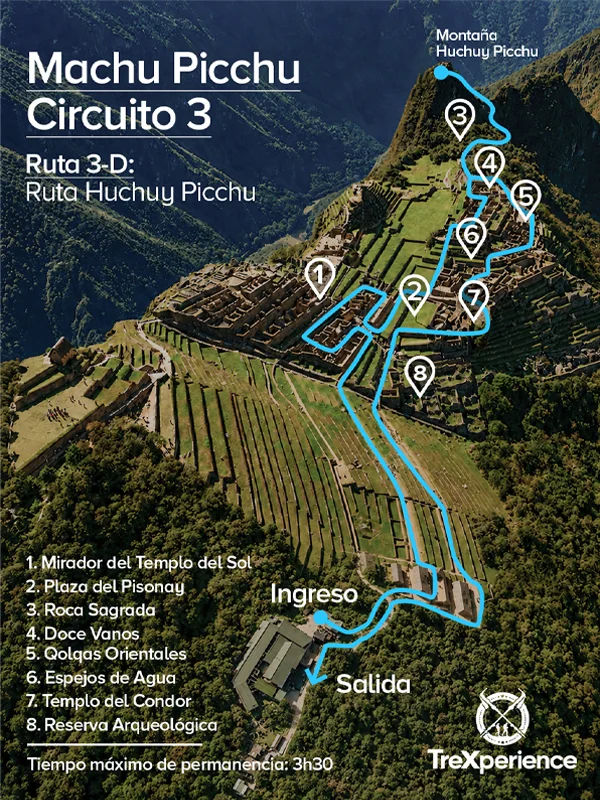
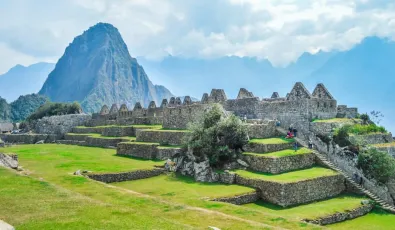
The Huchuy Picchu route begins by crossing part of the terraces in the southeastern sector and continues through the Inca royal residence, where you will find the Temple of the Sun, the Inca's House and the Ceremonial Fountains.
Along the way, you will cross stone stairways, plazas, and the group of three doorways as you head north toward the Sacred Rock plaza. From there, the path leads to the control point where the hike to Huchuy Picchu begins.
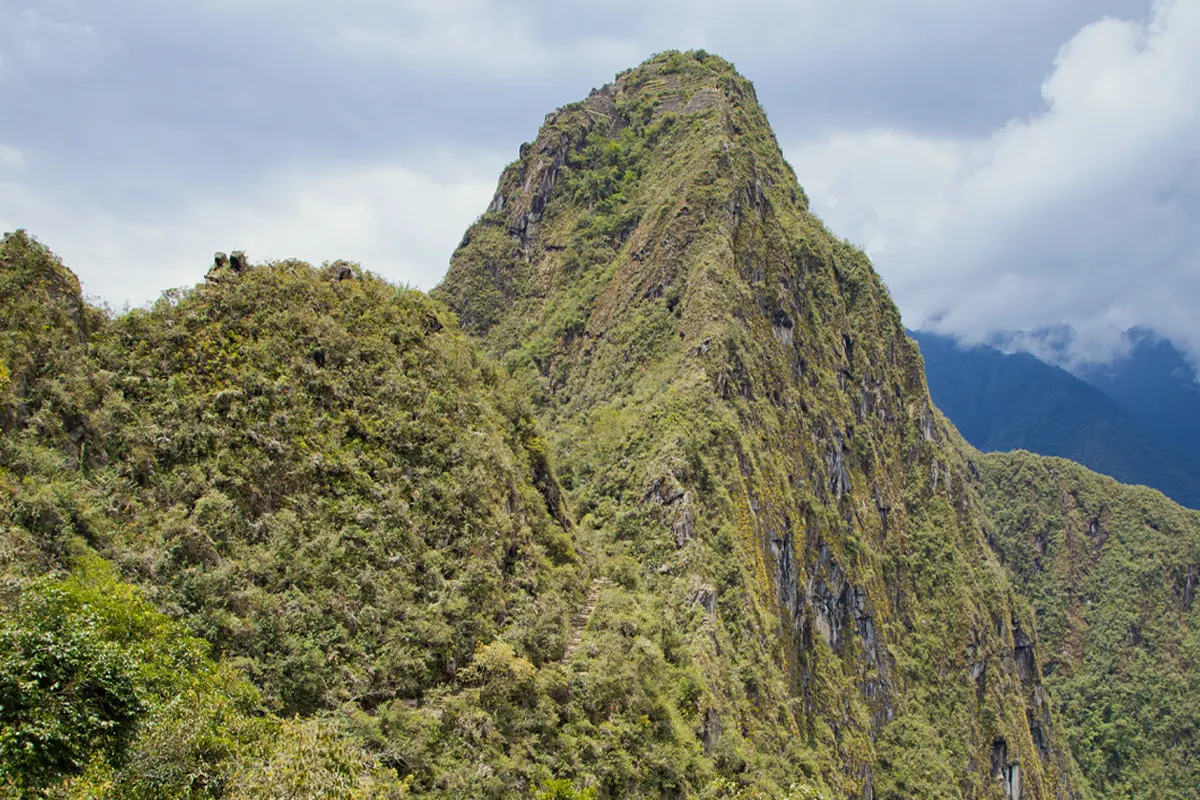
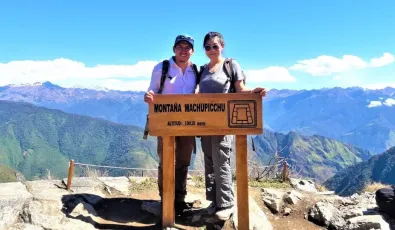
The route then continues along a dirt trail with stone steps leading up to the summit. At the highest point, a sign marks your arrival at the top and one of the best natural viewpoints overlooking the llaqta.
 |  |
 | |
Reaching the Summit and Views of Machu Picchu
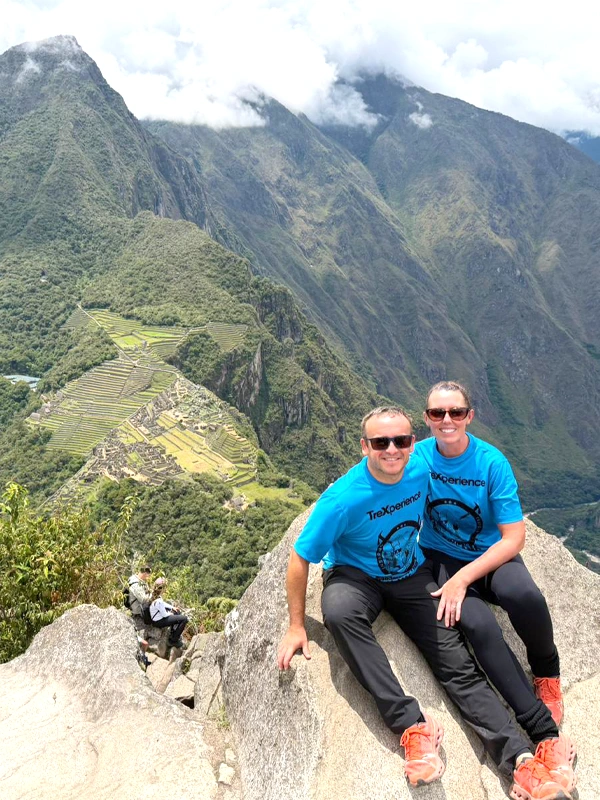
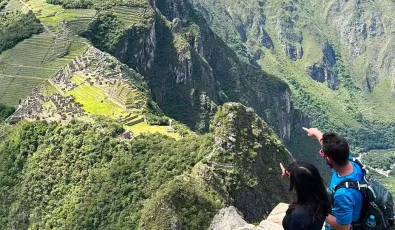
From the summit, you can enjoy a different perspective of Machu Picchu. You can see almost the entire urban and agricultural sectors, Machu Picchu Mountain, the upper and lower terraces, and, in the distance, Intipunku and part of the Inca Trail entering from the south.
Another highlight is the view of the Intihuatana pyramid and the famous monolith at its summit. This is one of the best places from which you can see the Intihuatana of Machu Picchu, since access to the sector where it is located is restricted.
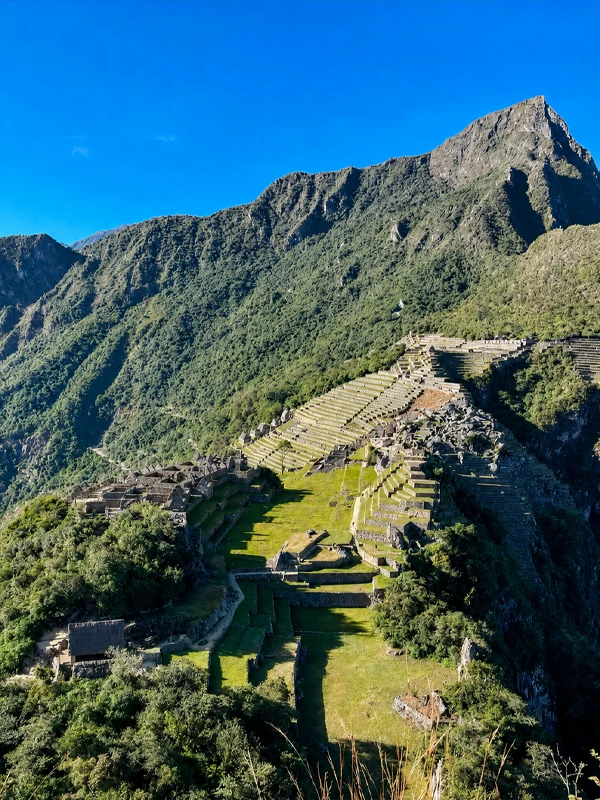 |  |
Return Route from Huchuy Picchu
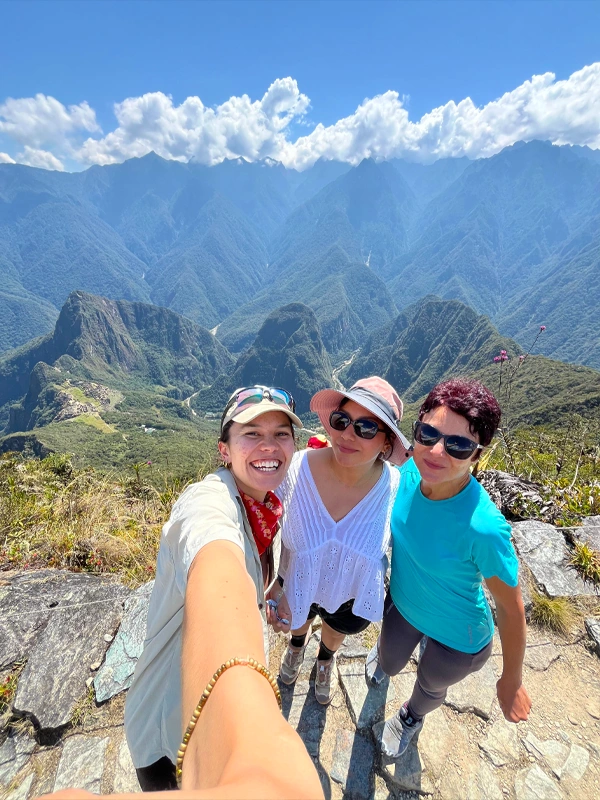
The return hike descends along a quiet path until you reach the Waynapicchu Control Point, then continues along the eastern side of the citadel. From this section, you can enjoy panoramic views of the mountains surrounding Machu Picchu, including Putucusi, as well as the Urubamba River.
The return route passes through sectors such as the Acllawasi and the Temple of the Condor before ending at the same main entrance point.
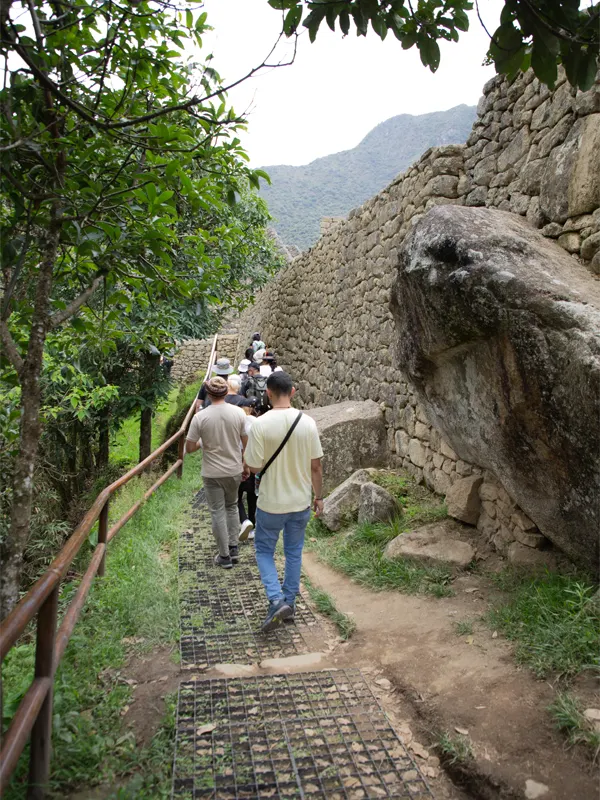 | 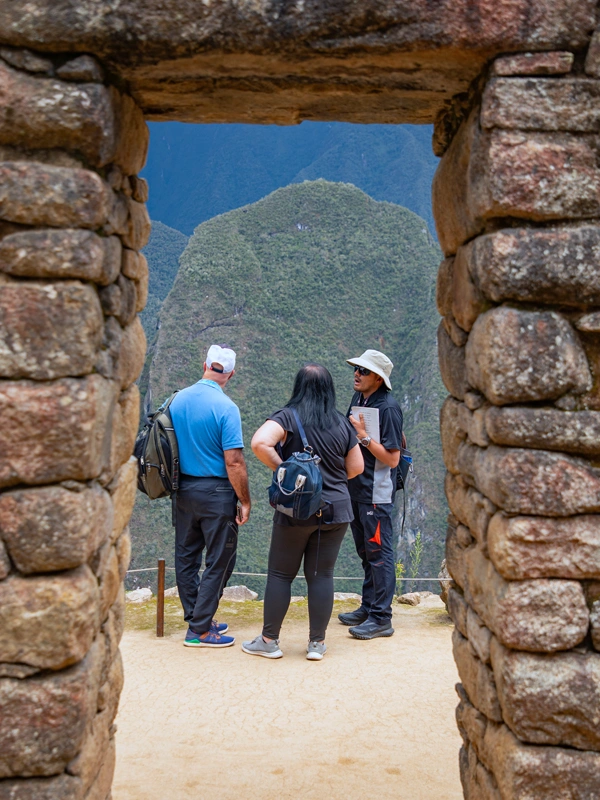 |
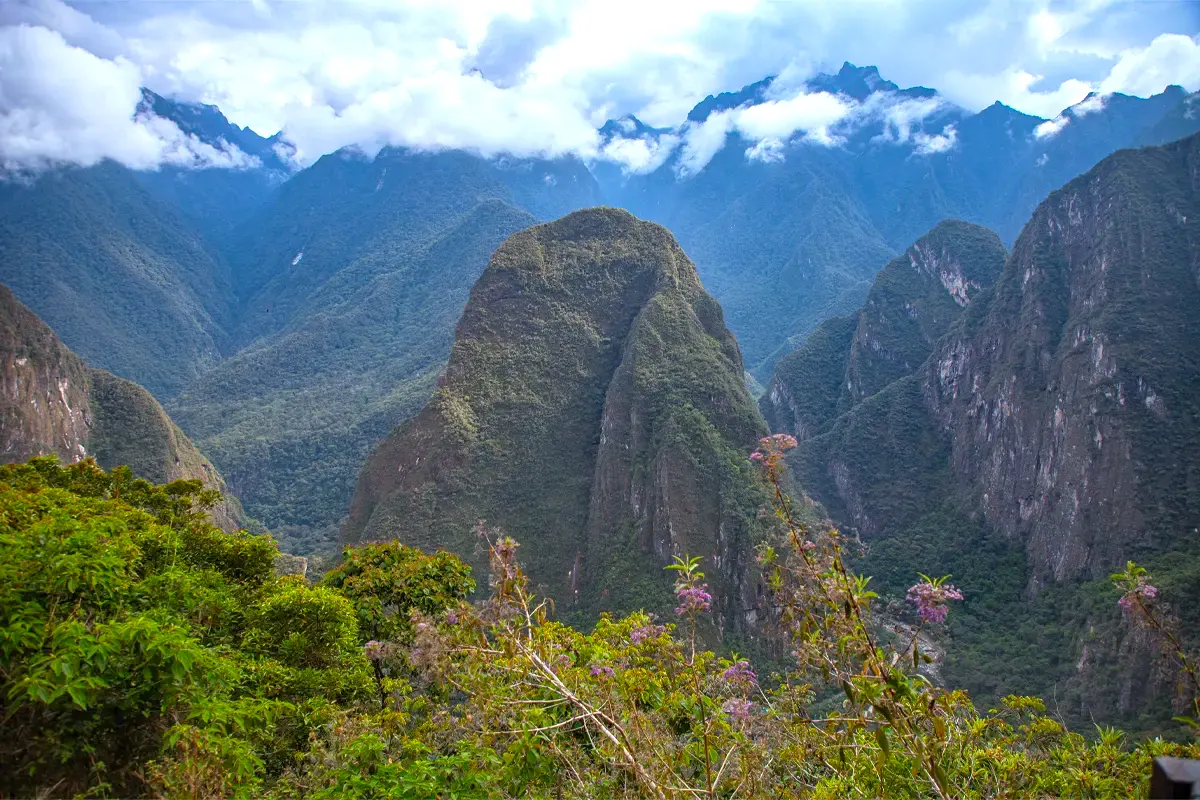
What Can You See Along the Huchuy Picchu Route?
The hike to Huchuy Picchu takes you through impressive landscapes that combine agricultural terraces, the urban sector, and the mountainous scenery of the northern part of the Machu Picchu Archaeological Park. Along the way, you will also visit the different attractions included in Circuit 3-D of the Inca citadel and may spot native plants and wildlife in their natural habitat.
Archaeological Sites Along the Huchuy Picchu Route
Attractions on Circuit 3, Route 3-D: Huchuypicchu Route | |
OUTBOUND TRAIL
| RETURN TRAIL
|
 | 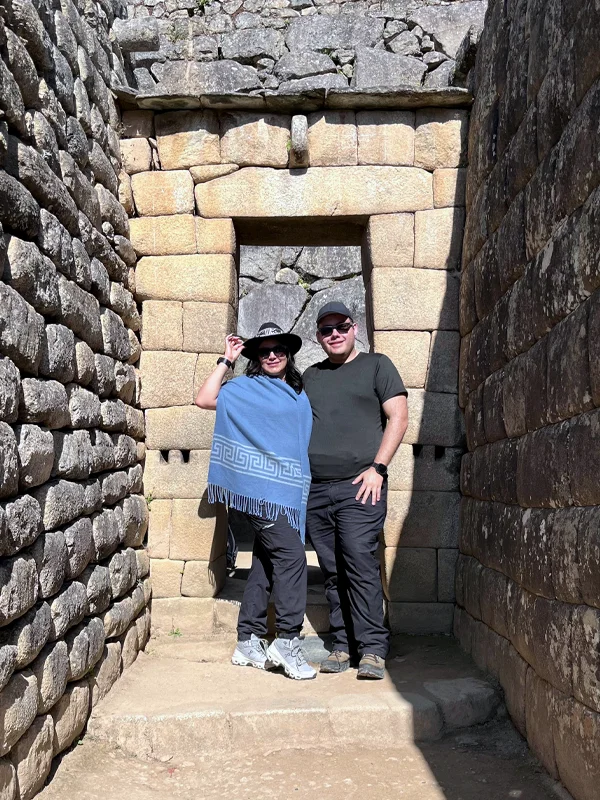 |
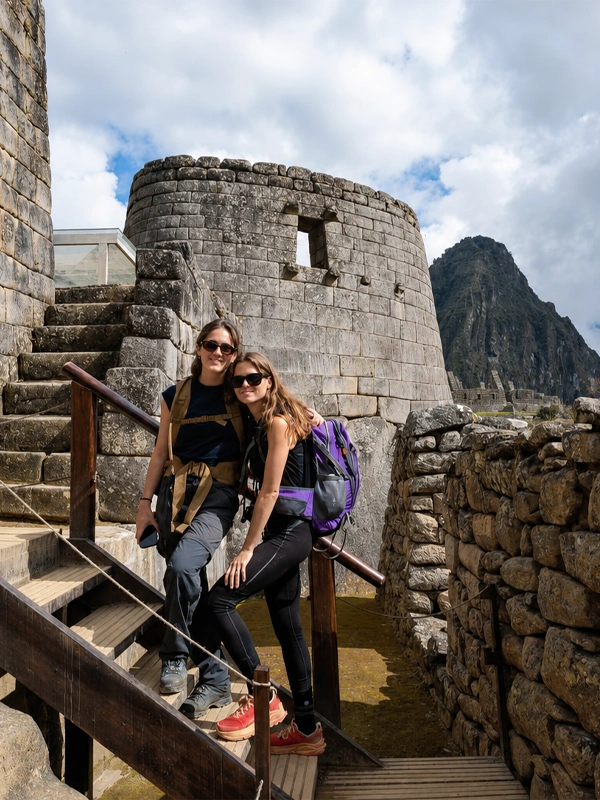 | 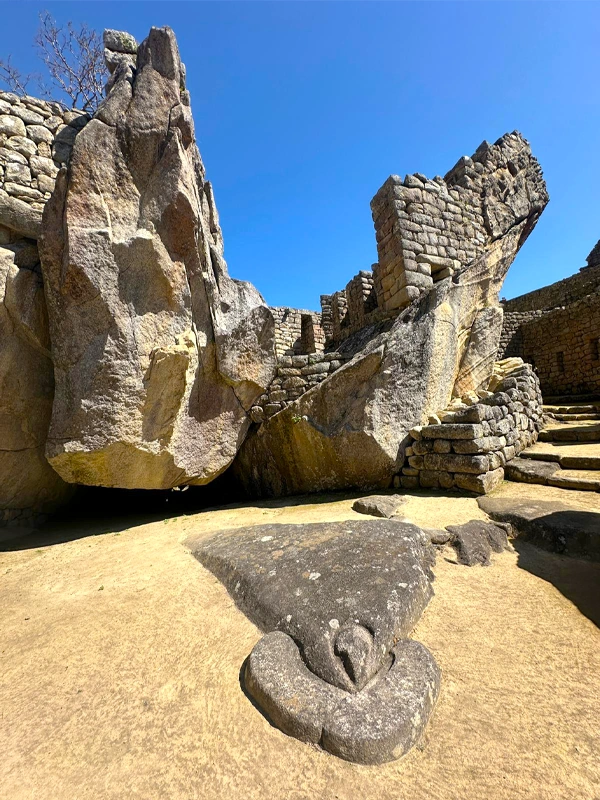 |
Keep reading | Complete Guide to Machu Picchu Circuits
Huchuy Picchu Flora and Fauna
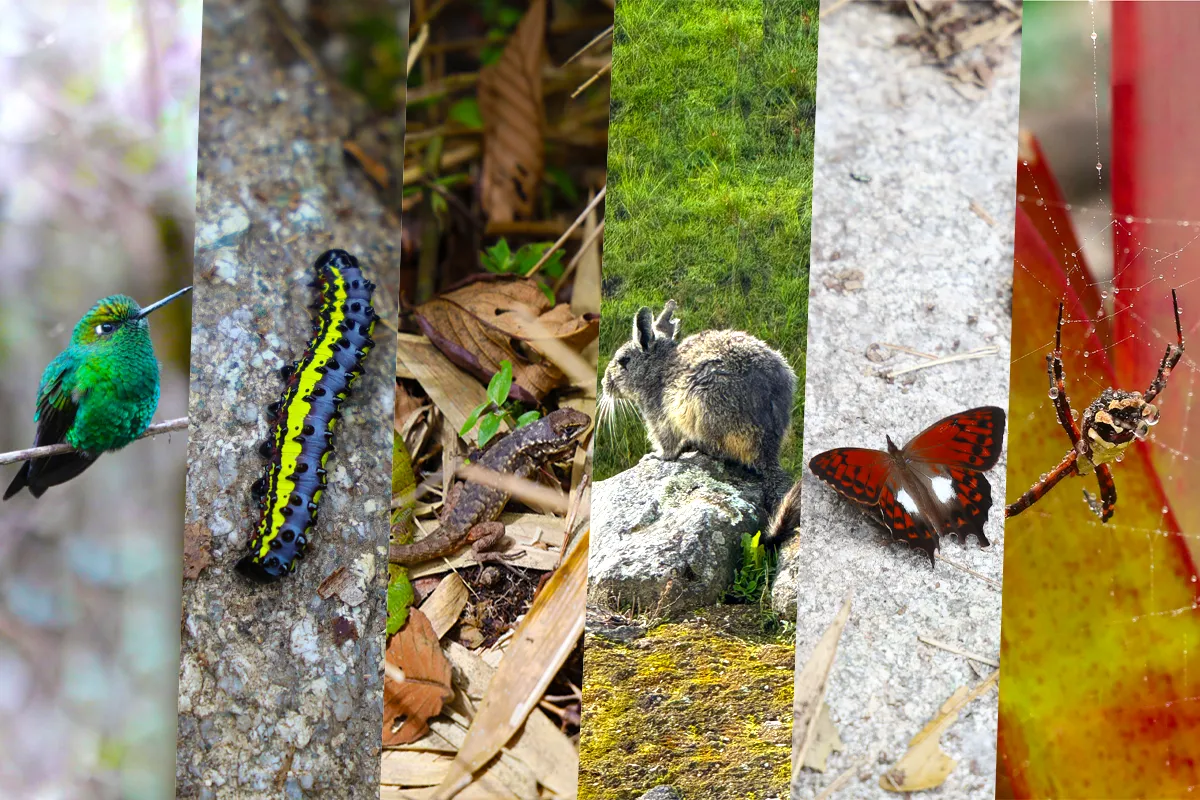
Because of its limited access and relative distance from the main Machu Picchu tour routes, Huchuy Picchu preserves a largely undisturbed ecosystem where the park's flora and fauna continue to thrive in the wild.
- Flora: You can find cedar trees, queuña trees, ferns, and endemic orchids.
- Fauna: Small reptiles, insects, butterflies, birds such as the Andean cock-of-the-rock, and several species of hummingbirds. Less commonly, you may also spot deer, viscachas, and spectacled bears.
Weather and Best Time to Visit Huchuy Picchu
The best time to visit Machu Picchu is during the dry season, from May to September, when sunny days, clear skies, and pleasant daytime temperatures between 17 °C and 25 °C are more common. To visit Huchuy Picchu Mountain, keep in mind that access is only available during the high season, from mid-June to early November. These months also offer excellent panoramic views and pleasantly warm mornings.
- Keep in mind: Machu Picchu lies within a tropical cloud forest ecosystem, so even during the dry season, light rain, mist, or cloudy periods can appear unexpectedly and are usually temporary.
Read next | Best Time of Year to Visit Machu Picchu
What to Pack for Hiking Huchuy Picchu
To visit Machu Picchu, Peru, and hike Huchuy Picchu Mountain, you should be prepared for changing weather conditions. Here are some essentials to consider packing:
- Original passport and some extra cash.
- A printed or downloaded ticket on your phone to enter Machu Picchu.
- A comfortable hiking backpack.
- Hiking footwear. Make sure you wear suitable shoes for mountain trails.
- Rain protection: even if rain is not in the forecast, pack a waterproof jacket or poncho.
- Sunscreen, sunglasses, and insect repellent: the sun can be intense, and mosquitoes are common.
- Clothing layers: temperatures can change, so bring layers you can easily add or remove when needed.
- Snacks such as chocolate, energy bars, candy, and bananas, and always take your trash with you.
- Water: make sure you carry enough water, around 2 liters.
Comparison with Other Machu Picchu Hikes
Choosing between the different mountain hikes at Machu Picchu mainly depends on three factors:
- Your physical condition and that of the people traveling with you.
- The type of experience, attractions, and scenery you want to enjoy at Machu Picchu.
- The time available to book in advance and physically prepare for the hike.
Huchuy Picchu vs. Huayna Picchu
Huchuy Picchu Mountain at 2,497 m (8,192 feet) and Huayna Picchu Mountain at 2,667 m (8,750 feet), both located north of Machu Picchu, offer the chance to explore a dramatic landscape where impressive Inca architecture blends beautifully with the nature surrounding the citadel.
Huchuy Picchu or Huayna Picchu? | |
| Huchuy Picchu | Huayna Picchu |
|
|
|
|
|
|
|
|
Both routes belong to Machu Picchu Circuit 3, so they visit the same attractions within the Inca llaqta.
Huchuy Picchu vs. Machu Picchu Mountain
Machu Picchu Mountain at 3,061 m (10,043 feet) is located south of the Machu Picchu Archaeological Park and is considered the highest mountain near the citadel.
Unlike the Huchuy Picchu Route 3-D, which belongs to Circuit 3 and enters sections of the Inca city, this route is part of Circuit 1 and mainly explores the outer southern area.
Huchuy Picchu or Machu Picchu Mountain? | |
| Huchuy Picchu | Machu Picchu Mountain |
|
|
|
|
|
|
|
|
|
|
 |  |
Other Hikes at Machu Picchu
If you are looking for other hiking options at Machu Picchu or want to add more adventure to your Machu Picchu tour, you can choose from:
Intipunku or Sun Gate Hike
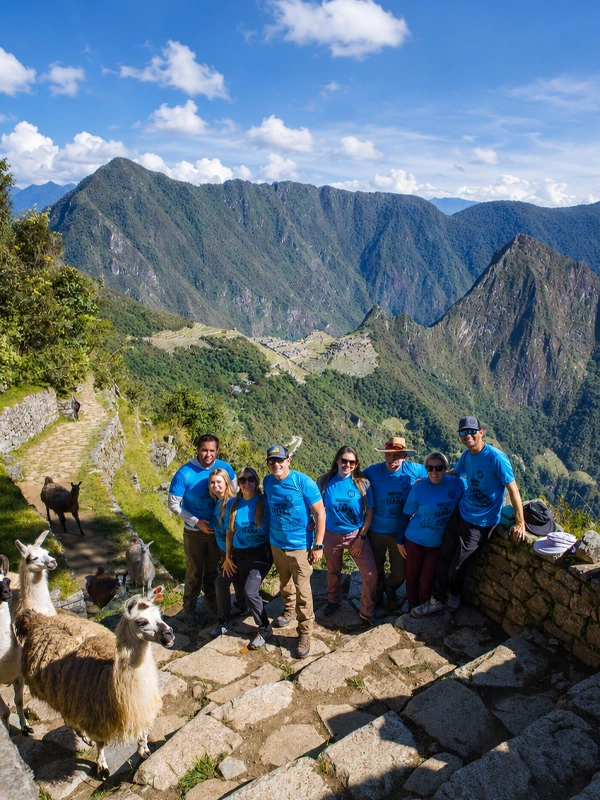
Intipunku is an excellent option for enjoying distant panoramic views of Machu Picchu. From this point, you can admire the citadel from the same perspective as travelers arriving along the famous Inca Trail, following its historic entrance route.
- Difficulty: High
- Duration: 2 to 3 hours round trip
- Distance: 3.4 km round trip
- Maximum altitude: Sun Gate 2,720 m (8,924 feet)
Inca Bridge Hike
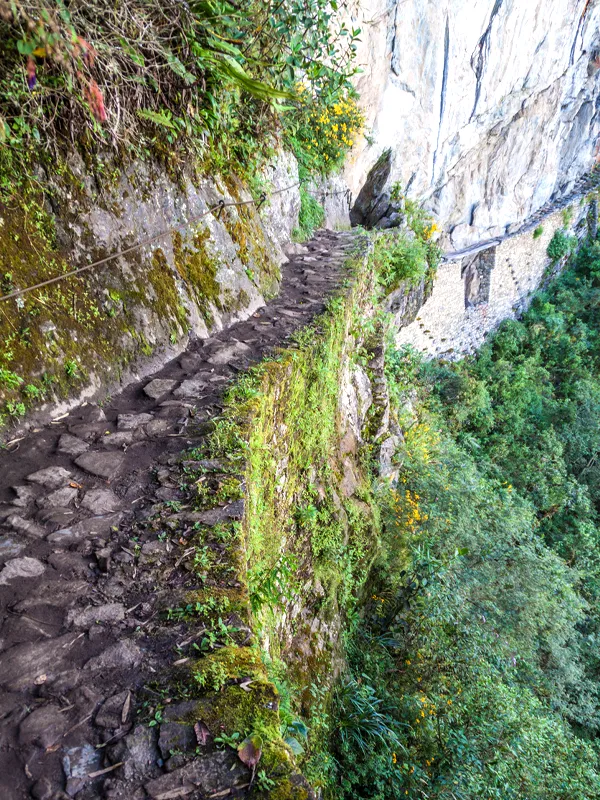
The Inca Bridge was an ancient western access route to Machu Picchu, built alongside steep cliffs and connected to routes leading toward the Amazon valleys. From this point, you can enjoy views of the western side of the citadel and one of the most dramatic areas of Machu Picchu.
- Difficulty: High
- Duration: 50 to 60 minutes round trip
- Distance: 2.6 km round trip
- Maximum altitude: Inca Bridge 2,400 m (7,874 feet)
 |  |
If you are planning to visit Huchuy Picchu, organizing your trip in advance will help you choose the right schedule, secure your entrance ticket, and enjoy the hike with greater peace of mind. If you prefer a visit with everything arranged, contact us and start planning your next journey to Machu Picchu.
Huchuy Picchu FAQs
Is Huchuy Picchu worth hiking?
Definitely! Huchuy Picchu, the smallest of Machu Picchu's three mountains, offers a short adventure with impressive views, a quieter atmosphere, and excellent opportunities to capture beautiful photos of Machu Picchu. It is ideal if you are looking for a lighter hiking experience. If you prefer a more demanding challenge, Huayna Picchu or Machu Picchu Mountain may be better options.
Are there any age or fitness restrictions for hiking Huchuy Picchu?
Although the trail to Huchuy Picchu is considered easy to moderately difficult, making it accessible to travelers of different ages and fitness levels, it is still recommended to be comfortable walking on uneven and slightly steep terrain.
Can I buy Huchuy Picchu tickets on the same day I visit Machu Picchu?
Buying your ticket in advance is highly recommended because access to Huchuy Picchu is especially limited. Demand can be high, so booking ahead is the best way to secure your entrance and avoid problems when you arrive.
What ceremonies were performed on Huchuy Picchu Mountain?
There are no technical or archaeological records showing that ceremonies or offerings were performed on Huchuy Picchu Mountain during Inca times. However, it is possible that the mountain was considered a sacred place because of its proximity to Huayna Picchu Mountain.
Why choose Huchuy Picchu?
- Accessibility and fewer crowds: Compared with other mountain hikes at Machu Picchu, Huchuy Picchu is easier to access and less well known, offering a quieter experience away from the larger crowds often found in other areas of Machu Picchu.
- Spectacular views: From the summit of Huchuy Picchu, you can enjoy panoramic views not only of the citadel, but also of the surrounding mountains and the Urubamba River, giving you a unique and photogenic perspective of the Andean landscape.
- A deeper cultural experience: The Huchuy Picchu hike passes through less explored areas of Machu Picchu, allowing visitors to discover archaeological sites along the route and gain a deeper appreciation of Inca engineering and their connection with the surrounding landscape.
Huchuy Picchu Tickets: Check Availability Now
Please note: Our availability updates in real time and is subject to change without notice. Viewing open spots does not secure a booking until you receive a final confirmation.

Add new comment