



Museums in Cusco open a quiet window into the city’s layered past, from Inca heritage and colonial art to Machu Picchu artifacts, sacred temples, and Andean traditions. This guide brings together the best museums to visit in Cusco, with highlights, locations, opening hours, entrance fees, and practical tips to help you plan a richer cultural experience during your stay.
List of the Best Museums in Cusco
Before choosing which museums to visit in Cusco, take a look at this summary table with the main museum options in the Cusco region:
| Museum Name | Highlights | Main Theme |
| Inka Museum | Inca artifacts, textiles, ceramics, and historic pieces. | Inca history |
| Museum of Pre-Columbian Art | Pre-Hispanic works in gold, silver, wood, and textiles | Pre-Columbian art |
| Machu Picchu Museum - Casa Concha | Original objects from Machu Picchu and historic photographs. | History of Machu Picchu |
| Monastery of Santa Catalina | Religious art, cloisters, and colonial convent life. | Colonial art |
| Santo Domingo Museum (Coricancha) | Inca-colonial architecture and archaeological pieces. | Inca and colonial culture |
| Regional Historical Museum | The history of Cusco, from prehistory to the Republic. | History of Cusco |
| San Francisco Museum | Catacombs and religious art. | Architecture and religion |
| Inkariy Museum (Sacred Valley) | Realistic representations of Peru’s ancient cultures. | Peruvian culture |
| ChocoMuseo | Workshops and an interactive experience about cacao. | Gastronomy |
| Archbishop’s Museum of Cusco | Religious and colonial art. Unique works from the Cusco School. | Andean culture |
Map of the Best Museums in Cusco
If you are still not sure which ones to visit, keep reading to discover each museum, its most important details, and a short historical overview that will help you choose the best stops for your trip to Cusco.
1. Inka Museum
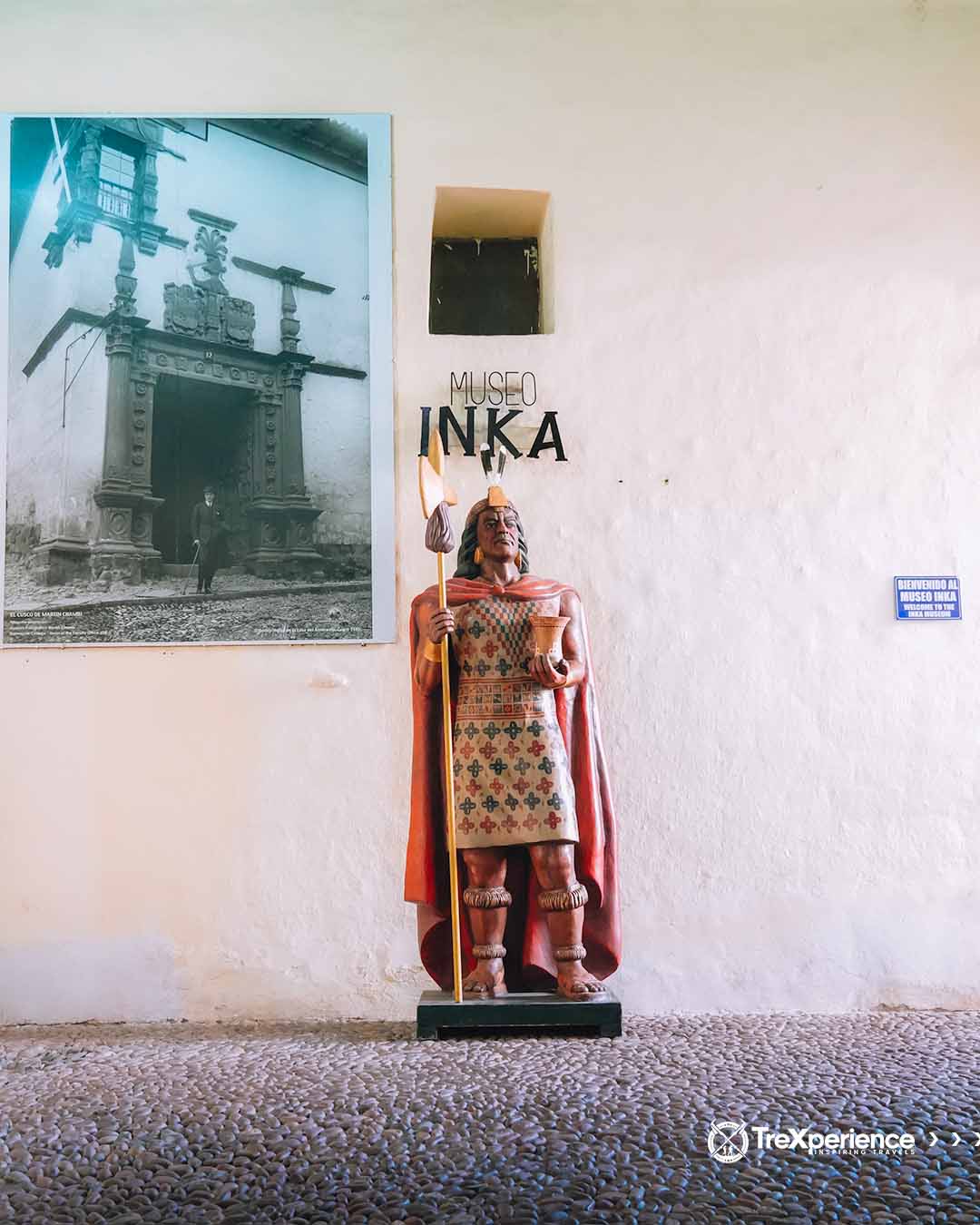
The Inka Museum offers a historical journey through the Cusco region and also introduces visitors to other ancient cultures of Peru, such as Paracas, Nazca, Chavín, Wari, and Chimú.
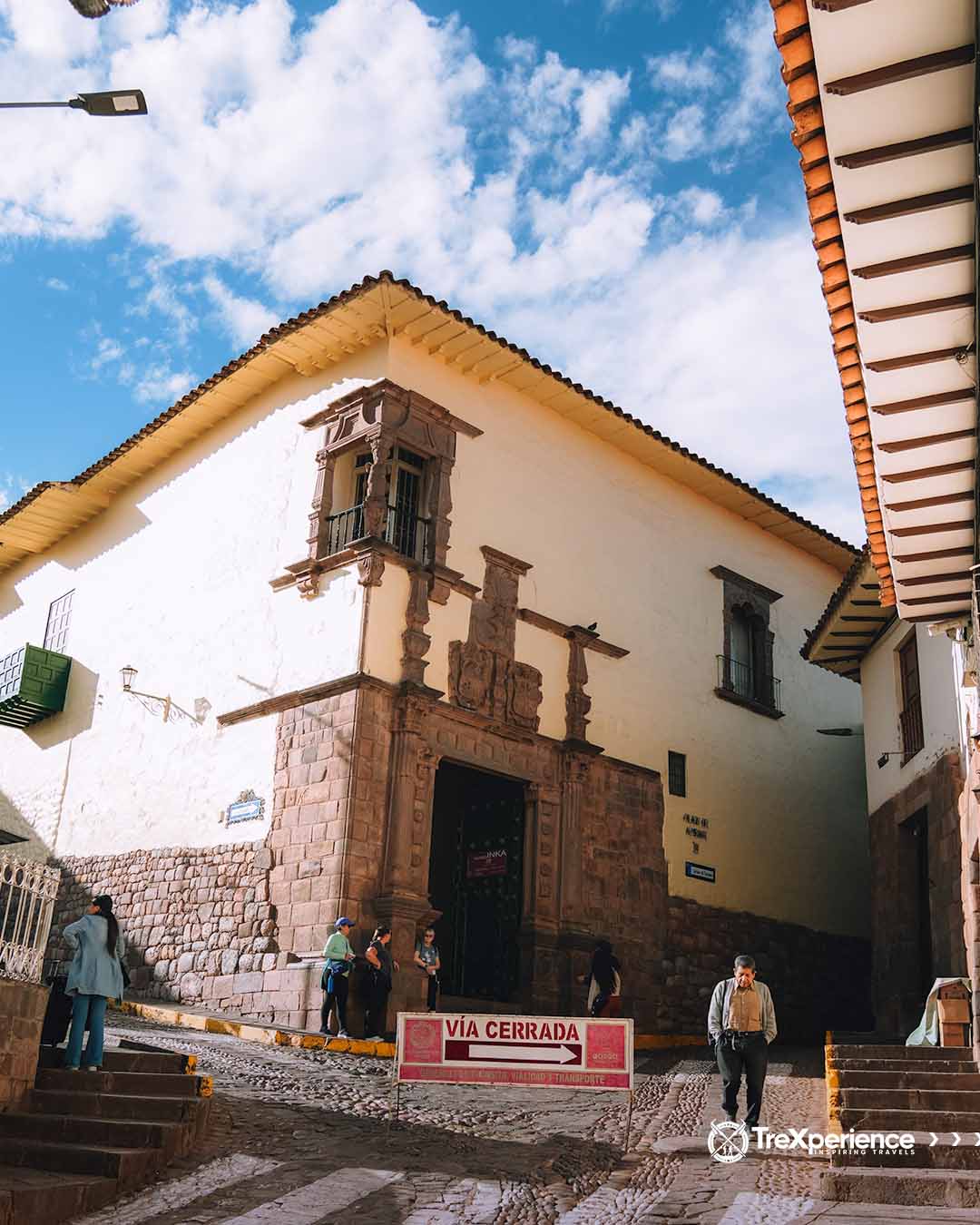
Located in the Casa del Almirante, a 17th-century colonial building just a few steps from the Cusco Cathedral, the Inka Museum houses one of the richest collections of Inca artifacts in Peru.
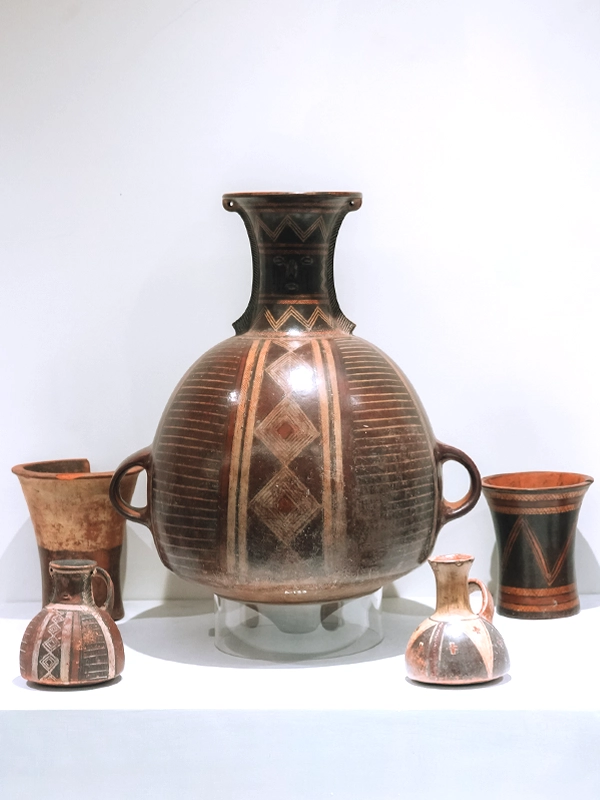
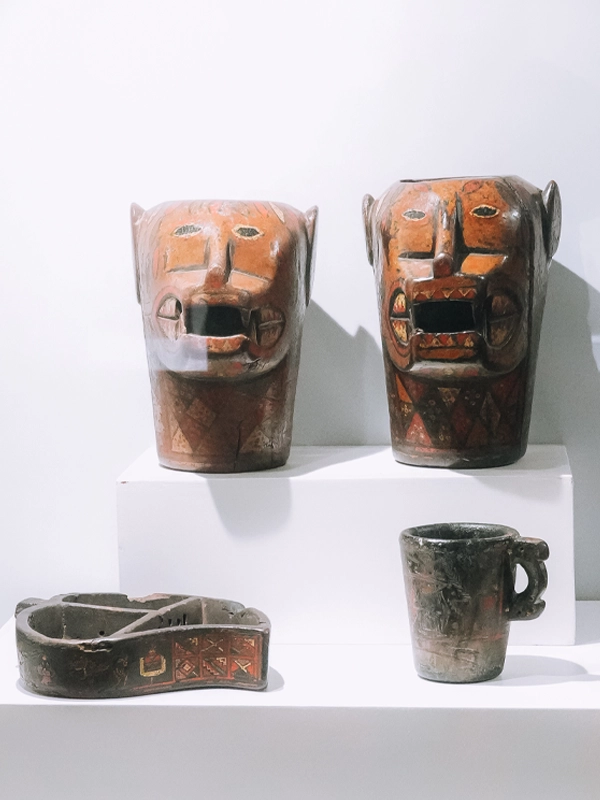
Here, you can admire Inca stonework and textiles known for their complexity and beauty, gold and silver jewelry that reflects the skill of Inca artisans, and decorated ceramics used in both daily life and religious ceremonies.
The museum also displays agricultural tools and weapons, showing the skill, organization, and strategy of the Incas. More than a place to learn about Inca history, this museum offers a thoughtful space to connect with the past in a deeper and more meaningful way. You can also find paintings from the Cusco School, including portraits of Incas and curacas created after the conquest of Peru.
History of the Inka Museum in Cusco:
During the Inca period, the building that now houses the Inka Museum was the residence of Huáscar, the 12th Inca ruler. Its popular name, “Casa del Almirante,” comes from Admiral Alderete Maldonado, who built the colonial house in the 17th century. Today, the property is managed by the National University of San Antonio Abad of Cusco, which opened the Inka Museum in 1996.
 |  |
 |  |
| Details | |
| Address | Ataúd Street 154, Cusco |
| Opening hours | Mon to Fri | 9:15 a.m. to 4:00 p.m. Saturdays | 8:45 a.m. to 1:45 p.m. |
| Entrance fee | S/ 10 national adult S/ 20 foreign adult S/ 5 national student S/ 10 foreign student |
| Cusco Tourist Ticket | Not included |
2. Museum of Pre-Columbian Art
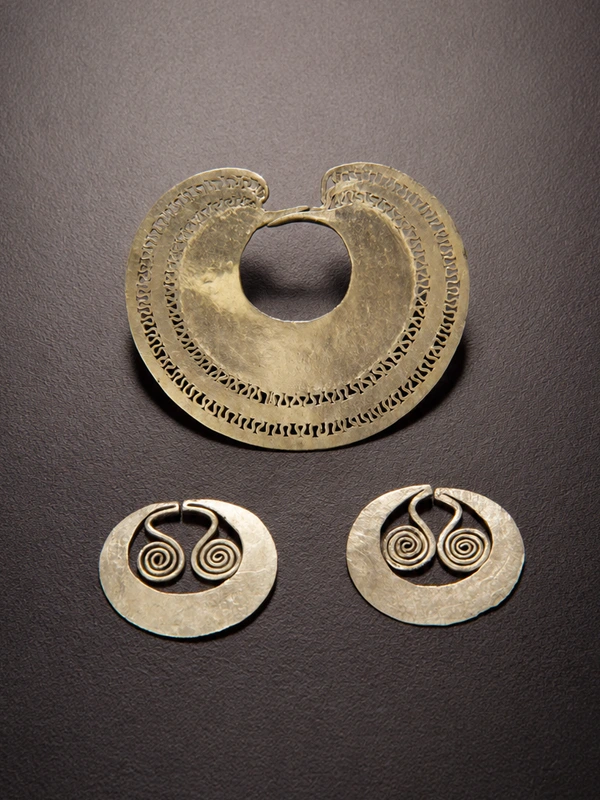
The Museum of Pre-Columbian Art in Cusco displays an impressive collection of more than 450 masterpieces of great symbolic and liturgical value, dating from 1250 B.C. to 1532 A.D.
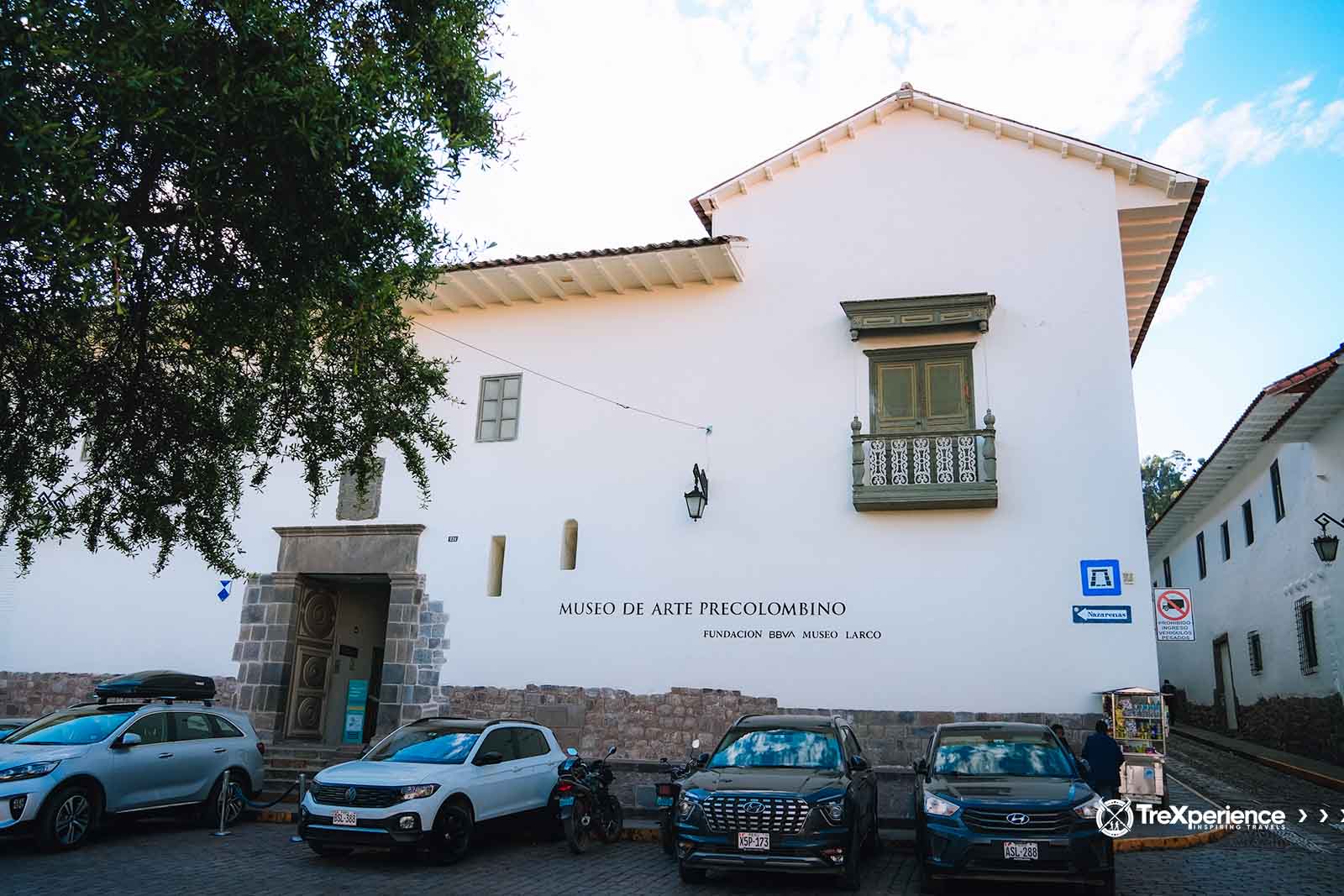
Located in Plaza de las Nazarenas, just a few blocks from the Main Square, the Museum of Pre-Columbian Art (MAP) is the only museum in Peru dedicated exclusively to pre-Columbian art.
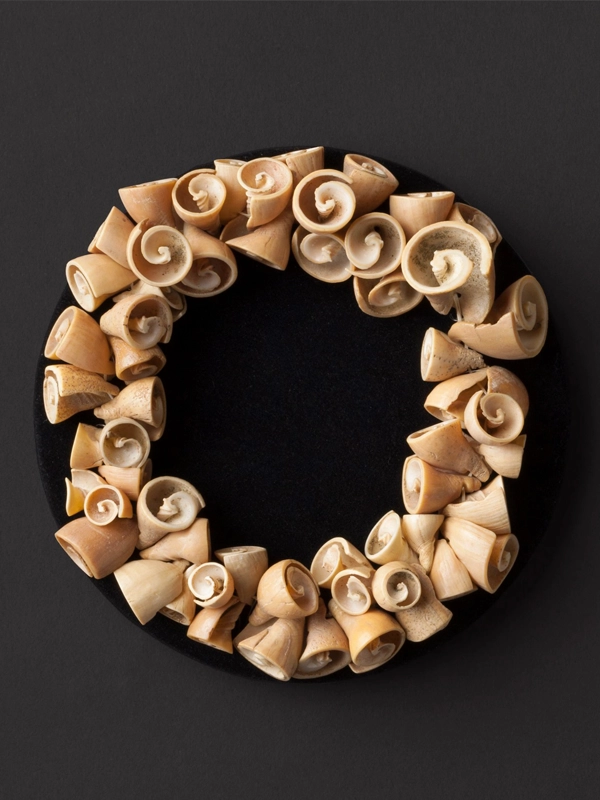
This museum takes visitors on a journey through three thousand years of history, with stunning gold and silver jewelry, finely decorated ceramics, sacred wooden sculptures, objects crafted from seashells, and delicately made textiles that reveal the skill and artistry of ancient Peruvians.
The exhibits include detailed descriptions that help visitors understand the historical and cultural context of pieces from Peruvian cultures such as Nazca, Mochica, Chimú, Chancay, Wari, and Inca. Audio guides are also available for rent, making it easy to explore the museum at your own pace.
History of the Pre-Columbian Museum of Art:
In ancient times, this building was part of the Yachaywasi, or school for Inca nobility. It later became the home of Don Alonso Díaz and was eventually converted into the Monastery of Santa Clara. In the 17th century, it was acquired by Don Gerónimo Luis de Cabrera de la Cerda. “Casa Cabrera” served as a school until 1981, when Banco Continental purchased and restored it. In 2003, the MAP Cusco was officially opened.
 |  |
| Details | |
| Address | Nazarenas Street 231, Cusco |
| Opening hours | Mon to Sun | 8:00 a.m. to 10:00 p.m. |
| Entrance fee | S/ 10 national adult S/ 20 foreign adult S/ 5 national student S/ 10 foreign student *Free for Cusco residents from 8:00 a.m. to 4:00 p.m. |
| Cusco Tourist Ticket | Not included |
The pieces displayed at MAP Cusco are part of the same collection as the Museo Larco, one of the best museums in Lima.
3. Machu Picchu Museum - Casa Concha Museum
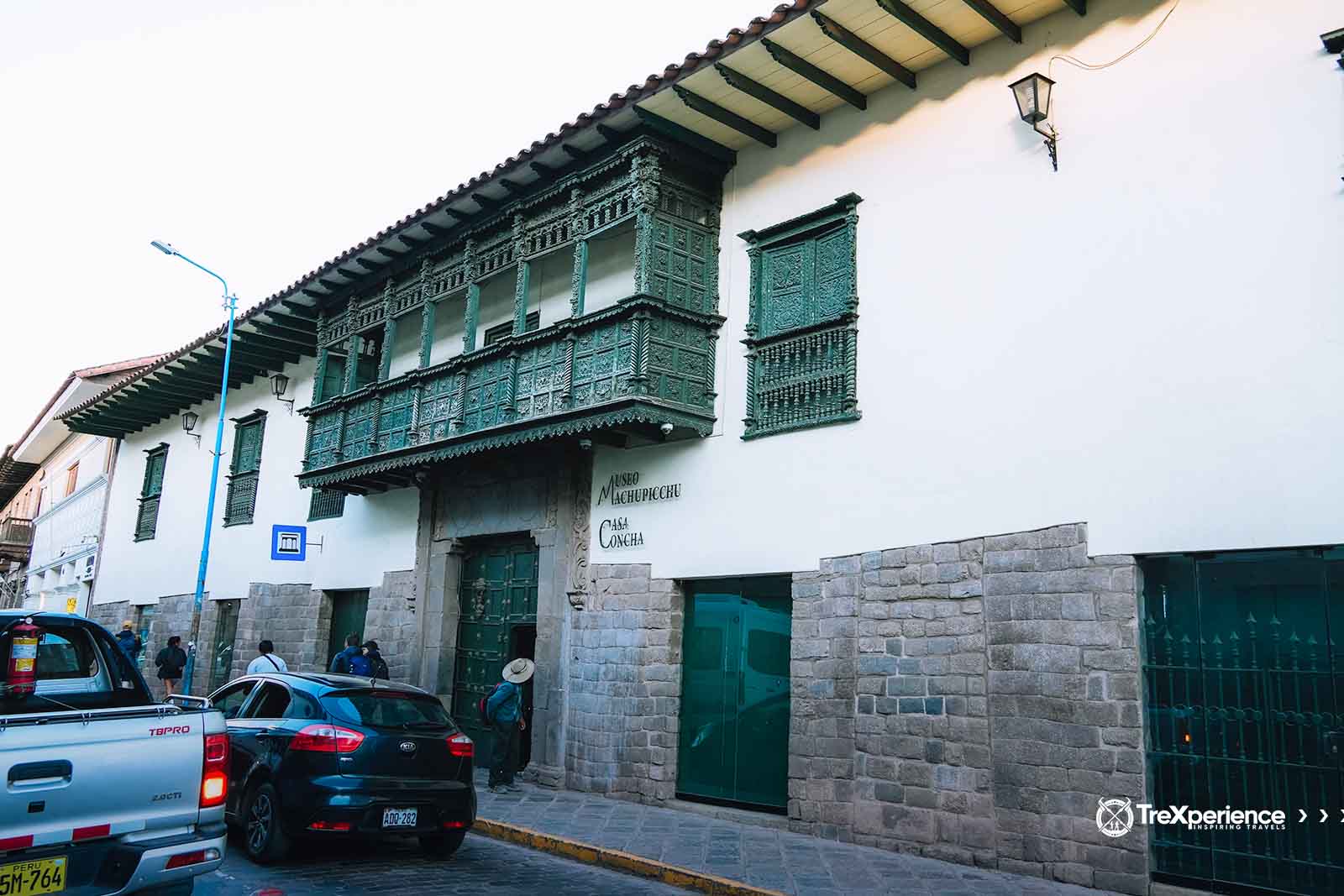
The Machu Picchu Museum, also known as Casa Concha, holds the most complete collection of artifacts recovered from Machu Picchu by explorer Hiram Bingham in 1912, which were later returned to Peru by Yale University.
This museum is located less than 200 meters from Cusco’s Main Square and displays a wide range of Inca objects, from household utensils to ceremonial ornaments made of ceramic, metal, and stone, as well as 177 sets of human remains and funerary objects.
One of its highlights is the exhibition of historic photographs of Machu Picchu that formed part of the National Geographic Society’s scientific exploration, offering a glimpse of the original condition in which the Inca citadel was found.
The visit also includes interactive technology, such as scale models, interactive maps, and augmented reality, showing how some structures align with Inca astronomical events. This enriches the museum experience and helps visitors connect with this historical legacy in an engaging and educational way.
The Casa Concha - Machu Picchu Museum is a must-visit for anyone who wants to explore the different historical moments of iconic Machu Picchu, learn about the lives of its former residents, and better understand the cultural exchange that once took place at this Inca site.
History of the Casa Concha Museum Cusco:
The site of the Casa Concha Museum once belonged to Puka Marka, the residence of the royal lineage of the 10th Inca, Tupac Inca Yupanqui, son of Pachacútec. In the 20th century, it served as an army barracks and later as a police station, until it was donated to the National University of San Antonio Abad of Cusco and restored by the National Institute of Culture, now the Ministry of Culture.
| Details | |
| Address | Santa Catalina Ancha Street, Cusco |
| Opening hours | Mon to Sat | 9:00 a.m. to 5:00 p.m. |
| Entrance fee | S/ 10 national adult S/ 20 foreign adult S/ 5 national student S/ 10 foreign student |
| Cusco Tourist Ticket | Not included |

4. Monastery of Santa Catalina
The Monastery of Santa Catalina in Cusco displays the original spaces of the former cloister of Dominican nuns, now transformed into a fascinating museum open to the public.
Just a few steps from the Casa Concha Museum, you will find the Monastery of Santa Catalina, home to a valuable collection of religious artworks belonging to the Dominican Order. These pieces offer a closer look at the presence of this religious order in Cusco, its evangelizing work, and its role as a symbol of Catholicism in the former Inca capital.
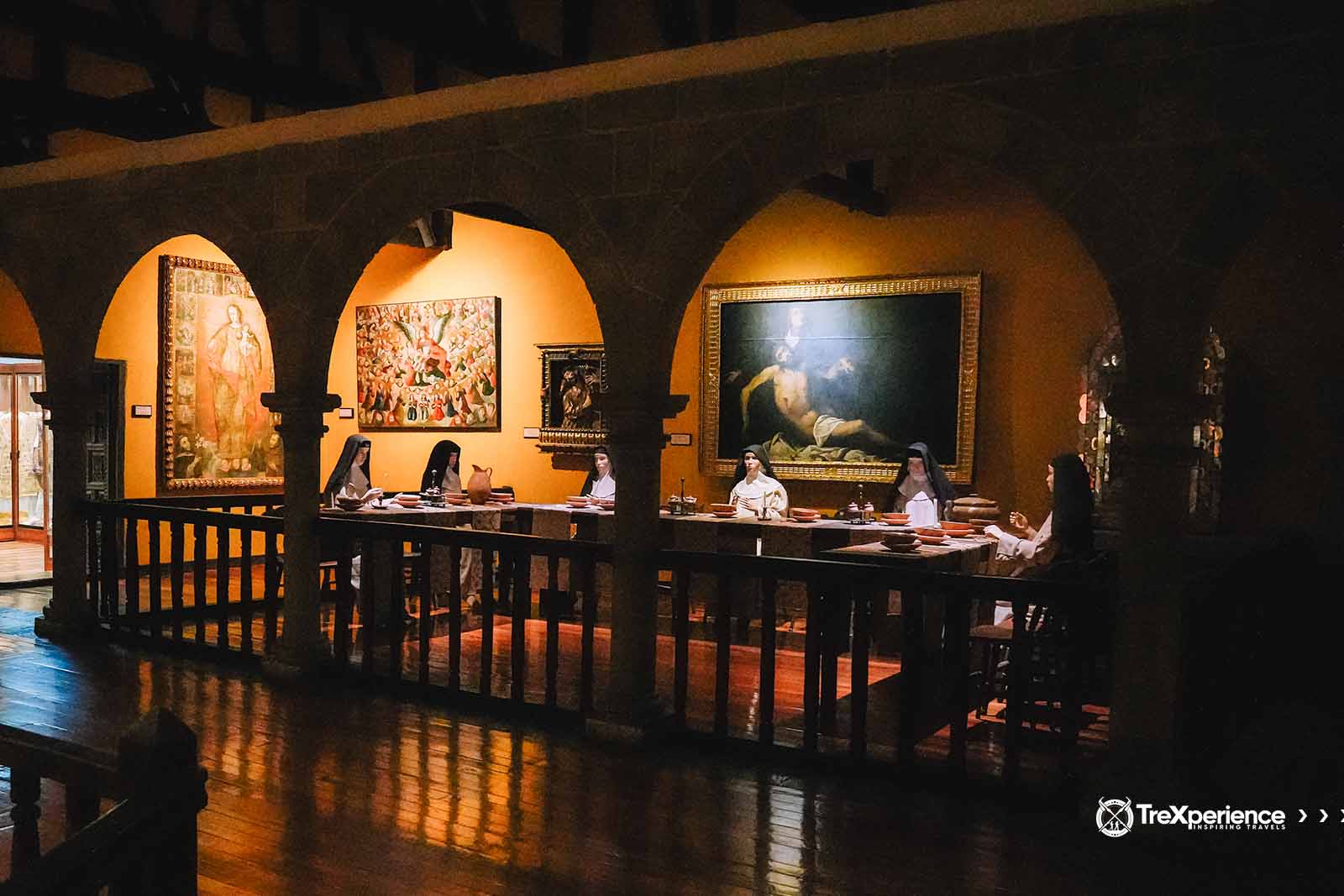
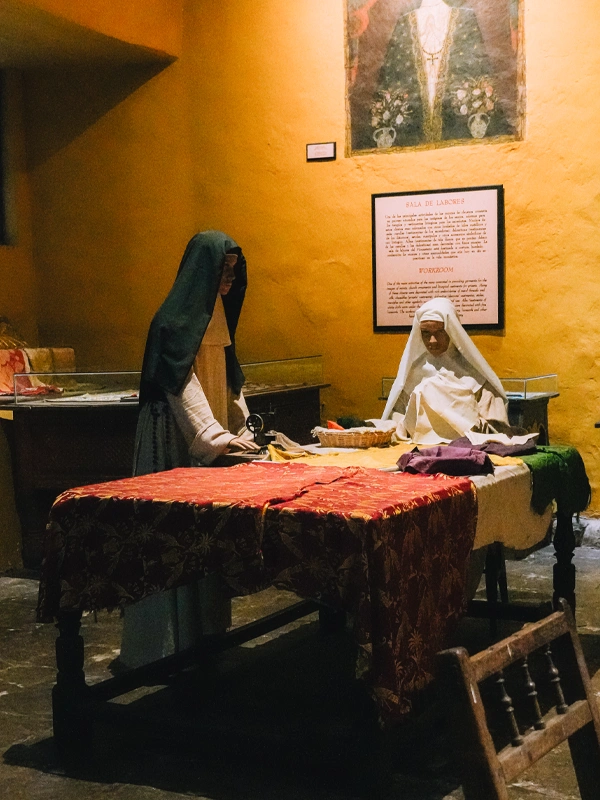
You can explore the monastery’s architecture, its courtyard decorated with stone arches, its inner corridors, and old monastic cells, along with an impressive life-size representation of the daily life of novices and nuns.
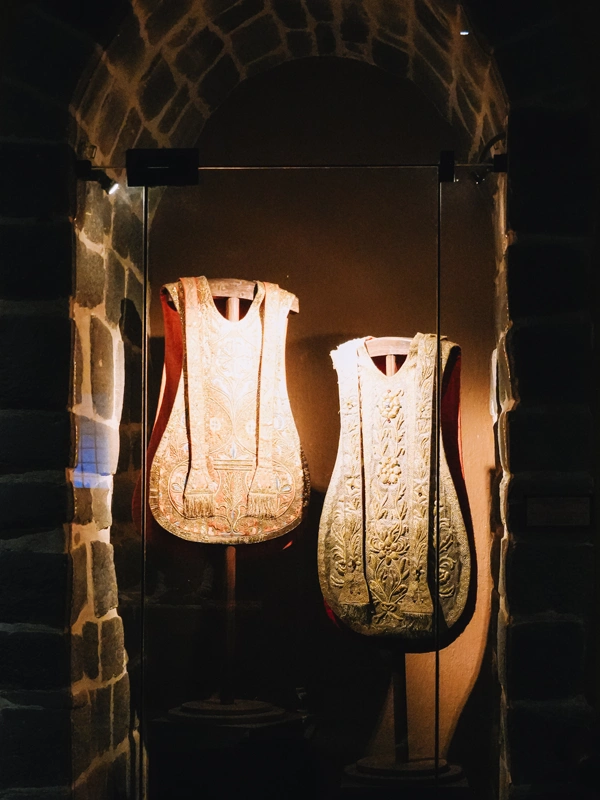
The exhibition includes antique furniture, liturgical garments, ornaments, sculptures, religious imagery, tableware, porcelain, silverware, and more. The museum also stands out for preserving colonial paintings from the Cusco School.
History of the Santa Catalina Museum:
Before this site became a convent, it was home to the “Acllawasi,” known as the House of the Chosen Women, a place dedicated to training a select group of women in textile work, ceramics, metallurgy, and other crafts needed for the Tawantinsuyo. The convent was founded in 1605 and has contributed to the social and religious life of Cusco ever since.
 |  |
| Details | |
| Address | Santa Catalina Angosta Street 401, Cusco |
| Opening hours | Mon to Sun | 8:30 a.m. to 5:30 p.m. |
| Entrance fee | S/ 10 adults S/ 5 students S/ 2 Cusco residents |
5. Qoricancha: Santo Domingo Museum and Qoricancha Site Museum
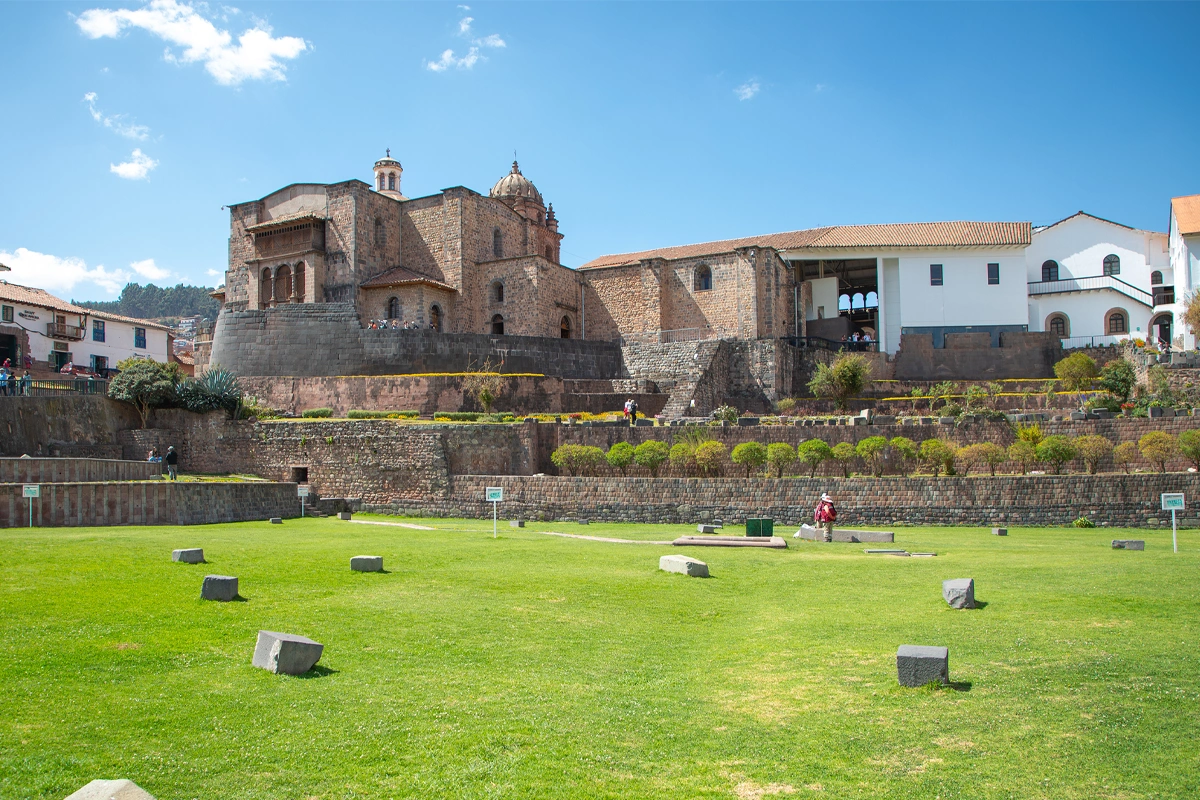
The Qoricancha Temple, also known as the Temple of the Sun, stands out for the Inca-colonial blend of its architecture and its historical importance as one of the most sacred sites of the Inca Empire, dedicated to the worship of the Sun.
Qoricancha has two museum spaces: the Santo Domingo Museum and the Qoricancha Site Museum. Both are located within the same complex, but they have separate entrances and are not connected to each other.
History of the Qoricancha Museum:
Qoricancha, or the “golden enclosure,” was one of the most important places in the Inca Empire. Here, the Incas worshipped Inti, the Sun God and their highest deity, along with other sacred divinities. Its finely carved stone walls and the entire space were adorned with precious elements, including decorations and small statues made of gold.
After the fall of the Tawantinsuyo, Qoricancha was transformed with the construction of the Church and Convent of Santo Domingo over part of its Inca architecture. This change physically and symbolically replaced the worship of Inca deities with Catholic worship. Today, this complex opens its doors to visitors through the two museums found inside.
Read later | Coricancha
Santo Domingo Museum
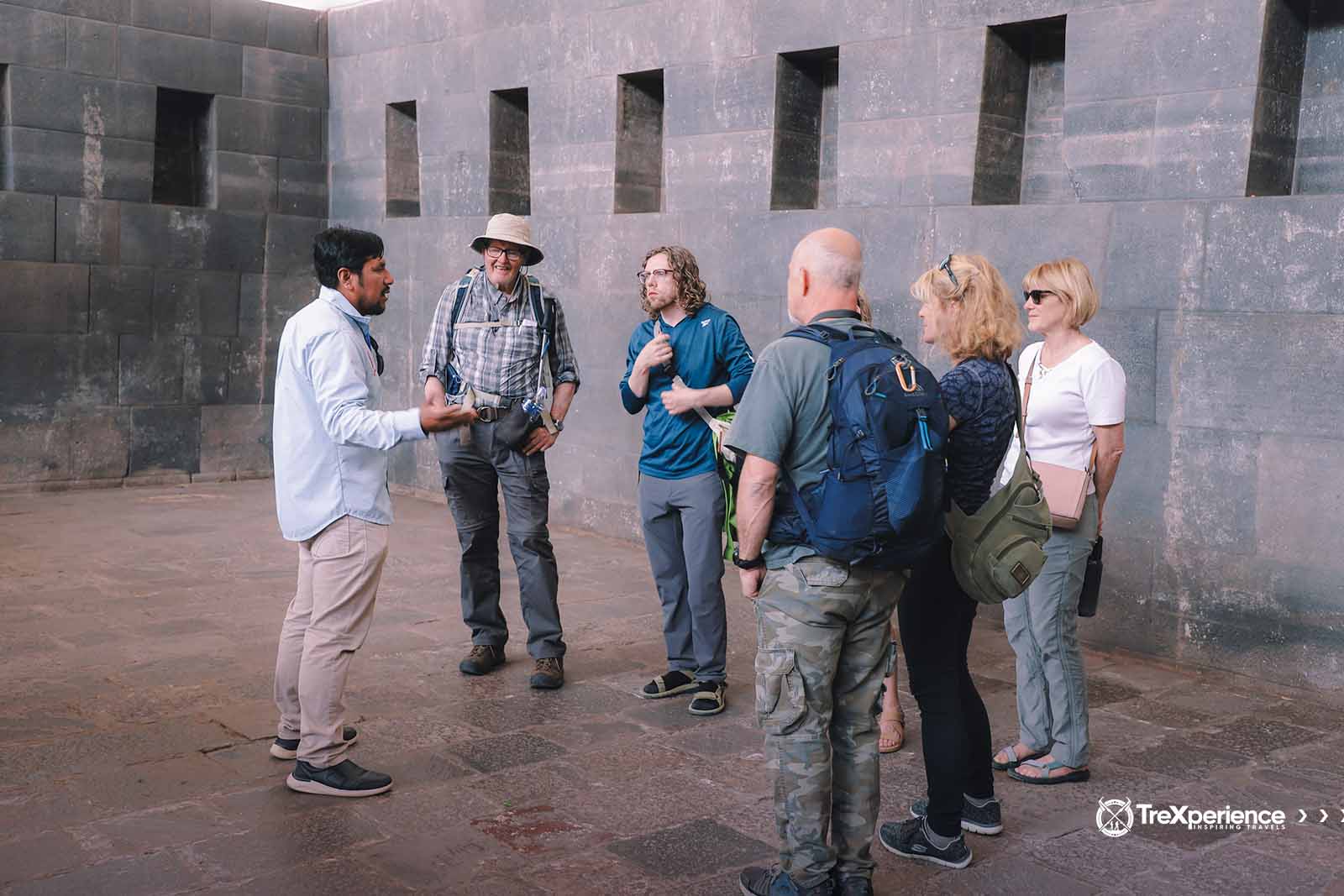
Its entrance is located by Plazoleta Santo Domingo, and inside it preserves an impressive collection of finely crafted Inca stonework and colonial religious art pieces.
Its rooms, built with remarkable skill in stone, are dedicated to important gods of the Inca pantheon, such as the Moon, the stars, the rainbow, and lightning.
| Details | |
| Address | Santo Domingo Street s/n |
| Opening hours | Mon to Sat | 8:30 a.m. to 5:30 p.m. |
| Entrance fee | S/ 20 adults S/ 10 students *Free for Cusco residents |
| Cusco Tourist Ticket | Not included |
Qoricancha Site Museum
Its entrance is located on El Sol Avenue. It is a small underground museum that displays ceramics, stone pieces, metal objects, mummies, and other archaeological findings discovered at Qoricancha, along with several historical elements.
One of its unique features is that, at the end of the visit, it allows you to enter the Qoricancha esplanade for a short walk.
| Details | |
| Address | Av. El Sol 526, Cusco |
| Opening hours | Mon to Sun | 9:00 a.m. to 5:45 p.m. |
| Entrance fee | S/ 70 (Cusco Tourist Ticket) *Free for Cusco residents |
| Cusco Tourist Ticket | Included |
6. Regional Historical Museum - Inca Garcilaso House Museum
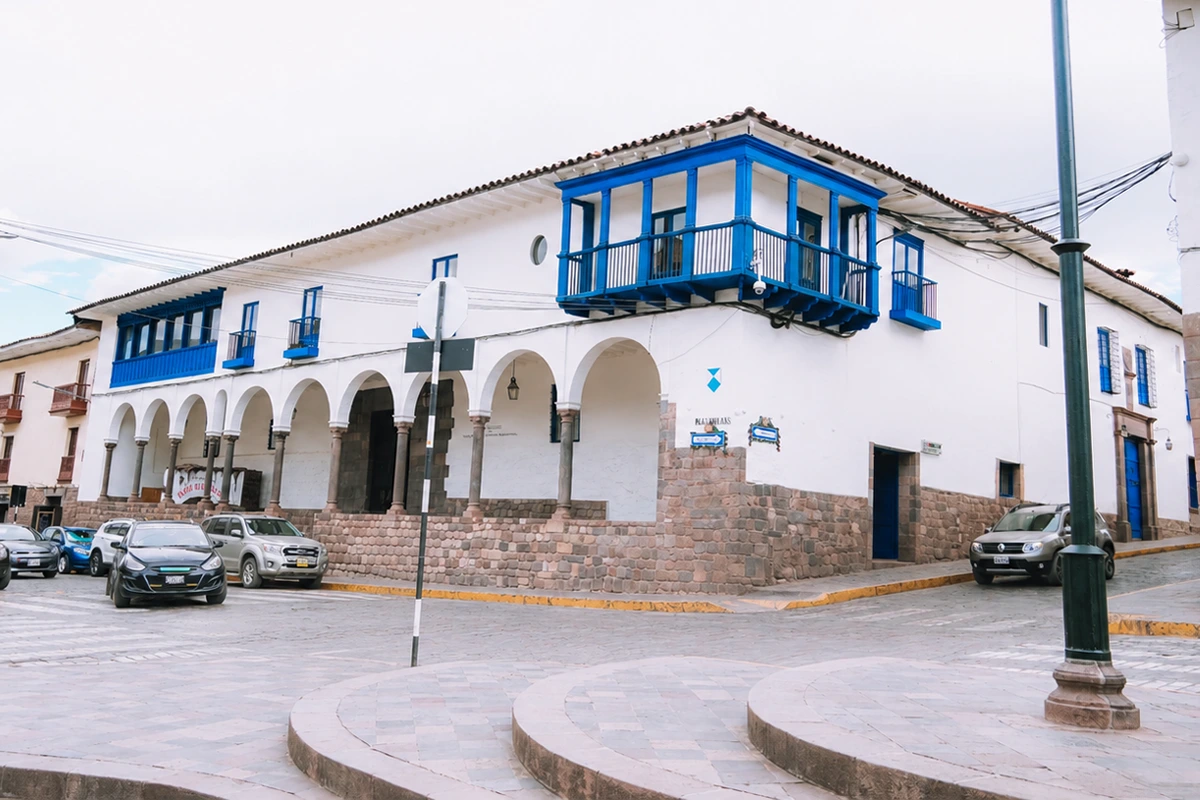
The Regional Historical Museum of Cusco offers a journey through the history of the region, from prehistory to the Republican period.
It is located just a few meters from Plaza Regocijo, next to Cusco’s Main Square. The Inca Garcilaso House Museum is a must-visit for anyone interested in the history, culture, and literature of Peru.
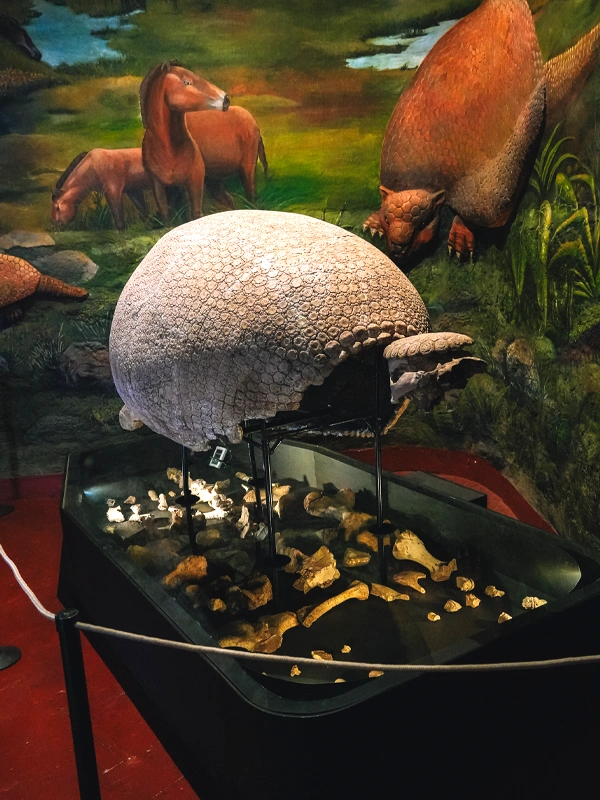
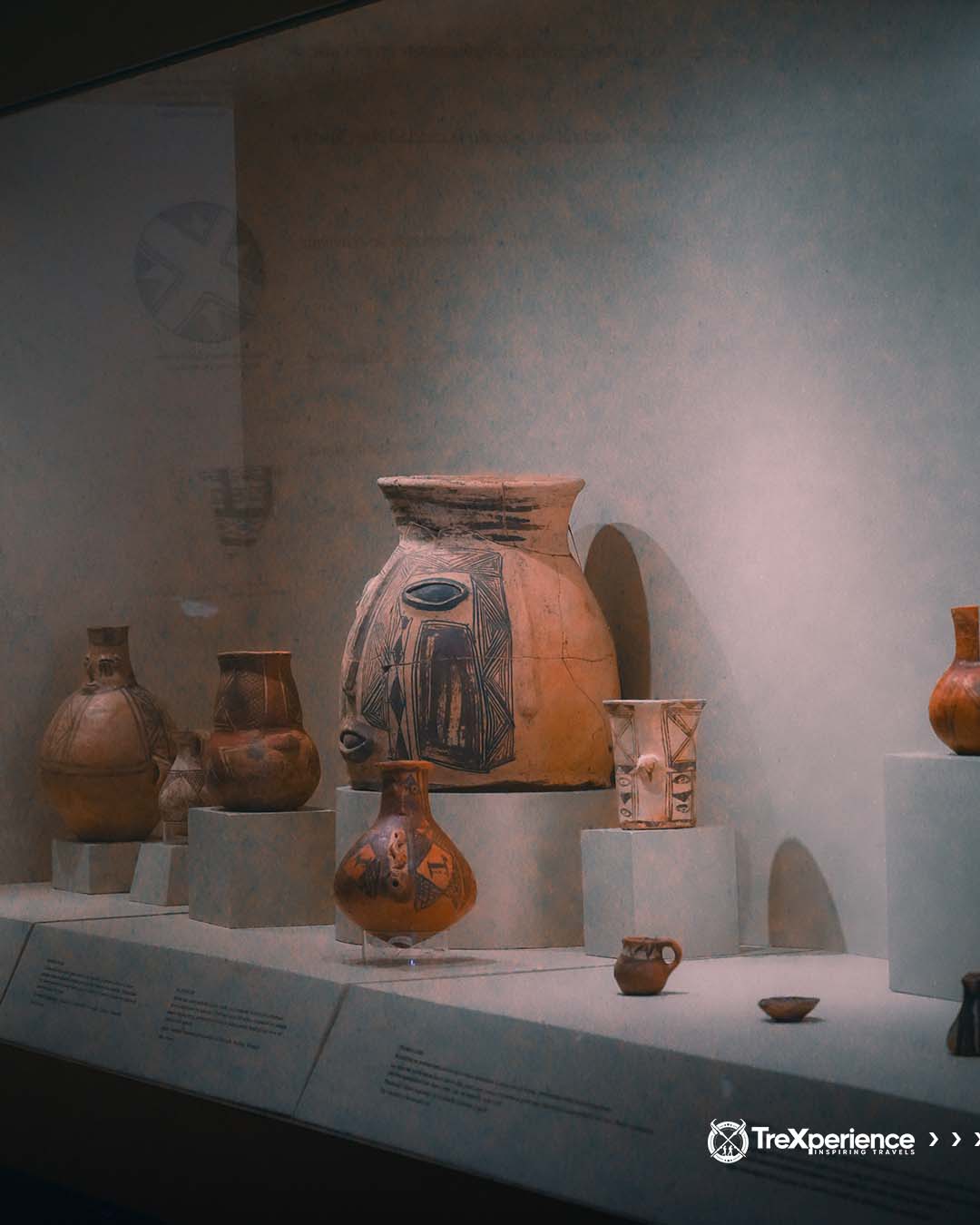
The visit covers different stages of the region’s history, from prehistoric fossils found in Cusco and Wari archaeological remains located in the South Valley of Cusco, to the Cusco chiefdoms that existed before the Incas, the Inca period, the colonial era, and the Republican period.
It also highlights the story of the chronicler Inca Garcilaso de la Vega, a key figure between the Inca and Hispanic worlds because of his mixed heritage and his work “Royal Commentaries,” which is essential for understanding the history and traditions of the Inca Empire after the Spanish conquest.
History of the Regional Historical Museum of Cusco:
Within the ceque system, ritual and invisible lines that extended from Qoricancha toward different points of the Inca territory, the place where the Regional Historical Museum now stands corresponded to the fourth huaca, or sacred place, of the eighth ceque of Chinchaysuyo, the northern region of the empire.
Over time, a large house was built on this site and later became the property of the family of Inca Garcilaso de la Vega, before passing to other owners. In 1963, it was expropriated by the Ministry of Education, and since 1967 it has operated as the Regional Historical Museum of Cusco.
 | |
 |  |
| Details | |
| Address | Heladeros Street 165, Cusco |
| Opening hours | Mon to Sun | 8:00 a.m. to 5:00 p.m. |
| Entrance fee | S/ 70 (Cusco Tourist Ticket) *Free for Peruvian nationals and residents *Free for Cusco residents |
| Cusco Tourist Ticket | Included |
7. Museum and Catacombs of the Convent of San Francisco de Asís
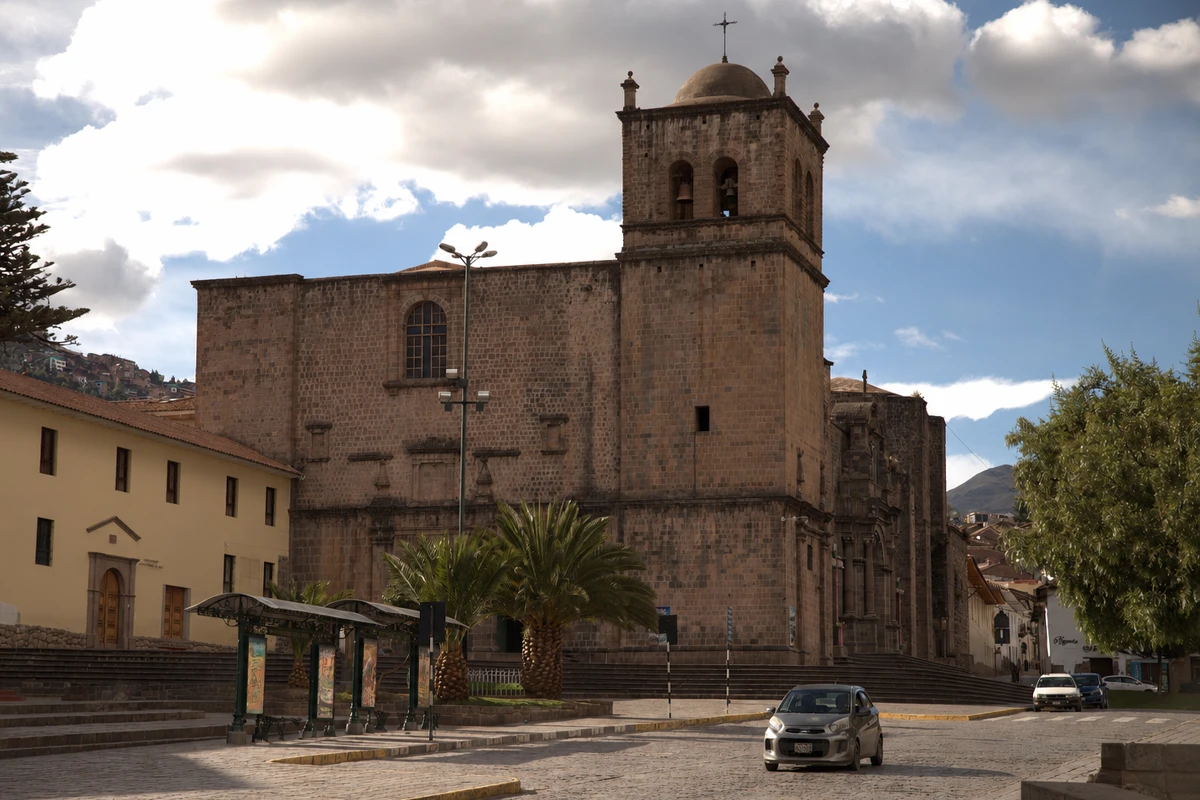
The Museum and Convent of San Francisco is one of the most emblematic and visited religious complexes in the city.
Located in the historic center of Cusco, less than 350 meters west of Cusco’s Main Square, this architectural complex is a magnificent example of mestizo Baroque architecture, blending European and Andean elements. This makes it a living testimony to Cusco’s cultural and religious history.
Inside, you can explore its large courtyard, corridors, library with ancient manuscripts, the incredible upper choir carved in cedar, and its historic catacombs. One of the main highlights of the San Francisco Museum is its collection of paintings, especially a 12-meter-high by 9-meter-wide canvas known as the “Genealogy of the Franciscan Order,” featuring more than 650 figures.
History of the San Francisco Museum in Cusco:
After the arrival of the Spaniards and several relocations of the Franciscan Order within the old city of Cusco, Viceroy Francisco de Toledo ordered the construction of the convent in 1572 on the site where it stands today. Over the years, and with the purpose of sharing the Franciscan legacy, the museum opened its doors to the public.
| Details | |
| Address | San Francisco Square s/n, Cusco |
| Opening hours | Mon to Sun | 9:00 a.m. to 12:00 p.m. and 3:00 p.m. to 5:00 p.m. |
| Entrance fee | S/ 20 national adult S/ 25 foreign adult S/ 10 Cusco adult S/ 10 national / foreign child S/ 6 Cusco child (Children: 6 - 11 years old) |
| Cusco Tourist Ticket | Not included |
8. Inkariy Museum in the Sacred Valley
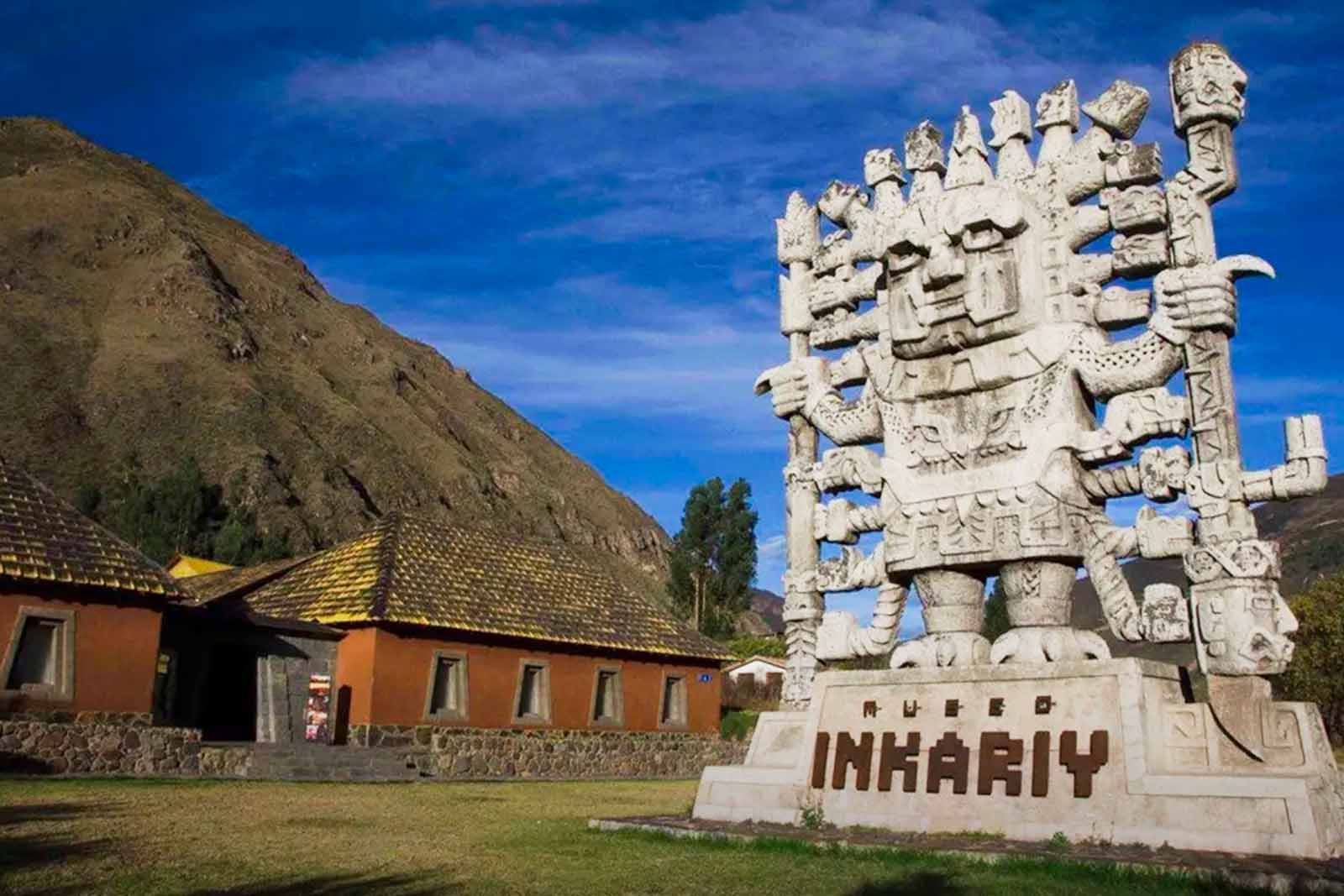
The Inkariy Museum is an innovative space dedicated to education and to celebrating the diverse pre-Columbian cultures of Peru.
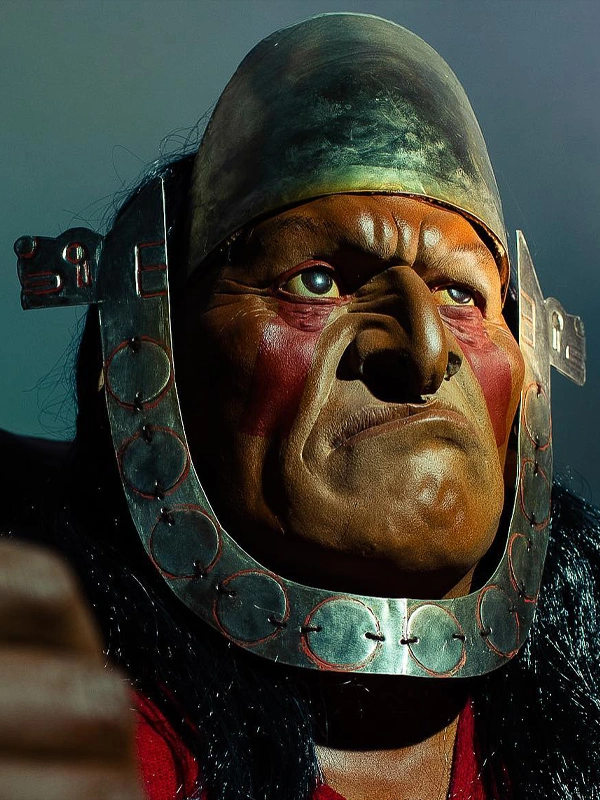
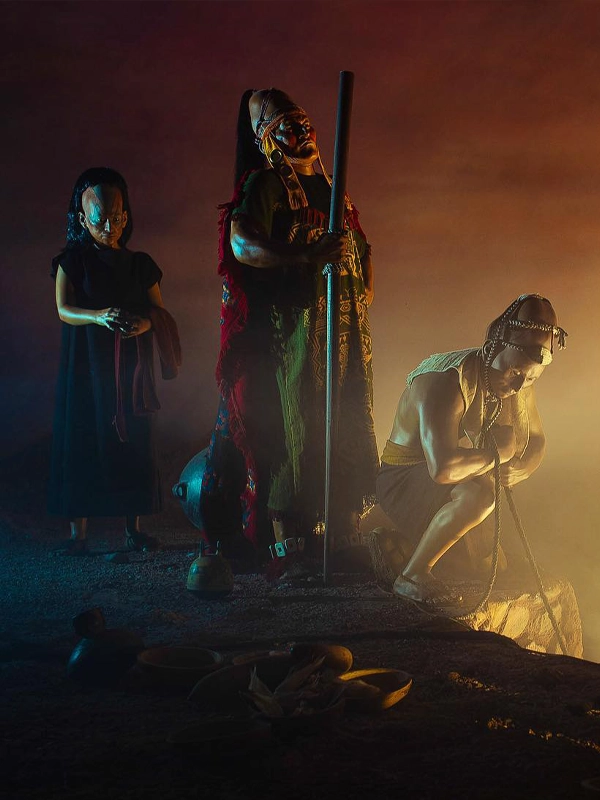
Located in the Sacred Valley, about 30 minutes from Urubamba, this museum offers an educational experience that goes beyond traditional exhibits, with detailed and realistic reconstructions of the ancient civilizations that flourished in Peru.
Visitors to the Inkariy Museum can explore eight pavilions, each dedicated to a specific culture such as Caral, Chavín, Paracas, Nazca, Moche, Wari, Lambayeque, Chimú, and, of course, Inca. These pavilions not only display authentic artifacts and high-quality reproductions, but also use life-size dioramas and multimedia technology to tell the stories of these civilizations in a vivid and engaging way.
History of the Inkariy Museum:
The Mérida family, known for its artisan tradition in the San Blas district and the Santurantikuy festival, together with other artists and archaeologists, began the Inkariy project in 2002 as a new museum experience in Cusco’s Sacred Valley. Its purpose was to share Inca culture and the great diversity of cultures that came before it, using human-scale representations that recreate the landscapes, rituals, and daily life of the people of ancient Peru.
 |  |
| Details | |
| Address | Urubamba Road km 53, Calca, Cusco |
| Opening hours | Mon to Sun | 9:00 a.m. to 5:00 p.m. |
| Entrance fee | S/ 35 national adult S/ 45 foreign adult S/ 20 Cusco adult S/ 20 national child S/ 35 foreign child S/ 15 Cusco child |
| Cusco Tourist Ticket | Not included |
This museum can be a great stop during your visit to the Sacred Valley of the Incas. Allow at least 1 hour for your visit.
9. ChocoMuseo Cusco
ChocoMuseo offers an interactive and educational experience focused on chocolate, from its origins to the final product.
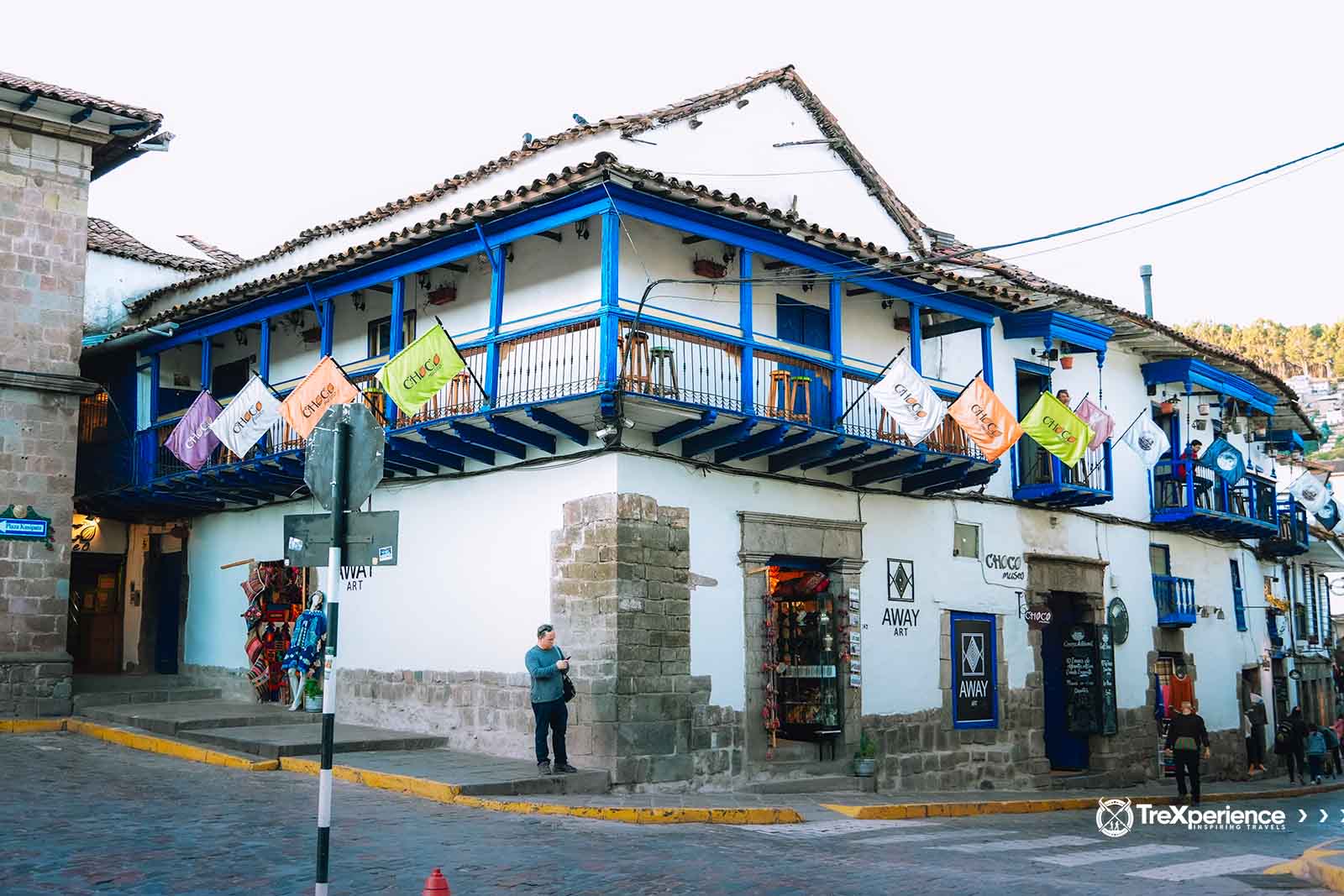
Located near Cusco’s Main Square, this space is not only a museum, but also a chocolate shop, café, and workshop where you can learn about the history of cacao in Peru, a country with a rich cacao tradition.
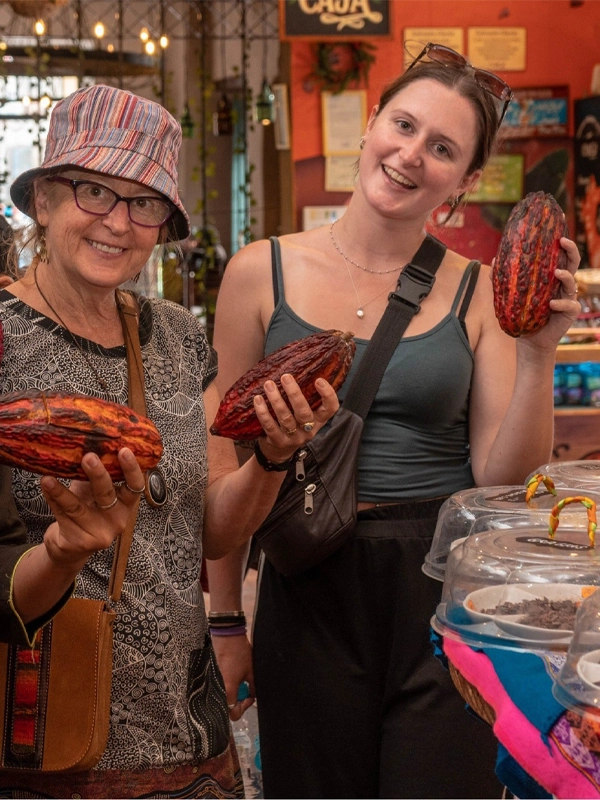
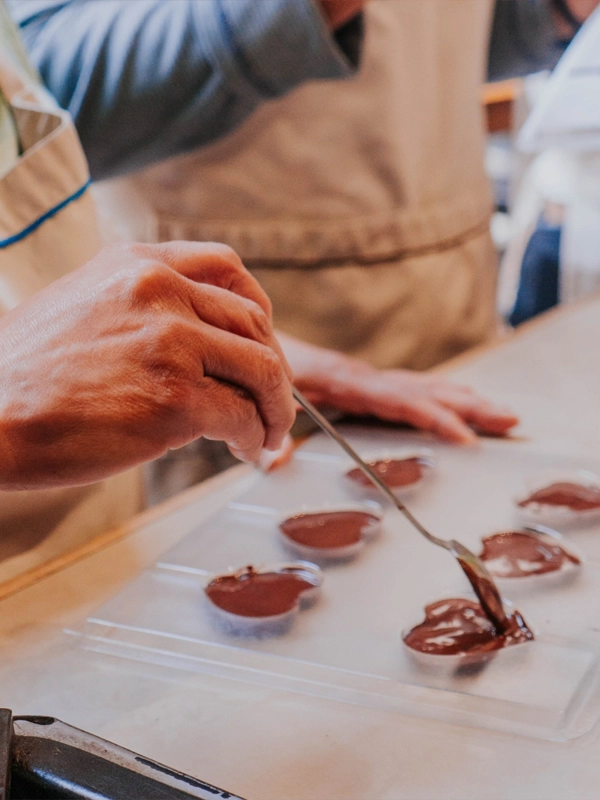
Here, you will have the chance to join chocolate-making workshops, grind cacao beans, prepare traditional chocolate drinks, and create your own chocolate bars with different ingredients.
These interactive activities are not only fun and educational, but also give you a deeper understanding of the importance of cacao in Latin American cultures throughout history. This chocolate museum in Cusco is a must-visit experience for chocolate lovers and anyone interested in Cusco’s culture and gastronomy.
History of ChocoMuseo Cusco
During the colonial period, Cusco’s urban layout was reorganized. Espaderos Street, where ChocoMuseo is located today, had a strong commercial character: it was home to workshops and shops dedicated to selling weapons such as swords, blunderbusses, and daggers. Over time, the place changed uses and owners.
The museum opened in 2011 as a space dedicated to celebrating the natural diversity of cacao and its products. Its proposal focuses on local products, community support, and transparency in every experience, with a commitment to sustainability, authenticity, and the connection between cacao, nature, and people.
 |  |
| Details | |
| Address | Plaza Regocijo, Cusco |
| Opening hours | Mon to Sun | 8:00 a.m. to 8:30 p.m. |
| Entrance fee | Free visit without activities |
| Cusco Tourist Ticket | Not included |
10. Archbishop’s Palace Museum
The Archbishop’s Palace Museum preserves one of the most important collections of religious art in the Cusco region.
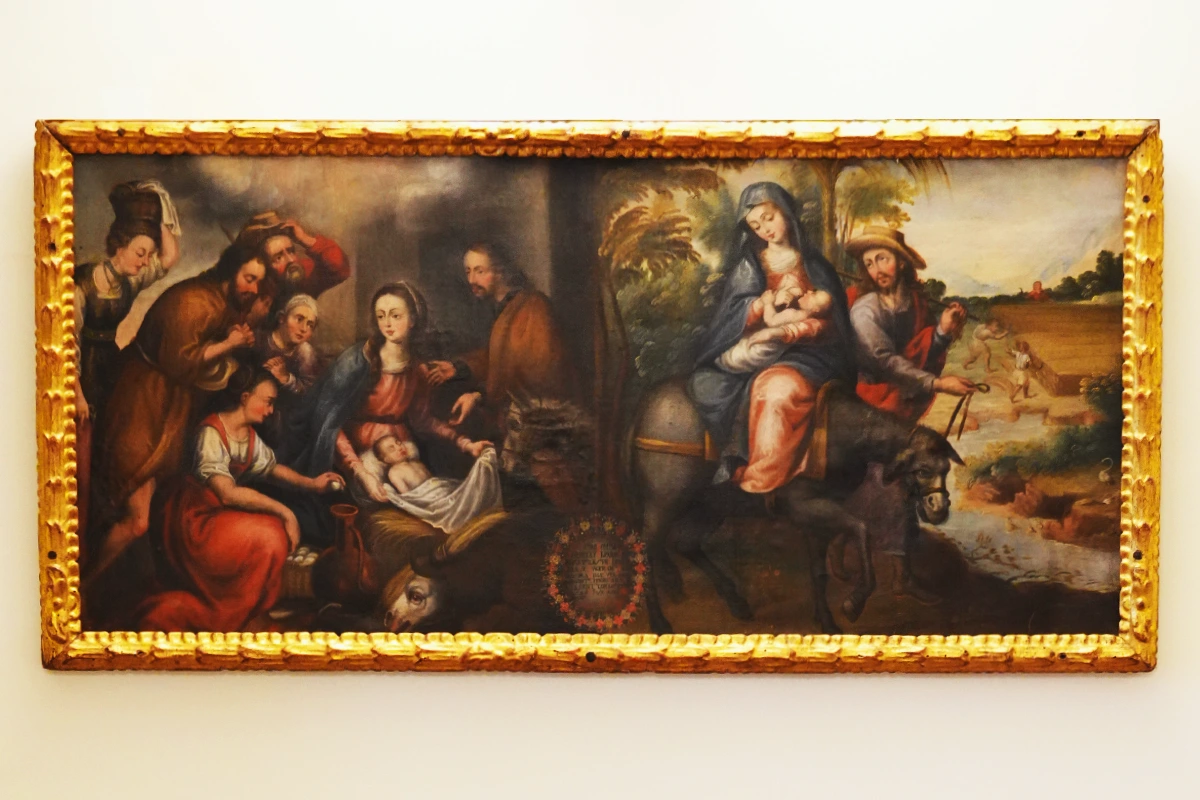
It is located just one block from the Main Square, right in the historic center of the city. Inside its rooms, you will find valuable works from the Cusco School, an artistic style that blended the Andean worldview with European tradition during the viceregal period.
Many of these works were created by Indigenous and mestizo masters, and they stand out for their artistic quality, deep religious meaning, and role in the evangelizing missions that spread through different regions of Peru and the Americas. One of its most notable collections is found in its Corpus Christi room, along with the famous series of Zodiac paintings attributed to the great Cusco master Diego Quispe Tito.
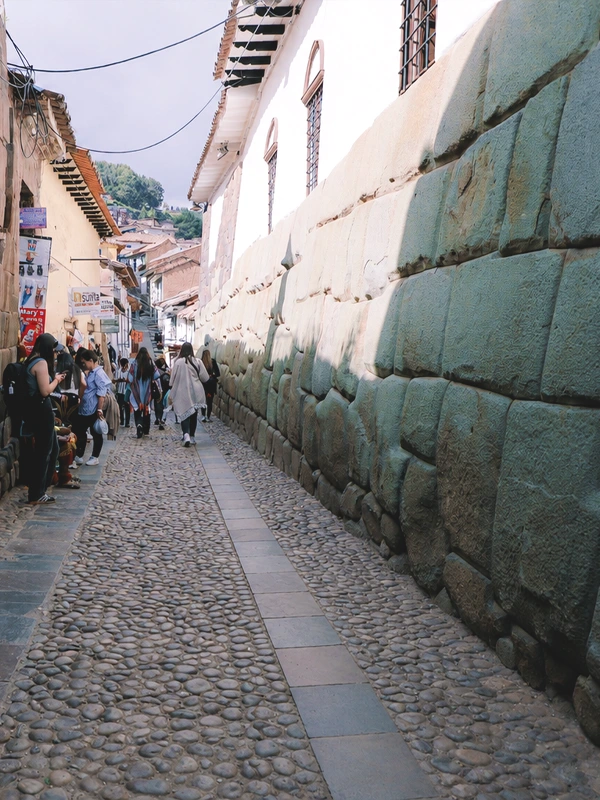
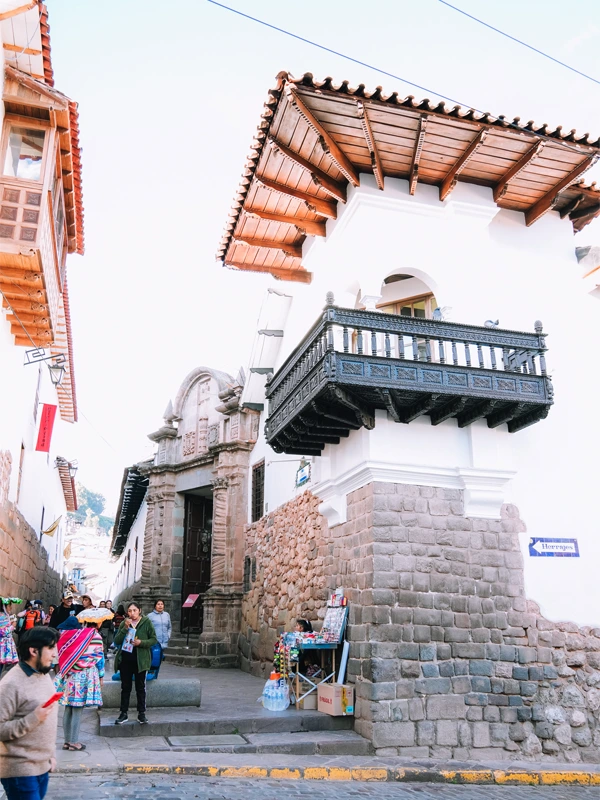
The Archbishop’s Museum in Cusco also stands out for the historical value of the building itself. Its architecture preserves elements from different periods: pre-Hispanic, colonial, and Republican. The most striking features are its large stone doorway with a Mudéjar-style corner balcony and its exterior wall, built with large blocks of green diorite, a very hard and resistant igneous rock. Among these stones is the famous Twelve-Angled Stone, a symbol of the extraordinary technical skill of Inca builders.
History of the Archbishop’s Palace Museum of Cusco
Like other buildings in Cusco’s historic center, the current Archbishop’s Palace Museum was once part of the residence of an important Inca figure. In this case, it belonged to the sixth Inca, Inca Roca. From that period, beautiful green diorite walls are still preserved and can be seen on three of its exterior façades.
After the conquest, part of the site was dismantled to make way for new colonial houses. Over time, this mansion belonged to the Valverde Contreras y Záraba family, the Marquises of Rocafuerte. Today, the building serves as the Archbishop’s Palace and museum.
 | |
 |  |
| Details | |
| Address | Hatunrumiyoc Street, Cusco |
| Opening hours | Mon to Sun | 8:00 a.m. to 6:00 p.m. |
| Entrance fee | S/ 10 adult S/ 5 student |
| Cusco Tourist Ticket | Not included |

What to See Near Cusco’s Main Square?
Cusco Cathedral
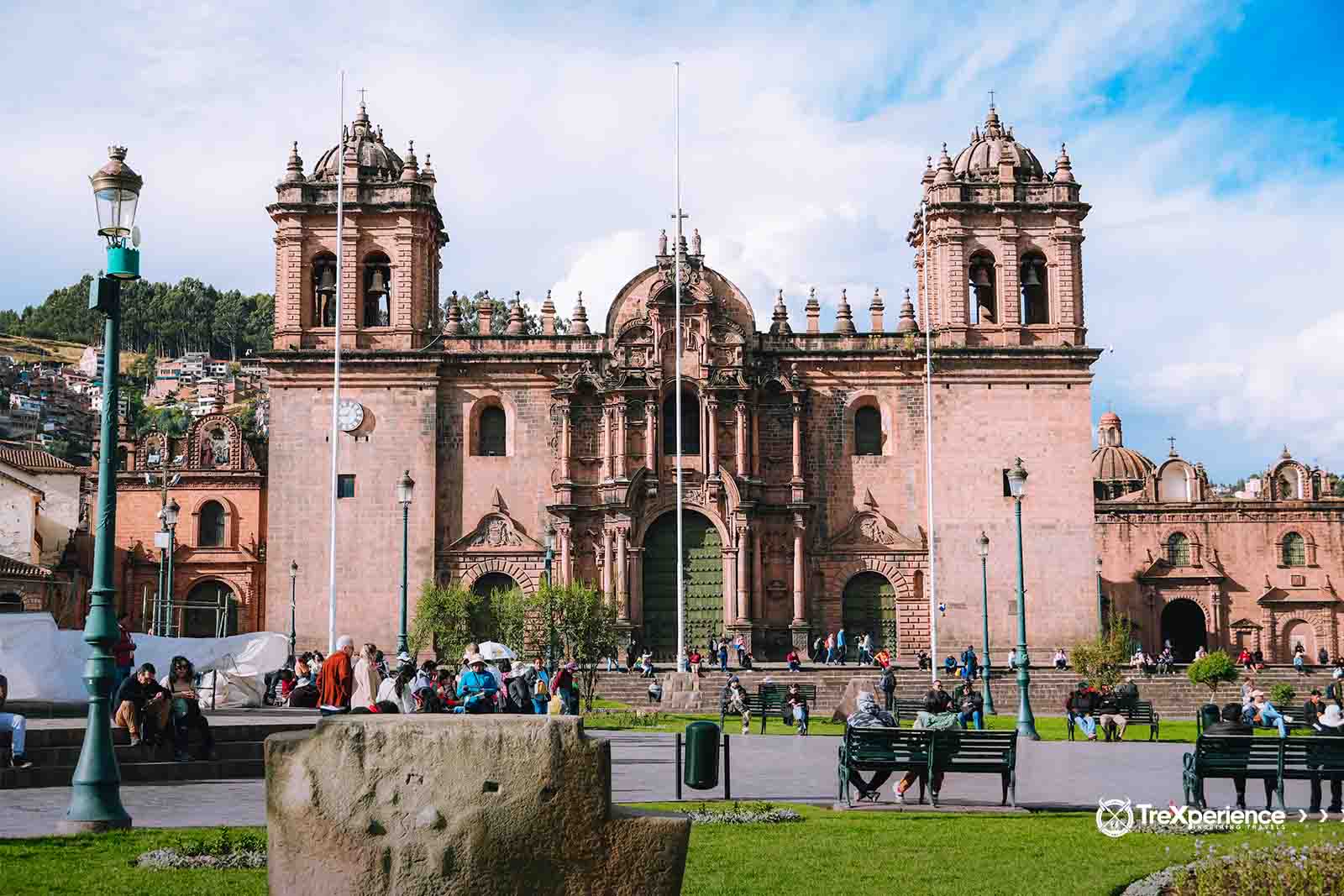
Located in the Main Square, Cusco Cathedral is a remarkable example of the fusion between colonial Baroque architecture and Andean elements. Built between 1560 and 1664 over an ancient Inca palace, this cathedral is not only a place of worship but also a museum of religious art.
It houses important works, including a unique version of The Last Supper featuring Andean guinea pig, as well as an impressive collection from the Cusco School. A visit to Cusco Cathedral is essential for understanding the city’s rich religious history and cultural heritage.
Read later | Cusco Cathedral
Church of the Society of Jesus
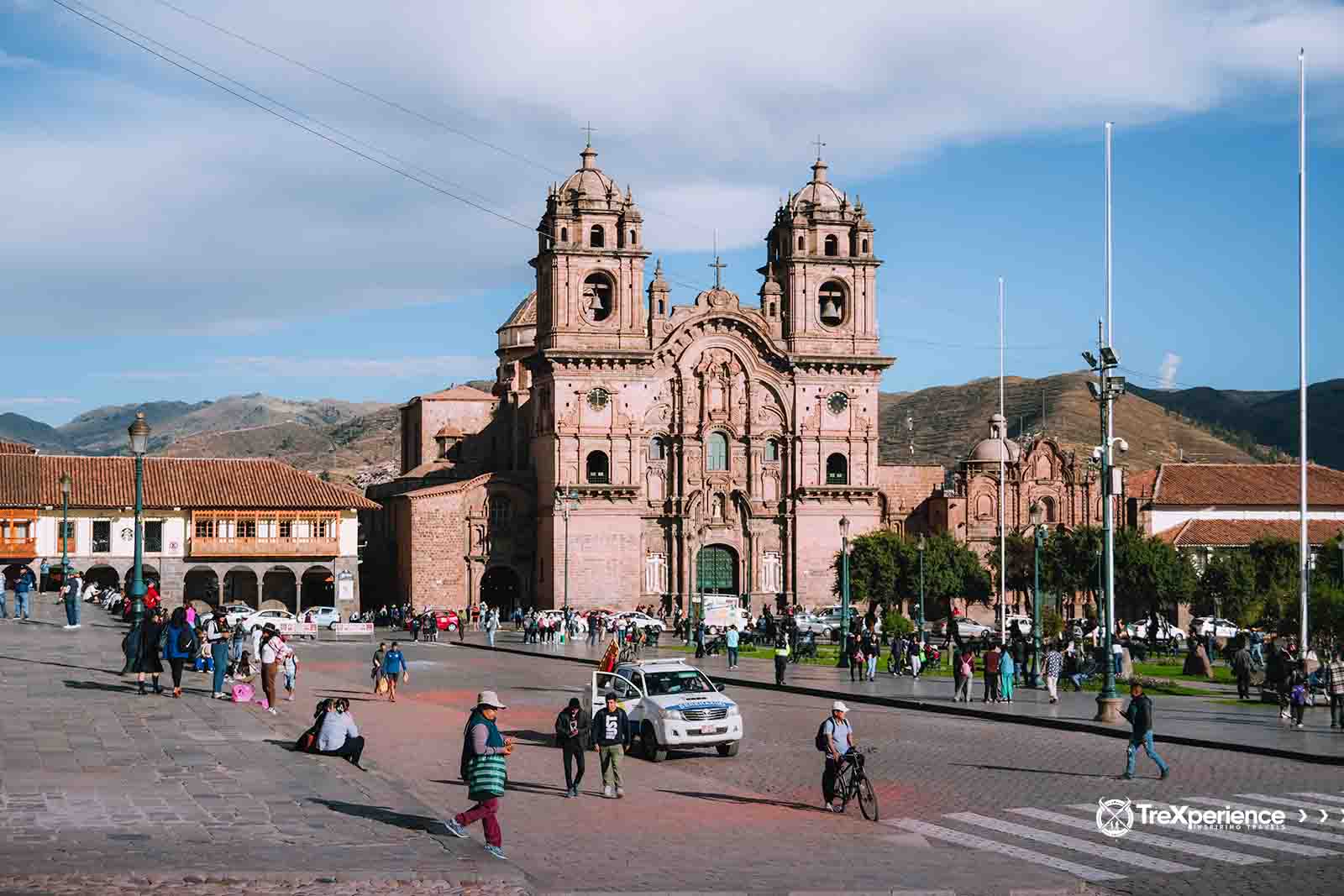
The Church of the Society of Jesus in Cusco, located in the Main Square next to the cathedral, is one of the finest examples of colonial Baroque architecture in the Americas. It was built over the Inca palace of Amarucancha.
Damaged by the earthquake of 1650, it was rebuilt by 1668 with an andesite façade and a gilded wooden altar. Inside, it preserves valuable works from the Cusco School, such as the painting of the “Virgin of the Society,” along with a remarkable Baroque organ and several chapels with saints and religious figures.
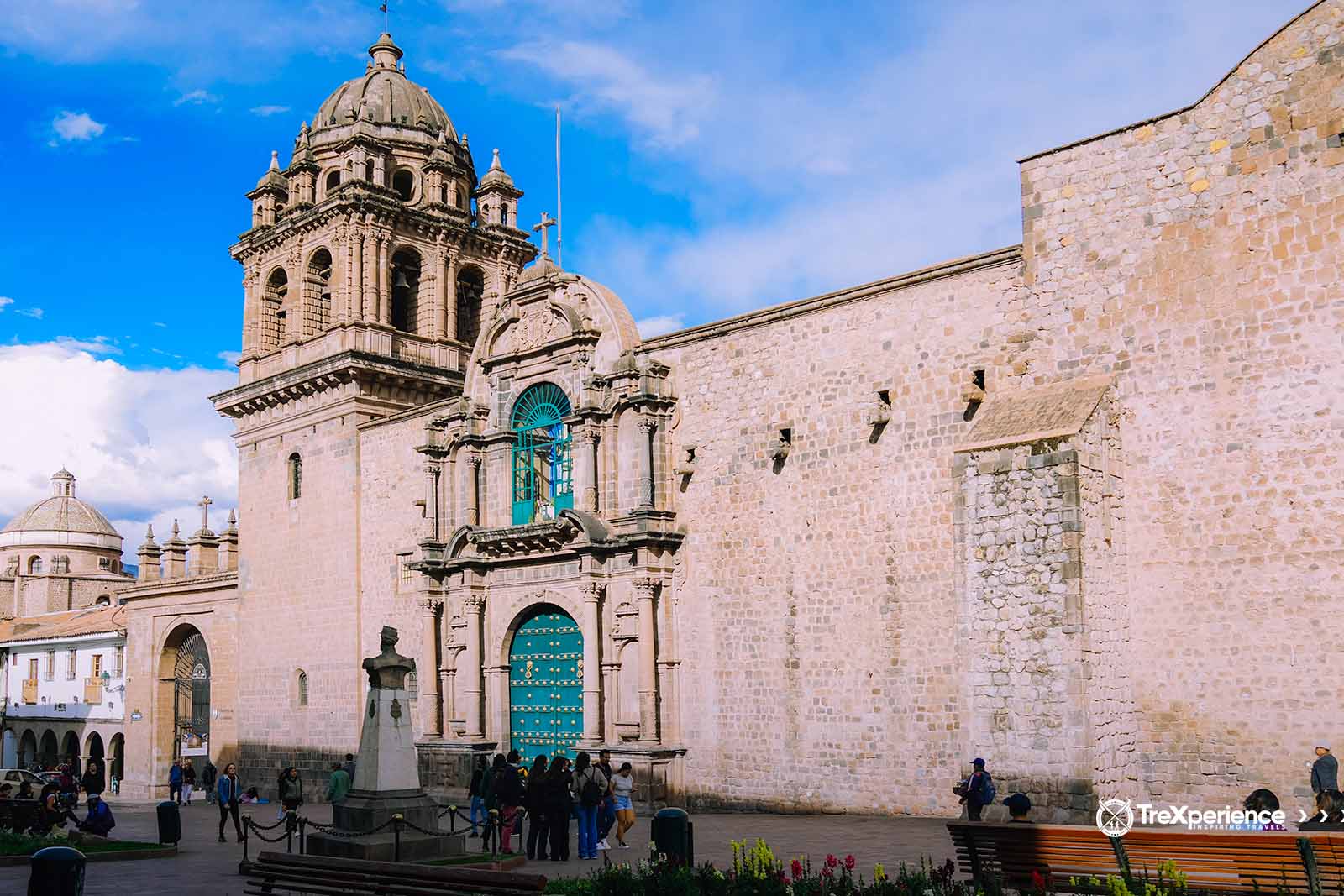
La Merced Church
La Merced Church in Cusco is one of the city’s most important colonial churches. First built in the 16th century and later reconstructed after the 1650 earthquake, this temple is a beautiful example of mestizo Baroque style, combining European and Andean elements.
The church is especially famous for housing the Monstrance of La Merced, an impressive piece of goldsmithing made of gold and precious stones, considered one of the most valuable in the Americas. Its interior is also decorated with rich artworks, including paintings from the Cusco School and a beautifully crafted main altarpiece.
Cusco’s Rich Heritage Through Its Museums
Discovering Cusco through its museums means taking a fascinating journey through the history and art that have shaped this iconic city. You will not only learn about Cusco’s rich past, but also help support the preservation of these treasures for future generations.
Plan your visit to Cusco now and let yourself be inspired by the stories each museum has to share.
The Best Museums in Cusco FAQs
What payment methods do museums in Cusco accept?
In most museums in Cusco, cash is still the most practical and reliable payment method. Paying by credit card is not always possible, although some private museums or spaces with additional activities may offer this option. For this reason, it is best to carry cash in Peruvian soles.
When is admission to museums in Cusco free?
On the first Sunday of each month, admission to museums in Cusco is free. In general, publicly managed museums usually offer free entry for Peruvians and residents of Peru. Keep in mind that this benefit does not necessarily apply to private museums or spaces not managed by government institutions. In those cases, the current official rates still apply.
When is museum admission in Cusco free for foreign visitors?
In general, free admission for foreign visitors is not offered regularly at museums in Cusco. Each museum sets its own prices. However, on special dates or during cultural activities, such as exhibitions, symposiums, or educational visits, some spaces may offer free entry or special conditions.
What is the best time to visit museums in Cusco?
The best time to visit museums in Cusco is usually in the morning. At that time, many tours take place outside the city, so some museums tend to be less crowded and can be explored more calmly. This is a good option if you are traveling with family, children, or older adults. One exception may be the Santo Domingo Museum at Qoricancha, which usually receives visitors throughout the day.
Which museums in Cusco offer snacks or places to eat?
Some museums in Cusco offer services or experiences related to food. ChocoMuseo, for example, includes activities connected to chocolate; the Museum of Pre-Columbian Art has a restaurant; and the Santo Domingo Museum at Qoricancha has a café. If you are looking for something more traditional, the Santa Catalina Museum can also be a good place to find desserts prepared by the nuns.
Which museums in Cusco have libraries inside?
Not all museums in Cusco have a library, but some spaces do offer a quieter place to review historical or cultural material. Among the most recommended are the library at the Santo Domingo Museum in Qoricancha and the library at the Museum and Catacombs of the Convent of San Francisco de Asís.
Which museums in Cusco are more accessible for wheelchairs?
Accessibility can be limited in several museums in Cusco. This is due to the geography of the historic center and the fact that many exhibitions are housed inside old mansions, convents, or historic buildings. In some cases, access may be difficult for wheelchair users or visitors with reduced mobility.
Which museums in Cusco allow photography?
It depends on each museum. In many places, taking photos of artworks, archaeological pieces, handicrafts, or exhibition items is not allowed. In other cases, photos are allowed without flash. To avoid any inconvenience, it is best to ask the staff before starting your visit, especially if you want to use a professional camera or record video.
Can you buy tickets to museums in Cusco online?
In most cases, tickets to museums in Cusco are purchased directly at each museum’s ticket office and are issued in physical format. Some private museums may offer information, reservations, or inquiries through digital channels, but online ticket sales are not always available.
Do you need a guide to visit museums in Cusco?
It is not mandatory, but visiting museums in Cusco with a guide can make the experience much more interesting. A good guide helps you interpret the pieces, understand the historical context, and connect each work with Andean, colonial, or Republican culture. If you prefer to visit on your own, many museums offer information sheets, maps, panels, videos, interactive screens, or audio guides for an additional cost.

Add new comment