



If you are wondering, is Peru safe? you are not alone. This guide explains where Peru is generally safe, which areas are better avoided, and how to travel responsibly. Since safety can vary by region, season, and travel style, staying informed and planning with care can make your trip much smoother and more comfortable.
Is Peru Safe for Tourists?
Yes, Peru is generally safe for travelers who stay on main routes, use trusted transport, and plan for altitude and local conditions.
As with any destination, it is best to use common sense and take some precautions, especially in crowded cities, public places, and local festivals where petty theft can occur. Popular destinations such as Lima, Ica, Cusco, Arequipa, and Puno are visited every day without major issues.
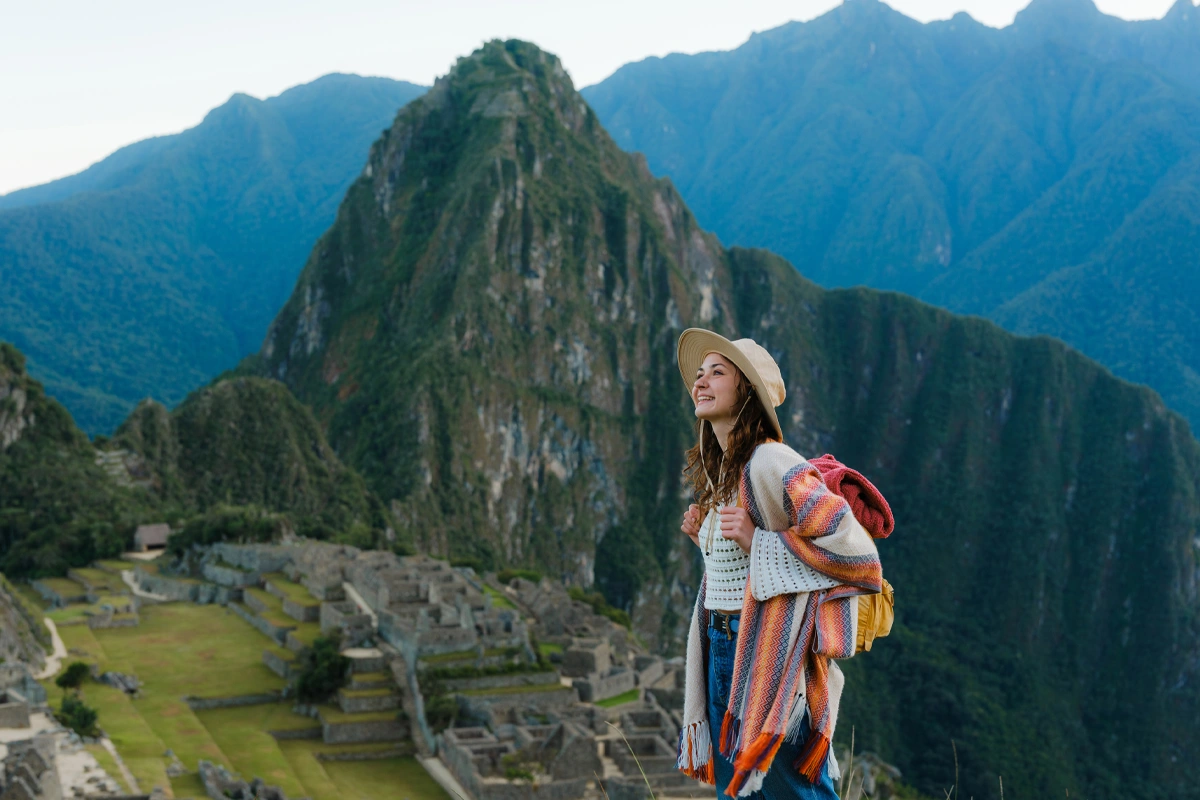
Peru Travel Advisory: What Travelers Should Know
According to global travel insights and government advisories, Peru is generally considered safe for tourist. For example, the U.S. Department of State currently lists Peru as Level 2: Exercise Increased Caution. This does not mean travelers should avoid Peru entirely, but it does mean visitors should stay alert, avoid high-risk areas, and follow official guidance.
What areas should you avoid in Peru?
Some areas of Peru carry a Level 4 “Do Not Travel” advisory due to terrorism, drug trafficking, and violent crime. It is essential to avoid these regions entirely:
- VRAEM (Valley of the Apurímac, Ene, and Mantaro Rivers).
- The area near the Colombia-Peru border in Loreto.
- High-risk zones near the Ecuadorian border due to crime and landmines.
Peru Travel Advisory Map - Areas You Should Avoid
- It's important to note that tourist destinations in Peru are not located within these high-risk areas.
Lima City Safety
The capital of Peru has safe, modern visitor districts as well as areas where tourists should be more cautious. Although Lima is Peru’s largest city and has more reported crime overall, most tourist safety concerns are primarily concentrated in outlying neighborhoods, located far from the main visitor areas.
Is Lima Peru safe?
Yes, Lima is generally safe for tourists. Like many large capital cities, safety in Lima depends a lot on the neighborhood, the time of day, and how you move around.
Lima Airport Arrival
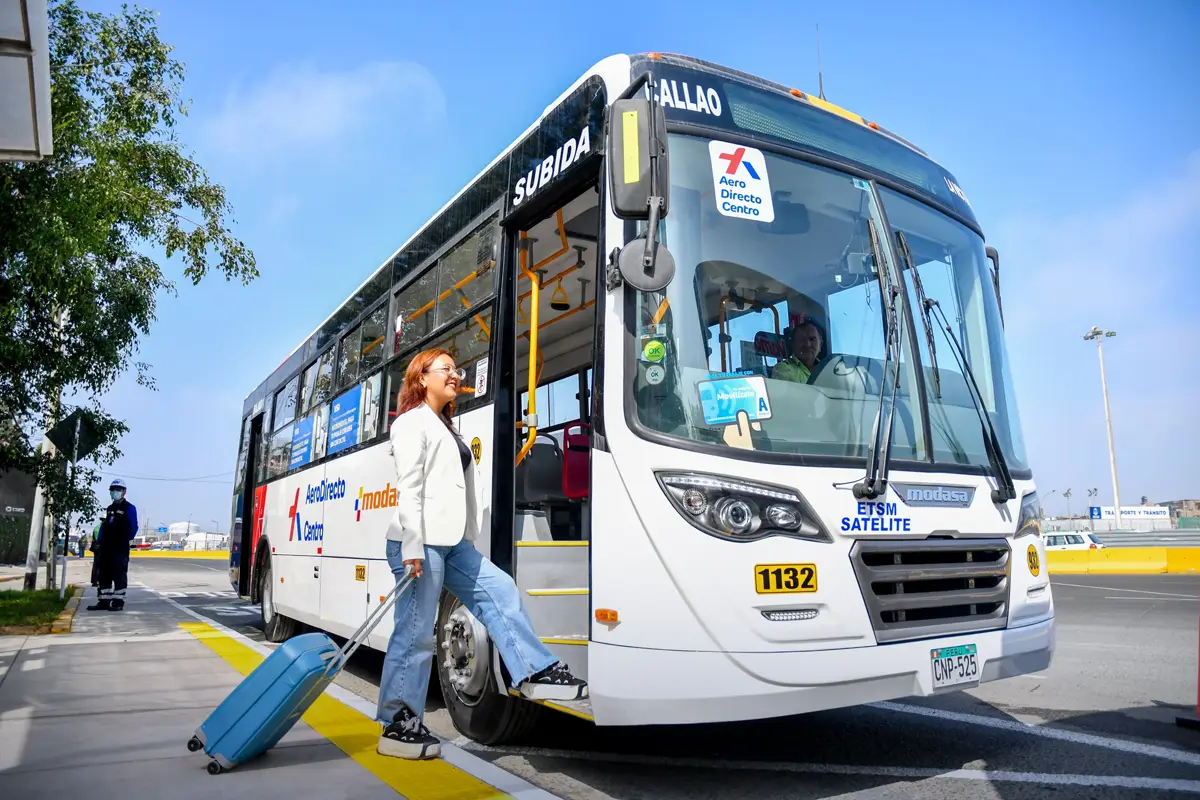
For a secure arrival at Jorge Chávez International Airport and other airports in Peru, the safest way to reach your hotel is by using official airport taxis. Alternatively, in Lima, you can take vetted shuttle bus like Aerodirecto and Airport Express, which offer regulated fares. Do not accept random taxi offers inside or outside the airport terminal.
Lima’s Safest Tourist Districts
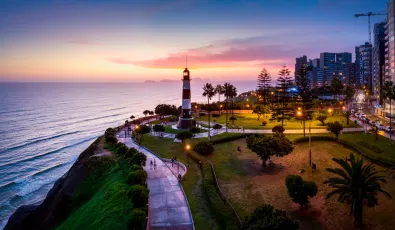
Most visitors stay in well-known tourist and residential areas such as Miraflores, San Isidro, Barranco, San Borja, Santiago de Surco, Magdalena del Mar, and Jesús María.
These districts have hotels, restaurants, parks, museums, and easier access to trusted transport. However, petty theft can still happen, especially in crowded streets, markets, nightlife areas, and busy tourist spots.
Safest Areas to Stay in Lima
For most travelers, the best areas to stay in Lima are Miraflores, San Isidro, and Barranco.
- Miraflores is one of the most popular districts for first-time visitors. It has oceanfront parks, hotels, cafés, restaurants, shopping areas, and easy access to places like Larcomar, Kennedy Park, and Huaca Pucllana.
- San Isidro is quieter and more residential, with upscale hotels, business areas, parks, and excellent restaurants. It is a good option for travelers who prefer a calmer base.
- Barranco is Lima’s bohemian district, known for art galleries, cafés, nightlife, murals, and the Bridge of Sighs. It is a great place to visit during the day and evening, but travelers should still be careful late at night and avoid quiet streets.
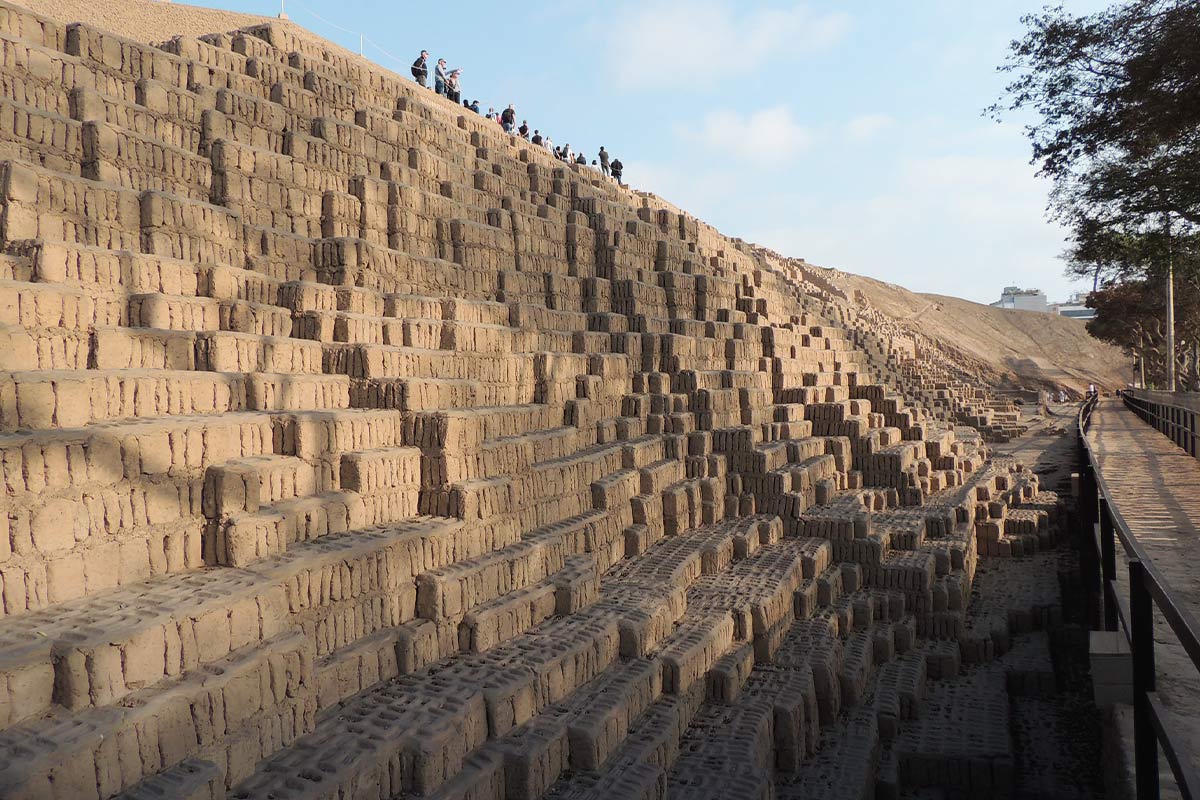
Major tourist and archaeological sites such as Lima Main Square, Pachacamac, the historic center of Callao, and Caral are actively guarded by the tourist police. If you plan to engage in slum tourism in Lima's outlying districts, be aware of potential risks and always book with official, secure tour agencies.
Ica: Paracas, Huacachina and Nazca
The Ica region is generally safe for tourists and is one of the most popular routes from Lima, especially for travelers visiting Paracas, the Ballestas Islands, Huacachina, and the Nazca Lines. The main safety concerns here are not usually violent crime, but transport, desert activities, boat conditions, weather, and choosing authorized operators.
Paracas and Ballestas Islands
Just a few hours south of Lima, Paracas is the main starting point for boat tours to the Ballestas Islands, one of the most visited coastal attractions in Peru.
It is mandatory to depart from official docks in Paracas: the El Chaco Pier and the Tourist Marina, which safely regulate tourist boat traffic by guaranteeing certified vessels and licensed drivers.
Paracas National Reserve and Huacachina Oasis
The Paracas National Reserve is generally safe to visit with an organized tour, private transport, or a trusted driver. The reserve is a desert landscape with coastal cliffs, beaches, viewpoints, and limited services in some areas.
The Huacachina oasis is famous for its sand dunes, dune buggy rides, and sandboarding. It is a fun and popular destination, but the desert activities should be booked carefully. Choose an authorized vehicle with a reinforced roll cage, secure seats, and 3- or 4-point seatbelts.

Nazca Lines Flight Safety
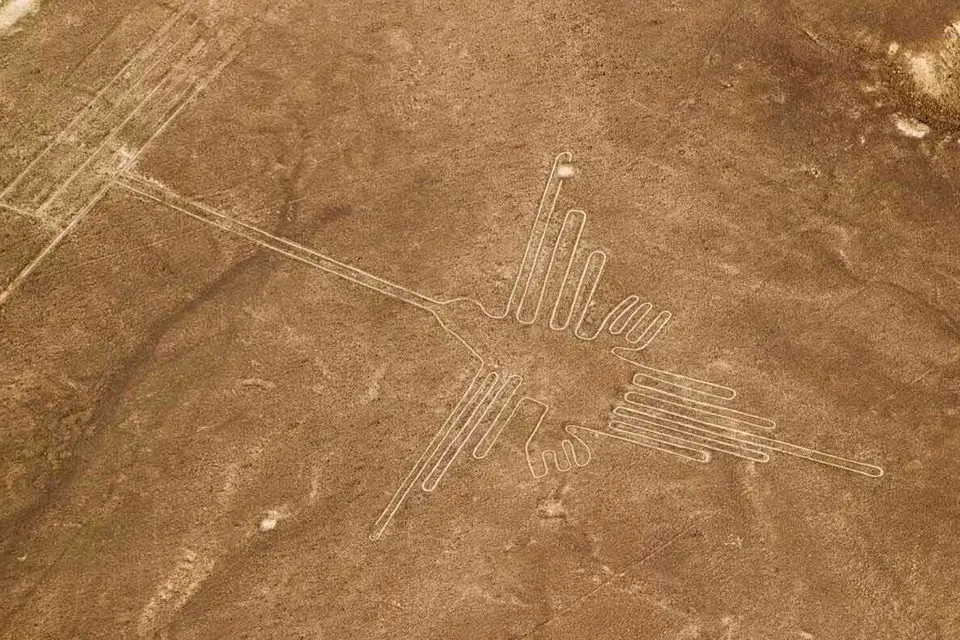
Flying over the Nazca Lines is one of the best ways to see these massive desert geoglyphs. Flights usually depart from María Reiche Airport, just outside Nazca town. The Ministry of Transport and Communications (MTC) strictly supervises these companies to ensure they operate with licensed pilots and certified aircraft.
So, is flying over the Nazca Lines safe?
Yes, it is generally safe when booked through a certified airline. To ensure the best experience, choose a reputable operator, confirm safety credentials, and follow all instructions provided by the crew.
Cusco Safety and the Sacred Valley
As the main gateway to the Sacred Valley and Machu Picchu, Cusco has a strong tourism infrastructure and a visible police and tourism activity in the main visitor areas.
Is Cusco safe?
Yes, Cusco is widely considered one of the safest destinations in Peru for both tourists and locals. In the key areas like the Cusco Main Square, visitors will note a police presence and a steady flow of tourism activity throughout the day.
Safety in Cusco City
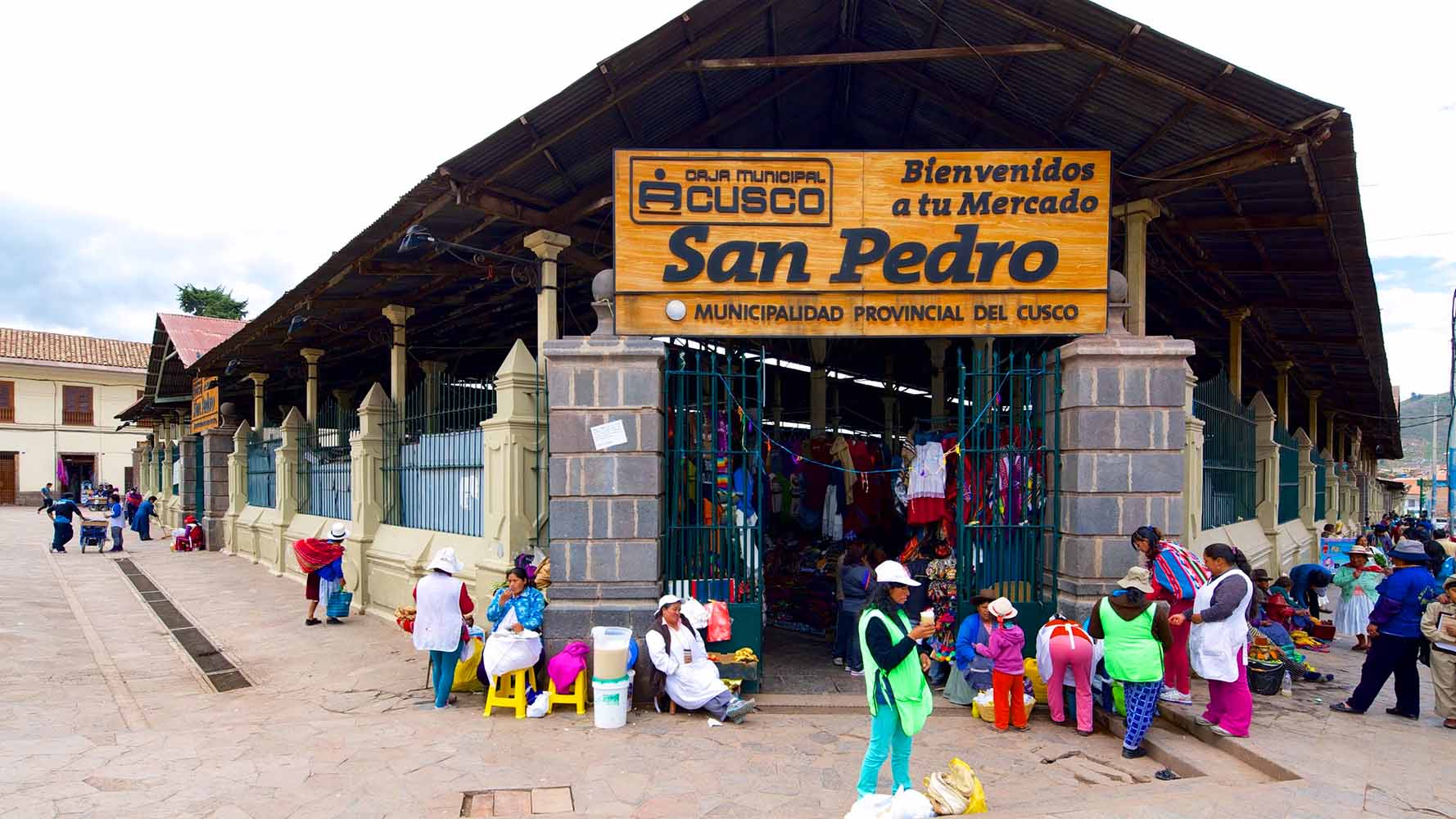
Like any popular destination, Cusco still requires basic precautions. When visiting local markets, busy streets, cultural events, or areas outside the historic center, stay alert and keep an eye on your belongings. Pickpocketing can happen in crowded places, so it is best to keep your phone, wallet, and passport secure and use only registered taxi services.
Hiking Routes in Cusco
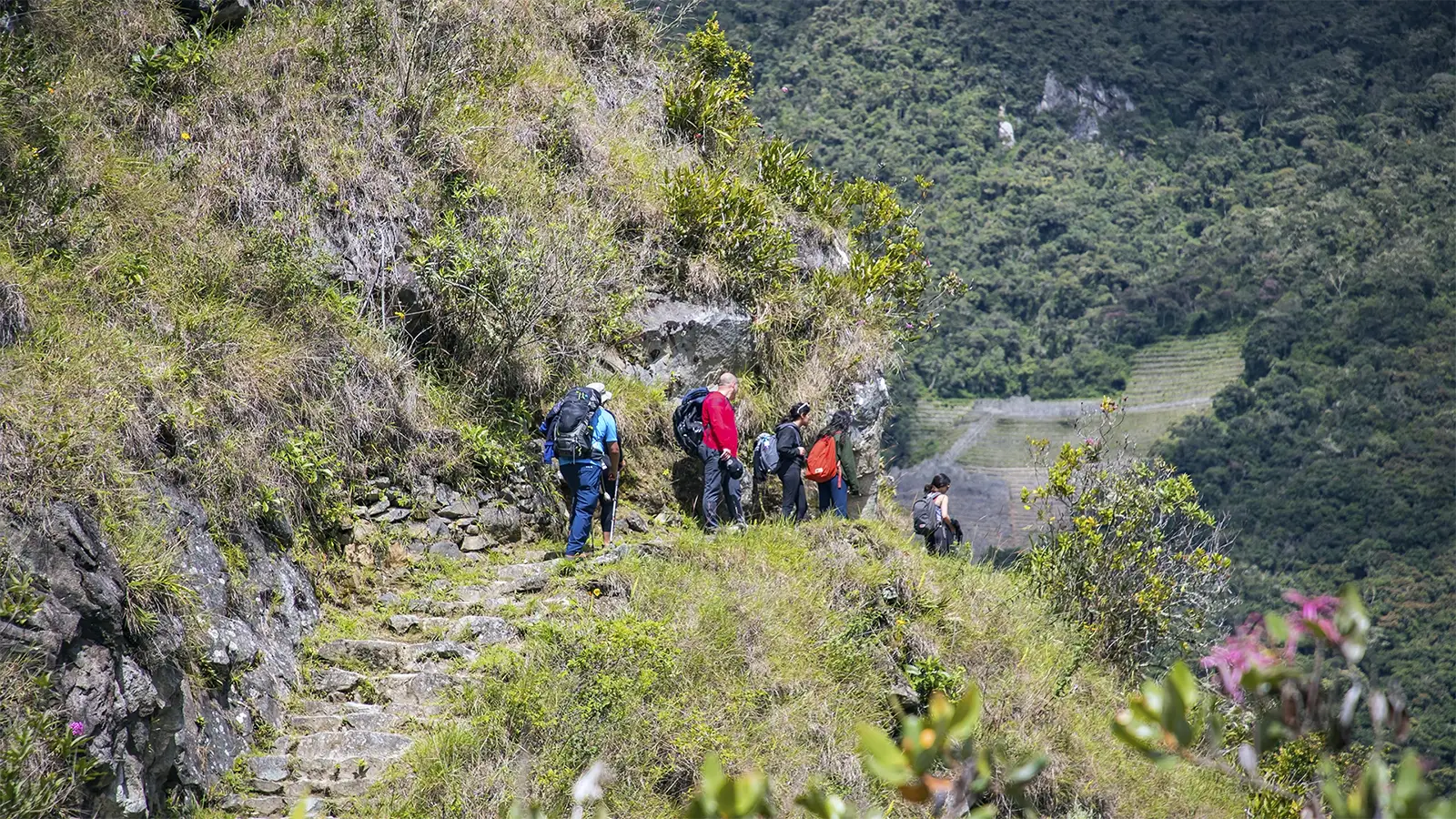
Cusco is the starting point for some of Peru’s most famous high-altitude hikes, including Rainbow Mountain, the Classic Inca Trail, and the Salkantay Trek. These routes welcome thousands of travelers every year, but the main safety concerns are related to altitude and physical effort rather than crime.
For trekking journeys, proper acclimatization is essential. It is also important to book with a reputable tour operator that can provide trained staff, emergency oxygen, and assistance in case of altitude-related issues.
Is Machu Picchu safe?
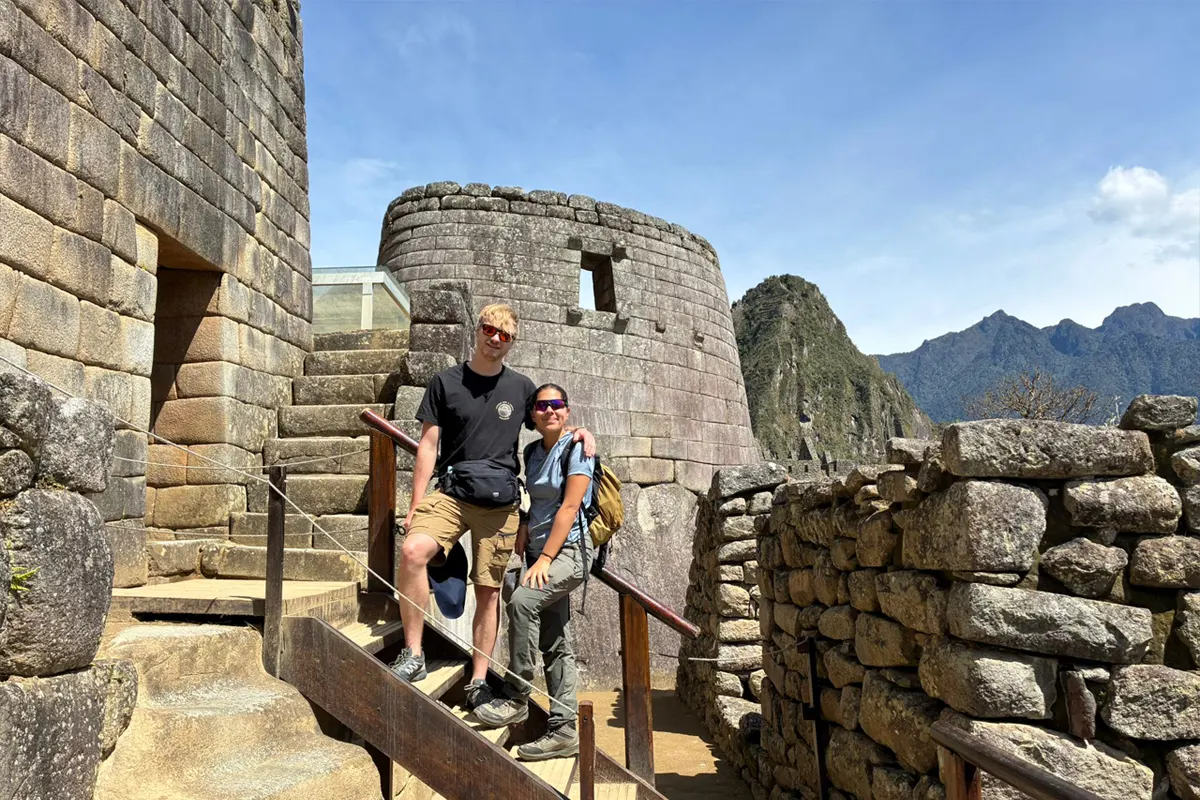
Yes, Machu Picchu is one of Peru’s most regulated tourist attractions, with controlled entry, marked visitor circuits, and organized access routes.
At Machu Picchu, safety risks are primarily physical. Watch your step on steep, uneven stone paths, which can become very slippery during the rainy season (October – April).
Safety in Aguas Calientes Town
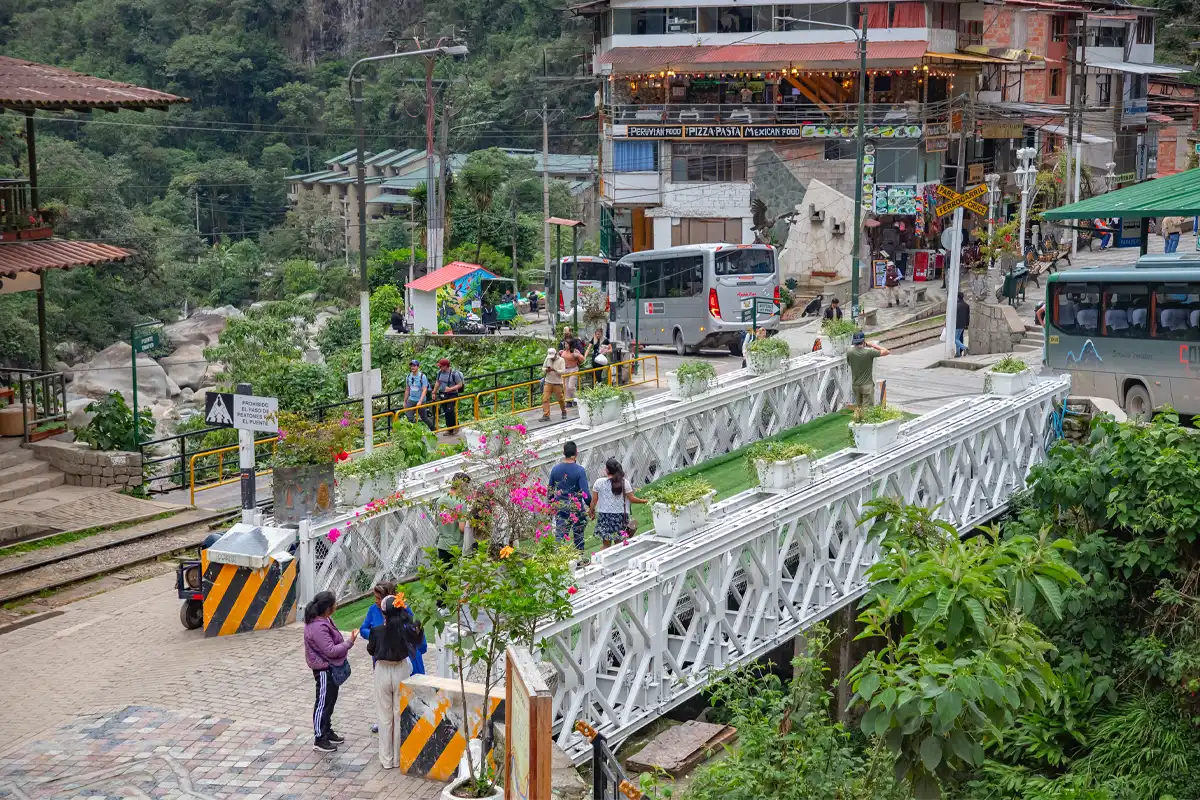
The nearby town of Aguas Calientes is also generally safe for visitors and is built around tourism, with hotels, restaurants, trains, buses, and tour guide services.
Safety in Arequipa and Colca Canyon
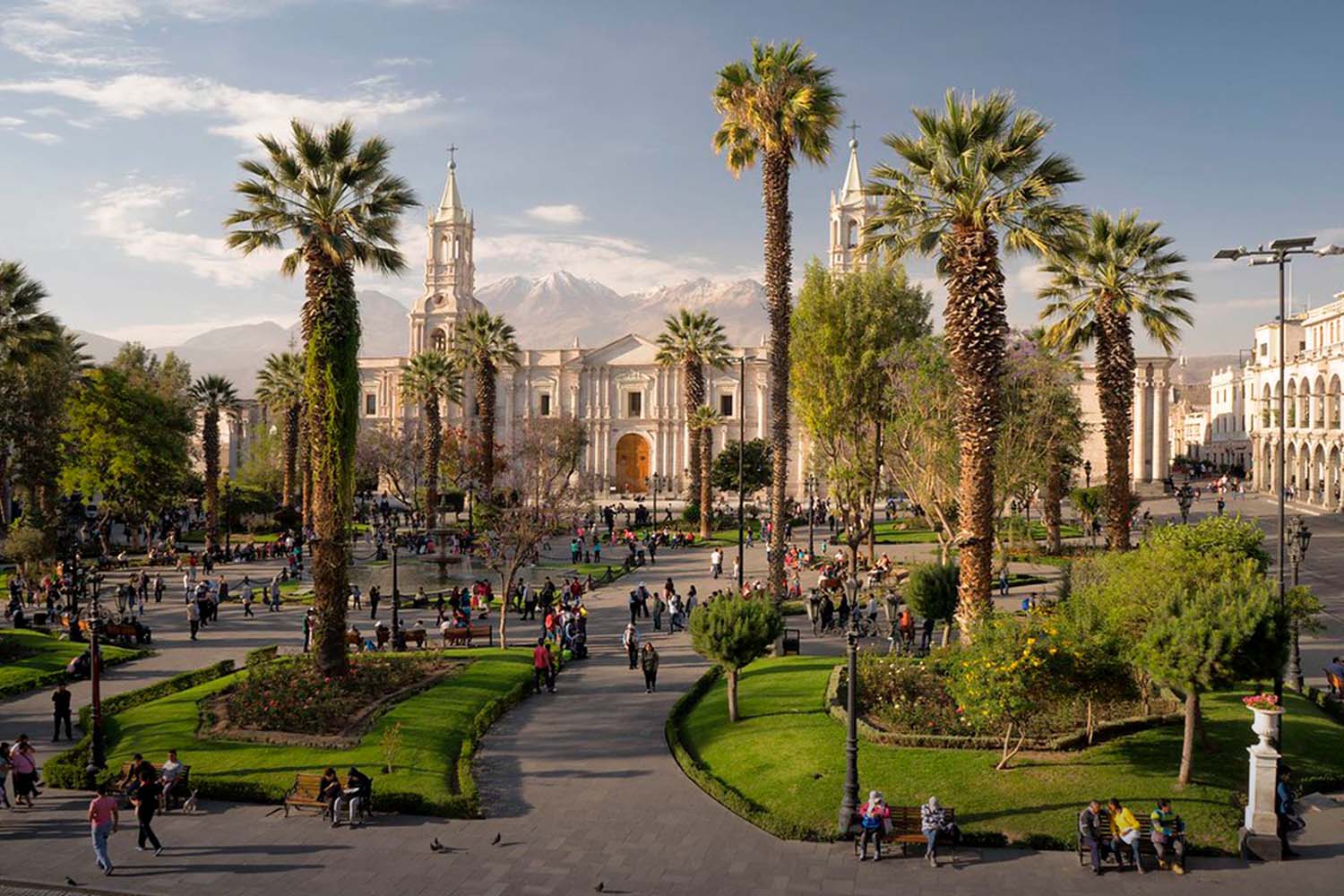
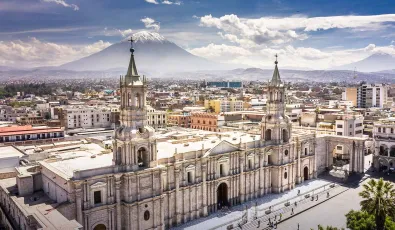
Arequipa is one of Peru’s most beautiful colonial cities and a popular stop for travelers heading to the Colca Canyon and Puno. Known as the “White City,” Arequipa has a well-preserved historic center, good tourism infrastructure, and several safe areas to explore during the day.
Is Arequipa safe?
Yes, Arequipa is generally safe for tourists, especially in the main visitor areas. The Historic Center of Arequipa, a UNESCO World Heritage Site, is pedestrian-friendly, well visited, and a good place for solo travelers, couples, and families.
In areas such as the Plaza de Armas, the Historic Center, San Lázaro, and Yanahuara, visitors can enjoy cafés, viewpoints, churches, museums, and colonial architecture with relative comfort.
Safety in Arequipa City
Arequipa is calmer than Lima, especially around the historic center. However, some precautions are still necessary. Pickpocketing can happen in crowded places, markets, bus terminals, and tourist areas, so keep your phone, wallet, and passport safe.
Colca Canyon
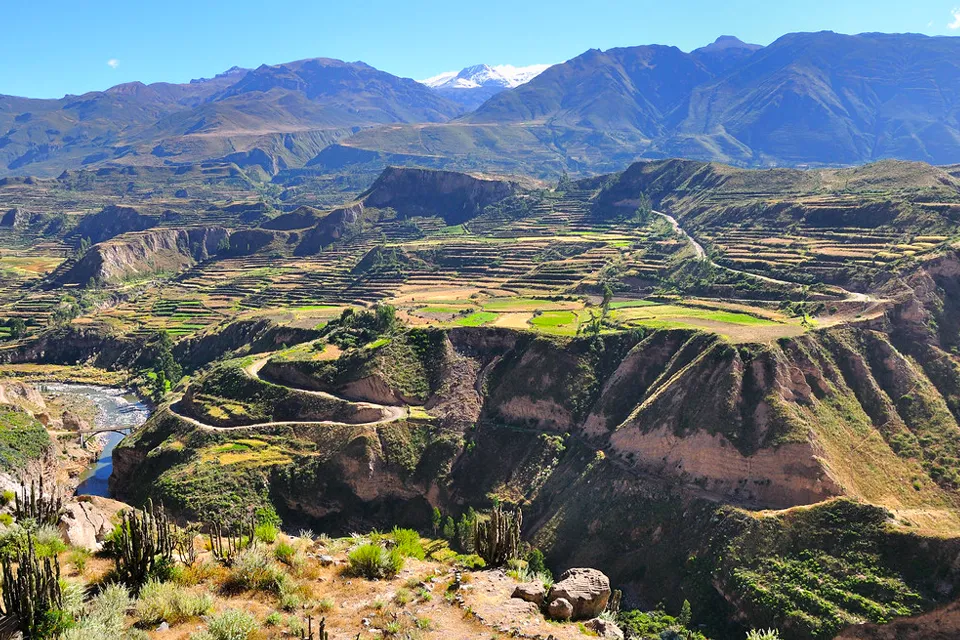
Colca Canyon, however, is best visited with an organized tour or trusted transport. The journey from Arequipa to the canyon usually takes around 4 to 5 hours and follows remote high-altitude roads surrounded by impressive mountain landscapes.
Along the way, travelers can see traditional villages, volcanic scenery, native plants, and local wildlife. The highlight for many visitors is spotting the Andean condor, especially from viewpoints such as Cruz del Cóndor. During the rainy season, especially from January to March, some roads and trails may become slippery or harder to access.
Safety in Puno and Lake Titicaca
The city of Puno is generally safe, but its extreme elevation (over 3,800m / 12,500ft) makes altitude sickness a major health concern. Travelers coming from Lima should avoid planning a demanding activity immediately after arriving.
The city of Puno has a strong tourist infrastructure and regular police patrols near the main plaza, the port, and pedestrian streets such as Jirón Lima.
Titicaca Lake
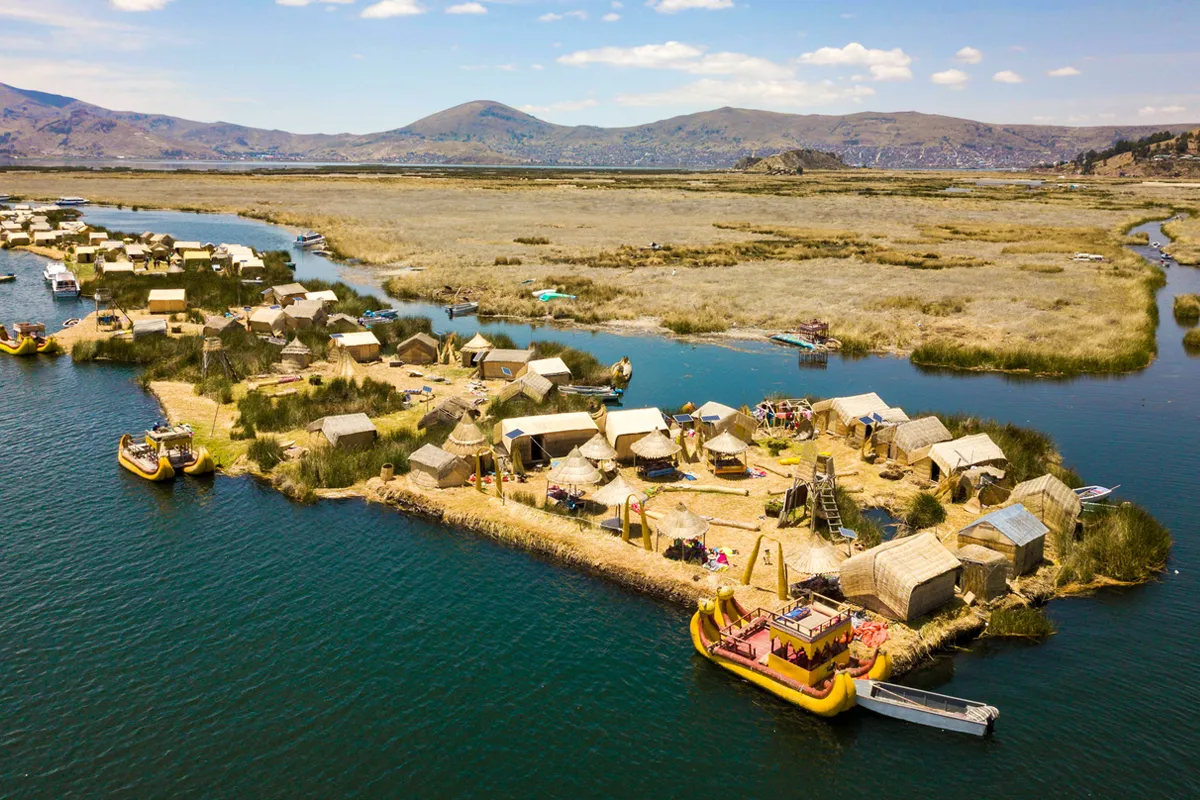
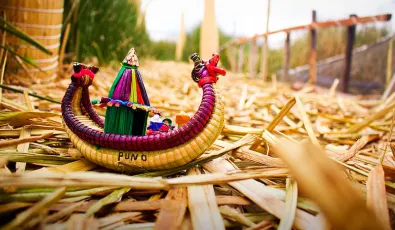
When taking boat tours on Lake Titicaca, visit the Uros floating islands and Amantaní or Taquile, ensure you use official tour operators at the main port to guarantee boat safety and life jacket availability.
Tours are generally safe and well-coordinated, but travelers should check weather conditions in advance, as wind and waves can occasionally delay departures, especially between June and August.
Peru Vaccination Requirements
Before traveling to Peru, consult with your GP or travel clinic at least 4 to 6 weeks before departure about routine vaccines and any region-specific recommendations.
Vaccinations for the Peruvian Amazon
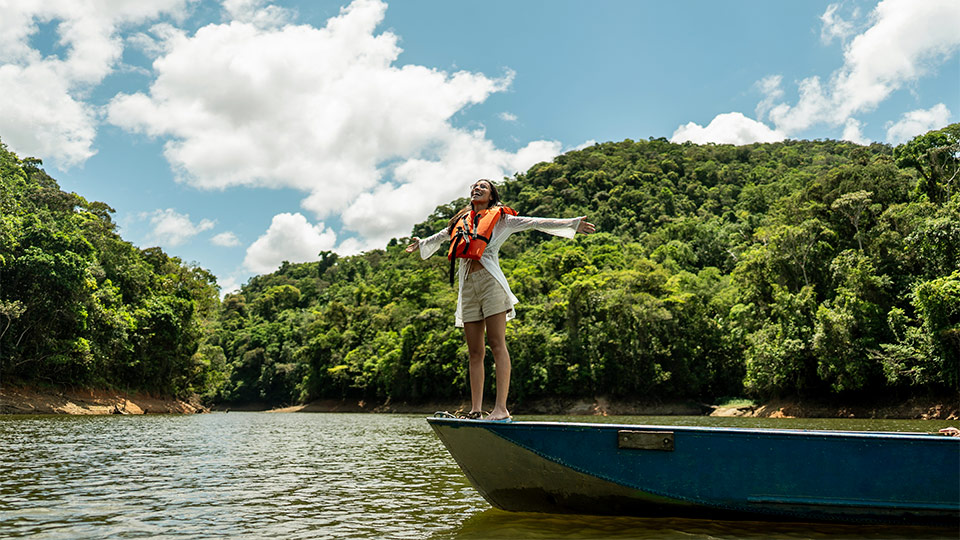
If your trip includes the Peruvian Amazon, such as Loreto, Madre de Dios, San Martín, Ucayali, Junín, or Amazonas, the yellow fever vaccine is generally recommended.
If you plan to stay in jungle regions for a longer period, especially 6 months or more, ask your doctor whether the chikungunya vaccine may be appropriate for your travel plans.
- Other vaccines worth considering are tetanus and influenza (especially if you plan to travel to the Andes).
Managing Altitude Sickness in the Andes
Many destinations in Peru are located at high altitudes. Even standard road trips can reach significant elevations, as numerous routes cross the Andes Mountains.
What is Altitude Sickness?
Altitude sickness, locally known as soroche, is the body's reaction to lower oxygen levels at high elevations. It typically occurs above 2,500 meters (approx. 8,200 feet), though sensitive individuals may feel symptoms sooner.
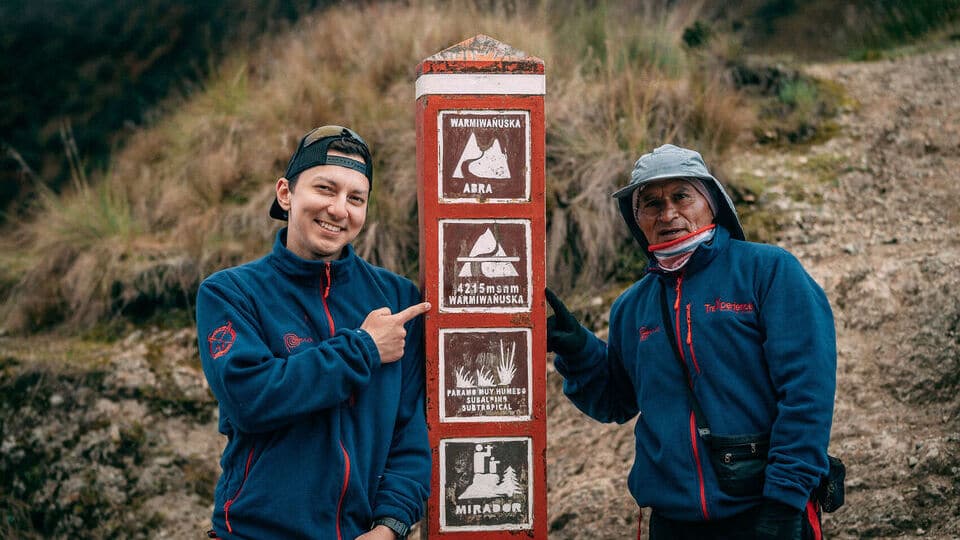
Altitude sickness symptoms typically include headaches, nausea, dizziness, and fatigue. You may also experience shortness of breath, loss of appetite, or difficulty sleeping as your body adjusts to the elevation.
Altitude sickness can affect anyone, regardless of age, fitness level, or hiking experience. The risk increases if you ascend too quickly, overexert yourself upon arrival, or fail to give your body enough time to acclimatize.
- Seek medical help immediately if you have confusion, loss of coordination, chest tightness, severe shortness of breath at rest, or symptoms that get worse instead of improving.
5 Tips to Prevent Altitude Sickness in Peru:
- Prior Acclimatization: Reserve at least one rest day if your itinerary includes high-altitude hikes like the Ausangate Trek, Inca Trail, or Lares Trek, or if you are heading to higher-altitude destinations like Puno. Cusco is the most popular spot for tourists to acclimatize while exploring local attractions.
- Constant Hydration: Staying hydrated is essential. Because the Andean climate is cold and dry, you may notice changes in your skin and hair; similarly, your body will require significantly more water to function properly.
- Traditional Remedies: A great natural alternative to altitude sickness pills is traditional herbal tea. Coca tea is the most famous, but muña (Andean mint) is an excellent, milder-tasting option.
- Eat Light & Avoid Alcohol: At high altitudes, temperatures drop and digestion slows down. During your acclimatization period, it is best to avoid heavy meals, dairy, and alcohol.
- Consult Your Doctor: Some individuals are more prone to altitude sickness due to pre-existing medical conditions such as hypertension, severe obesity, pulmonary issues, or respiratory problems. Always consult your doctor about your Peru travel itinerary before your trip.
Read next » Overcoming Altitude Sickness
Do you need travel insurance to travel to Peru?
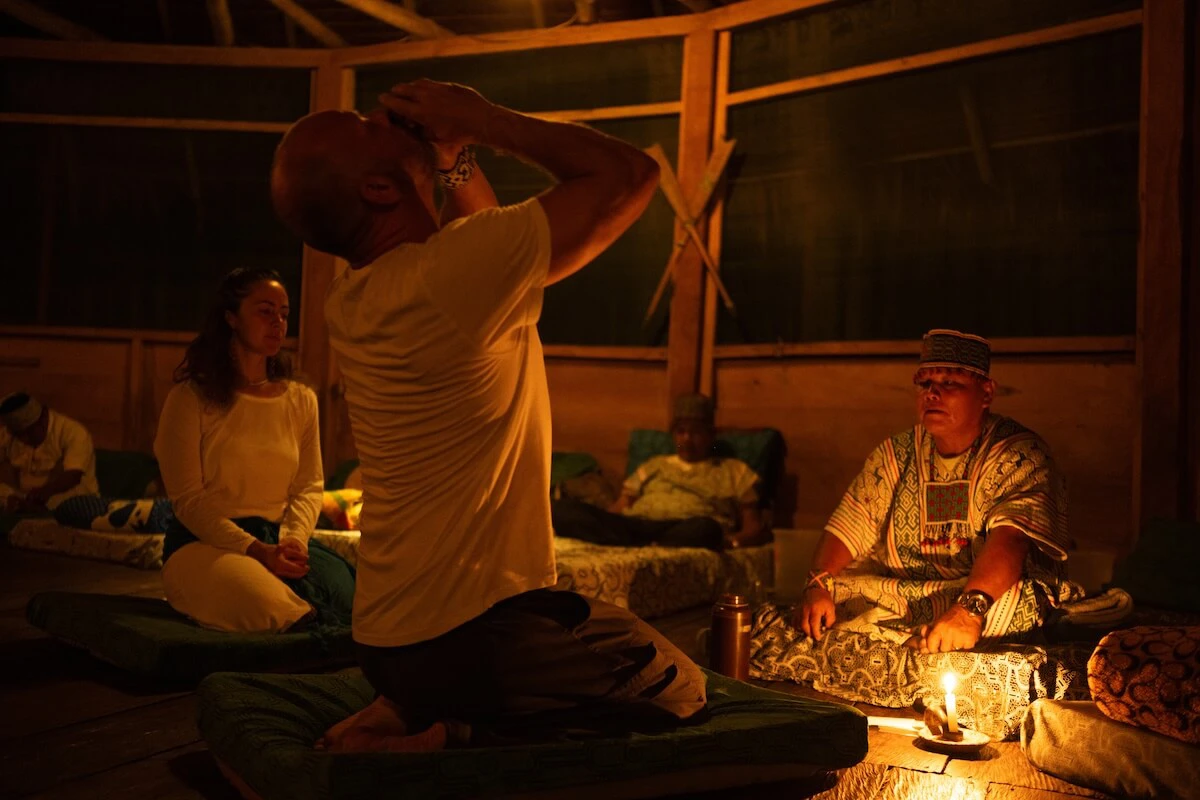
Peru travel insurance is not required, but it is highly recommended. If you plan to join adventure activities such as rafting, high-altitude trekking, or spiritual experiences involving Ayahuasca, San Pedro cactus, or Kambo, make sure your travel insurance policy covers these activities, along with medical emergencies and evacuation.
Hygiene in Peru: Water and Food
Planning ahead for your health is an important part of any trip to Peru, especially if your itinerary includes high-altitude destinations, remote communities, or travel into the jungle.
Water Safety in Peru
Stick to bottled, boiled, or properly filtered water throughout Peru; avoid ice unless you know it is made from purified water. Tap water is not consistently safe to drink and often causes stomach problems for visitors.
Medicinal Waters in Peru
Peru also has many hot springs and natural springs traditionally regarded as medicinal. Some locals drink this water, but that is a personal choice and something travelers should approach with caution.
Two of the best-known examples are Yura in Arequipa and the San Pedro springs in Cusco.
Natural Water Sources
If you are traveling through Peru as an adventure traveler, especially on bike trips or hikes in isolated areas by yourself, be very careful with natural water sources such as rivers and springs.
Even when the water looks clean, it may not be safe to drink. Collected rainwater may be a better option than untreated river or spring water, but it should still be handled carefully. In any case, carry water purification tablets or drops for emergencies and trips into isolated areas.
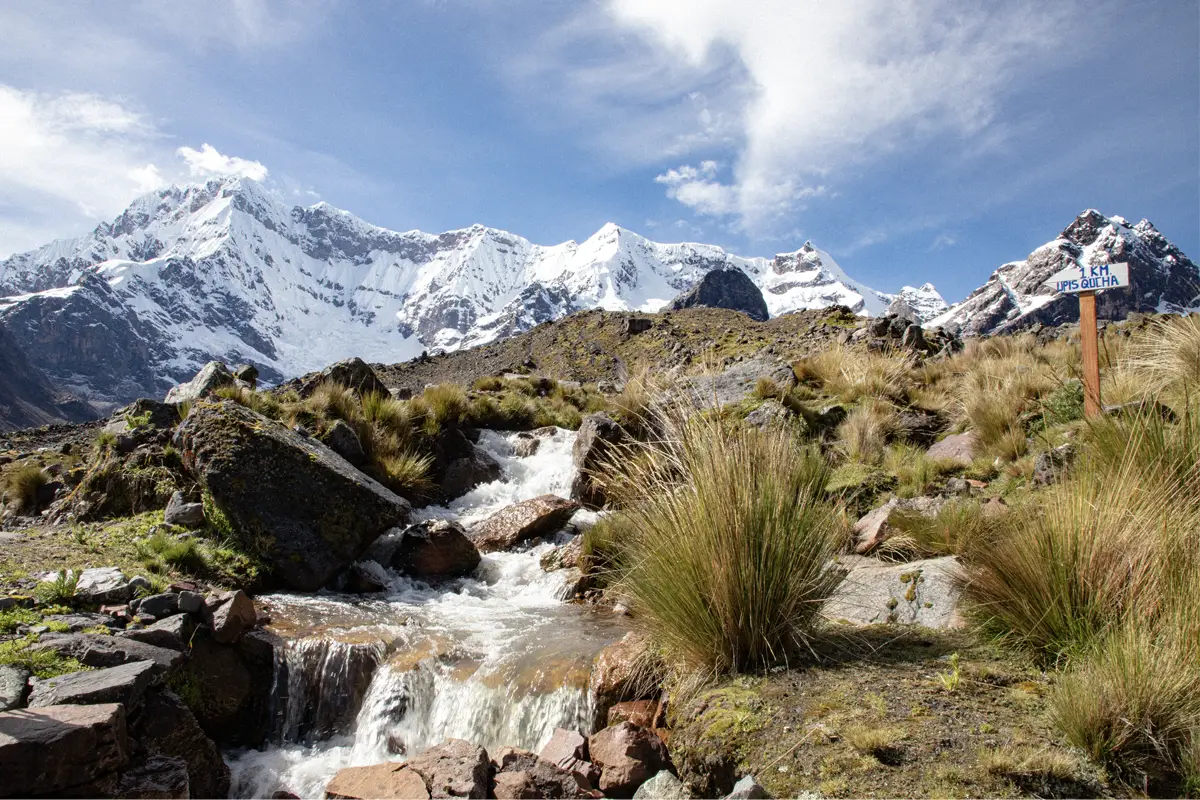
On organized treks, water is usually handled carefully, with boiled and purified water prioritized.
Food Hygiene in Peru
Choose reputable restaurants whenever possible, and be cautious with raw foods such as unpeeled fruit and fresh juices. It is also safer to eat food that is freshly cooked and served hot. Additionally, avoid raw salads in basic restaurants.
Traditional Markets
Many traditional markets in Peru, including the famous San Pedro Market in Cusco, are popular stops for travelers. While vendors often receive training in food safety and handling, these are still busy local markets, so it is important to choose carefully.
Peruvian Street Food
Peruvian street food is a great way to try original Peruvian food, generations-old recipes, and enjoy local flavors in a more simple, local, and affordable way. It can be one of the most memorable parts of your trip, but it is still important to be carefull.
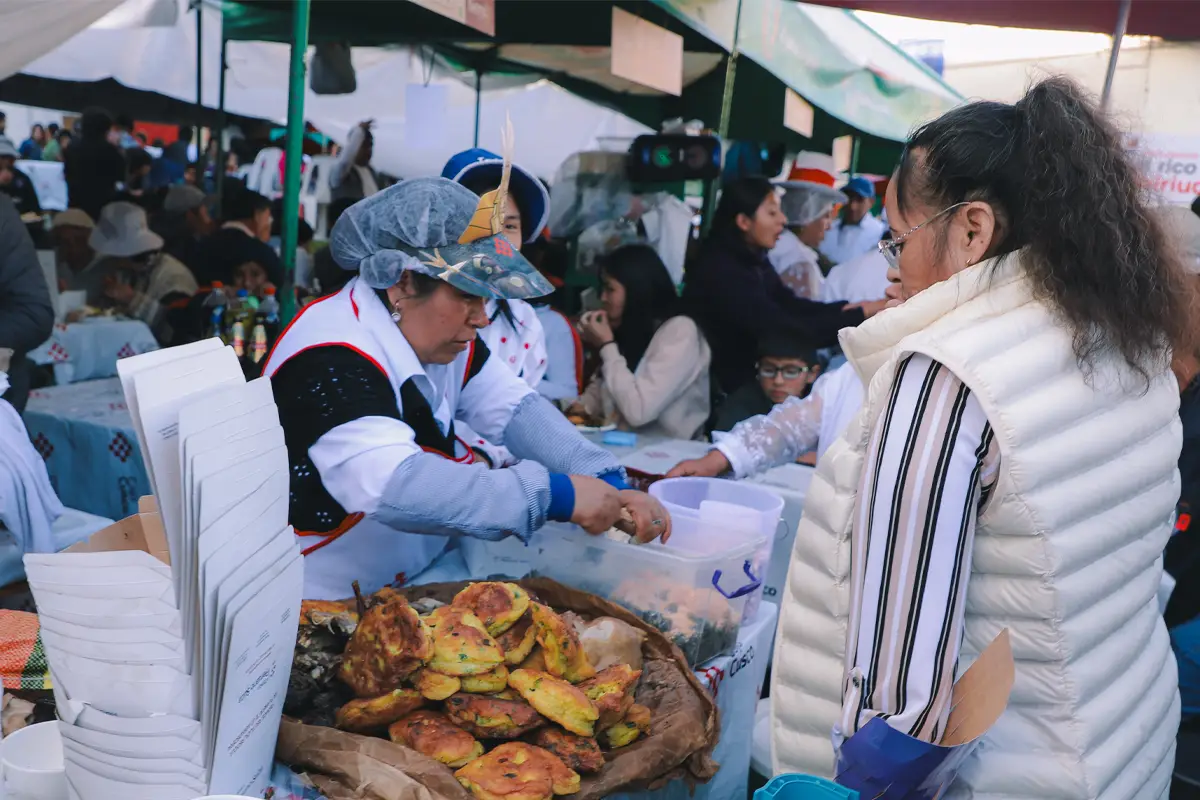
Whether you eat at a market or a street stall, use common sense, pay attention to cleanliness, and choose stalls that look clean, busy, and freshly stocked.
Social Unrest and Peru Travel Safety
Like many countries, Peru can experience occasional political protests, strikes, or periods of social unrest. These events are usually localized, but they can sometimes affect transportation and access to certain tourist attractions.
When disruptions occur, local authorities, tourism offices, and travel operators work together to keep visitors informed and reduce the impact on travel plans. This may include adjusting departure times, recommending alternative routes, or helping travelers reach major destinations through safer access points.
For visitors, the best approach is to stay flexible, avoid protests and roadblocks, and follow guidance from your hotel, guide, or local tour operator. With a flexible itinerary, trusted transport, and updates from your guide or hotel, most travelers continue to visit Peru’s tourist routes safely.
Weather Safety in Peru
Peru’s weather can change quickly from one region to another, so it is important to pack for the Amazon, Andes, coast and desert depending on your itinerary.
In general, Peru has two main travel seasons:
- The dry season: usually from May to September
- The rainy season: usually from October to April.
Both seasons can be good times to visit Machu Picchu and other destinations in Peru, but the best time to travel depends on your route, activities, and comfort with rain, cold, heat, or possible transport delays.
The main weather-related risks for travelers in Peru are heavy rain, slippery trails, landslides, strong sun, cold nights at altitude, rough seas, and sudden changes in temperature.
Read next » Best Time to Visit Peru
Essential Peru Safety Tips for Travelers
Peru is a rewarding destination, and most travelers visit without serious problems. Still, these simple precautions can help you travel more safely and comfortably:
- Check travel advisories before your trip
Review the latest official updates before traveling and avoid high-risk border areas or remote zones with active warnings. - Use reliable transport
Book official airport taxis, hotel transfers, reputable bus companies, or transport arranged by your tour operator. Avoid informal taxi offers, especially at night. - Keep valuables secure
In busy places like markets, festivals, bus stations, nightlife areas, and crowded streets, keep your phone, wallet, camera, and passport secure. Avoid displaying flashy jewelry, expensive bags, or other valuables that may attract attention. - Give your body time to adjust to altitude
In places like Cusco, Puno, or days before hiking routes such as Rainbow Mountain, the Inca Trail, Salkantay, Ausangate, and Colca Canyon, rest first, drink water, eat light meals, and avoid alcohol during your first days. - Be careful with food and water
Drink bottled, boiled, or filtered water. Choose food that is freshly cooked and served hot, especially in markets or street food stalls. - Choose reputable operators for adventure activities
For adventure activities, book with licensed or well-reviewed operators and check that safety equipment is included. - Travel with proper insurance
Make sure your policy covers your itinerary, including high-altitude trekking, adventure activities, medical emergencies, evacuation, delays, and cancellations. - Keep copies of important documents
Save digital and printed copies of your passport, insurance, hotel bookings, tour confirmations, and emergency contacts. - Save Peru’s emergency numbers
Keep these numbers on your phone: 105 for police, 116 for fire services, and 117 for medical emergencies. Also save your hotel, tour operator, embassy or consulate, and insurance emergency line.
If you’re still planning your trip, feel free to explore our Peru tours or contact us for local advice to help you travel with more confidence.
Is Peru Safe? FAQs
Is Peru safe for solo travelers?
Peru can be a good destination for solo travelers, but it is not a place to travel carelessly. Due to risks like crime, robbery, and occasional civil unrest, you should exercise caution, particularly at night.
For a safe trip, stick to popular tourist areas, use official or app-based transportation, and avoid walking down quiet streets after dark.
Is Peru safe for women travelers?
Yes, many women travel safely in Peru, but extra care matters. Assaults can occur, particularly outside tourist hubs, and some dishonest tour operators have targeted solo female travelers.
Stay safe by booking with reputable agencies, watching your drinks, and using only hotel-arranged or app-based transport.
How safe is Peru for LGBT or gay people?
Peru is generally safe for LGBTQ+ travelers, and same-sex activity is legal. However, society remains conservative.
Without formal recognition for same-sex partnerships or broad anti-discrimination laws, public displays of affection may attract unwanted attention. Ultimately, your experience will likely depend on exactly where you are and who is around you.
Is Peru safe to take kids?
Yes, Peru can be a good family destination if you plan it well. The main issues are not only general travel safety, but also altitude, water safety, and long travel days; Cusco and Puno are at high altitude, and children are just as susceptible to altitude illness as adults.
A slower itinerary, safe drinking water, and reliable transport make family travel in Peru much easier and safer.
Is it safe to walk around in Lima, Peru?
Walking around Lima can be fine in busy areas during the day, but it should not be done casually. While street crime is less frequent in neighborhoods like Miraflores and Barranco, it remains a serious issue.
Avoid walking alone in quiet areas or at night, and opt for app-based or hotel-arranged transport after dark.
Can I brush my teeth with tap water in Peru?
No, you should brush your teeth with bottled or disinfected water whenever tap water quality may be uncertain, so visitors to Peru are usually better off using bottled, filtered, or boiled water rather than taking chances.
Is Peru foreigner friendly?
Yes, Peru is generally foreigner-friendly, and American tourists and travelers from elsewhere usually feel welcome, especially in places used to receiving international visitors. The country offers great support through PROMPERÚ’s free IPERÚ service and a dedicated tourism police force.
Still, friendly service does not cancel out common travel risks like pickpocketing, fake taxis, or scams, so staying alert is still important.


Add new comment