



Packing for the Peruvian Amazon is not about bringing more things, but about bringing the right ones. We are entering one of the most biodiverse regions of Peru, where heat, humidity, rain, and wildlife shape every part of the experience. From jungle walks to river transfers and nights at Amazon lodges, everything we carry needs to be practical, lightweight, and ready for constant change.
Traveling through the Peruvian Amazon rainforest requires a different mindset than packing for cities or the Andes. Instead of outfits, we think of layers, fabrics, and functions. Lightweight clothing, quick-dry materials, and reliable gear allow us to focus on exploring the jungle, joining guided Peruvian Amazon tours, and enjoying the experience without worrying about what we forgot.
This guide covers what to wear, what not to bring, what many lodges provide, and how to pack smart for places like Iquitos, Puerto Maldonado, Tambopata, and Manu so we can focus on the experience instead of the luggage.
>> Quick answer
If we only remember the basics, pack light, long, and quick-dry. Bring breathable long-sleeve shirts, lightweight pants, extra socks, broken-in shoes with grip, a rain jacket or poncho, insect repellent, a dry bag, a headlamp, and a small daypack. Skip heavy jeans, thick cotton, hard suitcases, strong perfumes, and anything we would hate to get wet or muddy. Many lodges provide some basics like mosquito nets or rubber boots, but we should always confirm before the trip.
Amazon climate and terrain
Traveling through the Peruvian Amazon means stepping into one of the most biodiverse and unpredictable regions on Earth. Whether we are joining a guided Amazon tour or exploring from a jungle lodge, we are in a tropical environment where heat, humidity, and rain are part of daily life, and understanding this upfront makes packing smarter and lighter. Temperatures usually range between 75°F and 95°F (24–35°C), but the real challenge is humidity, which often sits above 80%. Because of this, everything feels warmer, heavier, and slower.
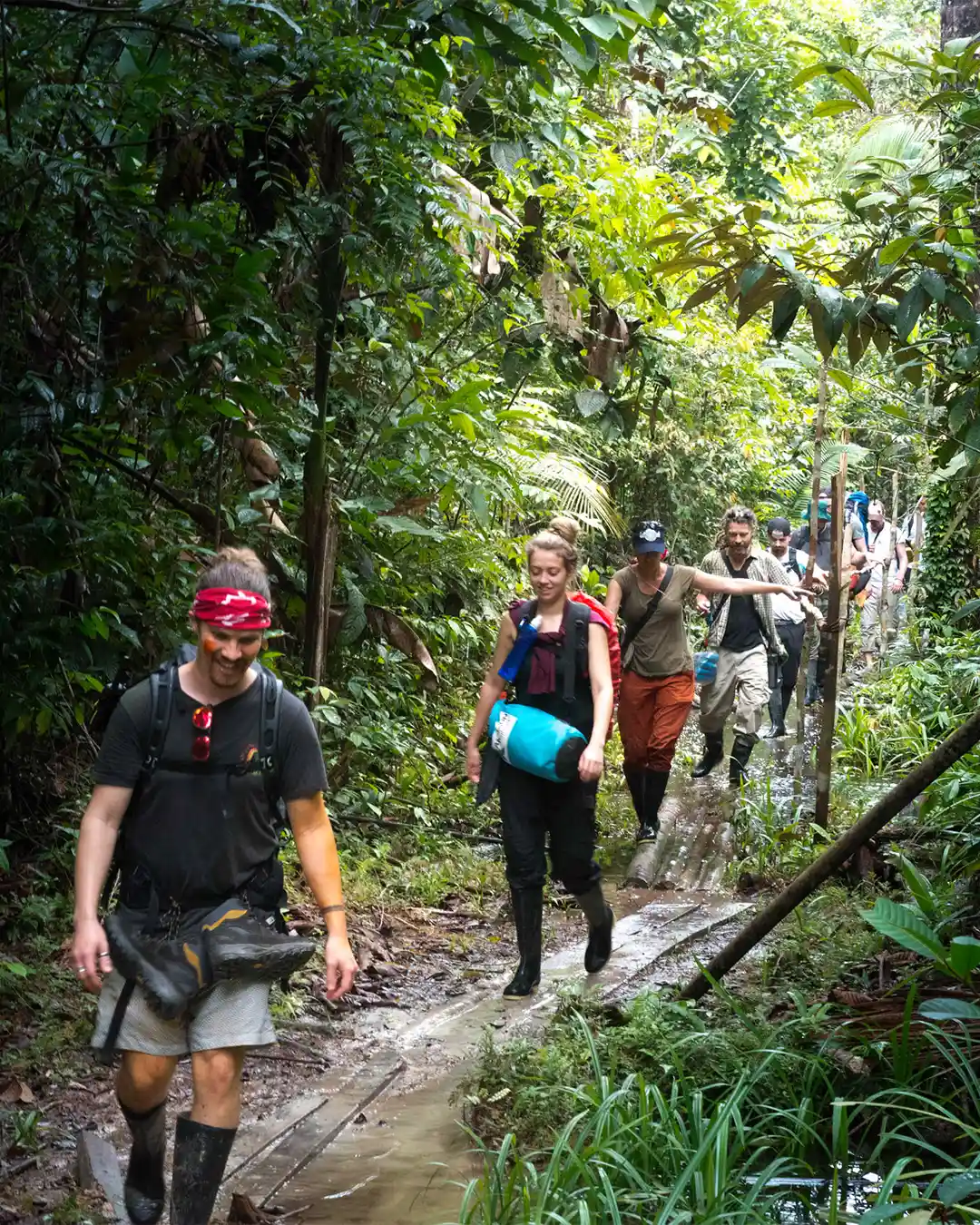
At the same time, the terrain changes constantly. One moment we are walking on wooden boardwalks above flooded forest, and the next we are hiking muddy jungle trails, boarding small boats, or climbing uneven lodge stairs. The Peruvian Amazon rainforest is not a place for rigid plans or heavy luggage. Instead, flexibility and practicality define what works best.
Rain can fall at any time of year, even during the so-called dry season. Therefore, packing for Peru jungle is less about seasons and more about function. Breathability, fast-drying fabrics, and waterproof protection become essential, especially when joining Peruvian Amazon tours that combine hiking, river travel, and close encounters with Amazon rainforest animals in their natural habitat.
 |  |
>> Amazon fun fact
The Peruvian Amazon covers over 60% of Peru’s territory, yet only about 13% of the population lives here, making it one of the most pristine and least populated regions in South America.
Which part of the Peruvian Amazon are we visiting?
| If we are going to... | You need to think about this... |
| Iquitos | The water level of the Amazon River will have a greater impact on your experience than it would during a typical dry-season trip, so waterproof bags, quick-drying clothing, and luggage suitable for boat travel become even more important |
| Puerto Maldonado or Tambopata | We usually think in wet and dry seasons, and it is worth packing one warmer layer because cold fronts can sometimes reach the southern jungle |
| Manu | We may cross very different elevations, so we should not pack as if it were only a lowland jungle stay (Iquitos). |
Must-have clothing for the jungle
Clothing in the Amazon is not about fashion; it is about comfort, protection, and efficiency. We quickly learn that wearing the wrong fabric or color can make a huge difference after just one day in the jungle of Peru.
Light long-sleeves and quick-dry pants
Long sleeves may sound counterintuitive in the heat, but they are our first line of defense against insects, sun exposure, and vegetation. Lightweight, breathable shirts made from synthetic or merino-blend fabrics keep us cooler than cotton and dry much faster after rain or sweat.
Quick-dry pants are equally important. They protect our legs from scratches, mosquitoes, and sunburn while allowing airflow. Convertible pants are popular on Peruvian Amazon trips because we can zip them into shorts during boat rides and cover up again for jungle walks.
Neutral colors like olive, beige, or gray work best. They attract fewer insects and help us blend into the environment, which is ideal for wildlife spotting during guided excursions from Peruvian Amazon lodges.
Rain jacket and water-resistant shoes
A lightweight rain jacket or poncho is non-negotiable. Even short downpours can soak everything within minutes, and temperatures drop slightly after rain. A breathable jacket with ventilation prevents overheating while keeping us dry.
Shoes should be water-resistant, not waterproof and heavy. Trail shoes or light hiking boots with good grip work well for muddy paths and lodge surroundings. Because nothing stays dry forever in the jungle, fast-drying shoes are better than rigid boots.
What not to wear
Cotton is the biggest mistake we can make. It absorbs moisture and stays wet, which leads to discomfort and even skin irritation. Jeans, heavy sweaters, and dark colors should stay at home.
Similarly, sandals and flip-flops are fine for inside the lodge but unsafe for jungle walks. Open shoes increase the risk of insect bites and minor injuries.
>> For a typical 3- to 4-night stay
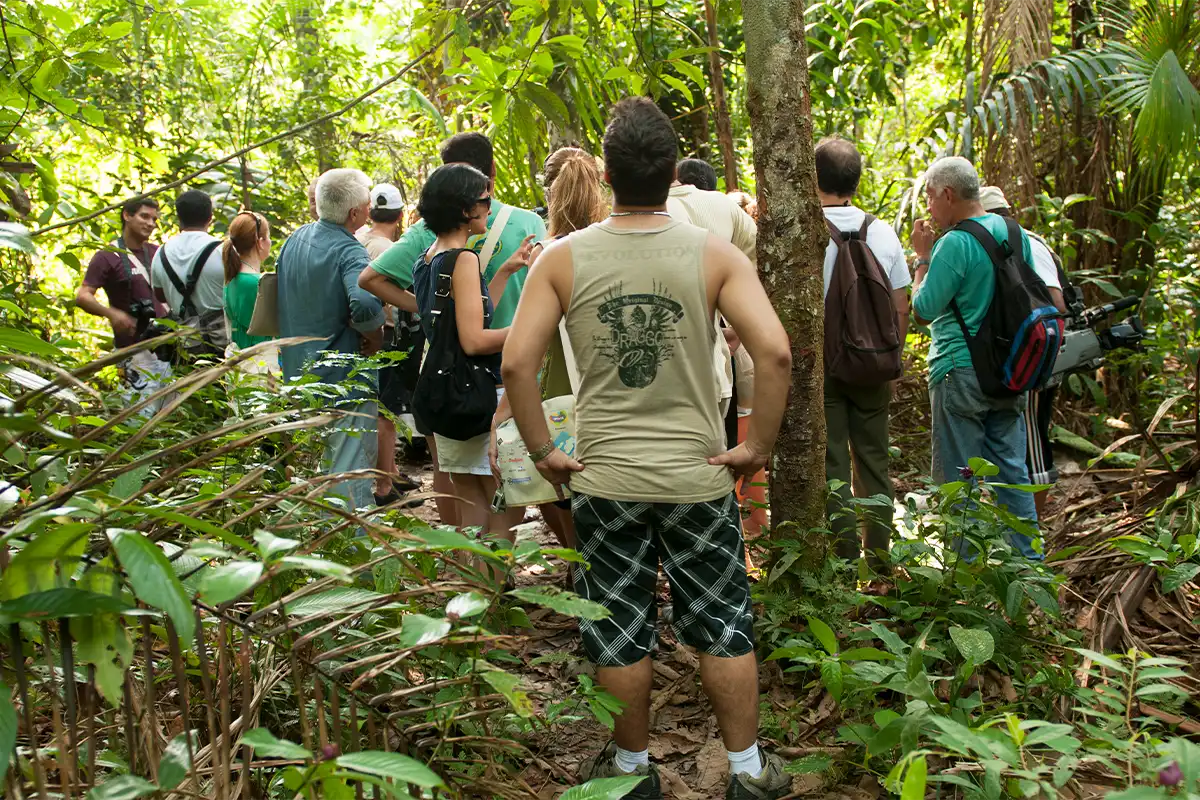
Most travelers do well with 2–3 lightweight long-sleeve tops, 2 pairs of quick-dry pants, 1 light layer for cooler mornings or boat rides, enough socks and underwear for each day, and one set of comfortable clothes for the lodge. The goal is not a different outfit for every activity. The goal is to stay dry enough, covered enough, and comfortable enough.
Footwear for wet and muddy trails
Footwear deserves special attention when packing for the Peruvian Amazon rainforest. Therefore, we prioritize grip, drainage, and comfort over heavy-duty hiking boots, especially after rain makes the trails slippery and muddy.
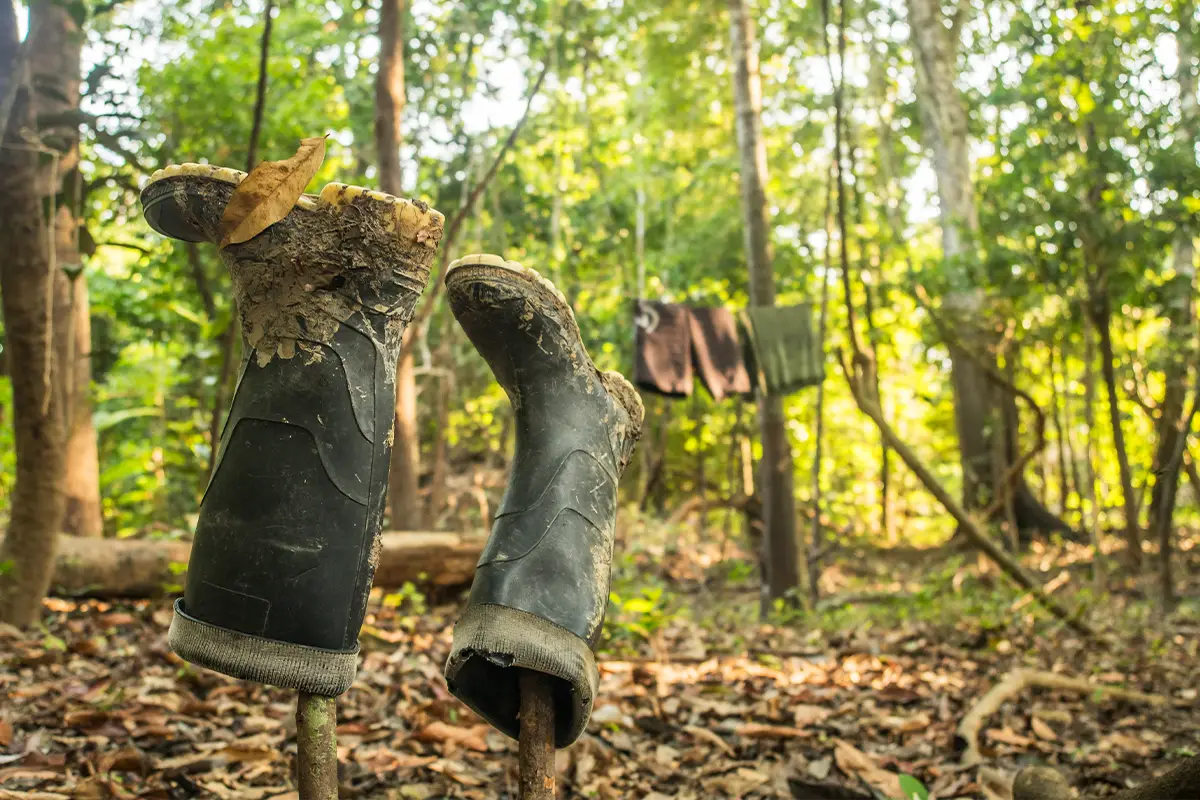
Most travelers do well with lightweight hiking shoes or trail runners. These provide enough ankle support for short hikes while drying faster than traditional boots. Some Peruvian Amazon lodges provide rubber boots for deep mud or rainy excursions, which reduces the need to pack bulky footwear.
If your lodge provides rubber boots, that can save space, but we should still bring one comfortable pair of closed shoes for transfers, lodge walkways, and any time we are not in the provided boots. Soft luggage is usually easier than a hard suitcase on Amazon routes, where bags may be hand-carried or loaded into boats.
For evenings and lodge use, lightweight sandals or slip-on shoes help our feet breathe after long days.
>> Jungle lodge insight
Many Peruvian Amazon lodges are built on stilts above floodplains, which is why good footwear with grip is essential, especially during the rainy season.
Gear and essentials for jungle comfort
Beyond clothing, the right gear transforms a challenging environment into a comfortable and immersive experience. Small, thoughtful items make a big difference in the jungle, and it’s important to know that much of this equipment can be rented on-site or through guided tours, making it easier to travel light while still being well prepared.
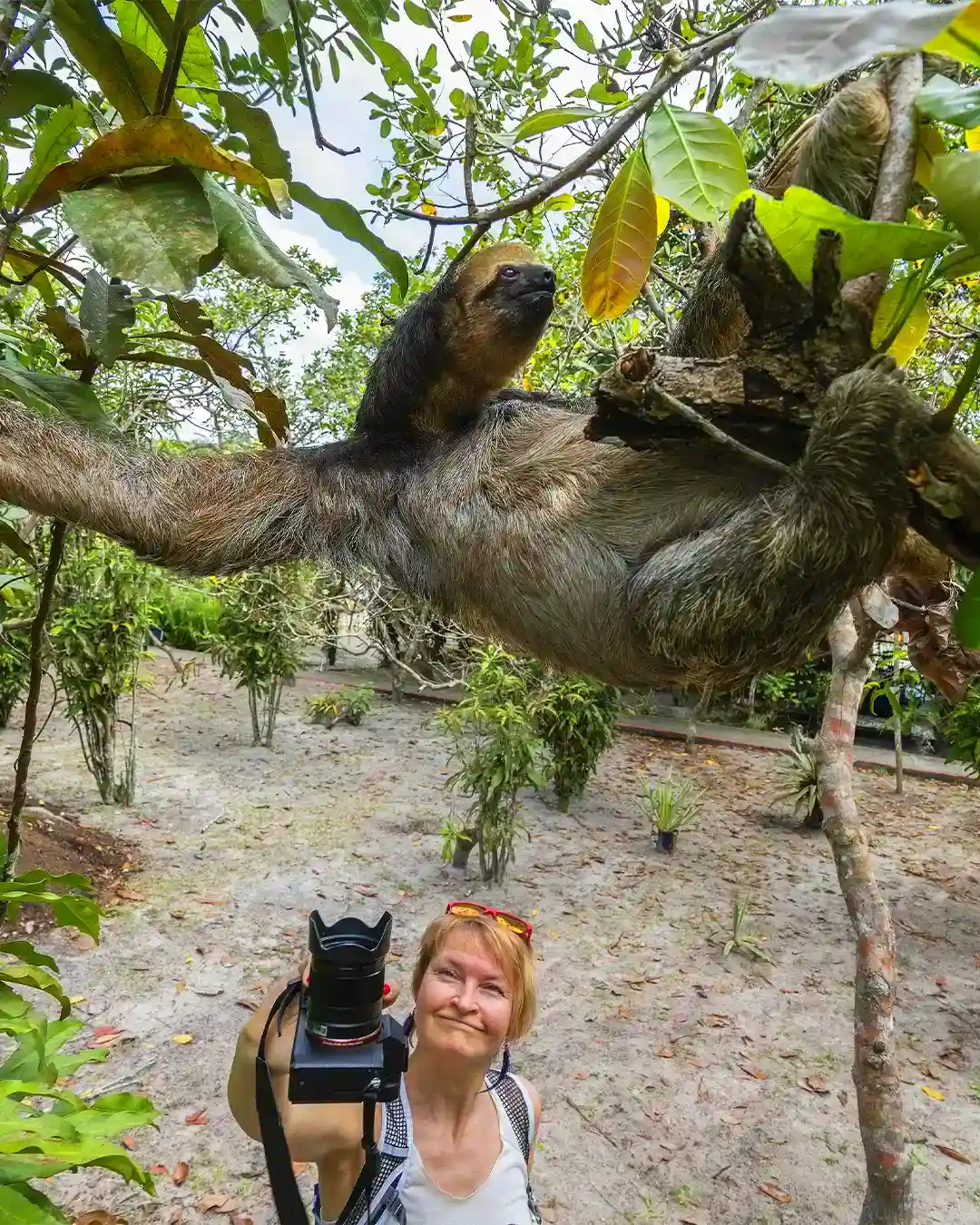
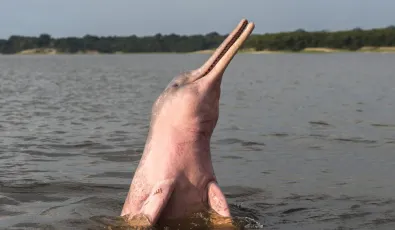
Wildlife encounters are part of daily life in the jungle, from monkeys and macaws to unique species like the pink dolphin, often spotted during early-morning river excursions. Having access to rented jungle gear, such as boots, rain protection, or dry bags, allows us to focus on the experience rather than on logistics.
Insect repellent and mosquito netting
Insects are part of the Amazon ecosystem, and protection is key. Repellents with DEET or picaridin are the most effective. Applying them to exposed skin and clothing reduces bites significantly, especially during dawn and dusk activities.
Most Peruvian Amazon lodges provide mosquito nets over beds, but bringing a small personal net or head net adds peace of mind, particularly for light sleepers.
Dry bags, flashlights, and power banks
Dry bags are essential during boat transfers and rainy hikes. Even a small 10–20L dry bag protects cameras, documents, and electronics from sudden rain or river splashes.
A headlamp or flashlight is another must-have. Power outages are not uncommon in remote areas, and guided night walks require hands-free lighting. Power banks keep phones and cameras charged, especially since electricity may be limited to certain hours.
 |  |
>> In many jungle stays...
Electricity, signal, and comfort are more limited than travelers expect. Some lodges offer charging only in certain areas or at certain hours. Wi‑Fi may be slow or unavailable, and cell service may disappear completely once we leave town. Eco-lodges may also restrict high-power items like hair dryers or styling tools. That is why a power bank, offline maps, and realistic expectations matter more than extra gadgets.
Binoculars and camera basics
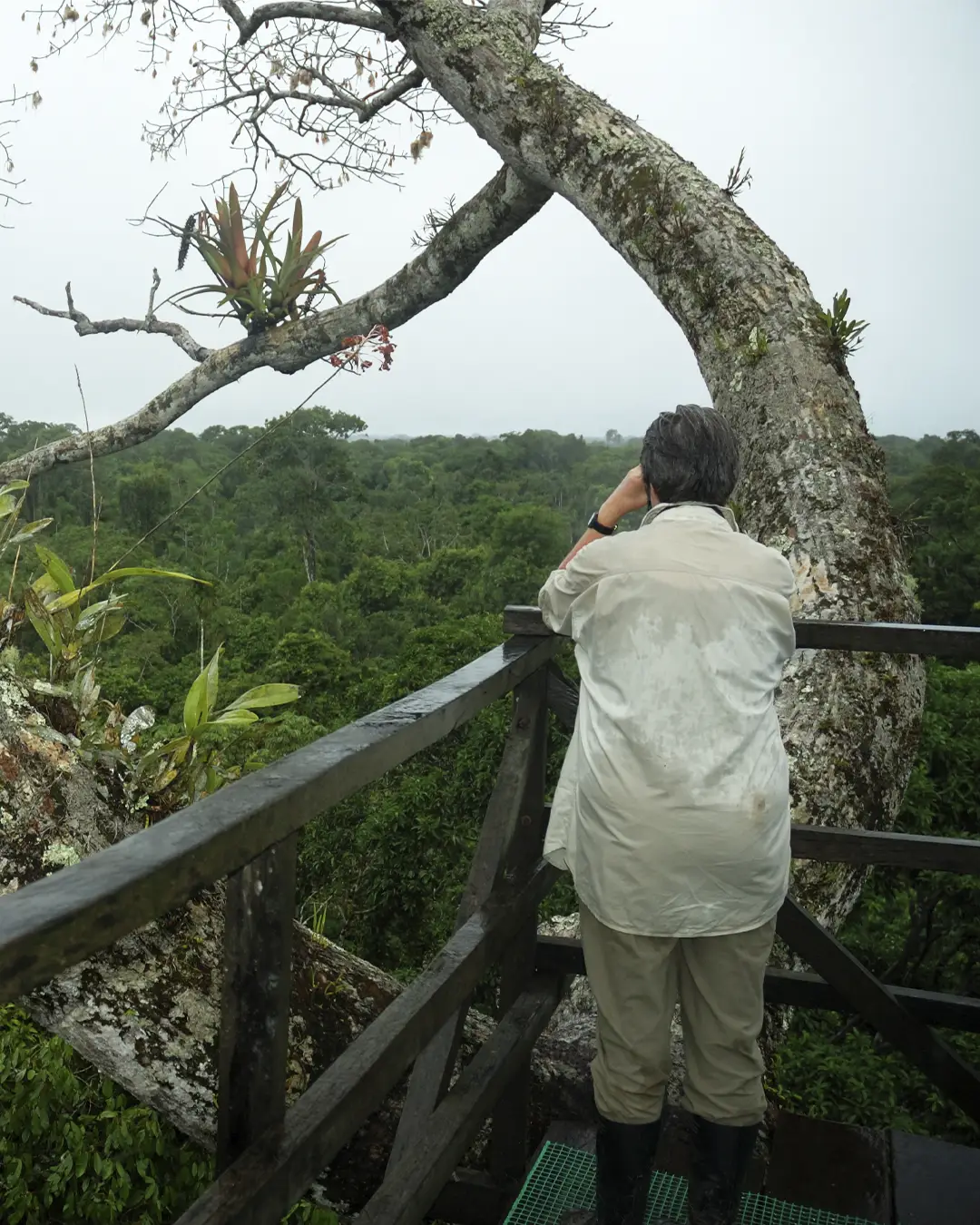
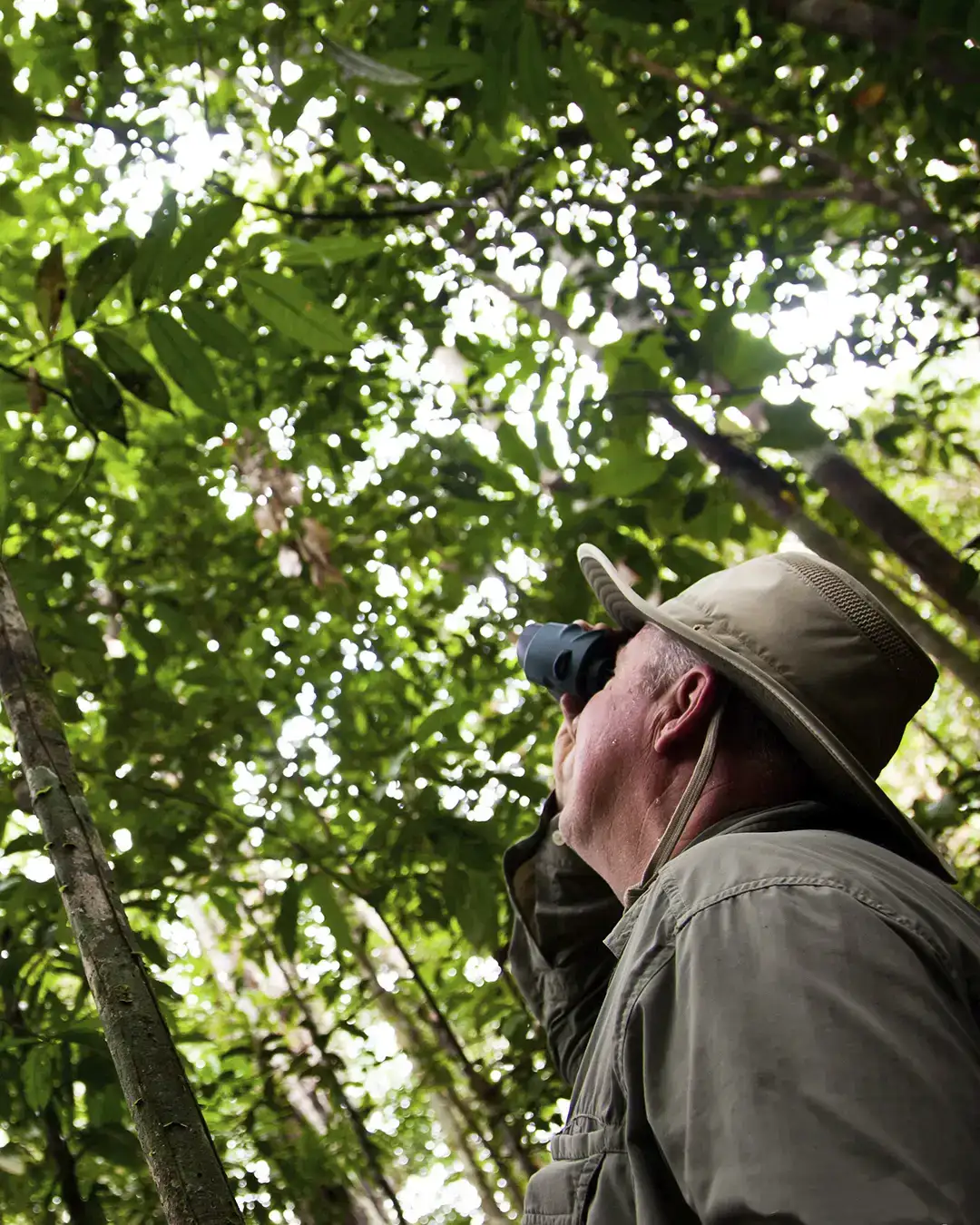
Wildlife is one of the biggest reasons people choose the Peruvian Amazon, so binoculars are worth bringing if we have them. They help us spot birds, monkeys, and Amazon rainforest animals that are easy to miss with the naked eye.
If we are bringing a camera, pack extra batteries, enough memory cards, and some kind of waterproof protection. Most travelers take more photos than expected, and charging time at remote lodges can be limited.
Medications, toiletries, and sunscreen
A basic personal medical kit goes a long way. We pack motion sickness pills for river travel, antihistamines for insect reactions, and any personal prescriptions.
Biodegradable toiletries are strongly recommended to reduce environmental impact. Sunscreen should be high-SPF and reef-safe, as sun exposure is intense during boat rides and open river sections.

What’s provided by lodges vs what to bring
One of the most common questions when planning Peruvian Amazon trips is what lodges provide. Most mid-range and luxury Peruvian Amazon lodges include essentials like meals, drinking water, rubber boots, rain ponchos, and guided excursions.
However, personal items such as clothing, repellents, medications, and electronics remain our responsibility. Lodges usually have limited shop facilities, so assuming we can buy forgotten items is risky.
Therefore, before departure, it is worth confirming a few basics with the lodge:
- Are rubber boots provided, and do they have our size?
- Are towels, ponchos, and mosquito nets included?
- Is drinking water available for refills?
- Is there Wi‑Fi or phone signal?
- What are the charging hours?
- Are drones allowed?
- Is laundry available?
Small answers to these questions can change what we pack and help us avoid bringing too much.
Packing tips for boat transfers and rainy days
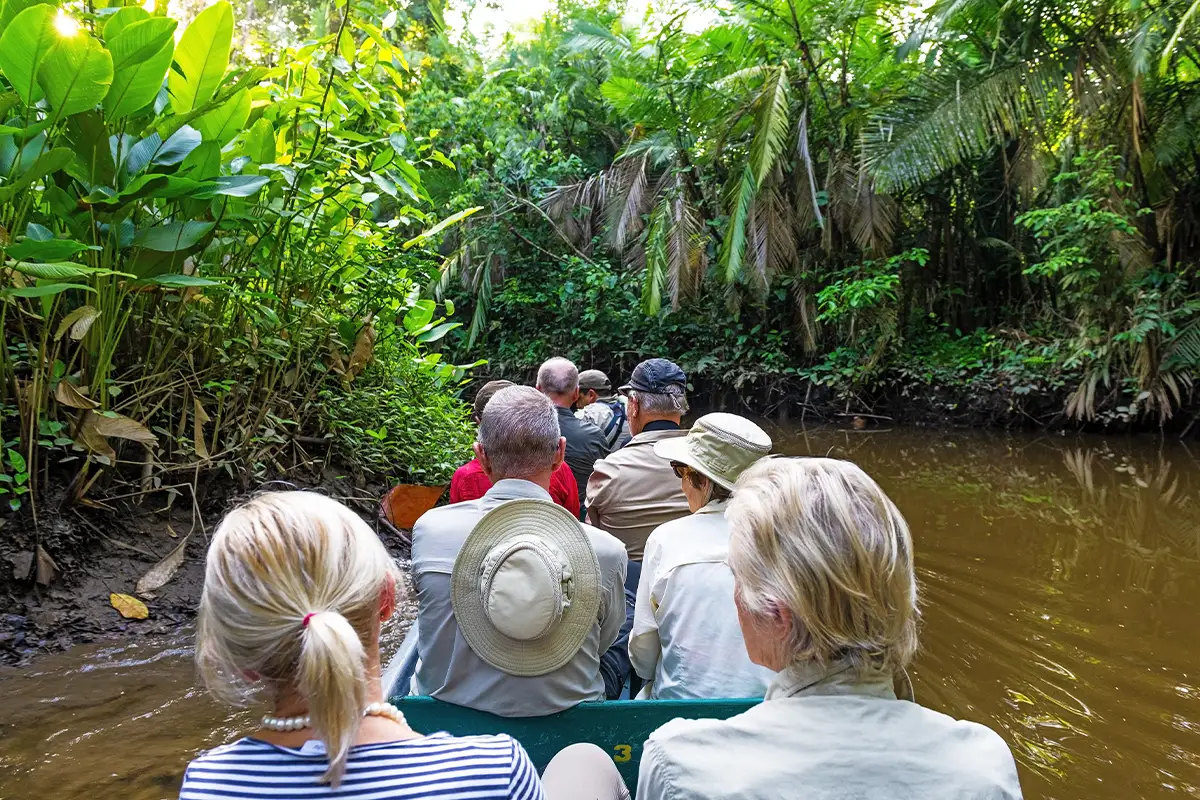
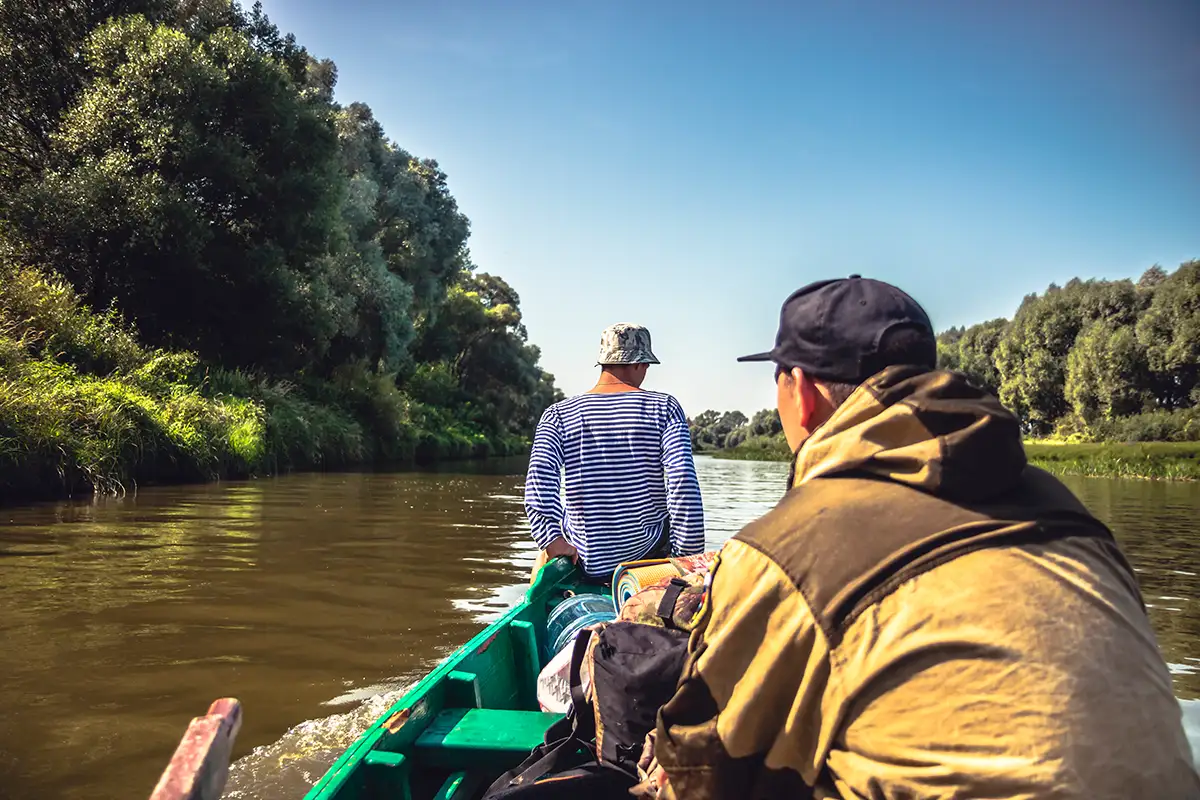
Boat travel is a defining feature of the Peruvian Amazon. Transfers can last from 30 minutes to several hours, often under direct sun or sudden rain. Therefore, we keep essentials like water, sunscreen, camera gear, and rain protection in a daypack or dry bag.
On rainy days, packing cubes help separate wet and dry items. We also rotate clothing daily, allowing time for items to air-dry overnight.
>> River travel tip
The Amazon River system is the largest in the world by water volume, and most jungle lodges are accessible only by boat. Some Amazon operators also set luggage limits or move bags by hand during parts of the trip, so a compact soft duffel or backpack is usually easier to manage than a large hard-shell suitcase.
Amazon packing checklist
| Category | What to pack | Why it matters |
|---|---|---|
| Clothing | Lightweight long-sleeve shirts (quick-dry) | Protects from insects, sun, and vegetation while staying breathable. |
| Quick-dry pants or zip-off pants | Useful for humidity, rain, and jungle hikes. | |
| Moisture-wicking underwear | Helps prevent discomfort in high humidity. | |
| Light long-sleeve layer or thin fleece | Useful for early mornings, boat rides, or an occasional cold front. | |
| Lightweight sleepwear or loungewear | Comfortable for warm nights at Peruvian Amazon lodges. | |
| Hat or cap | Essential sun protection during river travel. | |
| Swimsuit (optional) | Useful at lodges with pools or on trips that include safe water activities. | |
| Footwear | Trail shoes or light hiking shoes | Grip and comfort on muddy jungle trails. |
| Sandals or slip-ons | Ideal for lodge use and resting your feet. | |
| Extra socks (synthetic or wool blend) | Feet get wet often, so dry socks are a must. | |
| Rain and weather | Lightweight rain jacket or poncho | Sudden rain showers happen year-round. |
| Dry bag or waterproof daypack | Keeps electronics and documents dry during boat transfers. | |
| Compact umbrella (optional) | Useful around lodges, towns, or short walks in light rain. | |
| Gear and accessories | Daypack (20–25L) | Perfect for daily excursions and jungle walks. |
| Headlamp or flashlight | Needed for night walks and low-light areas. | |
| Power bank | Helpful when charging time is limited at remote Peruvian Amazon lodges. | |
| Binoculars | Great for spotting birds and Amazon rainforest animals. | |
| Camera, extra batteries, and memory cards | Wildlife viewing is a highlight, and charging can be limited. | |
| Reusable water bottle | Staying hydrated is essential in the jungle. | |
| Plug adapter and charging cable | Peru uses 220V electricity, so it is smart to check compatibility before you go. | |
| Health and toiletries | Insect repellent (DEET or picaridin) | Important protection against mosquitoes. |
| Sunscreen (high SPF) | Strong sun exposure is common on rivers and open boats. | |
| Personal medications | Pharmacies may be limited or far away. | |
| Basic first-aid kit | Useful for blisters, minor cuts, or allergies. | |
| Biodegradable toiletries | A better fit for nature-focused travel. | |
| Documents and extras | Passport copy (digital and paper) | Helpful backup in case of loss. |
| Travel insurance details | Important for remote destinations. | |
| Cash (small bills) | Useful for tips and small purchases in places with limited ATM access. |

Frequently Asked Questions about the Peruvian Amazon
What’s the best backpack size for the Amazon?
We recommend a 40–50L backpack for your main luggage and a 20–25L daypack for excursions. This setup works perfectly for boat transfers, lodge stays, and guided Peruvian Amazon trips.
Are rubber boots provided at jungle lodges?
Yes, most Peruvian Amazon lodges provide rubber boots for muddy trails and rainy conditions. However, sizes may be limited, so it’s always good to confirm before arrival.
Can I bring a drone to the Amazon?
In many protected areas, drones are restricted or prohibited. In addition, lodges often ban them to avoid disturbing wildlife. Always check local regulations before packing one.
What’s essential for bug protection?
Effective insect repellent, long-sleeve clothing, and mosquito nets are essential. Neutral-colored clothing and avoiding scented products also help reduce mosquito attraction.
How do I pack for both jungle and city travel in Peru?
We pack in layers and use packing cubes. Jungle-specific gear stays separate, while neutral, versatile clothing works well for cities like Lima or Cusco. This approach is ideal for trips that combine the Peruvian Amazon with cultural destinations.
Do I need yellow fever vaccination for the Peruvian Amazon?
It depends on the exact part of Peru we are visiting. For some eastern lowland areas, CDC recommends speaking with a travel clinician about yellow fever vaccination before the trip. It is best to check based on our exact itinerary rather than assume one answer fits every Amazon destination.
Will I have Wi‑Fi or phone signal at a jungle lodge?
Sometimes, but not always. Many lodges offer limited Wi‑Fi in common areas, while others have little or no signal at all. It is safest to assume our connection will be weak or unavailable during part of the trip.
How much cash should I bring?
Even if the tour includes meals and excursions, it is smart to carry small bills in soles for tips, drinks, snacks, or small extras. Some lodges accept cards for some services, but not all do.
Should I bring a hard suitcase?
Usually no. A soft backpack or duffel is easier for boat transfers, docks, hand-carried luggage, and small storage spaces at lodges.


Add new comment