



Planning to visit Machu Picchu in June? This is one of the best months for travelers who want clear skies, dry trails, and the cultural energy of Cusco’s festival season. June falls in the Andean dry season, so days at Machu Picchu are usually sunny and mild, while early mornings and evenings can feel cold. It is also high season, especially around Inti Raymi on June 24, which means tickets, trains, hotels, and guided tours can sell out quickly.
In this guide, you’ll learn what the June weather is really like, when to go, how far ahead to book, what to pack, and how to enjoy the citadel with fewer crowds.
Machu Picchu in June at a Glance
- Weather: June is part of the dry season, with sunny days, cool mornings, low rains and colder nights.
- Rain: Rain is less common, but Machu Picchu has a mountain-jungle microclimate, so bring a light rain jacket.
- Crowds: June is high season, especially around Inti Raymi on June 24.
- Best entry times: Choose the 6:00 am entry for quieter views, or after 2:00 pm a late afternoon entry after many groups leave.
- Book ahead: Book Machu Picchu tickets, trains, hotels, and guided tours well in advance.
- Best for: Clear views, photography, trekking, cultural festivals and dry trails.
- Watch out for: Crowds, higher demand, higher prices, sun exposure and limited availability for popular circuits.
June weather in Machu Picchu
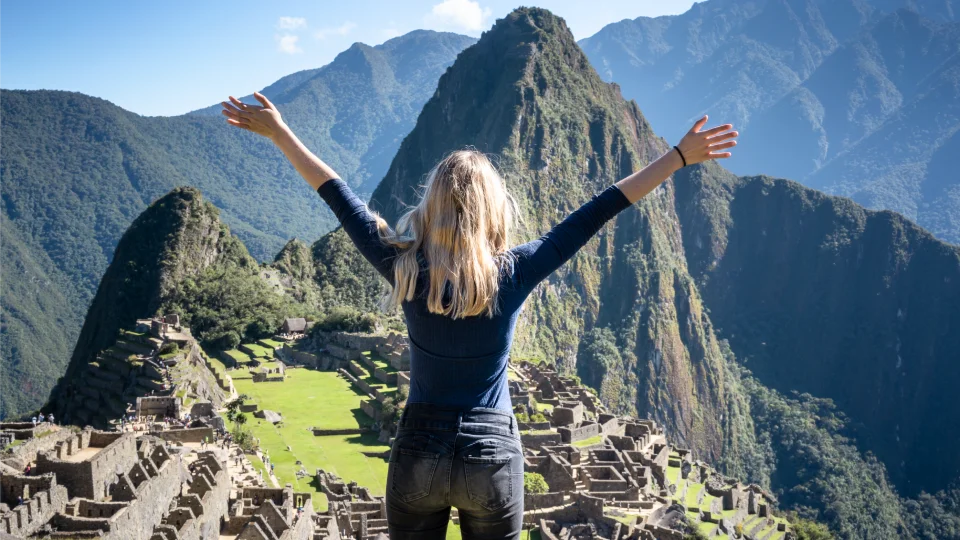
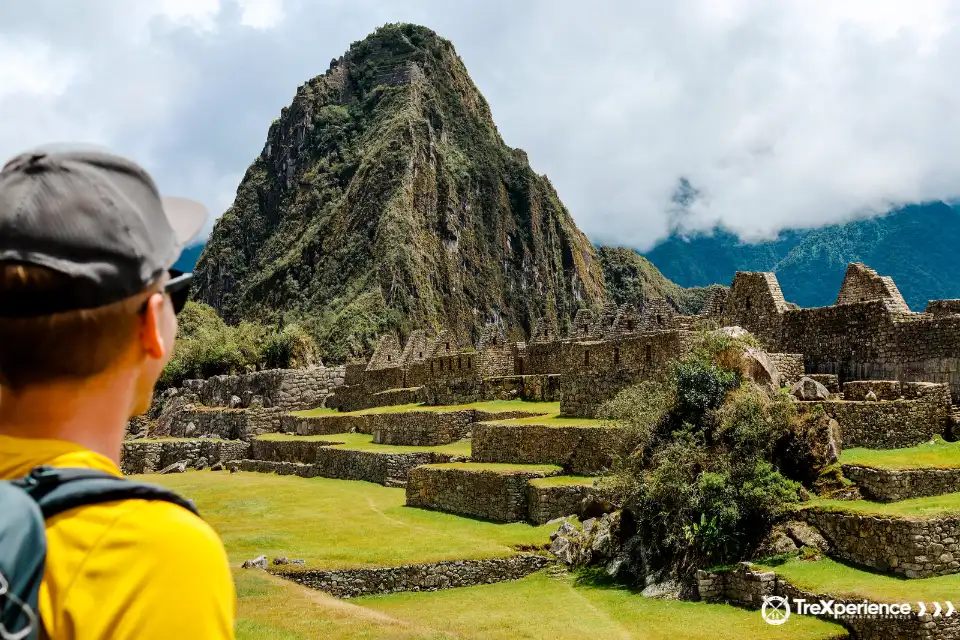
June arrives, and for many, the long-awaited dry season begins. From that moment on, the weather becomes sunny and cool, making June the preferred month for travelers who want to visit Machu Picchu. The temperature in Machu Picchu in june ranges from 15 °C to 20 °C (59 °F to 68 °F) during the day. These changes in temperatures make Machu Picchu in June the perfect time to do outdoor activities. However, it is vital to keep in mind that early in the morning or at night, the temperature drops considerably to approximately five °C (41 °F). In June, heavy rain is no longer a problem because it is the dry season, so get ready to see bright blue skies, the sun that burns you, and mountains of imposing green.
Now, we know that a subtropical climate brings sudden rains, so be prepared just in case you are surprised by a shower. It is recommended that you bring a rain poncho or windbreaker, regardless of the month.
Why visit Machu Picchu in June?
June is usually the favorite time for many to visit Machu, especially because of the good weather, but the truth is that the events and festivities of this time are also the perfect excuse to come to Peru.
Pros
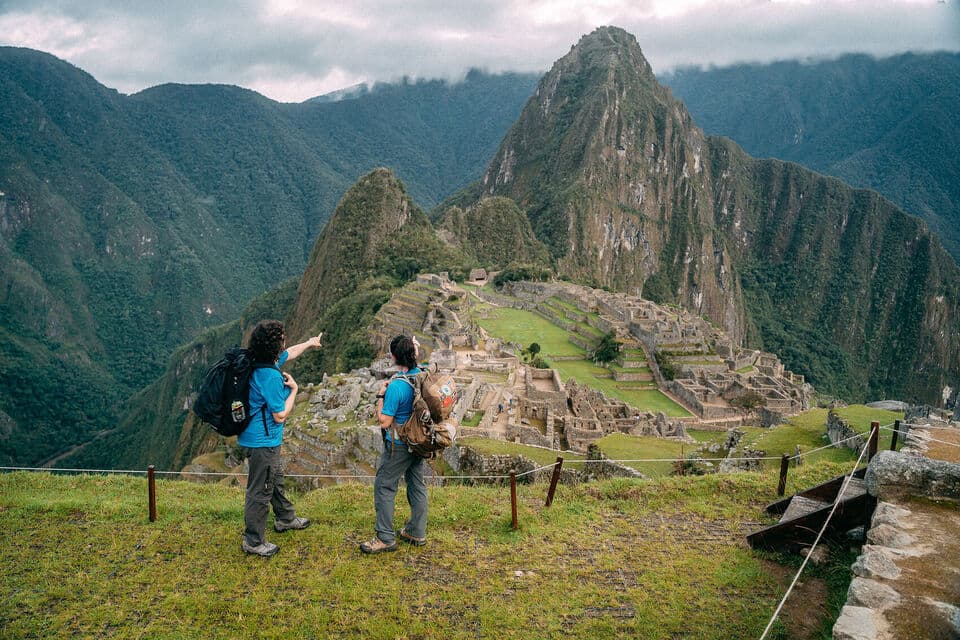
- Advantages Ideal climate: That's right, as we have already mentioned, the good weather in June dissipates the cloudy and fog days and generates a state of tranquility for those who wish to explore and get to know Machu Picchu. So it is the right time to walk the trails that lead to Machu Picchu or go hiking under an intensely blue sky.
- Cultural festivals: One of the most emblematic celebrations in Cusco takes place in June, such as the Inti Raymi, which attracts the attention of curious tourists who want to see up close the traditional rituals and festivities that the ancient Incas promoted.
- Stunning views: Nature lovers will see the green vegetation bloom and shine during this season as the impressive views of the mountains blend harmoniously to give you images to capture with your camera's lens.
- Less rain: With the chances of rain ruled out and the sun certain to be the king of the walk, you will be able to enjoy complete tranquility in everything that surrounds you, including the majestic ruins of Machu Picchu. Of course, since Machu Picchu is located in a subtropical region (on the edge of the jungle), there may be occasional light showers, so bring a rain poncho or windbreaker, regardless of the month.
Cons
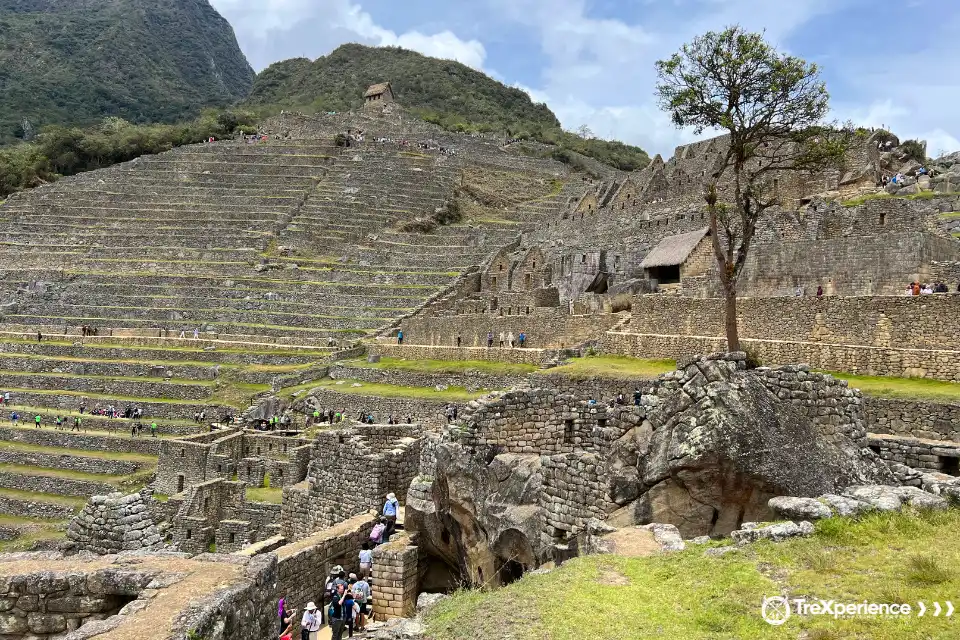
- Crowds: As expected, everything cannot be perfect. Unfortunately, the change in weather brings crowds to Machu Picchu. Most people choose this season to enjoy the good weather and how important it is to have a better experience on the trails or in outdoor activities in Machu Picchu.
- Higher prices: The high season brings with it a considerable increase in the prices of all services, from tours, accommodation, and flights to the most minor things you want to buy in Machu Picchu. For this reason, it is necessary to make reservations in advance if you plan to travel in June.
- Limited availability: The demand of visitors brings difficulties to access the trails that lead to Machu Picchu, as well as the rest of the attractions. This is one more reason why we remind you to make your reservations in advance if you do not want to have a bad time due to the shortage of tickets.
Best time of day to visit Machu Picchu in June
Every hour of the day counts when you visit Machu Picchu in June, and we'll tell you why:
- Very early in the morning: At this time of day, the sun is barely rising, and the place will be clear of tourists, allowing you to experience your tour of the ruins more intimately. You can also take advantage of the morning temperature to go hiking, either on Machu Picchu Mountain or Huayna Picchu.
- Late afternoon: At this time, people begin to leave the archaeological site, so it's your time to start contemplating the wonders around you without the interruption of people in your path. In addition, the sunset gives you a panoramic view of light with radiant colors worthy of being photographed.
- Stay away from midday: These hours between 10 a.m. and 2 p.m. are the most crowded with people and groups of travelers arriving from the trails or Cusco by train. If you like silence and tranquility, avoid these hours of the day.

Machu Picchu June: Plan Your Trip
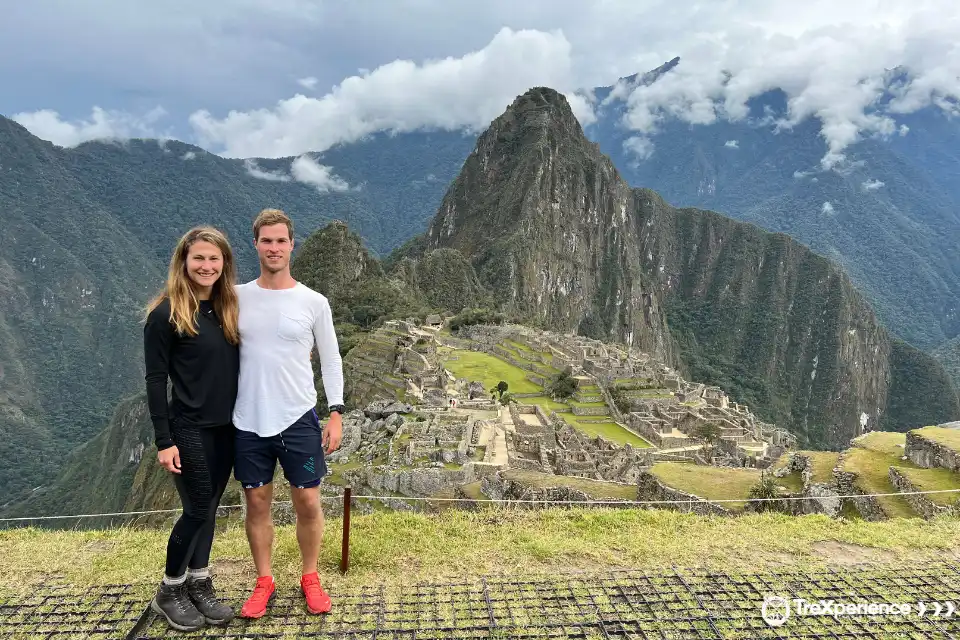
We understand that organizing your trip to Machu Picchu in June is not easy for you, even though the high season is just beginning and you need to take into account even the smallest detail. Don't worry. We are here to help you!
Tickets and excursions: how far in advance to book
June is the start of the high season, and you cannot afford to miss booking your tickets and excursions to Machu Picchu well in advance. Keep the following in mind:
Tickets to Machu Picchu
The estimated time to make your reservations is three to four months. Believe us, it is not too early, especially if your flight is scheduled for June. However, if you want to have a more risky adventure and buy tickets to climb Machu Picchu Mountain or Huayna Picchu, you should book several months in advance.
Machu Picchu now uses fixed circuits and routes, so choosing the right ticket matters more than ever.
- Circuit 1 is better for panoramic views and selected hiking routes.
- Circuit 2 is usually the most popular option because it offers the classic Machu Picchu experience and access to the postcard-style viewpoints.
- Circuit 3 focuses on the lower part of the citadel and routes such as Huayna Picchu or Huchuy Picchu, depending on availability.
In June, the most popular Machu Picchu entrance and early entry times can sell out quickly, so check official availability before confirming your trains or hotels. If you are unsure which circuit fits your trip, ask a local expert before booking.
Permits for the Inca Trail
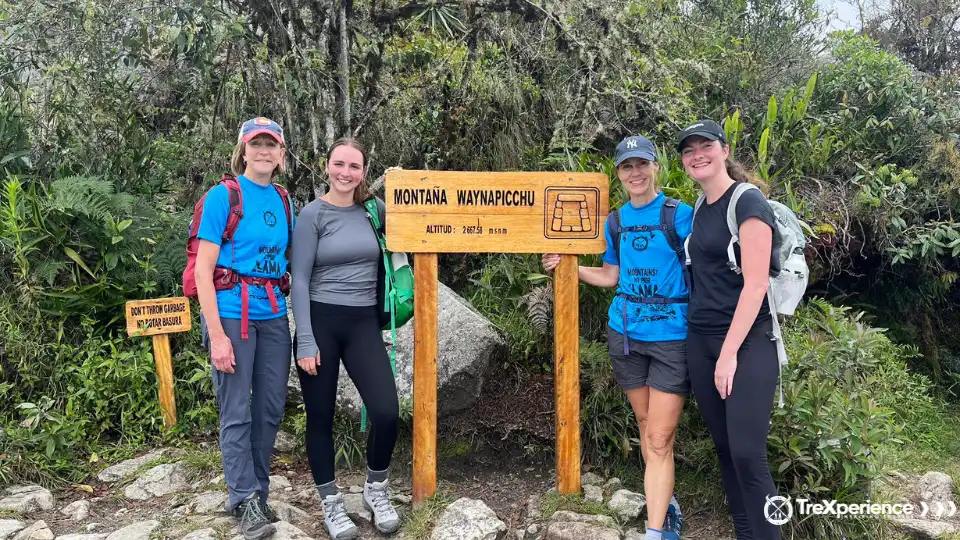
In the case that you are an adventure lover and want to do the Inca Trail, the Inca Trail permits have the peculiarity that they have a limit (500 per day). From January, the tickets that will be given throughout the year are counted. Imagine how many could be left for June if they are assigned from January. Do you see why it is not an exaggeration to make advance reservations?
By the way, permits for the Inca Trail must be obtained through a travel agency authorized by the Peruvian government, such as TreXperience. In other words, you cannot purchase them directly.
Tickets to travel by train
Just like all the other ways that exist to get to Machu Picchu, to travel by train you need a ticket and you must also purchase it months in advance. The trains to Machu Picchu are the most traditional and popular way to get to the Inca citadel. Remember, Machu Picchu is a highly sought-after tourist destination.
In this way, we have two companies of train to go to Machu Picchu:
Peru Rail
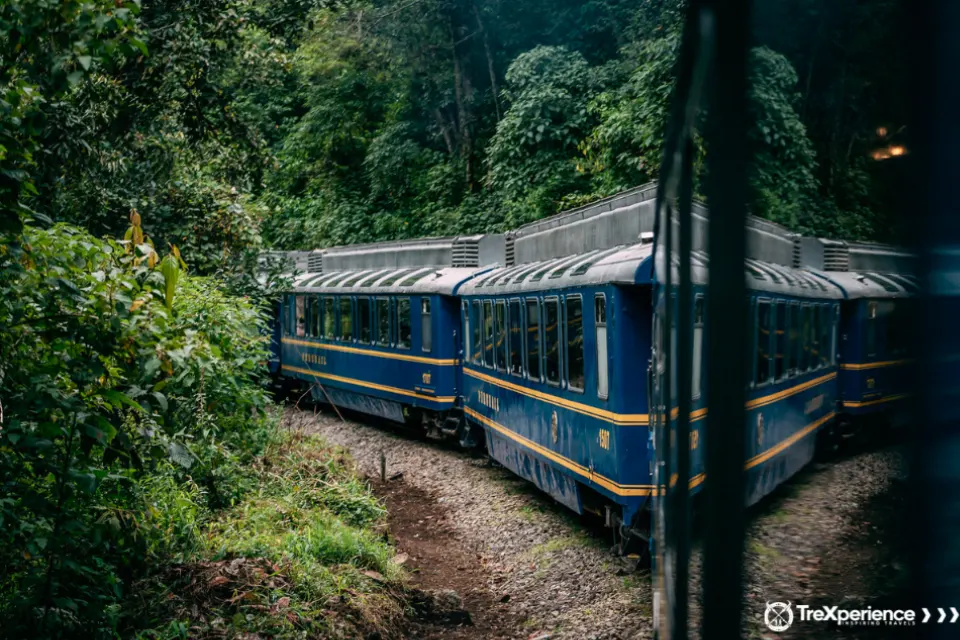
The oldest train company that offers tourist trains in three levels. Its trains can depart from San Pedro and Wanchaq train station (both located inside the Cusco city), from Poroy train station (1 hour from the city), and from Ollantaytambo train station (two hours from the city). They also offer a bimodal system, which includes bus transport from Cusco to Ollantaytambo station, where you transfer to the train that will take you to Machu Picchu Pueblo or Aguas Calientes. This applies to both the outbound and return journeys.
- Expedition: A comfortable and affordable train with panoramic windows, Andean-inspired interiors, and scenic views on the way to Machu Picchu.
- Vistadome: A panoramic train experience with wide windows, onboard snacks, music, cultural presentations, and beautiful views of the Sacred Valley. There is a superior train called Vistadome Observatory that includes an observatory car with an outdoor balcony.
- Hiram Bingham: A luxury train to Machu Picchu with elegant Pullman-style carriages, gourmet dining, live music, and premium onboard service.
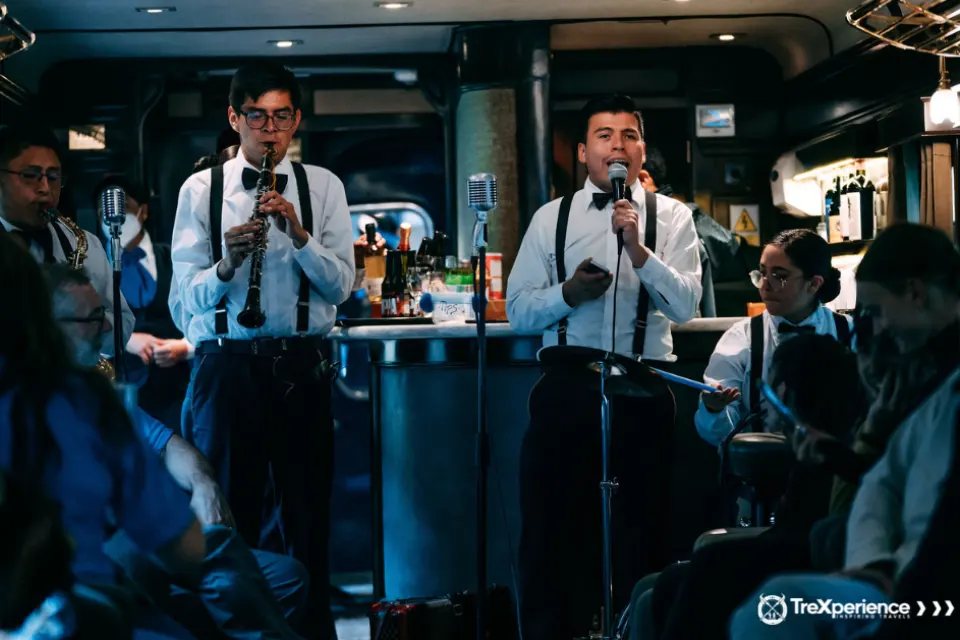
Inca Rail
The Inca Rail trains depart only from the Ollantaytambo train Station located in the Sacred Valley. In this sense, the company offers the bimodal service that consists of a bus transportation from its office in Cusco heading to Ollantaytambo, where you transfer to the train to go to Machu Picchu. The service is offered in the outbound and return journeys.
- Voyager: A comfortable and budget-friendly train with wide windows, cozy seats, Andean music, and scenic views on the way to Machu Picchu.
- 360°: A panoramic train with wide windows, an open-air observatory car, onboard snacks, live music, and immersive views of the Andes.
- First Class: A premium train experience with gourmet dining, live music, an elegant lounge-bar car, an open-air balcony, and personalized service.
The best tours to Machu Picchu
You need to take into consideration several aspects when choosing the tour that best suits your requirements. For example, evaluate how much time you have for your vacation in Machu Picchu, what physical condition you are in, and, of course, very importantly, what your preferences are. Once you answer these questions, then you can choose from the following options which one is best for you:
Inca Jungle
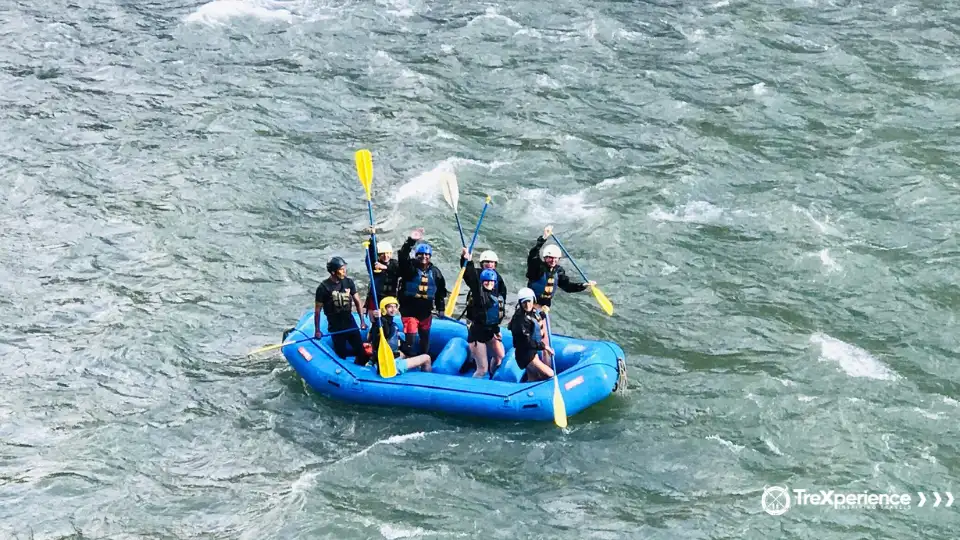
The Inca Jungle 4 days Trek is an thrilling alternative to Machu Picchu that combines mountain biking, rafting and hiking, taking you through landscapes ranging from the Andes to the jungle. This trek offers a unique wilderness adventure experience, culminating in the iconic Inca city.
- Difficulty: The difficulty of the trek is moderate to challenging, which means that it is accessible to people with a basic level of fitness, although some stages can be challenging.
- Highlights: Cycling in the Maras Salt Flats, rafting on class III and IV rivers, and hiking on less travelled trails to Machu Picchu.
Salkantay
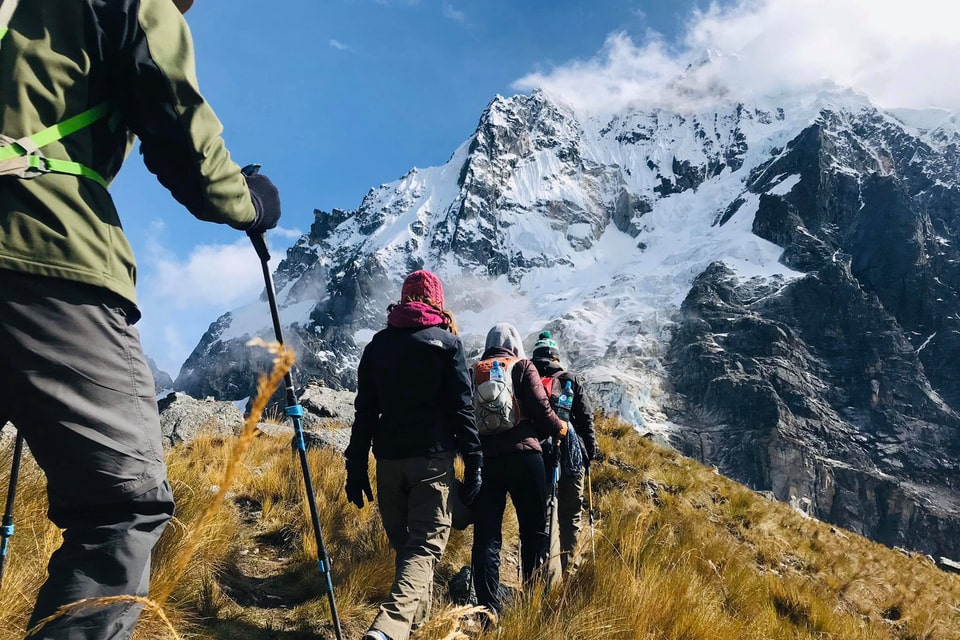
The Salkantay Trek 4 Days to Machu Picchu is a perfect adventure if you want to escape from everyday stress, connect with nature and challenge yourself. This trek takes you through breathtaking landscapes around the Salkantay mountain, through mountains, through forests full of life, and culminating in the amazing Machu Picchu, a wonder of the world.There is also a Salkantay trek to Machu Picchu 5 days
- Difficulty: This trek has a moderate to high level of difficulty, so it is a good idea to be fit and prepared for some exertion.
- Highlights: During the trek, you will have the opportunity to visit the beautiful Humantay Lake and camp near the majestic Salkantay Mountain.
4-Day Lares Trek
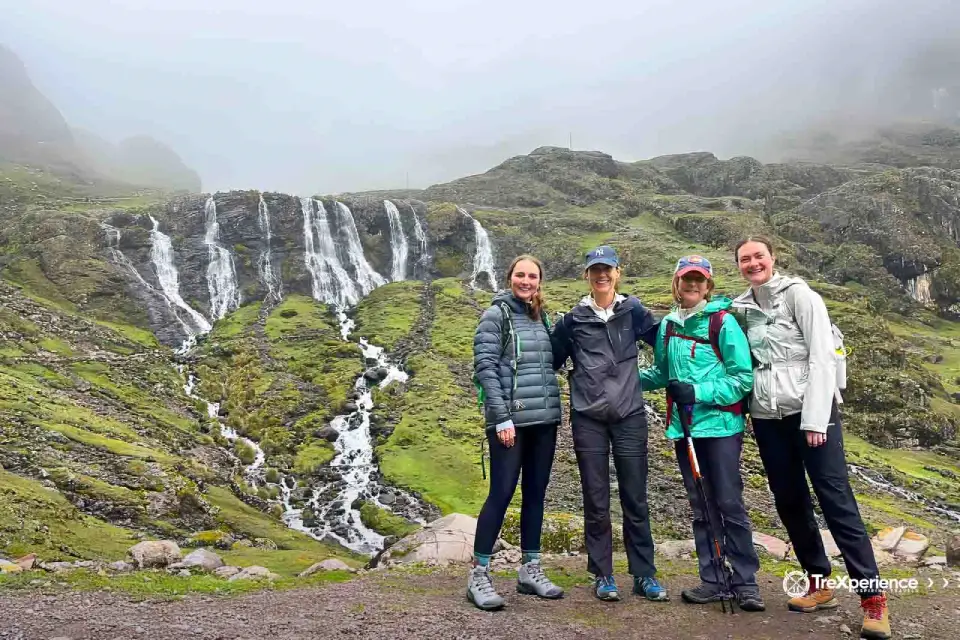
The Lares trek 4 days is a great alternative to the Inca Trail, offering an off-the-beaten-track experience, where for four days, you will be taken through remote Andean villages, passing by stunning lakes and waterfalls, high mountain passes, and culminating with a visit to Machu Picchu. You will be ecstatic with the splendor of the landscape!
- Difficulty: It can be considered moderate to challenging due to the steep climbs and altitude of the place, but nothing that you cannot overcome with a minimum of physical fitness.
- Highlights: The Lares Trek is ideal for those who want to delve into the culture of the Andean communities, as you will pass through towns and villages where indigenous people reside who still preserve the traditions and customs of the ancient Incas.
Machu Picchu 1 day by train
The option for those who have every minute counted or know that their physical condition is not ideal for long walks, or simply avoid hiking and the physical wear and tear that this entails is the Machu Picchu tour full day. This tour starts very early in the morning in Cusco or Ollantaytambo to Aguas Calientes, the closest town to Machu Picchu, from there a short walk begins to the sacred ruins.
- Difficulty: There is no difficulty in this tour, you will only do a short walk from Aguas Calientes to Machu Picchu. It is the ideal option for those traveling with children.
- Highlights: The idyllic landscapes of the Andes mountain range with its Urubamba river exuding beauty and splendor are the best of this train trip, you will be able to admire the beautiful mountains around you and be moved by the magnificence of nature. Finally, a tour guide will give you the tour to Machu Picchu.
Inca Trail
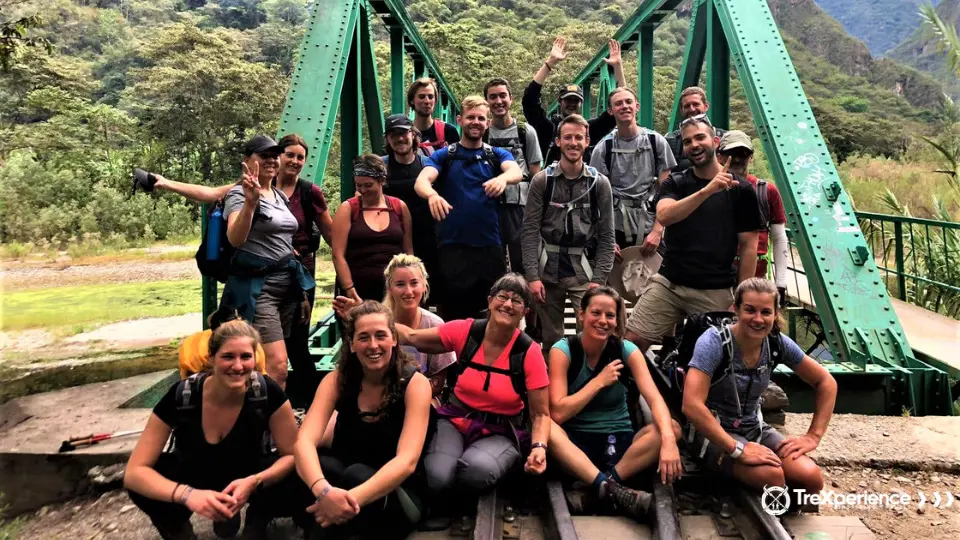
The Inca Trail to Machu Picchu 4 days is the route most traveled in the past by the Incas is still today the preferred route for travelers heading to Machu Picchu. Precisely because in certain parts of the trail, you will find the relics left by the Inca civilization displayed in archaeological sites. In addition, you will enjoy the forests covered in fog or glimpse the imposing nature of the mountains until you reach the Sun Gate, the entrance to the magical world of Machu Picchu.
- Difficulty: We cannot lie to you. You need a certain physical preparation to undertake this trip along the Inca Trail because the steep climbs along with the altitude carry risks that we do not want to happen. Added to all this are the four days that the tour lasts. Keep all these details in mind!
- Highlights: The Inca Trail's charm lies in its archaeological remains along the way. The ruins at every step allow you to create a mental movie of what life was like for the Incas. Simply wonderful!
Take note
There are other options as well, such as the 5-day Inca Trail to Machu Picchu
What to pack for Machu Picchu in June?
Planning your trip to Machu Picchu in June requires an assessment of what clothes to pack for the cold mornings and evenings and clothes for the warmer afternoons. Don't worry, follow our instructions:
- Clothing in layers: For this fluctuating climate in the Peruvian Andes, we recommend dressing in several layers of clothing that you can take off or put on depending on the weather. First, you could wear a cotton shirt or blouse, followed by a warm or fleece jacket, and finally, a waterproof outer layer.
- Comfortable shoes: They should be all-terrain. We recommend that they be suitable for hiking.
- Rain gear: There is very little chance of rain in June, but it doesn't hurt to bring a light poncho just in case or as a last resort, a waterproof jacket that will work for the cold as well.
- Backpack: It may be very obvious to tell you to bring a backpack, but we can't overlook any detail. You need to have somewhere to store your personal things and very importantly your camera or phone. It is very important that you do not forget this last point!
- Reusable water bottle: We are committed to caring for the environment, so we recommend using a glass or stainless steel bottle. You can fill it whenever you need it, and at the same time, you do not generate waste.
Experiences in June: What to do in Peru in June?
Not only is Cusco the epicenter of important events during June, but throughout Peru, you can find festivities that will show you the nation's rich cultural heritage. Here you have the most important:
Inti Raymi "Festival of the Sun" (June 24)
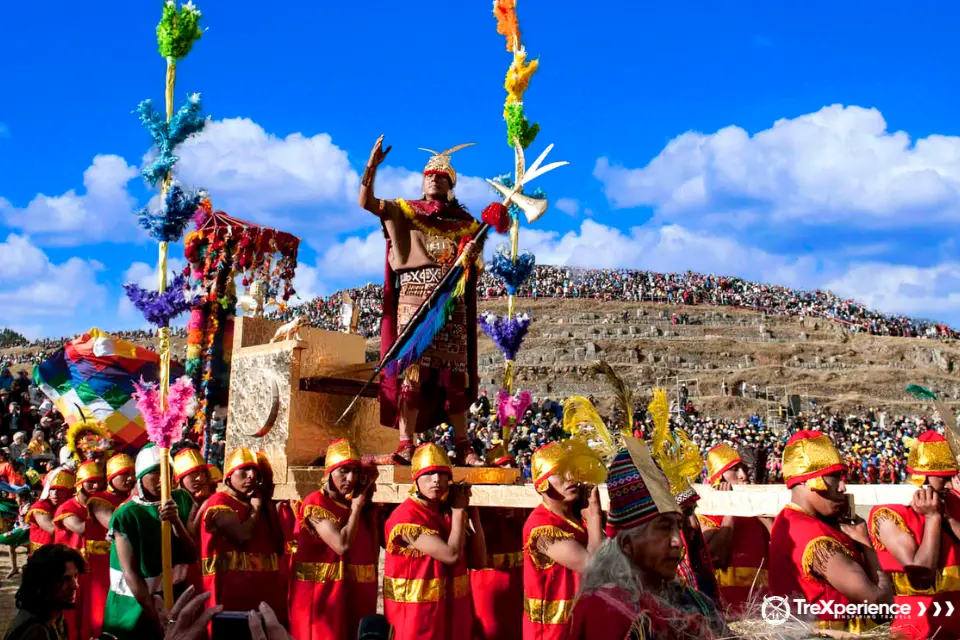
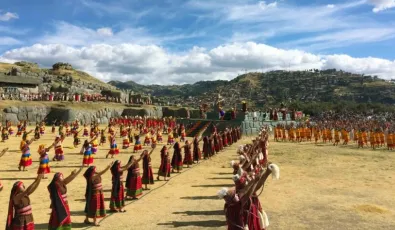
One of Peru's most acclaimed festivals celebrated on June 24, Inti Raymi, was the central celebration of the Incas until the 16th century when the Spanish arrived. In 1944, its celebration was revived and continues to this day. In 2001, it was declared a Cultural Heritage of the Nation. It is estimated that more than 60,000 people from all over the world come to Cusco on this date to admire the spectacle that consists of traditional dances with their typical costumes full of color and rituals that the ancient Incas did at the time to worship the Sun God. The festival begins with its first staging in the Temple of the Sun, Qoricancha, or Santo Domingo. They continue to the main square of Cusco, and to finish, everyone goes to the esplanade of Saqsayhuaman, where another show takes place lasting approximately two hours.
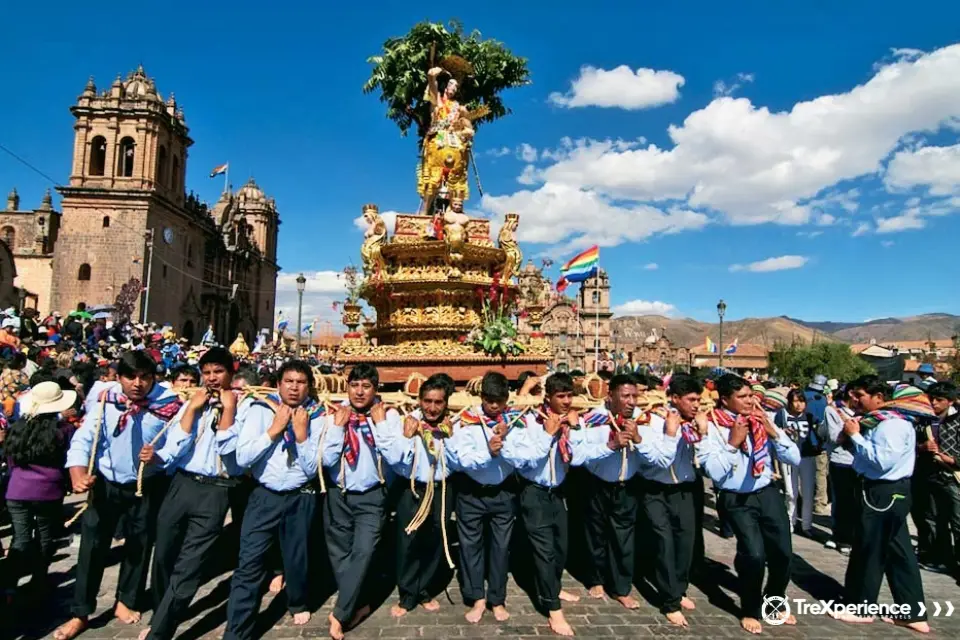
Corpus Christi (June 3–11, 2026)
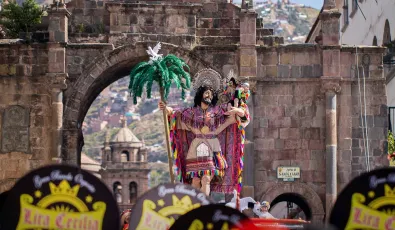
Another important event in Cusco, which originated in the customs of the ancient Incas, is Corpus Christi, although, at the time of the conquest, it was merged with Catholic traditions. At first, the Incas made this procession as tributes to the dead. When Catholicism arrived, it was taken up again with changes that included processions with saints that were taken from different churches and taken to the Cathedral of the Main Square of Cusco.
Day of the Farmer (June 24)
The Day of the Farmer has been celebrated in Peru since 1969 when General Juan Velasco Alvarado officially decreed this date as the Day of the Farmer through the Agrarian Reform Law, N° 17716, which had the purpose of vindicating the agricultural activities of the peasants in Peru. For this reason, rural communities in the Andes celebrate their agricultural legacy through parades, fairs, and traditional ceremonies.
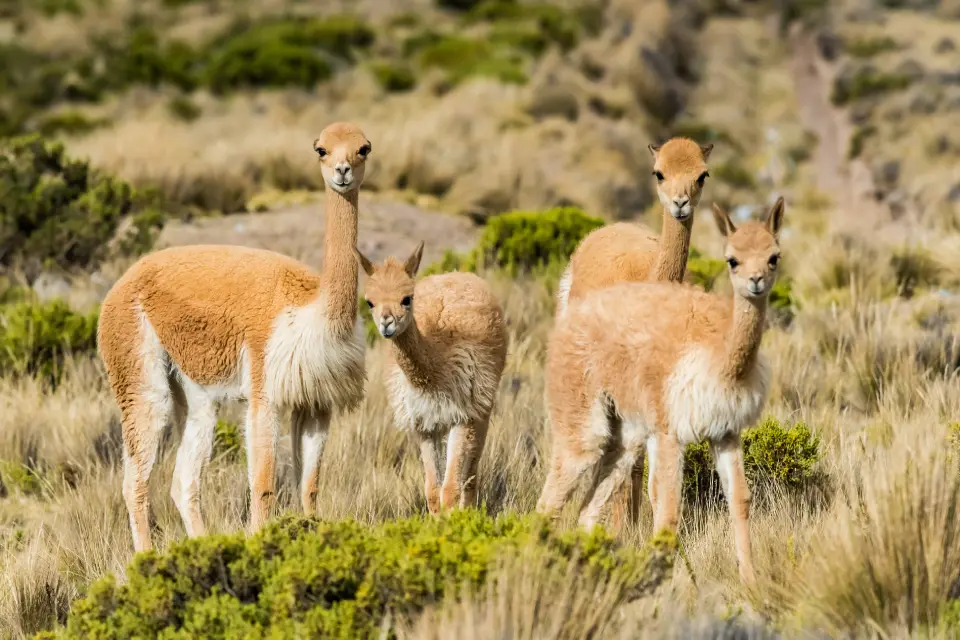
International Chaccu de Vicuñas (June 24)
In Ayacucho, the vicuña shearing festival is held every year in the Pampa Galeras Bárbara D'Achille National Reserve. In this event, vicuña shearing practices inherited from pre-Inca ancestors are evoked. In this festival, participants round up wild vicuñas to shear them and keep their wool, and then they set them free. This celebration attracts thousands of tourists every year, who enjoy the staging of the arrival of the Inca to Pampa Galeras, the visualization of the shearing, herding of the vicuñas, rituals in gratitude to the land and presentation of traditional dances, as well as enjoying typical foods and sale of agricultural and agro-industrial products.
Chachapoyas Tourist Week (May 31–June 13, 2026)
This festival is celebrated in the Amazon region. It consists of a week of traditional festivals, music, dances, and culinary exhibitions typical of the area, such as Juanes de yuca or Inchik Uchu, spicy guinea pig. This festival, in which more than 50 communities participate, begins with the arrival of dawn in the Barrio de la Laguna. Homage is paid to those who fell in the Battle of Higos Urco, followed by religious ceremonies and rituals that begin the week of festivities in Chachapoyas.
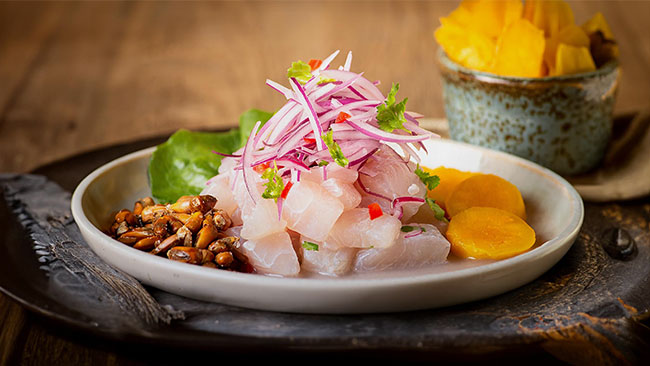
National Ceviche Day (June 28)
This holiday was established in Peru a little over a decade ago, in 2008, by means of a ministerial resolution. This day is celebrated in all restaurants and food stands, offering ceviche and its different variations to diners. In addition, as a prelude on June 27, the “Mi Pescadería” festival is held in the Manco Cápac de la Victoria square, a place where fresh fish from the Ventanilla fishing terminal is offered. Without a doubt, this is a day that you cannot miss if you come to Peru in June.
What to expect at Machu Picchu visit?
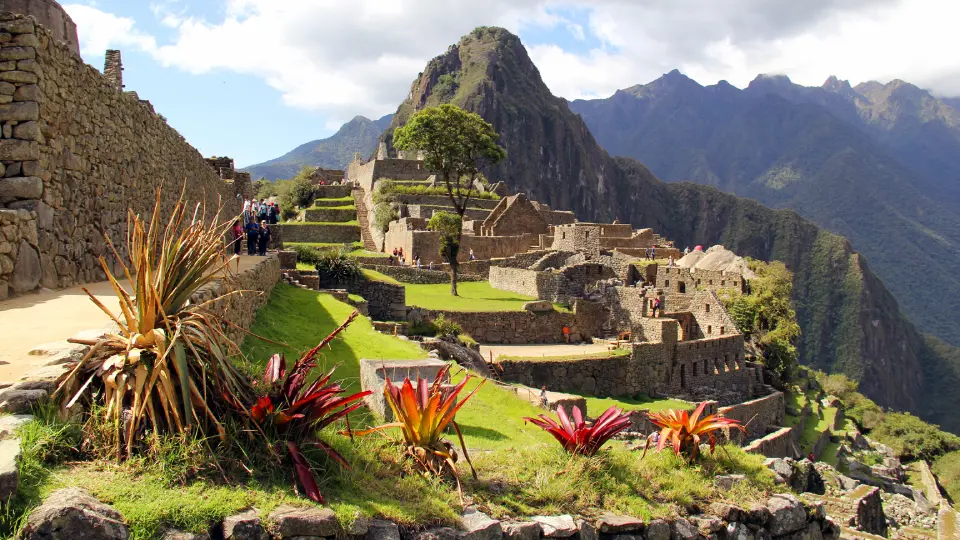
The guarantee that your visit to Machu Picchu in June will be a success is in the organization because the beginning of the high season can be overwhelming due to the number of people who usually choose this date to visit the ruins. So, taking into account the influx of tourists in June, it is worth taking into account these tips:
- Crowd season: June is a time to prepare for long queues at places such as the guardhouse and the Puerta del Sol (Sun gate). Be patient!
- Altitude: So-called altitude sickness exists, and you can experience it in Machu Picchu because it is 2,430 meters (7,970 feet) above sea level. If you come from lower places, you may have symptoms such as dizziness, headache, and shortness of breath. Calm down and breathe deeply until you stabilize. To avoid this type of incident, we recommend acclimatizing first in Cusco before going to Machu Picchu.
- Guided tours: If it is your first time in Machu Picchu, it is best to contact a guide who will take you around the ruins while talking to you about the history and culture of the Incas, as well as their discovery. Believe us, it is much more enriching to see Machu Picchu in its historical context.
- Strict rules: Keeping Machu Pucchi standing for hundreds or thousands of years is hard work that has been achieved until now, thanks to the regulations that prevail in the place. Among these rules is the prohibition of carrying tripods, large backpacks, or using drones inside the place. Make sure you comply with them!

FAQs - Machu Picchu in June
Here are ten frequently asked questions about visiting Machu Picchu in June, along with their answers:
Is June a good time to visit Machu Picchu?
Yes, June is one of the best times to visit Machu Picchu due to the favorable weather and vibrant cultural events in Cusco.
How far in advance should I book my Machu Picchu tickets for June?
It's recommended that you book your tickets at least three to four months in advance, especially if you plan to hike Huayna Picchu or the Inca Trail.
Are there any significant events in Machu Picchu in June?
While there are no major events at Machu Picchu itself, Cusco celebrates Inti Raymi and Corpus Christi in June, which are significant cultural events.
What should I pack for a trip to Machu in June?
Pack layered clothing, comfortable hiking shoes, sun protection, rain gear, a daypack, a reusable water bottle, and a camera.
How crowded is Machu Picchu in June?
June is a peak tourist season so Machu Picchu can be pretty crowded. Arriving early in the morning or late in the afternoon can help you avoid the largest crowds.
Can I hike the Inca Trail in June?
Yes, June is an excellent time to hike the Inca Trail, but permits sell out quickly, so be sure to book well in advance.
Is altitude sickness a concern in Machu Picchu?
Machu Picchu is at a high altitude so altitude sickness can be a concern. It's advisable to acclimatize in Cusco or the Sacred Valley before visiting and stay hydrated.
How do I get to Machu Picchu from Cusco?
You can reach Machu Picchu from Cusco by train or bus, or you can hike the Inca Trail or take an alternative trek. Most travelers take the train to Aguas Calientes and then take a bus to the site.
What are the entry regulations for Machu Picchu?
Machu Picchu has strict regulations, including limits on the number of visitors, restrictions on large backpacks, and a no-drone policy. Be sure to review the rules before your visit.
Don't miss the opportunity to experience Machu Picchu in June! With its ideal weather, breathtaking views and cultural festivities, this is the perfect time to explore the wonder of the world. Be sure to plan your trip in advance, from booking tickets to choosing the best route for you. Contact us for more information and book your place in this extraordinary destination - we look forward to seeing you!

Add new comment