


PROMPERÚ granted the Qhapaq Ñan, the great network of ancient roads, a license to use the Peru Brand in recognition of its work to protect, promote, and celebrate this important cultural legacy, one of the country’s most representative treasures.
The Peru Brand distinction was awarded to the National Qhapaq Ñan Commission on June 24, 2026, adding the Qhapaq Ñan to the symbols, destinations, and attractions that showcase Peru’s identity to both national and international travelers.
What is the Qhapaq Ñan?
The Qhapaq Ñan is a vast network of pre-Hispanic roads that crosses different ecosystems once part of the Inca Empire. Stretching for about 30,000 kilometers, it connects territories in Peru, Argentina, Bolivia, Chile, Colombia, and Ecuador, revealing the scale of one of the most impressive infrastructure works in pre-Hispanic America.
A road that connects history and identity
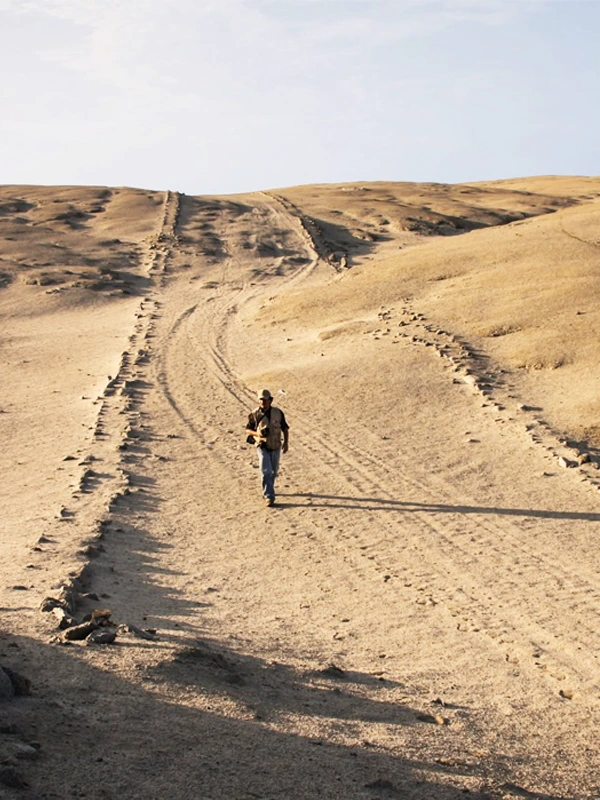
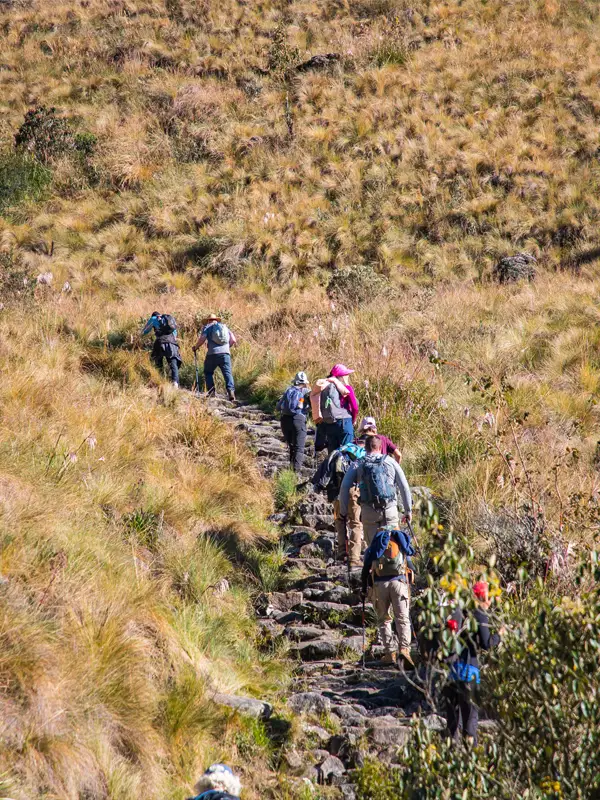
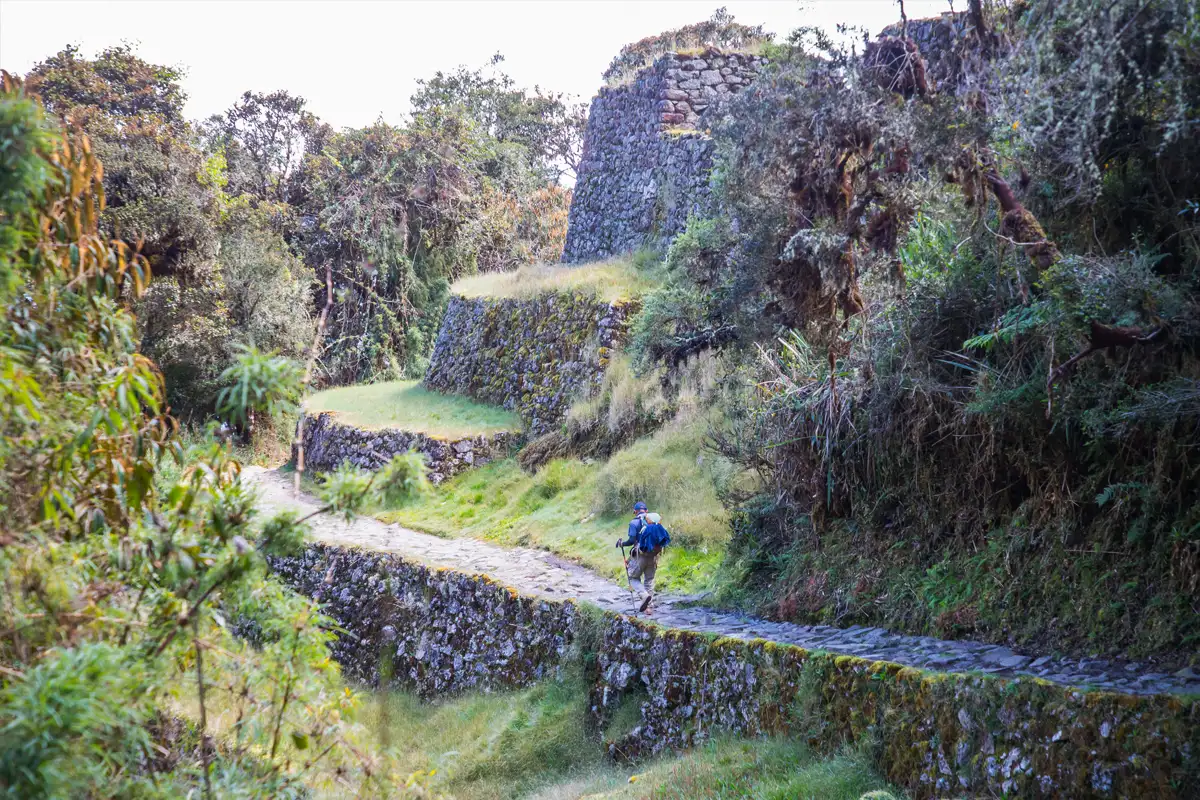
The Qhapaq Ñan is not just an ancient route for communication; it is a living trace of the Andean past. It crosses the most beautiful mountains in Peru, sacred snow-capped peaks, fertile valleys, deserts, and lands with rich cultural diversity. This network connected villages, ceremonial centers, farming areas, trade spaces, and sacred landscapes.
 |  |
Qhapaq Ñan History
Although the history of the Qhapaq Ñan is often linked mainly to the Incas, its origins are also tied to pre-Inca cultures such as the Wari, Tiwanaku, Chimú, Moche, and Chavín, who built part of the first infrastructure of these roads. Over time, the system was expanded and organized until it became a great network that linked the coast, Andes, Amazon, and high plateau.
Archaeological sites along the Qhapaq Ñan
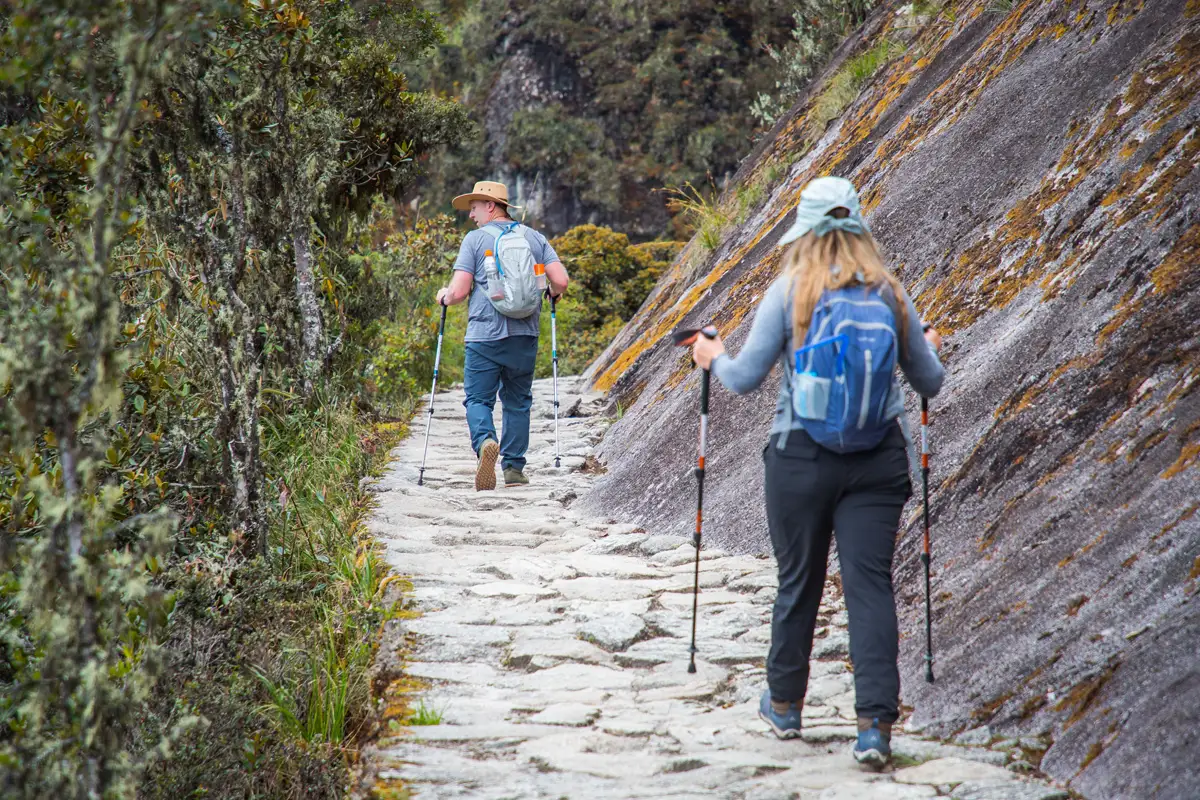
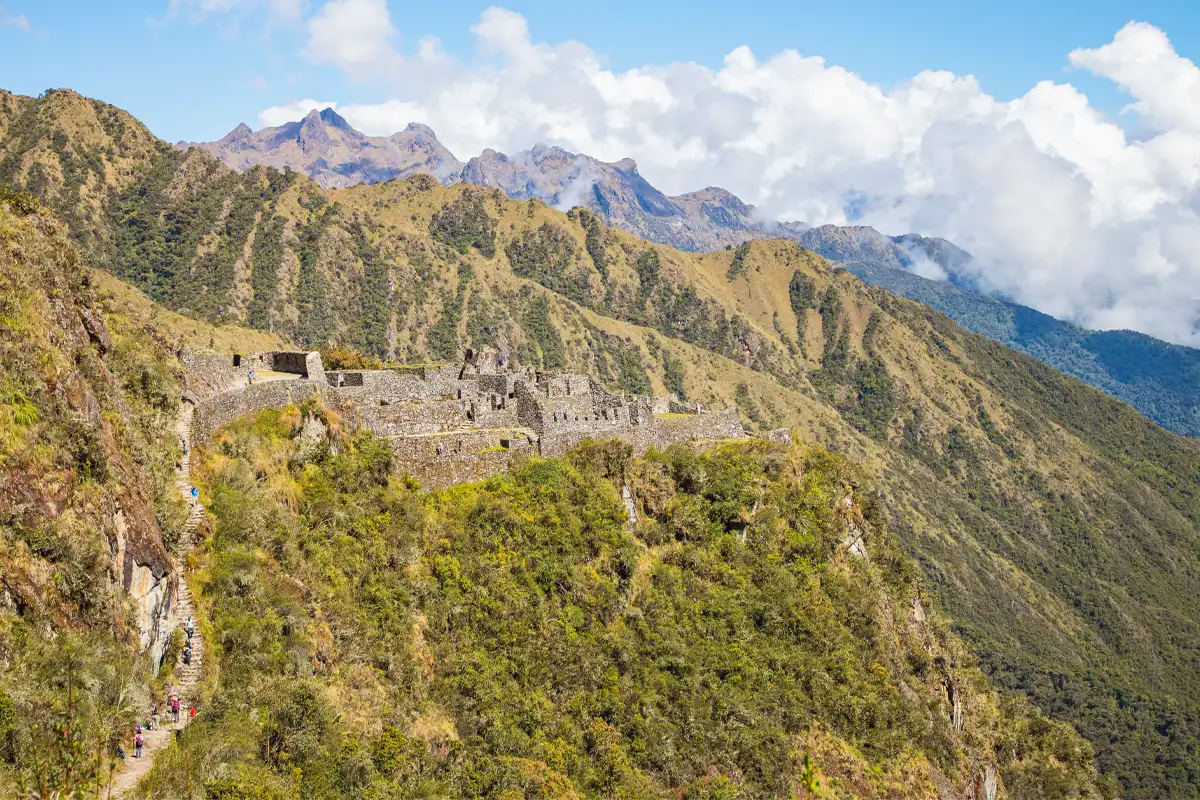
Its layout reveals remarkable organization and engineering. In several sections, retaining walls, bridges, stairways, and roads crossing canyons, rivers, and hard-to-reach areas are still preserved. Many of its routes also connect with archaeological sites and ancient cities that today form part of the cultural heritage of different Andean countries.
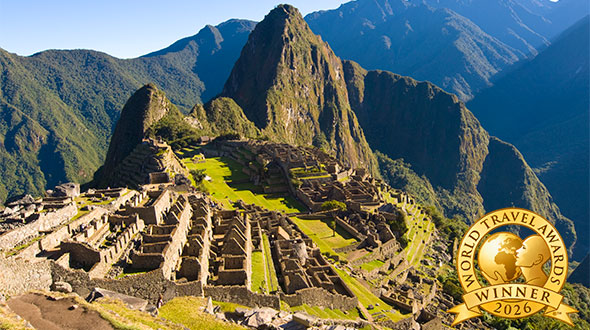
From the different ends of the Qhapaq Ñan, the roads converge at a symbolic point: Cusco, considered the navel of the world. Along the way, routes lead to places of great importance such as Machu Picchu, Pachacámac, Lake Titicaca, and other urban, ceremonial, and pilgrimage centers.
The Qhapaq Ñan: culture and nature
The inclusion of the Qhapaq Ñan in the Peru Brand opens a new opportunity to show the country from a broader, more authentic, and more decentralized perspective.
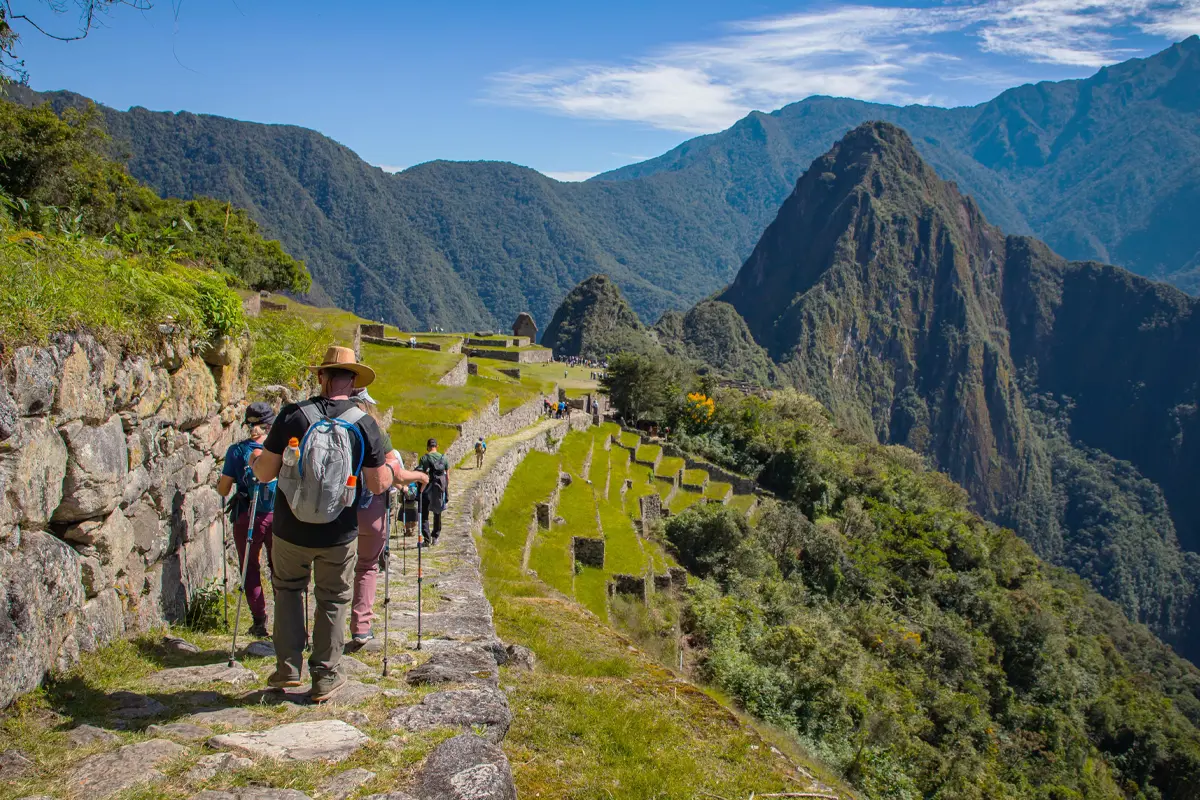
PROMPERÚ highlighted that this great network brings together nature, historic memory, living communities, and sustainable tourism activities. Activities such as hiking, landscape and nature observation, photography routes, and experiential tourism find in the Qhapaq Ñan a powerful way to promote more responsible travel connected to local communities.
This strengthens the cultural, adventure, and nature appeal of diverse territories. Each section preserves its own context and allows travelers to get closer to the cultures that, in the past, stayed closely and constantly connected through these roads. It also opens the door to expanding this type of travel experience, including well-known routes that already exist, such as the Inca Trail routes to Machu Picchu.
The Qhapaq Ñan looks to the world
This recognition comes at a key moment. The Qhapaq Ñan has also been strengthening its international presence through its participation in the creation of the Ibero-American Cultural Routes and Itineraries Program, an initiative led by the Organization of Ibero-American States to promote cooperation, management, and promotion of cultural routes in the region.
For Peru, this participation represents a strategic opportunity. As a World Heritage site shared by six countries, the Qhapaq Ñan can become a platform for developing cultural and adventure routes with regional and international value.
In this sense, the Great Inca Road should no longer be seen only as a remnant of the past. It can also be a tool to connect territories, strengthen identities, support cultural projects, and promote new ways of traveling through South America.
Protection and conservation for the future
The Qhapaq Ñan was inscribed on the UNESCO World Heritage List on June 21, 2014. Twelve years later, its inclusion in the Peru Brand reinforces its importance as one of the great cultural symbols of the country and the Americas.
However, its future does not depend on promotion alone. It also requires conservation, research, community participation, and the development of responsible tourism experiences.
That is the great challenge and, at the same time, the great promise.
The Qhapaq Ñan can help more travelers discover a deeper Peru: a country of ancient roads, sacred mountains, traditions, customs, and memories that still live on. Because the Great Inca Road continues to connect the Andean world with the present.