



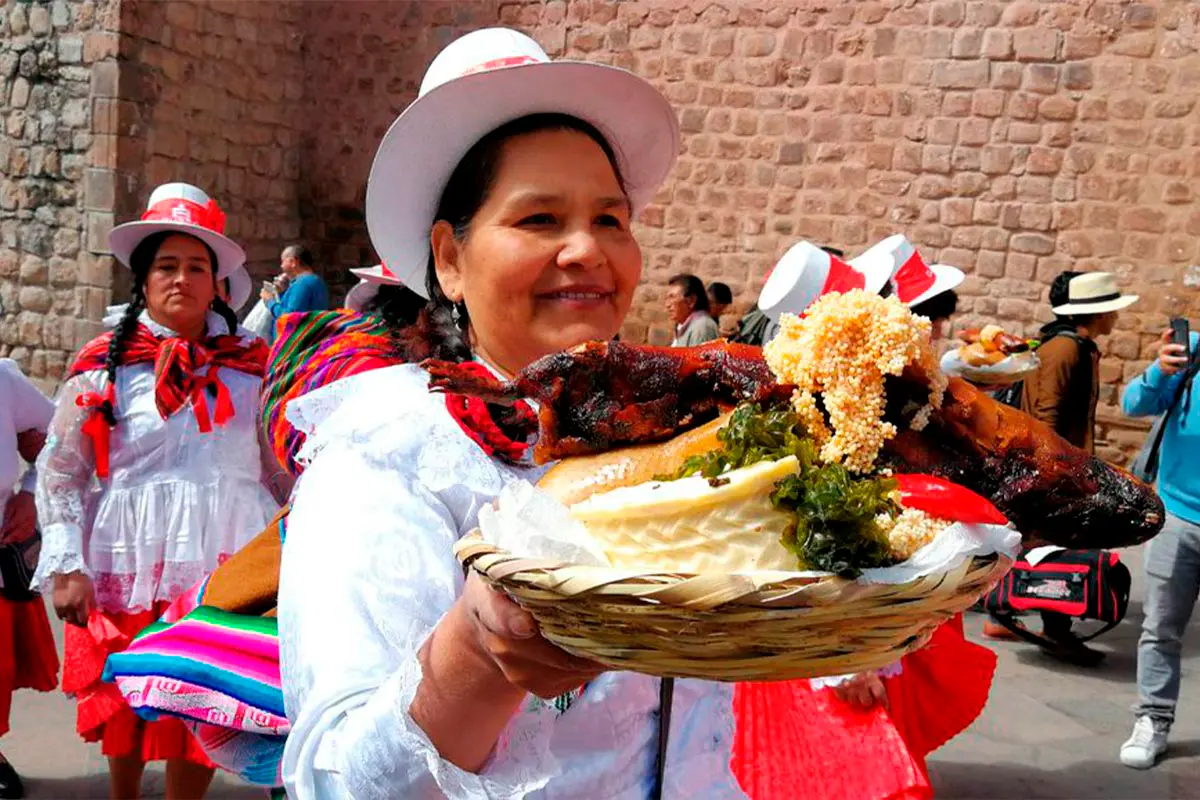
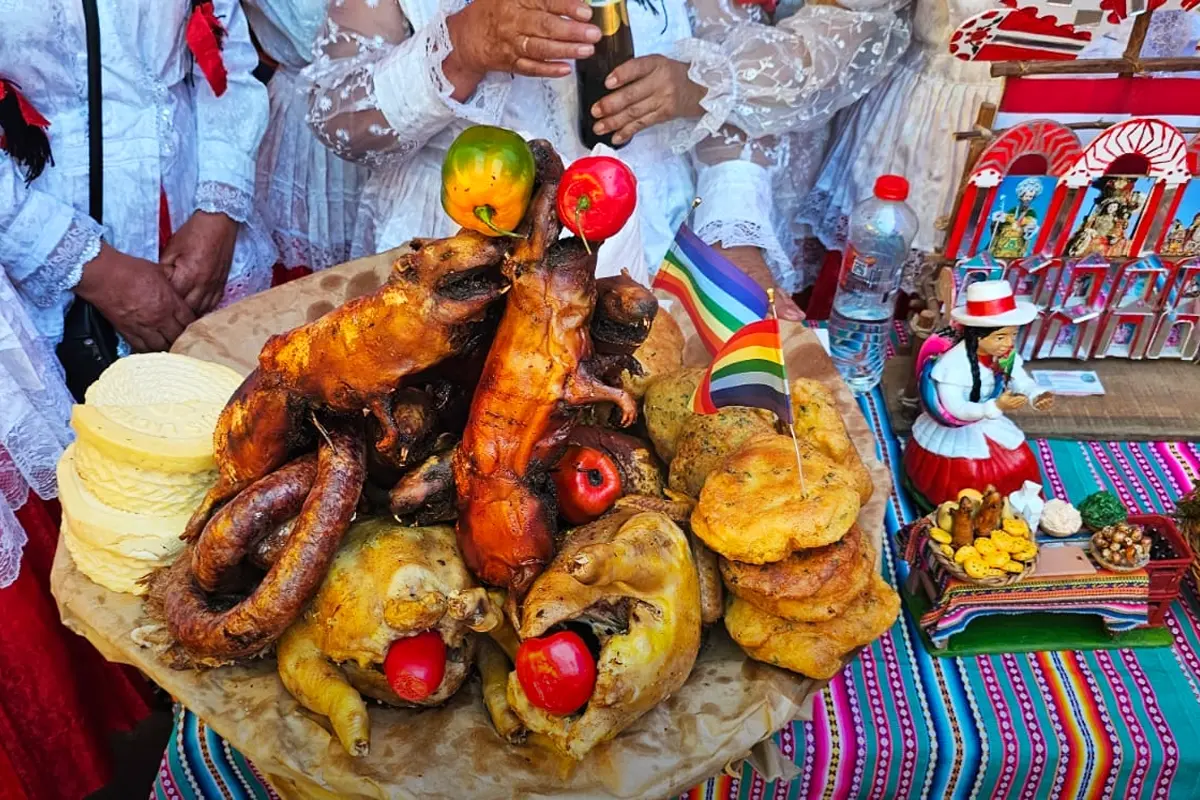
Imagine tasting a dish where every bite transports you to a different corner of Peru and Cusco. That is Chiriuchu; a festive flavor mix born in the ceremonies of the Incas in the Tahuantinsuyo that still wins hearts today. On one plate, you’ll find ingredients from Peru’s coast, highlands, and jungle, roasted cuy, boiled hen, charqui, chorizo, cochayuyo, fish roe, corn fritter, cancha, cheese, and rocoto. For travelers, Chiriuchu is more than a meal: it is a way to understand Cusco’s history, family traditions, and Andean-Catholic celebrations.
In this guide, you’ll learn what Chiriuchu means, what is inside the dish, where to eat it in Cusco, how much it costs, and how to enjoy it like a local. Come and try it for yourself!
What Is Chiriuchu, and Why Is It So Special?
Chiriuchu is a time-honored dish from the Cusco region of Peru. It combines ingredients from the coast, highlands, and jungle, creating a one-of-a-kind flavor medley served cold, especially during Corpus Christi Peru celebrations. Although most popular in June, you can also find it in local restaurants and markets throughout the year.
Meaning and Etymology
Chiriuchu means "cold food with a spicy touch" in Quechua; Chiri means cold, and Uchu means chili. This mix of words perfectly reflects what this traditional dish represents.

Did you know?
The recipe reflects the ancestral cooking traditions of the four Suyos of the Tahuantinsuyo, bringing long-standing customs together in every mouthful.
2026 Update: When to Try Chiriuchu in Cusco
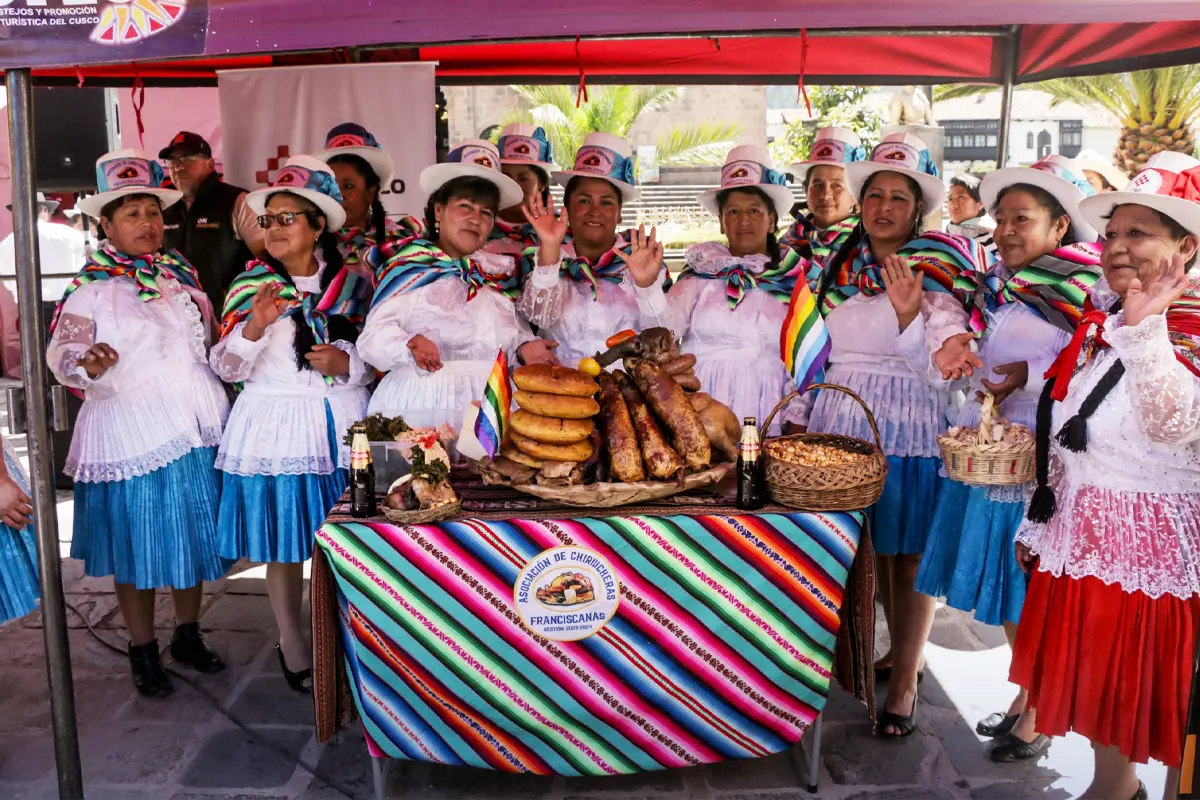
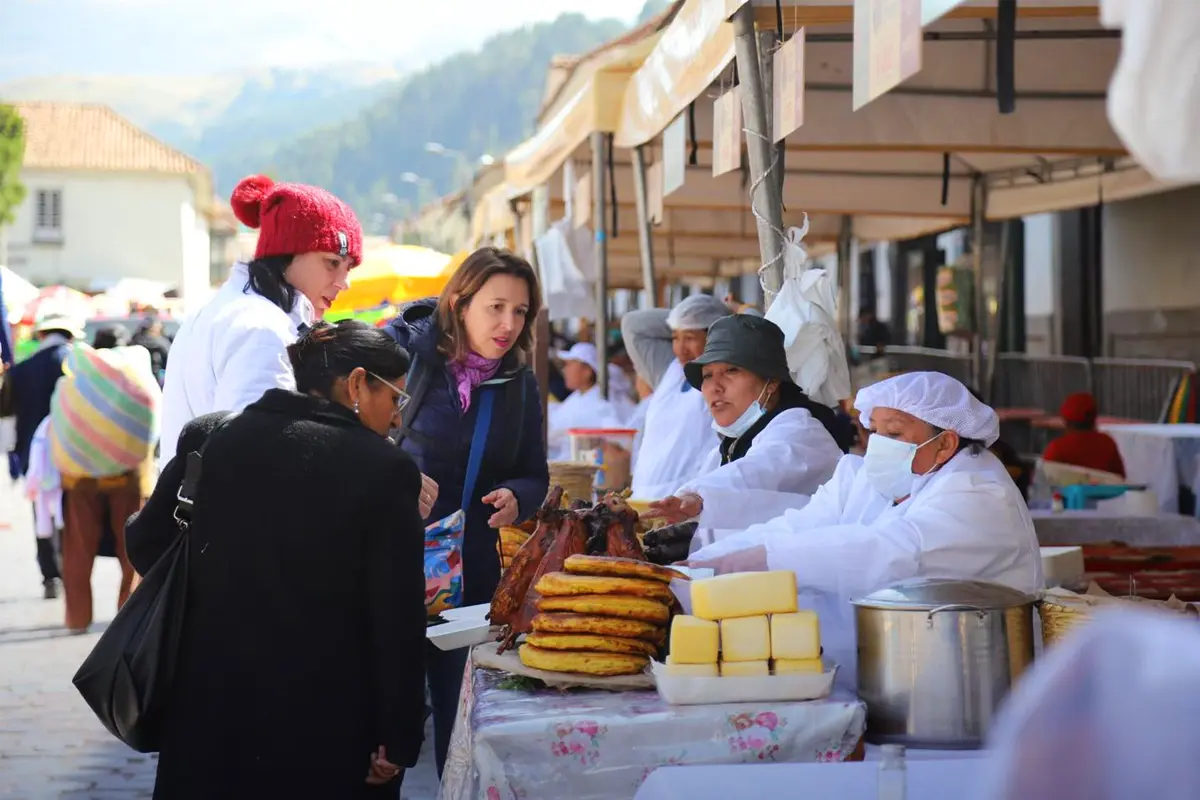
Chiriuchu is so delicious that it's enjoyed year-round, but it's most popular during the Corpus Christi Cusco festivities. The dates vary depending on the year. In 2026, the Chiriuchu Festival will take place on June 4 in San Francisco Square, three blocks from the main square. There, outdoor stalls selling Chiriuchu will be set up, where the so-called “chiriucheras”, the women who prepare and sell these dishes, will be happy to serve both locals and visitors.
Exactly 8 days later, the “Octava” of Corpus Christi will take place, on June 11. Food stalls will once again be set up in Plaza de San Francisco. So, if you missed the Chiriuchu festival, you’ll have the chance to try it during the Octava. If you are visiting Cusco in early June, arrive early, bring cash in soles, and expect crowds around Plaza de Armas and Plaza San Francisco.
The Chiriuchu Food Festival
Every year, between May and June, the Chiriuchu Gastronomic Festival is held in Cusco's Plaza San Francisco. The Chiriuchu Gastronomic Festival 2026 will be held on June 4, with the eighth edition taking place on June 11. This event, organized by EMUFEC, will offer this traditional dish during Corpus Christi, with all necessary safety measures in place. During these dates, Chiriuchu Cusco will bring together flavors from the coast, the mountains, and the jungle. It is undoubtedly a special moment to enjoy this dish.
Chiriuchu History and Origins
Inca Era: Origin of the typical dish Chiriuchu
There are several versions explaining how Chiriuchu came to be during the Inca era. Each story tells us how this delicious dish came to be and what ingredients were used.
Procession of the mummies: Exchange of flavors in the Tahuantinsuyo
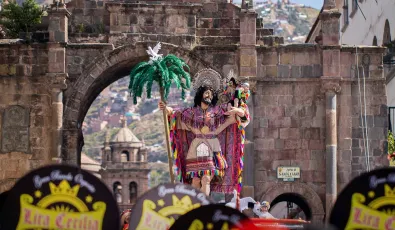
The Chiriuchu originated during the procession of the mummies, an Inca ritual from the Cusco Corpus Christi also derives (following its fusion with a Catholic celebration brought by the Spanish). During the procession of the Inca mummies, the embalmed bodies of the Inca rulers, known as Mullkis, were carried in procession from their "Canchas" or palaces to the Qoricancha, the Sun Temple.
People from different parts of the Tahuantinsuyo came to Cusco to take part in this procession. There, they shared their snacks after the ceremonies. Thanks to this exchange, the dish combines seaweed and eggs from the coast with guinea pig, chicken, chalona, toasted meat from the mountains, blood sausage, tullan, and corn tortillas with cheese and rocoto.
Aynis: The Sharing of Families
On the other hand, it is said that Chiriuchu originated from the Aynis, a system of work and mutual aid in which, after each task, families shared the best from their kitchens. Thus emerged the merienda, a blend of foods from the coast, mountains, and jungle, creating grand banquets full of flavor and togetherness.
Andean Duality: Balance at the Table
According to the chronicler Sarmiento de Gamboa, Chiriuchu represents the Andean duality that the ancients applied to their meals. They divided food into those that came from the earth (Orqo or male) and that classified as female, such as corn, guinea pig, chicken, and seaweed. All of them are found in this traditional dish.
Chiriuchu in the Colonial Period
During the colonial period, with the arrival of the Spanish, religious festivals were occasions for the union of European and Andean traditions. At that time, ancient cults and rituals were replaced by religious festivals such as Corpus Christi. With these changes, new ingredients and culinary techniques were incorporated into Chiriuchu, enriching its flavor. Thus, the dish combined native foods such as guinea pig and Charqui with products that arrived later, such as chorizo and cheese.

Present Day
Today, chiriuchu remains the emblematic dish of Cusco, especially during Corpus Christi. Its preparation has evolved, incorporating new ingredients and techniques that enrich its flavor and presentation. The Chiriucheras del Cusco Civil Association, made up of 180 women, is responsible for promoting and preserving this culinary tradition. Led by Teresa Santos, it continues the legacy of Hilaria Monroe.
Chiriuchu Key Ingredients
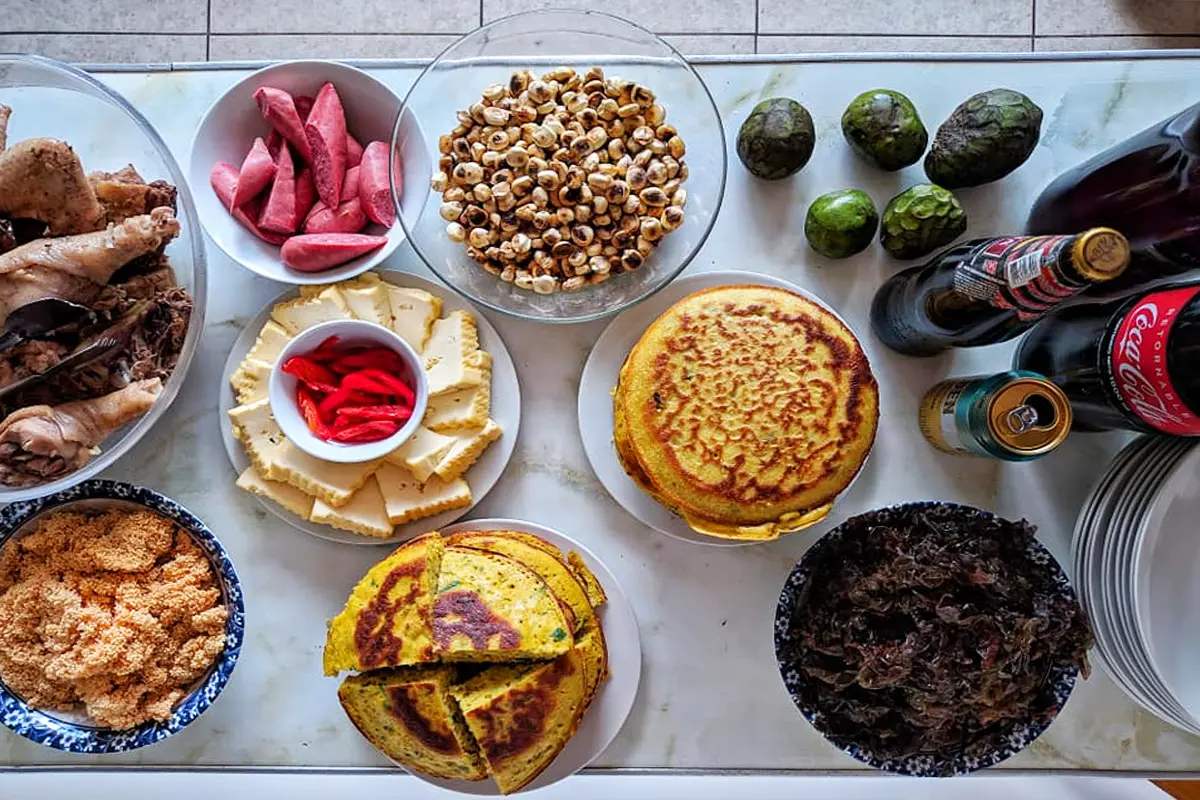
Chiriuchu is made from a combination of ingredients from different regions of Peru: Coast, Highlands, and Jungle.
Ingredients
- 2 roast cuy (guinea pig)
- 1 boiled chicken
- 1/2 kilo of charqui, also known as cecina or chalona (dried meat)
- 4 boiled chorizos
- 2 tullanes (A type of morilla made with guinea pig intestine stuffed with diced potatoes)
- 1/2 kilo of fish roe
- 1/2 kilo of Cochayuyo (seaweed)
- 4 corn fritters
- 1/4 kilo of cancha (roasted corn)
- 4 slices of fresh cheese
- 1 rocoto pepper, sliced
Corn Fritter Batter
To prepare the corn tortilla, you need these ingredients:
- 2–3 beaten eggs
- 100 grams of cornmeal
- 100 grams of all-purpose flour
- 1 teaspoon of baking powder
- ½ cup pumpkin purée
- 2 stalks of chopped scallions
- Salt and pepper to taste
How to Prepare Traditional Chiriuchu
Preparation of meats
- Cuy (Guinea pig): Season the guinea pig with huacatay, cumin, salt, and garlic. Then, rub it well inside and out, and place huacatay sprigs in its belly for a special touch. Then, roast it in the oven for approximately 45 minutes, until golden brown, evenly cooked, and crispy.
- Chicken: Simmer the chicken with celery, oregano, garlic, onion, peppercorns, and salt until tender.
- Charqui: Cook the jerky in water until completely tender.
Other ingredients
- Soak and boil the egg in a container of water.
- Wash the cochayuyo by running it under boiling water.
- Toast or fry the cancha (starchy corn) in a little oil until it pops.
- Cut the cheese into even slices.
- Cut the rocoto into slices and add salt to taste.
Preparation of corn fritters
To prepare the tortilla or torreja, first beat the eggs and mix them with corn flour, using water or, preferably, chicken broth to give it a special touch, along with a pinch of salt. Then, add pumpkin purée for a smoother texture. Next, add chopped green onions for extra flavor. Finally, fry the batter in portions in a skillet until the tortillas are golden brown and ready to enjoy.
Plating: Serve as desired
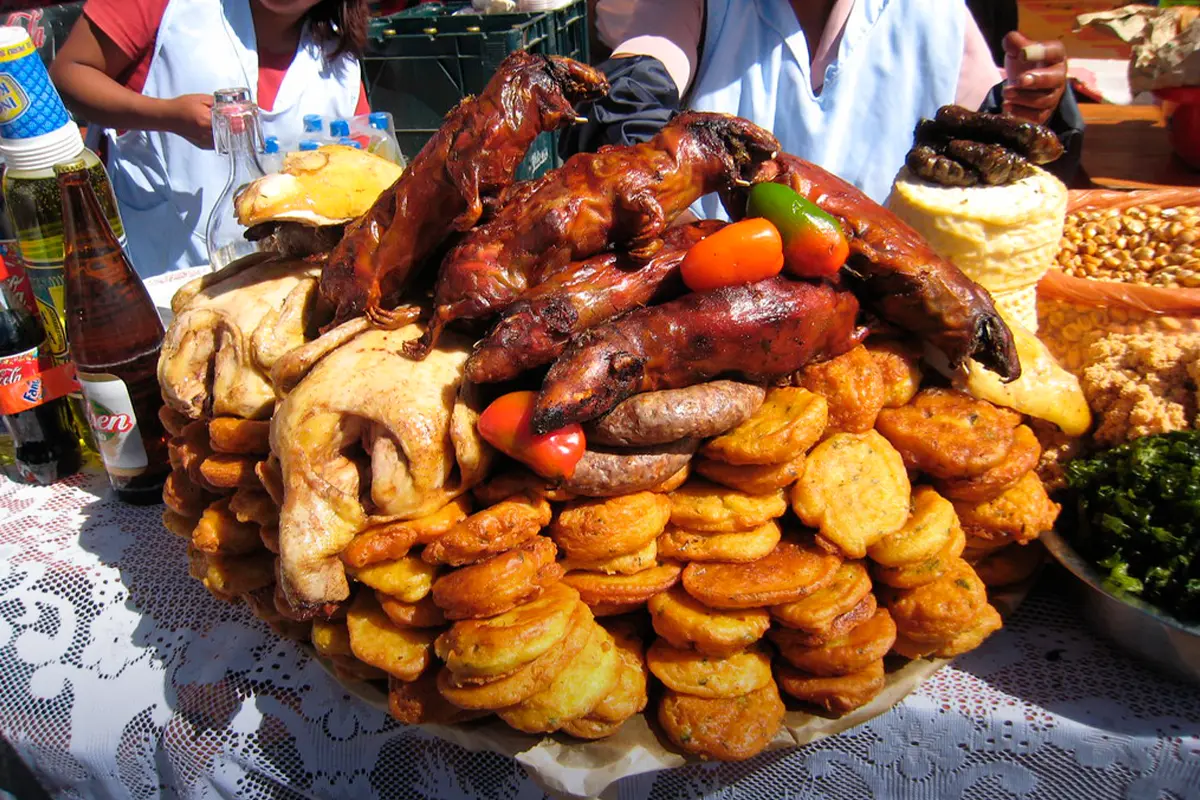
Place the ingredients on a plate. First, arrange the meats: chicken, guinea pig, and jerky, along with the corn fritters. Then, add the cancha and chorizo to complete the flavor. Finally, garnish the plate with cochayuyo, rocoto, and egg, creating a dish full of tradition and flavor.
Making Chiriuchu at Home
To prepare Chiriuchu at home, you first need to plan and gather the necessary ingredients. Then, carefully follow the detailed recipe so that every step is perfect. It's important to prepare it in advance, as this dish is served cold and takes time to achieve its authentic flavor. With patience and attention, you'll enjoy a delicious homemade Chiriuchu.
Is Chiriuchu healthy?
Chiriuchu has a high nutritional value thanks to the variety of meats included in its preparation. Here we explain the importance of the two main meats.
Nutritional value of chicken meat
It is easily digested, making it perfect for balanced diets. Its nutritional value is very high, especially when roasted, because a golden crust forms that prevents the loss of juices and preserves all its properties. In addition, it contains essential amino acids that meet the needs of the human body.
Nutritional value of the guinea pig (cuy)
This food stands out for its high protein content (21%) and low fat (7%) and cholesterol content compared to chicken and other red meats. It is also rich in collagen, vitamins, and minerals. In addition, it provides important fatty acids for the body, such as AA (arachidonic acid) and DHA (docosahexaenoic acid).
Interesting fact
Chiriuchu represents the cultural and gastronomic of Peru. This dish strengthens Cusco's identity and pride, and also promotes gastronomic tourism in the region.
Nutritional notes by ingredient
- Charqui has a high protein content that contributes to muscle development.
- Seaweed and cancha contain fiber, which is beneficial for digestion and intestinal health.
- It is also a source of iron, which is essential for preventing anemia.
Where to Eat Chiriuchu in Cusco
Traditional restaurants in the historic center
In Cusco, Chiriuchu can be enjoyed in traditional restaurants in the Historic Center of Cusco and during festivals like Corpus Christi. Some recommended places are:
- Chicha by Gaston Acurio
- Pachapapa
- Cicciolina
Local markets
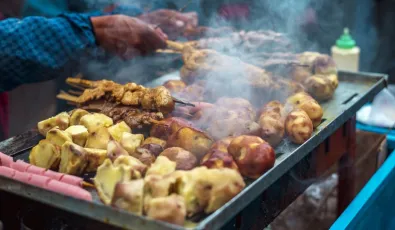
San Pedro Market: This is the most popular place to try Chiriuchu in its most authentic and traditional form, at affordable prices, especially during Corpus Christi.
Traditional festivals and events
During Corpus Christi, several restaurants and street food stalls offer this dish as part of the celebration. Additionally, the Chiriuchu Festival will be held in San Francisco Square on the 18th, 19th, and 26th.
Other places
- Tupac Amaru Plaza
- Santiago Plaza

How to Enjoy the Chiriuchu? Taste each bite
When you think the chiriuchu is ready to eat, remember that there is a secret to enjoying it:
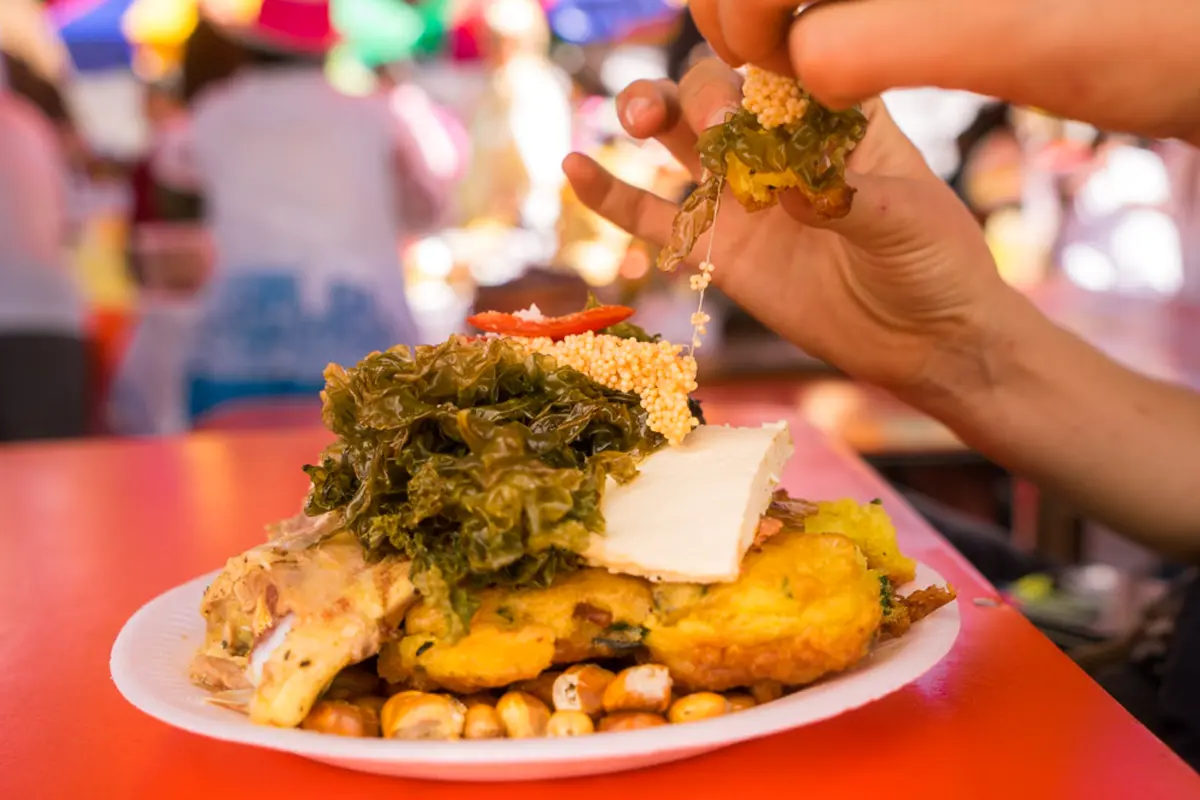
- Start by taking a piece of seaweed and placing it in your mouth. Then, continue with the fish roe and a small piece of torreja, cheese, and chalona.
- Next, try a little guinea pig, chicken, blood sausage, tostado, tullan, and finally, bite into the rocoto pepper to add a spicy kick.
- Chew everything together in each bite so you can taste the combination of flavors in this delicious festival dish.
Bonus tip
At the end of the meal, if you like, you can accompany it with a dark beer to aid digestion.
Price Range: How much does Chiriuchu's plate cost?
The price of Chiriuchu varies depending on where you try it, but it generally costs between 25 and 40 soles. The price is affordable and well worth the try.
Chiriuchu: A Culinary Emblem of Peru
Chiriuchu is not just a traditional dish; it's an expression of Peru's cultural and culinary richness. Its combination of flavors and traditions makes it a unique culinary experience that every food lover must try.
Chiriuchu in Cusco - FAQs
Is Chiriuchu spicy?
The dish can be mildly spicy because it includes rocoto. If you are sensitive to spicy food, ask for less rocoto or eat it separately.
Is Chiriuchu served hot or cold?
Chiriuchu is served cold or at room temperature. That is part of its identity and makes it practical for festivals and large gatherings.
Can I eat Chiriuchu outside Corpus Christi?
Sometimes, yes. Some markets, restaurants and Picanterias (Tradicional Cusco restaurants) may offer it outside the festival season, but the most authentic experience is during Corpus Christi in Cusco.
Is Chiriuchu safe for people with celiac disease?
Yes, Chiriuchu is suitable for people with celiac disease, as it is a naturally gluten-free dish. Since it consists mainly of meat, Andean vegetables, and corn, it contains no wheat, barley, or rye. Keep in mind that the main ingredients (guinea pig, chicken, charqui, huevera, cochayuyo, cancha serrana, and cheese) are naturally gluten-free. The traditional corn fritter is also safe because it is made with corn flour.
However, before purchasing and tasting a dish, ask if natural ingredients were used in its preparation or if wheat flour was included as a substitute for one of its ingredients.

Add new comment