



The Sacred Valley of the Incas is one of the most complete regions to explore in Cusco: it brings together traditional towns, archaeological sites, local markets, nature routes, and a strategic location between Cusco and Machu Picchu. In this guide, you’ll find everything you need to plan your visit: what to see (town by town), the best activities based on your travel style, how to get around, the best time to go, altitude and practical tips, plus clear information about tickets and the Cusco Tourist Ticket.
We also include recommendations for food and restaurants, places to stay, and answers to the most common questions, so you can build your itinerary with confidence and make the most of your time in the valley.
What is the Sacred Valley
Discover the Sacred Valley of the Incas, a land known for its remarkable fertility. Here, every seed grows into generous, high-quality harvests. It’s no coincidence the Incas called it “Sacred”, they believed these lands were blessed by the gods themselves.
The Urubamba River, also known as the Vilcanota River, is fed by small streams and rivers flowing down from nearby mountains, deep valleys, and distant snowcapped peaks. Along the way, these waters nourish farmland that produces a wide variety of crops at different elevations, such as: giant white corn, potatoes, kiwicha, quinoa, beans, barley, and wheat.
These rich lands enjoy a pleasant, mild climate all year round. Their beautiful landscapes, sheltered by towering Andean mountains, inspired the Incas to build important palaces, cities, and control points here, many aligned with celestial events of great significance. The Sacred Valley of Cusco is full of history, culture, and natural beauty, ready to be explored.
Where is the Sacred Valley in Peru
The Sacred Valley lies in the Peruvian Andes, about 30 to 60 kilometers northeast of the former Inca capital of Cusco, and close to the Machu Picchu citadel. It stretches across the provinces of Urubamba and Calca and includes several districts.
History
The Sacred Valley also has a rich history that goes back thousands of years. Its fertile area was essential for the settlement of different cultures, reaching its peak with the Inca civilization. The following historical periods left their mark on the region, traces you can still recognize today in its streets, towns, and monuments.
Period | Description |
Pre-Inca | The Sacred Valley has been inhabited since pre-Hispanic times thanks to its fertile land, easy access to water, and favorable climate. Cultures such as the Killke and the Wari left their imprint on the valley, developing agricultural technology like farming terraces, artistic expression in textiles and ceramics, and well-organized settlements with clear social structure and hierarchy. |
Inca | The Inca civilization began to grow in the 13th century, establishing its capital in nearby Cusco. The valley’s abundant production became a major source of food and resources for the entire Inca territory. For this reason, the valley developed an intricate network of roads for transport, ceremonies, royal travel, and control. Added to this were storehouses, resting places, sacred sites, and Inca cities spread along each section. These roads were placed strategically: besides connecting to the jungle region, home of the Antis (Amazonian peoples), they also served as military routes and defensive corridors. In this way, they protected the valley and, above all, the city of Cusco. Within the valley, the Incas refined a range of farming techniques, including vast terraces, cultivation tools, systems to filter rainwater, irrigation, and water reservoirs that allowed them to farm nearly all year round. They also used astronomical observatories to plan their agricultural calendar with incredible precision. |
Conquest and Colonial Era | After the arrival of the Spanish in the 16th century, the Sacred Valley went through major changes. People were relocated, and new towns were built on top of existing Inca cities. New crops such as barley and wheat were introduced, along with different types of livestock, and large campaigns were carried out to convert native communities to Christianity. Even so, many Inca customs, traditions, rituals, and farming practices survived and are still part of life today. |
Today | Today, the Sacred Valley is a major destination that draws visitors from all over the world for its monumental archaeological sites along with Andean communities that keep ancient traditions alive and incredible views filled with natural beauty. Traditional Inca farming methods, weaving, and pottery also continue. Local artisans and farmers pass this knowledge down from generation to generation, keeping their traditions alive despite the passing of time. |
Sacred Valley Weather
Cusco’s Sacred Valley enjoys a pleasant subtropical climate, with mild temperatures for most of the year. Still, it’s important to know the region has two clearly defined seasons: the dry season and the rainy season.
Dry Season (April to October):
This is usually the best time to visit the Sacred Valley. The weather is mostly dry, with clear, sunny days and cool nights. Daytime temperatures often range from 20 °C to 25 °C (68 °F to 77 °F), while at night they can drop to around 0 °C to 5 °C (32 °F to 41 °F). During this season, winter is present but often feels mild because Peru is close to the equator, so it doesn’t get as cold as places farther away from it.
Rainy Season (November to March):
Rain is frequent, although it usually doesn’t last all day. Temperatures stay fairly steady, with daytime highs around 18 °C to 22 °C (64 °F to 72 °F) and nighttime lows around 7 °C to 10 °C (45 °F to 50 °F). During the rainy season in the Sacred Valley, you’ll often feel a touch of “summer” thanks to higher humidity and warmer air.
No matter when you choose to visit the Sacred Valley, each season has its own charm.
Places to visit in the Sacred Valley
The area known as the Sacred Valley is shared by two provinces in Cusco: Calca and Urubamba. Rich in history, nature and living culture, it’s considered one of the country’s most important destinations. Below, you’ll find a town-by-town guide to what you can visit, from southeast to northwest, following the river’s course.
San Salvador
This small town sits at the southern end of the Sacred Valley, at 3,053 m / 10,016 ft, and holds a very special place in the hearts of Cusco locals. It’s home to one of the region’s most revered religious sites: the Sanctuary of Señor de Huanca. Every year, thousands of devotees honor him with a major celebration and a pilgrimage that begins in the city of Cusco. It’s also common to see visitors from neighboring countries such as Bolivia, Chile, Argentina, and Paraguay.
- Señor de Huanca Festival (September 14)
- Our Lady of the Rosary Festival (October 6)
Pisac
Pisac is located 33 kilometers from the city of Cusco. In the past, it was an ancient Inca settlement built on the slopes of Apu Inti Huatana Mountain. Its name comes from the Quechua word p’isaqa, a shy bird that lives in this habitat, commonly known as the Andean tinamou (Nothoprocta ornata).
In Inca times, Pisac was a large city made up of towers (pucaras), wide agricultural terraces, storehouses (qolqas), water canals, ceremonial fountains, a burial area, and astronomical observatories, clear signs of complex urban planning.
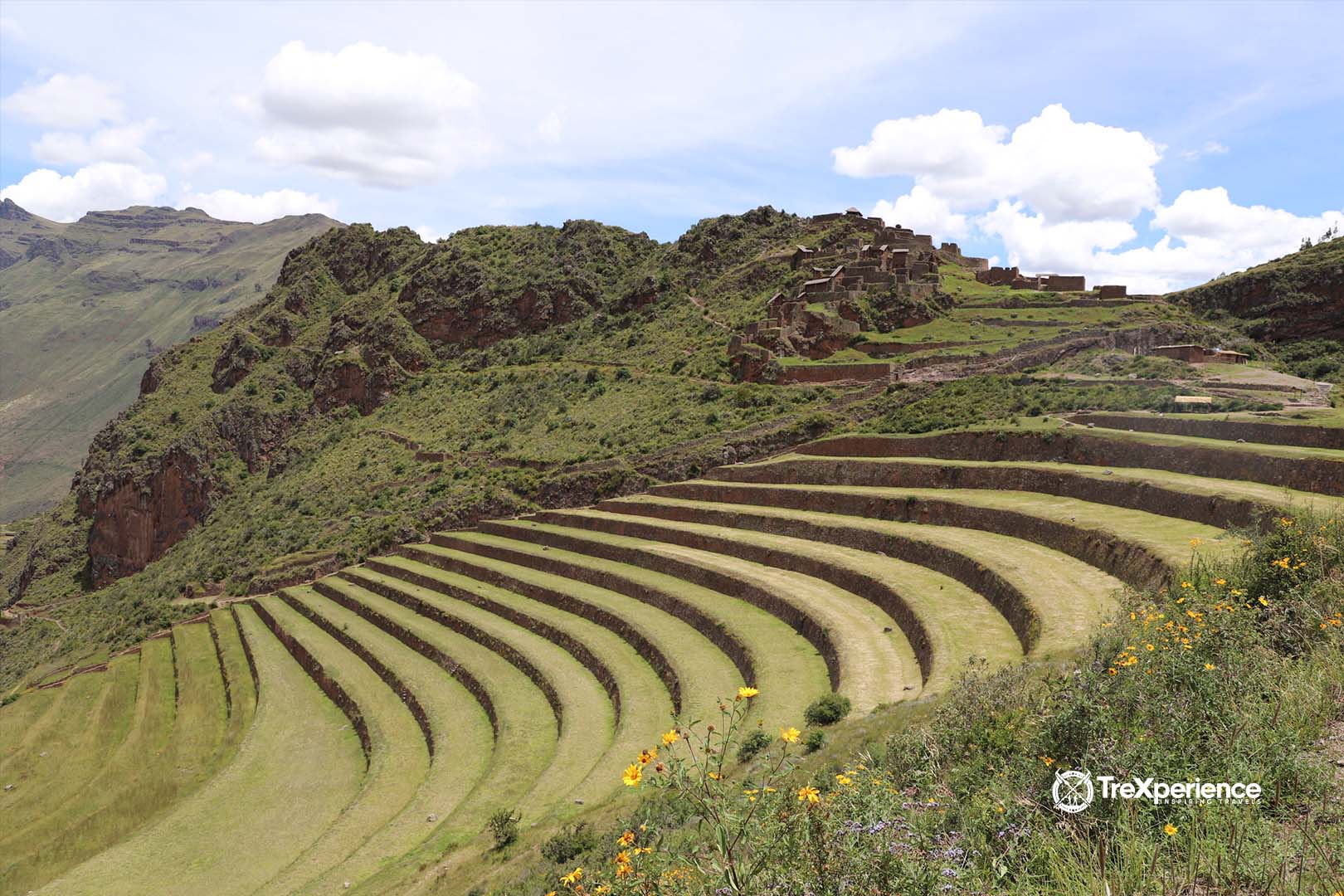
After the Spanish conquest and during the colonial period, Viceroy Toledo founded the beautiful colonial town of Pisac at the foot of the mountain, where the area’s new commercial and social life began to grow.
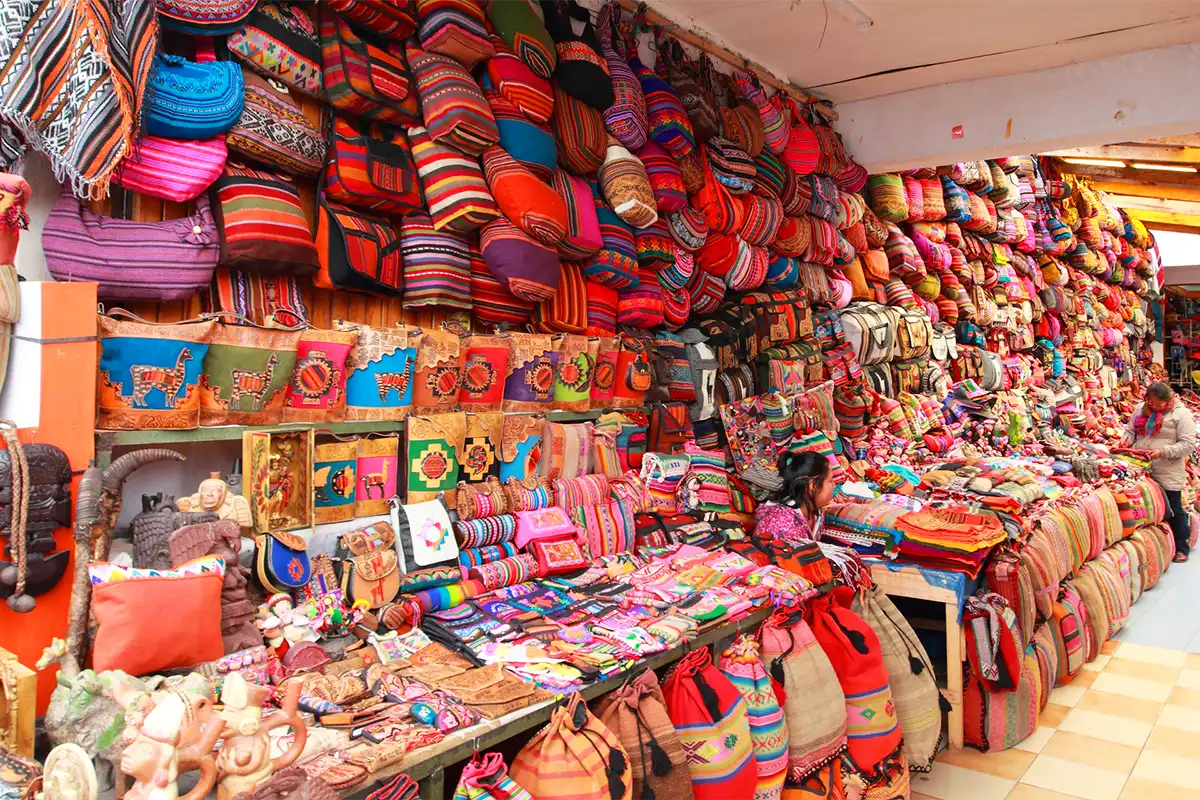
The town is also famous for its artisan market, the Pisac Market. Here you can browse beautiful crafts in metal (gold, silver, and copper), glasswork, textiles, paintings, and other unique souvenirs. Other highlights include:
- Pisac Archaeological Park
- Potato Park
- Pisac town and church
- Pisac Traditional Market
Taray
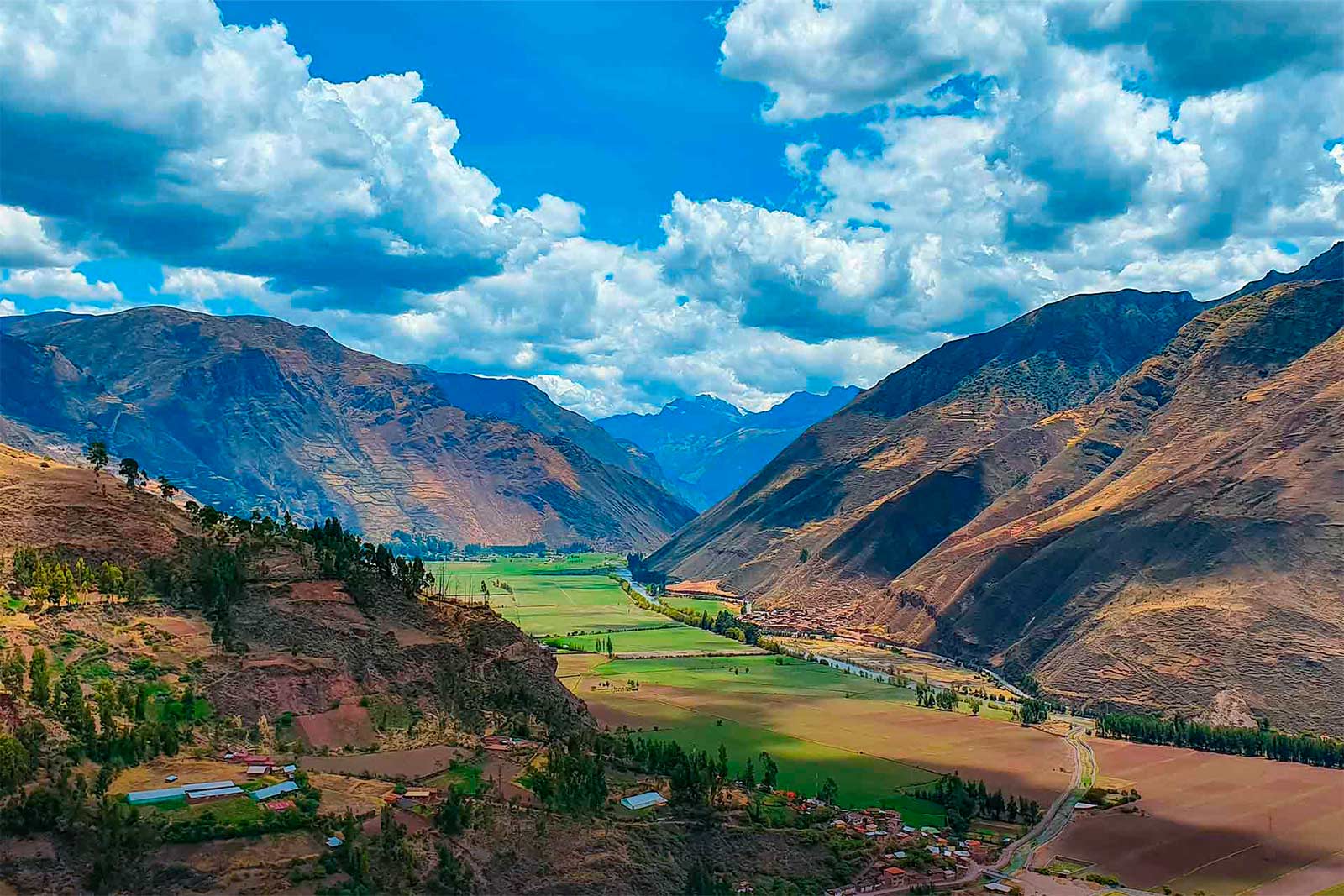
The small village of Taray is located on the left bank of the river at 3,050 m / 10,007 ft. One of its hillsides is crossed by the route from Cusco to Pisac, and from here you can enjoy a wide view of the Sacred Valley landscape.
The Taray viewpoint is a common stop for tours that follow this circuit. Taray’s main attractions are:
- Taray Viewpoint
- Taray town and church
- Ccaccaccollo Community
- Our Lady of the Rosary of Taray Festival (September 26)
Coya
Sitting at 2,920 m / 9,580 ft, this area once hosted an Inca urban center that disappeared after a landslide triggered by the Yanamayo River. Like many towns in the valley, Coya keeps a strong religious tradition, especially the Festival of the Virgin of the Assumption, declared a National Cultural Heritage of Peru.
- Festival of the Virgin of the Assumption (August 14)
Lamay
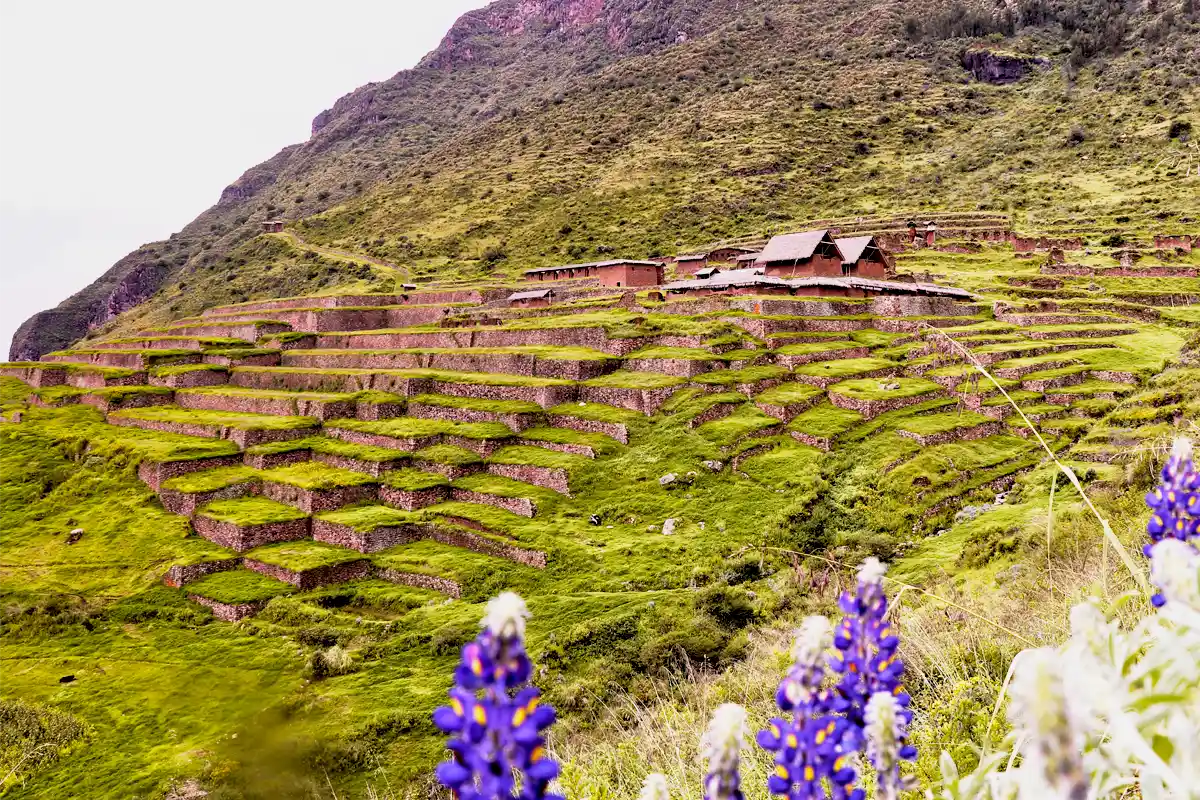
The modern town of Lamay is located at 2,940 m / 9,646 ft, 43 km northeast of Cusco. In ancient times, however, the main settlement likely centered around the area where Huchuy Qosqo stands today, playing a key role as an agricultural and livestock hub (raising Andean camelids such as llamas and alpacas).
Today, the town is calm and welcoming, known for its traditions and local food, especially cuy al palo lameño, sold at the entrance of the town. Some of its main highlights include:
- Santa Rosa de Lima Festival
- Ccaccato Hot Springs
- Sirenachayoc Waterfall
- Huchuy Qosqo Archaeological Site
Calca
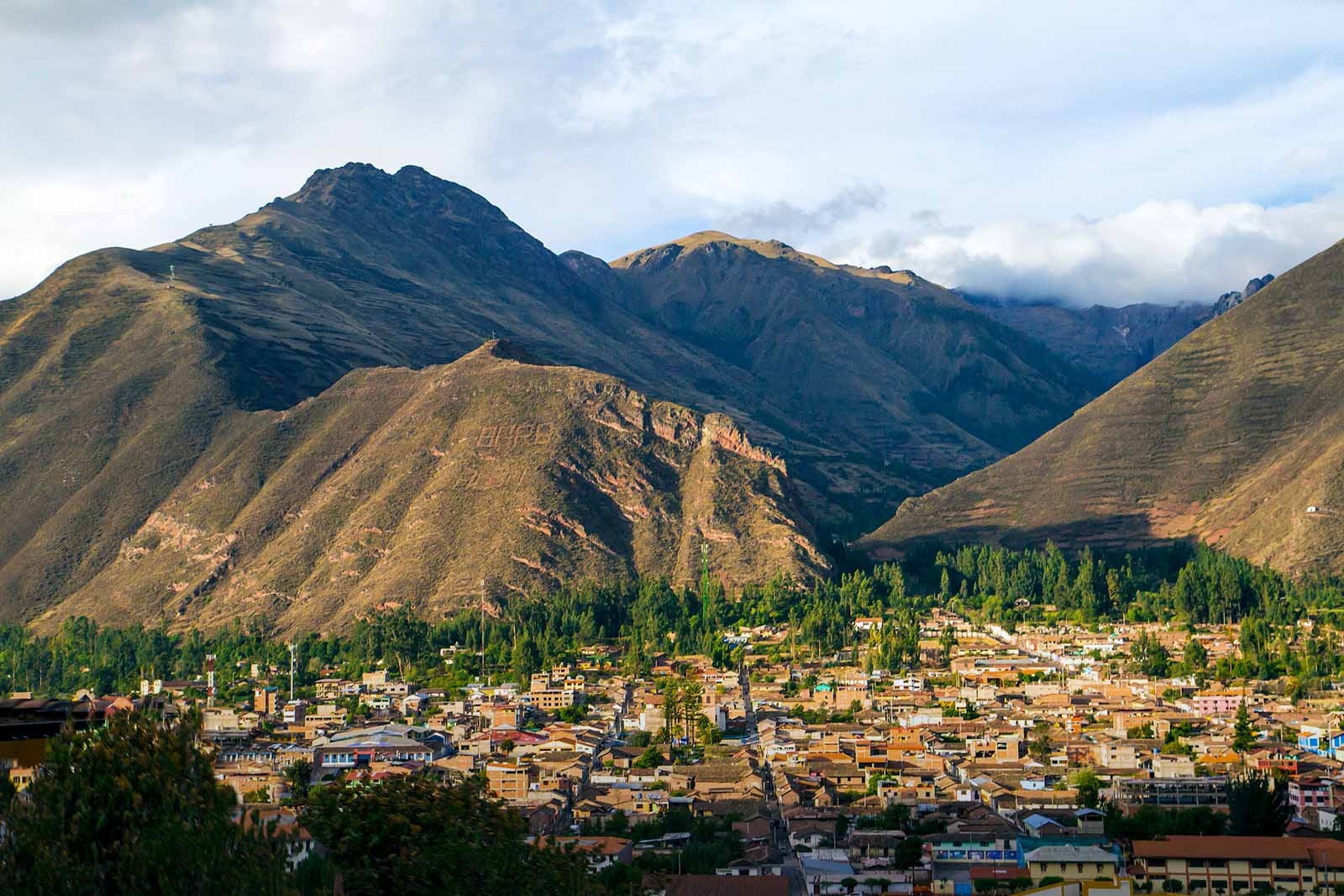
The town of Calca sits at 2,925 m / 9,596 ft. During the Inca period, the ayllu became the foundation of social organization: family communities that occupied different parts of the valley. Among them were the Khallkas, settled in what is now Calca, who were part of an Inca metropolis of great importance.
This place hosted members of the Inca nobility and worked as an economic link between the Lares and Urubamba valleys. Even today, you can still spot traces of the old Inca urban layout in its wide streets. The most important attractions include:
- Virgin of the Assumption of Calca Festival (August 15)
- Urqo Archaeological Site
- Qanqan Lagoon
Yucay
This small town has a lovely sense of calm and sits at 2,857 m / 9,373 ft. Its name comes from Quechua and can be translated as: seduction or charm. It’s known for its terraces, the palace of Inca Sayri Tupac, and colorful religious celebrations.
Town of Urubamba
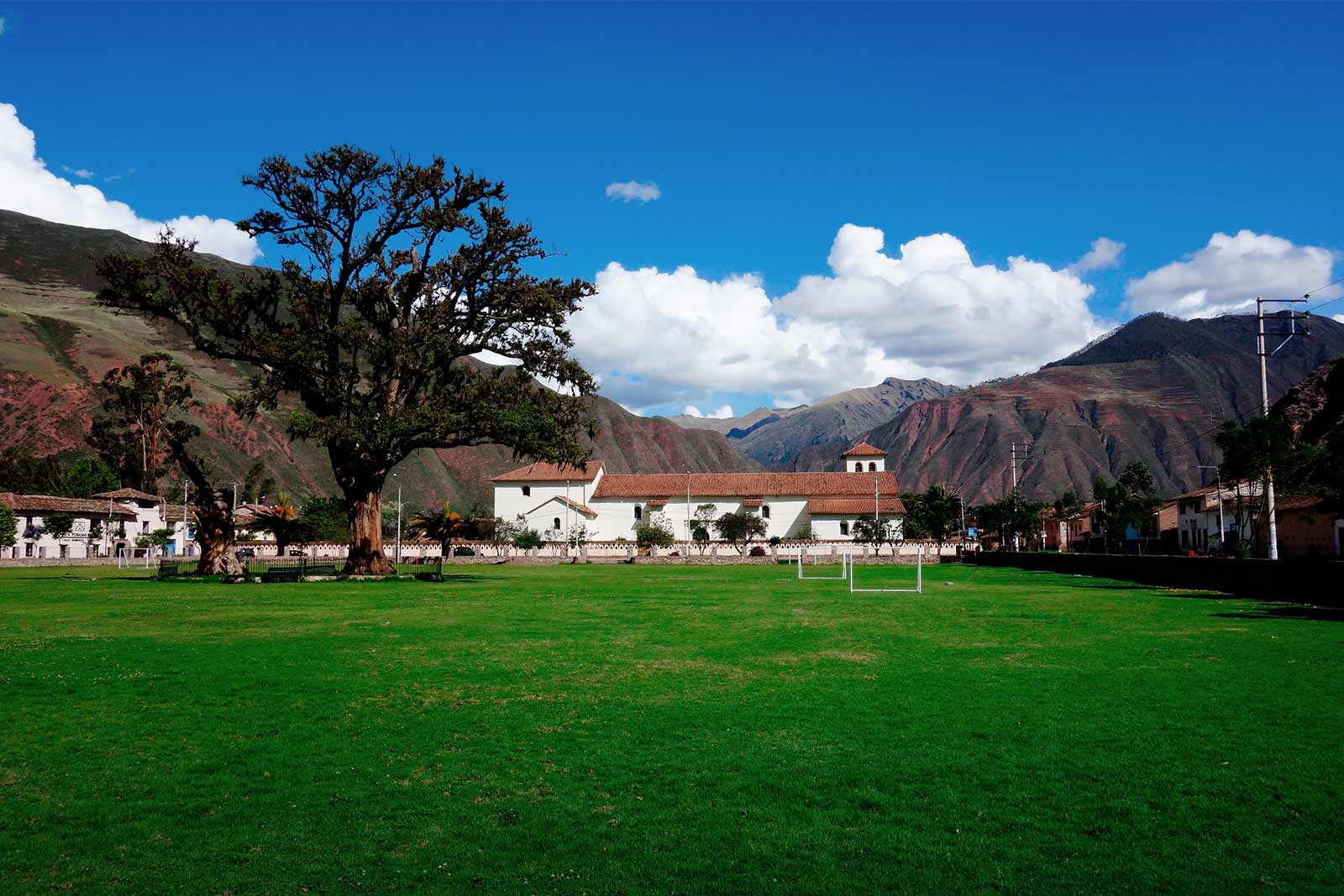
Urubamba is the capital of the province with the same name, at 2,687 m / 8,815 ft. In the past, it was one of the main agricultural centers of the Inca Empire. Today, you’ll still see stone walls, terraces, and Inca structures living alongside colonial buildings and the modern town. The most representative attractions are:
- Urubamba town and the Temple of San Pedro Apóstol
- Palace of Inca Emperor Wayna Qhapaq
- Quespihuanca Complex
Here you’ll find restaurants, cafés, shops, and lovely hotels, most of them geared toward travelers.
Ollantaytambo
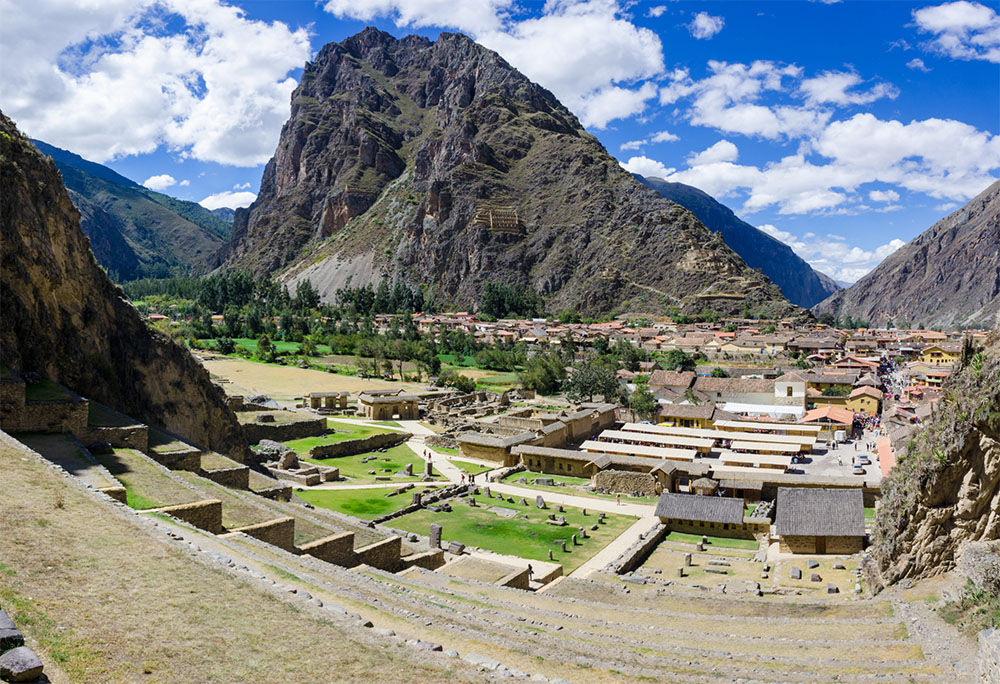
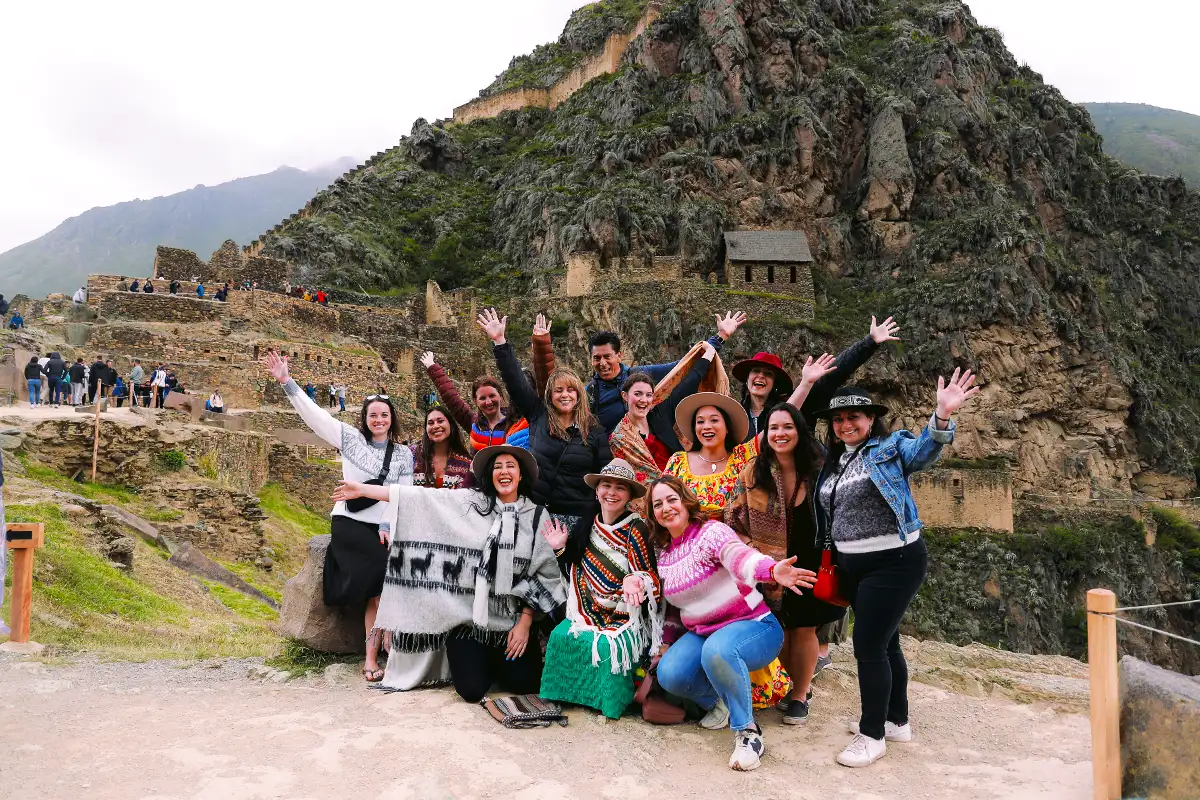
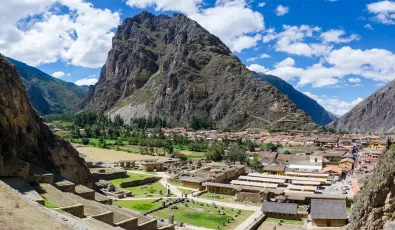
Ollantaytambo is a beautiful town in the Sacred Valley, home to an Archaeological Complex that later served as a fortress during the Inca resistance. It sits at about 2,792 m / 9,160 ft from Cusco, on the valley’s northwest end. The Ollantaytambo Archaeological Park is, without a doubt, one of the most original and best-preserved Inca sites in all of Peru.
The town at the foot of the mountain is also known as the "Living Inca City," because its residents have preserved the original layout of the houses and streets, following the same urban design from Inca times.
Other attractions worth mentioning include:
- Ollantaytambo town and church
- Andean community of Huilloc
- Inca Trail Piscacucho (km 82)
- Pumamarka Archaeological Site
- Intipunku and Ñaupa Iglesia Archaeological Site
- Perolniyoc Waterfall
- Cachiccata Quarries
Lares
Lares isn’t located on the banks of the Vilcanota River; it sits at 3,150 m / 10,335 ft in a mountainous part of the valley, between Calca and Ollantaytambo. This area is full of small treasures: history, culture, and nature, often visited on the famous Lares Trek. Some of its main highlights include:
- Archaeological Site of the Fourteen Gateways of Choquecancha
- Lares hot springs
- Puya Raimondi grove
- Qanchis Paqcha Waterfall
- Hatuncocha Lagoon (Qoyalay)
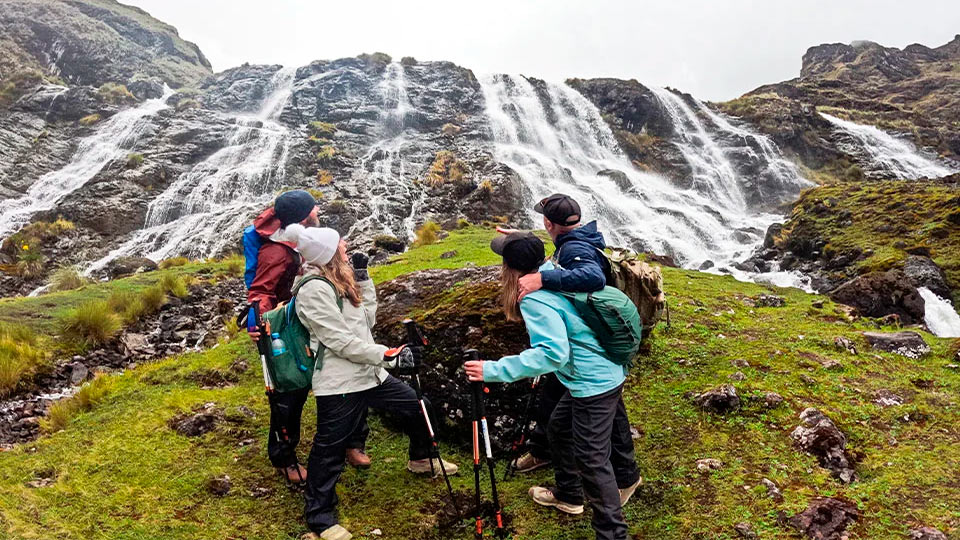
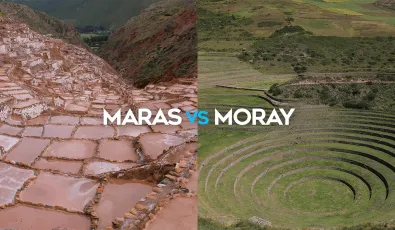
A few kilometers from the river, a high plateau stretches out, home to other popular attractions. Even though they sit at a different elevation, they’re still considered part of the Sacred Valley. The most well-known include the town of Maras, the farming terraces of Moray, Chinchero, and the Maras Salt Mines, among others.
Town of Maras
Also known as the Villa of San Francisco de Asís de Maras, it was inhabited by cultures that came before the Incas, such as the Chanapata and the Ayarmakas. Since then, it has been a strategic place for production and exchange, driven by its salt mines.
During the colonial era, Maras became even more important as an economic, social, and commercial center, where highly respected families lived. You can still see this in its architecture, especially in its stone doorways carved with noble coats of arms.
Some of its most representative attractions are:
- Moray Archaeological Site
- Maras Salt Mines
- Tiobamba Temple
- Cheqoq Archaeological Site.
Moray
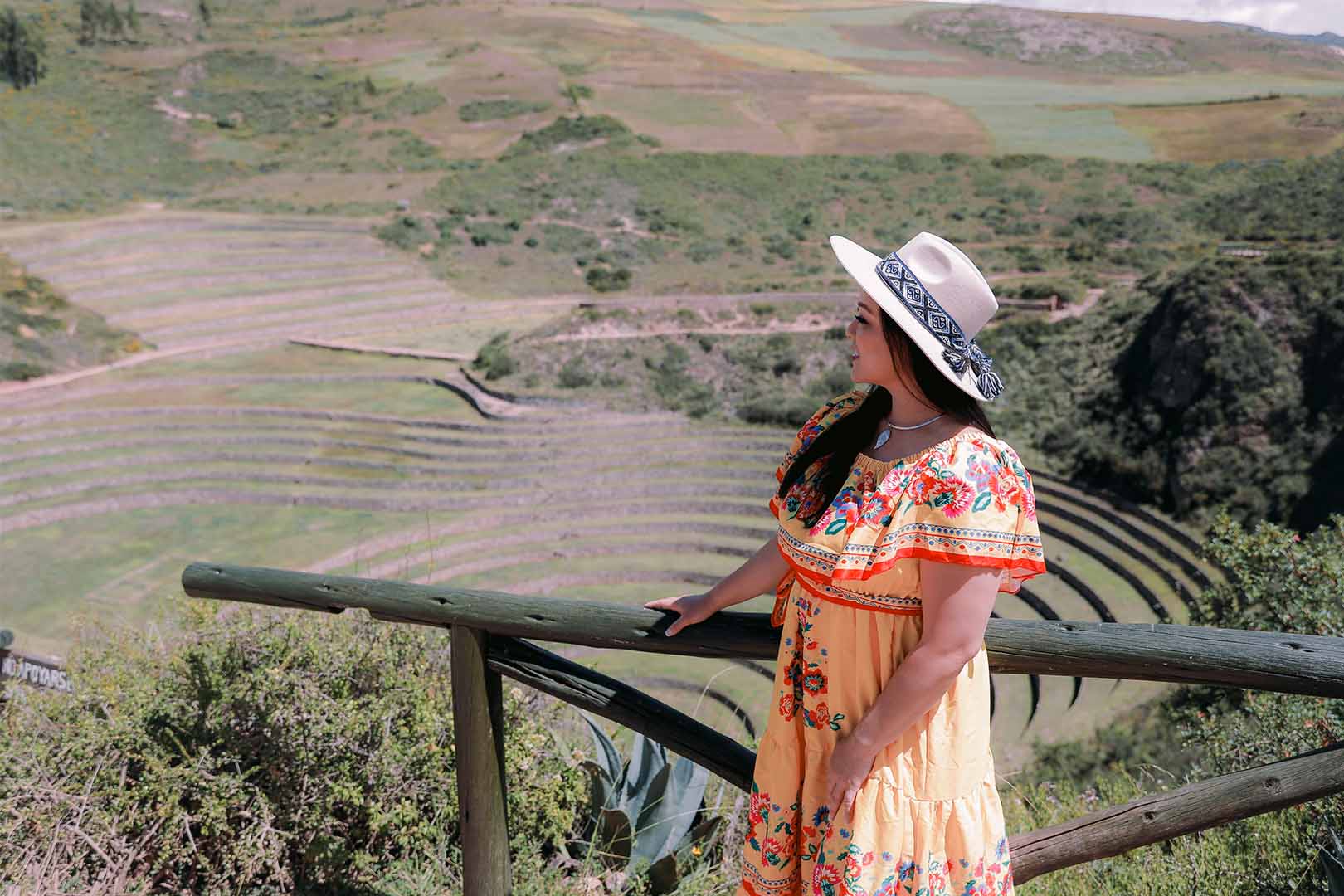
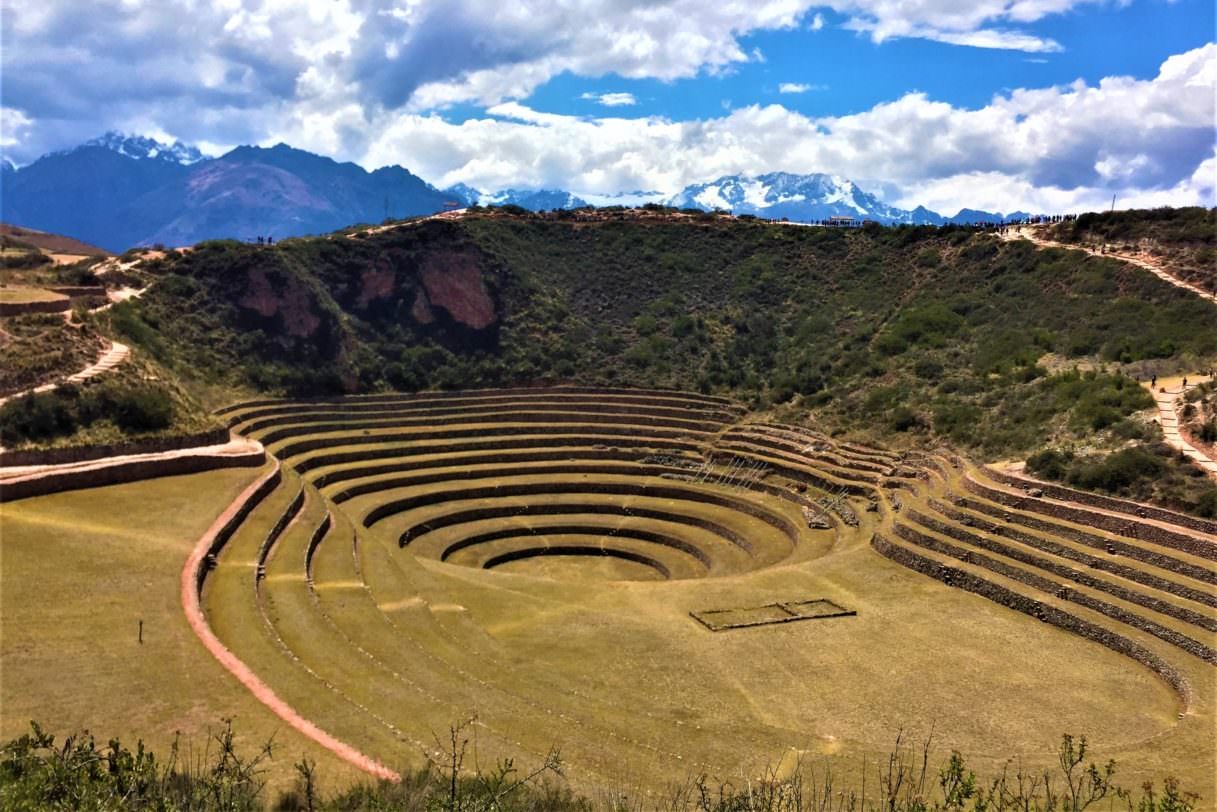
Moray is located about 50 km from Cusco and played a key role in food production during Inca times. It’s an astronomical observatory and agricultural laboratory made up of circular terraces that descend gradually toward the center of a large natural depression in the mountain.
This site was one of the Inca Empire’s main agricultural research centers. Each circular terrace has its own microclimate. The temperature can vary by about 20 °C from the center to the highest terrace.
Here, the Incas experimented with crops from different ecological levels so they could expand harvests across the Tawantinsuyo, keeping crop quality high and improving the diet of all its people.
Maras Salt Mines
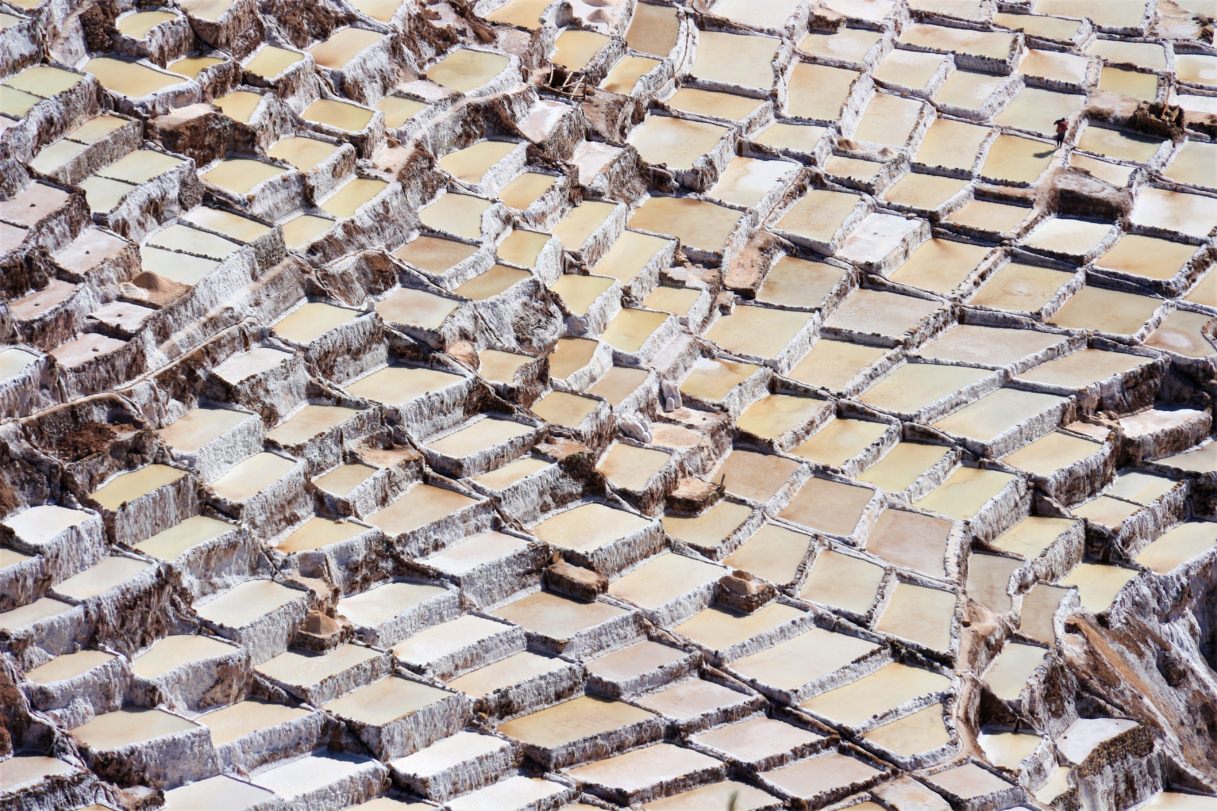
The Maras Salt Mines are made up of 4,500 beautiful salt ponds spread across the slope of Qaqawiñay Mountain, also known as Qori Pujio. From a distance, they look like snow covering a mountain peak, creating a truly unique scene.
The salty water comes from an underground source and flows through narrow channels into each pond evenly, then rests as the sun evaporates the water, leaving behind salt crystals that slowly form and gather on the surface.
Since ancient times, different pre-Inca cultures used this place to extract salt. The Incas continued the work, and today the descendants of these lands still produce salt, preserving traditional extraction methods. Simply unforgettable!
Chinchero
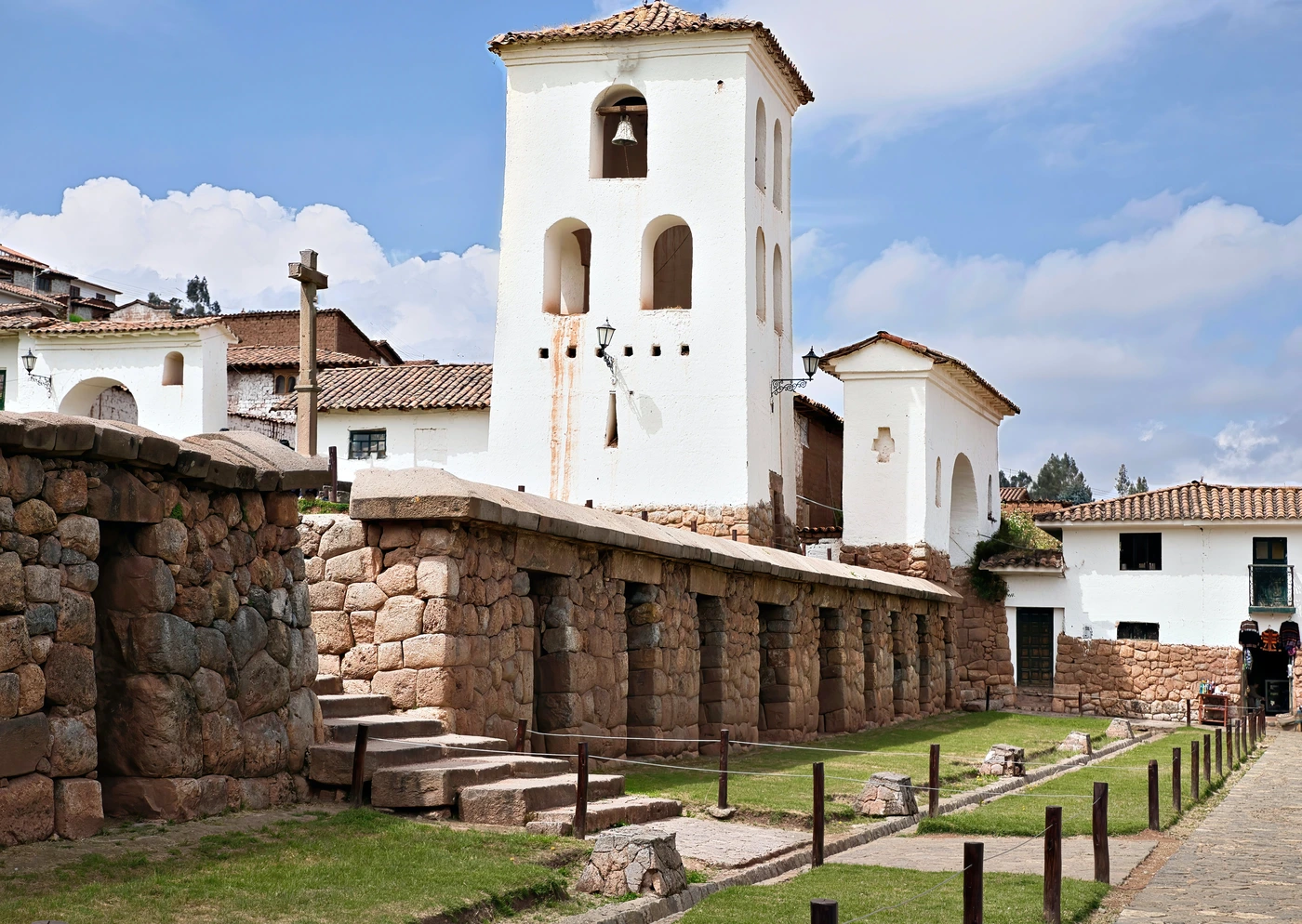
Chinchero is a charming colonial town 28 kilometers from Cusco. Its homes still sit in their original locations because they were built on top of ancient Inca foundations. The town also has a lovely colonial church with paintings from the “Cusco School.”
Every Sunday, residents from the communities around Chinchero head to the main square to trade goods at the traditional Chinchero fair. This practice is known as barter, and it dates back to Inca times.
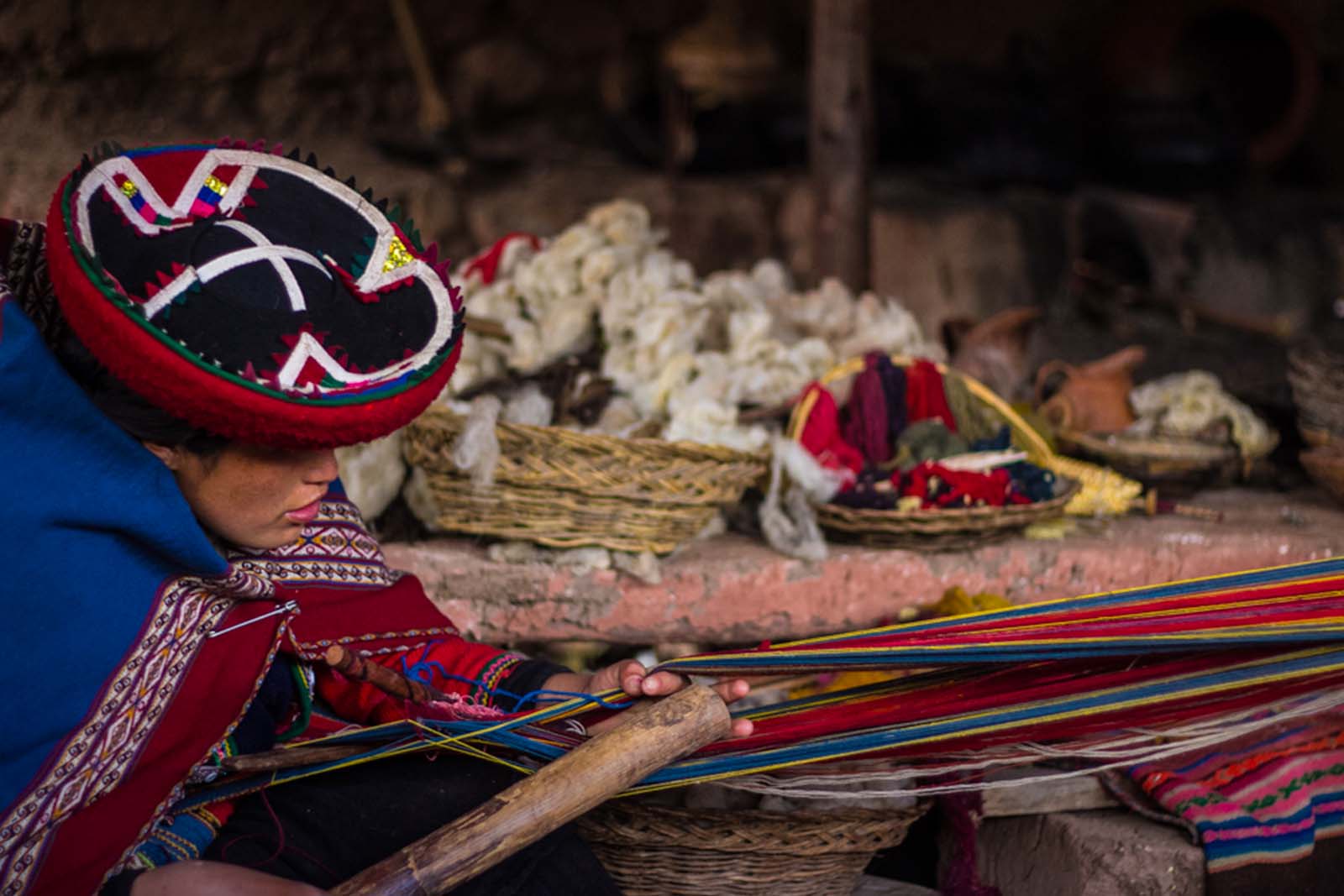
The town is also home to textile workshops where local women teach visitors the traditional Inca techniques of weaving and dyeing alpaca and vicuña wool using plants and minerals. Other nearby attractions include:
- Colonial Temple of Chinchero
- Chinchero Site Museum
- Huaypo Lagoon
- Piuray Lagoon
- Our Lady of the Nativity Festival (September 07)
Tickets and entry fees in Cusco’s Sacred Valley
Some attractions in the Sacred Valley of the Incas are free to enter or can be visited during local festivals. However, other sites, because of their historical importance and local administration, require an entrance fee and are included in the Cusco Tourist Ticket.
Attractions included in the Cusco Tourist Ticket
In this case, there are 2 types of Cusco Tourist Ticket: the Full Ticket and the Partial Ticket, divided into 3 circuits:
| Circuits | Tourist attractions |
Circuit 1: Sacsayhuaman Archaeological Complex |
|
Circuit 2: Cusco City and the South Valley |
|
Circuit 3: Sacred Valley of the Incas |
|
Cusco Tourist Ticket validity
The Full Ticket “BTCI” includes all 3 circuits and is valid for up to 10 days, while the validity of the Partial Tickets varies:
- Partial Ticket Circuit 1: valid for 1 day
- Partial Ticket Circuit 2: valid for 2 days
- Partial Ticket Circuit 3: valid for 2 days
Cusco Tourist Ticket prices
| Circuits | International visitors | Peruvian visitors | |
| Full Ticket | Adult |
|
|
| Student |
|
| |
| Partial Ticket | Circuit 1 |
|
|
| Circuit 2 | |||
| Circuit 3 | |||
Note: the student ticket applies only to travelers ages 10 to 17, and they must present their ID when purchasing. From age 18 onward, you must present a valid student ID card or an ISIC card. Children who are already 10 years old on the date of purchase must pay the student rate.
Attractions not included in the Cusco Tourist Ticket
Sacred Valley itineraries usually include the attractions covered by the Tourist Ticket. However, one of the most visited sites is not included: the Maras Salt Mines. Since they are managed by local residents in the area, there is a separate fee for visitor entry:
- International visitors: 20.00 PEN / approx. 6.00 USD
- Peruvian visitors: 15.00 PEN / approx. 4.50 USD
What to do in the Sacred Valley
Thanks to its natural resources and unique geography, the Sacred Valley of the Incas is an ideal place for many kinds of travel experiences: guided visits to archaeological sites, hikes, water and wind adventures, and cultural and spiritual immersion activities.
The most classic option is a full-day Sacred Valley tour. The most common ones are the Traditional Sacred Valley tour and the Super VIP Sacred Valley tour. The difference comes down to the route they follow and the attractions they include.
| Traditional Sacred Valley | Sacred Valley VIP | |
| Departure time | 08:00 a.m. | 07:00 a.m. |
| Attractions |
|
|
| Return time | 06:00 p.m. | |
| Included services |
| |
| Entry to the Maras salt mines | ||
Longer itineraries include visiting other attractions before or after the Sacred Valley. The most popular options are Sacred Valley with a train to Machu Picchu or the Cusco + Sacred Valley + Machu Picchu package. The right choice depends on how much time you have and which places you want to see.
Sacred Valley of the Incas Map
Cultural activities in Cusco’s Sacred Valley
One of the most valuable parts of this region is its living culture. The history and the people of these lands have kept traditions alive that set the Sacred Valley apart in Peru and around the world. Customs and festivals, music and art, myths and legends, local cuisine, and ancestral knowledge all exist alongside countless monuments and buildings from different eras. All of this makes the Sacred Valley a deeply cultural and wonderfully diverse place.
Tip: Since the distances between cultural attractions in the valley can be significant, it’s best to hire private transportation or join a tour that includes these stops.
Visit Inca Archaeological Sites
The Sacred Valley is home to important archaeological sites and stunning natural scenery. Tours in this region often include visits to some of its most famous places, such as:
- Pisac Archaeological Park
- Ollantaytambo Fortress
- The Circular Terraces of Moray
- The Chinchero Archaeological Complex
As well as other sites with great historical value, such as Huchuy Qosqo, Intipunku, and Pumamarca, among many others. As you can see, this area offers countless chances to explore unique Inca places.
Visit museums in the Sacred Valley
In almost every town in Cusco’s Sacred Valley, you can find a museum or interpretation center showing objects and artistic pieces that help you better understand local history, traditions, and key events. Some of the most well-known museums include:
- Inkariy Museum - Urubamba: a cultural museum inspired by pre-Hispanic Peru across the country’s different regions.
- Andean Folk Art Museum - Ollantaytambo: a museum featuring a large collection of unique and fascinating pieces of Andean folk art.
- Yucay Living Culture Museum - Yucay: an interpretation museum focused on textile making and traditional cuisine.
- ChocoMuseo Ollantaytambo - Ollantaytambo: a museum dedicated to chocolate, from cultivation to preparation.
- Chinchero Site Museum - Chinchero: a museum presenting fossil and archaeological pieces from the area.
Rural tourism in the Sacred Valley of the Incas
Rural tourism is perfect if you want to connect with everyday life in the Sacred Valley. You can visit communities, share daily activities, and learn about planting, growing, and harvesting food, as well as creating textiles from scratch. You’ll also discover local traditions and enjoy home-cooked meals made with ingredients from the area. Besides being a genuine experience, it directly supports local families and helps keep customs alive.

Artisan Workshops
Sign up for a cultural workshop led by local artisans in wood carving, textiles, or pottery in Chinchero. It’s a special chance to meet the people who call the Sacred Valley home and learn about traditions that still matter today.
Nature activities in the Sacred Valley
Beyond its cultural and historical legacy, the Sacred Valley offers a very diverse natural setting: rivers, mountains, plateaus, canyons, farmland, and forest areas. This mix of landscapes creates ideal conditions for outdoor activities and spending time in nature.
Tips for a better experience:
- Start early so you can walk at an easy pace and spot more wildlife
- Bring gear like binoculars, a compass, a pocketknife, a hat, water, and the right clothing
- Keep your distance from wild animals and avoid feeding them
Birdwatching and wildlife spotting
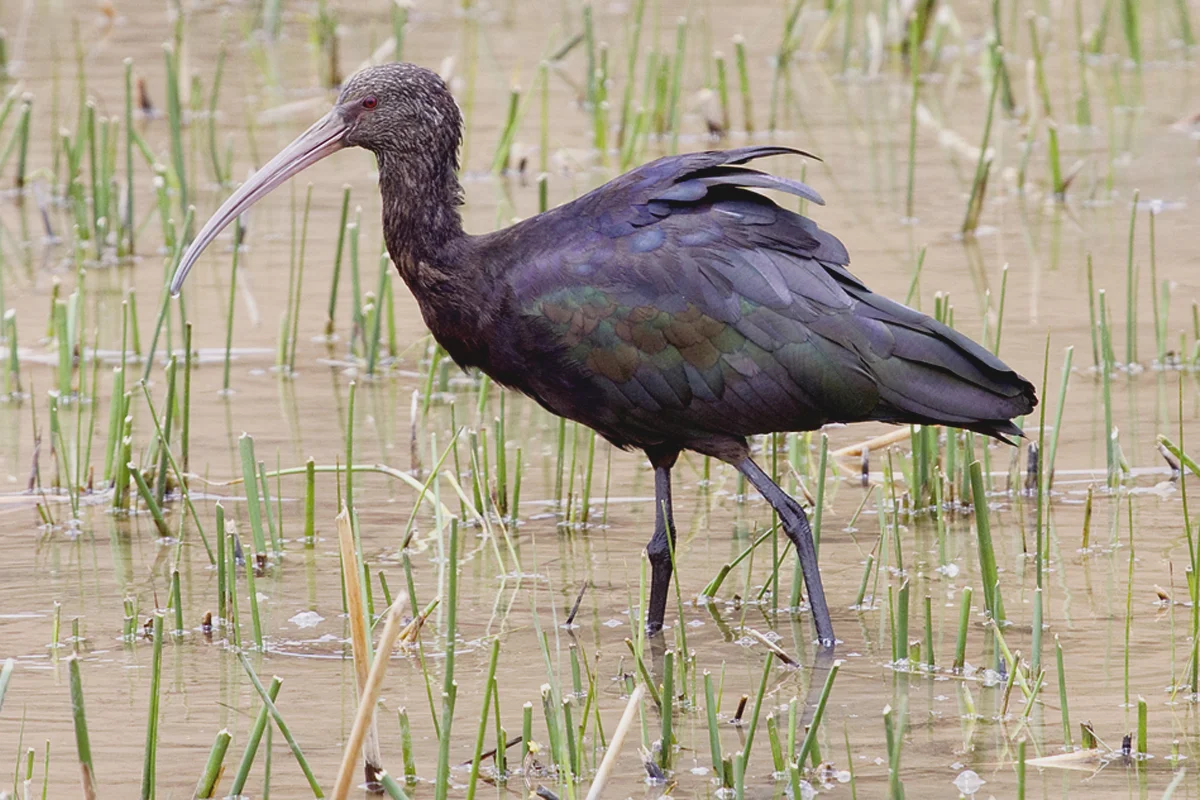
Wildlife spotting is a great experience for travelers who prefer a slower pace and a closer connection with the environment. In the valley, you can find birds that live near rivers, farmland, Andean slopes, and especially lagoons, so birdwatching can be enjoyed on gentle walks or along scenic drives.
The best-known observation spots are Huaypo Lagoon and Piuray Lagoon, along with smaller bodies of water and other lagoons spread across different parts of the valley. This activity is especially fun if your goal is to see as many birds and other animals as possible, or if you’re following the migration routes of a particular species.
You’ll usually see the most activity early in the morning or close to sunset.
Trekking in the Sacred Valley of the Incas
The mountain scenery throughout the Sacred Valley creates perfect terrain for hiking, with routes of different lengths for every level. The famous 4-day Inca Trail to Machu Picchu is, without a doubt, the most popular option. Other similar hikes include:
- 4-day Lares Trek to Machu Picchu
- Huchuy Qosqo Trek + 4-day Inca Trail
- 4-day Inca Quarry Trail
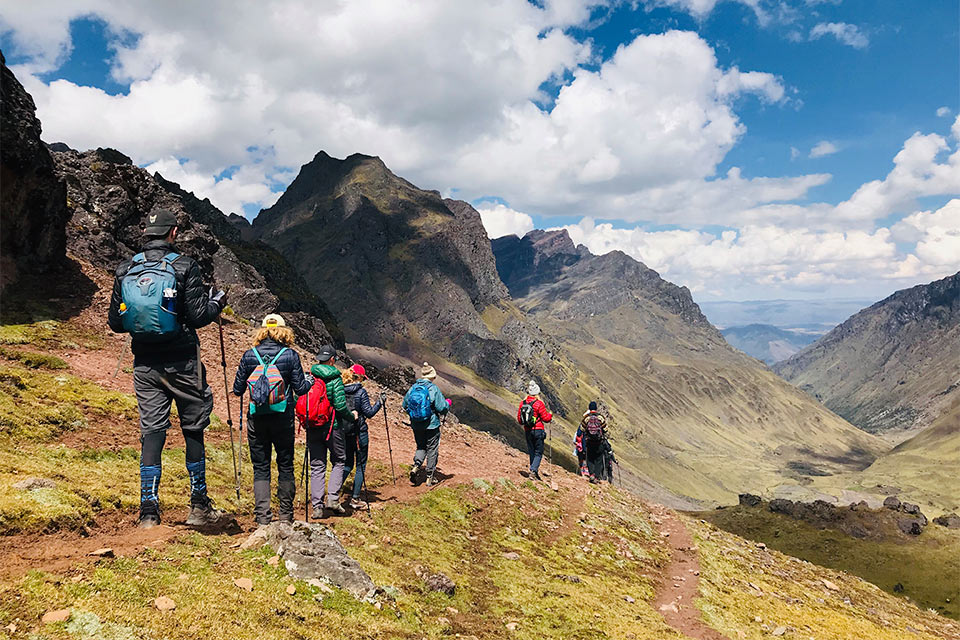
One- and two-day hikes are an excellent alternative if you have limited time and want to enjoy the scenery and nature. Some popular options include:
- The Short Inca Trail to Machu Picchu (2 days)
- 1-day hike to Intipunku (Ollantaytambo)
- 1-day hike to Huchuy Qosqo

Water adventures
Andean rivers and lagoons are a constant part of the Sacred Valley landscape. Here you can enjoy everything from the thrill of rapids on the Vilcanota River to calmer, more relaxing activities like paddle boarding on quiet lagoons. These are great ways to round out your trip, enjoy the scenery from a new angle, and step away from the usual circuit.
Rafting
Going rafting in Cusco’s Sacred Valley is an exciting experience. This full-day activity usually includes hotel pick-up and transportation to the starting point down in the valley. The river changes constantly, so the group works together to navigate calm sections and more challenging rapids on the Vilcanota River, adding extra energy to the adventure.
After about two hours on the water, you’ll enjoy a tasty lunch before heading back to your hotel. Rafting routes cover different sections of the Urubamba River, with rapids ranging from beginner-friendly to Class II and III.
Paddle boarding on lagoons
Paddle boarding is a great way to enjoy the peaceful waters of Andean lagoons. On this half-day tour in the Sacred Valley, you’ll paddle across Piuray Lagoon, near Chinchero (only about an hour’s drive from Cusco).
Paddle boarding is accessible for everyone. With the right equipment, a specialized guide, and clear instruction on basic paddling techniques, people of any age and experience level can enjoy time on the water.
You can paddle at your own pace, exploring the shoreline while taking in the landscape around you. The tour usually includes photos and videos to remember the experience.

Land and vertical adventures in the Sacred Valley
If you’re looking for adrenaline and views from a different angle, the Sacred Valley is the perfect setting. Here you can mix speed and nature on ATV or mountain bike routes, with stops at viewpoints and scenic trails.
For a more technical challenge, you can also choose rock climbing, via ferrata, and rappelling or zip line descents. These experiences are a great way to step off the usual path and enjoy the valley with more excitement, always with a guide and the right gear.
ATVs and mountain biking in the Sacred Valley
Full-day ATV or mountain bike tours are another way to enjoy an exciting adventure in the Sacred Valley. Ride through the Sacred Valley of the Incas, making strategic stops at panoramic viewpoints and key attractions. Don’t forget sunglasses, sunscreen, and the right clothing for this activity.
Rock climbing, via ferrata, and rappelling
In the Sacred Valley, between Urubamba, Ollantaytambo, and Calca, you can visit several spots for climbing and rappelling. The ascent varies depending on your choice: on rock or by via ferrata (steel ladders attached to steep rock faces).
Because via ferrata is physically demanding, it’s best to be in good shape and to be acclimatized to the altitude at least one or two days in advance. The descent is straightforward with the right technique and your guide’s support, without a doubt, a memory you’ll carry with you.
Zip line
In addition to climbing, there’s often the option to zip line down from the top. The lines typically range from 90 to 450 meters, in a series of 2 or 3 runs, making for an exciting ride down.

Aerial adventures in Cusco’s Sacred Valley
You can also enjoy the Sacred Valley from the sky or several meters above the ground. Whether you’re pedaling on an aerial bike, flying in a paraglider, or rising in a balloon, these experiences combine adrenaline, panoramic views, and unforgettable photos. Since they depend on weather and wind, it’s best to wear comfortable clothes, bring a windbreaker, and book ahead during high season.
Skybike adventure
If you want a different kind of thrill, this is a one-of-a-kind experience: pedaling a bike suspended on cables, with a harness and helmet, as you move through the air with wide views of the valley. No previous experience is needed; before you start, the guide gives clear instructions on how to complete this exciting route.
Paragliding
Paragliding over the Sacred Valley is an unforgettable way to see the river, mountains, and farmland from a new perspective. It’s usually done as a tandem flight (with an instructor), so you simply follow easy instructions and enjoy the ride. Since it depends on wind and weather, it’s best to plan with some flexibility and wear comfortable clothes, a windbreaker, and sunglasses.
Hot air balloons
This activity is offered on certain dates and depending on weather conditions. The most common time is very early in the morning, when the air is usually more stable. Because it’s sensitive to wind and availability, it’s best to check and plan ahead.
Wellness and mystical travel in the Sacred Valley
As you’d expect, the Sacred Valley also offers great spaces for relaxation and well-being. From outdoor places to connect with nature and practice reflective activities, to recovery and rest options like hot springs.
For these activities, it helps to have enough time and the right transportation so you can enjoy the place at a relaxed pace. In many cases, it’s possible to camp or even spend the night in nearby lodging, so we recommend considering at least one overnight stay to make the most of this experience.
Hot springs and relaxation
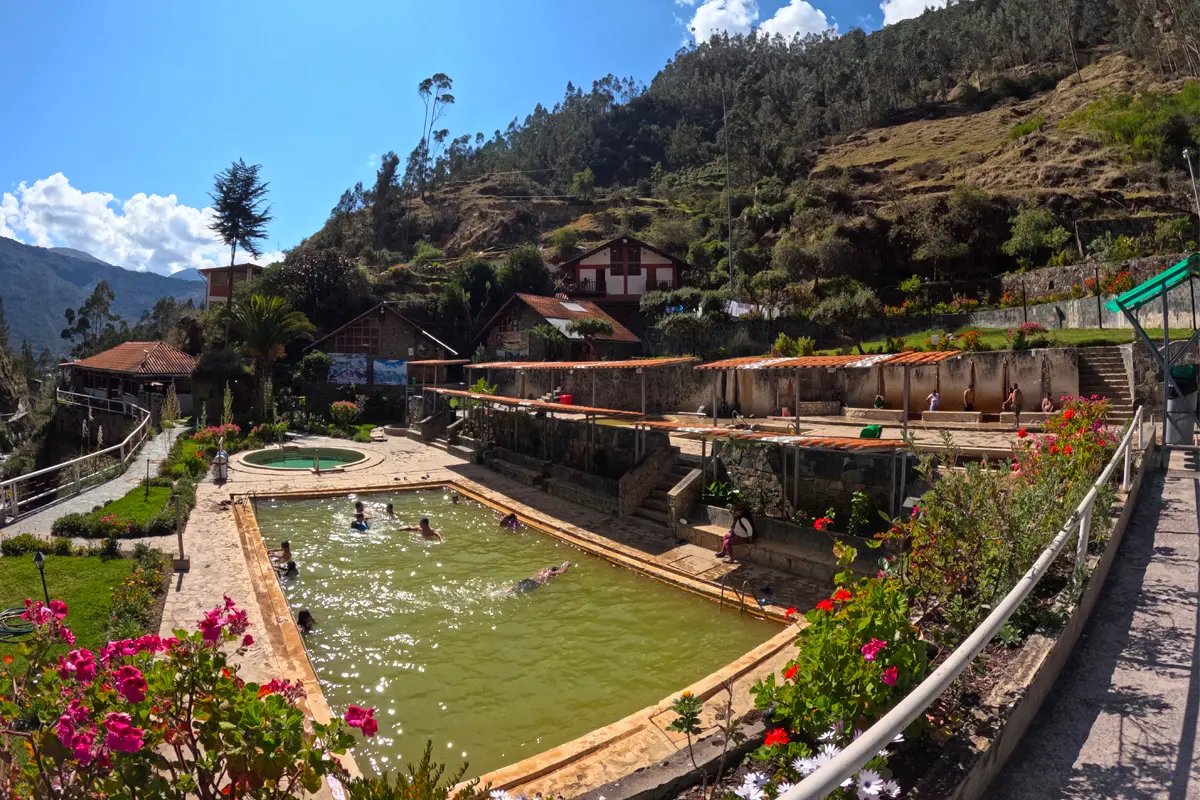
Hot springs are a great way to unwind after any of the activities mentioned above, and the perfect ending to an adventurous day. Luckily, this region has several thermal water sources, valued for their mineral content and warmth. Some of the best known include:
- Minas Moqo hot springs - Calca: Temperature 12 °C to 18°C, waters with a predominance of chloride and sodium.
- Ccaccaccollo hot springs - Lamay: Average temperature 17°C to 23°C, water with chlorides, sulfates, iron, magnesium, bicarbonate, and aluminum
- Machacancha hot springs - Calca: Average temperature 40°C, water with sodium, magnesium, bicarbonate, and sulfate.
- Lares hot springs - Lares: 36°C to 44°C, water with calcium, magnesium, sodium, potassium, chloride, sulfate, bicarbonate, iron, manganese, zinc, boron, copper, and dissolved solids.
Spirituality and holistic activities
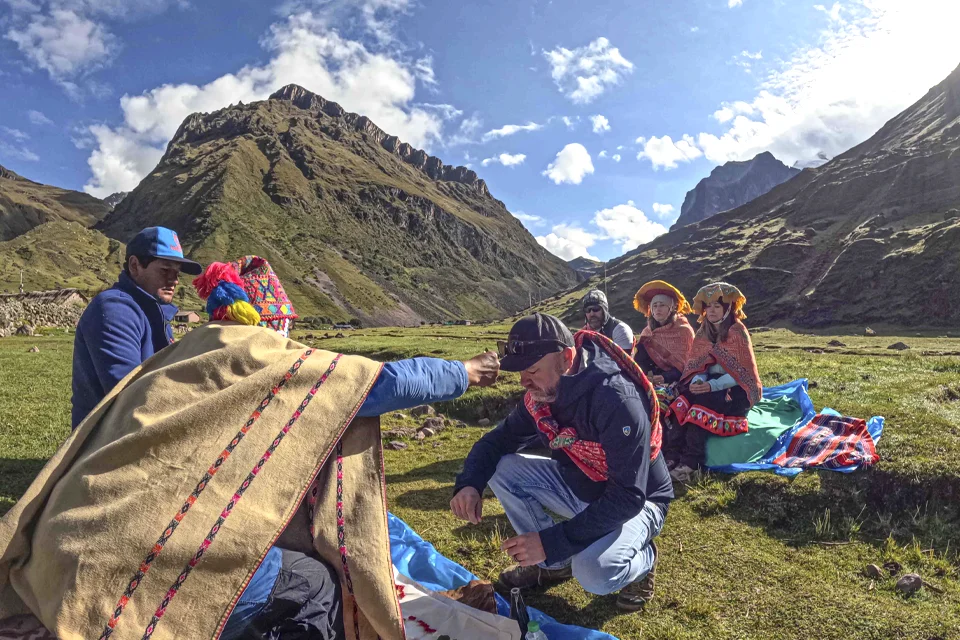
In some parts of Cusco’s Sacred Valley, you can find experiences focused on spirituality and holistic practices. If you choose to include this kind of activity in your itinerary, it’s best to prepare in advance in a responsible and respectful way, always prioritizing your safety and respect for local traditions.
Some of the most common options include:
- Pachamama offering ceremonies
- Coca leaf readings
- Flower cleansing rituals
- Meditation sessions
- Yoga classes
On the other hand, experiences such as ayahuasca and San Pedro (wachuma) are reserved for specialized centers that follow strict protocols and require a health screening beforehand. This is not an activity for everyone.
Local food in Cusco’s Sacred Valley
Throughout the Sacred Valley, and depending on the town and even the time of year, the food and drink options can be very diverse.
Some dishes are so special that you can only taste them in local homes or during festival celebrations. Others are reserved for high-end restaurants and hotels.
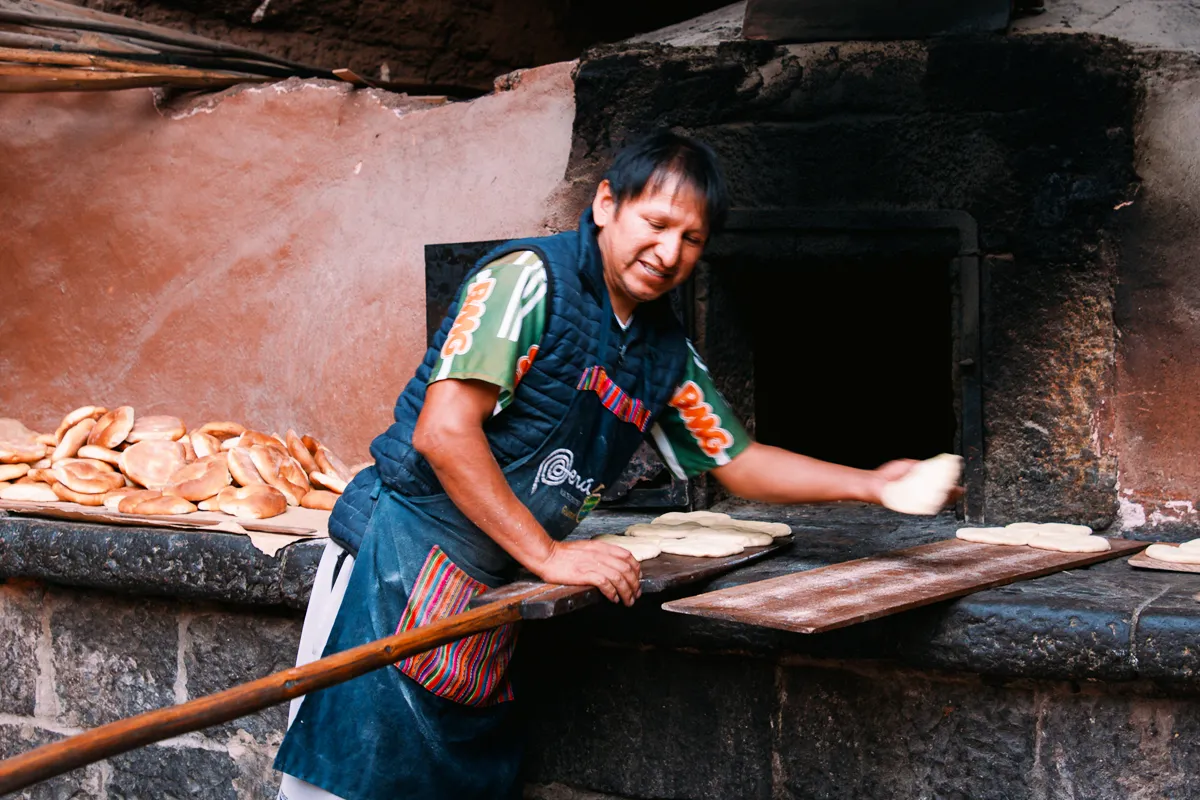
Meanwhile, the most popular flavors are easy to find in tourist restaurants, markets, traditional ovens, and chicherías. Some favorites include:
- Cuy al palo (Lamay-style roasted guinea pig)
- Urubamba afternoon snack (merienda urubambina)
- Pisac empanadas and bread
- Chicha de jora and frutillada
- Giant-kernel corn and seasonal fruit
Where to stay in the Sacred Valley
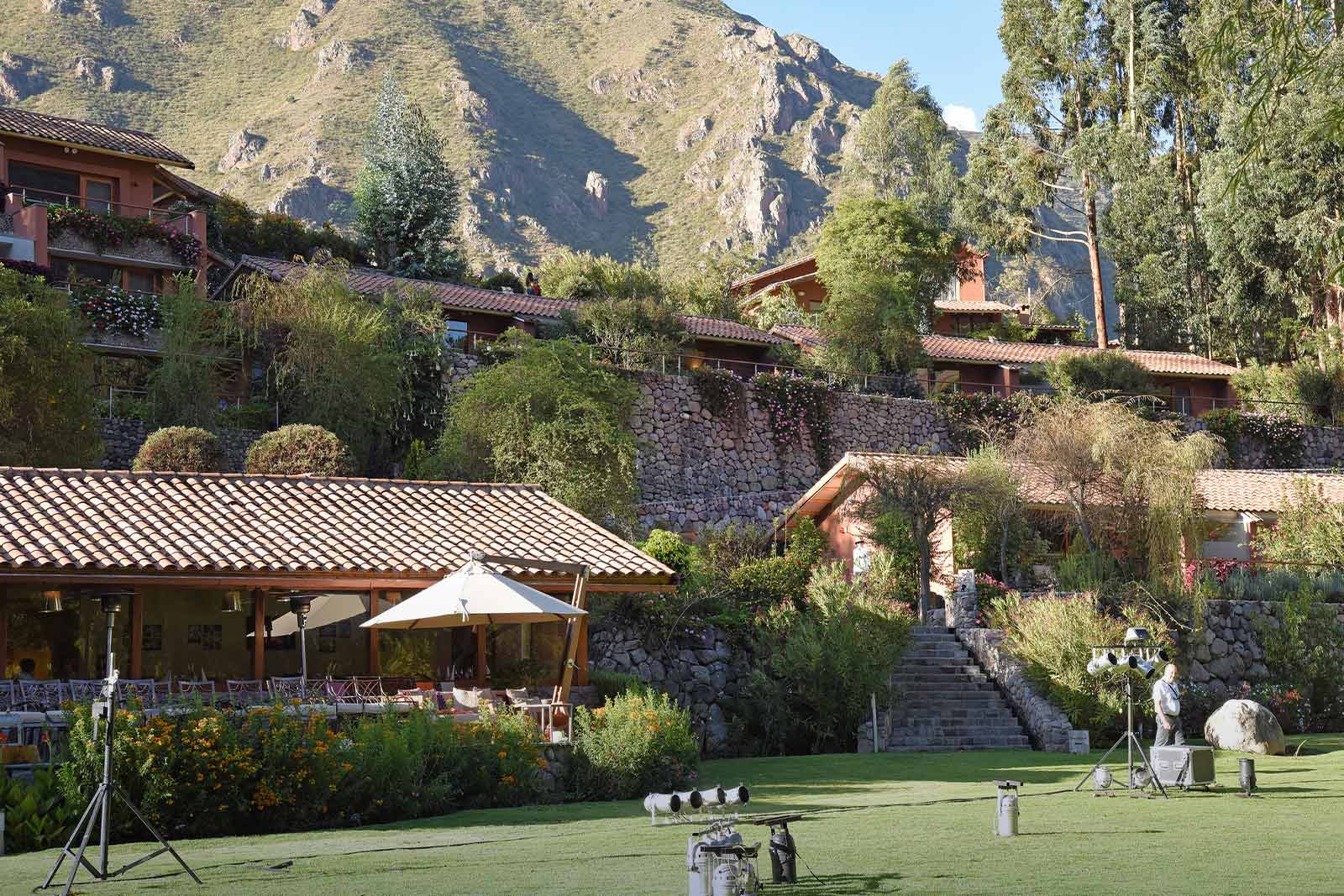
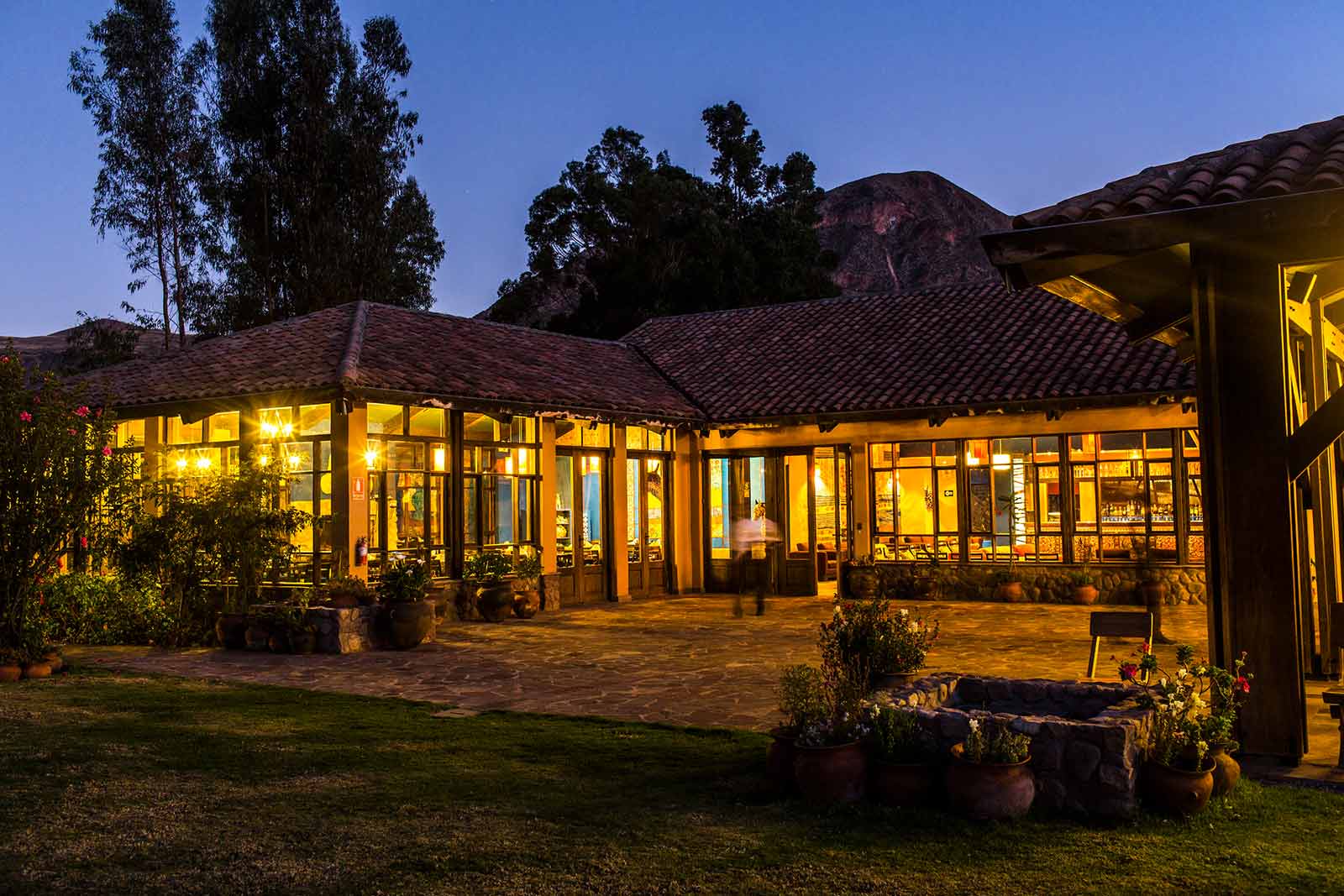
Belmond Hotel Río Sagrado
This luxury hotel in Urubamba features beautiful gardens, a peaceful spa, and a restaurant specializing in Peruvian cuisine. The rooms are designed to feel like authentic homes from a traditional Andean village.
Inkaterra Hacienda Urubamba
Set on 100 acres in the heart of the Sacred Valley, this hotel offers a one-of-a-kind stay with traditional design, lush gardens, and sweeping views of the Andes.
Tambo del Inka, a Luxury Collection Resort & Spa
Located in Urubamba, this resort is one of the most luxurious in the area. It has a private train station to Machu Picchu, a high-end spa, and a restaurant serving Peruvian cuisine with a modern twist.
Sol y Luna Lodge & Spa
Also in Urubamba, this hotel offers individual casitas spread across the property for total comfort and privacy. It also features a well-known spa and a top-quality restaurant.
Aranwa Sacred Valley Hotel & Wellness
Built on a 17th-century colonial hacienda, this hotel includes a museum, a library, a spa, and even a movie theater.
Sky Lodge
The world’s first hanging lodge, perfect for travelers who love adrenaline and adventure.
Best Restaurants in the Sacred Valley
Hacienda Huayoccari
Hacienda Huayoccari, in the Sacred Valley of the Incas, offers an exclusive fine-dining experience in a historic mansion with sweeping views and an impressive collection of Andean art. The menu highlights traditional local flavors using regional ingredients, with an elegant touch in every presentation.
MIL Centro
MIL Centro, located in Moray, offers a 14-course tasting menu at 3,500 meters above sea level / 11,483 ft, exploring Andean biodiversity through local ingredients and innovative techniques. The experience reflects a deep connection between the land, Peruvian culture, and high-end cuisine.
Huacatay
Huacatay, in Urubamba, is a cozy restaurant that blends Andean flavors with international touches in a rustic, welcoming setting. Its cooking stands out for fresh local ingredients and creative fusion recipes.
Wayra restaurant
Wayra, in the Sacred Valley, pairs Andean cuisine with an elegant atmosphere and garden views at the 5-star Sol y Luna hotel. Dishes are made with local ingredients, outdoor grilling, and equestrian shows.
Sacred Valley Travel Tips
What should you wear?
As we mentioned, the Sacred Valley has a mild climate typical of a high-altitude subtropical region. Fortunately, temperatures stay fairly steady year-round, and it may rain at times (especially during the rainy season), so we recommend packing the following:
- Clothing: Lightweight, waterproof pants, ideally trekking pants. Shorts for warmer days, breathable cotton t-shirts, fleece layers, a warm jacket, and a rain jacket. Bring an extra rain poncho if needed.
- Footwear: Ideally, shoes with thick, grippy soles. Waterproof trekking shoes are best, since you’ll be walking on rocks at archaeological sites.
- For your head: A wide-brim hat, sunglasses, sunscreen, and insect repellent.
- Optional: A water bottle, trekking poles, and small daypacks
How to get to the Sacred Valley from Cusco?
If you’re in Cusco, getting to the Sacred Valley is very easy. For example, if you want to visit Pisac, just take the Abra de Ccorao route. If you’re heading to Maras, Moray, Chinchero, Urubamba, or Yucay, you can take the Chinchero route. Finally, if you want to get to Ollantaytambo, you can follow the Pachar route.
Of course, minivans, minibuses, cars, and public buses depart daily from Puputi and Pavitos streets. The cost is around 15 soles per person, one way.
However, keep in mind that public transportation follows fixed routes and usually won’t stop or detour to places off the main road.
This can be inconvenient, since most attractions are located far from the main highway. For that reason, we recommend hiring private transportation to reach these places safely and comfortably.
Altitude sickness
Towns along the Vilcanota River in the Sacred Valley sit between 2,050 and 3,000 meters (6,726 to 9,843 ft). This is slightly lower than Cusco (3,400 m / 11,155 ft). That’s why many travelers (especially those sensitive to altitude) choose to spend the night in hotels in Cusco’s Sacred Valley, which can help them acclimatize faster and more comfortably.
In general, during your first days in Cusco it’s recommended to avoid intense physical effort, stay hydrated, and eat light (avoid fish and meat).
Money
The Sol, Peru’s currency, is used to pay for taxi rides, purchases in small shops, crafts, and tips for guides and porters.
It’s a good idea to bring smaller bills and coins to the Sacred Valley, since market vendors and small businesses may not have enough change for larger notes. Many tourism businesses, including craft shops, hotels, and restaurants, also accept U.S. dollars.
You’ll usually find better exchange rates in Cusco than in the smaller towns of the Sacred Valley. ATMs in Pisac, Urubamba, and Ollantaytambo dispense both U.S. dollars and local currency.
Luggage restrictions on trains to Machu Picchu
If you’re traveling by train to Machu Picchu or doing a multi-day hike, you’ll likely need to store your heavier luggage somewhere (meaning the things you won’t need) during this part of your trip. Each train passenger can bring one bag or backpack with a maximum weight of 5 kg (11 lb).
Luggage storage is usually available at hotels for an additional fee. On most itineraries with TreXperience, this service is completely free.
Frequently Asked Questions
Should I worry about altitude sickness?
In general, no. Most places in Cusco’s Sacred Valley sit between 2,050 and 3,000 meters above sea level (6,726 to 9,843 ft). This altitude is slightly lower than Cusco (3,400 m / 11,155 ft). However, some key spots in the valley are at a similar altitude to Cusco, such as Chinchero, Moray, and the Maras Salt Mines.
Is English spoken in the Sacred Valley?
While Spanish and Quechua are Peru’s official languages, English is often spoken in the most popular tourist areas. In smaller towns or native communities, a bilingual guide usually acts as an interpreter.
Even so, it’s always appreciated when visitors learn a few simple words in Spanish and in Quechua, if possible.
What is the local food like?
Peruvian food is diverse and widely loved. In the Sacred Valley, you’ll find local ingredients such as corn, potatoes, quinoa, and alpaca. Roasted guinea pig (cuy) and fresh trout are also popular in the region, along with special dishes that are only prepared during festivals or certain seasons.
Can I hike the Inca Trail from the Sacred Valley?
Absolutely. The classic Inca Trail to Machu Picchu starts near the town of Ollantaytambo, in the Sacred Valley. The hike usually takes four days and three nights, and you must go with one or two guides. Permits are mandatory and limited, and they are issued only through authorized tour operators, so book well in advance.
Is it safe to travel to the Sacred Valley?
The Sacred Valley is generally considered safe for visitors. Still, like anywhere, it’s best to take common-sense precautions. Stay aware of your surroundings, avoid showing expensive items, and keep your belongings secure.
Is the Sacred Valley worth visiting?
The Sacred Valley is a must-see when you’re in Cusco. We recommend spending one to three days to explore it at a relaxed pace. There’s a wide variety of things to do, quality services, unique attractions, special crafts, and memorable scenery.
How do I get from the Sacred Valley to Machu Picchu?
The Sacred Valley sits between Cusco and Machu Picchu. To reach Machu Picchu from this area, there are two main options:
The first is to take a train (tourist or luxury) from Ollantaytambo to Aguas Calientes, which is the fastest and most comfortable choice. From there, you continue by bus to the Historic Sanctuary of Machu Picchu.
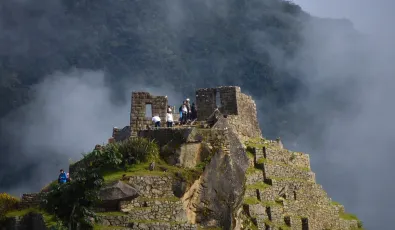
The second option is to go on foot via the Inca Trail, on a 2- or 4-day hike that ends with an entrance through Intipunku (the Sun Gate), the original gateway to the citadel. Along the way, you’ll visit other Inca sites and enjoy incredible landscapes.
How many days are recommended for a stay in Cusco and the Sacred Valley?
Before visiting Machu Picchu, whether on foot or by train, we recommend spending two days in Cusco and two days in the Sacred Valley. This gives you time to adjust to the altitude, get to know Cusco, and be ready to explore the valley before your main trip to Machu Picchu.

Add new comment