



South of Cusco lies T’aqrachullo, also known as María Fortaleza or ancient Ancocagua. This archaeological site brings together ancient remains, history, and many unanswered questions about its true role in the Inca world. In this guide, you’ll learn what T’aqrachullo is, where it is located, how to get there, why it was important, and what makes it today one of the most promising emerging archaeological destinations in southern Cusco.
What Is Taqrachullo?
T’aqrachullo, also known as María Fortaleza, is a Monumental Archaeological Zone located south of Cusco and associated with the legendary Inca huaca and oracle of Ancocagua.
What Does Taqrachullo Mean?
T’aqrachullo is a word of Quechua origin that means: “bedrock where water flows”. It is formed from the following words:
- T’acra: bedrock, a rock formation with different colors, sizes, and levels of hardness.
- Chullo: water runoff from the same area, water deposits carved in stone, or water pools in the river.
Where Is Taqrachullo Located?
T’aqrachullo is located in the district of Suykutambo, in the province of Espinar, Cusco, Peru.
T’aqrachullo stands on a rocky ridge whose upper section forms a large plateau, facing the Suykutambo Canyon and next to the confluence of the Totorani River and the Apurímac River, which continues its course until it joins the Amazon basin and eventually reaches the Atlantic Ocean.
At What Altitude Is Taqrachullo?
T’aqrachullo sits at an altitude of 4,081 m / 13,389 ft, on a ridge whose upper section forms a plateau about 90 meters above the Apurímac River.
What is the entrance fee to Taqrachullo?
At present, admission to Taqrachullo is free. Nevertheless, due to its increasing popularity, an entry fee may be introduced in the future, though it has not yet been announced.
What Is the Weather Like in Taqrachullo?
The weather in T’aqrachullo is cold and dry. Because of the altitude, the air has little humidity and lower atmospheric pressure, so the oxygen can feel more limited. In general, there are two seasons:
- The rainy season, from November to April, with possible heavy rain, hail, snow, and thunderstorms.
- The dry season, from April to November, when rainfall decreases and the days are usually sunnier and clearer. Between July and August, frosts are more intense from nightfall until just before sunrise, and strong winds may also occur.
What Are the Landscapes of Taqrachullo Like?
The landscapes of T’aqrachullo stand out for their towering cliffs and volcanic formations shaped over millions of years. They are best admired from the upper part of the site, where you can see the Apurímac River flowing along the base of the canyon, creating a powerful, rugged, and truly distinctive setting.
How Far Is Taqrachullo from Machu Picchu?
The travel distance between Machu Picchu and T’aqrachullo is approximately 360 km by road and train combined, with a total travel time of more than 10 hours.
How to Get to María Fortaleza - Taqrachullo?
Taqrachullo can be reached overland by road from different starting points:
- Cusco – T’aqrachullo Route:
From Cusco, the trip takes approximately 5 hours and 40 minutes and covers about 260 km. The route follows the Cusco–Sicuani highway, continues along the Sicuani–Yauri section, and then takes a rural road toward Suykutambo, with a stop at T’aqrachullo.
- Puno – T’aqrachullo Route:
From Puno, the journey takes around 5 hours and 30 minutes and covers about 290 km. The route follows the Puno–Ayaviri highway, then continues along the Ayaviri–Yauri section and finally takes the rural road toward Suykutambo, with a stop at T’aqrachullo.
- Arequipa – T’aqrachullo Route:
From Arequipa, you can get there by different routes:
1. Mostly by rural road, following the Arequipa–Chivay–Taqrachullo route or the Arequipa–Imata–Condoroma–Yauri–Taqrachullo route. In both cases, the trip takes approximately 6 hours and 30 minutes, depending on road conditions.
2. Road alternative: the Arequipa–Juliaca–Ayaviri–Yauri–Suykutambo route, although it can take close to 10 hours.
Map of How to Get to Taqrachullo
Why Is Taqrachullo Important?
T’aqrachullo, or María Fortaleza, is considered the historic Inca citadel and oracle known as Ancocagua. This sacred place was described by early chroniclers as a temple of great wealth and religious importance for the Incas. It remained lost for centuries and today draws growing interest for its historical and monumental value.
What Is the Difference Between María Fortaleza, Taqrachullo, and Ancocagua?
It is normal to come across the names María Fortaleza and Ancocagua when searching for T’aqrachullo. All three refer to the same place, although each name has a slightly different meaning:
María Fortaleza - T’aqrachullo - Ancocagua | ||
| Name | What does it represent? | Description |
| María Fortaleza | Official designation | Official archaeological name, registered as the María Fortaleza - T’aqrachullo Archaeological Zone. |
| T’aqrachullo | Quechua name | Name associated with the archaeological site and with the local way of referring to this place in the Quechua language. |
| Ancocagua | Historical name | Ancient Inca huaca and sacred oracle of Cusco, mentioned by chroniclers such as Pedro Cieza de León and Juan de Betanzos. |
Recognition for T’aqrachullo
- The María Fortaleza T’aqrachullo Archaeological Zone was declared Cultural Heritage of the Nation on April 27, 2010, by Peru’s Ministry of Culture.
- It was recognized by National Geographic magazine as “The Lost Fortress of the Incas” in its June 2026 issue.
History of T’aqrachullo - Maria Fortaleza
Cenozoic Era - Pliocene
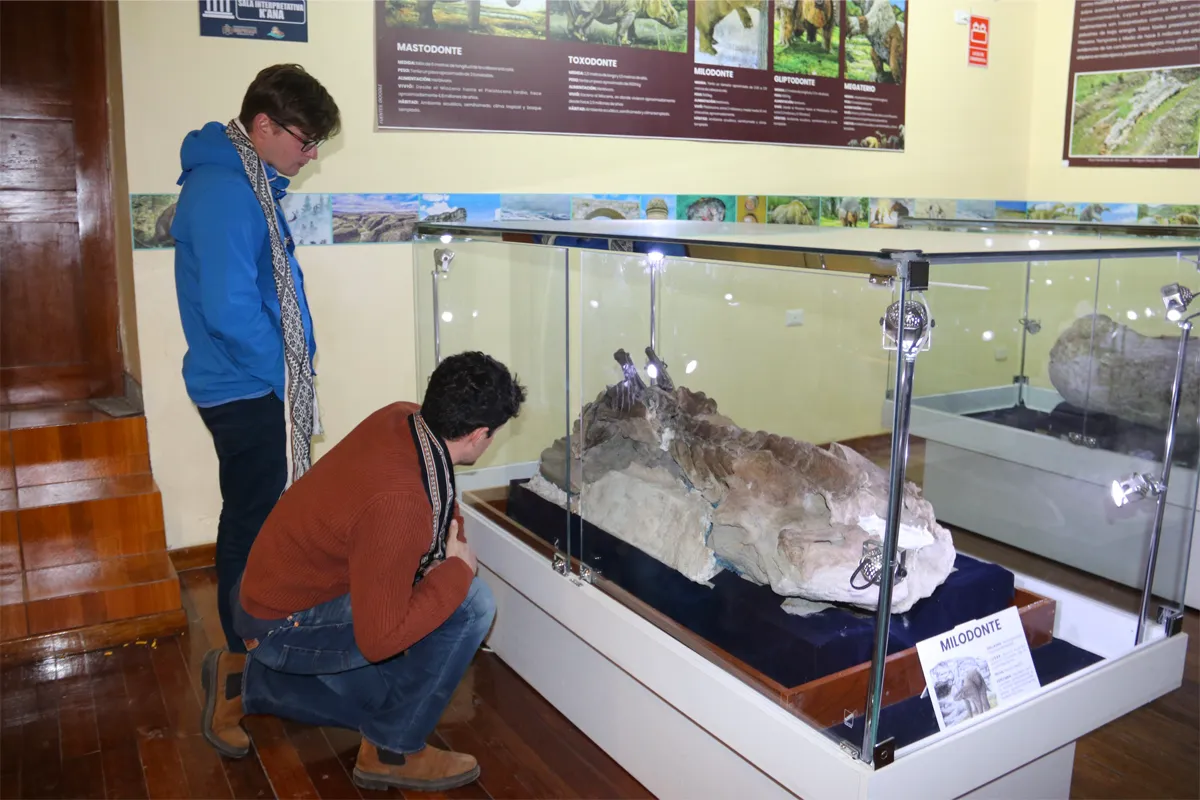
About 5 million years ago, during the early and middle Pliocene, this area had a very different ecosystem from today. The landscape was rich in life, with forests, lagoons, and a great variety of wildlife. Evidence of that ancient environment still remains, including fossilized tree trunks and bone remains of mastodons, megatheriums, glyptodonts, mylodons, and toxodonts, large prehistoric mammals that once lived in the Andes. These incredible fossils can be found in the K'ana Hall of the Espinar Museum and some museums in Cusco.
Stone Age
Much later, between 7,000 and 5,000 years ago, the region was inhabited by ancient human groups known as the Yauri people or Wayra Runas. Traces of them can still be seen today, including projectile points, knives, scrapers, and scraping tools made from stones such as retinite, obsidian, basalt, opal, and jasper.
These tools show that hunting was essential for their survival, especially the hunting of deer and vicuñas. This activity was represented in rock art through scenes of camelid hunting, as well as figures of arachnids, snakes, and human-like forms, visible in places such as the rock paintings of Ecowasi, K’ara Huaykuna, Pampa Suero, Virginniyoc, Torreni, Tirtikani, and others.
Pre-Inca Period
The occupation of T’aqrachullo was gradual and began before the arrival of the Incas. Its architecture and pottery reveal a presence linked to the Wari culture, the Colla chiefdom, and the K’anas, who dominated this part of the southern Andes. The Wari, originally from Peru’s central Andes, expanded and occupied part of southern Peru, including T’aqrachullo and the famous Pikillacta. Later came the Qollao people from the highlands near Lake Titicaca, between the present-day territories of Peru and Bolivia. Finally, the K’ana were an ethnic group known for their strong and brave character, as well as for their dedication to farming and the herding of vicuñas, llamas, and alpacas. They lived in the upper basins of the Vilcanota and Apurímac rivers.
In T’aqrachullo, these cultural traces seem to have coexisted and endured over time, creating a pattern of cultural and religious integration that would later be repeated by the Incas, who adopted the tradition as their own and respected what had already been built.
The Incas in Taqrachullo
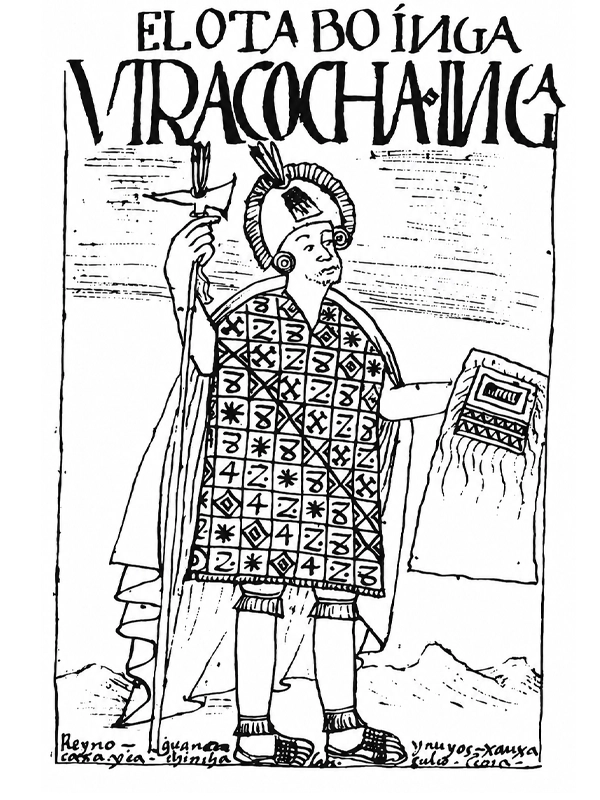
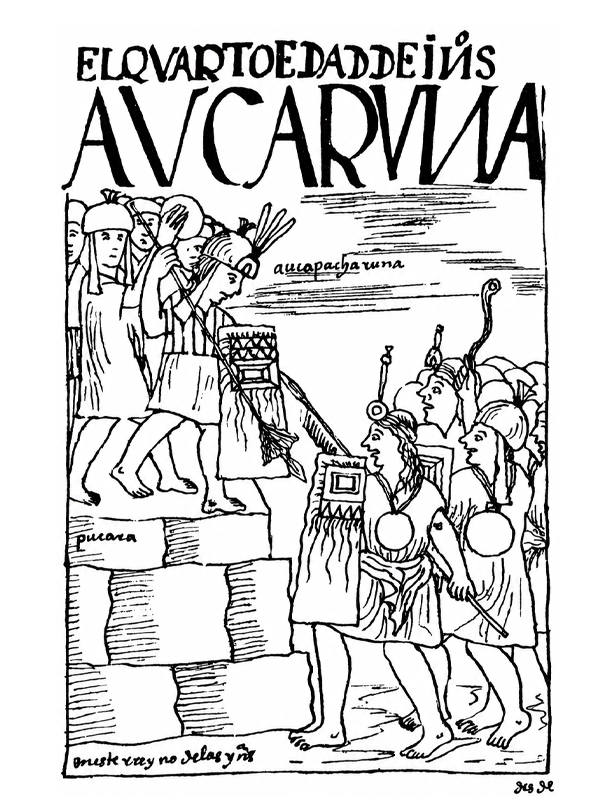
Inca Wiracocha, the eighth of the Inca Emperors, expanded the empire’s territory southward toward the Collao region. Inca rule was consolidated through a combination of military power and diplomatic strategies. During this process, the Incas confronted peoples such as the Canchis and managed to peacefully integrate the K’anas.
As part of this policy of integration, the Incas respected local sacred spaces and recognized the religious importance of ancient cults, including the temples or shrines of Vilcanota and Ancocagua. There is evidence that Inca Wiracocha made great offerings to the Ancocagua shrine, intended for its priests and idols, strengthening the political, ritual, and symbolic relationship between Cusco power and the Canas people.
It is worth noting that the K’anas enjoyed considerable autonomy and prestige within Tawantinsuyo, becoming loyal allies of the Sapa Inca. Unlike other peoples annexed into Inca rule, their enclosures and settlements were not modified or relocated, except in a few cases. For this reason, although they became part of the imperial order, they preserved their own identity and never stopped recognizing themselves as K’anas. These spaces have features of pucaras, cities built on elevated ground and defended from above, something that can be seen in several archaeological sites in the province of Espinar.
This is how Inca structures were built in Taqrachullo, intended for the administration and control of the site. Today, they still coexist with other structures linked to the Collao, Wari, and K’anas.
 |  |
The name K’anas comes from the Aymara word Khana, which means “light” or “clarity,” possibly related to the volcanic setting of the area, which was more active in the past.
Taqrachullo after the Conquest
After the Conquest of Tawantinsuyo, an intense process of evangelization and extirpation of idolatries began. As part of this effort, many Andean temples and sacred spaces were desecrated, looted, and destroyed. Faced with this persecution, priests and devotees hid treasures, offerings, and ritual objects belonging to huacas and shrines. Even so, many valuable pieces remained at the site and were eventually found.
Ancocagua-Taqrachullo was no exception. This huaca managed to resist for around three years after the invasion before its final fall. This is how the chronicler Juan de Betanzos recounts it in “Suma y Narración de los Incas”:
The inhabitants of Hancocagua (Anconcagua) rebelled and entrenched themselves on top of the rocky outcrop. For a long time, they turned the huaca into their fortress, until they began to run out of water. When they were close to surrendering, snow fell over the huaca that very night, allowing them to supply themselves again. However, the Spaniards, led by Juan Pizarro, brother of Francisco Pizarro, managed to enter thanks to information provided by a Cusco orejón. To reach the fortress, they filled the ravine that separated the outcrop from the one in front of it with bundles of straw, branches, and stones. In this way, they were able to cross, enter the huaca, and take it completely.
It is said that, faced with inevitable defeat, many inhabitants of Ancocagua chose to die by throwing themselves from the top of the cliffs.
According to the chronicles, a Spaniard called Diego Rodríguez Elemosín managed to extract thirty thousand pesos of gold from the Huaca of Ancocagua, an amount equivalent to approximately 102 kilograms of gold. Today, this figure could represent around 7.6 million euros or 8.1 million dollars.
Colonial and Republican Periods
During the Colonial period, the populations of the region were forced to pay tribute and work in the mines through the mit’a, a rotating labor system inherited from the Inca period. However, the original principles of community work and collective redistribution were distorted by the colonial regime, turning it into a form of forced labor and exploitation. As a result, much of the local population was concentrated around the mining centers of Caylloma and Yauri, separated into so-called reductions and moved away from the great towns and temples where they had lived and worshipped.
The Canas were grouped into four reductions: Horuro (Orurillo), Hatuncana (Pichigua), Cacha (San Pedro), and Chicuana (Sicuani), and were integrated together with the Canchis ethnic group into the Canas Canchi corregimiento, with Tinta as its capital.
During the Republican period, several territorial divisions, fragmentations, and changes of capital took place, until the province of Espinar was created in 1917 with its current eight districts. Among them is the district of Suykutambo, the territory where T’aqrachullo is located.
Legend of Ancocagua: Sacred Huaca and Inca Oracle
About fourteen years after the conquest, the chronicler Pedro Cieza de León wrote in his book “Crónica del Perú” that Cusco had four huacas, or sacred places, of great veneration, which were also considered important oracles. These spaces existed before the Incas, but they continued to receive worship, respect, and large pilgrimages.
According to Pedro Cieza de León, the main huacas of Cusco were ranked as follows:
- The Temple of Qoricancha, located in the city of Cusco.
- Mount Huanacaure, located approximately 13 kilometers from the city of Cusco.
- The Temple of Vilcanota, about 20 leagues from Cusco, possibly in the area of La Raya, on the Cusco-Puno border.
- The Huaca of Ancocagua, located near the former province of Hatun Cana, today the province of Espinar, Cusco.
The Huaca of Ancocagua was an ancient and highly revered oracle. Believers came to this temple to present offerings and receive answers to their concerns. A large amount of treasure offered by devotees is believed to have been gathered inside. Animal sacrifices were also performed, and possibly human sacrifices as part of its ritual practices.
Taqrachullo - Ancocagua and the Inca Road to Contisuyo
According to oral references, an Inca route linked to the road toward Contisuyo, or Condesuyo, passed through this region. This was the western region of Tawantinsuyo that led toward the Pacific Ocean. Along this route, from Cusco to Arequipa, tambos or storehouses were established, including Chukchukalla, Mamaqhani, Laurayani, Wichuma, and Oqoruru.
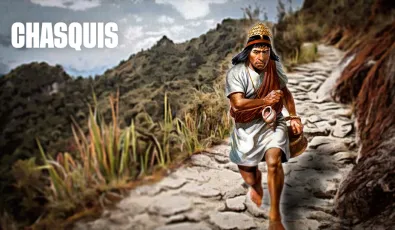
Along this ancestral road traveled the chasquis, the Inca messengers: great runners with incredible physical endurance and speed. Besides carrying messages, they also transported fresh products from the coast, such as sea fish, which could reach Cusco in less than two days for the Sapa Inca’s consumption.
T’aqrachullo and Its Archaeological Mysteries
For years, different archaeological projects by Peru’s Ministry of Culture studied this archaeological zone, which at first did not seem to have major importance, much less a direct connection with the legendary Ancocagua. However, the discoveries gradually revealed pottery, carvings, stone elements, and ancient structures that show the site was occupied and reoccupied over time by different cultures.
According to the latest archaeological studies carried out by Peru’s Ministry of Culture and National Geographic, the site covers approximately 17 hectares and contains nearly 600 structures. Because of its size, it has been compared to Machu Picchu, and it has even been suggested that it could be up to four times larger.
At first, the general condition of the site was quite deteriorated due to the passage of time, natural factors, and human intervention. For years, this area was used as grazing land and also suffered from huaqueo, the destruction caused by treasure hunters. Even so, the studies made it possible to identify sectors of the site that may have been blocked or modified for defensive purposes, possibly in response to the Spanish siege during the conquest period.
Architecture and Ancient Occupation in T’aqrachullo
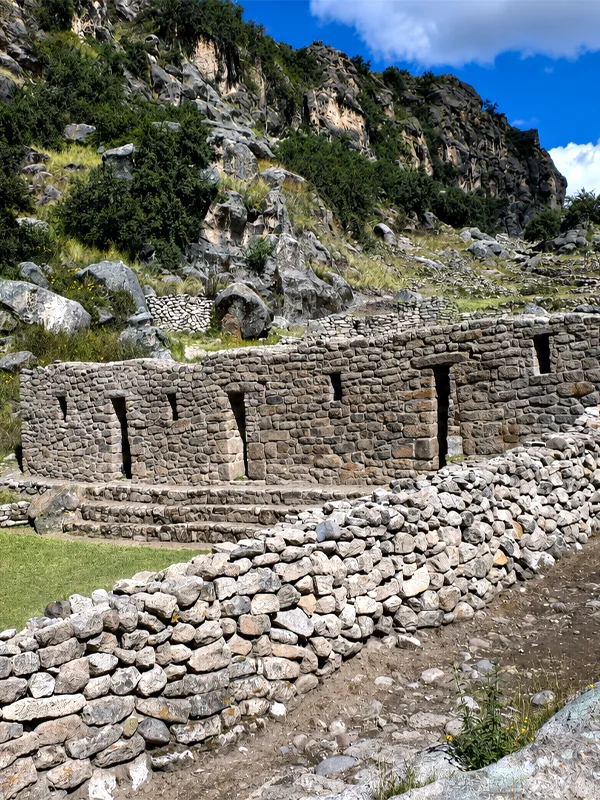
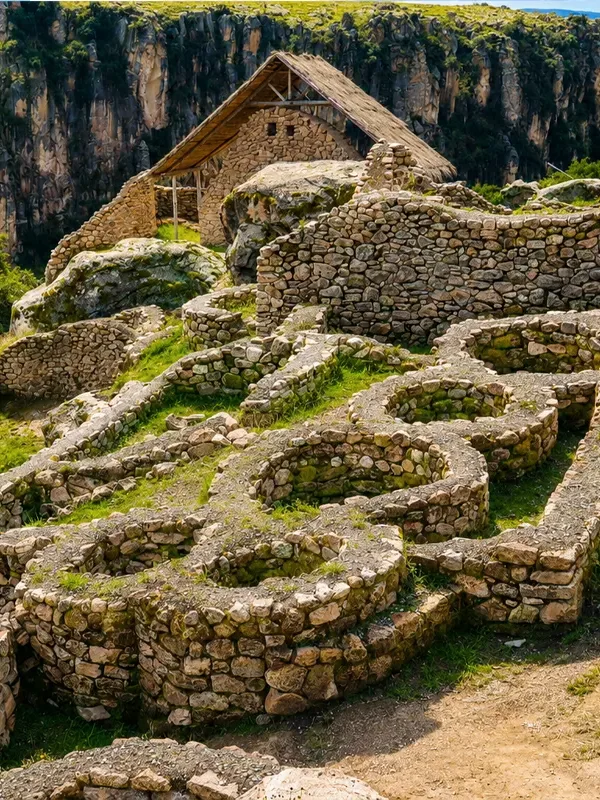
The architecture of T’aqrachullo is varied and reveals different stages of occupation. Its layout, the materials used, and the shape of its structures make it possible to identify different cultural traditions and possible functions within the site.
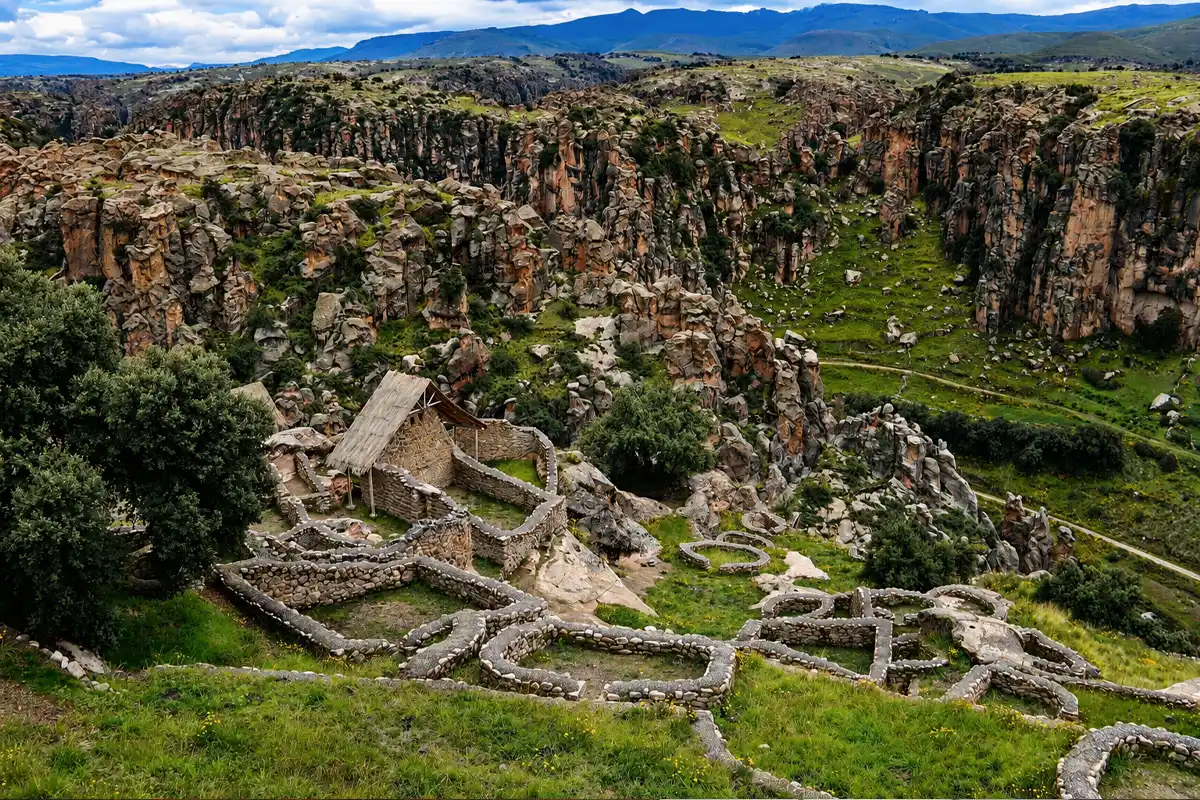
The D-shaped buildings, located within concentric spaces, have been associated with the Wari tradition. Qollao architecture, on the other hand, can be recognized more clearly in the circular and oval-shaped structures. The Inca presence is especially evident in buildings with more refined masonry, niches, and trapezoidal entrances, all characteristic features of Inca state architecture.
Most of the structures would have served funerary purposes, although there were also administrative, control, and residential spaces. The architectural layouts vary between rectangular forms, mainly in the Inca constructions, and oval or circular forms in non-Inca buildings.
The urban planning of T’aqrachullo does not follow a regular order. This is due to the different cultural occupations that developed at the site and the irregular nature of the terrain. Although it is not known exactly how many people lived there, the latest National Geographic studies indicate that, unlike other ancient settlements, T’aqrachullo did not have direct access to a natural water source. This condition would have limited supply and required water and food to be carried up from the base of the plateau.
 |  |
Ancestor Worship and Ritual Finds
Inside the T’aqrachullo site, cavities carved into the rock were identified and interpreted as possible water mirrors. These may have been used to observe the stars as part of practices linked to Inca astronomy, taking advantage of the site’s altitude and the clarity of the sky at different times of the year. Another possibility is that they functioned as small reservoirs, related to the management and storage of water within the citadel.
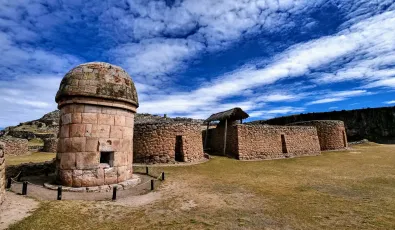
The concept of death in ancient Peru was very different from the European and Western view. T’aqrachullo is a clear example of this way of thinking, since many of its intact structures and identifiable remains would have functioned as funerary enclosures. Among them are the rounded-roof towers known as chullpas, some finely worked on both their inner and outer faces.
In this high Andean region, there are various funerary remains, from burials in natural and modified caves to adobe enclosures, funerary niches inside domestic structures, and cist tombs of possible Neolithic origin. All of this helps us understand that T’aqrachullo was not only a settlement, but also a place deeply connected to ancestor worship and the memory of the dead.
Treasures Found in T’aqrachullo
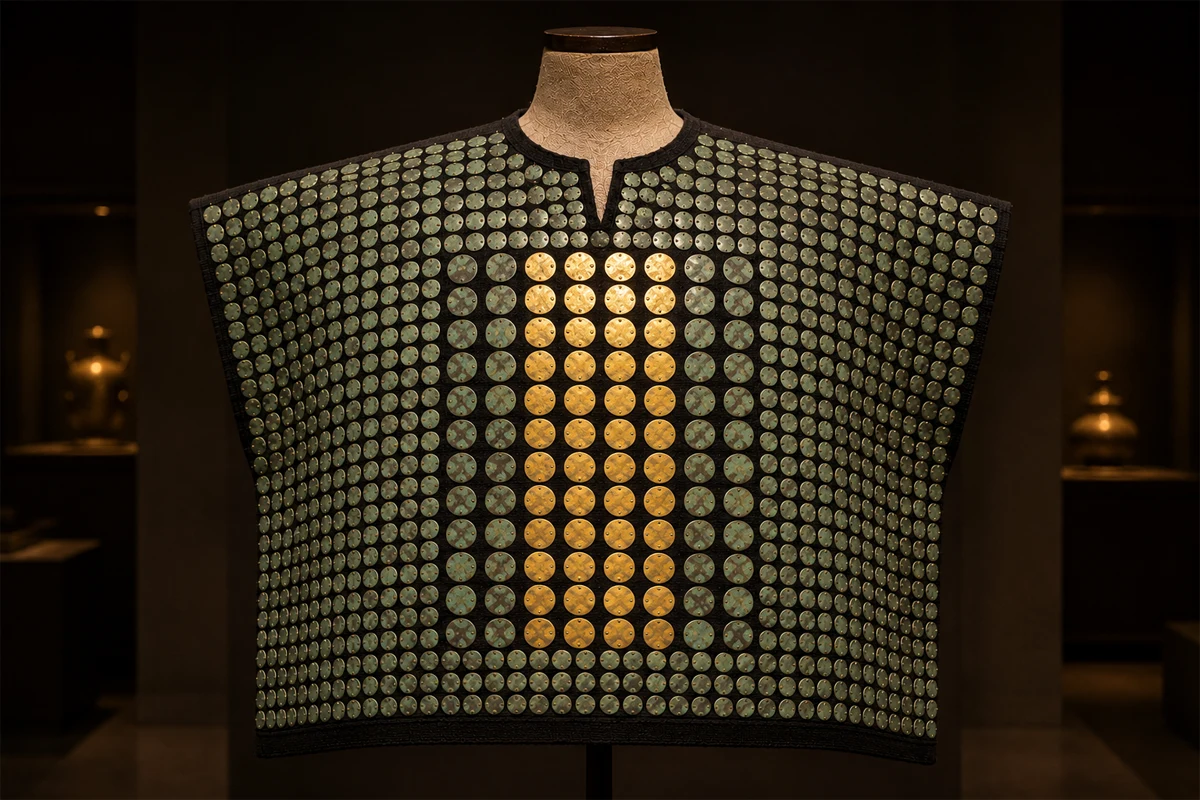
The finds recorded during different archaeological explorations include pottery from various cultural origins and periods, bone remains, metal figurines made of gold, silver, and other materials, as well as small ritual figurines. These figures of animals and vegetables, known as illas or conopas, are symbolic objects related to fertility, protection, and livestock and crop production. They are still offered today during ceremonies to Pachamama.
One of the most remarkable discoveries was a group of gold, silver, and copper sequins, which once formed part of a very striking and shiny ceremonial outfit.
What Was the Diet of T’aqrachullo’s Inhabitants Like?
Due to the lack of archaeological data, it can be suggested that the diet of T’aqrachullo’s inhabitants was based mainly on the agricultural and livestock production of the Andean highlands where the K’anas lived.
Their foods may have included tubers such as potatoes, chuño, añu, and oca; Andean grains such as quinoa and kañiwa; as well as suche fish, camelid meat, and Andean deer. They may also have had access to products from the Andean valleys and the Pacific coast, since T’aqrachullo was located along an important route of the Inca road to Cusco.
- From the valleys came corn, squash, fruits, and other products.
- From the coast arrived fresh and dried fish, seaweed, sweet potatoes, chili peppers, cotton, and more.
What to Do in Taqrachullo?
T’aqrachullo is surrounded by a unique landscape, very different from the views of Cusco and its traditional tourist routes. The site is located within the high-Andean puna ecosystem, a region that extends approximately between 3,500 and 4,800 m / 11,483 and 15,748 ft above sea level. Visitors should be aware that it is necessary to acclimatize properly before exploring the area, given the altitude.
This setting is characterized by open hills, stone forests, wide slopes covered with ichu grasslands (Stipa ichu), and rock formations shaped by wind, rain, and the passage of time. Added to this is the presence of the Apurímac River, which has deeply eroded the territory, forming canyons that connect this high-Andean landscape and the Apurímac Canyon with the vast Amazon basin.
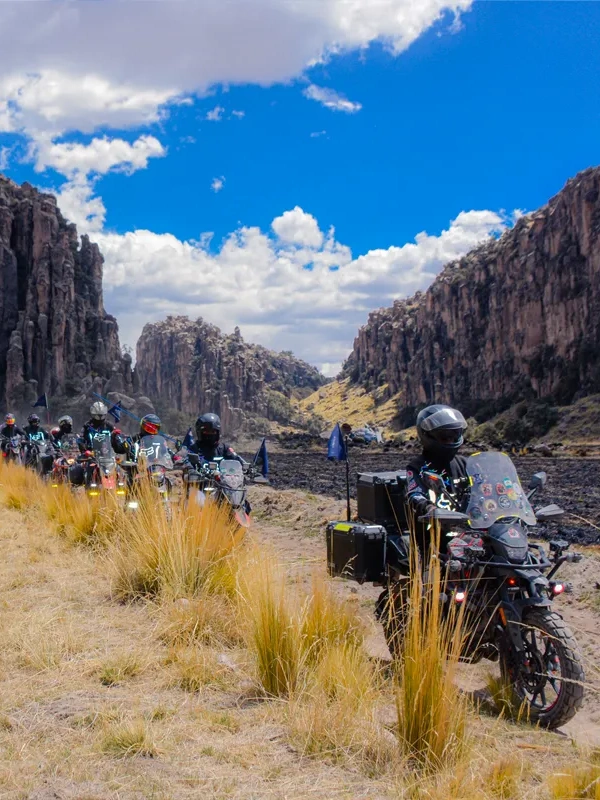
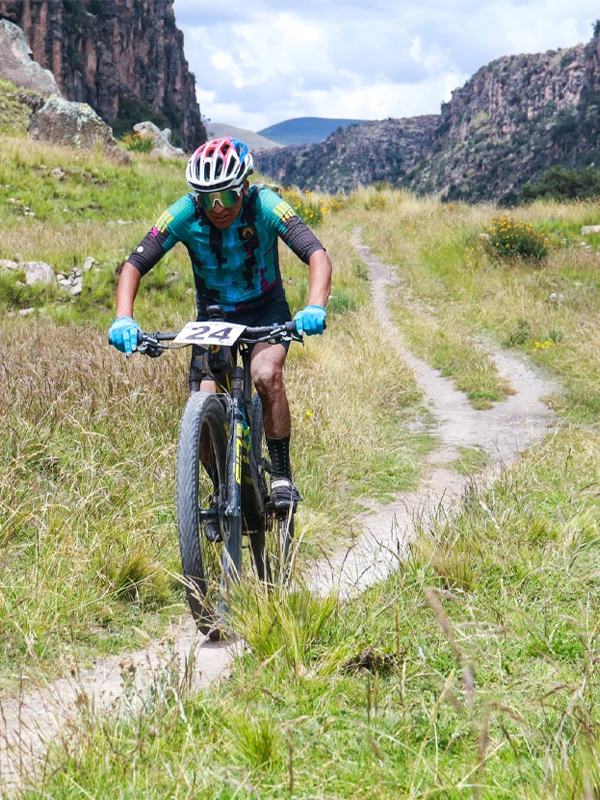
Because of its natural and cultural features, T’aqrachullo is an ideal place for panoramic photography, landscape observation, adventure tourism, and cultural travel. It also has potential for adventure activities such as mountain biking, motorcycling, and hiking along rural routes. However, its greatest value lies in the combination of archaeology and scenery.
 |  |
Archaeological Sites Near T’aqrachullo in Espinar
Around T’aqrachullo, there are several archaeological sites and ancient remains that help explain the historical importance of this area. Among the most relevant are Mulluqhawa, Yauri, K’anamarka, Antamarka, Pukara, Qolqa Pukara, Lurucachi Pukara, Leqe Marka Pukara, Mauk’allaqta, Champi Mayu, Apachaqo Pukara, and T’aqrachullo.
These places are part of a territory with a long history of human occupation, where different Andean cultures left evidence of defensive architecture, ceremonial spaces, funerary enclosures, ancient roads, and settlements linked to the control of the landscape.
Natural and Cultural Attractions in Espinar
In addition to its archaeological value, this region preserves natural, religious, and festive attractions that complement the visit. Among them are:
- Tres Cañones de Suykutambo Regional Conservation Area
- Chaquella de Ccoñec Hot Springs
- Ecowasi Rock Paintings
- K’ara Huaykuna Rock Paintings
- Huayq’opunku Stone Forest
- Chiluyo Rock Formations
- Arco Punku
- Raimondi Puya Stand of Echocollo
- Temple of San Francisco de Asís
- Machu Puente
Espinar also stands out for cultural events such as:
- Mid-April: Tres Cañones de Suykutambo Eco-Sports Adventure Tourism Festival.
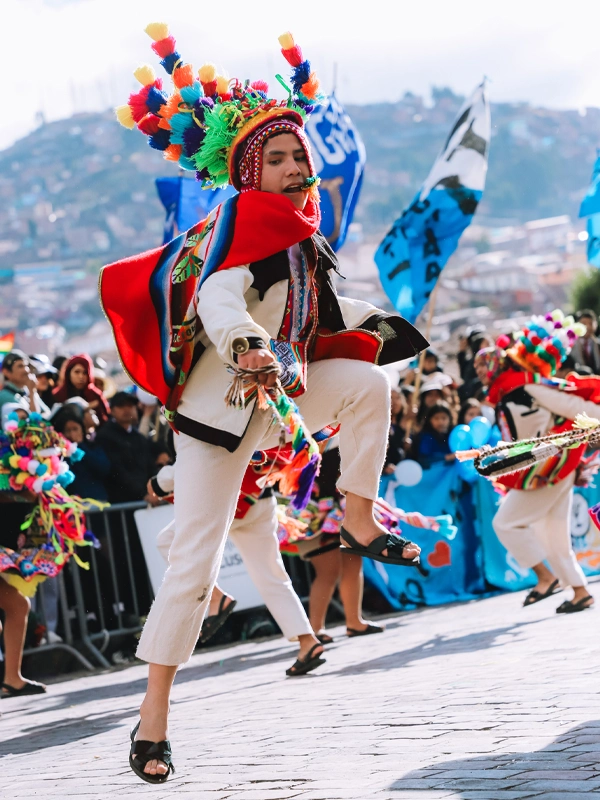
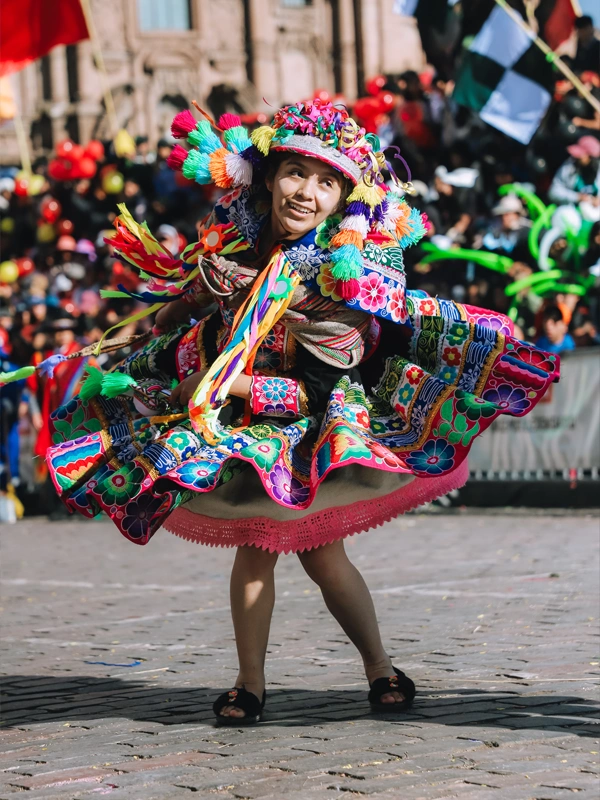
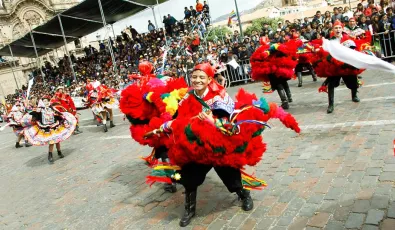
- Early June: T’aqrachullo Folkloric, Cultural, and Tourism Festival.
- Third Saturday of June: K’anamarka Folkloric Festival.
- July 16: Feast of the Virgin of Carmen of Espinar, celebrated in Yauri.
- September: Tahuapalcca Vicuña Chaku Ecotourism Festival.
 |  |
T’aqrachullo is not just an archaeological site to visit; it is an open door to a lesser-known part of Cusco and Peru’s history, where landscape, ancestral memory, and archaeology come together in one place. If you are exploring Cusco or want to discover destinations beyond the traditional route, Suykutambo and T’aqrachullo María Fortaleza may be your next choice. And if you would like to keep discovering places filled with history, nature, and the mysteries of Andean culture, we invite you to explore our travel blogs or contact us so we can help you experience Peru in greater depth.
Taqrachullo FAQs
Are there pharmacies near T’aqrachullo?
T’aqrachullo is in a rural and remote area, so it is better to buy basic medicines in Cusco or Yauri in Espinar before your visit. Bring altitude sickness pills, sunscreen, water, alcohol wipes, bandages, and any personal medication.
Where can I eat before or after visiting T’aqrachullo?
The best option is to eat in Espinar/Yauri before continuing to Suykutambo, or bring snacks and a light lunch. There are not always full tourist services near the archaeological site, so it is better to go prepared.
Where can I sleep when visiting T’aqrachullo?
The most practical option is to spend the night in Yauri town or in Suckutambo town, especially if you want to visit T’aqrachullo, the Three Canyons, and other nearby attractions at a relaxed pace. From Cusco, the trip can take several hours, so staying in Espinar helps avoid an overly long travel day.
Can I visit T’aqrachullo in one day from Cusco?
Yes, it is possible, but it can be a very long day trip. For a better experience, it is best to plan it as a 2-day route.

Add new comment