


Lomo saltado is one of Peru's best-known dishes and a specialty well worth trying during your visit. With its inviting aroma and ingredients cooked fresh to order, it has become a favorite in Peruvian cuisine. But what makes a truly good lomo saltado? In this article, you'll find a step-by-step recipe, tips for making it at home, the history behind the dish, and a few places to enjoy it in Peru.
What is Lomo Saltado?
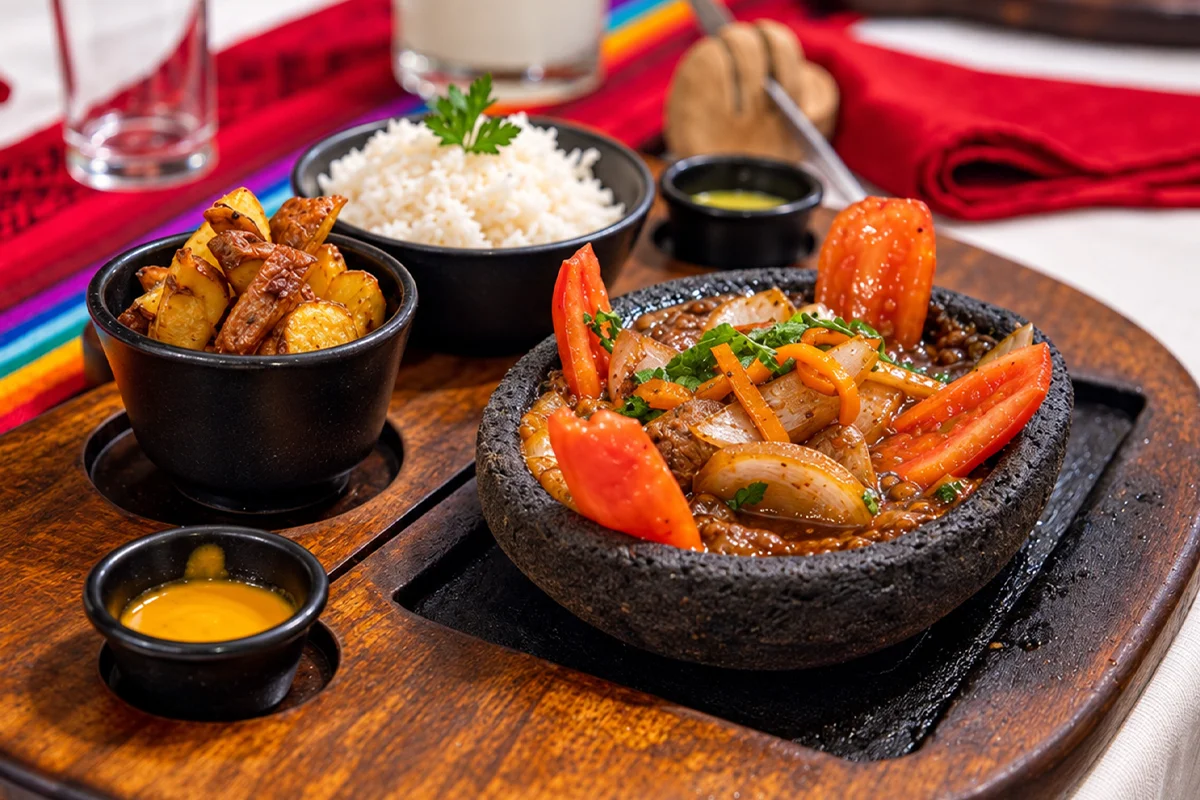
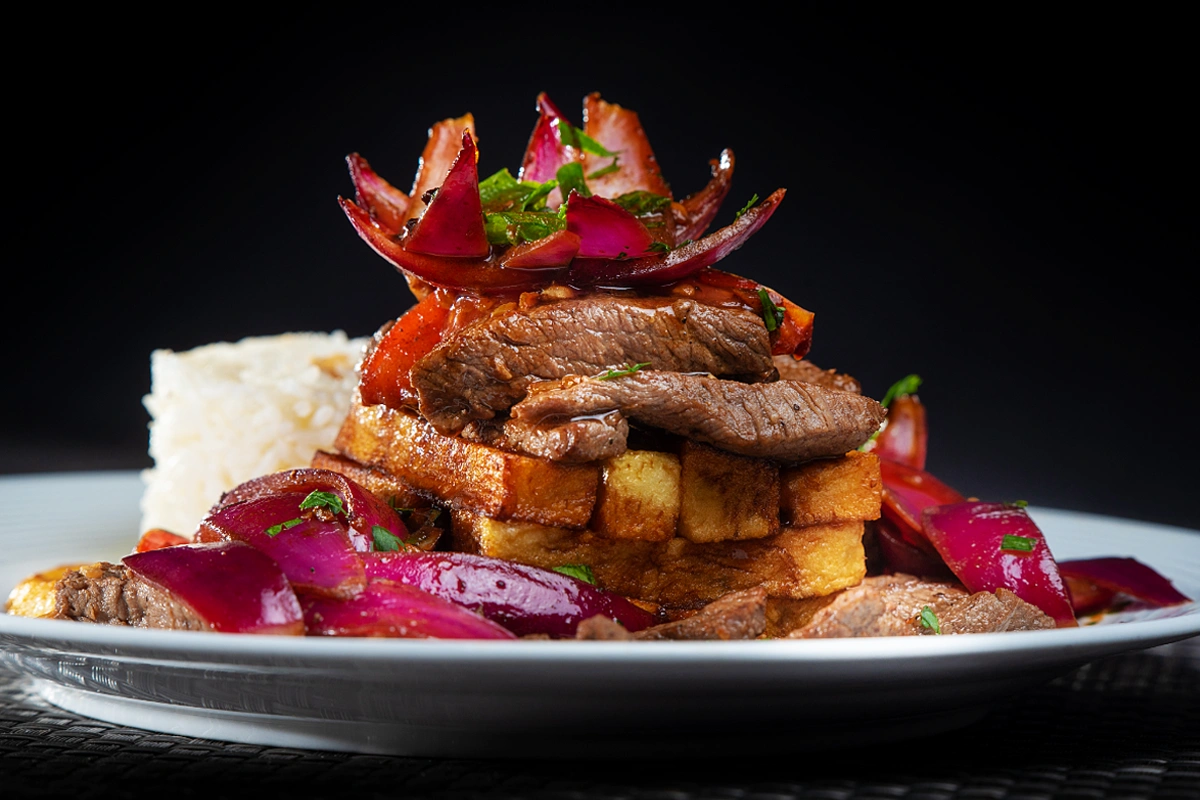
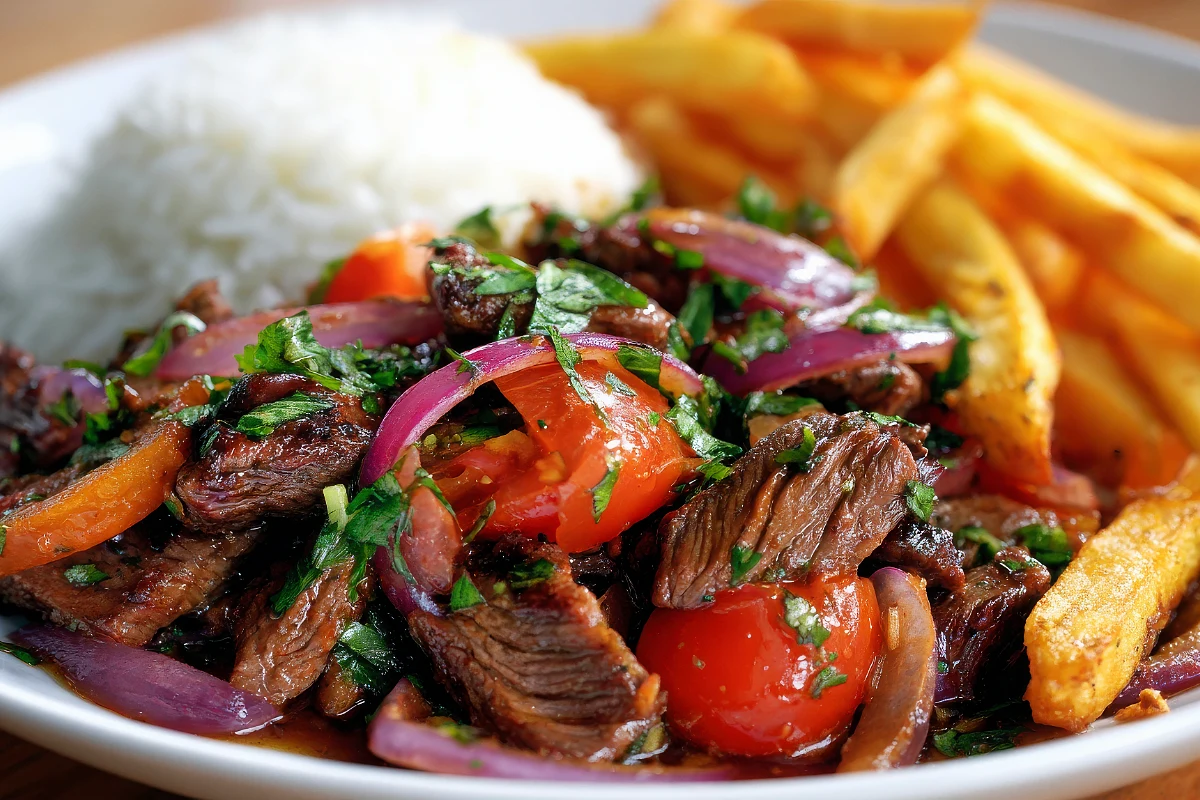
Peruvian lomo saltado is a traditional Chinese Peruvian stir-fried filet mignon, red onion, tomato, and ají amarillo peppers. These ingredients are sautéed with soy sauce, vinegar and garlic and usually served with white rice and fries.
The dish is known for its juicy, browned beef, vegetables cooked al dente, and a rich, flavorful sauce. It combines Chinese cooking techniques, especially quick stir-frying, with the ingredients and flavors of Peruvian cuisine.
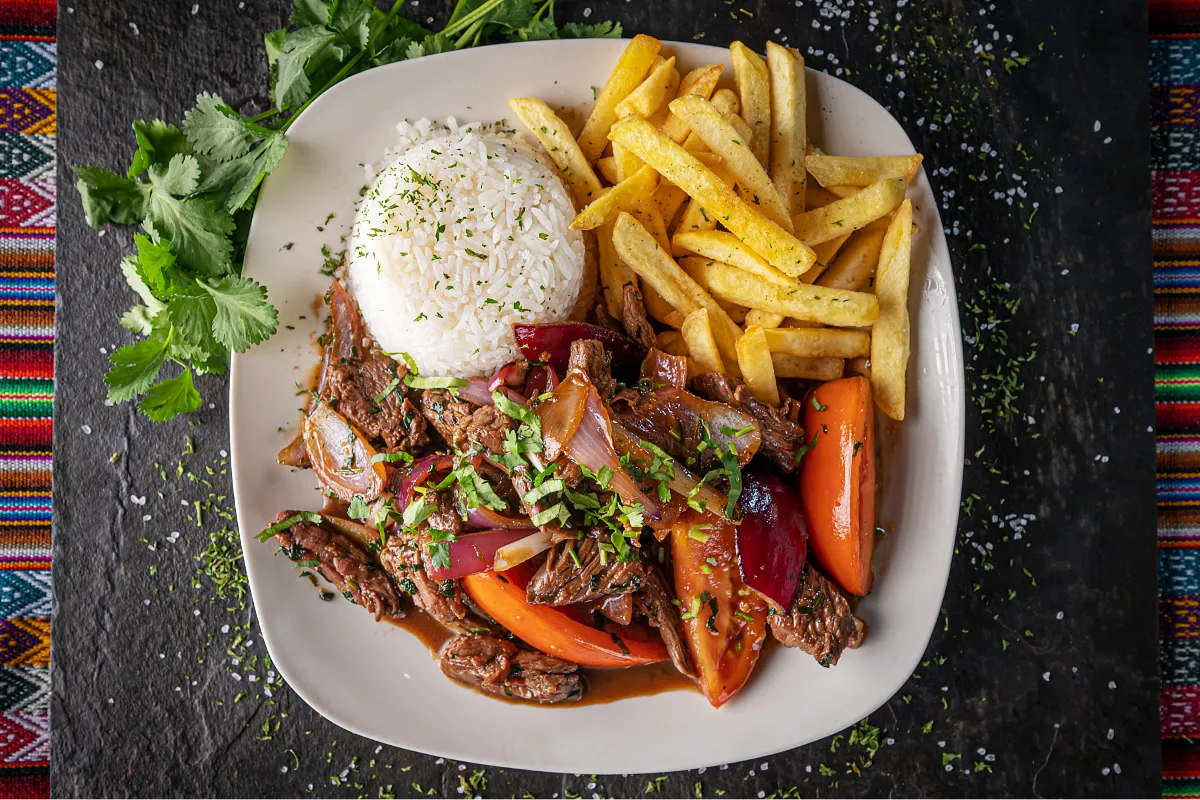
Peruvian Lomo Saltado Recipe
The traditional lomo saltado recipe uses simple ingredients that are tossed in the wok over high heat. For the best results, prepare your mise en place, having all your ingredients chopped and your side dishes ready before you start stir-frying.
- Serves: 4 people
- Approximate time: 40–50 minutes
Lomo Saltado Ingredients
For the Lomo Saltado:
- 600 g beef tenderloin, cut into thick strips
- 1 large red onion, cut into wedges
- 2 medium tomatoes, cut into wedges
- 1 ají amarillo pepper, seeded and cut into julienne strips
- 2 garlic cloves, minced
- 3 tablespoons soy sauce (sillao)
- 2 tablespoons red wine vinegar
- 2 tablespoons vegetable oil
- 1 tablespoon chopped cilantro or parsley (optional)
- Salt and pepper to taste
To serve:
- 4 medium potatoes
- Enough vegetable oil for frying
- 3 cups cooked white rice
- Salt to taste
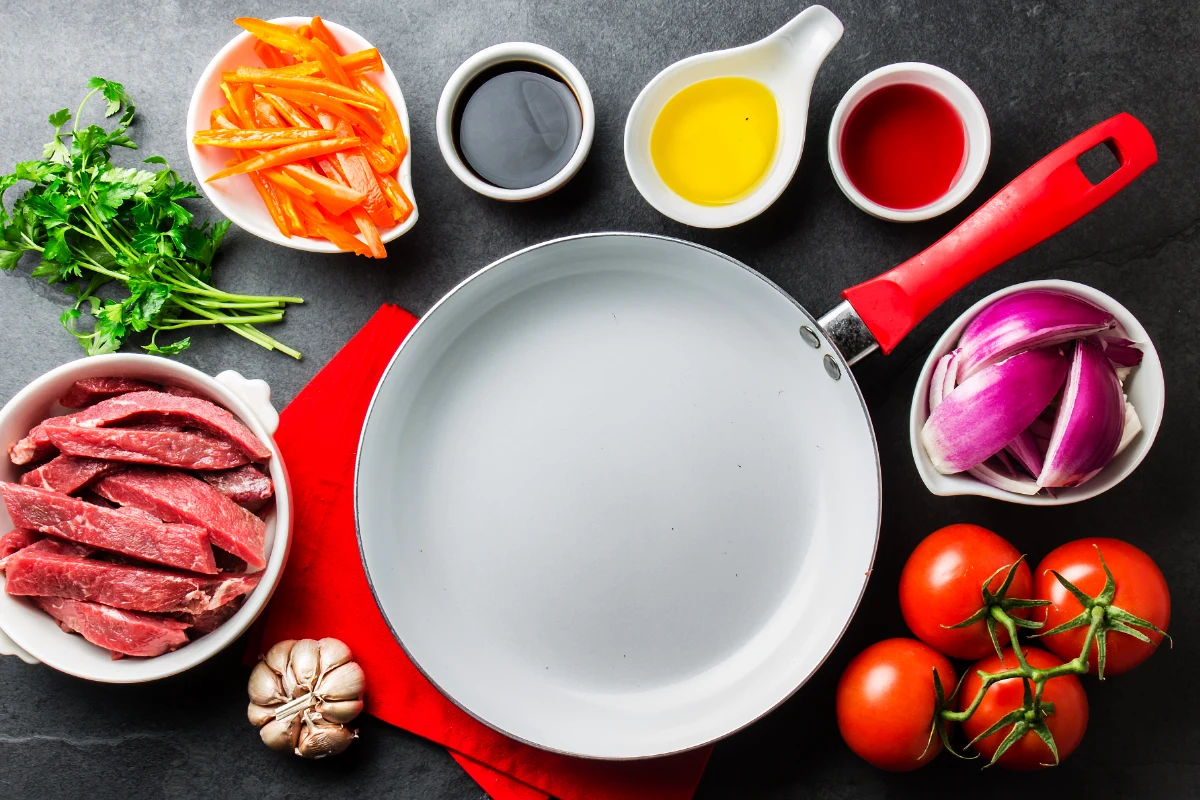
How to make Lomo Saltado step by step
- Prepare the side dishes. Cook the white rice until light and fluffy. Peel the potatoes, cut them into fries, and dry them thoroughly before frying in hot oil until golden. Drain and set aside.
- Prep and season the ingredients. Cut the beef into thick strips and season with salt and pepper. Have the onion, tomatoes, ají amarillo, and garlic ready so you can add them quickly as you cook.
- Brown the beef. Heat one tablespoon of oil in a wok or large frying pan over high heat. Add the beef in small batches and let it brown on both sides, about one or two minutes per side, depending on thickness. Remove from the pan and set aside.
- Stir-fry the vegetables. In the same pan, add the remaining oil, onion, and ají amarillo. Stir-fry for one or two minutes, then add the garlic, followed by the tomatoes. Toss briefly to bring everything together.
- Add the soy sauce and vinegar. Pour both into the pan and stir them through the vegetables. Return the beef to the pan, along with any juices, and stir-fry briefly until the beef finishes cooking and the flavors come together.
- Add the finishing touches. Taste the sauce and add salt or pepper if needed. Turn off the heat and stir in the chopped cilantro or parsley, if using, before serving.
How to serve Lomo Saltado
Lomo saltado is served hot with white rice and fries. A traditional way to plate it is to place the rice on one side and the fries alongside the beef, letting some of the sauce soak into the side dishes.
You can also toss the fries into the stir-fry just before serving so they absorb the sauce, although keeping them separate helps them stay crisp. For the best result, serve the dish as soon as it is ready.
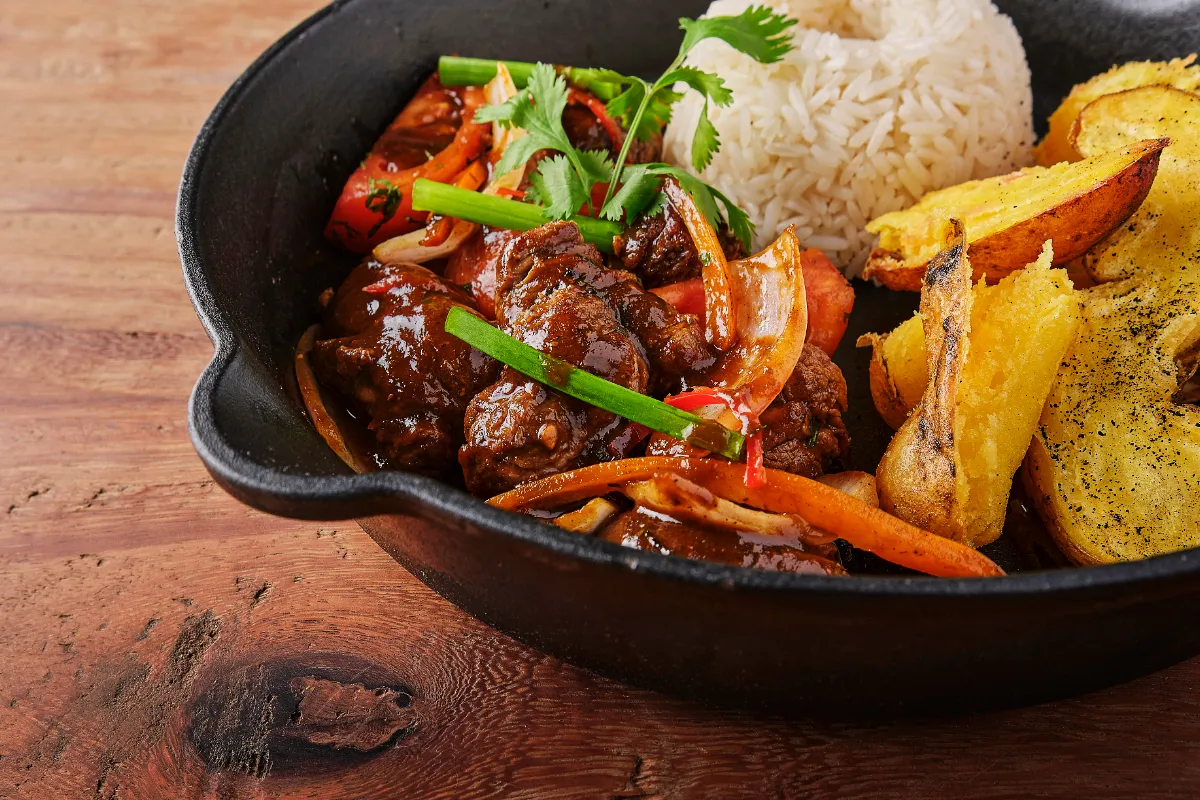
Serving rice alongside fries is a classic part of Traditional Peruvian food culture.
Tips for making juicy Lomo saltado
For juicy lomo saltado, choose a tender cut of beef, keep an eye on the cooking temperature, and use the right amount of sauce for the ingredients. Aim for beef that is browned on the outside and tender inside, with vegetables that still have some bite.
What cut of beef is used for Lomo Saltado?
Beef tenderloin is the best meat for lomo saltado because it is tender and cooks quickly. Other tender cuts, such as strip steak or rump steak, can also work, although their texture may differ. For the best results, trim off excess fat and cut the beef into even strips against the grain for a more tender bite.
How to cook Lomo Saltado without a professional wok
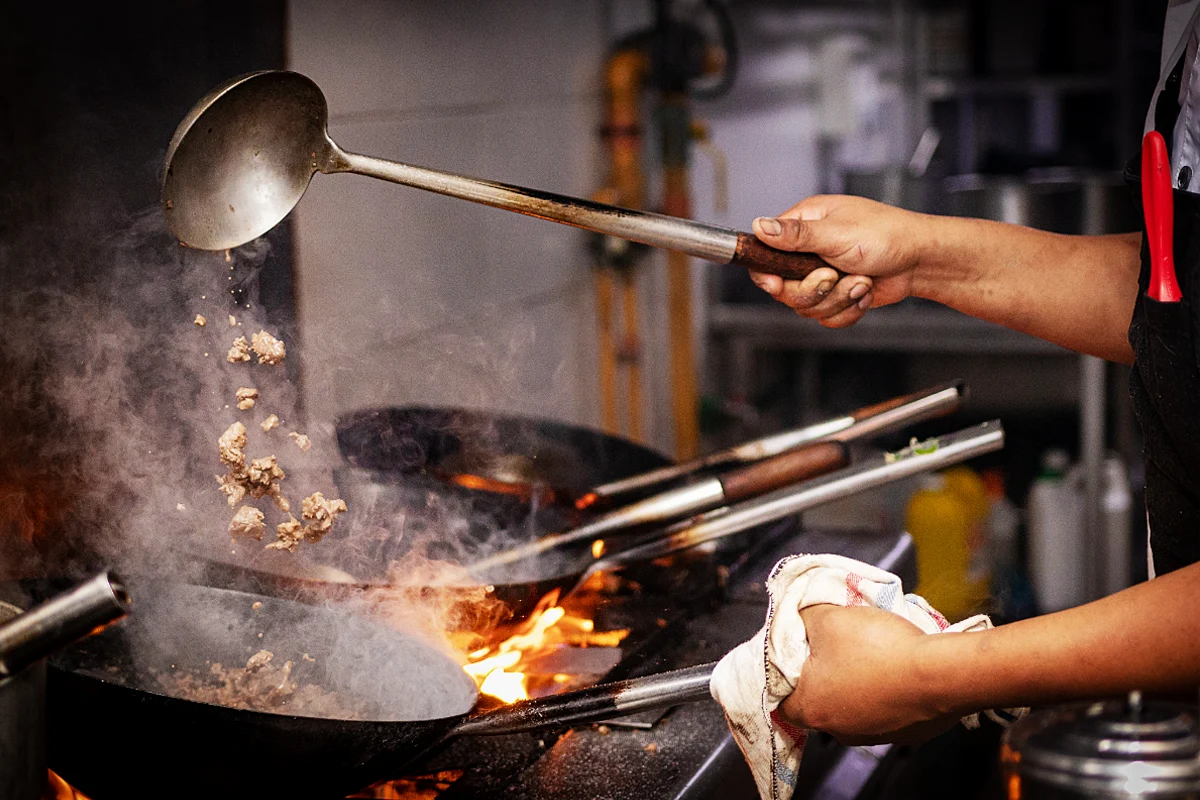
You do not need a professional wok to make a great lomo saltado. A large stainless steel or cast-iron pan can get hot enough to brown the beef properly. Preheat the pan, add a little oil, and cook the beef in small batches without overcrowding it. This prevents liquid from building up and boiling the beef instead of browning it.
Let the beef develop a golden-brown crust before turning it, then remove it when it is almost done so it can finish cooking with the vegetables and sauce. You do not need to flambé the dish or create flames to get a great result.
Common mistakes when making lomo saltado
A few common mistakes during cooking can affect the texture of the beef and the flavor of the dish:
- Cutting the beef too thinly: This can cause it to lose its juices and dry out quickly during cooking.
- Overcooking the vegetables: This makes the onion and tomatoes lose their firmness and release too much liquid. They have to be crisp and juicy.
- Adding too much soy sauce or vinegar: This can make the sauce too salty or sour, overpowering the other ingredients.
- Leaving the beef on the heat too long: This can make it tough and less juicy.
- Adding too much water: This dilutes the flavors and gives the stir-fry a watery consistency.
Peruvian Lomo Saltado History and Origins
Lomo saltado has its roots in the late 19th century, mainly in the kitchens of Lima, the capital of Peru, where Peruvian cooking traditions began to incorporate new techniques and ingredients. Although there is no exact date or single person credited with creating it, the dish developed through a cultural exchange that transformed several beef recipes.
The Chinese influence on Peruvian cooking
Chinese immigrants began arriving in Peru in 1849, mainly from the Canton region. Over time, many opened small eateries and food businesses that eventually gave rise to chifas, restaurants specializing in Chinese-Peruvian cookery.
Their influence helped shape lomo saltado, especially through the use of the wok, high-heat stir-frying, and soy sauce (sillao). These elements came together with familiar ingredients from Peruvian Creole cooking, giving the dish a character of its own.
Chinese influence can also be seen in the words used in Peruvian food. Sillao, the local name for soy sauce, comes from the Cantonese term si yau. Similarly, kion, the Peruvian word for ginger, has Cantonese roots.
How Lomo Saltado evolved
Dishes such as "lomito de vaca" and "lomito a la chorrillana" were already being prepared by the late 19th century and are considered predecessors of lomo saltado. Over time, new stir-frying techniques and seasonings helped these recipes evolve into the dish now served in traditional restaurants and chifas in Peru.
Why is it called lomo saltado?
The name describes two features of the dish. "Lomo" refers to the cut of beef traditionally used, while "saltado" comes from the technique of stir-frying the ingredients over high heat, tossing them quickly in a pan or wok so they cook evenly.
Lomo Saltado Variations
Alongside the traditional beef recipe, there are versions of lomo saltado made with other meats or plant-based ingredients. These adaptations keep the dish's signature elements while offering different flavors and textures.
Pollo Saltado
Pollo saltado is one of the best-known variations, made with boneless chicken breast or thigh cut into strips or medium-sized pieces. The chicken is cooked with red onion, tomato, and ají amarillo, with soy sauce and vinegar adding its familiar flavor. Unlike beef, chicken needs to be cooked through before serving, but avoid leaving it on the heat too long so it stays juicy.
Alpaca Lomo saltado
Alpaca lomo saltado features one of the Andes' traditional ingredients and is a variation found particularly on menus in Cusco. It is made with alpaca loin, a lean meat with a distinctive flavor, sliced into strips and stir-fried briefly to keep it juicy. Some restaurants serve it with native potato varieties or pan-fried potatoes, bringing more Andean ingredients to the plate.
Vegetarian alternatives
Lomo saltado can also be made vegetarian by replacing the beef with button or portobello mushrooms, which develop a meaty texture and richer flavor as they brown. Firm tofu is another option: cut it into cubes and sear it first to help it hold its shape. Both options let you prepare a saltado with the usual vegetables and seasonings, without using meat.
Where to eat Lomo Saltado in the USA
Lomo saltado is also served at Peruvian restaurants across the United States. In cities such as New York, Miami, Chicago, and San Francisco, you can find both classic and modern versions of this popular Peruvian dish. You can also pair the dish with passion fruit juice, Inca Kola and other Peruvian drinks.
Peruvian restaurants offering Lomo Saltado in the US
City | Restaurant | Lomo saltado options | Location |
| Ney York City | Pio Pio 8 | Classic lomo saltado with fries and rice | 604 Tenth Avenue, Hell’s Kitchen |
| Miami, FL | CVI.CHE 105 | Classic lomo saltado and a lo pobre version | 105 NE 3rd Avenue, Downtown Miami |
| Washington DC | Pisco y Nazca | Beef tenderloin lomo saltado with fries and rice | 1823 L Street NW |
| Chicago, IL | Tanta | Wok-fried beef lomo saltado | 118 W Grand Avenue, River North |
| San Francisco, CA | La Mar Cocina Peruana | Classic beef lomo saltado with potatoes and rice | Pier 1½, The Embarcadero N |
| East Rutherford, NJ | JARANA | Lomo saltado with optional egg and plantains | 1 American Dream Way |
Where to eat Lomo Saltado in Peru
Lomo saltado appears on the menus of many traditional Peruvian restaurants and chifas throughout the country. In cities such as Lima, restaurants in Cusco, and Arequipa, you can try everything from the classic recipe to versions with different ingredients and side dishes
Restaurants serving Lomo Saltado in Peru
City | Restaurant | Lomo saltado options | Location |
| Lima | Panchita | Classic lomo saltado served with fries and white rice | 2 de Mayo Street 298, Miraflores |
| Lima | Tanta | Lomo saltado with yellow potato fries and rice with corn | Vasco Núñez de Balboa Ave. 660, Miraflores |
| Cusco | Morena | Classic lomo saltado and a house special | Portal de Harinas 181, Cusco Main Square |
| Cusco | Kion | Chifa-style lomo saltado cooked in a wok and served with Chinese pancakes | Triunfo Street 370, Historic Center |
| Arequipa | Típika | Traditional lomo saltado and a special version served with a fried egg | Luna Pizarro Street 407, Vallecito |
| Arequipa | La Embajada Arequipeña | Lomo saltado included among its meat dishes and à la carte options | Tahuaycani Avenue s/n, Sachaca |
Whether you try making lomo saltado at home or tasting it in Peru, it’s a delicious way to connect with the country’s culture, and if you’re planning a visit, explore our Peru tours for more inspiration along the way.
Peruvian Lomo Saltado FAQs
Is Lomo Saltado spicy?
Lomo saltado is usually mild, although the heat depends on how much ají amarillo is used. At Peruvian restaurants, you can ask for less chili or a version without any heat to suit your taste.
How can you recognize a good Lomo Saltado at a restaurant?
A good lomo saltado should be freshly cooked, with tender beef, a slightly smoky aroma, and a balanced sauce that is neither too thin nor too oily. The vegetables should hold their shape, and the fries should still be slightly crisp.
What other Peruvian dishes are similar to Lomo Saltado?
Similar dishes include tallarín saltado, which uses a similar cooking technique but includes noodles, and tacu tacu con lomo saltado, which replaces the usual sides with a pan-fried mixture of rice and beans. Another option is bistec a lo pobre, made with beef, rice, fries, egg, and fried plantain.
Is Lomo Saltado often included in Peru's daily lunch menus?
Yes, some traditional Peruvian restaurants and places offering affordable lunches include lomo saltado among their daily specials. Availability varies by restaurant and day, however, and it is also commonly offered as an à la carte dish.
Is Lomo Saltado healthy?
Lomo saltado can be part of a balanced meal, although its nutritional value depends on the ingredients, quantities, and serving size. As a general reference, one serving contains approximately 649 calories, 32 g of protein, 106 g of carbohydrates, and 11 g of fat. These figures can vary depending on the cut of beef, the amount of oil used, and the portions of rice and potatoes.
Which Peruvian drinks go well with Lomo Saltado?
Chicha morada is a great choice, as its refreshing, lightly sweet flavor balances the rich sauce. You can also pair lomo saltado with passion fruit juice or Inca Kola, a popular soft drink in Peru that is often served with traditional Peruvian dishes.


Add new comment