



Peruvian jungle food brings together flavors and traditions that vary across regions such as Loreto, San Martín, Ucayali, Amazonas, and Madre de Dios. This part of Peruvian cuisine is closely connected to the ingredients available in each area and to cooking traditions passed down through generations. In this guide, you’ll discover typical Peruvian jungle food, traditional drinks, fruits, and local ingredients, along with practical information on what to try during a trip through the Peruvian Amazon.
What is Peruvian jungle food like?
Peruvian jungle region food combines smoky, herbal, citrusy, and, in some dishes, spicy flavors. Recipes can vary depending on the region, season, and available ingredients, so the same dish may be prepared with different ingredients, sides, or cooking methods.
This variety gives Amazon Peru cuisine its own character while also making it an important part of Peruvian traditional food. From river fish and plantains to aromatic herbs and tropical fruits, the food reflects the landscapes and traditions of each Amazonian region.
Typical Peruvian jungle food you should try
Amazonian dishes reflect the wide variety of ingredients and traditions found throughout the jungle. Some are popular across several regions, while others are closely connected to a specific area. If you want to discover a different side of Peruvian food, these are some of the most representative dishes to try during a trip through the Peruvian Amazon.
1. Juane
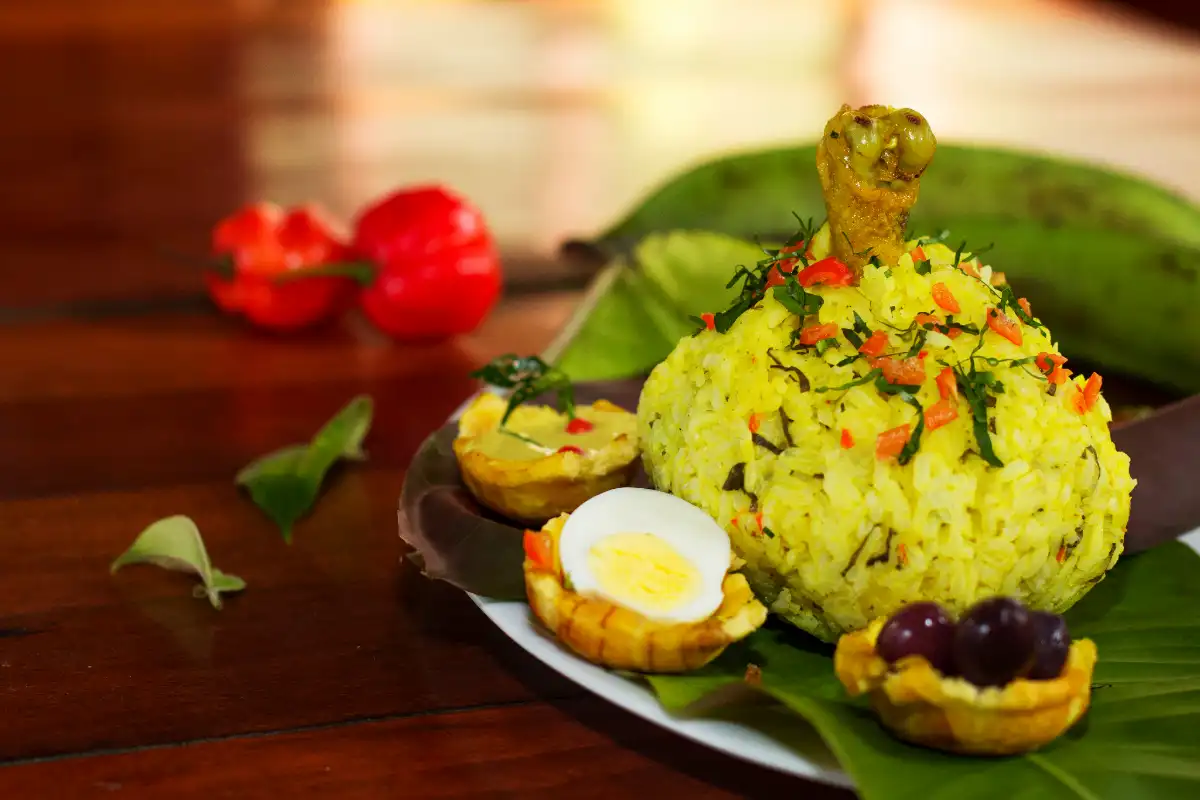
Juane is one of the best-known dishes in the Peruvian Amazon. The traditional version combines seasoned rice, hen or chicken, egg, and olives. The ingredients are wrapped in bijao leaves and cooked together, which helps retain moisture and gives the dish its distinctive aroma. Different versions can be found depending on the region and the ingredients used.
2. Tacacho with cecina
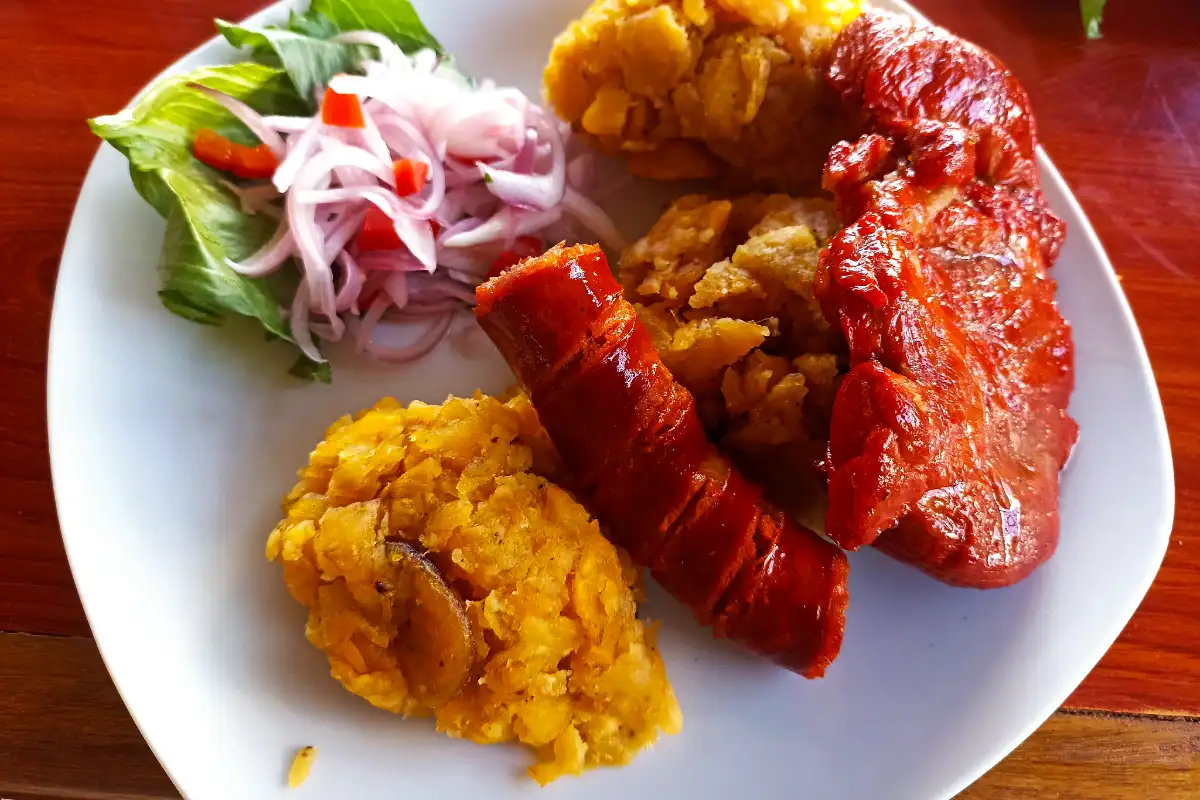
Tacacho is made with roasted or fried green plantain, which is then mashed and traditionally mixed with pork fat. It is served with cecina, salted and smoked pork that gives the dish its strongest flavor. It is also commonly served with regional sausage and ripe plantain.
3. Patarashca
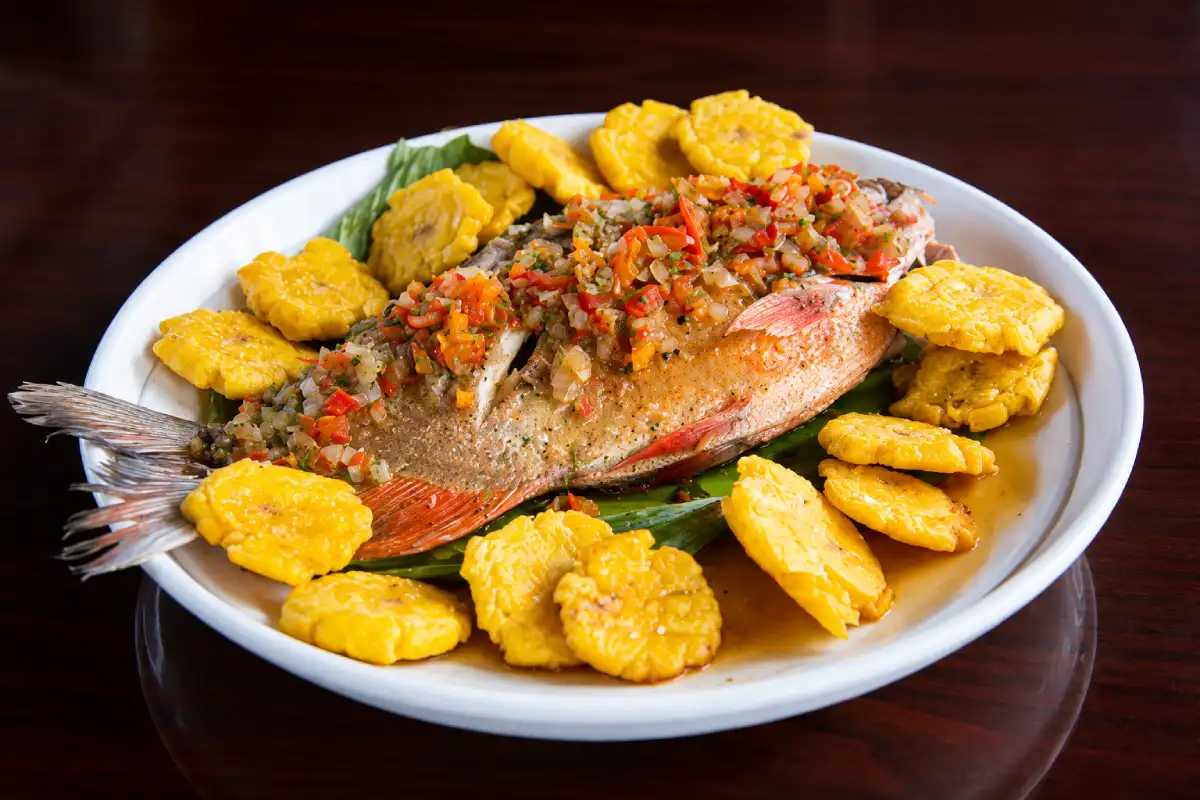
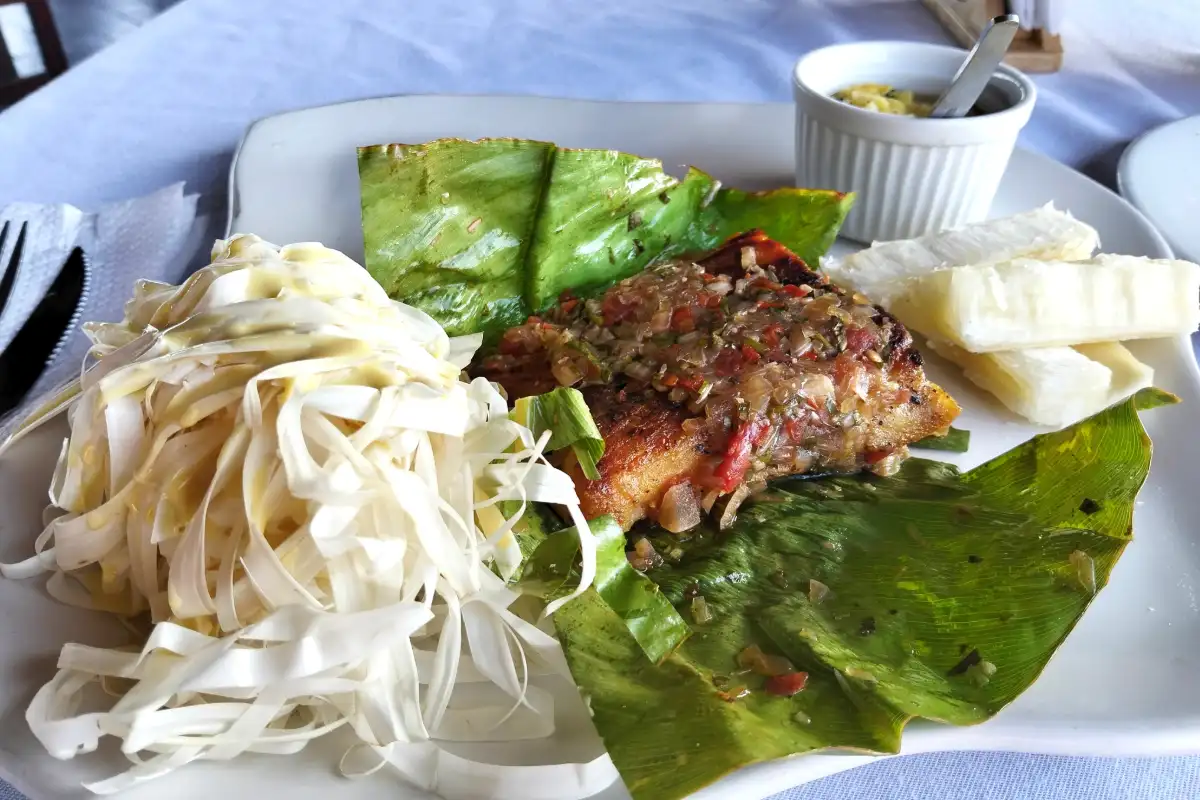
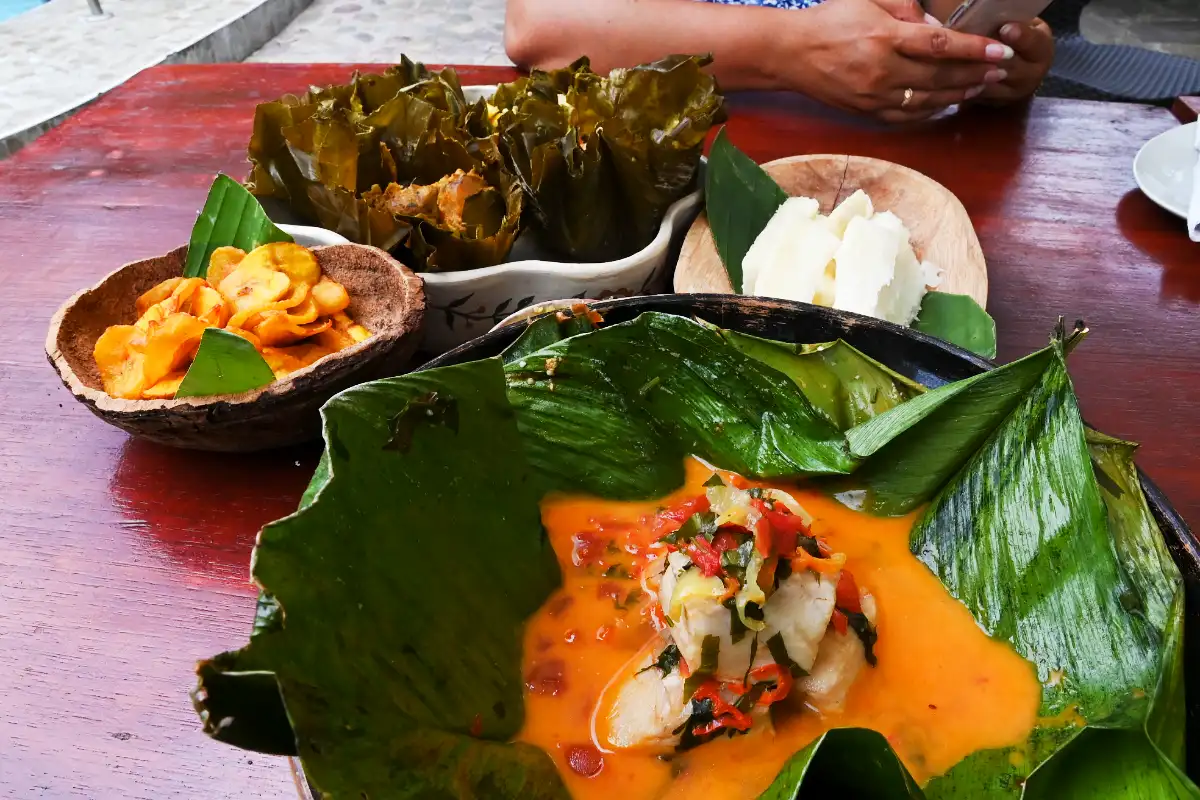
Patarashca is a traditional dish centered around river fish. The fish is seasoned with local ingredients such as sacha culantro and chili pepper, wrapped in bijao leaves, and cooked on a grill or over hot coals. The leaves help retain the fish’s juices while adding aroma during cooking. It may be served with cassava, plantain, or cocona sauce.
4. Inchicapi
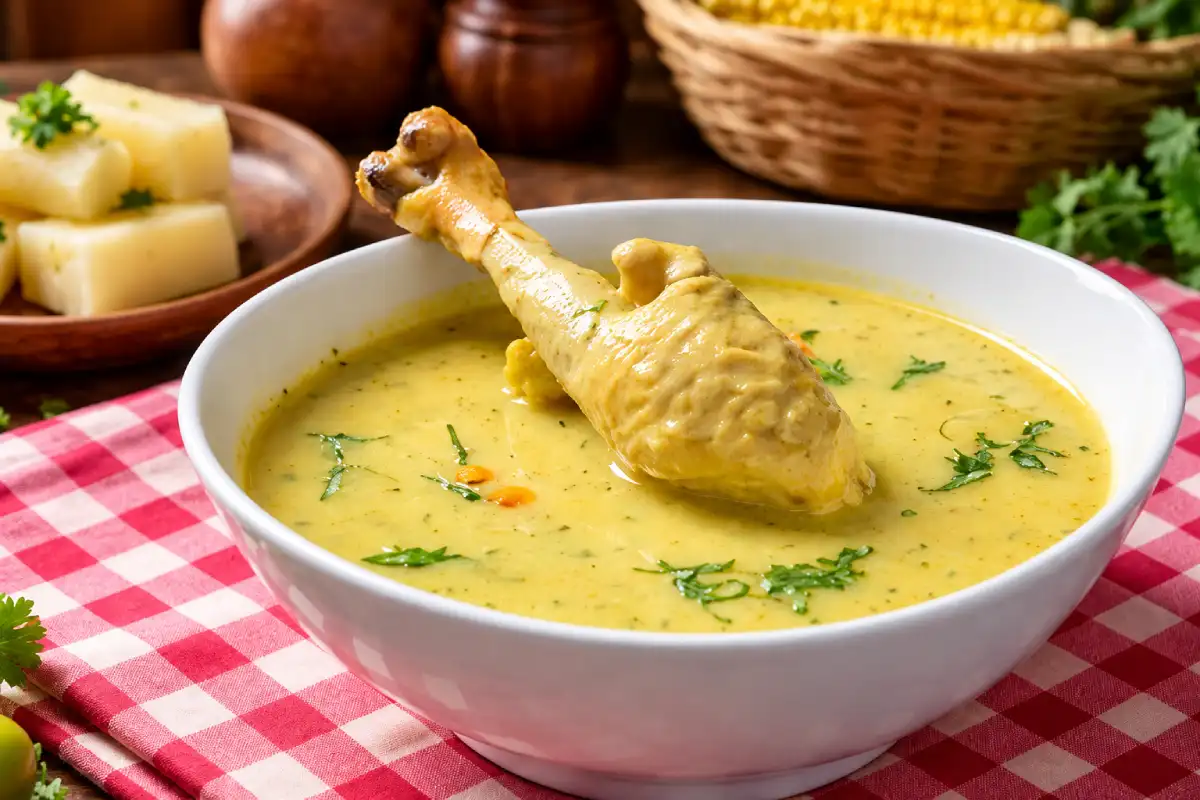
Inchicapi is a thick soup traditionally prepared with hen, peanuts, corn, cassava, and aromatic herbs such as sacha culantro. Its name is linked to the Quechua words inchik, meaning peanut, and api, associated with soup or a thick preparation. It is eaten in different parts of the Amazon and may vary slightly from one region to another.
5. Chonta salad
Chonta salad is made with tender heart of palm obtained from certain palm species. It is cut into thin strips and usually mixed with lime, onion, tomato, and other fresh ingredients. It is a light dish commonly served as a starter or side and offers a different option from Amazonian dishes based on meat or fish.
6. Timbuche or carachama fish soup
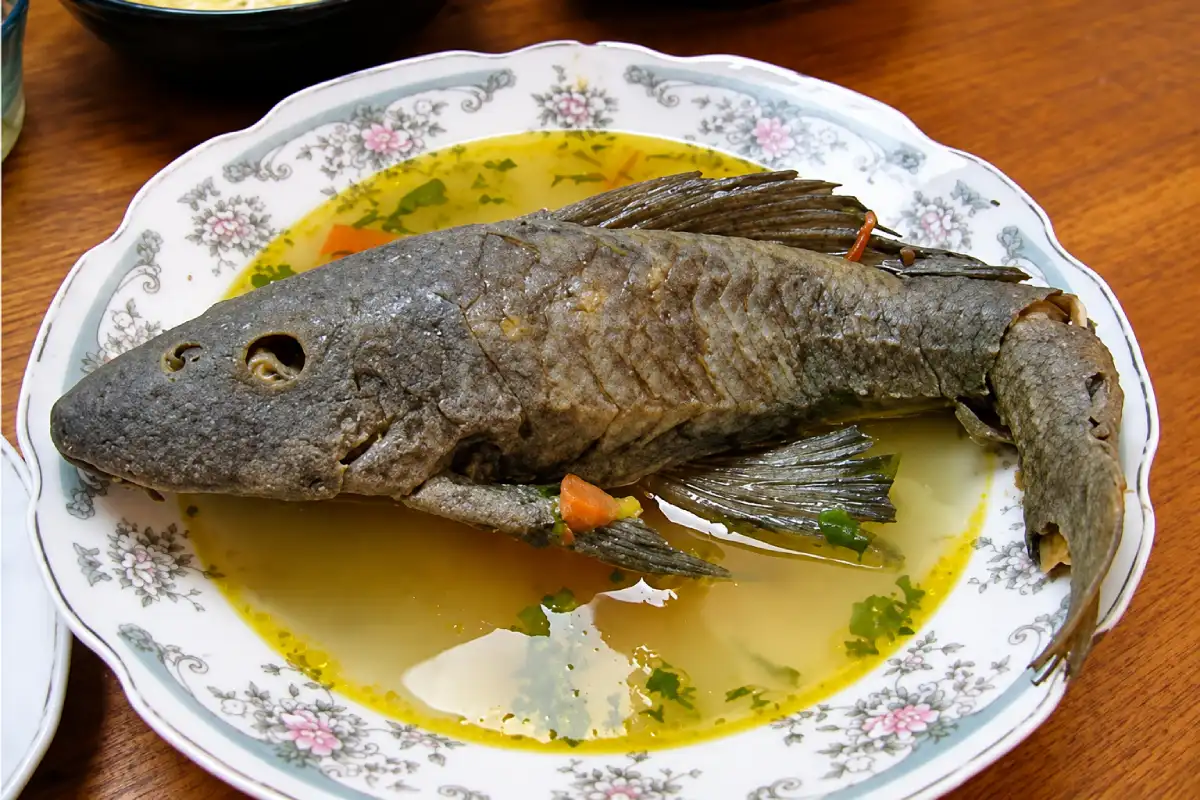
Timbuche is a traditional soup from the Peruvian Amazon and is especially popular in Loreto. Its best-known version is made with carachama, a river fish cooked with garlic, onion, sweet chili pepper, and sacha culantro. It can also be prepared with other seasonal fish and is often served with plantain, cassava, or rice.
7. Paiche
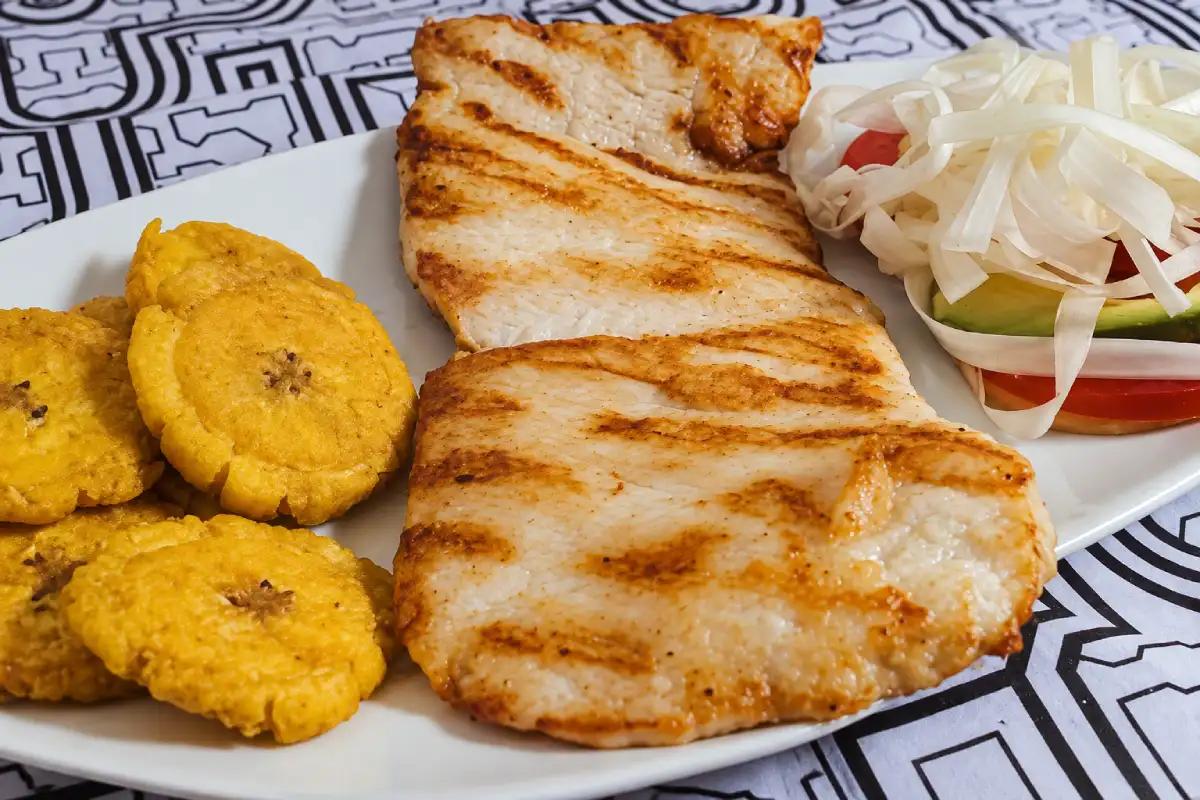
Paiche is one of the best-known fish of the Peruvian Amazon and is valued for its firm flesh. It can be served as fried or grilled fillets, as well as in dishes such as ceviche and sudado. Side dishes vary by region and often include cassava, plantain, rice, or salads made with local ingredients.
8. Fish cooked in paca bamboo
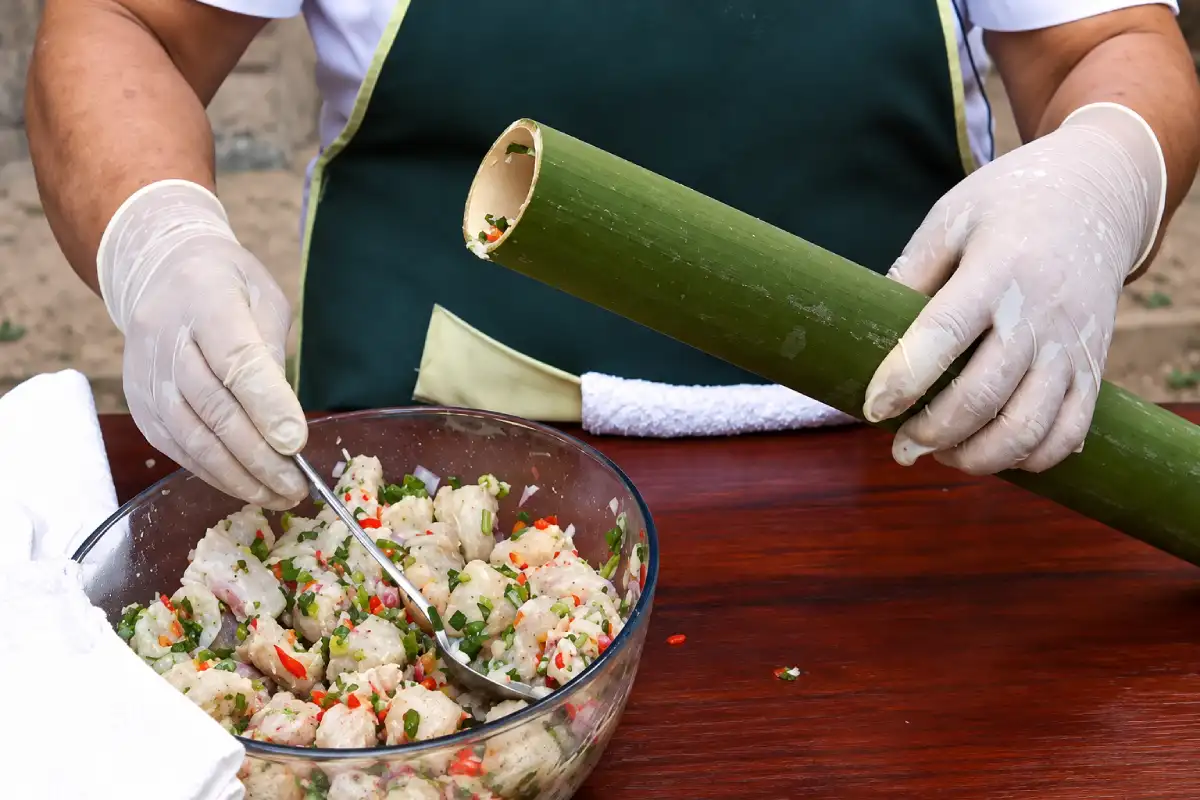
Fish cooked in paca is a traditional preparation from Madre de Dios. The fish is seasoned and cooked inside a section of paca, a type of Amazonian bamboo, which is placed near the fire until the fish is fully cooked. This method helps retain the fish’s juices and aromas and is part of the region’s traditional cooking practices.
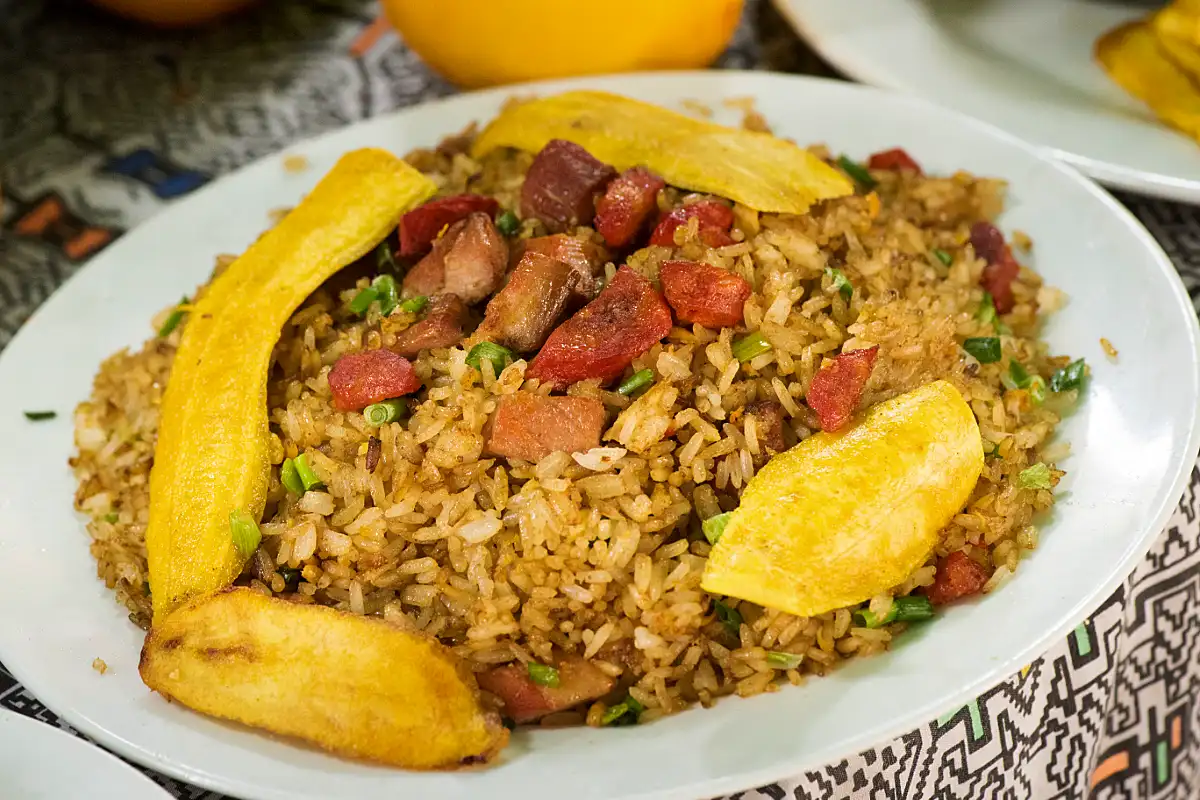
9. Amazonian chaufa
Amazonian chaufa is based on Peru’s well-known arroz chaufa but adapts it using ingredients from the jungle. One version combines stir-fried rice with cecina, regional sausage, and fried ripe plantain. The result blends the cooking style of chaufa with the smoky and slightly sweet flavors of Amazonian ingredients.
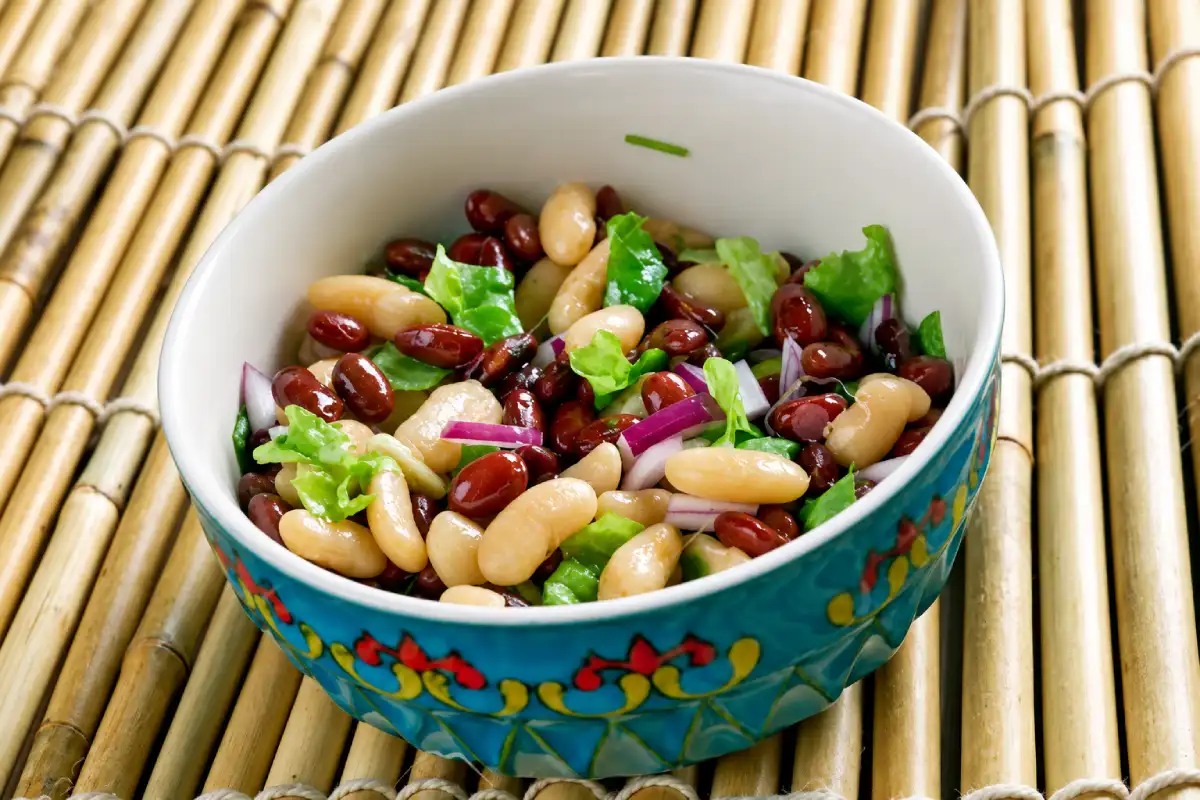
10. Purtumute
Purtumute is especially associated with the cuisine of the Amazonas region. It is prepared with beans and mote, or cooked corn kernels, along with seasonings and herbs such as cilantro or sacha culantro. Unlike many Amazonian dishes centered around fish or meat, this dish highlights grains and is usually served hot.
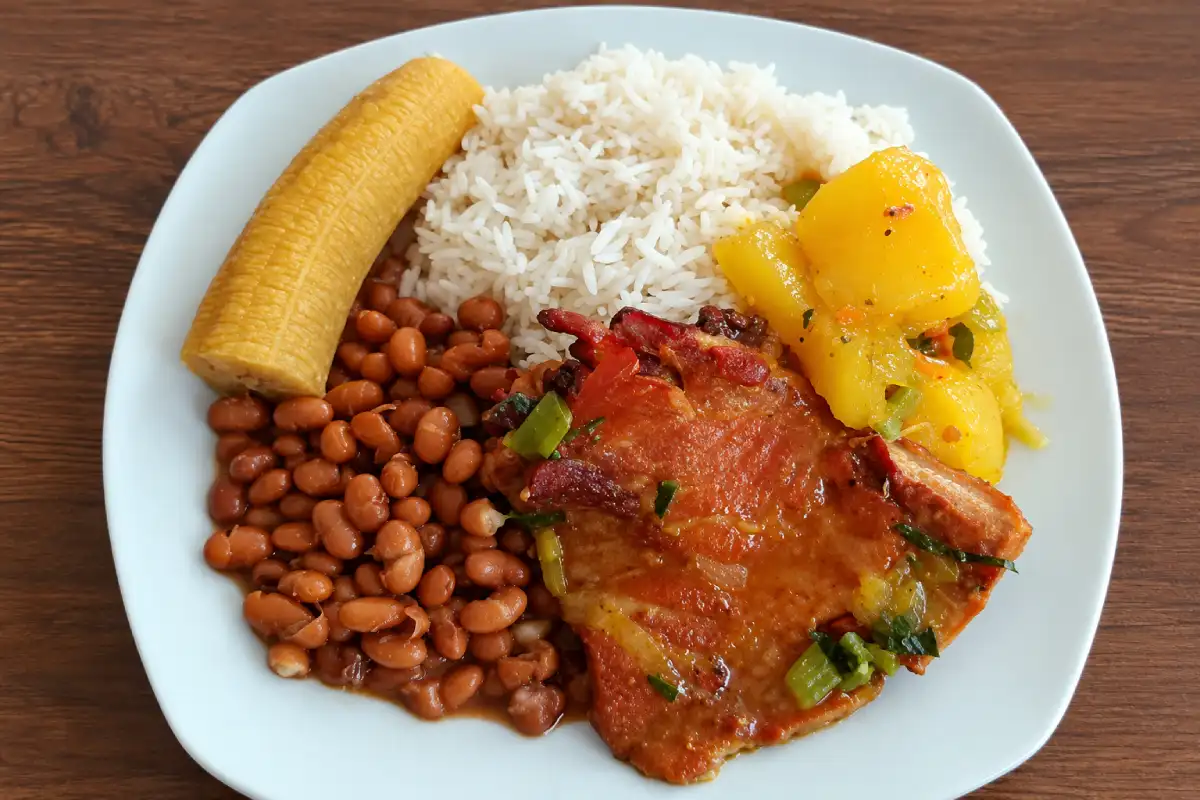
11. Majaz stew
Majaz stew is a traditional dish in some communities of the Peruvian Amazon, particularly in Loreto. It is prepared with majaz meat slowly cooked with garlic, chili pepper, tomato, cilantro, and other seasonings, and may be served with rice, cassava, or plantain. Because majaz is a wild animal, it should always come from legally authorized sources.
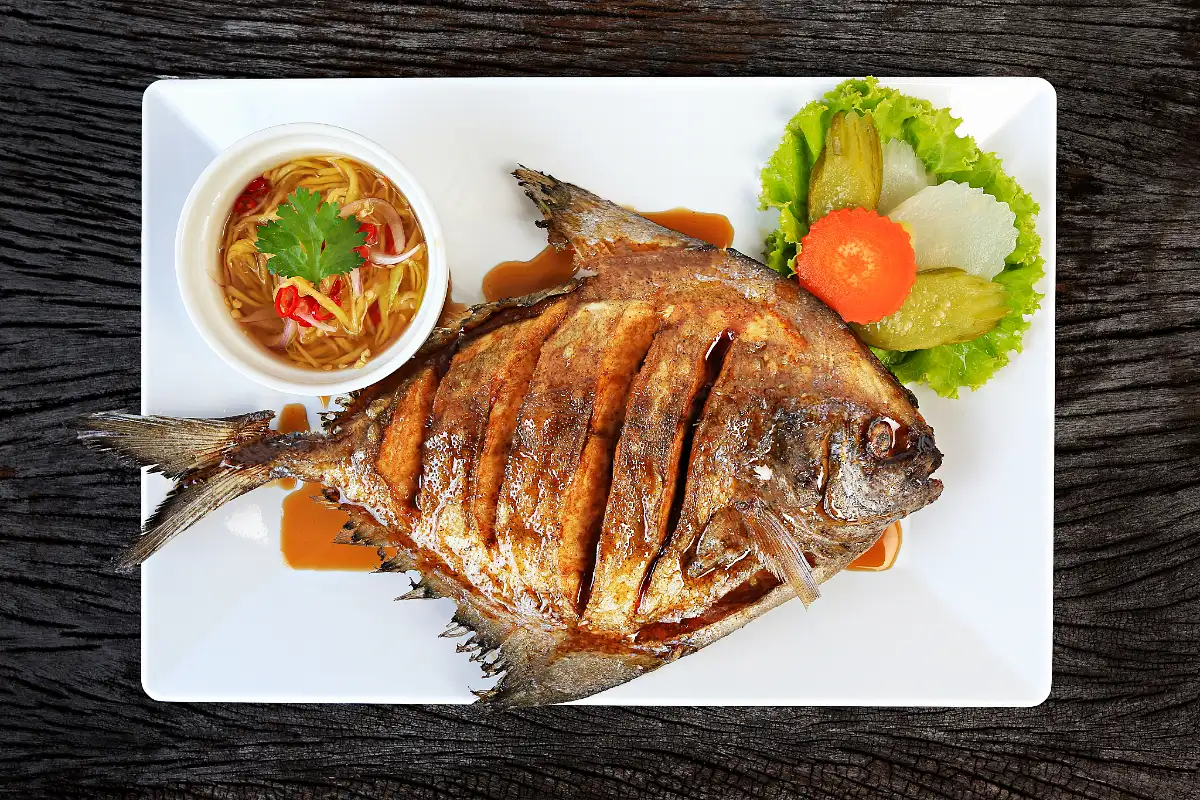
12. Fried palometa
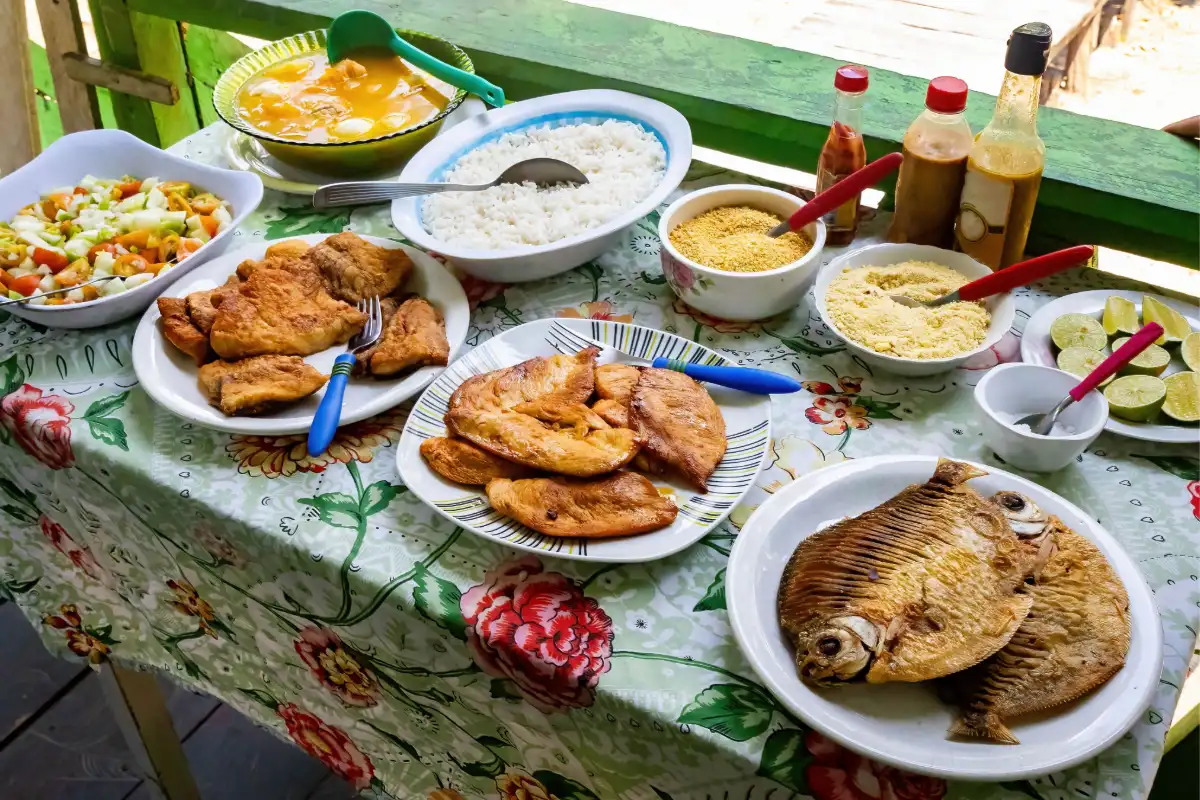
Palometa is one of the fish found in Amazonian rivers and can be prepared in simple ways that preserve its natural flavor. One common preparation is to fry it until the outside becomes golden and crisp. Depending on the area, it may be served with cassava, plantain, rice, salad, or an Amazonian chili sauce.
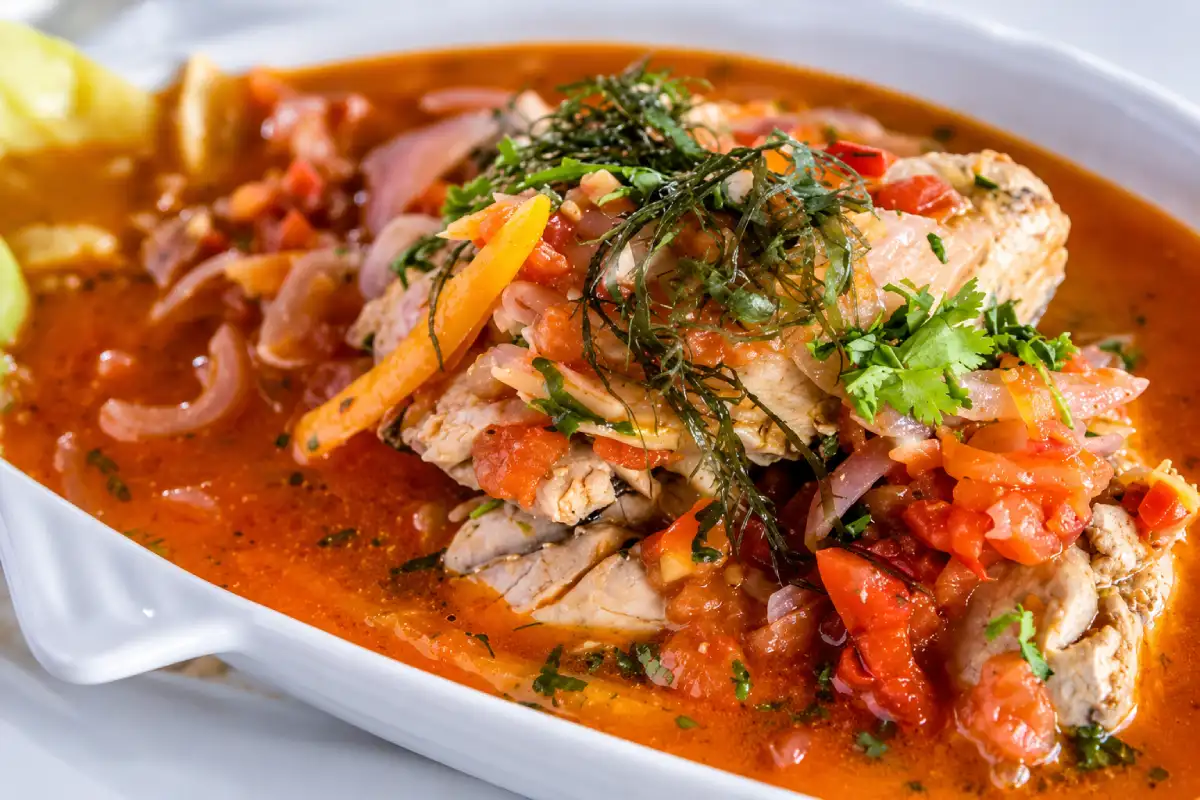
13. Doncella fish sudado
Doncella sudado is a fish dish slowly cooked with onion, tomato, chili pepper, aromatic herbs, and other seasonings. As it cooks, the fish releases its juices, which blend with the other ingredients to form a light sauce. It is commonly served with rice, cassava, or plantain.
14. Amazonian churos
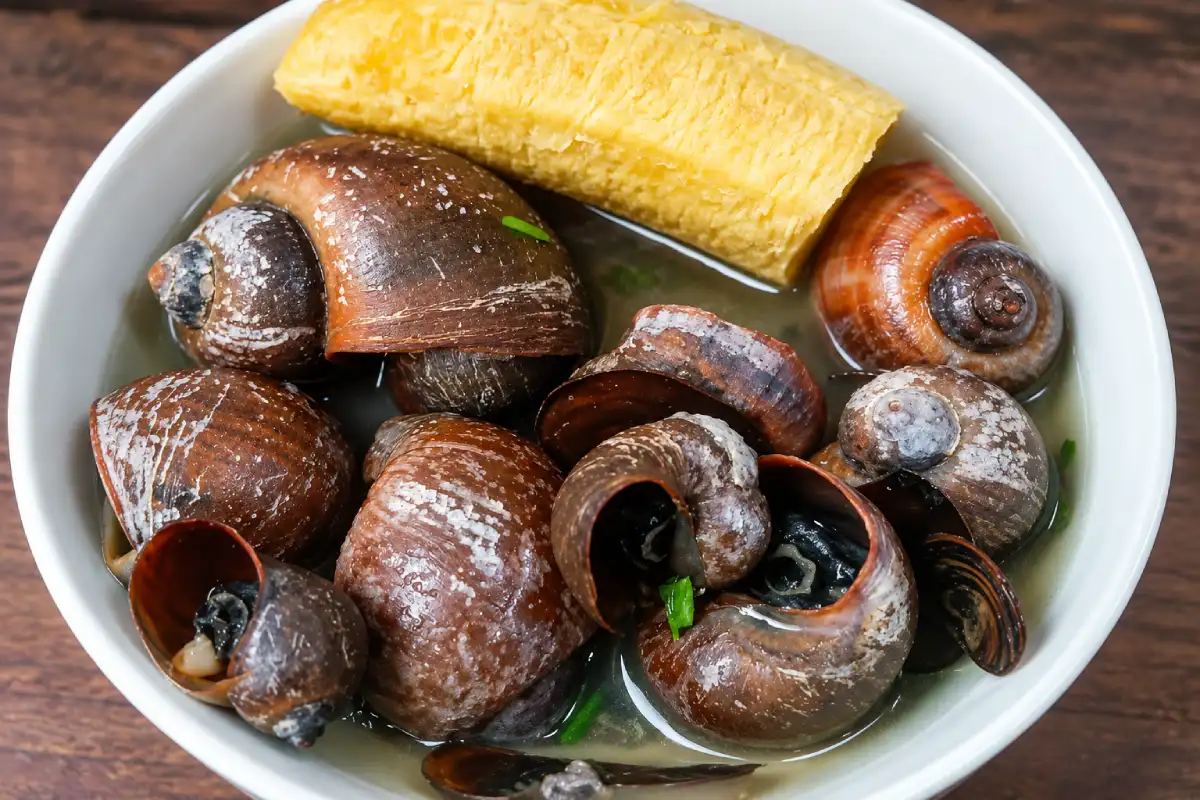
Amazonian churos are freshwater snails traditionally eaten in different parts of the Amazon. After being cleaned and cooked, the edible portion is removed from the shell and can be used in stews or other dishes with local seasonings. It is less familiar to many visitors but is part of the region’s culinary diversity.
15. Suri
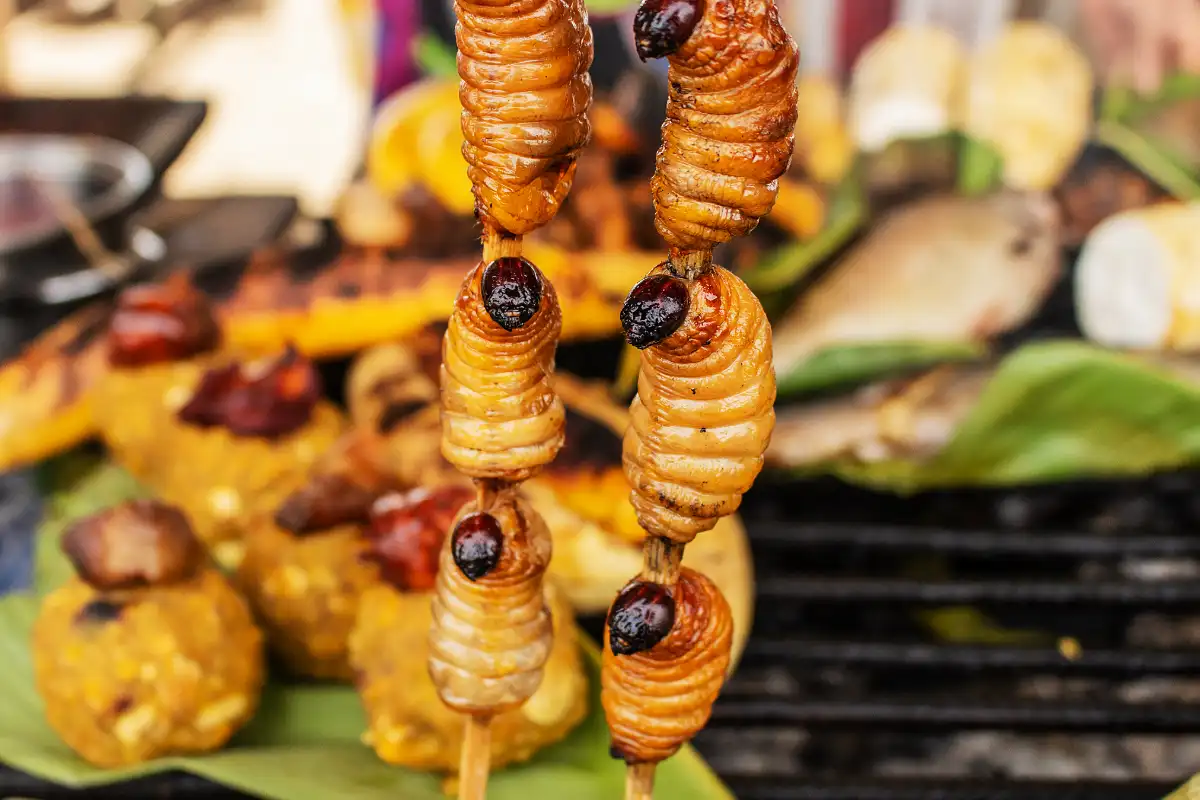
Suri is the larva of a beetle that develops in certain Amazonian palms and is part of the traditional diet of some communities in the jungle. It can be fried, boiled, or placed on skewers and cooked over a fire. For many travelers, it is one of the most unusual foods they may come across in Amazonian markets and local food stalls.
Bonus: Mamacos or siquisapas
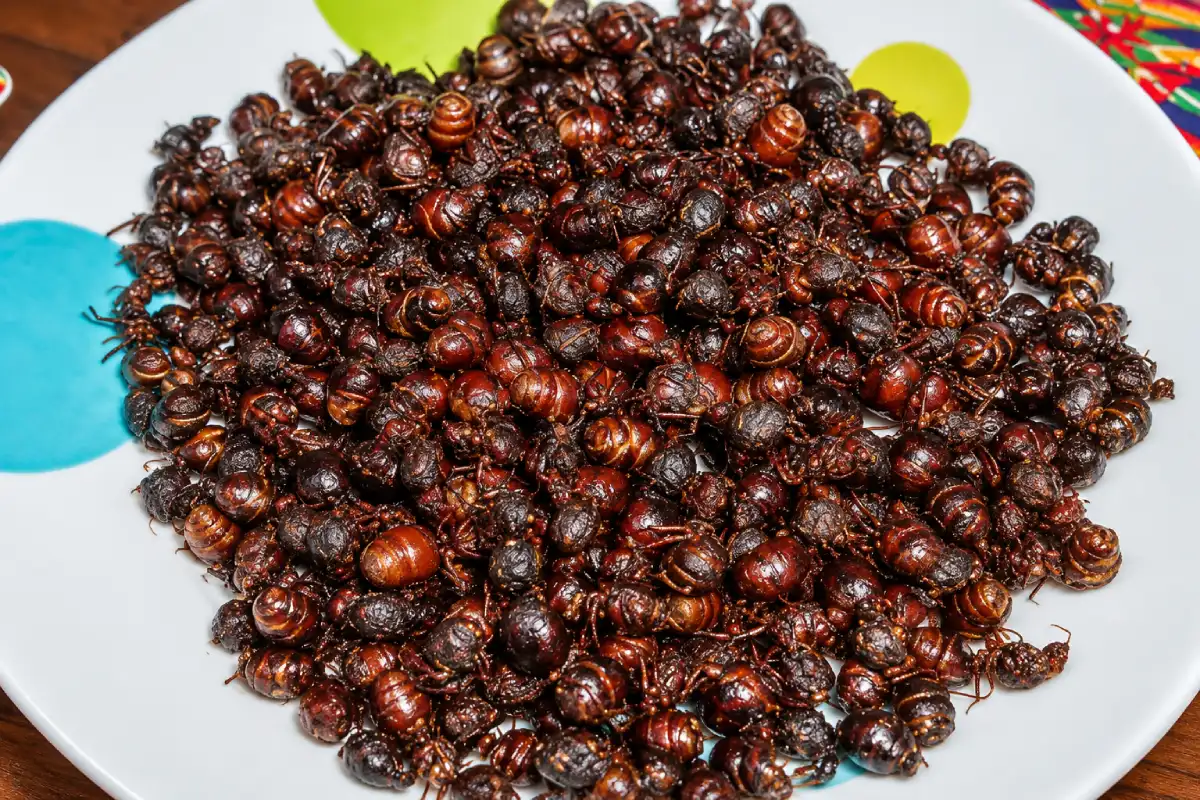
Mamacos, also known as siquisapas, are large ants traditionally eaten in some areas of San Martín, particularly around Rioja and Moyobamba. They are usually collected during certain times of the year, and one of the most traditional ways to prepare them is toasted or fried with salt. They can also be used in modern dishes inspired by Amazonian cuisine.
Traditional drinks of the Peruvian Amazon
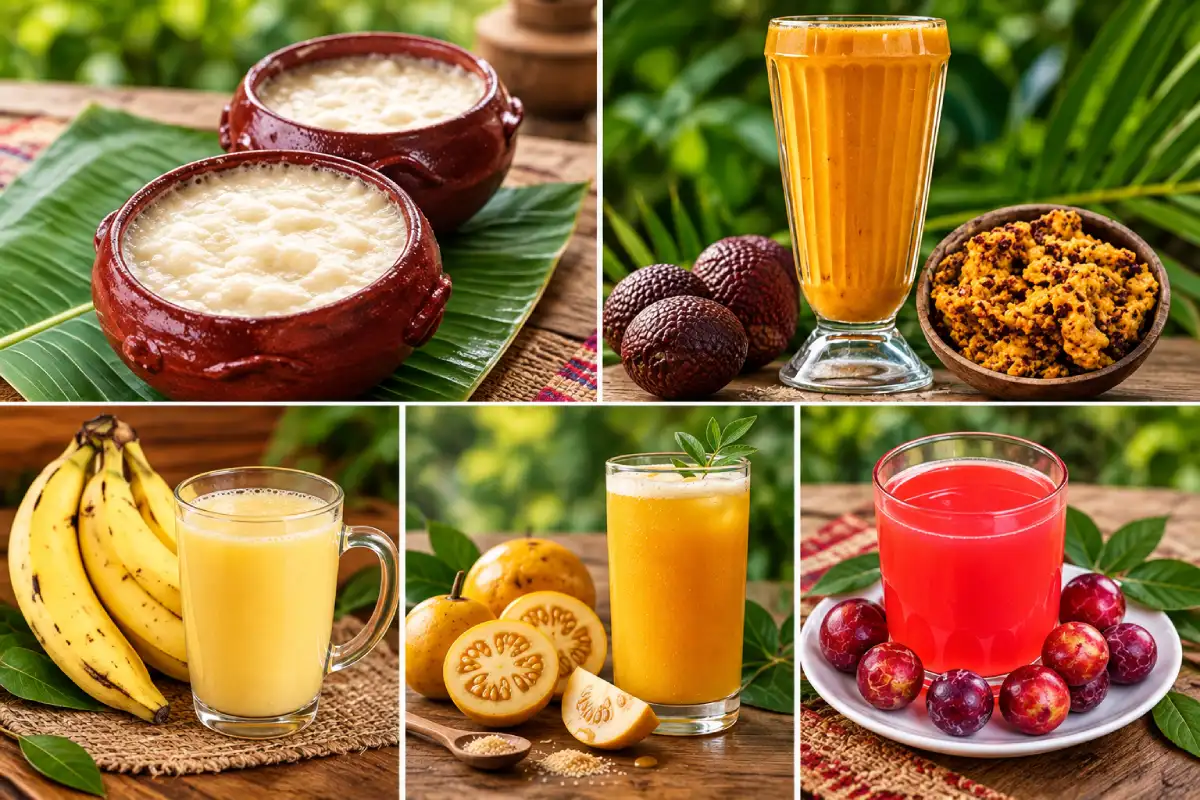
Amazon Peru drinks are made from ingredients such as cassava, plantain, aguaje, cocona, and camu camu. Some are enjoyed fresh, while others go through traditional fermentation processes. Among the best known are masato, aguajina, chapo, and refreshing fruit-based drinks.
- Masato: A traditional drink made mainly from cooked cassava. Depending on the community, it may go through a fermentation process that changes its flavor and consistency.
- Aguajina: Made with aguaje pulp, water, and, in some recipes, sugar. It has a slightly creamy texture and a distinctive flavor.
- Chapo: A drink made with cooked ripe plantain blended with water. Some versions also include milk or spices.
- Cocona drink: Made with cocona pulp, water, and a sweetener. It has a tart and refreshing flavor.
- Camu camu drink: Prepared with camu camu, water, and a sweetener. It is known for its strong and noticeably tart flavor.
Typical ingredients in Peruvian Amazon food
Amazon Peru ingredients come mainly from local crops, rivers, and native plant species. Plantain, cassava, river fish, herbs, and chili peppers frequently appear in local dishes, although their use can vary between regions and communities.
These ingredients help give Peruvian jungle food its distinctive aromas, textures, and flavors.
| Ingredient | How it is used in Amazonian cuisine |
| Green plantain | Used in dishes such as tacacho and served as a side with many other meals. |
| Cassava | Served boiled, added to soups, or used in different traditional dishes. |
| River fish | The main ingredient in dishes such as patarashca, timbuche, ceviche, and sudado. |
| Chonta | Eaten fresh, especially in salads and starters. |
| Peanuts | Add flavor and texture to soups and dishes such as inchicapi. |
| Ají charapita | Used to add a spicy kick to sauces and meals. |
| Sacha culantro | An aromatic herb used to flavor fish, soups, and meat dishes. |
| Bijao leaves | Used to wrap food before cooking, as in juane and patarashca. |
| Cecina | Salted and smoked pork commonly used in regional dishes. |
| Regional sausage | Served with traditional dishes and adds a stronger, richer flavor. |
Traditional cooking techniques
Cooking techniques in Amazonian cuisine are closely connected to the ingredients available in the region and to traditional methods of preparing and preserving food. Leaves, hot coals, smoke, and natural containers are used to prepare fish, meat, rice, and plantains in different ways.
- Cooking in bijao leaves: Food is wrapped before cooking, as with juane and patarashca.
- Grilling over coals or an open flame: Commonly used for fish and some types of meat.
- Smoking: Helps preserve food and adds a stronger flavor, as with cecina.
- Mashing plantain: Mainly used to prepare tacacho.
- Fermentation: Part of the traditional preparation process for drinks such as masato.
- Cooking in paca bamboo: Uses Amazonian bamboo to cook food, especially fish, in Madre de Dios.
Where can you try typical Peruvian jungle food?
The main cities of the Peruvian Amazon have markets, regional restaurants, and food fairs where you can try local dishes and ingredients. If you are looking for an Amazon Peru food restaurant, cities such as Iquitos, Tarapoto, Pucallpa, Puerto Maldonado, and Chachapoyas offer many opportunities to explore regional cuisine.
An Amazon Peru meal can vary significantly from one destination to another, depending on local ingredients, river fish, seasonal products, and regional traditions.
| Destination and region | Where to try local food | What you’ll find |
| Iquitos, Loreto | Local markets, regional restaurants, and food fairs | River fish, Amazonian drinks, and traditional cuisine from Loreto |
| Tarapoto, San Martín | Traditional restaurants, markets, and countryside restaurants | Dishes made with plantain, pork, and regional ingredients |
| Pucallpa, Ucayali | Markets, regional restaurants, and local food stalls | River fish and traditional cuisine from Ucayali |
| Puerto Maldonado, Madre de Dios | Local markets and Amazonian restaurants | Fish, forest products, and dishes typical of Madre de Dios |
| Chachapoyas, Amazonas | Markets and regional restaurants | Dishes made with grains, corn, and local products from Amazonas |
Typical Peruvian jungle dishes by region
Although many recipes are eaten in different parts of the Amazon, each region has dishes that are especially important to its local cuisine. Loreto, San Martín, Ucayali, Amazonas, and Madre de Dios each offer different ways of preparing river fish, meat, grains, plantain, cassava, and other locally available ingredients.
Together, these regional traditions form an important part of Peruvian cuisine and show how diverse Peruvian traditional food can be beyond the country’s best-known dishes.
Loreto
Loreto is known for dishes such as timbuche, doncella ceviche, and different preparations made with paiche, as well as the traditional juane. Iquitos is one of the main places to discover these flavors and find a wide variety of river fish, drinks, and ingredients from the Amazon.
San Martín
San Martín has a cuisine closely connected to plantain and pork. Some of its best-known dishes include juane, nina juane, inchicapi, tacacho, and cecina. In cities such as Tarapoto, these dishes are commonly found in regional restaurants, markets, and places frequently visited by local residents.
Ucayali
In Ucayali, dishes such as patarashca, inchicapi, inchicucho, juane, and tacacho with cecina are common. River fish play an important role in the regional cuisine, including paiche and other Amazonian species. Plantain and cassava are also frequently used as ingredients or side dishes.
Amazonas
The Amazonas region combines ingredients from jungle areas with products also found in the Andes. One of its best-known dishes is purtumute, which is made mainly with beans and mote. Other recipes based on grains, corn, and local herbs also reflect the distinctive cuisine of this region.
Madre de Dios
Madre de Dios is known for dishes such as fish cooked in paca bamboo, where the fish is prepared using Amazonian bamboo. Other popular dishes include tacacho with cecina, juane, patarashca, and chonta salad. Puerto Maldonado is one of the main places to discover this cuisine and taste ingredients sourced from the region’s rivers and forests.
Amazonian food during the Festival of San Juan
The Festival of San Juan is celebrated every June 24 and is one of the most important dates in the Peruvian Amazon. During the celebration, juane takes on a special role and is prepared in homes, markets, and at different festive events. Its presence during this date is part of a tradition widely observed in Amazonian cities and communities.
In the days around the celebration, it is also common to find fairs and food events serving tacacho, patarashca, regional drinks, and other local products. For travelers, this is a great time to see how food is closely connected to the celebrations and traditions of Amazonian communities.
Tips for trying Peruvian jungle food during your trip
Trying local cuisine is an important part of traveling through the Amazon. However, the variety of ingredients, dishes, and flavors may be unfamiliar to some visitors. These recommendations can help you enjoy the experience while discovering a different side of Peruvian food.
- Start with the best-known dishes: Juane, tacacho with cecina, and patarashca are good choices for discovering Amazonian cuisine.
- Ask about the spice level: Some sauces contain ají charapita, which can be quite hot.
- Try river fish: Ask which species is being used and choose dishes where the fish is thoroughly cooked.
- Visit local markets: They are great places to discover fruits, drinks, and ingredients that may not always appear on restaurant menus.
- Ask about ingredients if you have allergies: Some dishes may contain peanuts, fish, eggs, or other ingredients that are worth checking before ordering.
- Enjoy seasonal fruits: The availability of aguaje, camu camu, cocona, and other fruits can change throughout the year.
- Choose places with a high turnover of food: This is especially important when eating fish, drinking fresh juices, or trying other fresh products.
- Don’t try everything in one day: Many dishes are quite filling, so it is better to spread them out over your trip.
Frequently Asked Questions
Is Peruvian jungle food spicy?
Not necessarily. Many Amazonian dishes have strong flavors from herbs, smoking, and seasonings, but not all of them are spicy. Ají charapita can be quite hot and is often used in sauces or served as a condiment. If you do not eat spicy food, ask before adding it to your meal.
Are there vegetarian options in Peruvian Amazon cuisine?
Yes, although many traditional dishes include fish, chicken, or pork. You can find chonta salad, cassava, plantain, rice, Amazonian fruits, and other vegetable-based dishes. Tourist restaurants are also more likely to offer vegetarian versions of some traditional meals.
Do Amazonian dishes contain peanuts or other allergens?
Some do. Inchicapi, for example, contains peanuts, while traditional juane usually includes egg and chicken. Fish and other ingredients that may cause allergies are also common. If you have any dietary restrictions, ask about the ingredients and preparation method before ordering.
How much does it cost to eat in the Peruvian Amazon?
Prices depend on the city and the type of establishment. As a general reference, a simple meal may start at around S/20, while a regional dish in a restaurant may cost about S/25 to S/40 or more. Tourist restaurants and specialty dishes are usually more expensive.
What should I keep in mind when eating at local markets?
Look for stalls with a steady flow of customers and check that food is properly stored and prepared fresh. Meat and fish are best eaten thoroughly cooked. If you buy juices or other drinks, you can also ask what type of water is used to prepare them.
Are typical Amazonian dishes available throughout the year?
Popular dishes such as juane, tacacho with cecina, and patarashca are generally available throughout much of the year in the main Amazonian cities. However, some fish, fruits, and other fresh ingredients may vary depending on the season and availability in each region.

Add new comment