



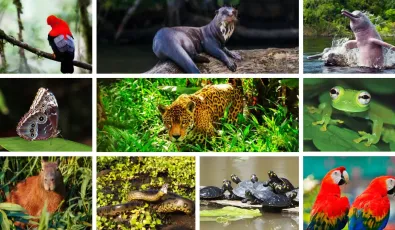
Between the towering Andes and the Amazon rainforest lies Manu National Park, one of Peru’s most biodiverse natural areas. Its landscapes shift from high-altitude grasslands and cloud forests to winding rivers and tropical lowlands, home to hundreds of species of birds, mammals, reptiles, and plants.
In this guide, you will discover where the park is located, how to get there, which areas you can visit, entrance fees, and the unforgettable experiences you can enjoy along the way.
What Is Manu National Park?
Manu National Park is a vast natural sanctuary covering approximately 1.7 million hectares, stretching from the cold Andean highlands to the dense Amazon lowlands of southern Peru. This protected area preserves an extraordinary variety of wildlife, plant species, unique landscapes, and ancestral native communities.
Where is Manu National Park?
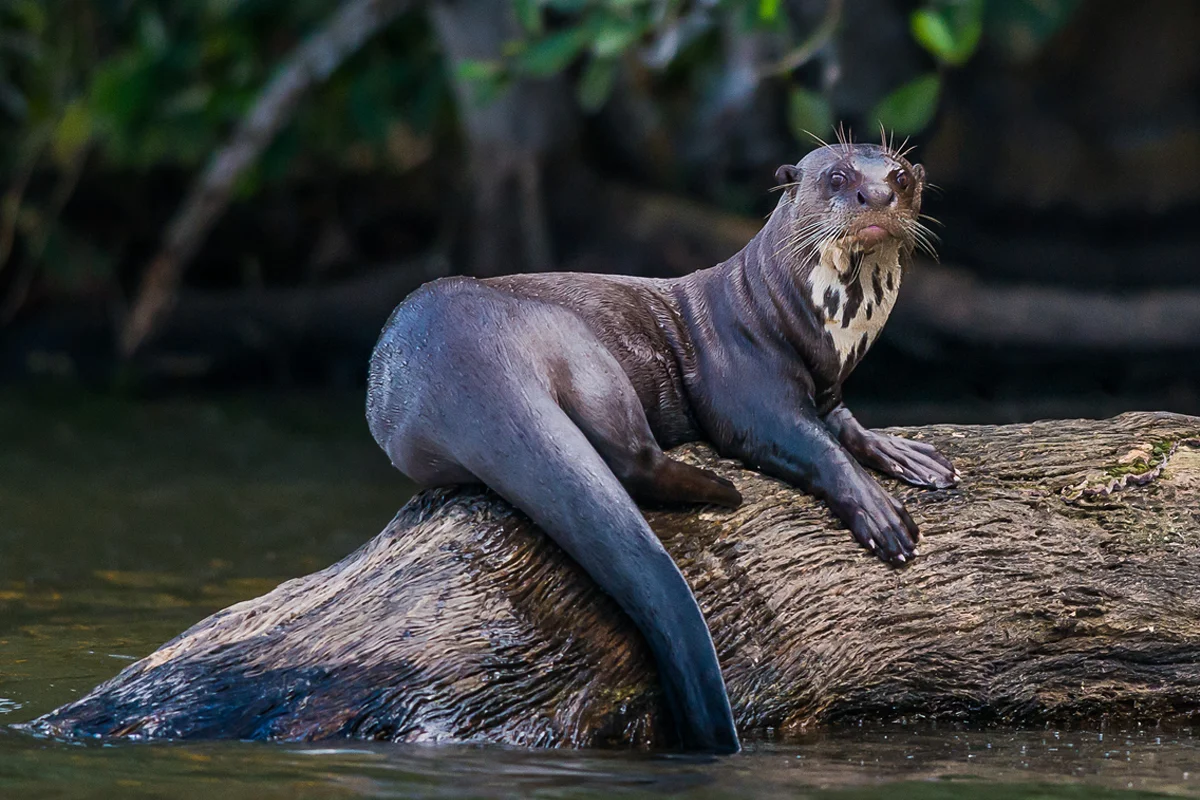
Manu National Park is located in southeastern Peru, on the eastern slopes of the Andes, around 650 km from Puerto Maldonado. It extends across parts of Paucartambo Province in Cusco and Manu Province in Madre de Dios.
Its territory begins near the heights of Apu Kañajhuay, at more than 4,000 m above sea level, and descends to approximately 300 m, where the Manu and Madre de Dios rivers meet, creating a landscape as diverse as it is remarkable.
Biosphere Reserve vs. National Park
When reading about Manu, you will often come across the terms Biosphere Reserve and National Park. Although they are closely related, they are not the same. Their main differences are:
Manu Biosphere Reserve | Manu National Park | |
Definition | An area recognized by UNESCO in 1977 | An area protected by the Peruvian government since 1973 |
Purpose | To conserve nature and promote the sustainable development of local communities | To protect biodiversity while recognizing and preserving the cultural diversity of native communities |
Area | More than 260,240 ha. It includes Manu National Park and the surrounding areas | More than 1,716,295 ha. It forms part of the Manu Biosphere Reserve |
Manu’s Designation as a World Heritage Site
Manu National Park was declared a UNESCO Natural World Heritage Site in 1987 because of its extraordinary biodiversity and the remarkable preservation of ecosystems found in few other places on Earth.
Why Is Manu Important?
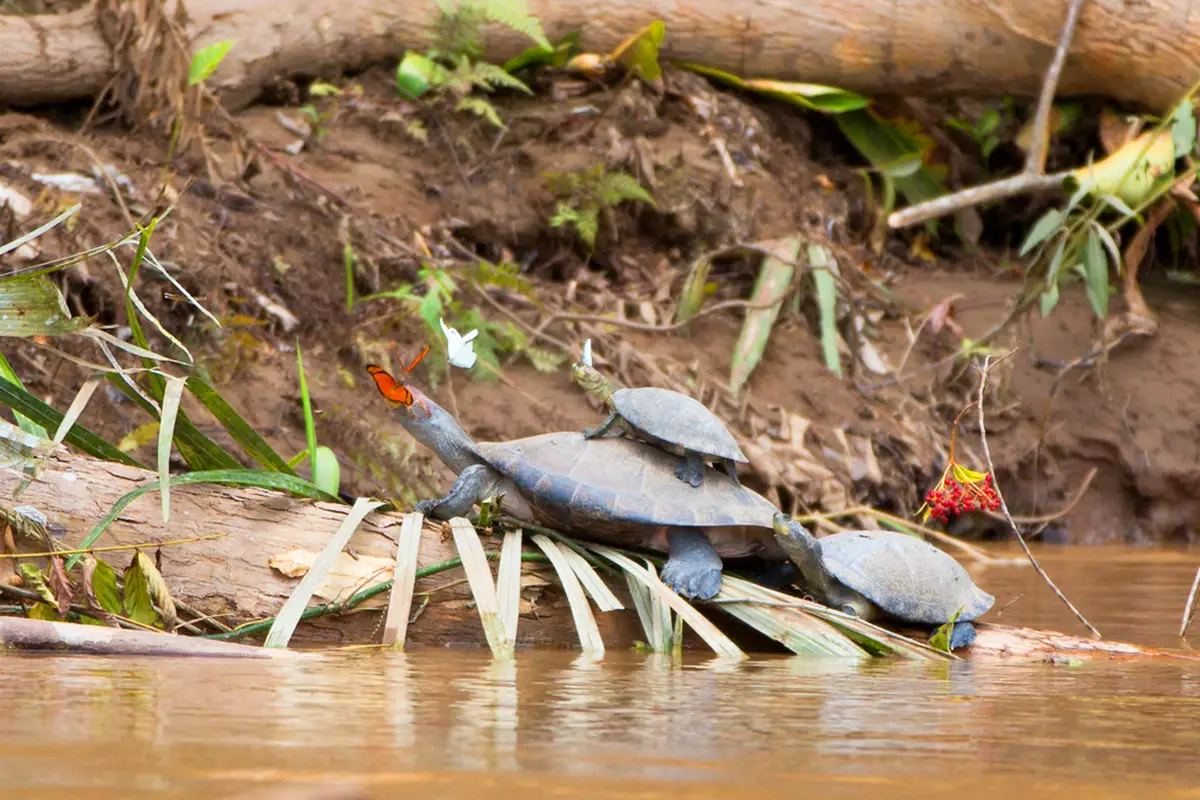
Manu is considered one of the Amazon’s most remarkable natural areas. It protects extraordinary biodiversity and offers the chance to discover a unique mosaic of ecosystems and landscapes. It also preserves a valuable cultural heritage maintained by its native peoples for centuries.
Ecosystems of Manu
Puna | 4,050–3,500 m (13,287–11,483 ft)
This ecosystem is found in the highest areas of Manu. It is characterized by vast grasslands covered with tough Andean grass, known locally as ichu, along with small areas of trees that can grow up to 5 meters tall. This environment is mainly home to rodents, birds, amphibians, and other species adapted to the cold and low oxygen levels.
The highest point is the mountain, or Apu, Kaajhuay, whose Quechua name means “the one who is close to God.”
Elfin Forest | 3,500–2,500 m (11,483–8,202 ft)
This ecosystem marks the transition between the cold Andean highlands and the humid tropical forests. Here, plant and animal species from the high-altitude grasslands blend with those found in the mountain forests.
It is distinguished by its smaller trees, which grow between 12 and 15 meters tall, as well as its abundance of shrubs. It is also home to several endemic species and can experience humidity levels close to 100% due to the clouds rising from the cloud forest.
Cloud Forest | 2,500–1,300 m (8,202–4,265 ft)
As its name suggests, this ecosystem is frequently covered by clouds and mist, which can sometimes reduce visibility to just a few meters. Moisture blankets the vegetation and brings regular rainfall throughout much of the year.
Unlike the elfin forest, trees here can grow more than 20 meters tall. In this area, Manu’s extraordinary variety of plants and wildlife becomes even more noticeable.
Rainforest | 1,300–500/600 m (4,265–1,640/1,969 ft)
In the rainforest, the terrain becomes gentler, with fewer steep slopes than in the cloud forest. Because of these conditions, some areas have been used for agriculture since Inca times.
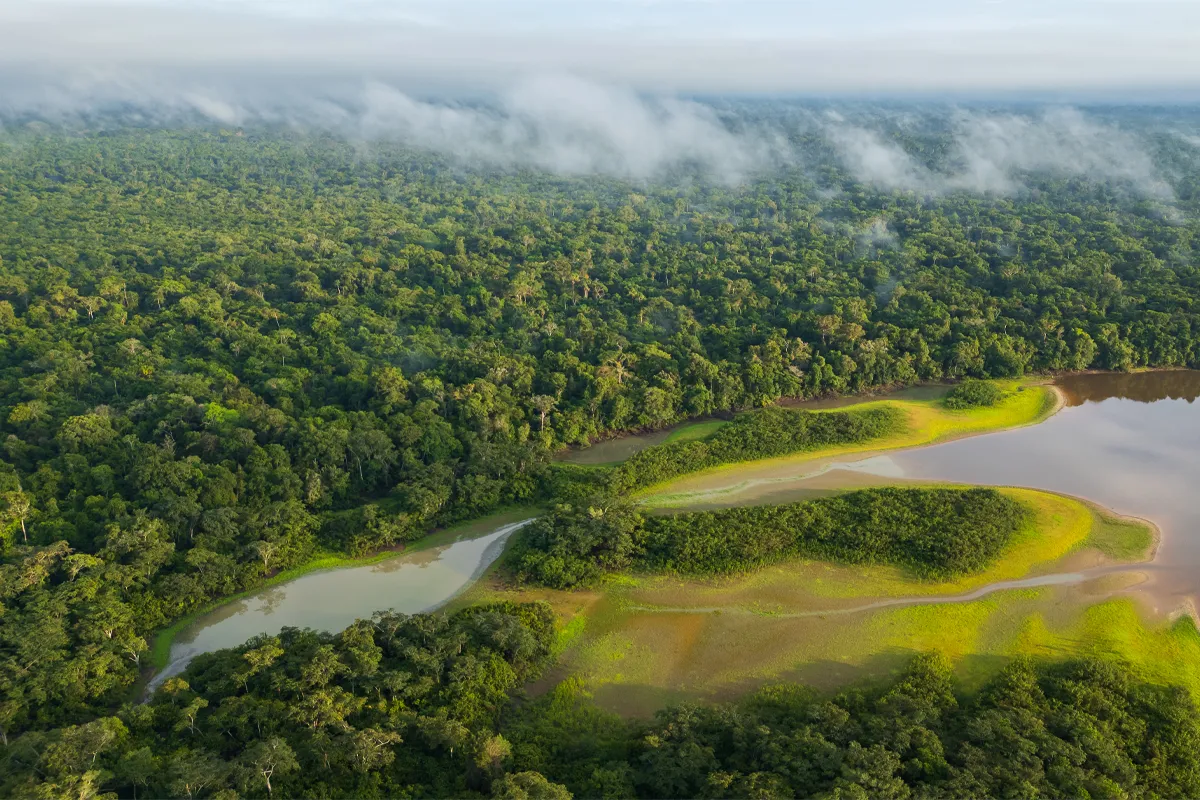
Life thrives in every corner and is spread across different layers of vegetation, from enormous trees rising more than 30 meters above the ground to an understory of shrubs, ferns, and plants growing close to the forest floor.
Biodiversity of Manu
- More than 3,500 plant species
- 1,650 tree species
- 750 orchid species
- More than 228 mammal species
- 8 wild cat species
- 15 primate species
- More than 1,000 bird species, representing approximately 10% of all bird species recorded worldwide
- 27 macaw species
- Reptiles and amphibians
- 158 amphibian species
- 132 reptile species, including:
- 50 snake species
- 40 lizard species
- 6 turtle species
- 3 caiman species
- Insects and fish
- More than 1,300 butterfly species
- 650 beetle species
- 300 ant species
- 210 fish species
So, Is Manu National Park Worth Visiting?
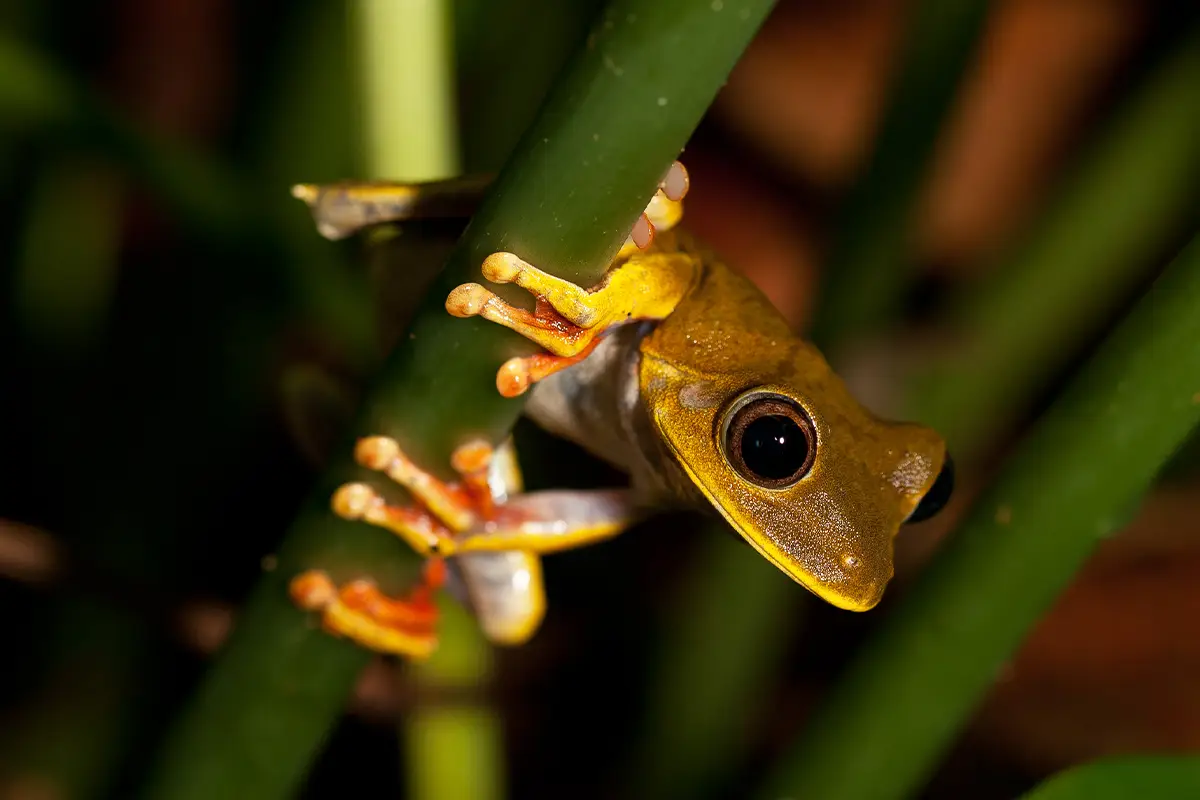
Yes, Manu National Park is absolutely worth visiting, especially if you are interested in nature, photography, and wildlife watching. It is the perfect destination for travelers seeking an authentic experience away from conventional tourism and surrounded by untouched nature.
How to Get to Manu
Manu National Park can be reached by three main routes: overland, river, and air.
- Overland route: departs from Cusco and enters through Paucartambo Province.
- River route: involves traveling along the Madre de Dios River to the village of Boca Manu.
- Air route: a flight by small aircraft to the airstrip in the Diamante community, near the village of Boca Manu.
Traveling to Manu from Cusco
From Cusco, the journey to Manu begins with a drive along paved and unpaved roads:
- Access to the Andean highlands:
- Route (overland): Cusco - Paucartambo - Acjanaco - Tres Cruces
- Travel time: 4 hours
- Distance: 143 km
- Route (overland): Cusco - Paucartambo - Acjanaco - Tres Cruces
- Access to the Pusharo sector:
- Section 1 (overland): Cusco - Atalaya
- Travel time: 9 hours
- Section 2 (by river): Atalaya - Santa Cruz - Pusharo
- Travel time: 5 hours
- Section 1 (overland): Cusco - Atalaya
- Access to the Manu River sector:
- Section 1 (overland): Cusco - Atalaya
- Travel time: 9 hours
- Section 2 (by river and road): Atalaya - Manu River
- Travel time: 6 hours
- Section 1 (overland): Cusco - Atalaya
Traveling independently to Manu from Cusco: The journey begins in the district of San Jerónimo, where you can take a bus to Paucartambo. From there, continue to the village of Atalaya, one of the main gateways to the Manu region.
Traveling to Manu from Puerto Maldonado
From Puerto Maldonado, follow the Interoceanic Highway to the village of Santa Rosa, a journey of approximately 1 hour and 30 minutes. Then cross the Inambari River by boat for about 5 minutes to reach Puerto Carlos. From there, continue for another 30 km by road, traveling for around 1 hour to the town of Boca Colorado. Finally, navigate along the Madre de Dios River until you reach the Limonal checkpoint on the Manu River.
Flying to Manu
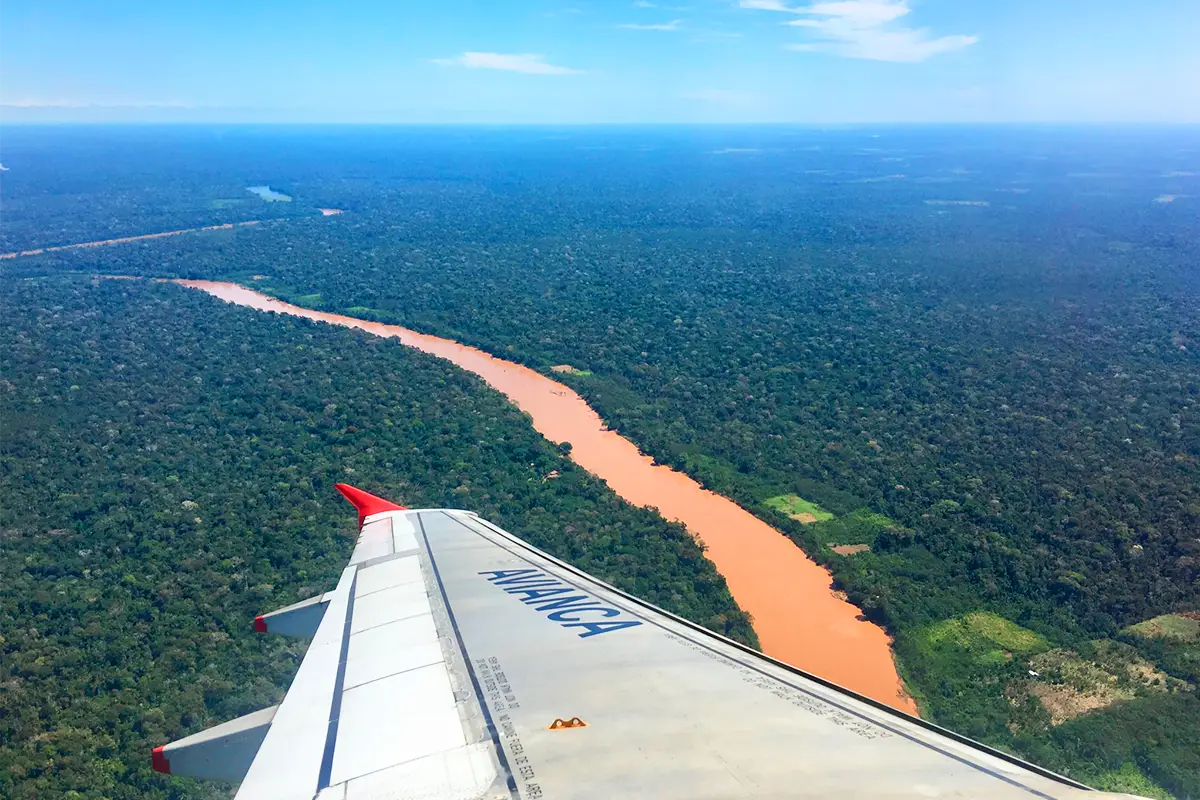
From Alejandro Velasco Astete Airport in the city of Cusco, you can take a helicopter or small aircraft to Boca Manu. The airstrip is located only 3.5 km southwest of the village, near the point where the Madre de Dios and Manu rivers meet. This is a convenient option for travelers who want to reduce journey time.
How Much Is the Manu Entrance Fee in 2026?
Entrance fees for Manu range from 5 to 150 soles, depending on the number of days and the area you plan to visit.
Manu Entrance Fees
| Valid for 1 Day | From 2 to 3 Days | From 4 to 30 Days |
Foreign Visitors | 5.00 soles (Acjanaco) | 60.00 soles | 150.00 soles |
Peruvian Visitors | Adults: 11.00 soles Children: 5.00 soles | Adults: 30.00 soles Children: 15.00 soles | Adults: 75.00 soles Children: 35.00 soles |
Local Residents | Adults: 5.00 soles Children: 3.00 soles | 15.00 soles | 35.00 soles |
- Children: ages 5 to 16
- Free admission: children under 5
- Local residents must present their Peruvian ID card when entering the national park.
Free Admission to Manu
Manu can be visited free of charge on the following special dates:
- May 29: Anniversary of Manu National Park.
- June 24: Cusco Day.
- September 27: World Tourism Day.
- October 17: Protected Natural Areas Day.
- December 26: Anniversary of Madre de Dios.
- The last Sunday of every month.
Where Can You Buy Tickets for Manu?
Tickets for Manu can be purchased in person, online, or through an authorized travel agency. Follow these steps to buy your entrance ticket:
- In-person purchase: tickets can be purchased directly at Manu’s official control posts.
- Online purchase: Visit the official website: https://visitaareasnaturales.sernanp.gob.pe, then select your entrance sector, arrival and departure dates, and preferred time.
- Purchase through an authorized travel agency, which can simplify the booking process and provide helpful information for your visit.
Weather in Manu National Park
The climate in Manu National Park varies considerably depending on the area. It can feel cold in the highlands, humid at mid-elevations, and hot in the lowland rainforest, with temperatures ranging from 5°C to 30°C.
Dry Season (May to September)
These months receive less rainfall and may bring occasional drops in temperature, especially in May and July, when cold fronts known as friajes arrive from Antarctica.
Rainy Season (October to April)
These months are characterized by heavier rainfall and increased evapotranspiration. This is also when the highest temperatures of the year are usually recorded. Frequent rain may cause landslides and travel disruptions.
Best Time to Visit Manu National Park
The best time to visit Manu is generally from May to September. Rainfall is lower during these months, making it easier to explore the trails and enjoy wildlife watching. River levels also decrease, which can make access by boat more convenient.
Manu National Park Zones Explained
Manu National Park is divided into six management zones, while a surrounding buffer zone helps protect the park. These areas were established to support its conservation, protection, and administration:
Zone | Description | Tourist Access |
Strict Protection | Highly fragile ecosystems that serve as important centers of origin and refuges for plant and animal species. | Restricted access |
Wilderness | Ecosystems with little human intervention, inhabited by native peoples living in isolation or initial contact. | Limited access |
Tourism and Recreation | An area containing Manu’s main natural attractions and tourist sites, with an abundant variety of plants and wildlife. |
Conservation-focused tourism |
Special Use | Human settlements that existed before the protected natural area was established. | |
Restoration | Areas that have been damaged by natural events or human activity. | |
Historical and Cultural | An area with significant historical and archaeological value. | |
Buffer Zone | An inhabited area located next to Manu National Park. |
Cultural Zone vs. Reserved Zone
Manu has two main areas where sustainable tourism takes place:
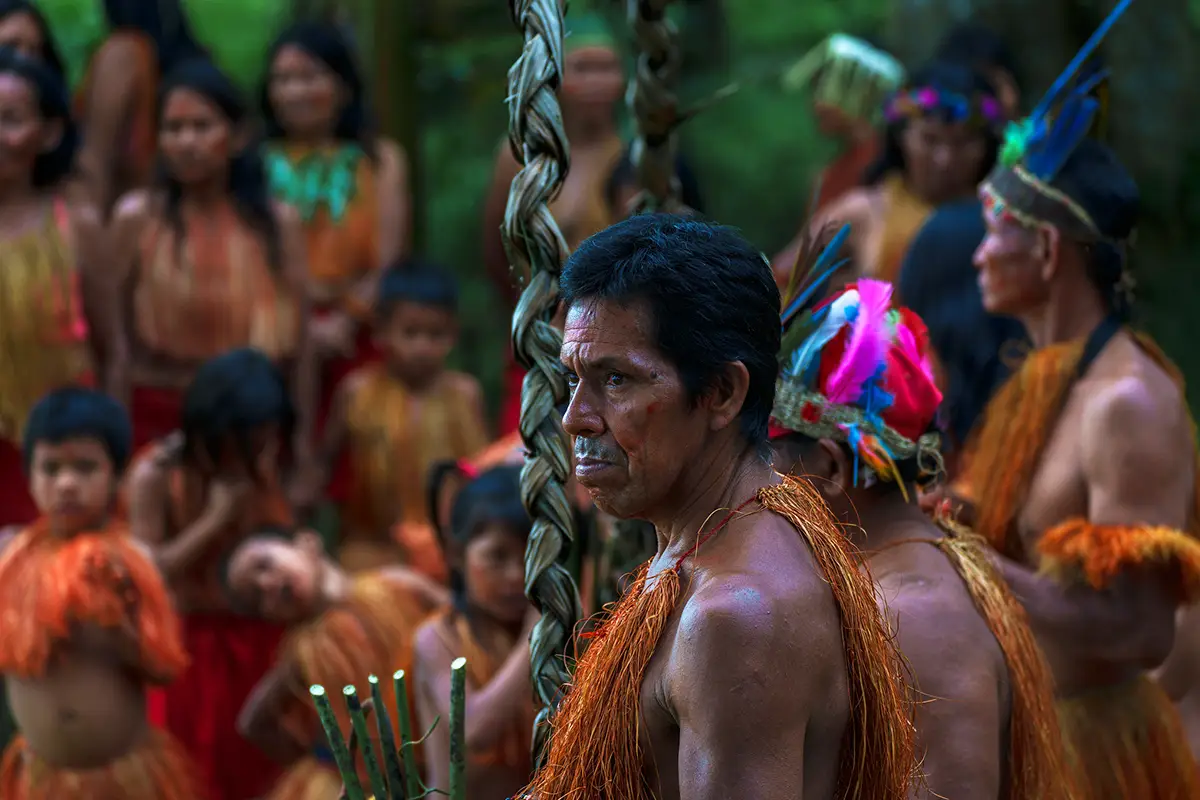
- Cultural Zone (buffer zone): This area is home to local and native communities, including the Matsigenka, Amahuaca, Harakbut, Yine, and Mashco Piro peoples, who preserve their traditions and ways of life.
- Reserved Zone (tourist access zone): This area includes remote sections within Manu National Park. Reaching it requires more time, but visitors can explore more secluded ecosystems and observe a greater variety of wildlife.
Which Part of Manu Should You Visit?
- Choose the Cultural Zone if you want to experience Manu in just a few days, have a smaller budget, and are looking for a first introduction to the Peruvian Amazon surrounded by nature and rainforest scenery.
- Choose the Reserved Zone if you want to explore more remote areas, discover a greater variety of plants and wildlife, search for large mammals or specific species, and enjoy nature photography. This option is ideal if you have more time and a larger budget for an extended stay in the rainforest.
Did you know?
Manu has become an important center for scientific research and the study of nature. Every year, scientists from around the world travel here to explore and learn more about its extraordinary diversity.
Stories and History of Manu’s Origins
Origin Myths of the People of Manu
According to the Kipatla myth, Tasorintsi created the Matsigenka people and everything that works in harmony with nature. Kentivakori, by contrast, created things that cause discomfort, such as biting insects, poor soil, and snakes. At first, the people knew only red clay. Later, Kashiri, the moon, fell in love with a young man and taught him how to grow cassava, use tobacco, and prepare poison for fishing.
Traces of Manu’s Earliest Inhabitants
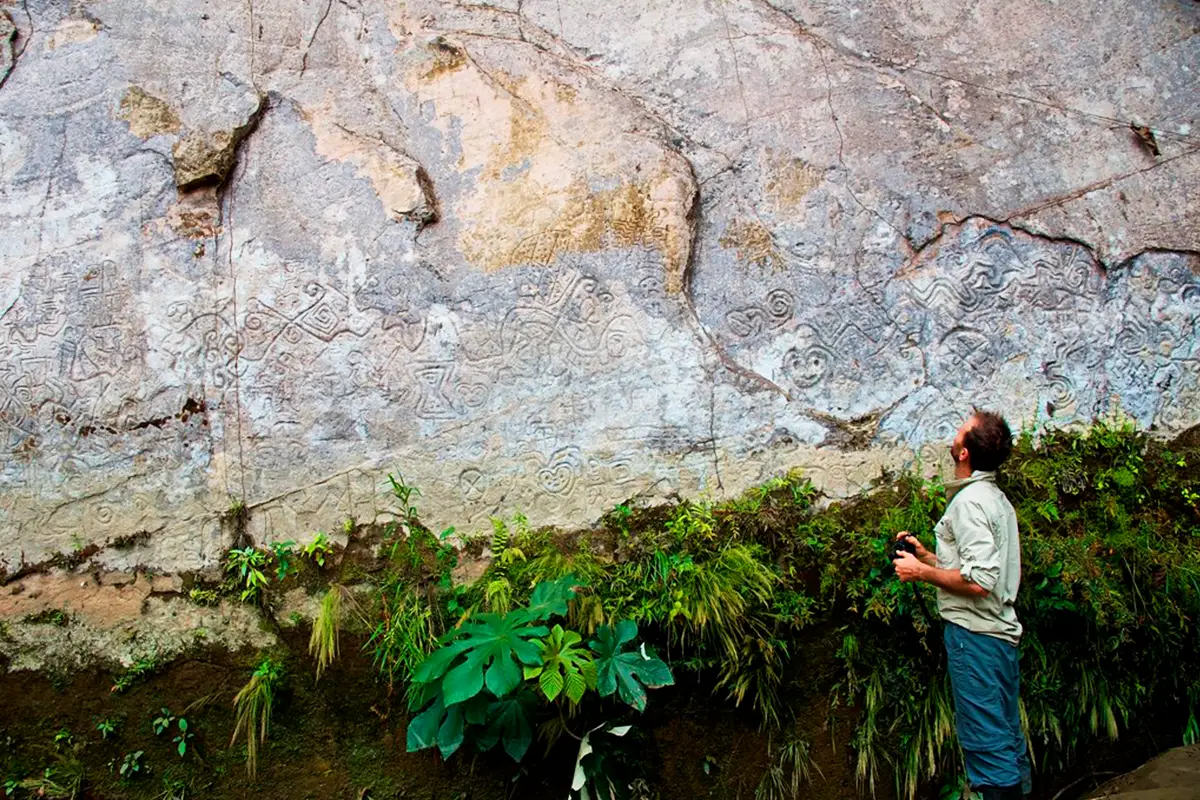
Among the earliest inhabitants of the Manu region in the Peruvian Amazon were ancient pre-Inca peoples known as the Pusharo. They left traces of their presence through petroglyphs carved into stone. Engravings have also been found on the Xinkiori rock formation near the Qeros River. These markings reveal part of their story without the need for words.
The Incas in Manu
During the Inca period, Pachacútec and his son Túpac Yupanqui expanded their influence into Manu and the Amazon, conquering territories within Antisuyo, the empire’s eastern region. Once incorporated, local communities offered the Sapa Inca feathers, gold, and coca leaves. This marked the beginning of a trade network connecting very different regions.
Exploration, Conflict, and the Protection of Manu
- After the conquest of the Inca Empire, the legend of the golden city of “Paititi” inspired many expeditions into the Manu region.
- In the 19th century, uncontrolled rubber extraction began, leading to the exploitation and disappearance of several native communities.
- During the 20th century, religious missions, including Dominicans and Jesuits, as well as mineral prospectors, ventured into the rainforest. However, Manu’s dense vegetation and difficult terrain prevented them from reaching its most remote areas.
- After years of research and recommendations, Manu National Park was officially established in 1973 to protect its plants and wildlife. In 1987, UNESCO declared it a Natural World Heritage Site.
What to Do in Manu National Park
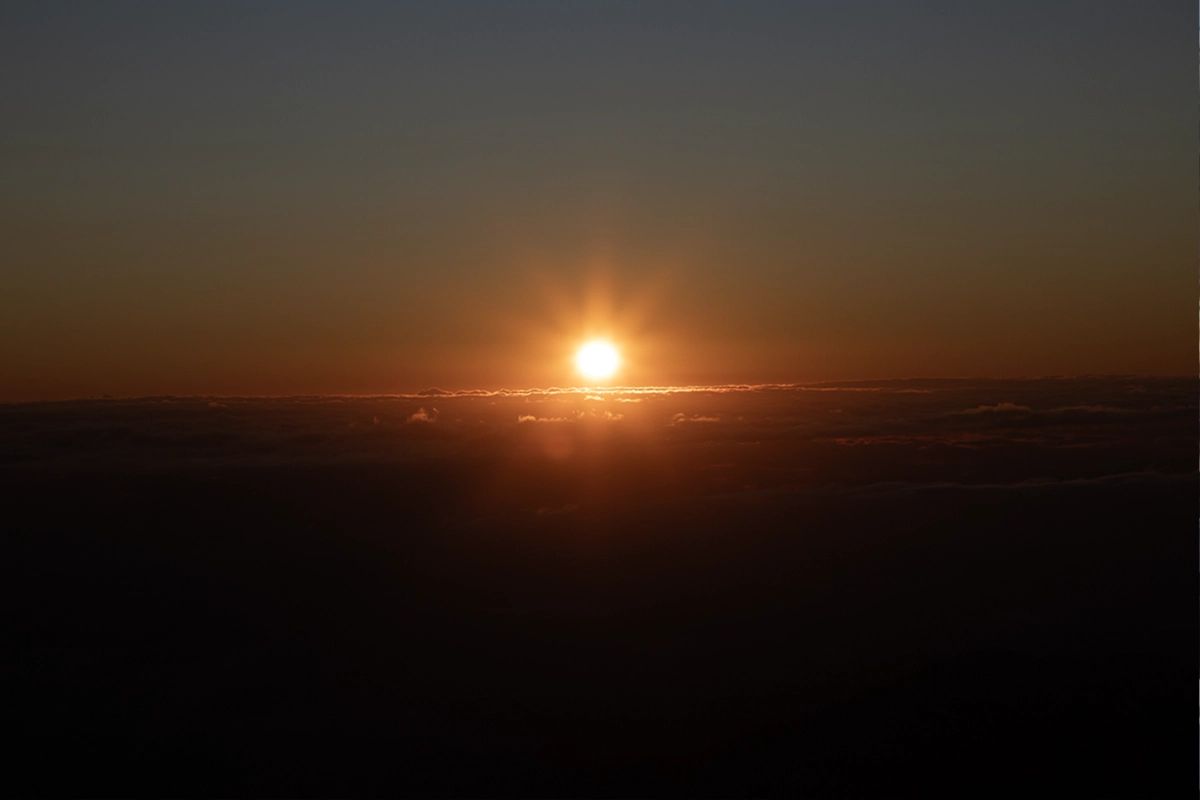
Watch the Sunrise at Tres Cruces Viewpoint
Located 45 km from the town of Paucartambo, at Acjanaco Pass, 3,800 meters above sea level, this viewpoint sits in the high-Andean area at the park’s southern end, within the Tourism and Recreation Zone.
From here, you can enjoy sweeping views from the Andes toward the eastern horizon, where the sunrise lights up the vast Amazon rainforest below.
Marvel at Manu’s Birds and Wildlife
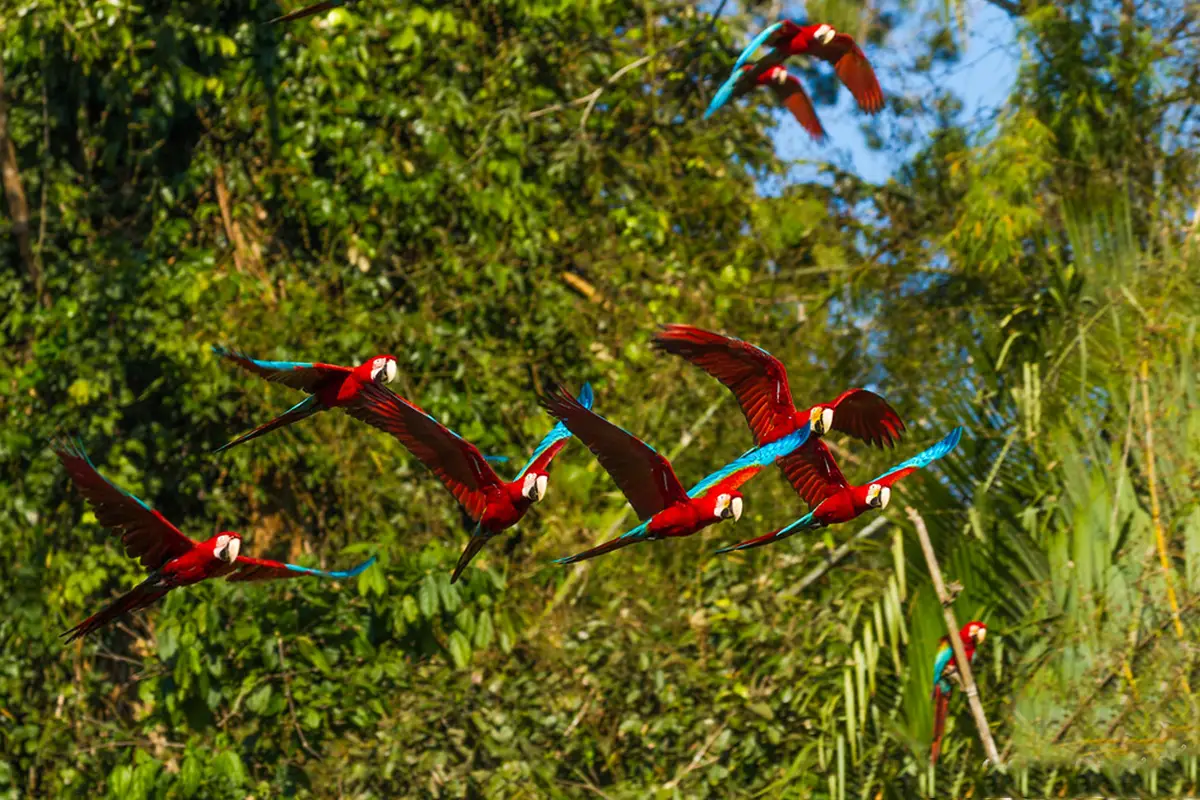
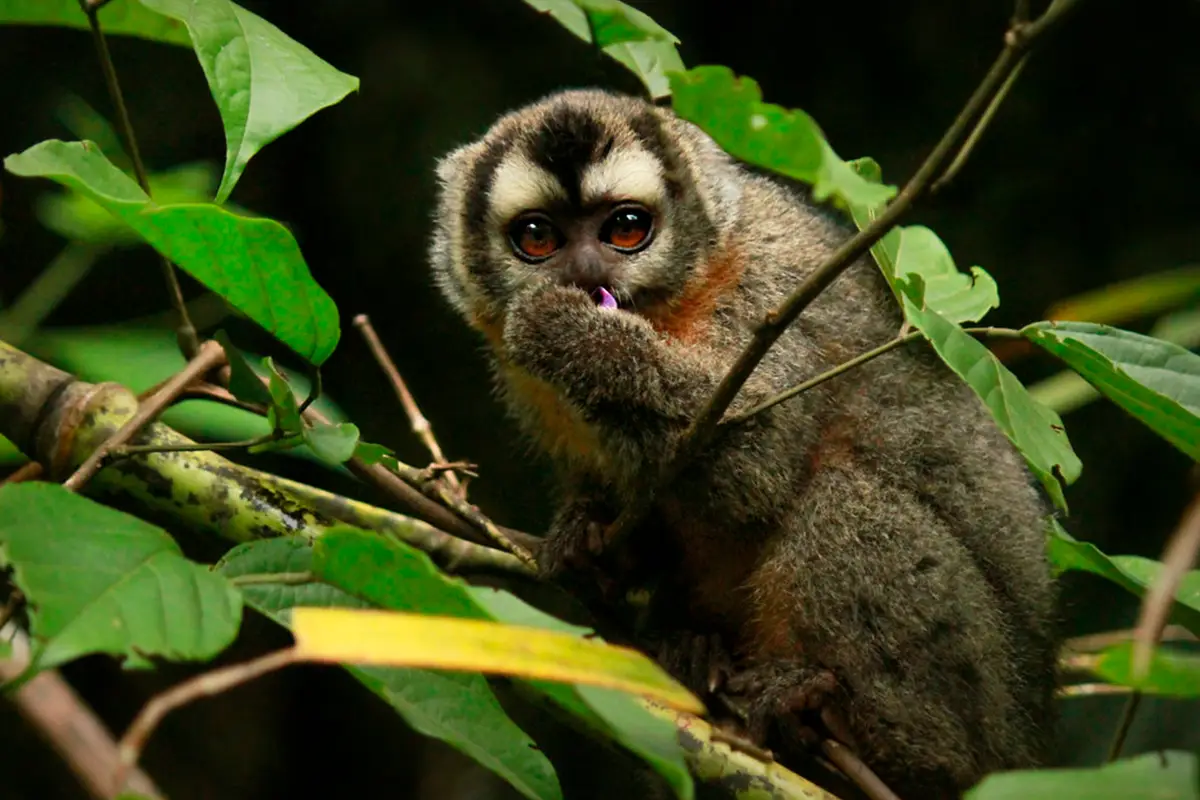
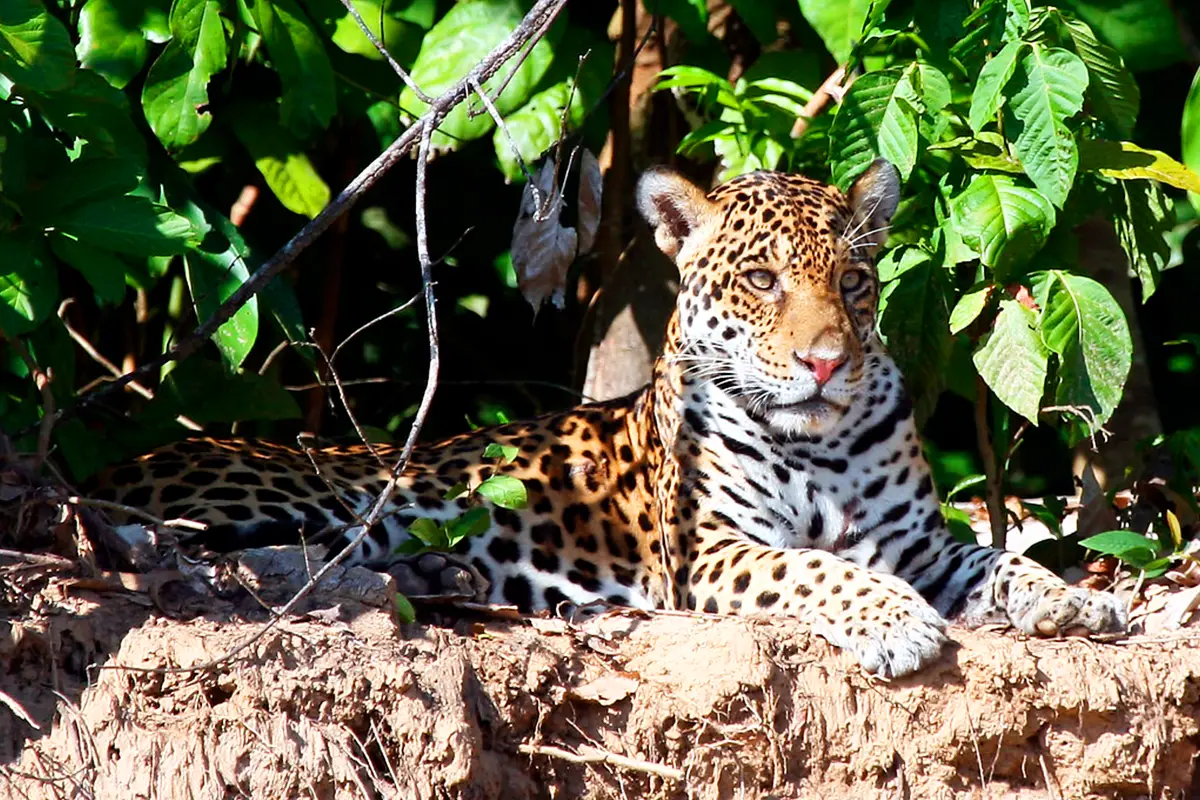
Manu is an ideal destination for birdwatchers, with species such as the red-and-green macaw, toucan, and impressive harpy eagle. Its forests are also home to incredible Amazon rainforest animals, including tapirs and howler monkeys—and with some luck, you may even spot a jaguar.
Visit the Bird Clay Licks
At the mineral-rich clay licks, you can watch parrots and macaws in their natural habitat. You will also learn how their feathers are traditionally used to make arrows, clothing, and other items with deep cultural meaning.
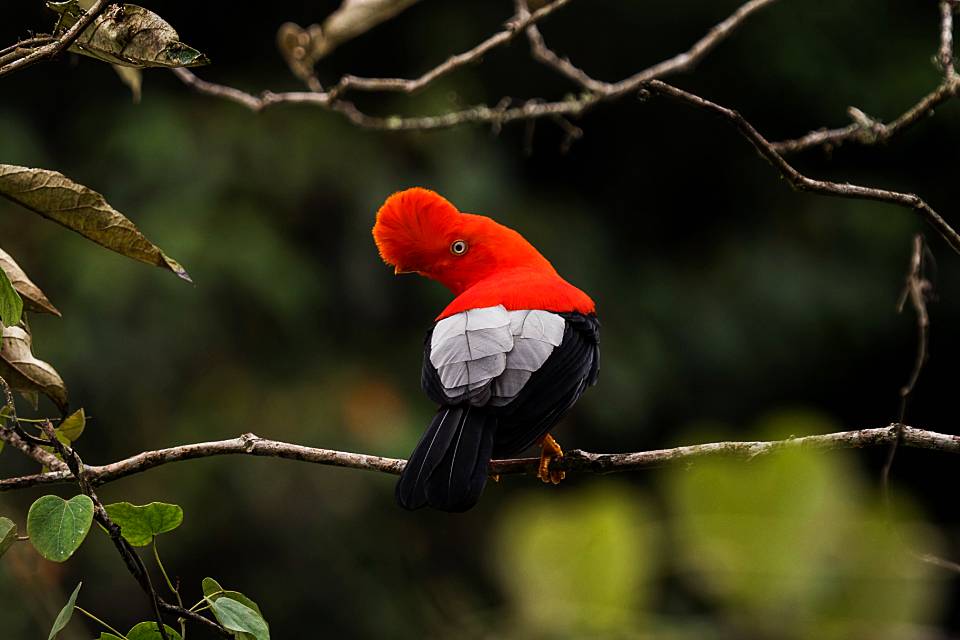
Watch Andean Cocks-of-the-Rock
Watching the courtship display of the Andean cock-of-the-rock in the cloud forest is a fascinating experience. During this ritual, the males claim their spots, show off their colorful plumage, and perform jumps, calls, and grunts to attract females. This remarkable scene makes the visit one of the most memorable natural spectacles in Manu’s upper rainforest.
Walk Along Trails Teeming with Life
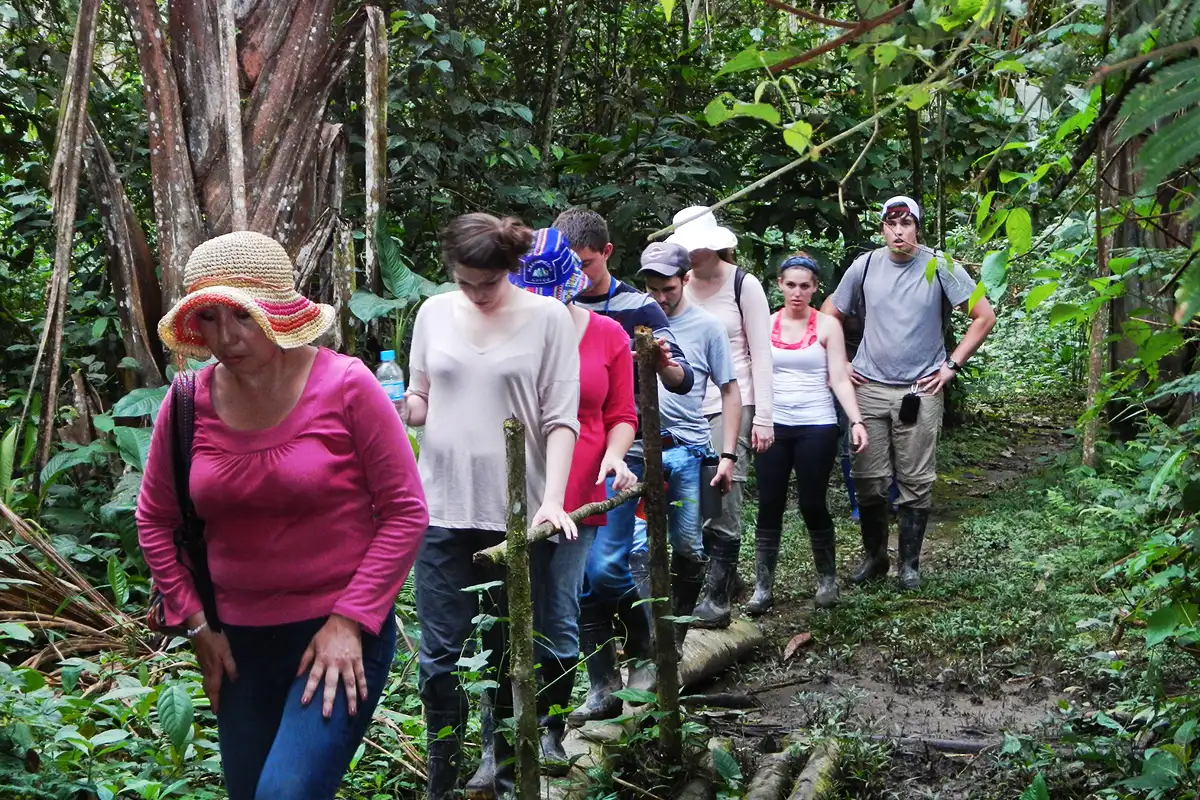
Exploring Manu’s trails lets you walk beneath towering trees and discover the life hidden in every corner of the Peruvian rainforest. With expert local guides, you can learn about medicinal plants, spot fascinating insects, and understand how everything is connected within this ecosystem.
Cruise Through Pongo de Coñec
The powerful river flowing down from the Cusco Andes enters the rainforest and cuts through a striking rocky landscape. At its narrowest point, the walls rise more than 50 meters and form a gorge approximately 300 meters long.
This activity takes place near Pillcopata and is best enjoyed during the dry season, from May to October, when lower water levels make access easier and offer clearer views of the surrounding landscape.
Visit the Four Lakes: Juares, Brashco, Otorongo, and Salvador
These lakes, located along the Manu River, have simple lodges nearby, allowing you to stay close to nature. They are perfect for travelers hoping to see giant river otters in their natural habitat. The peaceful surroundings also create an ideal place to relax and reconnect with the wild.
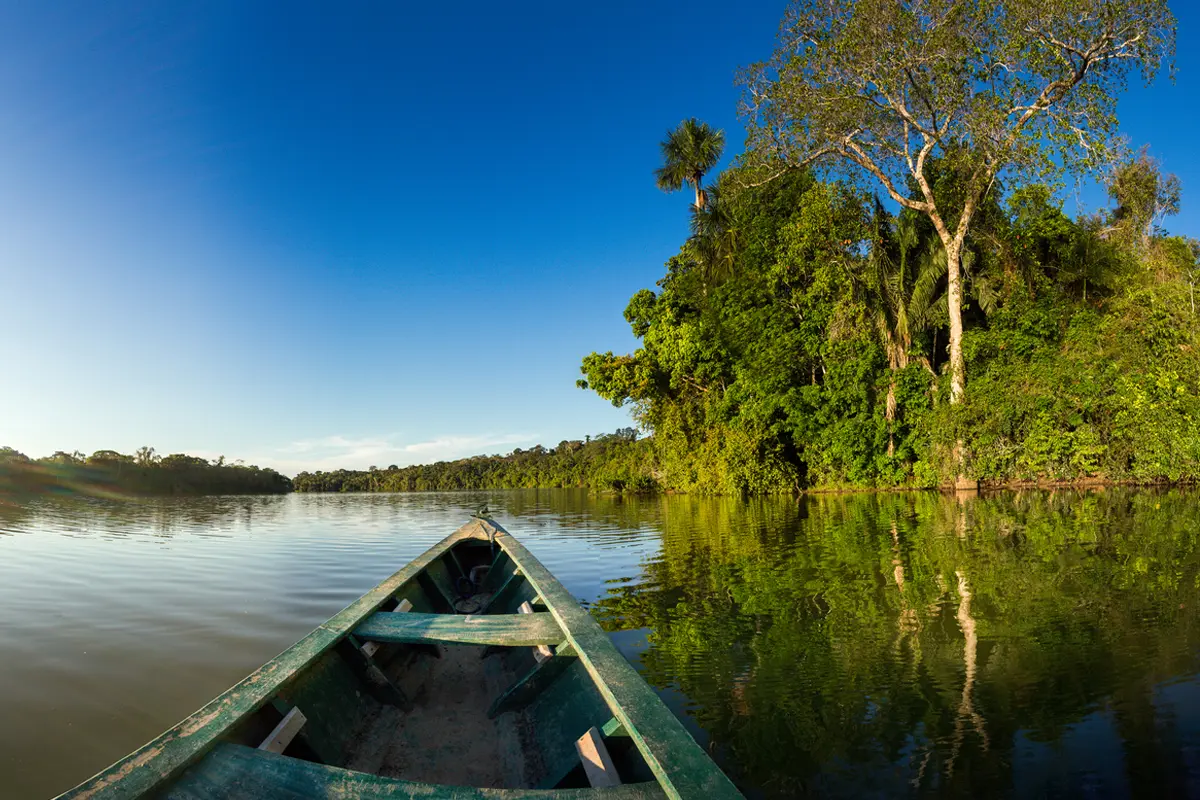
Go Sport Fishing and Canoeing
Here you can fish and explore the park’s rivers and lakes by boat, where much of the rainforest’s wildlife gathers. These are also ideal places to pause, stay quiet, and watch the jungle come alive.
At night, boat rides reveal a different side of the Amazon—louder, more mysterious, and filled with nocturnal species that become active beneath the moonlight.
Visit Matsigenka Interpretation Centers
At Salvadorcillo Creek, you can see firsthand how local communities manage natural resources sustainably. Through their stories, they explain ancestral fishing, gathering, and hunting techniques, along with the traditional uses of plants such as catahua, ungurahui, and other native species.
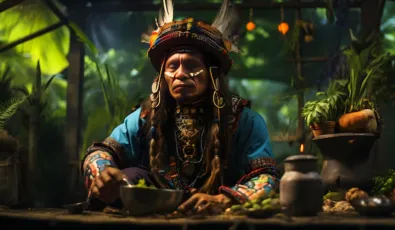
Here you will learn about boatbuilding, the use of ayahuasca, and the cultural value placed on materials gathered from nature.
Discover Manu’s Most Sought-After Wildlife
The animals visitors are most excited to see in Manu include the jaguar, monkeys, rare birds, caimans, anacondas, and many amphibians. Giant anteaters, tapirs, and countless other species are equally captivating. Seeing them in their natural habitat makes every journey through Manu truly unforgettable.
Connect with Local Communities
These visits offer insight into their way of life, their relationship with nature, and the sustainable practices they follow each day. Some communities that welcome travelers include Shipetiari, Palotoa-Teparo, and Diamante. The experience provides a close and respectful introduction to their customs.
Discover Arakbut Culture
This cultural group belongs to a language family that includes several languages, especially Wachiperi and Amarakaeri, both still spoken in Manu. These languages remain alive within native communities such as Shintuya, Qeros, and Santa Rosa de Huacaria, where residents preserve knowledge and ways of life that reflect a deep connection with the natural world.
See the Pusharo Petroglyphs
This site lies along the banks of the Palotoa River, where ancient carvings can still be seen etched into the rocks. Created by native peoples, these mysterious markings continue to inspire curiosity because of their shapes and possible meanings.
Taste Manu’s Local Cuisine
Kosñipaco: A signature dish from the Kosñipata district, traditionally prepared by the Wachiperi and Matsigenka peoples and served throughout the year. Its main ingredient is paco fish, accompanied by fried plantains, cocona, sacha cilantro, and ojo de pescado chili pepper.
Natural Areas Near Manu
- Tambopata National Reserve
- Bahuaja Sonene National Park
- Historic Sanctuary of Machu Picchu
Tips for Your Trip to Manu
Advice for a Safe and Authentic Experience
- Get the recommended vaccinations before your trip, including hepatitis A and B, tetanus, and typhoid.
- Learn about the area’s health and safety conditions before traveling.
- Travel with certified local guides and always follow their instructions.
- Pack suitable clothing for the tropical climate.
- Stay in rooms fitted with mosquito nets.
- Keep doors and windows closed at night.
- Carry allergy medication as a precaution.
What Should You Pack?
- Bring your original identification document.
- Use a 30-liter backpack to carry your essentials.
- Pack waterproof clothing, long-sleeved shirts, and long pants.
- Bring a reusable water bottle to stay hydrated.
- Binoculars and a flashlight with spare batteries will be very useful.
- Pack a hat, sunscreen, sandals, and a swimsuit.
- Bring comfortable shoes for walking or trekking.
- Include your personal toiletries.
- Pack a reliable DEET insect repellent suitable for tropical areas.
Read Next | What to Pack for the Peruvian Amazon
Important Tip...
Apply insect repellent more frequently at dawn and dusk, when mosquitoes are most active.
Manu National Park Visitor Rules
- Do not feed the animals
- Do not collect plants
- Follow all instructions and restrictions given by park rangers
- Stay on marked routes and trails
- Keep the trails clean
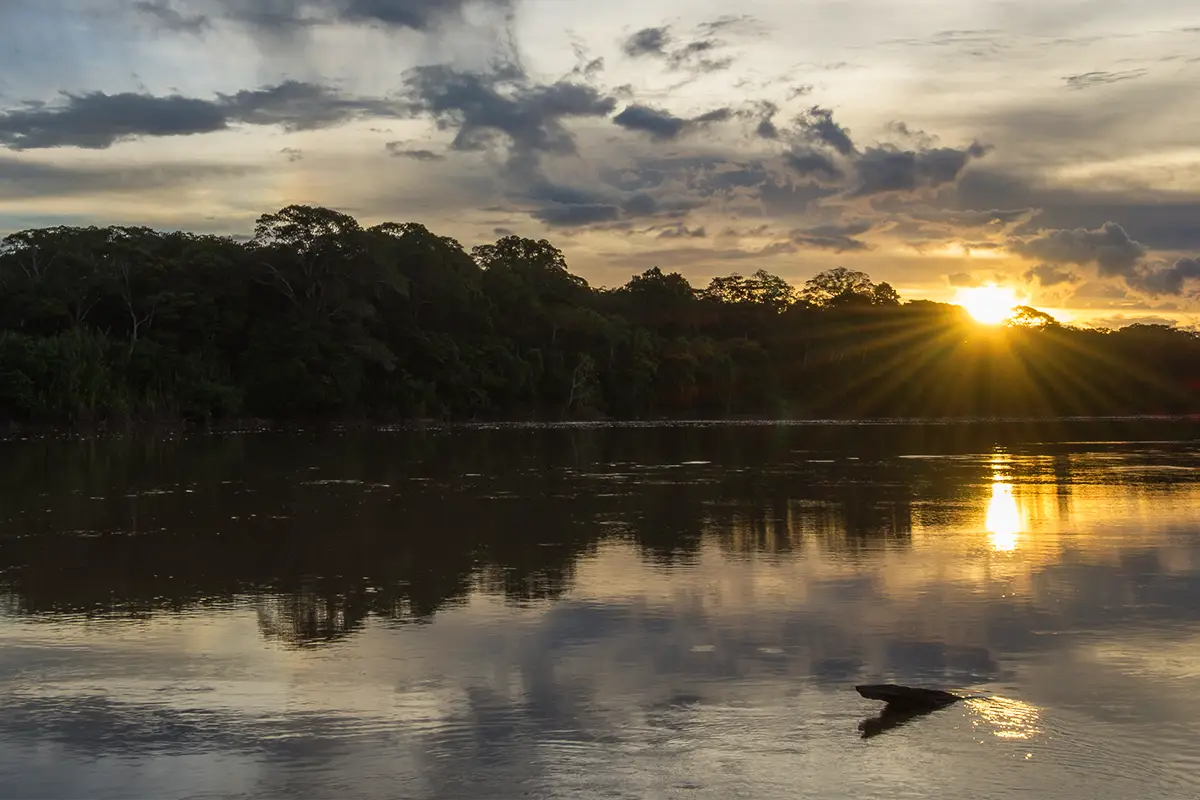
Visiting Manu requires time, careful planning, and choosing the right area based on what you want to experience. Before arranging your trip, consider the season, the number of days available, and the type of adventure you are looking for.
This will help you choose an option that matches your budget, fitness level, and wildlife-viewing expectations. For personalized advice or answers to any questions, feel free to contact us.
Manu National Park FAQs
How many days do you need to visit Manu?
It depends on the area you choose. A visit to the Cultural Zone can be completed in two to three days, while reaching the more remote areas of the Reserved Zone requires a longer itinerary of four days or more due to the distances involved and the travel time by road and river.
Are jaguar and wildlife sightings guaranteed?
No. The animals live freely in their natural habitat, and sightings depend on the weather, season, time of day, and luck. Staying longer and exploring less disturbed areas may increase your chances of seeing wildlife.
Is there phone service or internet access in Manu?
Phone and internet coverage is limited or unavailable in many parts of Manu. Some lodges may provide restricted access, so it is best to check availability before your trip.
Can you pay by card during a trip to Manu?
Card payments are generally unavailable throughout most of the Manu journey. It is recommended to carry enough cash in Peruvian soles for entrance fees, meals, personal expenses, and additional services.
Is Manu suitable for children and older adults?
Yes, Manu tours can be suitable for children and older adults, as long as the itinerary is adapted to their fitness level and individual needs. It is also possible to choose less demanding activities, allowing everyone to enjoy the rainforest more comfortably.
However, keep in mind that the weather is consistently hot and humid, both during hikes and boat rides. For this reason, we recommend bringing plenty of water, snacks, a hat, sunscreen, and insect repellent.

Add new comment