



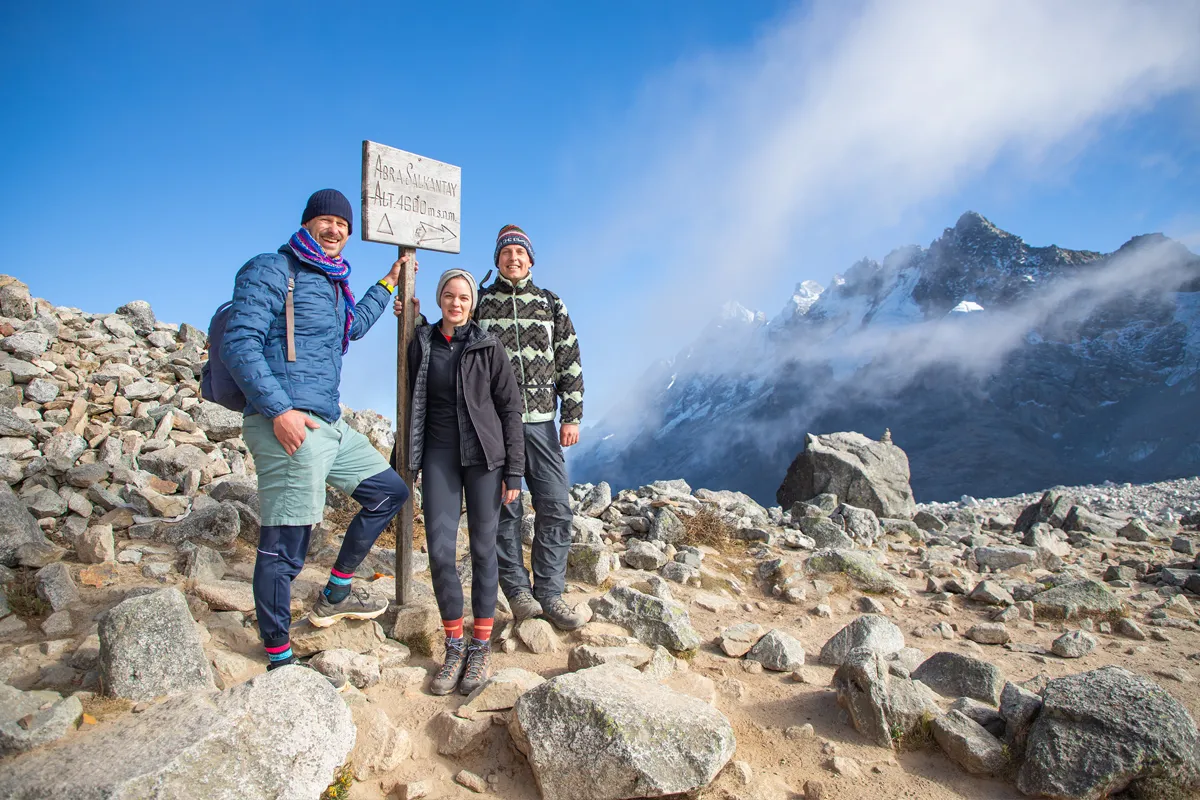
Preparing your Salkantay Trek packing list is one of the most important steps before traveling to Peru and starting the route to Machu Picchu. During this trek, you will pass through snow-capped mountains, cold areas, humid trails, warm valleys, and Andean campsites. That is why bringing the right essentials will help you hike with more comfort, safety, and peace of mind at every stage of the journey.
In this guide, you will find what type of luggage to bring, what to pack in your daypack and duffel bag, what clothes to wear depending on the season, which accessories are truly worth bringing, how to organize your backpack, and what items to avoid during the route and your visit to Machu Picchu.
Salkantay Trek Packing List 2026
What is the Salkantay Trek?
The Salkantay Trek is the second most popular hike in Peru after the Inca Trail. It is also one of the most challenging routes to Machu Picchu, so being well prepared is essential to enjoy the journey and handle any challenge along the way.
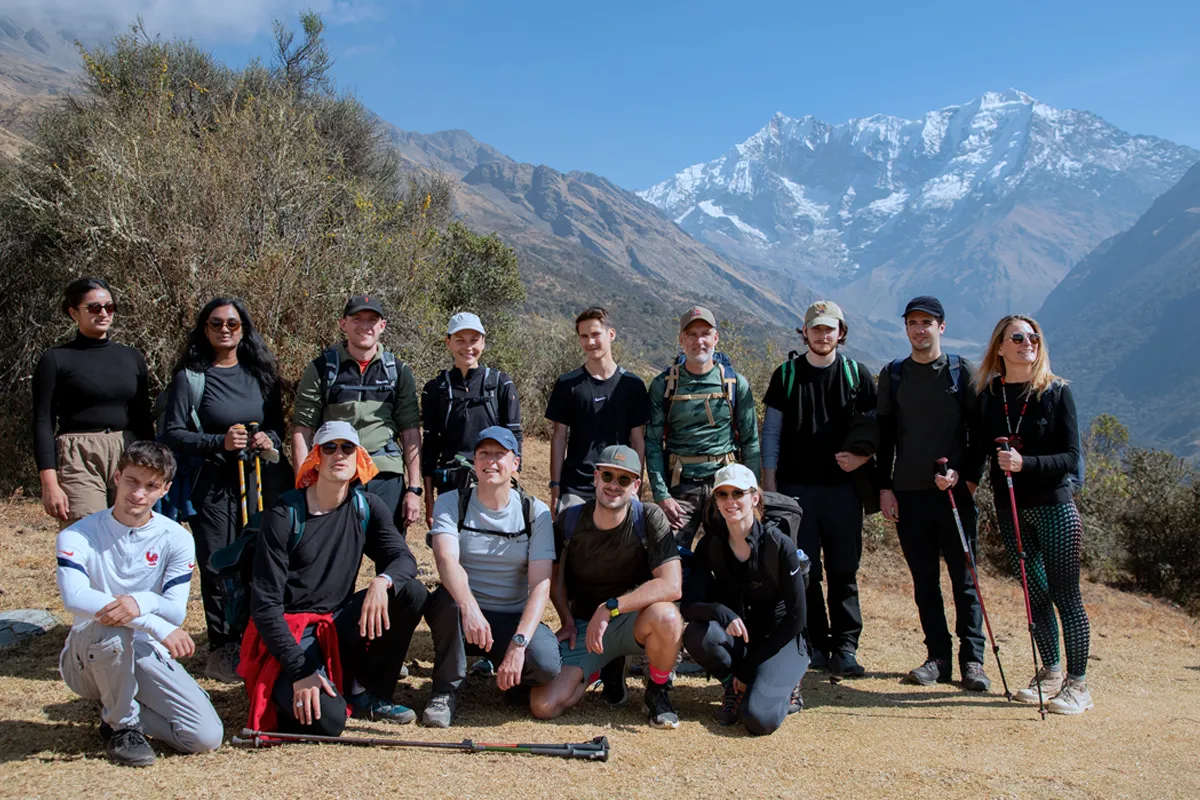
What should you pack for your Salkantay Trek?
Packing well for the Salkantay Trek is key to hiking comfortably, staying protected from the weather, and enjoying the experience all the way to Machu Picchu. Along the route, you will pass through cold, humid, sunny, and high-mountain areas, so it is important to bring layered clothing, lightweight gear, and well-organized personal items.
| Luggage | What is it for? | What should you pack? |
| Trekking Backpack | To carry useful items while you hike. | Water bottle, snacks, rain jacket, sunscreen, sunglasses, hat, personal documents, camera/phone, basic first-aid kit, rain poncho. |
| Duffel Bag | To store items you will only need at camp. | (You will only have access to it at the campsites) Sleeping bag, sleeping pad, change of clothes, thermal clothing, toiletries, towel, headlamp. |
| Main Suitcase | To store the rest of your luggage that is not needed on the trek. | (This should stay in Cusco) General clothing and belongings, large toiletries, valuables, and anything you do not need for the Salkantay route. |
Jump to: Complete Salkantay Trek Packing List
Below, we will go through each essential item in more detail, along with helpful recommendations to prepare you for your next Salkantay adventure.
Types of Luggage for the Salkantay Trek
For the Salkantay Trek, it is best to bring at least two types of luggage: a trekking backpack and a duffel bag. Your main suitcase should also stay in Cusco while you are on the trek.
Luggage 1: Duffel Bag
A duffel bag is a durable fabric bag with a cylindrical or rectangular shape. Because of its size and design, it is a practical option for the luggage transport service offered by many tour operators on the Salkantay route to Machu Picchu.
- Approximate capacity: 7 kg / 15.43 lb
- Access to this luggage: only at the assigned campsites
- What should you pack inside the duffel bag? Clothes and gear you will use at each campsite
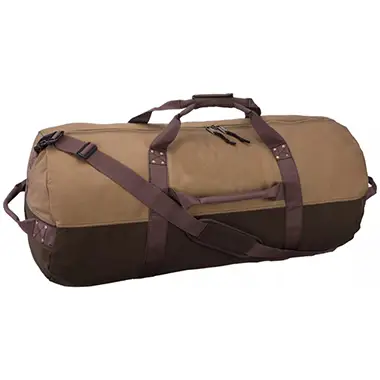
On our organized tours, this bag is included as part of the luggage transport service.
Luggage 2: Trekking Backpack
A trekking backpack is a technical, durable, and ergonomic backpack with a good carrying capacity, specially designed for outdoor activities, especially hiking. It is an essential piece of personal adventure gear for completing the Salkantay Trek comfortably.
Unlike the duffel bag, the trekking backpack is usually not included or carried by the transport service on almost any Salkantay adventure tour. It is also not part of the tour equipment loan. For that reason, it is best to have a suitable backpack before starting the trek. Keep the following features in mind:
- Recommended size: 25 to 30 L backpack.
- Access to this luggage: Throughout the entire trip.
- What should you pack inside the trekking backpack? The items you need during the daily hike, always within easy reach.
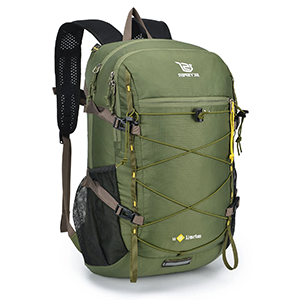
If you plan to do the Salkantay Trek on your own, avoid carrying more than 15 kg in your trekking backpack. You may also want to consider hiring muleteer services to transport additional gear.
Main Luggage: Travel Suitcases
The suitcases you bring with you to Peru should remain in Cusco during the trek. Many hotels in the city offer luggage storage, either free of charge or for an additional fee.
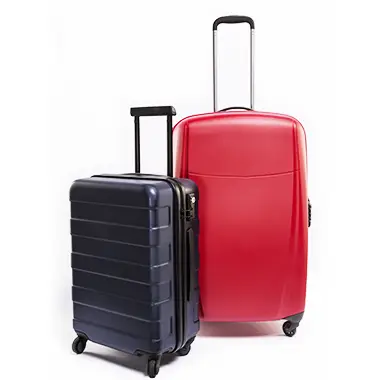
At TreXperience, we offer a completely free luggage storage service located less than 10 minutes from Cusco’s historic center.
Essentials for the Salkantay Trek
Original passport (to enter Machu Picchu)
You must carry your original passport throughout the entire trek, as you will need it to enter Machu Picchu and pass the required checkpoints. Keep it in a safe, waterproof place inside your backpack; a Ziploc bag or a water-resistant pouch works very well.
Also, make sure your passport is valid for at least 6 months from your travel date to Peru.
If your country requires a visa, check this requirement before traveling. Some nationalities can enter Peru with only their national identity document.
Travel insurance details
The Salkantay route is a challenge that thousands of travelers take on, crossing the Andes to the edge of the cloud forest and finally reaching Machu Picchu. It is an adventure that tests both your body and mind and involves a real level of risk.
For this reason, it is highly recommended to have travel insurance and always carry a copy of your policy, so you have it on hand in case of any unexpected situation.
Cash
Bring cash to buy snacks, drinks, local products, or souvenirs offered by residents along the route. Unlike other treks in Cusco, on Salkantay, local people are spread out along the trail, offering everything from snacks to full meals, usually available only with cash payment.
It is recommended to carry 10, 20, or 50-sol bills and avoid larger denominations.
Waterproof bags
When packing your luggage, keep your belongings inside waterproof bags. The Salkantay route is a journey with constant contact with nature and the changing weather of the Andes. Bringing bags in different sizes will help you organize and separate your items more efficiently.
What Clothes Should You Bring for the Salkantay Trek?
Underwear
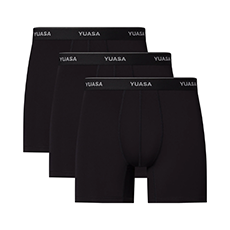
| 5 x Sets of UnderwearFor your Salkantay hike, bring at least five sets of underwear. Always keep them in waterproof bags to keep them dry and protected from moisture. Sports underwear is the best option, as it offers comfort and breathability during the trek. For women, sports bras are ideal. |
Thermal Layers
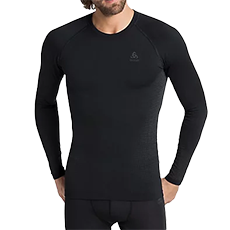 | 1 x Set of Thermal LayersThermal layers are your body’s first protection against the cold during chilly nights and early mornings, especially on the days near the Salkantay snow-capped mountain. This layer should be light and warm. Materials such as polypropylene, microfiber, or polyester are ideal. |
Trekking Shirts
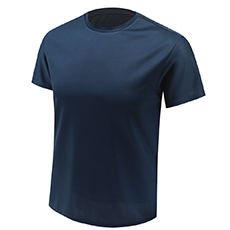 | 2 x Short-Sleeve ShirtsTrekking shirts should be comfortable, breathable, and quick-drying. It is best to choose fabrics that wick away sweat and help you stay fresh during the hike. Avoid clothes that are too tight or too loose; choose a shirt that lets you move freely without getting caught on branches or rocks.
|
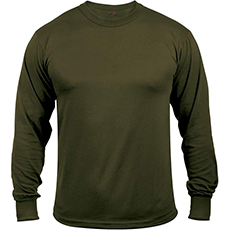 | 2 x Long-Sleeve ShirtsLong-sleeve shirts are useful for protecting your arms from the sun and wind. It is also best to choose shirts with UPF protection to help shield your skin from the sun. Materials such as polyester and nylon work very well.
|
Fleece or Wool Jacket
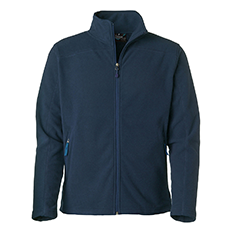 | 1 x Fleece JacketBring a warm wool or fleece jacket for cold nights and early mornings. Temperatures can drop quite a lot in the mountains, so you need a layer that keeps you warm without taking up too much space. Choose a lightweight, comfortable jacket that is easy to pack in your backpack, so you can take it out quickly when you feel cold or when the weather changes. |
Rain Jacket
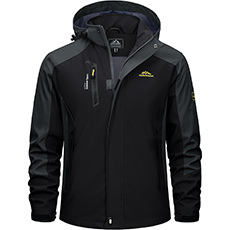 | 1 x Rain JacketA rain jacket is essential for visiting Machu Picchu and hiking the Salkantay Trek. It will help keep you dry in case of rain, mist, or sudden weather changes. Ideally, it should be lightweight, wind-resistant, and have an adjustable hood to protect your head. It should also be easy to pack in your backpack when you no longer need it. |
Hiking Pants
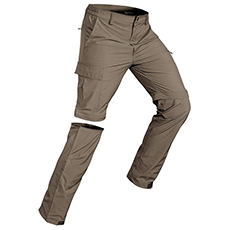 | 2 x Hiking PantsAt least two pairs of trekking pants are highly recommended for the Salkantay Trek. They should be versatile enough to wear as pants or shorts, depending on the weather on the Salkantay route. For women, leggings are also a comfortable alternative. |
Features of Good Trekking Pants
- Comfort and freedom of movement while walking.
- Durable, wear-resistant, and quick-drying material.
- Lightweight, fresh fabric to prevent friction or overheating.
- Sun protection against strong mountain radiation.
- Convertible pants-to-shorts option.
Swimsuit
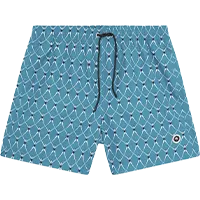 | 1 x SwimsuitAlong the Salkantay route, there are two hot springs you can visit:
Make sure to bring a swimsuit if you plan to relax in these thermal waters. |
What Footwear Should You Wear for the Salkantay Trek?
Hiking Boots or Trekking Shoes
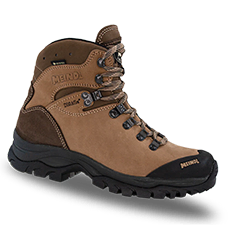 | Your hiking boots should have good grip and a strong sole for walking on uneven, rocky terrain. They should also provide good ankle support, preferably with a mid-cut or high-cut design. They should also be comfortable and lightweight, as you will be wearing them for several hours each day. |
Important: make sure you have already worn your hiking boots before the trek to avoid discomfort or blisters along the way.
Lightweight Shoes or Sandals for Camp
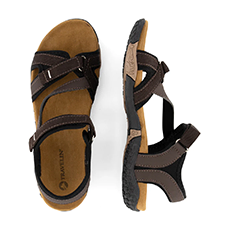 | After long hours of hiking, you will probably want to take off your heavy boots. For this reason, it is useful to bring lightweight shoes, sandals, or Crocs to wear at the campsites. |
Sandals are perfect for showering or visiting the two hot springs along the route.
Hiking Socks
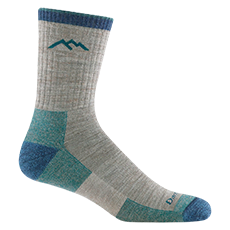 | 5 x Trekking SocksChoose comfortable, durable, and quick-drying socks. Merino wool is one of the best materials for hiking socks because it meets all these needs. It is also naturally antimicrobial, helping keep your feet fresher even after a long day on the trail. |
Why Hiking Socks Matter
During the Salkantay Trek to Machu Picchu, one of the most important things is to stay as dry and warm as possible, especially during the first days near the snow-capped mountains. That is why good socks are essential.
- They provide cushioning for your feet, which can help prevent blisters.
- They help absorb moisture and prevent your feet from sweating too much.
- They keep your feet warm when temperatures drop.
Accessories for the Salkantay Trek
Sun Hat or Cap
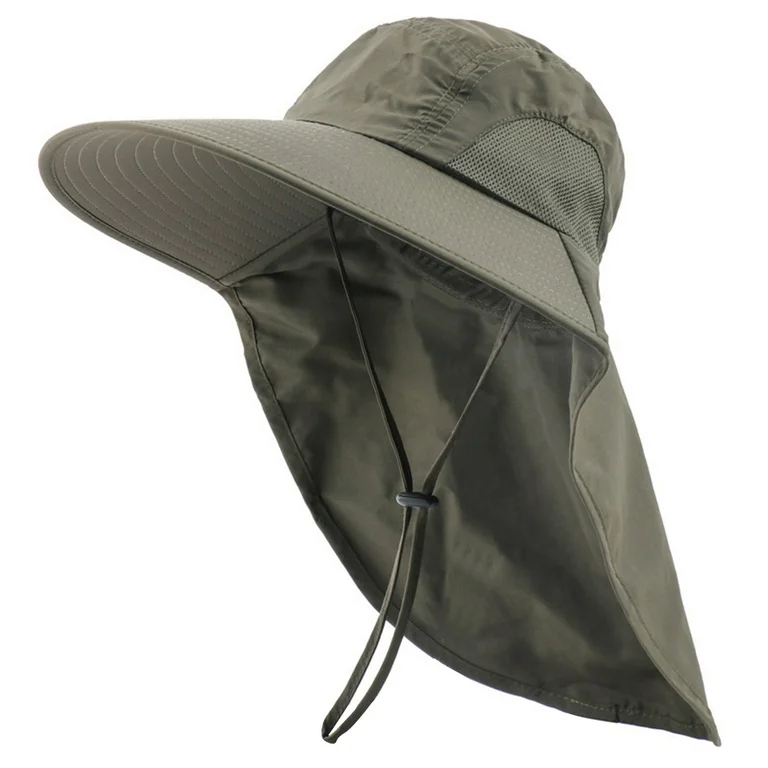 | You will need a sun hat or cap to protect yourself from the sun during the trek and the Machu Picchu tour. Ideally, choose a wide-brim hat that covers your face, neck, and shoulders. Look for a breathable fabric to avoid overheating. If it has an adjustable strap, even better, as it will help keep the wind from blowing it away. |
Beanie or Winter Hat
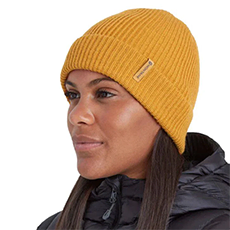 | A beanie or winter hat will help keep your head warm during cold nights and early mornings. It is especially useful at high-altitude campsites, where temperatures can drop quite a lot. Choose one made of wool or thermal material that is lightweight and easy to pack in your backpack. |
Buff or Neck Gaiter
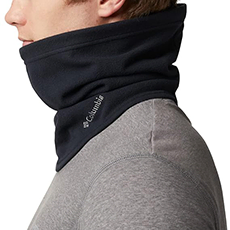 | A buff or neck gaiter is a very versatile piece of trekking gear. You can use it as a scarf, neck warmer, headband, or even as a dust mask. It will also help protect you from the cold, wind, and sun during the hike. |
Gloves
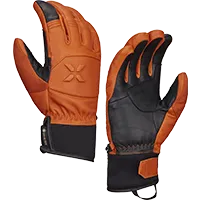 | We recommend bringing two types of gloves: lightweight hiking gloves for the day, especially if you use trekking poles, and warmer gloves for the evening and night. Gloves will keep your hands warm and help protect them from the cold. They can also shield your hands from the sun and help prevent blisters when using trekking poles. |
Sunglasses
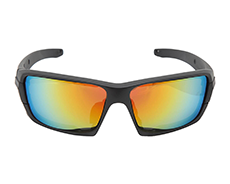 | Sunglasses are essential because solar radiation can be intense at high altitude. The reflection of sunlight on wet rocks or light-colored surfaces can also be uncomfortable for your eyes. Look for sunglasses with 100% UV protection and a design that covers your field of vision well. This will help you walk more comfortably and protect your eyes along the route. |
Quick-Dry Towel
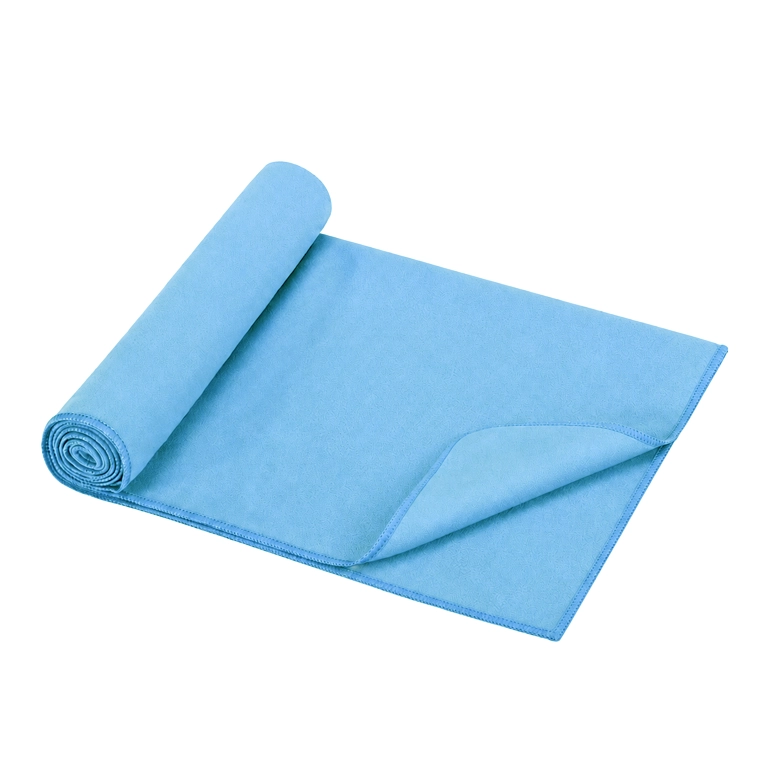 | Bring a quick-dry towel for the Salkantay Trek. It is lighter than a regular towel, takes up less space, and dries much faster. This type of towel is ideal for campsites, showers, or visits to hot springs, especially in humid areas or places with changing weather. |
Plastic Poncho
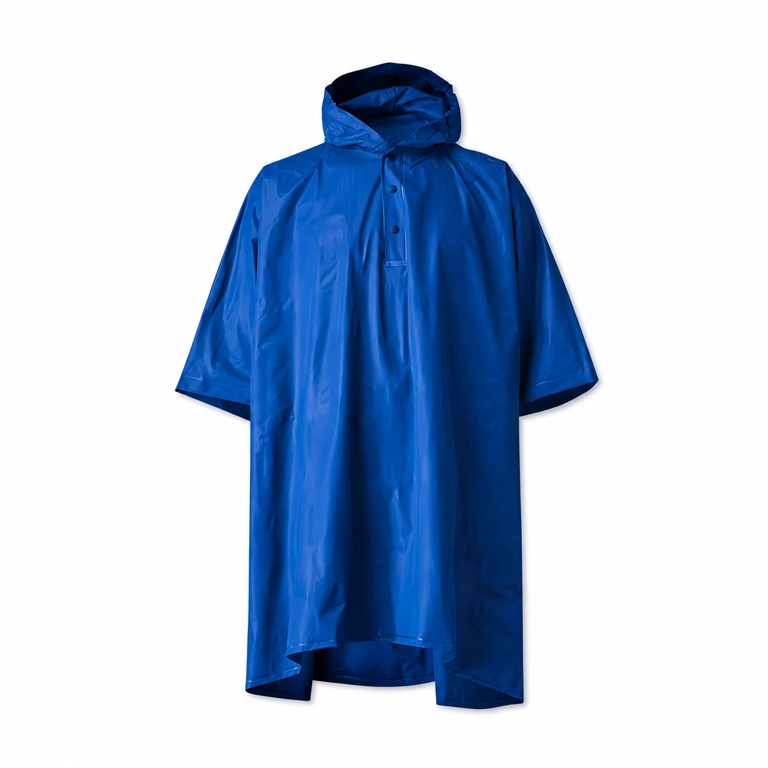 | During the trek, we provide reusable plastic ponchos. They will help protect you from the rain and keep part of your gear dry. Remember to return the poncho after the trek and avoid leaving it on the route. This helps us reduce waste and care for the natural environment. |
Camping Gear for the Salkantay Route
Sleeping Bag
 | Nights in the mountains can be quite cold, so you will need a good sleeping bag. We recommend using one with an approximate -10 °C rating for better comfort during the night. Choose a sleeping bag that fits your size, is easy to compress, and is light to carry. You can also rent a down sleeping bag if you prefer not to bring your own. |
Inflatable Mattress or Foam Sleeping Pad
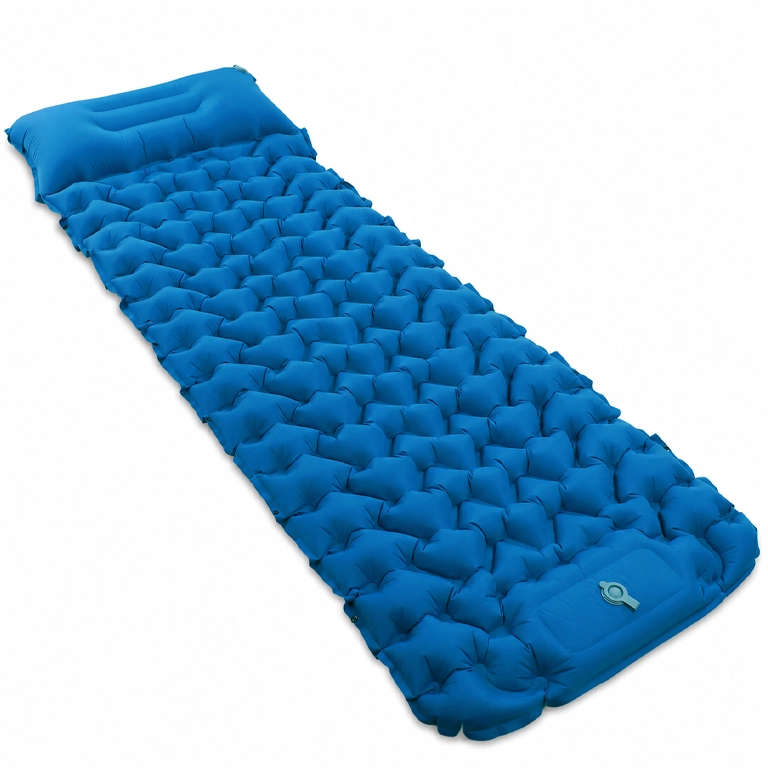 | Your sleeping pad should be lightweight, compact, and easy to pack. On our tours, we provide foam mattresses. However, if you would like an extra layer of comfort, you can rent an inflatable mattress from us or bring your own. Therm-a-Rest inflatable mattresses are a well-known option for this type of trek. |
Trekking Poles
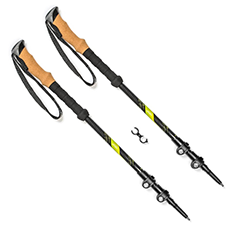 | When choosing trekking poles, look for a pair that is lightweight yet durable, with a comfortable grip and adjustable straps. You may also consider foldable poles, which are excellent for saving space in your backpack. |
Why Trekking Poles Are Important on the Salkantay Route
The Salkantay Trek is a challenge that becomes much easier with the help of trekking poles. The route reaches Salkantay Pass at 4,630 m (15,190 ft), followed by a descent of approximately 1,500 m toward the lower jungle.
These sections are demanding and trekking poles can help you keep a steady pace, protect your knees and ankles, improve your balance, and reduce the risk of falls.
Get your trekking poles ready for this hike. If you do not have a pair, you can rent Black Diamond trekking poles from us.
Electronic Devices
Portable Chargers
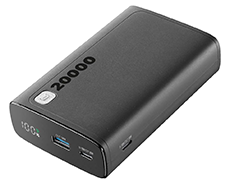 | During the Salkantay Trek, you will be camping in the mountains, so you will not always have access to electricity. Bring a portable charger or power bank with enough battery to keep your devices charged. |
Headlamp
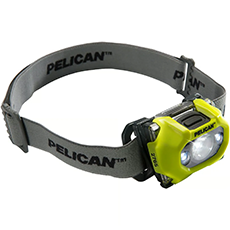 | This device is essential for moving around freely at camp during the night, going to the bathroom, reaching the dining tent, or finding your tent. Make sure to use fresh batteries, as you may not find a place to buy more along the route. |
Phones and Cameras
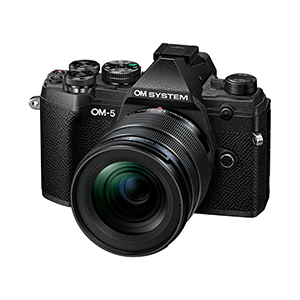 | Keep your phone and camera in your backpack at all times. It is also important to protect them with waterproof cases or pouches, especially if it rains. This way, you can keep your devices safe and always have them within reach to capture photos along the Salkantay route to Machu Picchu. |
Hydration and Snacks
Water Bottle or CamelBak
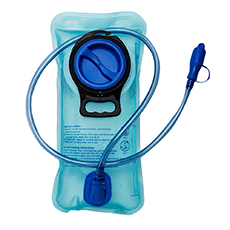 | A water bottle is one of the best options for the Salkantay Trek. It should have a capacity of 1.5 to 2 L and a practical handle or carrying strap so you can use it easily. If it is insulated, even better, as it will help you carry warm drinks during the first days in the high mountains. A CamelBak is the most practical option for drinking water quickly while hiking without needing to stop. However, during the first days near Salkantay Mountain, the water in the CamelBak can get very cold. |
If you want to add flavor to your water, you can bring vitamins, powdered drinks, or isotonic drink mixes to enjoy along the trek.
Snacks
If you do the Salkantay Trek with us, all three meals during the trek are included, along with daily snacks. Even so, you can still bring your own snacks, such as candy, energy bars, beef jerky, nuts, and dried fruit.
It is best to choose dehydrated or lightweight foods to make them easier to carry during the trek.
Toiletries for the Salkantay Trek
Hand Sanitizer
Always carry hand sanitizer or alcohol gel in your backpack. It is important to use it before and after eating, after using the restroom, or after any activity along the route.
Toilet Paper
Pack toilet paper in a waterproof bag and always keep it in your daypack. It is one of the most useful items to have during the trek.
Soap or Shampoo
Bring your personal soap or shampoo in small, lightweight, and well-sealed containers to prevent spills inside your backpack.
Toothbrush and Toothpaste
Bring a travel-size toothbrush and toothpaste. Keep them in a waterproof bag or a separate compartment to keep them clean and prevent spills.
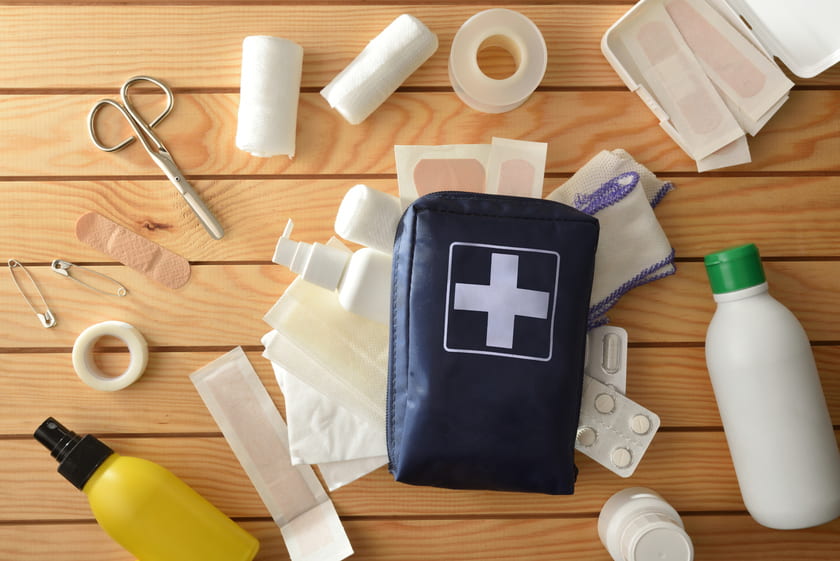
Basic First-Aid Kit
- Sunscreen and lip balm with sun protection.
- Insect repellent.
- Tissues or wet wipes.
- A kit for treating blisters, cuts, scrapes, and insect bites.
- Pain relievers, such as aspirin or ibuprofen, and altitude medication.
- Antacids, antibiotics, and anti-diarrhea medicine.
Read later | How to Deal with Altitude Sickness in Cusco
How to Organize Your Trekking Backpack
Distribute the weight properly and place the items you use most often near the top. For better weight distribution and easier organization, follow this order:
- Bottom of the backpack: extra items and clothing, spare footwear, and thermal layers.
- External pockets: rain jacket, tissues, hand sanitizer, sunscreen, and insect repellent.
- Top section: first-aid kit, important documents, camera, or phone.
- Side pockets: water bottle, snacks, and trash.
Items you do not need during the daily hike, such as your sleeping bag and sleeping pad, should go inside the duffel bag.
Don'ts on the Salkantay Route
What should you avoid during the Salkantay tour?
The Salkantay Trek passes through fragile ecosystems in the Andes and the Peruvian jungle, and it also enters the Historic Sanctuary of Machu Picchu. To protect the natural and cultural environment, avoid the following actions during the trek:
- Drinking alcohol or smoking along the route.
- Throwing organic or inorganic waste on the trail.
- Feeding, touching, or getting too close to wildlife.
- Damaging, scratching, or moving archaeological remains.
- Picking flowers, plants, or any other wild flora.
What is prohibited at Machu Picchu?
The last day of the Salkantay Trek includes a visit to Machu Picchu, a protected site with specific rules to ensure visitor safety and preserve this monument, recognized as a World Heritage Site by UNESCO. Keep the following in mind:
- Drones and large professional filming equipment are not allowed without special permits.
- Trekking poles must have rubber tips; uncovered metal tips are prohibited.
- Avoid bringing sharp or pointed objects, such as umbrellas or unprotected walking sticks.
- Drinking alcohol or carrying illegal drugs is prohibited.
- Knives, blades, or any dangerous objects are not allowed.
- Single-use disposable bottles are prohibited.
- Speakers, megaphones, and musical instruments are not allowed on the route.
- Do not smoke, use vapes, or carry any item that could cause fire.
- Never throw trash inside the Sanctuary, as there are no trash bins available.
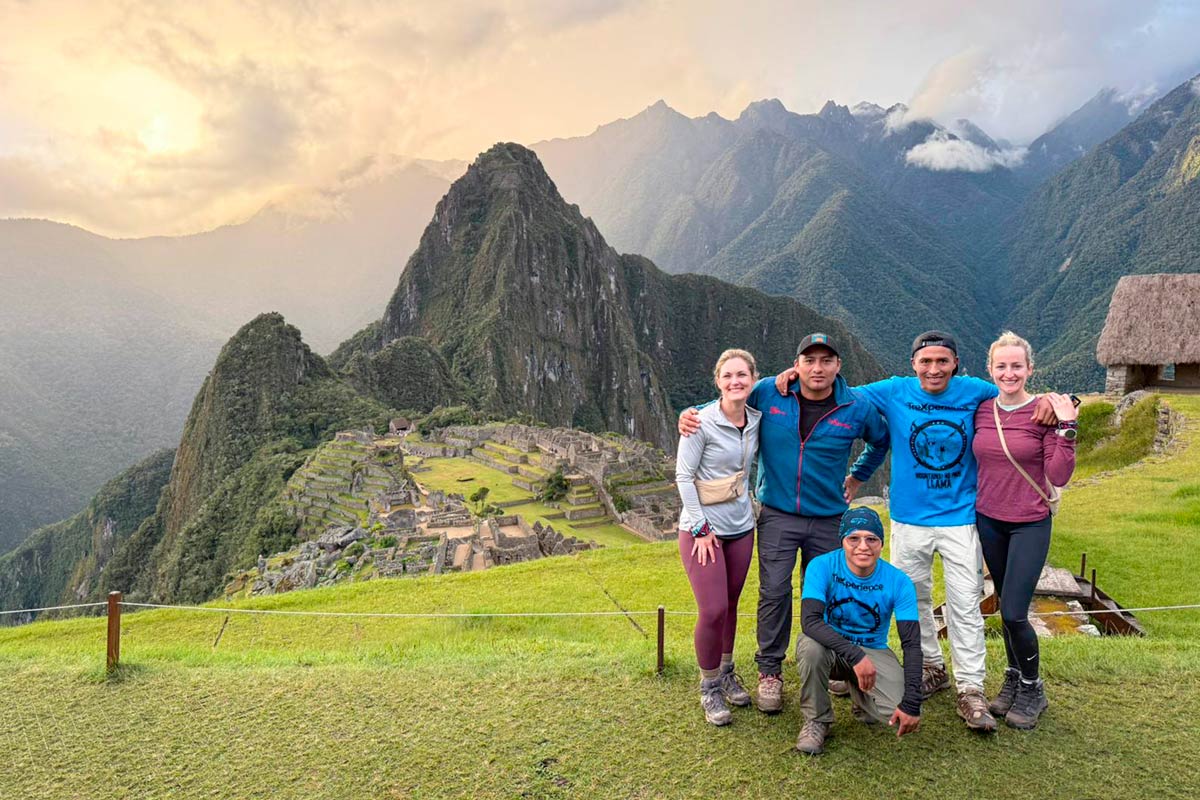
To make your visit easier, keep your backpack as light as possible and leave your trekking poles with your luggage at the hotel. Go up to Machu Picchu with only what you need for your visit and enjoy the site safely and responsibly.
What Should You Pack for Each Season?
Dry Season: April to October
Days are usually sunny with clear skies and firm trails. The average temperature is around 20°C / 68°F during the morning, but nights can drop to 0°C in the Andean area.
Although this season is known for having little rain, sudden showers can still occur near Apu Salkantay and the surrounding areas. In the jungle section, the cold and rain are replaced by warmer, more humid conditions.
- Sunglasses, sunscreen for your skin, and lip balm.
- Warm jacket
- Hat and gloves
- Lightweight rain jacket
Rainy Season: November to March
During this season, rain is more frequent and the trails can be less stable, with daytime temperatures between 7°C and 20°C and nights below 0°C in the Andes. During these months, waterproof footwear with good grip and quick-drying clothing are essential.
- Rain jacket or poncho
- Waterproof backpack cover
- Waterproof bags to protect your belongings
- Extra socks
- Quick-drying clothing
Salkantay Packing Checklist
Essentials:
- Original passport and copy of your travel insurance
- Cash in small bills: 10, 20, and 50 soles
- Personal first-aid kit
- 1 hiking backpack and 1 duffel bag
- Sleeping bag suitable for -10°C
- Foam or inflatable sleeping pad
- Trekking poles and rain poncho
Clothing:
- 1 rain jacket
- 1 fleece jacket
- 4 shirts, short-sleeve and long-sleeve
- 2 pairs of hiking pants, preferably convertible
- 1 set of thermal clothing
- 5 sets of underwear
- 1 swimsuit, optional
Footwear and accessories:
- Trekking boots
- Lightweight shoes or sandals for camp
- 5 pairs of hiking socks
- Sun hat/cap and sunglasses
- Beanie, gloves, and neck gaiter/buff
- Small quick-dry towel
- Toiletries in small containers
- 1.5–2 L water bottle
- Snacks, such as energy bars and dehydrated food
- Portable charger, headlamp, camera, and phone
What Not to Bring on the Salkantay Trek
- Alcohol or illegal drugs
- Cigarettes or vapes
- Portable speakers, megaphones, and unauthorized drones
- Single-use or disposable bottles
Extra clothing to leave in Cusco:
- Jeans and cotton T-shirts
- Full-size toiletries
- Extra electronic devices
- Jewelry or valuables
- Heavy, bulky, or unnecessary belongings
Packing for the Salkantay Trek is not about bringing more, but about organizing your gear wisely. Every piece of clothing, accessory, and document has an important purpose on a route where the weather, altitude, and terrain can change within just a few hours. With a well-organized backpack and the right equipment, you can hike lighter, rest better at camp, and enjoy every landscape on the way to Machu Picchu.
If you are preparing for your adventure and still have questions about what to bring, the TreXperience team can help you review your packing list before the trip and guide you according to the season, the Salkantay route you want to take, and the type of experience you are looking for.
Salkantay Trek Packing List FAQs
Can I rent gear for the Salkantay Trek in Cusco?
Yes. In Cusco, you can rent some gear such as sleeping bags, trekking poles, rain jackets, or inflatable sleeping pads. However, it is best to confirm with your tour operator which items are included, which ones can be rented, and which ones you need to bring on your own.
Do I need to bring thermal clothing for every day?
Not necessarily. It is best to bring at least one set of thermal clothing for cold nights, early mornings, and the highest sections near Salkantay Pass. During the warmer parts of the route, you can wear lightweight, quick-drying clothes.
What should I do if my clothes get wet during the trek?
Always keep your change of clothes in waterproof bags inside your duffel bag. If one item gets wet, avoid packing it together with dry clothes. It is also a good idea to bring extra socks and quick-drying clothing to stay more comfortable along the route.
Should I bring medicine for altitude sickness?
You can bring personal medication or altitude sickness pills, but it is best to speak with a doctor first, especially if you have any health condition. It also helps to arrive in Cusco a few days before the trek so your body can acclimatize better.
Can I wash clothes during the Salkantay Trek?
It is not highly recommended, as the weather can be cold or humid and your clothes may not dry in time. The best option is to bring enough lightweight, quick-drying clothes for the trekking days.
Which documents should I keep as digital copies?
In addition to your original passport, it is useful to keep digital copies of your passport, travel insurance, reservations, entrance tickets, emergency contact details, and other important documents. Save them on your phone and also in your email or cloud storage.
How can I avoid carrying unnecessary weight on the Salkantay Trek?
Pack only what you truly need for each stage of the trip. Avoid cotton clothing, full-size toiletries, valuables, extra electronics, and clothes you will not use. The key is to prioritize layered clothing, useful accessories, and lightweight items.

Add new comment