



If you’re planning a trip to Peru and looking for an unforgettable experience, the Salkantay trekking is an adventure you shouldn’t miss. This route, an alternative to the famous Inca Trail to Machu Picchu, takes you through stunning landscapes, from snow-capped mountains to lush tropical forests, giving you a unique connection with nature and Andean culture.
We know that planning an adventure like this can bring up many questions. Here, you’ll find answers to the most common ones, along with helpful tips to make the most of this incredible experience. Ready to discover one of the best routes to Machu Picchu?
1. Learn more about Salkantay Mountain and the trek
Salkantay Mountain, one of the highest peaks in Peru, rises 6,271 meters above sea level. Located in the southern Andes, it is one of the main attractions for mountaineers and hikers from around the world. The trek that follows the slopes of this mountain is the second most popular route in Peru, after the Inca Trail, and covers around 65 km (41 miles).
There are 4-day and 5-day versions of this trek. On some days, you may hike up to 10 kilometers, while on others, you may cover between 20 and 25 kilometers.
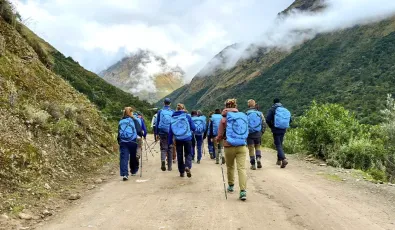
Along the way, you will pass through the vibrant tropical forest and see snow-capped peaks up close before reaching Machu Picchu. Once you complete this trek, it will stay with you forever. Also, unlike the Inca Trail, this route is quieter and less crowded, making it ideal for travelers looking for a more authentic connection with nature.
What makes the Salkantay Trek special
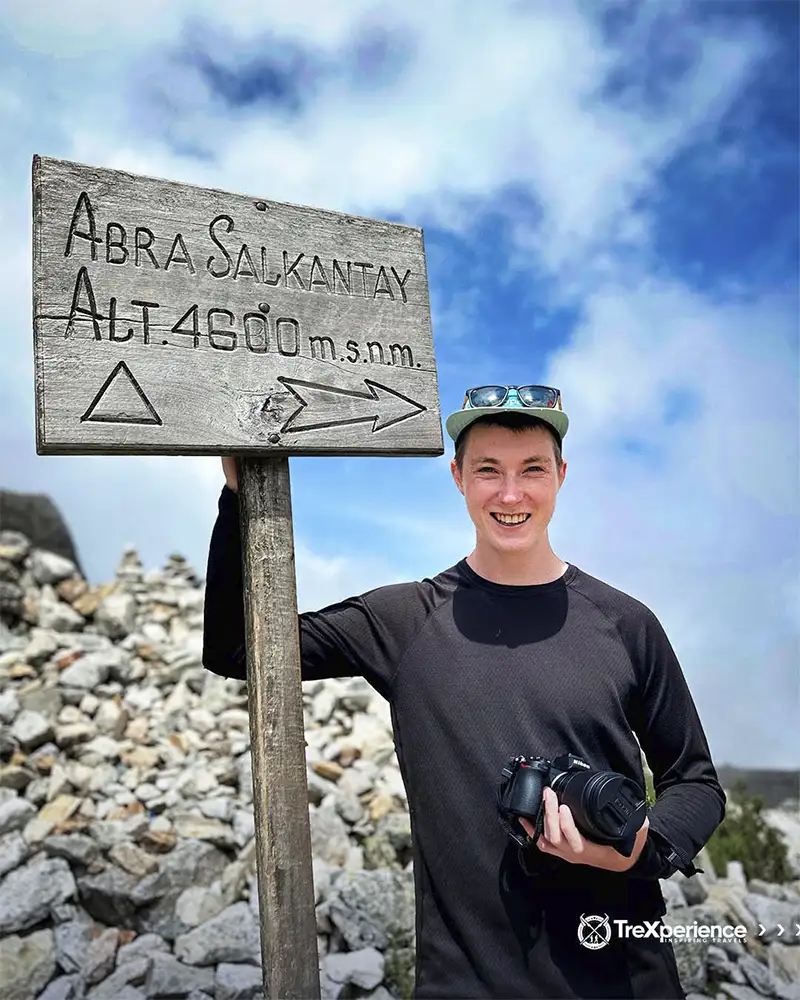
- Salkantay Pass: One of the highest mountain passes in Peru, reaching 4,600 meters above sea level.
- Diverse landscapes: You will go from cold, rugged high-mountain trails to warm, green valleys in the cloud forest.
- A peaceful route: A less crowded trail where you can enjoy every step at a relaxed pace. Perfect for those looking for nature, adventure, and tranquility.
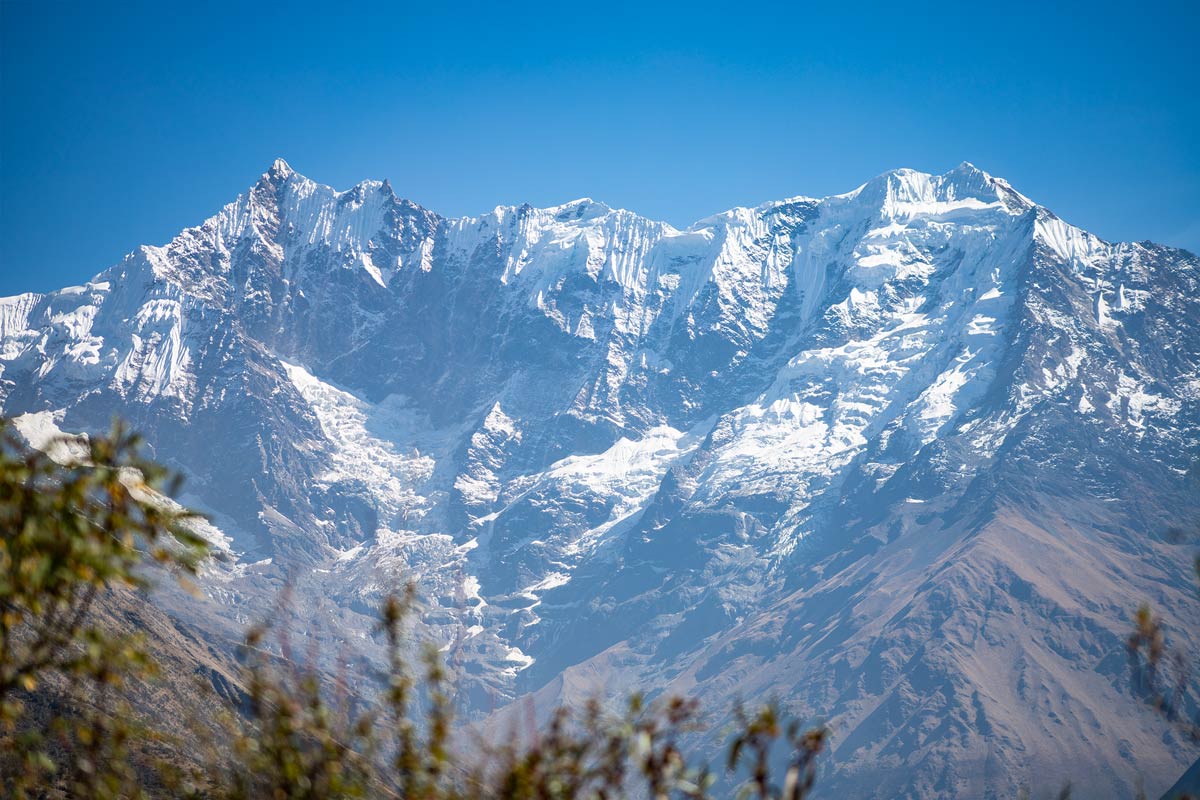
What does the word Salkantay mean?
The name Salkantay, also written as Salcantay, comes from Quechua, the ancestral language of the Andes, and means "wild mountain" or "untamed mountain."
- "Salka": In Quechua, this term refers to something wild, untamed, or hard to reach.
- "Antay": It refers to mountainous landscapes and snow-capped peaks.
2. Salkantay 4 Days or 5 Days?
The Salkantay Trekking usually lasts 4 days and 3 nights, with 5 to 8 hours of hiking per day. However, many tour operators also offer a 5-day version, depending on the level of comfort, pace, and adventure you are looking for.
Day | Salkantay 4 Days | Salkantay 5 Days |
| Day 1 | Cusco → Mollepata → Challacancha → Humantay Lake → Soraypampa → Salkantaypampa. Visit Humantay Lake and spend the night at Salka Glamp, below Salkantay Mountain. Max. altitude: 13,779 ft / Distance and time: 10 mi / 7–8 h | Cusco → Mollepata → Humantay Lake → Soraypampa → Salkantaypampa. Visit Humantay Lake and hike up to the campsite near Salkantay Mountain. Max. altitude: 13,779 ft / Distance and time: 10 mi / 8 h |
| Day 2 | Salkantaypampa → Salkantay Pass → Wayracmachay → Collpapampa. This is the most challenging day, with a climb to Salkantay Pass followed by a descent into the cloud forest. Max. altitude: 15,091 ft / Distance and time: 11 mi / 9 h | Salkantaypampa → Salkantay Pass → Wayracmachay → Collpapampa. Cross the highest point of the trek and descend toward the cloud forest. Max. altitude: 15,091 ft / Distance and time: 11 mi / 9 h |
| Day 3 | Collpapampa → Lucmabamba → Pachamanca and coffee experience → vehicle transfer to Hidroelectrica → hike to Aguas Calientes. Max. altitude: 9,087 ft / Distance and time: 9 mi / 6 h | Collpapampa → Lucmabamba → Pachamanca → coffee experience → hike up an ancient Inca trail → Llactapata. Camp with a distant view of Machu Picchu. Max. altitude: 9,087 ft / Distance and time: 10 mi / 8 h |
| Day 4 | Guided visit to Machu Picchu, return to Aguas Calientes, panoramic train, and transfer back to Cusco. The guided tour lasts 2–3 h. Max. altitude: 7,972 ft | Llactapata → Hidroelectrica → hike along the railway → Aguas Calientes. Descend to Hidroelectrica and then walk toward Machu Picchu Pueblo. Max. altitude: 9,317 ft / Distance and time: 9 mi / 6 h |
| Day 5 | Guided visit to Machu Picchu and return to Cusco on the panoramic train. The guided tour lasts approximately 2–3 h. Max. altitude: 7,972 ft |
Salkantay Trek 4 Days and 3 Nights
The 4-day Salkantay Trek begins in Soraypampa, with a visit to Humantay Lake before camping. On the second day, you cross the impressive Salkantay Pass (15,091 ft) and descend toward Chaullay. On the third day, the route passes through the cloud forest to Lucmabamba, where you can explore coffee plantations. Finally, you reach Aguas Calientes and visit the majestic Machu Picchu the fourth day.
Salkantay Trek 5 Days and 4 Nights
The 5-day version adds an extra day to enjoy the landscapes at a more relaxed pace, including time to visit the archaeological site of Llactapata before ending the experience at Machu Picchu.
3. Do I need to be in good physical condition?
The Salkantay Trek is considered moderate to challenging because of its varied terrain, high altitude, and long hours of hiking each day. Although you don’t need to be a professional athlete, it is important to be in good physical condition and mentally prepared for the challenge.
Each day on the trail can be demanding and requires good endurance.
Physical preparation and acclimatization
- Cardio: Go for long, steady walks, take the stairs instead of the elevator, and ride a bike on weekends. These are exercises you can start doing in your home country.
- Strength: Build strength in your leg muscles with squats, lunges, and running.
- Gradual training: Increase your walking distance, uphill sections, and strength exercises little by little.
- Acclimatization: It is recommended to spend 2 or 3 days in Cusco before starting the trek.
- Light meals: In the days before the trek, avoid heavy meat dishes, very spicy food, and meals that are hard to digest.
- Steady pace: Do the exercises above at your own pace, but keep going consistently. In other words, stay steady and avoid pushing yourself too hard.
 |  |
4. What is the highest altitude reached on the trek?
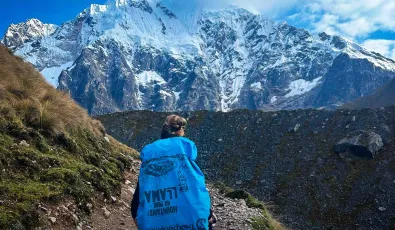
The highest point of the trek is Salkantay Pass, at around 4,600 meters above sea level (15,091 feet). From here, you can enjoy stunning views of the mountains and glaciers that surround the Salkantay area. However, reaching this point is not easy. The hike on the second day is steep, with a rough and slippery trail due to the frequent light rain at this altitude.
For this reason, it is essential to be physically and mentally prepared to face the altitude.
Fun fact »
Apu Salkantay, as it was known, was believed to be a protective spirit that ruled over rain and water, both essential for farming and life in the Andes. This spiritual connection is still honored by local communities today.
5. Avoid altitude sickness on the Salkantay trek
In addition to being in good physical shape, you should be prepared for altitude sickness in case symptoms appear, such as headache, nausea, fatigue, dizziness, shortness of breath, and trouble sleeping. Both the 4-day and 5-day versions of the Salkantay Trek stay mostly above 9,842 feet. The lowest sections are in the jungle areas, at around 6,561 feet, while the highest point, Salkantay Pass, reaches 15,091 feet.
Before the trek
- Avoid very spicy or heavy meals that require extra digestion in the days before the trek.
- Avoid drinking alcohol in the days before the trek.
- Drink a cup of muña tea after each meal during your acclimatization process.
- Avoid physical effort in the days before the trek, such as carrying or pulling suitcases, running at high altitude, and similar activities.
During the trek
- Stay well hydrated, using reusable water bottles.
- Eat light meals and respect your meal times.
- Rest often and walk at your own pace. The Salkantay Trek is not a race.
- If you start feeling symptoms of altitude sickness, such as dizziness, headache, or nausea, tell your guide immediately.
- Travel with a certified guide and local muleteers.
- Carry a basic first-aid kit.
- Always purchase travel insurance.
6. Food during the Salkantay hike
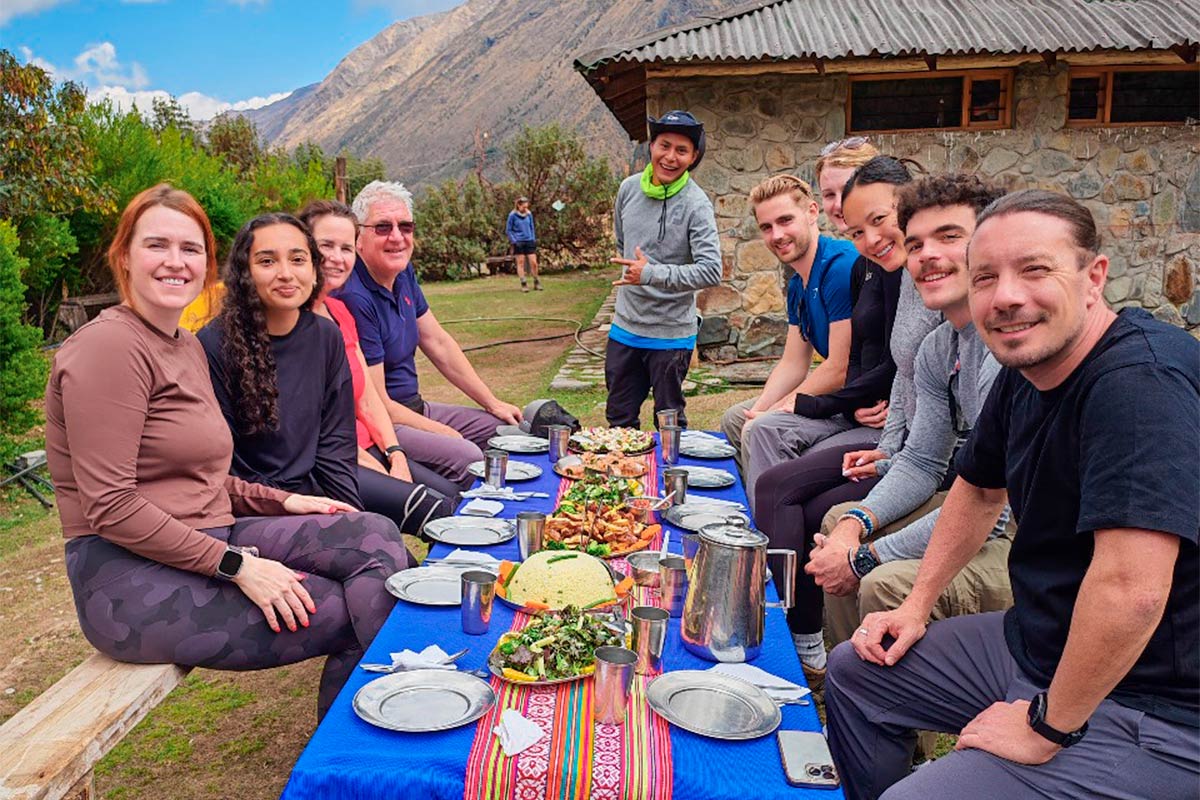
Eating a balanced, energy-rich diet during the trek around Salkantay Mountain is very important. Staying properly hydrated is just as essential, especially because your body will lose salts and minerals along the way.
- Energy-packed breakfast: Oatmeal, fresh fruit, soft-boiled eggs, and a cup of coffee or muña tea are recommended.
- Lunch: Eat complex carbohydrates such as potatoes or rice, along with proteins like chicken or fish.
- Dinner: Keep it light and warm, and avoid heavy meals.
- Hydration: It is recommended to drink at least 2 to 3 liters of water per day. You can also bring water purification tablets to refill your bottle from natural springs or streams, after checking with your guide.
7. Best time to do the Salkantay Trekking
The best time to do this hike is during the dry season. With less rain and fewer cloudy days, the weather is usually clearer and sunnier, and the trails are firmer and drier, helping reduce the risk of landslides along the route. Still, sudden light rain is always possible, so packing a windbreaker or waterproof jacket is always a good idea.
- Dry season: This runs from May to October. During these months, the weather is usually more stable, with sunny days, clear skies, and less rain. This makes the trek more enjoyable, the trails are often in better condition, and the mountain views are much clearer.
- Rainy season: This runs from November to April. During this time, rain is more frequent, the sky is often cloudier, and some sections of the trail can become slippery or more difficult because of mud, falling rocks, or small landslides. Even so, there are usually fewer travelers on the route, which can make the experience feel more peaceful.
Weather on the Salkantay Trek
The weather on the Salkantay Trek can change a lot because you will cross different trails and altitudes. As mentioned earlier, the most challenging section in terms of weather is Salkantay Pass, where daytime temperatures range from 15°C (59°F) to 3°C (37°F) when the sky is cloudy. At night, temperatures often drop from 0°C (32°F) to -10°C (14°F), which means it can get extremely cold.
In contrast, the campsites near the cloud forest are warmer, more humid, and less extreme. During the day, temperatures in these areas are usually between 20 and 28°C (68°F–82°F), but at night they can drop to around 10 or 15°C (50°F–59°F). Sudden light rain is also common, even during the dry season.
Because of this, you may experience heat, cold, humidity, and sudden weather changes during the same trek.

8. Can I hike the Salkantay Trekking on my own, or do I need a guide?
The Salkantay route can be done on your own, as there are no checkpoints, tickets, or permits that you need to buy in advance to enter the trail. However, hiking this route alone can be challenging because the path is remote and quiet, with harsh weather conditions and high altitude. For this reason, it is better to share the experience with a group, family members, or under the guidance of an experienced local guide.
An experienced guide can give you important information, help you through difficult sections, and keep you safe during the trek.
Their services are usually included in any Salkantay tour. Booking a tour is also an excellent option, especially if it is your first time on this route or if you want to travel solo. The tour team will take care of all the logistics along the way, including tents, meals, muleteers, trail cooks, and more.
Please note:
There are experiences such as the 4-day Salkantay Trek via the Inca Trail, which connects Salkantay with the famous route that leads to Machu Picchu. In this case, you cannot do the hike on your own, as entry to the Inca Trail requires a permit issued only through authorized tour operators. In addition, the trail checkpoints require you to have booked a tour with an authorized tour guide.
9. What should you pack for the Salkantay Trail?
Because the route passes through different climates, you need to be well prepared and dressed for changing conditions. The following items are essential for your Salkantay Trekking:
- Sturdy, waterproof hiking boots
- Breathable short-sleeve T-shirts
- Sweatshirt or fleece jacket
- Quick-dry hiking pants
- Shorts
- Thick socks
- Thermal layers for cold weather
- Waterproof and windproof jacket
- Gloves
- Warm hats or beanies
- Rain poncho
- Trekking poles to reduce impact on your knees
- Comfortable daypack (20–30 L) with hydration
- Sunscreen, sunglasses, sun hat, and gloves
- Insect repellent
- Sleeping bag suitable for 0–5°C
- Energy snacks or dried fruit to keep your energy up
- Water bottle
- Toilet paper
- Basic medicines, such as aspirin, and altitude sickness treatment
- Documents, money, and passport in a waterproof bag
 |  |
10. Is the Salkantay Trail recommended for children and older adults?
Yes, children and older adults can do the trek, but the route can be very demanding for them. The Salkantay Trek requires good physical endurance, especially for younger and older travelers. Remember that the trail reaches a high altitude of 15,091 ft at Salkantay Pass. For this reason, children under 12 years old and adults over 55 should be well acclimatized, in good health, and, in many cases, choose a private tour so they can walk at a more comfortable pace.
- Recommended minimum age: In general, this experience is recommended for children aged 12 and older, as long as they are in good physical condition and well acclimatized. Younger children may struggle, especially on the second day, when the trek reaches its highest altitude.
- Private tour: A tour like the Luxury Salkantay Trek 5 Days to Machu Picchu is a good option for families, as it allows you to take breaks, move without rushing, and adjust the pace for children or older adults.
- Horse option: In certain parts of the route, you can rent a horse with a muleteer to reduce the physical effort.
11. Are there bathrooms during the Salkantay Trekking?
Yes, there are bathrooms during the trail of Salkantay, but they are basic and vary from one campsite to another. Their availability, cleanliness, and cost depend on the area. However, if you book a tour, most tour operators provide portable toilets.
- At the campsites: Most campsites have basic bathrooms. In higher areas, such as Soraypampa, they are usually latrines, while in lower sections you may find flush toilets.
- At rest stops: In villages, lunch areas, or passing points, you will find simple bathrooms. They usually cost between S/ 1 and S/ 2 (around US$1), so it is a good idea to carry Peruvian coins.
- Along the trail: In the middle of many trail sections, there are no bathrooms. If you need to go, you will have to do so outdoors, always with care and respect for nature. Carry a bag for your toilet paper and avoid leaving any waste on the route.
12. Is the Salkantay Trekking harder than the Inca Trail?
The Salkantay Trek is more challenging than the Inca Trail for many travelers, mainly because of the altitude, distance, and trail conditions. However, the difficulty also depends on each hiker’s experience, fitness level, and preparation.
Factors that make the Salkantay Trek more difficult
Aspect | Salkantay | Inca Trail |
Altitude | The highest point on the Salkantay Trek is Salkantay Pass (15,091 ft). | It reaches 13,828 ft at Dead Woman’s Pass. |
Distance | It covers 40 to 46 mi in 4 or 5 days. | It covers 28 mi in 4 days. |
Trail | It has more varied terrain, from rocky and rugged paths to steep descents and trails through the cloud forest. | It is more structured, following ancient stone paths built by the Incas. |

FAQs about the Salkantay trekking
How far in advance should you book the Salkantay Trek?
It is best to book as soon as your travel dates are confirmed. Although the classic Salkantay route does not have the same limited permits as the Inca Trail, Machu Picchu tickets are sold by circuit, route, date, and entry time. The most popular options may sell out before the trek or campsites reach capacity. Before paying, confirm which Machu Picchu circuit is included, the scheduled entry time, and whether your return train ticket has already been reserved. The official booking platform requires all these details when purchasing an entrance ticket.
Does the Salkantay Trek reach Machu Picchu through the Sun Gate?
The classic route does not enter Machu Picchu through the Sun Gate, also known as Inti Punku. Travelers usually reach Hidroelectrica, walk to Aguas Calientes, and enter Machu Picchu through the main entrance the following day, either by bus or on foot. Routes that combine Salkantay trekking with part of the Inca Trail may arrive through Inti Punku, but they require a special permit and must be arranged through an authorized tour operator. This distinction is important because many travelers assume that every trail to Machu Picchu ends at the Sun Gate.
How much luggage can you bring, and who carries it?
Your main suitcase will usually remain in Cusco. During an organized tour, mules carry the camping equipment and a duffel bag containing some of your belongings. On TreXperience tours, the weight limit for this bag is 7 kg, including the sleeping bag and sleeping mat when applicable. Each traveler also carries a small daypack with water, rain gear, a warm layer, sunscreen, a passport, personal medication, and anything needed during the day. Always confirm your operator’s weight limit before packing.
Is there mobile signal and are there places to charge your phone along the route?
You should not rely on mobile service during Salkantay trekking. Signal can be weak or unavailable in the high mountain sections and several remote areas. Download any important documents, maps, and information before leaving, and let your family know that you may be unable to communicate for part of the trek. It is also a good idea to bring a fully charged power bank, as access to electrical outlets varies between campsites. Ask your operator whether electricity is available at the accommodations before assuming you can charge your phone or camera every night.
Can you request vegetarian, vegan, or allergy-friendly meals?
Yes. Many organized tours can adapt their menus when they receive the necessary information in advance. Share your dietary needs when booking and clearly explain whether they are a preference, an intolerance, or an allergy. Simply requesting “special food” is not enough: list the ingredients you need to avoid and ask how food is handled at the campsites. This is especially important for travelers with celiac disease or severe allergies, as trekking kitchens have limited space and equipment. TreXperience can accommodate dietary requirements on its Salkantay tours when notified beforehand.
Can you climb Huayna Picchu or Machu Picchu Mountain after the trek?
Yes, but the additional hike must be arranged before your trip. Huayna Picchu and Machu Picchu Mountain require separate tickets with a specific route and entry time, so it is not advisable to wait until you arrive in Aguas Calientes. Your itinerary must also leave enough time after the guided tour of the Inca citadel. On TreXperience’s four-day tour, you can request entry to either mountain, subject to availability, but the ticket is not included in the base price.

Add new comment