



Pollo a la brasa has become a true symbol of Peruvian gastronomy and one of the food experiences that both locals and travelers look forward to enjoying. From family gatherings to special celebrations, Peruvian roasted chicken holds a special place at the table of millions of Peruvians.
Its story began in the mid-20th century, when a new cooking method turned a simple roasted chicken into a dish that won over the entire country. But what exactly is pollo a la brasa, and what makes it so special compared to other similar preparations?
What Is Pollo a la Brasa?
Pollo a la brasa is one of the most representative dishes of Peruvian cuisine. For many people, trying this delicious rotisserie-style chicken is a must during any trip to Peru. It consists of chicken marinated in a blend of spices and seasonings, then slowly cooked in a rotating oven over embers, charcoal, wood, or, in some cases, gas.
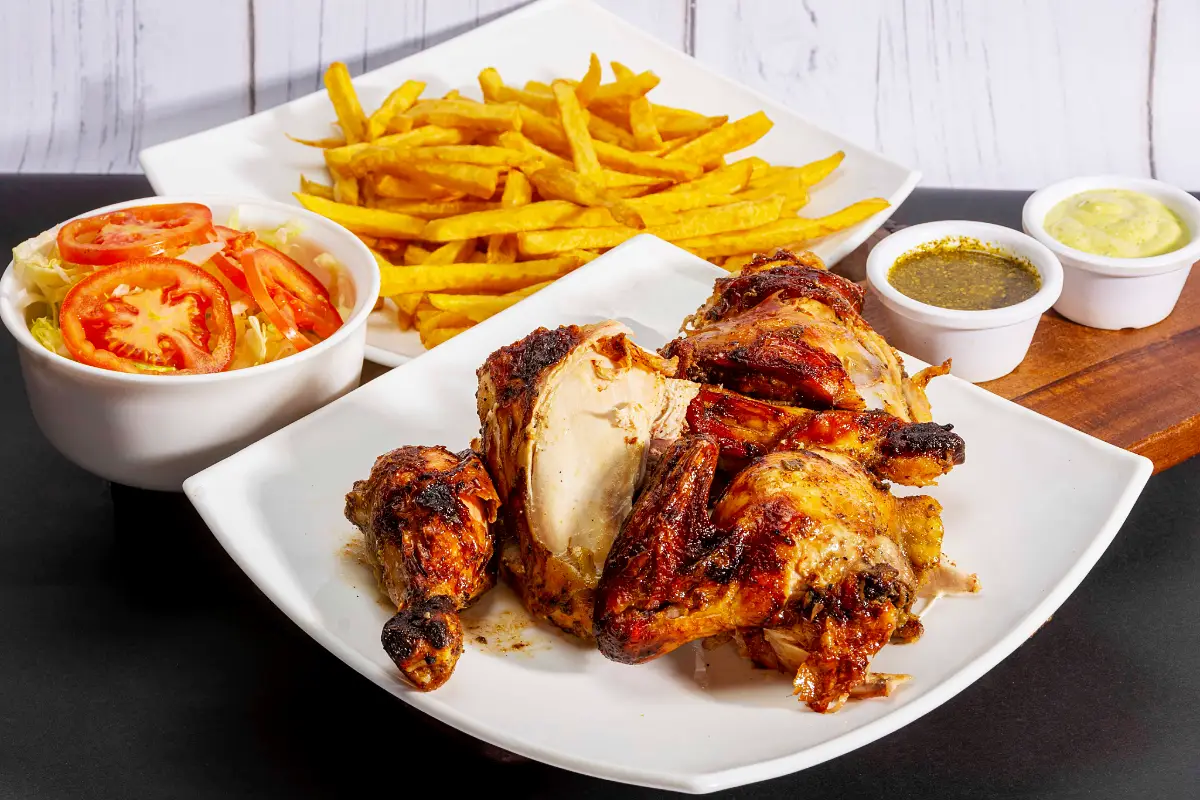
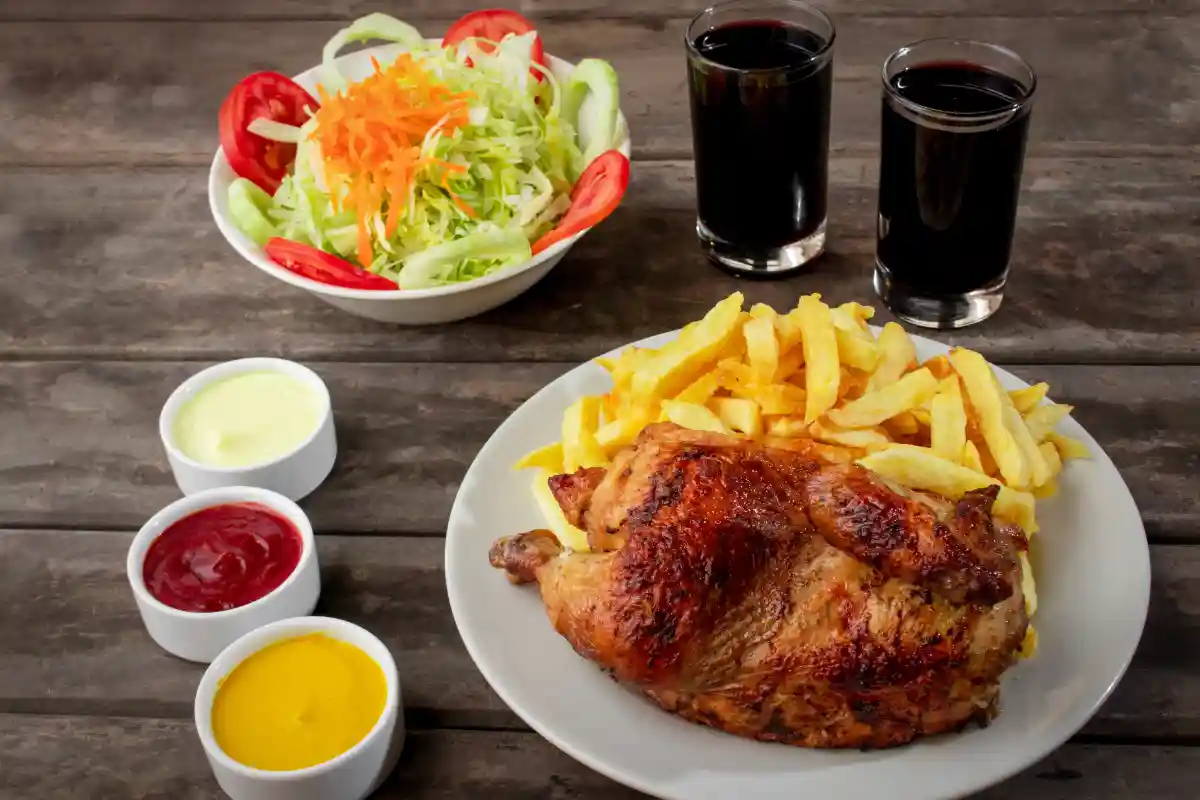
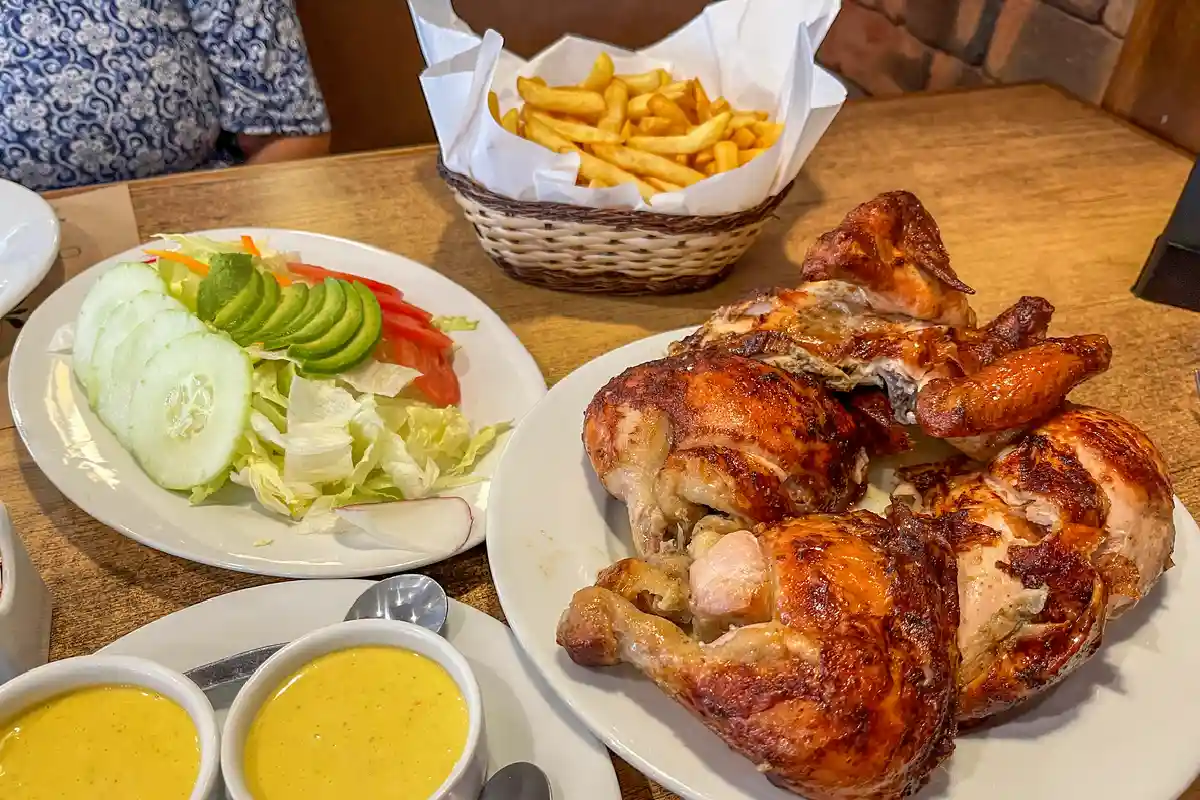
One reason for its success is how easy it is to enjoy in different settings, from traditional pollerías to high-end restaurants. It is also a favorite at family gatherings. It is usually served with French fries, salad, and a variety of creamy sauces that complete its flavor.
What Makes Peruvian Pollo a la Brasa Chicken Different?
At first glance, pollo a la brasa may look like just another roasted chicken, but it has unique features that set it apart from similar dishes around the world. The main difference is its marinade, a flavorful mix that often includes ingredients such as soy sauce, garlic, cumin, and other spices. This blend varies from one pollería to another. The seasoning penetrates the meat for several hours, giving it that intense and unmistakable flavor.
Another key feature is the cooking method. The chicken is prepared in rotating ovens where it turns constantly, allowing the heat to spread evenly. This process keeps the meat juicy while the skin becomes beautifully golden and deliciously crisp.
Freshly made fries, salads, and especially ají-based sauces are almost inseparable from the dish. For many Peruvians, the final flavor does not depend only on the chicken, but also on the sides and sauces that come with it.
History of Pollo a la Brasa in Peru
The history of pollo a la brasa in Peru dates back to the mid-20th century, around the 1950s, in the Santa Clara area, east of Lima. The success of this delicious dish comes from a cooking technique that achieves the perfect combination of juicy meat and golden, crispy skin that catches your attention from the very first bite.
The birth of this dish is linked to La Granja Azul, one of the first pollerías in Peru. There, chicken cooked over embers began to gain popularity among diners and slowly became a national culinary tradition. Over the years, pollerías multiplied across Lima and can now be found throughout the country, turning the Peruvian roasted chicken from a culinary novelty into a familiar part of Sunday lunches, family gatherings, and Peruvian celebrations.
Important: Today, pollo a la brasa is considered a symbol of modern Peruvian cuisine. Its cultural importance was officially recognized in 2004, when the former National Institute of Culture declared it a Peruvian Culinary Specialty, highlighting its “unmistakably Peruvian” flavor and its widespread popularity across the country.
Who Created Pollo a la Brasa? Roger Schuler and Franz Ulrich
The creation of pollo a la brasa is attributed to Roger Schuler, a Swiss immigrant who raised chickens in Peru. According to the most widely known story, Schuler observed how chicken was roasted over embers and saw an opportunity to turn that simple preparation into something more efficient, flavorful, and appealing to the public.
To improve the technique, Schuler worked with Franz Ulrich, a metalworking specialist who designed a rotating oven capable of cooking several chickens at the same time. This system allowed the birds to turn constantly in front of the heat, achieving even cooking, golden skin, and juicy meat. This oven, known as a rotombo, was essential for preparing Peruvian roast chicken in larger quantities without losing quality.
Thanks to this innovation, the Peruvian roasted chicken stopped being just a homemade or artisanal preparation and became the foundation of a restaurant model that later expanded throughout Peru. The combination of technique, flavor, and classic side dishes turned this dish into one of the most popular expressions of Peruvian gastronomy.
When Is Pollo a la Brasa Day Celebrated in Peru?
Pollo a la Brasa Day is celebrated in Peru every third Sunday of July. This date was officially established in 2010 through Ministerial Resolution No. 0441-2010-AG, issued by the Ministry of Agriculture, now the Ministry of Agrarian Development and Irrigation. Its purpose is to promote and share the consumption of this dish both in Peru and abroad.
During this celebration, many Peruvian families gather at pollerías to enjoy their favorite roasted chicken. Others choose delivery or takeaway to enjoy it comfortably at home. It is also common to find promotions, special menus, and food campaigns that highlight the importance of this dish in Peruvian popular culture.
Did you know that pollo a la brasa was recognized as one of the best chicken dishes in the world? In the “50 Best Chicken Dishes” ranking by Taste Atlas 2026, this Peruvian dish reached second place globally and stood out as the only South American representative in the top 10.
Pollo a la Brasa Recipe
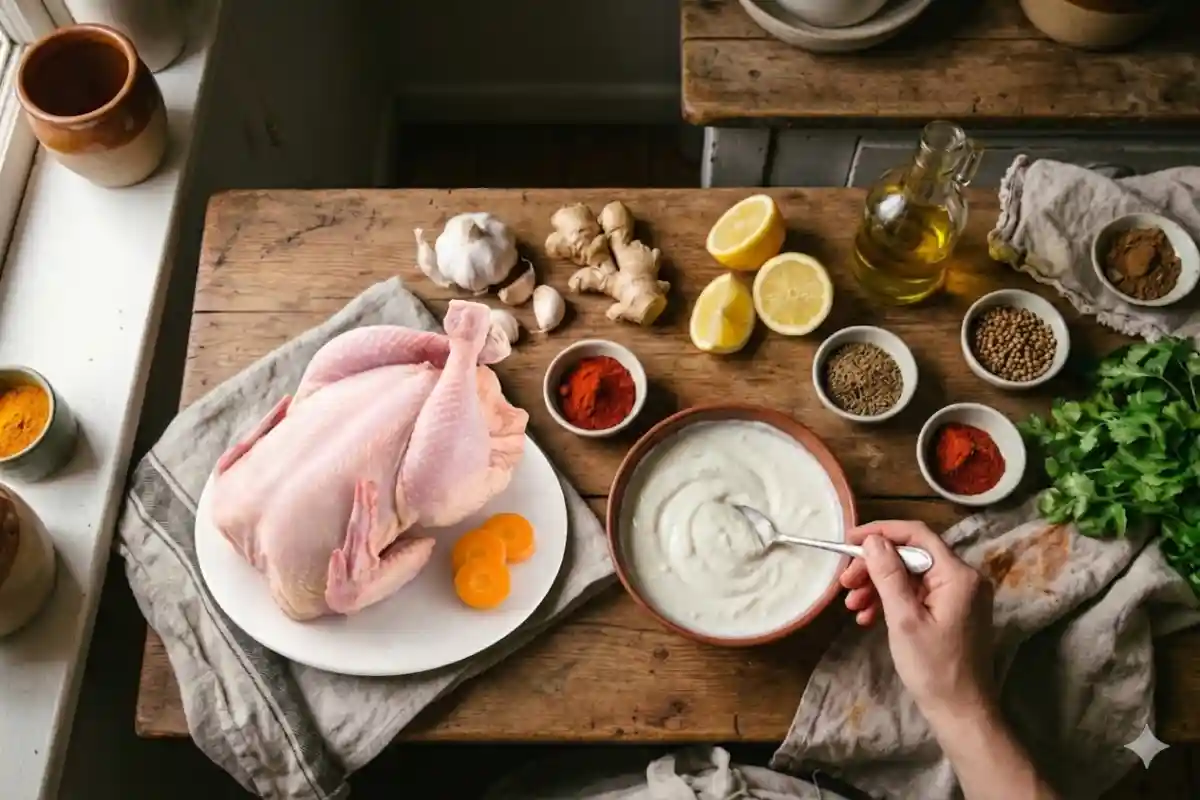
Every pollería carefully protects the secrets of its seasoning, but the essence of a good pollo a la brasa comes down to a well-made marinade, enough resting time, and a cooking process that keeps the meat juicy while giving the skin a golden, delicious finish. If you want to prepare it at home, these are the most important steps:
- Start by cleaning the whole chicken well and making sure it is completely dry before seasoning it.
- Prepare a marinade by mixing ingredients such as garlic, soy sauce, ají panca, cumin, pepper, oregano, vinegar, oil, and dark beer.
- Cover the chicken completely with this mixture, making sure the seasoning reaches the inside and the thickest parts of the meat.
- Let it rest for several hours so it absorbs the flavors better; a great option is to marinate it overnight.
- Once ready, place it in the oven or on the grill and cook it slowly so the meat keeps its natural juices.
- During cooking, you can occasionally baste it with its own juices to enhance the flavor and prevent it from drying out.
- When the skin turns deep golden and slightly crispy, it is ready to serve.
- Enjoy it with French fries, fresh salad, and classic pollería sauces for a much more delicious experience.
What Are the Different Ways to Prepare Pollo a la Brasa?
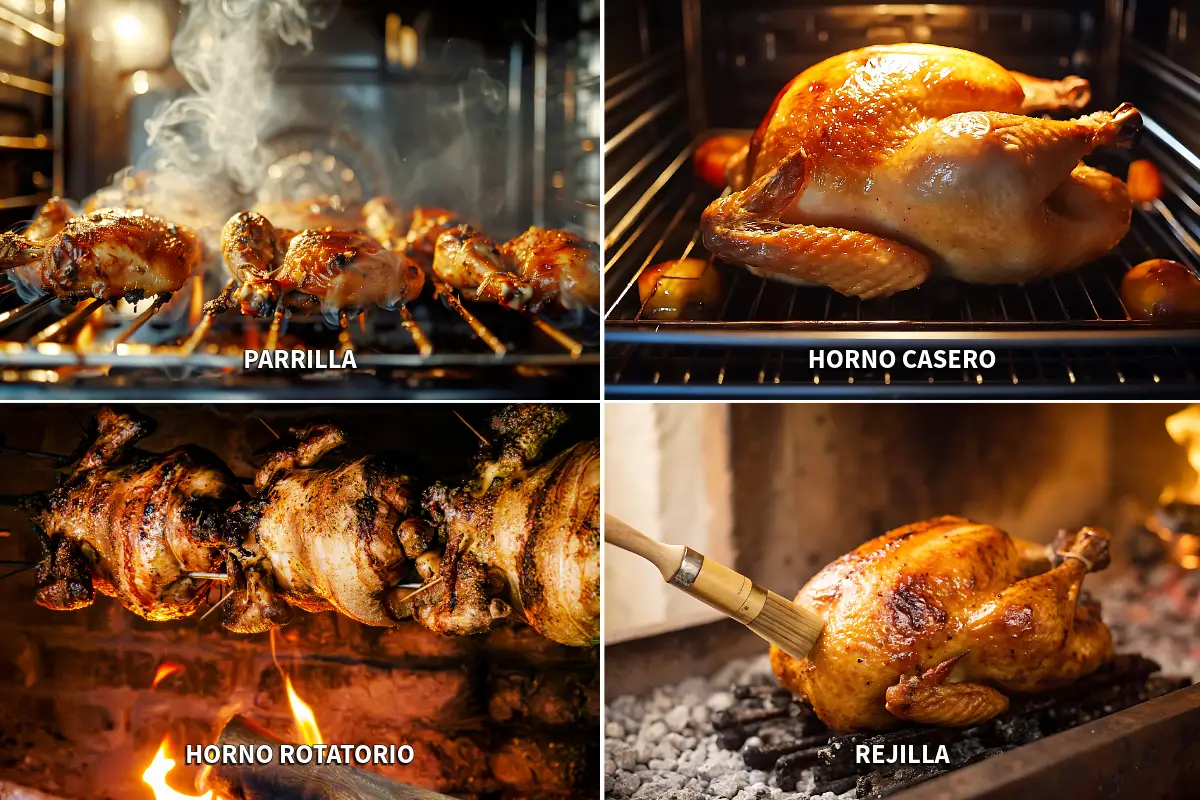
You can prepare a delicious Peruvian pollo a la brasa in the following ways:
- On the grill, which is one of the closest methods to the traditional flavor because contact with charcoal or wood gives it a stronger smoky aroma. It is ideal if you want a more rustic result, similar to what you would find in a pollería.
- In a rotating oven, which is the classic method used in pollerías. The chicken turns constantly in front of the heat, allowing for even cooking, golden skin, and juicy meat.
- In a home oven, which is a more practical option for preparing it at home. Although it will not taste exactly like the version from a pollería, you can still achieve a great result if the chicken is well marinated and basted with its juices while cooking.
- At home using a tray or rack: if you do not have a rotating oven, you can place the chicken on a rack so the heat circulates better and the skin becomes more golden. You can also turn it during cooking for a more even finish.
Traditional Pollo a la Brasa Ingredients
| Ingredient | What is it used for? |
| Whole chicken with skin | It is the base of the dish, and the skin helps create a golden, crispy texture. |
| Salt | It enhances the flavor of the chicken and helps the marinade penetrate better. |
| Pepper | It adds a slightly spicy and aromatic touch. |
| Cumin | It gives depth, warm aroma, and a characteristic flavor to the marinade. |
| Ground garlic | It adds intensity, aroma, and the main flavor base of the seasoning. |
| Oregano | It adds an herbal touch and balances the flavor of the spices. |
| Rosemary | It brings a fresh aroma and pairs well with oven or ember cooking. |
| Ground ají panca | It adds color, Peruvian flavor, and a gentle smoky note. |
| Soy sauce | It adds color, saltiness, and depth to the marinade. |
| White vinegar | It helps balance the flavor and slightly tenderize the meat. |
| Dark beer | It adds aroma, color, and helps keep the meat juicier. |
| Vegetable oil | It helps bring the marinade together and promotes browning of the skin. |
What to serve with Peruvian roast chicken?
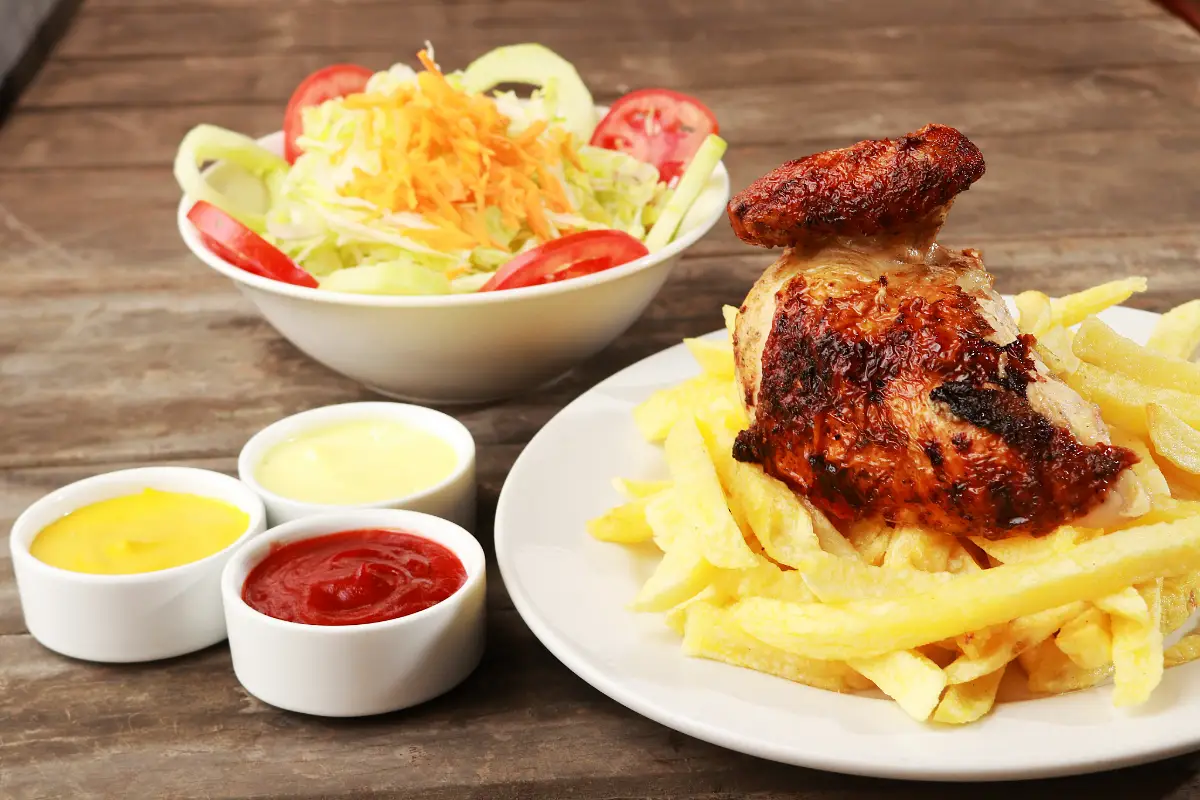
Pollo a la brasa is served with French fries, fresh salad, pollería sauces, and a cold drink. In Peru, this combination is almost inseparable from the dish because it balances the intense flavor of the chicken with crispy, fresh, and creamy textures.
French Fries
French fries are the most classic side dish for pollo a la brasa. Their crispy outside and soft inside pair perfectly with the golden chicken skin and the juices from the marinade. In many Peruvian pollerías, they are served in generous portions, ideal for sharing with family or friends. They are also perfect for dipping into the sauces, especially the famous ají de pollería.
Fresh Salad
Fresh salad brings balance to the dish. It makes the meal feel lighter and more refreshing. It can usually include lettuce, tomato, cucumber, carrot, cabbage, or avocado, although each pollería has its own version.
This side also helps contrast with the French fries and sauces. While the chicken and fries bring intensity and texture, the salad adds freshness and makes the dish feel more complete.
Traditional Creams and Sauces
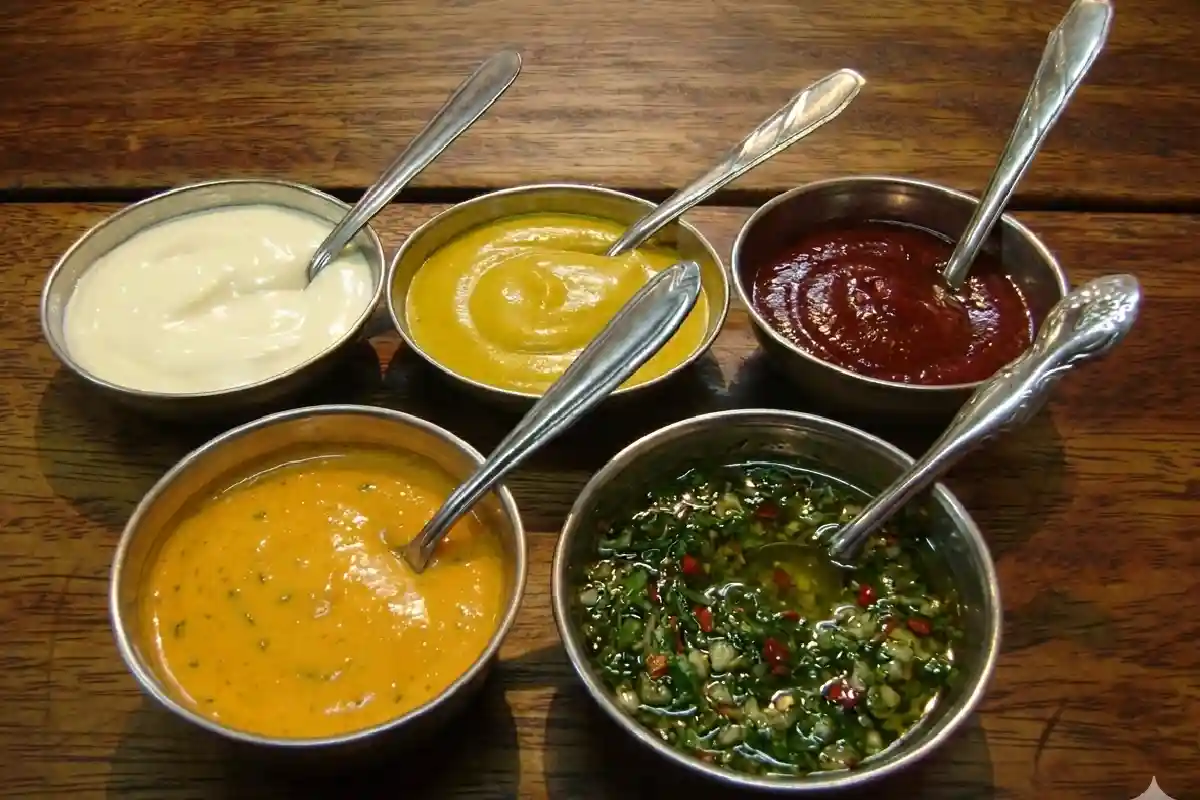
Sauces are an essential part of Peruvian pollo a la brasa. Some of the most common are:
- Ají de pollería: This is the undisputed queen of the table. This sauce combines Peruvian yellow chili pepper with the aromatic touch of huacatay, an Andean herb. Its heat is mild but addictive, making it perfect for pouring over French fries.
- Rocoto sauce: For those who want a stronger kick. It is made with rocoto pepper, which is often softened by blending it with soda crackers, milk, or fresh cheese. It adds a stronger heat and a reddish color that pairs beautifully with the chicken.
- Pollería vinaigrette: This is the dressing for the salad served with the chicken, although many people also pour it over the fries. It is tangy, emulsified, and very refreshing.
- Tartar sauce: A creamy delight that many pollerías have successfully added to their tables. It brings texture and a wonderful flavor that goes especially well with fries.
- Chimichurri: The classic grilled touch. Spread over the crispy chicken skin, it enhances the smoky flavors from the embers.
Mayonnaise: In Peruvian pollerías, mayonnaise is often not the store-bought kind. Many places make it homemade, and it works as the perfect base to balance the stronger flavors of the chili sauces. - Mustard: It adds a tangy, spiced, and slightly bitter touch. It is the perfect contrast to the natural richness of Peruvian rotisserie chicken and French fries, cutting through the intensity with its sharp flavor.
- Ketchup: The sweet note of the group. It is a favorite for pairing directly with French fries, creating that classic sweet and salty contrast.
Drinks That Usually Go with It
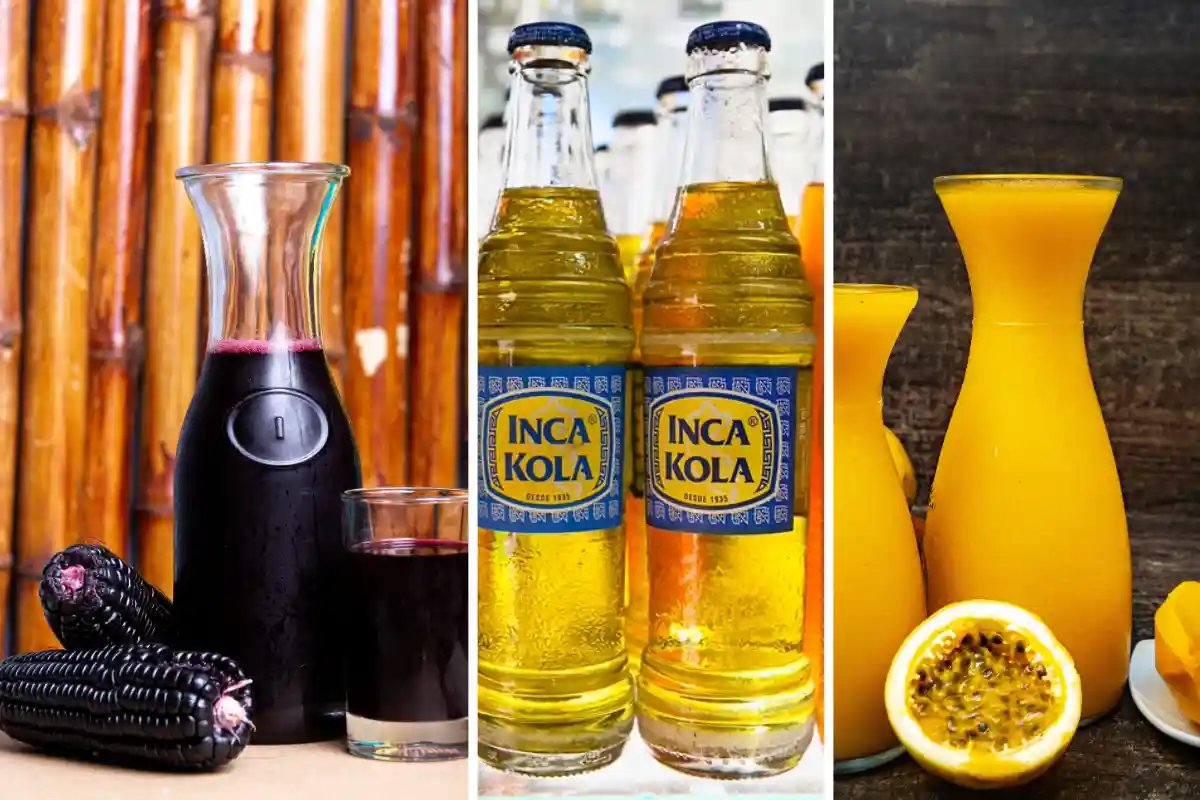
To complete the experience, pollo a la brasa is usually served with cold and refreshing drinks. The most popular options are:
- Inca Kola: This is the classic pairing. Inca Kola, Peru’s famous golden soda, is the undisputed companion of pollo a la brasa at family tables. Its sweet flavor cuts perfectly through the richness of the chicken and the salty touch of the fries. Of course, dark sodas and other flavors are also very popular in combo meals.
- Chicha morada: This drink is made by boiling purple corn with pineapple peel, apple, quince, cinnamon, and cloves. It is served very cold with a touch of lime and sugar. Its sweet, fruity, and spiced profile refreshes the palate and beautifully balances the intense, smoky flavors of the chicken.
- Passion fruit juice: A citrusy option where the tangy, tropical flavor of passion fruit cleanses the palate between bites, making it one of the favorite natural alternatives.
- Lemonade and orangeade: Fresh and light house favorites. Made on the spot with natural fruit, ice, and sugar, they are ideal for those who want something natural but less sweet than chicha morada or soda.
Where to eat Pollo a la Brasa in Peru
Finding a good pollería in Peru is not difficult because pollo a la brasa is part of everyday life in the country. However, if you want a truly special experience, it is worth choosing places known for their flavor, tradition, cooking technique, side dishes, and good reputation among Peruvians and visitors.
Best Pollerías in Peru
This ranking is based on recognitions from TasteAtlas, the Summum Awards, and popular options in Cusco. It is not one single official ranking, because many pollerías can vary depending on the city, location, and personal experience.
| Ranking | Pollería and location | Recognition or reason to stand out |
| 1 | Primos Chicken Bar - Lima | Winner of Best Pollo a la Brasa at the 2025 Summum Awards. |
| 2 | Don Tito - Lima | Winner of Best Pollería at the 2025 Premios Somos. |
| 3 | Granja Azul - Lima | A historic pollería linked to the origin of pollo a la brasa. |
| 4 | Tori Pollería - Lima | Nominated at the 2025 Summum Awards and the 2025 Premios Somos. |
| 5 | Pardos Chicken - Lima / several cities | One of Peru’s most recognized chains and nominated in gastronomic rankings. |
| 6 | Villa Chicken - Lima | Nominated at the 2025 Summum Awards and the 2025 Premios Somos. |
| 7 | La Leña - Lima / several cities | Included in recent gastronomic rankings about pollo a la brasa. |
| 8 | Los Toldos Chicken - Cusco | Recommended by TasteAtlas for trying pollo a la brasa in Cusco. |
| 9 | La Granja Real Food Chicken - Cusco | A Cusco option appreciated by both travelers and locals. |
| 10 | Don Belisario - Cusco / Lima / other cities | A recognized chain with presence in Cusco and gastronomic nominations. |
Where to eat Pollo a la Brasa in America
If you are looking for authentic pollo a la brasa outside Peru, these restaurants stand out for their popularity and recognition among the Peruvian community and lovers of Latin American cuisine. From Maryland to Florida and California, each place offers a different experience, while preserving the traditional flavor that has made pollo a la brasa one of Peru’s most famous dishes around the world.
| Name | How is it served? | Address |
| Sardi's Pollo a la Brasa - Beltsville | Quarter, half, or whole chicken served with fries, rice, salad, and Peruvian sauces. | 10433 Baltimore Ave, Beltsville, MD 20705 |
| Pollo A La Brasa Vermont | Quarter, half, or whole chicken served with fries, salad, and green ají sauce. | 16527 S Vermont Ave, Gardena, CA 90247 |
| Memories of Peru Pollos a la Brasa | Whole or half chicken served with two sides, such as fries, chaufa rice, or salad. | 5700 International Dr, Orlando, FL 32819 |
| Sardi's Pollo a la Brasa - Frederick | Half chicken, whole chicken, and family combos served with traditional sides. | 50 N McCain Dr, Frederick, MD 21702 |
| Sardi's Pollo a la Brasa - Langley Park | Quarter, half, or whole chicken served with fries, rice, salad, and sauces. | 1159 University Blvd E, Takoma Park, MD 20912 |
Tips for Choosing a Good Pollería
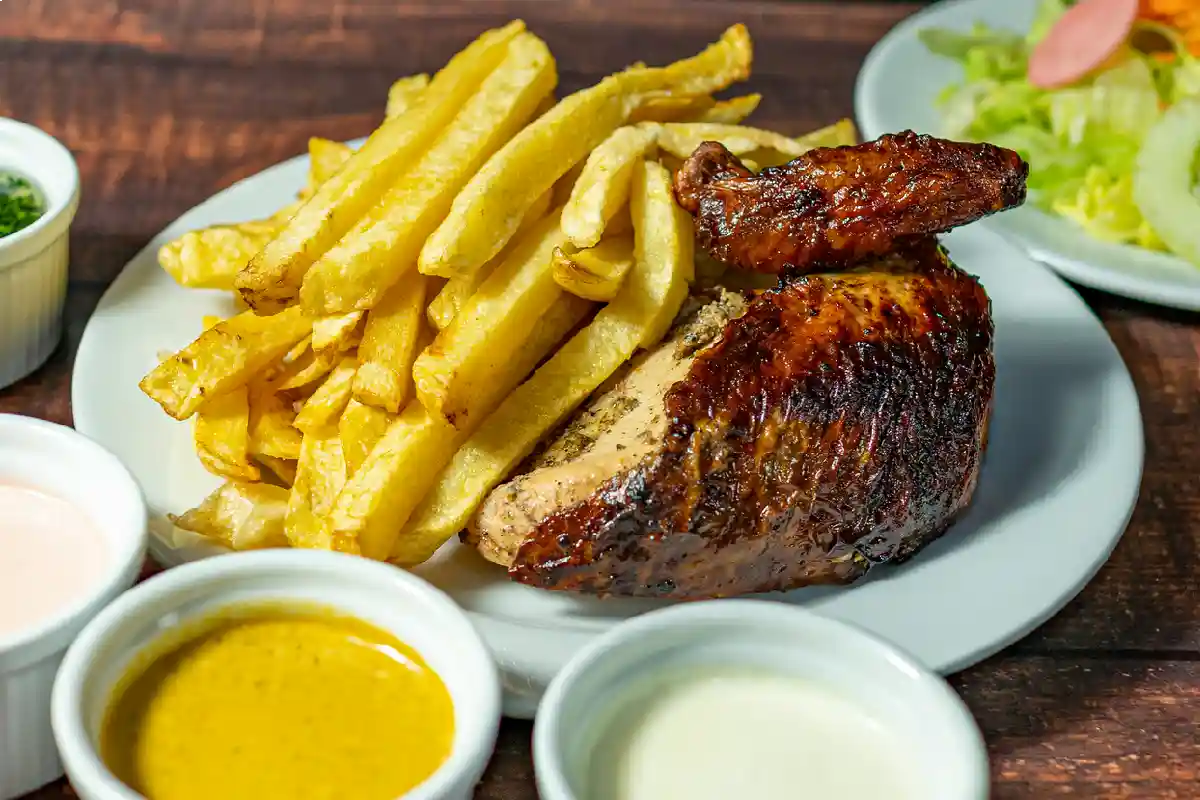
- A good pollería almost always pays attention to its French fries, salad, and sauces too.
- Ask for the house ají; many pollerías are remembered as much for their chicken as for their sauces.
- If you are in Cusco, choose central or easy-to-reach places, especially if you are short on time.
- If you are traveling in a group, ordering half a chicken or a whole chicken to share is usually a good idea.
- For a more local experience, avoid choosing only tourist restaurants and try a pollería that Peruvian families actually visit.
How to Order Pollo a la Brasa Like a Peruvian
Ordering pollo a la brasa in Peru is simple, but there are a few ways to do it that will make you sound more local. In a pollería, the most common way is to order by portion: a quarter chicken, half chicken, or a whole chicken.
You can also choose the cut. Many people order a leg quarter if they prefer juicier meat, or a breast quarter if they want more white meat. The order usually comes with French fries, salad, and sauces, although this may vary depending on the pollería.
Recommended Times to Visit
The best time to eat pollo a la brasa is usually between 12:30 p.m. and 2:30 p.m. for lunch, or between 6:30 p.m. and 8:30 p.m. for dinner. If you want to avoid lines, especially at popular pollerías in Lima or Cusco, it is best to arrive a little before peak hours.
For lunch, a good option is to arrive before 1:00 p.m.; for dinner, before 7:00 p.m. Sundays are usually the busiest days, because many Peruvian families enjoy sharing pollo a la brasa on the weekend.
Fun Facts
- It started as an “all you can eat” idea. In the early years of La Granja Azul, Roger Schuler put up a sign offering “all the chicken you can eat” for S/ 5. This idea helped turn the restaurant into a family classic in Santa Clara.
- At first, pollo a la brasa was eaten with the hands. In its early versions, it was common to enjoy it without cutlery. The chicken was also seasoned very simply, mainly with salt, before pollerías began adding more Peruvian seasonings.
- Algarrobo wood is one of the keys to its smoky flavor. Although many pollerías use charcoal, gas, or firewood, one of the woods most closely associated with the traditional flavor is algarrobo. Its aroma adds that smoky touch that sets pollo a la brasa apart from other roasted chickens.
- According to PromPerú, there are more than 13,000 pollerías in the country. This business represents nearly 40% of the fast-food market, and Peruvians visit a pollería around 37 times a year, according to a study cited by Euromonitor International.
Frequently Asked Questions About Pollo a la Brasa
Is Pollo a la brasa healthy?
It can be part of a balanced diet when eaten in moderation and served with salad or other fresh foods. Chicken is also a good source of protein.
Is Pollo a la brasa eaten with rice?
Traditionally, it is served with fries and salad, but it is also eaten with rice in the popular “mostrito,” a hearty urban fusion that serves a piece of pollo a la brasa with a generous portion of arroz chaufa.
Which part of the chicken should I order?
It depends on your preference. The leg quarter is usually juicier, while the breast quarter has more meat and less fat.
Is Pollo a la brasa spicy?
No. Pollo a la brasa has a spiced flavor, but it is generally not spicy. The heat usually comes from the creams and sauces served on the side.
How much does it cost to eat Pollo a la brasa in Peru?
Prices vary depending on the city and the restaurant, but a quarter chicken usually costs between 15 and 30 soles, while a whole chicken can cost more than 70 soles.
Why are pollería sauces so famous in Peru?
Because they complete the flavor of the chicken and French fries. Each pollería has its own recipes, often combining ingredients such as yellow chili pepper, rocoto, huacatay, and garlic.

Add new comment