



Machu Picchu is one of the most incredible and famous places in the world, attracting travelers from every corner of the globe. Whether you choose the Classic Inca Trail, the adventurous Salkantay route, or the cultural Lares route, each one will lead you to the legendary Inca citadel. The key to enjoying any of these journeys is preparation. The Andean trails offer breathtaking landscapes, changing altitudes, and unpredictable weather, so packing properly is essential for a comfortable and unforgettable experience.
This guide shows you the most complete Machu Picchu packing list for a trek, depending on the season, the route, and the type of visit. You will find a practical list of essential items to pack in your daypack, along with layered clothing, documents, camping gear, electronics, and more. Of course, it also explains what you cannot bring to Machu Picchu. The goal is not to overpack, but to pack light, stay safe, and travel comfortably.
Quick packing list: what to pack for Machu Picchu
There are several ways to hike to Machu Picchu, including Lares, Salkantay, the famous 4-day Classic Inca Trail, and the shorter 2-day Inca Trail. Each route requires a different level of preparation and logistics. To make things easier, here is a clear and simple summary of what to take to Machu Picchu, depending on the route you choose.
Route | Duration | What changes when packing |
Classic Inca Trail | 4 days | You need your original passport, Inca Trail permit, layered clothing, a sleeping bag, and camping gear. |
Short Inca Trail | 1–2 days | Pack a lighter daypack, but do not forget a rain jacket, water, snacks, and essential documents. |
Salkantay Trek | 4–5 days | You will need warmer clothing because of the altitude, along with rain protection and sturdy hiking shoes. |
Lares Trek | About 4 days | Bring warm clothing for cold nights and personal items, such as power banks, for remote areas. |
In short, for a Machu Picchu hike, bring your original passport, entrance ticket or permit, a light daypack, reusable water bottle, trail snacks, layered clothing, rain jacket, broken-in hiking boots, sunscreen, insect repellent, hat, sunglasses, personal first-aid kit, headlamp, power bank, and some cash in Peruvian soles.
Note:
To enter the Machu Picchu citadel, avoid bringing large backpacks, food, umbrellas, camera or phone tripods, drones, trekking poles with uncovered metal tips, pointed heels, or hard-soled shoes. Also, always check the official Machu Picchu code of conduct before you travel.
Before packing for Machu Picchu
Before preparing your Machu Picchu packing list, it is important to understand a few key details, such as which routes can take you there, the weather seasons, the altitude of the citadel, and the allowed size and weight of backpacks in Machu Picchu, among other things. All these factors will help you prepare a good backpack and/or luggage before leaving your home country. Remember, it is always better to be prepared.
Inca Trail, Salkantay, Lares, and alternative routes
Inca Trail Trek
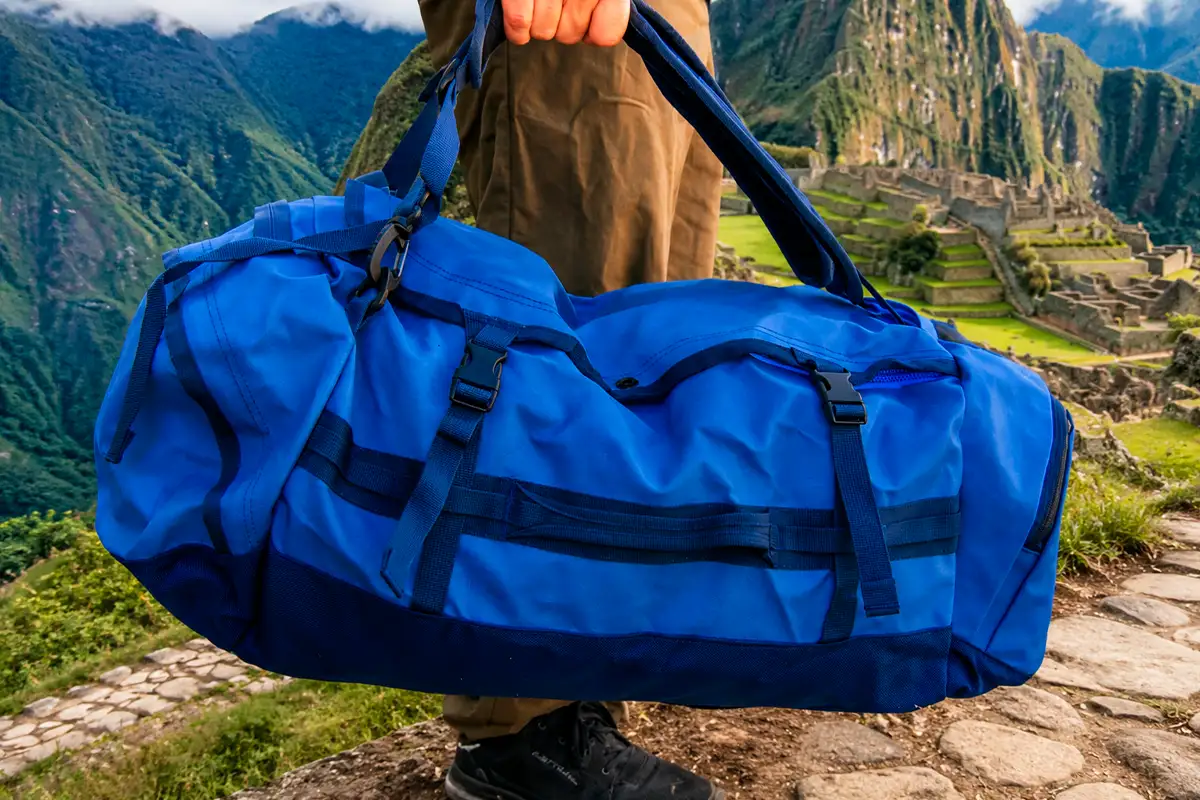
This is the classic trail used by the Incas more than 500 years ago, and it is still in use today. The route can be done in two ways: the 4-day Inca Trail to Machu Picchu, which includes camping, or the shorter 2-day version. Travelers usually carry a 25 to 35-liter backpack with a rain cover, light enough to carry comfortably during the hiking hours. For the rest of your items, such as pajamas, toiletries, sleeping bags, tents, and other essentials, authorized travel agencies that operate this route usually provide a 7 kg duffel bag. These bags are carried from camp to camp by porters. Pack and dress light: thin pants, shorts, T-shirts, and a windbreaker. Bring thermal layers for your upper body and legs, plus a jacket for the nights.
Salkantay Trek
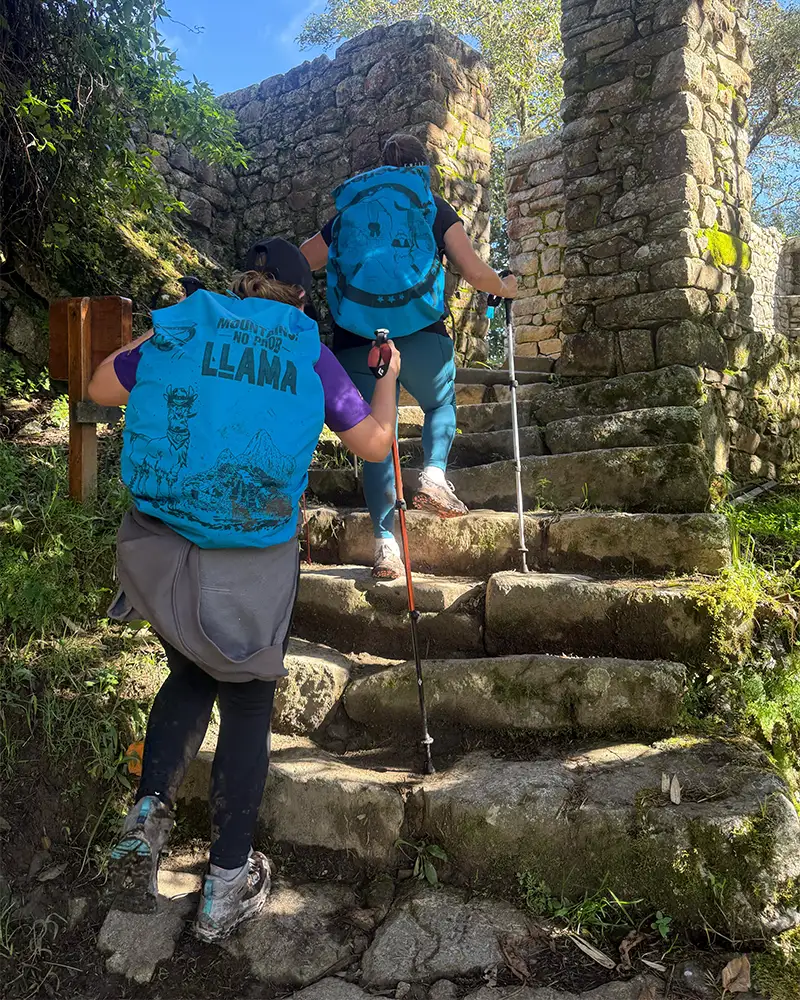
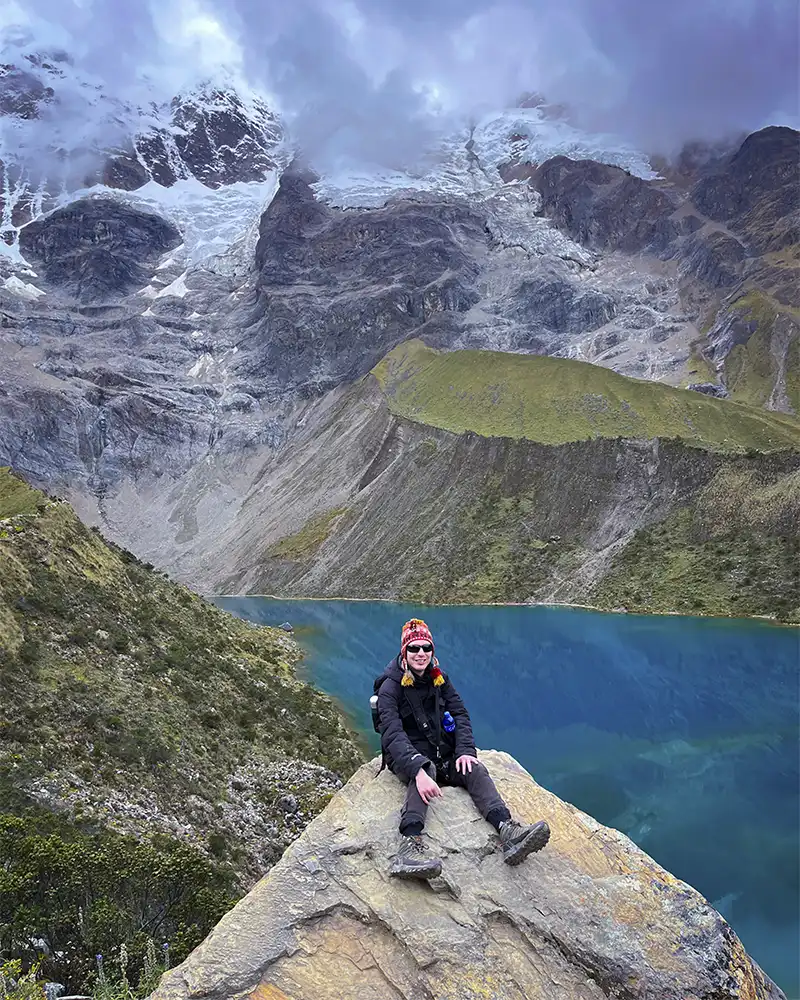
This is the second most popular trekking route after the Inca Trail. The 5-day Salkantay tour to Machu Picchu, which includes camping, requires a 25 to 35-liter backpack with a rain cover, carried by the traveler, and a 7 kg duffel bag transported from camp to camp by muleteers on the Salkantay route and by porters on the Inca Trail. Because this trek passes near the snow-capped mountain, your Salkantay trek packing list should include thick hiking pants, waterproof jackets, and a rain poncho.
 |  |
Lares Trek
The 4-day Lares Trek to Machu Picchu takes you through remote high-Andean landscapes, waterfalls above 3,500 meters, and unique mountain lakes. You will also need a 25 to 35-liter backpack for personal use, and a 7 kg duffel bag is provided for the rest of your items, which will be carried by muleteers. This experience connects with Machu Picchu by train. The luggage allowed on trains to Machu Picchu is usually limited because space on board is reduced. In general, each passenger can carry one backpack or hand luggage. Depending on the company, PeruRail or Inca Rail, the maximum weight is usually between 5 and 8 kg, or 11 to 17 lb, with approximate measurements of 115 to 118 linear cm, adding height, width, and length. As with the Salkantay Trek, dress warmly with breathable clothing.
Choquequirao Trek
Known as the "Twin Sister of Machu Picchu," Choquequirao shares a remarkable experience with the Inca citadel through the 6-day Choquequirao Trek to Machu Picchu. This tour also includes camping at night. On day 5, the route connects with the town of Aguas Calientes. The luggage limit is also a 25 to 35-liter backpack per traveler, plus a 7 kg duffel bag carried by muleteers. Train luggage restrictions also apply, with a limit of 5 to 8 kg, or 11 to 17 lb, and 115 to 118 linear cm. Because the route has a warmer climate, dress light and bring a waterproof jacket for occasional drizzle.
Inca Jungle
This is one of the boldest trekking experiences to the Inca wonder. The 4-day Inca Jungle to Machu Picchu combines biking, trekking, rafting, and even swimming. It is a full adventure where you will need to carry your own belongings in a 25 to 35-liter backpack with measurements of 115 to 118 linear cm. Since this is an adventure experience and you will carry your own things, we recommend dressing light, bringing a good waterproof jacket, and wearing hiking shoes with wide, grippy soles.
Altitude of Machu Picchu
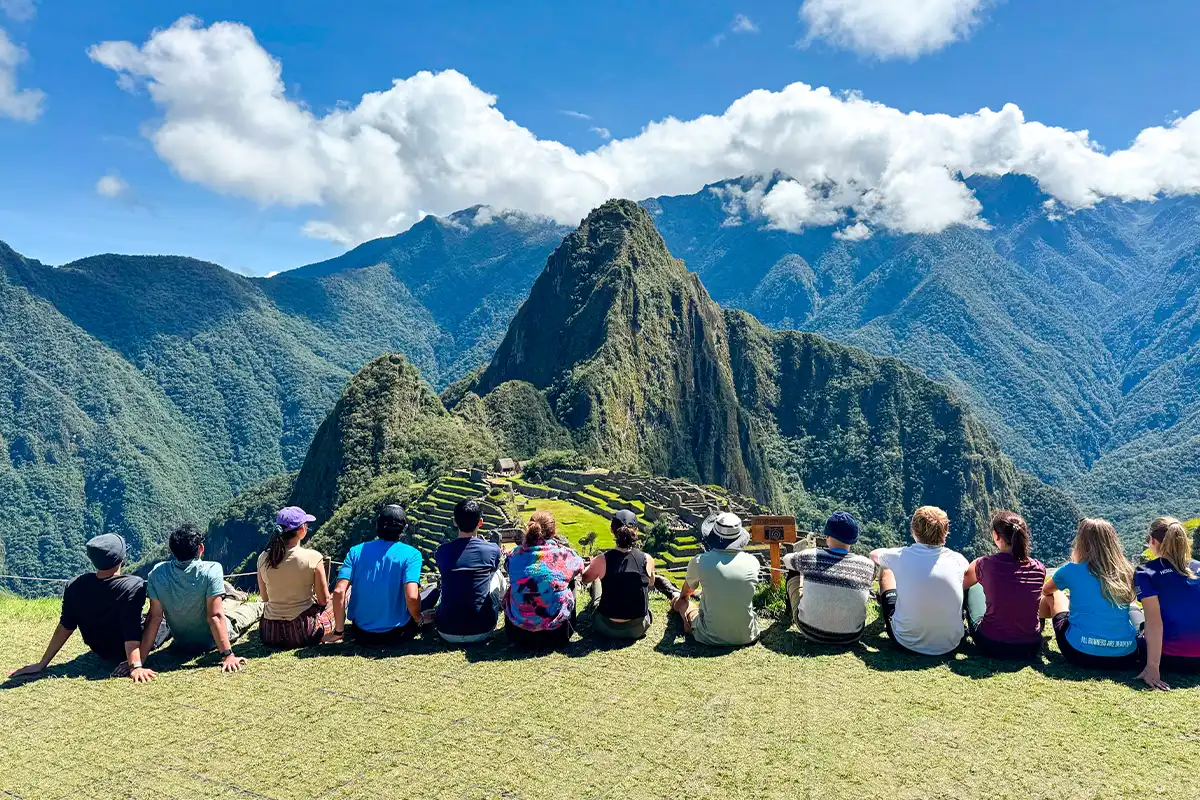
High altitude can be one of the biggest challenges for travelers, especially if you are hiking to places above 4,000 m. Although Machu Picchu is located at 2,430 m.a.s.l. in the high jungle, we recommend arriving in the city of Cusco, at 3,399 m.a.s.l., a few days before your tour or trek for proper acclimatization. Bring suitable clothing for cold and cool weather.
Dry Season vs Rainy Season
The weather can be warm during the day, especially in summer, but the nights can be very cold.
- The dry season in Machu Picchu is known for little rainfall, clear days, and strong sun. It runs from April to October, with May to September being the driest months. Daytime highs usually range from 20°C to 25°C, while nighttime and early morning lows can drop to 0°C to 5°C. Keep in mind that Machu Picchu is located in the high jungle, so sudden afternoon showers can still happen. Bringing a rain poncho or waterproof jacket is always a good idea. Pack light clothing, shorts, long-sleeved shirts to protect yourself from mosquitoes, and shoes with good grip.
- The rainy season runs from November to March, with January and February usually being the wettest months. Warm temperatures range from 19°C to 21°C on cloudy days and can drop to around 8°C at night. Bring rain ponchos and long windbreakers for this season, as well as a good jacket.
Allowed luggage weight in Machu Picchu
You should carry a light backpack with the items you may need during the day, such as water, a rain jacket, cameras, and other essentials. This backpack or bag should not exceed 40 cm long, 35 cm wide, and 20 cm deep (16x14x8 inches). If your backpack is much larger than these dimensions, you can leave it at the luggage storage area next to the entrance of the Machu Picchu archaeological park. The cost is around US$ 2 per item.
If you are coming from one of the trekking activities described above, the porters or muleteers from your travel agency will take care of the rest of the items you needed during the hiking days, usually in a 7 kg duffel bag. Always travel light and carry only what you need for the day’s activities so you do not overload yourself.
What to bring to Machu Picchu: Documents and permits
When checking the essentials on your list of what to bring to Machu Picchu, some documents should come first. These are the ones you must carry with you and should never forget:
Passport
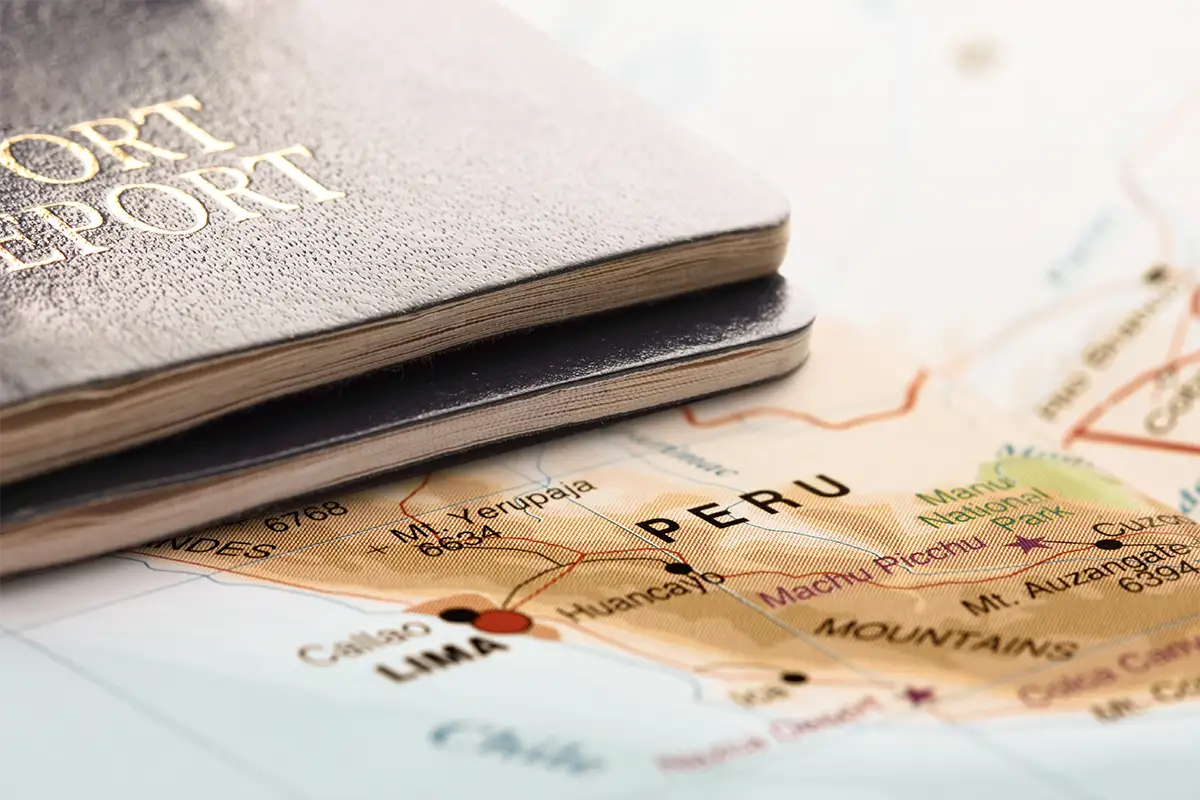
You will be asked to bring your original passport (no copies or photos) and show it together with your ticket or permit at some Inca Trail checkpoints and at the entrance to Machu Picchu. Your passport details are used to purchase your Machu Picchu tickets and/or Inca Trail permits, so this information appears on your tickets.
Important:
Your passport details must match the information shown on your Inca Trail permits or Machu Picchu tickets. If you renewed your passport after buying your tickets, bring both your old passport and your new one, as you will need to show them together with your tickets at the Machu Picchu checkpoints.
Machu Picchu tickets
If you visit Machu Picchu in the traditional way, by train, or through an alternative trekking route such as Salkantay, Lares, or Choquequirao, you must bring your Machu Picchu tickets with you. These tickets are organized according to the circuit you will follow inside the citadel, the attractions included, and the assigned entry time. You must show your ticket together with your original passport at the citadel entrance checkpoint; the park ranger will check that both documents show the same information.
If you are hiking the Inca Trail, you must arrange your Inca Trail permits with your tour operator several months in advance. These permits must also be shown together with your passport at the trail entry checkpoints, either Km 104 or Km 82, depending on your route.
Travel insurance
Travel insurance is strongly recommended when traveling outside your home country, especially if you plan to do adventure activities such as the hike to Machu Picchu or other treks. Make sure your insurance covers medical emergencies, situations related to high-altitude hiking, evacuation from remote areas, hospitalization, and other unexpected events.
Cash and credit cards
Bring some cash in Peruvian soles for tips for support staff, guides, and porters. You may also need cash to buy sweets, snacks, or simple meals along the way, as many small shops on the Inca Trail route do not accept credit or debit cards. Also, in Machu Picchu Pueblo, there are only a few ATMs where you can withdraw money.
What to wear to Machu Picchu?
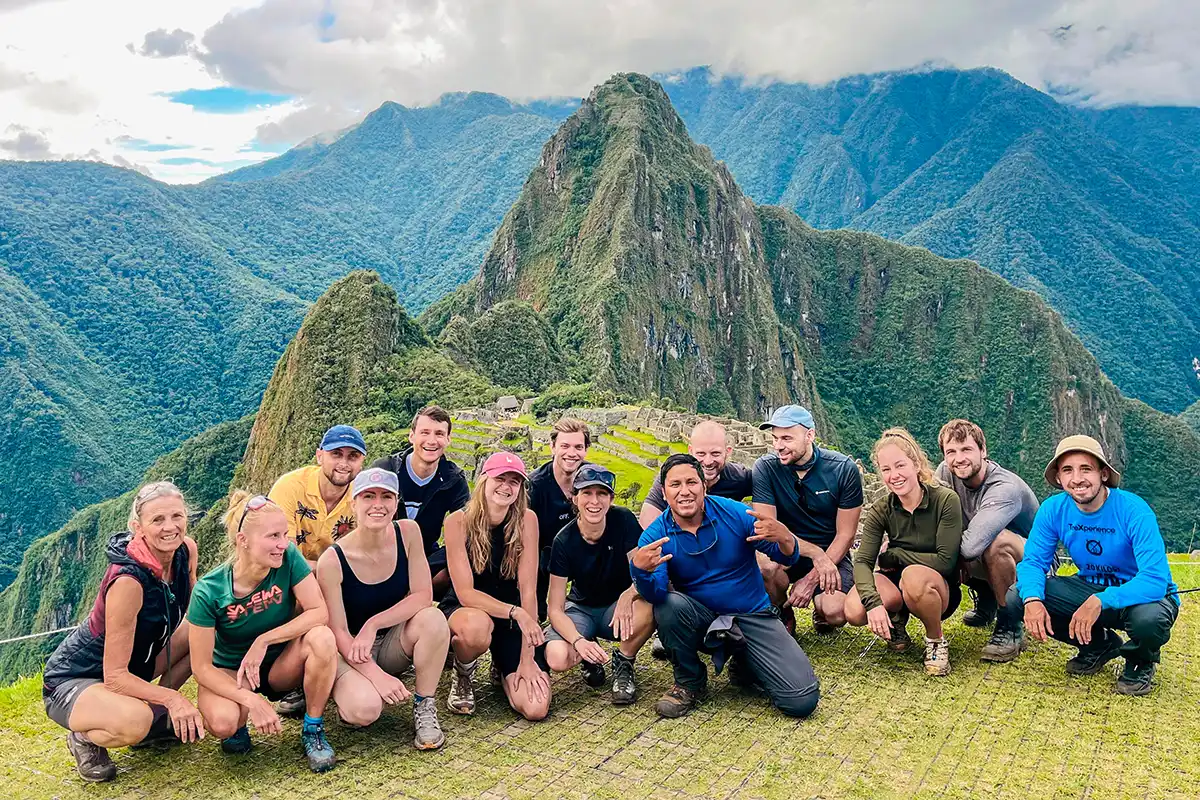
Your packing list for Machu Picchu, about clothes, should be based on layers, whether you are doing a multi-day trek to the citadel or visiting in less than a day in the traditional way. This allows you to add or remove clothing as the weather changes. The climate in the Andes can vary a lot, from warm to cold and from sunny to rainy, so you should be prepared for different conditions throughout the day.
Base layers
- Moisture-wicking shirts (2-3): Choose synthetic or merino wool shirts to help you stay dry. These fabrics move sweat away from your body and do not stick to your skin. They are excellent for long hiking hours or for visiting the citadel.
- Thermal layers: These are great for cold nights at camp if you are hiking the Inca Trail or other trekking routes. They help keep your body warm without adding too much weight or making you sweat.
Mid layers
- Cotton T-shirts: Cotton is a natural fabric that feels fresh and lightweight. It is comfortable on warm days and can also help keep you covered during cool nights at camp. For your Machu Picchu outfit, consider packing one T-shirt for each day of your visit. If you prefer not to apply insect repellent to your arms, long-sleeved shirts are a good option.
- Fleece sweater: Fleece is excellent for cool nights and mild days without much sun, as it provides a medium level of warmth. You can choose a full-zip or pullover style. Wear neutral colors if you want to avoid attracting mosquitoes.
Outer layers
- Fleece jacket: A light fleece jacket keeps you warm during cold moments of the day without feeling too heavy.
- Insulated jacket: A down or synthetic jacket is best for colder conditions when you need extra warmth. It is also light and compact for travel.
- Waterproof jacket and pants: Light rain can appear suddenly, so make sure to bring a waterproof and windproof jacket for rainy conditions.
- Convertible hiking pants (1-2 pairs): These are very practical because you can wear them as long pants or unzip the lower part to turn them into shorts.
Best hiking shoes for Machu Picchu
If you plan to hike to Machu Picchu once you arrive in Aguas Calientes, or if you are doing a multi-day trek, we recommend the following:
- Hiking boots: Waterproof, high-cut boots are recommended because they provide ankle support and good grip. Wear them before your trek so they can adjust to the shape of your feet.
- Hiking socks (4-5 pairs): Choose comfortable socks made from materials that do not hold moisture, such as merino wool or synthetic fibers, to help reduce the chance of blisters.
- Wide shoes or sandals for camp: Use them in rest areas and campsites. They give your feet more freedom and ventilation after a day of hiking.
Accessories
- Wide-brimmed hat: To protect yourself from the strong Andean sun.
- Sunglasses: To protect your eyes from the strong UV rays in the subtropical area around Machu Picchu.
- Warm hat: A wool or fleece hat is very useful during cold nights at camp, especially when hiking at high altitude.
- Gloves: Warm, waterproof gloves will help keep your hands comfortable in cold trekking areas.
- Buff or scarf: Useful for protecting yourself from the sun, staying warm, or covering your face from dust and wind during hikes.
What to put in the daypack for Machu Picchu?
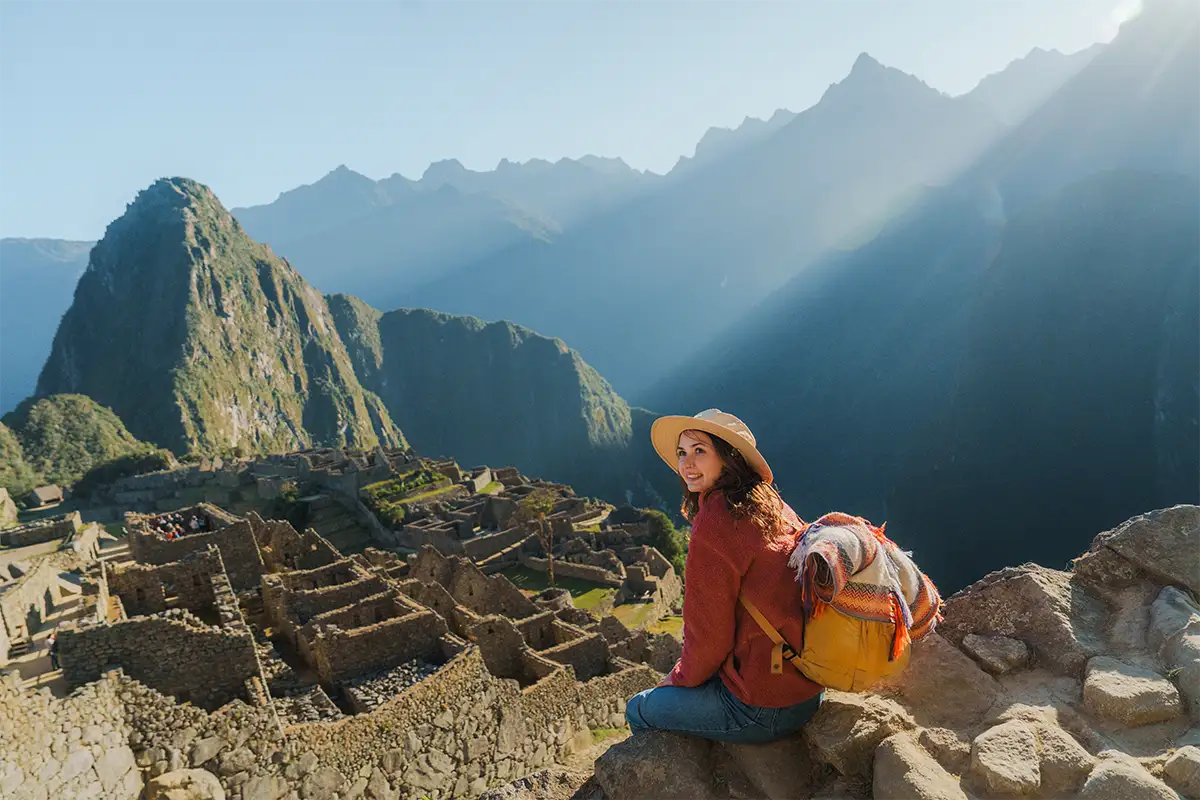
If you are going on a hike around Machu Picchu, you should carry a very small, light daypack that does not exceed 40 cm long, 35 cm wide, and 20 cm deep (16x14x8 inches). In this daypack, you will carry what you need for the day, including water, snacks, rain gear, and warm clothing. For this reason, we recommend choosing a comfortable and spacious daypack with a capacity of 25 to 45 liters. The backpack should have padded shoulder straps so the weight is evenly distributed.
If you use a larger backpack during the trek or bring one that exceeds the allowed dimensions when entering Machu Picchu, the park rangers may deny you entry. In that case, you will need to leave your backpack at the luggage storage area next to the entrance checkpoint. The storage fee is US$ 2 per item.
Hydration (2-3L)
A water bottle should be one of the first things in your Machu Picchu packing list. Whether you are simply visiting the citadel or doing a multi-day trek, staying hydrated is essential. Bring 2 to 3 liters of water using one of the following:
- Water bottle or canteen: BPA-free polyethylene terephthalate (PET).
- Hydration bladder with a drinking tube.
- Water purification tablets: You can fill your bottle with spring water, add a purification tablet, and wait about 30 minutes before drinking.
Snacks
The types of snacks you can bring for your Machu Picchu trek Packing List include:
- Energy bars
- Trail mix or nuts
- Dried fruit or chocolate to help keep your energy steady during the hike.
Camera or smartphone
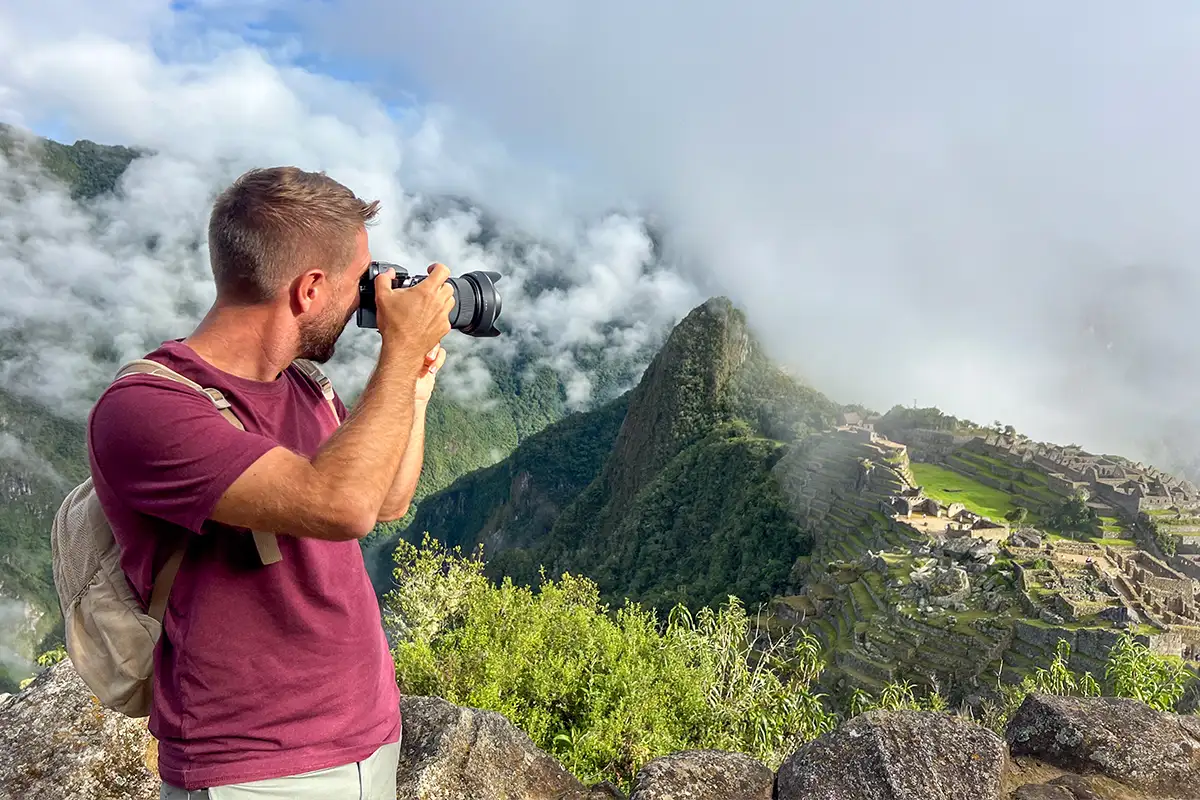
Take photos of the beautiful scenery with a camera or smartphone to capture unique moments, but do not forget to bring a power bank so your devices do not run out of battery.
Sun protection
- Sunscreen (SPF 50+): Apply it often, especially at high altitudes where the sun’s rays are very strong.
- Lip balm with SPF: Protect your lips from the wind and sun to keep them from drying out and cracking.
Rain protection
- Rain poncho: Useful for occasional drizzle, especially if you travel during the rainy season.
- Waterproof jacket or windbreaker: Wind gusts that come with rain or drizzle in the subtropical area can be strong.
- Backpack rain cover: If you are carrying cameras and electronics in your Machu Picchu backpack, a good-quality rain cover is essential.
Other useful accessories
- Headlamp: Useful for camping nights if you are doing a trek to Machu Picchu.
- Trekking poles: Remember that, to enter Machu Picchu, the metal tips of your poles must be covered with rubber protectors.
What to pack for Machu Picchu Trek: Duffel bag
Hiking the Inca Trail, the Salkantay Trek, the Lares Trek, or Choquequirao requires effort, so getting a good night’s rest is very important. For this reason, these packing list for Machu Picchu nights, should be carefully planned.
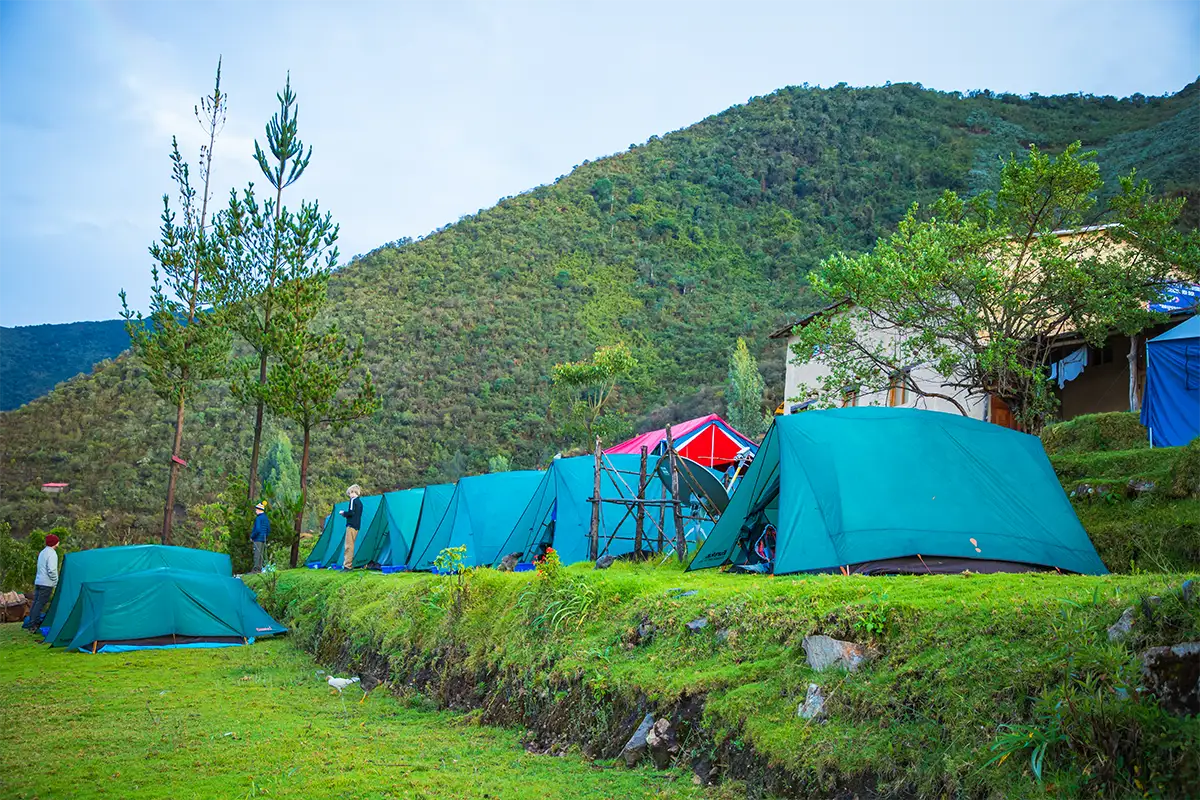
On many treks, the tour operator provides tents, basic sleeping pads, and duffel bags with a 7 kg capacity for each traveler. This is where you should pack the essential items you will use at night in the camps. Keep in mind that you will not have access to this bag during the hiking hours, as the duffel bags are carried from camp to camp by porters.
At TreXperience, we provide comfortable camping tents and high-quality foam sleeping pads, but you should bring your own sleeping bag and inflatable mattress if you want extra comfort. Consider packing the following gear:
Sleeping bag
Choose an ultralight sleeping bag rated for temperatures starting at -10°C (14°F). Some travelers may feel cold at night, especially in high-altitude areas, so a warm sleeping bag with good airflow is important. It is always a good idea to check with your tour operator to see if they provide one, or even better, bring your own for peace of mind.
Sleeping bag liner
A sleeping bag liner is designed to add warmth and help keep your sleeping bag clean. Liners are not very thick and can be made of silk, cotton, synthetic fiber, or another material you prefer. Thermal liners can also add a noticeable amount of warmth to your sleeping bag.
Sleeping pad
An inflatable sleeping pad is useful because it adds comfort and helps keep you warm by preventing direct contact with the cold ground. TreXperience provides a foam sleeping pad, although bringing your own inflatable mattress is recommended if you want extra comfort.
Other accessories
- Trekking sandals: To let your feet rest after hours of hiking uphill and/or downhill.
- Warm jacket: For cold nights.
- Change of clothes: Loose, comfortable clothing to wear at the campsites.
- Pajamas: For sleeping at night.
- Toiletries: For personal hygiene before going to sleep and in the morning before starting a new day of hiking.
Note:
If you would like a more detailed list of what to bring on Machu Picchu treks, we invite you to read our Inca Trail packing list.
Toiletries and personal hygiene items
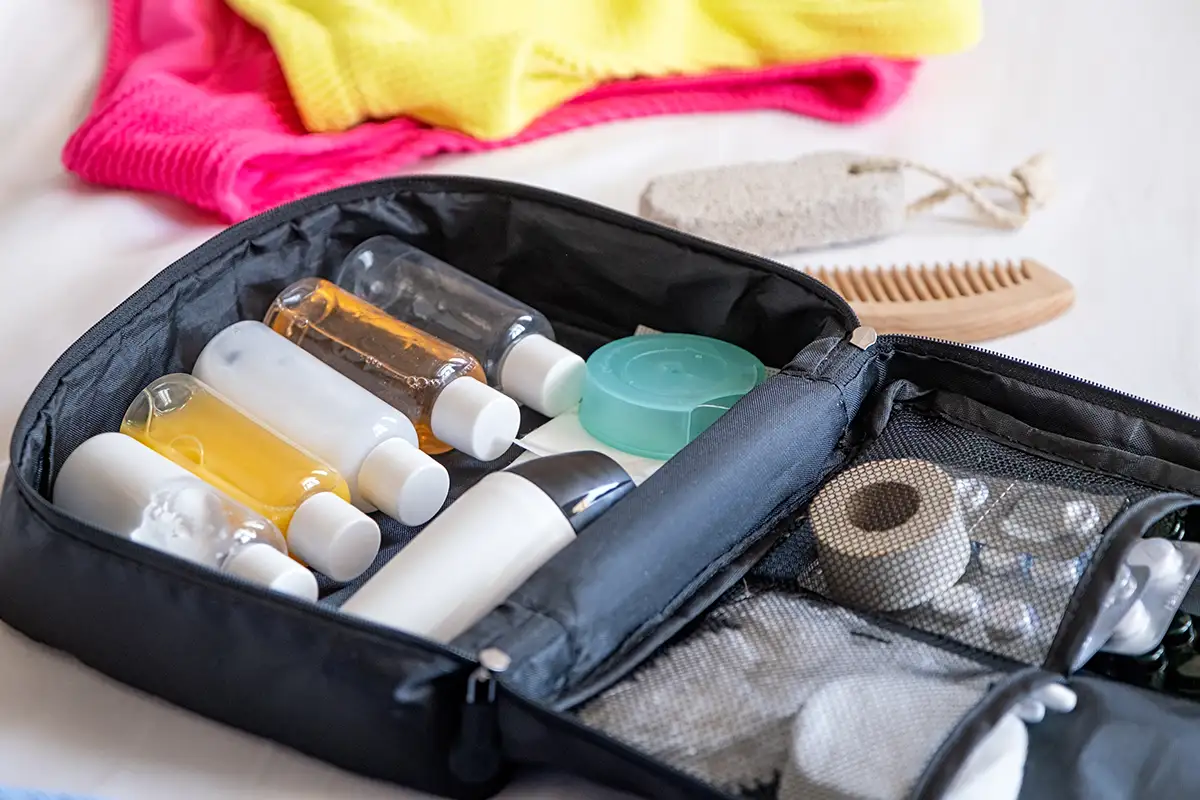
During a multi-day hike, staying clean can be difficult, but with the right items, you can take good care of your personal hygiene. Here is what to pack for Machu Picchu hike:
Biodegradable soap and shampoo
This helps prevent water pollution when you wash. These products are the best choice to use during a hike.
Quick-dry towel
A quick-dry towel is small, easy to fold, and dries very fast. It is useful after a rainy day, at camp, or whenever you need to dry off after washing.
Toilet paper
It is a good idea to bring one or two rolls of toilet paper in a waterproof bag. Toilet paper is not always available, so it is better to be prepared.
Hand sanitizer
Always carry a small bottle of hand sanitizer with you, especially for times when you cannot use water and soap, such as before eating or after using the bathroom.
Wet wipes
Wet wipes are ideal for cleaning yourself when there is no access to water or a shower. They can also help remove sweat and dirt after a long day of hiking.
Toothbrush and toothpaste
It is useful to bring a small toothbrush and some toothpaste to keep your teeth clean during the hike. These small items help you feel fresh and clean throughout the journey.
First aid kit for Machu Picchu
Trekking around Machu Picchu can be challenging, so a first-aid kit is essential. Here is what you should bring to Machu Picchu for your health and safety:
Personal medications
If you take prescription medication, bring enough in a sealed waterproof bag to keep it dry. Carry a little extra in a separate place in case there are any delays.
Medication for altitude sickness
To help prevent altitude sickness, your doctor may prescribe acetazolamide (Diamox). Follow your doctor’s instructions and avoid taking it without medical advice. It is also helpful to spend a few days at a higher altitude, such as in Cusco, before starting the trek.
Pain relievers
For minor discomfort, bring ibuprofen, aspirin, or paracetamol to help reduce pain, especially if you get a headache or muscle soreness during the hike.
Blister kit
Blisters are common when walking long distances, especially on treks to Machu Picchu. Useful items to include are moleskin patches, blister dressings, and antiseptic wipes to treat blisters and prevent further rubbing.
Band-aids and antiseptic cream
To treat minor injuries, make sure to bring supplies such as band-aids and antiseptic solution to clean wounds. You should also carry sterile gauze and medical tape for larger cuts or scrapes.
Insect repellent
This is an essential item to pack in your Machu Picchu backpack. Mosquitoes are common in Machu Picchu Pueblo and around the citadel, so protect yourself by applying repellent regularly.
Trekking poles and extra hiking gear
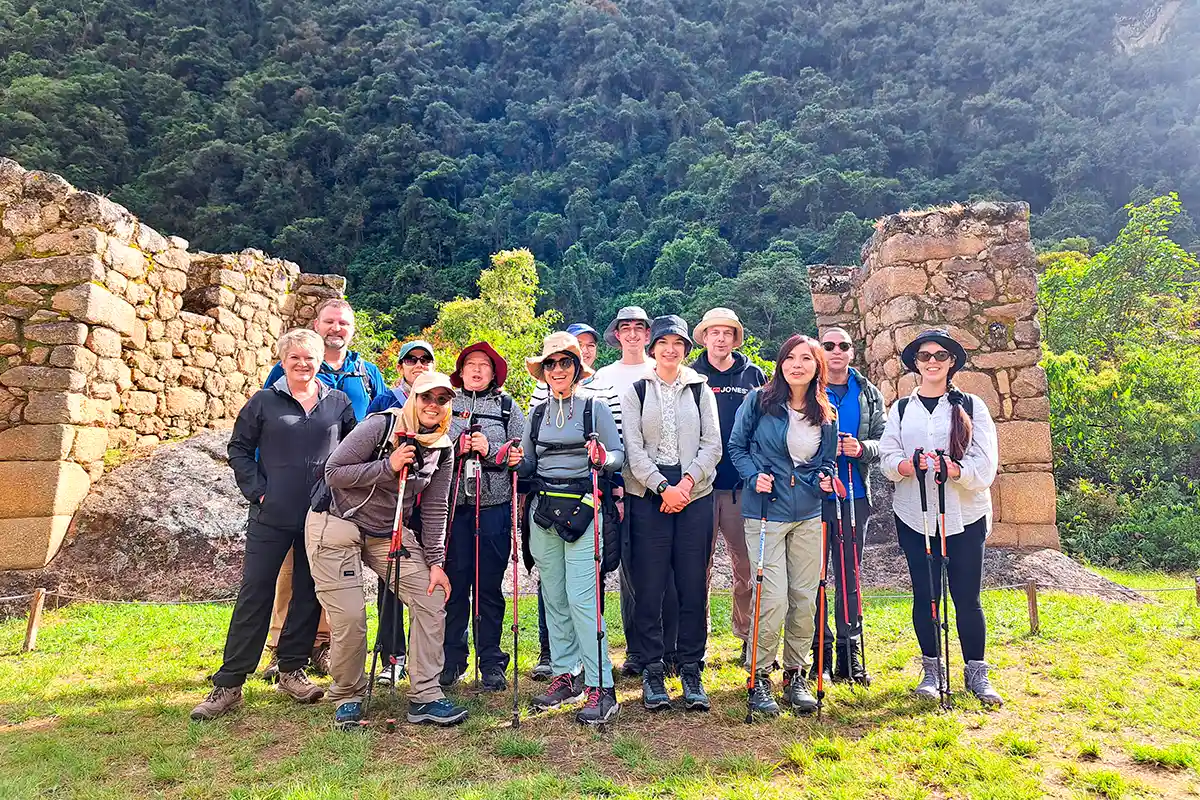
When reviewing your checklist of Machu Picchu packing list, trekking poles and other essentials should be near the top of your list. They are especially useful when walking on steep and rocky terrain. Here is what you should consider:
Trekking poles
Trekking poles should be foldable or adjustable, and each one should be set to the right length according to the user’s height. They help reduce pressure on the knees and improve stability on mountain or rocky terrain. They are very useful when you need to carry weight or walk over uneven rocks. Remember that the metal tips must be covered with rubber protectors to avoid damaging the stone surfaces of Machu Picchu.
Sunglasses (with UV protection)
The Andean sun is strong, no matter the altitude. Wear sunglasses with UV protection to protect your eyes and reduce glare. It is best to use sunglasses with strong UV protection and a secure fit during the hike.
Headlamp with extra batteries
A headlamp is essential for moving around camp at night or starting your hike before sunrise. It keeps your hands free and helps you move safely in the dark. Make sure to bring extra batteries or fully charge your headlamp before you leave.
Electronics and gadgets
Trekking is an excellent time to avoid gadgets; however, some may come in handy and help you in an emergency.
Power Bank
There are no electricity sockets along the trails, so a power bank is necessary for charging electronic gadgets. One should aim to get one that can charge the phone 2-3 times or get a solar-powered one to charge the power bank when hiking.
Camera/GoPro
Pack a camera or a GoPro to take pictures of the gorgeous scenery and instances that one encounters during the hike. In case you are using a smartphone, ensure that you have cleared the storage space and ensure that your power bank is well charged.
Travel Adapter
If you are staying at lodges or hotels before or after the trek, you should know that Peru's electricity is 220V. It is advisable to pack a universal travel adapter to charge your gadgets in your accommodation.
Don't bring drones, tripods, selfie sticks, or extendable camera or cell phone mounts. These items are restricted within Machu Picchu.
Some Items to Consider
Although they are not required, these items can add comfort and convenience to your hike to Machu Picchu:
Book or journal
Reading a book or writing in a journal can be very relaxing, especially when you have free time at camp. A book can give you a healthy distraction, while a journal lets you record the events, feelings, and experiences you had during the hike.
Travel pillow
An inflatable travel pillow can help you sleep better at camp and make the nights more comfortable. It is light, compact, and can be used instead of rolled-up clothing to support your head.
Binoculars
Bringing a pair of binoculars is a good idea if you enjoy birdwatching or looking at distant landscapes. They can help you observe wildlife and appreciate the details of the surrounding mountains more clearly.
What can you not bring to Machu Picchu?
There are several things you cannot bring with you to Machu Picchu. When planning a hike to the Inca citadel, make sure your backpack is not bulky or heavy with the following items, which are prohibited inside the archaeological site and on the Inca Trail to Machu Picchu:
- Drones and large professional filming equipment are not allowed without special permits.
- Selfie sticks and extendable supports are not allowed.
- Umbrellas are not allowed.
- Utensils and tableware are not allowed.
- Food is not allowed, and eating inside the site is prohibited.
- Portable speakers, megaphones, or musical instruments are not allowed, and they may not be used inside the site.
- Alcohol and illegal drugs are not allowed.
- Weapons or dangerous objects are not allowed.
- Aerosols are not allowed.
- Visitors wearing high heels or hard-soled shoes are not allowed to enter.
- Banners, signs, costumes, or clothing used for advertising purposes are not allowed.
- Explosive or flammable materials are not allowed.
- Cigarettes, vapes, or any item used to make fire are not allowed.
- Stay on the marked visitor circuit shown on your ticket. You cannot switch from one circuit to another during your visit or walk back against the designated route.
- Never climb on or touch the stone structures.
- Take your waste with you.
- Animals are not allowed, except authorized guide dogs.
Machu Picchu is part of the Historic Sanctuary of Machu Picchu and is a UNESCO World Heritage Site. You can find more information on UNESCO’s Historic Sanctuary of Machu Picchu page.
Machu Picchu: What to Bring - FAQs
What can I do to prevent and manage altitude sickness during the hike?
To reduce the risk of altitude sickness, drink plenty of water to stay hydrated and walk at a steady pace so your body can adjust to the altitude. If your doctor has recommended Diamox, follow their instructions. This medication is often used to help prevent altitude sickness. It is also a good idea to spend one or two days in Cusco or the Sacred Valley before the hike so your body can get used to the altitude.
Can I rent items such as sleeping bags and trekking poles?
Yes, at TreXperience we offer sleeping bags, trekking poles, and inflatable mattresses for rent. However, some hikers prefer to bring their own gear, especially items like sleeping bags, since they can choose one that feels more comfortable for them.
How much cash should I bring during the hike?
It is recommended to bring between 300 and 500 soles for tips, souvenirs, and any unexpected expenses. There are no ATMs along the trail, so it is best to carry enough cash for the entire hike.
Is there internet or cell phone signal along the trail?
Most parts of the trail do not have cell phone signal or internet access. Some campsites may have a weak connection, but you should not rely on it. Let your friends and family know in advance that connectivity will be limited.
Can I drink water from streams or rivers?
Tap water, as well as water from streams and rivers, is not safe to drink unless it has been boiled or filtered. It is recommended to bring water purification tablets or use filtered water provided by your tour operator.

Add new comment