



Are you planning a trek to Machu Picchu? If you are still unsure which route to choose, this guide compares the main treks to Machu Picchu, including the Inca Trail, Salkantay, Lares, Ausangate, Choquequirao, and Inca Jungle.
You will find information about duration, distance, altitude, difficulty, scenery, accommodation, and how each route reaches Machu Picchu, along with practical advice on the best time to go, acclimatization, permits, entrance tickets, and reservations. This will help you choose the trek that best fits your schedule, experience, and type of adventure.
The best routes and hikes to Machu Picchu
Hiking to Machu Picchu in Cusco, Peru, is an incredible adventure through the southern Peruvian Andes. This journey is not only an opportunity to explore breathtaking landscapes, but also a deeper encounter with the rich history of the Inca civilization.
Which is the best hike to Machu Picchu?
There is no single answer to which is the best trek to Machu Picchu. In fact, the best option depends on the type of experience you want to have along the way.
If you are looking for... | The best option is |
A historical experience | Classic Inca Trail |
High-mountain scenery | Salkantay Trek |
A high-altitude adventure | Ausangate Trek |
Nature and cultural experiences | Lares Trek |
A multi-sport adventure | Inca Jungle Trek |
A remote experience | Choquequirao Trek |
A short and peaceful route | Huchuy Qosqo Trek |
A short and easier route | Short Inca Trail |
Although many hikers consider the Inca Trail the best trek to Machu Picchu, that is not necessarily true. Each trek to Machu Picchu offers a different combination of attractions, activities, and landscapes. For this reason, any route can be the best choice depending on each traveler's interests, preferred difficulty level, and itinerary.
How does each route reach Machu Picchu?
Before continuing, it is helpful to understand that Machu Picchu is located more than 100 km / 63 miles from Cusco. With this in mind, it is also important to know that there are only two main ways trekking routes reach Machu Picchu.
- Hiking along the Inca Trail and entering through Inti Punku, or the Sun Gate. This applies only to Inca Trail routes, from the shorter versions to multi-day treks.
- Connecting by train and bus to the main entrance of the citadel. This includes all other routes to Machu Picchu that are not part of the Inca Trail.
Based on this difference, it is important to note that all Inca Trail treks automatically include a Machu Picchu entrance ticket for Circuit 1, while other trekking routes require a separate Machu Picchu entrance ticket.
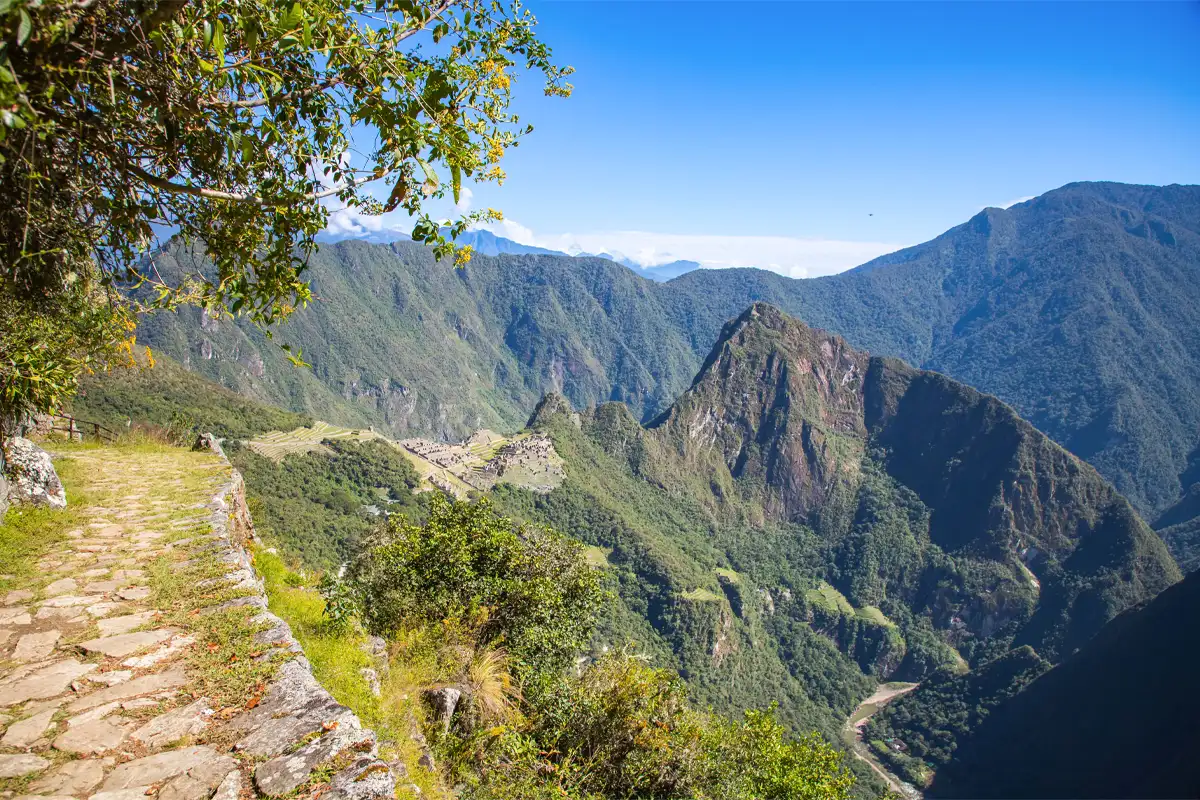
The Inca Trail to Machu Picchu
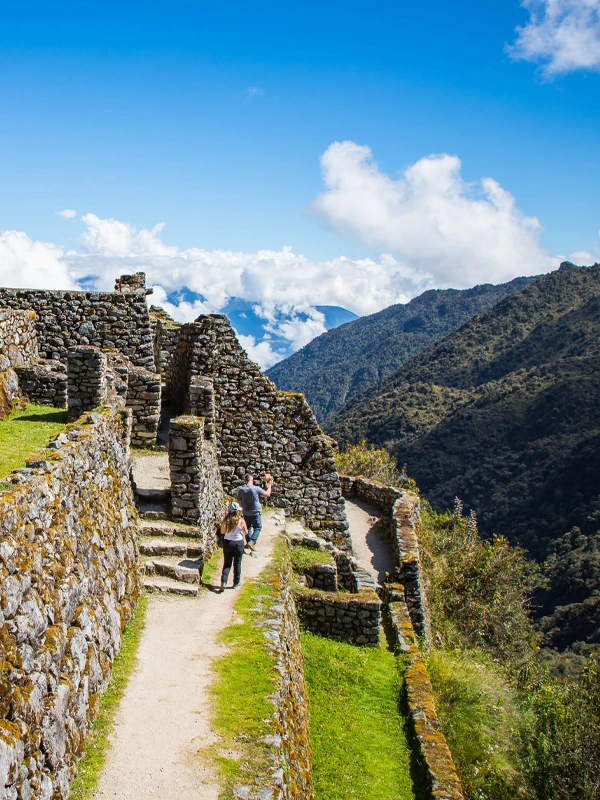
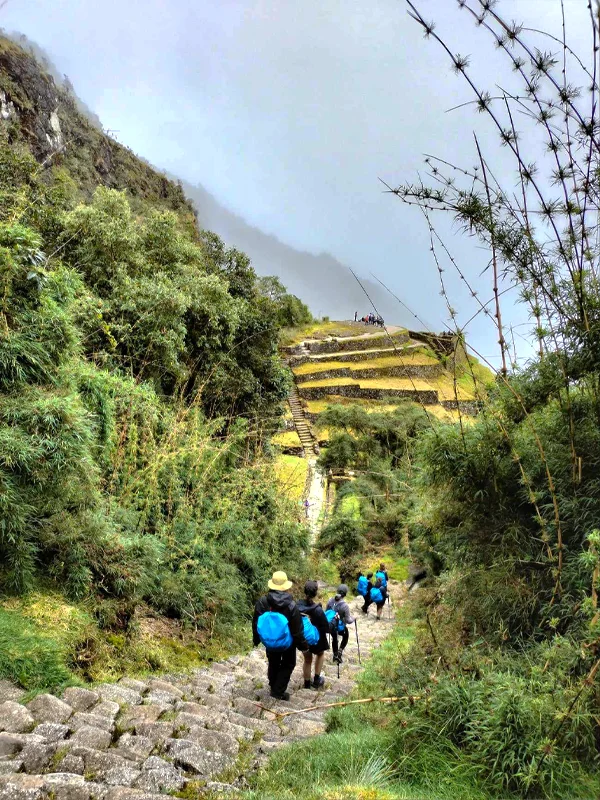
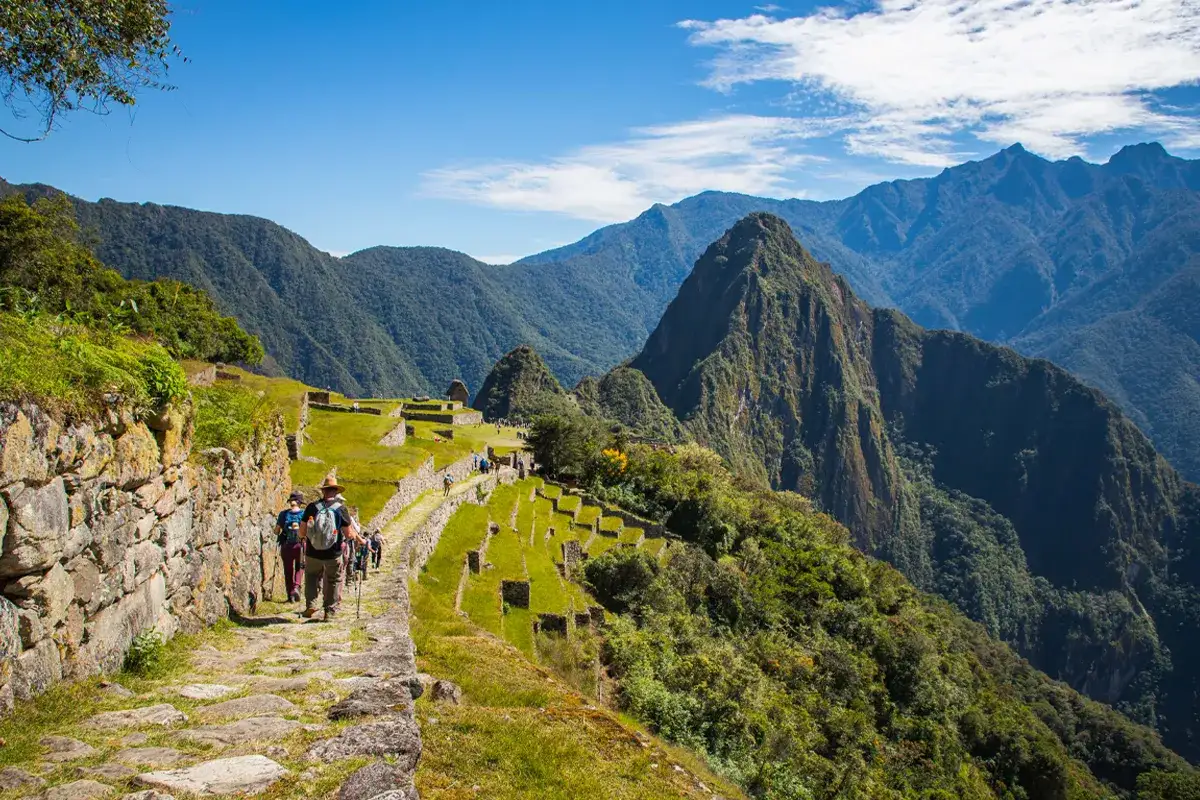
The Inca Trail to Machu Picchu is one of the world's most popular adventure routes, known for its remarkably preserved stone paths, impressive Andean landscapes, diverse ecosystems, and fascinating Inca ruins that can only be visited along this trail.
This route forms part of the Qhapaq Ñan, recognized as a World Heritage Site by UNESCO, the extensive Inca road network that connected Cusco with important Inca settlements, including Machu Picchu.
Today, the trekking route lies within the Historic Sanctuary of Machu Picchu, a vast protected area that preserves valuable cultural and natural heritage, including archaeological sites, diverse ecosystems, and a wide variety of species.
The most popular options along this adventure route are:
- 4-day Classic Inca Trail from km 82.
- 2-day Inca Trail from km 104, also known as the Short Inca Trail.
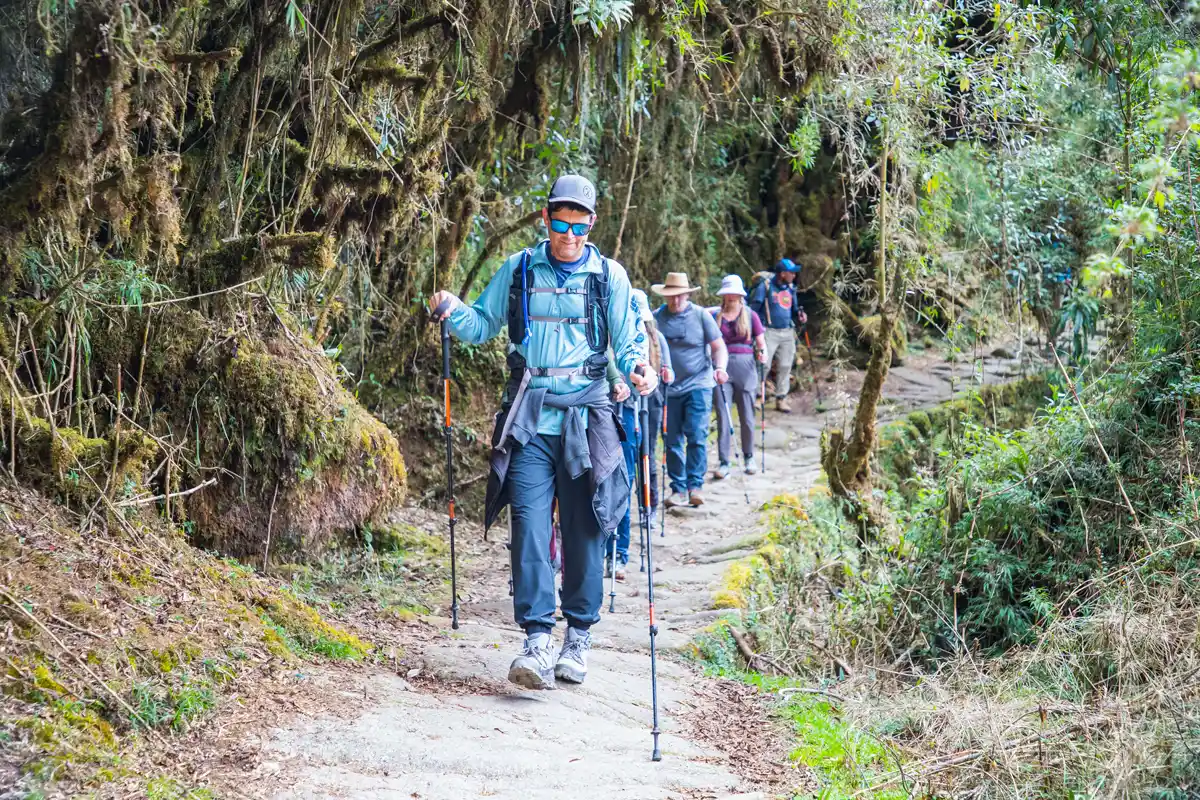
Some important details about the Inca Trail are:
- Capacity: 500 people per day, including hikers, guides, and porters.
- Operating season: March through January, closed in February.
- Starting point: Cusco or the Sacred Valley (Ollantaytambo and Urubamba)
 |  |
Remember: The Inca Trail can only be completed with authorized tour operators and requires advance booking due to high demand.
4-day Classic Inca Trail
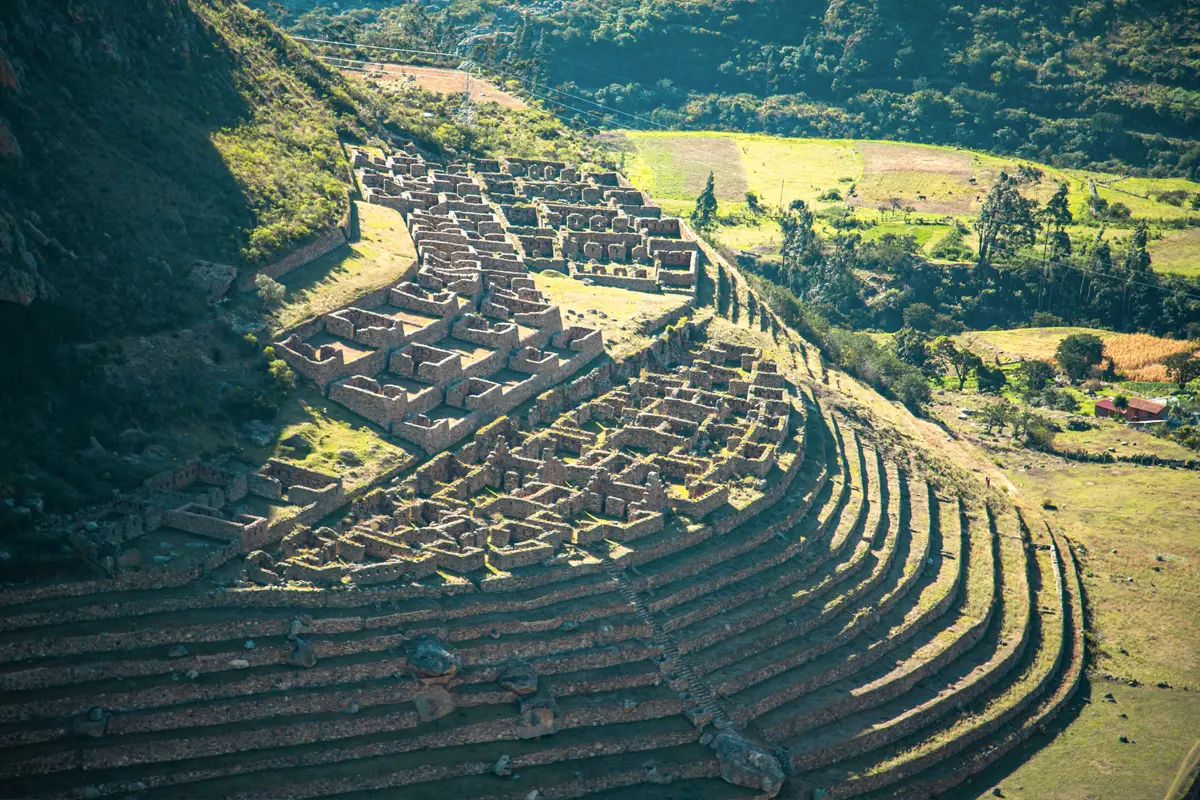
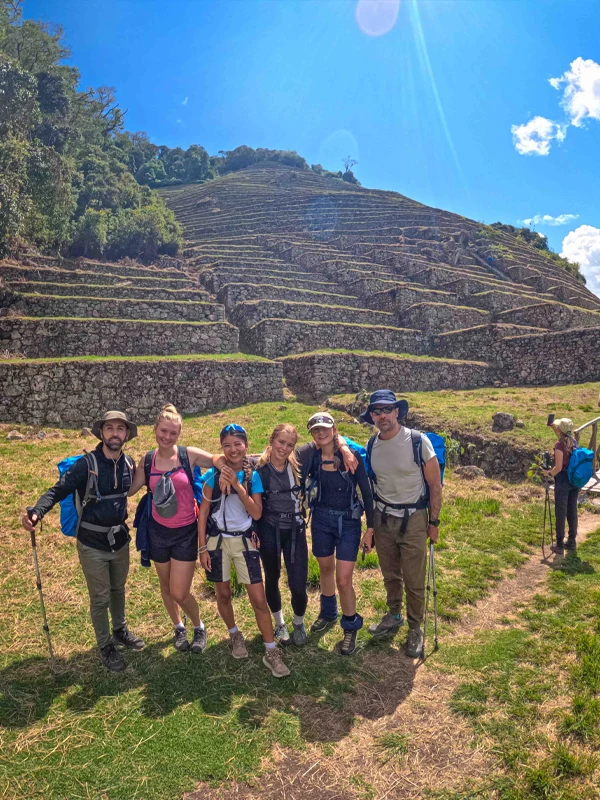
The Classic Inca Trail is the most popular version of this route and is considered the standard or intermediate option among the different Inca Trail itineraries.
The hike begins at Km 84 of the railway to Aguas Calientes, near the village of Piscacucho in Ollantaytambo, within the Sacred Valley.
Key details:
- Duration: 4 days and 3 nights.
- Total hiking distance: 42 km / 26 miles.
- Hiking per day: approximately 10.5 km / 6.5 miles.
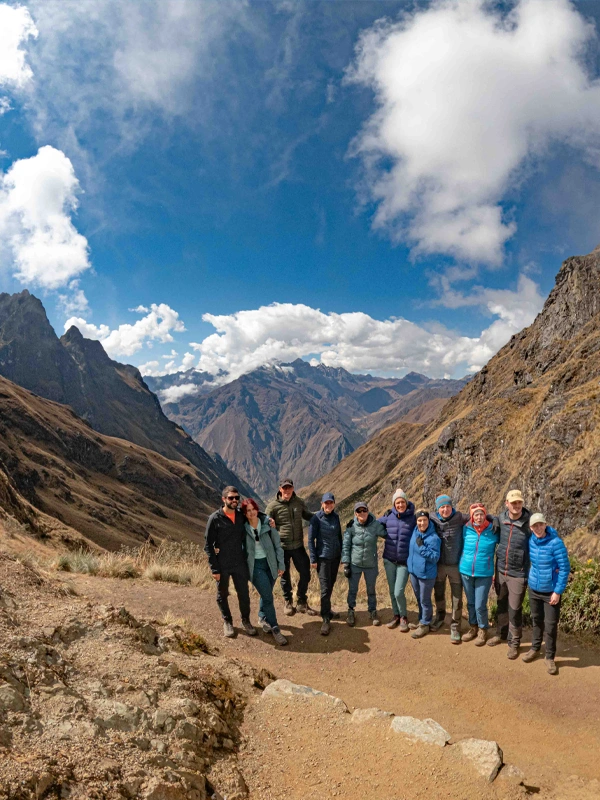
- Maximum altitude: 4,215 m / 13,829 ft, Warmiwañusca Pass.
- Difficulty: moderate - challenging.
- Recommended experience: intermediate - advanced
- Accommodation: camping.
- Scenery: Andean mountains, cloud forest, and Inca sites.
- Arrival at Machu Picchu: enter on foot through Inti Punku.
The flora and fauna along the route include unique and endemic species that live in highly varied ecosystems shaped by changes in altitude. Along the way, the scenery shifts from high mountains and snow-covered peaks to warmer, tropical areas near the Urubamba River.
 |  |
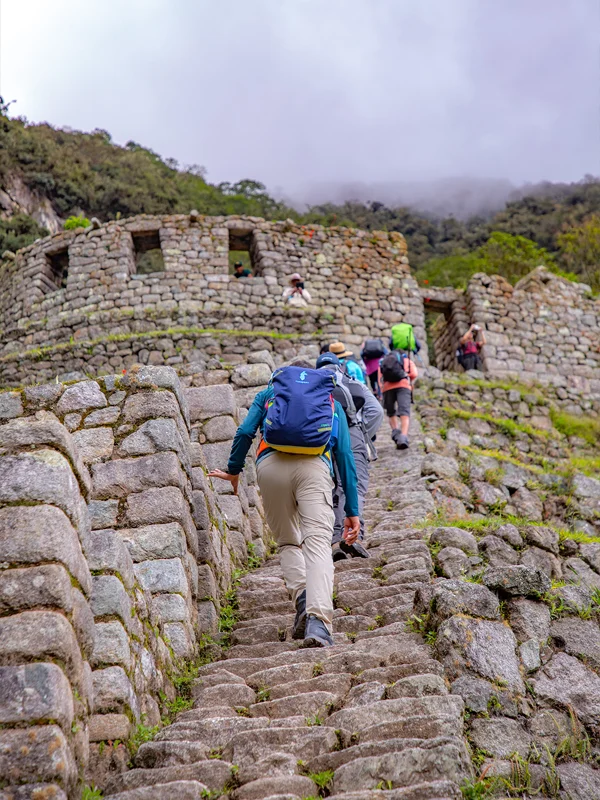
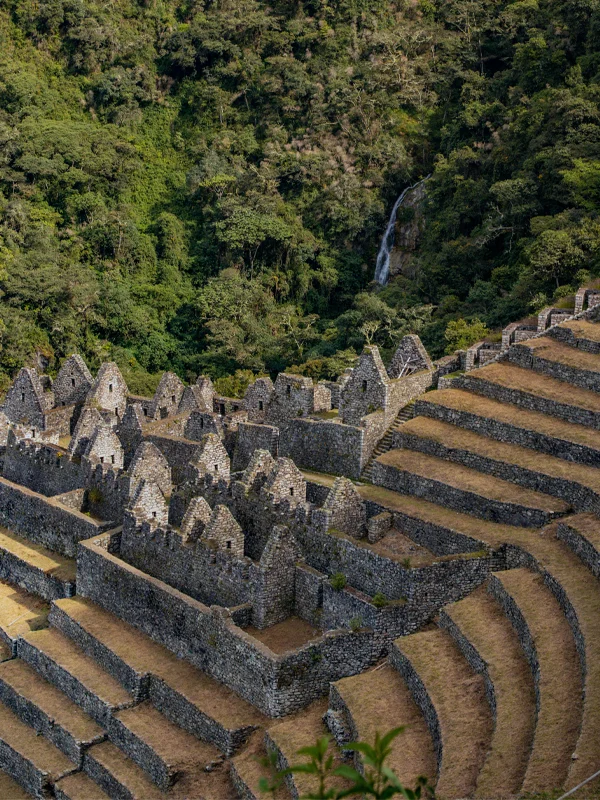
2-day Short Inca Trail
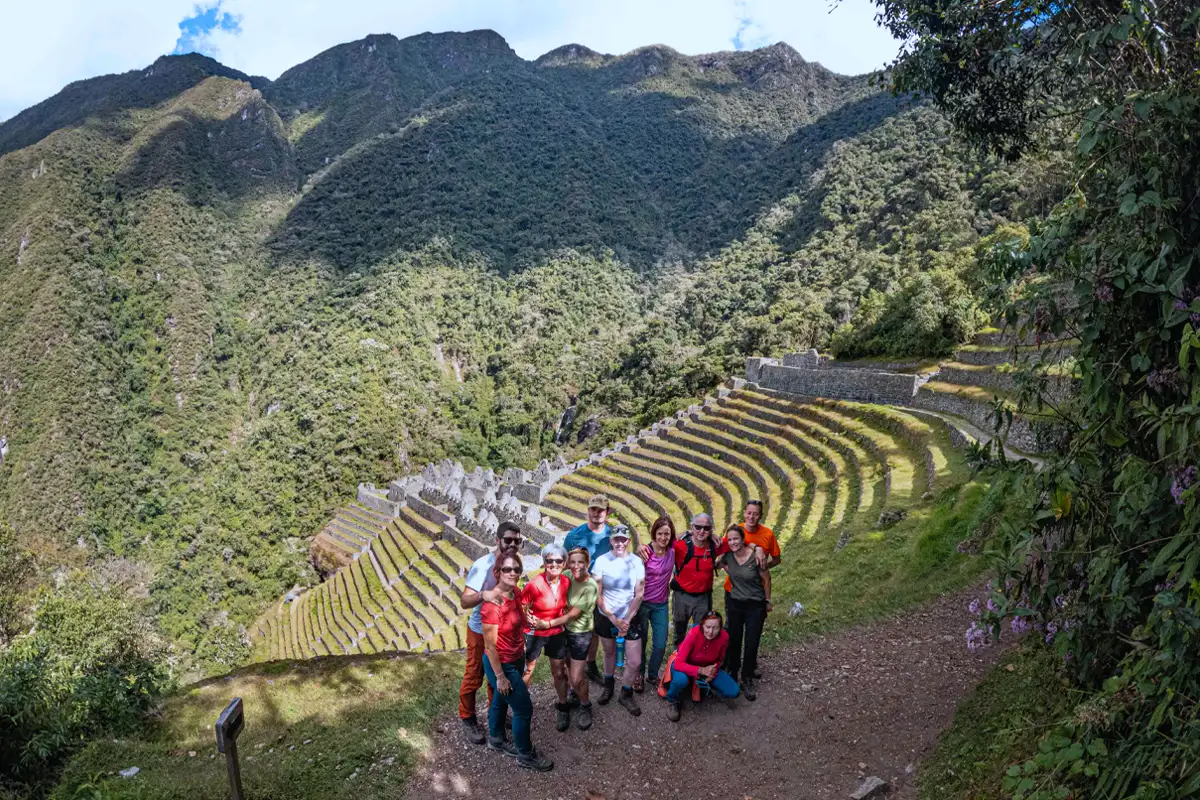
The Short Inca Trail is a shorter and more comfortable option than the traditional 4-day Inca Trail to Machu Picchu. It begins at Km 104 of the railway to Aguas Calientes.
The hike begins at Km 104 of the railway to Aguas Calientes. The itinerary includes one full day of hiking followed by a second day dedicated to visiting Machu Picchu.
Key details:
- Duration: 2 days and 1 night.
- Total hiking distance: 13 km / 8 miles.
- First-day hike: approximately 13 km / 8 miles.
- Maximum altitude: 2,720 m / 8,924 ft, Inti Punku
- Difficulty: moderate.
- Recommended experience: beginner - intermediate.
- Accommodation: hotel in Aguas Calientes.
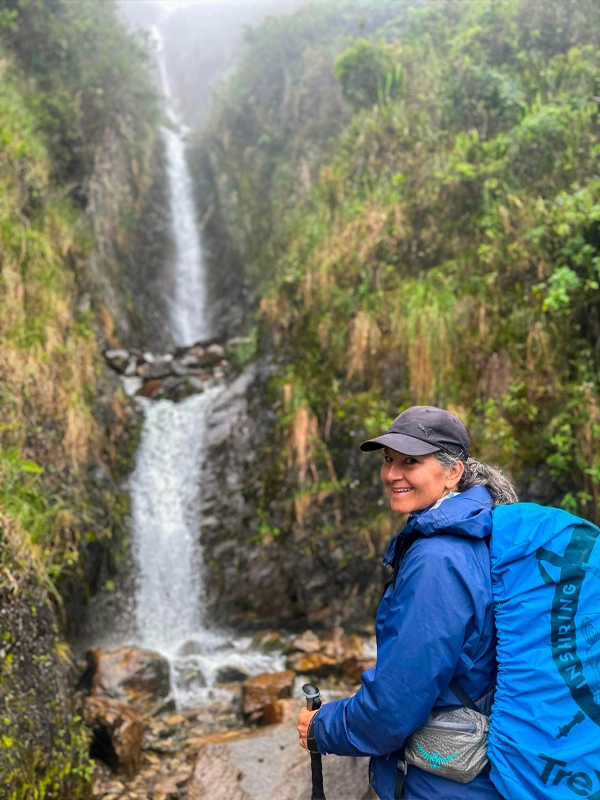
- Scenery: cloud forest, Inca sites, and a waterfall.
- Arrival at Machu Picchu: enter on foot through Inti Punku.
This tour usually begins in Cusco or the Sacred Valley and includes transportation by vehicle and train to km 104, where the hike begins. The itinerary includes a full day of trekking and a second day dedicated to exploring Machu Picchu.
 |  |
5-day Inca Trail to Machu Picchu
The 5-day Inca Trail is the most relaxed version of the route and includes more time to explore its attractions. The additional time on the trail allows for easier-paced hiking, fewer encounters with large groups and busy schedules, and more time to enjoy the scenery and explore archaeological sites.
The trek can begin at Km 84 in Piscacucho or at Km 88 in Q'oriwayrachina. The second option follows the lower areas of the Urubamba River Valley and allows hikers to explore lesser-visited archaeological sites such as Salapunku, K'anabamba, and Machu Q'ente.
Key details:
- Duration: 5 days and 4 nights.
- Total hiking distance: 49 km / 031 miles.
- Hiking per day: approximately 9.8 km / 6. miles.
- Maximum altitude: 4,215 m / 13,829 ft, Warmiwañusca Pass.
- Difficulty: moderate - challenging.
- Recommended experience: intermediate - advanced
- Accommodation: camping and hotel in Aguas Calientes.
- Scenery: temperate valley, Andean mountains, cloud forest, and Inca sites.
- Arrival at Machu Picchu: enter on foot through Inti Punku.
Salkantay Trek to Machu Picchu
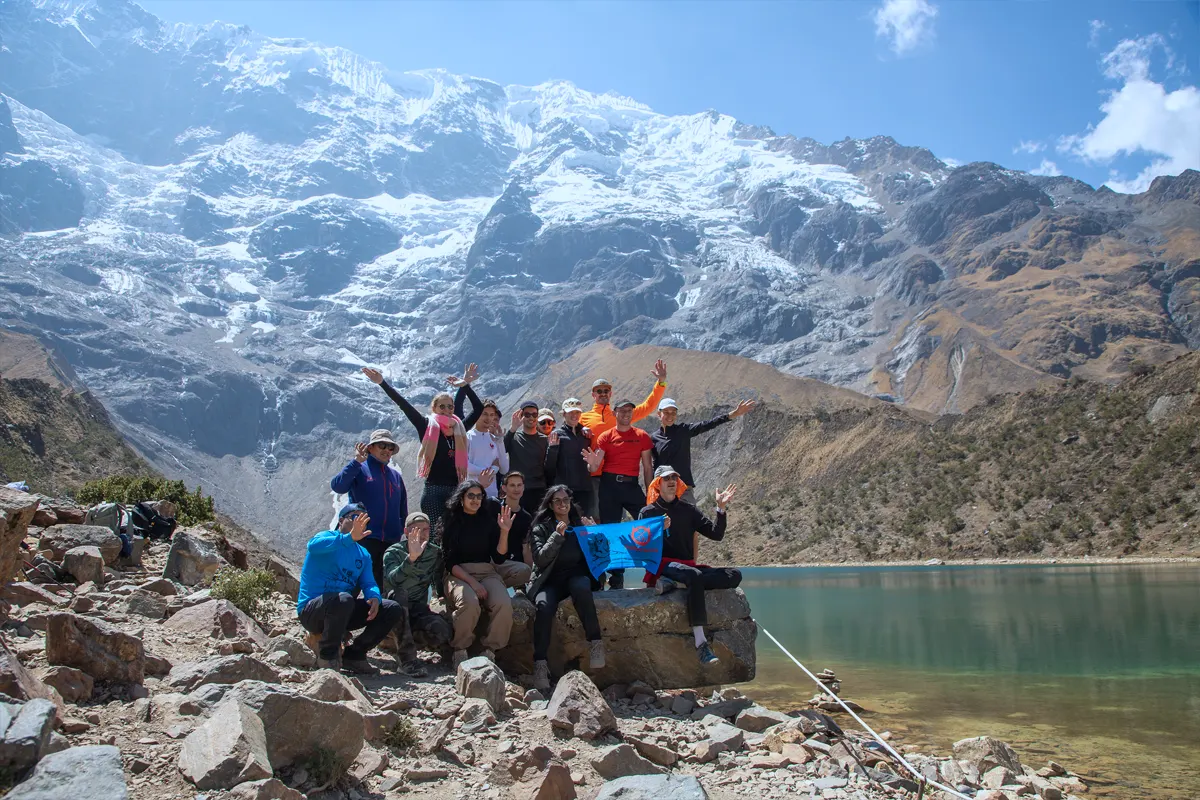
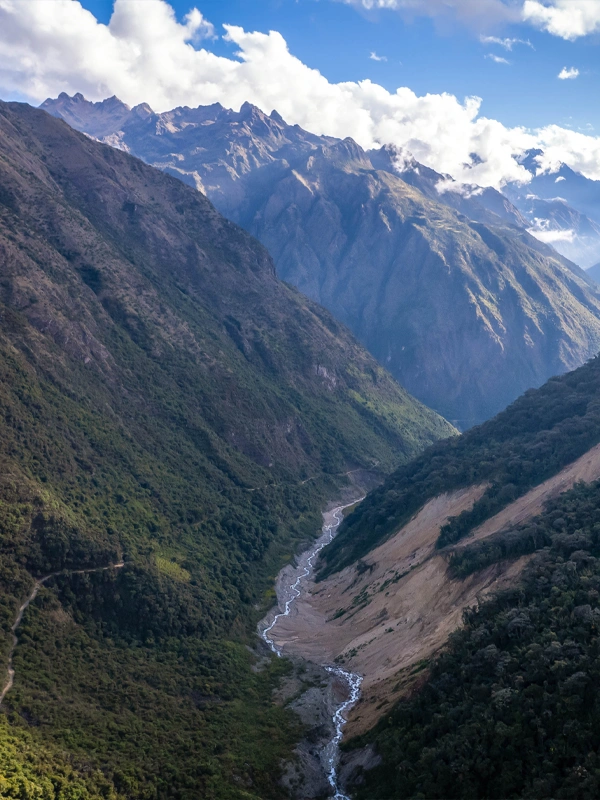
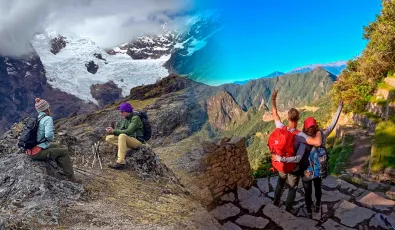
The Salkantay Trek is an excellent alternative to the Inca Trail, known for being a scenic and challenging route that passes beneath the impressive snow-capped Salkantay, the highest peak in the Vilcabamba mountain range, before descending into the warmer high jungle and continuing to Aguas Calientes and Machu Picchu.
Much of this route lies within the Choquequirao Regional Conservation Area, which protects the diverse Andean and glacial ecosystems surrounding Salkantay Mountain.
The most popular treks are:
- 4-day Salkantay Trek to Machu Picchu
- 5-day Salkantay Trek to Machu Picchu, including a visit to the Inca site of Llactapata.
Some important details about the Salkantay Trek are:
- Capacity: Unlimited.
- Operating season: year-round.
- Starting point: Cusco.
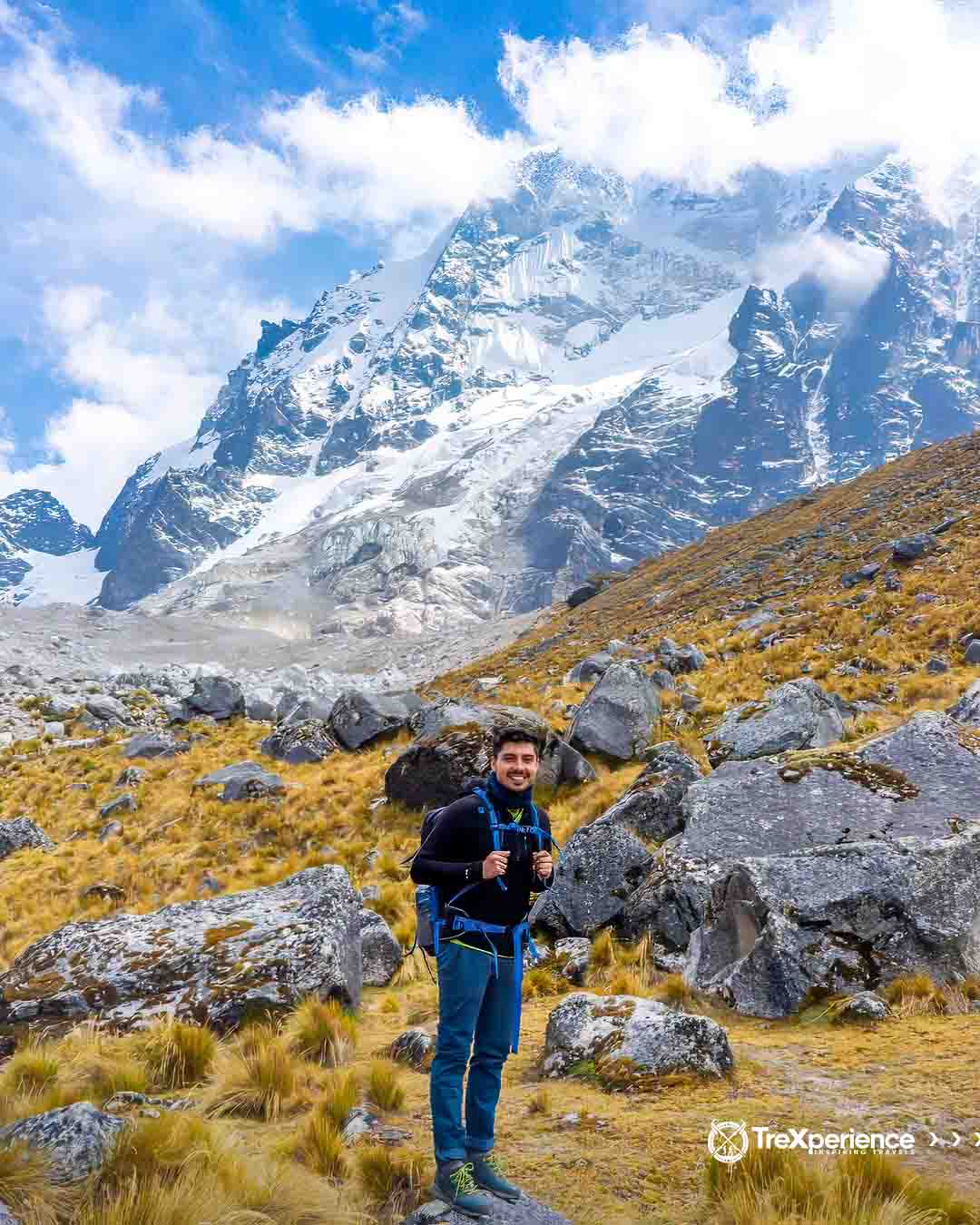 | 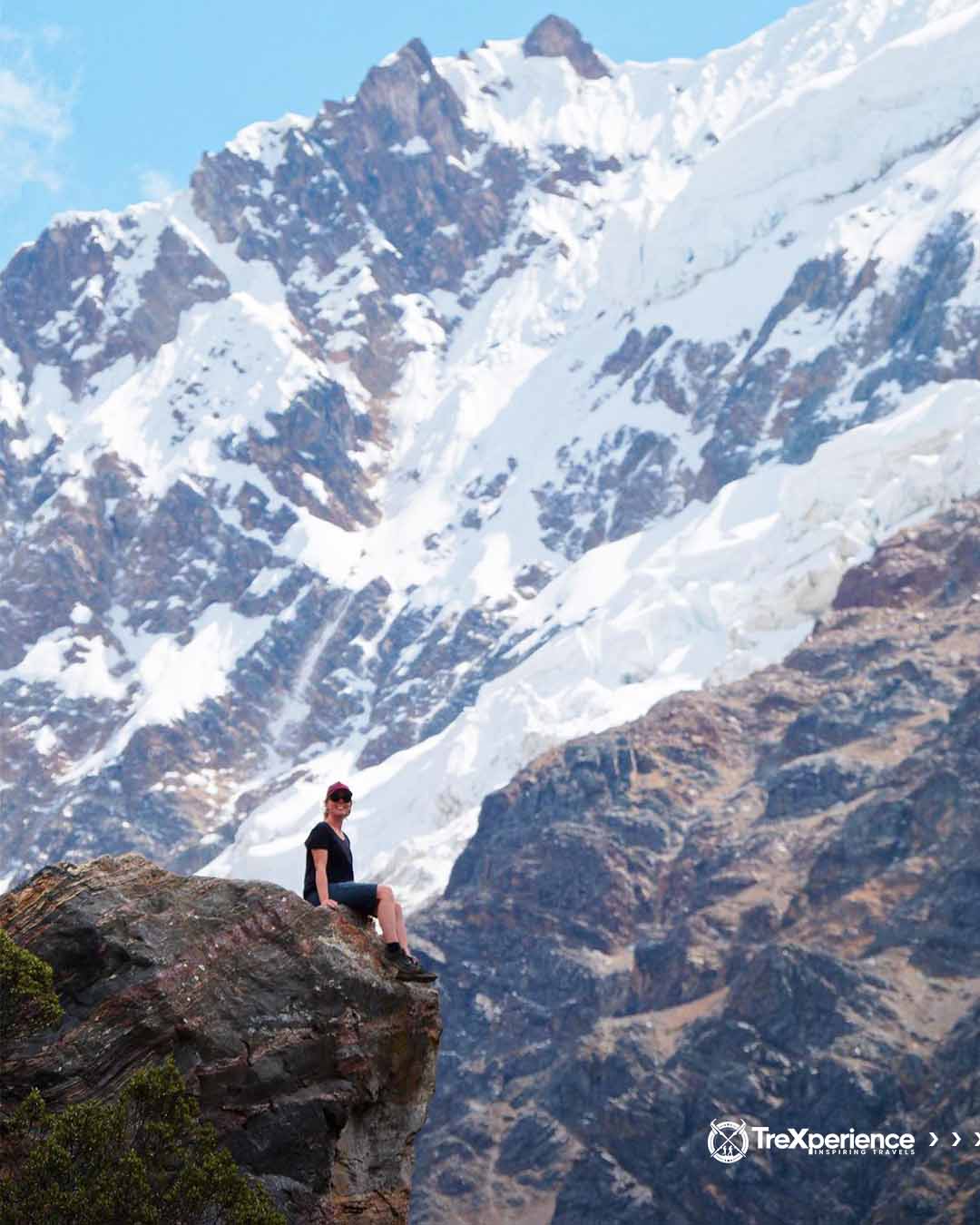 |
Unlike the Inca Trail, the Salkantay Trek does not require special permits. The most important requirement is purchasing your Machu Picchu entrance tickets in advance.
4-day Salkantay Trek
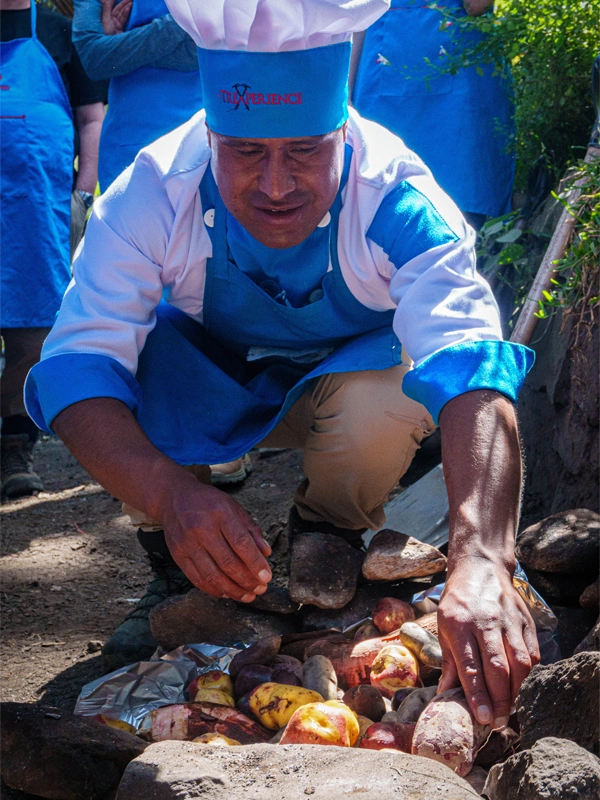
The 4-day Salkantay Trek is the most popular Salkantay itinerary. It includes a visit to Humantay Lake, a Peruvian coffee experience, and a traditional Pachamanca cooking class.
The route begins in Soraypampa, climbs through the mountains, and then descends into tropical valleys.
Key details:
- Duration: 4 days and 3 nights.
- Total hiking distance: 48 km / 30 miles.
- Hiking per day: approximately 12 km / 7.4 miles.
- Maximum altitude: 6,270 m / 20,574 ft, Salkantay Pass.
- Difficulty: moderate - challenging.
- Recommended experience: intermediate - advanced
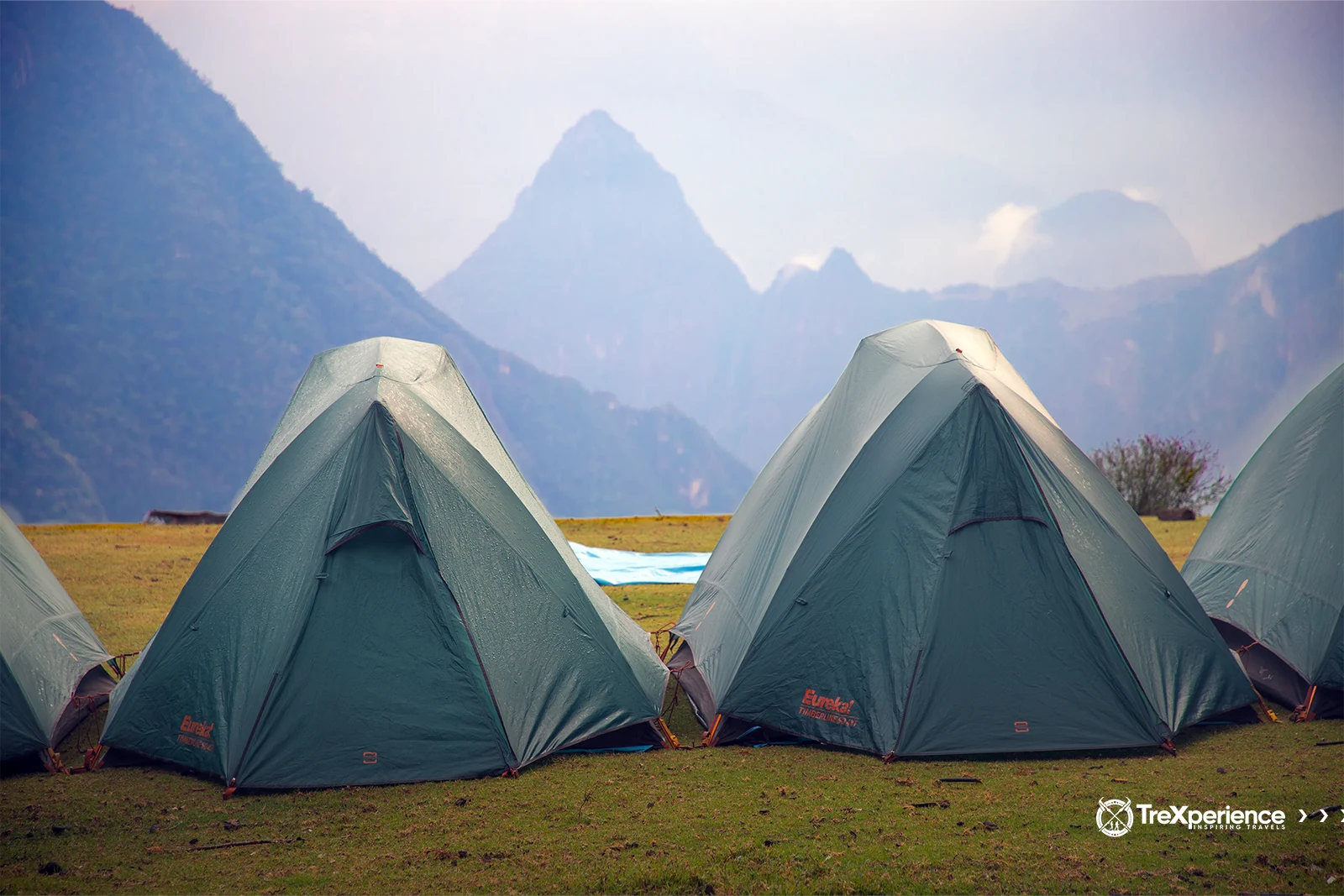
- Accommodation: camping with glamping options.
- Scenery: Andean mountains, cloud forest, and Inca sites.
- Arrival at Machu Picchu: connection to Machu Picchu after the trek.
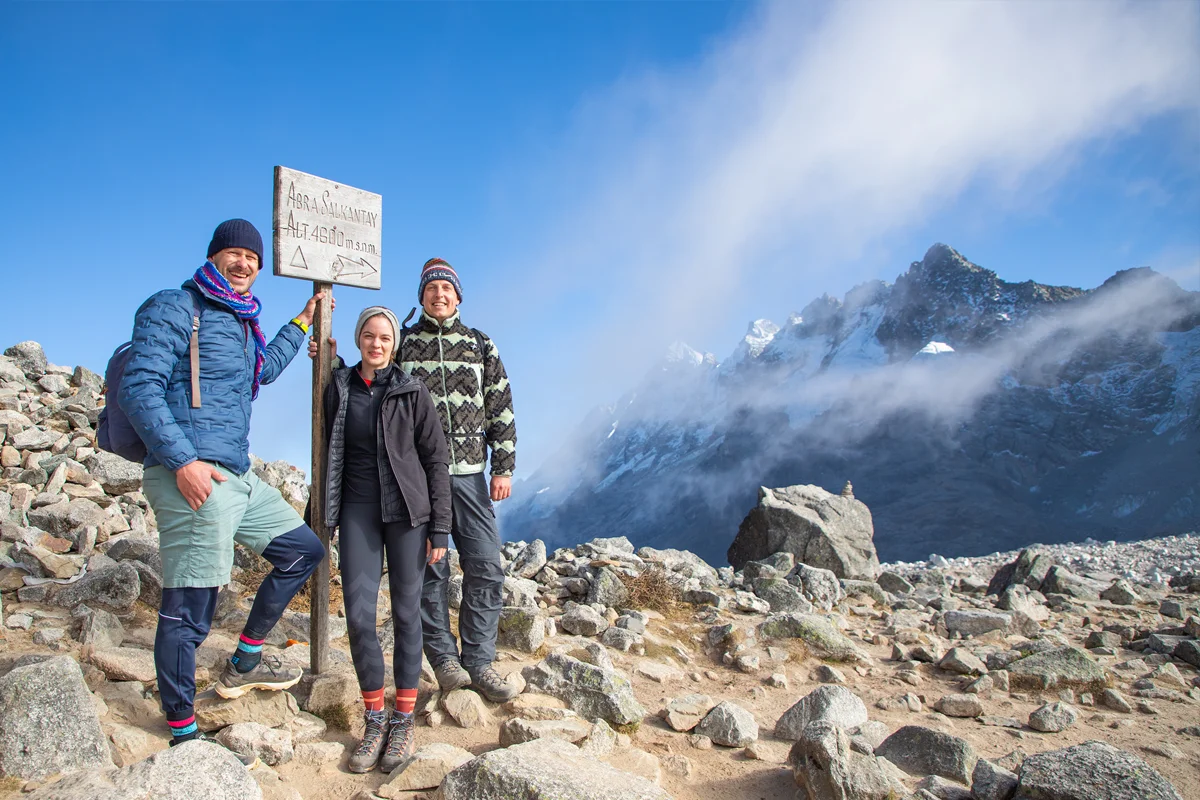
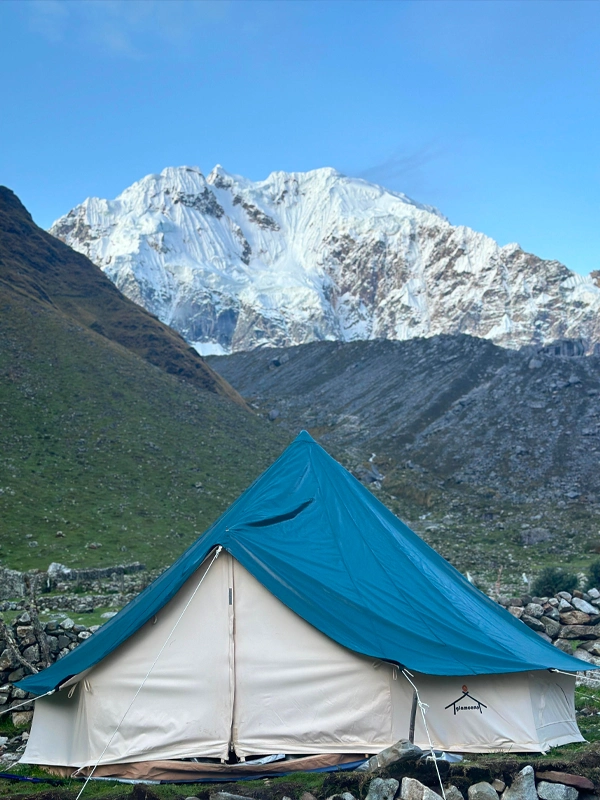 |  |
5-day Salkantay Trek
The 5-day Salkantay Trek is one of the most complete versions of this route. It combines the Salkantay Trek through high-mountain landscapes with a visit to Humantay Lake, a Peruvian coffee experience, a traditional Pachamanca cooking class, and a section of an ancient Inca trail that crosses the high jungle toward the archaeological site of Patallacta. Like other Salkantay itineraries, this trek begins in Soraypampa.
Key details:
- Duration: 5 days and 4 nights.
- Total hiking distance: 68 km / 42.5 miles.
- Hiking per day: approximately 13.6 km / 8.5 miles.
- Maximum altitude: 6,270 m / 20,574 ft, Salkantay Pass.
- Difficulty: moderate - challenging.
- Recommended experience: intermediate - advanced
- Accommodation: camping with glamping options.
- Scenery: Andean mountains, cloud forest, and Inca sites.
- Arrival at Machu Picchu: connection to Machu Picchu after the trek.
 |  |
Lares Trek to Machu Picchu
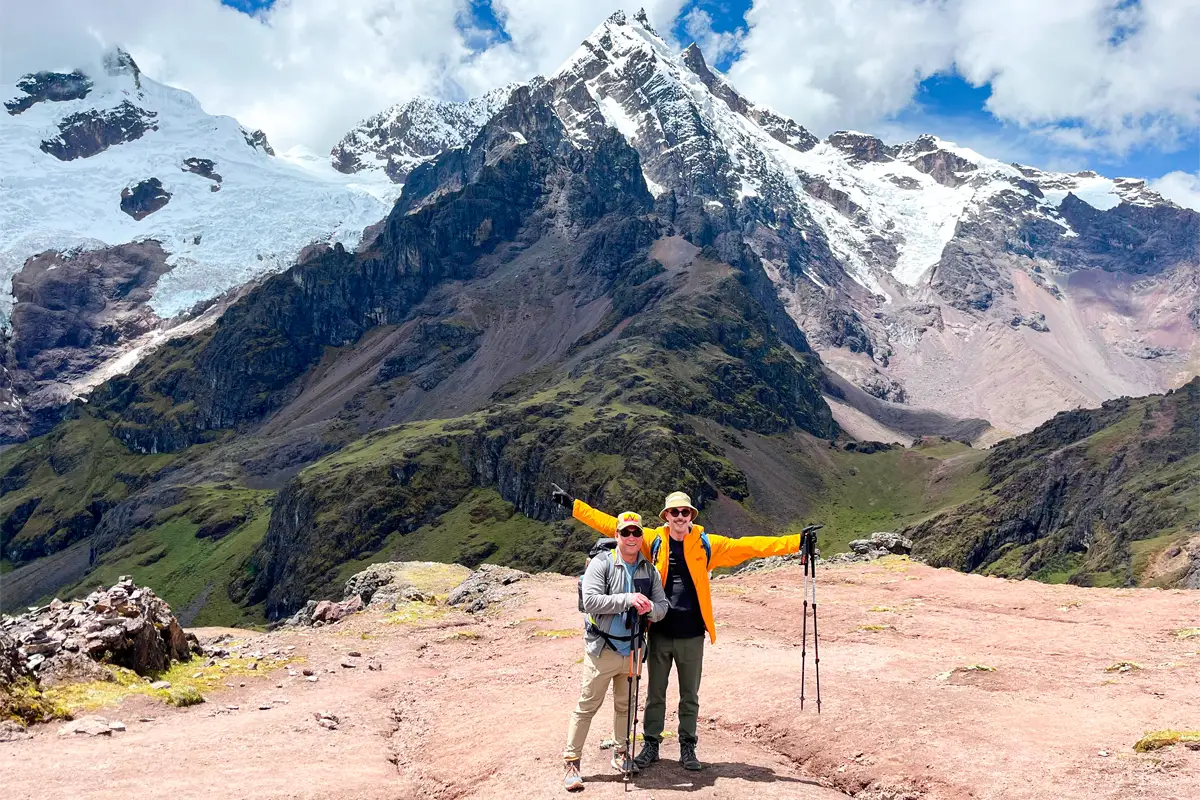
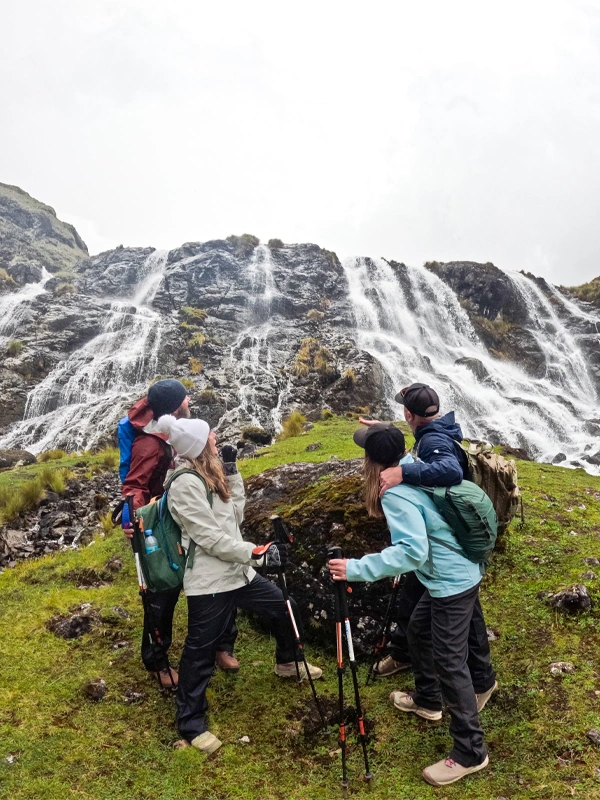
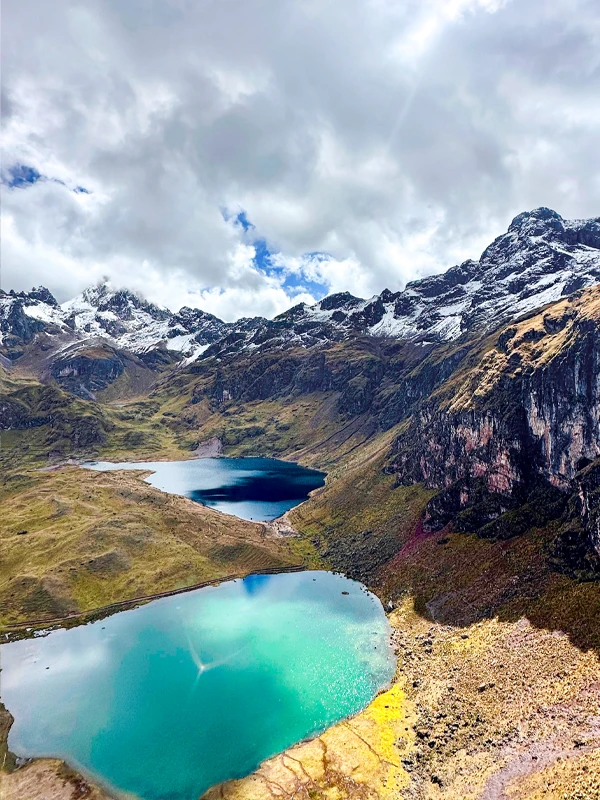
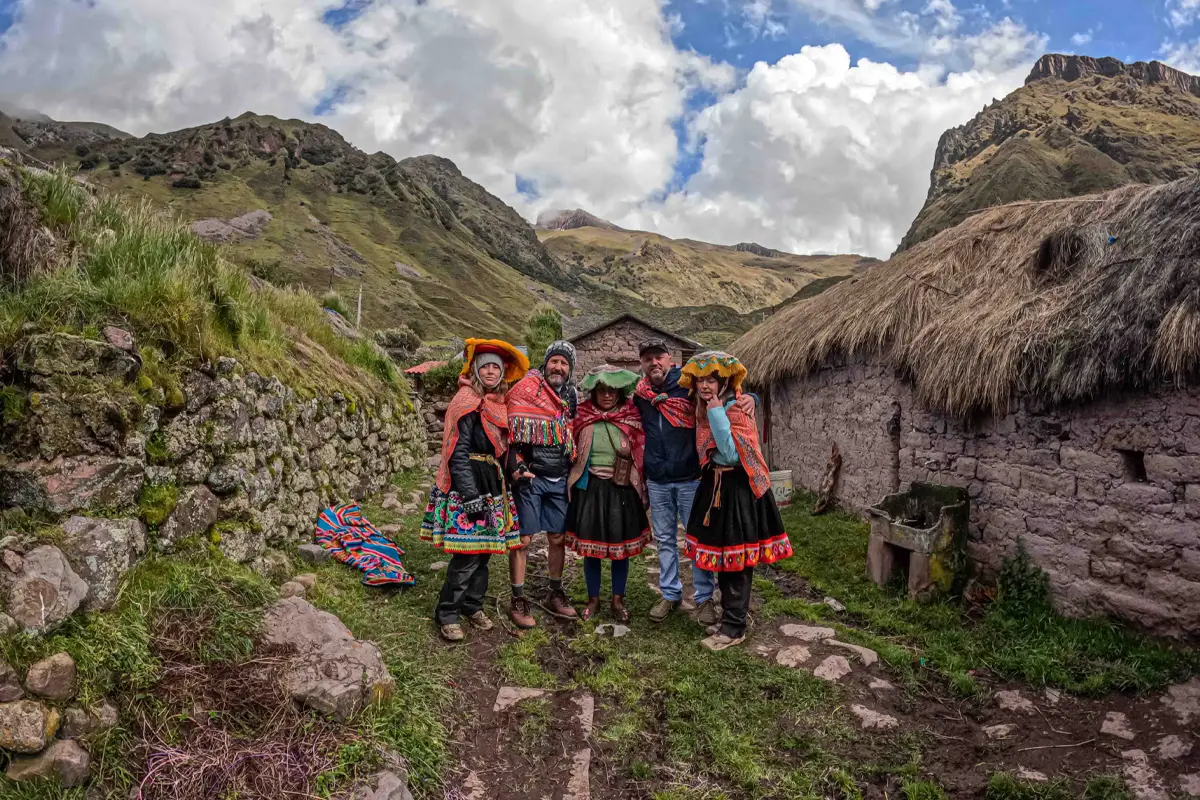
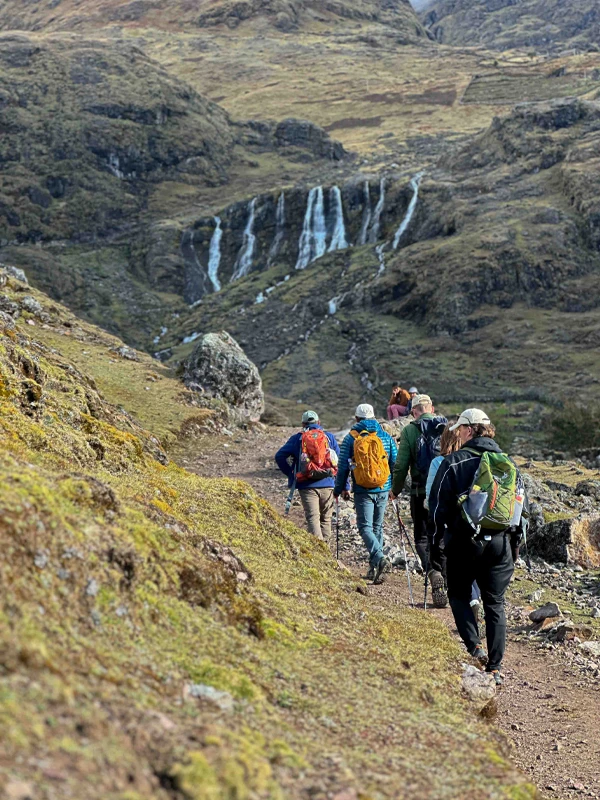
The Lares Trek is an excellent alternative to the Inca Trail for travelers looking for a closer connection with the mountains, high-altitude scenery, and interactions with local communities. The Lares route crosses the mountains of the Sacred Valley of the Incas, passing lakes, waterfalls, mountain passes, and Quechua communities before continuing by train to Aguas Calientes. What makes this trek stand out from other routes to Machu Picchu is its close connection with the natural landscapes and rural culture of the Andes.
The best-known trek is:
- 4-day Lares Trek to Machu Picchu
 |  |
The Lares Trek does not require special permits either, although Machu Picchu entrance tickets should be purchased in advance.
4-day Lares Trek
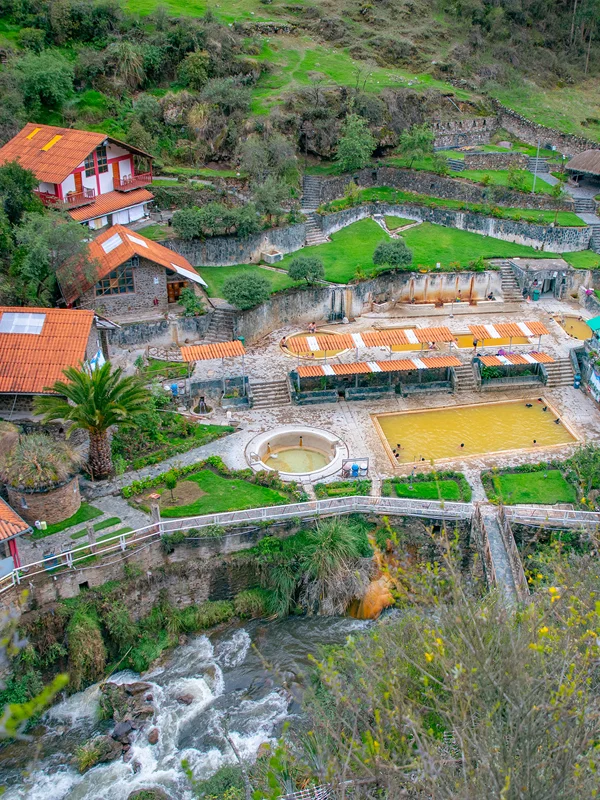
During the 4-day Lares Trek to Machu Picchu, you will visit the archaeological site of Ancasmarca, the Lares hot springs, the Kiswarani waterfalls, and forests of Puya raimondii. The journey continues through the Lares Valley and the Quechua community of Canchacancha, where you can experience traditional local life up close. The route then descends into the Sacred Valley, with stops at the Maras Salt Mines and Ollantaytambo before continuing by train to Machu Picchu.
The best-known trek is:
- 4-day Lares Trek to Machu Picchu
Key details:
- Duration: 4 days and 3 nights.
- Total hiking distance: 38 km / 23.6 miles.
- Maximum altitude: 4,700 m / 15,354 ft, Condor Pass.
- Difficulty: moderate - challenging.
- Recommended experience: intermediate - advanced
- Accommodation: camping and hotel in Aguas Calientes.
- Scenery: Andean mountains, hot springs, waterfalls, and Inca sites.
- Arrival at Machu Picchu: connection to Machu Picchu after the trek.
 |  |
Other trekking routes to Machu Picchu
Ausangate Trek
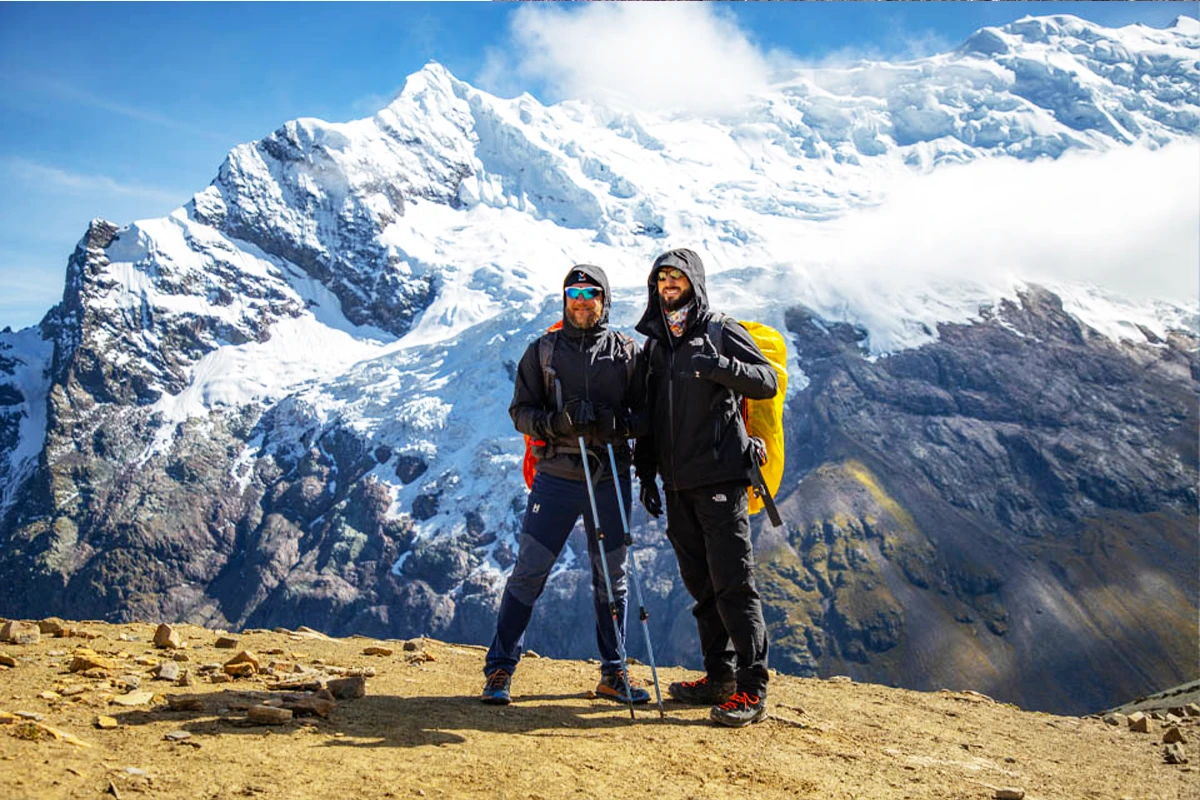
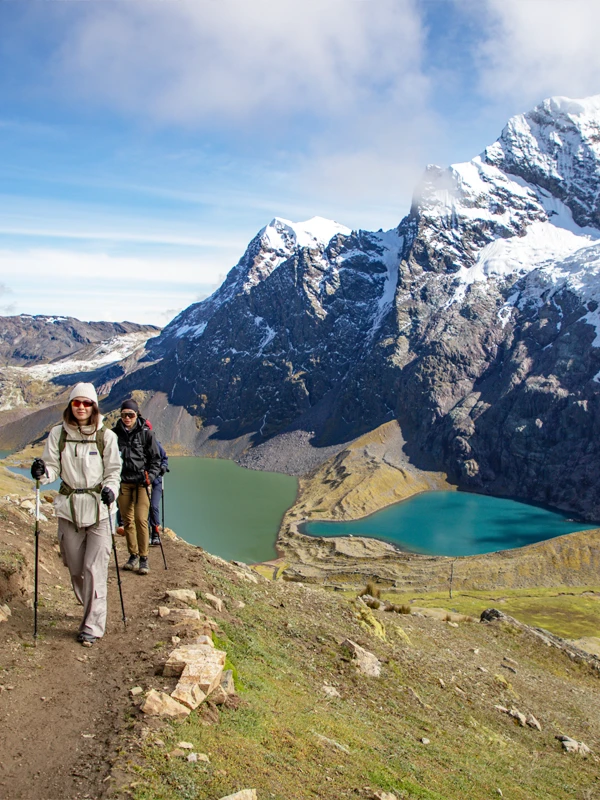
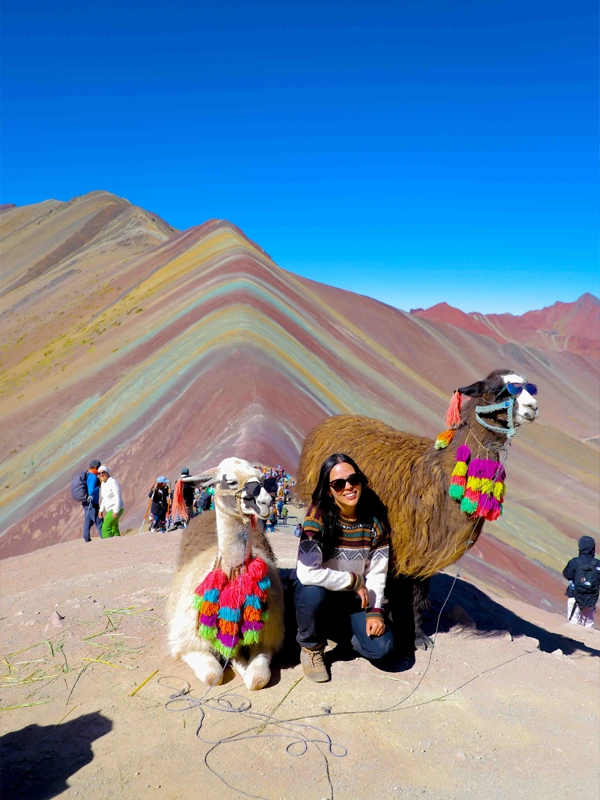
The Ausangate Trek is a high-mountain adventure that follows trails around snow-capped Ausangate, the highest peak in the Vilcanota mountain range, south of Cusco. The route crosses landscapes dominated by glaciers and towering peaks, colorful lakes, vast high-Andean valleys, and herds of alpacas and llamas, all beneath the imposing presence of Apu Ausangate.
The itinerary crosses mountains and valleys until reaching Rainbow Mountain and the Red Valley, before returning to Cusco and continuing by train to Aguas Calientes. Highlights include panoramic views of beautiful high-Andean lakes such as Upis, Huchuy Pucacocha, Hatun Pucacocha, and Ancascocha.
Read next | Vinicunca Rainbow Mountain
 |  |
Choquequirao Trek
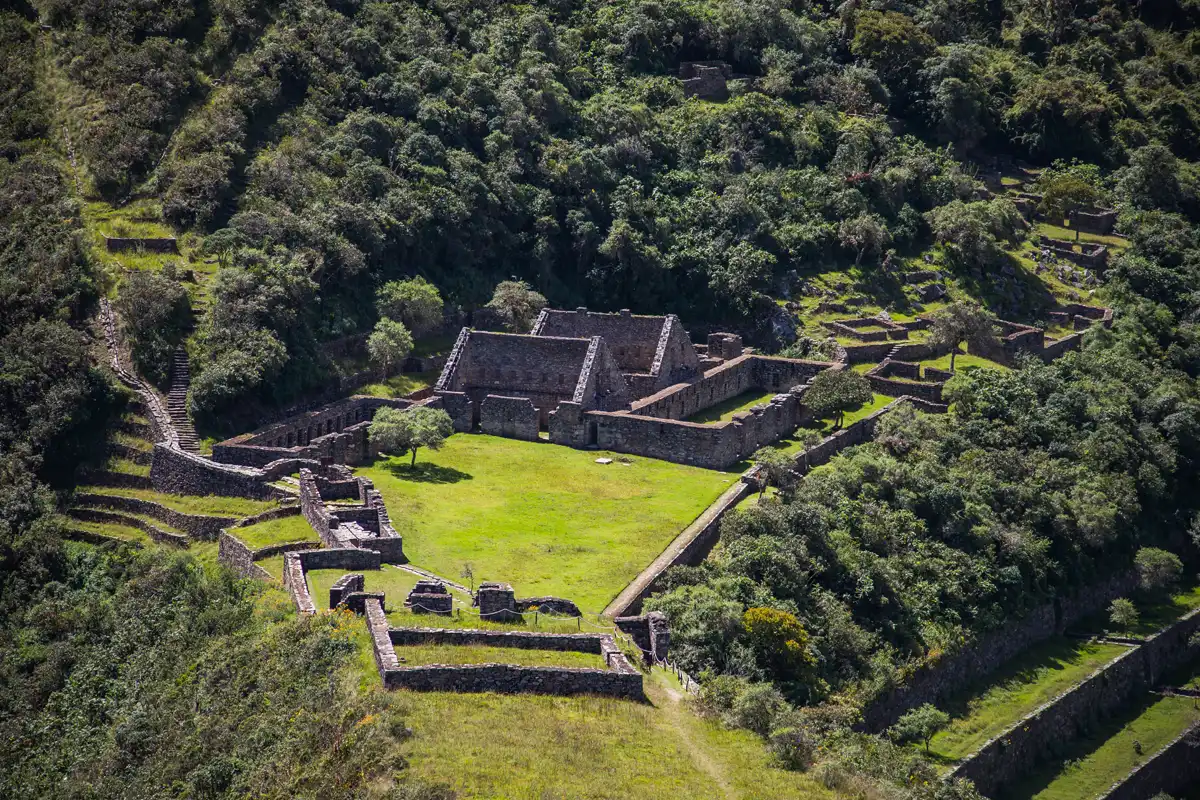
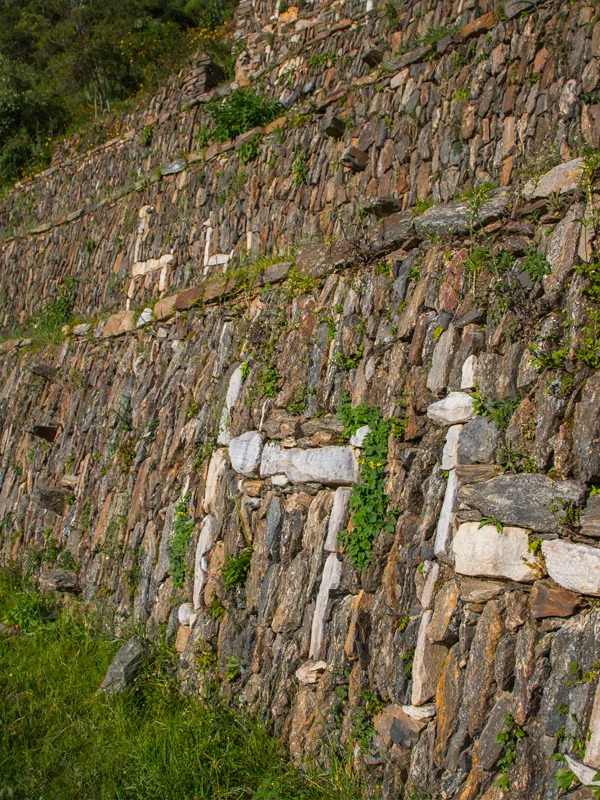
The Choquequirao Trek, often associated with Choquequirao's nickname, “the twin sister of Machu Picchu,” leads to an extensive Inca citadel hidden among the Andean mountains. Its history has been linked to the search for the legendary Vilcabamba, the refuge of Manco Inca and the center of Inca resistance following the arrival of the Spanish.
In 1909, Hiram Bingham reached Choquequirao during his expeditions and, two years later, in 1911, arrived at Machu Picchu while continuing his search for Vilcabamba. Despite extensive research, Choquequirao still holds many mysteries about its origins, purpose, and abandonment, especially because of the scale and complexity of its structures.
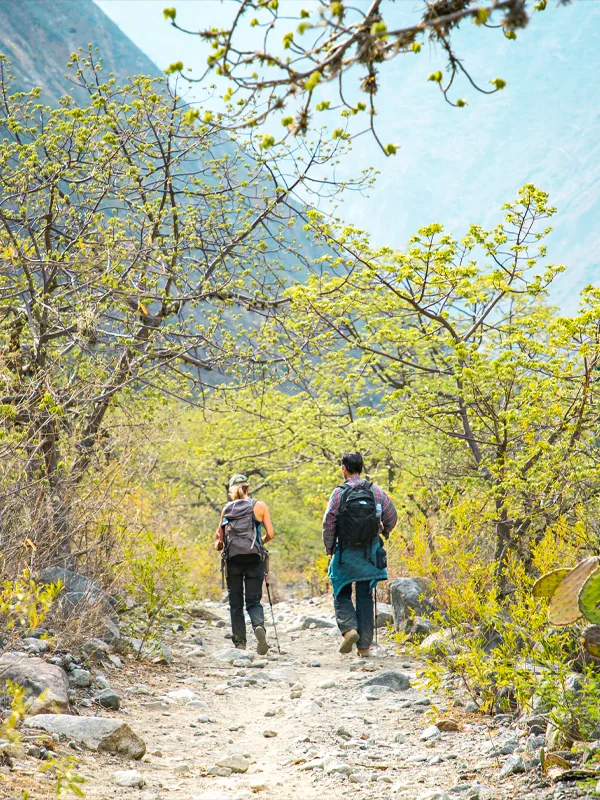
The best-known versions of this route are:
 |  |
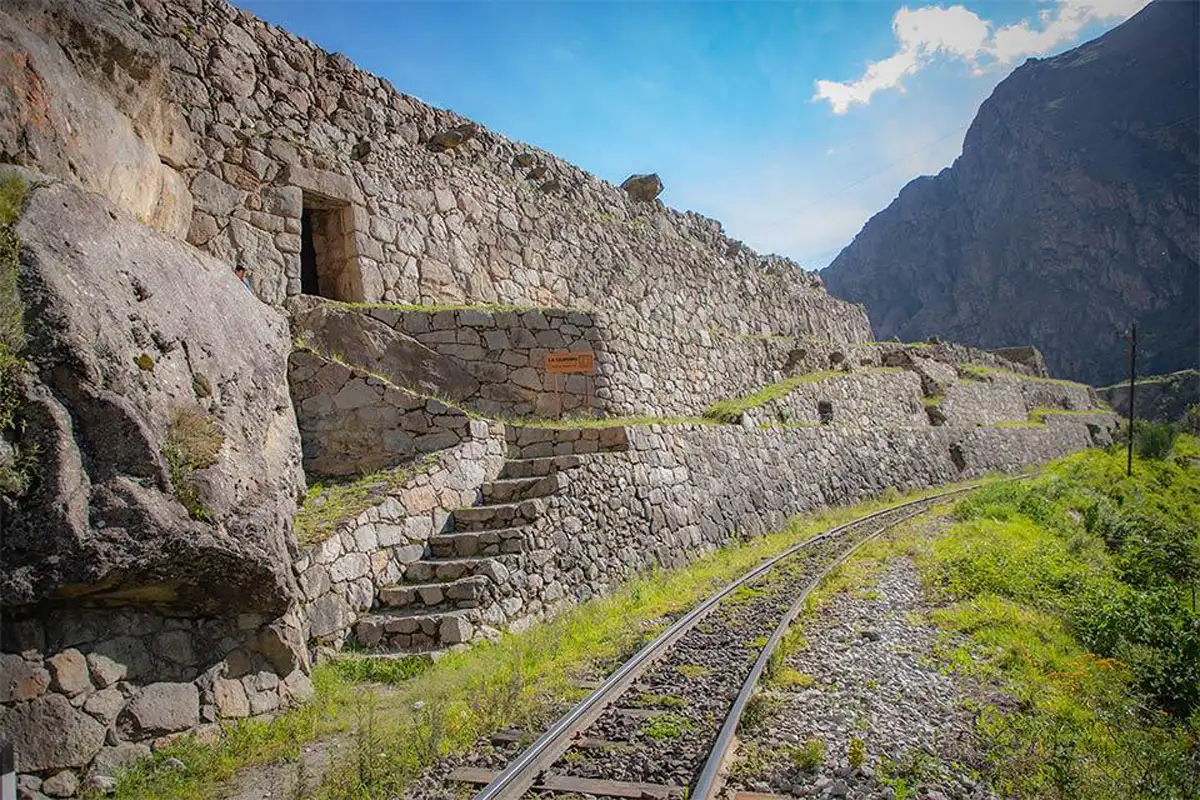
Cachicata to Machu Picchu (Inca Quarry)
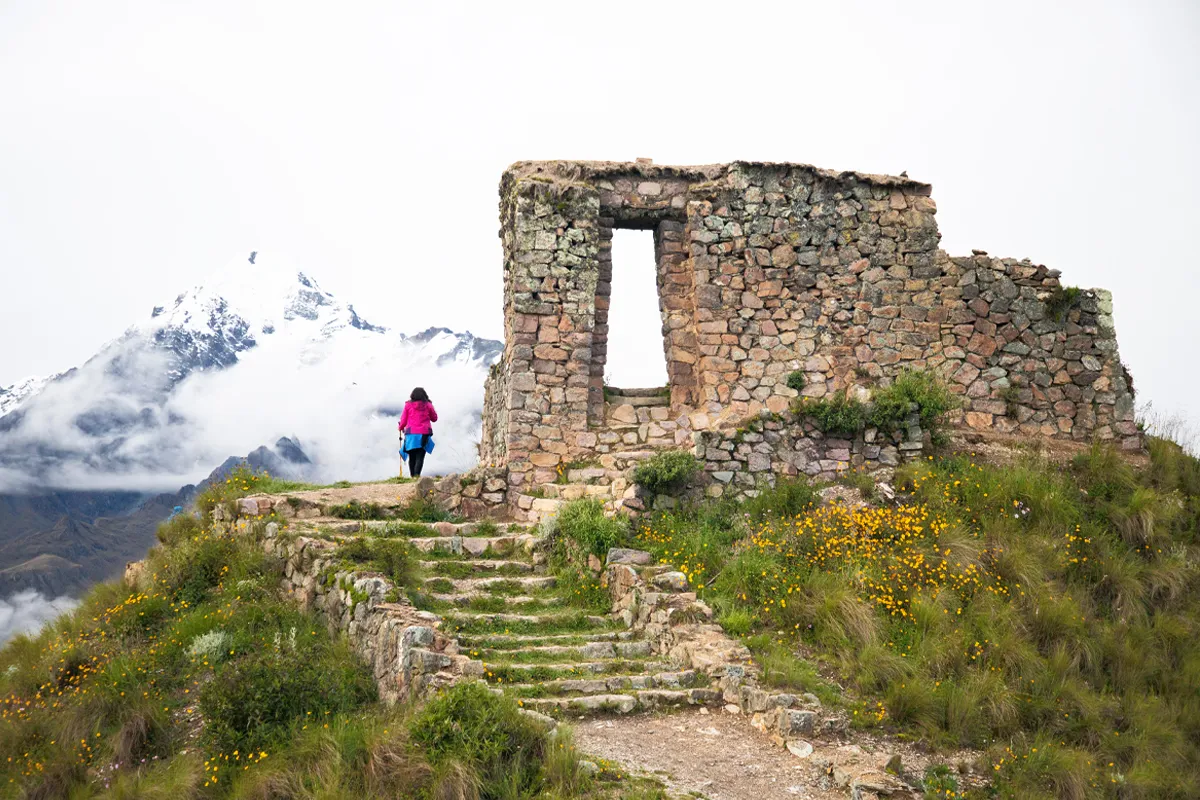
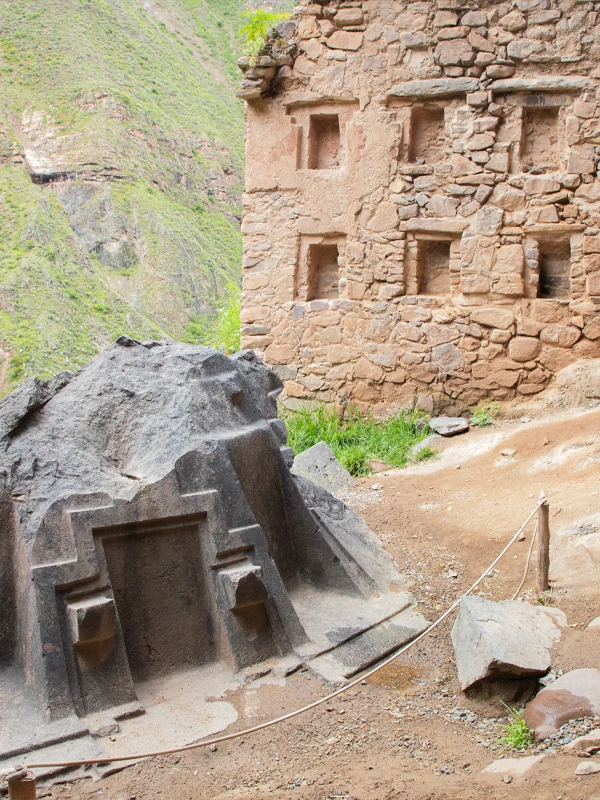
The Inca Quarry Trek, Cachicata Trek, or Inca Quarry Trek to Machu Picchu is an alternative trekking route within the Sacred Valley. Although less known than other adventure routes, the Inca Quarry Trek allows you to discover hidden Inca sites while experiencing authentic Andean landscapes.
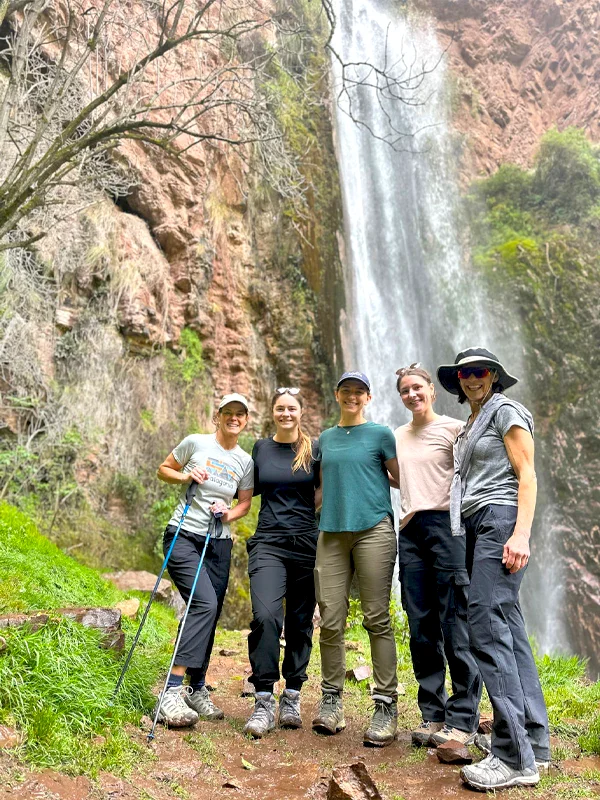
This route includes visits to remarkable places such as the Inca sanctuary of Ñaupa Iglesia, Perolniyoc Waterfalls, the archaeological site of Racaypata, the Intipunku of Ollantaytambo, the Inca quarry, and several historical sites before continuing by train to Machu Picchu.
 |  |
Huchuy Qosqo Trek to Machu Picchu
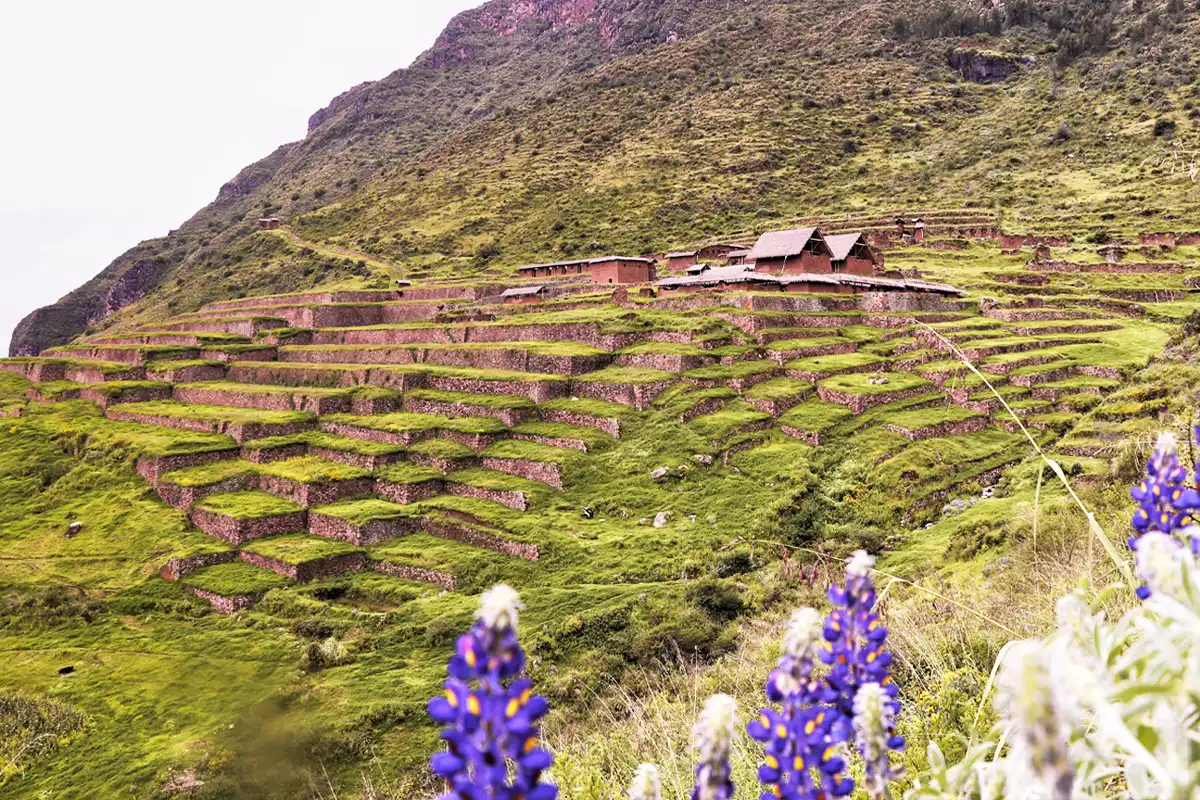
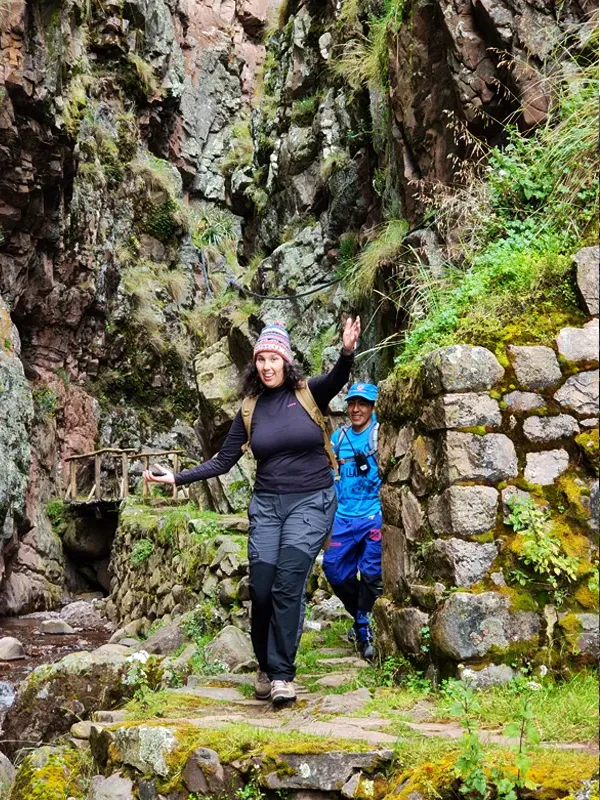
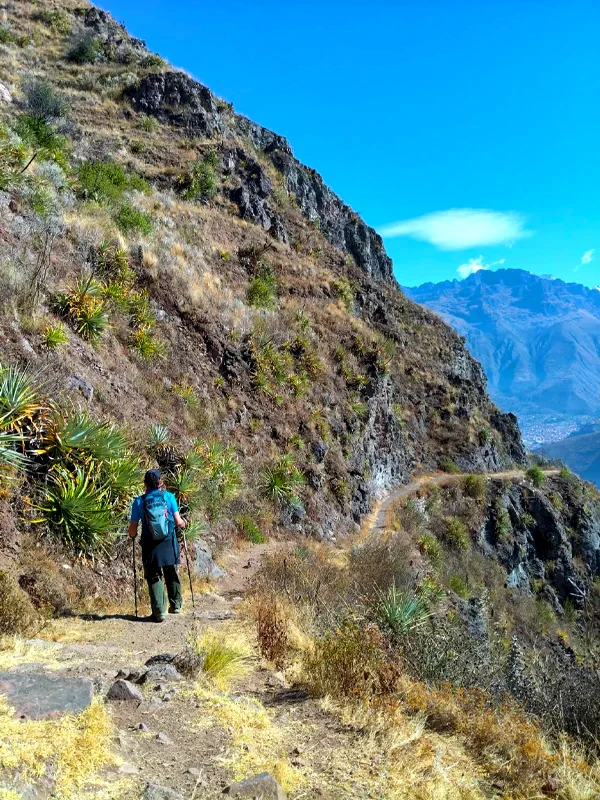
Huchuy Qosqo is a hidden Inca treasure located just a day's hike from Cusco. It is one of the few routes that allows you to follow an ancient Inca trail that once connected the imperial city with the Sacred Valley before continuing by train to Machu Picchu.
During this adventure, you will discover several Inca sites, small mountain lakes, and beautiful Andean landscapes before reaching the citadel of Huchuy Qosqo, an impressive Inca complex that served as a royal residence for the eighth Inca ruler, Wiracocha.
 |  |
Inca Jungle Trek
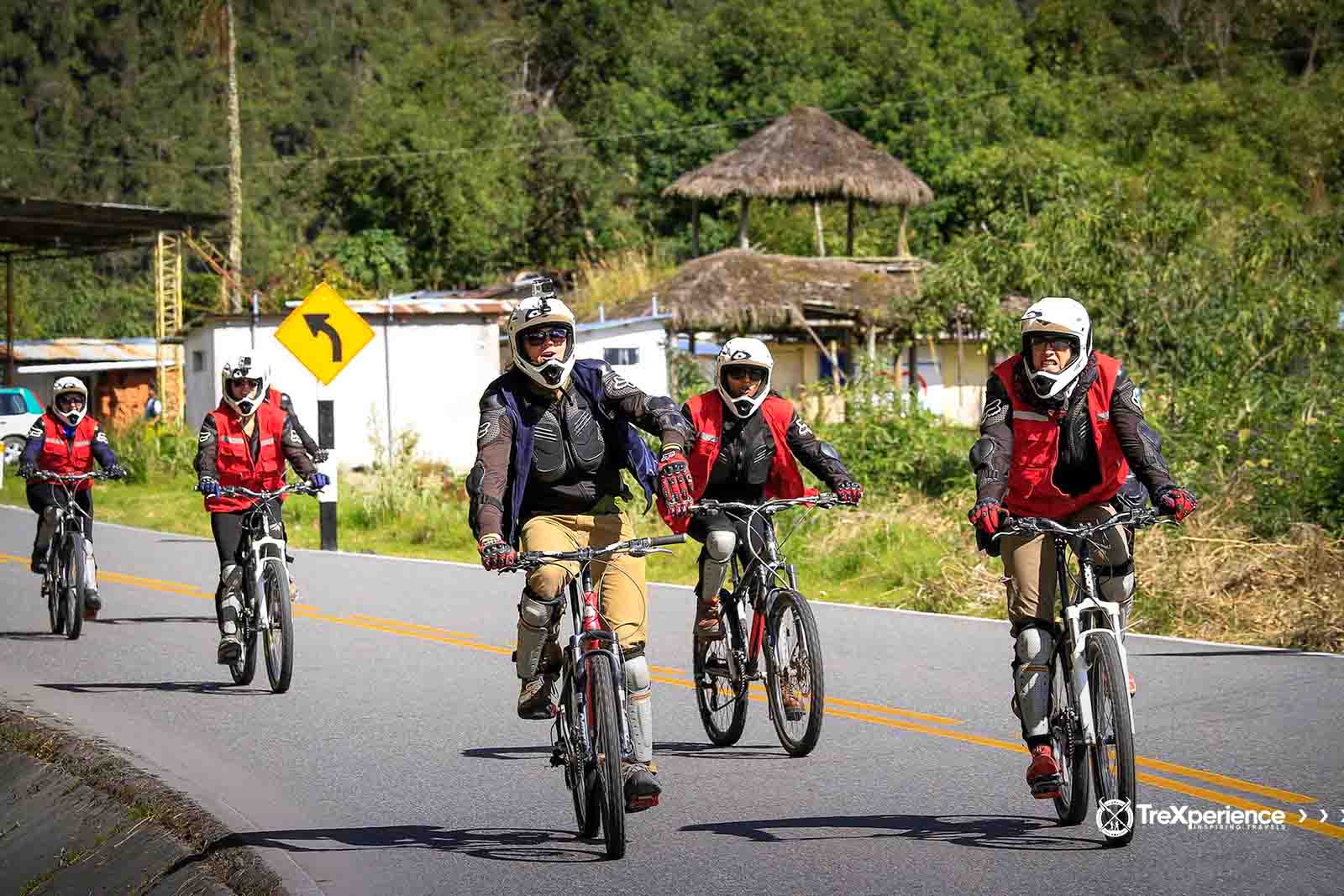
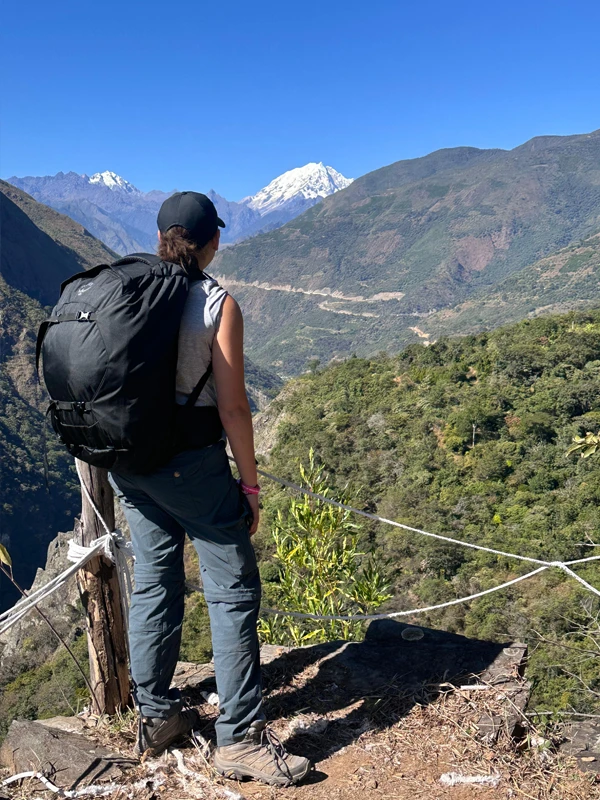
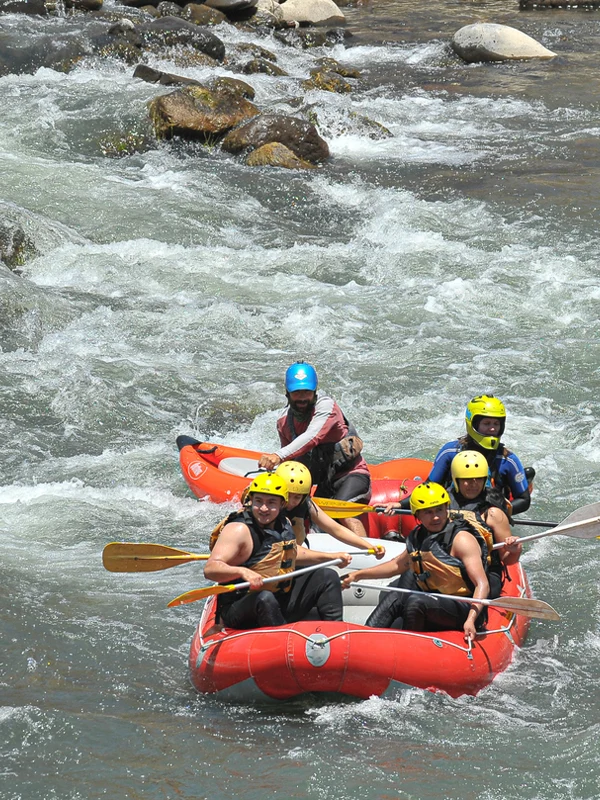
The Inca Jungle Trek to Machu Picchu is an exciting adventure that combines mountain biking in Maras and Moray, rafting on the Urubamba River, hiking along hidden Inca trails through lush jungle vegetation, and extra activities such as a coffee tour.
Unlike other routes to Machu Picchu, the Inca Jungle offers a multi-sport experience where each day brings a different activity and landscape.
Keep reading | Maras and Moray
 |  |
Best time to trek to Machu Picchu
The best time to trek to Machu Picchu depends on the weather you prefer, the number of travelers you expect to encounter, and the route you choose. The dry season runs from May through October, when days are generally drier and hiking conditions are more stable. However, June, July, and August are also peak travel months, with more visitors and colder nights in the mountains.
April, May, September, and October often offer a good balance between favorable weather and moderate visitor numbers. From November through March, rain is more frequent, trails can become wet or muddy, and some days may require changes to the itinerary. On the other hand, the valleys are much greener and there are usually fewer hikers on the trails.
Read next | Best time to visit Machu Picchu
Difficulty, altitude, and acclimatization
The difficulty of a trek to Machu Picchu does not depend only on distance. Maximum altitude, elevation gain and loss, terrain, daily hiking hours, weather, and the number of consecutive days on the trail all play a role. A short trek can still be demanding if it includes steep climbs, while a longer itinerary may feel more comfortable because the effort is spread over several days.
Several routes cross mountain passes above 4,000 meters, where less oxygen is available and your body needs time to adjust. For this reason, travelers arriving from lower elevations should allow a few days to acclimatize before beginning a high-altitude trek.
Permits, entrance tickets, and reservations
The Inca Trail is the only route mentioned here that requires a regulated special permit. Salkantay, Lares, Huchuy Qosqo, Cachicata, Inca Jungle, and other alternative routes do not require special trekking permits. However, these routes still require a valid Machu Picchu entrance ticket, as well as train tickets, accommodation, and other related services.
Other mountain hikes around Machu Picchu should also be booked separately and in advance.
What to pack for a trek to Machu Picchu
What you should pack for Machu Picchu will depend on the length of your itinerary, the altitude of the campsites, and the season. Essential items include:
- The ID or passport used when booking your trek and Machu Picchu entrance ticket.
- A comfortable daypack.
- A waterproof jacket or rain poncho.
- Lightweight clothing that can be worn in layers.
- Warm clothing for mornings and evenings.
- Comfortable, broken-in hiking shoes or boots.
- Hiking socks and a change of clothes.
- A sun hat or cap.
- Sunscreen and sunglasses.
- Insect repellent for warmer areas and the cloud forest.
- A reusable water bottle.
- A headlamp for campsites and early departures.
- A portable power bank for electronic devices.
- Personal hygiene items.
- Personal medications.
- Cash for small expenses.
- Trekking poles with rubber tips.
Learn more | Machu Picchu Packing List
Machu Picchu Hikes FAQs
Can you trek to Machu Picchu without a guide?
It depends on the route. The Inca Trail can only be completed with an authorized tour operator and requires a special permit. Other routes, such as Salkantay, Lares, or Huchuy Qosqo, do not require this permit, although having a guide, support staff, and proper trekking equipment can make the experience safer and more comfortable.
Which trek to Machu Picchu has the best scenery?
It depends on the type of scenery you want to experience. Salkantay stands out for its snow-capped mountains, lakes, and cloud forests, while Ausangate offers dramatic high-mountain landscapes, glaciers, and alpine lakes. The Inca Trail combines mountains, cloud forest, and archaeological sites along the route. Each route to Machu Picchu has something unique to offer.
How fit do you need to be to trek to Machu Picchu?
The level of fitness required depends on the route you choose. Some treks are moderate, while others involve several days of hiking, significant elevation changes, and mountain passes above 4,000 m. A moderate level of fitness is recommended, along with a few days to acclimatize in Cusco before starting higher-altitude routes.
How far in advance should you book a trek to Machu Picchu?
It is recommended to book at least 4 to 6 months in advance, especially if you want to hike the Inca Trail, as permits are limited. Routes such as Salkantay, Lares, or Ausangate offer more flexibility, but booking early is still a good idea to secure Machu Picchu entrance tickets, train tickets, accommodation, and other necessary services.
Are there age restrictions for trekking to Machu Picchu?
Most trekking routes do not have strict age limits, but participants should be in good physical condition. Families with children and older travelers often choose shorter or less demanding routes.
What happens if bad weather affects my trek?
Treks usually operate in most weather conditions. Guides monitor trail conditions and safety throughout the journey and may adjust schedules or activities when necessary to keep the experience safe.
Which trek offers the best photography opportunities?
Each route offers different photography opportunities, from high mountain passes and glacial peaks to cloud forests and ancient archaeological sites. The best choice depends on whether you prefer dramatic landscapes, cultural encounters, or a variety of ecosystems.

Add new comment