


Machu Picchu has surprised the world with a new scientific discovery, after recent archaeological research revealed sections of an ancient Inca Trail in Mandor sector stretching around 2.5 km through the mountains east of the citadel.
During preliminary work carried out in July 2026, more than 2.5 km of ancient roads were identified around the Inca Wall of Mandor, east of the llaqta of Machu Picchu. The research was conducted by specialists from the Decentralized Directorate of Culture of Cusco and the Center for Andean Studies at the University of Warsaw.
The study used LiDAR technology to examine terrain hidden beneath the vegetation. The analysis identified more than 2.5 km of pre-Hispanic roads. Of this total, at least 1.2 km follow a layout consistent with Inca-era construction techniques, including a distinctive zigzag section. Researchers also detected possible platforms, terraces, and enclosures that will need to be confirmed through further fieldwork.
Where is this new discovery located?
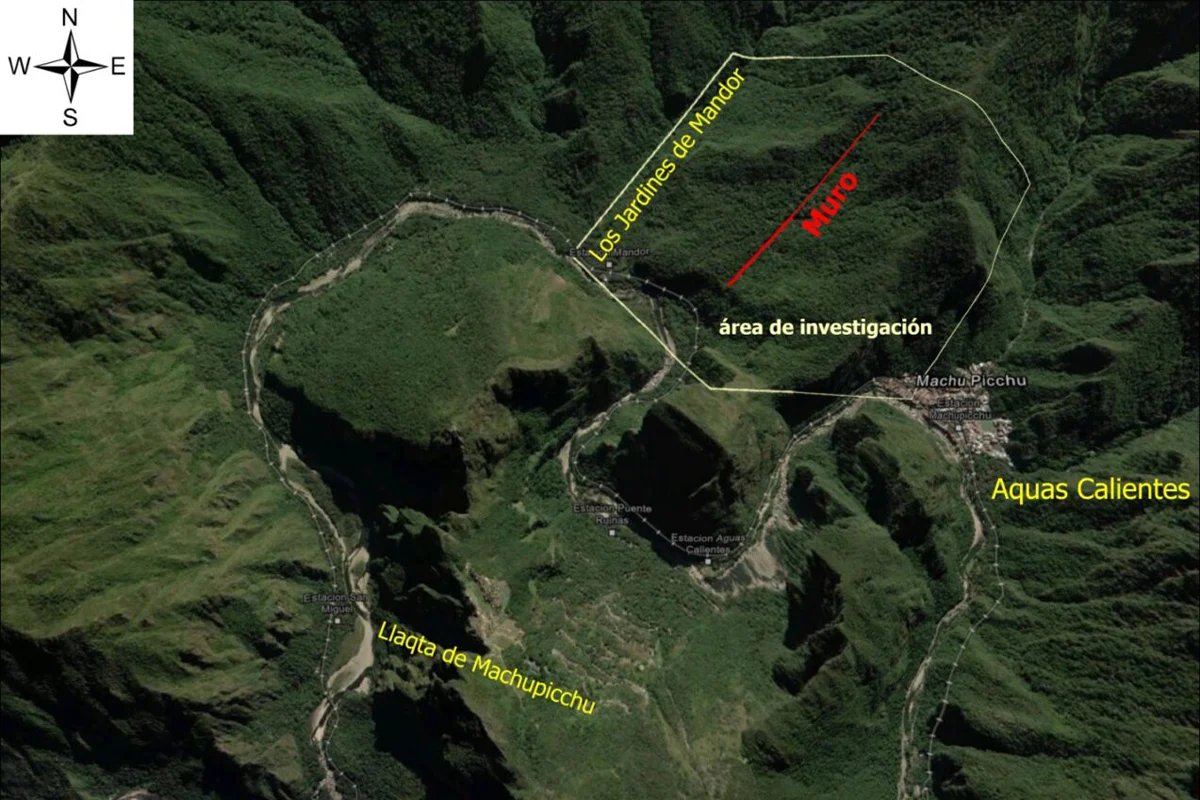
The discovery is located east of the llaqta of Machu Picchu, around the Mandor Wall, within the Machupicchu National Archaeological Park. This area is characterized by steep slopes and dense vegetation typical of the cloud forest ecosystem, making access and archaeological work especially challenging.
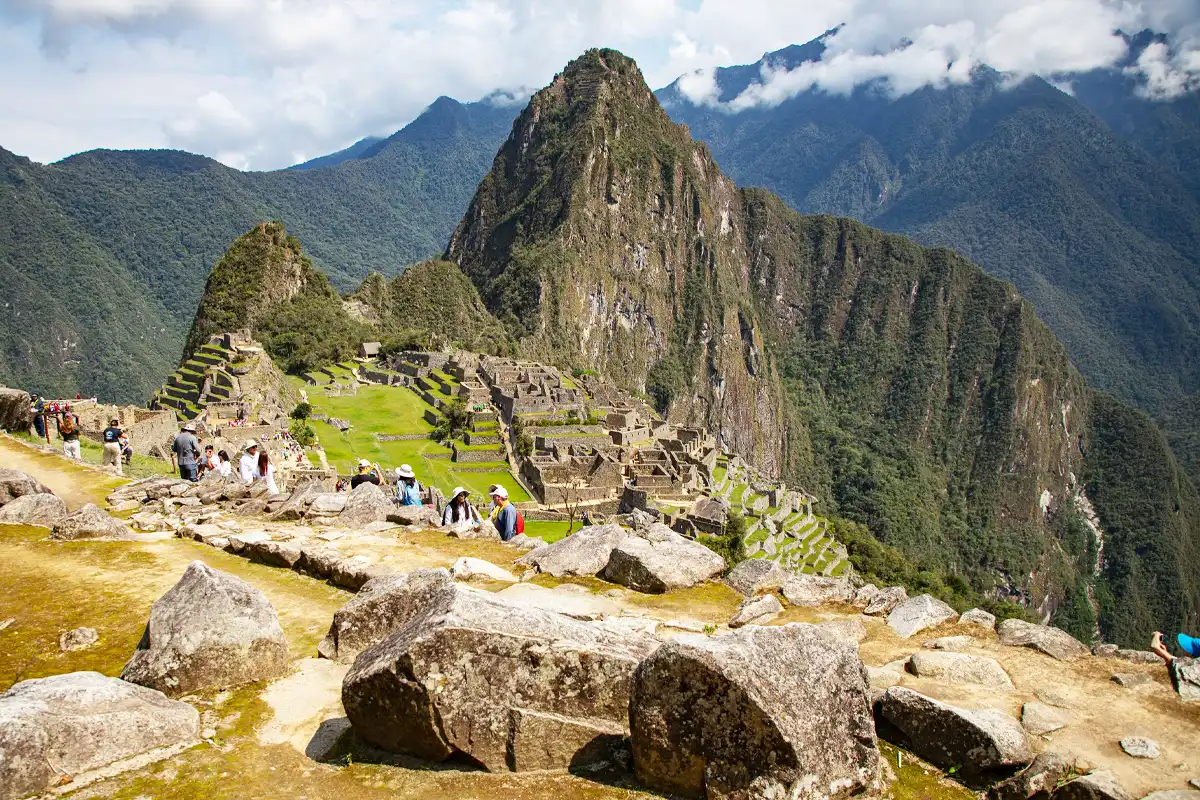
To better understand where the discovery was made, the Machu Picchu Archaeological Park can be used as a reference point. From there, the Inca Wall of Mandor can be seen in the distance on the right, or eastern side, in an area that is difficult to reach due to the rugged terrain and dense cloud forest vegetation.
Why is the Mandor area important?
The Mandor area and the Mandor Wall were already known to researchers. The real discovery lies in the roads and possible structures identified around them, suggesting the existence of a much broader network used for movement and settlement across the surrounding landscape.
According to specialists, some of these routes appear to connect different parts of the area with the wall itself. This raises new questions about the role Mandor may have played, its relationship with the Inca city of Machu Picchu, and how its ancient inhabitants moved through the Urubamba River valley.
The research could also provide a better understanding of how access routes, roads, and other areas beyond the monumental center currently visited by travelers were organized.
Can you visit or see the Mandor Wall?
Currently, the Mandor Wall is not part of the tourist circuits open to the public, and there is no safe access route to reach it. However, some Machu Picchu routes offer wide views from which the impressive Mandor Wall can be seen in the distance. The Machu Picchu circuits that provide these views are Circuits 2 and 3.
Circuit 3 and its different routes are among the best options, as they include viewpoints overlooking the wall in the distance. The structure runs vertically along a mountain behind the sacred Putucusi Mountain.
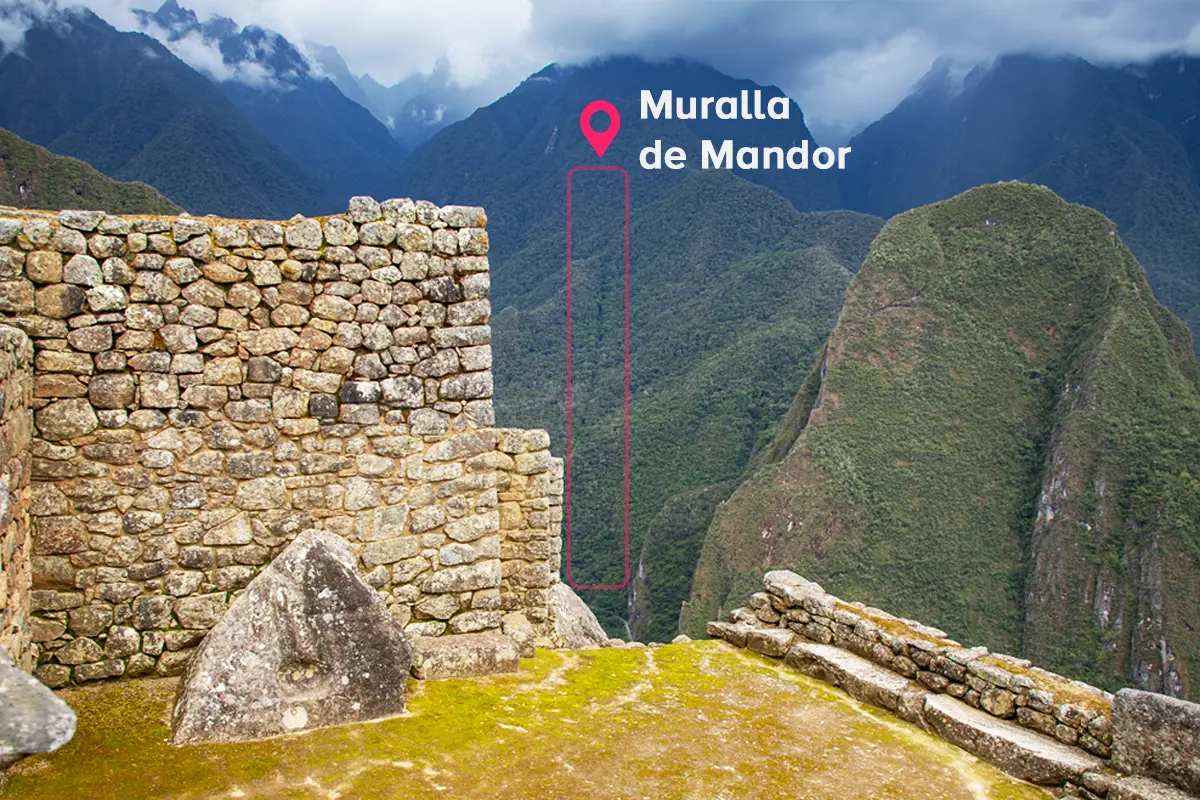
An even more scenic alternative is Route 3-A Waynapicchu on Machu Picchu Circuit 3. From the summit of Huayna Picchu Mountain, visitors can enjoy sweeping views of the landscape hidden behind the mountain and the scenery on the eastern side.
Read next | Machu Picchu Circuits 2026
Could it become a new tourist route?
The discovery is still in an early stage of research. The next step will be to carry out archaeological fieldwork to verify the evidence detected with LiDAR and determine its age, function, construction characteristics, and current state of preservation.
Authorities will also need to assess the measures required to protect the roads, the wall, and the possible structures that have been identified. Only after these studies are completed could plans for conservation, enhancement, or controlled public access be considered.
This means that there is currently no approved project or open visitor route, nor is there an official date for tourism access to the Mandor area. Any future visit will depend on the archaeological findings, conservation conditions, and official decisions made by Peru's Ministry of Culture.
What can you visit in the Mandor area near Machu Picchu?
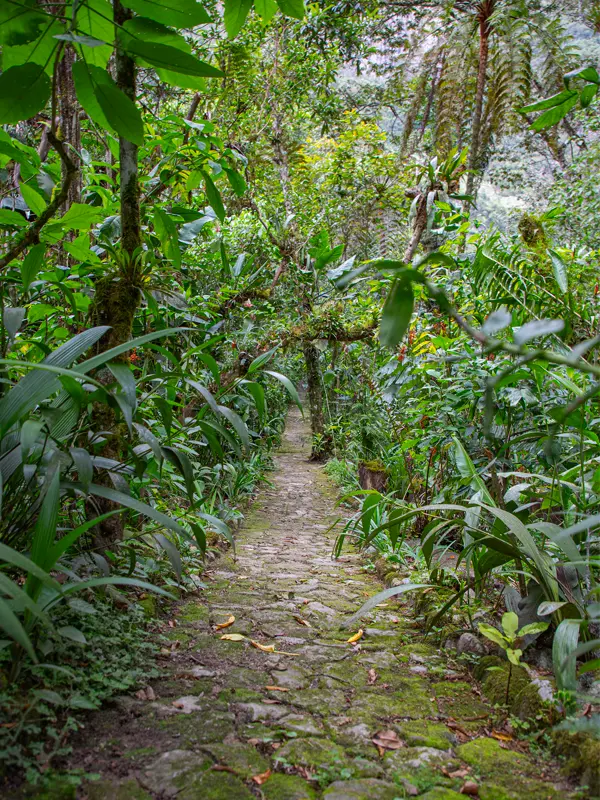
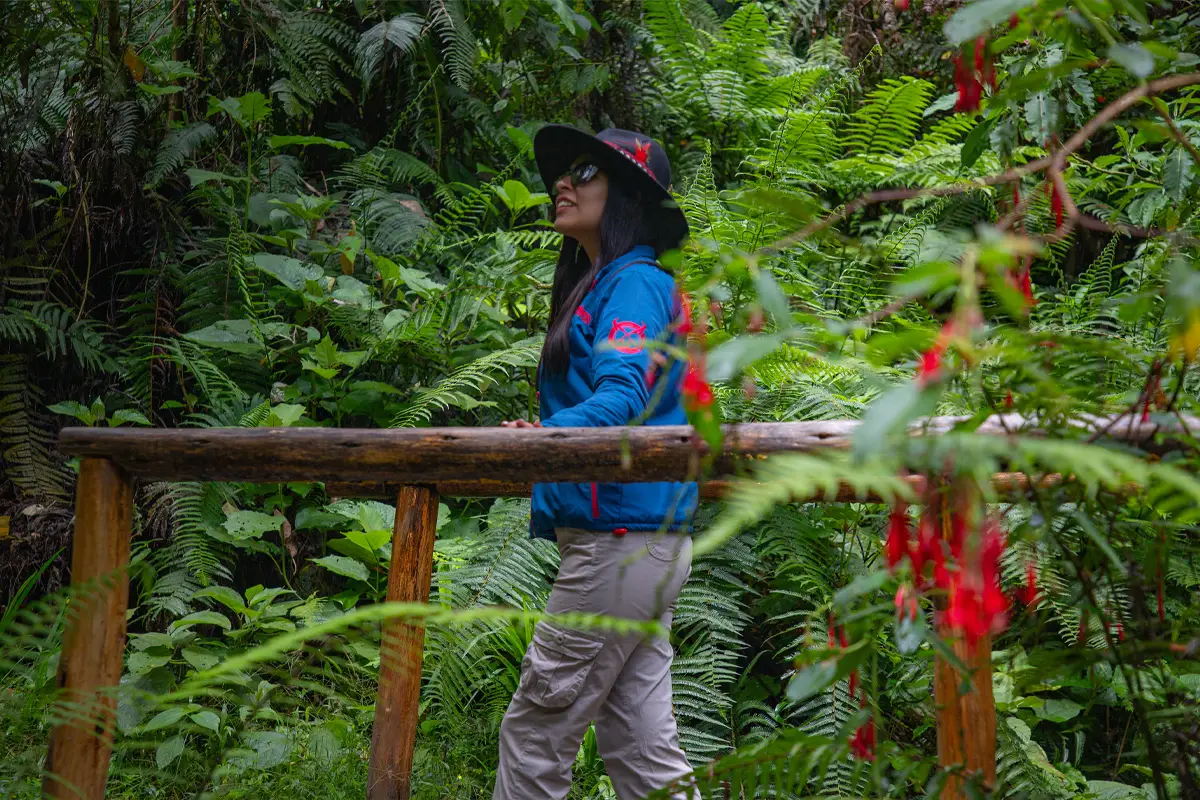
The Mandor area offers a peaceful nature experience for travelers with a few extra hours to spend in Aguas Calientes, also known as Machu Picchu Pueblo. Unlike an archaeological visit to the Inca city, this area invites you to walk through the cloud forest, observe local biodiversity, and discover beautiful scenery away from the busiest tourist areas.
Some of its main attractions include:
- Mandor Gardens: a conservation area surrounded by native trees, orchids, ferns, bromeliads, and other examples of the flora and fauna of Machu Picchu.
- Mandor Waterfall: an approximately 30-meter waterfall located at the end of a trail that winds through the lush cloud forest.
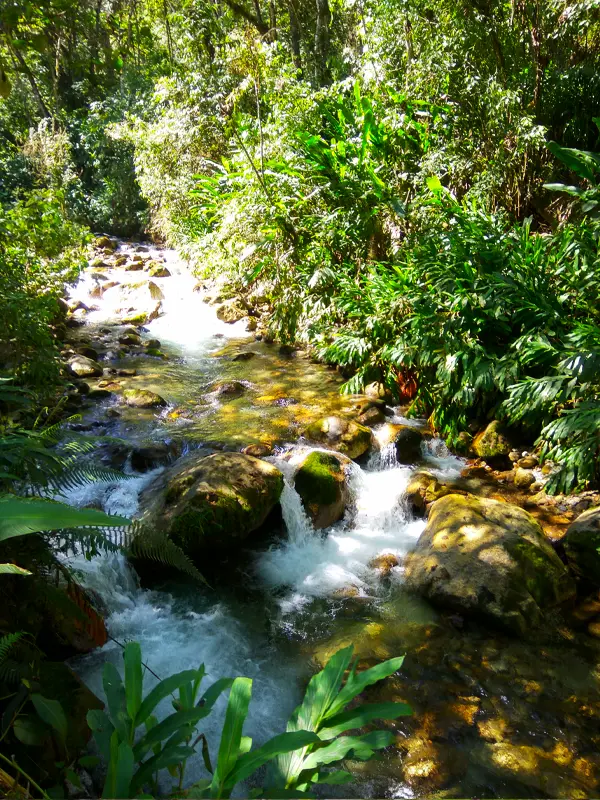
- Nature trails: peaceful paths surrounded by vegetation, small streams, and beautiful scenery, ideal for a relaxing walk.
- Machu Picchu viewpoint: one of the trails leads to a viewpoint where you can see Machu Picchu across the valley when weather conditions are favorable.
- Bird and wildlife watching: along the route, you may spot hummingbirds, butterflies, and other cloud forest species. During the early morning, there is also a chance of seeing the Andean cock-of-the-rock, although sightings are not guaranteed.
- Café and rest areas: the sanctuary has a café serving drinks, food, and coffee grown in the valley, making it a pleasant place to relax after your walk.
 |  |
 | |
This new discovery shows that Machu Picchu still holds many secrets waiting to be uncovered. Keep exploring its history, trails, and landscapes to discover everything that surrounds this extraordinary Inca city.