




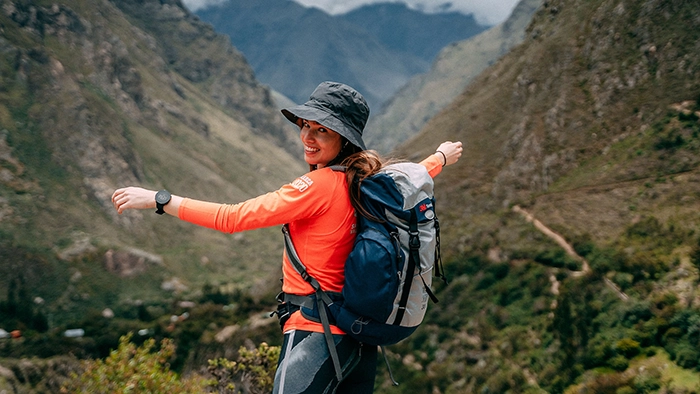
The Ultimate Inca Trail Packing List 2027
Packing for the Inca Trail is simple when you know what goes in each bag. This Inca Trail packing list is for travelers hiking to Machu Picchu on the Classic 4-day trek, the…
Read article
All five styles below take you to Machu Picchu on foot. What changes is how you get there: how many days you hike, where you sleep, and whether you share the trail with a small group or have a team of your own. Be honest about your time and your legs, and the choice usually makes itself. Here's how our Cusco team helps travelers decide.
➡️ Go straight to your section:
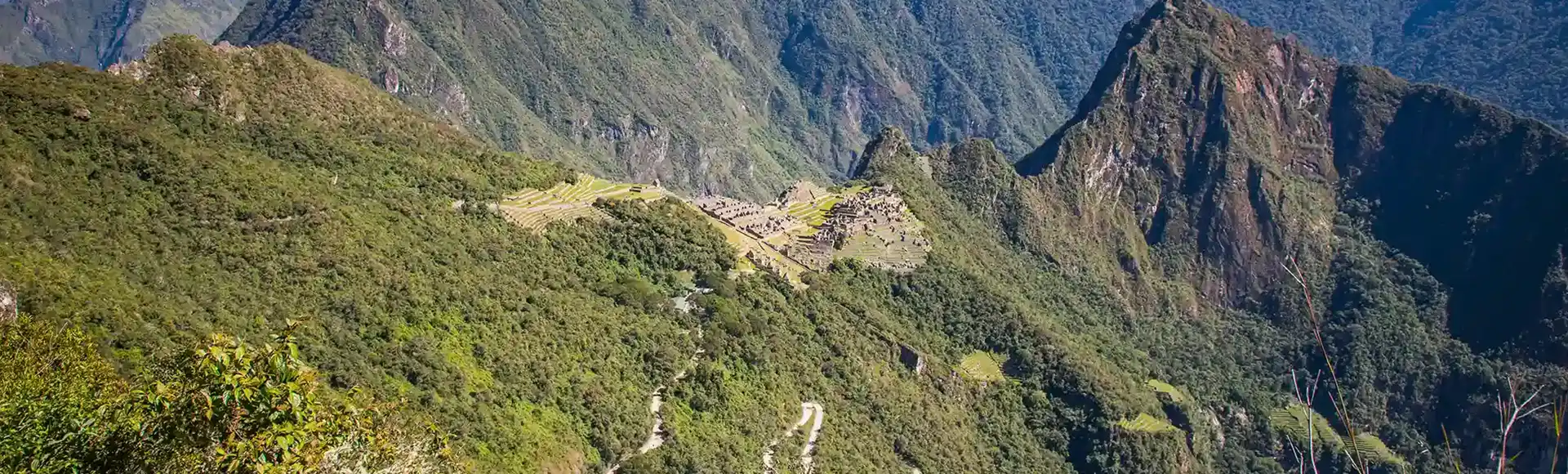
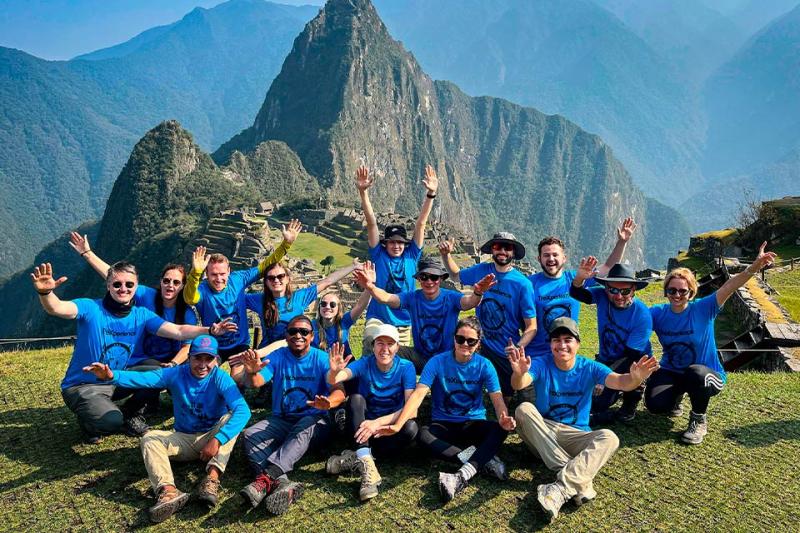
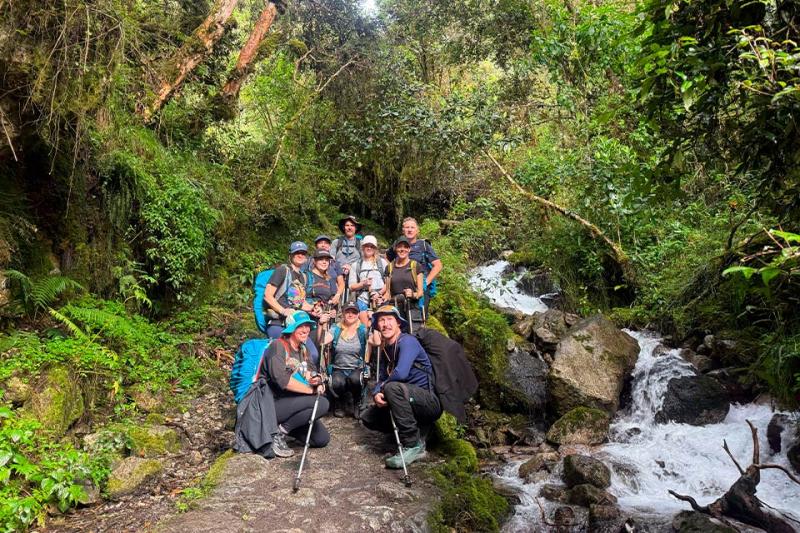
Let the trail challenge you. We'll take care of every detail. From KM 82, the Classic Inca Trail crosses two high passes and cloud forest, past Inca sites no train or bus can take you to, until the morning you walk through the Sun Gate into Machu Picchu. It's four days of real effort, which is why the ending feels so good. Our guides set the pace, our chef feeds you well and our porters carry the camp, so you hike with a daypack and your head up. Take the classic 4-day trek, or add a day or two for a slower rhythm.
4 days / 3 nights · Small group · Vistadome train
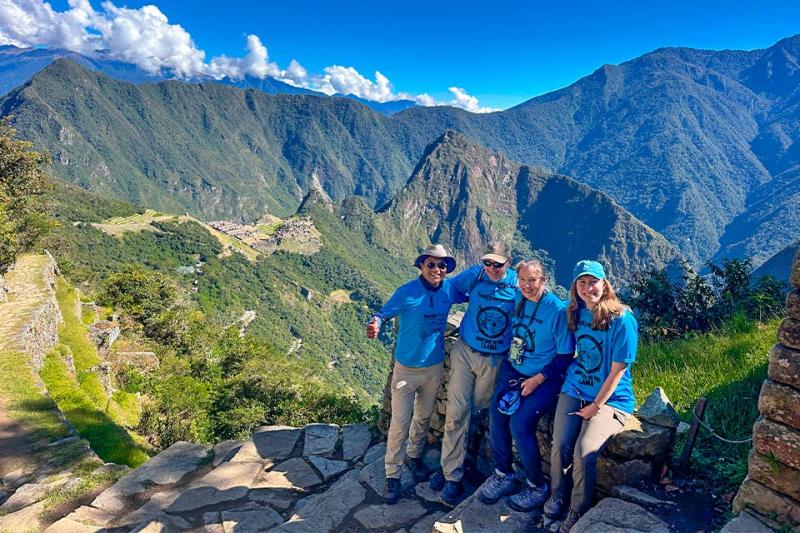
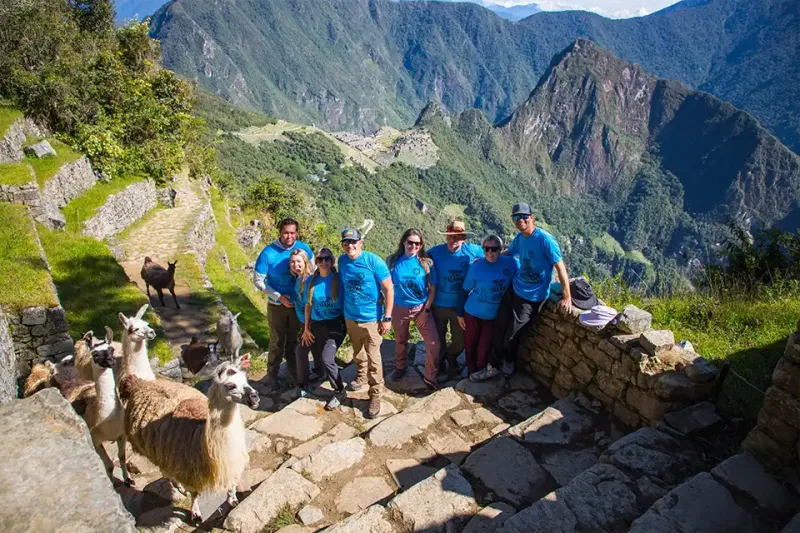
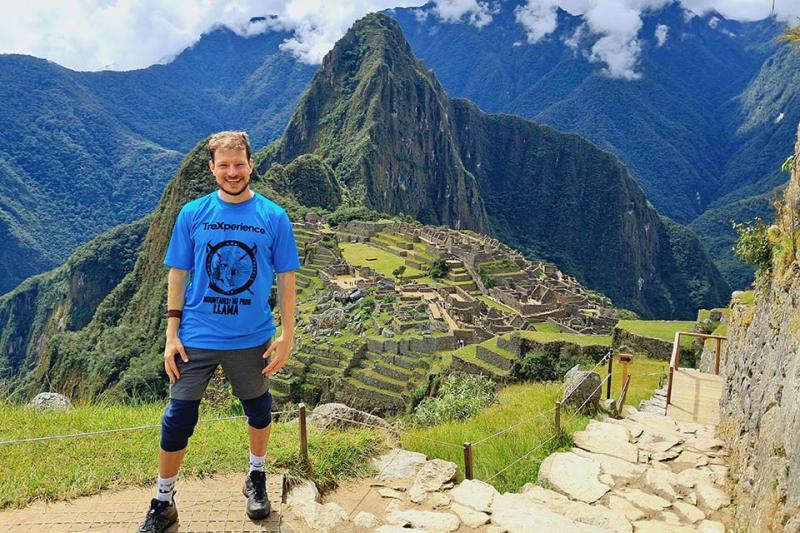
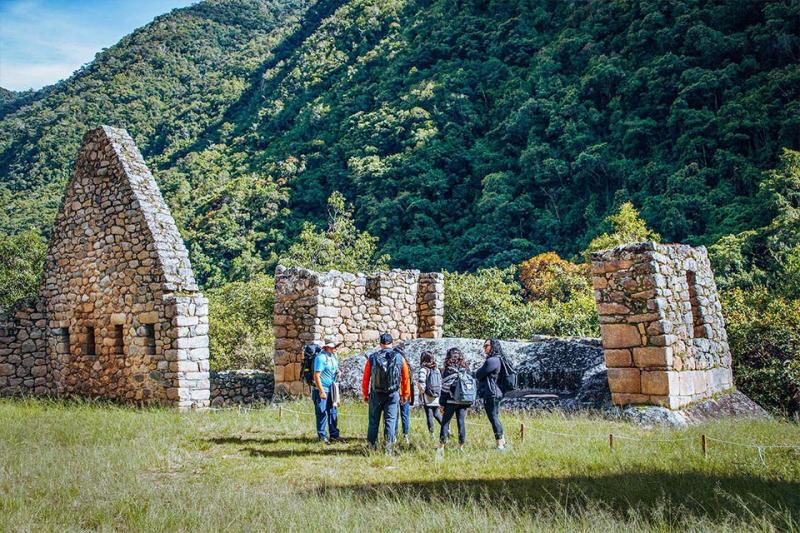
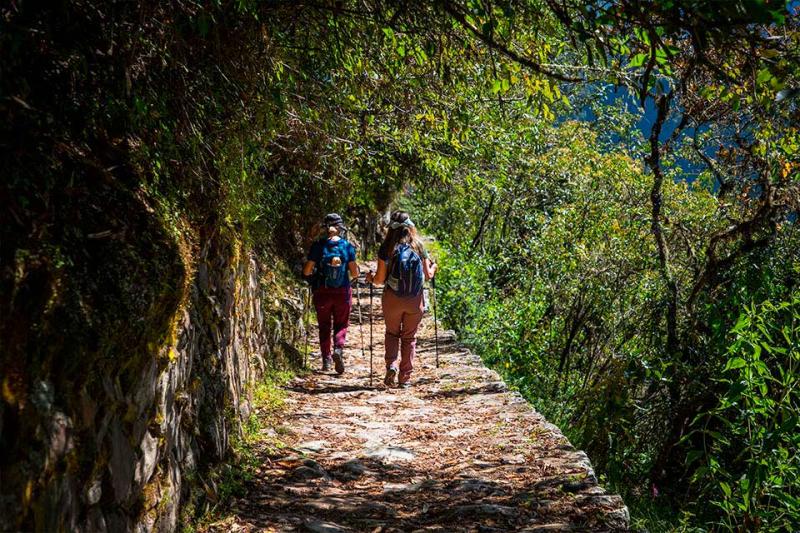
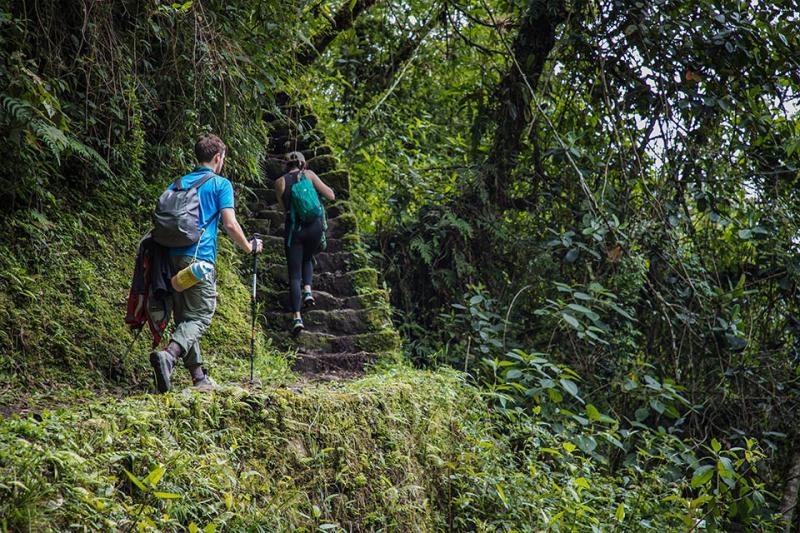
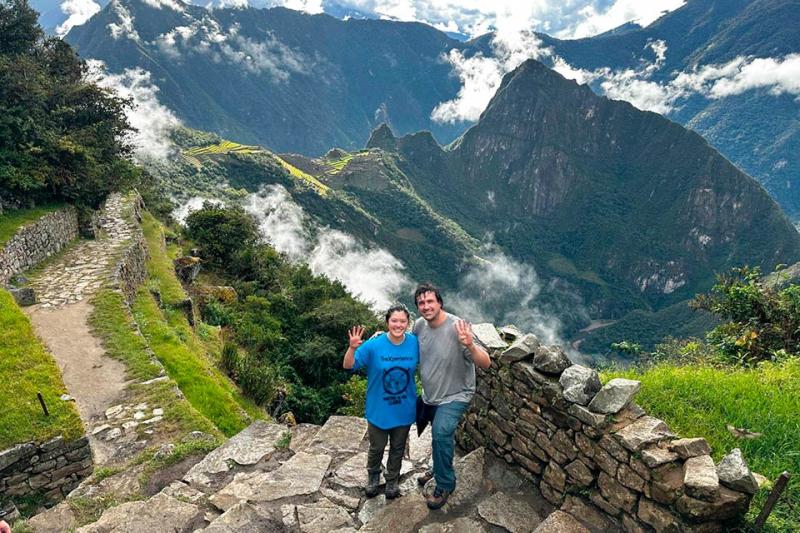
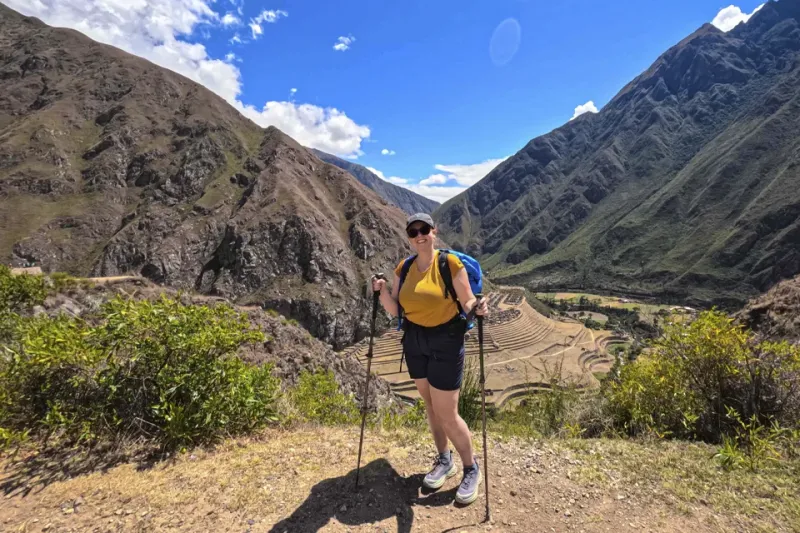
This is the Inca Trail most people picture: four days from KM 82, over Dead Woman's Pass at 4,215 m and down into cloud forest, past Llactapata, Runkurakay, Sayacmarca, Phuyupatamarca, Intipata and Wiñay Wayna, sites no road can reach. On the last morning you walk through the Sun Gate into Machu Picchu, a city you reached on your own two feet.
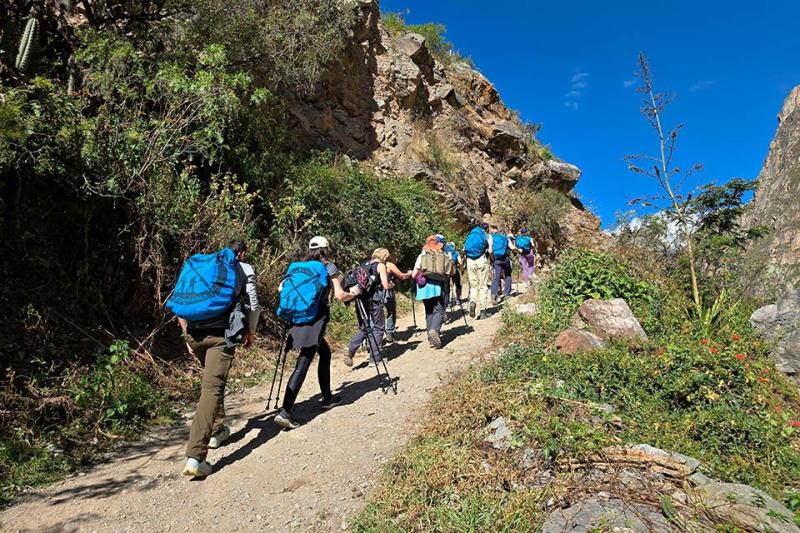
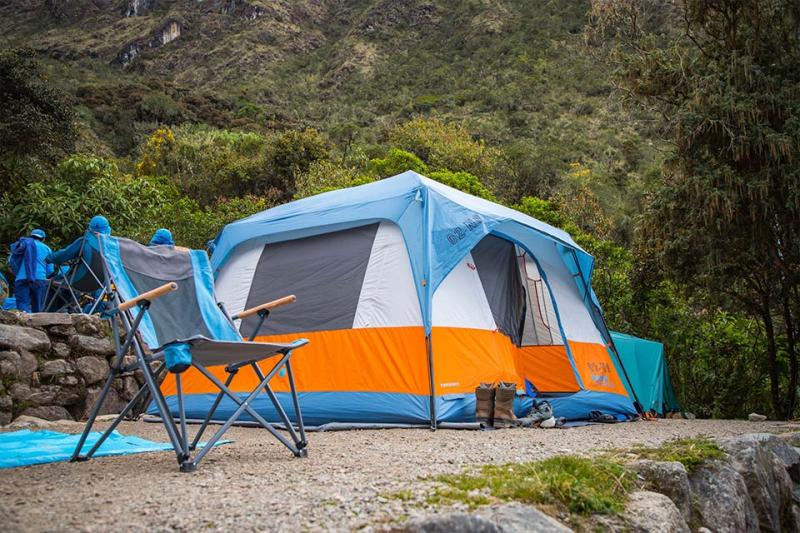
You hike with a light daypack: a personal porter carries up to 7 kg of your gear, our chef cooks fresh meals in camp, and your tent is up before you get there. Small groups, a licensed local guide, first aid and oxygen on the trail, and the Vistadome train home to Cusco.
 Activities Hiking & Adventure |  Difficulty Challenging |  Accommodation Camping |  Hiking Distance 42 km / 26 mi |
Four days is how most people hike the Inca Trail. Five is what a lot of them wish they'd booked. With an extra day the big climbs come one at a time, lunch stops being a rush, and you sit inside sites like Phuyupatamarca instead of photographing them on the way past. Take five days two ways: the Slow Version, the classic route in shorter stages, or the Ultimate, a quieter line through less-visited campsites. Or go bigger with six: Humantay Lake and the Salkantay Pass first, then the Inca Trail. Same porter, chef and private toilet tent as the 4-day. Just more of the trail you came for.
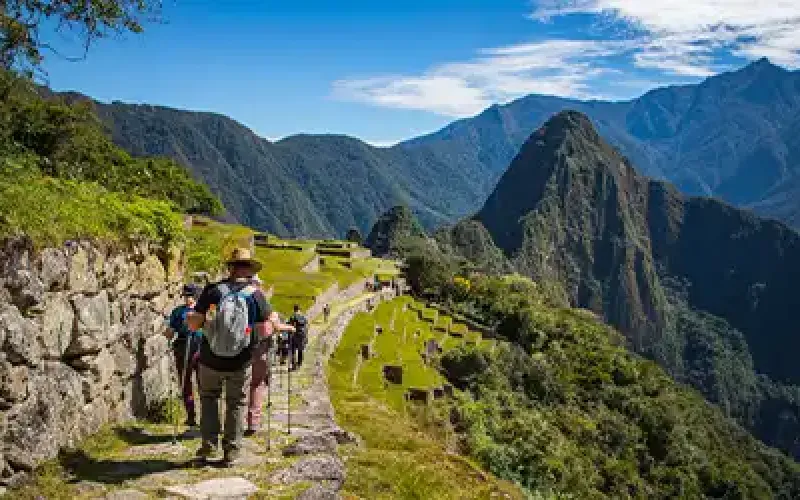
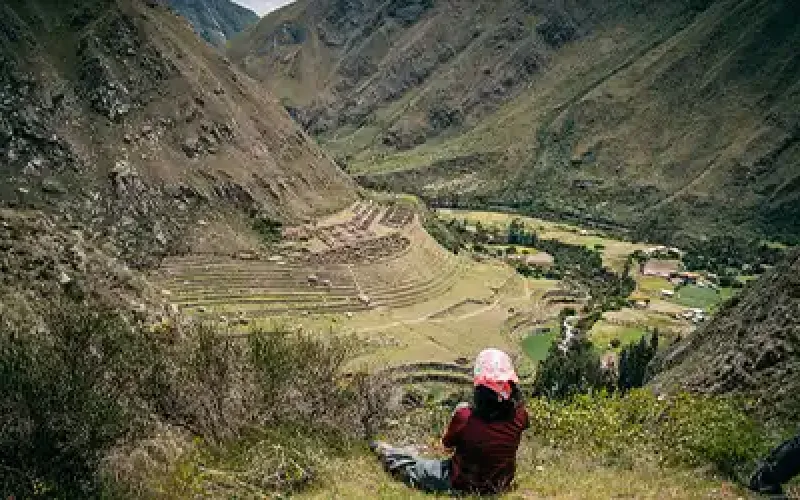
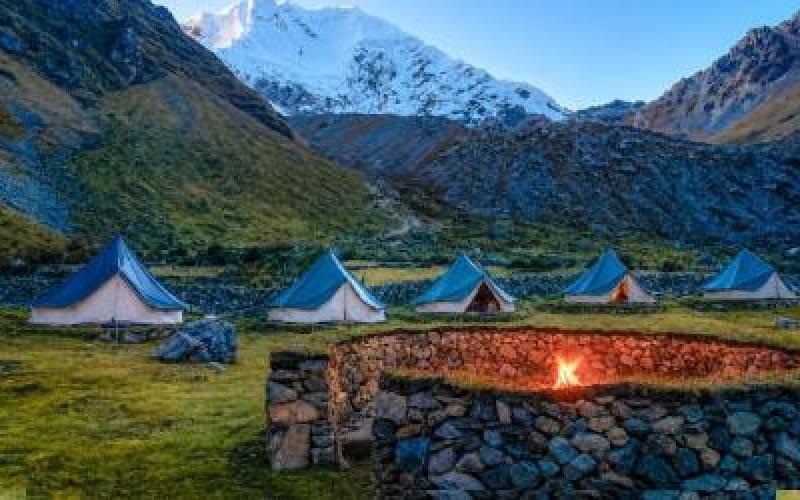
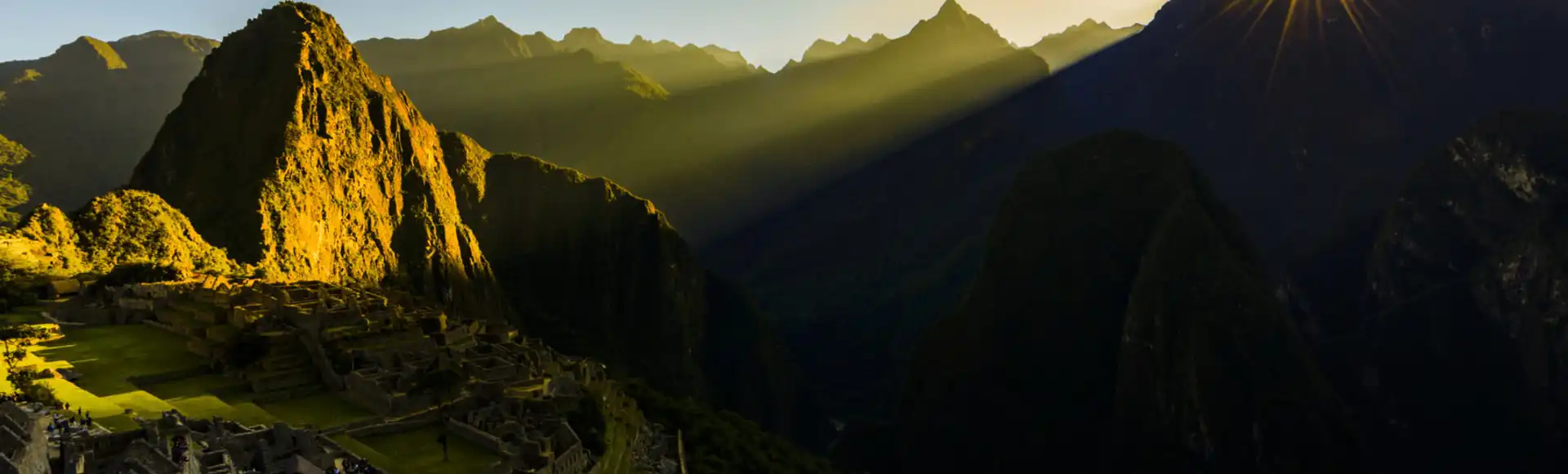
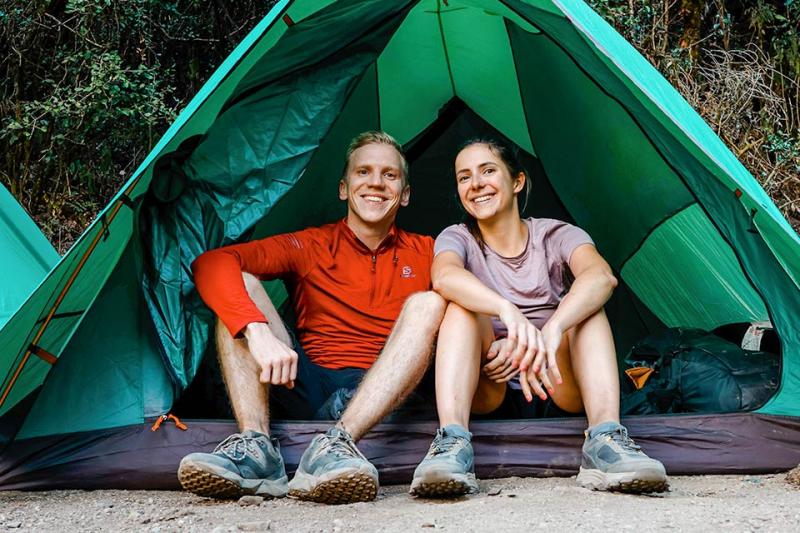
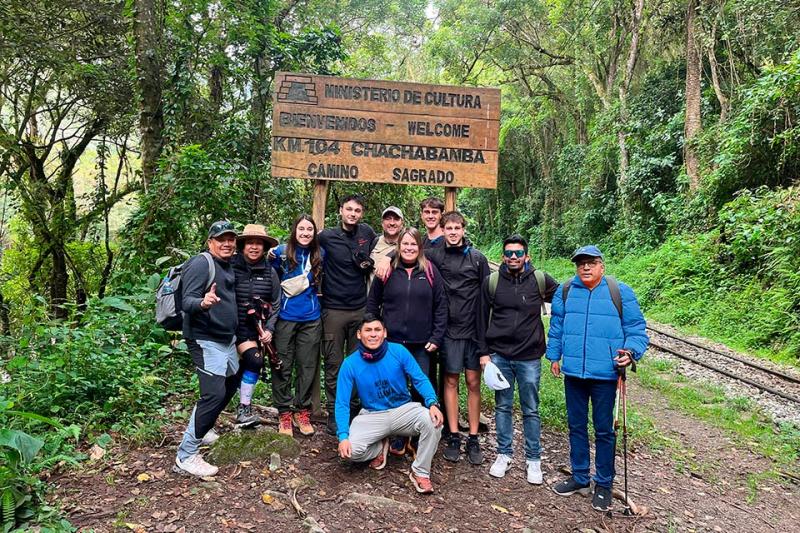
Hike into Machu Picchu. Return to discover it. The Short Inca Trail starts at KM 104 and gives you the final stretch of the route in one day: cloud forest, the terraces of Chachabamba and Wiñay Wayna, and the walk through the Sun Gate in the afternoon light, the same arrival the 4-day hikers get. Then a hotel bed in Aguas Calientes (or a tent under the stars), and the next morning you're back inside the city with your guide. You hike with just a daypack, and a picnic lunch is waiting for you at Wiñay Wayna.
2 days / 1 night · One hiking day, 13 km · Hotel night · Vistadome train included
This is the Inca Trail for people who have two days and one big wish. You leave Cusco before sunrise, follow the Urubamba by train to KM 104, and climb through cloud forest past Chachabamba to the terraces of Wiñay Wayna. Picnic lunch, then the last stretch to the Sun Gate and the walk down into Machu Picchu in the afternoon. That night: a hot shower, a real bed, and the feeling that you got here on foot.
The next morning you're back inside Machu Picchu with your guide, on fresh legs, for the history you were too excited to take in the day before. In the price: permit and both Machu Picchu entries, guide, picnic breakfast and lunch, water, buses, 3-star hotel and the Vistadome panoramic train home. Not an upgrade, not an extra. Simply how you go back
Activities Hiking, Adventure | Difficulty Moderate |  Accommodation 3 - Stars Hotel | Hiking Distance 13 km / 9 mi |
Same KM 104 trail, same walk through the Sun Gate, different trip around it. Swap the hotel for a night in a tent, take a day in the Sacred Valley first so you arrive better acclimatized and with the Inca story already in your head, or add the Huchuy Qosqo trek and turn two days into four. And if you only have one day, there's a version for that too. Whichever you choose, the finish doesn't change: through the Sun Gate, into Machu Picchu.
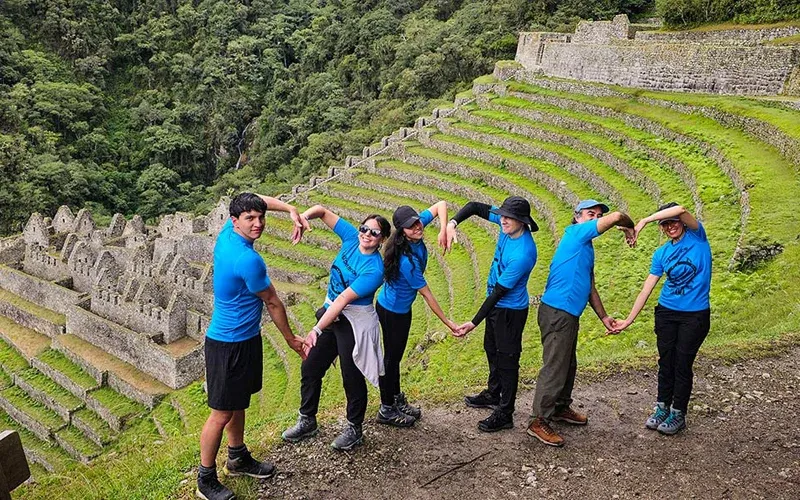
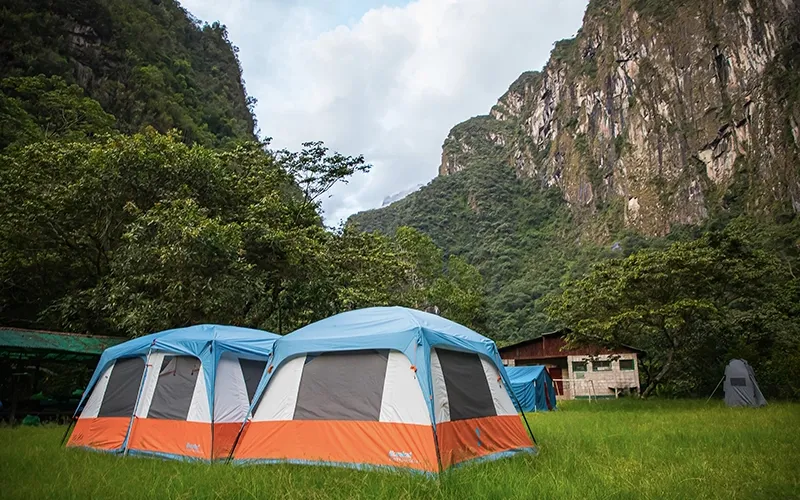
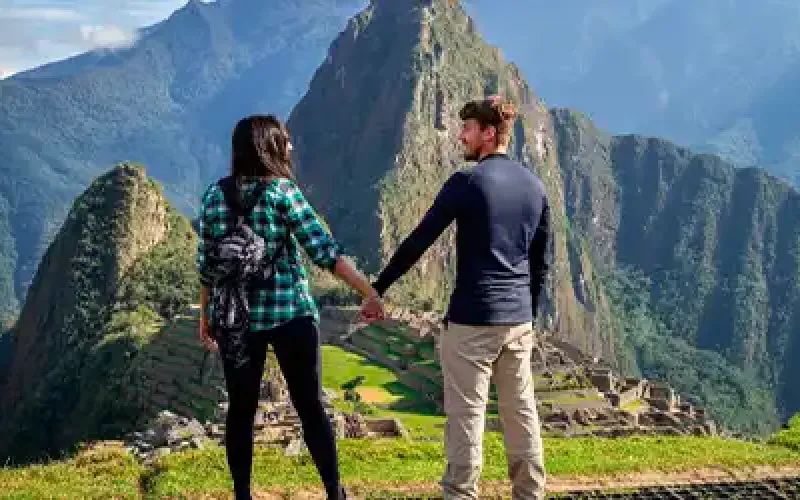
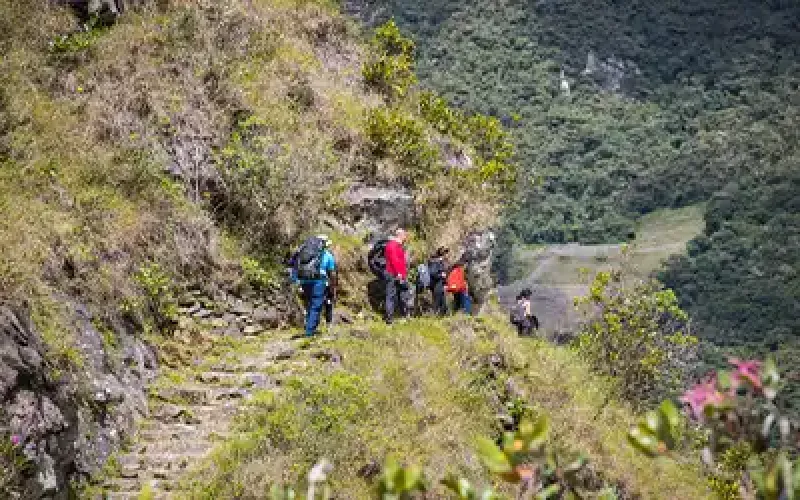
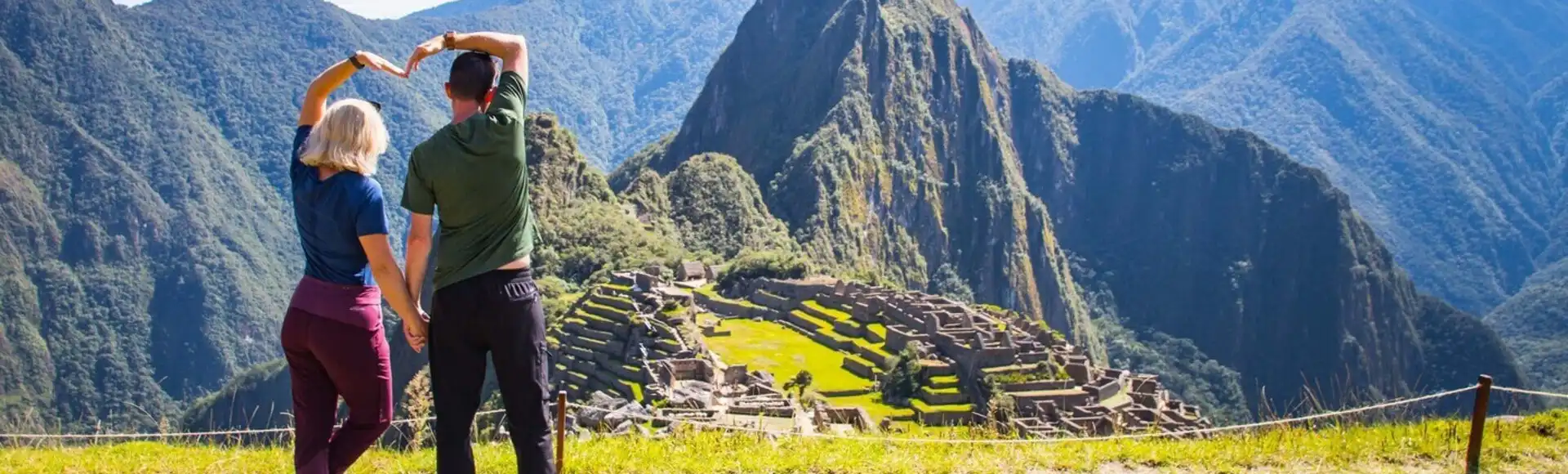
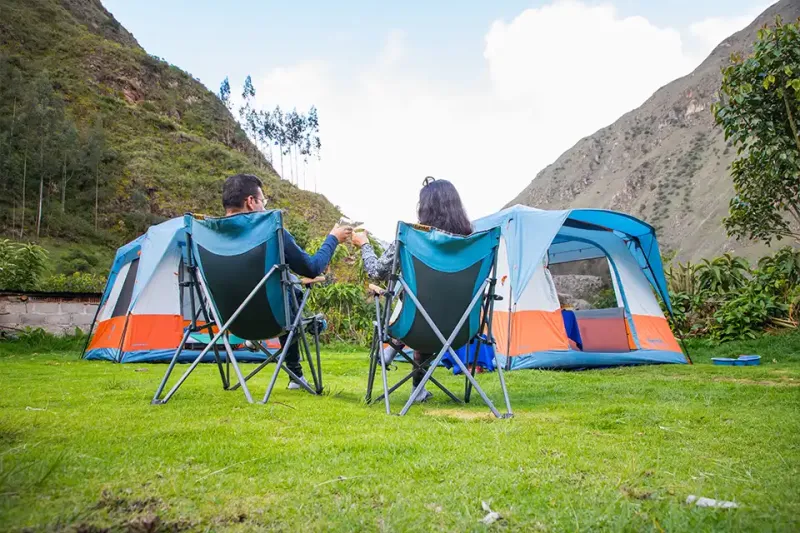
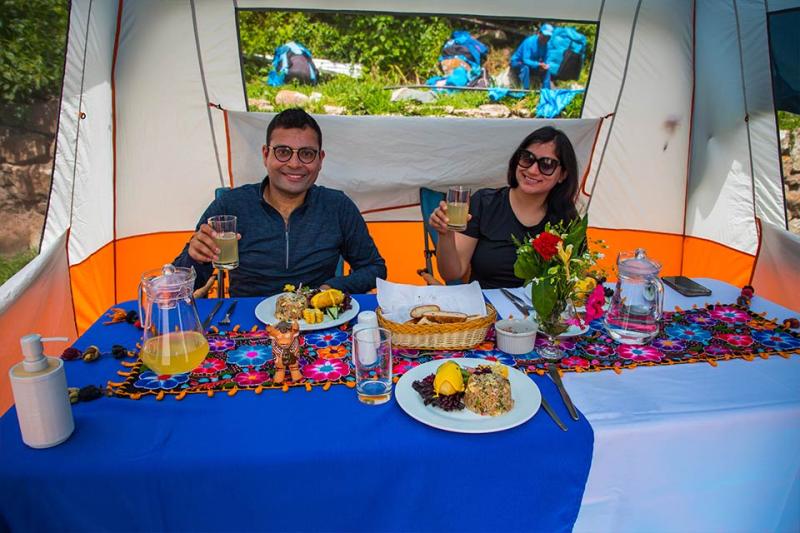
The Inca Trail doesn't get easier. The evenings do. Our Luxury Inca Trail tours keep the hike exactly as it should be, stone steps, high passes and cloud forest, and change everything that happens after you reach camp: a walk-in tent you can stand up in, a real bed, a hot shower, a private bathroom, and a chef cooking fresh Peruvian meals for your group. Some nights even bring a massage. Choose the 4-day classic, take five for a slower pace, add Cusco and the Sacred Valley for a full week, or hike the Short Inca Trail with an upgraded hotel.
4 days / 3 nights · Classic route, 42 km · Walk-in tents with real beds · Vistadome Observatory
By day, this is the classic Inca Trail: KM 82, Dead Woman's Pass, cloud forest, and the walk through the Sun Gate into Machu Picchu on the last morning. By evening, it's something else. You step into a tent you can stand up in, drop onto a real bed, take a hot shower in your own bathroom, and sit down to a fresh Peruvian dinner cooked by your own chef. On select nights, a massage takes the day out of your legs.
You carry a daypack and nothing else. Porters carry the camp, your guide sets the pace, and the beds, the hot water and dinner are ready before you walk in. After Machu Picchu you ride home in the Vistadome Observatory car, windows to the sky. Luxury departures need permits and campsites lined up, so ask early.
Activities Hiking, Adventure | Difficulty Challenging | Accommodation Glamping | Hiking Distance 42 km / 26 mi |
These luxury options are for travelers who want the adventure without sacrificing comfort. Choose a Luxury Short Inca Trail with a high‑comfort hotel night, extend your trip with the 5‑day Luxury Inca Trail for a slower pace and more amenities, or go big with the Luxury Salkantay route for dramatic mountain scenery. Expect smooth logistics, great service, and extra comfort from your Cusco hotel to your train ride back.


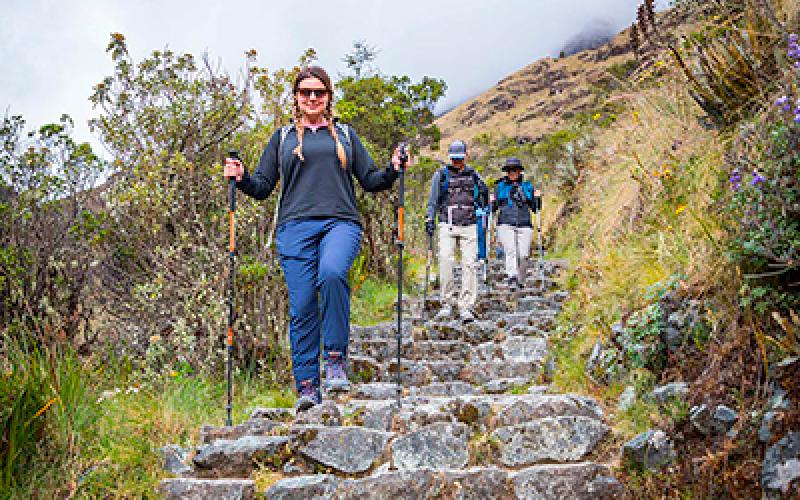
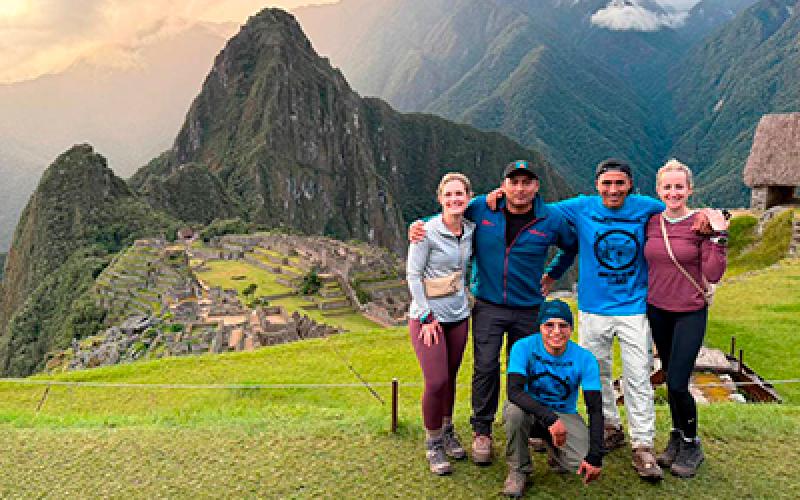
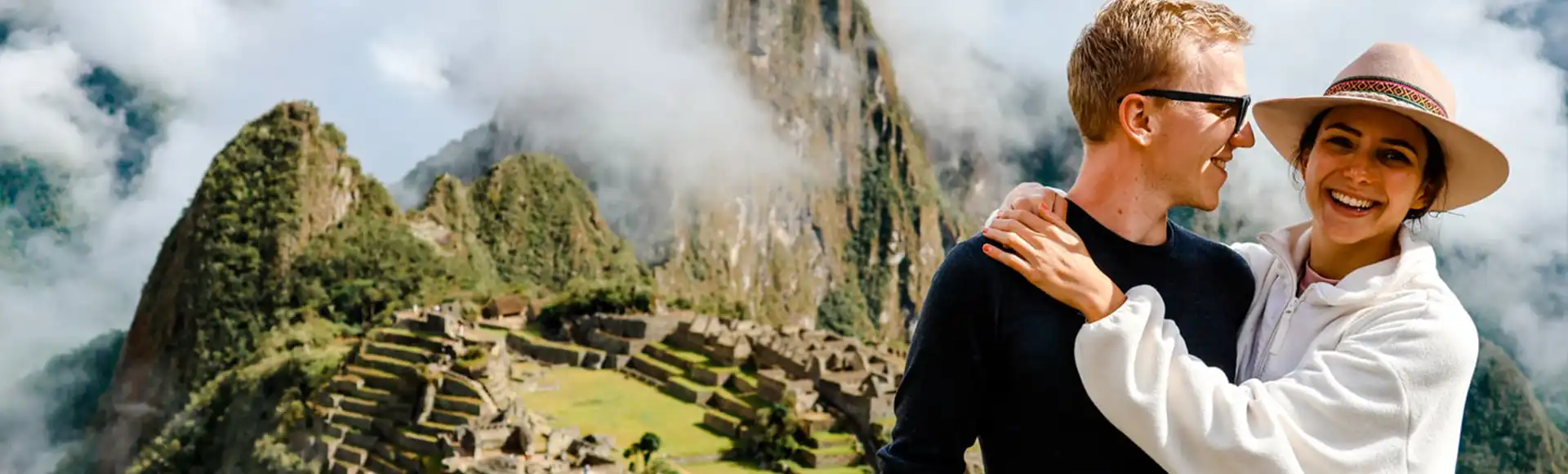
The trail is shared. Your journey is personal. On a private Inca Trail, the group is your group: your family, your friends, the two of you. Your own guide sets the pace to whoever needs it most, stops where you want to stop, and tells the stories that matter to you. Your own chef and porters run the camp. Nobody else's schedule, nobody else's rhythm. Tell us who's coming, why you're hiking and how much comfort you'd like, and we'll shape the route around it: the classic four days, the Short Inca Trail, or a longer trip with Cusco and the Sacred Valley.
4 days / 3 nights · Classic route, 42 km · Your own guide, chef and porters
The full Inca Trail, with nobody to keep up with but yourselves. Four days from KM 82 over Dead Woman's Pass and down through cloud forest, with your own guide reading your group and setting the rhythm, a private chef cooking for your table only, and porters carrying the camp ahead of you. Linger at Sayacmarca. Take your time on the terraces at Wiñay Wayna. It's your trail.
Permits, campsites and transfers are sorted before you land. Your only jobs: walk, look up, and take too many photos. On the last morning you walk through the Sun Gate into Machu Picchu as a group of your own, your guide shows you the city, and the Vistadome takes you home. Prices depend on group size, so ask us for yours.
Activities Hiking, Adventure | Difficulty Challenging | Accommodation Camping | Hiking Distance 42 km / 26 mi |
Not everyone wants to land in Cusco and start walking. These private trips put days around the trail: time to acclimatize, a village or a valley to understand before the ruins, hotels chosen for you, and private guiding throughout. Three days if you want one hike and a taste of the highlands. A week if you'd rather see Cusco and the Sacred Valley properly before the Short Inca Trail. Eight days if you want all of that and the full four-day trail.
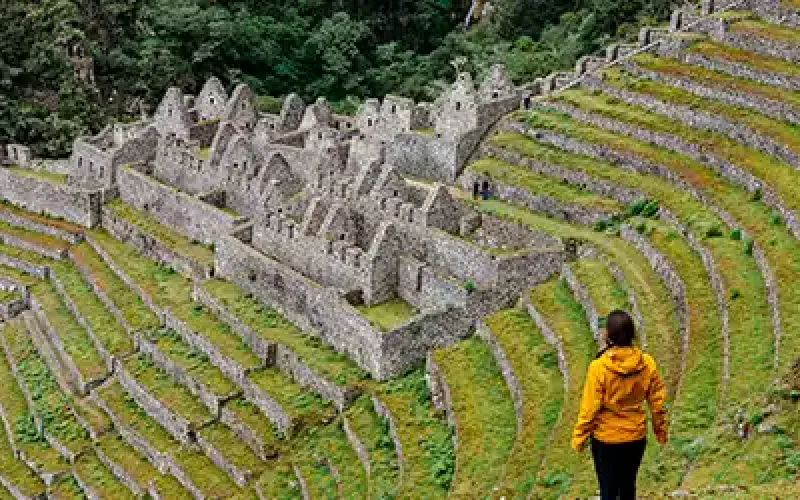
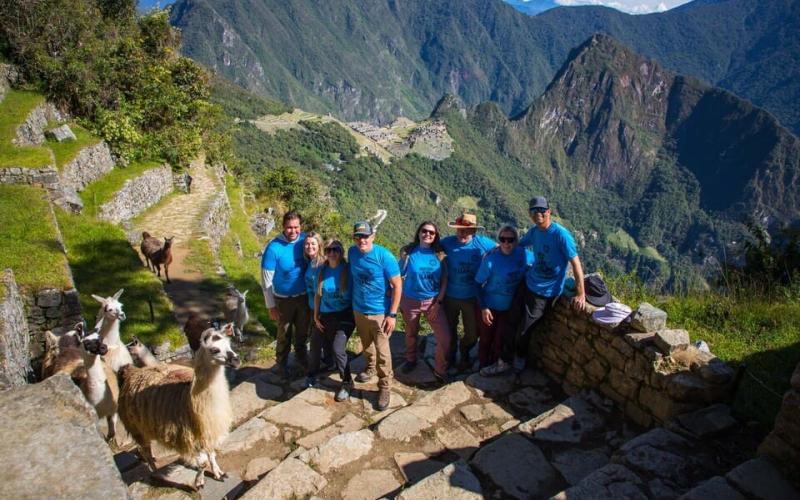
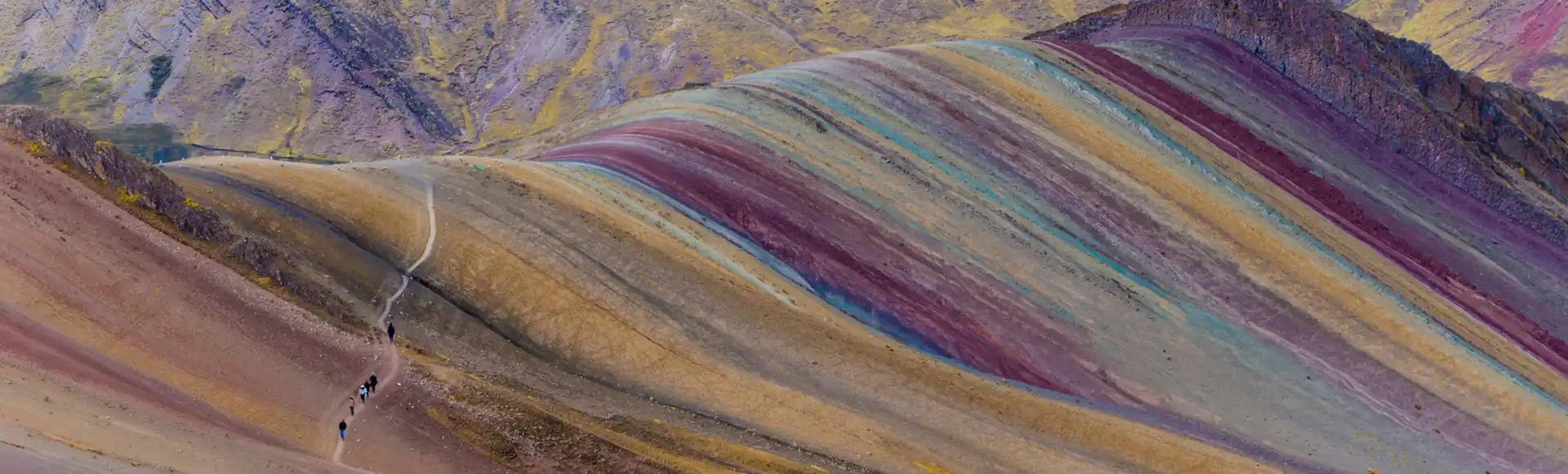
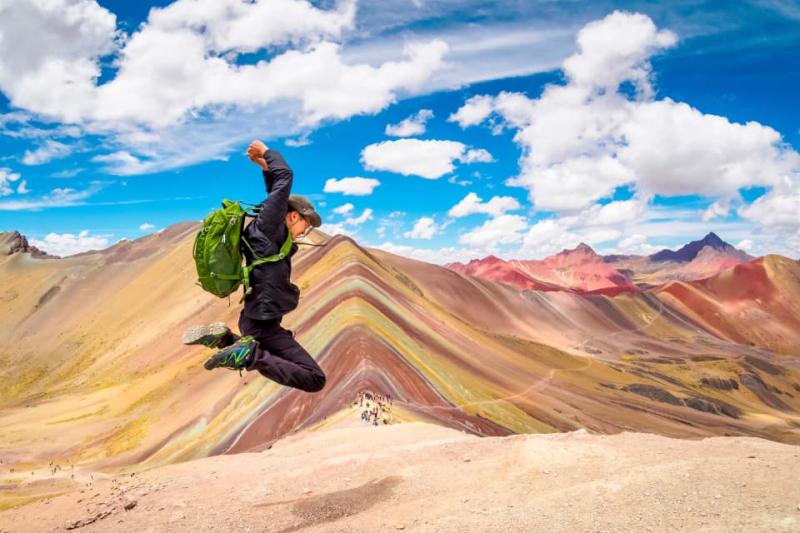
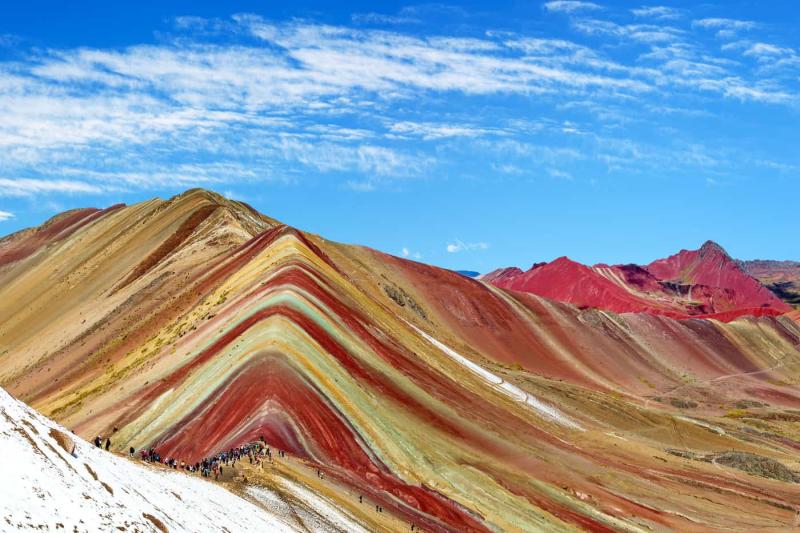
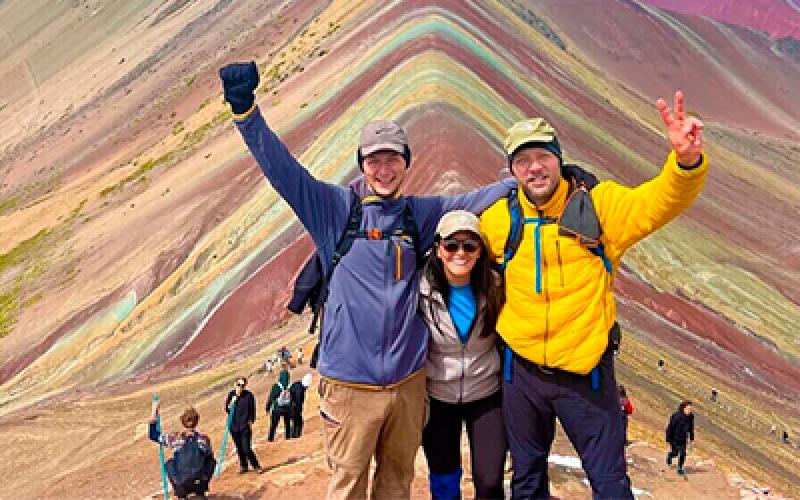
Most tours on this page start and end in Cusco. These start the moment you land. An Inca Trail package is the trek plus the trip around it: airport pick-up, hotels, a day or two to acclimatize, Cusco and the Sacred Valley with a guide, then the Inca Trail, and after Machu Picchu the places you'd hate to miss: Rainbow Mountain, Humantay Lake, and on the longer itineraries, Lake Titicaca or the Nazca Lines. One plan, one team, one price. You arrive with a passport and boots; we've done the rest. Best for first trips to Peru and anyone who'd rather not stitch it together themselves.
8 days / 7 nights · Classic 4-day trail + Vinicunca · Hotels & camping · From arrival to departure
Peru's two postcard icons in one week, in the right order. You land, settle into Cusco and give your lungs a day to catch up. Then the classic four-day Inca Trail: KM 82, Dead Woman's Pass, Wiñay Wayna, the Sun Gate and Machu Picchu with your guide. A hotel night in Aguas Calientes to recover, and Rainbow Mountain last, at 5,000 m, when your body is finally ready for it.
Between your flights, we arrange all of it: airport pick-up, hotels in Cusco and Aguas Calientes, transfers, the Inca Trail permit and Machu Picchu tickets, buses and train, a personal porter for your duffel, chef-cooked meals and filtered water on the trail, and first aid and oxygen with the team. You bring the boots.
Activities Hiking, Adventure | Difficulty Challenging | Accommodation Hotel & Camping | Hiking Distance 42 km / 26 mi |
Want the full four days? Take the 7-day: Cusco, the Sacred Valley, then the classic trail. Want one hiking day and more sightseeing? The 5-day gives you Cusco, the valley and the Short Inca Trail. Want a second mountain? The 6-day adds Rainbow Mountain after Machu Picchu. All three include hotels, transfers, permits and tickets, and a guide on every tour day, so the only decision left is how much you want to walk. Need longer, with Lake Titicaca, the Nazca Lines or the Amazon? See our Peru packages.

Straight answers to what travelers ask us most before booking the Inca Trail: permits, altitude, toilets, phone signal, what happens if the trail closes. If your question isn't here, write to us; a real person in Cusco will answer.
Book the Classic Inca Trail 6–8 months ahead, and earlier for April and May, which go first. The reason is simple: the government allows 500 people on the trail per day, and only about 200 of those are hikers; the rest are guides, chefs and porters. Permits for the following year are usually released in October or November, and the most popular dates can disappear within days.
The Short Inca Trail has 250 permits a day, so 4–6 months ahead is usually enough outside high season. Check your date on our permits page, and if you're late, still ask; last-minute spaces do appear.
You still have options, and most of them still end at Machu Picchu on foot. We'll first check the days on either side of your date. If those are gone too, the Short Inca Trail is often still available, and it uses the same final stretch of trail and the same walk through the Sun Gate. If you want four days of hiking, the Salkantay Trek, the Lares Trek or Huchuy Qosqo + Short Inca Trail give you a similar experience on quieter routes. Send us your dates and we'll reply with the closest real option, not a waiting list.
No. For more than twenty five years the Inca Trail has been open only to licensed operators with licensed guides, and permits are issued to the operator, which is why your name and passport go on yours. It isn't a sales line; it's the rule that keeps the trail in one piece. Other routes to Machu Picchu, like Salkantay or Lares, can be hiked independently. The Inca Trail cannot.
Your permit and Machu Picchu ticket are issued with the exact details in your passport: full name as printed, passport number, date of birth, nationality and gender. No nicknames, no shortened names. If your passport expires before the trip, book with the current one and send us a copy of the new one as soon as you have it. The number can usually be updated; names cannot, so the spelling has to be perfect from the start. Bring the passport itself on the trek: there are checkpoints..
Every month has its case. March to May is green after the rains. June to September is the driest and the busiest, with the clearest skies as a rule and cold nights. October to January brings more rain, softer light and fewer people on the trail. February is closed: the whole trail shuts for maintenance and reopens on 1 March with campsites cleaned and paths repaired. Whatever the month, pack for rain. It's a cloud forest for a reason.
Rarely, the authorities close the trail for safety after extreme weather, usually heavy rain, and reopen it once the paths and campsites have been checked. If an official closure affects your date, we move your trek to the closest available date or switch you to an alternative route such as Salkantay or the Short Inca Trail, and we tell you the moment we know. Nobody controls the mountains. What we control is how fast we find you a plan.
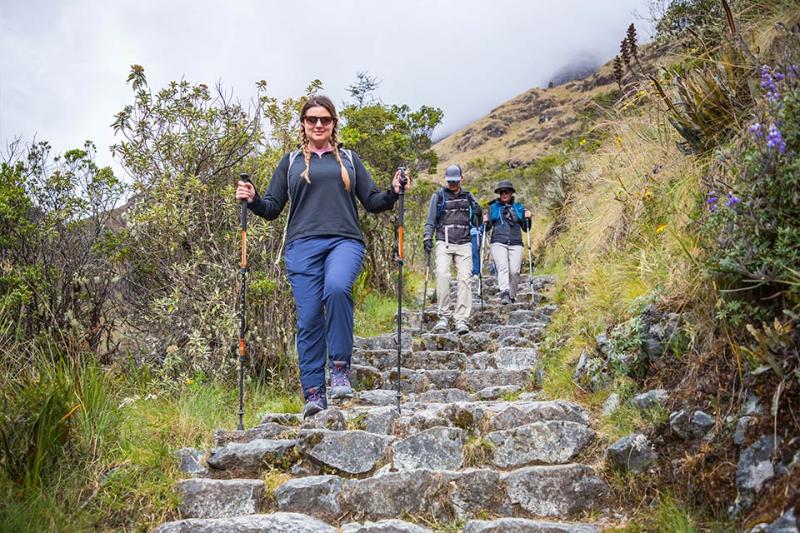
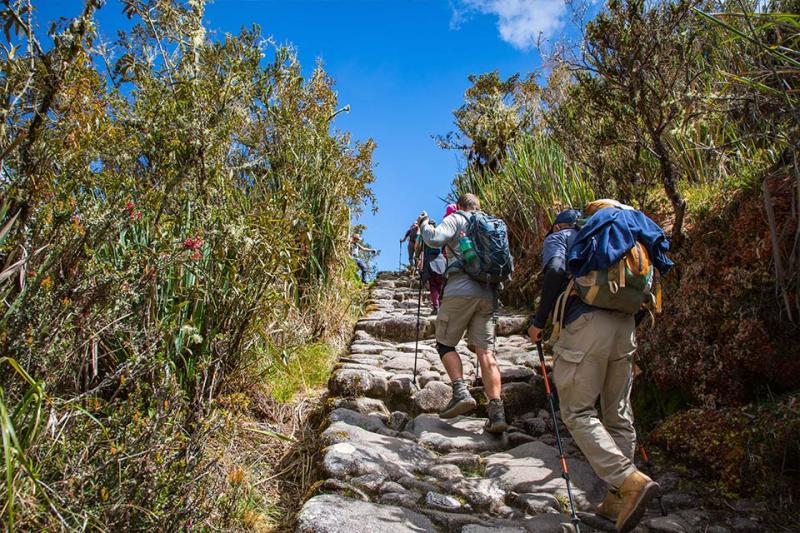
Harder than a long walk, easier than a climb. Day 2 is the test: around 1000 metres of climbing to Dead Woman's Pass at 4,215 m, mostly on stone steps, then a long descent. First-time trekkers finish it every day; the ones who enjoy it trained a little. Six to eight weeks of regular walking with a daypack, hills or stairs twice a week, and a couple of long days back to back is enough for most people. If you'd rather not test yourself, the 5-day version splits the hard parts, and the Short Inca Trail is one day of hiking.
The trail starts around 2,700 m at KM 82 and tops out at 4,215 m on Dead Woman's Pass; Machu Picchu itself sits lower, at about 2,430 m. The most useful thing you can do is arrive early: two or three days in Cusco (3,400 m) or, even better, the Sacred Valley (about 2,800 m) before you start. Drink more water than you think you need, go easy on alcohol, walk slowly on Day 1 and tell your guide the moment you feel off. Our guides are trained for altitude and carry oxygen. If you have a medical condition, talk to your doctor before you travel.
On the Classic trail you walk with a daypack (water, layers, rain jacket, snacks, sunscreen, camera, passport) while a personal porter carries a duffel with up to 7 kg / 15 lb of your things, which you see again at camp each evening. The duffel is for everything you need on the trek but not during the day: clothes, extra shoes, your sleeping bag.
On the Short Inca Trail with hotel there are no porters, so your daypack holds everything for the hike and the next day. If you'd rather not carry it all, we can send a small bag of up to 5 kg by train, straight to your hotel in Aguas Calientes. For the full list, item by item, read our Inca Trail packing list.
Better than the stories, as long as you know what to expect. Every campsite has public toilets, and along the trail you'll find one roughly every 3–4 hours of hiking. Most are squat toilets, so bring toilet paper and wet wipes in a ziplock bag.
On top of that, TreXperience sets up a private portable toilet for each of our groups, which matters most at the busy campsites. Most campsites also have showers, but the water is ice cold; the only one we'd recommend is at Wiñay Wayna, the last night, where the weather is warmer. Every morning and evening we bring you a bowl of warm water to wash your face and hands.
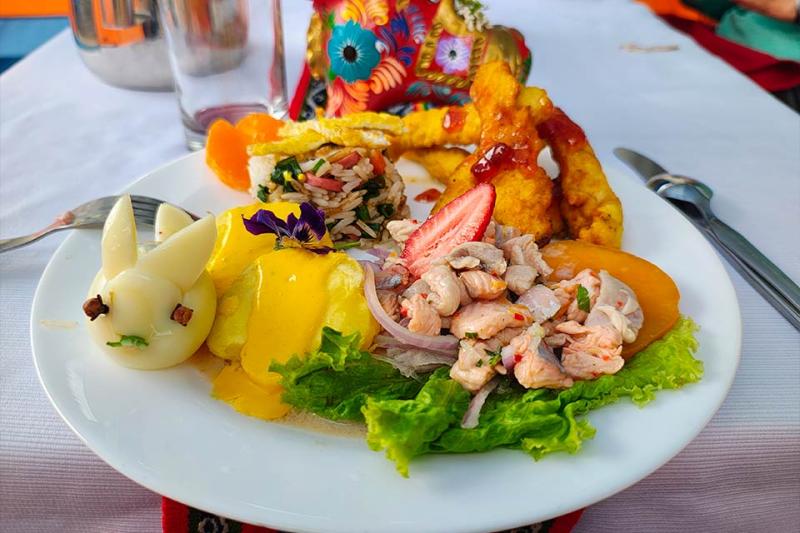
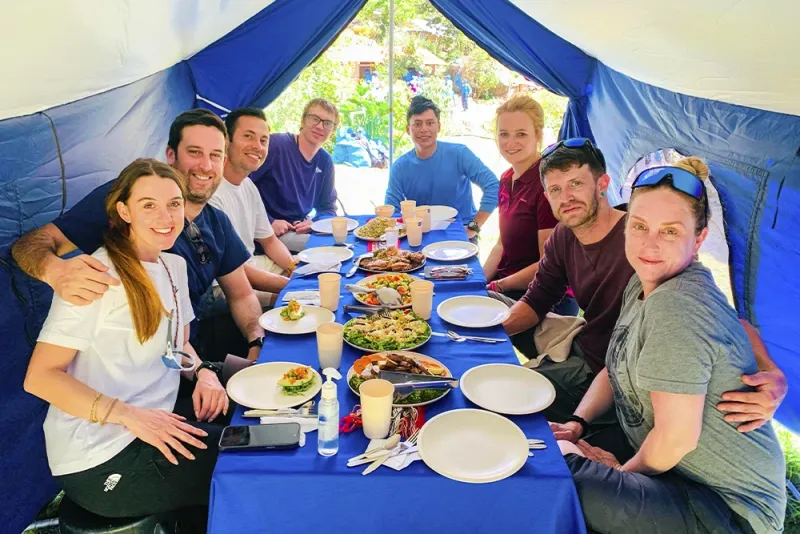
Three cooked meals a day, a snack pack for the trail and hot drinks in camp, all made by a trekking chef who carries a kitchen up a mountain and still serves soup, a main and dessert. Water is boiled or filtered for you. Vegetarian, vegan, gluten-free, dairy-free and allergy-safe meals cost nothing extra, as long as you tell us when you book so the chef shops for you. On the Short Inca Trail, breakfast and lunch are picnic-style on the trail.
Almost none, and that's part of it. Expect signal at KM 82 and again near Machu Picchu, with patches in between that come and go. Your guide carries a satellite phone for emergencies, and our office can reach the team if your family needs to. Download your music and maps before you go, tell people at home you'll be quiet for four days, and enjoy the rare feeling of nobody being able to reach you.
Every Inca Trail tour includes your Machu Picchu entry, issued with your permit and in your name, and it always covers two circuits: Circuit 1 and Circuit 3. Together they give you a complete visit, equivalent to Circuit 2 on its own and, for most hikers, better: you get the panoramic view from above and the guided walk through the heart of the site, and you arrive on foot through the Sun Gate.
On the Classic Inca Trail, both circuits happen on the last day. You walk in through the Sun Gate and follow Circuit 1, the panoramic route with the classic photo, then continue with your guide on Circuit 3 through the temples, fountains and main buildings of the citadel.
On the Short Inca Trail, the visit is split in two. You do Circuit 1 the afternoon you arrive, then return the next morning for Circuit 3 with your guide. Huayna Picchu is an extra ticket with limited spaces: ask when you book, not when you arrive. Circuit rules are set by the Ministry of Culture and can change; we update this page when they do.
Yes, and you'll be in good company: a lot of our hikers travel solo. We run small-group departures every day, and by Day 2 most groups feel like a team. On the trail you share a tent with a fellow traveler of the same gender, or you can have your own tent for USD 35 extra. On tours with a hotel night, the same applies to the room: shared with another traveler of the same gender, or a private room in a 3-star hotel for USD 35 extra. Just tell us when you book and we'll arrange it.
There's no official age limit on the Inca Trail, but there is a practical one. For children, we recommend 8 years and up: the days are long, the steps are steep, and they need the same permit and passport details as adults. For families we recommend a private tour, so the pace, the breaks and the stories are set for your kids, though children who hike regularly are welcome on our group departures too.
For older travelers the question is fitness, not age: you should have an active lifestyle and be comfortable walking 6 to 8 hours a day on uneven ground. Most of our senior hikers are under 70; if you're past that and still walking mountains, talk to us first and we'll tell you honestly which version fits. The 5-day itinerary and a couple of extra days in Cusco make a real difference at any age.
TreXperience is a 100% Peruvian tour operator based in Cusco, and the way we work comes from having lived the Andes from every job there is. Our co-founder, Juan Coronel, started as a porter on the Inca Trail, then became a trekking chef, then a guide. That changes how we prepare every trip: we know what a load weighs, what it takes to cook well in the mountains, and what a traveler needs when tiredness or altitude starts to show.
That's why we don't sell a ticket, a tent or a hotel room. We sell the way you'll live one of the most important moments of your trip to Peru: clear information before you leave, a guide who knows the place and sets the pace, food you look forward to, comfort designed for your kind of trip, real safety, and a team treated as what it is, part of the experience. From the first message to the journey home.
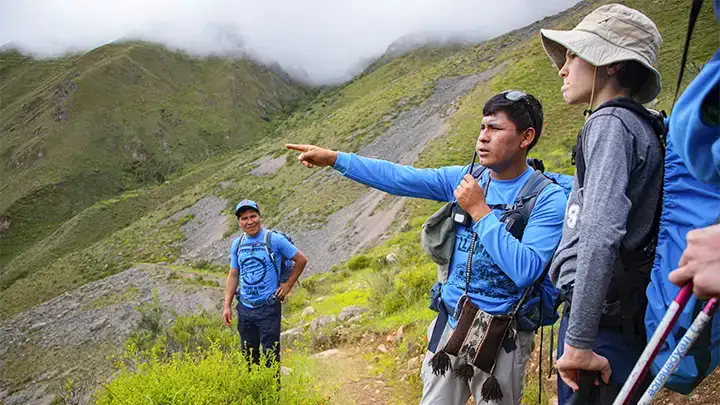
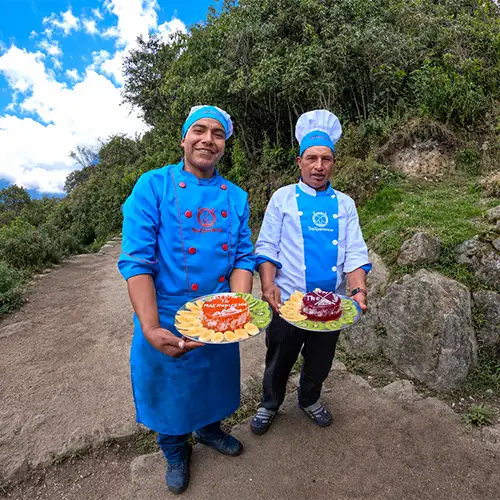
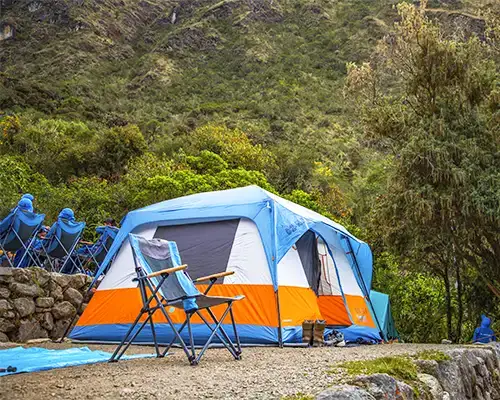
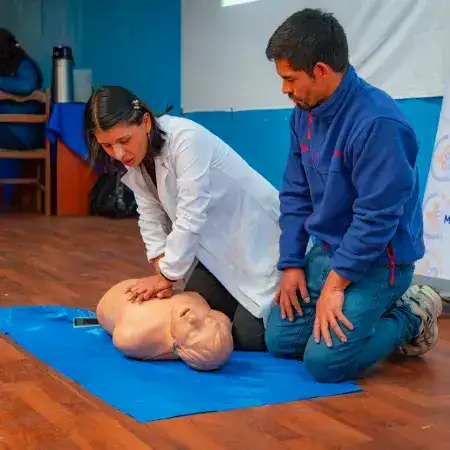
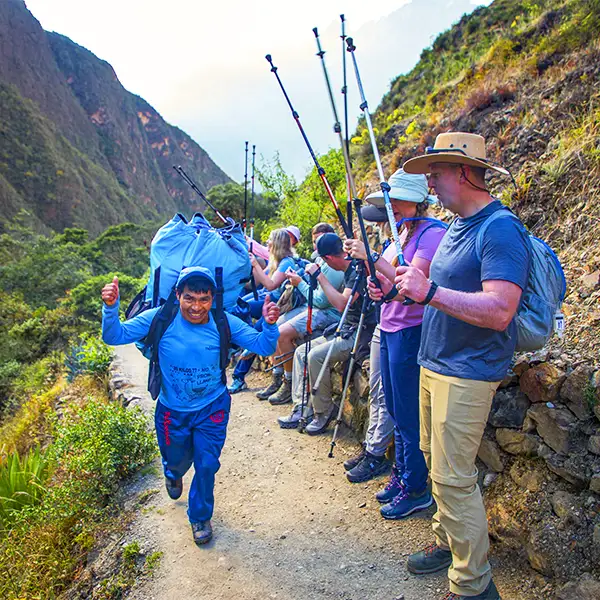
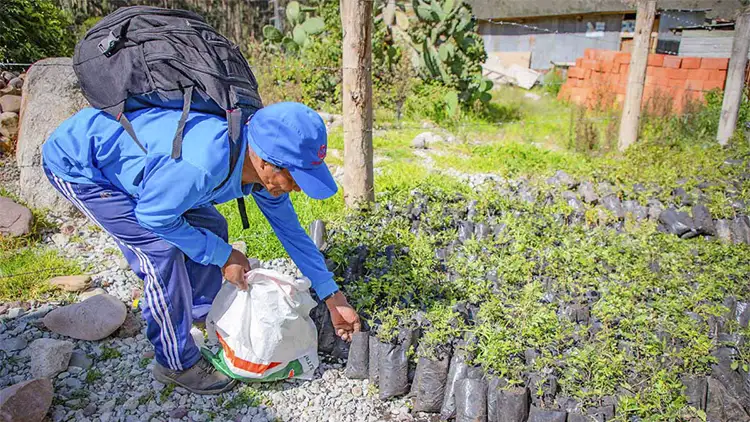
Packing tips, weather advice, training plans and Machu Picchu guides to help you prepare for your Inca Trail adventure.
Packing for the Inca Trail is simple when you know what goes in each bag. This Inca Trail packing list is for travelers hiking to Machu Picchu on the Classic 4-day trek, the…
Read article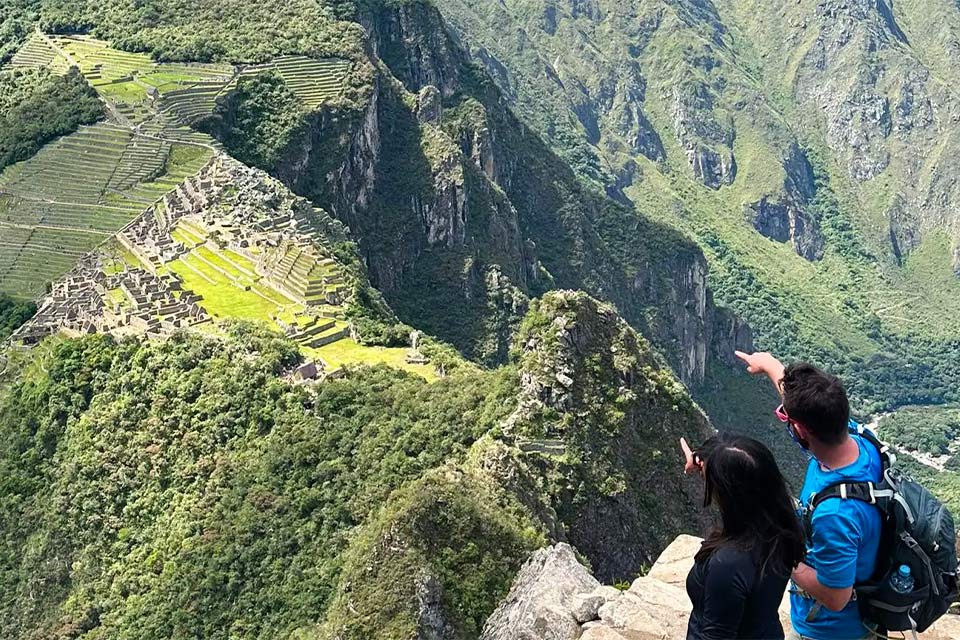
Huayna Picchu (also “Wayna Picchu”) is the steep peak behind Machu Picchu that you see in the classic postcard view. The hike is short but intense, with narrow stone steps, a few…
Read article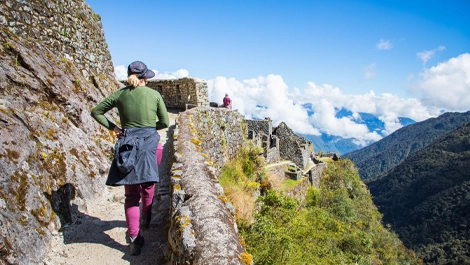
Planning the Inca Trail starts with the weather, it’s the first step to enjoying the trek to Machu Picchu. In this guide, you’ll find the best time to hike, the altitude range,…
Read article
An Inca Trail Training Schedule! Before setting out on any long trek like the Inca Trail to Machu Picchu, proper planning must occur first in order to be equipped for what lies…
Read article