



Long before the Nazca Lines became one of Peru’s greatest archaeological mysteries, a society learned to thrive in one of the driest areas along the South American coast. The Nazca civilization developed a deep understanding of water, agriculture, and the surrounding environment, allowing its people to establish communities and ceremonial centers across the desert of Nazca.
Learning about the Nazca culture in Peru helps us understand how a pre-Hispanic society adapted to a demanding environment and left a legacy that can still be seen throughout the valleys and plains of modern-day Ica.
Quick Facts and Main Characteristics of the Nazca Culture
| Fact | Information |
| Nazca culture dates | Approximately between the 1st and 8th centuries AD |
| Main location | Peru’s southern coast, mainly in the modern-day Ica region |
| Typical elevation | Approximately 380 to 640 m above sea level at several major archaeological sites in the Nazca Valley |
| Environment | Fertile valleys surrounded by vast desert areas |
| Main ceremonial center | Cahuachi |
| Main activities | Agriculture, fishing, crafts, and trade |
| Notable cultural achievements | Polychrome pottery, textiles, geoglyphs, and hydraulic systems |
| Best-known site | The Lines and Geoglyphs of Nazca and Palpa |
| Present-day legacy | Archaeological sites, water systems, and artistic expressions that have survived to the present day |
What Is Nazca Culture?
The Nazca culture was a pre-Hispanic society that developed along Peru’s southern coast during the first centuries AD. It emerged after the Paracas tradition and became established in small valleys surrounded by desert.
Its development was closely connected to water, agriculture, and natural cycles. These elements also played an important role in Nazca beliefs and cultural expressions.
Where Is Nazca, and Where Did the Culture Develop?
The Nazca culture developed mainly in the modern-day province of Nazca, in the Ica region on Peru’s southern coast. Its main area was the Río Grande de Nazca basin and valleys such as Nazca, Taruga, and Las Trancas.
This area is located approximately 450 km south of Lima and preserves some of the culture’s most important remains, including Cahuachi, the puquios, and numerous geoglyphs.
Who Discovered the Nazca Culture?
Although German archaeologist Max Uhle is often described as the scientific discoverer of the Nazca culture, it is more accurate to say that his research in 1901 helped identify it and distinguish it archaeologically from other pre-Hispanic societies on Peru’s southern coast. His studies, especially those involving pottery, laid the foundation for later research into this culture.
Other archaeologists, including Alfred Kroeber, Julio C. Tello, and Giuseppe Orefici, later expanded the study of the Nazca culture. María Reiche, meanwhile, devoted much of her work to researching and protecting the Nazca Lines.
History of the Nazca Culture
The history of the Nazca culture covered several centuries of change and development in the valleys of Peru’s southern coast. During this period, its communities established their own forms of organization, religion, and artistic expression before undergoing transformations that marked the final stage of the culture.
When and From Where Did the Nazca Culture Originate?
The origins of the Nazca culture were closely connected to the earlier Paracas traditions of Peru’s southern coast. Both cultures shared elements in their pottery, textiles, and religious imagery, showing cultural continuity between these periods.
Over time, Nazca communities developed their own distinctive characteristics, including more elaborate polychrome pottery, the ceremonial importance of Cahuachi, and new ways of shaping the landscape through geoglyphs.
Stages and Development of the Nazca Culture
The development of the Nazca culture was not uniform. Archaeologists have identified several stages, mainly through changes found in its pottery. In general, these include an initial or Proto-Nazca phase, followed by the Early, Middle, and Late Nazca periods before the transition toward new cultural influences. The exact division may vary depending on the chronology used.
- Proto-Nazca or Initial Nazca: This period represents the transition from Paracas traditions and the emergence of features associated with the new culture.
- Early Nazca: Polychrome pottery, shared religious practices, and the ceremonial importance of Cahuachi became firmly established.
- Middle Nazca: Artistic styles and community organization changed, while connections between different valleys continued to develop.
- Late Nazca: Contact with populations from the Andean highlands increased, and social and political changes began to shape the final stage of the Nazca culture.
Throughout these periods, Nazca cultural influence spread across several valleys along the southern coast and maintained contact with communities from other regions.
Decline of the Nazca Culture
The decline of the Nazca culture was gradual and cannot be explained by a single cause. Changes in climate and water availability probably affected communities that depended on small agricultural valleys in an extremely dry region.
Between the 6th and 7th centuries, the influence of the Wari culture also increased along the southern coast. Nazca communities gradually became part of new cultural and political systems, although some of their artistic and religious traditions continued into later periods.
Social Organization and Economy
Nazca society consisted of communities established in different valleys, with differences in status and responsibilities among their inhabitants. Local authorities and people connected to religious activities held more prestigious positions, while skilled artisans, farmers, and fishermen supported much of the productive life of the communities. There does not appear to have been a single ruler over the entire territory. Instead, several connected centers of power probably existed.
Social Hierarchy and Authorities
Local leaders and religious specialists were probably among the most influential members of Nazca society. They participated in organizing ceremonies and community activities. Skilled artisans also held specialized roles, while much of the population worked in agriculture, fishing, and other productive activities. Social differences may have been reflected in clothing, ornaments, and certain ceremonial objects.
Agriculture
Agriculture was the main economic activity of the Nazca people. They grew corn, beans, squash, cassava, and other crops suited to the coastal valleys. To maintain their farmland, they depended on rivers, groundwater, and irrigation systems in a region where rainfall was extremely limited.
Fishing and Trade
Fishing provided additional food from the Pacific Ocean. The Nazca also maintained trade networks with other valleys and regions, allowing them to obtain food, raw materials, and objects that were not easily available in their own territory.
Nazca Religion and Worldview
The Nazca worldview was closely connected to nature. Animals, plants, and other natural forces held strong symbolic meaning and were frequently represented in Nazca art and religious practices.
Gods, Rituals, and the Worship of Water
Nazca art portrays many supernatural beings associated with animals, plants, agriculture, and fertility. Water held powerful symbolic importance because crops and human life depended on it in such a dry environment.
Ceremonies were connected to fertility and the forces of nature. They may have included music played with antaras, or panpipes, and drums, as well as food and drinks served in specially made vessels.
Cranial Deformation
The Nazca practiced intentional skull modification, a custom also found in earlier societies along the southern coast, including Paracas. The shape of a person’s head was altered during infancy using bindings or other objects, while the bones were still flexible.
Rather than being only an aesthetic practice, these modifications may have represented identity and membership in a particular social group. However, their exact meaning was not necessarily the same in every community.
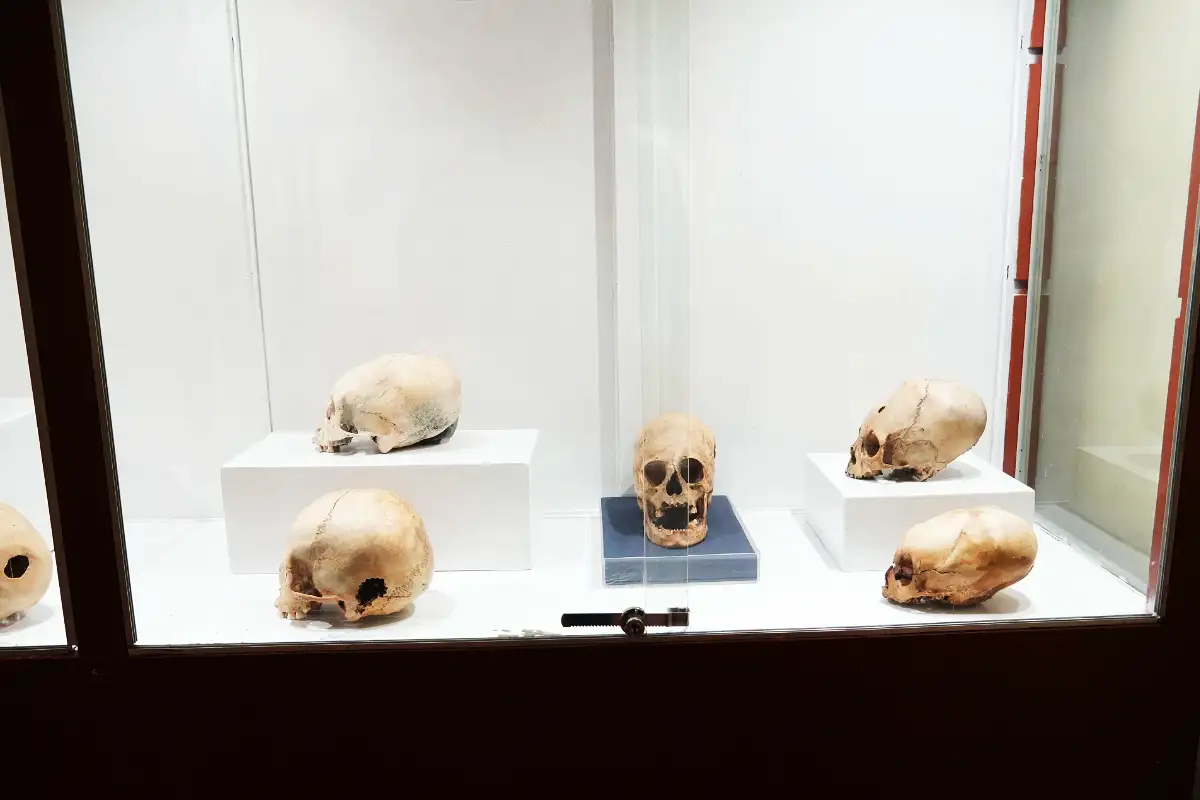
Trophy Heads and Funerary Practices
The objects commonly known as trophy heads were human heads separated from the body and prepared to be preserved, carried, or displayed during certain rituals. Some have a hole in the forehead through which a cord was placed, making them easier to carry or exhibit.
Their exact purpose is still debated. They may have been associated with warfare, sacrifice, and religious ceremonies, and they did not necessarily always belong to enemies from other regions.
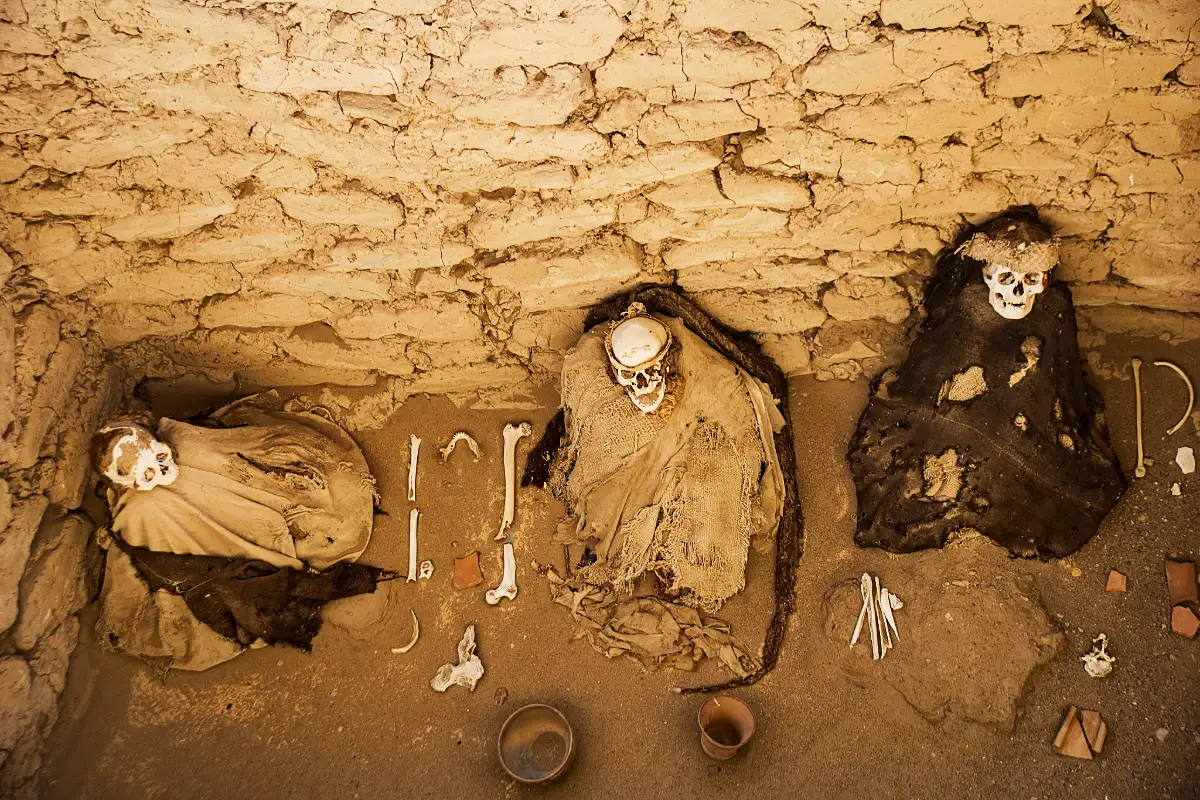
Death held an important place in the Nazca worldview. Burials could include offerings such as pottery and other objects, showing that funerary practices also had ritual meaning.
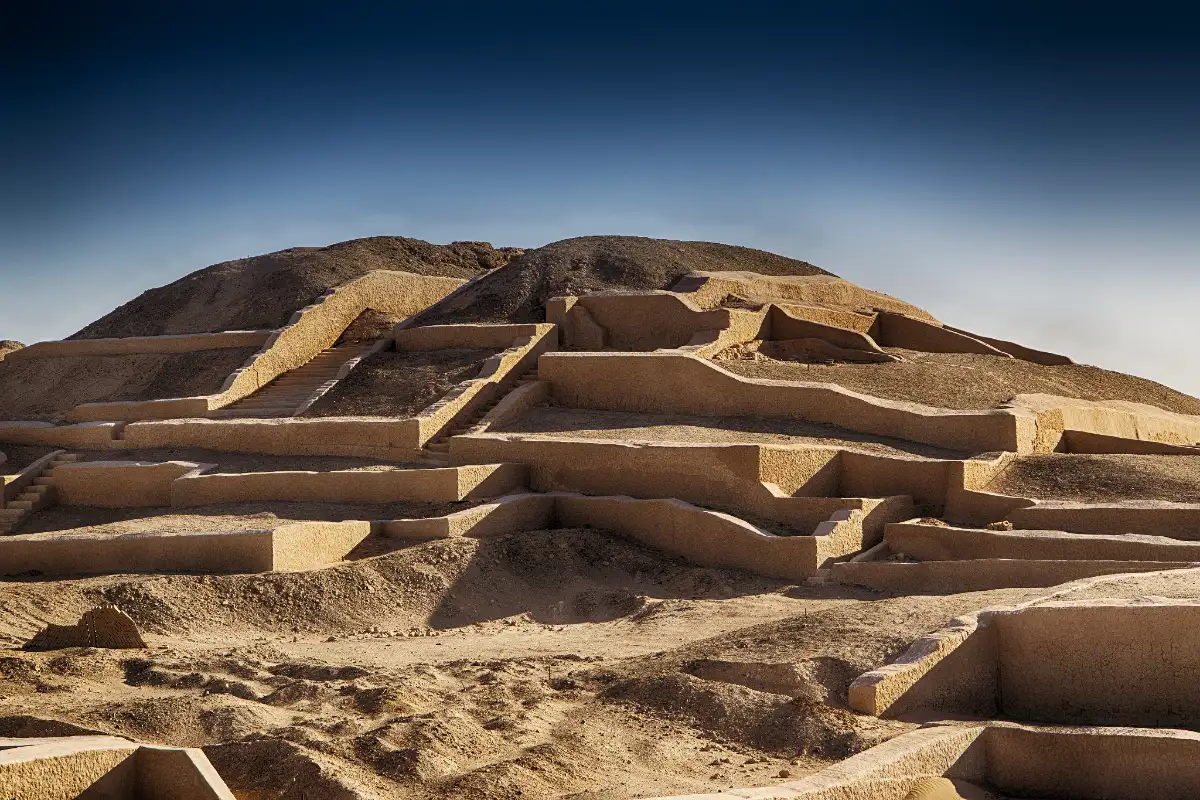
Cahuachi, the Ceremonial Center of the Nazca People
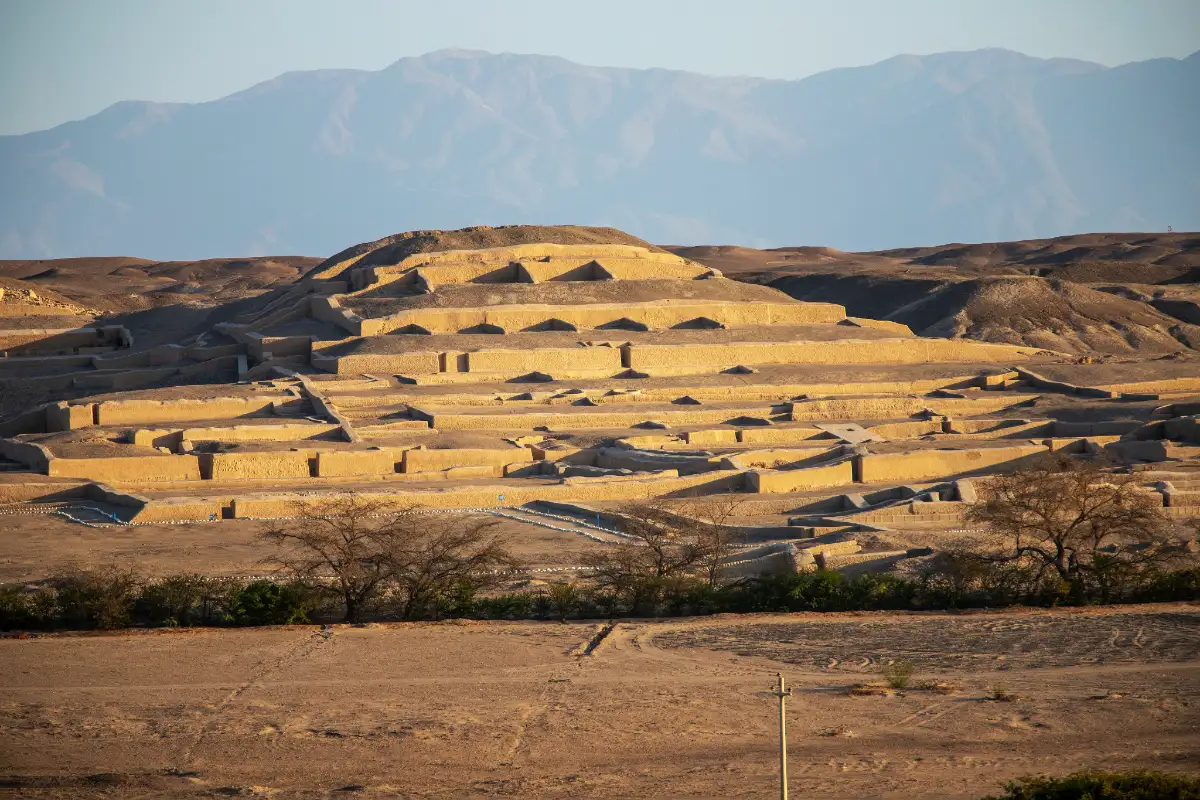
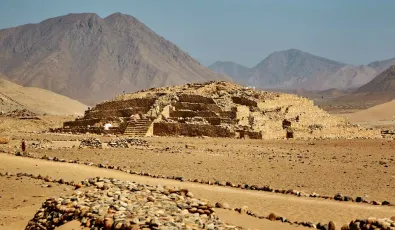
Cahuachi stands in the Nazca Valley and is one of the most important archaeological sites associated with this culture. The complex included large adobe buildings, truncated pyramids, plazas, terraces, and areas used for ceremonies. Some of these structures began to be abandoned around the 4th century AD.
Cahuachi was probably not a densely populated city or a political capital. Instead, it mainly served as a ceremonial and gathering place for different Nazca communities. Its importance helps us better understand the religious organization of this society and how it brought architecture, landscape, and beliefs together in one place.
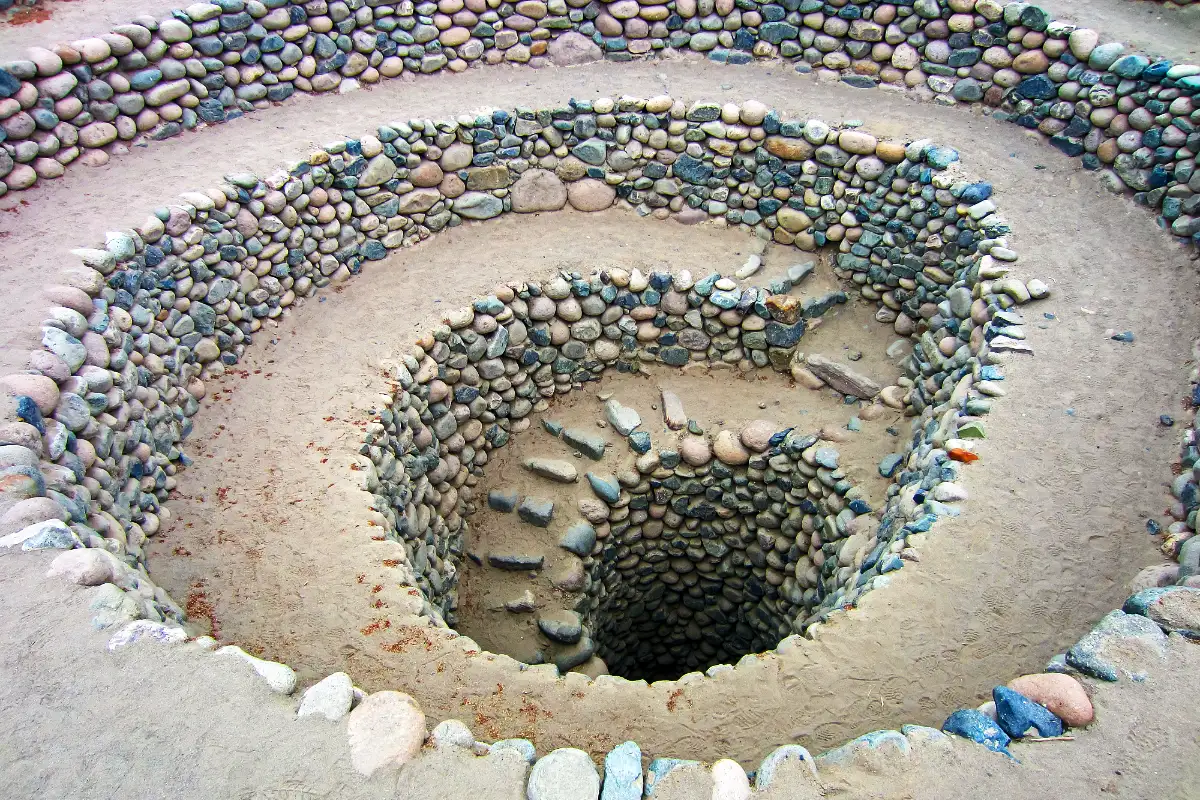
Aqueducts of the Nazca Culture
Living in one of Peru’s driest regions led these communities to develop systems for collecting and carrying groundwater to farmland and inhabited areas.
Although the puquios are commonly associated directly with the Nazca culture, research indicates that they began to be used during later stages of its development. Some have been dated to between the 6th and 7th centuries AD.
How Did the Puquios Work?
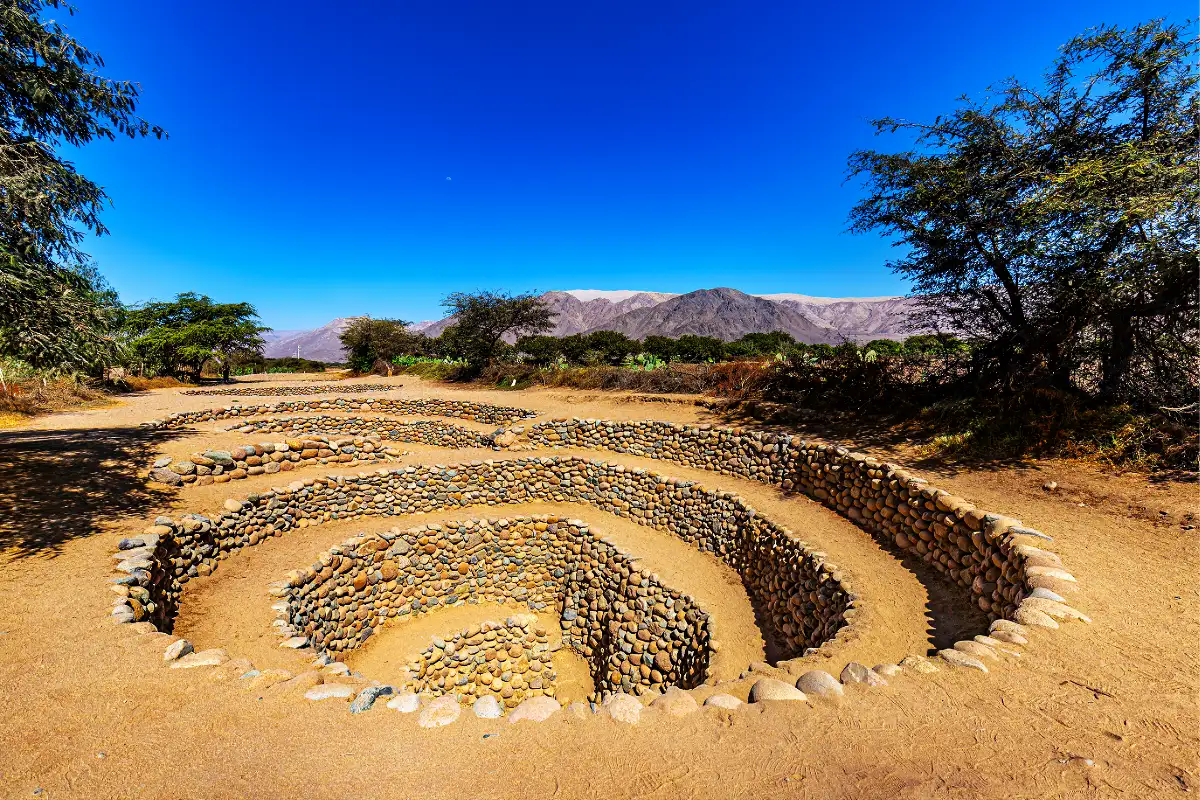
The puquios collected groundwater through underground galleries built with a gentle slope. Gravity carried the water toward open channels or reservoirs known as cochas, where it could then be distributed to farmland.
Openings known as ojos connected the galleries to the surface and made cleaning and maintenance easier. Some were built in stepped or spiral shapes, and several puquios in the Nazca valleys continue to carry water today.
Cantalloc Aqueducts
The Cantalloc Aqueducts, located near the city of Nazca, preserve 20 ojos, or access shafts. Several have a spiral shape and are connected to underground galleries. Stones, flat slabs, and huarango wood were used in their construction.
The system used the natural slope of the land to carry water toward reservoirs and agricultural areas, and it remains in use today.
The Nazca Lines
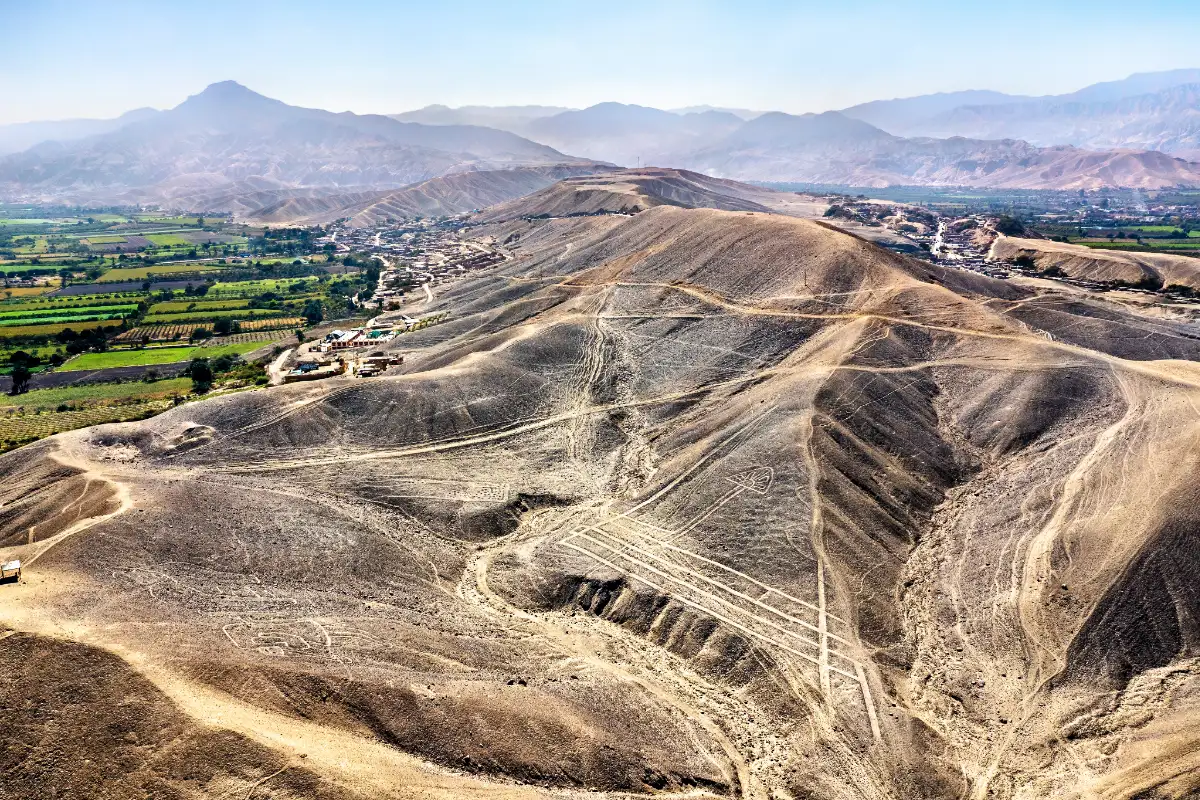
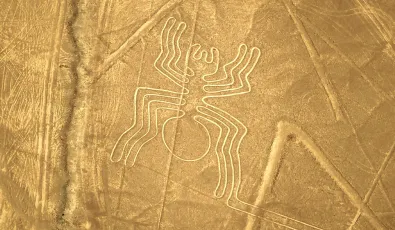
The Nazca Lines are geoglyphs created across the plains of Nazca and Palpa by removing dark surface stones to reveal the lighter soil underneath. They include straight lines, geometric shapes, and images of animals, plants, and human-like beings. They were scientifically documented by Toribio Mejía Xesspe in 1927 and later studied by Paul Kosok and María Reiche.
Although their exact purpose is still debated, one of the leading theories connects them to rituals, pilgrimages, and the ceremonial use of the landscape, possibly involving water and fertility. Among the best-known Nazca figures are the hummingbird, monkey, spider, condor, whale, and several different birds.
The Lines and Geoglyphs of Nazca and Palpa have been a UNESCO World Heritage Site since 1994.
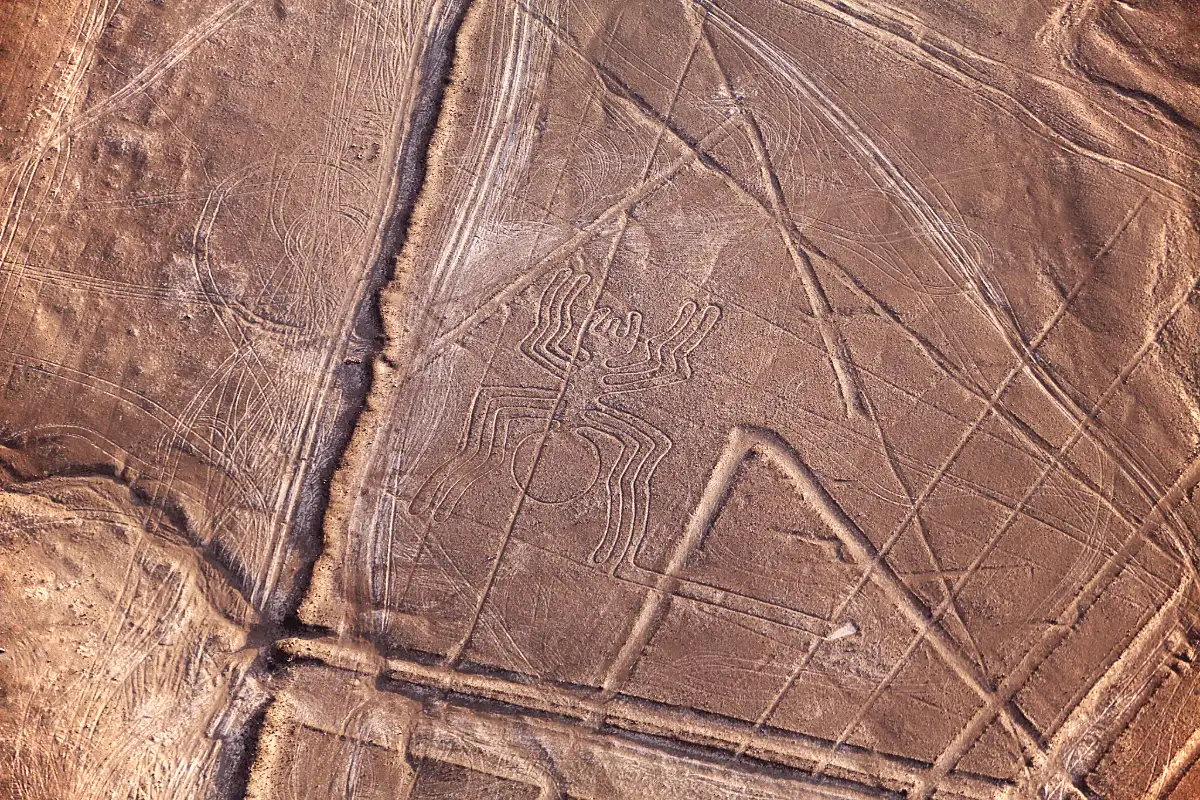
Important note: To learn more about their history, figures, and possible meanings, you can find additional information in our blog about the Nazca Lines.
Art of the Nazca Culture
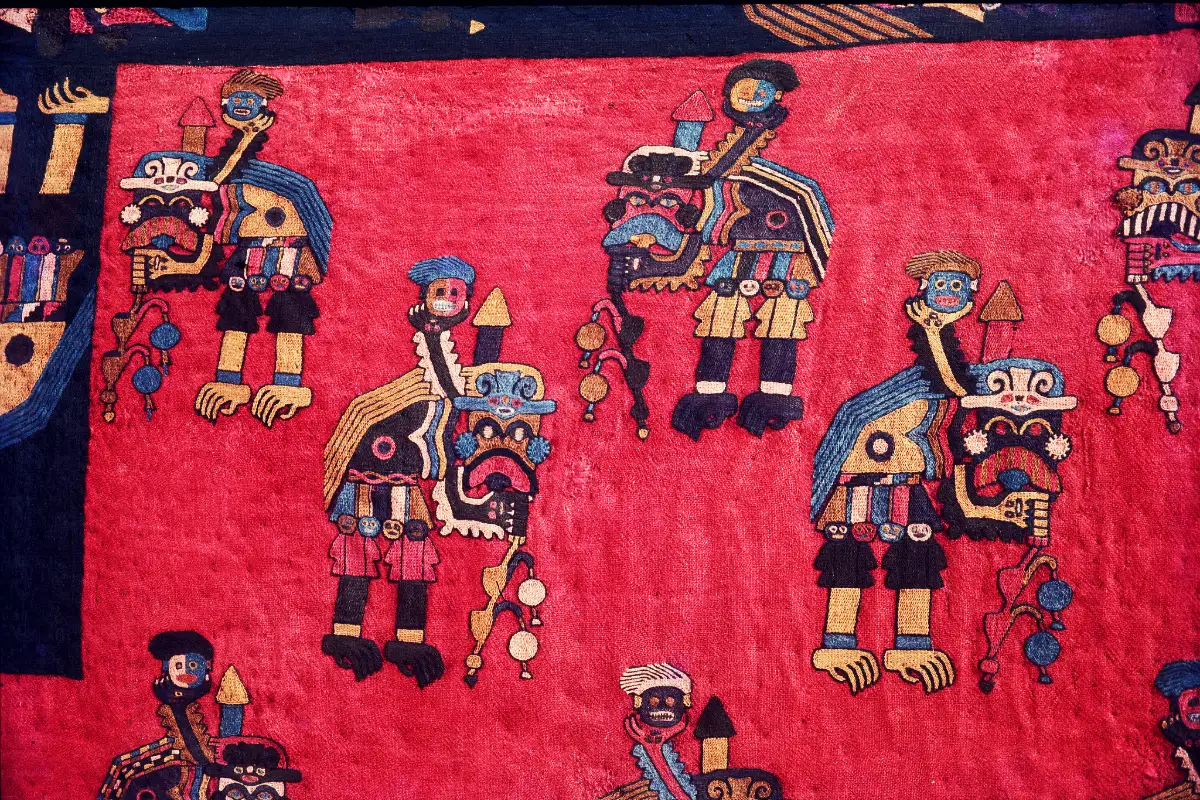
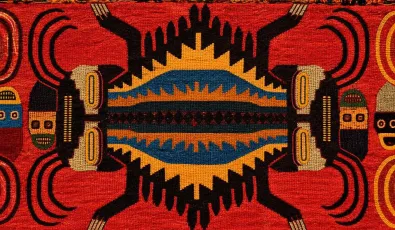
The art of the Nazca culture reveals much more than its technical abilities. Animals, plants, human figures, and supernatural beings repeatedly appear on vessels, textiles, metal objects, and geoglyphs. These images provide valuable information about Nazca ceremonies, the people’s relationship with nature, and some of their beliefs.
Architecture of the Nazca Culture
Nazca architecture was mainly designed for ceremonial and community spaces. Builders used materials available in the region, particularly adobe, to construct platforms, enclosures, and monumental buildings adapted to the landscape of the valleys. Cahuachi is the most representative example of this type of architecture.
Pottery of the Nazca Culture
Nazca pottery became known for its polychrome decoration and the use of several colors applied before firing. Its designs portrayed people, animals, plants, trophy heads, and supernatural beings connected to Nazca beliefs.
One of its most distinctive forms was the double-spout vessel joined by a bridge handle, although Nazca artisans also made bowls, plates, and other containers.
The finest pieces played an important role in ceremonies and burials, while others were used in everyday life. Over time, the designs changed from relatively natural images to more complex and symbolic compositions, making pottery one of the most representative artistic expressions of the Nazca culture.
Textiles, Music, and Metalwork
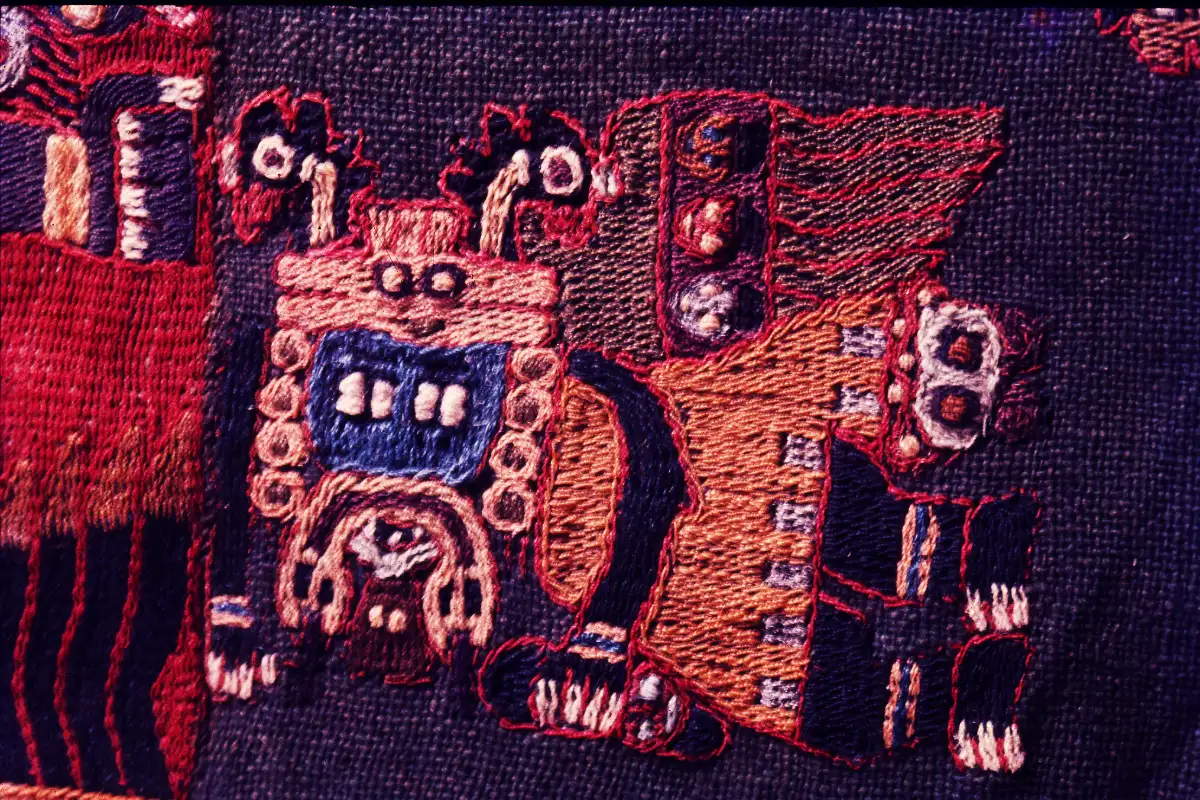
Nazca textiles continued some of the traditions previously developed by the Paracas culture. Artisans produced clothing, mantles, ornaments, and banners featuring colorful designs, animals, and symbolic beings. They also created feather-decorated pieces that may have been used during ceremonies.
Music accompanied rituals and gatherings through instruments such as antaras, drums, and other wind instruments. In metalwork, Nazca artisans mainly used gold to create nose ornaments, headdresses, and small figures depicting humans and animals.
Places to Learn About the Nazca Culture
Much of the legacy of the Nazca culture can still be seen throughout the valleys and plains of the modern-day Ica region. Ceremonial centers, enormous geoglyphs, and ancient water systems reveal different aspects of this society, from its religious beliefs to the methods it used to obtain water and grow crops in the desert.
Cahuachi
Located approximately 27 km from the city of Nazca, Cahuachi allows visitors to see pyramids, plazas, and adobe structures within the desert landscape where this important ceremonial center developed.
Nazca and Palpa Lines
The Nazca and Palpa Lines can be viewed on sightseeing flights and from certain ground-level viewpoints. However, an aerial view provides a much clearer understanding of the size and scale of the geoglyphs across the desert.
Cantalloc Aqueducts
Located near the city of Nazca, Cantalloc allows visitors to walk among its distinctive spiral access shafts and directly observe part of the ancient hydraulic system that continues to carry water.
María Reiche Museum
The María Reiche Museum, located at kilometer 421 of the Pan-American Highway South, preserves work instruments, plans, maps, photographs, and other objects connected to María Reiche’s research into the Nazca Lines. Visitors can also see the house where she lived for more than 25 years.
Chauchilla Cemetery
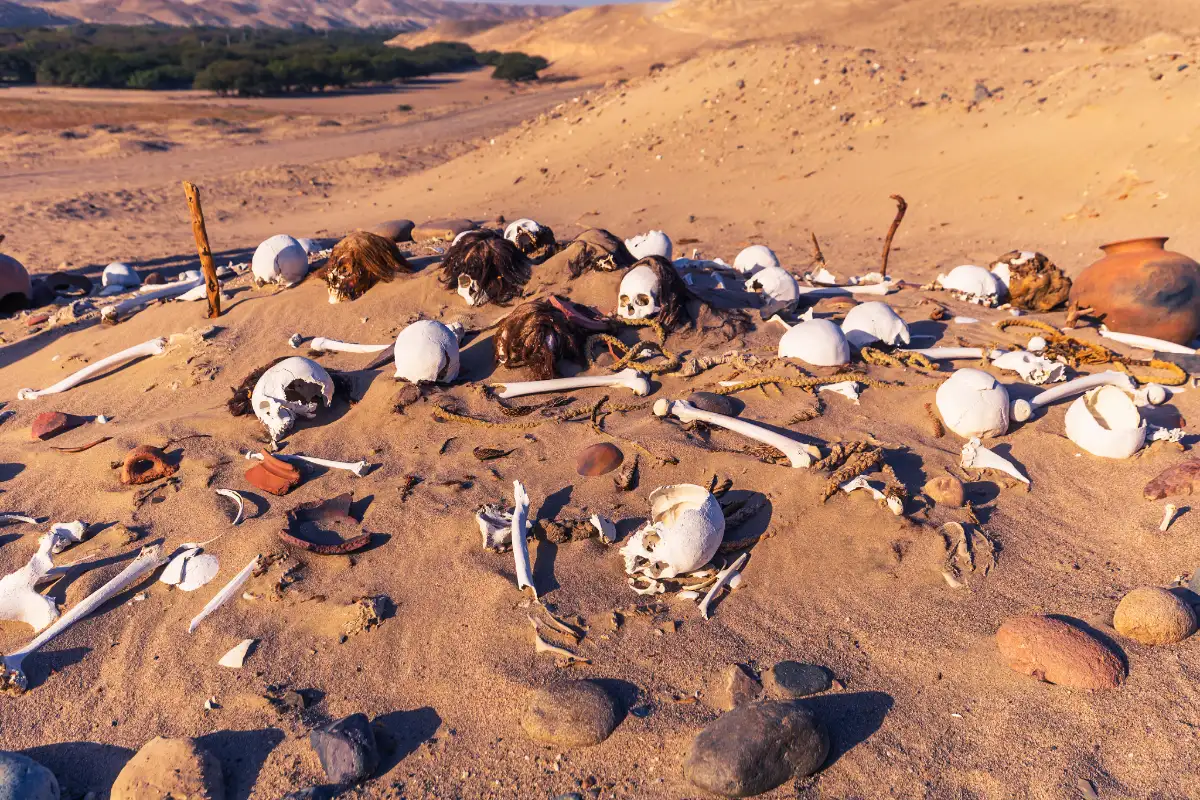
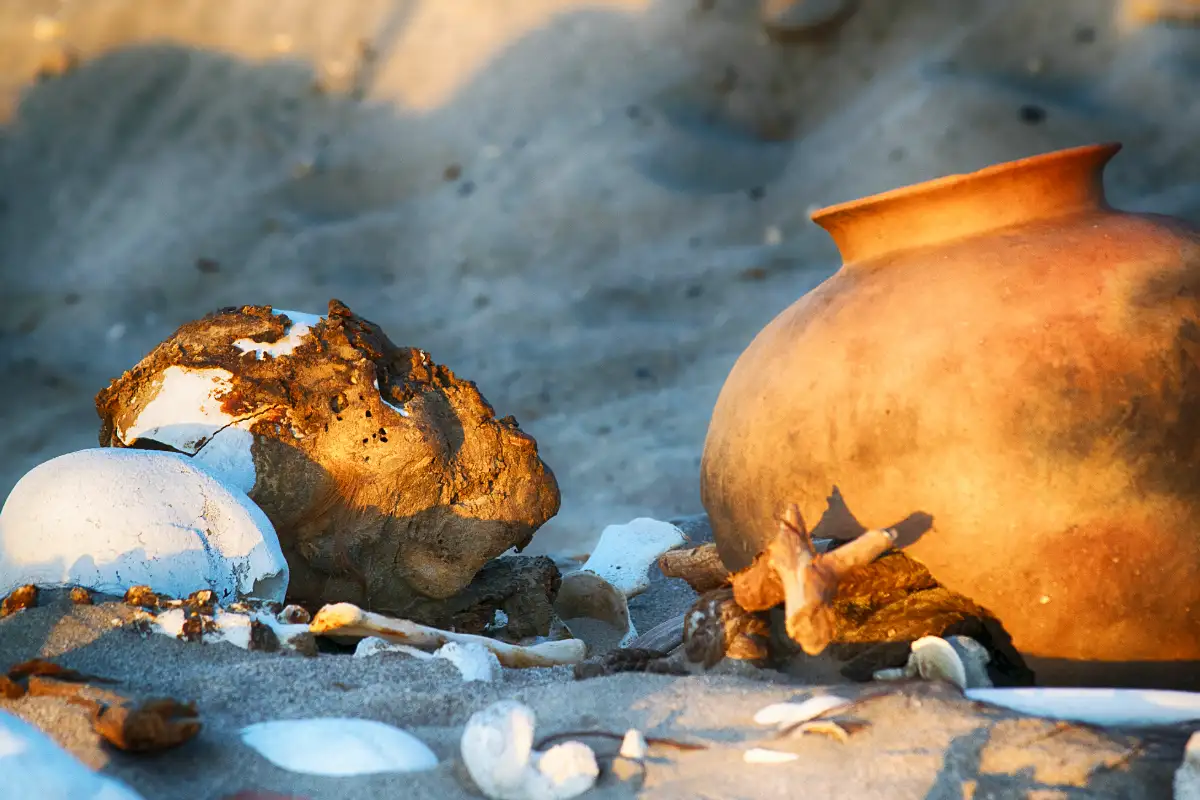
The Chauchilla Necropolis, located south of Nazca, preserves tombs, mummified human remains, textiles, pottery, and other funerary objects that survived because of the dry desert climate. The site contains evidence from several pre-Hispanic periods and offers insight into the ancient funerary practices of the region.
How to Visit the Main Sites of the Nazca Culture
- Getting to Nazca: The journey from Lima takes approximately 6 to 7 hours by road along the Pan-American Highway South.
- Planning a trip to Nazca Lines: Sightseeing flights depart from the María Reiche Airport, located near the city of Nazca.
- Cahuachi: The archaeological site is approximately 27 km from Nazca and can be reached by taxi, private vehicle, or organized tour.
- María Reiche Museum: The museum is located at kilometer 421 of the Pan-American Highway South, on the road toward Palpa.
- Recommended planning: To visit several places on the same day, it is best to take the sightseeing flight first and visit the land-based attractions afterward, as flight schedules may change depending on weather conditions.
Opening Hours, Admission Fees, and Recommendations
| Place | Approximate hours | Admission / recommendation |
| Nazca Lines | 8:00 am to 5:00 pm | Prices depend on the flight operator, and departures may change because of weather. |
| Cahuachi | 7:00 am to 5:00 pm | Free admission. |
| María Reiche Museum | 8:00 am to 6:00 pm | Adults S/5; university students and children S/2.50. |
Best Time to Visit Nazca
Nazca can be visited throughout the year because of its dry climate. However, April to November is usually more comfortable for exploring the archaeological sites, as temperatures are less intense than during the summer. The warmest months are generally from December to March, and SENAMHI records March as the hottest month in Nazca.
Between June and August, mornings and evenings may be cooler, although protection from the sun remains important during the day. When planning a flight over the Nazca Lines, remember that departures depend on weather conditions and may be delayed when visibility or other conditions are unsuitable.
Travel tip: To include Nazca in a longer journey through Peru, the 7-Day Peru Tour: Lima, Nazca Lines, and Machu Picchu combines the coast, the desert, and the Andes in a single itinerary.
Frequently Asked Questions About the Nazca Culture
Nazca or Nasca: Which Spelling Is Correct?
Both spellings are used. Nasca appears in the official names of the province and district, while Nazca remains the most widely used spelling when referring to the culture and the famous lines.
Did the Nazca Culture Have a Capital?
No single political capital is known. Cahuachi was primarily the main ceremonial center of the Nazca culture.
Did the Nazca Have a Writing System?
There is no known writing system developed by the Nazca. Many of their ideas and beliefs were expressed through images and symbols on pottery, textiles, and geoglyphs.
What Foods Did the Nazca Eat?
Their diet included corn, beans, squash, cassava, peanuts, and other crops grown in the valleys, as well as fish and marine resources obtained along the coast.
Were All the Nazca Lines Created by the Nazca Culture?
No. Some geoglyphs were first created before the height of the Nazca culture, during periods associated with Paracas, and were later expanded or developed by different generations.

Add new comment