



The Pisco Sour is Peru’s signature cocktail, made with pisco, the country's national spirit. This refreshing and well balanced drink combines freshly squeezed lime juice, simple syrup, egg white, a few ice cubes, and several drops of Angostura bitters. Two pioneering bartenders in the early 20th century created the cocktail, thanks to their passion for mixology. The result was a refreshing, full bodied, elegant drink that represents Peru.
In this guide, you will learn how to make a classic Pisco Sour coup using either a cocktail shaker or a blender. You will also discover which type of pisco to choose and the best places to enjoy this national cocktail during your trip to Peru. So, let’s get started!
Pisco Sour Recipe
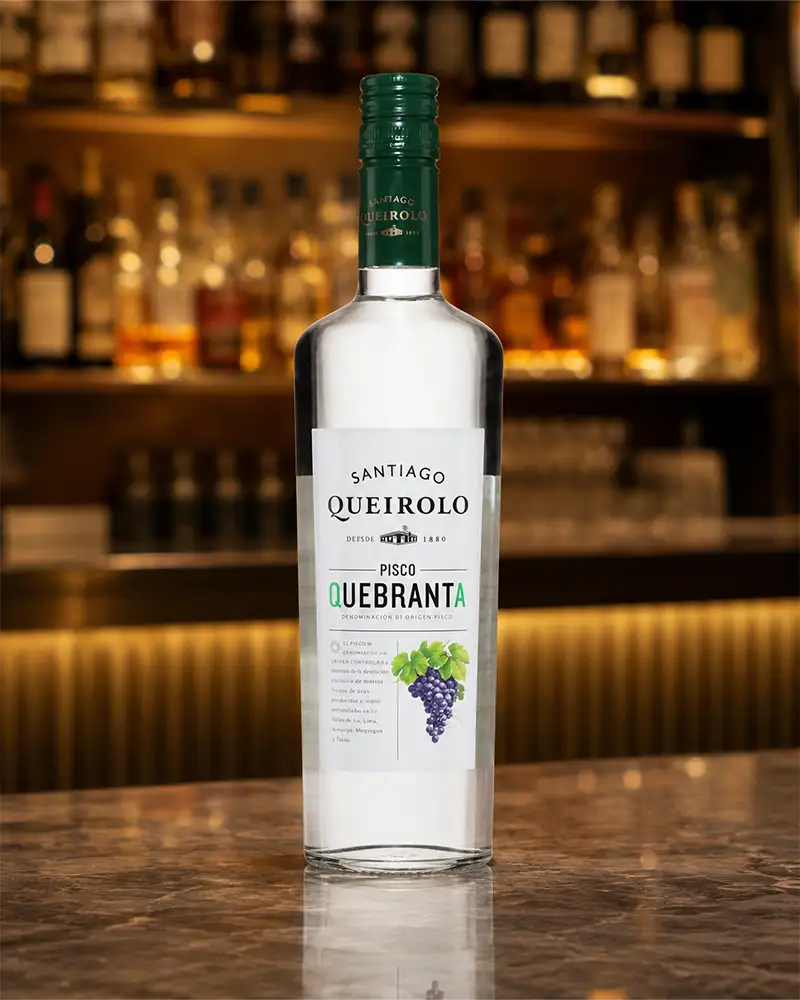
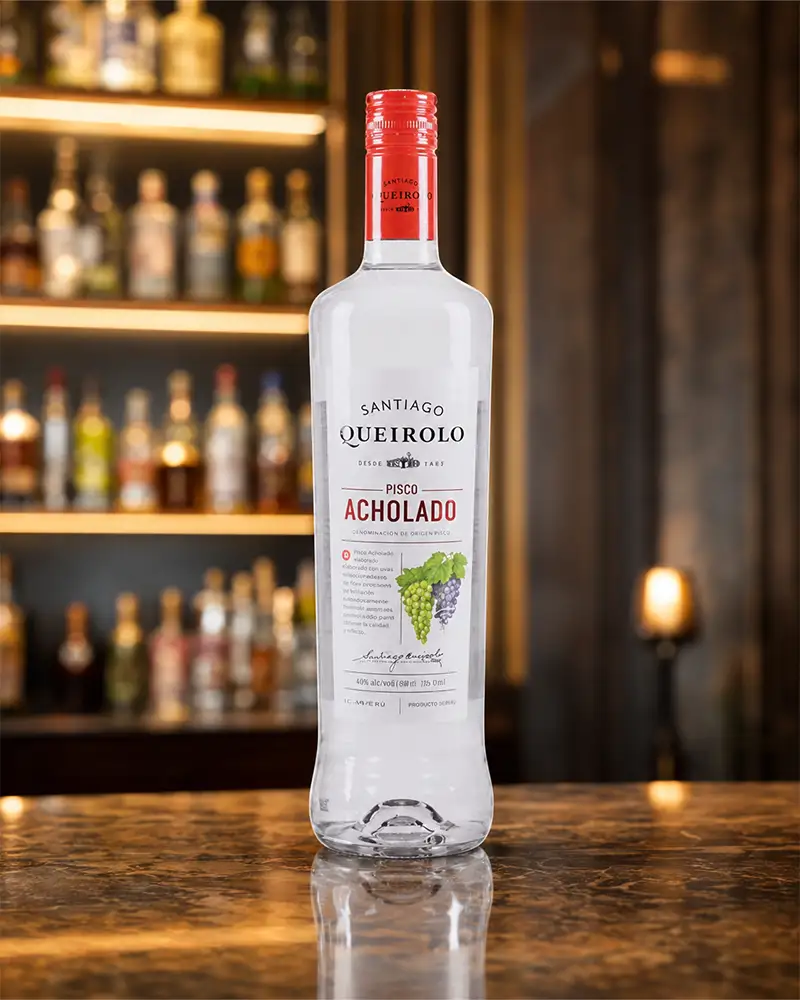
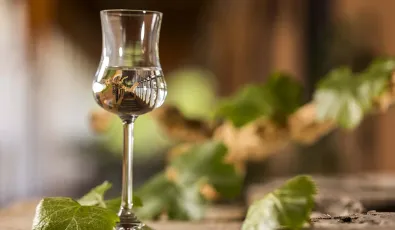
The essence of the pisco sour is, of course, pisco. This grape distillate serves as the base of the Pisco Sour cocktail and imparts its distinctive flavor. Typically, bartenders use the Quebranta type, which is a pure pisco from a single grape variety. However, other varieties, like Acholado, can also add a unique twist to the drink.
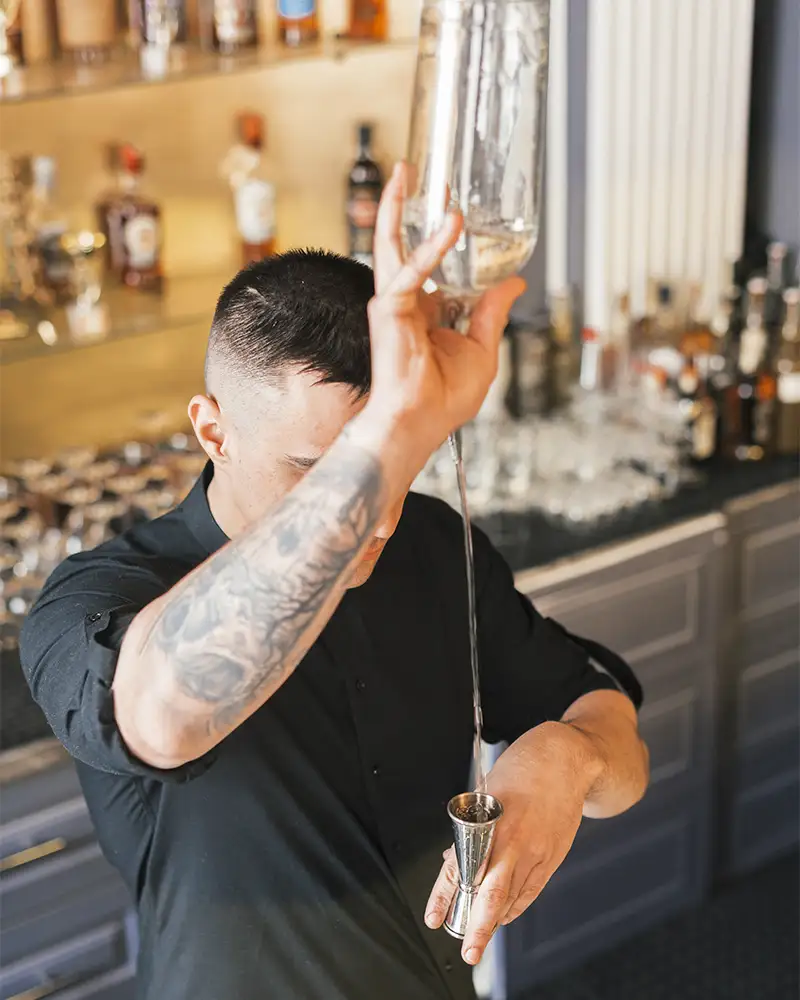 | 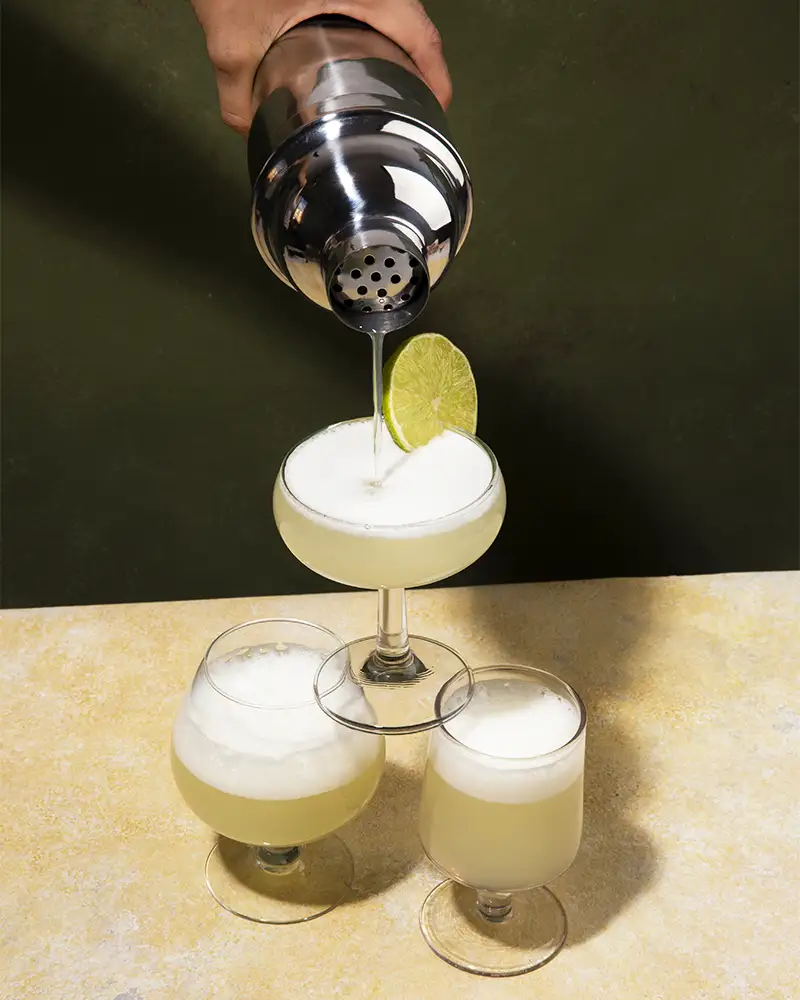 |
- Preparation time: 5 minutes
- Quantity: 1 glass
- Difficulty: Easy
- Equipment: Cocktail shaker or blender, strainer, and chilled glass
Pisco Sour Ingredients: The 3-1-1-1 Formula
The Pisco Sour recipe is simple to follow using the 3-1-1-1 formula: 3 ounces of pisco, 1 ounce of lime juice, 1 ounce of simple syrup, and 1 egg white. Using fresh ingredients makes a significant difference.
- 3 oz (90 ml) of Quebranta or Acholado pisco
- 1 oz (30 ml) of freshly squeezed and strained lime juice
- 1 oz (30 ml) of simple syrup
- 1 egg white
- 4 or 5 ice cubes
- 3 drops of Angostura bitters for garnish
If you can't find Angostura bitters in your country, you can try using Bablouie Bitter as a substitute, as it has a similar flavor.
You can replace the egg white with 15 ml of aquafaba, the liquid from cooked chickpeas. Shake the aquafaba well without ice first, and then use it in place of the egg white in the recipe.
For a stronger flavor and aroma, you can follow the 4-1-1-1 formula by adding an extra ounce of pisco.
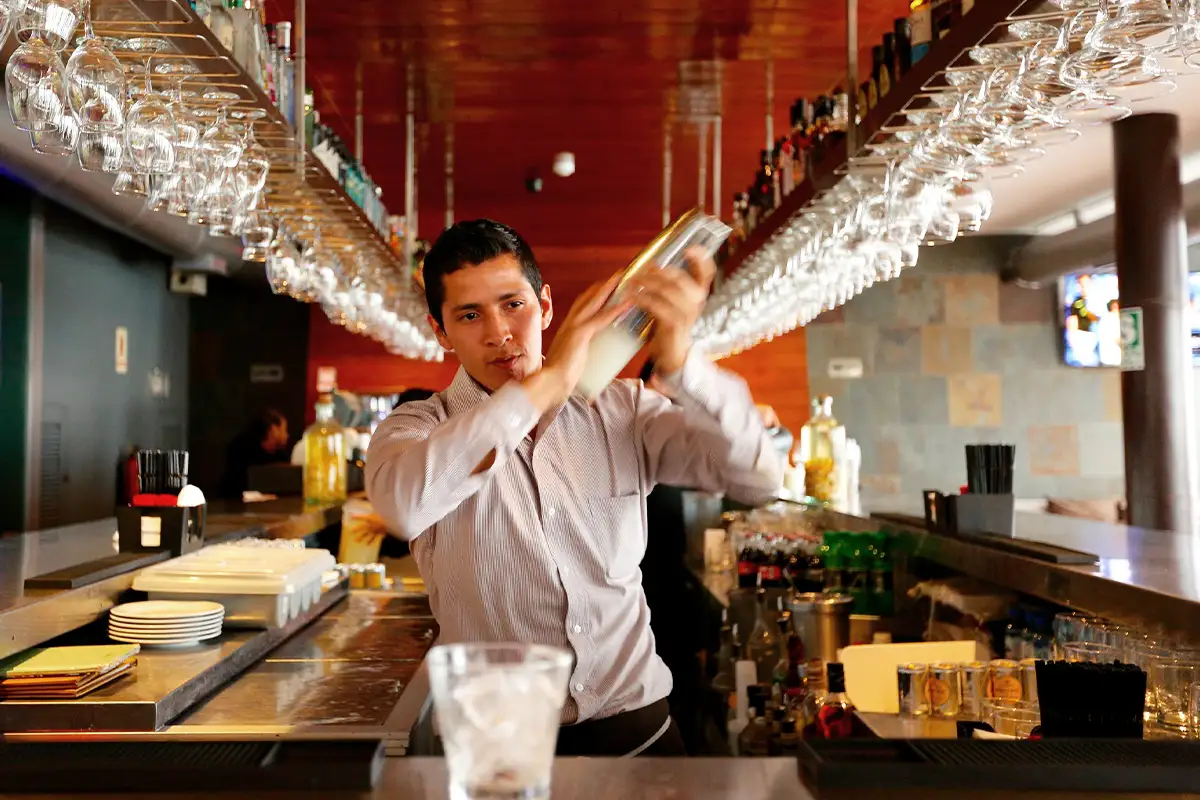
How to make Pisco Sour?
The preparation method depends on whether you use a cocktail shaker or a blender:
Using a cocktail shaker:
- Begin by chilling your glass with ice, or place it in the refrigerator for a few minutes.
- In the cocktail shaker, combine the pisco, lime juice, simple syrup, and egg white.
- Seal the shaker tightly and perform a dry shake by shaking it vigorously for 10 to 15 seconds without adding ice.
- Open the shaker, add the ice cubes, seal it again, and shake vigorously for another 10 to 22 seconds.
- Strain the mixture into the chilled glass.
- Finally, add three drops of Angostura bitters on top and enjoy!
Using a blender:
- Chill your glass by filling it with ice or placing it in the refrigerator for a few minutes.
- In the blender, combine the pisco, lime juice, simple syrup, egg white, and ice cubes.
- Blend the mixture for about 8 to 10 seconds, just until the drink is cold and frothy.
- Immediately pour the blended drink into the chilled glass.
- Finish by adding three drops of Angostura bitters on top.
Note: Using a blender can create a slightly different texture and may dilute the drink more than shaking. Avoid blending for extended seconds.
For a step-by-step visual guide, watch this video on making a Pisco Sour.
What foods pair well with a Pisco Sour?
The acidity of the lime juice, the sweetness of the simple syrup, and the character of the pisco make this cocktail especially enjoyable as an aperitif.
It also pairs well with savory, citrusy, or mildly spicy dishes.
Here are some suggested pairings:
- Ceviche or tiradito.
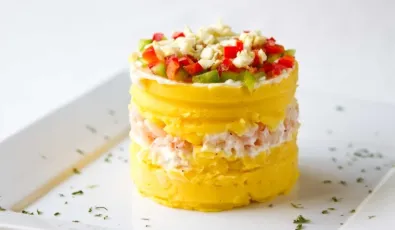
- Causa limeña.
- Anticuchos.
- Tequeños or small fried bites.
- Fried fish bites.
- Small portions of lomo saltado.
- Toasted corn, olives, or mild cheeses.
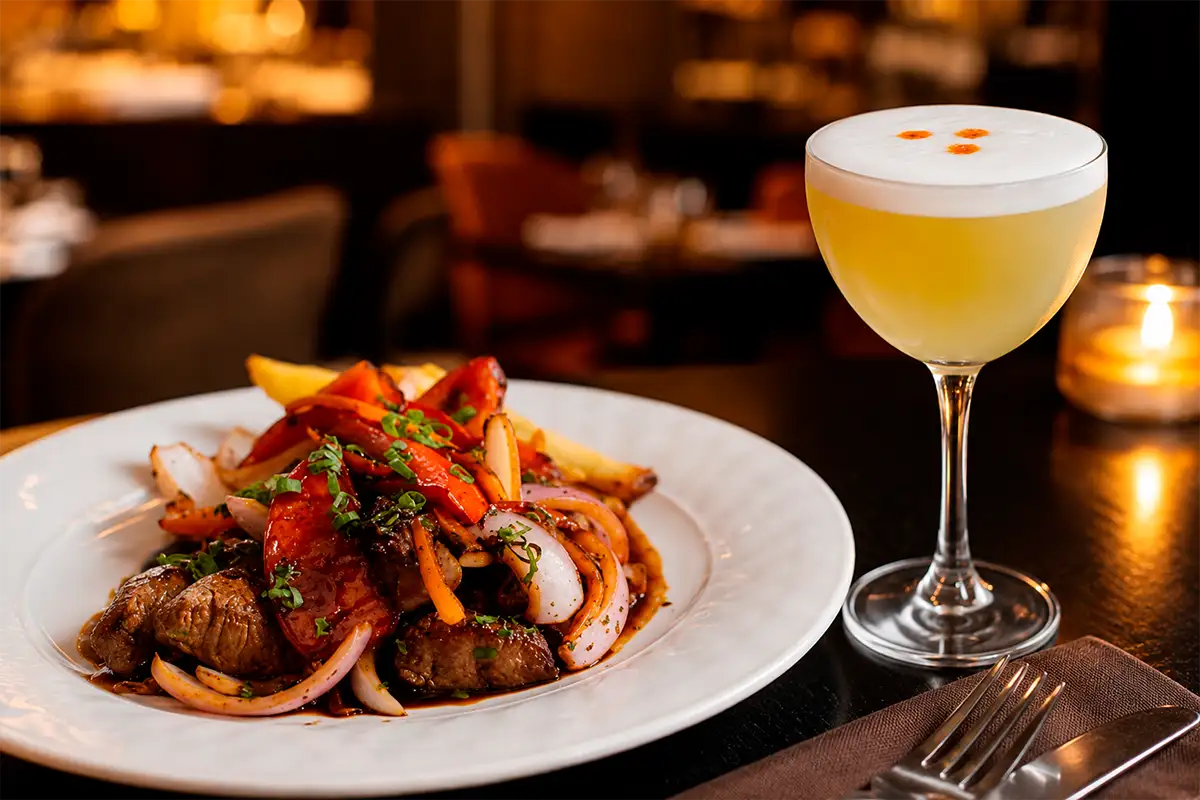
The ideal pairing depends on the cocktail's flavor profile. A sweeter Pisco Sour complements delicate dishes, while a drier version often serves better as an aperitif.
Types of Pisco for making it
Pisco Sour has a bright citrus flavor with a touch of sweetness, a smooth texture from the egg-white foam, and the distinctive character of the grapes used to make the pisco.
Quebranta Pisco
Quebranta belongs to the “Pisco Puro” category because it comes from a single grape variety: the Quebranta grape. As a non-aromatic variety, it gives the pisco a bold flavor and a dry finish, making it ideal for anyone who prefers a balanced drink without an overpowering aroma. It is the most commonly used type of pisco for making Pisco Sour.
Acholado Pisco
Acholado Pisco combines two or more grape varieties, grape musts, or piscos, either before or after distillation. This versatility is one of its key characteristics. The word “acholado” comes from “cholo” and refers to the people who once collected leftover grapes to make their own pisco. This blending technique allows distillers to craft unique combinations and distinctive flavors, which has contributed to Acholado’s popularity. Although it emerged later than Pisco Puro, its diverse range of aromas and flavors has made it a favorite among pisco enthusiasts.
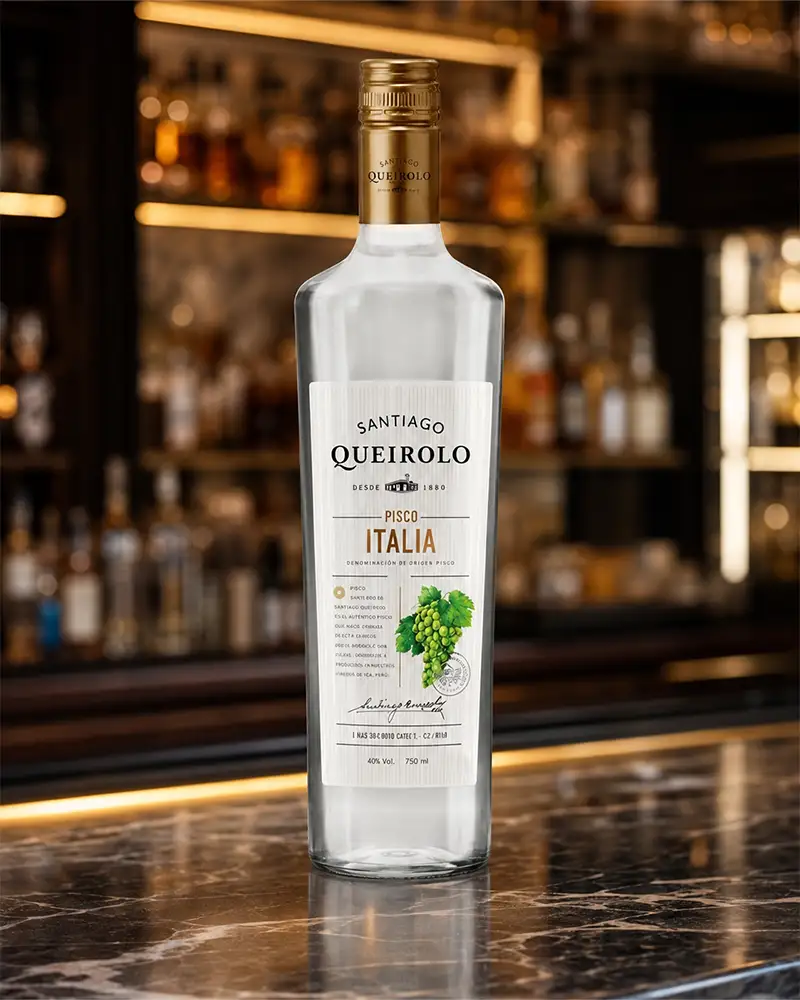
Italia Pisco
Italia is one of the most distinctive pisco varieties from Peru. It belongs to the group of aromatic piscos, which means it comes from especially fragrant grapes with a fruitier flavor profile. Its intense aroma makes it a popular choice for those seeking a more expressive pisco experience.
 |  |  |
Want to Learn More About Pisco?
Read our guide to Peruvian pisco.
Torontel Pisco
Torontel is a distinctive Peruvian pisco made from a single grape variety. It is known for its intense aroma, featuring notes of white flowers such as orange blossom, jasmine, and geranium. Additionally, it combines citrus scents with hints of tropical fruits like peach and mango, which contribute to its rich fragrance and vibrant flavor. Choose Torontel if you're looking for a Pisco Sour that feels elegant and silky on the palate while delivering an expressive aroma.
Moscatel Pisco
Moscatel is an aromatic pisco made exclusively from Moscatel grapes. Although it is less fragrant than Torontel, it offers notes of jasmine, lemon, and orange, complemented by subtle hints of vanilla and nuts. On the palate, it is smooth and balanced, with a long-lasting finish. Choose Moscatel if you want to prepare a refined and modern Pisco Sour.
Pisco Sour history
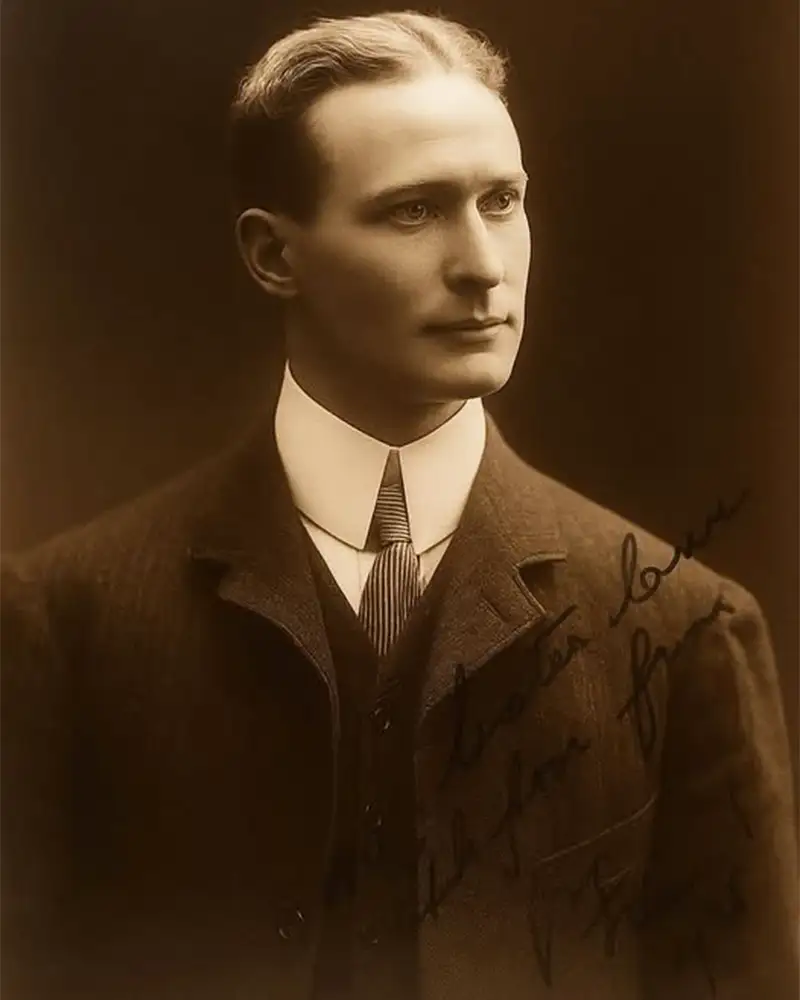
According to historians Guillermo Toro Lira and José Antonio Schiaffino, the story began with an American.
Victor V. Morris was born in Salt Lake City, Utah, in 1873. His journey brought him to Peru in 1903 to work for the Cerro de Pasco Railway Company, where he met his future wife, María Isabel Vargas, a native of Lima.
In search of a better life for their three children, the newly married couple moved to Lima in 1915.
 | 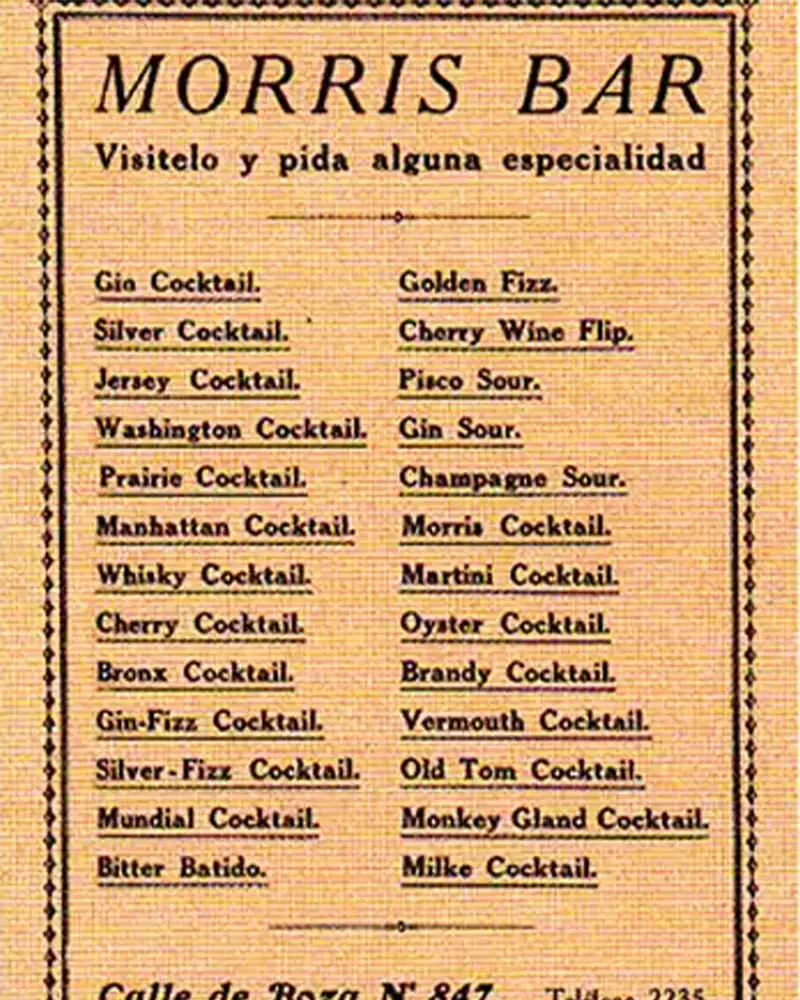 |
One year later, Victor opened the Morris Bar on the famous Jirón de la Unión. By 1920, he recognized that pisco, a fine grape spirit made by distilling freshly fermented grape must, could stand alongside internationally recognized spirits like whiskey and tequila. He then began experimenting by adding lime juice to pisco.
In the United States, cocktails made with lime or lemon juice were already known as sours, which include the Whiskey Sour.
Unfortunately, the Morris Bar closed in 1920, but the idea behind a new cocktail continued through Mario Bruguet, a former bartender at the establishment. He took this concept to his next workplace, the Hotel Maury, where he refined the recipe by adding egg white and Angostura bitters.
This Peruvian cocktail quickly became a favorite among both locals and international visitors. The rest is history.
National Pisco Sour Day
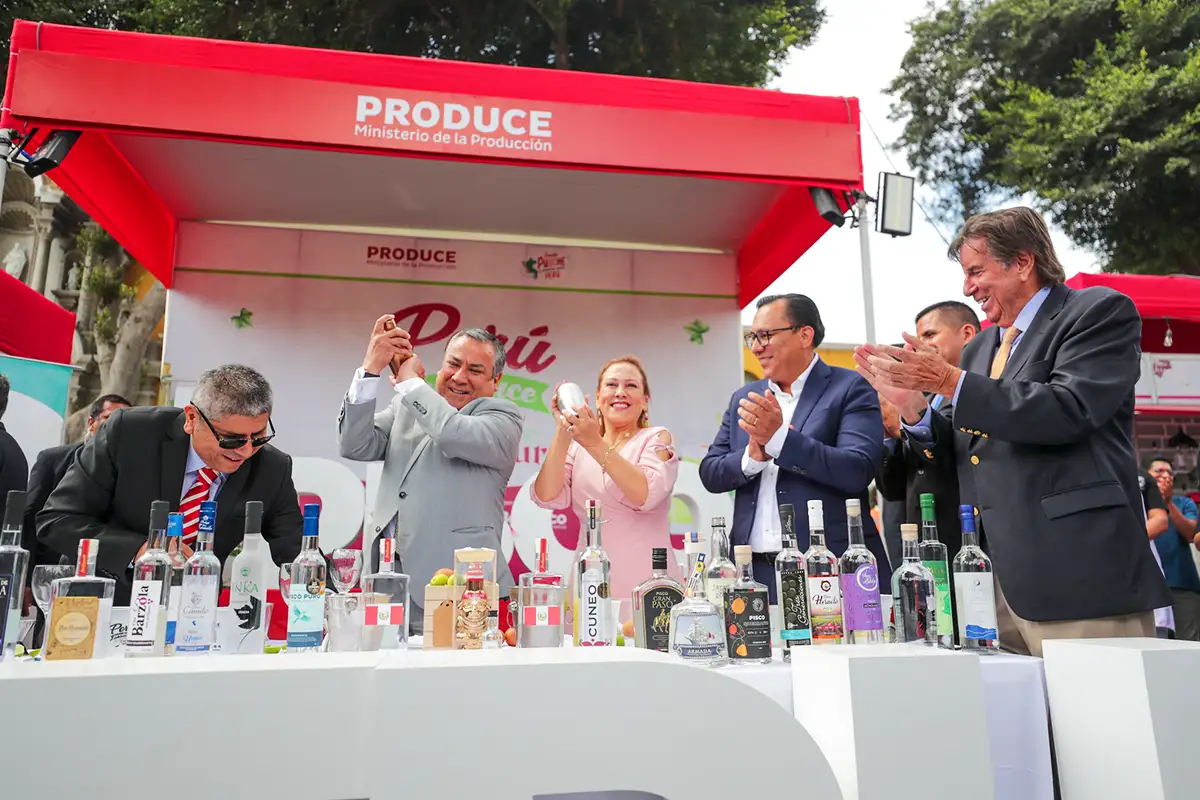
Peru, the birthplace of the iconic cocktail, celebrates National Pisco Sour Day on the first Saturday of February. On this day, cities across the country host festivals, cocktail-making classes, and tastings in their main squares. Although it is not a public holiday, both locals and visitors take the time to participate in these events and enjoy a delicious national drink of Peru; the Pisco Sour.
Where to enjoy a Good Pisco Sour in Cusco
The Pisco Sour is one of the most popular cocktails in the historic city of Cusco, and it's a must-try during your visit. Here are some recommended places where you can enjoy this delicious drink:
República del Pisco
- Best for: Parties and live music for dancing
- Address: 354 Plateros Street, Cusco Historic Center.
- Opening hours: Daily from 12:00 pm to 1:00 am
- Reservations: +51 987 773 204 / Recommended
República del Pisco is a popular spot in Cusco for enjoying a Pisco Sour. Their menu features a wide variety of pisco-based cocktails, including the classic Pisco Sour as well as innovative versions made with different fruits. The vibrant atmosphere is enhanced by live contemporary music.
Museo del Pisco
- Best for: Relaxed conversations and a quiet atmosphere
- Address: 398 Santa Catalina Ancha Street, Cusco Historic Center.
- Opening hours: Daily from 12:00 pm to 12:00 am
- Reservations: +51 990 997 996 / Recommended
Museo del Pisco is definitely worth a visit while you're in Cusco. Not only can you enjoy a delicious Pisco Sour, but you can also learn about the history of pisco and how it is produced in Peru. The venue offers a great selection of pisco sour cocktails, a warm atmosphere, live music, and tasty food. Booking ahead is a good idea, especially on weekends, as tables can fill up quickly.
Limbus Restobar
- Best for: Relaxed conversations and panoramic views of Cusco
- Address: 133 Pasñapakana Street, San Blas neighborhood.
- Opening hours: Daily from 12:00 pm to 1:00 am
- Reservations: +51 84 431282 / Recommended
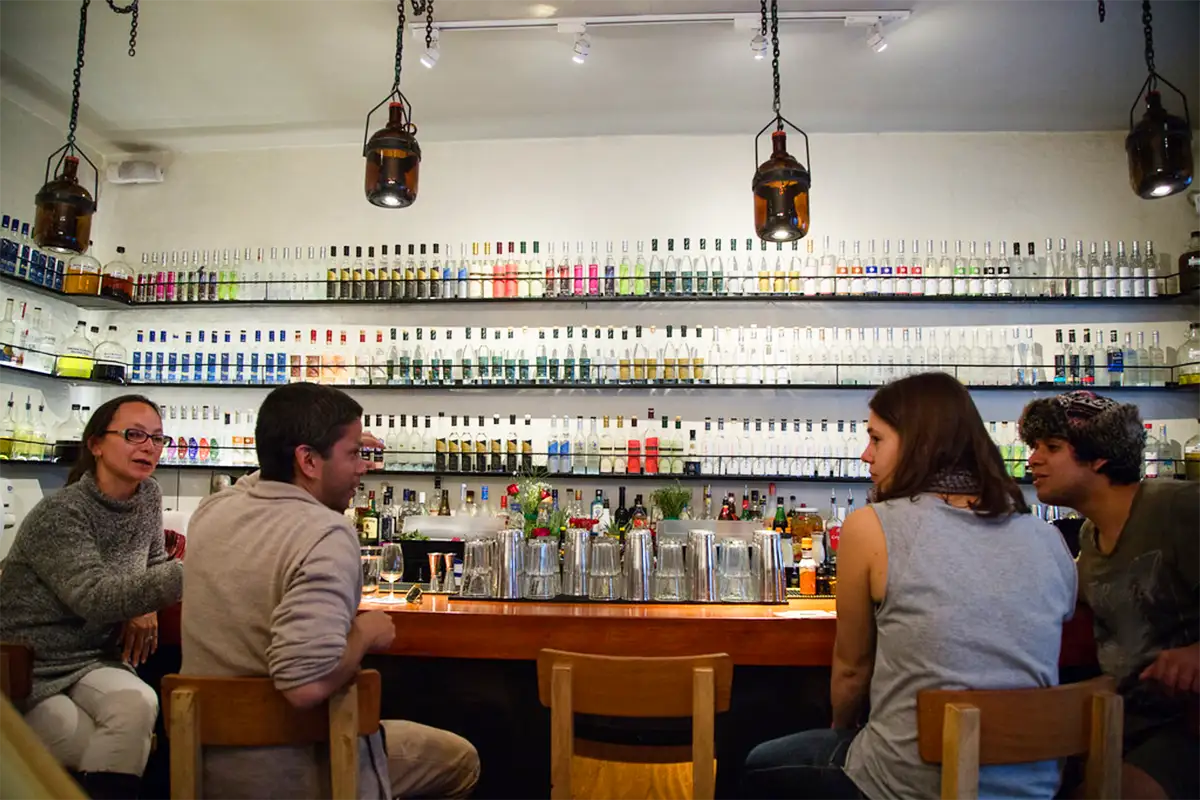
Limbus Restobar provides a vibrant atmosphere and stunning views of the city of Cusco. The menu includes delicious dishes and snacks made from regional ingredients and traditional flavors. Be sure to order a Pisco Sour and enjoy it while watching the sunset over the city.
Inka Grill Restaurant
- Best for: Relaxed conversations and pairing your drink with a meal
- Address: 115 Portal de Panes, Plaza de Armas, Cusco Historic Center.
- Opening hours: Daily from 8:00 am to 10:00 pm
- Reservations: +51 84 262992 / Recommended
If you are near Plaza de Armas of Cusco and are looking for a reliable dining option, Inka Grill is a well-established favorite. The restaurant is renowned for its grilled meats and other flavorful dishes, as well as the quality and consistency of its traditional Pisco Sour, which pairs perfectly with the menu.
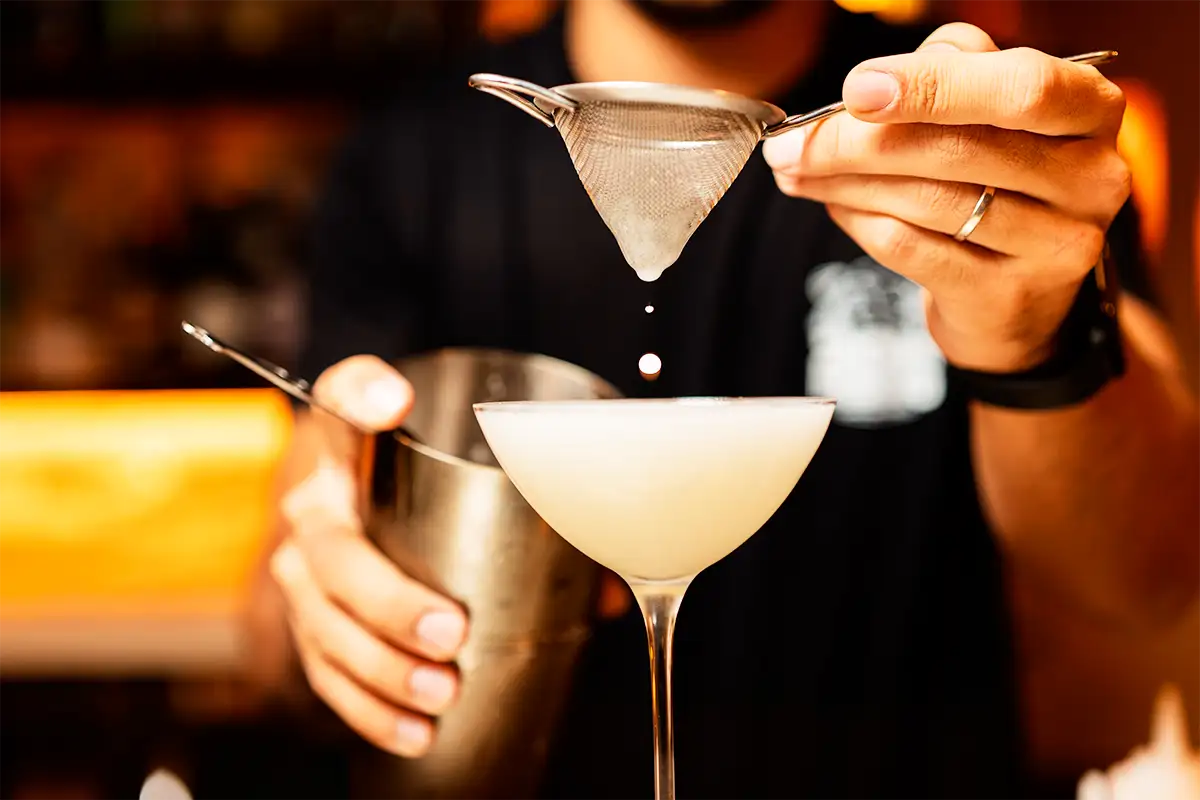
Making a good Pisco Sour doesn't require complicated mixology techniques, but it does call for fresh ingredients, precise measurements, and proper shaking. Use the pisco that best suits your taste and serve it immediately in a chilled glass to preserve its aroma, temperature, and foam.
During your trip through Peru, you'll discover how the recipe varies from bar to bar, region to region, and producer to producer. In Cusco, take your time to enjoy the experience, and remember to let your body acclimate to the altitude before drinking alcohol.
Pisco Sour FAQs
What does Pisco Sour taste like?
Pisco Sour is known for its refreshing, well-balanced sweet-and-tart flavor and smooth, frothy texture.
As you drink it, you may notice several layers of flavor and texture created by its different ingredients.
Can I use lime instead of lemon when making Pisco Sour?
No. Lemon is essential to this recipe. Lime may look similar, but it is larger and does not provide the same acidity or fresh citrus flavor.
Is it better to use a cocktail shaker or a blender?
A cocktail shaker gives you better control over aeration and helps the flavors blend evenly through hand-shaking. A blender is more practical when making several Pisco Sours because each batch only needs a brief blend with ice.
Why does my Pisco Sour have no foam?
The most common reasons are:
- Forgetting to add the egg white
- Not shaking the cocktail long enough
- Using too little egg white
- Using a cocktail shaker or blender with traces of grease.
If you are using a cocktail shaker, shake the ingredients without ice for 10 to 15 seconds. Then add the ice and shake again.
Is pisco Peruvian or Chilean?
This question has long been debated between Peru and Chile because both countries produce a grape spirit called pisco and consider it part of their heritage. However, historical evidence points to Peru as its birthplace, where it was first distilled in the 16th century. Chile also produces its own version, but Peruvian pisco has earned international recognition for its purity, quality, and tightly regulated distillation process.

Add new comment