



Muña is closely tied to everyday life in the Andes, where local plants continue to play an important role in food, customs, and traditional knowledge. Learning about this herb also offers a better understanding of how Andean communities have used and valued native plants across generations.
What is Muña?
Muña (Minthostachys mollis) is a fragrant native Andean herb commonly known as Andean mint or Inca mint. As a member of the Lamiaceae family, it has a fresh, herbal flavor profile similar to many other mint species.
What does Muña Mean?
Muña is a Quechua name for this South American mint. While it doesn't have an exact English translation, it is known by several other names across the Andean region, including peperina, pelo de Quito, and tifo.
What Does the Muña Mint Look Like?
In its natural environment, the muña plant grows as a small shrub that can reach around 1 meter or 39.37 inches. It has many thin branches covered with small leaves that grow opposite each other along the stems. Depending on the season, the plant may also produce diminutive pale flowers.
Where Can You Find Muña Mint?
Muña is commonly sold in traditional markets and widely used throughout the high-altitude regions of the Andes in Peru, Bolivia, Colombia, Ecuador, Argentina, and Venezuela. This aromatic plant grows mainly at elevations between 2,700 m (8,850 ft) and 3,400 m (11,150 ft).
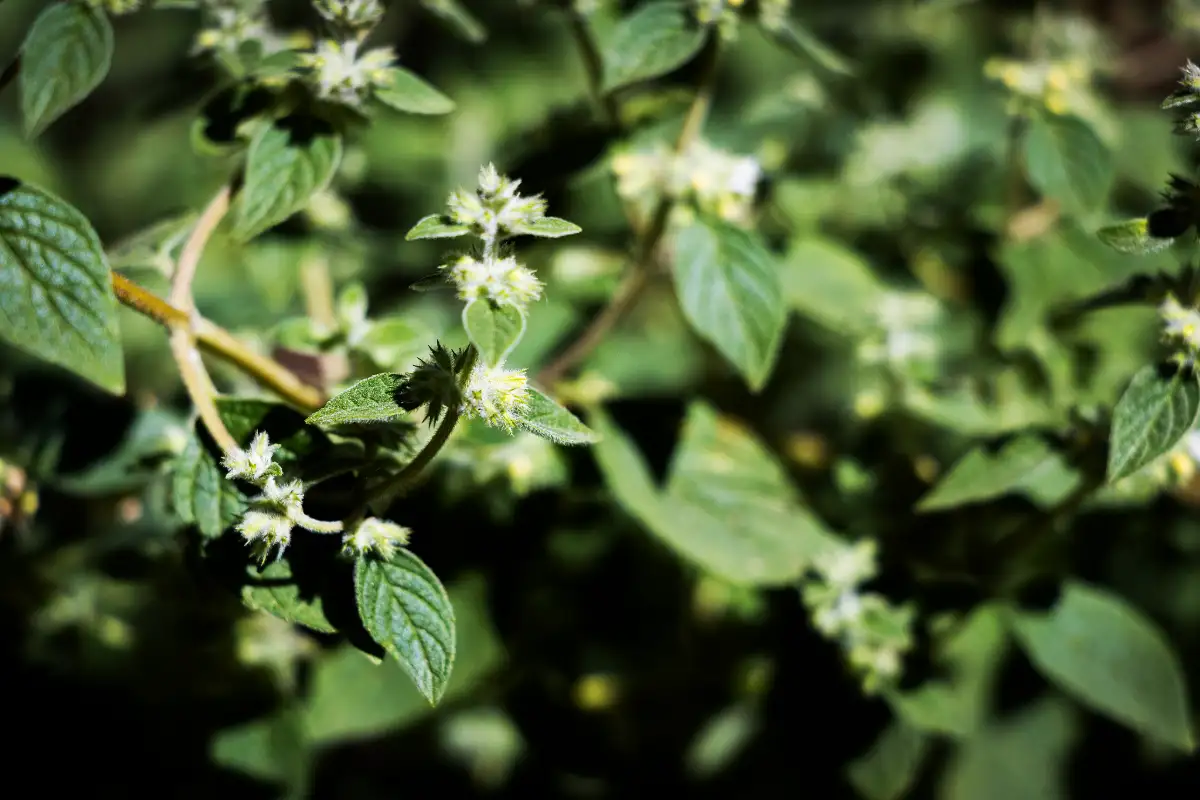
Andean Muña Uses
The Inca mint Muña, contains essential oils and aromatic compounds such as monoterpenes, pulegone, menthone, and limonene. The concentration of these compounds can vary depending on where the plant grows and the environmental conditions, especially because muña is often found growing wild in the Andes.
Medicinal Uses of Muña Mint
Muña’s main reported properties include antioxidant, antimicrobial, antifungal, digestive, and antispasmodic effects. For generations, Andean communities have also used the plant in herbal infusions as part of traditional remedies.
Nutritional Benefits of Andean Mint Muña
Muña is a good source of several minerals. According to the National Center for Food and Nutrition of Peru, 100 g of dried muña contains approximately 2,237 mg of calcium, 269 mg of phosphorus, and 22.4 mg of iron.
Muña is relatively high in calcium by weight compared with fresh cow’s milk, although a typical serving of muña is much smaller.
In practice, a cup of muña tea is prepared with only a small quantity of leaves. If you use around 3 g of dried muña, that portion contains roughly 67 mg of calcium, 8 mg of phosphorus, and 0.7 mg of iron before the leaves are infused in water.
Is Muña Safe?: Muña Side Effects
Warning: Muña contains essential oils such as eucalyptol. Consuming large amounts or concentrated extracts may pose health risks, so muña should be used in moderation.It is not recommended during pregnancy or breastfeeding, or for infants.
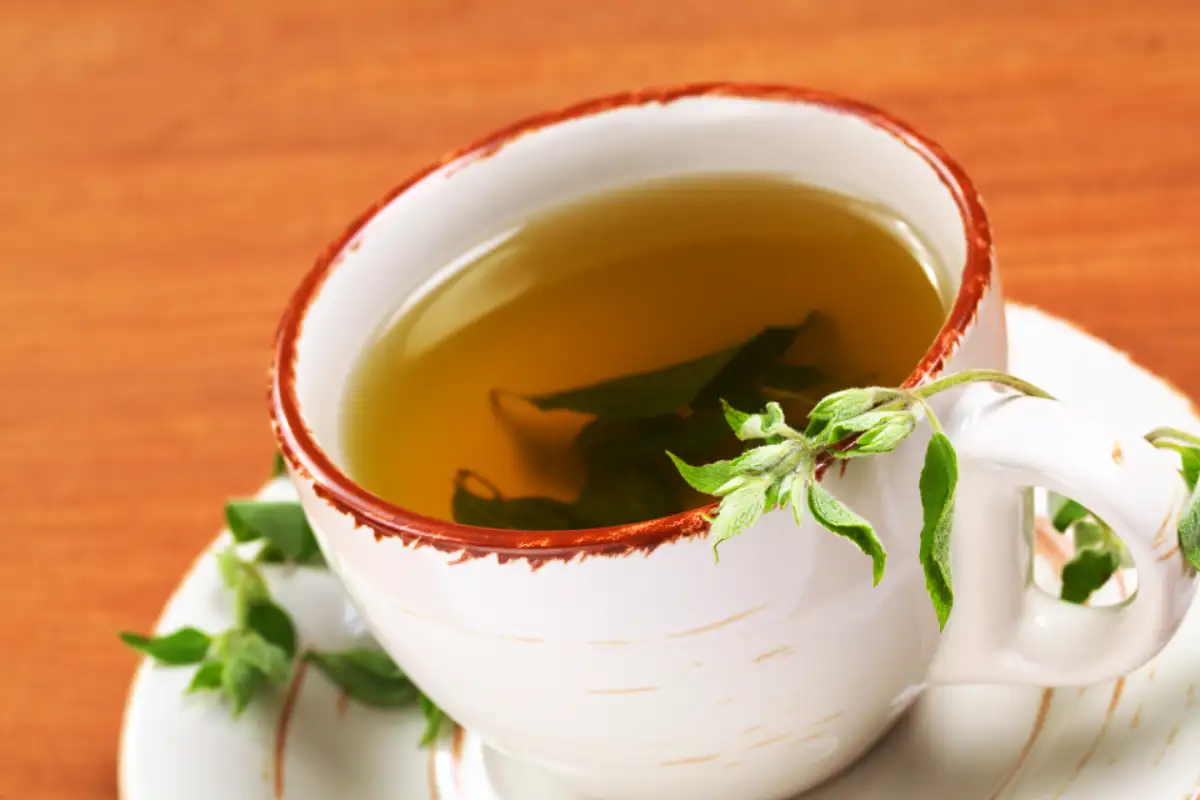
Muña Mint and Altitude Sickness
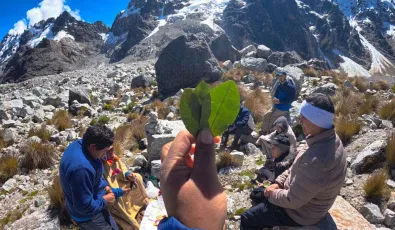
During hikes in the Andes or trips to high-altitude regions such as Cusco, Puno, and Ayacucho, travelers may drink muña tea or inhale its aromatic steam as a traditional way to feel more comfortable at altitude. It is commonly used alongside other Andean practices such as drinking coca tea or chewing coca leaves.
Muña is especially valued for its traditional digestive uses. During the first days at high altitude, changes in routine, food, and acclimatization can sometimes cause digestive discomfort. A warm cup of muña tea is traditionally consumed to help ease indigestion, stomach cramps, headache, and nausea.
However, muña mint should not be considered a substitute for proper acclimatization or medical treatment when symptoms of altitude sickness are severe or persistent.

Muña Tea: How to Prepare It
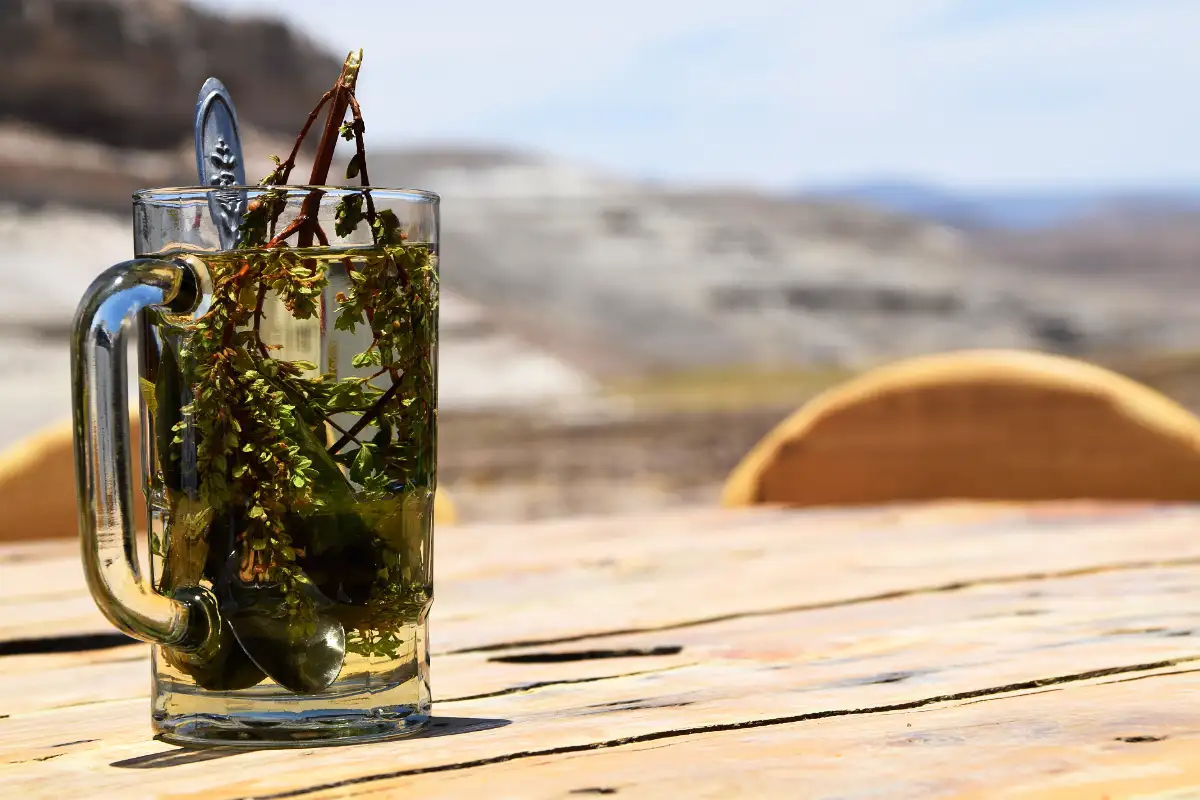
Muña tea, in Spanish mate or té de muña, is one of the most common ways to enjoy this Andean herb. It can be prepared with either fresh or dried leaves, as long as they are clean and in good condition.
For one cup, place about five or six fresh muña leaves in a mug, add freshly boiled water, and let them steep for a few minutes. Then remove the leaves and serve the tea hot. You can drink it on its own or add a small amount of honey, sugar or panela, although it is also traditionally enjoyed without sweetener.
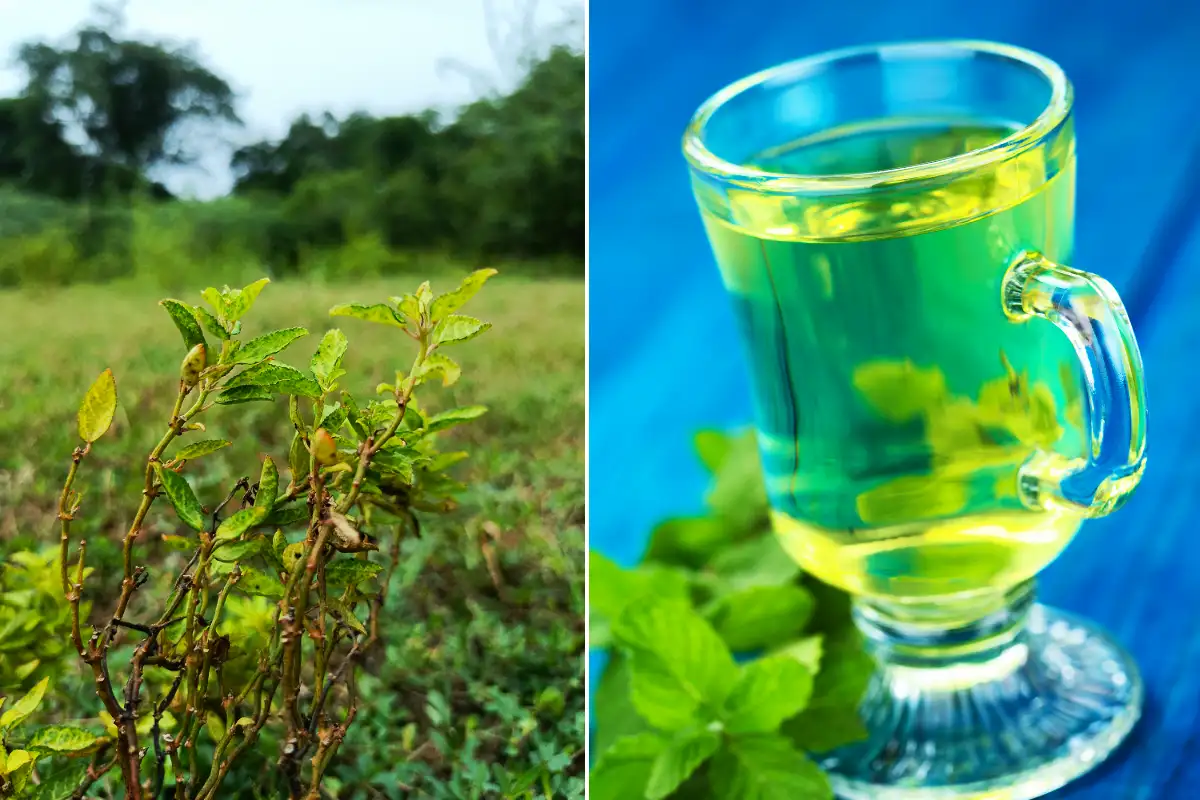
Muña Tea versus Coca Tea
Both herb infusions are part of everyday traditions in the Andes of Peru and are commonly consumed in high-altitude regions such as Cusco and Puno. However, they come from different plants, and their traditional uses are not exactly the same.
| Muña tea | Coca tea | |
| Scientific name | Minthostachys mollis | Erythroxylum coca |
| Flavor and aroma | Fresh, strong, and minty | Herbal, earthy, and slightly bitter |
| Traditional use | Mainly associated with digestion and stomach discomfort | Traditionally connected with adaptation and well-being at high altitudes |
| Use at high altitude | Traditionally consumed for certain discomforts associated with altitude | Deeply connected with high-altitude culture and traditionally used as a remedy for altitude-related discomfort. |
| How it is consumed | Fresh or dried leaves can be prepared as an infusion or used in more elaborate herbal tisanes. | Coca leaves can be prepared as an infusion or chewed traditionally. |
Therefore, it is not a matter of deciding which tea is “better.” Muña is more commonly associated with digestion and its refreshing, minty aroma, while coca has a much stronger sociocultural and mystical connection with Andean People.
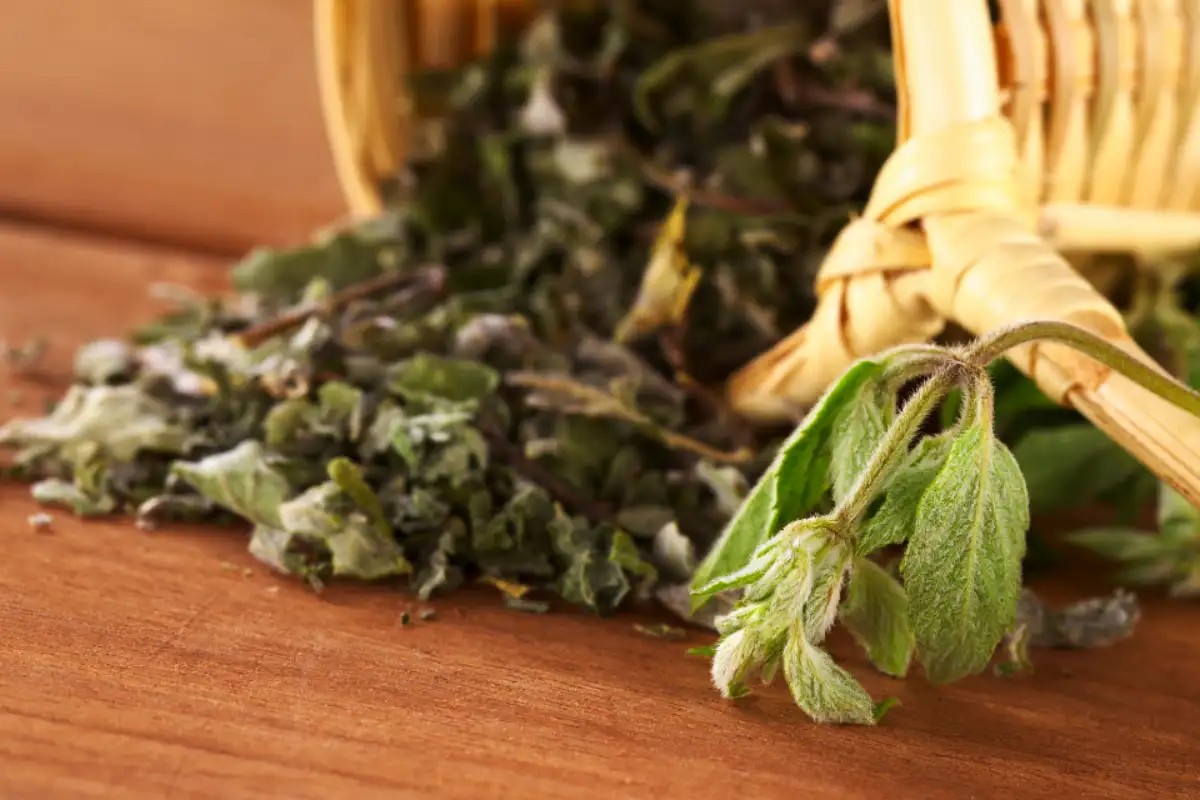
History of Muña in the Andes
Muña was valued by early Andean cultures for its practical applications and benefits.
During the Inca period, it was valued as a digestive herb and was also used to help protect stored food from insects. Over time, muña became an important ingredient in traditional Peruvian cooking, especially in Andean dishes and herbal infusions.
Today, muña continues to be used in Peruvian cuisine for its fresh, aromatic flavor. It can be found in savory dishes, desserts, and herbal tisanes. Muña is also used in fragrances and topical balms, while pharmaceutical and scientific research continues to study its aromatic and bioactive compounds.
Muña in Peruvian Cuisine
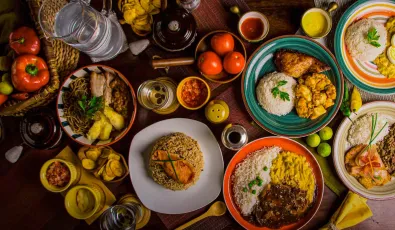
Besides being enjoyed as an infusion, muña is also used as an aromatic herb in a variety of traditional Andean dishes. Its fresh flavor and strong aroma pair well with many ingredients commonly found in the Peruvian highlands.
Muña in Pachamanca
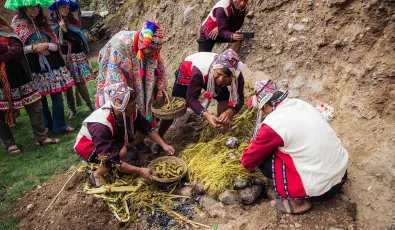
Pachamanca is a traditional dish in which meat, potatoes, fava beans, and other ingredients are cooked underground using stones that have been heated beforehand. Aromatic herbs play an essential role in adding flavor and fragrance, although the combination varies from one region to another.
Muña may be included in these herb mixtures alongside chincho, huacatay, and cilantro. During the cooking process, its leaves give the ingredients prepared inside the earth oven a distinctive Andean aroma.
Other Culinary Uses
In different parts of the Andes, muña is added to soups, broths, creamy stews, and other traditional Peruvian dishes. It is also used as an aromatic herb for seasoning meat and ingredients from the highlands.
Some regions have their own distinctive recipes. In Tarma, for example, muña is used in shihuayro, a preparation made with herbs, toasted corn, chili pepper, and salt. In other areas, it may also be found in liqueurs, beverages, and handmade ice creams.
Muña in the Andes
Muña is still found across different landscapes and communities in the Peruvian Andes. For travelers, seeing this plant also offers a closer look at a species that remains part of local traditions and the biodiversity of the mountain regions.
Muña in Cusco
In Cusco, muña is one of the region’s traditional plants and is still commonly found in markets, homes, and rural communities. It is mainly used in herbal teas and homemade preparations, maintaining a close connection with local cuisine and knowledge passed down through generations.
Muña during treks
During some treks through the Andes of Cusco, you may find wild muña growing along the trail, depending on the altitude, season, and local ecosystem. At TreXperience, our guides can recognize this and other Andean plants during the trek and, when they appear along the route, explain how to identify them and how local communities have traditionally used them.

Muña Mint FAQs
Is Muña Mint a Drug?
No. Muña mint, its leaves, and traditional preparations are not drugs or controlled substances. The confusion may come from coca leaves, another well-known Andean plant that can be processed to produce cocaine.
Is Muña Tea Legal in the United States?
Muña tea is not classified as a federally controlled substance in the United States. However, bringing dried herbs, seeds, or other plant products into the country may be subject to U.S. agricultural and customs regulations. Commercially packaged muña tea should therefore meet current import requirements.
Muña Mint versus Common Mint: What Is the Difference?
Muña and common mint are related, but they are not the same plant. Both belong to the Lamiaceae, or mint family. Muña belongs to the genus Minthostachys, while common mints belong to Mentha. Muña is native to the Andes and has a strong, fresh, mint-like aroma that distinguishes it from common mint varieties.
Does Muña Have Caffeine?
No. Pure muña does not contain caffeine. However, some commercial tea blends may contain caffeine if muña is combined with black tea, green tea, or other caffeinated ingredients.
What Is Muña Called in English?
In English, muña is commonly called Andean mint, Inca mint, or Peruvian mint, and it may also be described as a South American mint. Its scientific name is Minthostachys mollis.
For English speakers, muña is pronounced approximately “moo-nyah.”

Add new comment