



The salt mines of Maras are one of the most unique landscapes in the Sacred Valley. From a distance, their hundreds of white salt ponds look like a beautiful painting on the mountainside. But behind this view, there is a much deeper tradition: salty water that rises from the earth, local families who produce salt by hand, and a history that continues to live on near Cusco.
This site is one of the most visited places in the Sacred Valley and is often combined with Moray, Chinchero, or ATV tours. Located in Maras Peru, it is also one of the best-known Peruvian salt mines. If you are planning your trip from Cusco, this guide will help you organize your visit in the best way.
What Are the Maras Salt Mines?
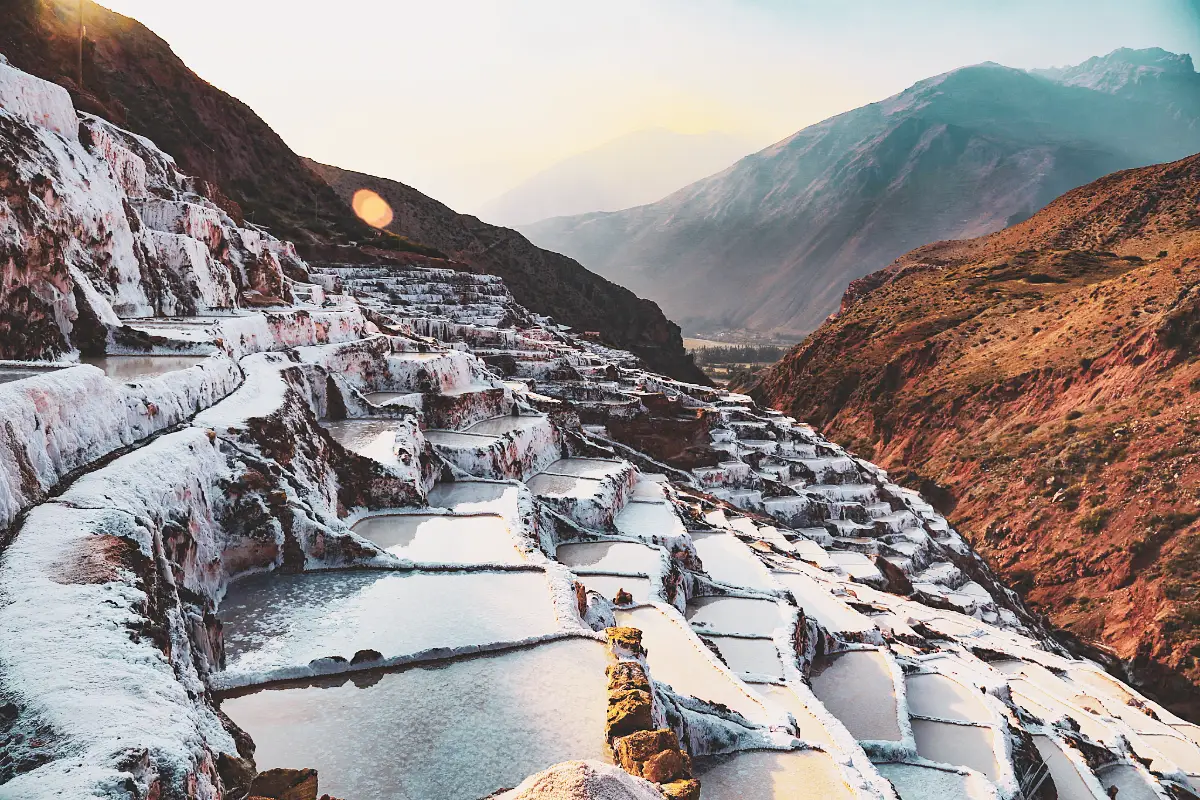
The Maras Salt Mines are a group of salt ponds set on natural terraces in the Sacred Valley. This landscape stands out for its cultural value, ancestral tradition, and importance as a tourist attraction in Cusco.
Salt production in Maras still follows traditional methods connected to the communities of Maras and Pichingoto, where the work and knowledge have been passed down from parents to children.
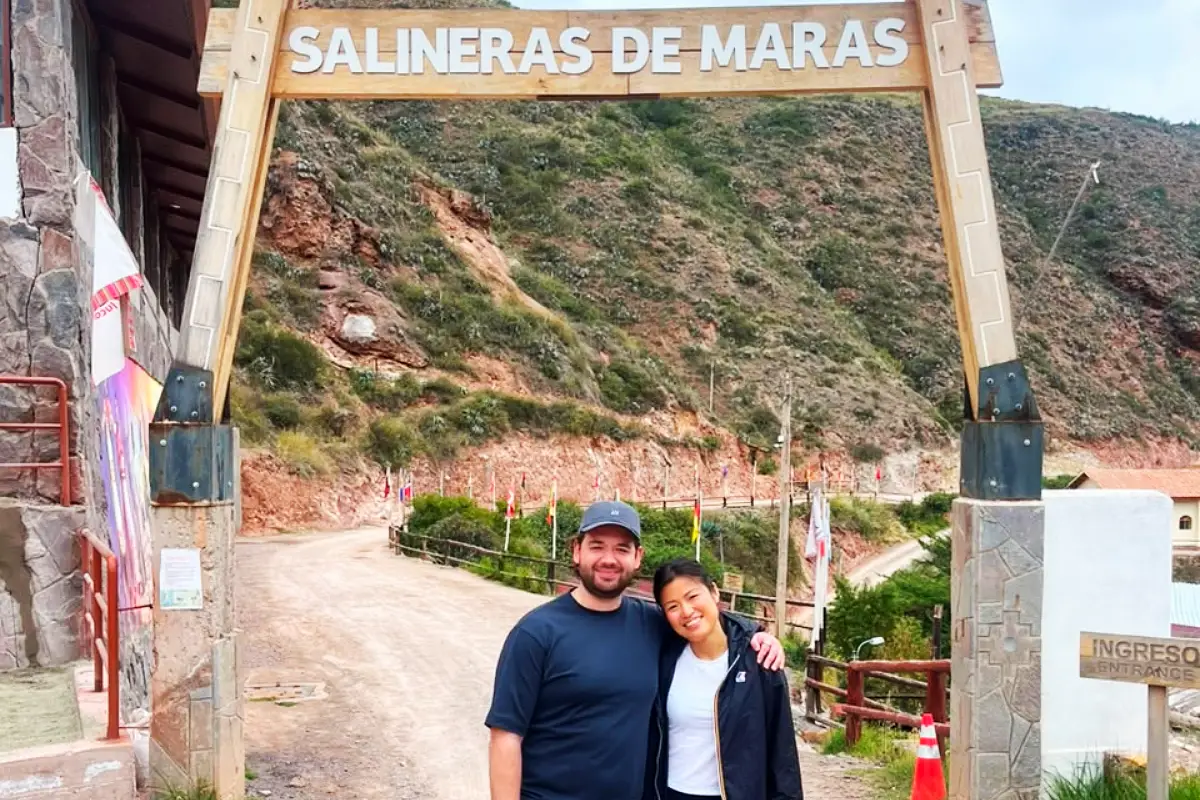
Quick Facts About the Maras Salt Mines
If you are planning your visit from Cusco, these quick facts will help you understand the site before you arrive.
| Fact | Information |
| Name of the attraction | Maras Salt Mines or Salinas de Maras |
| Location | Maras District, Urubamba Province, Cusco |
| Tourist area | Sacred Valley of the Incas |
| Approximate altitude | Between 3,000 and 3,200 meters above sea level |
| Distance from Cusco | Approximately 40 to 50 km |
| Travel time from Cusco | Between 1 hour and 1 hour 30 minutes by car |
| Recommended visit time | 30 minutes to 1 hour |
| Type of attraction | Cultural landscape, salt production center, and tourist attraction |
| Best for | Photography, culture, history, nature, and family trips |
| Best time to visit | Dry season, especially from April to October |
| Entrance fee | Paid separately, not included in the Cusco Tourist Ticket |
| Administration | Marasal and the District Municipality of Maras |
Where Are the Maras Salt Mines Located?
The Maras Salt Mines are located in the district of Maras, province of Urubamba, in the Cusco region. They are part of the Sacred Valley of the Incas and sit in a ravine near the town of Maras, not far from the archaeological site of Moray.
The most common route goes along the road toward Chinchero and then continues to Maras. From the town, a side road leads down to the salt mines. Their location makes it easy to combine them with Moray, Chinchero, Urubamba, and Ollantaytambo.
Maras Salt Mines Prices, Tickets, and Opening Hours
Entrance to the Maras Salt Mines is paid separately. It is not included in the Cusco Tourist Ticket, since that ticket covers other archaeological and cultural attractions such as Moray, Chinchero, Pisac, and Ollantaytambo, but not the salt mines.
How Much Is the Entrance Fee to the Maras Salt Mines?
| Entrance to the Maras Salt Mines | Reference price |
| Peruvian visitors | S/ 15 |
| Foreign visitors | S/ 20 |
| Cusco Tourist Ticket | Not included |
Visiting Hours
The most commonly cited visiting hours for the Maras Salt Mines are from 8:00 am to 5:00 pm. However, opening hours may change depending on the season, maintenance, weather, or local administration decisions, so it is always a good idea to check before you travel.
For the best experience, visit the Maras Salt Mines in the morning or during the early afternoon. In the morning, the light is usually better for photos and the temperature is more comfortable. In the afternoon, the landscape can also look beautiful, especially when the light begins to fall over the mountains of the Sacred Valley.
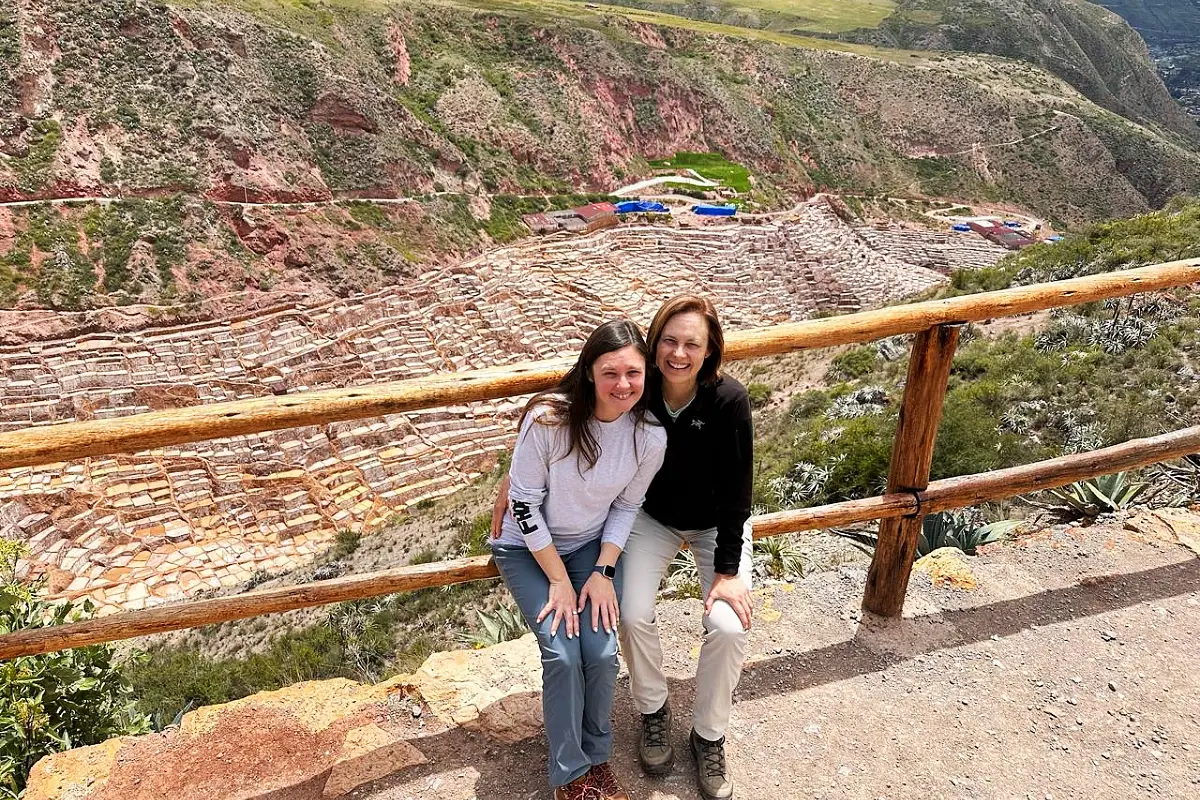
How to Get to the Maras Salt Mines
Getting to the Maras Salt Mines is easy, and you can visit from Cusco or from the Sacred Valley, depending on where you are starting from. This attraction is located just a few kilometers from the town of Maras and is often visited together with Moray, Chinchero, and/or Urubamba on the same tourist route.
- From Cusco, the trip takes between 1 hour and 1 hour 30 minutes by car. The most common route goes through Chinchero toward the district of Maras, where you take a side road to the salt mines. You can also get there with a tour or by private taxi.
- From Urubamba, the trip takes around 30 to 40 minutes. From Ollantaytambo, it takes between 40 and 50 minutes. This is a quick option if you are already in the Sacred Valley.
- Can you visit on your own? Yes. You can travel independently by taking transport toward Maras or Urubamba and then a local taxi to the entrance. It is recommended to bring cash and arrange your return in advance.
Tours That Include the Maras Salt Mines
The Maras Salt Mines are part of different experiences in the Sacred Valley of the Incas, from half-day cultural routes to more complete full-day tours. These itineraries combine history, Andean landscapes, and archaeological sites such as Moray, Chinchero, and other important places in the valley.
Half-Day Maras, Moray, and Chinchero Tour
This is one of the most complete tours for exploring the Sacred Valley in a short time. It includes a visit to Chinchero, where you can see a traditional textile center, followed by Moray with its circular Inca terraces, and finally the Maras Salt Mines, one of the most impressive landscapes in the region.
It is ideal for travelers looking for an organized cultural experience from Cusco, with coordinated transport, a specialized guide, and a well-planned route to make the most of the day.
Good to know
Do not miss the chance to explore the Half-Day Maras, Moray, and Chinchero Tour, one of the best ways to discover the Sacred Valley in just a few hours.
Sacred Valley VIP Tour with Maras and Moray
This tour offers a more complete and comfortable experience in the Sacred Valley. It includes several of the main attractions, such as Chinchero, Moray, the Maras Salt Mines, and other important places like Urubamba and Ollantaytambo, depending on the itinerary.
It is designed for travelers who want to enjoy the valley with more time, greater comfort, and a deeper look at its history, culture, and Andean landscapes.
Good to know
A great option if you want to see a lot in one day without feeling rushed. This Sacred Valley VIP Tour with Maras and Moray is a very good way to enjoy the route at your own pace.
ATV Tour to Maras and Moray
This option combines adventure and Andean landscapes in a fun and active experience. The ATV route crosses rural roads in the Sacred Valley, passing natural viewpoints, agricultural fields, and areas near Moray and Maras.
A Maras salt mines tour by ATV is a good choice for travelers who want something more dynamic while still enjoying the scenery and culture of the area.
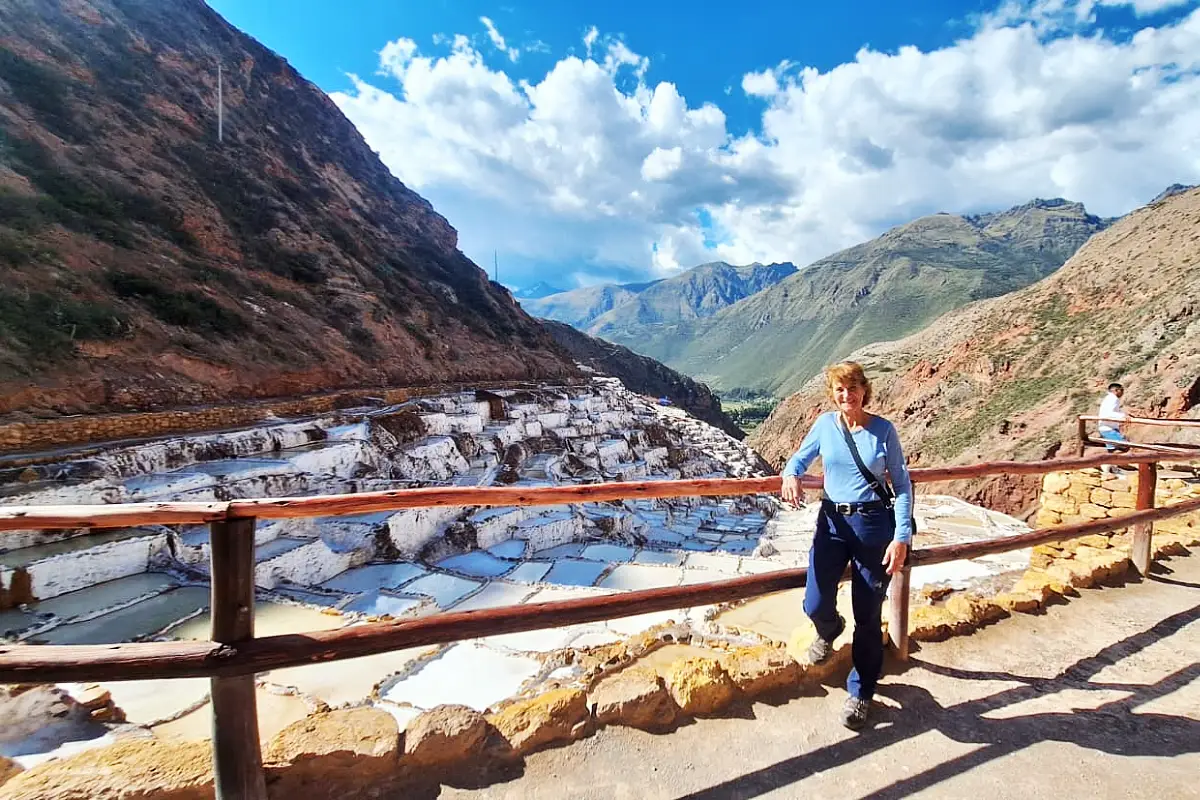
What to Bring to Visit the Maras Salt Mines
- Comfortable shoes to walk more easily.
- Sunscreen to potect your skin from the sun.
- A cap or hat for shade during the visit.
- Sunglasses to reduce the glare from the salt ponds.
- Water to stay hydrated.
- A light jacket in case the weather changes.
- Cash for the entrance fee or local purchases.
- A camera or phone with enough battery for photos.
Tips for Visiting the Maras Salt Mines
- Visit the salt mines early if you want better light for photos and fewer visitors.
- Respect the permitted areas and avoid entering the ponds if it is not allowed, as they are work and production spaces.
- Walk carefully because some areas may have uneven ground, loose dirt, or slippery surfaces.
- Bring cash in soles, since it is not always safe to rely on card payments or apps.
- Combine your visit with Moray if you want to make better use of the day, as both attractions are close to each other.
- Check in advance whether the entrance fee is included in your tour, because some agencies include it and others charge it separately.
- Avoid touching the salt or the water in the ponds to help protect the production process.
- Buy local products if you want to take home a souvenir and support the economy of the families of Maras.
- Do not stop at just taking a photo. Take time to observe the channels, ponds, and local work to better understand the value of the place.
Origin of the Maras Salt Mines
The origin of the Maras Salt Mines is linked to a salty spring that flows from the mountain and has been used by local communities since ancient times. During the Inca period, salt played an important role in food, exchange, and food preservation.
Over time, this knowledge stayed alive thanks to the families of Maras, who continue to work with this resource in a traditional way.
How Is Maras Salt Formed?
Maras salt forms from salty water that contains natural minerals and flows into the ponds built along the mountainside. Once inside, the water is exposed to the sun and the dry climate of the Sacred Valley, which causes it to slowly evaporate. This natural process allows the minerals to concentrate and form salt crystals, which are later collected by hand.
The Legend of Ayar Cachi
According to Andean tradition, the origin of this spring is also connected to the legend of Ayar Cachi, who is said to have been trapped inside a mountain. His presence, or his tears, is believed to have created the salty water that feeds the salt mines. This story is part of the cultural memory of the local communities and adds another layer to the natural explanation of the place.
How Do the Salt Ponds Work?
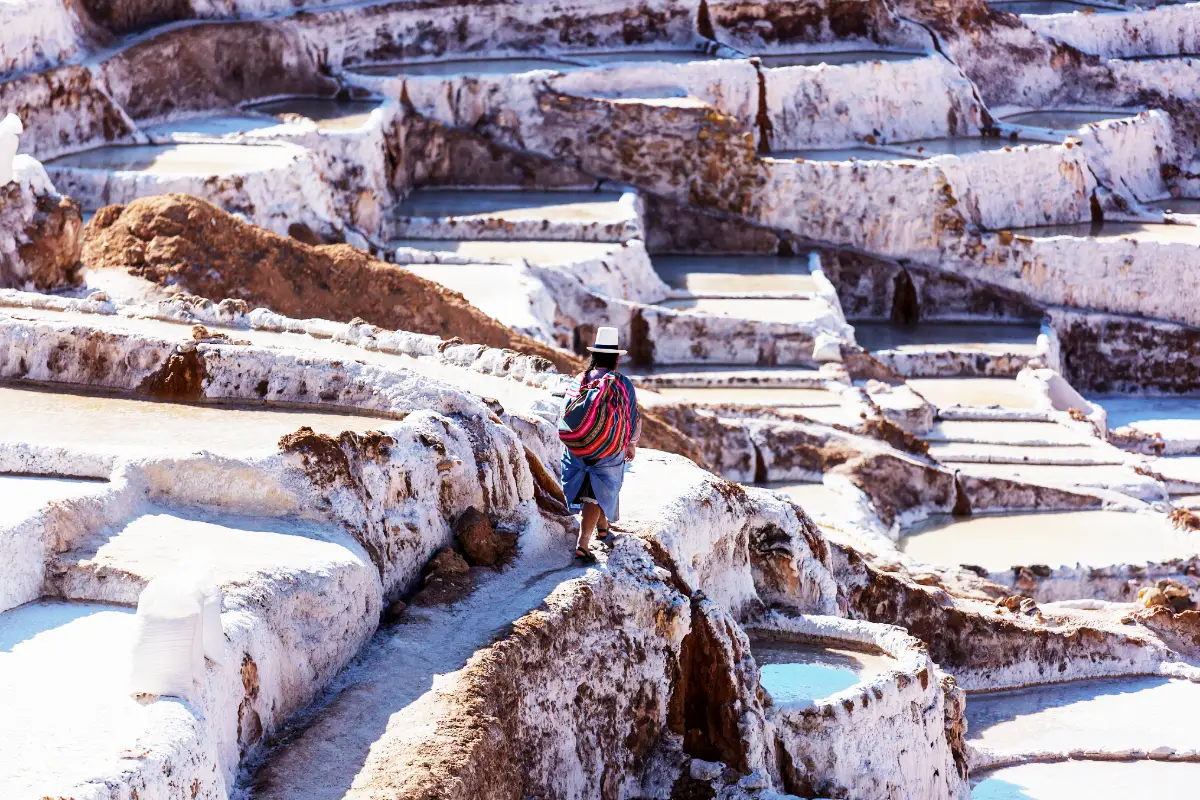
The salt ponds of Maras work through a traditional system of water distribution, evaporation, and harvesting. This process requires experience and constant care, since each pond must receive the right amount of water and be kept clean to produce good-quality salt.
The work is done by hand and follows the rhythm of the weather. On sunny, dry days, the minerals concentrate more easily. During the rainy season, however, the process can be slower and the color of the ponds may change.
The Channel System
The salty water is carried from the spring to the ponds through small channels built along the mountainside. These channels use the natural slope of the land, so the water moves by gravity without the need for machinery.
The distribution must be done carefully so that each pond receives the amount of water it needs. This process shows the local knowledge of the land and the organization of the families who work in the salt mines.
Natural Evaporation and Salt Harvesting
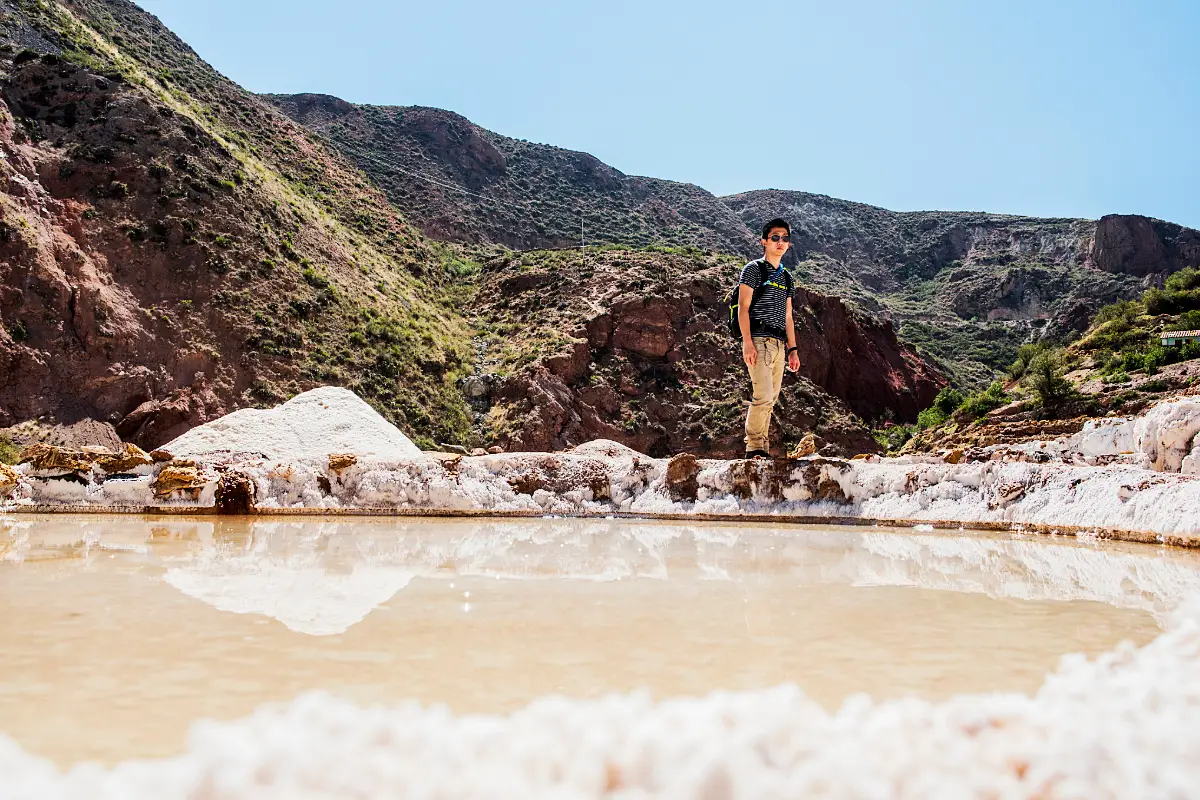
When a pond is filled, the water rests there for several days. With the heat of the sun and the action of the wind, the liquid evaporates until a layer of crystallized salt remains on the surface and at the bottom.
Then, the salt is collected by hand. Its quality depends on the drying time, the cleanliness of the pond, and the weather conditions. For this reason, the salt can have different shades, textures, and uses.
Family Work in the Ponds
The ponds are workspaces for many families in Maras. Each family helps care for and maintain the ponds, keeping alive a practice that has been passed down from generation to generation.
Thanks to this family work, the Maras Salt Mines are still active today. Visitors are not looking at a place frozen in the past, but at a living landscape where tradition continues to be part of the local economy and identity.
Maras Salt and Its Cultural Value
Maras salt has a value that goes beyond its use in the kitchen. It represents an ancient relationship between the community, the mountain, and the water. For centuries, this resource was important for food, trade, and daily life in Andean communities. Today, the Maras Salt Mines remain a symbol of local identity.
Marasal and Local Organization
Marasal is the local organization connected to the production, administration, and sale of salt from Maras. Its work helps organize salt production, protect the ponds, and create a better relationship between traditional production and tourism.
Thanks to this organization, Maras salt can reach different markets while keeping its connection with the producing families. It also helps visitors understand that behind every package of salt, there is a chain of local work and a tradition that deserves to be protected.
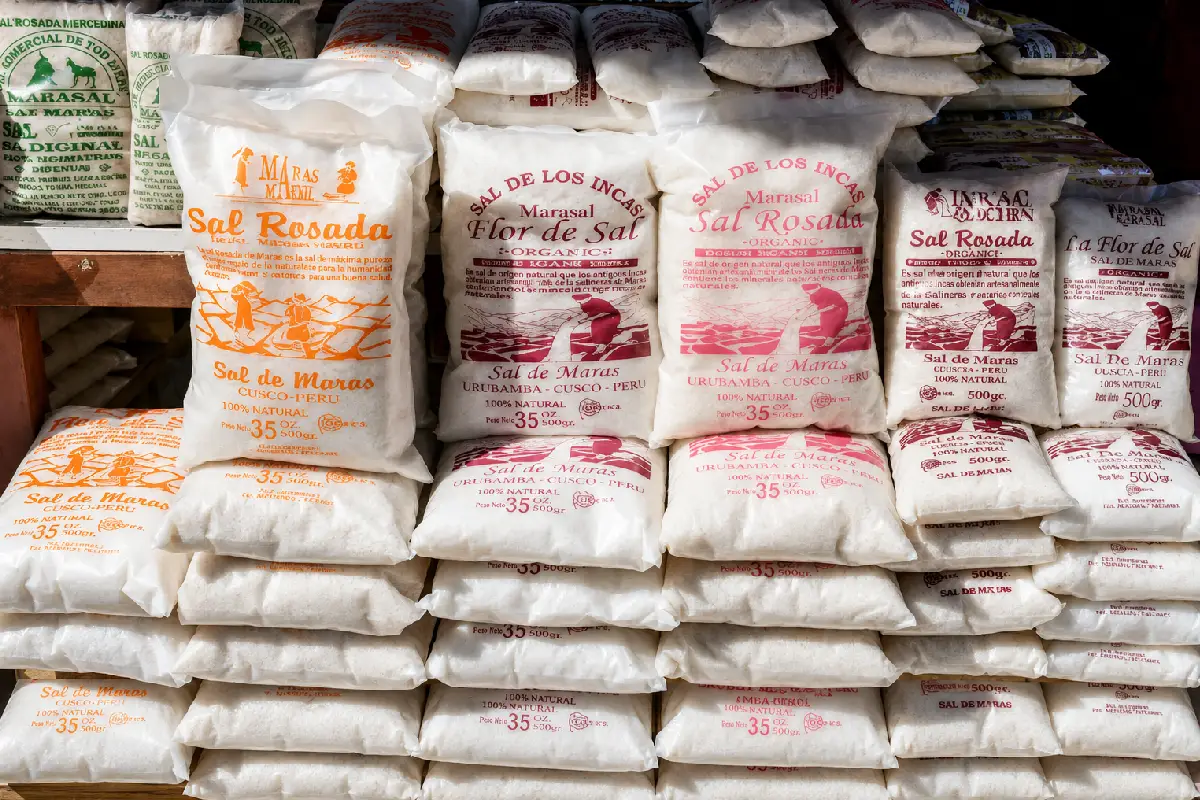
Types of Salt Produced in Maras
- Pink salt from Maras is the most representative type and one of the most popular among visitors. Its color can vary between pink, cream, or beige, depending on the minerals in the salty water and the natural evaporation process. It is mainly used in cooking and is also sold as a local handmade product.
- White salt has a clearer, cleaner, and more uniform appearance. It is obtained when the crystals go through a good drying and selection process. It can be used for consumption, as long as it has been properly cleaned and prepared for that purpose.
- Lower-grade salt is salt with darker tones, a less uniform texture, or a higher presence of natural impurities. It is not always used for direct consumption, but it can be used for other purposes or in less refined presentations.
Frequently Asked Questions About the Maras Salt Mines
Why can visitors no longer walk among the ponds?
Direct access to the ponds was restricted to protect salt production and avoid contamination. Today, visits are made from viewpoints and authorized paths, which allow travelers to enjoy the landscape without affecting the work of the salt-producing families.
Is Maras salt natural?
Yes. Maras salt is obtained naturally from salty water that flows from an underground spring. Then, the sun and wind help evaporate the water until the salt crystallizes in the ponds.
What is the difference between Maras salt and regular salt?
Maras salt is produced by hand and comes from a salty spring in the Andes. Regular salt usually goes through more industrial processes. Maras salt is also valued for its origin, texture, color, and connection to a local tradition.
Can you buy Maras salt at the site?
Yes. You can usually buy Maras salt and related products at nearby sales points or local shops. It is a good way to support the families and associations connected to salt production.
Are the Maras Salt Mines suitable for children and older adults?
Yes. The visit is usually accessible because it does not require a demanding walk if you arrive by transport to the authorized area. Even so, it is best to walk carefully, as some paths may have loose dirt or uneven ground.
Can the Maras Salt Mines be visited all year round?
Yes. They can be visited throughout the year. During the dry season, the landscape usually looks clearer and salt production is more active. During the rainy season, the surroundings may look greener, but the drying process is slower.
Why are the salt mines on a mountainside?
The ponds are arranged on a mountainside because the salty water flows down by gravity from the spring and is distributed through small channels. This layout makes it possible to feed many ponds in an organized way and make better use of the land.
Who manages the Maras Salt Mines?
The salt mines are connected to local families and organizations that maintain production, care for the site, and handle the sale of the salt. This strengthens their community and cultural character.


Add new comment